Tag Archives: Charles Olsen

Poetry Shelf celebrates Te Pūrere The Exodus with eleven readings

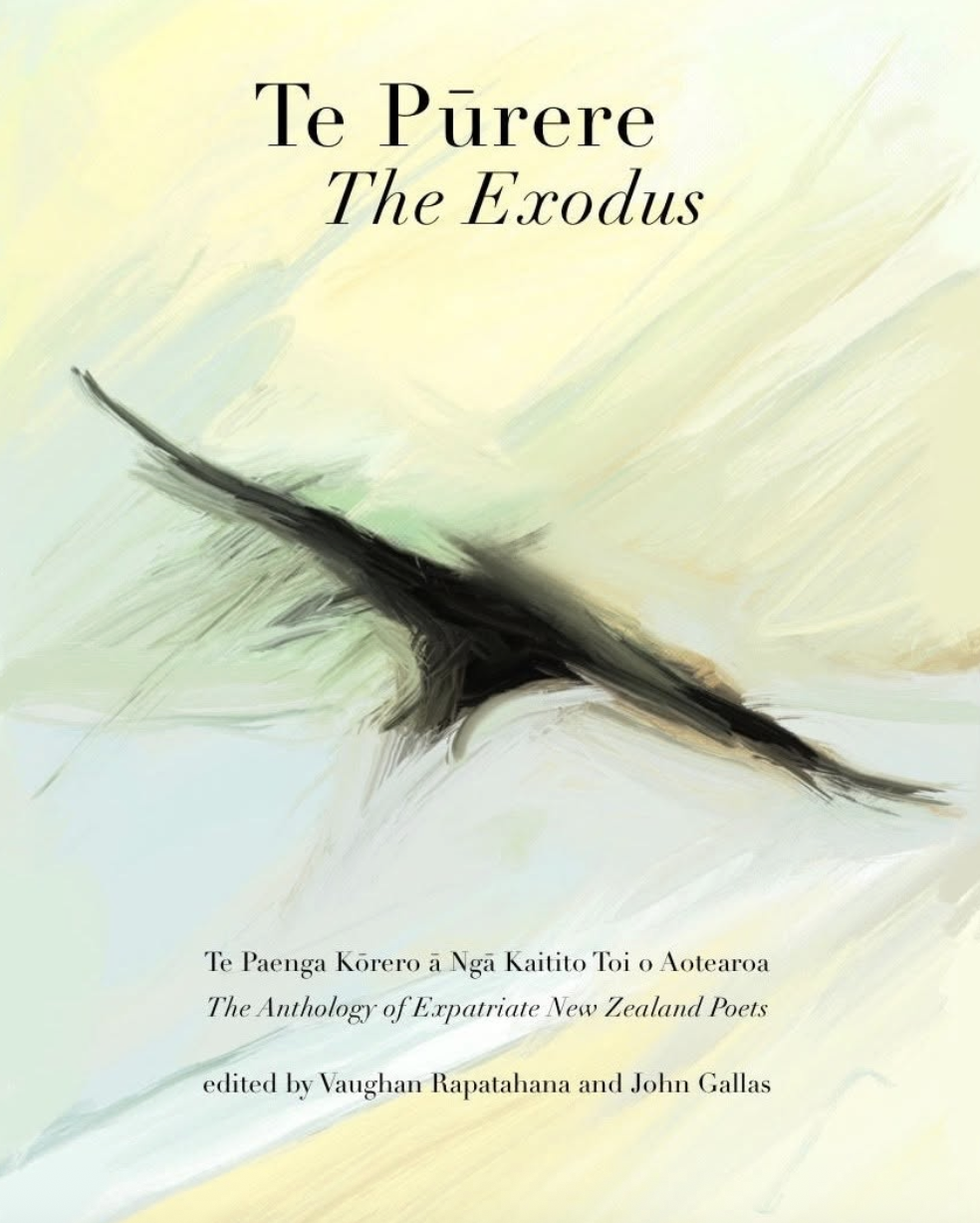
Te Pūrere The Exodus
Te Paenga Kōrero ā Ngā Kaitito Toi o Aotearoa
The Anthology of Expatriate New Zealand Poets

eds Vaughan Rapatahana and John Gallas
Cold Hub Press, 2026

We lost count of the number of times we packed up our loves and left our
homes, and sat on the shore with our suitcases, playing music for animals who
resembled flowers, while our spirits were cut into jigsaws, while we threw away
our names and birthplaces, and watched the sun fragment into amethyst and
coconut shards as it walked backwards into the ocean.

Manisha Anjali
from ‘Sea, Pilgrim’

Te Pūrere The Exodus offers an eclectic selection of poems by 60 Aotearoa New Zealand poets who live overseas, expatriates with tendrils in various homes. The anthology includes an introduction by Roger Horrocks and the sublime cover art work by Vaughan’s daughter, Pauline Canlas Wu.

I lived in London for five years in the 1980s, an arm stretch from my Scottish Grandmother’s Glasgow, and an elbow tap from my English Grandfather’s London. I lived through London IRA bomb scares, through art exhibition astonishment in both the UK and across Europe, embarked on long cycle trips, food discoveries, author discoveries and an extraordinary set of gigs and concerts, including Nina Simone at Ronnie Scotts, Annie Lennox. I adored West End musicals, astonishing Shakespeare productions. And then London got hit with radioactive rain from Chernobyl and planes laden with bombs left from southern England to bomb Libya. Michael and I felt an urgent pull to return home. To replant ourselves by bush and ocean.

So I entered Te Pūrere The Exodus with an offshore/home longings back story, drawn to the resonance of being here and there. Place and people are brought to life in the wide-ranging poetry. Poetry becomes a terrific way of making oneself at home, whether offshore or back here in Aotearoa, whether past or present. The anthology, so beautifully produced by Cold Hub Press, is an enriching read, a gathering of fascinations and discoveries and loves.

I have been participating
in the word – Scotland –
we have been moving through each other
like fish and light and water through water.

Lynn Davidson
from ‘To get here’

Two questions for Vaughan and John

1. What discoveries did you make as you gathered this anthology together? Whether on poets or poetry itself? Whether moments of surprise or delight or learning?

Vaughan: Tēnā koe mō tēnei pātai. I became more surprised as we went on, just how many expatriate Kiwi kaitito (poets) there are. I already knew of many – which is why I instigated this project – but not as many as we eventually invited to contribute. More, almost without exception, they responded enthusiastically and obligingly and we – and here I speak for John, I am sure – were quite delighted with the quality of their toikupu (poetry). Across a wide swathe of kaupapa and an array of styles. Aotearoa New Zealand should be very proud of its expatriate poets!

John: Every contribution a discovery. The unique combination of ‘displacement’, the attitude to it, the pluses and minuses of it, the emotional response to it, and the kind of ‘double-life’ it represented, all expressed in a wild variety of forms and styles … all this made for a real odyssey – calling in at every port on the way! Individually, the ‘feel’ of the poems was super-personal, even when not a direct expression of ‘I’: and as a whole, the noticeable rejection of what might be called Traditional/European forms and disciplines made for a freshness, independence and originality that was striking … and made me feel kind of proud of Us.     

2. How have notions and the experience of exodus, of being an expatriate writer affect you as a poet?

Vaughan: Tēnā koe anō. For me, literally living across three countries and cultures, as well as several languages, has vastly widened my mental vistas, which – invariably – lead to poems incorporating these variegated experiences. I guess that I no longer see New Zealand with a ‘domestic point of view’, but from afar, and accordingly perhaps have different opinions and outlooks inside my work.

I would also like to note that during our compilation of this anthology, we lost some fine Kiwi poets – Fleur Adcock, Eric Beach, Vernice Wineera. Te Pūrere/The Exodus was compiled to commemorate as many Kiwi poets as possible and to bring them further recognition in Aotearoa now.

John : Can be summed up, for me, in the following, which was written for the back cover of ‘Aotearoa/Angleland’ (New Walk Editions ISBN 978-1-8381153-4-0):

A life, a heart, a soul – and a book – divided. Happily divided. In this pamphlet, John Gallas wanders the corners of his two homelands: Aotearoa and England. The heart doesn’t bleed, the soul doesn’t yearn to be one, and Life can always get on a plane. As Misuzu Bonchō wrote, when she moved to Dodge City:

A thing with two roots
will grow to embrace the earth
with both arms. Write on …”

the readings

Vaughan Rapatahana
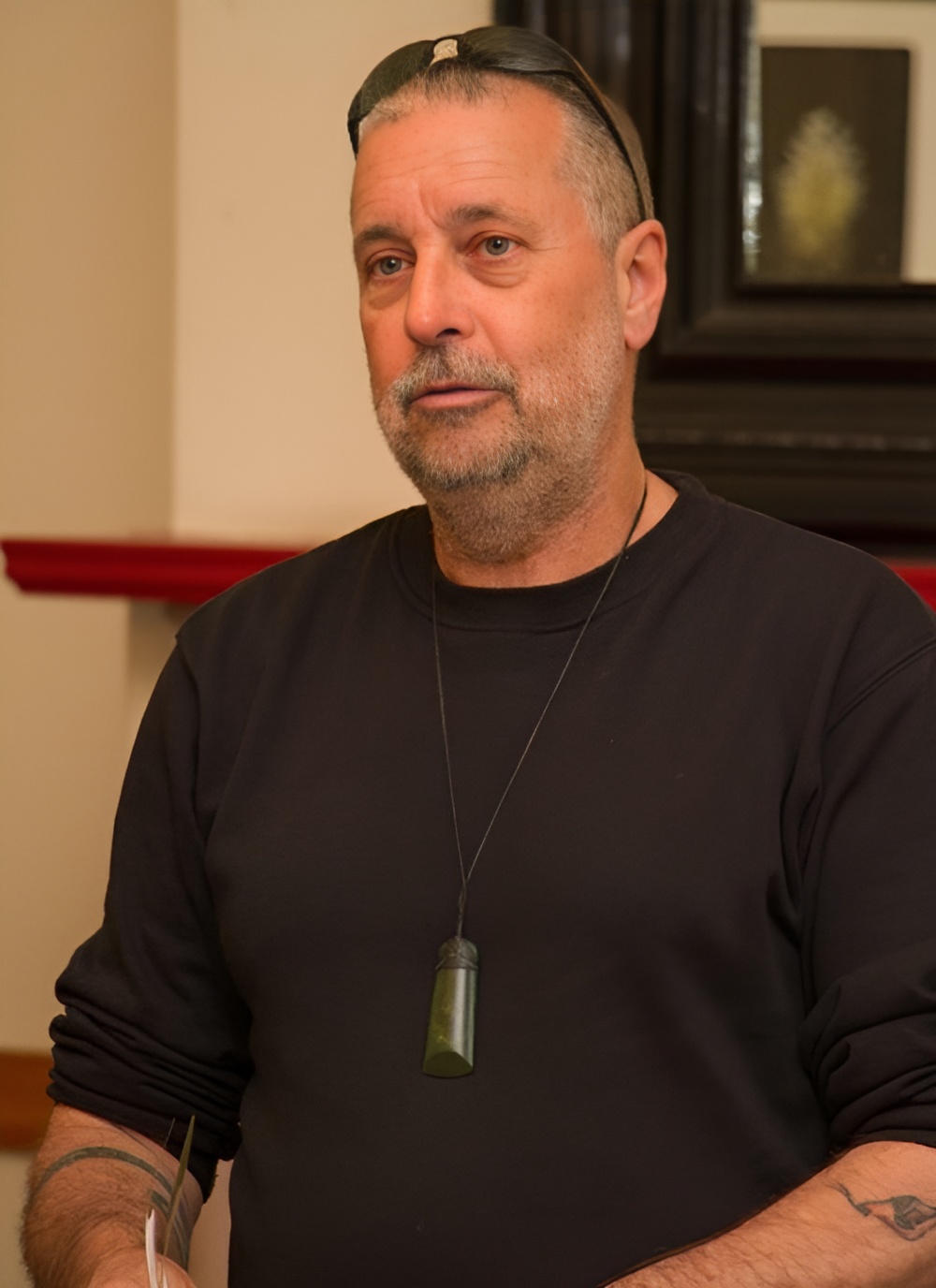
Vaughan reads ‘three countries’

John Gallas
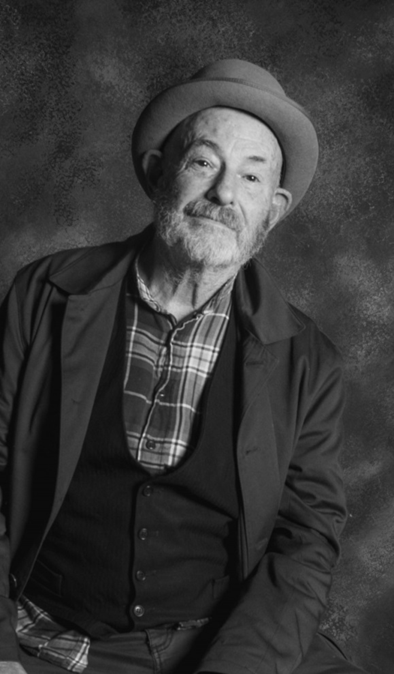
John reads four tankas, ‘Poeticals’, ‘Rooked’, ‘Lowestoft Harbour’, ‘Hillgate’

Hinemoana Baker
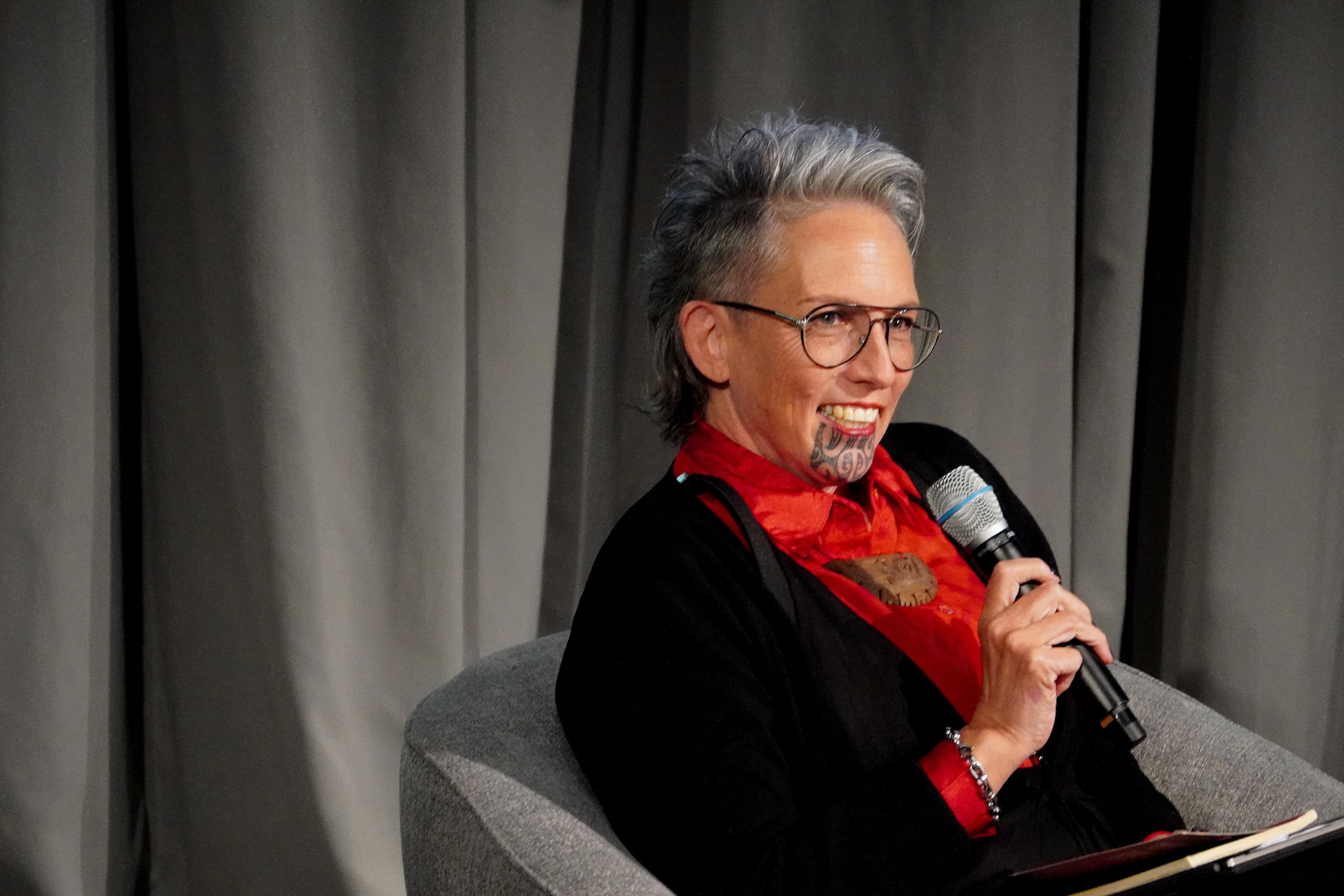
photo credit, Tim Gruar, courtesy of Randell Cottage Trust 2024

Hinemoana reads ‘the librarian asks me about the green stone around my neck’ and ‘Fox’

John Puhiatau Pule
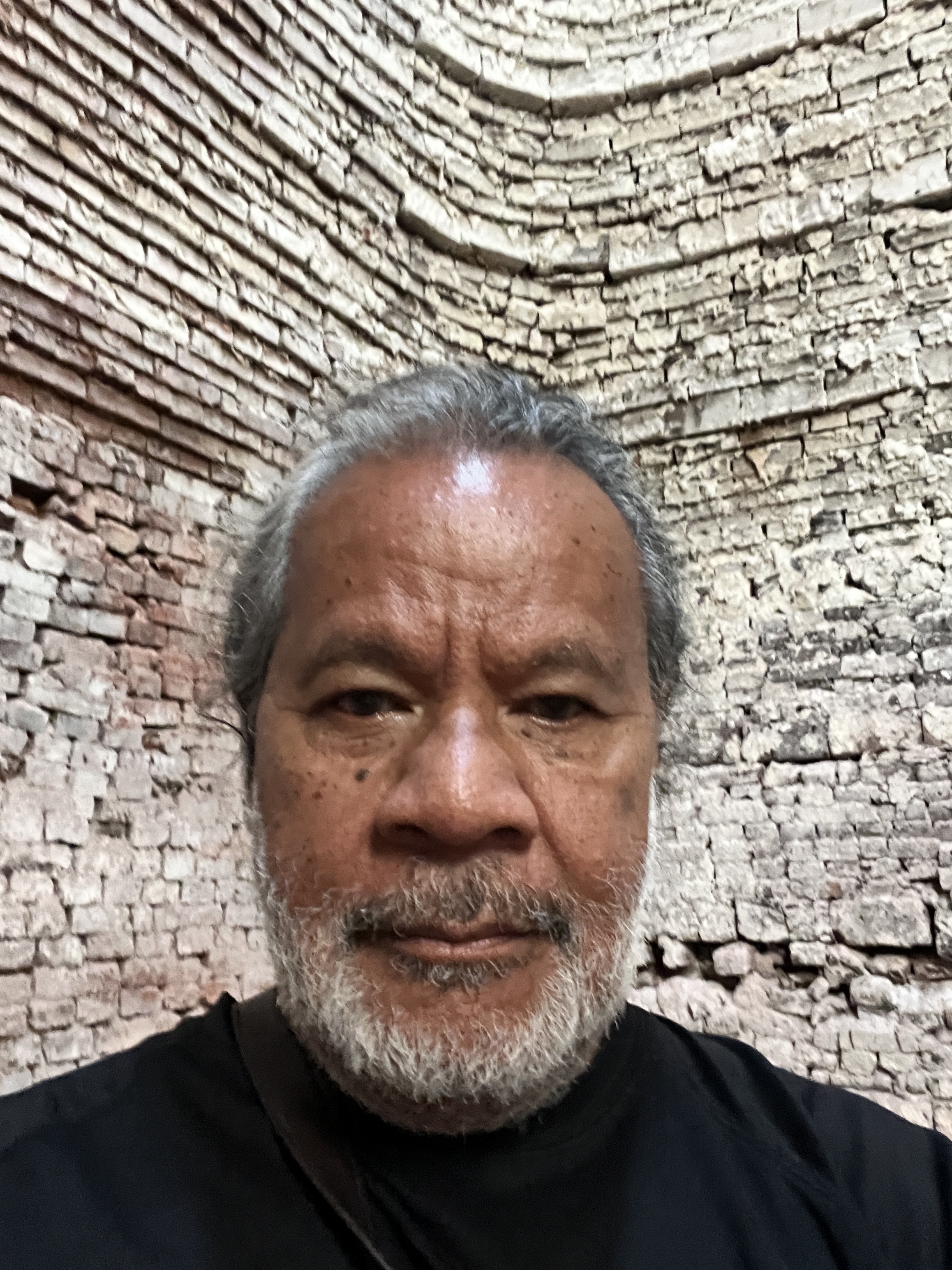
John reads ‘Looking at rain too long has given me eternity’

Joan Fleming
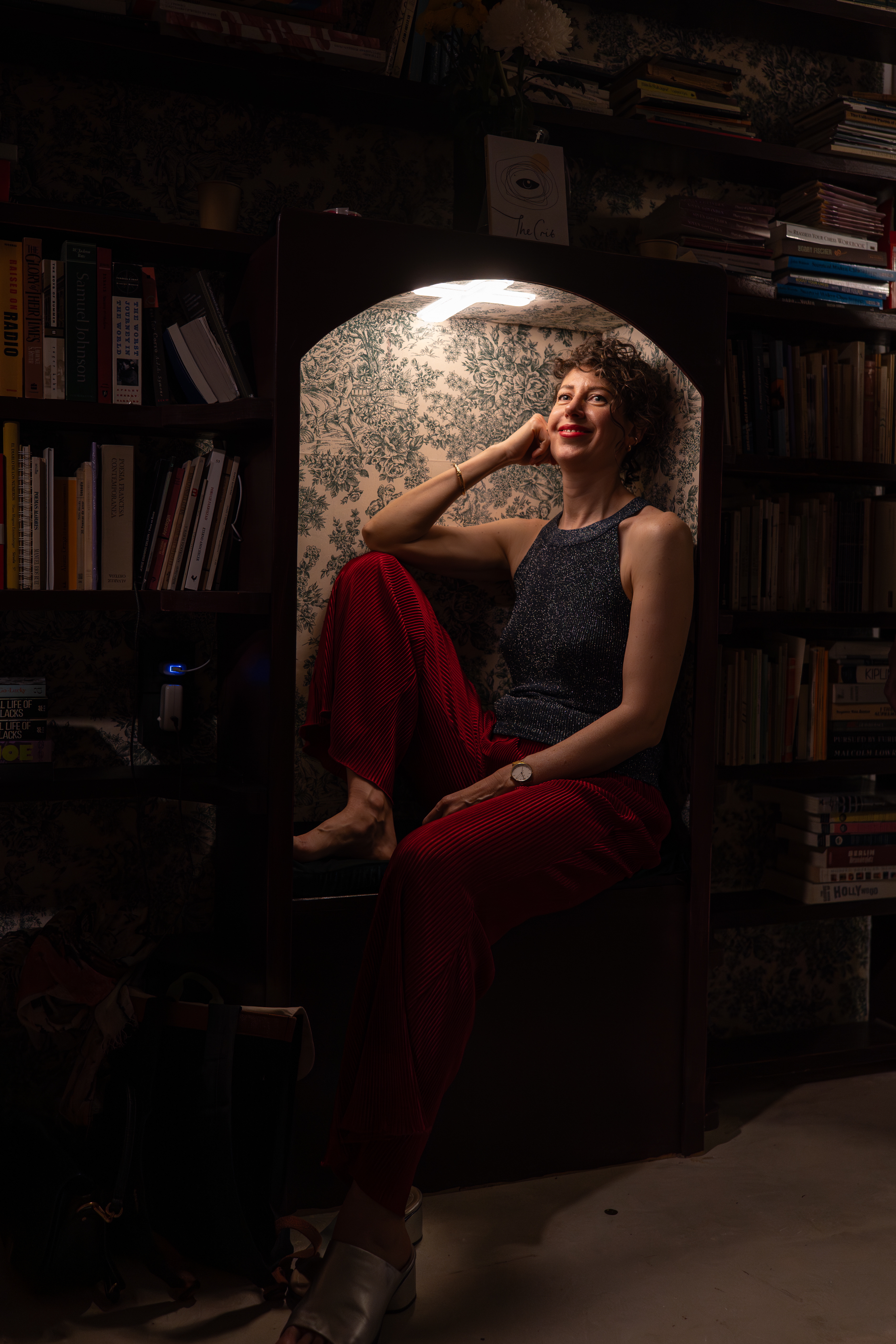
photographer credit Reyes Cervantes

Joan reads ‘Catalogue’

Amy Catherine Brown
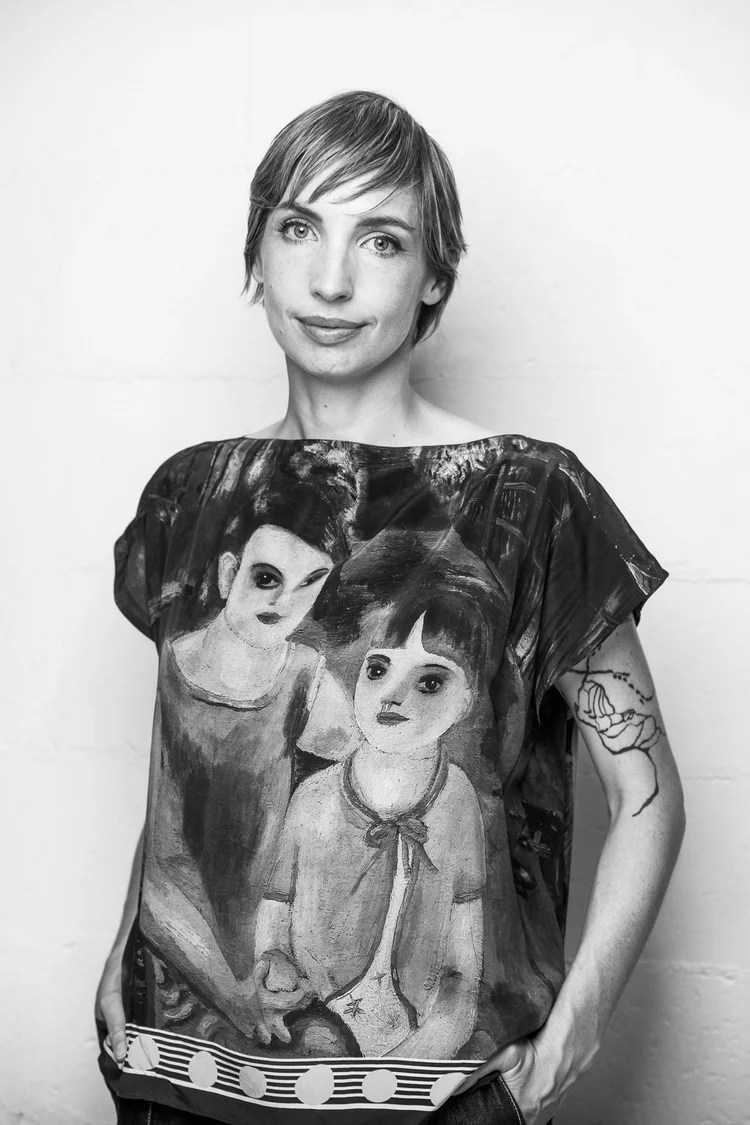
Amy reads ‘Pacing Poem’

Lynn Davidson
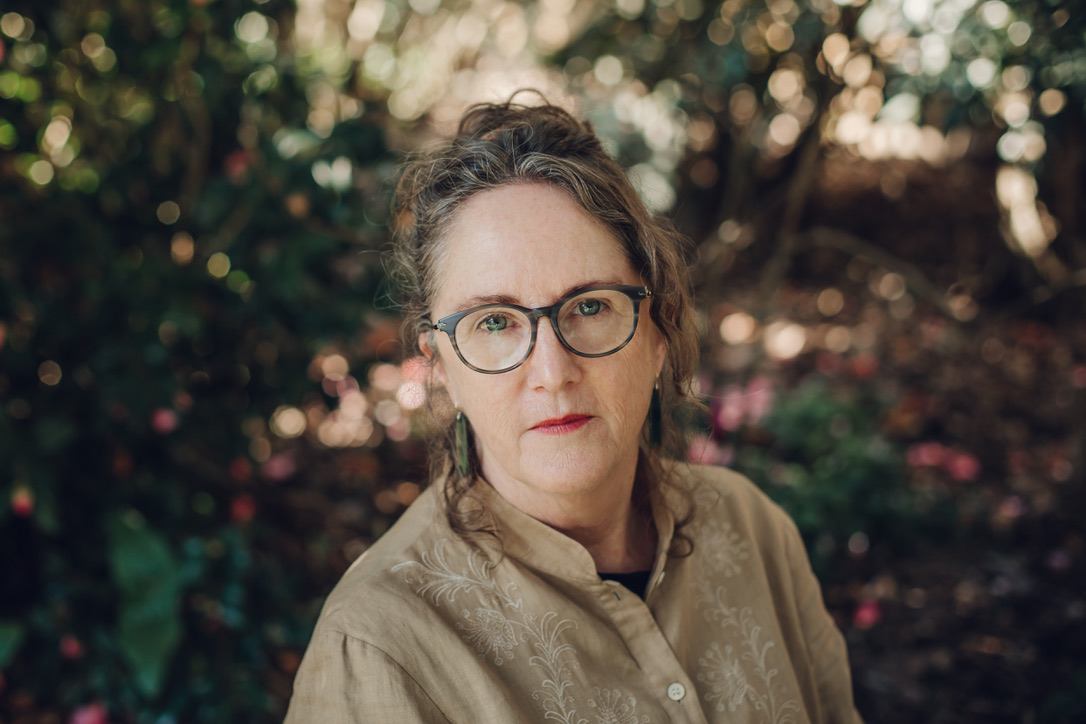
Lynn reads ‘To Get Here’

Orchid Tierney
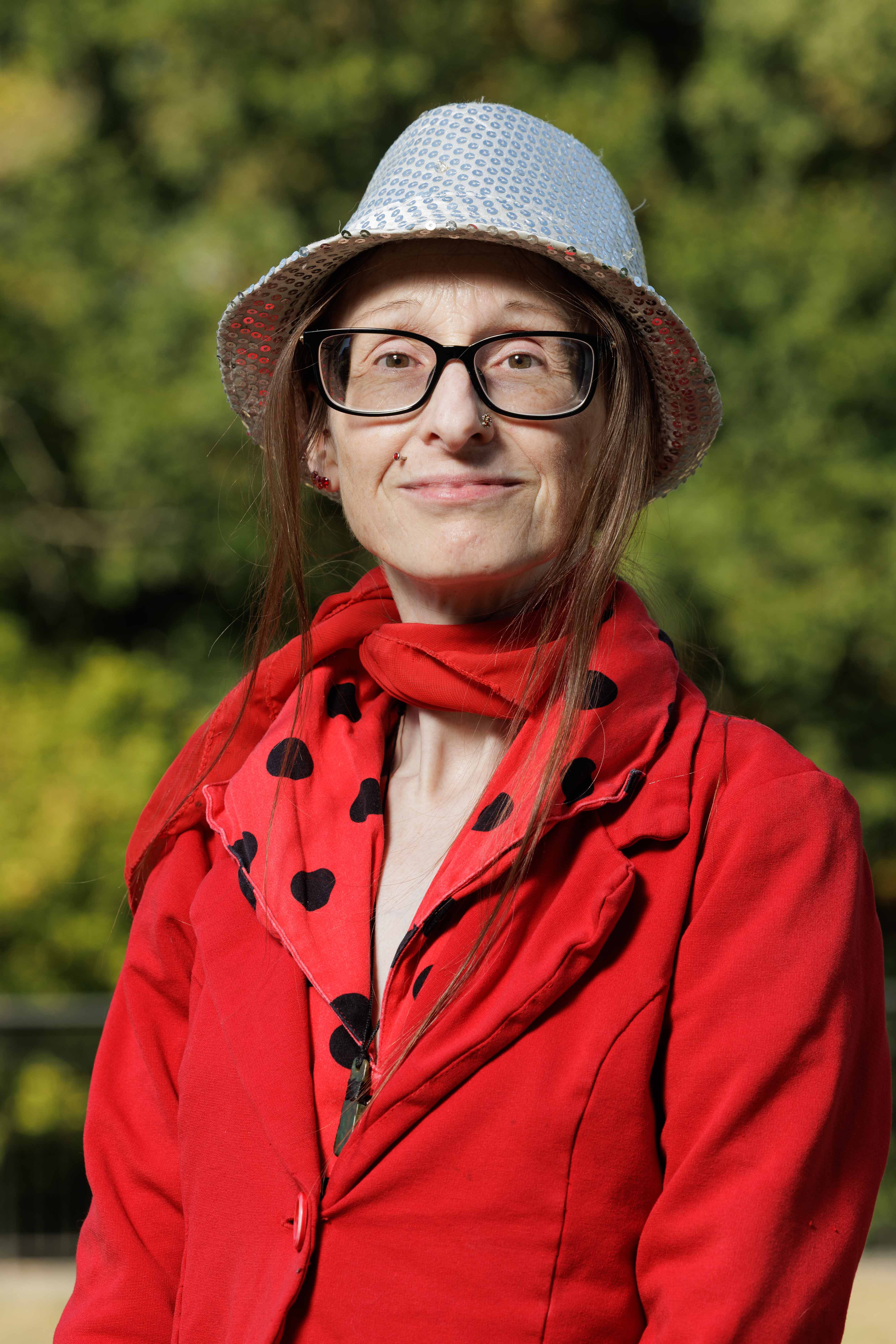
Photo by Graham Stokes

Orchid reads from ‘My Beatrice’, and ‘prayer | suit’ and ‘to the is-land’

Charles Olsen
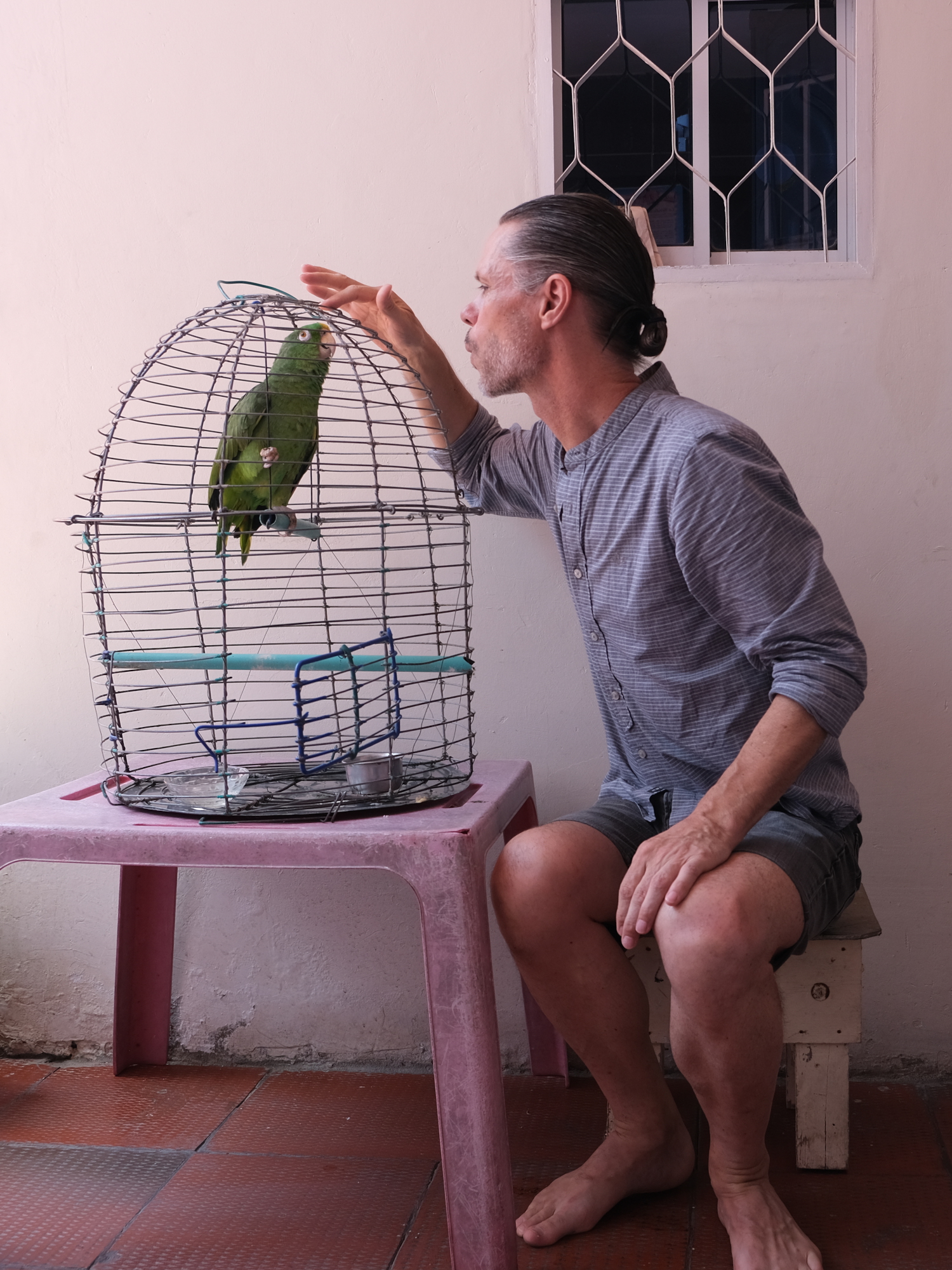
 

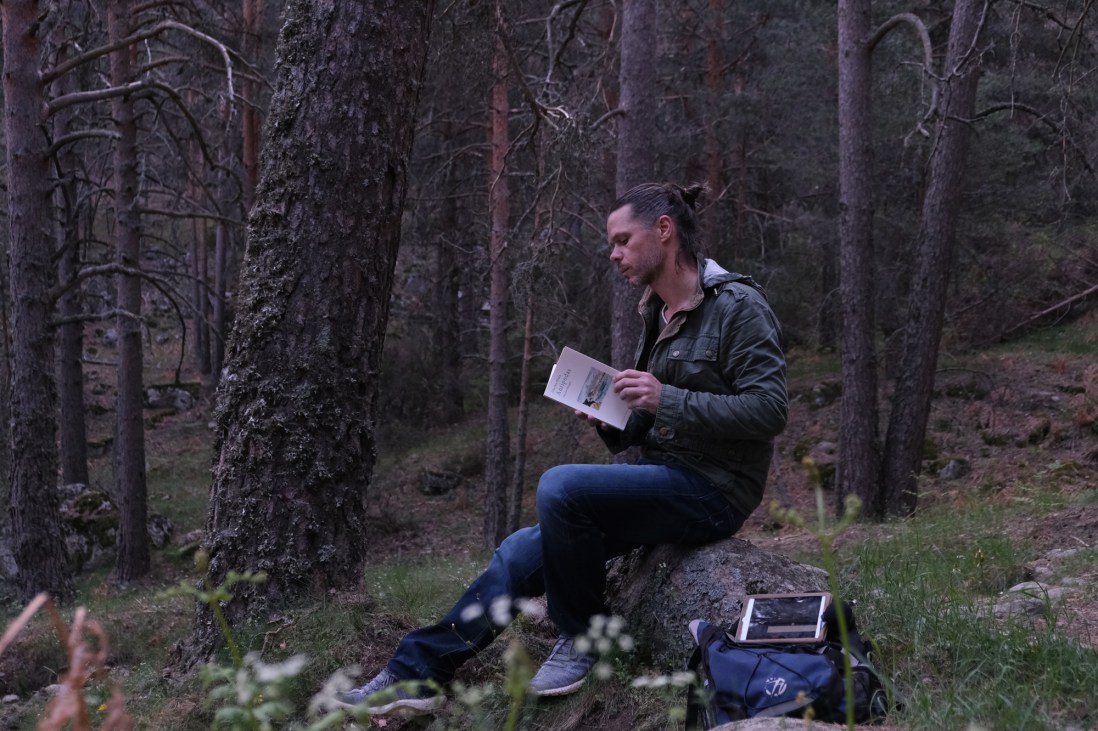
Charles reads ‘El Avefría | The Lapwing’, ‘Por la mañana | Morning’, and ‘Five o’clock’

Alison Wong
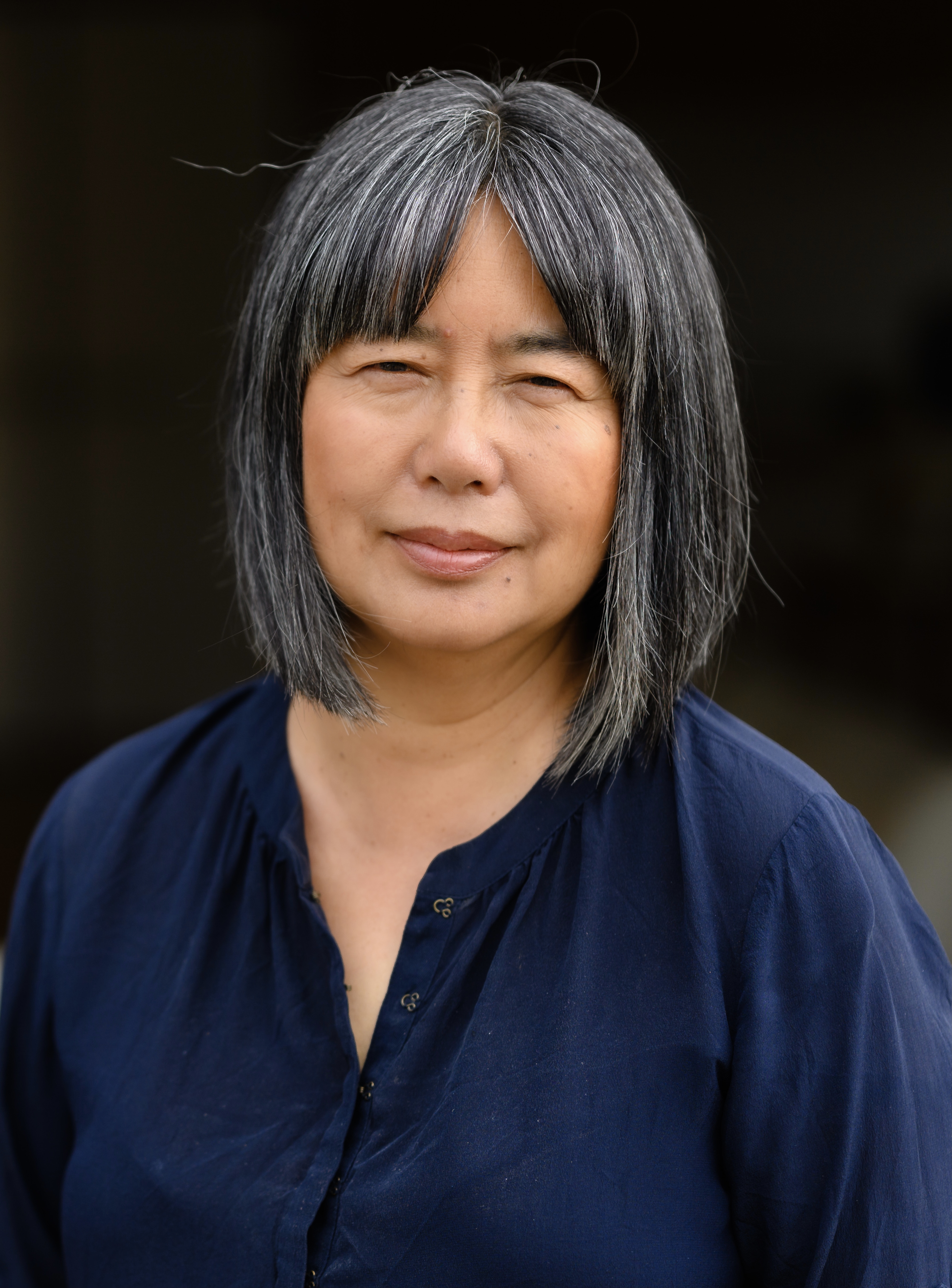
Alison reads ‘Family Photographs’

Stephen Chan
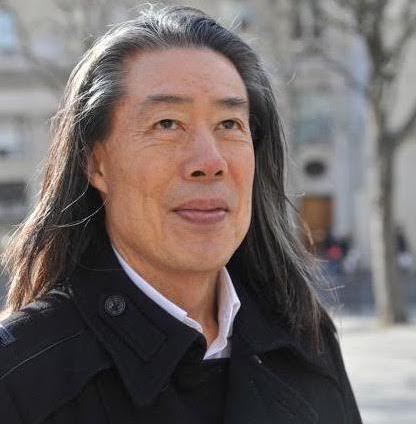
Stephen reads ‘Love in the Time of Covid’

The editors

John Gallas is published by www.carcanet.co.uk  Website at www.johngallaspoetry.co.uk : Poem of the Month & All News. Presently living in Markfield, Leics. with weekly getaway caravan/bike in Lincolnshire. Project Poet for Saxonship shipbuild www.saxonship.org , librettist, translator (‘The Song Atlas’, ’52 Euros’, ‘Petrus Borel:Rhapsodies’ : all Carcanet), Fellow of the English Association, Poet for St Magnus Festival, Orkney. 

Vaughan Rapatahana (Te Ātiawa, Ngāti Te Whiti) commutes between homes in Hong Kong, Philippines, and Aotearoa New Zealand. He is widely published across several genre in both his main languages, te reo Māori and English and his work has been translated into several other languagesHe is the author and editor/co-editor of over 50 books. He won the AAALS Indigenous Poetry Prize in 2026.

The readers

Alison Wong is a Cantonese New Zealander living in Geelong, Australia. Her collection, Cup (Steele Roberts), was shortlisted for the 2007 Jessie MacKay Award for Best First Book for Poetry. Her novel, As the Earth Turns Silver (Penguin NZ), won the 2010 NZ Post Book Award for Fiction. She coedited A Clear Dawn: New Asian Voices from Aotearoa New Zealand (AUP, 2021), the first anthology of creative writing by Asian New Zealanders. She is working on a revised edition, and also Journeys Home: A Memoir from Aotearoa New Zealand, Australia and China. 

Hinemoana Baker (Ngāti Tukorehe, Ngāti Tupaia ki te Aro, Ngāti Raukawa ki te Tonga, Ngāti Toa Rangatira, Te Āti Awa, Kāi Tahu, Ngāi Tiamana, Ngāi Ingarangi) Poet, musician and educator Hinemoana Baker is known for her power on the page and stage, her wry humour and deep sense of cultural and personal inquiry. In 2015 Hinemoana received the Creative New Zealand Berlin Writer’s Residency and lived for almost a decade in Germany. In that time her Ockham-shortlisted collection ‘Funkhaus’ was published in German and Polish. Hinemoana is currently back in Te Whanga-nui-a-Tara Wellington completing a PhD exploring how poetry can be a rongoā for takatāpui.

Joan Fleming is a New Zealand-Australian writer who doesn’t know where she’s from. This year she is living back in Spain. Her last book was the post-collapse verse novella Song of Less (Cordite Books)Her debut novel The Fig Book will be published in 2027 by Allen & Unwin (Au/NZ) and Mariner Books (US). 

Amy Brown is a New Zealand-Australian writer and teacher who lives in Naarm/Melbourne. She has published three collections of poetry, four children’s novels, and completed a PhD at the University of Melbourne. Amy Brown’s debut novel was shortlisted for the Victorian Premier’s Prize for an Unpublished Manuscript and was later published as My Brilliant Sister. Her next novel, This Creature, will be published in 2027.

Lynn Davidson writes poetry, memoir, and essays. Her memoir Do you still have time for chaos? was published by Main Point Books, Edinburgh, and Te Herenga Waka University Press, Wellington. Her latest poetry collection Islander was published by Shearsman Books, Bristol, and Te Herenga Waka University Press. Lynn had a Hawthornden Fellowship in 2013 and a Bothy Project Residency in 2016.  She won the Poetry New Zealand Poetry Award, 2020, and was the Randell Cottage Creative New Zealand Writer in Residence, 2021, and the Mike Riddell Writer in Residence, 2023. Lynn lives in Edinburgh and calls Aotearoa New Zealand and Scotland home.

Charles Olsen has published three bilingual poetry collections in Spain. He is preparing an anthology of the first ten years of the Given Words poetry competition (see @givenwords). Currently in Colombia presenting his poetry films in the IV ALARI Continental Conference on Afro-Latin American Studies in Cali, he has also been invited to curate a screening of poetry film at REELpoetry Houston, Texas, in September.

John Puhiatau Pule was born in Niue and since 1964 has lived in Auckland. In 2015 he returned to Niue to live. His expansive interdisciplinary practice has transformed oceanic imaginaries, offering new ways of understanding the arts, cultures, and histories of our region. He has published two novels and has published extensively as a poet. He also works as an artist, painting, drawing, printmaking, filmmaking and performing. Pule’s work has been represented in three Asia-Pacific Triennials at the Queensland Art Gallery, Brisbane (2006, 2002, 1996) Other selected group exhibitions include Hawaii triennial (2025) Sydney Biennale (2024) Oceania at Royal academy of arts, London & Musee du quai Branley ( 2018 & 2019) Kwangju Biennale, Korea (1995 &  2018); the 3rd Auckland Triennial, Auckland Art Gallery Toi o Tamaki (2007)South Pacific Arts Festival in Palau (2004), New Caledonia (2000), Samoa (1996); Johannesburg Biennale, South Africa (1995).

Orchid Tierney is a poet and scholar originally from Aotearoa New Zealand, now living in Ohio. Her collections include this abattoir is a college (Calamari Archive, 2025) and a year of misreading the wildcats (The Operating System 2019). She is the author of several chapbooks including looking at the Tiny: Mad lichen on the surfaces of reading (Essay Press, 2023), ocean plastic (BlazeVOX, 2019), and blue doors (Belladonna* Press, 2018). Tierney is a senior editor at the Kenyon Review and is an associate professor at Kenyon College. She invites you to visit her www.orchidtierney.co

Since he left NZ in 1976 Stephen Chan has completed graduate and post doctoral work at London King’s, Kent and Oxford and is now Professor of World Politics at SOAS University of London. Before then he served as an international civil servant in emerging countries, working in zones of development and war. He has published more than 40 academic books, 5 volumes of poetry and 3 novels. He teaches karate in emerging countries and has been European Masters Champion in the fighting division.
Poetry Shelf Celebrates: Winners of Given Words 2021 read their poems

The winners of the Given Words competition for Phantom National Poetry Day were announced last Friday 17 September. The director of Given Words, Charles Olsen, invited poets Pat White, Savarna Yang and Aine Whelan-Kopa, to read their poems for NZ Poetry Shelf.

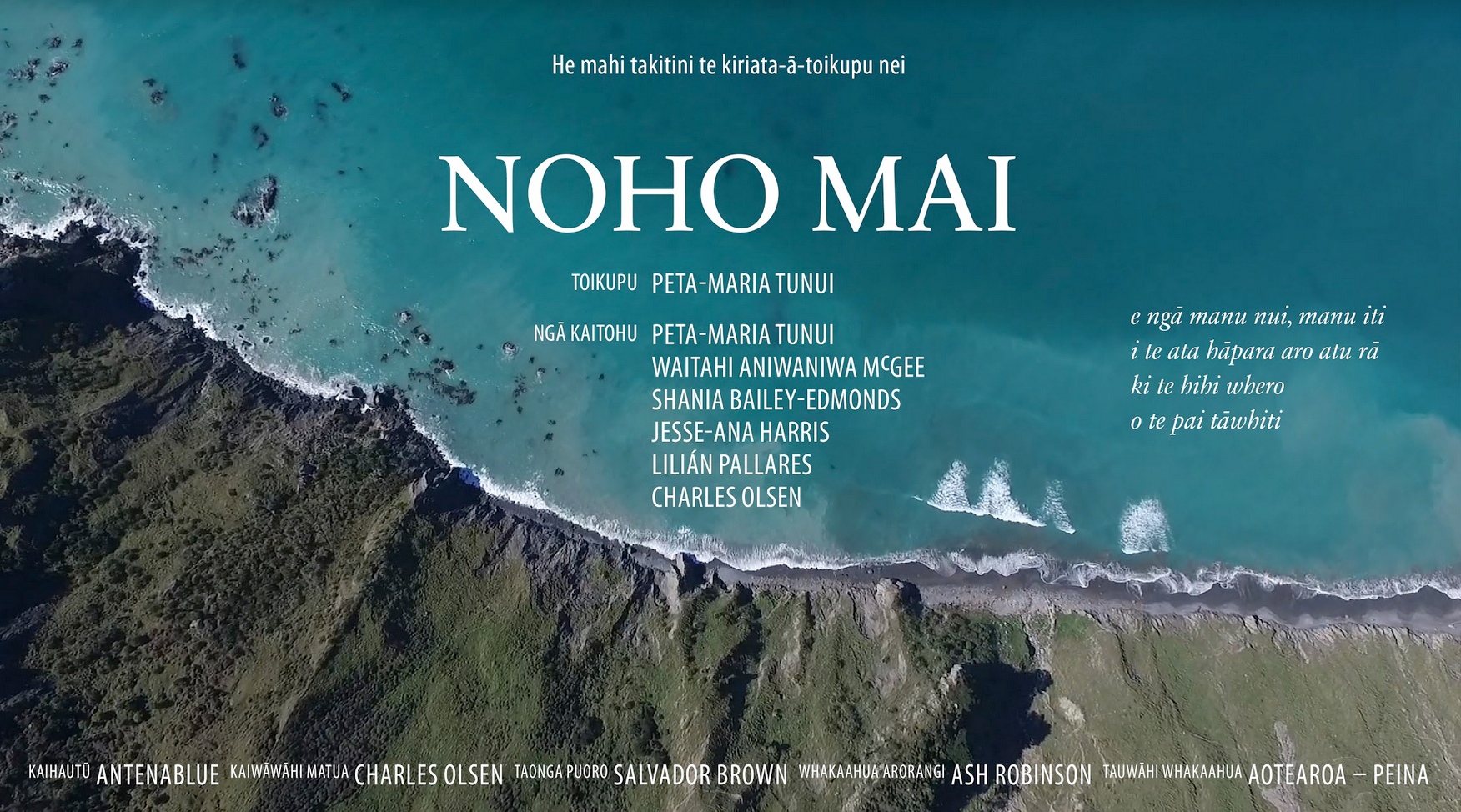
All entries had to include five words chosen from the te reo poetry film Noho Mai, which features a poem by Peta-Maria Tunui. The poems could be written in English or te reo Māori or a mix of the two, with the five words being: pō/duskhau/breathtūpuna/ancestorshiki/raise, and karoro/black-backed gull.

The winners and one special mention were selected by Mikaela Nyman, Michael Todd and Charles Olsen. Their comments on some of the poems along with a selection of 45 poems by both adults and under-16s can be read on Given Words, along with a reflection on the use of te reo in many of the poems by Peta-Maria Tunui.

Pat White was the winner of ‘Best Poem’ for his poem ‘After visiting the IC ward.

After visiting the IC ward

You might think at dusk
that a black-backed gull, and the terns
would be flying for the rookery.
The fishing folk with an empty basket
might trudge homeward, instead of
standing longer on those moving dunes
dividing shore between offshore tūpuna
and inland ancestors, here sea birds
just like words tie the waves’ surge
to lives between two worlds.

Another chance to keep going as if
every breath matters, coming to
rattling rest, as waves do over shell
and pebbles shifting over and over
the planet’s body, one grain of sand
at a time. Your bed occupying
a place between light and dark
the soul poised to raise a voice
in praise of one more day
giving thanks, flying in the mind
to where uplift drafts will raise
pin feathers of an albatross wing
tipped slightly to infinite nautical miles
over the breaker’s lip, reflecting
water movement into light carrying
driftwood to be dragged home.
for burning like the flicker of
life burning in your chest.

Pat White

Savarna Yang, aged 13, won ‘Best Poem by Under-16s’ for her poem ‘Eventide’.

Eventide

alabaster moths flutter
on indigo shadows of dusk
I press my toes into cold sand,
listen to the inbreath and outbreath of sea
and I remember my tupuna tāne,
how he died moored to a ventilator,
breaths drowned in risen tides
far from his whānau

the moon spills silver over ocean ripples
I raise my face to the sky
through a blur of tears
the first stars form an outline of wings,
tips of white against the black
I imagine my tupuna
flies free as a karoro

Savarna Yang

Aine Whelan-Kopa received a Special Mention for her poem ‘Hiki te hoe’.

Hiki te hoe

I got goosebumps today
When Tāwhiri breathed
And I heard the words
When I opened my heart
To tūpuna
They whispered
Hoea te waka
Hoea te waka
Hoea te waka
Like a chorus
And on the beat
It hurt like hope
But felt like home
I’m sorry I ever told them to go
Hoea te waka
Their words sing on
In my puku-heart
As wiriwiri
In my head-heart
Sways the pūriri
In my heart-heart
There’s aroha
And that’s everything
It pumps my veins
Out of and into
The pull
The row
The drag
The flow
Hiki te hoe
Hoea te waka
I’m moving on
Out of te pō
Upon
Cool waters misty
Like a lake before dawn
Hoea te waka
To where karoro flies
Hoea te waka
To where the green flash glows
Hoea te waka
To where the four winds blow
Ngā hau
Hoea te waka
Along the long awa
Guided by whispers
And one hundred tuna
Black and blue
Hoea te waka
By starlight
To sunlight
With Hine ā Maru
And you

Aine Whelan-Kopa

About the Poets

Pat White lives just out of Fairlie in the South Island of Aotearoa/New Zealand. There he works as a writer and painter, with his wife Catherine, a musician and painter. He has published a number of volumes of prose and poetry since the 1970s, including; How the Land Lies, (VUP 2010) prose memoir essays, Watching for the wingbeat; new and selected poems (Cold Hub Press 2018). He was editor of Rejoice Instead: Collected poems of Peter Hooper (Cold Hub Press, 2021).


His entry in Given Words honours the experience of a son who was in an Intensive Care Ward four years ago. ‘Such events hone our appreciation of every breath, and the need of each of us to give thanks for the miracle of ordinariness that is daily life. This afternoon the sun is shining, soon it will be time for a glass of red wine while sitting looking at the mountains to the west. Who knows a poem may be gifted on a gust of wind … if we sit quietly enough?’

Savarna Yang is thirteen years old, home-schools, and lives near Ōtepoti, Dunedin. You can often find her spinning and weaving wool from her pet sheep or baking mountains of cookies (especially over lockdown). She plays football for her local team but unfortunately they have lost every single game this season… She loves writing short stories and reviews.


Of the inspiration for her poem she says, ‘My grandparents live overseas, in Australia and China. I haven’t seen them for a long time and maybe I won’t get to see them again. In Aotearoa, we had an elderly friend nearby we loved like a grandparent. They died in hospital during lockdown when we could not visit to say goodbye.’

Aine Whelan-Kopa lives in Tāmaki Makaurau Auckland and grew up in very small rural, coastal towns in the Hokianga and Taranaki. She is of Ngāti Hine, Te Hikutu o Hokianga, Ngāpuhi and Irish descent. Being bi-racial has been challenging and impactful, writing and art are ways for Aine to express herself and explore her identity. The mix of te reo Māori and English in her poetry is a natural extension of the way she talks.
Aine is a student majoring in psychology and aims to use art therapy to help children affected by trauma. Whānau, whenua, atua and taiao are the cornerstones of her connection to Te Ao.


Hiki Te Hoe was written as a note to self that in order to get to where you want to go you need to pick up the paddle and start to row. Aine loves running and chocolate equally, because life is about balance.

Poetry Shelf noticeboard: Peta-Maria Tunui and Charles Olsen’s collaborative te reo Māori poetry film, Noho Mai

Te reo Māori poetry film ‘Noho Mai’ has been nominated for the ZEBRA Poetry Film Festival in Berlin – 19 to 22 November 2020. It has been nominated as one of 34 films chosen from around 2,000 entries from more than 100 countries.

The Opening and Awards Ceremonies will be streamed live on Facebook, YouTube and the Haus für poesie website on 19 November at 8pm and 22 November at 8pm respectively (times in Berlin). The full programme will be available for four weeks for €7.99 (NZ$13) from 20 November via Vimeo-on-Demand. NOHO MAI is included in the programme ‘International Competition I: Precious Souvenirs’. The full programme is on Haus für poesie: ZEBRA Poetry Film Festval Programme 2020

During lockdown at the beginning of the year Charles Olsen ran a te reo Māori poetry film workshop online with young creatives in NZ. The collaborative film ‘Noho Mai’ which came out of the workshop, is one of 34 films selected from around 2000 entries for the competition section of the ZEBRA Poetry Film Festival in Berlin, 19-22 Nov.

The festival will be available on Vimeo-on-demand for four weeks. Here is the trailer:

As Peta-Maria Tunui, who wrote the poem and is one of the co-directors, says in the current world situation, ‘the poem has become our koha aroha to people all around the world who are longing for their home and are unable to return.’

Peta-Maria Tunui and Charles Olsen in a kōrero with Dale Husband on Radio Waatea about the film.

Still from Noho Mai

NOHO MAI CREDITS

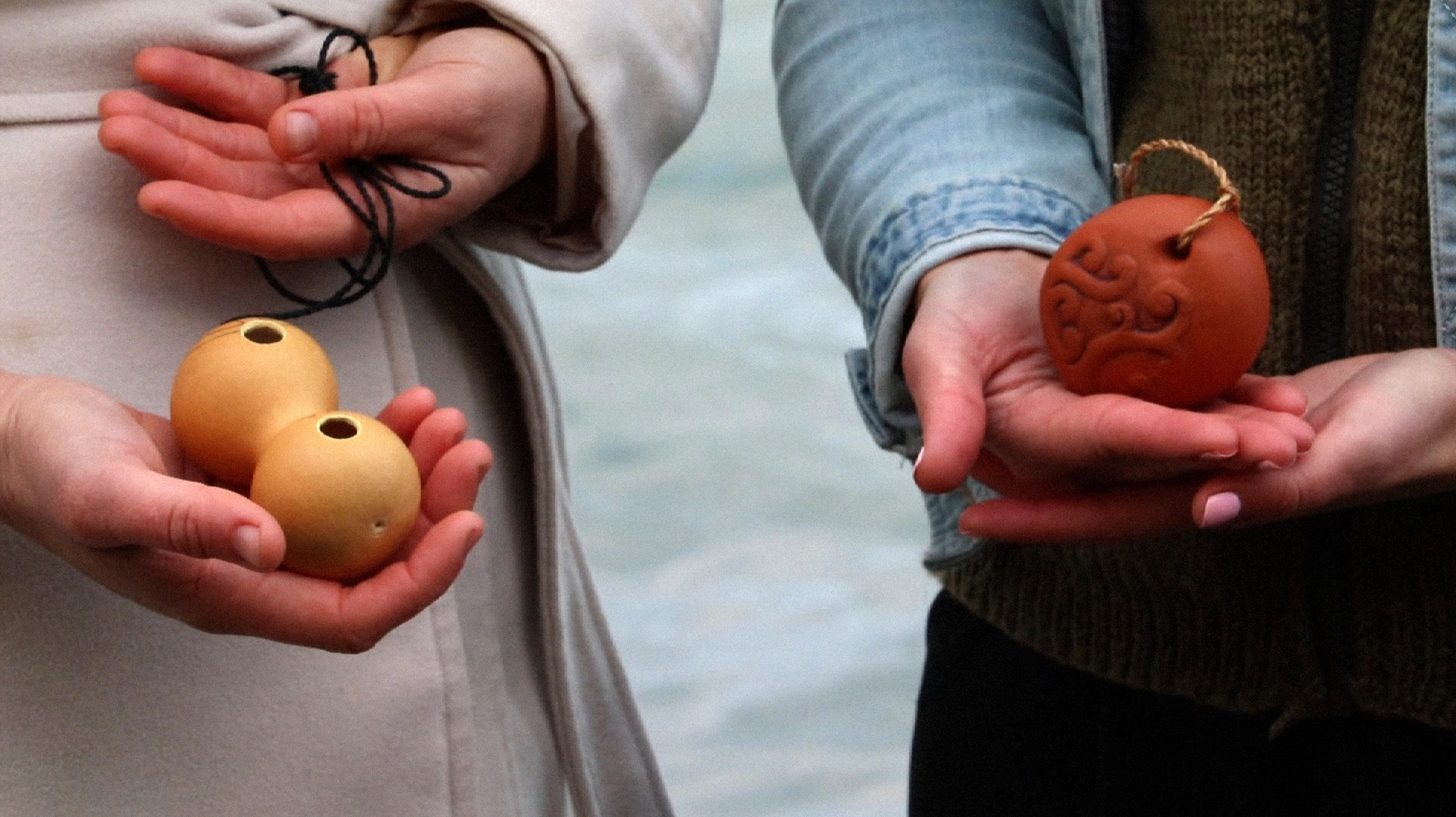
DIRECTORS Peta-Maria Tunui, Waitahi Aniwaniwa McGee, Shania Bailey-Edmonds, Jesse-Ana Harris, Lilián Pallares, Charles Olsen  POEM Peta-Maria Tunui  VOICE Shania Bailey-Edmonds  ACTORS Shania Bailey-Edmonds, Peta-Maria Tunui, Jesse-Ana Harris, Charles Olsen  EDITOR Charles Olsen  PRODUCER Antenablue  FIELD CAMERAS Waitahi Aniwaniwa McGee, Ikey Ihaka Tunui, Charles Olsen  AERIAL CAMERA Ash Robinson  TAONGA PUORO Salvador Brown  COLOMBIAN GAITA Charles Olsen  KARANGA Peta-Maria Tunui  SOUND MIX Charles Olsen  ENGLISH TRANSLATION Peta-Maria Tunui  FILMED IN Aotearoa–New Zealand: Te Whanganui-a-Tara, Waitaha, Te Tai Rāwhiti, and Spain: Madrid, Soria

Links: 

ZEBRA Poetry Film Festival Programme 2020

Haus für poesie

Facebook @ZEBRAPoetryFilmFestival

Ó Bhéal Poetry Film Competition Shortlist 2020

Wairoa Māori Film Festival

VII Festival Cinemística, Spain

Love in the Time of Covid

Poetry Shelf audio spot: Charles Olsen reads ‘Inland’ – ‘Tierra adentro’


nzpoetryshelf-DSCF3056.jpg


Charles Olsen reads ‘Inland’ – ‘Tierra adentro’ in Spanish – from his bilingual collection Antípodas published in Spain by Huerga & Fierro, 2016.


Charles Olsen moved to Spain drawn by his interest in Spanish artists such as Velázquez and Goya and to study flamenco guitar. Artist, filmmaker and poet, his paintings have been exhibited in the UK, France, New Zealand and Spain, and he has two bilingual collections of poetry published in Spain, Sr Citizen (Amargord, 2011) and Antípodas (Huerga & Fierro, 2016). His short film The dance of the brushes was awarded second prize in the I Flamenco Short Film Festival in Spain and his poetry films have been shown at international festivals and featured online in Moving Poems, Poetry Film Live and Atticus Review. In 2018 he was awarded the III Antonio Machado Poetry Residency in Segovia and Soria and he has received the XIII distinction Poetas de Otros Mundos.


Poetry Shelf noticeboard: Charles Olsen’s essay in Cordite responds to the Christchurch mosque attacks

On Being Sanguine: Two Years of Panic and a Response to Terror in Christchurch


Self-portrait by Charles Olsen in Wellington, NZ (1991)

One Sunday, when I was an art student in London, I got on my bicycle and left my parents’ vicarage in Surrey for my room in Murray Mews, going along the River Thames and through London’s parks: Bushy Park, Richmond Park, Hyde Park and Regents Park. I was stung by a bee or wasp somewhere around Shepperton which got my blood up and I raced towards the city, perhaps a little too fast for my own good; a reaction to adversity.

*I didn’t know how to respond to the Christchurch shooting. It was so out of the blue. By chance a few days after the attack happened to be the launch in Wellington of a collection of poems by migrant and refugee poets in New Zealand called More of Us from Landing Press. It includes my poem ‘When you least expect’, about a series of terrorist bombings near places I was staying in London, Cairo and Madrid. The most devastating for me was back in 2004 where I live in Madrid, about six months after I’d moved to Spain. A series of explosions on the local train network during the morning rush hour killed 193 people and injured around 2,000. I was on a train heading out of Atocha station as the backpacks containing the bombs were abandoned on packed trains heading towards Atocha. I must have heard one of the explosions in the distance lost in the noise of the train but it was only when I arrived at 8.00am at the company where I gave English classes and found my students huddled around the radio and online, searching for the news, that I learned what had occurred. They were surprised I’d managed to get to work. We didn’t have the class that day and I made my way into Torrejón de Ardoz and found where to catch a bus back into Madrid.

Charles Olsen, 1 May 2019


Read the whole piece here


‘”I didn’t know how to respond to the Christchurch shooting. It was so out of the blue. By chance a few days after the attack happened to be the launch in Wellington of a collection of poems by migrant and refugee poets in New Zealand called More of Us from Landing Press.”


New Zealander Charles Olsen awarded the III Poetry Award SxS Antonio Machado in Spain

Charles Olsen_photo by Lilián Pallares-14-7-2018.jpg


Warm congratulations from Poetry Shelf!
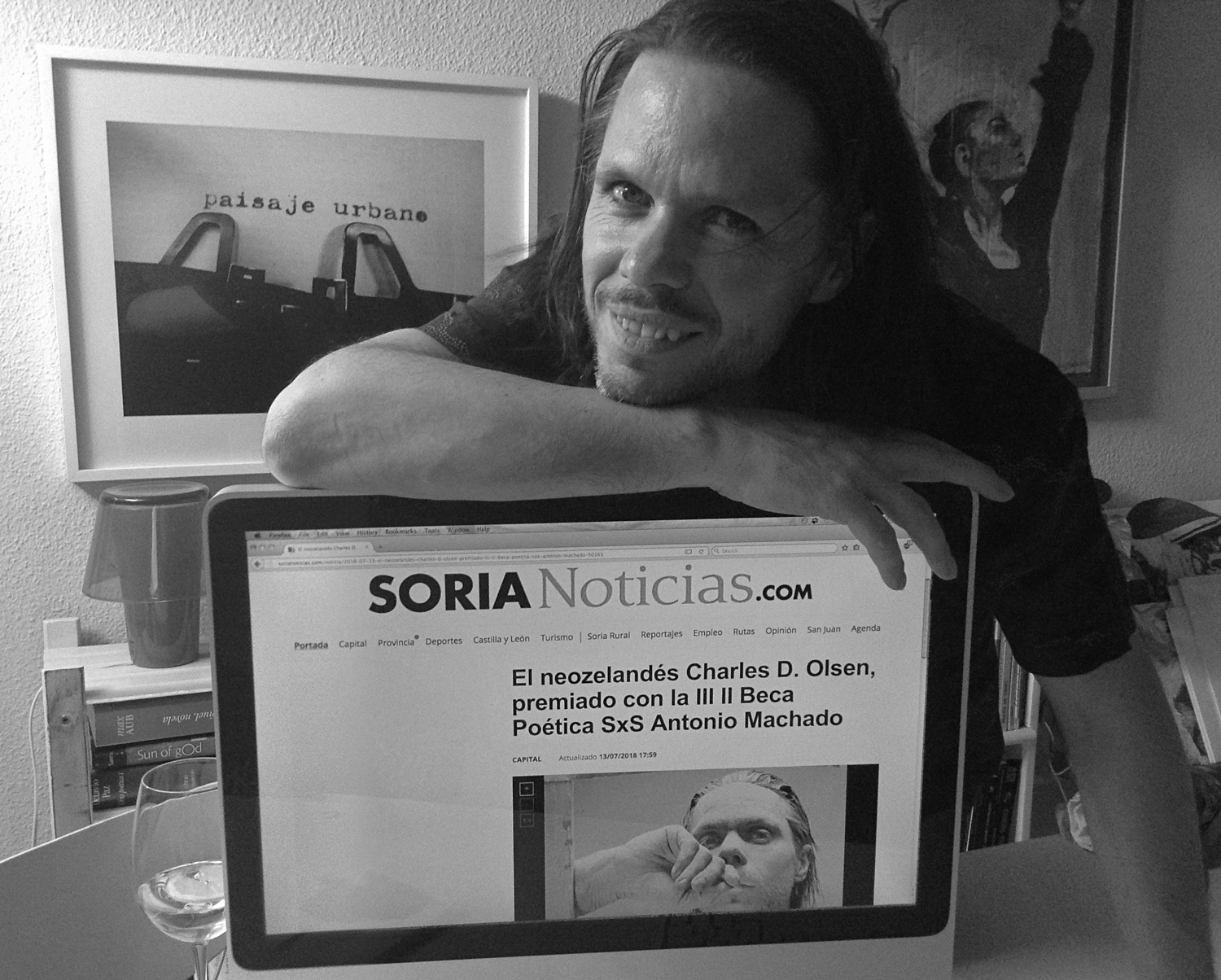
New Zealander Charles Olsen has been awarded the III Poetry Award SxS Antonio Machado, which takes the name of the Spanish writer who lived and worked in the cities of Segovia and Soria in Spain.

Organized by the town councils of Segovia and Soria the residency is open to poets resident in Europe of any nationality other than Spanish who have a basic knowledge of the Spanish language. The winner receives 3,000 euros and the town councils cover the poet’s travel costs to and from their cities.

The jury, presided over by Manuel Rico Rego and including Amalia Iglesias, María Isabel Gil, César Ibáñez and Andrés Martín has awarded the III Poetry Award SxS Antonio Machado to Charles Olsen for his proposal, which includes the first draft of a collection of between 30 and 40 poems in Spanish divided in two parts (Segovia and Soria) and a poetry project with the participation of residents of Segovia and Soria.

Charles will spend one month in each city following in the footsteps of the Spanish poet Antonio Machado, who first moved to the region of Castile in 1907 taking up the position of Professor of French at the Instituto General y Técnico of Soria, which now bears his name. He stayed until 1912, the year his young wife, Leonor Izquierdo, died and shortly after the publication of the first edition of Campos de Castilla.

2019 will be the centenary of the Antonio Machado’s arrival in Segovia where he stayed from 1919 until 1932 giving classes at the Instituto General y Técnico—now the IES Mariano Quintanilla—and actively participating in the creation and development of valuable democratic projects such as the Popular University, which will also celebrate its centenary in 2019 and has now become the San Quirce Royal Academy of History and Arts. A convinced pro-European and committed to peace and respect when both were becoming scarce in the world, Antonio Machado continues to be an important humanist and ethical figure, which only adds to the greatness of his literary oeuvre.

Charles himself has published two collections of poetry in Spain, Sr Citizen and Antípodas, and his poems are included in recent editions of Landfall, Poetry New Zealand Yearbook and Blackmail Press.

For New Zealand’s Phantom Billstickers National Poetry Day in August he will be running the competition Given Words, now in its third year, and to celebrate receiving the award he will choose words from one of Antonio Machado’s poems with which participants must weave their own poem. The Given Words competition, open to all New Zealand citizens and residents of any age, will go live on 1 August and has prizes for Best Poem and Best Poem by Under-16s, donated by Massey University Press and Mākaro Press. The winning poems will also be translated into Spanish.


Final episode of Poem on a Madrid Terrace

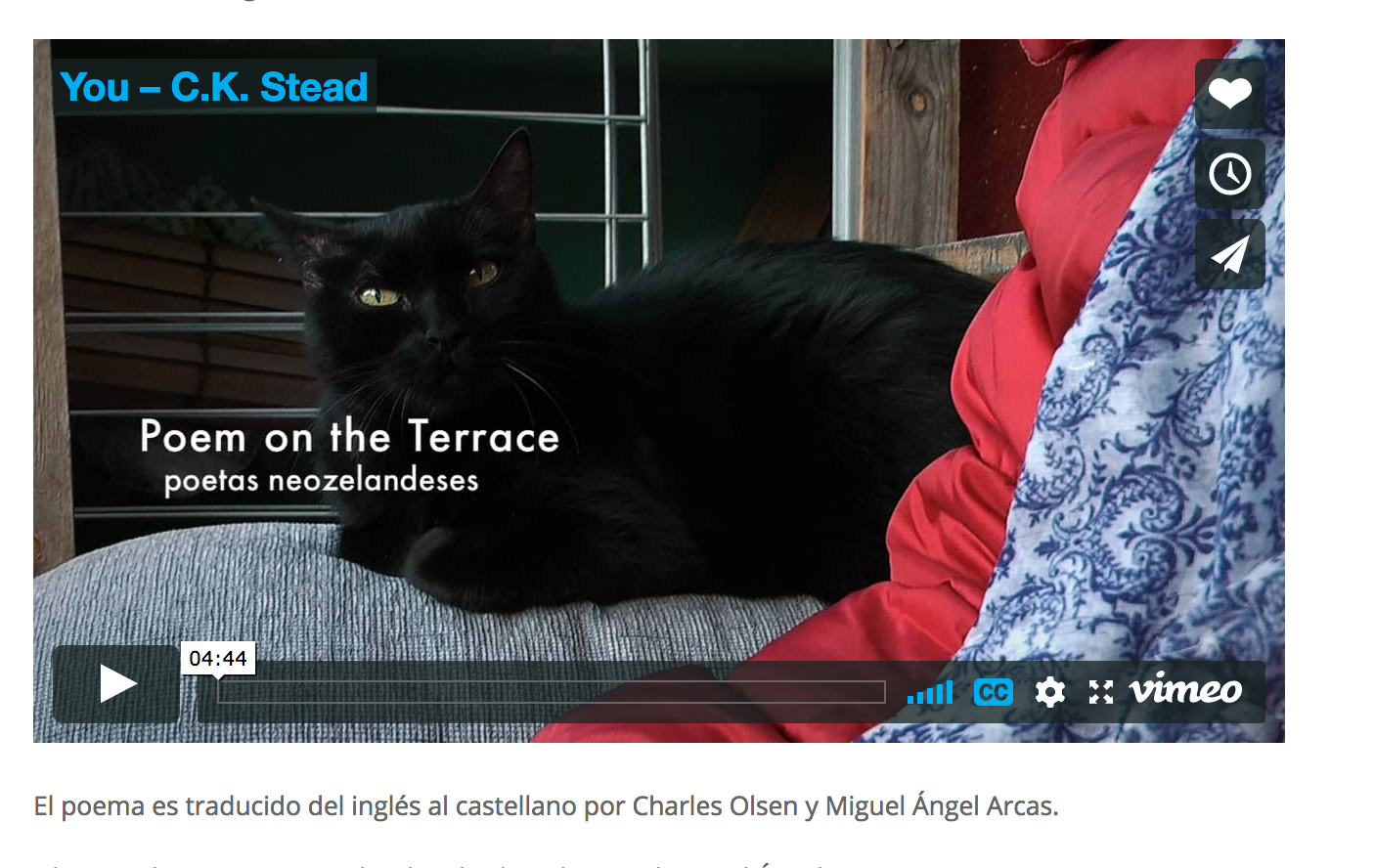
‘It appears the cold weather has finally arrived in Madrid after an extended summer… Anna Borrie and I read ‘You’ by C.K. Stead in the final episode of ‘Poem on the Terrace – New Zealand Poets’, where we introduce kiwi poets to a Spanish-speaking audience.’

Charles Olsen

Screen Shot 2017-11-13 at 8.32.23 AM.png

Listen here

Poetry conversation on a Madrid rooftop – Carolyn McCurdie

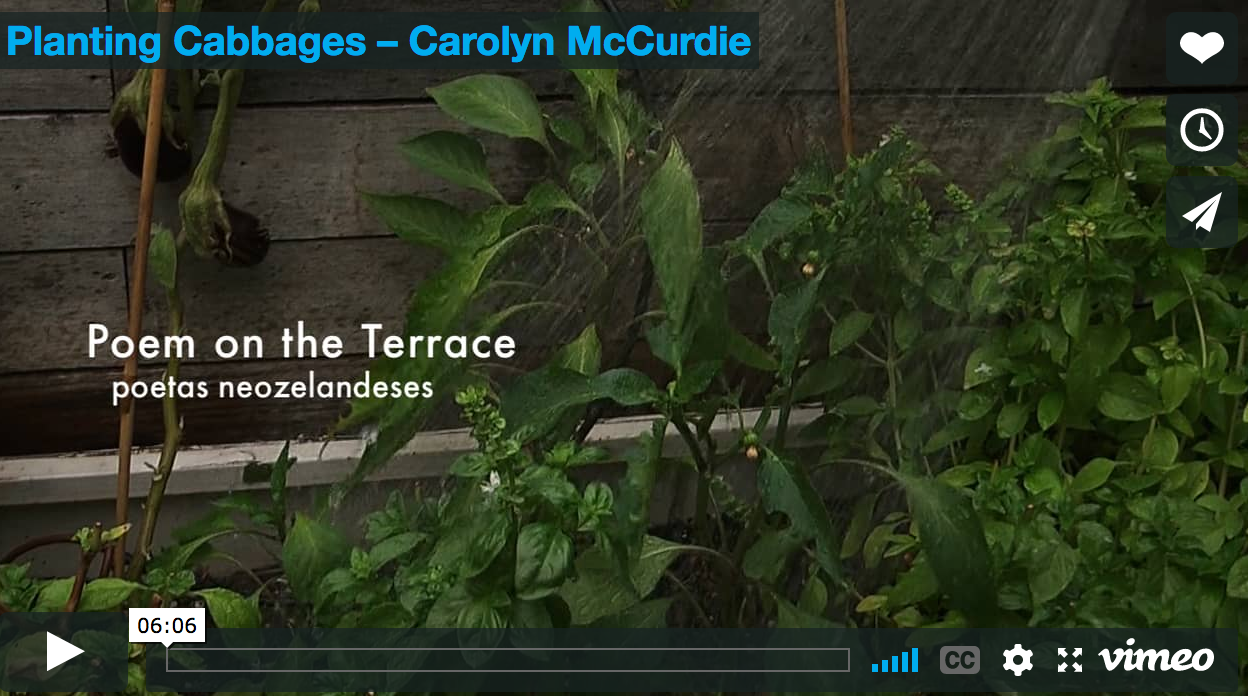
Poem on the Terrace – Planting Cabbages de Carolyn McCurdie

‘Poem on the Terrace – poetas neozelandeses’. Una serie para dar a conocer la poesía de las antípodas de España. Los neozelandeses, Charles Olsen y Anna Borrie, recitan y comentan un poema en una agradable terraza de Madrid.

En este capítulo leen ‘Planting Cabbages’ de Carolyn McCurdie. Pueden leer más sobre la autora, y leer su poema en castellano, en Palabras Prestadas.

We present ‘Poem on the Terrace – New Zealand Poets’, where we introduce kiwi poets to a Spanish audience. Charles Olsen and Anna Borrie recite and discuss a poem on a relaxed Madrid roof terrace.

In this chapter they read ‘Planting Cabbages’ by Carolyn McCurdie. Find out more about the author at the Otago Writers Network.

Listen here.
Screen Shot 2017-10-15 at 10.20.33 AM.png

From Madrid: Poem on the Terrace features Jack Ross

Screen Shot 2017-08-20 at 8.53.45 AM.png


You can hear the poem in both English and Spanish with the conversation here.