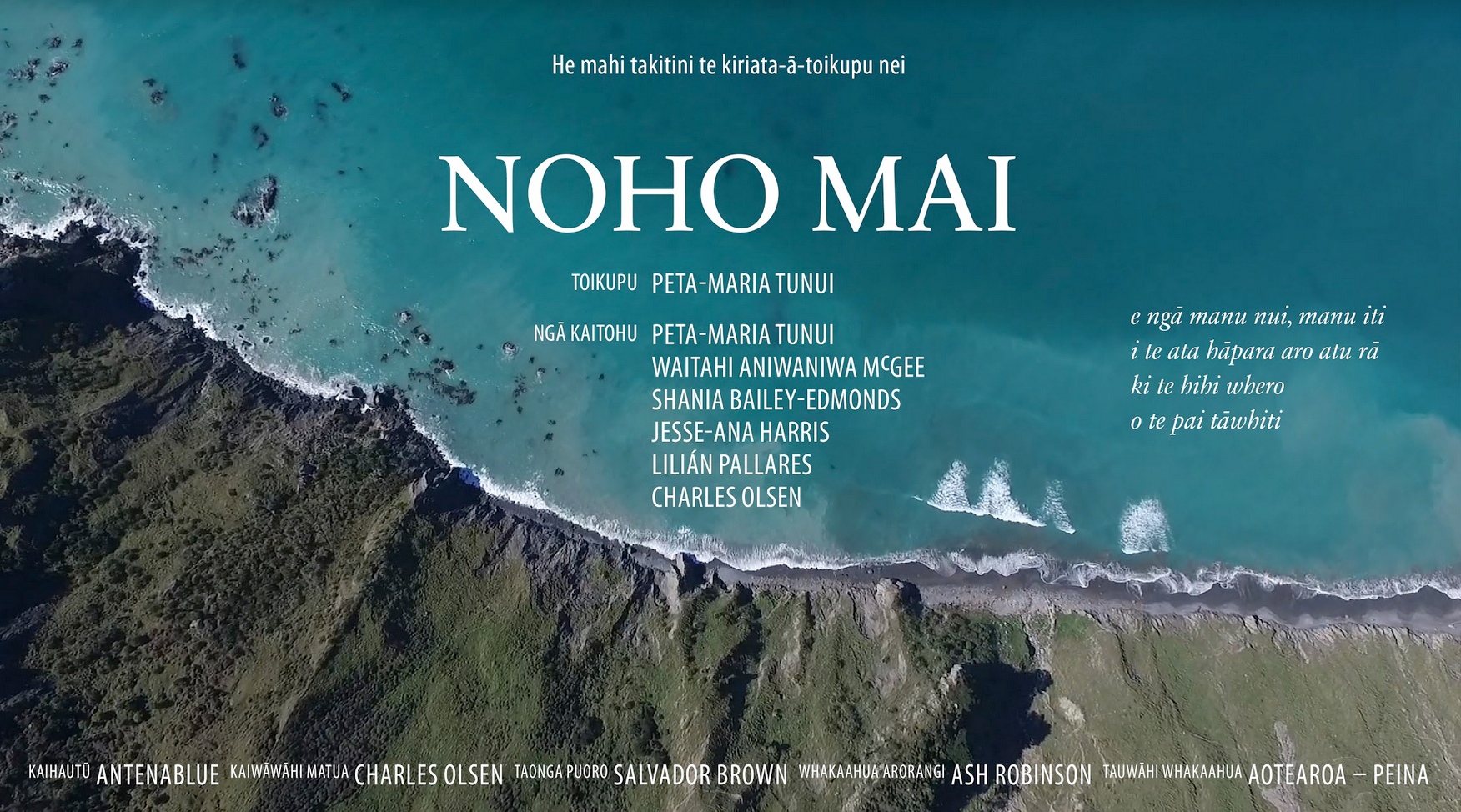
Te reo Māori poetry film ‘Noho Mai’ has been nominated for the ZEBRA Poetry Film Festival in Berlin – 19 to 22 November 2020. It has been nominated as one of 34 films chosen from around 2,000 entries from more than 100 countries.
The Opening and Awards Ceremonies will be streamed live on Facebook, YouTube and the Haus für poesie website on 19 November at 8pm and 22 November at 8pm respectively (times in Berlin). The full programme will be available for four weeks for €7.99 (NZ$13) from 20 November via Vimeo-on-Demand. NOHO MAI is included in the programme ‘International Competition I: Precious Souvenirs’. The full programme is on Haus für poesie: ZEBRA Poetry Film Festval Programme 2020
During lockdown at the beginning of the year Charles Olsen ran a te reo Māori poetry film workshop online with young creatives in NZ. The collaborative film ‘Noho Mai’ which came out of the workshop, is one of 34 films selected from around 2000 entries for the competition section of the ZEBRA Poetry Film Festival in Berlin, 19-22 Nov.
The festival will be available on Vimeo-on-demand for four weeks. Here is the trailer:
As Peta-Maria Tunui, who wrote the poem and is one of the co-directors, says in the current world situation, ‘the poem has become our koha aroha to people all around the world who are longing for their home and are unable to return.’
Peta-Maria Tunui and Charles Olsen in a kōrero with Dale Husband on Radio Waatea about the film.
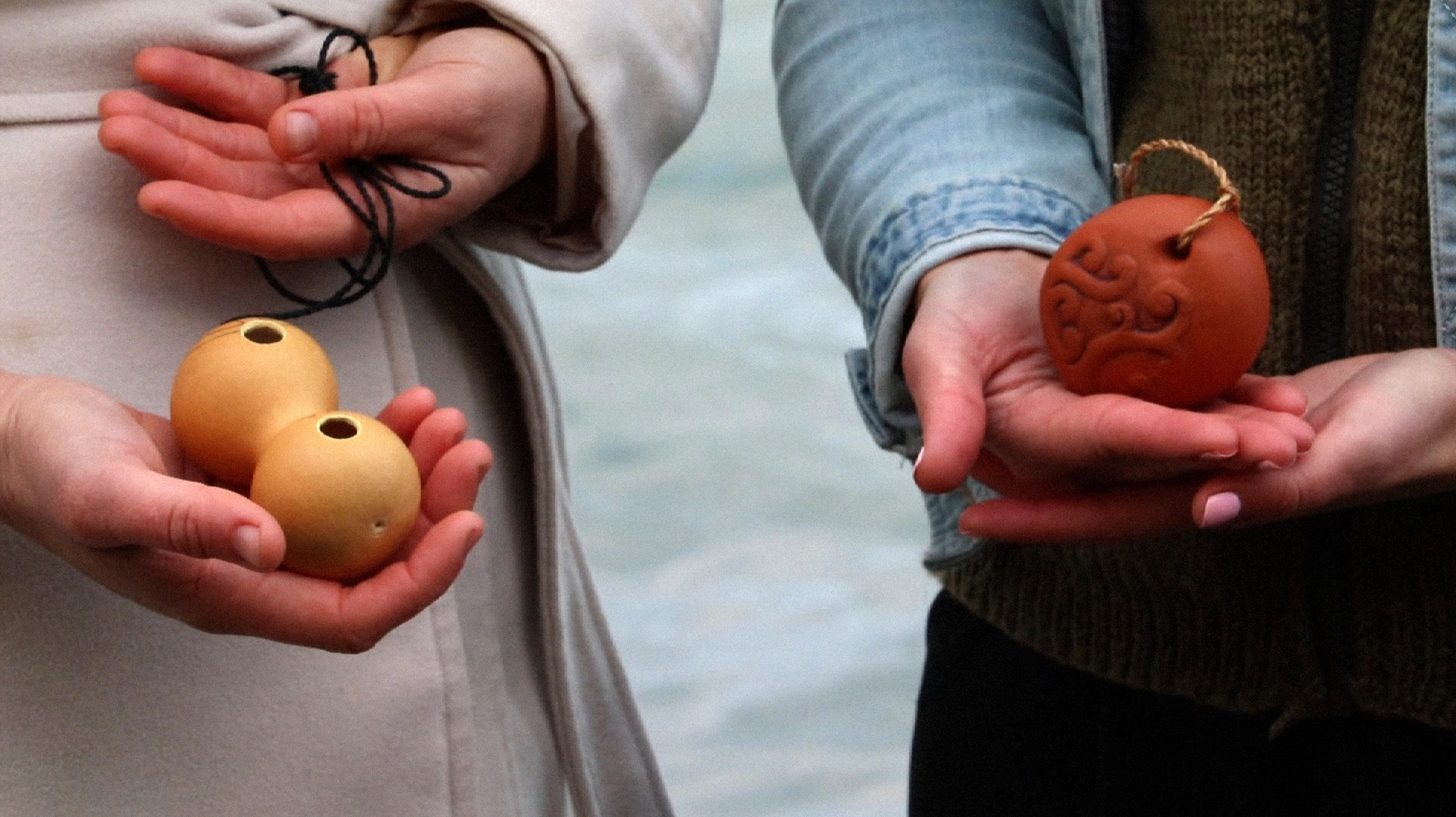
Still from Noho Mai
NOHO MAI CREDITS
DIRECTORS Peta-Maria Tunui, Waitahi Aniwaniwa McGee, Shania Bailey-Edmonds, Jesse-Ana Harris, Lilián Pallares, Charles Olsen POEM Peta-Maria Tunui VOICE Shania Bailey-Edmonds ACTORS Shania Bailey-Edmonds, Peta-Maria Tunui, Jesse-Ana Harris, Charles Olsen EDITOR Charles Olsen PRODUCER Antenablue FIELD CAMERAS Waitahi Aniwaniwa McGee, Ikey Ihaka Tunui, Charles Olsen AERIAL CAMERA Ash Robinson TAONGA PUORO Salvador Brown COLOMBIAN GAITA Charles Olsen KARANGA Peta-Maria Tunui SOUND MIX Charles Olsen ENGLISH TRANSLATION Peta-Maria Tunui FILMED IN Aotearoa–New Zealand: Te Whanganui-a-Tara, Waitaha, Te Tai Rāwhiti, and Spain: Madrid, Soria
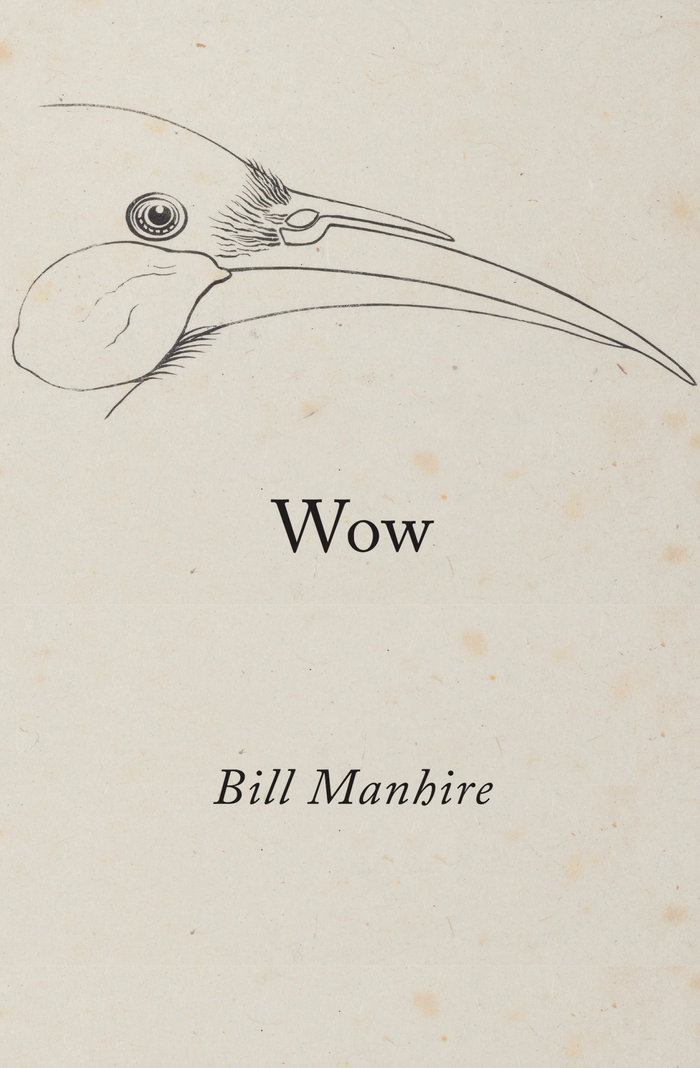
Bill Manhire, Wow, Victoria University Press, 2020
Excuse me if I laugh.
The roads are dark and large books block our path.
The air we breathe is made of evening air.
The world is longer than the road that brings us here.
from ‘The Armchair Traveller’
Over my decades of reading New Zealand poetry, some poets stand out. To my discovery of Hone Tuwhare in my secondary-school library in the early 1970s, I add the joy of reading Jenny Bornholdt, Bernadette Hall, JC Sturm, Michele Leggott, Emma Neale, Tusiata Avia, Cilla McQueen, Anna jackson, Bill Manhire. So many other poets have given me goosebumps across the decades, poets who have made me pick up a pen and write, who have hooked my attention and then kept me listening. What is it that makes a particular poet, such as Bill Manhire, our first national poet laureate, a favoured return over years? For me it starts with music, moves through heart, silence, mystery, ideas, wit. I seem to favour bridges into poetry thickets, and these thickets might appear within a handful of words or a book-long sequence.
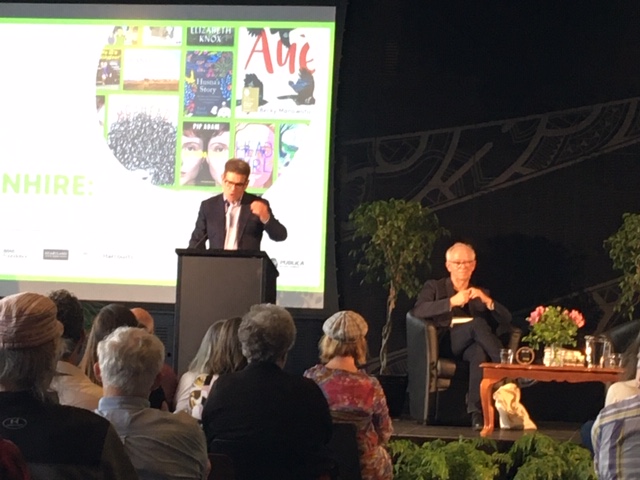
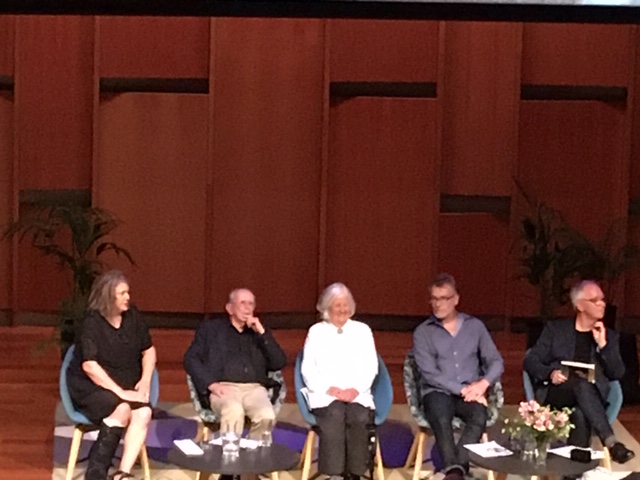
At WORD Christchurch a few weeks ago, I went to some excellent sessions. I have already written about the miracle of being there in the time of Covid, along with my festival highlights – but how fitting one favourite was the Bill Manhire / John Campbell conversation celebrating Bill’s new collection, Wow. John discussed the lasting effect of being in a Bill Manhire class at university and reading his poetry. I carried away such warmth and enthusiasm for poems and what poetry can do. John launched the conversation by explaining Bill’s impact on him: ‘A light went on in my head and heart which has never gone out’. This line has stuck with me. Poetry turns on internal lights. Gifts us an internal galaxy system. Coincidentally the house lights are always up in WORD sessions so it felt like a living-room or café conversation without the usual audience / speaker barrier at work. I kept wanting to join in! Afterwards fans lined up with the book to get signed and I pictured the queue of people racing home to find their own Wow enthusiasms. I will barely scrape the surface of how many paths through the collection.
Wow, co-published by Carcanet in the UK and Victoria University Press here, is one of four winter recommendations by the Poetry Book Society, an organisation TS Eliot and friends founded in 1953.
I begin with Wow’s preface: ‘they’ve cleared away / the clearings’.
The mystery is potent. The image haunting. I was sitting in my Ōtautahi hotel room, looking out at the parking-lot clearings, with Wow in hand, and I couldn’t stop leapfrogging from city clearings to bush clearings to mental clearings to poem clearings. And I couldn’t stop wondering what replaces the clearing, and the word bounced about in my head so much it lost sense. And then it became vital: we need clearings. We need clearings in the city, and the bush, and in our heads. Maybe we need clearings in poems, where the the light and dark intermingle, and the glints sit next to the ominous.
Thickets and clearings. The first poem is a song of the extinct huia, a fitting call onto the book’s musical terrain, and to uncertain and unsettling presents and futures. Such a poignant note to enter a collection with:
I lived among you once
and now I can’t be found
I’m made of things that vanish
a feather on the ground
from ‘Huia’
Turn the page and ‘Untitled’, a short poem, is an altogether different form of song. The dark edges are prominent, the silence (the unspoken, the withheld) a hook. This poem is the complete Manhire package: you get music, silence, mystery, dark edges, light turns.
Untitled
This book about extinct birds is heavier than any bird:
heavier than the dark bird eating my heart,
page after page of abandoned wings.
I lift it up and sit it on my lap
and listen to it purring.
Bill Manhire
John invited Bill to read the four-lined ‘A Really Nice Trip’, where the speaker visits several ‘Pleasant’ places: ‘Then we went all the way out to Pleasant Point.’ The audience laughed and loved it, and I pictured everyone picturing a mindstream of pleasant places. The poem is a wee joke. The poem turns up in reviews and on festival stages. The poem is also like a clearing for our own pleasant places, in my case, reeking of summer and green tea in a flask. Ah such a tongue-in-cheek, underrated word that scoots over how a Valley or a Flat or a Point can be satisfying, pleasing, a downright pleasure.
Yes! Bill is the maestro of ordinariness (a bit like Jenny Bornholdt is too) where an economy of words releases any number of treats. There is comfort in the ordinary – that pleasant place – that is sometimes so ordinary it becomes unreal, super-real. This kind of poetic ordinariness makes pinpricks on your eyelids, and you settle back in your chair or hammock as the armchair traveller, the poetry traveller, and it is altogether wonderful. I quoted the first stanza from ‘The Armchair Traveller’ at the start of this review, because it is this one of those classic Manhire poems that is going to haunt like ‘Kevin’ haunts you, or ‘The Ladder’ or ‘Erebus Voices’ or ‘Hotel Emergencies’ or ‘The Victims of Lightning’. Here is the last verse:
Time now to let the story take its course,
just settle back and let the driver drive.
Bliss is it late at night to be alive,
learning to yield, and not to strive.
from ‘The Armchair Traveller’
‘The Armchair Traveller’ is a poetry thicket at its very best – you get the light and dark, the mystery, the silence and the exquisite music. There is comfort but there is also discomfort. Perhaps the comfort –for me even in the darkest threats – is expanded by Bill’s fondness for rhyme and repetition. At times the rhyme resembles an incantation, a list, or repeating sounds, an insistent beat, but at other times, rhyme feeds the mysterious business of being human. ‘Warm Ocean’ is full of repetition and rhyme, assonance and alliteration, a sweet concatenation of musical effects and human connections, both within hearing and at a whisper.
Don’t play the music don’t play the music
says the man
who walks around town saying
over and over don’t play the music
all songs being made
as we know from things that hurt
ice that melts flames that fall from the sky
yes all of that and more
and the father goes on singing
long after his daughter leaves the church
from ‘Warm Ocean’
Yes! Wow offers multiple impacts as you read. Three poems in a row are heart catchers: ‘Knots’, ‘Our Teacher’, ‘The Sky’. Things are missed and missing. So poignant. Such treasures. How to tear yourself apart from the magical movement of ‘The Sky’? Impossible:
A man comes by with coal in a wheelbarrow,
muttering, muttering. He wants
to sell us warmth, his feet don’t leave the ground.
We think that we will always miss the sky.
It says look up whenever we look down.
from ‘The Sky’
Read Wow and you get story and song, light and dark, the surreal, constant surprise, but there is also always wit and humour. I laughed out loud at the indignant woman who thought she had phoned the cattery to get her vegetarian cat named Coleslaw back, and the bemused listener couldn’t get a word in edgeways. ‘The Lazy Poet’ is hilarious as it overlays cricket and poetry (‘He wonders about the word “thicket” …/ then turns on the cricket’) until ‘rain stops play’. I also laughed out loud at ‘The Deerculler’s Wife’, as it signals a poem that might be drowning, or yelling to get attention, or even blowing a yellow whistle.
Like many poets, Bill uses a roving speaker, who may or may not be autobiographical, invented, borrowed, an amalgamation of voices, experiences, imaginings. In a blog he wrote for Carcanet, he talks about the action between the speaker in the poem and the person who writes, and the way characters, one in particular, who keep turning up in his poetry. This nimble voice keeps us on our reading toes. Bill’s vagabond ‘I’ is best friends with an inquisitive and acquisitive eye and ear as it gathers in the world, real or imagined.
Wow will haunt you – so many of these poems have joined my list of memorable poetry encounters (see my list above to add to). The baby in the title poem says ‘wow’ while the big brother says ‘also’. This new collection sparks both the ‘wow’ moments and the ‘also’ moments. Get lost in its glorious thickets and then find your way out to take stock of the ordinary (and out-of-the-ordinary) world about you.
Bill closed his WORD session by reading ‘Little Prayers’, written in response to the Christchurch terrorist attack, 15 March 2019. This is a poem to hold in your heart. I will leave you with the opening verse, in the hope you will open the book, in your armchair or hammock, and begin reading:
Let the closing line be the opening line
Let us open ourselves to grief and shame
Let pain be felt and be felt again
May our eyes see when they cease crying
Let the closing line be the opening line
from ‘Little Prayers’
Bill Manhire’s most recent books include Some Things to Place in a Coffin (2017), Tell Me My Name (with Hannah Griffin and Norman Meehan, 2017) and The Stories of Bill Manhire (2015). He was New Zealand’s inaugural poet laureate, and founded and until recently directed the International Institute of Modern Letters at Victoria University of Wellington. He has edited major anthologies, including, with Marion McLeod, the now classic Some Other Country: New Zealand’s Best Short Stories (1984).
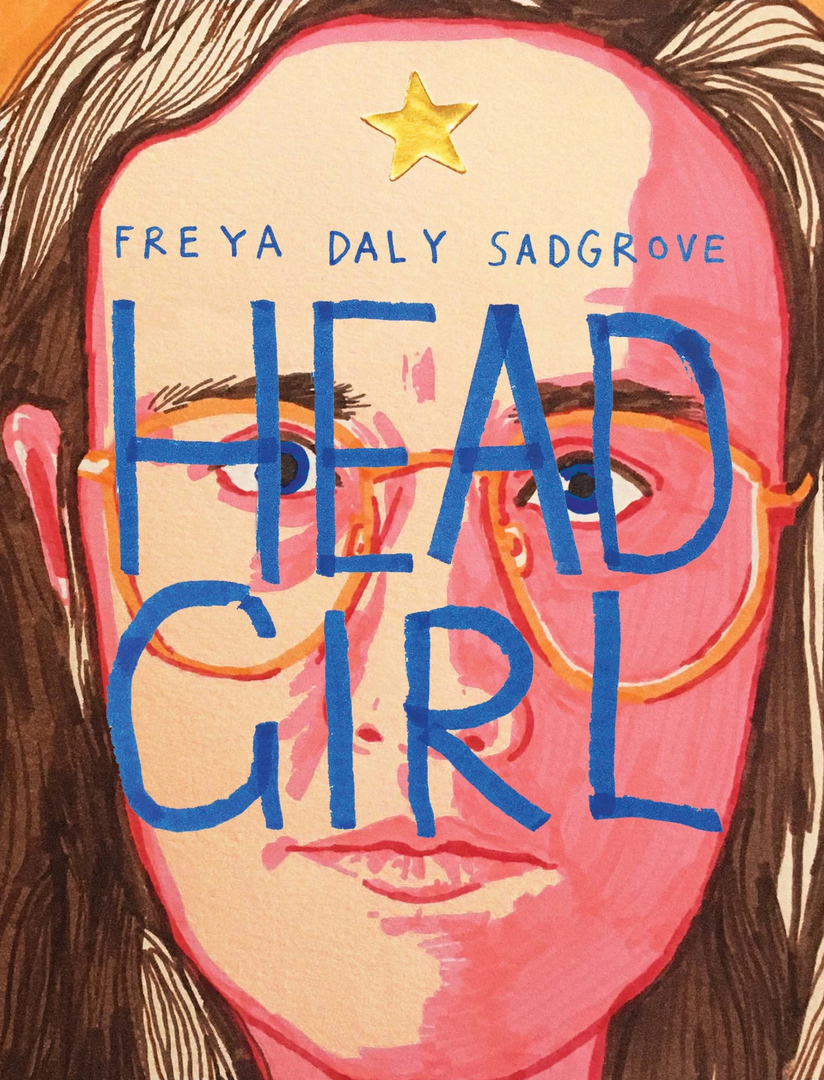
Freya Daly Sadgrove (Head Girl, Victoria University Press, 2020)
Freya Daly Sadgrove’s debut collection, Head Girl, arrived in the world in February, and like a number of local poetry books missed a featured spot on Poetry Shelf as Covid affected my concentration and ability to write. I read Head Girl when it came out and was in the grip of its searing self exposures, the cracking lines, the glints, the lightning, the darknesses, the dread, the anger. This is poetry that tears, that is torn apart, that is so utterly alive it hurts. Freya was part of my Wild Honey session at Christchurch’s WORD festival and unsurprisingly was an audience hit.
During one of Auckland’s Covid lockdowns, I decided to share poems that have haunted me from new books – the kind of poem that pulls you back because on each reading it grips. I am thinking of how I play a new album I love over and over – thinking of the way Reb Fountain and Nadia Reid’s new music has been on repeat this year.
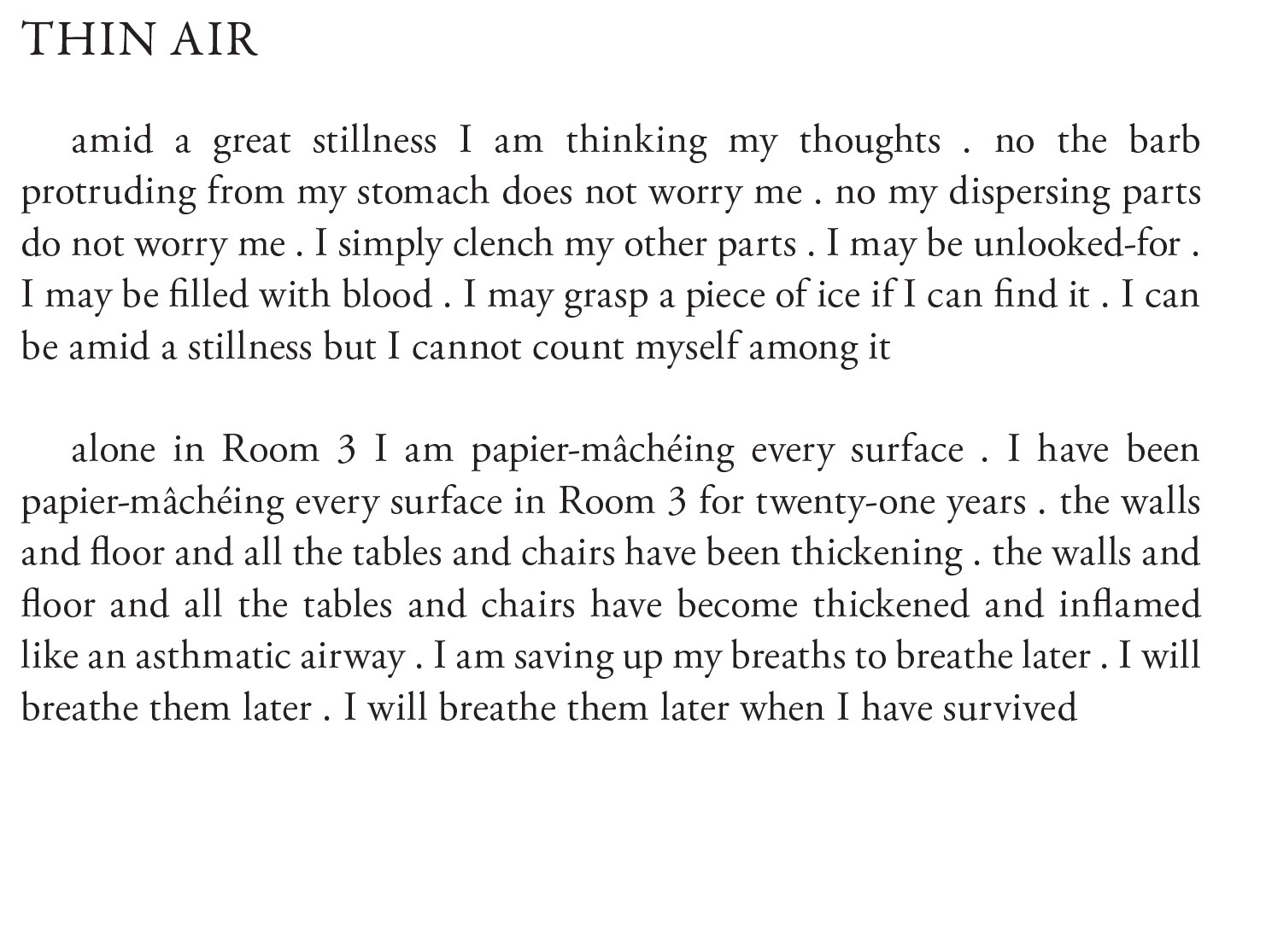
Freya’s ‘THIN AIR’ has got under my skin, oxygenating my blood with its surprising skids and smashes. Like the skid and smash from ‘stillness’ to ‘barb’. Like the terror of asthmatic ways and the stench of papier-mâchéing. Like the word ‘breathe’ and the word ‘survived’. But I find I don’t want to dissect these poems for you. These welcome poem hauntings. They just are. Little poem magnets. Little vitamin shots. Little head trips. Nebuliser albums.
Freya Daly Sadgrove is a writer, performer and theatre maker from Pōneke. She has a Master of Arts from the International Institute of Modern Letters, and her work has appeared in various publications in Aotearoa, Australia and the US. Head Girl is her first book. She is also the architect of Show Ponies, an ongoing poetry extravaganza that appeared at both VERB literary festivals in Pōneke this year.
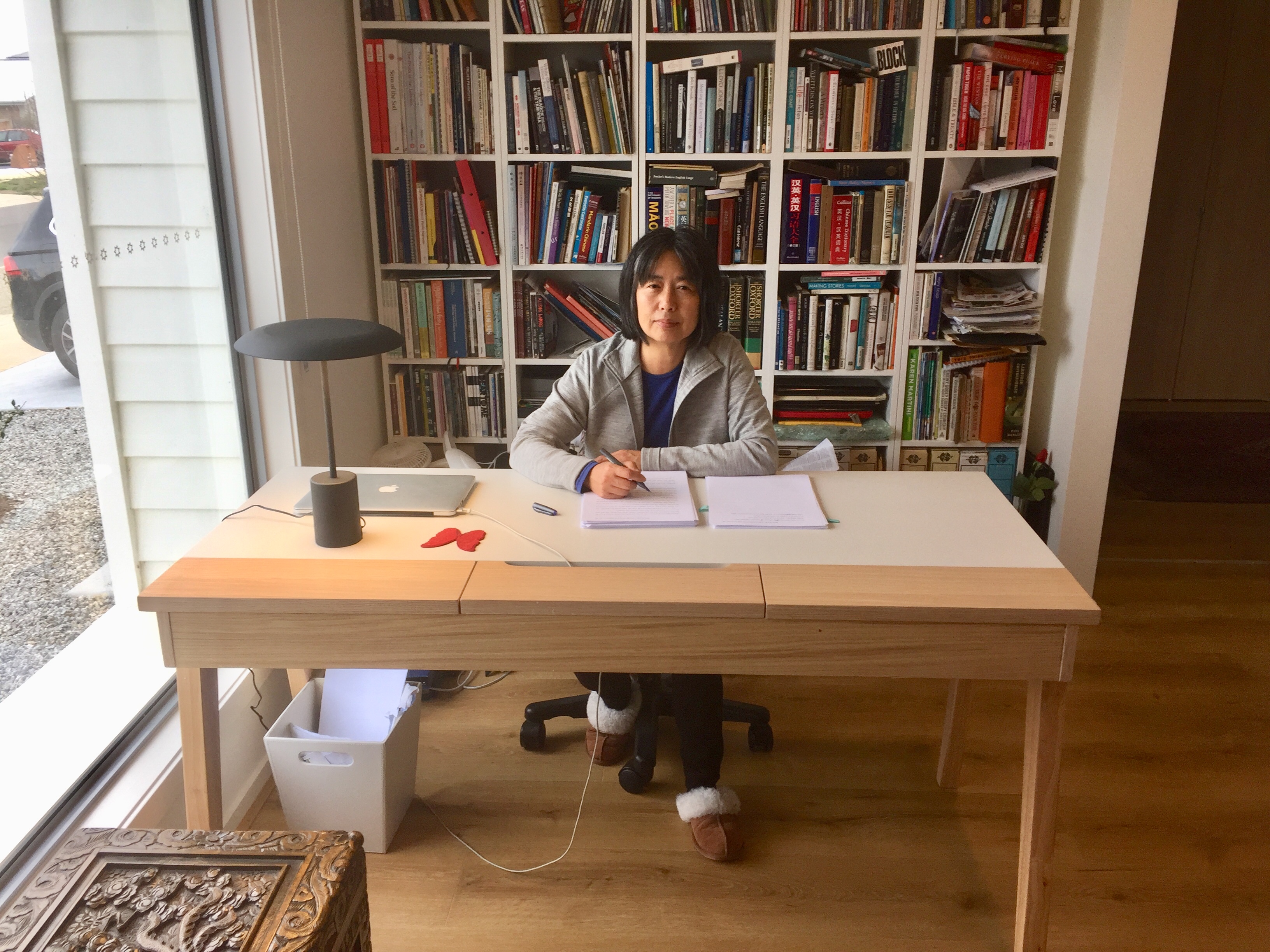
Writer Lynn Davidson, after living in Edinburgh for the past four years, has returned home to New Zealand. Her latest poetry collection Islander is published by Shearsman Books in the UK and Victoria University Press in New Zealand. She had a Hawthornden Fellowship in 2013 and a Bothy Project Residency at Inshriach Bothy in the Cairngorms in 2016. Lynn has a doctorate in creative writing, teaches creative writing, and is a member of 12, an Edinburgh-based feminist poetry collective. Her website
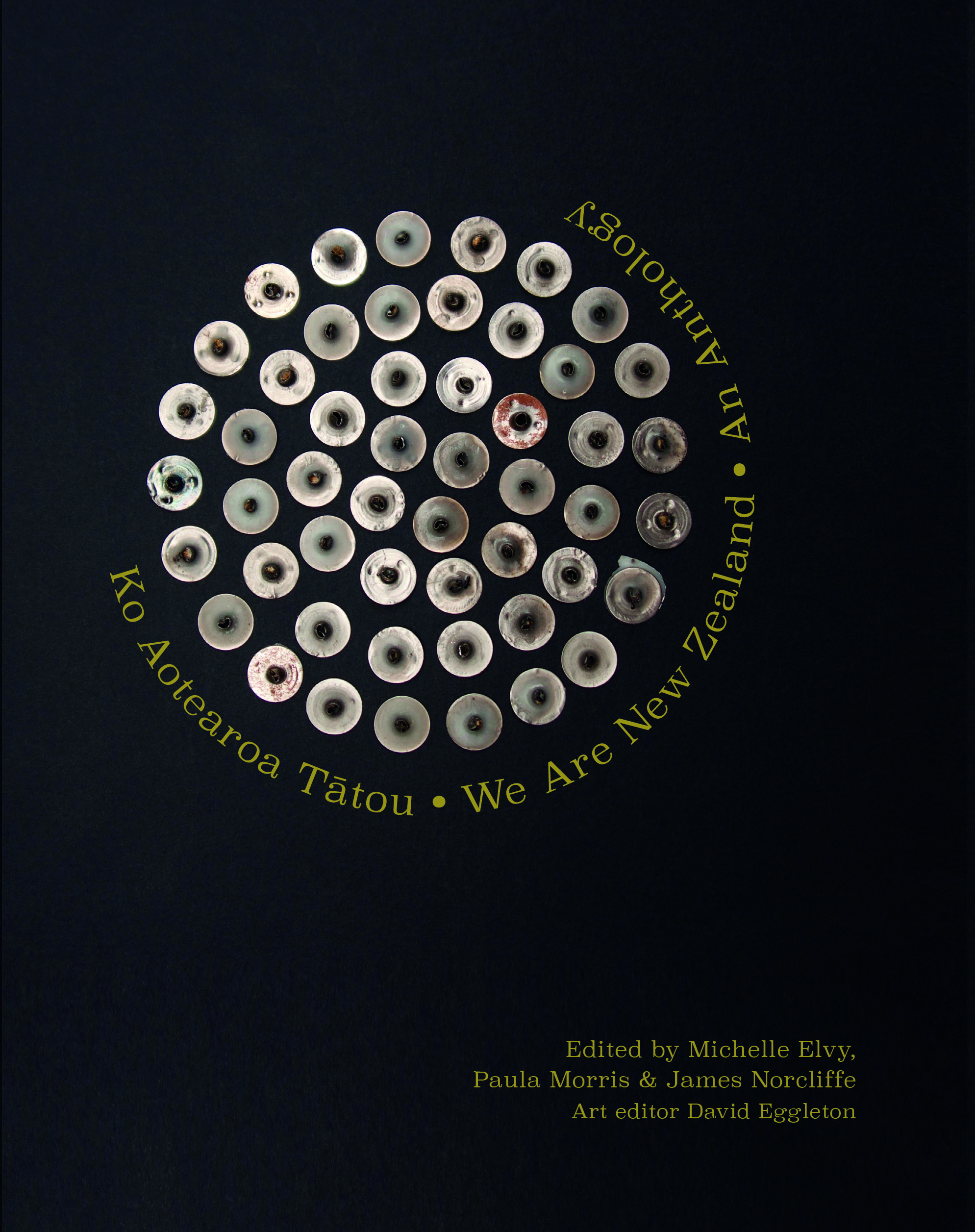
Alison Wong reads and discusses ‘Earth’ (published in Ko Aotearoa Tātou | We Are New Zealand edited by Paula Morris, Michelle Elvy and James Norcliffe, with art editor David Eggleton (Otago University Press, 2020)
A fourth generation New Zealander, Alison Wong grew up in Hawke’s Bay and has lived most of her life in Wellington. She now lives in Geelong, Australia and goes back and forth across the Tasman. Her poetry, fiction and creative nonfiction are translated and published internationally. Her poetry collection, Cup (Steele Roberts), was shortlisted for Best First Book for Poetry at the 2007 NZ Book Awards. Her novel, As the Earth Turns Silver (Penguin NZ; Picador Australia/UK), won the Fiction Award at the 2010 New Zealand Post Book Awards and was shortlisted for the 2010 Australian Prime Minister’s Literary Awards. In 2018 Booksellers NZ voted the novel one of the twenty bestsellers of the decade. She held the 2002 Robert Burns Fellowship at the University of Otago, the 2014 Shanghai International Writers’ Residency and the 2016 Sun Yat Sen University International Writers’ Residency. An NZ Society of Authors mentor, she was a poetry judge at the 2018 Ockham NZ Book Awards and in 2020 a consulting editor for the Asian NZ arts and cultural site Hainamana. She is co-editor with Paula Morris of the first anthology of Asian NZ creative writing, A Clear Dawn: Asian NZ New Voices (AUP), which will be launched at the Auckland Writers’ Festival in May 2021.
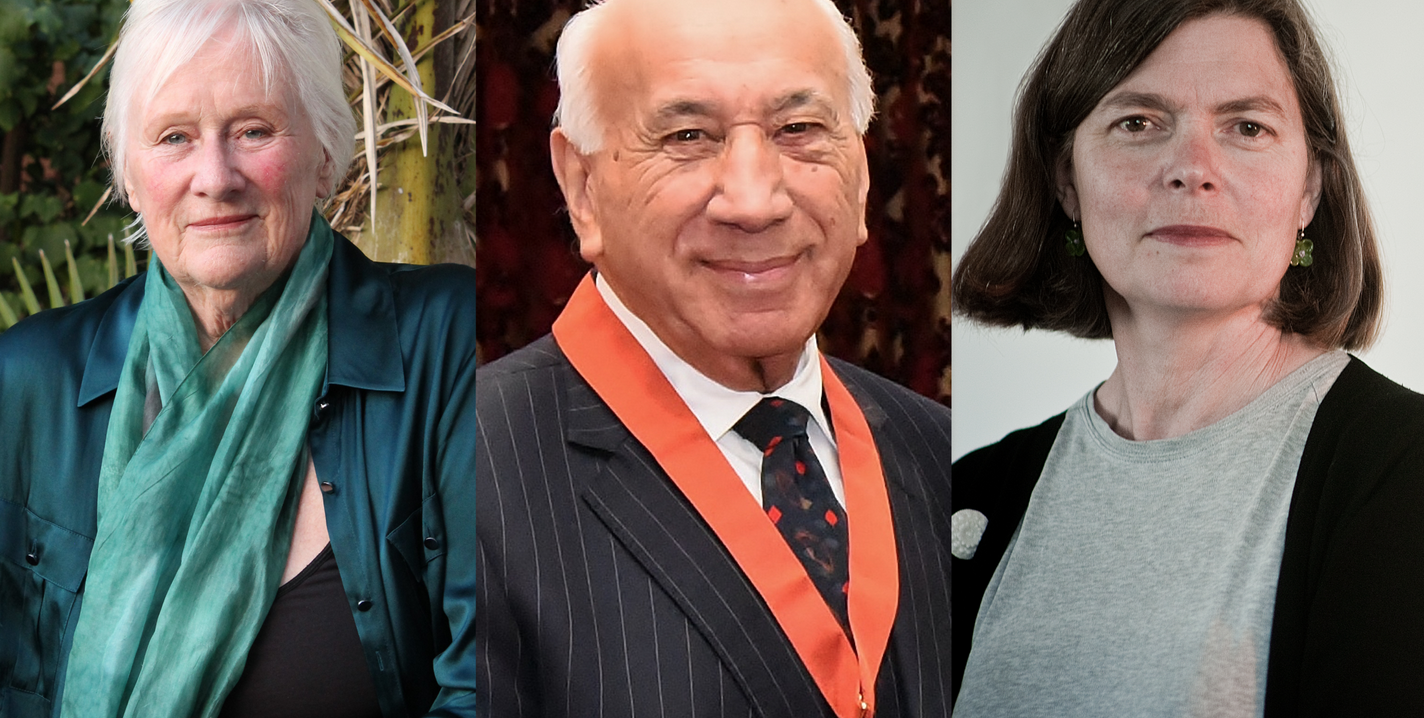
Winners of the 2020 Prime Minister’s Awards for Literary Achievement (L-R) Tessa Duder, Sir Tīmoti Kāretu and Jenny Bornholdt
‘Each poem is different, but there’s always a feeling, a kind of charge, when a poem is making itself known. It’s a matter of trusting yourself and following the direction of the poem.’ Jenny Bornholdt – Poetry Shelf interview
Poetry Shelf congratulates three deserving recipients.
A lifetime of insights on Māori dance arts told in te reo Māori, a comprehensive anthology of New Zealand poetry in English, and an illustrated story of how James Cook charted Aotearoa New Zealand are just some of the many achievements of those being honoured with the 2020 Prime Minister’s Awards for Literary Achievement:
Non-Fiction: Sir Tīmoti Kāretu KNZM QSO (Ngāi Tūhoe, Ngāti Kahungunu) – a leading New Zealand academic of Māori language and the performing arts, a translator and author, and a key driver of the revitalisation of te reo.
Poetry: Jenny Bornholdt MNZM – an award-winning poet, anthologist, Arts Foundation Laureate and former NZ Poet Laureate.
Fiction: Tessa Duder CNZM, OBE – critically acclaimed children and young adult writer.
The Rt Hon Jacinda Ardern, Prime Minister and Associate Minister for Arts, Culture and Heritage, says, “It’s a real privilege to support these special, annual awards that celebrate the value our writers bring to Aotearoa. It was wonderful to see such a high volume of nominations this year – this just demonstrates New Zealanders’ appreciation and appetite for literature. Congratulations to Tessa Duder, Sir Tīmoti Kāretu and Jenny Bornholdt. Thank you for your significant contribution to New Zealand literature, your storytelling, and the legacy you’ve created.”
I tell a woman I don’t love her. I tell her via text
with Gretchen Albrecht’s huge painting
of a cloud, a country, occupying my field of vision
completely. The wall behind the painting
isn’t grey at all, but a dazzling, electric blue.
The same blue of Frida Kahlo’s
Casa Azul, which my sisters are visiting—
sending me snapchat selfies of their faces filtered
with flower crowns and monobrows.
I want to love her, and I tell her this, but that
just makes it worse for both of us.
She is my ideal woman—she is my ideal woman
and she has red hair cut with a fringe, so why can’t I
make myself tip over into giddy for her?
What a cunt. Always getting in my own way.
Always striving for honesty but saying something
hurtful instead. The only other person
in the gallery is a young woman reading Anne Carson’s
Autobiography of Red and ignoring the art—
that’s the kind of book you see someone reading
and feel like you know them—
that they must feel the same split-open way you did
on reading it. The problem with me
and the ideal woman is that we like all the same books
but never for the same reasons—
like, we’re always not quite in sync. The problem
with me and the ideal woman
is that we both value our mental health too much
to have the Frida and Diego,
Geryon and Herakles kind of love.
The problem with me is that I want that kind of love anyway.
Why am I like this—
is a question I try not to worry at too often
but I’m asking it now—always putting aside something
good for the myth of something better.
This is a high-stakes way to love—being psycho-
analysed via text in a terracotta-red room
with a thousand painted old people looking down at me
from their gold frames.
Because I don’t want to hurt her feelings
and because I keep hoping my feelings might yet arrive
the conversation goes on too long. She’s right,
I’ve done a bad job because I still want her to like me.
What I should’ve said, she says—
This isn’t working. It’s over.
Hannah Mettner
Hannah is a Wellington-based poet from Tūranganui-a-Kiwa. Her first collection, Fully Clothed and so Forgetful (VUP 2017), was longlisted for the 2018 Ockham New Zealand Book Awards, and won the Jessie Mackay Award for best first book of poetry. With Sugar Magnolia Wilson and Morgan Bach, she is one of the founding editors of Sweet Mammalian.
Having been in lockdown for much of the year, in our sweet haven on the west coast of Tāmaki Makaurau, it feels both strange and wonderful to be flying south to rooms full of people celebrating words. On the plane I wear my mask, listen to music, read Bill Manhire’s Wow, and all the time feel like dancing in the aisle, dancing some kind of gratitude salsa.
Rachael King has shaped a stunning and innovative programme with heart and soul and verve that celebrates books and words in Aotearoa. I pretty much want to go to everything, but that isn’t possible of course, when you are doing your own sessions, and there are several venues. I am very happy there will be key podcasts and some replays on Radio NZ .
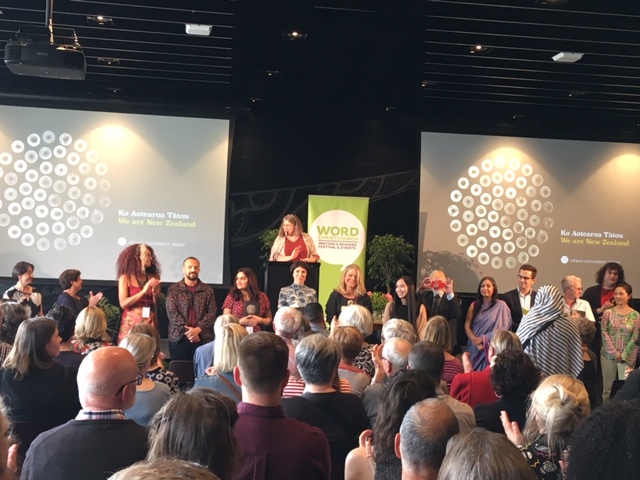
The Ko Aotearoa Tātou: We Are New Zealand reading: editor Paula Morris invited the speakers, and other contributors to the book, to stand.
October 30th. One moment I am in our beautiful bush clearing and then, after several hours travel, I am in a festival room listening to writers read from the brand new anthology Ko Aotearoa Tātou: We Are New Zealand (Otago University Press). It is mesmerising, moving, uplifting. It seems both so very real and so very unreal to be there, like I am a sheet of tissue paper that has floated in from up north. Fragile. Unable to speak. See through. Brittle. But hearing these writers, hearing Mohamed Hassan read, hearing essa may ranapiri read, to hear them read from heart, with body sway and body music, along with a number of other authors, is extraordinary.
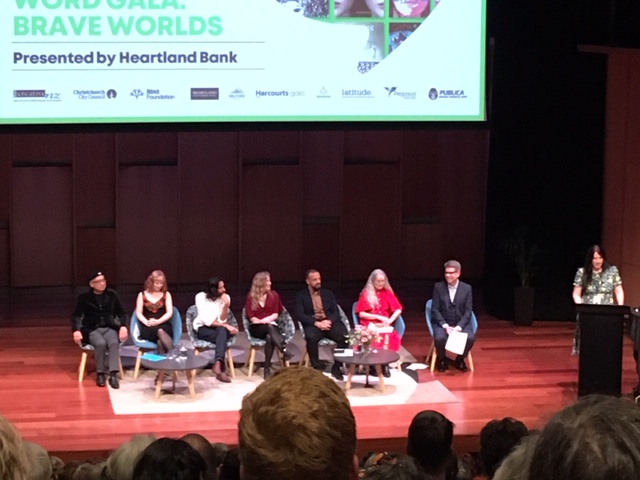
Later that night, Rachel King launches the festival with ‘Brave Worlds’, the Gala event. John Campbell, with his contagious literary and life enthusiasms, introduces six authors, multiple bravenesses, multiple vulnerabilities. Elizabeth Knox talks abut the courage you draw upon when someone beloved has not much time left, how courage eludes, how loss might go hand-in-hand with regret. I am sitting at the back, fragile tissue paper on the seat, and feel I will start crying. There’s a break in Elizabeth’s voice near the end, and I am thinking it took courage to agree to this public self exposure.
Poet Mohamed Hasan had launched his debut collection National Anthem the night before. Here he talks of his father coming to Aotearoa, of building a family life, of the grief at his aunty’s death, of the immeasurable grief after the March 15 terrorist attacks, of the shocking rise of Islamic abuse since that date. Not the unity. Not the we-are-one. And it is important to hear this. Painful. And I am sitting here in my dampness thinking of the power of poetry. I need to be shown we need to be better. To do better.
Becky Manawatu talks about the courage it takes to stand on this stage alongside the other writers. She talks a bridge from her near failures at secondary school, of the boy who had faith in her desire to write, who believed she would write a novel, the ‘streaming’ test she sat that she thought she would ace, in her passion for learning and knowledge. But she favoured quality over speed so was labelled ‘average’. Becky tells us she was sustained by the mana her sisters fed her, not by the education system that failed her. I am back in my teenage shoes, remembering my English teacher who told me I would never get anywhere in the world writing as I wrote, me believing her, me failing school.
I wanted to stay and hear Behrouz Boochani, Laura Jean McKay and Witi Ihimaera, but I have been awake since 3.30 am, I am full of dampness and grief. I am feeling John’s warmth and empathy as he responds to each speaker, but I am feeling this is a tough tough world. Yes there’s a pandemic, yet there are so many other layers and challenges that demand our courage and our strength. And sometimes it all feels too much. All I can do is put my adult shoes back on and take one step at a time.
I told you I was reading Bill Manhire’s Wow (Victoria University Press), on the plane down, so hearing Bill read a few poems from his new collection and have a conversation with John Campbell is a treat. Bill talks about achieving a particular kind of music, about the way poems drift between sound and sense, sometimes favouring one, sometimes the other. He refers to the idea a poem might be a prolonged hesitation between the two (idea courtesy of another poet whose name eludes me). Ah the joy of hearing Bill read – you hear word music and it takes you in multiple directions. I am still reading his book and slow musing before I write something for the blog so don’t want to say too much more here. But a downright treat to be at this session – and to hear John share Bill’s impact on him in his classes at university: ‘A light went on in my head and heart which has never gone out.’
And that’s it really – sitting in this session it’s a light on in your head and heart.
I feel so comfortable in this session, I keep forgetting I am in the audience and almost join in the conversation, making comments on Bill’s poems, asking questions. Thank heavens I don’t! Would be so embarrassing. Like I said the world feels awry. I feel off kilter.
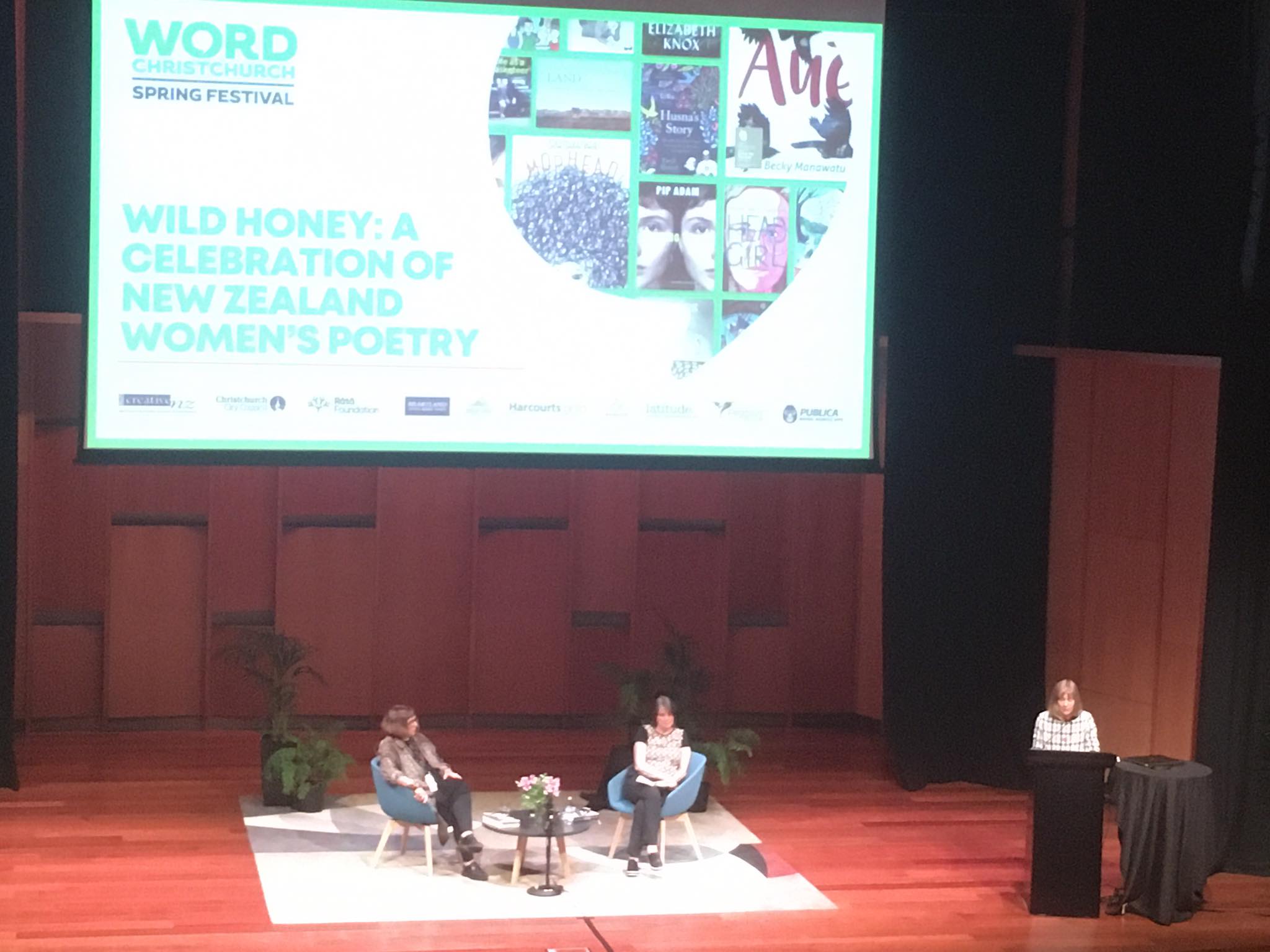
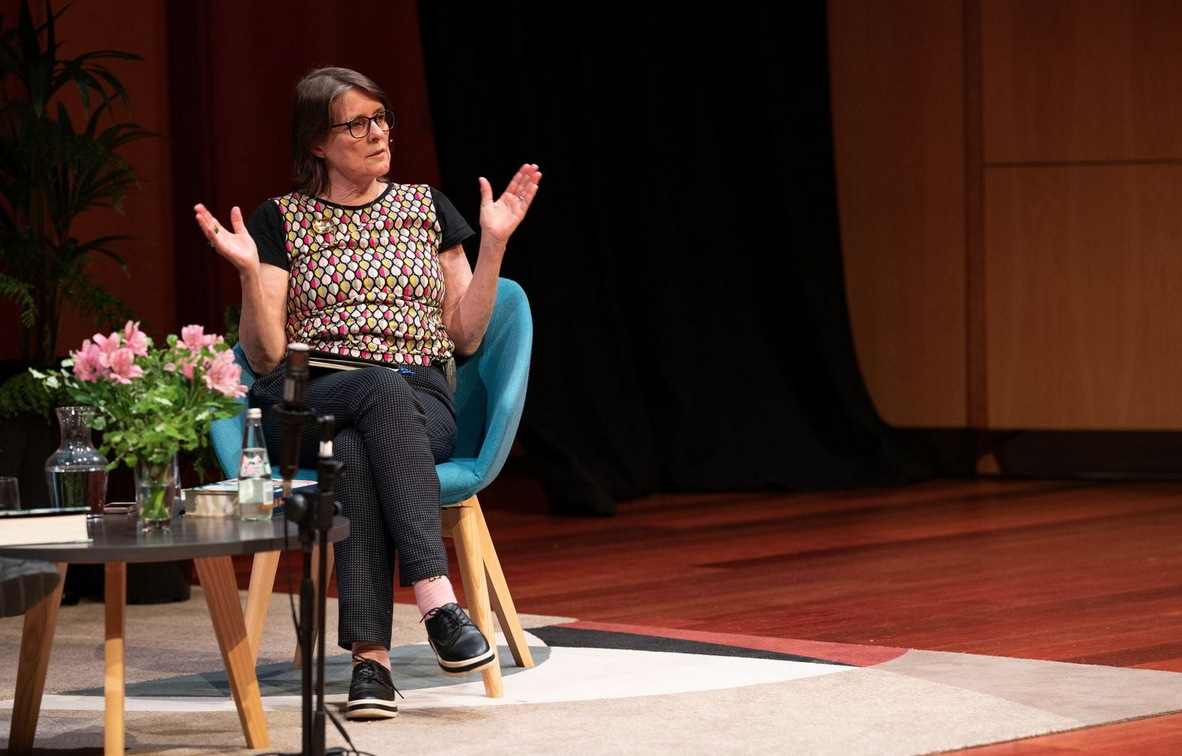
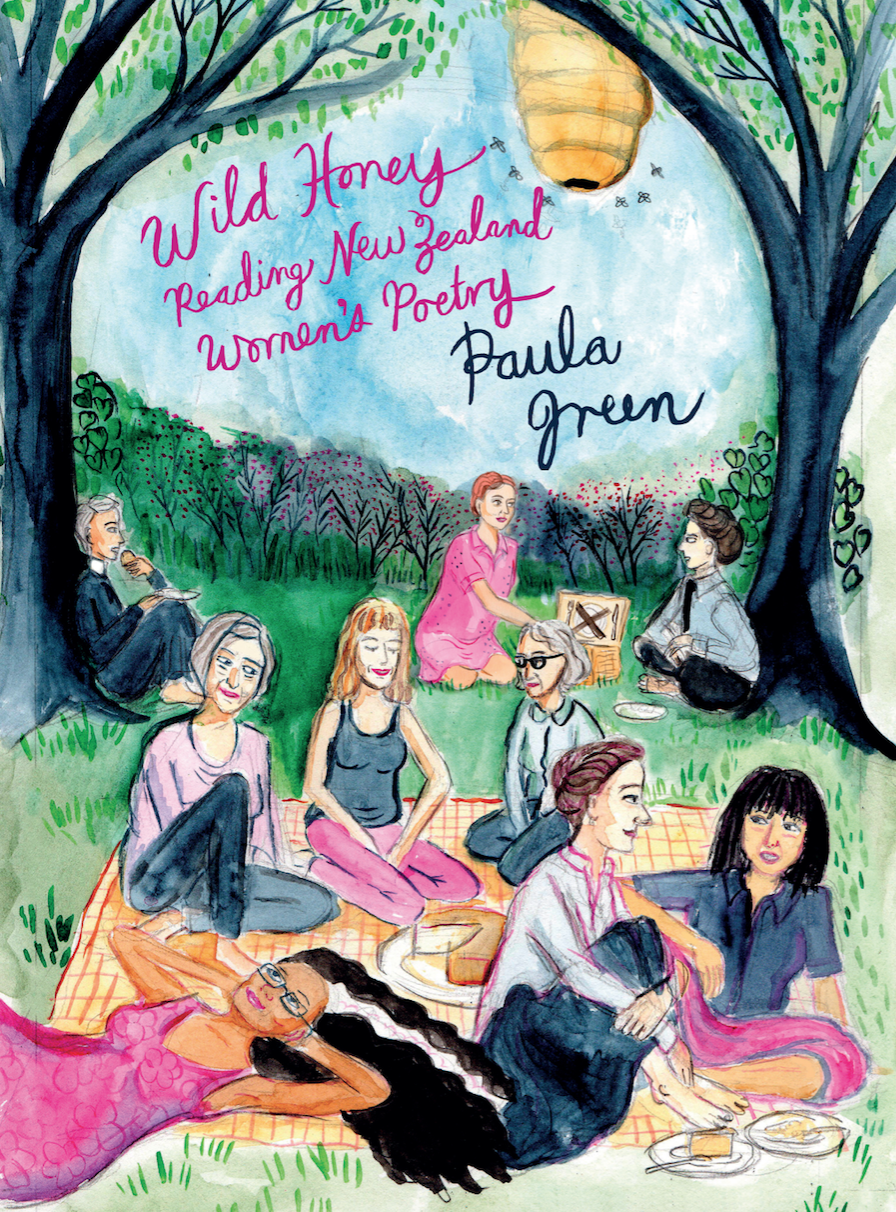
Later in the day and I am sharing the stage with Morrin Rout and six other poets to celebrate Wild Honey (Massey University Press) and women’s poetry in Aotearoa (Cilla McQueen, Jess Fieberg, Bernadette Hall, Frankie McMillan, Freya Daly Sadgrove and Selina Tusitala Marsh -sadly my dear friend Tusiata Avia couldn’t make it but Selina read a poem of hers). I am still feeling discombobulated, not used to talking to other people in the flesh, but I am having a quick-fire conversation with Morrin and listening to women read whose work I admire. I introduce Cilla and quote from her: ‘Poetry leaves me in a state of never knowing what’s going to happen next.’
I quote from Selina on poetry: ‘I guess it begins with movement, like, something has to move me emotionally, intellectually, spiritually. And then it has to fit right in my mouth, which doesn’t necessarily mean it must rhyme, but that the words must be able to mill about together on the tongue. Ftting in the mouth and on the tongue often means that the words dance with each other, shadowing each other’s rhythms. Juxtapositions are important in order to disrupt expectation and widen the reading audience. For example, what happens when Muay Thai kickboxing, a traditional Tuvalu dance, and grief move together in the same space, on the same page? And then a poem has to move someone else.’
Freya, Selina, Frankie, Bernadette, Cilla and Jess (photo credit: WORD Christchurch)
Morrin asks why I called the book Wild Honey. I don’t say how an Australian academic nearly vomited on me when I told her the title and the book structure at a dinner once. I tell the audience maybe things work on you below the surface, as my partner is the painter Michael Hight, and I have lived with his magnificent beehive (and night) paintings for decades. And how we always have a pot of honey on the kitchen table. But more than that, women’s poetry is like honey, yes sweet, and yes textured and sharp, and yes full of shadow and light, like the transformative activity of the hive. And yes, women have a history of writing poetry in the wild.
I am asked to reflect back on the three women I picked as my foundation stones for the poetry house I built (Jessie Mckay, Blanche Baughan and Eileen Duggan), the first women with books published here. I want to say so much about these women, how I learnt to cross the bridge to their writing over time, how they were fierce and strong, overtly political, fighting for a better world, full of doubt, most especially full of doubt about their ability to write poems when the men knew better. I don’t say how some academics have used the poems of this trio to support theory, especially post-colonial theory, and how both the woman and the poem disappears. And how I want to bring them back to the light.
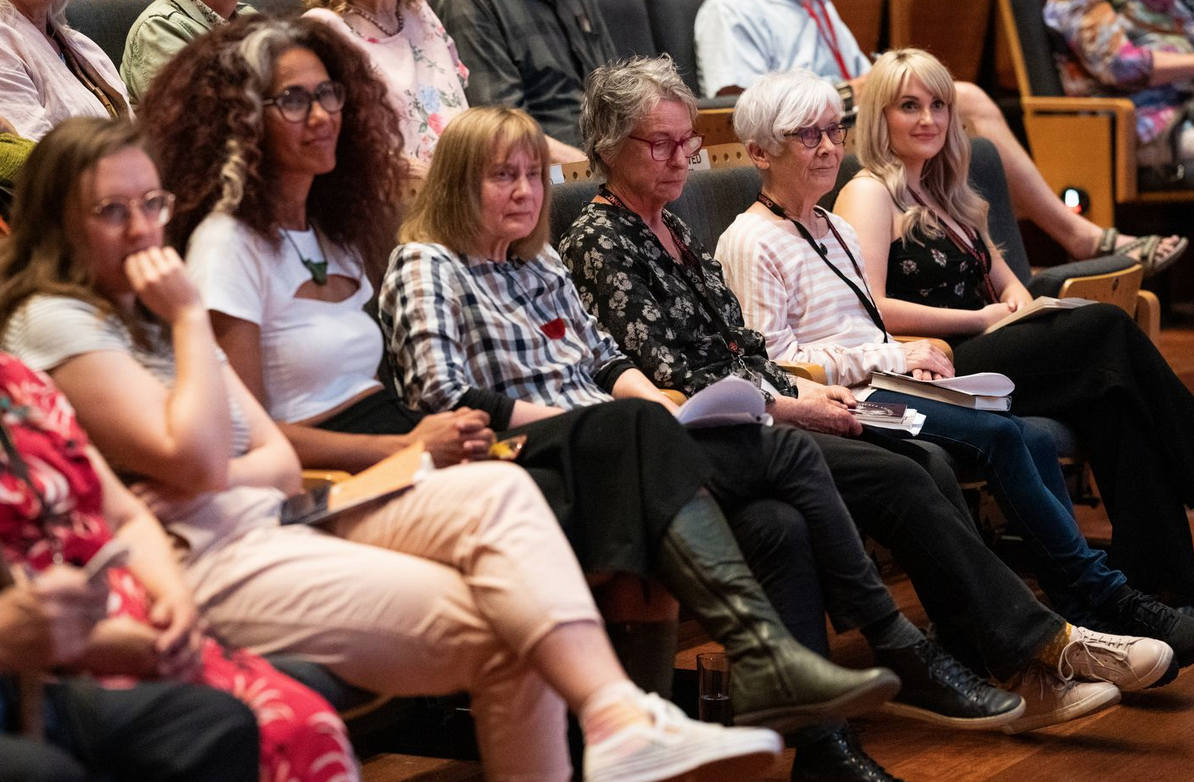
I love the fact the auditorium lights are up and I can see both familiar and unfamiliar faces in the audience and it feels like a warm and supportive poetry family. I am so grateful to have this chance to talk poetry with Morrin, such a champion of writers and writing in Aotearoa.
Me measuring a poem, or the gleams, or the pause at the end of the line (Photo credit: WORD Christchurch)
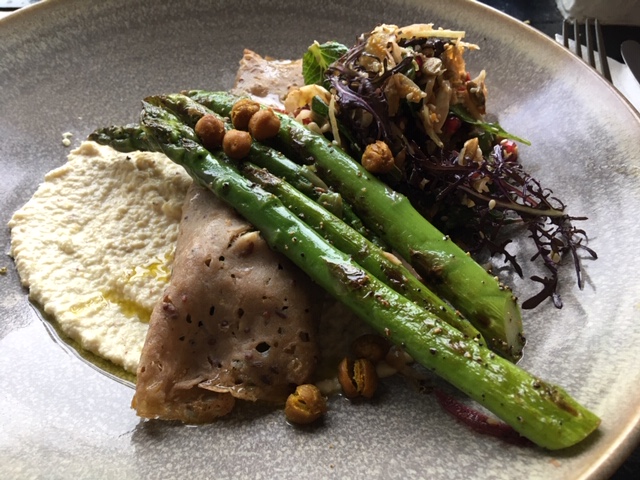
Dinner. Eating vegan dosa with humus and crispy chick peas at 27 Steps.
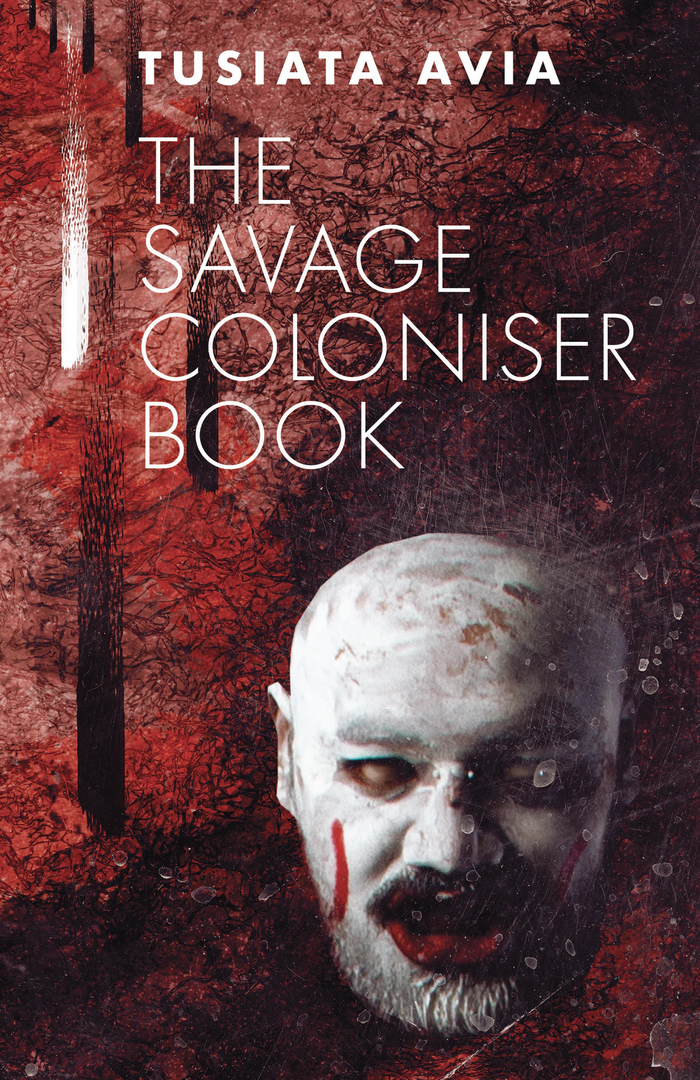
Off to the launch of Tusiata Avia’s The Savage Coloniser Book (Victoria University Press). A small room packed with dear friends and whanau, and conversation. I am sitting on a stool right at the back listening to Tusiata read, and it is beyond words in my head, it is open heart surgery, and it is skin ripping, bone marrow shifting, it is legs unsteady, it is can’t breathe, because this book, these poems, like those of Mohamed, are sitting me bolt upright. I am the white woman. I am the white woman crying at the world. I can’t help it this year. I can’t sleep. I can’t eat.
The arrival of this book is spoken into being with Tusiata’s inner strength and mana. This is need. This is need to speak. This is need to write. This is need to listen. This is need to stop still.
I get a taxi back to the hotel with Elizabeth Knox and I feel the strangeness of this Covid year as we sit in the lobby and and she holds my hand and I tell her something and I am crying. And then I forget to tell her I always call her book The Astonishing Book but I do tell that I wish it had won the book award and that I cried when it wasn’t even shortlisted.
I am lying on my hotel bed drinking camomile tea thinking this is the year of little openings, like the slow lift doors in the hotel, and how something painful unexpectedly and surprisingly spills. Especially at this festival. We writers are spilling our little beans and we are crying. It is strange. And I am listening.
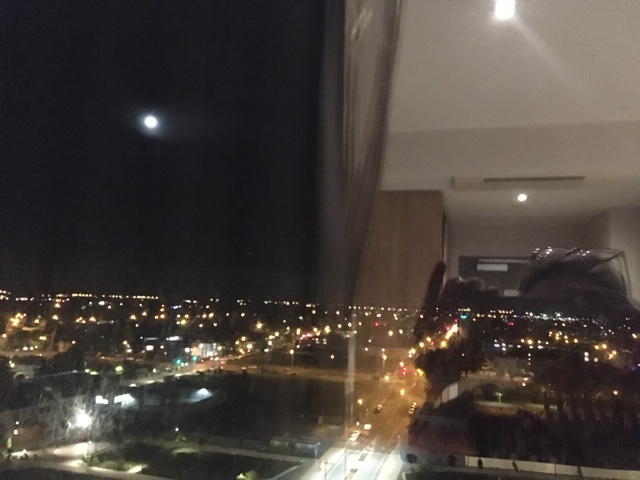
Multiple moons from my hotel room
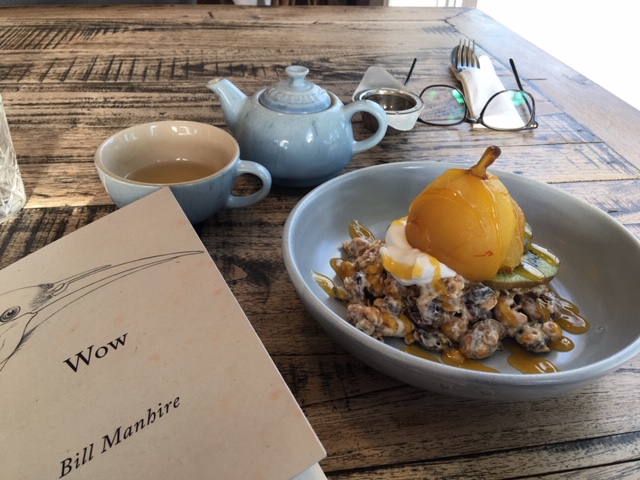
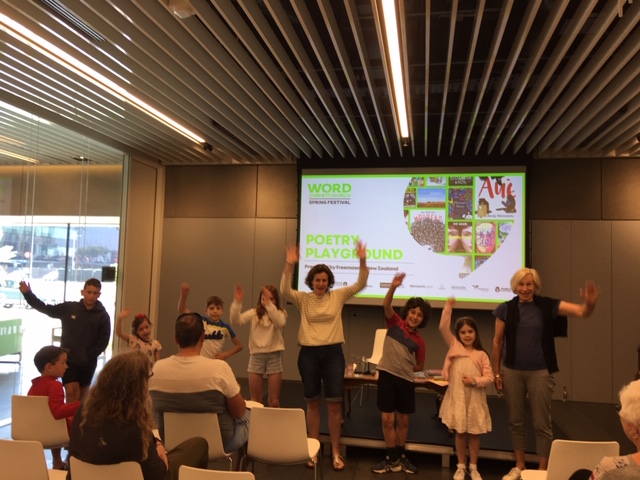
Breakfast at my favourite cafe in Christchurch, Little Poms. Such a heavenly plate of food (think homemade muesli, saffron-poached pear, sliced kiwi fruit, coconut yoghurt and the best honey drizzle ever) gets you ready for anything, especially making a poetry playground with children.
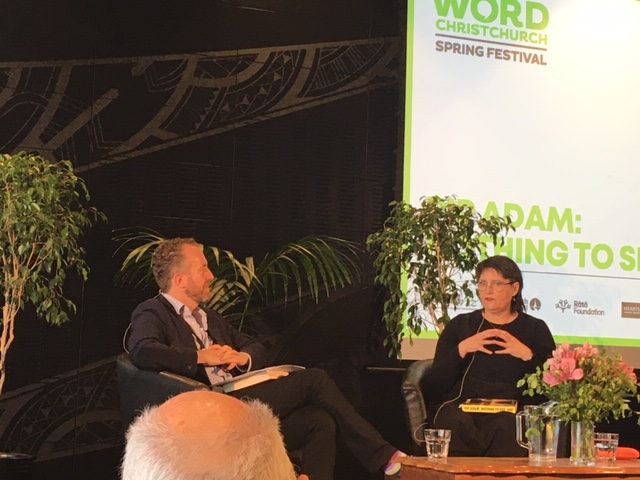
Carl Shuker in scintillating conversation with Pip Adam
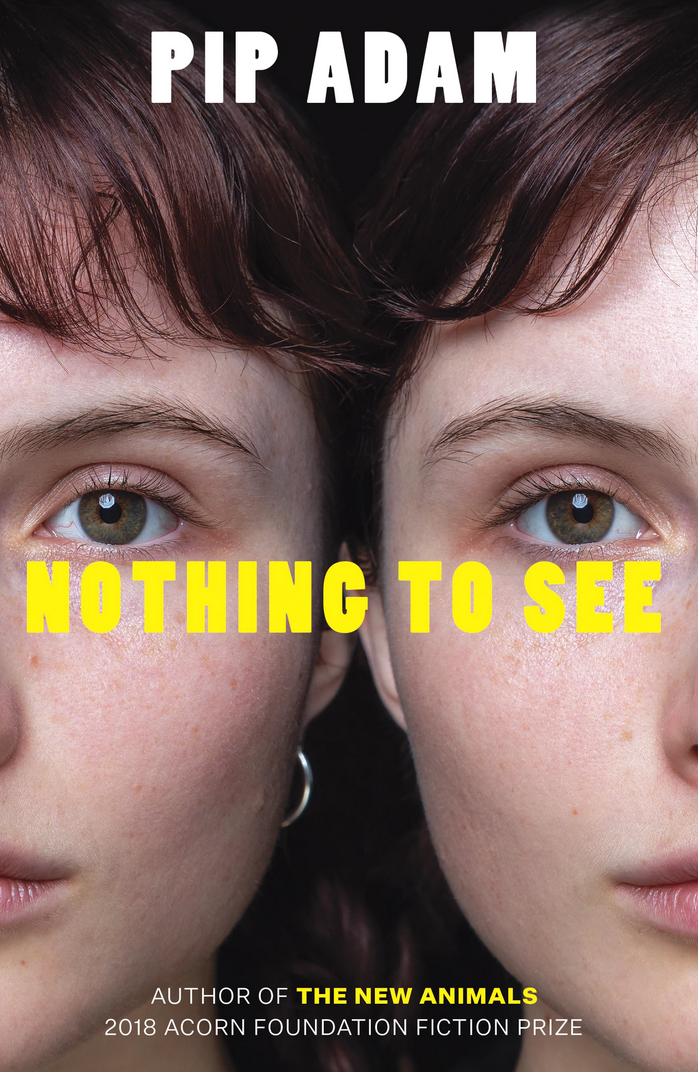
I haven’t read Pip Adam’s Nothing to See yet (Victoria University Press), and maybe I got some spoilers, but this was a gold-mine conversation. Carl is a brilliant chair (best author intro ever!). Pip is hesitant and awkward and effusive and lets slip writing pearls and is utterly inspiring. Listening to Pip I want to get back home and write. She tells us she is interested in loss and grief, and the way we lose ourselves. She is obsessed with artifice and she is obsessed with fakery. She feels like she has been writing one book for ten years. She says she has this brain that thinks it can kill her and she can keep on living. I love the way everything fits and connects, and forges forward and back and side tracks. Wonderful!
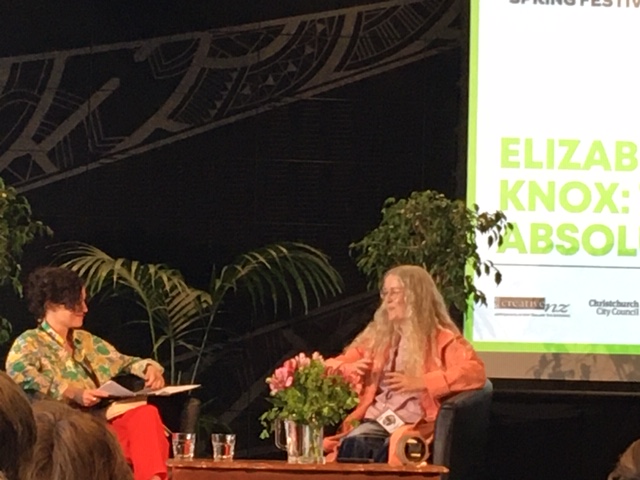
And now for The Astonishing Book, The Absolute Book (Victoria University Press): Elizabeth Knox in conversation with Noelle McCarthy. I could only stay for a taster as I had to get ready for my poetry playground, but I am sure this will be available as a podcast or on Radio NZ. Elizabeth’s book is a book of our times: it offers solace, challenges, shifting feelings, essential ideas, underlines our absolute need for books of all shapes and sizes. Above all it will make you happy. This is the Happy Book. If you haven’t read it yet – put it on your must-read list now!
My poetry playground was like a family occasion with everyone joining in and feeling the warm glow of poems. It felt special to do this.
The almost-final session is Dear Katherine. It is a chance for Rachael King to say ‘thank you’ to her terrific team and to introduce the session writers (Menton Fellows: Bill Manhire, Carl Nixon, Fiona Farrell, Vincent O’Sullivan and Paula Morris). Some have written letters to Katherine Mansfield, some have used the Menton time as a springboard to an anecdote or an epiphany. I am completely exhausted, yet utterly riveted with each presentation. It is spell binding. When this comes out on a podcast have a listen.
So many sessions I wish I had been able to get into: sold out (Ray Shipley’s Late Night Poetry Hour darn it, the Curiosity Cabinet, and Witi Ihimaera and Kingsley Spargo), or clashed with my events (sadly Emma Espiner in conversation with Becky Manawatu and David Eggleton’s Poet Laureate picks) or I was too exhausted (Eileen Merriman’s YA session).
That is surely the sign of a magnificent festival, the hunger for more. I kept using the words gleam and glint and light when I introduced the poets in my Wild Honey session. And decided that is what I hunger for – it’s not that I don’t read the dark, the risky, the challenging, but glints of light in the stories and poems we share, in the books we make, feel utterly necessary at the moment.
I couldn’t commit to appearing at WORD until the last moment, feeling at risk travelling, but WORD festival is my highlight of the year. As a writer I was cared for, as a reader I was rewarded on so many levels. Everyone around me was glowing with festival warmth. So many little encounters, conversations, hugs and gleams to bring home. Next year, I want to book my hotel room, a flight and go to as many events as possible.
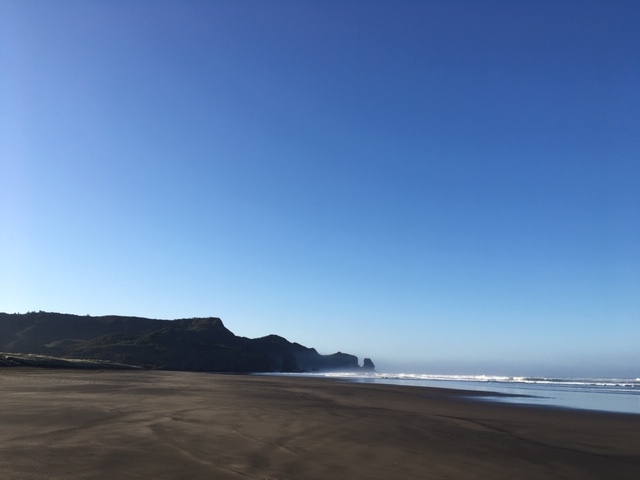
Home to the sweet embrace of family, sleeping cats, the bird song, the burgeoning garden, the bush smells, the wide open wild beach, so many books to read, and the urge to keep writing secret things. Thanks Ōtautahi. Thanks WORD.


 NZ Poetry Shelf