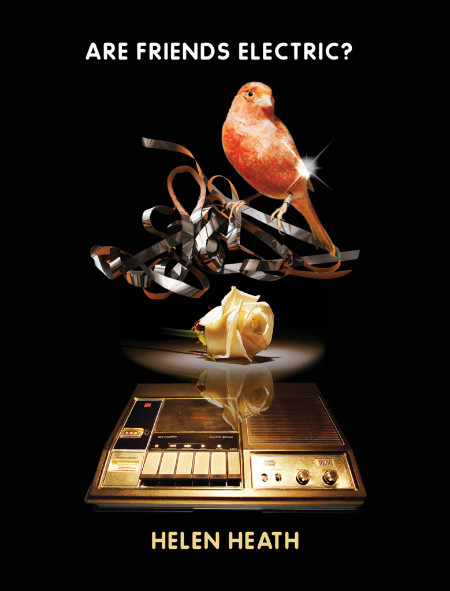
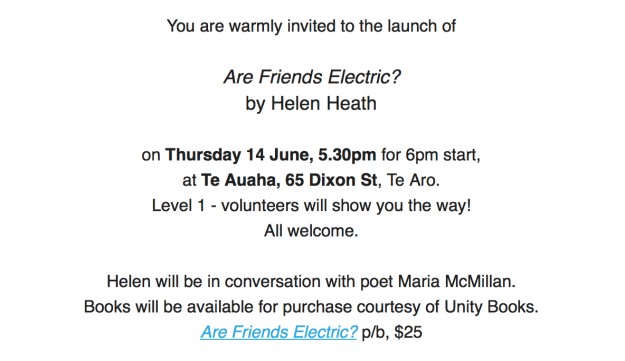
Victoria University Press page
Helen Heath website
Poetry Shelf in conversation with Helen

Closing Date: 1st August 2018
Results announced at Divine Muses Poetry Reading on National Poetry Day, 24th August 2018.
Judged by poet and short story writer ELIZABETH MORTON
Proudly sponsored by The Divine Muses and Unity Bookshop
First Prize: $200 in Unity Book’s book tokens
Second Prize: $100 in Unity Book’s book tokens
Conditions of entry
1. The competition is open only to writers considered ‘emerging’ – i.e. have not published one or more books (fiction, poetry, nonfiction) with a New Zealand or overseas publisher,
and
is a current or former undergraduate (BA, Hons, BSc, BComm etc) or Masters student attending The University of Auckland, Auckland University of Technology, Manukau Institute of Technology and Massey University (Albany Campus, Auckland only) or student or graduate of Blue Haven Writers Workshops;
2. Each entry must be the original work of the person submitting it; entries must not have been previously published (including on the internet), or broadcast, and must not be submitted elsewhere for any competition, or for publication in any form, until after the announcement of the results of this competition.
3. Maximum length for each poem submitted is 50 lines. Entrants may submit a maximum of 2 unpublished poems. Each poem must be named separately on the entry form below.
More information and entry form here.
2018 Judge – Elizabeth Morton is an Auckland poet and short story writer. She is published in the USA, UK, Ireland, Canada and Australia, as well as online. She was feature poet in the Poetry New Zealand Yearbook 2017. She is included in Best Small Fictions 2016, and has placed second, twice, in the Sunday Star-Times Short Story Competition. Her first poetry collection, Wolf, was published with Mākaro Press in 2017. In 2013, where it all began, she was placed first in the New Voices – Emerging Poets competition.

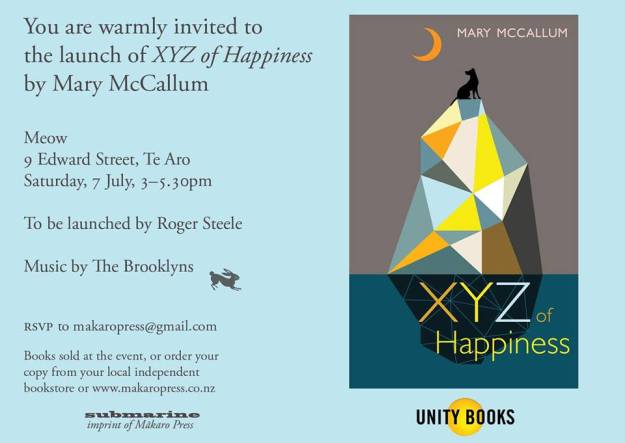

‘Man Up’ from Tender Machines, Otago University Press, 2015
Emma Neale received the inaugural NZSA/Janet Frame Memorial Award, the Kathleen Grattan Award for an unpublished poetry manuscript (The Truth Garden), the University of Otago Burns Fellowship and the NZSA/Beatson Fellowship. Her poetry has been shortlisted for the Sarah Broom Poetry Award and the Bridport Poetry Prize, and her poetry collection, Tender Machines, was long-listed in the 2016 Ockham New Zealand Book Awards. Her novel, Billy Bird, was short-listed for the Acorn Prize in the 2017 Ockham New Zealand Book Awards and long-listed for the International Dublin Literary Award. She is the current editor of Landfall.
Otago University Press page

Photo credit: Hayley Theyer, courtesy of Phantom
Tusiata reads two poems, ‘Ma’i Maliu I’ and ‘Ma’i Maliu II’ that go to the core of her epilepsy. I have heard Tusiata read several times this year, both times in a fragile state on stage, where she explained what has happened and what might happen, before moving into poetry that takes you by the heart, throat, ear and stomach. Nothing has touched me like this. It is as though her poetry breathes new life into me. On Saturday night she opted out of a Christchurch gig in her move to get stronger – when she was due on stage she recorded these poems.
Tusiata lives in Christchurch. She has published three books of poetry, including Wild Dogs Under My Skirt and Bloodclot, and three children’s books. Known for her dynamic performance style she has also written and performed a one-woman show based on Wild Dogs Under My Skirt. In 2016 it began a new life as an award- winning play for six women. Tusiata has held a number of writers’ residencies and awards, including the CNZ Fulbright Pacific Writer’s Fellowship at University of Hawai’i and the Janet Frame Literary Trust Award. She is regularly published in international literary journals and invited to appear at writers’ festivals around the globe. Her most recent collection, Fale Aitu | Spirit House, was shortlisted for the Ockham NZ Book Awards in 2017.
Victoria University Press page
From Fale Atu|Spirit House: ‘Wairua Road’ poem
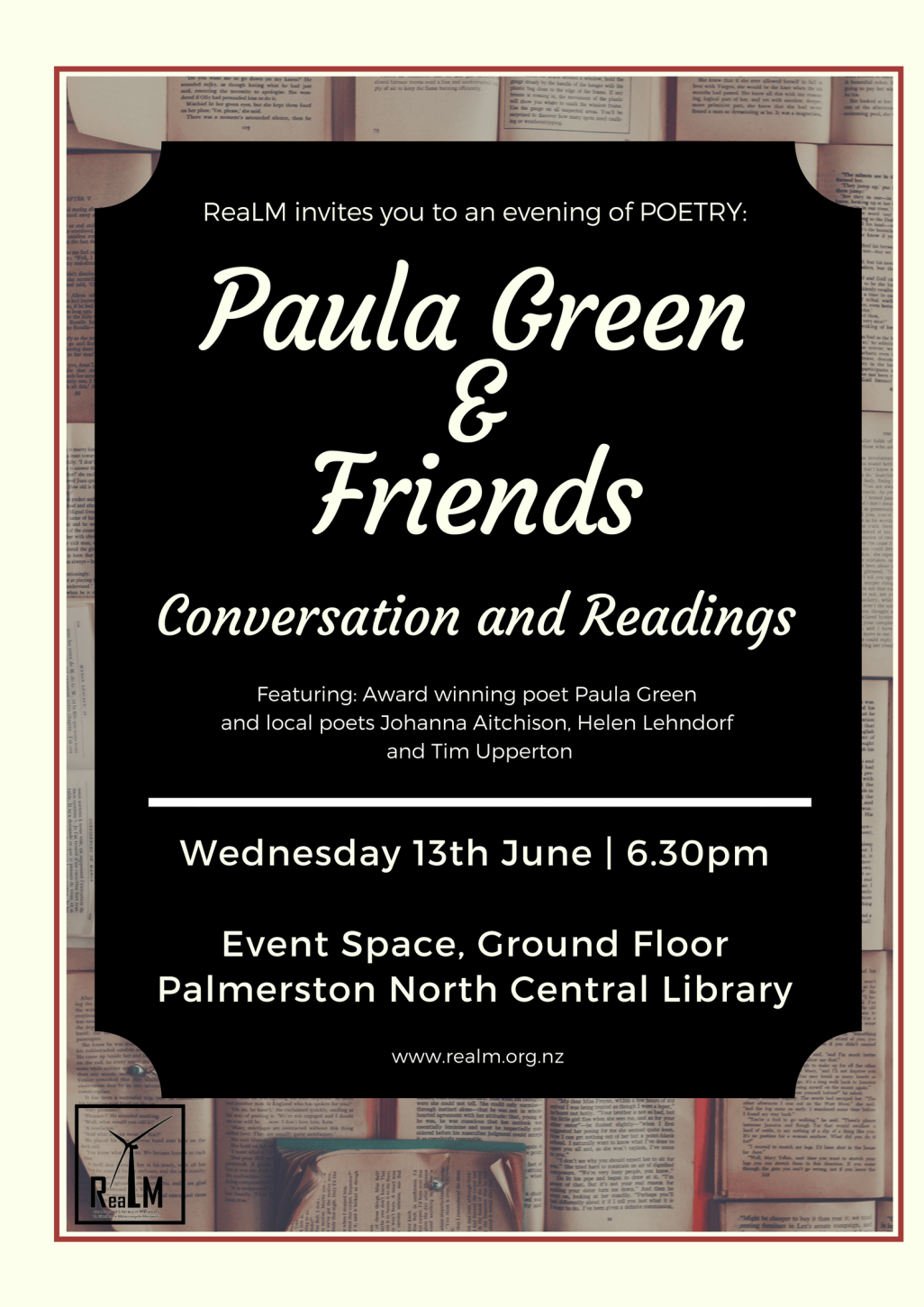
I am heading to Palmerston North next week to do a a few things at the RealM Manawatu conference so thought I would organise a poetry reading with friends.
Johanna Aitchison, Helen Lehndorf and Tim Upperton don’t live in the same city as me, I’ve hardly ever met them, but I have had enduring friendships with their writing. When I was trawling through the poetry archives for a year or so, for Wild Honey, I was captivated by friendships among the early women poets. These involved exchanging letters, drinking tea and sharing secrets but also included sustained engagements with each other’s writing. I liked that.
I got to thinking about the diverse communities we write in and how we also have support crews whether people or poetry: poetry friendships. I most certainly do.
So on Wednesday 13th June, at 6.30 pm, I will be in conversation with Helen, Johanna and Tim at the Palmerston North Central Library. In the meantime you can hear a poem from each of us – an online miniature poetry reading.
An audio tasting platter

Photo credit: Barira Nazir
Johanna Aitchison reading ‘Cockroach’
Johanna Aitchison is a doctoral candidate at Massey University examining alter egos in contemporary lyric poetry. Her hobbies are running, op-shopping, and she’s always keen for a good karaoke session.
≈

Helen Lehndorf reading ‘the things you are not ready for’
Helen Lehndorf is a writer and writing teacher. Her book ‘The Comforter’ made the New Zealand Listener’s ‘Best 100 Books of 2012 and her poem ‘Wabi-sabi’ was selected for Best New Zealand Poems in 2011. Her second book, about the practice of journaling, ‘Write to the Centre’ was published by Haunui Press in 2016. Her essay ‘The Sensory Seeker’ appeared in Massey University’s 2017 anthology ‘Home’. She loves permaculture, community activism and helping people access their innate creativity.
≈
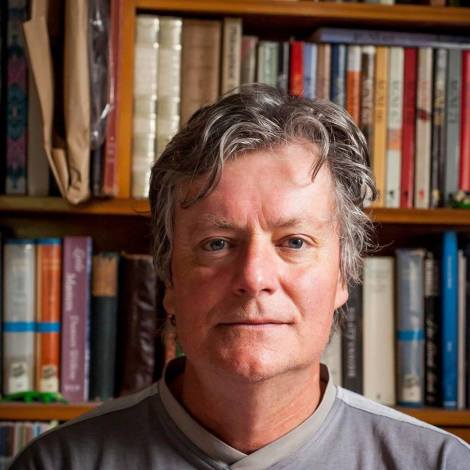
You can hear Tim Upperton read ‘My Lazy Eye’ at The Pantograph Punch here
and he reads ‘The truth about Palmerston North’ with a discussion by the editors at Poetry Foundation here
Tim Upperton’s second poetry collection, The Night We Ate The Baby (Haunui Press), was an Ockham New Zealand Book Awards finalist in 2016. He won the Caselberg International Poetry Competition in 2012 and again in 2013. His poems have been published widely in magazines and journals including Sport, Landfall, NZ Listener, and North and South in New Zealand, and Poetry, Shenandoah, and Agni in America. His work is also anthologised in The Best of Best New Zealand Poems (Victoria University Press), Essential New Zealand Poems (Random House), Villanelles (Everyman), and Obsession: Sestinas in the Twenty-First Century (Dartmouth University Press). He reviews books occasionally for the NZ Listener, Metro, The Pantograph Punch, Landfall, and The Spinoff, and is completing a Creative Writing PhD researching the poetry of Frederick Seidel.
≈
And here is me reading ‘School House Bay’:

This is electrifyingly good! The book is out in July. So in the meantime:
Victoria University Press page
Tayi’s Anzac Day poem at The SpinOff
‘Kaleidoscopes‘ at Starling
‘For a cigarette and a blanket‘ at The Wireless
‘Identity Politics’ at Poetry Foundation
12.1. In March 1840, during her puritan phase, Mary Ann went to a party given by an old family friend. Presumably disapproving of all the dancing, laughing, flirting and general fun-having of the other guests, or perhaps attracted by them, she first retreated to the edges and complained of a headache; but then she started screaming hysterically. One biographer suggests it was because of an internal war between piousness and music, which was making her want to get outside of herself and dance. But perhaps she just didn’t like loud music and crowds.
12.2. Another occasion on which she is reported as screaming hysterically was on a trip across the alps on a donkey – she was terrified of falling off the mountain to her death. Her travelling companions found her outbursts upsetting. What the donkey thought is not recorded.
12.3. A search of the Complete Works of George Eliot on Google Books reveals that the word ‘scream’ occurs 15 times and ‘screaming’ 16 times. There are also 12 occurrences of ‘screamed’ and seven of ‘screams’. This seems quite reasonable over seven novels, five shorter stories, quite a lot of poetry (which no one now reads), a couple of translations and some non-fiction.
12.3.1. Most of the screamers are women and girls, but men also scream, as do geese, guinea fowl, water fowl and violins.
12.3.2. The humans’ reasons for screaming range from seeing their child covered in mud, finding their money stolen, a runaway monkey, revealed secrets, discovering a dead body, thinking their husband has died, and with rage while dancing.
12.4. When George Lewes died, Marian broke down, screaming.
12.4.1 I hope that, in similar circumstances, I too would be courageous enough to let go.
©Helen Rickerby
Helen Rickerby has published four books of poetry, most recently Cinema (2014), and she is on the home stretch with her next collection: How to Live. In her work she is interested in genre-crossing and exploring themes and ideas such as film and film-making, biography and philosophy, often with an autobiographical thread. She is the managing editor of Seraph Press, a boutique publisher specialising in high-quality books of poetry, and was co-managing editor of JAAM literary magazine from 2005 to 2015. She has co-organised conferences and literary events (usually with Anna Jackson), including Truth and Beauty: Poetry and Biography (December 2014), Poetry & the Essay: Form and Fragmentation (December 2017), and the wildly successful inaugural Ruapehu Writers Festival in 2016. She lives in Wellington and works as a web editor.
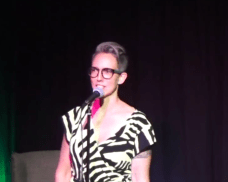
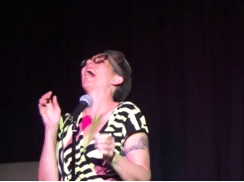
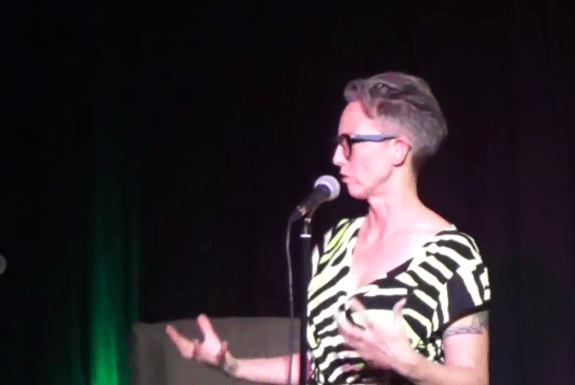
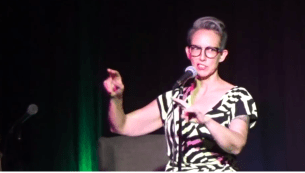
This is like many good stories that hold you tight: heart-moving, funny, generous. Hinemoana tells her story of a kingfisher and trying to have a baby. I just love it.
‘I went to ‘The Bear’, true stories told live each month here in Berlin. I told a story and ended up being chosen as the night’s winner — a great honour among the amazing storytellers there.’ Hinemoana
You can listen on YouTube

 NZ Poetry Shelf