Category Archives: Poetry

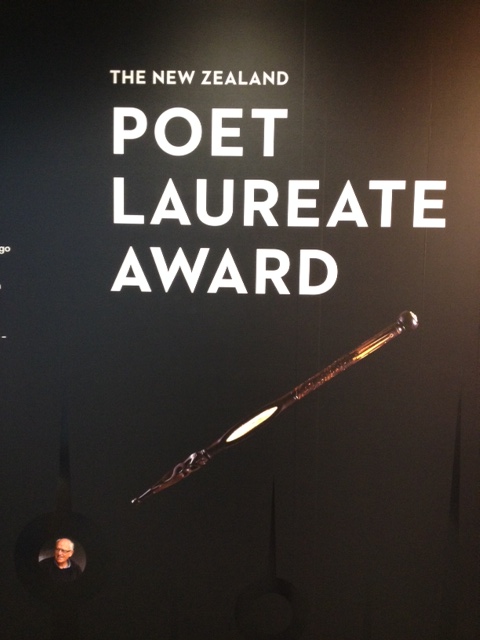
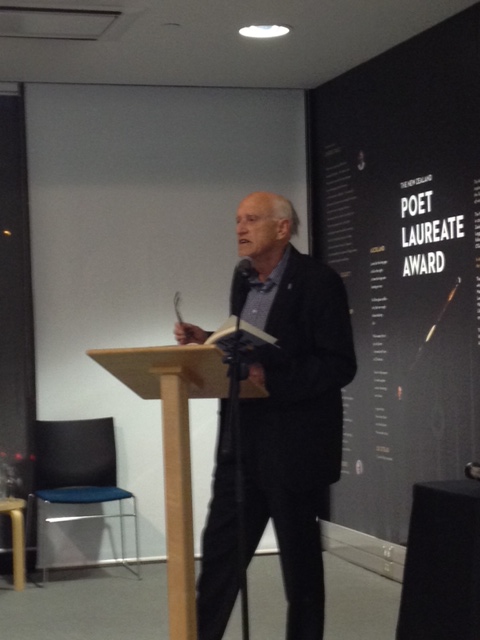
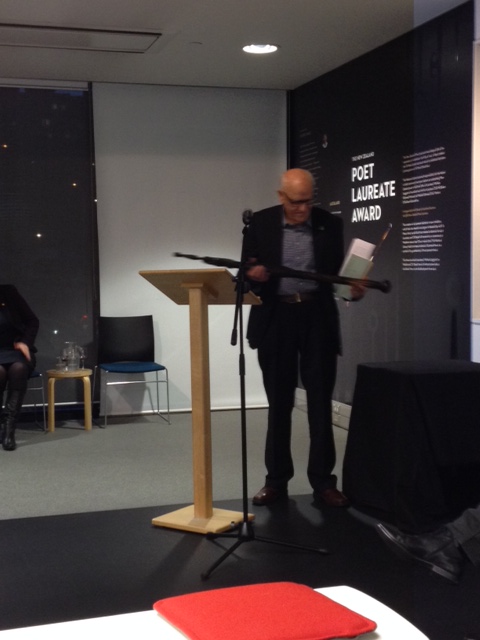
NZ Poet Laureate Award event last night – The baton is passed, as Ian Wedde, says


photophoto


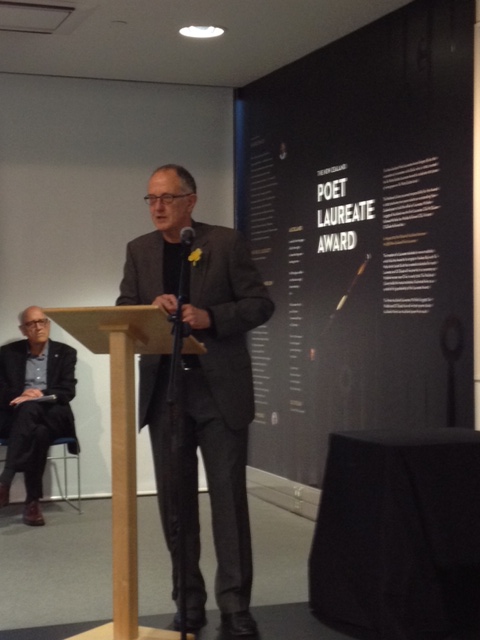
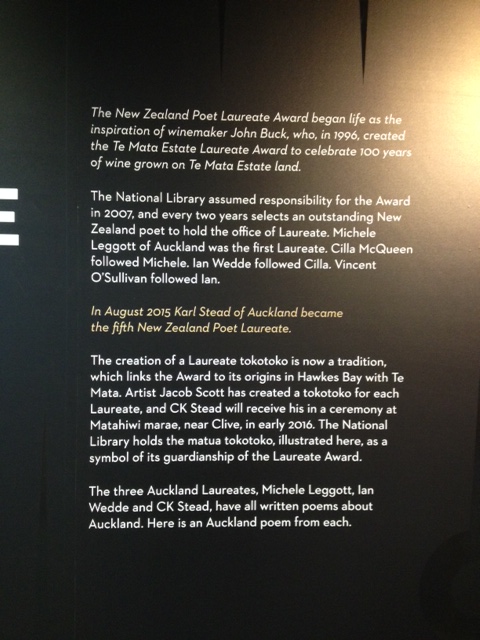
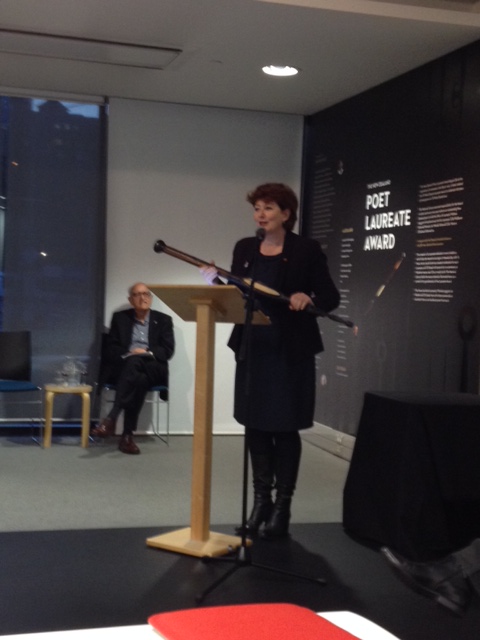
Last night CK Stead was awarded the 2015 NZ Poet Laureateship at the National Library in Parnell with the support of friends and family.

Chris Szekel, Head Librarian at The Alexander Turnball Library, and responsible for the award, steered the speeches.

Ian Wedde, as a former Laureate said a few words, The RT Hon Maggie Barry, as Minister of the Arts, said a few words and then it was over to Karl.

Karl underlined how poetry had been a significant part of his life from an early age: ‘Poetry found me in Mt Albert Grammar School library’ and ‘Poetry has always been somewhere near the centre of my consciousness.’ He added: ‘Poetry is still close to the centre of my life, otherwise I would not have accepted this award.’

He acknowledged presences (atua) in the room with him (Allen Curnow, Kendrick Smithyman, Bill Pearson, Maurice Shadbolt, Maurice Duggan, Keith Sinclair). His fellow writers. I found this  very moving.

He acknowledged writers in the room and his family.

Karl read two poems, ‘Look Who’s Talking’ and ‘Crossing Cook Strait,’ suggesting the writers behind these poems, James K Baxter and Curnow, would have been Laureates if the award had existed then.

It was very clear that this writer, writes out of mesh of poetic relationships. Vitally so.

I drove back west from a lovely occasion – full of the warmth generated by a shared love of poetry and admiration of one of our most esteemed poets. It touched me.

photo 2 photo 1 photo 1 photo 3 photo 2


Poetry Shelf congratulates our new Poet Laureate

k4a

Photo credit: Marti Friedlander

CK Stead is our new Poet Laureate.


I was in the thick of stand-still, rush-hour traffic on the way to a South Auckland School this morning when I heard the news and it gave me a much needed boost. Poetry has always been a primary love in the broad spectrum of Karl’s work. His poetry catches your attention on so many levels because his poems become a meeting ground for intellect, heart, experience, musicality, craft, acumen, a history of reading and thought, engagement with the world in all its physical, human and temporal manifestations.

I am delighted to celebrate this result.


Here is a snippet from an interview I did with Karl for Poetry Shelf last year:

Your poems are delightfully complex packages that offer countless rewards for the reader—musicality, wit, acute intelligence, lucidity, warmth, intimacy, playfulness, an enviable history of reading, irony, sensual detail, humour, lyricism. What are key things for you when you write a poem?

It has to be a meeting of words and feeling, in which the words are at the very least equal in importance, and the feeling can be of any kind, not just one kind. I like wit, think laughter can be tonic, but of course it doesn’t fit all occasions.

There were a number of significant poets in NZ from the 1940s onwards and you have interacted with many of them (Curnow, Mason, Glover, Baxter and so on). Were there any in particular whose poetry struck a profound chord with you?

Curnow was always the most important for me. But when I was young Fairburn’s lyricism seemed very attractive; Glover at his rare best (the Sing’s Harry poems); Mason likewise (‘Be Swift O sun’); Baxter – especially in his later poems: they have all been important to me.

Do you think your writing has changed over time? I see an increased tenderness, a contemplative backward gaze, moments where you poke fun at and/or revisit the younger ‘Karls,’ a moving and poetic engagement with age, writerly ghosts and death. Yet still there is that love and that keen intelligence that penetrates every line you write.

You are very kind! I certainly feel ‘older and wiser’ in the sense that things don’t matter so much, one accepts the fact of human folly and one’s own share in it. Indignation doesn’t stop, but there is a kind of weary acceptance, and laughter. I still feel embarrassment – especially when looking back – but I recognize that as not only a safeguard against social mistakes, but also as another manifestation of ego, as if one feels one should be exempt from folly.

There have been shifting attitudes to the ‘New Zealand’ label since Curnow started calling for a national identity (he was laying the foundation stones that we then had the privilege to use as we might). Does it make a difference that you are writing in New Zealand? Does a sense of home matter to you?

When I was young I was a literary nationalist. Now I regard nationalism as a form of tribalism and the result of genetic programming no longer suitable or safe in the modern world. So I have changed a lot. But I still recognize regional elements as important, even essential, in the poetic process. I think Curnow himself became more a regional poet and less a nationalist one; but the arguments that had swirled around all that had had the effect of committing him to positions which he didn’t want to resile from, so he remained the committed nationalist, perhaps after the need had passed.

What irks you in poetry? What delights you?

I suppose any kind of excess, of language or of feeling; and solemnity – especially the sense that poetry is taking itself too seriously and asking for special respect.

There are many kinds of delight in poetry, but almost all of them involve economy. If an idea or an experience or a scene or a personality or whatever can be conveyed as well in 10 words as in 20, those 10 words will be full of an energy which the more relaxed and expansive version lacks. They will be radio-active.

Name three NZ poetry books that you have loved.

Singling out living poets might be invidious, but here are three by poets now dead: You will know when you get there (Curnow); Jerusalem Sonnets (Baxter); Pipe Dreams in Ponsonby (David Mitchel).

The full interview here.


Poetry Postcards: Vaughan Rapatahana’s Atonement feels good snug in your palm


photo 1 photo 2


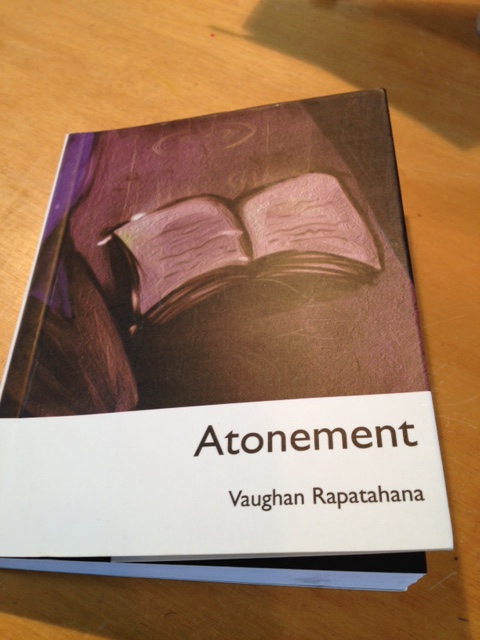
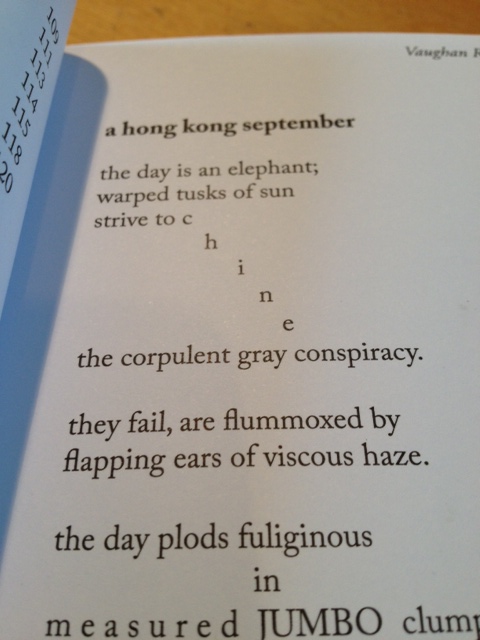
Atonement Vaughan Rapatahana, ASM/Flying Islands, Macau and MCCM Creations, Hong Kong 2015

This is a gorgeous looking pocket book of poetry that feels good snug in your palm. It includes artwork by Pauline Canlas Wu and Darren Canlas Wu’s musical score of one of the poems. The poems serve disconnections and connections on people, place, politics, the weather, and love. There is a glorious marriage of lyricism, musing, image building that has anchors in numerous legacies (language poetry, myth, diverse lexicons). It is the language that prompts such evocative and delicious poetic sparks. Unlike many poets, Vaughan has not switched on the big-word filter — so the vocabulary is arcane and arching as much as it is everyday and accessible. I love that. It is like this palmful of poems is part rap, ragtime, jamming, spooling, riffs, sweet chords, minor keys, jump cuts, out-takes, in takes, double backs and so on. The playfulness is also there in the visual choices as words stutter and stretch and take diagonal turns. Whiffs of concrete poetry, language poetry abound, but you can’t simply reduce these poems to sumptuous word play. You might get led anywhere visually and aurally. An elephant trope replays Hong Kong. A Māori myth sets up shop in a Chinese context. Cantonese, Māori, and French interrupt and feed the English. You might feel like you are in the company of poetic cousins at times: Janet Charman, Jack Ross, Michele Leggott, Sam Sampson, Roger Horrocks, Leigh Davis, Steven Touissant. There are philosophical traces and political barbs. Musical hooks. Self confession. Concealment. This book is an utter delight.

Vaughan Rapatahana (Te Atiawa, Ngāti Te Whiti) lives in Hong Kong with homes in Philippines and New Zealand. This is his fourth collection of poetry. He has a Doctorate from the University of Auckland, has won several awards and has published in a variety of genres. He is the co-editor of Why English? Confronting the Hydra (Multilingual Matters, UK), a follow up to English Language as Hydra (2012).


Recordings of poems at the University of Auckland


WOW!!! THE BARDS GO WILD 80 Events for National Poetry Day (Friday, 28 August)

A press release:

From seasoned award-winners to newbies facing a microphone for the first time, National Poetry Day — Friday, 28 August —unleashes the power and excitement of poetry for one incredible day of activity all around New Zealand.

Celebrating its 18th year, National Poetry Day 2015 features an astounding 80 events from Kerikeri to Southland and into cyberspace. This year’s calendar holds something for everyone, from aspiring  to established poets, and from those who enjoy poetry to those who think poetry isn’t for them. The 2015 calendar of events offers a way for anyone to get involved in the poetry community, discover New Zealand poets, share their own work or find out what it is all about.

“One of the best things about poetry is you can make it into whatever you want it to be,” says national coordinator, Miriam Barr. “There are no rules in poetry, or rather all the rules are there to be broken and bent. Poetry lets you say what you need to say, the way you want to say it.” This year, the New Zealand poetry community brings you poetry slams, poetry-music jams, poetry art exhibitions, performance poetry, poetry with dance, poetry street-chalking, bookshop readings, famous poets reading their work, writing competitions, open mic events that invite you to share, and a bunch of online events open to  everyone.

The full calendar of events is live online now.  Competitions open for submissions across August and warm-up events kick off the week leading up to National Poetry Day.

Highlights of this year’s National Poetry include:

Nationwide For the first time ever, National Poetry Day will be celebrated with an international link-up: ‘The Ex-Pat Poet’s Portal’ features interviews with and readings by Dr Amy Brown, Jennifer Compton and Anna Forsyth, New Zealand-born poets living in Melbourne. It’s hosted by Melbourne poet and host of La Mama Poetica, Amanda Anastasi, and streamed live on a Google Hangout broadcast, with questions live on Twitter and a YouTube video after the event. There’s also the Poetry Phone, Poems in Your Pocket and more.
Kerikeri  ‘Rhymes in the Vines’ celebrates poetry in Northland at Fat Pig Vineyard with an open mic and wine-tasting to wind-down the day after National Poetry Day on the 29th of August.
Whangarei  An open mic and the launch of Fast Fibres 2, a compilation of poems by Northland poets at Mokaba Café featuring local poets Piet Nieuwland, Michael Botur, Victoria del la Varis-Woodcock, Maureen Sudlow, and more.
Auckland seems to specialise in quirky events. They include readings at the Happy Tea House, Grey Lynn, a poetry-event venue in a converted sleep-out (hot drinks, orange juice, and breakfast supplied); a poetry walk that starts at the phone box outside Carl’s Junior, next to Aotea Square, and to get people warmed up, the ninth annual ‘Resurrection Night’, in which poets dress up as or pay homage to a dead poet. Slightly more mainstream and totally engaging are readings at the Takapuna Library with Robert Sullivan and others; ‘All Tomorrow’s Poets’, showcasing 10 young poets, in the tiny space above Time Out Bookstore in Mt Eden; the twelfth annual reading event by the marvellous ‘Divine Muses’ with Siobhan Harvey, Tusiata Avia and Jack Ross among the line-up; ‘Poetry Central’, an evening of poetry reading and festivities at Auckland Central City Library.
West Auckland Kumeu An open mic night. Bethells Beach: The “We” Society Poetry Day Wrap Party launches the society’s anthology at Te Henga Studios.
South Auckland A poetry slam at Manukau Institute of Technology, featuring Courtney Sina Meredith.
Hamilton An open mic night followed by a poetry slam at the Garden Place Library; ‘Poetry and Paint’, in which poems become paintings, at the University of Waikato’s Art Fusion Gallery, and  an exhibition of the work created at ‘Poetry and Paint’ with a night of performance poetry.

Katikati Three events, including the annual Haiku Poetry Path prize-draw and an open mic event at Browny’s Café.
Palmerston North Five events, including the Pamutana Poetry Picnic, New Zealand poems set to music by New Zealand composers and performed by the Palmerston North Girls’ High School chamber choir, and the Wisdom Lounge, a digital exhibition showcasing poems and poetic proverbs from Manawatu and around the world.
Wairoa Three events, including the announcement of the winners of the local  poetry competition — Te Roto, Te Awa, Te Moana -The Lake, the River, the Ocean, for poems in English or Te Reo Māori  on one of these themes.
Havelock North  The enterprising owners of Wardini Books have three events: an after-school event, an open mic night and a competition for poets aged between five and 18, judged by Paula Green and Emily Dobson, and open to the entire Hawkes Bay region.
New Plymouth Three events, including a competition for poems about Taranaki, a ‘mix and match’ poetry-making event and a poetry walk on the city’s foreshore. Chalk supplied.
Dannevirke The winner of the Tararua District Library’s Online Poetry Competition is announced.
Wairarapa poetry rolls through the district with an incredible number of events in one day at Pukaha, Featherston, Masterton, Greytown, Martinborough, Carterton and West Taratahi.

Wellington and its surrounding regions are surely a New Zealand poetry epicentre, with an outstanding seven events. They include:National Poetry Day Warm-Up at Te Papa in which eight poets with poems in in Best NZ Poems 2014 (John Dennison, Dinah Hawken, Anna Jackson, Gregory O’Brien, Claire Orchard, Nina Powles, Helen Rickerby and Kerrin P Sharpe) read their poems; Unity Books has a lunchtime reading titled ‘6 Poets in 60 Minutes’; Vic Books at the University has reading and music; at the Kapiti Coast Library, the winners of the Laughing Out Loud poetry competition are announced during an open mic night; in Upper Hutt the winners of the 15th annual Upper Hutt Poetry Competition will be announced at two events at the Upper Hutt City Library; and in Woburn, Lower Hutt there’s a reading of poems about the landscape.
Nelson has six events, including four events at the Elma Turner Library (including ‘Poems for Pikelets’) and Stoke Library, an inspired window of poems at Page and Blackmore Booksellers, open to contributions from people anywhere in the country), and a reading at Page and Blackmore which will also announce the winner of their nationwide Animal Laureate poetry competition.
In Christchurch there are readings at the South Library, Sydenham, and the Hagley Writer Institute has two events, including a workshop and the announcement of the winners of their poetry competition.
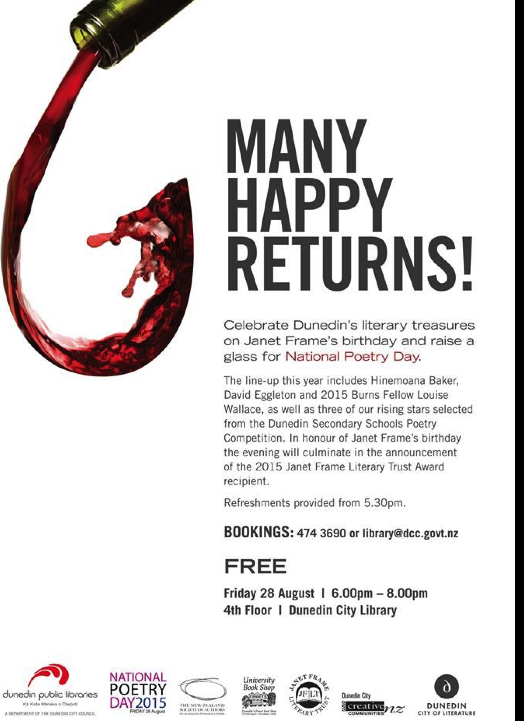
Dunedin The Dunedin Public Library is a stellar supporter of National Poetry Day, and 2015 is no exception. This year, during ‘Many Happy Returns’, glasses will be raised to toast Dunedin’s literary treasures on National Poetry Day. This year Poetry Day coincides with the birthday of Dunedin writer, the late Janet Frame. MC’d by Diane Brown, with readings from, Hinemoana Baker, David Eggleton and 2015 Burns Fellow Louise Wallace, as well as three rising stars selected from the Dunedin Secondary Schools Poetry Competition. The evening culminates in the announcement of the 2015 Janet Frame Literary Trust Award recipient.

Oamaru has two events including a performance by David Eggelton and the Spinemark Poetry Challenge.
Tiny Outram hosts J & K Rolling’s Outriders Poetry Tour, an open mic session plus readings of southern poems by Jenny Powell, Kay McKenzie Cooke and Richard Reeve.
Cromwell Paper Plus is holding an open mic event and announcing the winners of its Youth Poetry Competition, for poems about central Otago.
Greymouth The District library announces the winners of its poetry competition winners, and there’s a tour of local poets to three local rest homes.
Gore Jenny Powell and Kay Mackenzie Cooke are on tour, there’s a huge poetry display in the library, and an open mic lunchtime the week following Poetry Day.

It’s an amazing line-up! For more details on National Poetry Day events (including times, entry cost etc), go to https://nznationalpoetryday.wordpress.com/calendar-of-events.

National Poetry Day is managed by the New Zealand Book Awards Trust, which also administers the New Zealand Book Awards and the New Zealand Book Awards for Children and Young Adults. In 2015, the Day is administered for the Trust by Booksellers New Zealand and funded by Creative New Zealand.

Media please note:
National Poetry Day Coordinator, Miriam Barr, is available for interview.
Participating poets and event organisers in your area are also available for interview. Contact details are on the calendar of events for individual events organisers.

For further information please contact Sarah Forster, Booksellers New Zealand
T:  04 815 8367 E: sarah.forster@booksellers.co.nz

Many Happy Returns: Dunedin Celebrates NZ Poetry Day

National Poetry Day is also Janet Frame’s birthday, and here in Dunedin there will be a poetry feast at the Library: the winners of the Dunedin Secondary Schools Poetry competition will perform their winning poems along with performances by Landfall editor David Eggleton, 2015 Burns Fellow Louise Wallace and special guest Hinemoana Baker. Poet Diane Brown will MC.
6 – 7.45 pm, Friday 28 August, refreshments from 5.30 pm.

Screen shot 2015-07-30 at 9.27.09 AM

WRITERS ON MONDAYS In the company of a master: Vincent O’Sullivan

WRITERS ON MONDAYS

In the company of a master: Vincent O’Sullivan

We kick off our 2015 programme in grand style with one of New Zealand’s finest. Poet Laureate Vincent O’Sullivan’s impressive writing career includes poetry, biography, novels, plays and short stories. His recent publication Being Here is the first to survey the entire span of O’Sullivan’s poetry, from 1973’s Bearings to new poems first published in this volume. Join us as O’Sullivan and longtime publisher and friend Fergus Barrowman take a journey back through an illustrious writing career, discussing favourite themes and preoccupations, recent work, and the public role of poetry.

Writers on Mondays is presented with the Museum of New Zealand Te Papa Tongarewa with support from National Poetry Day and Circa Theatre.


DATE:  Monday 13 July

TIME:   12.15-1.15pm

VENUE: Te Papa Marae, Level 4, Te Papa
(Please note that no food may  be taken onto the Marae).

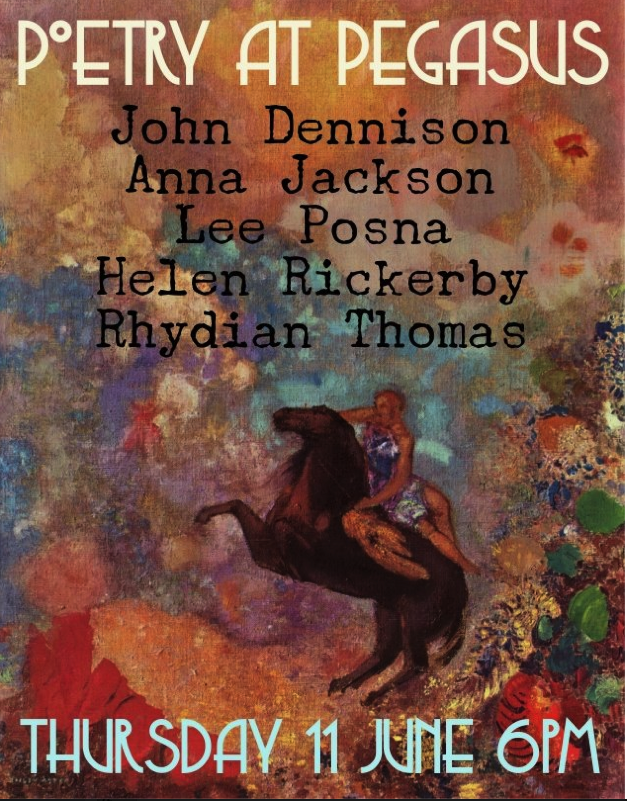
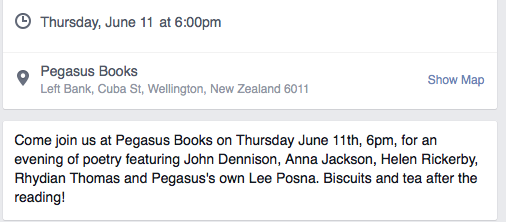
This looks very good! Poetry at Pegasus: Dennison, Jackson, Rickerby, Thomas, Posna

Screen shot 2015-05-31 at 1.05.19 PM

Screen shot 2015-05-31 at 1.08.02 PM

Emma Neale’s terrific launch notes for Bones in the Octagon by Carolyn McCurdie

Bones in the octagon front cover copy     McCurdie colour author pic

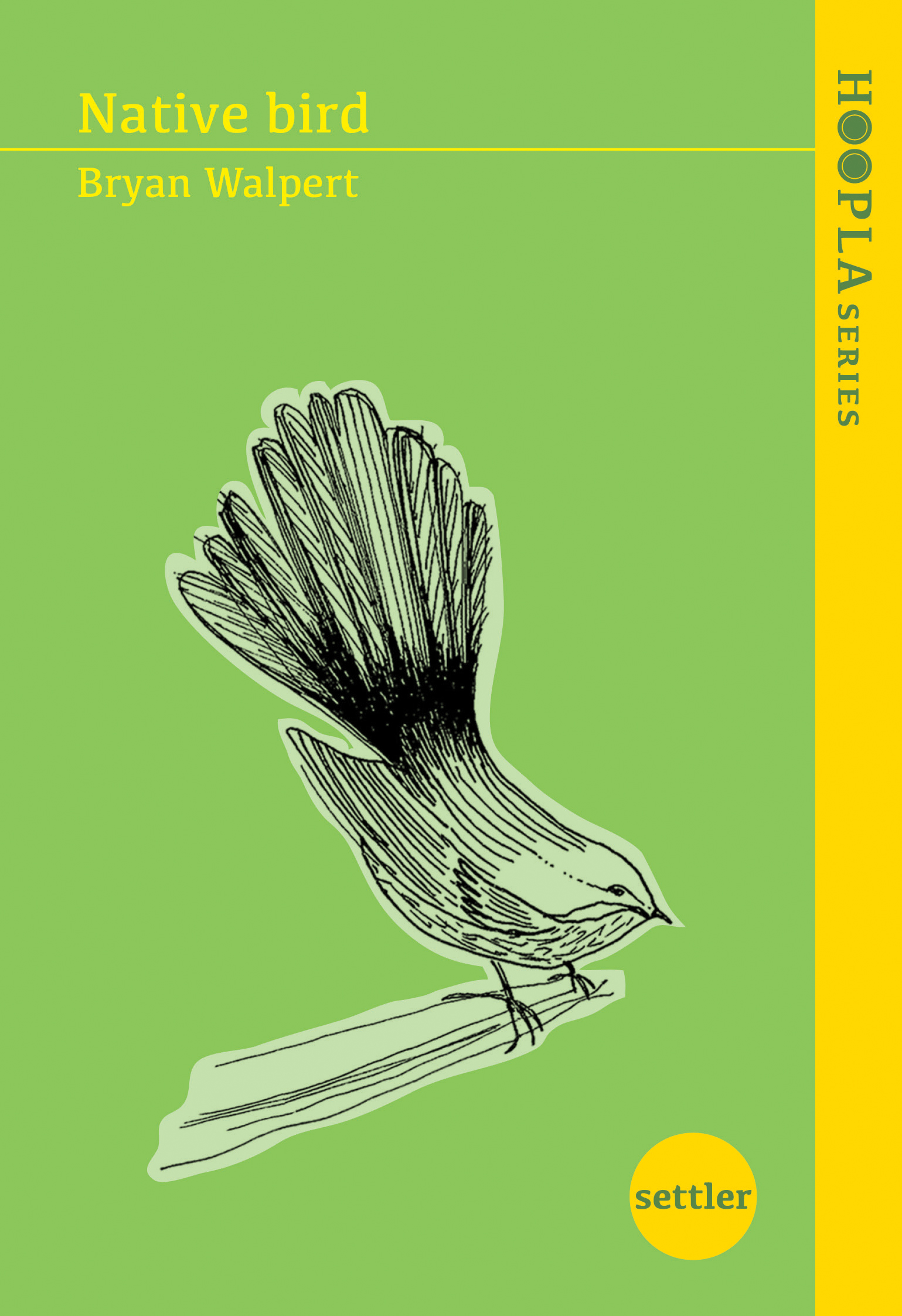
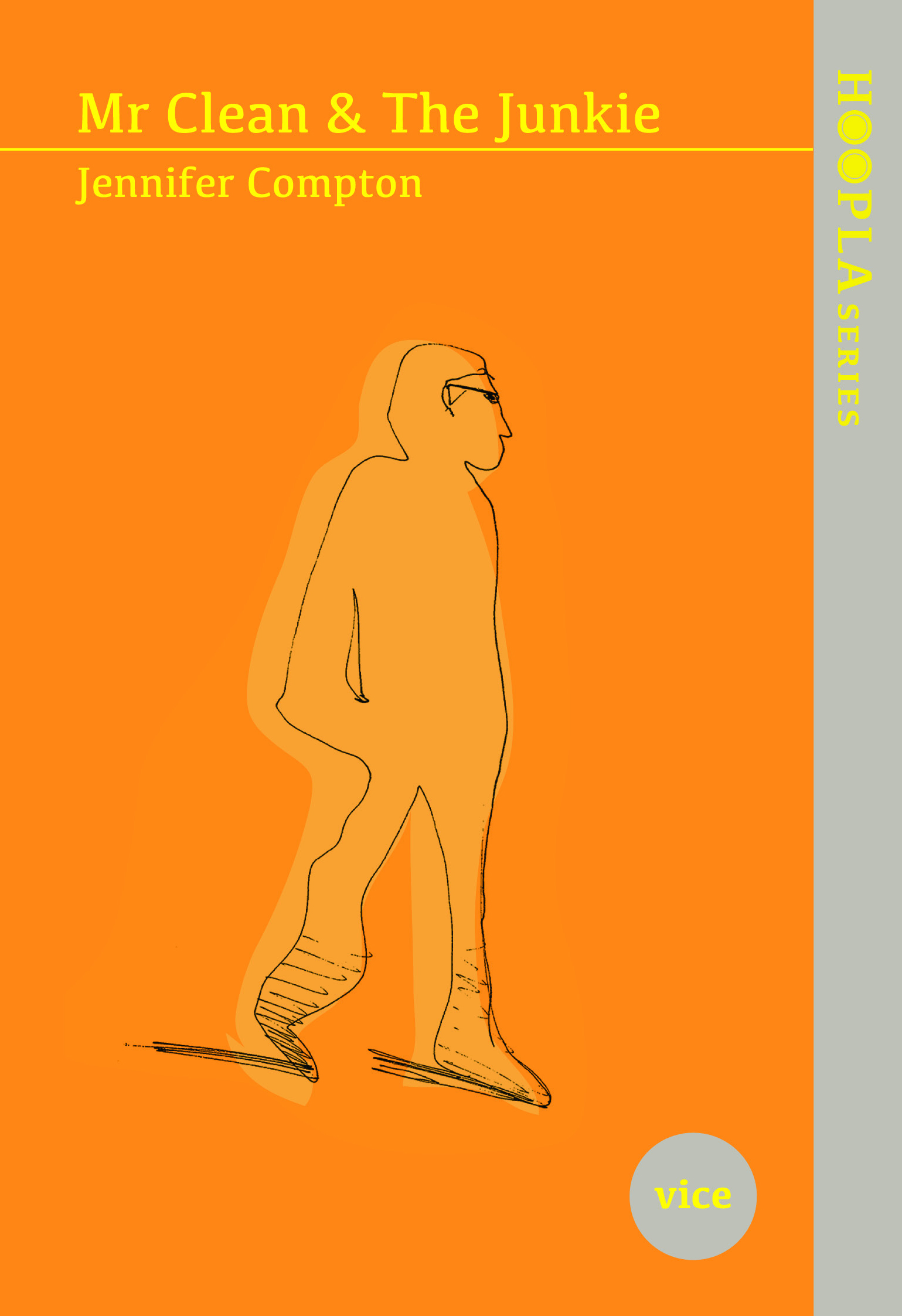
Bones in the Octagon by Carolyn McCurdie, Mākaro Press, 2015 (part of The Hoopla Series 2015, see below for other two titles)

Launch notes – Emma Neale


I’ve spoken in public before about first coming across Carolyn’s fantasy novel for children, The Unquiet, in manuscript form at Longacre Press. I felt then a sense of breathless disbelief that something so sharp and lucidly poetic, was just sitting there, looking like any other mild-mannered typescript in the unsolicited submissions pile. It should have been thrust into the air gleaming like the sword from the stone in myth. Hyperbole, you might think, but the novel went on to be named in the Storylines Trust list of ‘Notable Books of 2007’, and I still stand by my description of it as a novel that seems Frameian in its use of gentle abstraction, natural imagery, and its empathy for the child’s eye view. Carolyn’s use of imagery there lay potent clues for what she also does in her poetry.

Mākaro Press have done a gorgeous job of producing this first collection of her poems —her first poems, but her third book. (There is also an ebook of short stories called Albatross, published by Rosa Mira books.) I love the feel of the whole Hoopla series as tactile objects — the fact you can slip them into your bag or capacious coat pocket like a Swiss army knife — bristling with tools for the mind — and the fact that it comes with two free bookmarks — (i.e. the side flaps) — or wings, symbolically ready for launch.

When I first started reading Bones in the Octagon, very early on I wanted to pluck out the phrase ‘shy iridescence’ to characterise Carolyn’s poems. But increasingly that came to seem lazy, insipid, because while the poems might have a kind of chromatic shimmer of mood and topic, the dart and race of illumination, the voice is anything but reticent. It is often, I think, steely. There is an inner resilience here; a voice that holds its strong, pure note even when face to face with everything from physical drought to domestic violence, psychological abuse, suppression, bereavement, political corruption, dislocation, and deep dread. Resurgent, the voice always lifts. And throughout, even when confronting darkness, it somehow still hums with wonder.

Carolyn’s poems can reach back to the first footprints and hungers of human civilisation, feeling out for connection to our earliest selves; they can hone in on the present, with condemnations of political expediency and brutality; they can have the dreamlike urgency of premonition; the shiver of fable lodged deep as inherited instincts, bred in the bone. Some, like ‘Making up the spare beds for the Brothers Grimm’, contain a sense of threat and corrupted relationships that go right down to the roots of a primal terror — there are traces here of abuse, damage, disillusion. Yet the touch is so light and the poetic control impeccable.

Often the voice in the book seems to speak in the firm but whispered imperatives of a mentor, parent, even a spirit guide. (Here is just a small sample: don’t cross, cross now, go through, walk with me, pack no bags, don’t look back, stand by her, watch out, shush, look there, please leave, come in, measure, wait…and again wait…. and wait.) There’s the sense of a markswoman with her arrow pulled back, tense, taut, not even quivering — then thwish — the poem is released.

Carolyn’s range is wide: she draws on world myth, local human and zoological history, the urban present, the transcendent imagination of childhood, a feeling of secular prayer and benediction. ‘Verbal Thai Chi’ is another way to describe the atmosphere of her work. She catches the heady lift of music ‘the intoxication of song’ as she calls it; she has a long view, of gradations of deep time — yet she is also vividly alert to the smallest shift in interaction between people right now, in the living minute. (I’ll just say here, watch out for the eyebrows.)

Her language, in its crisp repetitions, might imitate a bird in flight; her use of line break and white space can capture the way a ‘silence is vibrant’ […] ‘As when you enter a room/and conversation stops’ ; the careful accretion of information builds like a web of narrative, every strand or line holding the whole design in place. There can be gentle, plangent word play which shows the way the subconscious can both pun and express loss, can show the past so indelibly written on the mind’s memory maps.

Throughout the book, there is an awareness of the atavistic, of someone listening in closely to the primitive within us, but with something like a physician’s training and carefulness. It made me think of the title of a Les Murray collection, Translations from the Natural World, but where Murray’s work sprawls and layers, Carolyn seems to have a porous sensitivity that she still manages to whittle down to a fine wire of narrative; to forge the line till it strikes a clear, ringing note.

I could say so much more about Carolyn’s work, but I want to close by saying that as in her poem ‘Hut’, her work has corners that shelter tenderness, and offer us refuge. To use her own lines to sum up the strongest qualities in her work, and to make a ‘virtual’ toast to Carolyn here: “Fire, music, you. Another sip.”


Hoopla Native bird front cover copy Mr Clean & The Junkie front cover copy

Poem Friday: Ashleigh Young’s ‘Become road’ clung to me like a poetry limpet as I left the room

Become road

When the car stops we are beginning already to become road.
A little taken apart and buried, the way birds, leaves
become road. Become road beneath
the burying of cars. All become driven over,
all become under. Even weather is taken
a little apart and buried. That we have been hit tonight
is relief; we no longer need to wonder when. Pain becomes
a story we will tell you years from now.
Sound becomes the dream you’ll nurse us from.
For now we are a passenger belted in
to the happening, looking back
at our tame furred moon. On our way home
the night had been too pleasant: rows and rows
of blue glass jars like the BFG’s jars
of dreams: the night was too pleasant
for what we had done. As we cycled uphill
the person we once were was cycling downhill
and each exhalation pushed us further apart.
Before we got hit we saw the shadows of trees
become road. Then the trees. A woman walking
a dachshund through the trees become road.
We saw the dog’s eyes glinting in the road.
The shine of his leash, caught in the road.
We heard voices in the trees become road, and the sound
of someone’s phone ringing in the trees become road.
As traffic clears, the road softens and takes us
deep in its arms, which though hard, accommodate
everyone. Early morning, as the road begins
its upward surge we hear footsteps nearing
from somewhere inside the road, as if
we have been recognised.

© Ashleigh Young


Note from Paula: This was one of the poems that Ashleigh read out at the Auckland Writers Festival in the session for the Sarah Broom Poetry Award. Ashleigh was a finalist in the award along with  Alice Miller (I was her stand in)  and Diana Bridge (winner). This poem really struck a chord with me, clung to me like a poetry limpet as I left the room. Curiously, as I listened, it was a little hallucinogenic — time slowed down, the world stretched out to a state of dissolve and all that mattered was the elongated moment of the poem. Everything inside the poem seemed bright, shining, crystal clear yet simultaneously unreal, mysterious, out of reach. Disconcerting. Strange and estranging. The words so perfectly catching the momentum of anecdote yet lilting sideways, looping back like a Zen master as everything becomes road and time laps back upon itself (‘As we cycled uphill/ the person we once were were was cycling downhill’). Really, that state I had to snap out of as I sat on stage in front of the packed audience is the state embedded in the poem — when catastrophe strikes. The world stretches like chewing gum to become so real it is unreal. This is what poetry can do; it can take those unfathomable, unspeakable moments and cast them within a poetic frame that recasts you. You get to see and feel and shift a bit. Thank you Asheigh Young, thank you.


Sarah Broom Poetry Award judge’s comments (Vona Groarke) on Ashleigh here.

Donations are now being sought for IIML’s National School’s Poetry Award 2015.

Donations are now being sought for IIML’s National School’s Poetry Award 2015.

Set up by Bill Manhire in 2003, this award is a golden opportunity for secondary-school students keen on creative writing.

As Tim Fraser, Hutt International Boys’ School, 2013 runner-up says: ‘The National School’s Poetry Award was something I never thought I could place in but I did it, ever hopeful. Getting in the top ten has much improved my confidence in my own skills. I will definitely continue to create poetry and certainly this Award has been a booster towards my belief in my abilities.’

Margie McLaren, who teaches at Baradene College, is also convinced: ‘The main benefit is the new confidence instilled in the students about the value of poetry in a utilitarian world which does not always attach the significance to poetry that it deserves . . . The Award is an affirmation of the many benefits of working with and celebrating language, and the special ways in which poetry can reflect human experience. The opportunity of entering for the Award has been a very positive and rewarding experience.’

You can donate here.