Category Archives: NZ poetry book

Poetry Shelf interview with Kate Camp

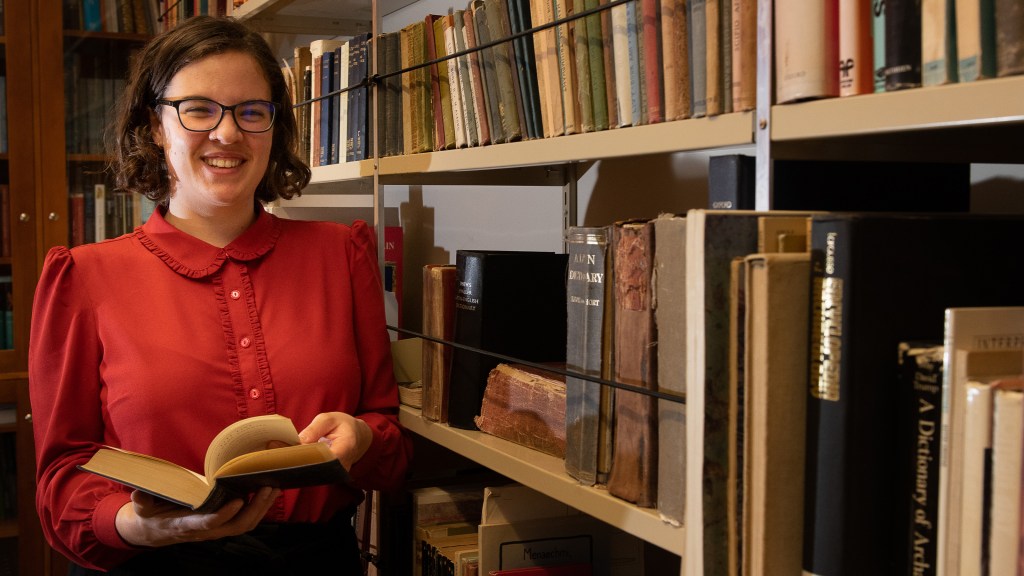
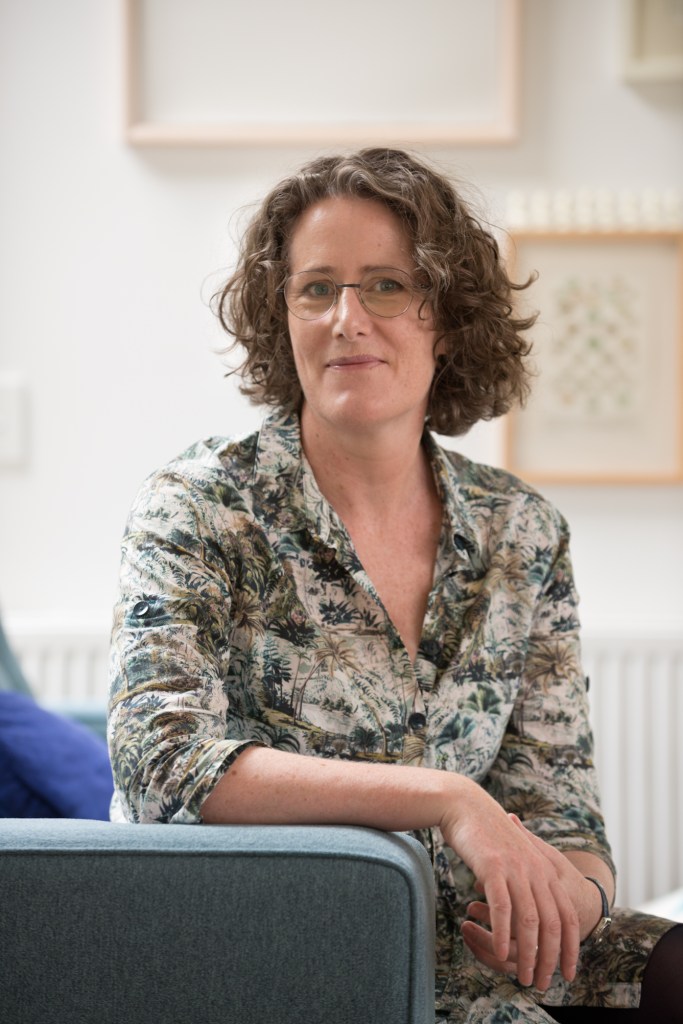
Photo credit: Grant Maiden

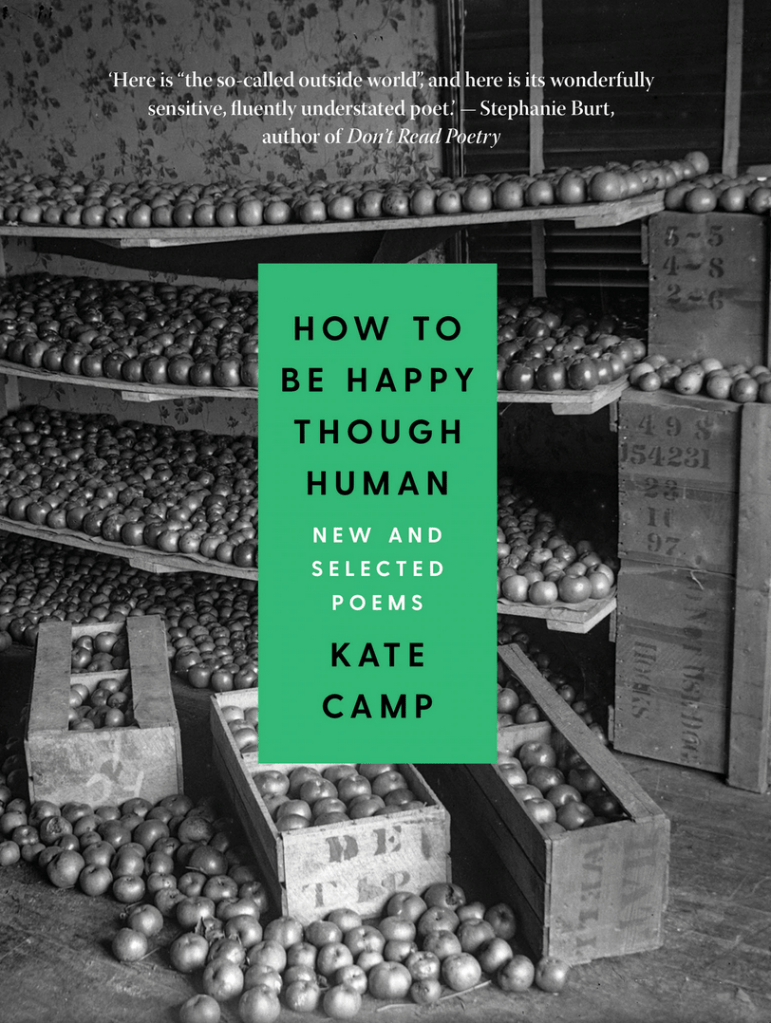
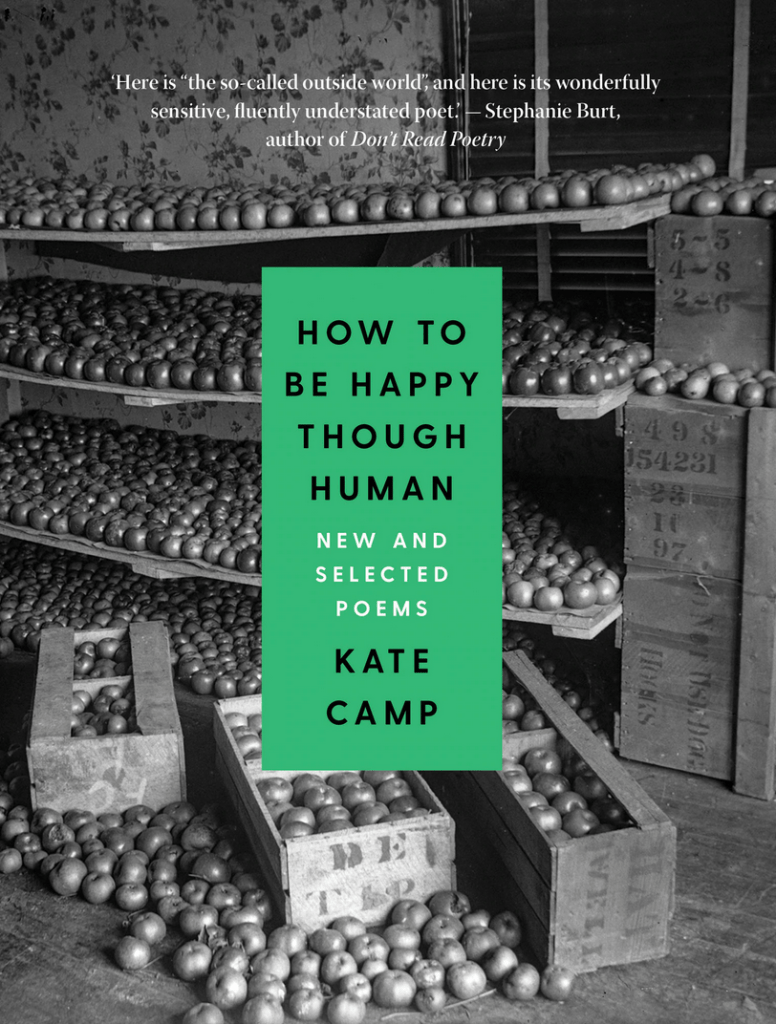
‘And I think it is this sense of connection, in all Kate’s poems, which sent me scrambling for a word like spiritual. Because what I feel when I read Kate’s work is that the great mysteries of the world, the omnipresent magnificence, the unexplainable and the truly awesome, rest in being human among humans. Take your ley lines and chakras and give me the oesophagus and the eyeball, the memory of a dusty school hall, that night, that party, remember the small blasts of happiness, our bloody painful hearts.’

Maria McMillan, launch speech for Kate Camp’s How to Be Happy Though Human

Poet, essayist and literary commentator, Kate Camp has published six previous poetry collections. Her debut collection, Unfamiliar Legends of the Stars, won the NZSA Jessie Mackay Award for Best First Book of Poetry at the 1999 Montana NZ Book Awards. Her fourth, The Mirror of Simple Annihilated Souls, won the 2011 NZ Post Book Awards Best Book of Poetry. Her poems have appeared in magazines and journals in New Zealand and internationally. For a number of years she has discussed classic literature – Kate’s Klassics – on with Kim Hill’s Saturday spot on Radio NZ.

To mark Victoria University Press’s publication of Kate’s How to Be Happy Though Human, Kate answered a few questions for Poetry Shelf.

So many things can go wrong

inside a human life, it’s almost comical.

You find yourself in a house,

in a night, with everyone you love

breathing in and out somewhere

and if you thought about it properly

you’d just throw up in terror.


from ‘Panic button’


Paula: Have you always been an avid reader and writer?

Kate: Family legend is that I came home from my first day of school and told my mother I could read. She said, oh ok read this. I replied, well I don’t know any words yet.

I didn’t learn to read particularly early, but once I did I quickly became obsessive about it, all the usual reading under the covers, walking down the street with a book on my way to school, re-reading books over and over again.

Paula: Can you name a few poets that have caught your attention across the decades?

Kate: Lauris Edmond is a key one for me among New Zealand poets. I’m reading Fleur Adcock’s selected poems at the moment and remembering what an important influence she was for me early on. And Jenny Bornholdt, her work and mine are so different, and yet I always feel such an affinity with her poems.

In more recent years / decades I’ve got into a lot of poetry in translation. Czesław Miłosz is one I come back to again and again, and Wisława Szymborska. Like Bornholdt, Mary Oliver is a poet I feel is very different from me, but I love her.

Paula: You acknowledge your writing group. How important is it to be part of this as a poet?

Kate: My whole career I’ve had a writing group. When I first started writing seriously I was on the creative writing course at Victoria in 1995, so I was in a weekly workshop. After that finished, around half the course members formed a group together and we met for years. Then in 2003 I joined my current group and it’s been going that whole time.

They are my first readers, my best readers, my greatest motivators. We follow the “Iowa workshop” style where we read our poem aloud, the others talk about it, and the poet just listens and says nothing. It’s such a brilliant, powerful way to understand how a poem is landing.

A liquorice cable

wires hand to mouth.


Proud magpies

raced the dawn home.


Asphalt remains lively

weeks after its laying.


from ‘Unfamiliar Legends of the Stars’

Paula: Your debut collection Unfamiliar Legend of the Stars came out in 1998. Were you writing poetry much before this?

Kate: I’d always written poems in a notebook but never really shown them to anyone or thought I’d do anything with them. I knew about the creative writing course at Victoria, I was a student there studying English and I knew that Emily Perkins, who was the older sister of a school friend, had done the course and become a published author.

I thought, I’ll apply for the course three times, if I don’t get in I’ll just give up on it. I got in the first time I applied and it was really only then that I started writing with any focus or seriousness.

Paula: That first book really caught my attention – it felt fresh and rendered the world alive with possibilities. Can you remember what motivated you as a poet then, what mattered when you shaped a poem?

Kate: I think what motivated me then was a sense that I saw the world in a certain way and I wanted to share that way of seeing with others. And I guess I felt the power of poetry, and I wanted to wield that power myself.

What mattered to me then was to write a poem that was clever, surprising, and made you feel something.

Having said that, when I’m actually writing a poem I try not to think at all. About anything. I find that gets in the way. The Canadian poet Christian Bok said “take care of the sound and the sense will take care of itself.” That’s how I’ve always written, just going with what comes up and trying not to switch my thinking brain on until I’ve finished the draft, and it’s time to edit.
Violin was out the back of my flat when I was nineteen.

I would put the speakers in the garden

and play ‘Be Mine Tonight’ again and again

running inside to rewind the tape.

He’s shocked to find I am middle aged.

I’m not shocked. Inside me are Russian dolls

of the women and girls I’ve been before

each more beautiful and unhappy than the current.


from ‘One train may hide another’

Paula: Your new collection How to Be Happy Though Human (you have a deft hand with titles!) is a gathering of new and selected poems. I like the way you have placed the new poems first and then we move through your books from the debut to the most recent. Often the new poems go at the end. I love this choice! Any comments?

Kate: I read a lot of selected poems and I tend to read them backwards, in chunks, so that I’m reading the poet’s most recent poems first. Otherwise with a poet like Milosz you’re starting in the 1940s and the poems can feel really dated. But if you start with the new ones, by the time you get back there you’re kind of in the zone.

That doesn’t really apply to my selected though as my career hasn’t been that long, at least not by Milosz standards! I just wanted to start with new poems because, you know, new poems are always the ones you love the most. The best poem is the next one.

And I go back to Saturday

we dance with other people

other people’s children,

create community with physics.


Memory is a kind of  mourning.

We take each other’s hands

as if they were made for that

and we form a circle.


from ‘How to be happy though human’
 

Paula: Your new book offers perfect routes through the rewards of your poetry. The physical world is refreshed, relationships between things and people are made visible, there are surprising connections, and always a glorious poetic fluency. Did you encounter any poetry stumbling blocks or epiphanies across the decades?

Kate: There was a fairly big gap between Beauty Sleep and The Mirror of Simple Annihilated Souls. I was having a crap time in my personal life, and I felt really stuck creatively. I was scared to write about my failures, my despair, my loneliness, my fucked up life. And I was scared to write about “the human condition” like a Milosz or a Mary Oliver, I felt – who am I  to write about the meaning of life? On both fronts my ego and my vulnerability was in the way.

But then I realised, the artists I most admired were writing poems and songs of utter devastation and heartbreak and disaster. And I didn’t think they were losers, I thought they were magnificent.

And I realised that I was never going to be anything other than a middle class New Zealand woman who grew up on Timbacryl adverts and 70s singer songwriters, and that I had just as much right as the next poet to plumb the depths of the human psyche.

I think that book marked a “fuck it” point for me where I decided just to write the poems that are in me, however depressing, distasteful or megalomaniacal they may be.

I take the last few turns in darkness

steep, short of breath

these legs have been mine all my life.

Hot hands. Small nights within my lungs.


We are fortunate to live in a world.

We are fortunate to live in a world

where some person, some man

is painting railings on the zig zag


and when he finished

he could have raised his eyes

and seen, beyond the black-tree hills

some ragged and fast-moving clouds.


from ‘Walking up the zig zag’

Paula: I just adore the new poems housed under the title ‘How to Be Happy Though Human’. Now and then I post a poem that has really haunted me in a new collection – and this whole section haunts me. The poems stick to me – I think the title is a key. These poems are intimate and revelatory, physical and movement-rich. Again the surprising juxtapositions: hanging out the washing, Watergate, your mother. Scenes become luminous. Family matters. There is a poetic heartbeat. Would you see any changes in the poetry process?

Kate: Almost all of these poems have been written since I came back from the Menton fellowship, where I was writing prose – a collection of memoir essays. I can definitely see the influence of that. These poems are looser, more prosy in style, and in many cases are straightforwardly autobiographical. They’re also long. Pulling together this book made me realise that my poems have got very long lately!

Paula: Do you have doubt tagging along? Is there a particular poem that was hard to write?

Kate: Most poems I try to write either don’t happen at all, or turn out to be not that good and get abandoned. But every poem I write that turns out good, I write in one go, in an hour or so. I will revise it later but usually not a huge amount. That’s just my process, it’s kind of scattershot but when it’s working, it’s easy, so I don’t really find any poem hard to write. I just throw away a lot of attempted poems.  

My main doubt is whether I will ever write a good poem again. The first sensation when I write something I like is relief.

Tom Waits records the sound of frying chicken

that’s how he achieves his pops and crackles

Our old unit had a crooked arm,

it was a trunk of wood with woven speakers.


As I child I worried about forgetting:

the hexagonal handle, a creamy honey cell,

that flaw in the lino resembling Donald Duck

while the others of its kind looked like grey bells.


sometimes life would seem too big, even then

an empty Sunday when you drifted as a ghost.

I saw Bonnie and Clyde on such a day,

as I recall, in black and white


from ‘Snow White’s coffin’

Paula: What poem really works or matters to you?

Kate: The poem “Snow White’s Coffin” is an important poem for me. It covers a lot of abiding interests for me – found facts, childhood memories, what makes life meaningful when you’re an atheist. It draws on something I thought on a lot when I was living in Berlin, the tension between intellect as the most human thing of all and the intellect as dehumanising. There’s also a tone of anger and despair in it which is quite primal – the word “howling” is in it, which is not a word anyone puts in a poem lightly.

In my last few books, the title poem is a poem that is really important to me – one that functions as a kind of tuning fork for the whole collection.

Paula: Do you have any tips for emerging poets?

Kate: Read poetry by other people. If you don’t like reading poetry, you’re not a poet, you’re just a bit of a dick.

Paula: What else do you love to do apart from writing?

Kate: Conversations and laughing are my favourite things. I love to sing with my choir. I love to watch Netflix. I love to dance. I love to drink to excess, rarely but with gusto. I love doing escape rooms with my nephew. I love looking out the window while drinking tea and listing to podcasts about American politics.

Victoria University Press author page

A Poetry Shelf gathering: AUP NEW Poets 7 read and talk poetry

AUP New Poets 7: Rhys Feeney, Ria Masae, Claudia Jardine, ed. Anna Jackson

Auckland University Press, 2020

Anna Jackson, editor of AUP New Poets 7, suggests the collection ‘presents three poets whose work is alert to contemporary anxieties, writing at a time when poetry is taking on an increasingly urgent as well as consolatory role role as it is shared on social media, read to friends and followers, and returned to again in print form’.

I agree. Poetry is an open house for us at the moment, a meeting ground, a comfort, a gift, an embrace. But poetry also holds fast to its ability to challenge, to provoke, to unsettle. In the past months I have read the spikiest of poems and have still found poetry solace.

It feels really important to maintain our poetry hubs – to listen to poets as well spend time with the book in hand. So many new books have missed launches. I haven’t been to a poetry reading since the Wellington Writers and Readers Festival. This is partly why I am compelled to create Friday gatherings so we can connect with poets across Aotearoa.

I am the lucky one. Each of these poets emailed me their readings and I felt I was at an intimate private preview. Just me and the poems, and the heart-moving discussions on poetry, poems and the book itself.

I will review this anthology at a later date, but in the meantime, settle back in a comfy spot and take a listen, and the support the poetry world and buy a copy! I love this gathering so much I am walking on air, boosted out of covid flatness into glorious activity.

Thank you so much Ria, Rhys and Claudia for the mahi, the poetry love. Thank you.

The Poets

Ria Masae talks poetry and the book:

Ria reads poems:

Claudia Jardine reads and talks poetry:

Rhys Feeney reads two poems and talks about the book:

The Poets

Rhys Feeney is a high school teacher, volunteer peer support worker and fledgeling doomsday prepper who lives in Te Whanganui-a-Tara. He writes with terrible grammar about things he is scared of. His work can be found in Starling, Sponge, Salty x Foodcourt, and forthcoming in The Spinoff. You can buy his debut chapbook ‘soyboy’ as part of AUP New Poets 7.

Claudia Jardine (she/her) is a poet and musician based in Te Whanganui-a-Tara. Her most recent publication is AUP New Poets 7 which also contains collections by Ria Masae and Rhys Feeney. In recent months she has completed an MA thesis on intertextuality in Anna Komnene’s Alexiad, and now she is learning to groom dogs. Jardine’s writing can be found in Sport 47, Starling, The Spinoff, Stasis and Landfall 237.

Ria Masae is of Samoan descent, born and raised in Tāmaki Makaurau. She is a writer, poet, and spoken word artist whose work has appeared in various literary publications, as well as a handful of theatre productions. Her family includes an exasperating, but adorable dog who looks like a cow and neighs like a horse. Since her acceptance into the AUP New Poets 7 anthology, Ria has been working on a poetry collection for her first sole anthology.

Auckland University page

Poetry Shelf review: Elizabeth Brooke-Carr’s Wanting to tell you everything

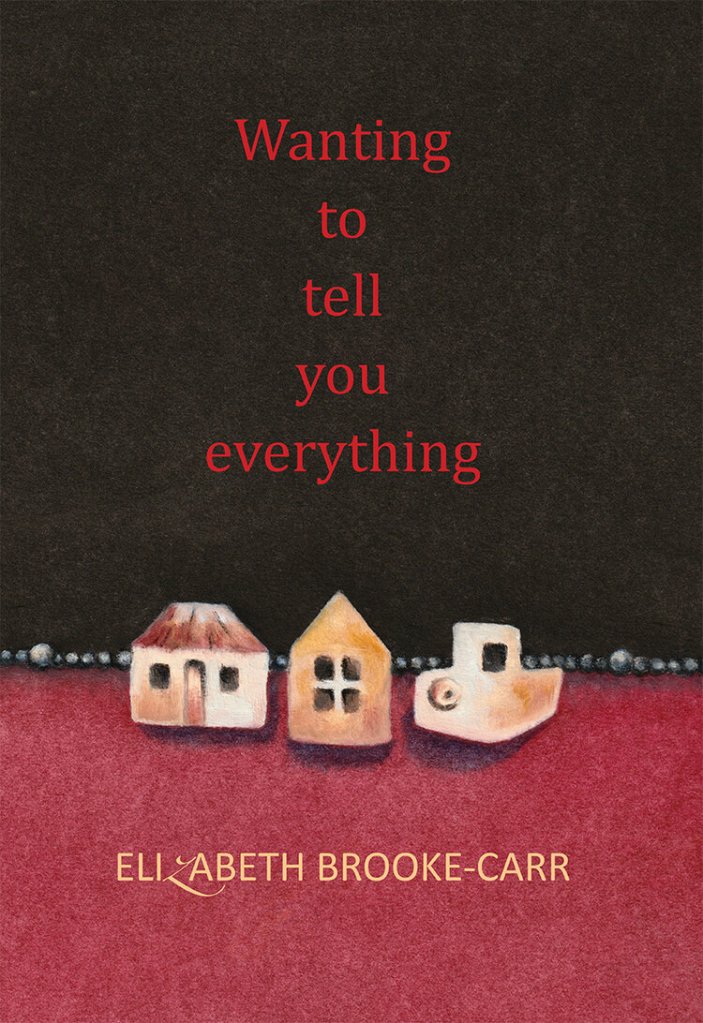
Wanting to tell you everything Elizabeth Brooke-Carr, Caselberg Press, 2020

Upright


Our kitchen table was perfect for a family of four with Protestant

leanings. Solid and square, legs sturdy as posts, set between window

and woodstove, it kept the faith, never moved, wore no adornments

except for a gingham cloth laid before a meal, on the diagonal,


triangles of polished wood showing bare at the corners like our

father’s elbows through the worn wool of his gardening jersey.

Afterwards the cloth was shaken out over the back lawn, and if

unspotted, folded away on the same crease lines for next time,


chairs slid in, chaste, ribs against the unyielding edge so they

scarcely dared breathe. But if you sat there alone at night with your

homework, undisciplined thoughts wandering through your verbs,

there might be a sudden creak, a sly shift in the air around the table,


a loosening of values as chair legs brushed against each other and

laughter scraped the linoleum. And if you shut your eyes you might

hear flakes of gossip peeling off the cracked cream paint, history

you thought forever sealed in grainy wood, being whispered low like


bedtime prayers destined to be heard in heaven; a pair of Edwardian

spindlebacks, gifted from a well-married aunt careful with vowels,

exchanging memories of refinement and silver service in a designated

dining room, a ladderback, in darker patois, telling tales of neglect


in the cellar of a second-hand shop, and the bentwood, rescued

from the tip, singing our father’s praises for the number eight wire

he’d twisted around its legs to keep them from growing crooked,

as sure as God’s grace and the metal brace on my teeth.


Elizabeth Brooke-Carr

Elizabeth Brooke-Carr (1940 – 2019) was a Dunedin poet, essayist, short story writer, teacher, counseller. Her writing appeared in newspapers, online journals and anthologies. She was awarded the New Zealand Society of Authors’ 75th Anniversary Cmpetition and the Dunedin Public Libraries competition Changing Minds: Memories Lost and Found. She received a PhD from the University of Otago.

Elizabeth’s posthumous debut collection has arrived in the world thanks to friends and her writing group,: Maxine Alterio, Claire Beynon, Martha Morseth, Carolyn McCurdie and Jenny Powell. The cover features Claire Beynon’s painting of Elizabeth’s favourite necklace. Mary McCallum provided editorial assistance, Paul McCallum production assistance. The book itself is published by the staunch supporter of poetry, Dunedin’s Caselberg Press. It is so heartwarming to see this group of poets and poetry fans bringing this book, and thus Elizabeth’s poetry, to our attention.

Last year, when I hosted my Wild Honey event in Dunedin, Elizabeth had just passed, and as much as the event was a celebration of women writing poetry in Aotearoa, it was the celebration of a particular woman. It felt both special and fitting. The more we shine the light on women writing, and the women who have written, the more we enrich our poetry communities, as both readers and writers.

The collection’s opening poem ‘Upright’ holds a kitchen table for our close attention. It is the place of family experience, a repository of history and anecdote, celebration and loss. The table is so present I want to reach out and stroke it. Maybe because the details are nostalgic; the gingham cloth set on the diagonal leaves wood patches reminiscent of ‘our / father’s elbows through the worn wool of his gardening jersey’. The table, like family history, is lacework in its prolific gaps. The speaker was once at the table with homework dreaming, and from that moment, I am carried across decades of secret musings that filled the writer holding the pen.

The joy in reading Elizabeth’s poetry is in part the way the poetry gifts you a joy in life: the joy you find in moments from the past, your kin, beloved places, friendship. More than anything her writing ink is fuelled with love. To read these poems, at this particular time, with such uncertainty and global loss, both global and local, is of the greatest comfort.

The poems are light-footed, with honey currents and patches of shade. I am reminded that close friends arranged the collection’s order. They have done a good job; we move from the kitchen-table hub through various scenes and connections to perhaps the last poems she wrote before she died. People and places are paramount: this is poetry that gathers together life, from the speckled past to the endangered present:

We arrived in the future, unpacked, folded the years

away into our own small histories. Now, my family

gone, I look back on the life-stained map


with the rusty pins that marked our meanderings,

my finger trails over mountaintop folds,

into valley creases, tracing the journey home


from ‘A spot on the map’

The movement that shapes the poems is so appealing; it builds mood, presence, absence, surprise. I find myself constantly moved as I read, drawn into the surprising notes that ring out in the endings. Moments are recovered and translated into poetry. I adore these. In ‘Out of the glare’, a couple go for a drive in the countryside and eat at the Wobbly Goat. The ending catches so exquisitely:

Dazzled by a low ray of sunshine on silver,

he slid the spoon sideways out of the glare,

laid it in the curve of hers.

Over the page a poem deposits me in the sensual shimmer of Bannockburn, and again it is the poem’s ending that grips:

At the base of the hill you leap from the stile

arms thrown wide like ropes tossed to my bollard.

Your mouth tastes of sunshine.

Your palms smell of bruised thyme.


from ‘Bannockburn sluicings’

Mood is such a potent ingredient – mood that is subtle and steady in growth. Poems reach towards beloved family and friends who have departed. Like a deep kernel, like an origami bud, this skillful handling of feeling is why I keep reading and why I will read this book again. The poem, ‘Gardening in the rain’, is a way of remembering, of recalling a goodbye kiss to a brow. In the opening lines the speaker is ‘digging deep / for the sound of your voice’, while in the last lines ‘My claggy spade / sticks to the soil’. So much unsaid. So much felt. The image of the claggy soil and the effort to dig so heart-breakingly sharp.

Love is equally significant in poetry that embraces both the economy and richness of everyday life, and why the personal can be so resonant. ‘Poolburn’ is written in old age (‘All the days of our youth are behind us / dust spiralling back along old roads traversed’) and again the couple is driving though beloved southern countryside. It is as though people don’t exist without place, and place is made vibrant and vital through the eyes of those in the scene. This is a love poem. A beautiful, slow pitched, breathtaking love poem. Again the layers, the scent, the texture is resonant. Like a piece of music, like a song perhaps by Nadia Reid or Reb Fountain you want on replay, this is a poem to read at intervals throughout the day. Here is the ending:

When the sun sinks and the light fades

purple shifts among the rocks, wild geese arc

in an amethyst sky, ruby veins line the face

of the lake. You come indoors, sit by the window.

Dusk has gathered you in.

The final section of poems were written from Elizabeth’s death bed. She is writing from terminal illness, nearby death, with her small revelations, her rage and her equilibrium. Perhaps writing is a way of living, of bearing treatment, a changing body, the changing future, a way of sharing what is difficult to decode. The final poem, ‘Wanting to tell you everything’, presents a phone call to a beloved, another moment, larger than life, urgent with feeling, subtle with the unsaid, using a moment of physical beauty (a rainbow stretching across the sky ’embracing everything that soars – light and sound and thistledown’) to summon so much more than the words on the page. The final lines – of the poem, of the book, of a life – unfold and refold, unfold and refold, and poetry is a way of breathing. Necessary. Exquisite. Blood boosting.

Your television in the background talks to itself.

While you turn the volume down, I wait.


Yes, I’m still here. I’m still here and wanting,

wanting to tell you everything.

Elizabeth’s poetry reminds me of the joy of reading Elizabeth Smither, Cilla McQueen, Ruth Dallas, Jenny Bornholdt, Bernadette Hall. I am drawing Elizabeth Brooke-Carr into the house of Wild Honey: she belongs there, with her honeyed currents, her uplifting translation of life into poetry, her wisdoms and her poetic finesse. Poetry can do so much. This book is a gift.

Caselberg page

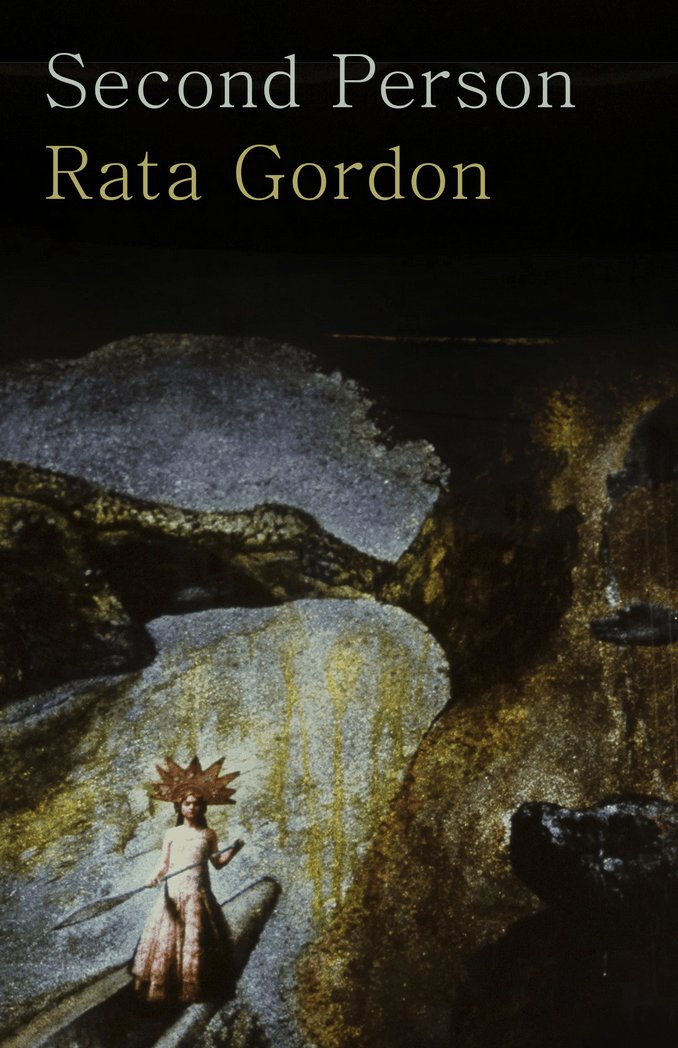
Poetry Shelf review: Rata Gordon’s Second Person


Screen Shot 2020-08-17 at 12.59.25 PM.png


Back in Level Three lockdown, but this time I can read, despite the wide awake nights. Rata Gordon’s debut poetry collection Second Person is mesmerising. It held me in the grip of poetry from first page until last. Yes! I devoured this collection in one sitting and then went back to dawdle on the poems that pulled me back in.

I have been musing on the way poetry can offer the reader a chain reaction of poem joy (among many other things of course). But joy seems like a good thing to imbibe at the moment.

Reading Second Person filled me with poetry joy.

This is a book of birth, babies, death, the universe, love, motherhood, water, sky, wildlife. It is a book that celebrates the present tense, the way we can inhabit the now of being. My first joy is visual as the poems are brocaded with hues and gleams. It is as though an artist has animated poems with their colour palette: ‘I painted sonnets on the wallpaper’. I adore the way a smattering of colour words spike the poems to gorgeous new levels. It fills me with joy.


I’m dressed in yellow leaking

gorse seeds out my pockets like

crumbs I am dressed in white skin

drinking from the spout of a

teapot (…)


from ‘The pregnant pioneer looks over her shoulder’


The second joy is the joy of sound. Many of the lines are short, the rhythm breathy with ample white space at the end of the line. These poems flow like a honey current. Again I am filled me with joy. At times it is the rhythm of walking. At time is is the rhythm of lying on the couch and looking out a wide window and breathing in and out, in and out. You inhale the poem.

As much as there is the physicality and a sensual present, there are also signposts to behind-the-scenes, to what is hinted at but not detailed. A taste from this poem for example:


In Delhi the dust

gets up your nose and into

your veins it swims

through the insides

of your bones


In April you want to hurt

yourself in the hotel room

but you don’t becuase a mango

will make it better


You walk through the streets

in the second person as if

watching yourself from behind

your backpack and your hands

are limp but your heart is

beating


This is all you have

to look forward to

your heartbeat and a

mango

everything else has dissolved:

your family

your intentions


from ‘Mango’


There is an unspoken story signposted here, and it may be real or fictional. It is the mood of the speaker, the state of mind, that holds as you read. The speaker becomes second person, alive, that beating heart, that mango luminous. I am musing on the way, as we write poems, as we insert ourselves above, between, behind and in the lines, we always become second person, whether past present future. I am filled with joy at this thought: the peering into the self inserted into the poem that is close at hand and walking away. Ah.

A third joy is the poetry stitching that shows through at times. Little windows open onto the writing of a poem, its making doesn’t just appear out of thin air, but is something altogether more mysterious, complicated, self-sustaining. I especially love ‘I find slaters’ with its surprising curves and bridges. Here is the middle bit:


I am rifling through this poem

trying to find

its hidden meaning.

If I rifle through fallen leaves

I find slaters.


The leaves are being digested.


How much twiddling do trees do?

Do they doodle on the sky?

Do they do a little spiral?


Second Person is fresh, layered and utterly captivating. Just the ticket  when you want to lie back on the couch and nestle into a welcome and very satisfying poetry retreat. I love this book.


Rata’s poetry has appeared in a number of Aotearoa journals. She works in the arts and mental health.

Her website.

Victoria University Press page.


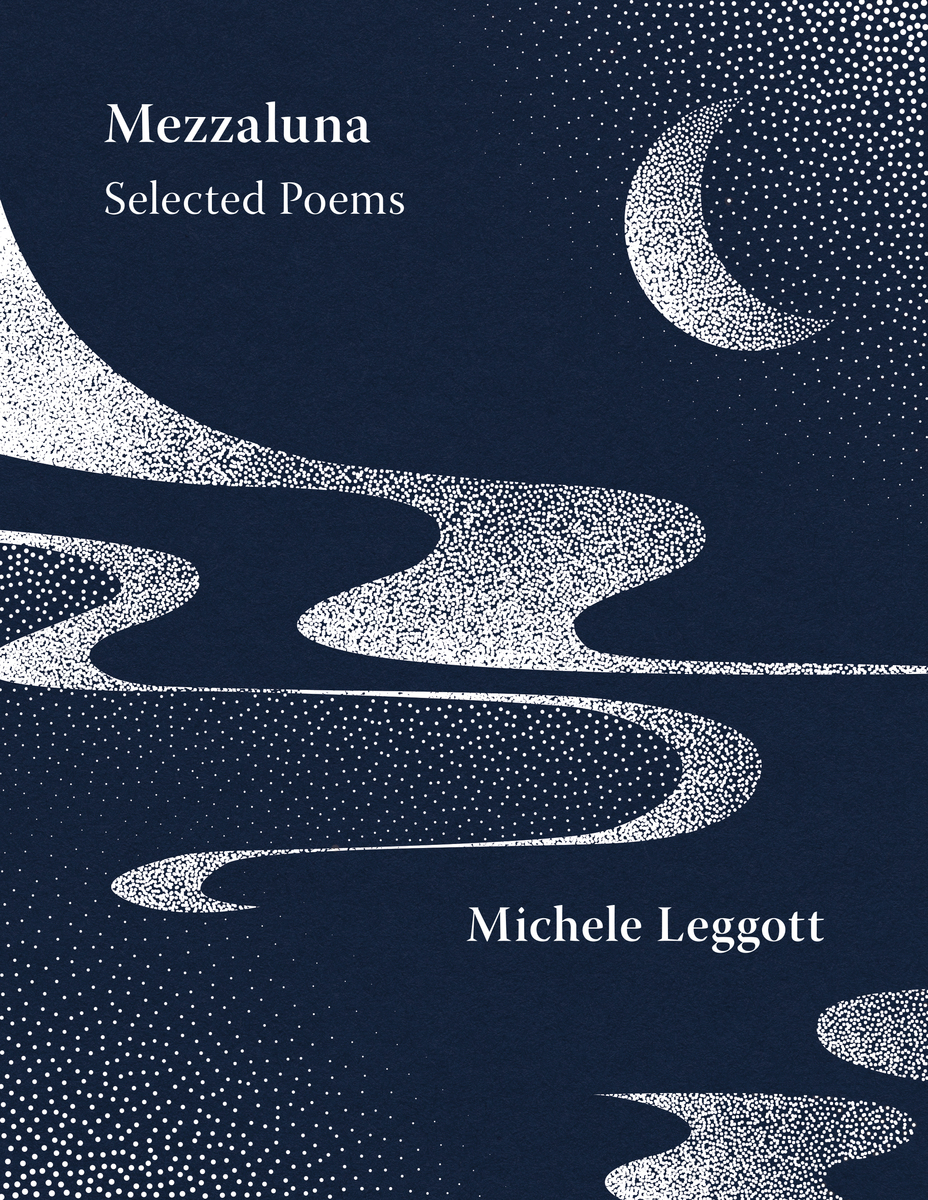
Poetry Shelf review: Michele Leggott’s Mezzaluna: Selected Poems


Leggott_Mezzaluna__32399.1575593220.jpg


Mezzaluna: Selected Poems Michele leggott, Auckland University Press, 2020


people still go to cottages in moody seaside weather

to read for a week           how will we do it now?


when I go for walks words stalk along too

I’ll be travelling mid-February and can’t guarantee a lucid mind


what about a big table in a room with windows

looking over the wild and wavy event?


from ‘Colloquy’ Swimmers and Dancers


Michele Leggott is continuing to make extraordinary contributions to poetry in Aotearoa. I rank her with Bill Manhire: two poets who have not only published astonishing poetry, but who have also been significant mentors and teachers in university programmes and introduced poetry initiatives, and edited vital anthologies. We are in debt to Bill for his vision for the IIML and offshoot projects, and the Poet Laureateship (now administered by The National Library but established with the efforts of Bill and Te Mata Estate). Michele was the first Poet Laureate under the National Library administration. She established the NZ Electronic Poetry Centre, set up the Lounge readings in Auckland, and has organised various gatherings of poets, including symposiums in Bluff, Christchurch and Auckland. Not forgetting her diverse contributions as Professor of English at the University of Auckland.

More than anything, we are in Michele’s debt for the light she has placed upon women poets from the past, especially Robin Hyde and Lola Ridge.


words come so slowly

it has been lonely

a phoenix palm

and behind it

crystalline glitter

another story, waving


plaintain paradisiaca a bird

musey with waves

Helicon a harbour cone

here

bright

Greek

over Narrowneck


from ‘Withywind’ from Like This? (1998)


I have been reading Michele’s poetry since her debut collection, Like This? (1988) and have followed the thematic and lyrical contours ever since. The first word that springs to mind is heart. Michele has written within the academy, with her prodigious intellect flaring, but she is a heart poet beholden to neither theoretical trend nor poetic fad. Her poetry has always linked hands with the writing of other women, and over time has become increasingly personal and more accessible for readers.

Michele’s Mezzaluna: Selected Poems appeared mid March, just before we moved into lockdown. Its visibility suffered as our reading, writing, publishing and reviewing lives moved into upheaval.  There is an excellent interview with Lynn Freeman on Standing Room Only and a short conversation with Paula Morris as part of The Auckland Writer’s Festival online series. The highlight of the latter is hearing Michele read an extract from her poem ‘The Fascicles’ from Vanishing Points (2017) (she is the last writer in the zoom session).


Fine ground darkness pours into the vessel

beans and flowers adorn the fall—

ichor! ichor! drink to the eyes locked on yours

the mouth that smiles and will speak for itself

I have always done the talking and she

put the words in my mouth saying do melisma

like sunlight be melisma like no sunlight pressed

redness before dark print an iris on her


from ‘Blue Irises’ in DIA (1994)


Difficulty has never been an issue for me as a reader of poetry – I love venturing into poetry thickets where meaning might appear in whiffs, and where enigma, evasion and multiplicity are active ingredients. Michele’s mid-career poetry collections, perhaps from DIA through to Mirabile Dictu, delivered various shades of difficulty and I loved them for that. Her lexicon has drawn upon the arcane, the archaic, slang, borrowed words, foreign languages. There were highways and byways to other poems, a history of research and reading. Intimacy was as likely as distance. And even though her poetry has become increasingly personal, self confessional in parts, it has always been so. Family appears, sons, food, beloved places, a shaping of home along with a profound engagement with other writing, other stories, myths, conversations.

The poems underline the way poetry threads ideas, memory, motifs, experience, opinion, reading history. The how of writing is as crucial as the what of writing.


imagine     the world goes dark

a bowl of granite or a stone bird

incised by tools the nature of which

is unknown    just that they are metal

and therefore from otherwhere

just that the weight of the bowl

precludes light and lightness

of thought     my feet take a path

I can no longer see    my eyes

won’t bring me the bird   only now

has my hand found the stones

I could add to the smooth interior

of my despair     the world goes dark

I look into the eyes of my stone bird

hammers before memory

silence and the world that is not


from ‘mirabile dictu’ in Mirabile Dictu


Along Mezzaluna’s reading tracks you will find honeysuckle, daffodils, roses, melons, breath, the wind, stars, here, there, light, dark, heart. Always heart. Always the interplay between light and dark. Michele has dedicated Mezzaluna to those who travel light and lift darkness’. Yes reading is a fertile way of travelling, life equally so; light and dark stick to us like biddybids, but our relations with and navigation of both are unique. What do we carry with us? What do we keep placing in our personal baggage? What do we do with the dark? For Michele, with her slow movement into blindness decades back, and all the challenges that have affected every aspect of her life, blindness has understandably also seeped into her writing. She has always been attuned to the sound of words, the mobility of language, words as sound dance in the ear, in harmony and discord. But the possibilities of sound, under Michele’s deft guidance, have become a glorious anchor for everything that has mattered and will matter.

The lush terrain of the visual is also a sumptuous part of Michele’s poetry. The recurring motifs I have already mentioned range from piquant to honeyed, visual bouquets in their own physicality but players in so much more. Participants in ideas, the mythological references, the recuperation of memory, family history, personal challenges.

It is equally rewarding to listen for the other women, particularly the poets who have captured Michele’s attention and diligent rescue work: I am thinking of the way Robin Hyde, Eileen Duggan and Ursula Bethell have become a visible part of the network. More recently Lola Ridge. Michele’s latest project is Emily Harris, a New Plymouth poet who died in 1925 and whose work has been located in Sappho-like traces. Michele response to the missing poet is to recreate versions in Vanishing Traces.

I have heard Michele perform poems from most of her collections and it has always affected me deeply.  To listen to poems from As Far As I Can See – the poems that expose her move into blindness – these have been audience-affecting occasions. I have sat in a line of poetry fans and we have been utterly still, barely able to take breath at the daring exposure, the heartbreaking experience, the exquisite and utterly memorable poetry.

Ah, no matter what I write, no matter what I signal, I feel like I am shortchanging this rich and elegantly constructed volume. Michele told Paula Morris she had originally sent in a longer version but had cut it back and, in doing so, focused on the DNA of each book, on what was important. As she read and replayed, she carried a key question across the books: ‘What does a poem look like?’

This is such a good question to carry with you as you read – yes Michele’s poems do change, the lines shorten, the lexicon is more familiar, but there is common ground. Perhaps it comes down to a love of a sound, and how that love of sound is amplified when you can’t see the physical world. It is a rejuvenating, heart-engaging, thought-provoking read and it feels like this Michele’s poetry deserves a whole book of response. Michele Leggott warrants a whole book that navigates what her poetry does: its connections, its liberations, its epiphanies, its testings.

Mezzaluna showcases the work of one of our most inquisitive and sensual poets who ventures into the unknown, into an inhabited world, with an open heart and free-flowing mind. Glorious.


Auckland University Press author page


Poetry Shelf picks from new books: Michele Amas’s ‘The Documentary’


The Documentary

A grandson takes a stone
from a southern Pacific coast
carries it in his wallet
across the world
to place on a grave

His fingers feel for distant music
above this limestone pit
this morbid formation
Wearing a borrowed yarmulke
his hand sweeps the soil
his head is full of old notes
the blood maps of history

We are no relation
but every relation
here amongst this baby bowl
pelvis, these anonymous thigh bones
removed of salt, more beach wood
than bone, these splinters and knuckles of pumice
you might find floating at the sea’s edge
this scattered ancestry

Bone is what bone is
a composition of elements
like air, like music
but once we were naked
at gunpoint
and I was a wife who lost her memory

Maybe you are my grandson
but I forget
Beside me a man
who clutched a satchel
of Stravinsky and Debussy
to cover his nakedness
A musician like you
that was his transport
clutched to his lungs
that was his oxygen

Hear our chorus
our bony percussion
our grandson, our grandson’s sons
hear us claim his future
and our escape
Do not be caught unarmed
bring your film, your press, your theatre
your manuscript, your piano, your pencils
bring your keepsake gift, your promise
bring your stone


Michele Amas from Walking Home, Victoria University Press, 2020


Michele Amas (1961 – 2016) was a poet and actor. In 2005 she completed an MA in Creative Writing at IIML and was awarded the Adam Prize. Her debut collection After the Dance appeared the following year and was shortlisted for the Jessie Mackay Best First Book of Poetry Award. Ken Duncum has edited a posthumous collection, Walking Home selecting poems from across the decade, including the final poem she wrote.


Victoria University Press author page
Poetry Shelf review of Walking Home


Paula: I am completely in the grip of this poem. Phrases roll about in my head – it is in debt to the private circumstances of the poet, but it is snug in this world-wobbly moment. The poem resembles a fable designed to keep both writer and reader going. It is song and it is anchor and it is ache. It is family. I am thinking – in these uncertain and unsettling days – of pinning the the final stanza to my wall, maybe my heart, because there is so much we can bring and create and connect with. It’s strange, but this poem both fills me with joy and makes me cry. Read the book – it is breathtakingly good.


Screen Shot 2020-06-29 at 11.51.08 AM


Poetry Shelf review: AUP New Poets 6


AUP_New_Poets_6_frontcover_HiRes-1__53429.1579568941.jpg


AUP New Poets 6 Ben Kemp, Vanessa Crofskey, Chris Stewart, edited and introduced by Anna Jackson, Auckland University Press, 2020


Salt my song …

I have to love you,

and this farmland upon which I live.

I evolve here.


One day I will journey to the sea,

become that river and dissolve into the essence of I.


Ben Kemp from ‘The Esssence of I’


The Auckland University Press series devoted to new poets was launched in 1999 and featured the work of Anna Jackson, Sarah Quigley and Raewyn Alexander. Each volume features three poets, a number of whom have since published highly regarded collections of their own (for example Chris Tse, Sonya Yelich, Reihana Robinson). Anna Jackson took over as editor with AUP New Poets 5 (Carolyn DeCarlo, Rebecca Hawkes and Sophie van Waardenberg).

Volume 7 will be out in August, but first I want to mark the arrival of AUP New Poets 6: Ben Kemp, Vanessa Crofskey, Chris Stewart. The collection was launched on Poetry Shelf during lockdown, level four, with a series of readings, poems and interviews. This was a challenging time for new books when many of us felt tilted as readers and writers, and our major contact with the world was via our screens. The events and mahi that did occur during this time is pretty special. There were opportunities to hear people read and talk about things beyond our local venues. Getting to hear the three poets read at the online launch expanded tha audience, and am keen to make online readings an ongoing feature on Poetry Shelf.


However we are now at level one, the sun is shining after endless rain and thunder, the political point scoring is on mute, I am listening to opera divas in my earpiece, the bread is cooling, and I can return to the collection with more focus. For me, reading during level four was like collecting gleams and shards. This word stuck, that phrase, this image. I had the attention span of a gnat. Now I am luxuriating in the way a sequence of poem unfolds, the way it takes you surprise and transports heart and mind. Still at a snail’s pace.

AUP New Poets 6 includes three very different poets – delivers three different reading impacts. Truth is such a dubious word, unstable, hard to pin down, we all know that, but truth seems to matter so very much in a world threatened by liars, catastrophe. I love the way the poetry moves into the truth of their experiences, thoughts, admissions. To be reading at such a human and humane level is significant. I want this complexity of comfort and challenge. Of how being human is neither formulaic nor flippant. This poetry is witty, vulnerable, challenging, complicated …. yes!

Anna Jackson’s lithe introduction (which I read after reading the poems as is my habit) confirms her role as an astute and surefooted editor of this series, with her fine eye for poetry that holds and satisfies attention regardless of the world that bombards.


Chris Stewart’s sequence, ‘Gravity’, navigates the miraculous within everyday settings. He faces big subjects such as birth, death and love, and rejuvenates them to the point your skin pricks as you read. He embeds the physical in order to evoke the intangible, the hard to say. There is darkness and there is light.

The title poem is a gem (well they all are!) as it stencils birth on the white page:


I hear nostalgia for the womb

the way light misses the hearts of stars

we glove the light in our skin

find sleep in solar wind

wrap ourselves in the gravity

of your arrival


from ‘gravity’


The agile syntax (‘we glove the light’) signals a heightened state, the sense of miracle, the wonder. I am hard pressed to think of a poet who has evoked birth, fatherhood, parenthood, so beautifully. I am reminded of Emma Neale’s power to deliver wonder and awe in a poem. Turn over the page, and again there is a shift between light and dark, a sense of awe:


the first time we bathed

our daughter in the lounge

it was dark except for the fireplace

she lay between us and flickered


from ’embers’


This is poetry at its rejuvenating best. There is rawness to the point of wound, such as in the poem, ‘a tooth emerges’. The father is wakened by a teething baby at night. The poem spins on the page, a spinning vignette of fatherhood, sharp, on edge, knowing. Here are the final verses:


now I am sore tooth pulled

from a soft bed


my swollen nerves erupt

you only see my crown


but my roots are still

embedded in the bone


Ah. Every poem in this sequence hits the right potent note. One poem links the health of the newborn to the health of a genealogy of grandmothers. Yes, family is the glue that holds the sequence together, along with the poet’s astute and probing gaze into experience. A couple of poems near the end situate the poet as son, and the ominous mother father portraits hold out dark hints. There are holes in the telling, dust-like veils, and startling images. These poems are why I keep reading poetry, and why I very much hope Chris has a book in the pipeline.


Vanessa Crofskey’s poetry was already familiar to me but her sequence, ‘ Shopping List of Small Violences’ widens my appreciation of where and how her poetry roams. She braids the personal and the political as she moves into the truths of her experience. As she does so, writing poetry is testing and playing with form, discovering form. I am reminded of how language shapes us as much as we shape the languages we use. It comes down to our mother tongue, to languages that are imposed, expectations on how we use language, and our own private relationships with how we speak ourselves. How we might stutter or provoke or soothe or struggle with words.

Just as with Chris’s sequence, the poet produces poems that matter greatly, that broadcast self along myriad airwaves. There is political edge and personal vulnerability. One poem fills a passenger arrival card, another completes a time sheet. There are white-out poems and black-out poems, shopping lists, and graphs. As she navigates form, she navigates being comfortable in her own skin.

The poem ‘dumplings are fake’ sits on the page with verses and measured space, moves with a conversational flow and that characteristic probe into self. There is wit at work, but it is also serious – reading poetry becomes a way of listening.


i’m so authentic i use chopsticks to eat macaroni

watch  hentai on my huawei

and go to ponsonby central to eat chinese


i don’t carry hot sauce in my bag but i do bring soy to the party

my favourite movie of all time is studio ghibli

and my dad is the white side of the family


every time auckland council says ‘diversity targets’, my phone vibrates

i get suggested ads for the national party in chinese

and that think piece on bubble tea is a redirect to my

dot com slash about me


Again I am very much hoping there is a book in the pipeline.


Ben Kemp’s The Monks Who Tend the Garden with Tiny Scissors’ also assembles poetry as a way of listening. Ben currently lives in New Guinea with his diplomatic wife and three children. He was born in Gisborne, has Rongowhakaata roots, grew up in Manutuke and Matawhero, lived in Australia for six years and ten in Japan. For me his poems are deeply attached to home, to a way of grounding place, of establishing anchors. Of being home when home is mobile. The sequence establishes a series of bridges between Japan and Aotearoa. He carries Aotearoa into every poem, regardless of the setting, while his experience in Japan also deeply permeates his point of view. The poetry welcomes both here and there.

Ben’s poetry is alive with physical detail, sometimes ornate, sometimes shimmering with the deceptive simplicity reminiscent of haiku or tanka. From ‘Food to Song’:


Rekamaroa,

a bed of hot riverstones,

under the earthern blanket,

steam rises, the buttery smell of pork belly.


Perhaps the most  gripping poem is the longer ‘The Essence of I’, an ode to Walt Whitman. Reading this, I am hoping there is a book in the making.  I find the poem deliciously quiet, slow paced, speaking of homeplace and ancestors, oceans and rivers. Astonishing. There is love and there are longings. I keep reading Ben’s poems and adjusting what I think poetry is and what it might be. Poetry, for example, is a way of becoming. And listening. And building bridges. ‘The Essence of I’ signals a way of becoming.


Underground are the ancestors lined up in single file,

feathers in their hair, with paintbrushes for fingers and flutes for mouths.

In the darkness that is their light they are whole,

yet the line they form is for me,

carrying the burden of my impatience, they vent it.

I often pierce my hands through the earth, arms dug deep,

softer in the tractor tracks, we tough hands.

The movements in hand, saying we love each other …


The northeastern tip is the desert,

I hitched a ride on that wind-blowing orchestra,

and I found a well,

my consciousness, and perfect white sunlight on a vast bed of sand …

The well was filled with embers, breathing smoke,

I sat for days contemplating its meaning to me,

these loose and odd snippets.

Why burn? Why burn?


AUP NEW Poets 6 is a glorious read. Exactly what I want to be reading now. I am hungry for poetry that offers facets of humanity, of humaneness. The anthology brings together  voices speaking in multiple poetic forms, across multiple subjects, in shifting tones and hues. Glorious, simply glorious.


AUP NEW Poets 6 launch: listen to the poets read here

Auckland University Press page


Poetry Shelf review: Vaughan Rapatahana’s ngā whakamatuatanga / interludes


41hCAfQPNvL._SX307_BO1,204,203,200_

Vaughan Rapatahana   ngā whakamatuatanga / interludes  Cyberwit 2019


Vaughan Rapatahana, Te Ātiawa, commutes between Aotearoa, Hong Kong SAR and the Philippines. He writes in multiple genres (chiefly poetry, criticism and commentaries) in both his main languages, te reo Māori and English. He graduated with a PhD (on Colin Wilson) from the University of Auckland, and has published several poetry collections both here and overseas. Atonement was nominated for a Philippines National Book Award in 2016 and he won the Proverse Poetry Prize the same year. He edited Ngā Kupu Waikato: an anthology of Waikato poetry (2019).

Vaughan is a terrific champion of poetry in Aotearoa – he shines a light on poets that deserve far more attention than they currently get, particularly in his articles posted at Jacket2. He has also edited multicultural books of poetry with poetry exercises for secondary schools (Poetry in Multicultural Oceania – Book 1, Book 2 and Book 3, and the most recent teaching resource Exploring Multicultural Poetry 2020). He is a much admired poet in his own right.


IMG_5754

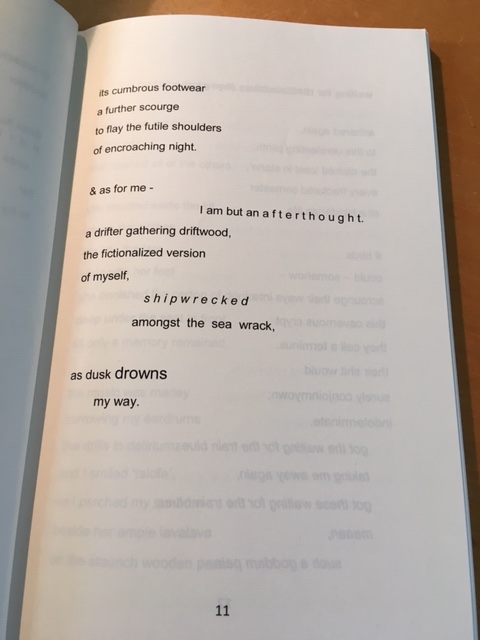
from ‘te araroa foreshore, mid-winter’


Vaughan’s latest collection ngā whakamatuatanga / interludes appeared in 2019. It is a sequence of six parts that go deep into human experience, draw upon multiple languages and exhilarating linguistic effects. You will move with the sky, rain, trees, from home to home, from the Christchurch attacks to collecting driftwood, to a Waitangi dawn. I am hard pressed to find a local poet as linguistically agile and testing, perhaps Michele Leggott, although in a very different way. The aural intricacy, with its infusion of te reo and English, is like entering poetry cascades, poetic thickets, where you start with sound and are then delivered to radiant cores of experience, anxiety, ideas, feelings, observations, memory.


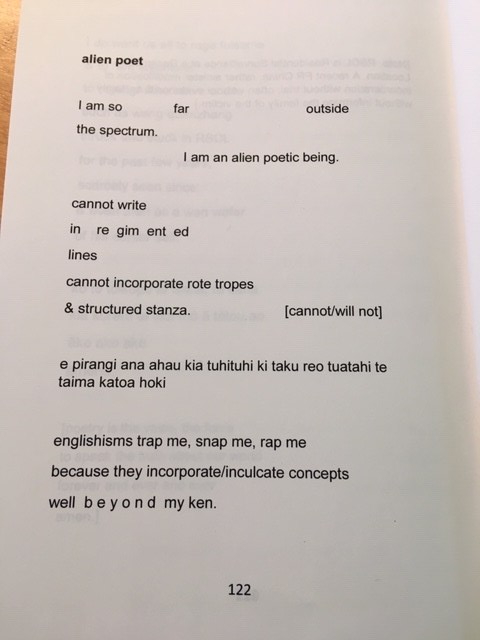
In ‘alien poet’ the speaker admits:

IMG_5752


The poet is linguistically on the move. Lines are kinetic: words fade, elongate, go bold, change font or size, jam against a wall of white space, cram together, relish the the pause, the silent beat, the jumpcut. The movement affects the ear and the eye, and it feeds into the poet’s admission he is so far outside the spectrum as he writes in English. The movement also links to both heart and mind, because these poems, deeply knotted and deftly crafted, present fracture alongside connectivity, jarring alongside assonance.

Vaughan is writing with his tongue in multiple worlds – we are who we speak – we are how we speak – we are, we speak. At times, the lexicon is difficult, unfamiliar words gleam on the line. It reminds me that any language can appear brittle on the tongue, with meaning stonewalled, and with vital little keyholes. But also that poetry, as this collection shows, can adopt the honeyed fluency of conversation.


The collection begins with the section ‘ngā wāhi/places’, the ground to stand upon, to return to, to step off from. The first poem ‘Waitangi, 2017’ transports us to a particular occasion where we hear the karanga, the karakia, where noses press in hongi. The aural movement resonates. The words tough, soft consonants, hard consonants (‘that scurfy scrub’). The poem itself is the ‘cascade escalier’. I grew up in Northland, and have had many visits to Waitangi, and always find it is a place you feel. I feel Vaughan’s poem.


the karanga guitar solo

sustained ethereal,

is a cascade escalier

we strive to scale

in our unkempt scansion.


The second section ‘ngā whanaungatanga/relationships’ is also an occasion to feel poetry. The poet moves in close to a violent father who drank, the love of his Filipino wife, grief at the death of his son, his daughter distanced in Australia. He is tracking the cycle of birth and death, and the bridges of living. The poems exude heat, strong feelings, vulnerability, pain grief love. At a time when our world feels so wobbly and uncertain, scary even, it matters to be able to read these poems, to feel these poems, where the poet is exposing his relations, wobbly and steady, with those closest to him. Intimate. Exposed.


let me  r e c l i n e  by  the fire

that is your heart,

insulated from

the squalling of

those squalorous hovels,

which

you never permit

to ruin,

your

magnific

haven.

from ‘inhabit’


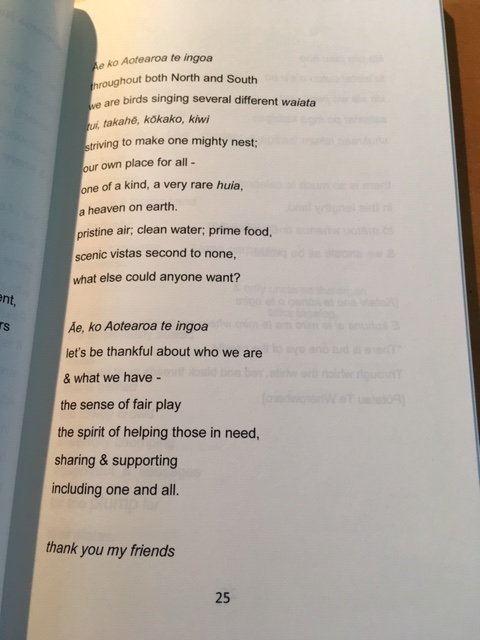
What I love about this book is that it is demanding and prickly, yet utterly welcoming to me as reader, in fact to me as human being. A kaleidoscopic glorious trajectory of life and living that is scrutinised. What does it mean to be a father, an Asian father? To call several places home? To live in Aotearoa ‘with our increasingly multi-cultural crew’? He asks whether it is ‘time for a new name, stressing our interconnections?’  His relationship with issues that matter are never monotone but strike sharp and sweet, political and personal. The poem ‘Aotearoa New Zealand’ is like a blessing, ‘we are birds singing several different waiata‘. It searches for conjunctions, connections.


IMG_5753


Another poem, near the end of the book, in the section ‘ngā toikupu/poetry’, strikes a more strident note. This is a section where the poet grapples with what it is to write poetry (‘sometimes / writing a poem / is like / driving /  a / bus / under  / water’ – the words fall, stretch, flick back on page). It is writing on the edge, on the outside, face to face with ignorance. It is resisting form, going for the barbs, going for the honey, refusing the tropes.


I don’t want

(on the occasion of reading for p.e.n)

I don’t want to hear any more prattling lyrics about

verdant trees dancing beneath scudding clouds.

screw that shit.

                                                              kinfolk are being massacred in christchurch.

I don’t want to read any more verbose verse

rambling forever on about a lost love or three.

screw that shit.

                                                              kiribati is sinking steadily into the sea.

I don’t want to see any more pale-pampered poets

clutching a microphone like a baby’s bottle.

screw that shit.

                                                              kids continue to live in cars in winter


I do want us all to rage fulsome

& to rant articulate.

to highlight the brave ones,

such as Wang Quanzhang

struck and stuck in RSDL

for the past few years,

scarcely seen since:

& even then as a wan wafer

of his earlier self.


while Behranz Boochani

remains remote

on Manus, six years plus

thanks to Australia

& its white-folks-are-us

code.


ko te toikupu te waha, te kaha

kia kōrero te tika mō ā tātou ao

āke ake ake

āmene.


[poetry is the voice, the force

to speak the truth about our world

forever and ever and ever

amen.]


    1. RSDL = Residential Surveillance at a Designated Location. A recent PR China, rather sinister modification of incarceration without trial, often without evidence & certainly without informing the family of the victim.


The roots of Vaughan’s poems feed on the then, the now, and the what will be. It is a collection to spend time with, to listen to, to look up words in the dictionary, to muse on your own burning experiences, to absorb the weather that smashes, and the wind that calms. You can’t package this book in a neat and tidy review, you can’t leave yourself out of the reading, it feels like a reckoning, it is a book that glows with humanity and, at the moment, that matters more than anything. One person’s poetry, one person’s experience, one person’s views, have the ability to touch so very deeply.


Listen to Vaughan read a new poem

Vaughan’s ‘Aotearoa New Zealand’

Vaughan on  Poems from the Edge of Extinction


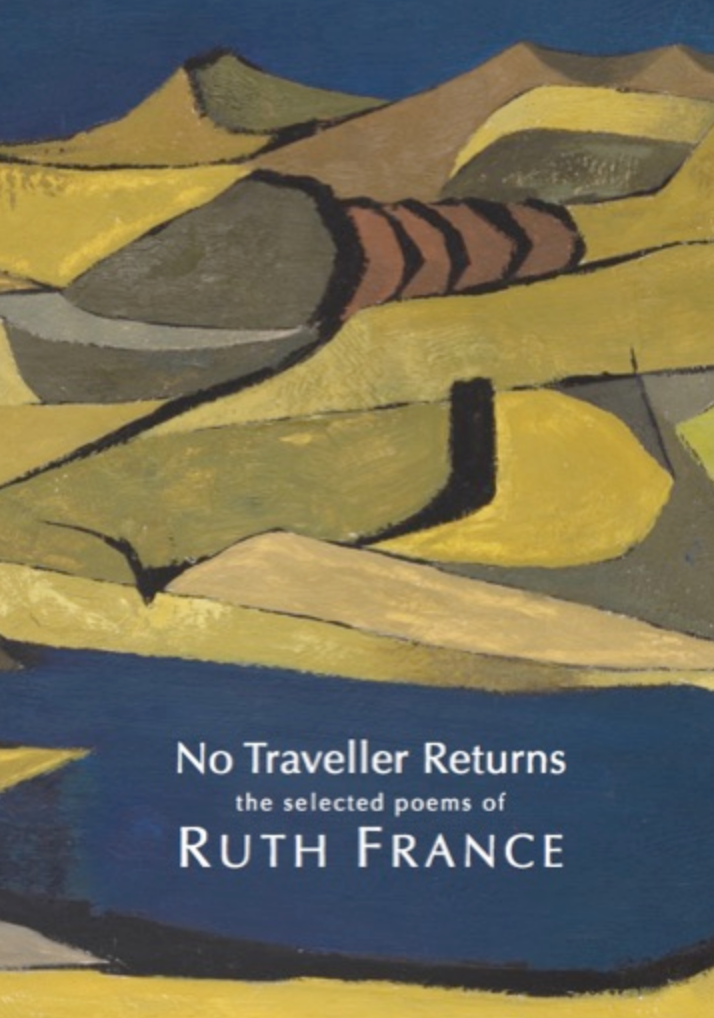
Poetry Shelf review: No Traveller Returns: the selected poems of Ruth France


Screen Shot 2020-06-15 at 1.49.52 PM


No Traveller Returns: the selected poems of Ruth France, Cold Hub Press, 2020


While Trying to Study Phonetics on a Spring Morning


This immense arch of sky

Is a palate, on which ring

Day’s consonantal sounds


Voicing the clarity of bell air

Which breaks about and above us

Like tumbled, exploding plosives


Tripping on the teeth; these

Rear up, far off; sharp sounding-board

Or white, guardian mountains.


Here all is implicit; perhaps we have

No need of such conceits;

Yet without them words remain dumb


Where we, tiny on the tongue

Of the plains, consider how sweet

How sweet is the taste of morning.


Ruth France


Ruth France was one of a number of women poets who didn’t make it into Wild Honey; not because I wasn’t fascinated by her poetry or ideas. I made it clear I was offering a provisional home that needed more rooms, more poets, and more versions written by others writers, especially Māori and Pasifika. When Ruth was writing, most women poets were not lauded to the degree men were, and too often praise was offered on the judgement scale of men. Anthologies only ever included a handful of women and ‘women’s writing’ was often disparaged, undervalued, silenced. I am sitting at the kitchen table where I wrote Wild Honey and I am feeling an overwhelming sadness at the historic invisibility of twentieth-century women poets that is still in effect today. I spent four years writing Wild Honey and didn’t have room for everyone. This has to be an ongoing project.

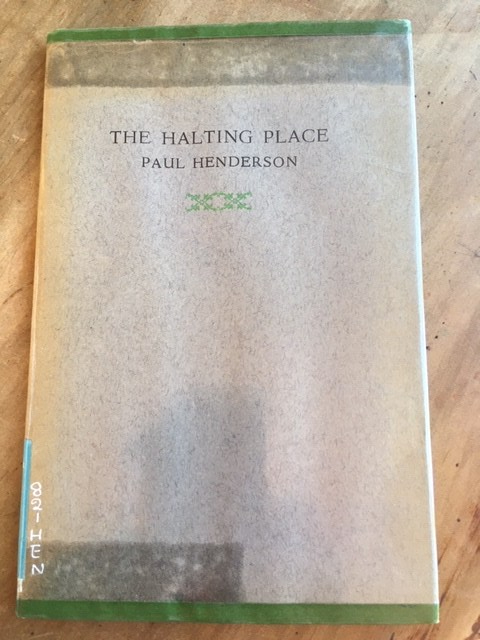
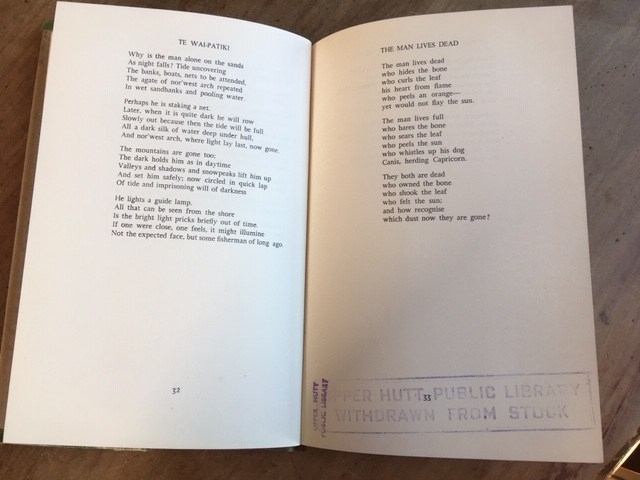
Ruth France (1913 – 1968) was a poet and novelist. She wrote two novels, with her debut The Race (1958) winning NZ Literary Fund’s Award for Achievement. She published two collections of poetry under the name Paul Henderson, a handful of which made it into two anthologies (not all women of her era were selected). Editor Robert McLean (himself a poet with a new collection out) has selected poems from Ruth’s published books (Unwilling Pilgrim 1955 and The Halting Place 1961) along with poems from an unpublished manuscript, ‘No Traveller Returns’. To have this lovingly edited collection of her poetry underlines what readers have missed with her work not readily available.

Robert’s introduction considers the poetry and states that as the poems do not offer explicit biographical details neither will his introduction. Yet her biography (not that we have easy access to much) is as intriguing as the poetry. Yes, we can let poems stand on their own feet and we can find our own invigorating pathways through, but autobiography can make poems glint in unexpected ways. In fact, as is my habit, I read the poetry first, wrote most of this, then read Robert’s introduction and hunted out her appearances in New Zealand anthologies. She is largely invisible.

Te Ara / The Encyclopedia of New Zealand has a biographical entry. She was born in Canterbury, her mother wrote poems and short stories and was published in the Christchurch Press while her father was a shopkeeper. Ruth attended secondary school and then worked as a librarian before marriage at 21. For over three years, she and her husband lived on a yacht at Lyttelton; she rowed her husband to work and her son to kindergarten. After the second son was born they settled at Sumner. Her father had been a devout Catholic and was incensed his daughter had married a non-Catholic.


Ruth published her first collection of poetry at the age of 42 as Paul Henderson. According to Te Ara she wrote letters to the press under her own name and had a strong social conscience and her poems were published in various newspapers and journals. Te Ara also suggests her contemporaries claimed she wrote under a male pseudonym as it freed her from ‘poetess mannerisms’. Crikey! I am so infuriated by these two words. Ruth is said to have held herself at arm’s length from the Christchurch writing community as she didn’t like the way women were treated as inferior. I am thinking of the Caxton Press and all the power it exerted but also of the gatekeepers at a national level (there were notable exceptions). This is what it says in Te Ara:


Already well known for her poetry written under her own name, it is unclear why she felt a need for a male pseudonym. Contemporary male critics suggested it freed her from ‘poetess mannerisms’ and contributed to her success. Today, the best features of her poetry are judged to be the plain, serviceable language and syntax in, for instance, ‘After flood’ or ‘New Year bonfire’.


I am so infuriated by this dismissiveness, I want to write another book. Ruth’s poetry is so much more than ‘plain, serviceable language and syntax’. Where do I begin? For a start plain serviceable language can offer a thicket of copious reading delights. Secondly her beautifully crafted lines offer all manner of musical rewards. Economy and richness coexist.

I am sitting at my kitchen table with a thousand questions mounting. Why wasn’t her last ms published? Her poetry had a vital political edge to it yet, for whatever reason, her poems did not raise questions about the status of women, whether as wife, mother, poet or woman. Ruth refers to ‘men’ to denote all people encompassed in her narrating ‘I’: ‘All men I, and I, living, all men’. It was the convention of the time to subsume women within ‘men’, but some women poets were resisting this tradition. I am reminded of Mary Stanley’s ‘I’ in Starveling Year (1953) as she navigated what it was to be a woman writing (see ‘The Wife Speaks’). Yes I am a little disconcerted that women (and ‘she’) do not make an appearance in Ruth’s poems but we see the world through Ruth’s eyes.  It in no way detracts from the myriad rewards her work offers. But it makes me curious about her views on the status of women.

As with many women poets, global issues mattered to Ruth – war, the bomb, atomic energy, equality of men, invasions. You will find clear evidence of her political acumen, along with heart-moving love poems and an attraction to the seas, hills, mountains, shifting tides, seasons. Her poetry is a sumptuous feast of ideas and physical layers. I think she needs a book devoted to her writings, her opinions, her life.


While you are there I am nested among leaves;

As sparrows come each morning for breadcrumbs

So I look for your still face beside me;

Without your calm in the face of what wild storm

I am no longer nested, but desolate among these leaves.


from ‘Always, on Waking’


No Traveller Returns: The Poetry of Ruth France


‘Living’, an early poem from Unwilling Pilgrim intrigues me. Here is the first verse:


What shall I sing?

It has all been sung before

But time did not begin

Till child my mother bore.


The poem faces the haunting and perhaps persistent nag that however we write our experience it has all been written before. Yet when I read this potent line – ‘Tears bit me in the brief / Salt stream for the first time’ – I am on reading edge. Shortly later I read this: ‘So for each one was new / The shattering love and war’. The poem was written around  the year of my birth and I am spinning on its axis. Grief, love, war, pain – poetry has never abandoned these topics, poets have never lost the ability to affect us, to present unique versions of experience that challenge or soothe or inspire.

Ruth concludes the poem with this:


So let me sing for all

And sing old songs again.


I am filled with curiosity about this poem. Ruth is galvanised into song, and I am wondering if the reclaimed subject matter is also a reclaimed how. How we sing matters as much as what we sing. And in this context how we make poems. Is she singing the songs of men? Is she singing her own cerebral activity into poetry?


In ‘Object Lesson’, also from the first collection, the idea that human experience is individually unique is key (although connected by countless universals such as our need to eat and love and grieve). In this poem a hill is a hill but when a particular hill is filtered through a man’s knowing, it is ‘a hill through the eyes of one human’. I see the seeds of subsequent theory here on the role of the reader, the spectator, the creator.


I am finding Ruth’s poetry utterly unique – she is a poet both thinking and feeling, hiding and exposing. Her poems are intricate considerations on what it is to love, write, exist. Never fully in the open. This from ‘How Shall I?’:


Then how shall I do this?

Confine the mind to a reasonable process

Beguiling thought by beguiling thought through a tight

Web to a firm conviction? No moonlight

Must persuade, nor smile chance

To alter the grave march of circumstance.


There is song and there is not song. There is love and there is not love. There is also and always uncertainty, a mind open to movement and a resistance to absolutes. Time and time again I divert the overground ideas to the making of a poem; the way poetry is uncertain, open to multiple interpretations, steered by gut and daring as opposed to rigid maps and regulations. I love the way the landscape is a constant presence – think of it as an anchor, homeplace and a series of travel routes. The poem ‘Road Map’ reiterates the inability of a map to catch everything. The traveller’s aid may guide us across physical terrain, but equally it references the terrain of the mind. It is the blank page of the poet writing.


For all was unexpected that we found;

Rivers were marked, but what map could foretell

The scouring of spring floods, the changed ford,

How the great boulders fell?


There is no absolute of place to be drawn

In neat precision with a mapping pen:

Lakes are hemmed in by thought as well as hills,

That has branched through many men.


Ruth keeps returning to the idea that we are in the land and the land is in us, and how the relationships will be marked by memory, experience, uncertainty, hesitancy, predilection. Here are the final two verses:


Place will be integrate, but not on paper;

The mind’s net flung and hauled, it is a silver catch;

Here was the limestone bluff, the sharp bend,

There was iced snow to watch.


But later, in what deep valley of hesitation

We consider time, and place, and thought

As tiny scratches on what surface, an ultimate

No map, or mind, has caught.


The poetry of Ruth France is a treasure house of gold-nugget poems. Like any good treasury, it reveals its physical and abstract luminosity across the course of many readings. I am utterly fascinated by this writer, by her inquiring mind and her poetic deftness. Go hunt this glorious book down. Bravo Robert McLean and Cold Hub Press.


The island belonged to my father,

Or rather it belonged to nobody.

It wasn’t even real considered against

Men and Material, War and Atomic Energy.

Reality rejected too the hut I built, now ruined,

But then, so did the island. Its own core

Was a reality immune even from wind the eroding stranger.


from ‘The Island’


Cold Hub Press author page


My first edition copy of the second collection

IMG_5675


IMG_5676


IMG_5705


Poetry Shelf in conversation with Oscar Upperton


Screen Shot 2020-05-28 at 10.30.51 AM


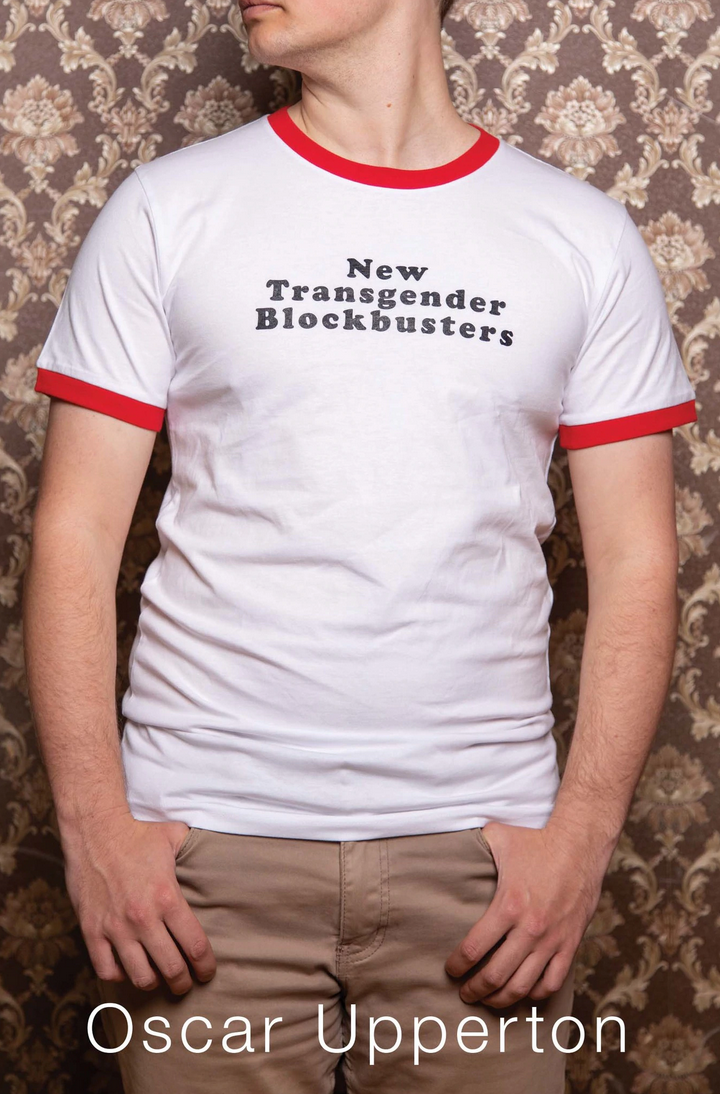
Oscar Upperton New Transgender Blockbusters Victoria University Press, 2020


Optimism is the idea that it not always will rain.

Leave home as soon as you are free,

for everyone comes back again—


just never board a train

without a member of family.

Optimism is the idea that it will not always rain,


that between sea and plain

will always sprout a city.

For everyone comes back again.


from ‘Dutch instruction’


Oscar Upperton was born in Christchurch in 1991, grew up in Whāngarei and Palmerston North, and now lives in Wellington. In 2019 he was awarded the Creative New Zealand Louis Johnson New Writer’s Bursary. His work has appeared in Sport, The Spinoff, Metro and Best New Zealand Poems. His debut collection New Transgender Blockbusters was one of two go-to poetry books for me in lockdown (Elizabeth Morton the other). It is fresh, witty, offbeat, surprising yet never loses sight of a lived-in world. As it says on the blurb: These poems are vitally human and consoling: they reframe the ordinary as something to yearn for’. This is the kind of book that I want to talk about with someone, the way the city and rural settings are both present, the way there is a degree of incantation at times, a sense of song, a jubilant relationship with words that might involve rhyme or repetition or silence. I am out of lockdown now but the world is still wobbly, I am still wobbly as both reader and writer, and I find this book the perfect retreat. Glorious is the word for it.


In conversation with Oscar Upperton


Paula: What poets, both here and overseas, have hooked your attention?

Oscar: I only really read Kiwi poets. I love Tayi Tibble’s writing. Also Jane Arthur and Ashleigh Young. My younger sibling Katrina Upperton is my favourite read at the moment though.


Paula: Poetry performers?

Oscar: I went on a road trip with my dad before the lockdown and read in Palmerston North, Whangārei and Kerikeri. I was lucky to see some awesome, awesome performers on that trip. I can’t name everyone (and some of the readings were private anyway) but I will single out Vera Hua Dong, who gave an amazing performance in Kerikeri. I’m looking forward to seeing her writing on the page in Ko Aotearoa Tātou when it comes out in August.


Years aren’t to blame. I was always old.

The garden gathers rain. I grew and grew

and broke the mould. I sat there in the rain.


from Garden beds’


Paula: Your book is like a breath of fresh air. I am drawn to the economy, the richness, the quirkiness, the surprise. What are key things when you write a poem?

Oscar: Thank you for all the compliments! I like to think I’m quirky. Sort of the manic pixie dream boy of New Zealand poetry.

Usually I start with a line or a sound I like, and just follow that. Or I start with an idea, like writing a poem with footnotes. I like to make up rules for myself, like this poem has to have every fourth line written backwards or in this poem the first word of every line rhymes. And I like to use prompts, like Pip Adam’s exercises from her podcast Better Off Read.


The dog is a book read over and over

The dog is a river that’s stopping for no one

The dog is a child who thinks hot is a colour


The book is a dog that’s waiting for water

The book is a river that cannot be forded

The book is a child who’s made out of silence


from ‘Song abut a child’


Paula: I like the appearance of lists in your poems, whether subtle or overt. What attracts you to poetry list making?

Oscar: It’s easy! Also I like repetition. Also I like juxtaposition. Like if you put one image beside another, unrelated image, what happens? Lists are useful for that.


Paula: Yes- I love the connections between things on a line and in the poem. That is where surprise and quirkiness can take root. I also like the musicality – the rhyme. Sometimes I am reminded of Bill Manhire’s poetry palette as I read your poems (final word in book might be referencing his poem ‘Kevin’). Any poets that feel like close writing relations?

Oscar: This is a funny question to me because some of my closest relations are poets (my dad Tim and my sibling Katrina) and they are probably the writers that I am the most similar to, for obvious genetic and environmental reasons. I definitely am very influenced by Bill Manhire. I like his relaxed approach to sound and rhythm, and how a lot of his poems are jokes or riddles. He seems to be having a lot of fun when he writes, and it’s infectious. I aspire to be like that.


Paula: I so see that in your writing! Your poetry seems assured to me, crafted with a deft hand, but do you suffer doubt as you write?

Oscar: Yes, all the time! But I chuck out poems or lines I don’t like, so I am usually happy with a poem by the time it is published. There are some lines in my poems I really don’t like. For example, I think the ending of ‘Child’s First Dictionary’ is really bad. And I even dedicated that poem to my sister! How rude.


We like mushrooms best when they taste of thieving.

At home we turn the Beatles up to eleven.

This bag of mushrooms was not a given.

We don’t like Kevin but we both like ‘Kevin’.


from ‘Two thieves’


Paula: Some poets currently favour massive self-exposure in poems – there are heart-punching examples I adore. I find your collection a complex weave of human experience that might be invented or real, intimate or restrained. How do you feel about revealing your private life in a poem?

Oscar: I have a lot of childhood poems in my book that I guess you could say are autobiographical, but they are more about mood or tone than describing a particular thing that happened. Although ‘Two thieves’ is entirely truthful.

I don’t think I’m interesting enough to merit too much self-exposure – all the poets I love who write about themselves, they seem to get out of the house much more often than I manage to. I’d much rather write about something I haven’t done or haven’t experienced, and I don’t tend to write in my own voice. The only poems I have written that I consider to be in my voice are ‘New transgender blockbusters’ and ‘Carmen’. I wrote them because I had two very specific emotional experiences (one after watching a terrible movie, one after listening to people talk about Carmen Rupe) and I was interested in the challenge of recording those experiences accurately. I like both those poems but I wouldn’t want to write a whole book like that.


A juggernaut is anything sour, sour cabbage.

Why do you hide your head beneath the bedclothes?

A juggernaut is anything at all, air and beans.

Why do you keen? Why throw yourself against the porch light?

A juggernaut is anything sitting on a rooftop not a bird.


from ‘Juggernaut’


Paula: Ha! Poetry is a way of writing yourself out of the house in any way or voice you care to invent. The blurb lists questions. ‘Juggernaut’ is a sequence of questions. I began musing on the idea of questions shadowing poems, like furtive ghosts that help bring something into being. What’s your take on poetry and questions?

Oscar: I like questions because they invite the reader in and suggest an answer without me actually having to come up with one. I don’t like being too definite or conclusive when I write, and questions are useful for that.


Paula: That is another plus about your poetry. In fact I could have used the word ‘openness’. Porous poetry that is like an open home for the reader. Was there a poem that was particularly tough to write?

Oscar: ‘Caroline’ was hard to write because it contains a lot of repetition. The same lines had to make sense in six different contexts, over six stanzas. I wrote it in Excel with formulas set up so that if I changed a line in one place the change would flow through the rest of the poem. It took ages and was a weird time but I really like that poem now.

‘Prudence’ was hard to write because it’s about a cat and therefore ran the risk of becoming too cute.


Last year’s trees are dropping.

They drop like sticky fruit.

They drop as the flies rise.

Last year I woke up differently.

This year is the same old mess.


from ‘Atlas’


Paula: Is there a particular poem – or two – where you feel you have nailed it?

Oscar: ‘Atlas’ is the first poem in the book because it’s my favourite. I wrote it about ten years ago, when I was at my peak.


Paula: Hmm! More peaks on the horizon please! Slowly we return to live poetry events. If you were to curate a session with poets from any time or place who would you invite?

Oscar: I would like to see Bashō and Sappho read. Also Robbie Burns. I wonder if they would be baffled by the experience of a modern poetry reading or if they would just go with it.


Paula: Wow. What a combination. I have no idea how Sappho would deliver a poem and we could get to see gaps filled if she moved beyond fragments. Finally there is more to life than writing poems. What else feeds you?

Oscar: Right now I’m helping out with an online writing workshop run by InsideOUT. Being the ‘teacher’ is super weird but has given me a new perspective on writing. And it is so cool to see what the writers are coming up with.


Victoria University Press page

Oscar in conversation with Karyn Hay RNZ