Category Archives: NZ poems

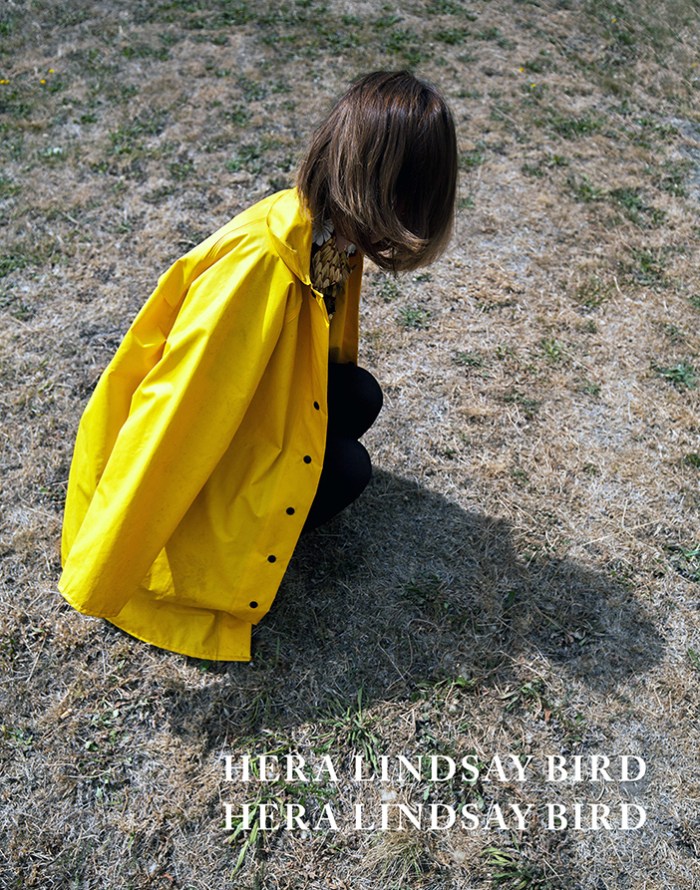
Is Hera Lindsay Bird a flash in the pan?

ca5ff196-de28-4704-a12b-2d6a1292d767.jpg


‘All I care about is looking at things and naming them’

‘I love life’

Hera Lindsay Bird Hera Lindsay Bird, Victoria University Press, 2016


For the past week or so, after visits to our key research libraries,  I have been writing about Jessie Mackay, a founding mother of New Zealand poetry. What I am writing is under wraps but my relationship with both the woman and her poetry is not clear cut. She moves me, she astonishes me, she irritates me, but I am always filled with admiration. One question bubbling away is: how different is it for women writing over a hundred years later?  Sure, contemporary poems are like a foreign country, we have changed so much. But what of our behaviour as poets? Our reception? What feeds us? What renders us vulnerable and what makes us strong?

I want to draw a pencil line from Jessie Mackay to Hera Lindsay Bird and see what I can peg on it. But I want to save these thoughts for my book.

Hera Lindsay Bird has attracted the biggest hoo-ha with a poetry book I can recall. It felt like I was witnessing the birth of a cult object. Images of the book cover on the side of a bus or a building (photoshopped?!?!) created a little Twitter buzz. Lorde tweeted. Anika Moa tweeted. Tim Upperton reviewed it on launch day on National Radio. Interviews flamed the fan base on The Spin Off, The Wireless and Pantograph Punch. The interviews promoted a debut poet that is hip and hot and essential reading. Poems posted have attracted long comment trails that apparently included downright vitriol (I haven’t read these and I think just applied to one poem). The Spin Off cites this as one of a number of factors in the shutting down of all comments on their site. The launch was jam packed, the book sold out, and took the number one spot on the bestseller list. Hera is a poet with attitude. Well, all poets have attitude, but there is a degree of provocation in what she says and writes. Maybe it’s a mix of bite and daring and vulnerability. Just like it is with JM, Hera’s poetry moves, astonishes and irritates me, but most importantly, it gets me thinking/feeling/reacting and prompts admiration.


A few thoughts on Hera Lindsay Bird by Hera Lindsay Bird


This book is like rebooting self. Each poem reloads Hera. Click click whirr.

At first you might think the book is like the mohawk of a rebellious punk who doesn’t mind hate or kicking stones at glass windows or saying fuck at the drop of a hat.

The word love is in at least two thirds of the poems. It catches you at times with the most surprising, perfect image:

‘when we first fell in love

the heart like a trick candle

on an ancient, moss-dark birthday cake’


‘it’s love that plummets you

back down the elevator shaft’


You could think of this book as a handbook to love because Hera doesn’t just write love poems, she riffs on notions of love:

‘It’s like falling in love for the first time for the last time’

or: ‘What is there to say about love that hasn’t already been’


Some lines are meant to shock you out of reading lethargy:

‘I feel a lot of hate for people’

or: ‘My friend says it’s bad poetry to write a book’

or: ‘Some people are meant to hate forever’


or:

‘It’s a bad crime to say poetry in poetry

It’s a bad, adorable crime

Like robbing a bank with a mini-hairdryer’


Hera reads other poets and uses them as springboards to write from: Mary Ruefle, Bernadette Mayer, Mary Oliver, Chelsey Minnis, Emily Dickinson.

Sometimes the book feels like a confessional board. Poetry as confession. It hurts. There is pain. There is always love.

This poetry is personal. Poems (like little characters) interrupt the personal or the chantlike list or the nettle opinion the honey opinion as though they want a say and need to reflect back on their own making, if not maker.

Love hate sex girlfriends life death: it is not what you write but how you write it that makes a difference, that is the flash in the pan, not to mention the pan itself.

Hera writes in a conversational tone, sometimes loud, sometimes quiet, as though we are in a cafe together and some things get drowned out but the words are electric and we all listen spellbound.


She uses excellent similes. On poetry:

‘This is like an encore to an empty auditorium

It’s a swarm of hornets rising out of the piano’


‘Neither our love nor our failures will save us

all our memories

like tin cans on a wedding car

throwing up sparks’


‘I can only look at you

Like you are a slow-burning planet

And I am pouring water through a telescope.’


Hera likes to talk about bad poems; like the wry punk attitude that says look at my bad style. I am not convinced that there is much in the way of bad poetry here unless you are talking about a vein of impoliteness. It kind of feels like a set of Russian dolls – inside the bad poetry good poetry and inside that the bad and then good and so on and so forth. There is always craft and the ears have been working without fail.

One favourite poem in the book is ‘Mirror Traps’ but I am saving that for the Jessie Mackay pencil line.

Hera’s sumptuous book comes out of a very long tradition of poets busting apart poetic decorum, ideals and displays of self. It’s a while since we have witnessed such provocation on our local poetry scene. What I like about this scintillating writing is that each poem manifests such a love of and agility with words — no matter how bad it tries to be. It is addictive reading. Yes there is a flash that half blinds you and spits searing fat along your forearms, but you get to taste the sizzling halloumi with peppery rocket and citrus dressing.


‘I love to feel this bad because it reminds me of being human

I love this life too

Every day something new happens and I think

so this the way things are now’


PS I adore the cover!

Hera Lindsay Bird has an MA in poetry from Victoria University where she won the 2011 Adam Prize for best folio. She was the 2009 winner of the Story! Inc. Prize for Poetry and the Maurice Gee Prize in Children’s Writing. She lives in Wellington with her girlfriend and collection of Agatha Christie video games.


Poem: ‘Everything Is Wrong


Screen Shot 2016-07-23 at 1.40.53 PM.png


Screen Shot 2016-07-23 at 1.40.12 PM.png


Screen Shot 2016-07-23 at 1.42.56 PM.png


Screen Shot 2016-07-23 at 1.41.59 PM.png

Screen Shot 2016-07-25 at 3.42.24 PM.png

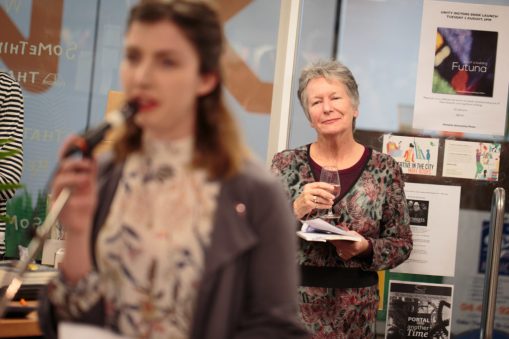
mxb160714-HLB06D0134-1024x683.jpg

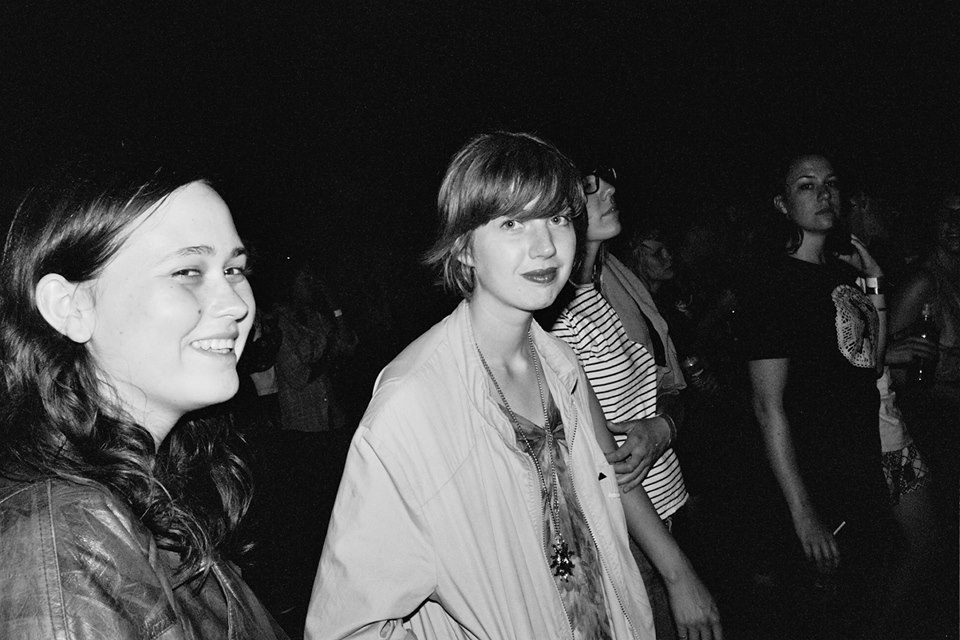
1779473_722846587735015_2139168024_n1.jpg


Be True to Yourself: Timeout Bookstore Poetry Reading

13701223_509189825943412_8019241691609010191_o.jpg


Time Out Bookstore, Poetry Reading

Friday 12 August at 7pm.

The line-up includes:
Makyla Curtis
Steven Toussaint
Kiri Piahana-Wong
Selina Tusitala Marsh
Vaughan Rapatahana
Iain Britton

This is a BYO event. Come relax, have a drink and listen to some fantastic poetry!

Hope to see you there!

Morning Shivers, Fierce Light, Unmissable: Bill Manhire’s poem, Suzie Hanna’s short film


Part of Fierce Light

Poem:  Bill Manhire

Animator:  Suzie Hanna

Voice:   Stella Duffy

Sound Design:  Phil Archer


Fierce Light brought together leading poets from countries that participated in the First World War, including Yrsa Daley-Ward, Jackie Kay, Bill Manhire, Paul Muldoon and Daljit Nagra, to create new works that endeavour to understand the incomprehensible; exploring contemporary events while also contemplating the First World War. These works were presented alongside a series of specially commissioned short films, each made in response to the new poems and themes raised within them.

Co-commissioned by 14-18 NOW, Norfolk & Norwich Festival and Writers Centre Norwich

Poem also appeared on BBC Radio 3


This is so moving; so perfect in its simplicity and rhyme, its flickering images, as though the past can never settle, always slightly out of grasp, the resonant voice drawing us in, the physical detail also flickering with heartbreak and static. It is one story and it is manifold. This is what poetry can do when it meets up with an animator. Memorable. PG

Celebrate National Poetry Day 2016 with Seraph Press Poets & Friends at Vic Books

Friday, August 26 at 10:30 AM – 11:30 AM  Vic Books 1 Kelburn Parade


Come and celebrate National Poetry Day 2016 with Seraph Press Poets & Friends, hosted by Vic Books.

Seraph Press has invited some of their authors, mainly from out-of-town, to join with some of their friends from Victoria University to share their poetry at Vic Books on National Poetry Day 2016.

Sit back with your morning tea from the Vic Books café and spend an hour listening to nine fabulous poets. Featuring Seraph Press poets Paula Green, Helen Lehndorf, Johanna Aitchison, Vana Manasiadis and Anahera Gildea, with friends Amy Leigh Wickes (PhD student), Liang Yujing (PhD student), Marco Sonzogni (programme director of the Italian Programme) and Anne Kennedy (2016 Writer in Residence).

Happy Birthday Sam Hunt

Radio NZ has produced a small video of Sam Hunt reading a few poems  from his new collection, Salt River Songs. It is a perfect snap shot of Sam at home in the Kaipara, and of the lyrical joy of his poetry. Altogether mesmerising.

h a p p y   b i r t h d a y  S a m Hunt, you are our poetry icon extraordinaire, and poetry in New Zealand would not be the same without you. We grew up with Sam-Hunt poems sizzling and simmering in our blood.

T h a  n k   y o u !


Poetry Shelf Review: Kerrin P Sharpe’s Rabbit Rabbit – There is a honeyed fluency that is downright enviable

Rabbit_Rabbit_cover_final__90799.1461637251.220.220.jpg   Rabbit_Rabbit_cover_final__90799.1461637251.220.220.jpg   Rabbit_Rabbit_cover_final__90799.1461637251.220.220.jpg


I fall with the rhythm of rowing

into long narrow light

bridges sigh like single oars


from ‘last supper in Venice’


Rabbit Rabbit Kerrin P Sharpe , Victoria University Press, 2016


Victoria University Press is publishing a heavenly suite of poetry books this year (actually all the presses are!). So many good poetry books I think I need a poetry book club where we can talk about poetry to our heart’s content with coffee and sweet little cakes. A once a month indulgence!

Kerrin P Sharpe is a very fine poet whose previous books hooked me with their agility, their lightness of touch, their grounding. She is currently the Writer-in-Residence at St Andrews College in Christchurch. In 2008, she was awarded the NZ Post Creative Writing Teacher’s Award by the International Institute of Modern Letters. She is a terrific mentor for young writers.

Kerrin’s latest book is an utter treat in the way things condense to the near point of evaporation and then unfold with such grace you get goosebumps. Bare threads shiver and shimmer as speech-bubble anecdotes hover above and below. There is necessary tenderness. Sometimes it is like looking into the mysterious dark of family archives where things or photographs or memories twitch in the patchy shadows. You move from smoky dream to real life to near fable.

If you think of poem writing as hitting the whirr and pace on a bike so the whole world feels perfect, then Kerrin is hitting that perfect whirr and pace as she writes. There is a honeyed fluency that is downright enviable (enhanced by the lack of capitals and full stops).

So many poems stand out, but I keep returning to the mother poems: the pitch of the line, the tilted head of the daughter looking, the inventive tropes, the extraordinary stories that resist mother frames. These poems belong in an anthology of mother poems because they are surprising in where they take you, the way they move you and the presence of things that do little cartwheels on the page.

I loved the way the mother’s Astrakhan coat prompts mystery that meets strange fable that meets down-to-earth pathos in ‘when a crayfish could feed 6 men‘:


yet though the coat

cracked the small change

it was when my mother’s money

stretched beyond the frontier towns


that she no longer wore

what after her funeral  seemed

little more than a fleece


There is a glorious and daring alignment of the mother’s belly and the ship she builds in ‘The mary blanche in situ.’ All poem borders slip and slide. Where does mother begin and ship end? Where does trope set sail and real life intrude?  Entering the poem is like entering a show, both magical and wondrous, and you just want to get another ticket and go through again.


my mother built her own ship

because she hated

the idea of drowning


In ‘the morning of my mother’s funeral her cup is sober minded,’ a single tea pot pours, in a little stream, like stream-of-conscious English Breakfast,the grief and thoughts of a key life moment. The poem catches the unrealness of losing a loved one; of life not stopping its circular routines and paying attention with you.


two plumbers install a shower

my mother will never use


they eat her peanut rockies

in the coronation tin


A delicious inventiveness drives the collection as a whole, as though reality is strained through kaleidoscopic filters to refurbish ordinary things with off kilter tints. There is the train that keeps a son breathing, there is the mouth of the sky that opens and drops bodies, the daughter that decides the bee sting is a butterfly kiss. In ‘a language goes silent,’ a Chinese fruit shop uses the bare threads, the strange tilts to move you:


Amy and Harry

lived in the fruit

of their shop

like mango stones


I adore this book. It shows just what things can do when you let them loose in a poem. Wonderful!

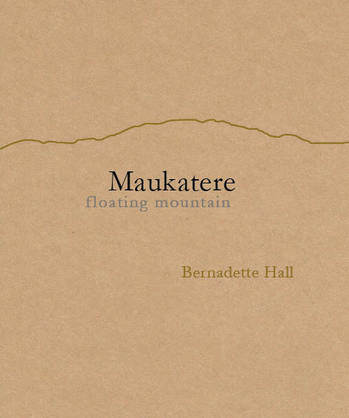
Poetry Shelf review – Bernadette Hall’s Maukatere: floating mountain – little dandelion kisses that hit the page and hook you

6860812.jpg


There are gauzy bandages of mist all down the East Cast as far as Bluff

Having to face our own despairs, we moved out onto the promontory

The ship was an illusion, a golden ship and a galleon,so high in the water

He may not be such a beautiful man when he is older, when the bones take over

I’m so glad we went to meet you, little darling, walking towards us through the tussock


Bernadette Hall has published numerous poetry collections with Victoria University Press – books that resonate so beautifully for both ear and heart. Her poems are like intricate lacework. Just gorgeous.

With her latest project, Bernadette was drawn to work with two younger women on a chapbook that drew inspiration from her local mountain, from the stories that have bedded down in the area and in her mind. Helen Rickerby from Seraph Press published the book and poet Rachel O’Neill did the illustrations. Three women walking round a mountain, as Bernadette says.

The poem is like a long poem (around 14 pages) made of drifting pieces, like little dandelion kisses that hit the page and hook you. Settler stories, as Bernadette says. There is the Tangler drifting in at out; an Irish figure, both loner and trickster, who acted as a buyer-seller go-between at the fairs. The poems are the fidgety intermediary between light and dark; the glint of the present and the shadows of history.

‘and she repeats it/ like the blade of light/ that repeats itself’

Reading this is like entering the metaphorical woods, where you get whiffs of story and elsewhere and skimming voices. Mountain as woods. Standing alongside a mountain, walking around that mountain, can be a portal to voice. This is a collection of voice; think of the way you stand somewhere old and it is like you can hear the past.

And in that mysterious pull of voice, you get the hit of physical detail, earthy and grounding.

‘A day of patchy rain – another chink in things’

‘What joy in the new experimental poets – up early throwing stones into the lake’

‘There are gauzy bandages of mist all down the East Coast as far as Bluff’

‘the wounds in the marshland fill slowly with fresh water’


Reading this is magical. The woods are knotty. The mountain is. You can take so many paths, both illuminated and dark.

Helen Rickerby has produced a beautiful hand-bound book  with thick paper and an elegant design. The book is a labour of love; picture a sewing circle with stories shared. The limited, hand-numbered edition has virtually sold out but a second print run is in the pipeline.

Rachel O’Neill has produced the most exquisite sequence of drawings that carry their own narrative. Little cross-hatched beauties. Enigmatic. Labour intensive. The hooded-lamp figure connects us to the poems where the little glows are like a unifying thread. The lantern head pulses with meaning. The figure is defined and dependent upon both light and dark in order to exist, in order to comprehend. Again there is the subtle and beautiful link to the poems where the light references rebound. It is as though certain things, whether recalled or invented, are caught in the beam of poet.

This is a very special book.


Bernadette co-founded Hagley Writers’ Institute In Christchurch. She lives at Amberley Beach in the Hurinui in North Canterbury. Bernadette was awarded The Prime Minister’s Award for Poetry in 2015.

Rachel’s debut collection was One Human in Height (Hue & Cry Press). She is a filmmaker, writer and artist.

Seraph Press page

a poetry-reading album for my new book


DSC_0178.jpg

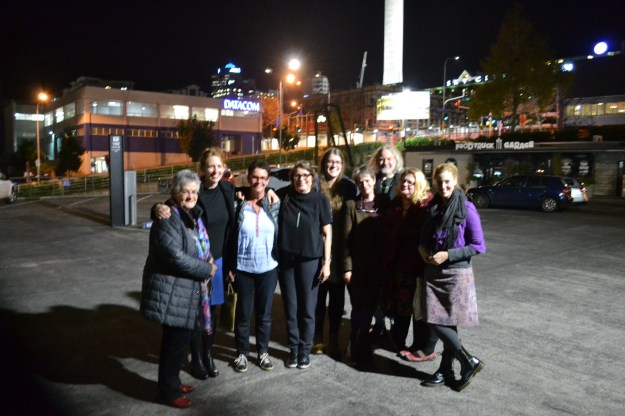
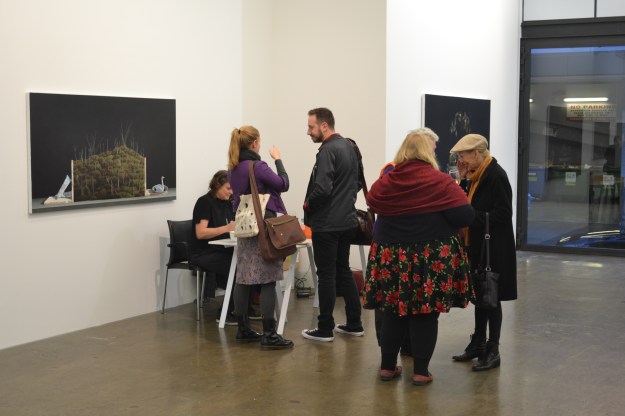
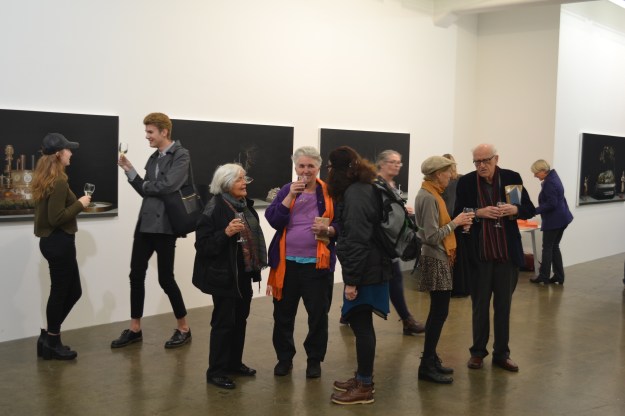
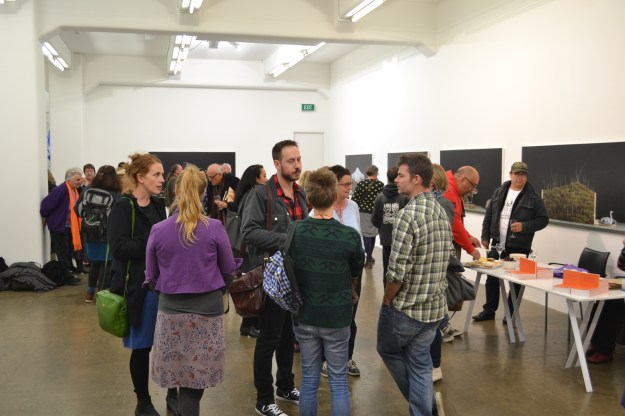
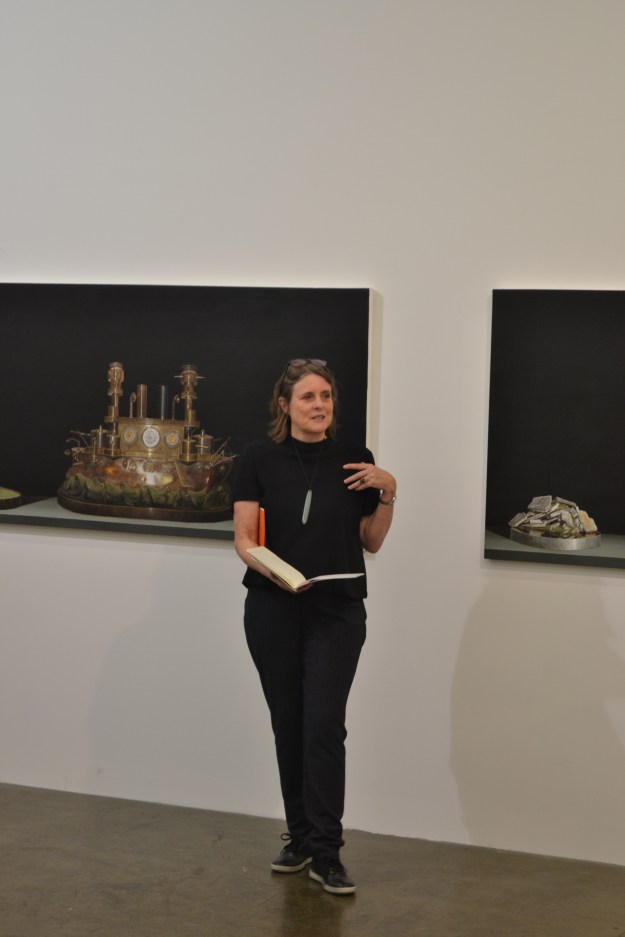
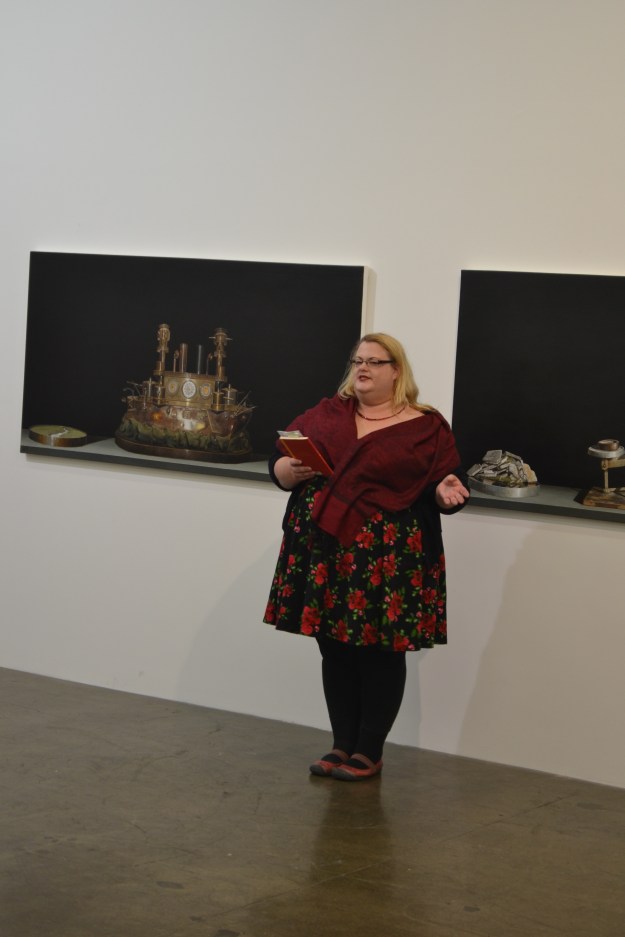
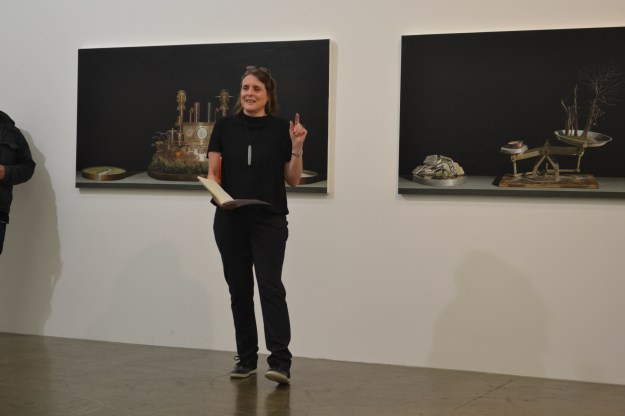
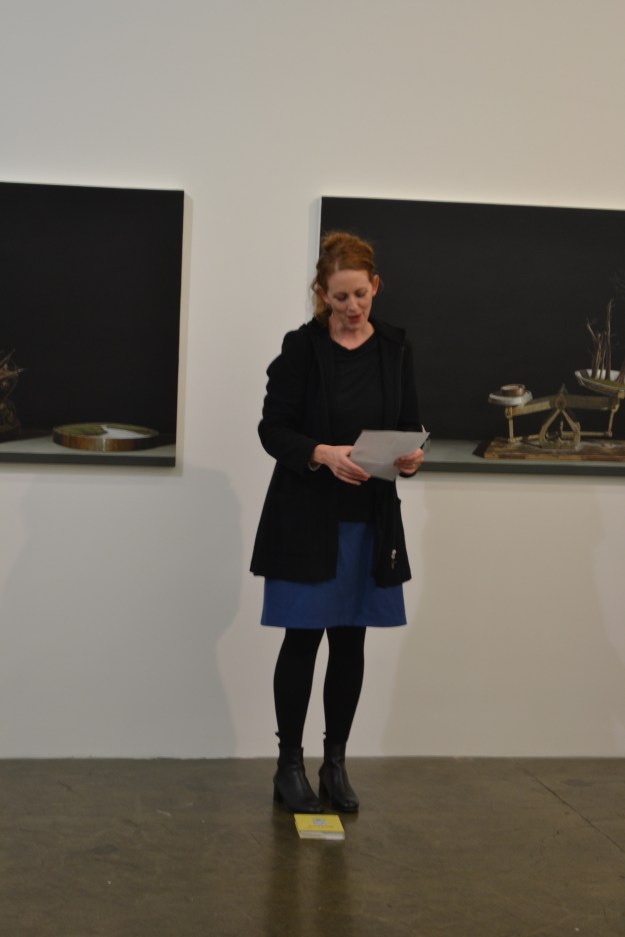
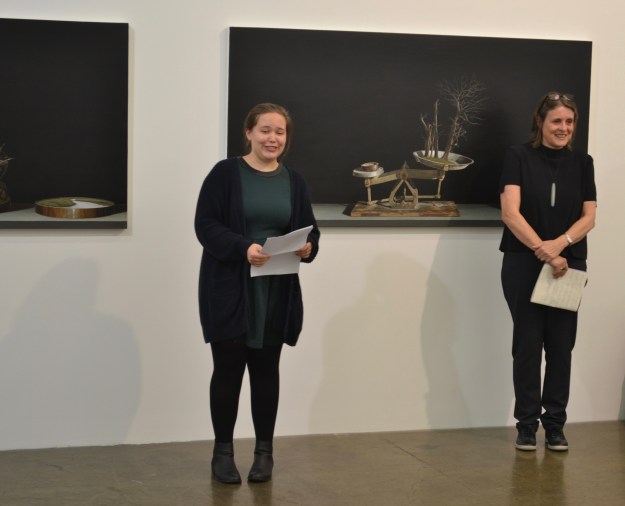
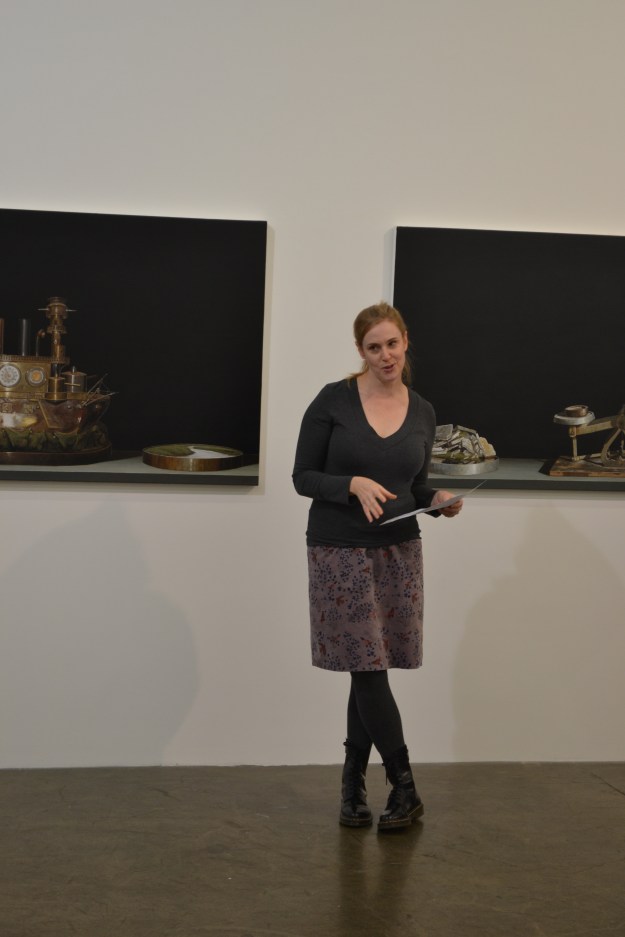
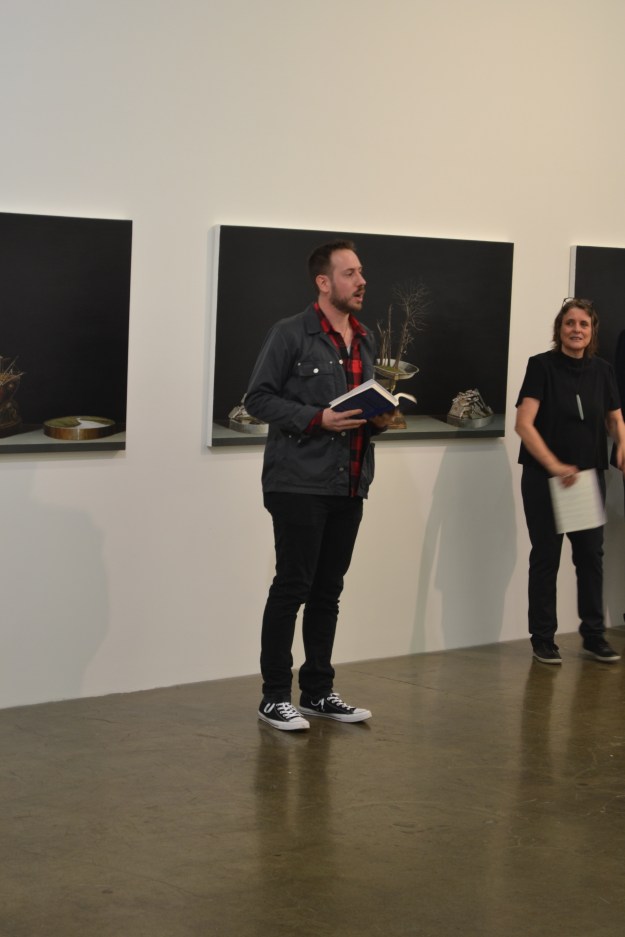
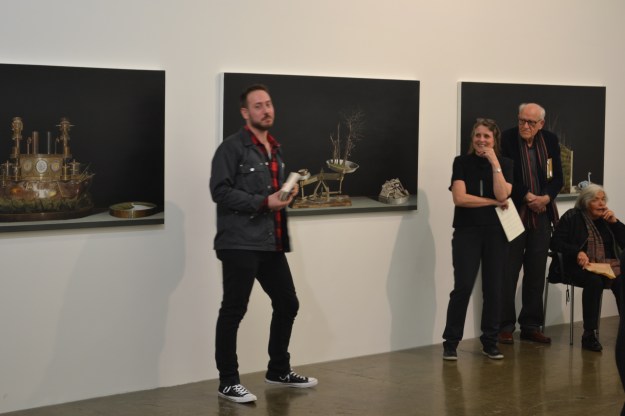
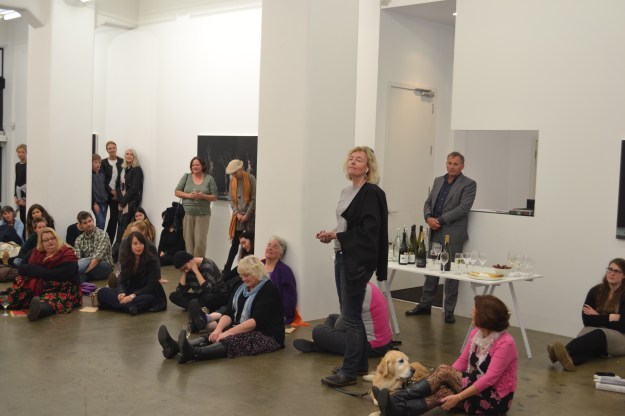
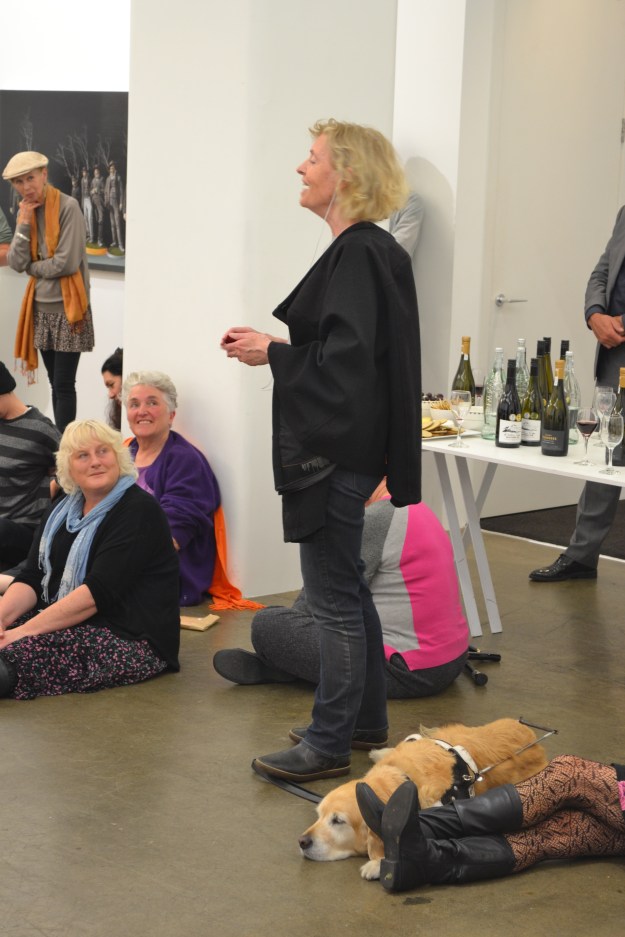
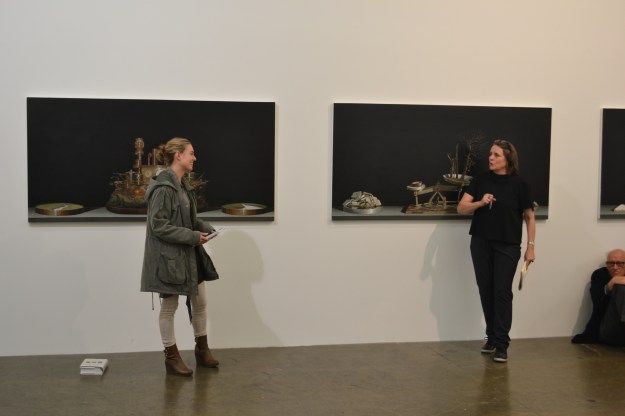
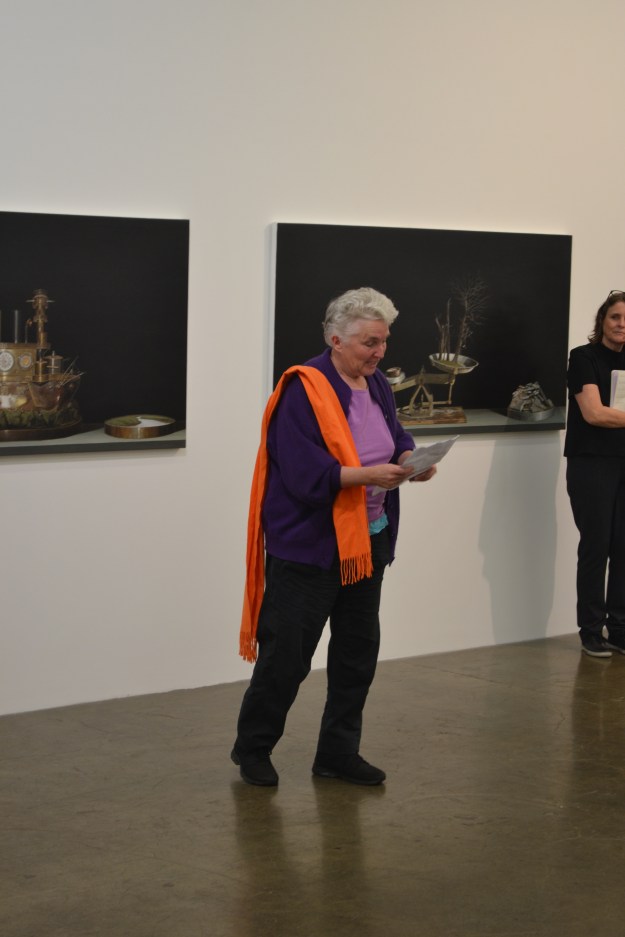
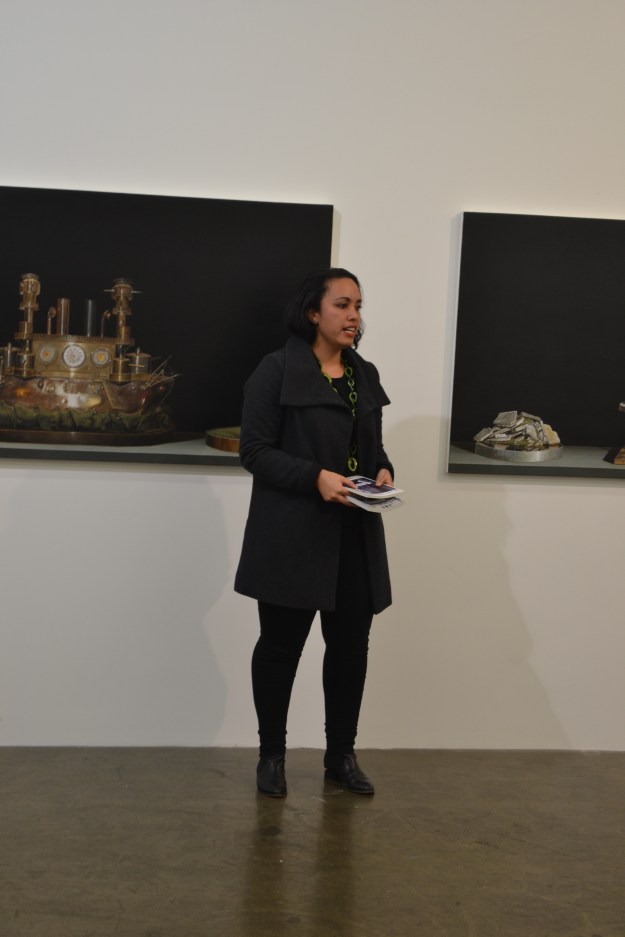
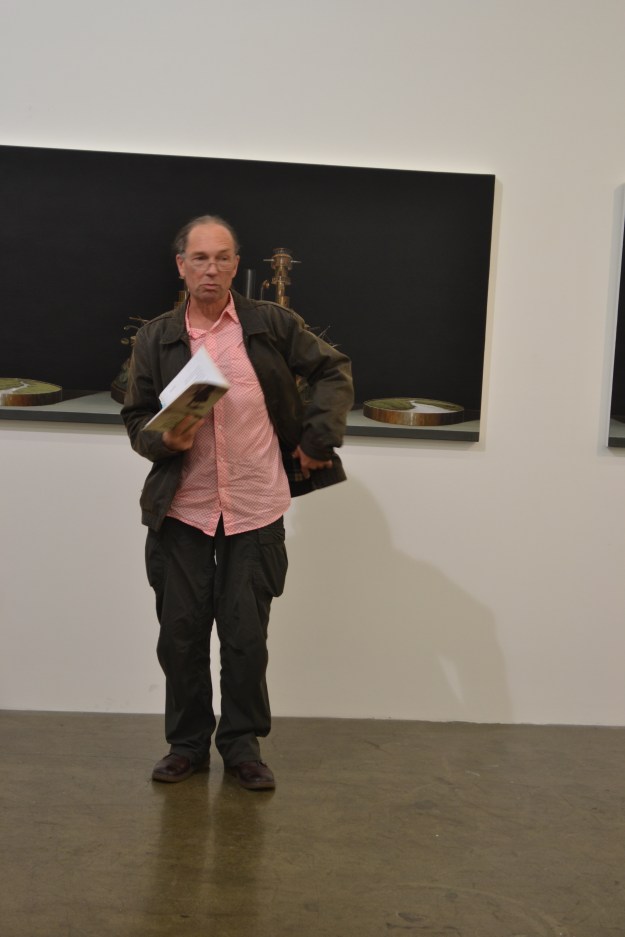
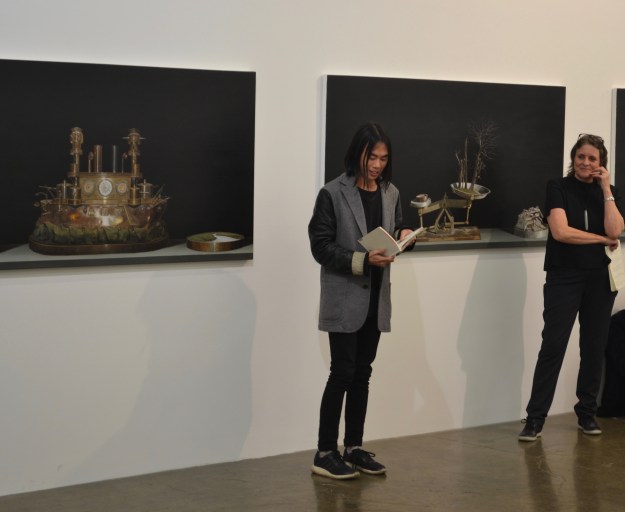
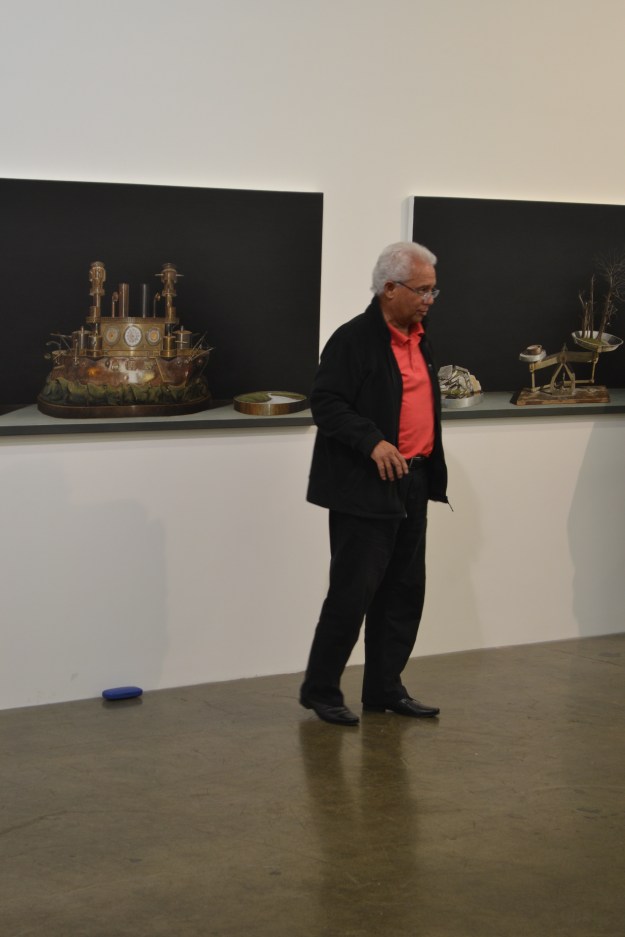
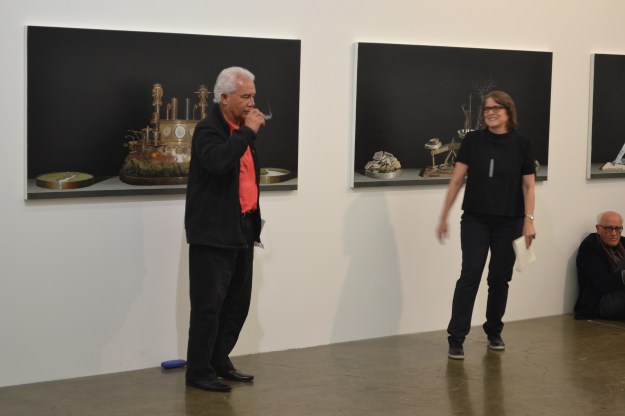
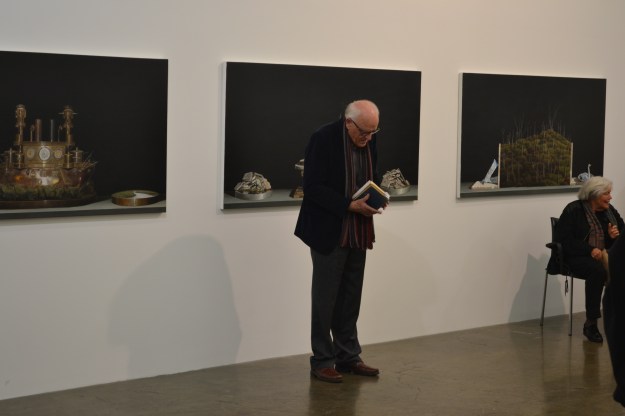
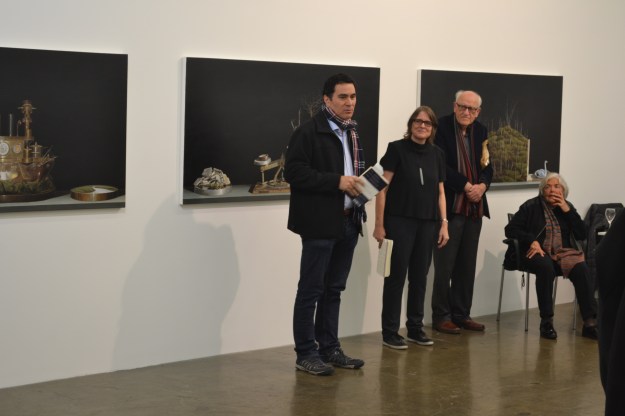
Last night we had a big poetry reading at Gow Langsford Gallery in the middle of Michael’s show to celebrate the arrival of New York Pocket Book. It was a really special occasion with 15 poets reading city poems by themselves and others. It felt like our art family (of Michael and I) was hosting my poetry family. Such warmth and empathy in the room. Such a good turn out (over 60 at one point), with poets not reading coming along too. So generous. The readings underlined why there is so much to love about poetry in NZ.

Helen Rickerby has done such a gorgeous job on the book – taking precious time out from her life as a poet. I can never overlook that.

No notes on the readings – I just wanted to savour a free ticket to the world courtesy of poems. And I loved it.

So thank you poets and thank you audience for making this occasion memorable.


DSC_0130DSC_0137DSC_0138DSC_0140

DSC_0143

Helen Rickerby, Seraph Press

DSC_0141DSC_0146DSC_0148DSC_0157DSC_0172DSC_0171DSC_0165DSC_0166DSC_0159DSC_0170DSC_0150DSC_0154DSC_0162DSC_0168DSC_0167 (1)DSC_0173DSC_0176 (1)


a clutch of poets to celebrate my new book tonight


IMG_3569

Such nervous anticipation as poets wait to see poems become book object.

I am no exception. Finally I have a copy of New York Pocket Book and I so love what Helen Rickerby from Seraph Press has done. It is like a little guide book I could take to NYC in my purse. I picture myself writing a suite of city pocket books so I could have a little row of them on my shelf. What madness. Rome Pocket Book. London Pocket Book. Paris Pocket Book. But I have always wanted to go to Barcelona. If only.

Tonight , well at 5pm, I am looking forward to 15 poets taking us on a mini world trip with city poems. The links might be tenuous but that is part of the delight.

When: 5 until 7 pm

Where: Gow Langsford Gallery, Lorne Street (in Michael’s show)

Who:

Paula Green, Helen Rickerby, Angela Andrews, Sophie Van Waardenberg, Courtney Sina Meredith, Murray Edmond, Vana Manasiadis,  Sophia Johnson, Gregory Kan, Michele Leggott, Albert Wendt, Janet Charman, Steven Toussaint, CK Stead, Robert Sullivan.

You are most welcome!