Tag Archives: jenny powell

Poetry Shelf Protest series: ‘Reading Poetry to Rare Lizards’ – Poetry in Defence of the Environment

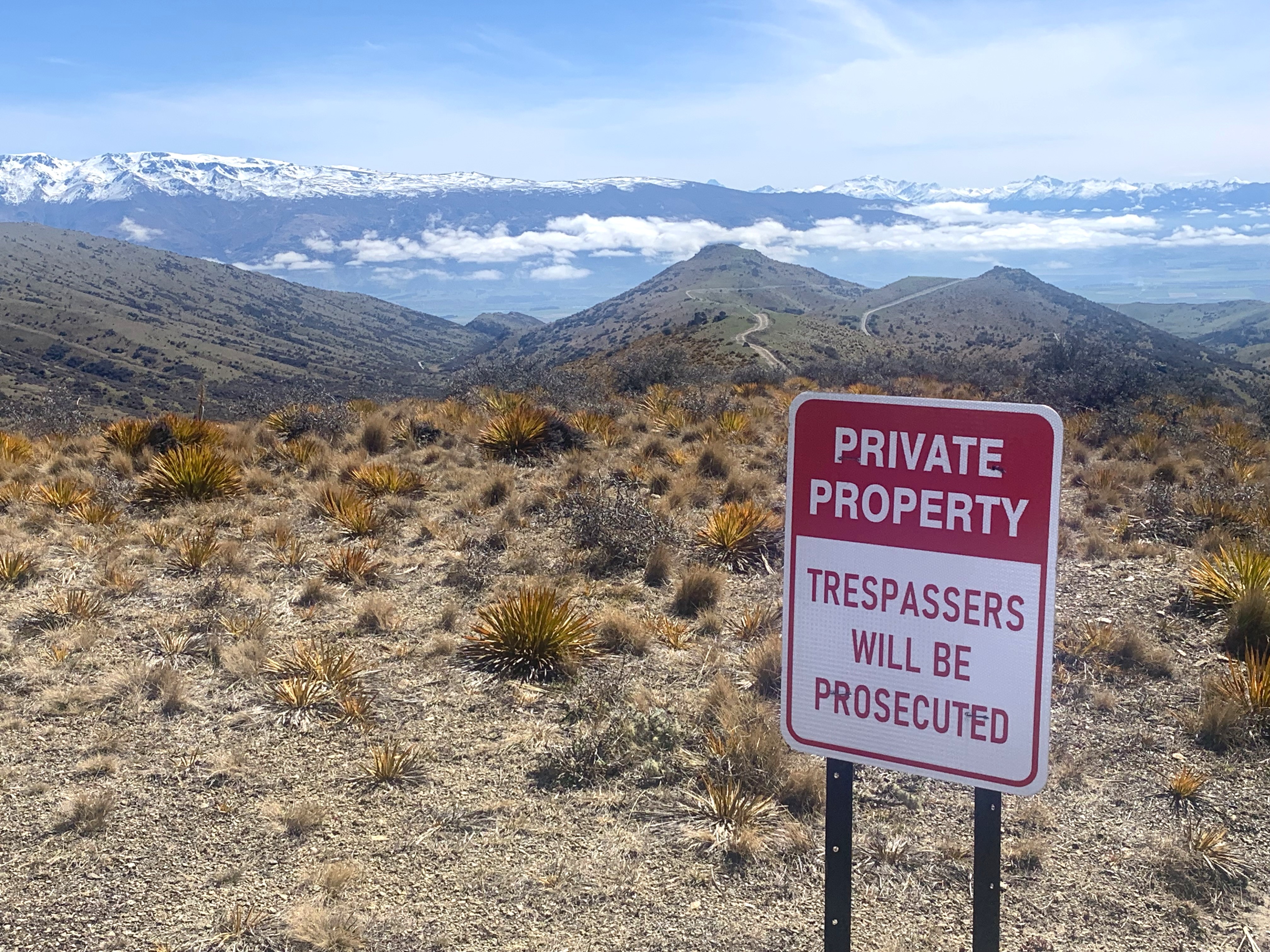
Summit, Thomson Gorge Road (looking towards Mount Aspiring).
Photo: Gregory O’Brien, October 2025

Backcountry

Now and ever
the mountain river.

A fantail flits.
Moss over branch,
the trees hurry.

Undying stone
continues the rhyme:
there is no time.


Richard Reeve
from Generation Kitchen (Otago University Press, 2015)

At the end of September, Gregory O’Brien sent me the media release for an online fundraising art show he was curating.

Nine well-established New Zealand artists have gifted works to raise funds in opposition to the proposed Bendigo-Ophir gold mine in Central Otago. The artists – all strongly opposed to the open pit mine – have come together under the banner “No-Go-Bendigo”, and are offering 100% of the funds raised towards fighting the fast tracked mine. All have been deeply affected by the majesty and singular character of the region—as the statements on the exhibition website underline. They all wanted to make a strong stand.
Dick Frizzell, Enough Gold Already, 2025,
limited edition of 12 screenprints, 610 x 860mm,

The artists who have contributed are Bruce Foster, Dick Frizzell, Elizabeth Thomson, Eric Schusser, Euan Macleod, Grahame Sydney, Gregory O’Brien, Jenna Packer and Nigel Brown. The works they have gifted for sale can be seen here

Exhibition organiser Gregory O’Brien, said that the group of artists from all over the country was highly motivated to help. “The proposed desecration of a heritage area for purely monetary gain is an outrage to all of us, as it is to the citizens of Central Otago and to all New Zealanders.” He said that the initial group of nine artists have already heard from other artists enthusiastic to help “during the next round”. “Painters, photographers, writers, film-makers, choreographers and other arts practitioners from within Central Otago and further afield are incensed at the churlishness of both the mining consortium and the Government’s ruinous ‘Fast Track’ (aka ‘Highway to Hell’) legislation. The environmental cost of such a cold-blooded, extractive exercise is simply too high, as is the social impact and down-stream legacy.”

When Gregory said that this was just the beginning, at the end of the exhibition media release, I knew Poetry Shelf had to become involved. My new Poetry Protest series was the perfect opportunity – knowing that poetry speaks out and for and because of issues in myriad ways. Gregory, Richard Reeve and I invited a number of poets based in the area (and beyond) to contribute a poem. Jenny Powell’s poem catches sight of the Dunstan Range, David Kārena-Holmes has penned an aching lament, Emma Neale writes of her local blue swallows that can also be found near Benigo. And then there are poets with miners in the family history such as Jeffrey Paparoa Holman and Diane Brown. Twenty three poets have gathered on this occasion but there are so many poets in Aotearoa singing out in defence of the land. Some poets chose poems from collections, while others wrote poems on the spot, often out of anger and frustration.

Richard Reeve, who is organising an anti-mining poetry reading in Alexandra in November (see poster), has written an introduction for the post. He sent me a suite of poems, both new and old, that touch multiple cords of beauty and outrage. I have included an older poem to head the post, and a longer new poem after his introduction. I have also included an extract from a recent media release by Sam Neill.

An enormous thank you to Gregory and Richard for co-curating this post, to all the poets who contributed, and to everyone who continues to read and write poetry. Today is a day of significant strikes by nurses, doctors and teachers in Aotearoa, a day with a major weather event still unfolding and widespread power outages, and the continuing heartslamming news from overseas.

To be able to connect with readers and writers who care, matters so very much, as I sit here weeping with a strange mix of sadness and gladness, beauty and outrage.

Thank you.
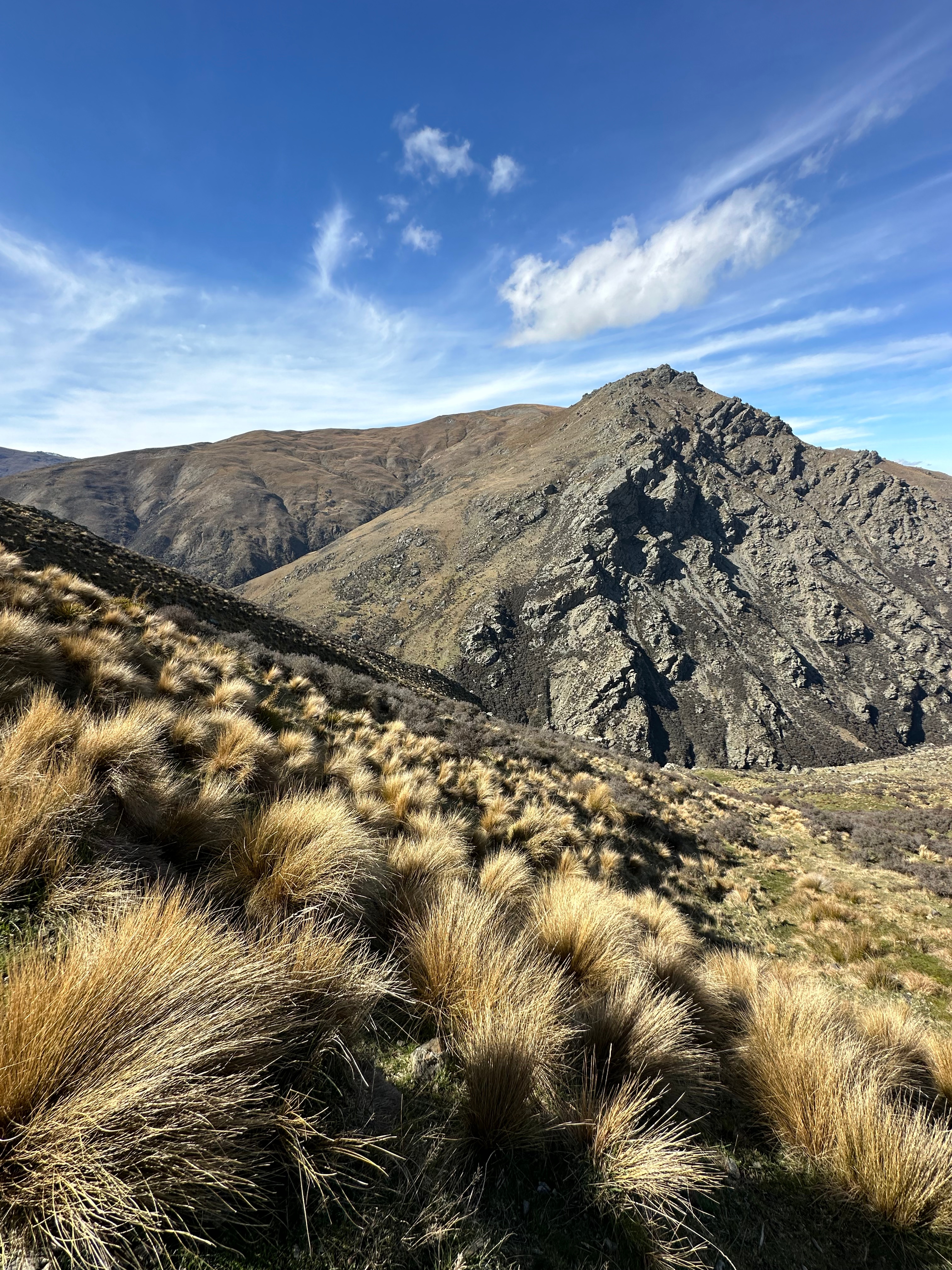
Thomson Gorge Road
Photo: Richard Harvey, October 2025
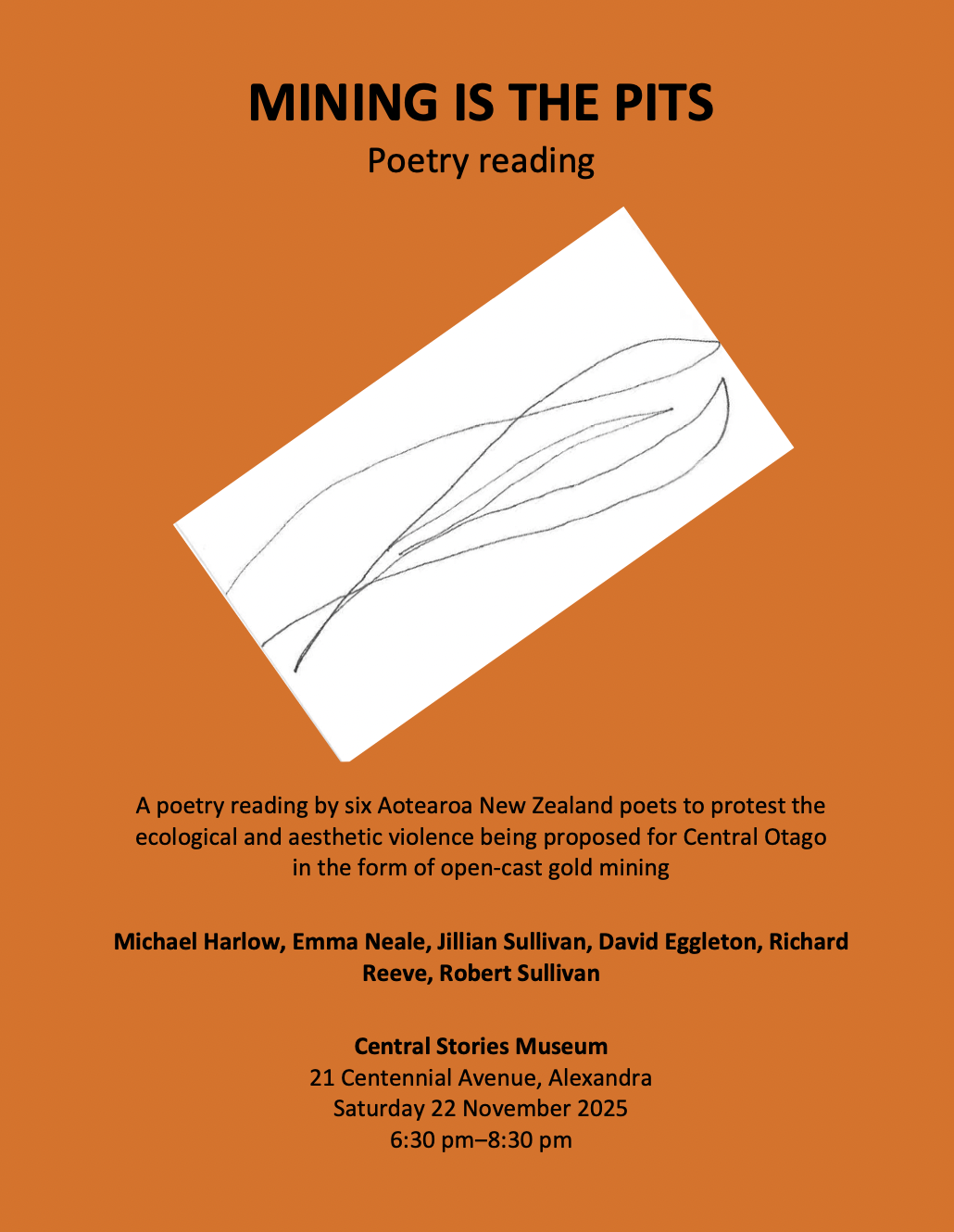
For Freddy – Ora pro nobis

A little while ago now, Lord Byron in his book-length poem The Prophecy of Dante mused, “Many are poets who have never penned / Their inspiration, and perchance the best”. By this he meant that even non-literary types can have poetic experiences. That of course begs the question, What do we mean when we talk about poetry? Is poetry, as some sceptics would suggest, purely prose with line-breaks, or does the concept embrace something more than words on a page to encompass the wider spectrum of lived experience?

Thomson Gorge Road in Central Otago is a place many would say has its own poetry, whether the subject of poems or not. A backcountry dirt road stretching from Matakanui near Omakau in the east to Bendigo near Tarras in the west, it cuts through a pass in the Dunstan Mountains that divides the Manuherikia Valley from the Upper Clutha Basin. Thomson Gorge Road is hawk country. Tussock country. The road is notorious for the sheer number of gates one has to open when using it as an alternative to the highway that skirts the base of the mountain range south to Alexandra and the Cromwell Gorge. The gates, livestock, steep winding track, stream crossings and mud mean Thomson Gorge Road is certainly not the fastest route from Omakau to Wanaka, even though more direct than the highway. Nevertheless, people travel it regularly enough.

Indeed, those who travel the road are off on an adventure. Punctuated with heritage sites associated with the colonial period (mine-shafts, abandoned huts, battery sites and so on), and before that significant to Southern Māori travelling the pounamu routes west to east, the passage exemplifies the interconnected complex of geophysical frontiers, native-vegetation-clad landforms and cultural touchstones that makes Central Otago uniquely important in our national psyche. The scenery is magnificent, encompassing in the course of the journey expansive views of two of the three great basins of Central Otago. Just as with the Hawkdun Mountains to the north or the Clutha-Mata-au River and Old Man Range to the south, Thomson Gorge Road is an essential component of wild Central Otago’s fabric, part of our collective heritage as a nation.

Despite this, flagged on by Minister of Resources Shane Jones and his “fast-track” legislative reforms, an Australian gold mining company – Santana Minerals – is now seeking permission to establish a giant open-cast gold mine not far from the crest of Thomsons Saddle, in an area situated within an officially designated Outstanding Natural Landscape and already subject to a conservation covenant. If consented, the base of the mine where huge volumes of tailings and toxic waste are to be stored will be only 6-7 kilometres from the Clutha-Mata-au River. In light of Minister Jones’ fast-track legislation, the general public have no right of input on the outcome of the proposal even though the open-cast mine is widely regarded as offensive, a public health risk and indeed a brutal and crass affront to the values of the region.

Those protesting the mine include not only poets and artists but also people who have no great interest per se in the literary arts or perhaps even the fine arts. Some have limited exposure to literature. Others likely know very little at all about Byron or indeed Cilla McQueen, Jillian Sullivan, Liz Breslin, Michael Harlow and others who have contributed poems to this edition of Poetry Shelf. Like the poets, they nevertheless understand intuitively and deeply that no amount of trumpeting by Santana or Minister Jones of the alleged financial value of the gold deposit will annul the violence being proposed to the fine poem – or fine wine, or fine painting, or good day on a bike – that is wild Central.

In this issue, Gregory O’Brien uses as an epigraph to his contribution, ‘Thomson Gorge Road Song’, Minister Jones’ now infamous comments to the effect that the days of deifying New Zealand wilderness are over:

We are not going to sit around and read poetry to rare lizards, whilst our current account deficit goes down the gurgler … If there is a mining opportunity and it’s impeded by a blind frog, goodbye Freddy.

Au contraire, Minister. In this issue we proudly dedicate poems to skinks, hawks, backcountry streams, tussocks, snow melt. We wilfully and without reservation pledge our heart and soul to Freddy. For, as Annabel Wilson asks in her poem ‘Gorge’, What would the real Santana – St Anna, mother of Mary – say? “Sancta Ana, ora pro nobis.” Pray for us, St Anna. God help us if we cannot as a people do better than this.

Richard Reeve – 20.10.25

Clutha Gold

People! Keep an eye on the prize before you. Emerging nugget,
the stuff “Black Peter” knew about, Bombay gentleman

who struck gold in 1857 at Tuapeka, scooping glinting gravel
from the riverbed with his cup years before Gabriel Read

saw flecks “shining like the stars in Orion on a frosty night”,
gold confirmed in Otago, a decade after New South Wales,

the glory – not to say reward – bestowed on the well-dressed candidate
(not the half-caste from Bombay whose honesty gave rise to no reward).

People! Keep an eye on the prize. Yes. The cycle trail we journey
in a meditative state, pausing to assess, for instance,

the scarification of the land above Beaumont Gorge,
native scrub scraped off just wherever possible given the steepness,

elsewhere, feral trees spilling out of the radiata along the tops,
sprouting under cliffs that once were waymarks to Māori

travelling up river from the coast along mahika kai routes.
If we are honest with ourselves, it is carnage. Chaos, plunder:

we ogle the fate of our kind who would move mountains
not far from here, nevermind scrub, in pursuit of the shiny stuff,

at so-called “Bendigo” in the Dunstan Mountains, Kura-matakitaki,
where men and women with geology degrees feverishly

calculate potential returns from the sparkling core samples
extracted under permit from the mountainback,

their CEO crowing future profits in the billions, regional growth,
speculation to accelerate the pulse of offshore investors.

Without cash, their fabled open-cast mine may not proceed.
Or it may. Certainly, the carnage we see from the riverbank

tells a story the trail people wouldn’t want us to focus on,
namely, the irrepressibility of our activity, humans in time

destined to be extracted from the view just like the mountains,
the land sliced up by farming, forestry, mining, infrastructure,

enterprise that in the end failed to save us from ourselves.
Those, at least, are the signs. What happens remains to be seen,

and we are getting ahead of ourselves. The end isn’t quite yet.
There is still sunlight and shadow, glitter of today’s fine day.

The prize is this deep blue vein of the motu, Clutha, Mata-au,
river that gave a pseudonym to Janet, a colour to Marilynn,

incrementally digging out its passage through culture,
resolving its way to the sea. We cycle from name to name,

past livestock, old gardens unravelling with age like memories,
derelict barns at the edge of paddocks, willow clusters;

the prize presumably is us, steering our contraptions
along the edge of a signature, at Beaumont saying goodbye

to the river, the trail now mostly following the highway,
gold country but no longer river country, dead Black Peter

ghosting the great disenfranchisements evident from the trail
as we ride through a converted landscape, sheep country

at Bowler’s Creek, pine plantations on the hills above Lawrence,
wholly transformed land, just riparian planting in the valleys

to give any indication of a time before now. The age of birds,
rivers, podocarps, sunlight, snow-melt, flax. Winking boulders

in which the ore retained its secret, faithful to the long moment
before our century of hard-hatted Ministers of Resources

tapping rocks and denouncing the catastrophe of the economy
(no mention of the slow-motion catastrophe of the land,

what is obvious all around us yet routinely overlooked
by those in rapid transit from name to name, place to place).

People! Anyway. Yes. Keep an eye on the prize before you,
we get that. And riding into Lawrence is certainly gold,

the sun setting on our handlebars, sheep laughing as we pass,
the fields outside town home to sun-drunk ducks, goats, horses,

good sorts in the only environment they have ever known,
lifestyle blocks, drained, fenced paddocks, previously bog

that before the man-driven fire was once primaeval forest.
Hard to believe, the gaudy general store on the main drag

now also extinct; also extinct the ironmongers, breweries, lions
that roamed the township, in its origins displaced by mining creep

to the present location. Not yet extinct the beauty of the town.
Rusted colonial rooftops pepper the view, seasoned by exotic trees.

Truth is, nature was always ahead of us. To the bitter end.
Whatever control any of us dreamed we had was an illusion.

Night colonises the shadows. Worn out, we pull up at the car.
We are the gift that keeps on giving, despite the prognosis.

Clutha Gold was awesome, we say. At the Night ‘n Day, we gorge.
And it is a fact, we are happy. Good work people! Keep it up!

Richard Reeve

TOXIC

It’s unbelievable, really. Unbelievable. Why would you visit this kind of environmental catastrophe onto a region that is thriving, that is in the midst of what many of us think of as a renaissance? The future of Central Otago lies in its bike trails, vineyards, cafes, in good farming practice, and a diverse and growing population of people, young and old, who genuinely care about the future of where we live.

All aspects of life in the province will be permanently affected by the toxic presence of a mine at Thomson Gorge. The initial mining proposal (and it will only get bigger, you can be sure of that) includes four mining pits, one of which will be a kilometre long and two or three hundred metres deep. All fouling our water, risking arsenic and cyanide pollution among other poisons. Don’t even mention the mad noise, the carbon, the ruin of our rivers, land and air pollution, the road traffic, the dust… the incalculable environmental cost.

Of one thing you can be certain: If the Thomson Gorge Mine goes ahead, there will be further mining proposals to follow. Watch out, Bannockburn. Watch out, Central. Remember this – ‘fast track’ can mean hasty and fatal mistakes.

Coming in here with their bogus claims, their invented figures (’95 per cent of the locals support the mine’– come off it!), these people should be ashamed. Those of us who love Central Otago are going to fight this. Because, make no mistake, this mine would be the ruin of our region, and importantly its future.

Sam Neill – 22nd October 2025
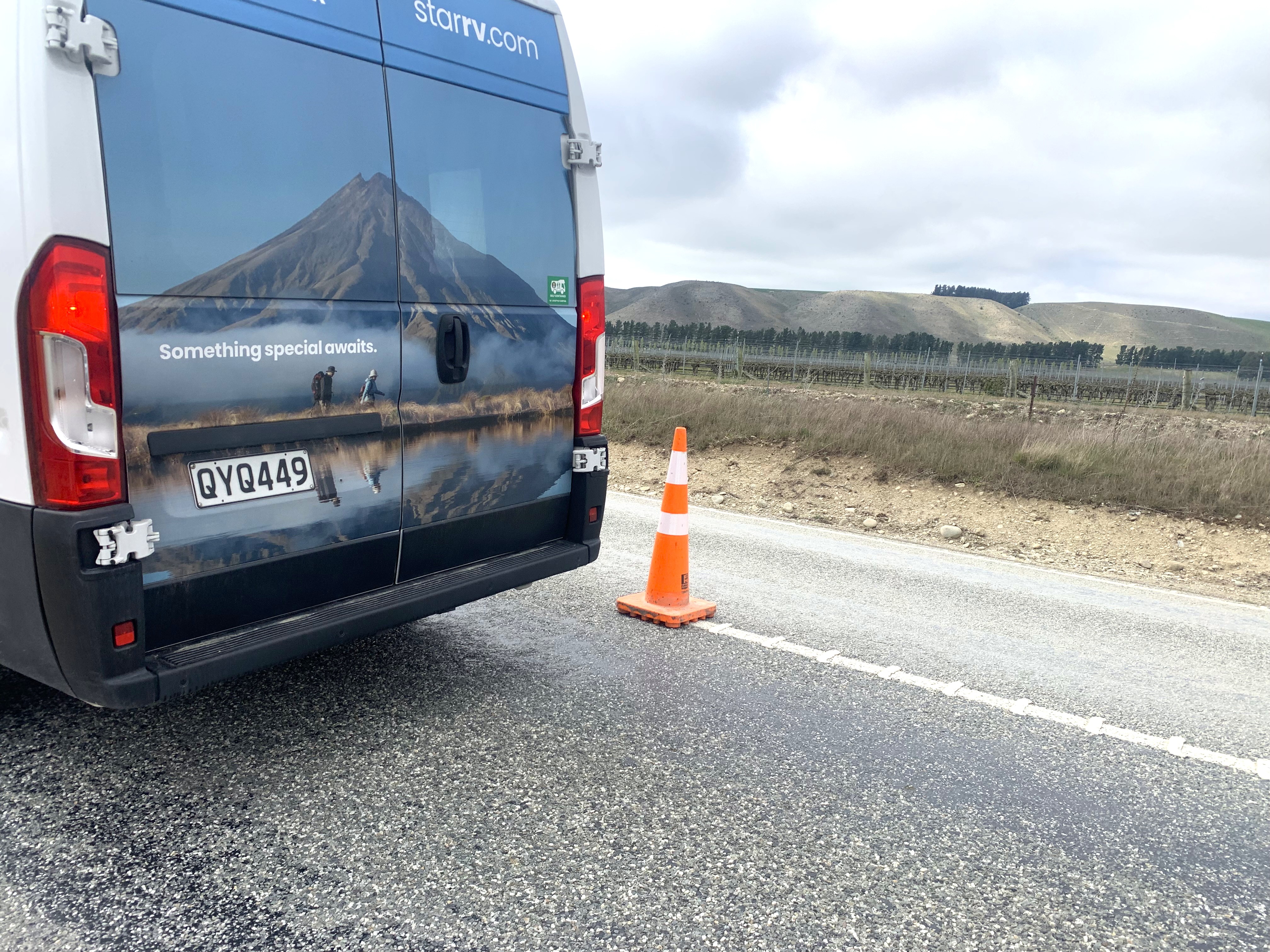
Near turn-off to Thomson Gorge Road, Tarras
Photo: Gregory O’Brien, October 2025

Reading Poetry to Rare Lizards

SONG FOR THE TUSSOCK RANGE
           ‘I will up my eyes unto the hills …’
                                                 – Psalm 121

Deep Stream, Lee Stream, Taieri River
   and their tributary waters –
   all your lovely water-daughters,
   Lammerlaw and Lammermoor –
   dear to me and ever dearer,
   Lammerlaw and Lammermoor!

Deep Stream. Lee Stream, Taieri river –
   where I wandered in my childhood
   with a fishing bag and flyrod –
   Lammerlaw and Lammermoor,
   dear to me and ever dearer,
   Lammerlaw and Lammermoor!

Deep Stream, Lee Stream, Taieri River –
   let no profiteers deface these
   windswept, wild, beloved places –
   Lammerlaw and Lammermoor,
   dear to me and ever dearer,
   Lammerlaw and Lammermoor!

David Kārena-Holmes

AT WEST ARM, LAKE MANAPOURI

Tourists on tourist buses enter
‘The Earth’s Arsehole’* (blasted, grouted,
|as though the Earth itself were buggered)
to view the powerhouse in the bowels,
where all the weight of thunderous water
that once was the glorious Waiau river,
flowing freely South to the sea,
is prisoned now in pipes and turbines
 to serve the mercilessness of man.

And so, it seems, the mythic grief
of Moturau and Koronae
(whose tears, in legend, filled this lake)
is vented in a cry transformed,
exhaled as an electric current
from generators underground,
to howl through cables strung on pylons,
gallows-grim, from here to Bluff.

Are we who turn on lights at evening,
or use the smelted aluminium,
exploiters of anguish, buggerers of the Earth?

David Kārena-Holmes
*The site of this power project was, in the construction period, known to the workers (as is, no doubt, commonly the case in such environments) as ‘The arsehole of the Earth’.   Most, or all, of the the power has gone to supply an aluminium smelter at Bluff.

Swoon

Skylark ripples the edge of silence,
icy hollows mirror its hover,
lines of dry grass quiver.

Winter’s travelling light transforms
the field of shaded frost
to shallow melt, and then, again.

Mountains drift into distance,
curve in whiteness. On either side,
hills and sky swoon at vision’s end.

Jenny Powell

Leave the arthropod alone

I saw a centipede in the crack of a rock
flipped the grey shape to view the earth underneath, watched
tiny legs scurry to safety, skittering from my unwanted gaze

I found a story in the hem of my coat
picked it apart, ripping the seam stitch by stitch
till the torn fabric, this undoing, was all I could see

I peered through a telescope at the southern sky’s gems
winced at the big-man voice next to me, joking about ladies who covet
– if only we could own them, if a man would get them for us, we’d be happy

I light the quiet fire of this poem: a resilient critter, a seam
that holds, the sparkling truth lightyears from man’s reach – these things
shining in the untouched crux

Michelle Elvy

A Faustian Bargain

Can I speak as a descendent
of Cornish tin miners?
Hunger led them to flee
to Australia and Kawau Island,
where they survived and profited
in minor ways, digging up gold and copper.
None owned a mine, some died
of the dust, and in 1867
my great-great grandfather
died in a mine collapse
in Bendigo, Victoria
leaving a widow, and nine children,
one unborn. Is the tiny opal
in my wedding ring
handed down from him?

Can I speak, knowing nothing
of this heritage before I shifted south
and my husband took me
to the old schoolhouse site
in Bendigo, Central
where we camped on the hard dryland.
Born in Tamaki Makaurau,
in view of the Waitemata
I took time to love this new land,
the forbidding mountains, cold lakes
and rivers, shimmering tussocks,
and now vineyards and tourists
annoying as they may be
bringing a more benign form of riches.

Can I speak, knowing my ancestors
left their toxic tailings,
their dams of arsenic and lead
still poisoning the water
150 years later?
Too late for apologies or compensation,
the best I can do is speak up,
say, beware these salesmen
with their promises of jobs,
and millions to be made.
Once the land is raped,
its gold stored safely in a vault
for nothing more than speculation,  
the money men will walk away
leaving land that feeds no one,

water that will slake no thirst.

Diane Brown

An Anti-Ode to Mining in Central Otago

There’s Lord Open Cast, pompous in yellow smog.
Corporate blokes raise another hair of the dog,
and pump more pollution for the water-table.
Dirty dairying brings bloody algal bloom;
so much cow urine until nitrogen’s poison,
that the arse has dropped out of the rivers.

Yes, the day looks perfect with road tar heat;
gorsebush fires flame above the lakeside beach.
Spot mad scrambles of rabbits gone to ground,
as orchards totter and grape-vine soils erode;
while every avenue is twisting itself around,
looking for the fastest way out of town.

Roadside lupins in Ophir echo purple sunsets.
Bendigo’s carbon offerings are burnt by nightfall.
A hundred per cent pure express their distance,
when smell of decayed possum chokes the air.
Don’t let land’s dirge be your billy-can of stew,
the petrol reek of your tail-finned septic tank.

Tailings will anchor environs turned unstable.
Once hymns were sung to hum of the tuning fork,
as the ruru called out, Morepork, morepork;
now drills hit post-lapsarian pay-dirt,
just where Rūaumoko rocks an iron cradle,
and the raft of Kupe fades to a roof of stars.

They would mine hills hollow because earth shines gold.
Clouds packed in sacks, a bale-hook making way.
Hear creeks burble and croon in violin tones,
over lost honey-thunder of long-gone bees.
Join the boom and bust of prize pie in the sky;
chase lizards of rain running down bulldozed trees.

David Eggleton

The Underside

Under the house the dust is dry
as an archaeologist’s brush, stippled
by the motionless rain of those particulars
that make our bodies, my body
groping, stooped and short-sighted,
under the loom of joists and time.

In this lumber room of mothlight
and clotted webs are countless lives
burrowing down and flitting between.

There is a workbench, joyously scarred.
There are bedsprings for sleeping bones.
There are scaffolding planks, rusty bricks,
the cheek of the hill that holds us up.
There is fire and there are stars
beneath this upturned palm
on which the piles of our home tremble.

And beyond, the astringent glory
of brindled hills that calls me to dwell
on the underside: this drowning-fear
that has us scrabbling up the ladder
of never enough, forgetting the ground
it foots upon. This lapse in listening to
the depositions of the earth.

Megan Kitching

nothing to do with you

For a cup of coffee,
you would strike the heart

with an axe, mine stone
for its marrow.

Maim
what rolls on into sky. Screw

metal poles into quiet land,
warp and crush

its offer
of light and air.

*

For greed,
on whenua

nothing to do with with you,
you would trammel

quilted, southern ground, leave
a trail of stains,

thrust twisted iron
nto its soft belly.

*

Rocks the wind or sun
cannot move, sleep on.

Tussock-backed
they carry soft gold

sound
we can hear for miles.

From somewhere,
a farmer

calls his dogs. Somewhere
the blaring throats

of young bulls
we cannot see.

Under our feet the gravel
coughs. Fallen apples

form a wild carpet
below a crooked tree.

*

The mist freezes
where it wafts, solid

lace. Cold, bloodless
and beautiful. Still for days

on end, the sun a smear
across the sky’s white mouth.

Bulrushes stuck fast
in frozen ponds. 

Willows and poplars
as wan as horse-hair.

*

In summer, the grasshopper
screams. In summer

the road floats
grey. Purple lupins

and orange poppies
dribble paint.

When we stop the car
we hear overhead

a pair of paradise ducks,
their alternating cries

the unfenced sound
of a mountain tarn.

*

Seized by the sun,
valleys do not resist

the line and fall
of riverbeds and trees.

On whenua
nothing to do with you, somewhere

the sound of a tiny bird.
Somewhere, lovely light,

the sound of nothing, of no one,
of the air.

*

Kay McKenzie Cooke
This poem, ‘nothing to do with you’, differs slightly from the original published in the book Made For Weather (Otago University Press, 2007).

Burn

It’s Brian Turner rolling around in the bed 
of a dry burn. Ghost poet 
Brian Turner galloping the fence line, hunched over a hockey stick.
Brian Turner, order of merit, 
spectral at a precipice,
rubbing scree in his beard.
Brian Turner opens his mouth and out comes the roar of the sun.
The broom fries.
The hawks microwave.
Ghost poet Brian Turner teleports up and
kicks at the plateau with a heel.
To the living, the clouds are invisible.
But, squirting over stones, the skinks have
Brian Turner’s tiny eyes.
Tussock have his hands, the wind
his keys.
The hilltops had hoped to be rid of him.
And they are.

Nick Ascroft

Otago: A Ballad (golden version)

Another golden Aussie
in his big golden truck,
crossing the water
to try his golden luck.

Rips up the golden tussock.
Digs a golden hole.
Finds a lot of rock
and a bit of golden gold.

While Shane and all his buddies
stand around and cheer
in a land called Desolation.  
No vision. No idea.

But they take their golden pennies,
buy a house, a car, a yacht.
And they sail away
on a plastic sea,
to nowhere you
would want to be.

On this barren rock
they’ve scraped blood red,
trashed and burned
and left for dead. 

Leaving us nowhere to run.
Circling round and round the sun.

Ripped out our heart.
our breathing space.

This golden land
that was our place. 

Fiona Farrell

Mine
i.m. Pike River miners 19 November 2010

Son, there was a time when you were mine
Brother, when the shining day was ours
Friend, there was an hour when all went well
Darling, for a moment we were love
Father, you were always close at hand
Human, we were people of the light.

And now, the mountain says ‘he’s mine’‚
And now, the rivers say ‘he’s ours’‚
And now, the darkness says ‘my friend’‚
And now, the silence says ‘my love’‚
And now, the coal says ‘father time’‚
And now, we wait for the day to dawn.

Jeffrey Paparoa Holman
from Blood Ties, Selected Poems (Canterbury University Press, 2017)

This is something of a raw topic for me, given my background as a miner’s son, growing up in a mining town. I’ve just looked in my copy of Blood Ties, Selected Poems, from 2017, and there is a section there with twenty poems related to mining and miners, much of it related to my growing up in Blackball. There are three poems there that speak to Pike River, a sore wound at the moment, with the film’s premiere in Greymouth last night.  I have a family member who could not face going. Her father died in the Strongman Mine explosion in 1967, when nineteen miners lost their lives. JPH

The Blue Language

In our local park, five welcome-swallows
swoop and dart for midges, their red chests
swell as they sing their high, sky dialect;
the thin vowels in their lyric glint as if rung
from glass bells blown in South Pacific blue.

The quintet shifts, leans in the italics of speed:
moves now like mobile acrostics,
now a faithful, swaying congregation
every bone adoring air

until an unseasonal despotic wind
flings them out of sight  —
scatters twigs, dirt, smashed tail-light, laundry, leaves and newspapers
like those that reported how, across Greece,

thousands of migratory swallows dropped
on streets, balconies, islands and a lake,
small hearts inert
as ripped sheet music.

In our throats, the wild losses dilate,
squat like rock salt
in a browning rose

a grief clot, untranslatable.

Emma Neale

Note: There is a shadow of the phrase ‘the green language’ here; also known as la langue verte; in Jewish mysticism, Renaissance magic, and alchemy, this was a name for the language of birds; often thought to attain perfection and offer revelation. Also see ‘High winds kill thousands of migratory birds in disaster over Greece’, Guardian, April 2020.

E hoa mā, please buy No Other Place to Stand: An Anthology of Climate Change Poetry from Aotearoa New Zealand Edited by Jordan Hamel, Rebecca Hawkes, Erik Kennedy and Essa Ranapiri (Auckland University Press, 2022)

Mining Lament

I went to see the golden hill
but it had all been mined away
all that’s left is an empty bowl
of yellow gorse and rutted clay

But it had all been mined away
except a clay bluff topped with stone
in yellow gorse and rutted clay
one stubborn relic stands alone

Only a clay bluff tipped with stone
remains of the hill the painter saw
one stubborn relic stands alone
of a rounded hill of golden ore

Remains of the hill the painter saw
rutted clay and a stumbling stream
a rounded hill of golden ore
sluiced away with a sluicing gun

Rutted clay and a stumbling stream
all that’s left is an empty bowl
sluiced away with a sluicing gun
I went to see the golden hill

(after a painting by Christopher Aubrey, c. 1870 of Round Hill, Aparima, Southland)

Cilla McQueen
from The Radio Room (Otago University Press, 2010)
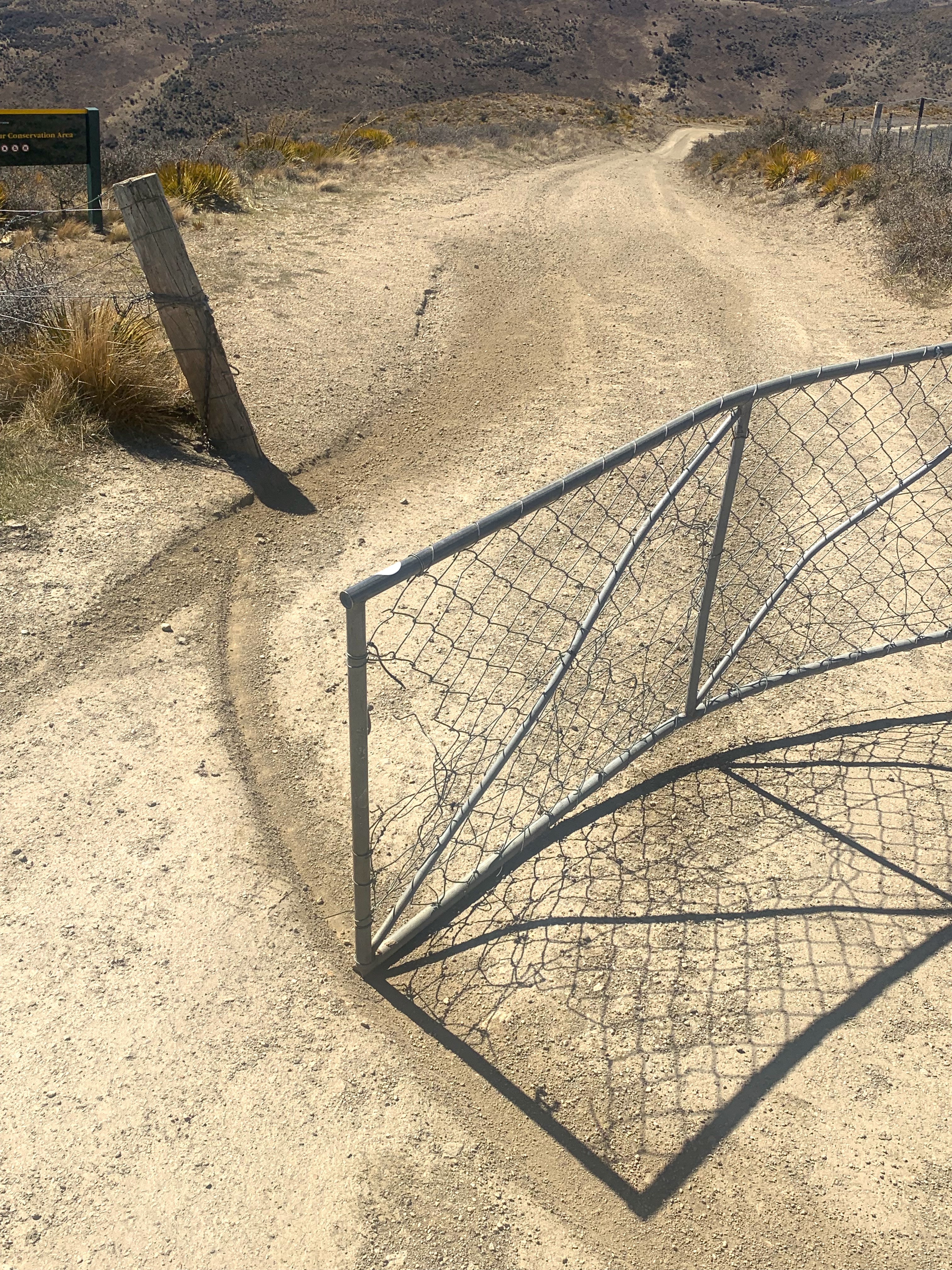
Thomson Gorge, Gregory O’Brien, Oct 2025

Old Prayer

Hawk, as you
lift and flare
above the river’s
slide, take us not
in thy talons. Take us not
from the bank
or branch or wrench us
from the earth, lifted by
calamitous wings.
Fix us not with your eye.
Take us not up
the way you raise the sparrow
and the finch. Leave us
as the covey of quail
in the willow.
Leave us be.

Jenny Bornholdt
from Lost and Somewhere Else (Victoria University Press, 2019)

Gorge


Somewhere

   in deep time, this collection of

      chemical / isotopic / insoluble

         composition signatures rises 

            and falls —

               and falls —

                  falls —

                     rises


                  No one still, silent surface

               along this space

           in this intense South,

         Gwondwana: floods, grey-washed

      avalanches, rumbling glaciers,                 slips 

hot water rushing through cracks

   engorging crystalline schist

      with veins of quartz

         layers of platy mineral grains

             { graphite, pyrite, arsenopyrite }


                Variations roaring through endless seasons

                    myriad     manifolds        must   melt

                         surfaces             scrape

                                                gales    salve

                        escarpment      creep

                  alps            keen,    pine,    take

             Glaciers loose from time 

      Ice must, is

   grey,  weathering

heat, rousing           

  Mata Au quickening

      Give, heave, cleave, groan


         water milky blue, rock particles

             scattering sunlight beginning and beginning and


Fast track to hammer / / Fast track to tamper \ \ Fast track to “explore”, drill,  dredge, bore / / Fast track to gorge gorge gorge  \ \  Fast track to contamination / / Fast track to hollowed out  \ \  Fast track to haunted  / / Fast track to dust  \ \ Fast track to coarse-veined lies / / Fast track to nowhere \ \  Fast track to what would the real Santana, St Anna, say?  / / / Sancta Ana, ora pro nobis.


Annabel Wilson


a suitable machine for the millions
for/after Hannah Hayes

forge and smithy
durability before cheapness
do the work of a dozen men

colonise
settle, spin the wheel
first cost, last cost, stop

the machine
if necessary check
up press and guard before

you start up
all cut, all shaped
all mannered the same two

tubes snug
one turns another
turns one turns a way

to make
it work invention
is the mother on two

wheels
and everything
is material or it is

immaterial
floating, dust
between us

Liz Breslin
from show you’re working out, (Dead Bird Books, 2025)

Stone

After all, stones remember
the opening and closing of oceans
the thrust of volcanoes; they remember,
in their sediments, ancient creatures and trees,
rivers, lakes and glaciations.
After all
stone is the firmness
in the world. It offers landfall,
a hand-hold, reception. It is
a founding father with a mother-tongue.
You can hear it in the gravity
of your body. You can hear it
with the bones of your body.
You can hardly hear it.
See that line of coast…
See the ranges ranging…
they seem to be
saying
after you,
after you,
after all…

Dinah Hawken
from Ocean and Stone (Victoria University Press, 2015)

Māori Point Road, Tarras

You and not I, notice the change in light at this time. On my side, it’s all busted
rough-chewed grass, stink of silage, black bulls in drenched paddocks. Rusted
mailboxes punctuate the long gravel line. Drenched sheep. We are haunted
by the chortle of a trapped magpie, the Judas bird made to betray. The black glove comes down once a day.

On your side, twilight bathes paddocks Steinlager green, all the way to those
wedding cake Buchanans, the white crown in the distance. The human need to
see shapes in things: a rock that looks like a wing. We carry on, not speaking.
We carry on not speaking. You know I want to ask you something.

Annabel Wilson

Substratum

We are so vulnerable here.
Our time on earth a time of
how to keep warm and how to be
fed and how to quell our most
anxious thoughts which come back
and back to connection.

How do we stay here on this earth
which is right below our feet?
Soil, clay, substrates of rock,
magma, lava, water, oil, gas;
the things we want to bring up and use,
the things we want to use up.

If all we ever wanted was to know
we would be warm and fed and listened to,
would we be kinder?
Would we in turn listen? Would we understand
the importance of those close to us
and the importance of what is under us?

We have the far sight. And we are what
the shamans warned against.

Jillian Sullivan
Previously published in Poems4Peace, Printable Reality

Deserts, for Instance

The loveliest places of all
are those that look as if
there’s nothing there
to those still learning to look

Brian Turner
from Just This (Victoria University Press, 2009)

Ōpawaho Heathcote River

As a child we fished and swam the Ōpawaho
Now Ōpawaho is muddy full of silt 
unswimmable unfishable for days after rain

as cars leach poisons, some factories spill metals,
subdivisions and farms without 20 metre wide riparian plantings spread, 
as shallow rooting pine forests get blown and burn
Opawaho’s waters grow thick with mud sediment and poisons

For our tamariki to swim and play safely in our river
we want 20 metre wide riparian plantings on each side of any stream or creek flowing into the awa
where the awa flows muddy we can plant raupo  

build flax weirs to stop sediment with holes to let fish through
lay oyster shells on the river floor 
Any other ideas let us know 

Ōpawaho pollution is our mamae pain
Her harikoa joy brings smiles to the faces of our people
Her rongoa healing restores our wetland home

Kathleen Gallagher

Great Men
(after Brecht)

‘Great Men say dumb things.’

   And then they do them.
When that plumped-up someone
   is trying to talk to you about themselves
and they are using ‘fat word’ you can be
   sure they are as spindle-shanked in heart
as anyone can be. ’The dumbness of their
   third-rate ideas’ not even a tattered wonder.
And you know that whenever they are
   smooth-talking about peace, they are preparing
the war-machine. Just to show you how dumb
  they really are, they keep talking to each other
about how they are going to live forever. 


Michael Harlow
from Landfall 243, 2022

Poet’s note: Bertolt Brecht was a Poet, Playwright, and Theatre Director. He was renowned for  The Three Penny Opera, and his most famous plays Mother Courage and Children, and The Caucasian Chalk Circle. His most famous quotation: ’Terrible is the Temptation to be Good’. As a Marxist and Poet he was noted for his social and political criticism.

Thomson Gorge Road Song

“Those people who have sought to deify our wilderness … those days are over. We are not going to sit around and read poetry to rare lizards, whilst our current account deficit goes down the gurgler… If there is a mining opportunity and it’s impeded by a blind frog, goodbye Freddy”. (Shane Jones, Minister of Resources, May 2025)

Stand me a while
in this warming stream then
stay me with flagons, apples—

the sustainable industries
of each numbered morning.  Or bury me
in arsenic, in heavy metals,

blanket me in blackened earth
and scatter my ashes
beside the Mata-Au,

in the bright orange of its contaminated
flow. Bury but do not forget me
under what was once

a greenwood, then lay that ailing tree
to rest beside me. Steady
and sustain me, streets

of the noble town
of Alexandra, strike up
your municipal band and

bring on the blossom princesses
of early spring. Forget if you can
this season’s toxic bloom.

Bury me in sodium cyanide,
then set me adrift
as toxic dust, carry me high above

your ruined waters, your tailings.
Bury me
in spurious claims, the cheery sighing

of cash registers, volatile stocks
and the non-refundable deposits of a town
that goes boom. Lay me down

in bedrock and slurry,
in overburden and paydirt,
fast-track me to the next life.

Bury me
under the freshly laid asphalt
of Thomson Gorge Road

in gravel and aggregate—bury me there,
beneath your highway
to hell, but please don’t take me

all the way with you, Minister Jones.
Play instead this song on every stringed instrument
of the province: on the wiring of

O’Connell’s Bridge, each note
strung out on vineyard wiring
and well-tempered,

rabbit-proof fencing. Sing me this
open-cast, sky-high song
above Rise & Shine Valley,

bury me in the company of
the last native frog of Dunstan,
the last attentive lizard,

lay me to rest, this once quiet road
my pillow, sing me this song
but do not wake me.

Gregory O’Brien
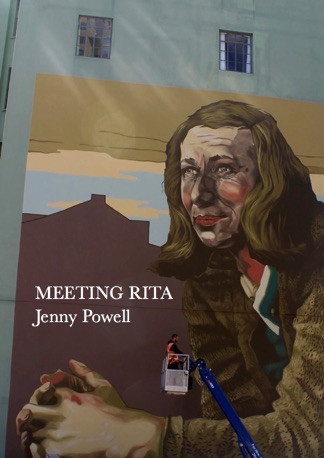
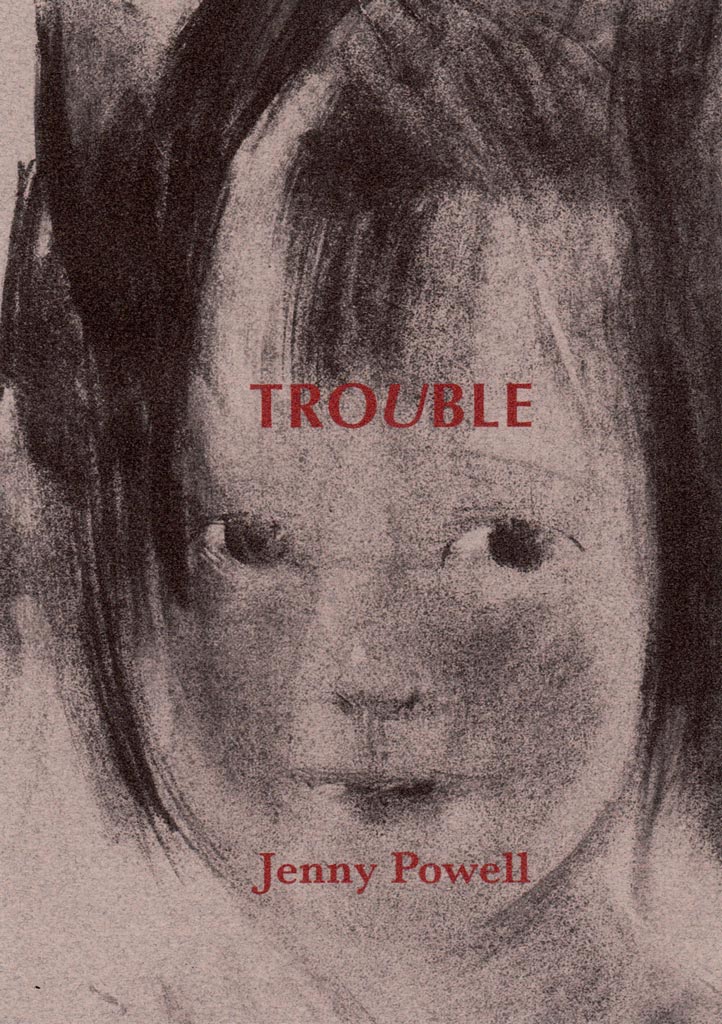
Poetry Shelf noticeboard: Paula Green reviews Jenny Powell’s Meeting Rita at Kete Books

Meeting Rita, Jenny Powell, Cold Hub Press, 2021

Hanging around in the gallery

for a ticket-only discussion

of fashion, we were singles

leaning on opposite walls.

Judgement flicked like a whip

and we couldn’t change a thing.

Rita and I

were wearing the same coat.

from ‘Meeting Rita’

Meeting Rita is poetry as sumptuous brocade, rich in detail and shifting views. The writing is measured, finely-crafted, lyrical. Individual words, phrases and the building lines surprise and delight. Endnotes offer background contexts for each poem, fascinating detail acquired from the poet’s research.

Full review here

Cold Hub press page

Poetry Shelf Theme Season: Twelve poems about faraway

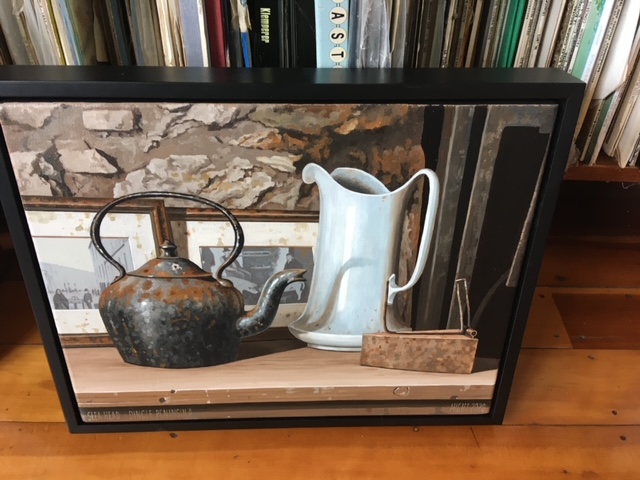
Slea Head: Dingle Peninsula Michael Hight, 2020

Poetry is a way of bridging the faraway and the close at hand. A poem can make the achingly distant comfortingly close. Poetry can be a satisfying form of travel, whether to the other side of the world, to the past or to imagined realms. Reading poems that offer the faraway as some kind of presence, I feel such a range of emotions. Moved, yes. Goose bumps on the skin, yes. Boosted, yes. This is such a fertile theme, I keep picturing a whole book moving in marvellous directions.

I am grateful to all the poets and publishers who continue to support my season of themes.

The Poems

Remembering

if you can you can try to recall

the sun across the roof and you

knee-deep in childhood playing

near the fence with the storm

of daisies still impressionable

in the way of dreams still

believing leaves had voices

and you might then remember

curtains drowned in burnished light

how at night the sky emptied

into a field of stars leaching out

the guilt you’d soon forget unlike

the woman you called Nana who kept

knitting you hats while you kept not

writing back and maybe then you’d know

the injustices you had no part in

the lady who bought your house how

she ravaged your kingdom while

you were away oh these memories

spiralling into memories into

nothing this helter skelter art of

remembering this bending

over backwards running out of light

Anuja Mitra

from Mayhem Literary Journal, Issue 6 (2018)

Drifting North

Acknowledgement to David Eggleton

She said we discussed post

structuralism in a post modern

context. She said in order

to remember such crucial

poetic phrases she had bought

a small exercise book in which

to record them.

It was, she said, a book

of semantic importance.

She said we considered

the deception of disjointed

parody and the fragmentation

of shallow consumer culture.

I can only remember

a girl

in her pale blue cardigan

drifting north

in a zither of light.

Jenny Powell

from Four French Horns, HeadworX, 2004

apricot nails

I want to paint my nails apricot
as an homage to call me by your name
and the fake italian summer I had last year — 

fake because
I didn’t cycle beside slow streams or
in slow towns

Instead I lay on a 70 euro pinstripe lounger
and couldn’t see the water
only other tourists

And the apricots I ate
came from peach spritzes at sea salt restaurants
and clouded supermarket jars

But all the shops are shut
and the closest nail colour I have
is dark red 

I want to be somewhere in northern italy
with light green water and
deep green conversations

I want to pick fresh apricots from drooping branches
and kiss a boy I shouldn’t
on cobblestone paths against cobblestone walls

I want to lick a love heart on to his shoulder
so that when he gets on a train
my hands shake like a thunderstorm

and I can’t cycle home past
the fields we held each other in
and mum has to pick me up from the station

I want to walk down a staircase
with winter at the bottom
waiting to sweep me into snow

I want the phone to ring when the sky is white
and hear an apricot voice 
ripe and ready to be plucked from the tree

he’ll say how are you
and I’ll slowly leak

Rhegan Tu’akoi

from Stasis 5 May 2020, picked by Aimee-Jane Anderson-O’Connor

Wearing Katherine Mansfield’s Shawl

Seventy years on, shut

in a cardboard box in the basement

of City Hall, you might think

the shawl would have lost

its force to charm, the airy fragrance

of its wearer departed, threads

stripped bare as bones,

yet here it is, another short story:

it felt like love at the Hôtel

d’Adhémar the moment you placed

the silk skein around my shoulders,

the dim red and rusty green fabric

and a fringe gliding like fingertips

over my arm, a draught of bitter

scent – Katherine’s illness,

Virginia’s sarcasm – and

yes, a trace of wild gorse

flowers and New Zealand, not

to mention the drift of her skin

and yours during the photograph,

the stately walk through the town.

Fiona Kidman

from Where Your Left Hand Rests, Godwit, Random House, 2010

Sparks

On the occasion of the Sew Hoy 150th Year Family Reunion, September 2019

Here in this earth you once made a start

home treasure watered with sweat, new seeds

a fire you can light and which gives off sparks

the gleam of gold glowing in darkness

an open door, warm tea, friendships in need

here on this earth you once made a start

sometimes you imagined you left your heart

elsewhere, a woman’s voice and paddies of green

a fire which was lit, remembering its sparks

but even halfway round the world, shoots start

old songs grow distant, sink into bones unseen

here in this earth you can make a new start

with stone and wood you made your mark

built houses of diplomacy and meaning

a new fire was lit, with many sparks

flame to flame, hand to hand, heart to heart

150 years, sixteen harvests of seed

here, in this earth, you once made a start

A fire was once lit. We all are its sparks.

Renee Liang

Heavy Lifting

Once, I climbed a tree

too tall for climbing

and threw my voice out

into the world. I screamed.

I hollered. I snapped

innocent branches. i took the view

as a vivid but painful truth gifted

to me, but did not think to lay down

my own sight in recompense.

All I wanted was someone to say

they could hear me, but the tree said

that in order to be heard I must

first let silence do the heavy lifting

and clear my mind of any

questions and anxieties

such as contemplating whether

I am the favourite son. If I am not,

I am open to being a favourite uncle

or an ex-lover whose hands still cover

the former half’s eyes. I’ll probably never

have children of my own to disappoint

so I’ll settle for being famous instead

with my mouth forced open on TV like

a Venus fly-trap lip-synching for its life.

The first and last of everything

are always connected by

the dotted line of choice.

If there is an order to such things,

then surely I should resist it.

Chris Tse

from he’s so MASC, Auckland University Press, 2018

My city

drawing blank amber cartridges in windows

from which we see children hanging, high fires

of warehouse colours, a reimagining, my city fluttering

far and further away with flags netted

and ziplining west to east, knotted

and raining sunshine,

paving cinder-block-lit-tinder music in alleys

where we visit for the first time, signal murals

to leapfrog smoke, a wandering, my city gathering

close and closer together a wilderness

of voices shifting over each other

and the orchestra,

constructing silver half-heresies in storefronts

to catch seconds of ourselves, herald nighttimes

from singing corners, a remembering, my city resounding

in and out the shout of light on water

and people on water, the work of day

and each other,

my city in the near distance fooling me

into letting my words down, my city visible

a hundred years from tomorrow,

coming out of my ears and

forgiving me,

until i am disappeared someways and no longer

finding me to you

Pippi Jean

Looming

I call it my looming

dread, like the mornings I wake

crying quietly at the grey

in my room, like whispering to my sleeping

mother – do I have to

like the short cuts I can’t take

like the standing outside not breathing

like my hand on the doorknob

counting to twenty and twenty

and twenty.

Tusiata Avia

from Wild Dogs Under My Skirt, Victoria University Press, 2004

mothering daughter

I am coming home to myself

while watching

my mother going away from herself.

Every move you make

an effort

so much slower now, mother

like your body is trying to keep pace

with your mind

everything about you reads as

tired

but sometimes I read as

giving up

FUCK THIS! silently salts my tongue

a tight fist slamming the steering wheel

gas under my foot

tears choking my ears

smoke swallowing my chest.

I am a mother:

Mothering her son,

a motherless daughter mothering her mother.

It’s hard somedays not to be swallowed.

Grace Iwshita-Taylor

from full broken bloom, ala press, 2017

Memoir II

Preparing for death is a wicker basket.

Elderly women know the road.

One grandmother worked in munitions, brown

bonnet, red stripe rampant. the other, a washerwoman:

letters from the Front would surface, tattered.

You must take the journey, ready or not.

The old, old stream of refugees: prams

of books and carts with parrots.

Meanwhile the speeches, speeches: interminable.

When the blood in your ears has time to dry: silence.

The angel will tie a golden ribbon to the basket’s rim.

You will disappear, then reappear, quite weightless.

Jeffrey Paparoa Holman

from Blood Ties: New and Selected Poems 1963- 2016, Canterbury University Press, 2017

fever

moving away from the orchard plots,

laundry lines that sag under the macrocarpa.

moving away from the crystalline skies,

the salt-struck grasses, the train carts

and the underpasses. i astral travel

with a flannel on my head, drink litres

of holy water, chicken broth. i vomit

words into the plastic bucket, brush

the acid from my teeth. i move away,

over tussock country, along the desert

road. i chew the pillowcase. i cling

my body to the bunk. the streets

unfurl. slick with gum and cigarettes.

somebody is yelling my name. i quiver

like a sparrow. hello hello, says the

paramedic. but i am moving away from

the city lights, the steel towers.

and i shed my skin on a motorway

and i float up into the sky.

Elizabeth Morton

from This Is Your Real Name, Otago University Press, 2019

Black Stump Story

After a number of numberless days

we took the wrong turning

and so began a slow descent

past churches and farmhouses

past mortgages and maraes

only our dust followed us

the thin cabbage trees were standing

in the swamp like illustrations

brown cows and black and white and red

the concrete pub the carved virgin

road like a beach and beach like a road

two toothless tokers in a windowless Toyota

nice of you to come no one comes

down here bro – so near and

yet so far – it takes hours

not worth your while –

turned the car and headed back

shaggy dogs with shaggy tales

Murray Edmond

from Fool Moon, Auckland University Press, 2004

The Poets

Tusiata Avia is an internationally acclaimed poet, performer and children’s author. She has published 4 collections of poetry, 3 children’s books and her play ‘Wild Dogs Under My Skirt’ had its off-Broadway debut in NYC, where it took out The Fringe Encore Series 2019 Outstanding Production of the Year. Most recently Tusiata was awarded a 2020 Arts Foundation Laureate and a Member of the New Zealand Order of Merit for services to poetry and the arts. Tusiata’s most recent collection The Savage Coloniser Book won The Ockham NZ Book Award for Best Poetry Book 2021.

Murray Edmond, b. Kirikiriroa 1949, lives in Glen Eden. 14 books of poetry (Shaggy Magpie Songs, 2015, and Back Before You Know, 2019 most recent); book of novellas (Strait Men and Other Tales, 2015); Then It Was Now Again: Selected Critical Writing (2014); editor, Ka Mate Ka Ora; dramaturge for Indian Ink Theatre. Forthcoming: Time to Make a Song and Dance: Cultural Revolt in Auckland in the 1960s, from Atuanui Press in May, 2021.

Jeffrey Paparoa Holman is a Christchurch poet and non-fiction writer. A poetry collection, Blood Ties: selected poems, 1963-2016 was published by Canterbury University Press in 2017. A memoir, Now When It Rains came out from Steele Roberts in 2018. He makes his living as a stay-at-home puppy wrangler for Hari, a Jack Russell-Fox Terrier cross. Hari ensures that little writing takes place, while psychogeography and excavating parks happen daily. Recent work has appeared in Poetry New Zealand Yearbook 2021, an essay on prison reform, and poetry; also, an inclusion in The Cuba Press anthology, More Favourable Waters – Aotearoa Poets respond to Dante’s Purgatory.

Grace Iwashita-Taylor, breathing bloodlines of Samoa, England and Japan. An artist of upu/words led her to the world of performing arts. Dedicated to carving, elevating and holding spaces for storytellers of Te Moana nui a Kiwa. Recipient of the CNZ Emerging Pacific Artist 2014 and the Auckland Mayoral Writers Grant 2016. Highlights include holding the visiting international writer in residence at the University of Hawaii 2018, Co-Founder of the first youth poetry slam in Aoteroa, Rising Voices (2011 – 2016) and the South Auckland Poets Collective and published collections Afakasi Speaks (2013) & Full Broken Bloom (2017) with ala press. Writer of MY OWN DARLING commissioned by Auckland Theatre Company (2015, 2017, 2019) and Curator of UPU (Auckland Arts Festival 2020).

Pippi Jean is eighteen and just moved to Wellington for her first year at Victoria University. Her most recent works can be found in Landfall, Starling, Takahe, Mayhem, and Poetry New Zealand Yearbook among others.

Fiona Kidman has written more than 30 books and won a number of prizes, including the Jann Medlicott Acorn Fiction Prize for This Mortal Boy. Her most recent book is All the way to summer:stories of love and longing.  She has published six books of poems.In 2006, she was the Katherine Mansfield Fellow in Menton.  The poem ‘Wearing Katherine Mansfield’s shawl ‘is based on an event during that time. Her home is in Wellington, overlooking Cook Strait.

Renee Liang is a second-generation Chinese New Zealander whose parents immigrated in the 1970s from Hong Kong. Renee explores the migrant experience; she wrote, produced and nationally toured eight plays; made operas, musicals and community arts programmes; her poems, essays and short stories are studied from primary to tertiary level.  In recent years she has been reclaiming her proud Cantonese heritage in her work. Renee was made MNZM in 2018 for Services to the Arts.

Anuja Mitra lives in Auckland. Her writing has appeared in TakaheMayhemCordite Poetry ReviewStarlingSweet MammalianPoetry Shelf and The Three Lamps, and will appear in the AUP anthology A Clear Dawn: New Asian Voices from Aotearoa New Zealand. She  has also written theatre and poetry reviews for TearawayTheatre ScenesMinarets and the New Zealand Poetry Society. She is co-founder of the online arts magazine Oscen.

Elizabeth Morton is a teller of poems and tall tales. She has two collections of poetry – Wolf (Mākaro Press, 2017) and This is your real name (Otago University Press, 2020). She has an MLitt in creative writing from the University of Glasgow, and is completing an MSc in applied neuroscience at King’s College London. She likes to write about broken things, and things with teeth. 

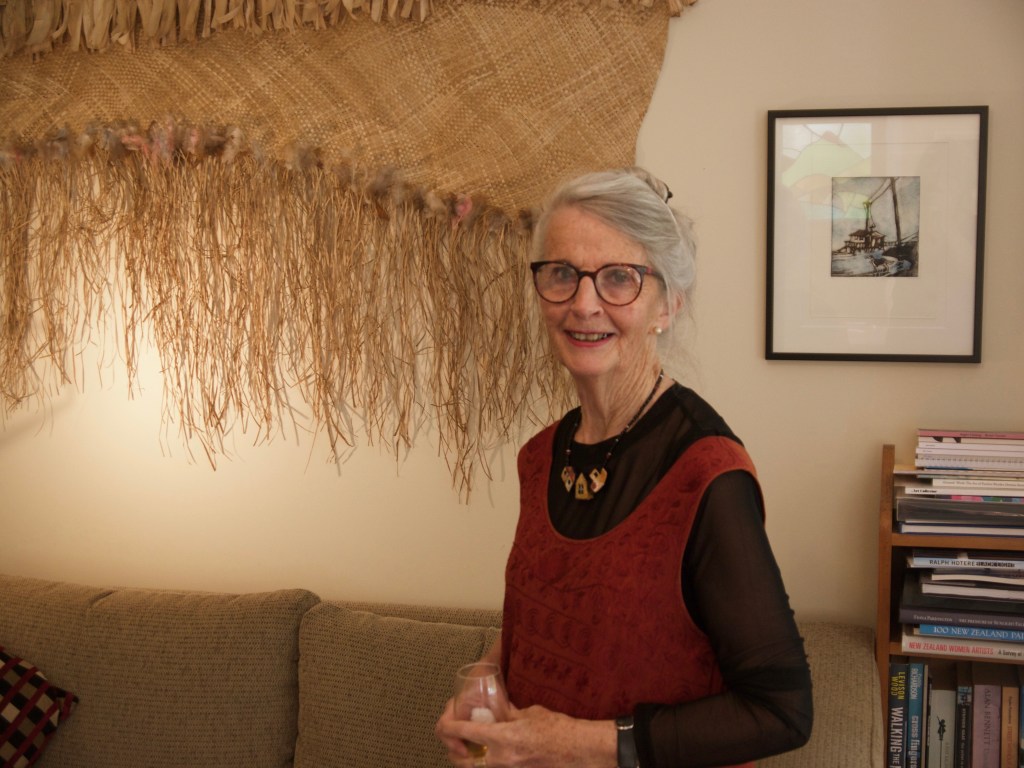
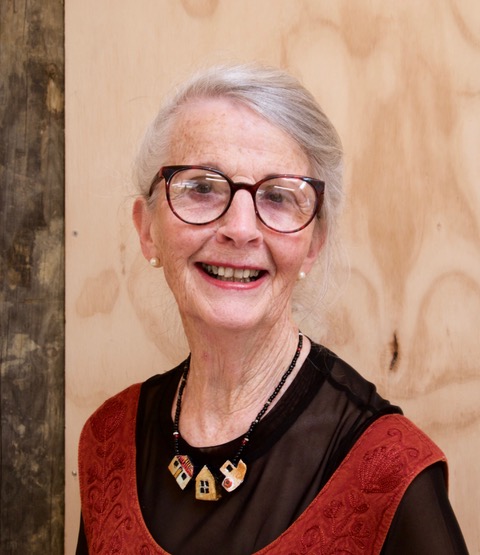
Jenny Powell is a Dunedin poet and performer. Her work has been part of various journals and collaborations. She has a deep interest in music and used to be a french horn player.

Chris Tse is the author of two poetry collections published by Auckland University Press – How to be Dead in a Year of Snakes (winner of Best First Book of Poetry at the 2016 Ockham New Zealand Book Awards) and HE’S SO MASC – and is co-editor of the forthcoming Out Here: An Anthology of Takatāpui and LGBTQIA+ Writers From Aotearoa.

Rhegan Tu‘akoi is a Tongan/Pākehā living in Pōneke. She is a Master’s student at Victoria and her words have appeared in Turbine | Kapohau, Mayhem and Sweet Mammalian. She has also been published in the first issue of Tupuranga Journal

Ten poems about clouds

Twelve poems about ice

Ten poems about dreaming

Eleven poems about the moon

Twelve poems about knitting

Ten poems about water

Poetry Shelf Theme Season: Twelve poems about ice

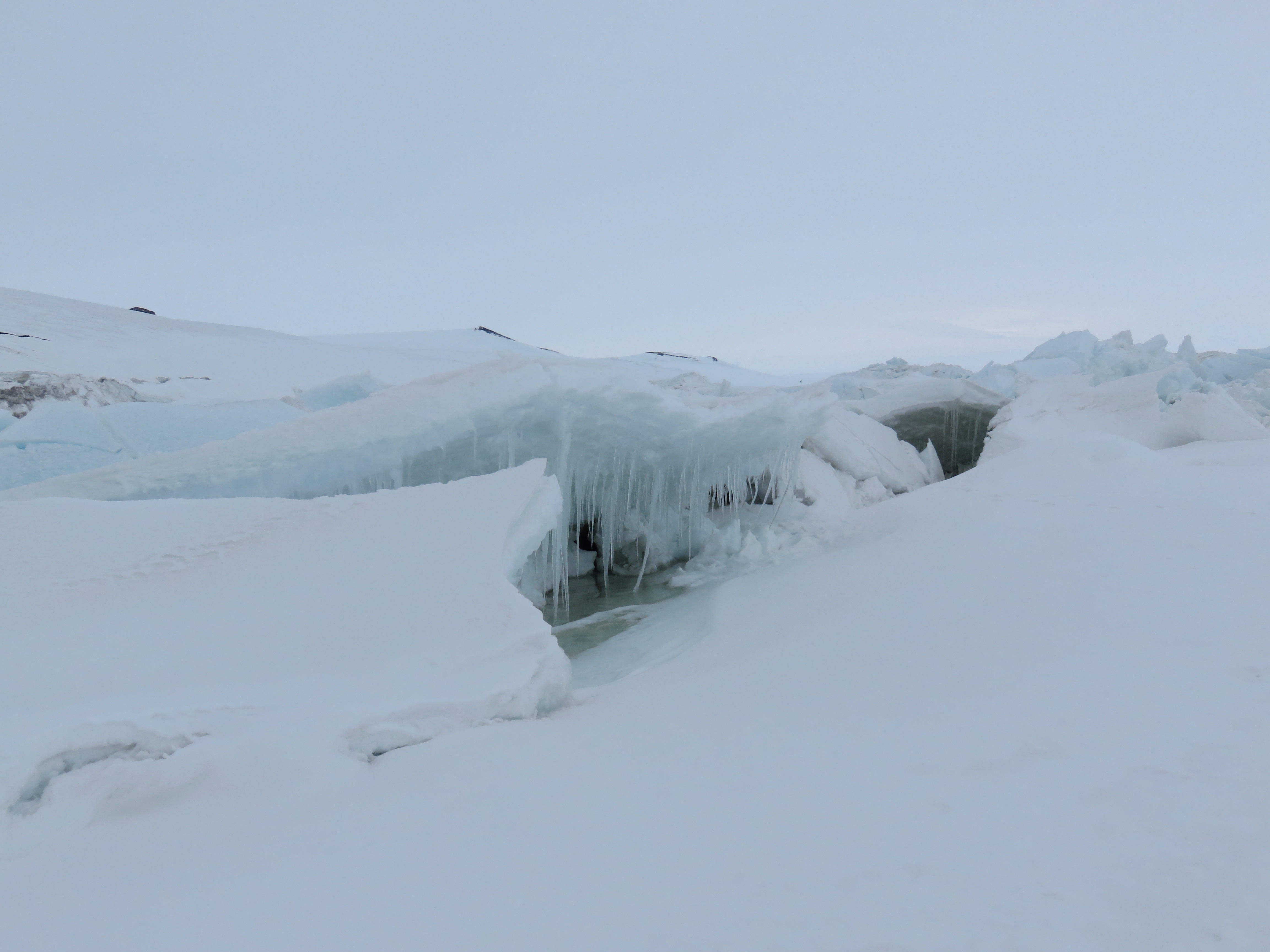
Photo credit: Alison Glenny

Some poetry books catch you on the first page and you get goosebumps and your breathing changes and you know this is a book for you. I felt like that when I first read Alison Glenny’s sublime The Farewell Tourist with its luminous connections to Antarctica. There is something about poetry that takes risks, that never loses touch with heart, is unafraid of ideas, and is able to sing on the line. You just want to camp up in the book for days, with a thermos of tea, and all your devices unplugged.

I felt the same way about Bill Manhire’s extraordinary poem ‘Erebus Voices’ (Lifted, Victoria University Press, 2005). You can read the poem at The Spin Off here and listen to Bill read the poem here. Thinking of Alison’s book and Bill’s poem, I knew ice had to be one of my themes.

Ice in poems: it might be a hint, a hurt, an underlying coldness, an icy image, a heart freeze, a trip to the snow-capped mountain, a melting ice-cream, an avalanche.

I am so grateful to all the poets who have supported my extended thematic poetry gatherings. Thank you.

The Poetry Shelf Theme Season runs every Friday until mid August.

In the morning the mountains beckon

Blue and clear like bells; glaciers feed upon

Light pouring from heaven brighter than ice-stone.

Ruth France (1913-1968), from No Traveller Returns: the selected poems of Ruth France, Cold Hub Press, 2020

Twelve poems about ice

Some afternoons a fog rolled down the hallway. On others, the staircase groaned with moisture. A finger laid carelessly on a bannister dislodged a ledge of rime. She lifted the hem of her dress to avoid the damp in the passageway, wore knitted gloves in the kitchen. She was lying in the bath when the glacier pushed through the wall. She sank deeper into the water to escape the chill that settled on her shoulders. Trying to ignore the white haze, to lose herself between the pages of her book.

Alison Glenny

from The Farewell Tourist, Otago University Press, 2018

He Manawa Maunga

We are dwarfed by a snow bank

that reaches beyond our eyes,

a single hole punctuating its white sheet.

Your hand covers my small eyes

and I feel you shielding me in the warmth of your jacket

as we move though.

I open them to a palace of ice and snow

meticulously carved by strangers

long gone down the mountain.

We sit together in silence,

deep in the mountain’s quiet heart.

Watching our breath melt away

the walls around us.

Ruby Solly

from Tōku Pāpa, Victoria University Press, 2021

Pencarrow Lighthouse

Mrs Mary Jane Bennet saw frost on the ground

circling the lighthouse where her children sleep.

At the cliff edge where wildflowers were,

gulls wash seafoam up the shore.

You, gulls, over hoofprints on the track,

over the dunes, over pearl beams ghosting

out from the lighthouse,

in your thousands over clean seashells.

The wind spins dead things in circles.

Collect up the wintertime, won’t you,

crack it on a rock,

drop it from a height.

But, you bird whose wing cuts the tops off waves,

shut your wings for the children

of Mrs Mary Jane Bennett.

Let loose a grey feather.

She will tuck it into the knot

of the blue satin ribbon

ion her eldest daughters hair, the one

who dreams of white things circling.

Nina Mingya Powles

from Girls of the Drift, Seraph Press, 2014

Wabi-sabi

I was thirty-three before I learned
people stuck in snow
can die from dehydration.
I would melt icicles
on my tongue for you, resist
the drinking down, drip it
into you. Then repeat, repeat
until my lips were raw.

Deep snow squeaks. We
stop on the Desert Road
because of the snow. You
throw snowballs at the
‘Warning: Army Training Area’ sign.
I take macro-photographs of
icicles on tussock.

When we drive up the Desert Road
we lost National Radio, we lose
cellphone reception, we lose
all hope. I was thirty-seven before
I considered not trying to always fix
things. I read an article in the New Yorker 
about wabi-sabi – the beauty in the
broken and the worn. The integrity
of the much-used utilitarian object.

But then there was another article
about a woman flying to Mexico
to be put into a coma
so she can wake up mended. It is 
like rebooting a computer, said the doctor.

Despite wabi-sabi, I want that.
To live in snow and not be thirsty.
I want good reception all the way
up the country. I want a shiny, clean
version of myself. Closedown,
hibernate, restart.

Helen Lehndorf

from The Comforter, Seraph Press, 2011

Girl Reading

She overhears the sound of things in hiding.

She bites an apple and imagines orchard starlight.

Each time she licks her thumb, its tip,

she tastes the icy branches,

she hears a sigh migrate from page to page.

Bill Manhire

from Zoetropes, Victoria University Press, 1981

Opa

They would ice-skate:

he worked the canals

with speed.

My grandparents,

between villages, on ice

above the level of the land.

*

Amsterdam in the fifties:

a row of white stone houses

on a paved street.

*

New Zealand’s blue sea

lapped at sloping shores,

knew its place

at the flank of land.

Wide stars, small shells,

the open span of sand.

*

A wooden villa 

changed you.

Housed you.

Those years of good

morning, goodnight,

pudding and bread,

climbing in

and climbing out of bed.

*

Your skates 

hang on the wall.

Blond varnished wood.

Braided laces.

Those blades, sweeping,

never shook off the ice.

Angela Andrews

from Echolocation, Victoria University Press, 2007

Island girl Tokoroa

ice-cream puddle licks bare feet

a sky so bright and blue

the sun rimming its yellow stain

make-believe it is summer

yet winter bites frozen fingers

gloves and scarves for some other child

in her hands she holds the key

a coin for lunch one Sally Lunn, miss

creamy pink-smothered bun

there is no word for luxury beyond

this daily walk in winter sun

she can almost taste it

morning flicks by chafing

children

head down she holds out her hand

winter may snow for all she cares

the skies can turn black

one Sally Lunn, miss

is heaven and blue

and forever

Reihana Robinson

from Her Limitless Her, Mākaero Press (Hoopla series), 2018

Ben Lomond  

Three people in the snow  

two linked by marriage  

memorising fault line  

                                         by fault line  


and every  now and again  the head of the summit  

tails in

     and out of sight  


three people with backpacks and knees in the snow  

threading the  mountains  with a silence   

that once broken   

would make you cry  


and every now and again  the head of the summit  

tails  in

     and out of sight  


like the early love of a  June morning  

first an accent  and  then the hearing  

and the sky is a blanket wishing it gone  


late  on  the  summit a sparrow  

whittling alone    

                              and away 

Modi Deng

from A Clear Dawn: New Asian Voices from Aotearoa New Zealand, eds Paula Morris & Alison Wong, Auckland University Press, 2021

Avalanche        

There was the war on TV,

the snow, the people lying on plastic

in the snow, death arriving

with his suitcase full of tools,

the delivery out of this world

offers such a dazzling

variety, and the snow, forever this

white tableau becomes forged

with the recollections of your last

oncology visit

and the people lying on the plastic

in the snow.

At the doctor’s I sat with

my tiny hands held in my lap the way

I’d been taught, two lovebirds,

but the flesh was as cold as sheet ice

I was up to my elbows

in frostbite and snow.

There were stories in the news

each day and in the morning paper,

death can happen overnight, may

be in your house if you don’t move

fast enough, in a trench, or

the dreadful football-stadium one,

under the trees in a dark

wood, against a hedge, or even lying

on plastic in the wan snow.

Such soft subdued footfalls,

but a goodly advance

over a long stretch of time.

Others shift their seats away from me

leaving a pencil

-thin cavity, a subtle margin,

but you and I are crouched

together in the snow reading the

avalanche instructions;

they are torn and dirty, tacked to

the cobwebbed wall of some

wild and woody alpine mountain hut:

Construct earthen fortifications

Behind your village. In the case

of serious exposure it is

best to wait for rescue dogs.

We must read the instructions

we must read the instructions

but there are no instructions

I believe there are no instructions.

Vivienne Plumb

from Avalanche, Pemmican Press, 2000

The Icicles

Every morning I congratulate

the icicles on their severity.

I think they have courage, backbone,

their hard hearts will never give way.

Then around ten or half past,

hearing the steady falling drops of water

I look up at the eaves. I see

the enactment of the same old winter story

– the icicles weeping away their inborn tears,

and if only they knew it, their identity.

Janet Frame

from The Goose Bath: Poems, eds. Pamela Gordon, Denis Harold, Bill Manhire, Vintage, Random House, 2006, picked Hebe Kearney

You can hear Janet Frame read ‘The Icicles’ here

At Home in Antarctica

In this place, silence has a voice
wide-ranging as the continent.
Some say it’s on the cusp
of madness, the way it hums
and stutters, mutters to itself
in quietest tones.

In this place, the universe brims.
Inside absence, presence.
Inside distance, dust
and our sleeping earth
dreaming beneath her thin blue
mask of ice.

In this place, the necessity
of memory, recollections
of a loved one’s face, shape
of laughter, weight of breath.

In this place, nostalgia
roams patient as slow
hands on skin transparent
as melt-water. Nights are light
and long. Shadows settle
on the shoulders of air.

Time steps out of line
here stops to thaw
the frozen hearts of icebergs.
Sleep isn’t always easy in this place
where the sun stays up all night
and silence has a voice.

Claire Beynon

from Open Book – Poetry & Images (Steele Roberts, 2007).

Suggested by Jenny Powell. The poem has also been a prompt for various musical compositions, including a piece Antarctikos by US composer, Jabez Co (2010) and The Journey Home (2012) for soprano, tenor, baritone, choir and orchestra by NZ composer John Drummond.

Visiting Rita at Sydney Street West

Wellington rains in a cross-hatch tantrum.

Wind blasts batter everyone backwards.

Lost in a volley of ‘after the hill second street right

follow your nose’ I have taken the wrong hill,

veering left with an eye on the clock.

Landmarks stream down my spectacles,

couplets of directions waterfall out of my head.

Lost in a valley of paper map ink-splash,

folds between us disintegrate. In the if-only world

my fingers wrap a hot cup of tea, my coat dries by your heater.

Sticks torn from moorings shoot down white-water gutters.

Wind race of paper packets eddies in high-speed gusts.

I am lost in solitary panic.

An onslaught of sleet freezes my face.

Jenny Powell

from Meeting Rita (forthcoming June, Cold Hub Press)

Angela Andrews lives in Auckland with her family. Her PhD in Creative Writing at Victoria University examined the relationship between medicine and poetry. She has previously worked as a doctor.

Claire Beynon is a Dunedin-based artist, writer and independent researcher. She works collaboratively on a diverse range of on- and off-line projects with fellow artists, writers, scientists and musicians in NZ and abroad. These group activities are buoyed and balanced by the contemplative rhythms of her solo practice. Websites here and here.

Modi Deng is a postgraduate candidate in piano performance at the Royal Academy of Music on scholarship. Currently based in London, Modi received a MMus (First Class Honours, Marsden research scholarship) and a BA from Auckland University. Her first chapbook-length collection of poetry will be part of AUP New Poets 8. Her poems have also appeared in A Clear Dawn (AUP), Starling, the Stay Home Zine (Bitter Melon Press), and on NZ Poetry Shelf for National Poetry Day. She cares deeply about literature (especially poetry, diaspora), music, psychology, and her family.

Janet Frame (1924 – 2004), born in Dunedin, was the author of thirteen novels, five story collections, two volumes of poetry, a children’s book and a three-volume autobiography. She won numerous awards including the New Zealand Book Award for poetry, fiction and non-fiction titles, and the New Zealand Scholarship in Letters. She received New Zealand’s highest civil honour in 1990 when she became a Member of the Order of New Zealand. She was awarded the Prime Minister’s Award for Literary Achievement in 2003 and was named an Arts Foundation Icon Artist in 2004.

Alison Glenny’s collection of prose poems The Farewell Tourist, was published by Otago University Press in 2018. A chapbook, Bird Collector, is being published by Compound Press in 2021. She lives on the Kāpiti Coast.

Helen Lehndorf’s book, The Comforter, made the New Zealand Listener’s ‘Best 100 Books of 2012′ list. Her second book, Write to the Centre, is a nonfiction book about the practice of keeping a journal. She writes poetry and non-fiction, and has been published in Sport, Landfall, JAAM, and many other publications and anthologies. Recently, she co-created an performance piece The 4410 to the 4412 for the Papaoiea Festival of the Arts with fellow Manawatū writers Maroly Krasner and Charlie Pearson. A conversation between the artists and Pip Adam can be heard on the Better Off Read podcast here

Bill Manhire founded the creative writing programme at Victoria University of Wellington, which a little over 20 years ago became the International Institute of Modern Letters. His new book Wow is published by Victoria University Press in New Zealand and Carcanet in the UK.

Vivienne Plumb writes poetry, short and long fiction, drama, and creative non-fiction. She held the Creative New Zealand Berlin Writing Residency in 2018, and has held several other writing residencies (both in N.Z. and overseas), and has been awarded the Hubert Church Prose Award and the Bruce Mason Playwriting Award, amongst others. Her work has been widely anthologised. A new chapbook of her poems will be released in July, 2021. 

Jenny Powell is a Dunedin poet and performer. Her work has been part of various journals and collaborations. Her next collection, Meeting Rita, is inspired by the artist Rita Angus, and is due from Cold Hub Press in June 2021.

Nina Mingya Powles is a poet and zinemaker from Wellington, currently living in London. She is the author of Magnolia 木蘭, (a finalist in the Ockham Book Awards and the RSL Ondaatje Prize 2021), a food memoir, Tiny Moons: A Year of Eating in Shanghai, and several poetry chapbooks and zines. Her debut essay collection, Small Bodies of Water, will be published in September 2021. 

Reihana Robinson is a writer, artist and farmer living in the wilderness of the Coromandel. She has written two collections, Aue Rona and Her Limitless Her, has had work published in Aotearoa, Australia, France and USA. She is a contributor to the Dante-themed anthology More Favourable Waters and the just published Ora Nui Māori Literary Journal New Zealand and Taiwan Special Edition.

Ruby Solly (Kāi Tahu, Waitaha, Kāti Māmoe) is a writer, musician and taonga pūoro practitioner living in Pōneke. She has been published in journals such as LandfallStarling and Sport, among others. In 2020 she released her debut album, Pōneke, which looks at the soundscapes of Wellington’s past, present and future through the use of taonga pūoro, cello, and environmental sounds. She is currently completing a PhD in public health, focusing on the use of taonga pūoro in hauora Māori. Tōku Pāpā, published in February 2021, is her first book.

Ten poems about clouds

Poetry Shelf Lounge: Kay McKenzie Cooke and Jenny Powell celebrate David Eggleton’s Poet Laureate Weekend at Matahiwi marae

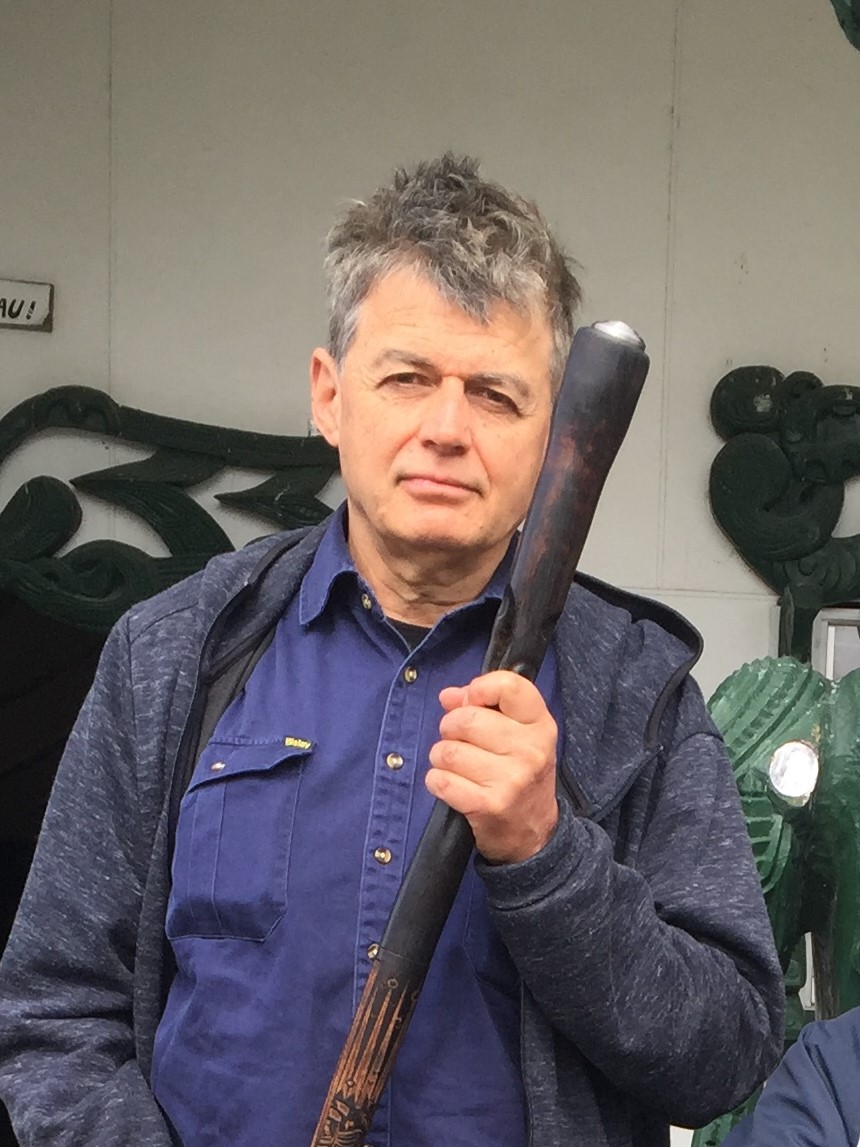
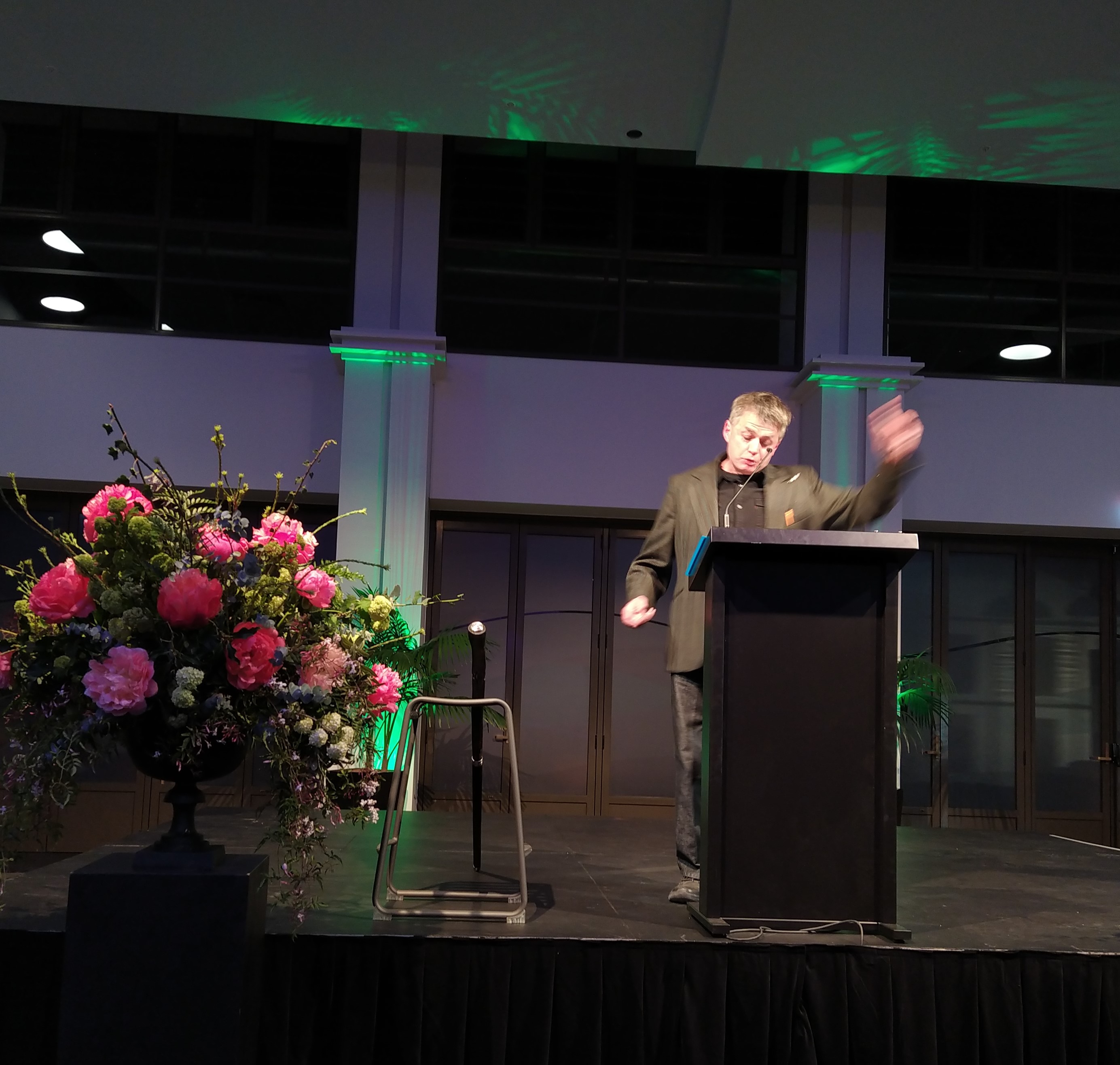
David Eggleton at Matahiwi Marae (photo Lynette Shum)

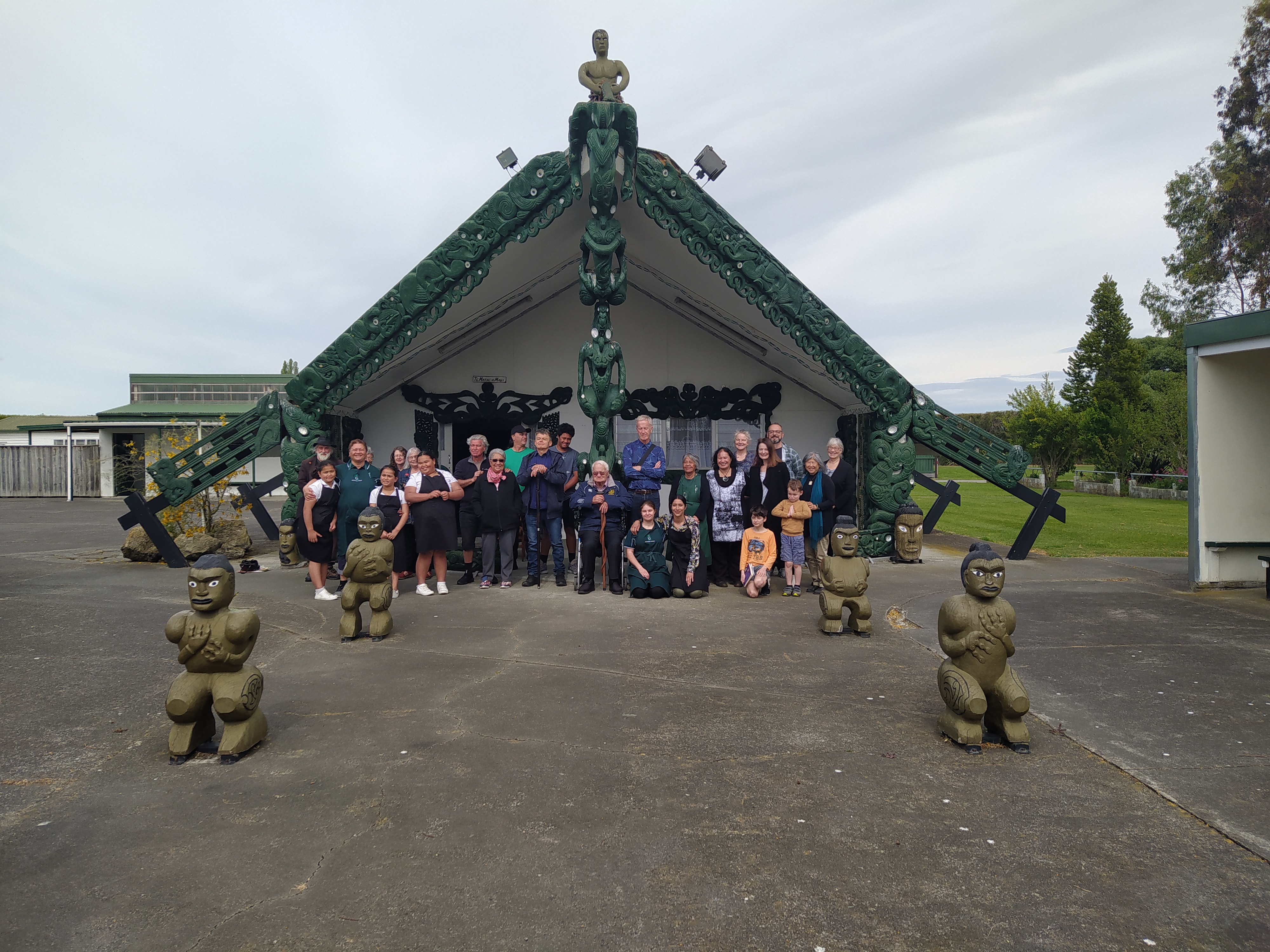
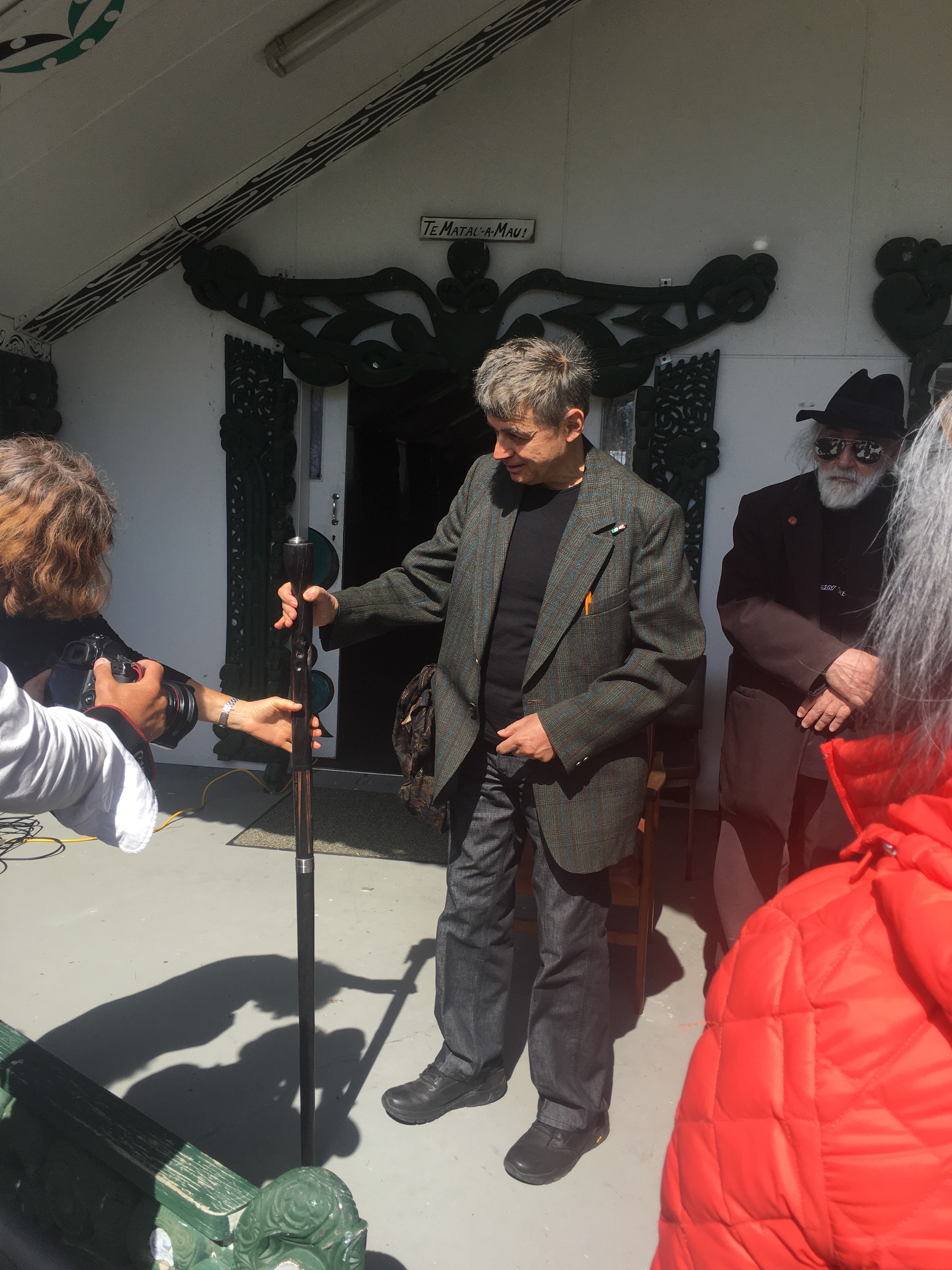
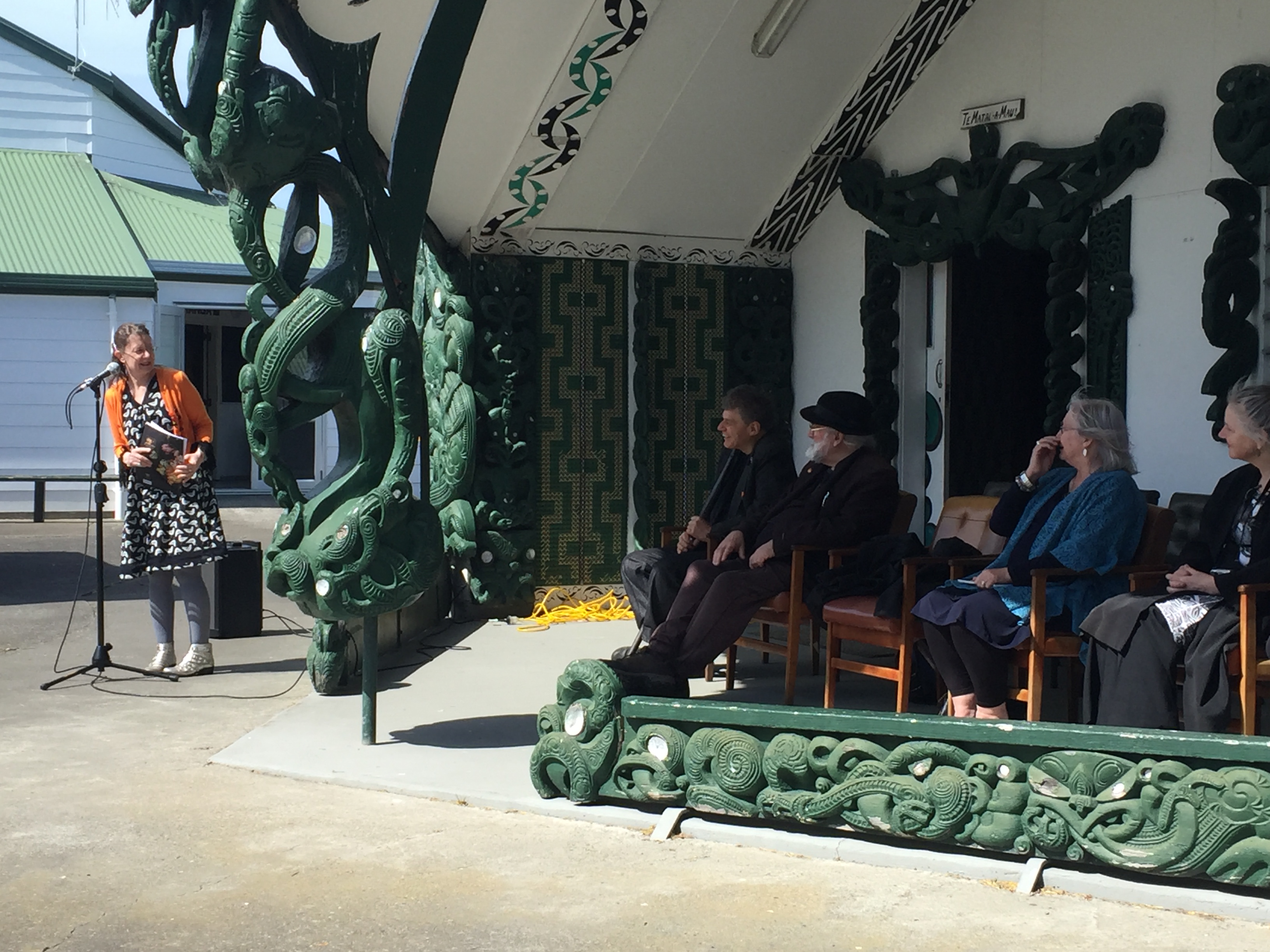
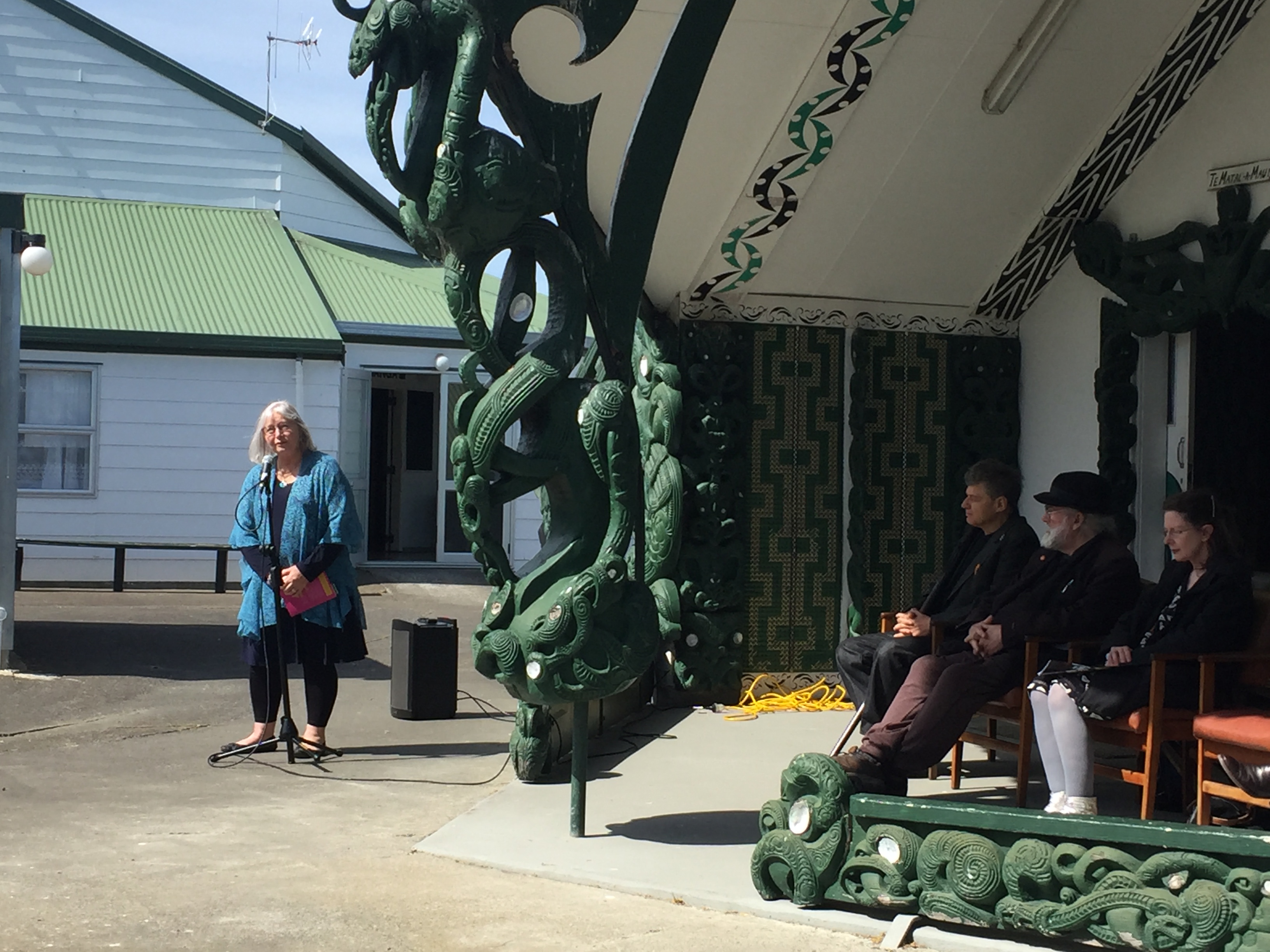
Last weekend David Eggleton celebrated his New Zealand Poet Laureateship at Matahiwi marae accompanied by Charles Ropitini, whanau, friends, National Library staff (including the Library’s empathetic Laureate champion Peter Ireland) and poets (Jenny Powell, Kay McKenzie Cooke and Michael O’Leary). David was presented his tokotoko carved by Haumoana carver Jacob Scott. On the Saturday evening Marty Smith hosted Poets Night Out at the Hasting Events and Arts Centre, Toitoi.

The National Library also announced that due to the restrictions Covid has placed upon David’s Poet Laureate plans his term would be extended for another year. David has gifted Aotearoa a richness of poetry in printed form, but his appearances as a performance poet are legendary, inspirational, charismatic. He is appearing at the Christchurch Word Festival late October and will now be able to bring his poetry to the people over the next two years, as was his aim. Wonderful!

Two of David’s guest poets – Kay McKenzie Cooke and Jenny Powell – share their experience of this special weekend.

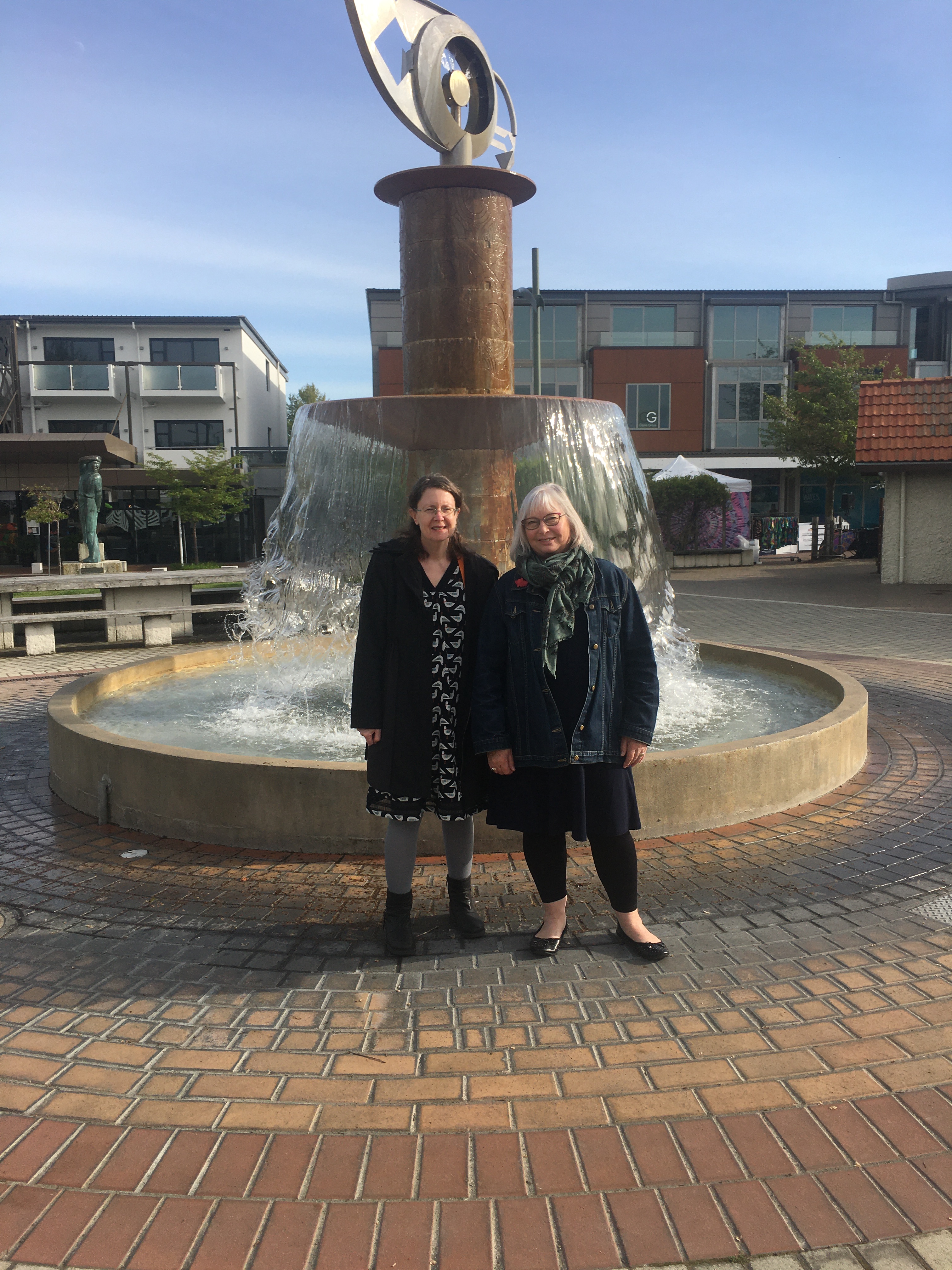
Jenny Powell and Kay McKenzie Cooke

David’s tokotoko is called Te Kore, meaning ‘the void’. The dark maire has a natural hole near the upper end. When he received it his body straightened, as if a spiritual and physical source of creativity became one.


Like the tangata whenua of Matahiwi marae, the tokotoko radiates what is needed. I held it on the way to the evening poetry reading in Hastings and again on the way home. Did it matter? Yes.


The void. The beginning, the creation, the end. Here it was, playing out in a bend of time and words. In the before of my ton weight suitcase, organisational order, waiata to practise, transport logistics, food and food. In the then. Matahiwi marae in its glory of green bounty, Māui hooking us into his welcome, kuia hooking us into love. River flow of oratory, Poems of the south, of love, of colour, of rapid fire Eggleton resonance and the moon beaming in story and song.


In the leaving, small children bound on fields, frail elders offer blessings, words spiral, tears flower. In the meeting house, enduring peace of the deep void.

Jenny Powell

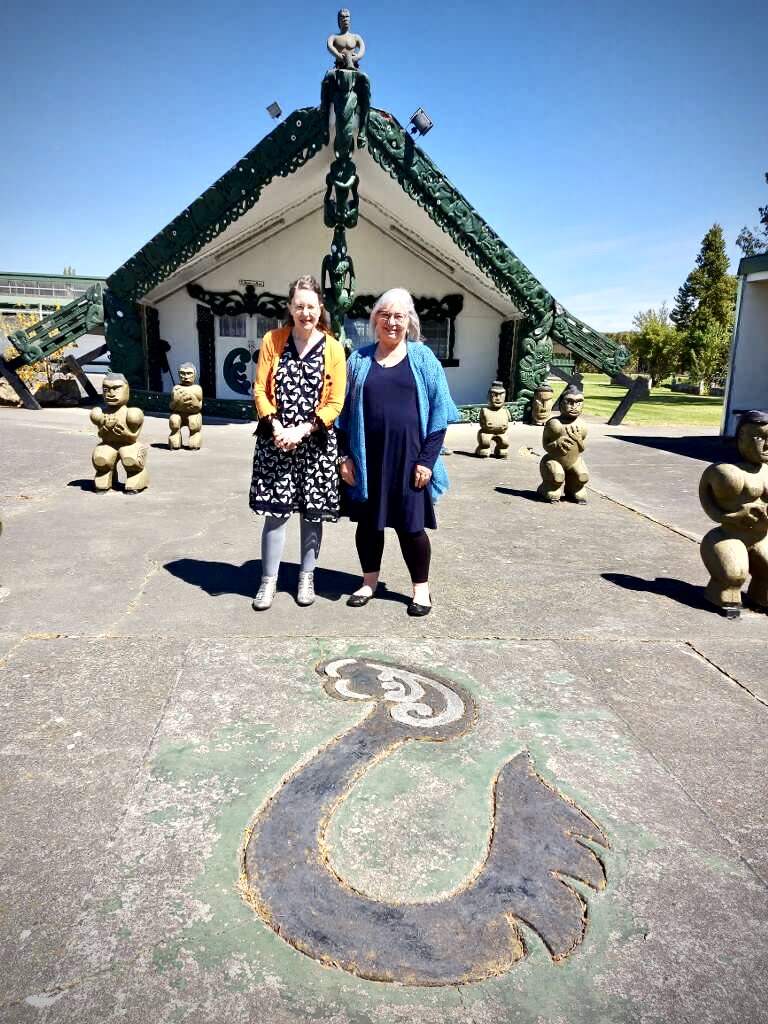
Matahiwi marae (photo Katrina Hatherly)

After Being Introduced

Naturally, there are many other memories but maybe I particularly remember David’s grin, Fieke’s calmness, Jenny’s silver boots, Peter’s careful attention, the humour and innate sense of arrangement from the National library trio (Joan, Lynette and Katrina) and Michael’s Fleetwood Mac black hat and white t-shirt emblazoned with the words: A Hard Day’s Night.

~*~

Friday:

Michael, Jenny and I practice our waiata for David. E Tu Kahikatea. We sing it out in a patch of sun cut to the shape of a motel’s open door. We are kind of happy with how it sounds. Jenny’s top notes, my more middling muddle, Michael’s lower notes verging on bass, all blending to invoke a tree standing braced for whatever will come at it, bolstered by those who stand close to protect and the togetherness of all this conjured up in the final lines.

~*~

Our first chance to meet the National Library trio: Lynette, Joan and Katrina, is at tonight’s dinner. They exude friendliness, kindness, humour, order and care – and that’s just on the first take. There’s room for even more to surface as the weekend unfolds. (Such as the Joni incident – but I am jumping ahead of myself and anyway, it’s probably one of those you-had-to-be-there episodes.)

~*~

Saturday:

Jenny and I are on the hunt for breakfast early and surprisingly enough for us, we manage not to get lost. Go us! As we look out from our outside table onto Havelock North’s shiny newness, including a fountain and locals setting up stalls for a market on clean concrete, a brittle breeze reminiscent of Ōtepoti’s nor’easterly, licks at our ankles.

~*~

Outside the Matahiwi marae gates, that same cold breeze niggles at our backs and shoulders. Charles our te reo-speaking representative, tells us the moon is in a benevolent phase – all augurs well – and points out the maunga, the mountains, in the distance. He names them and tells us the meaning of the name – which, sadly, I promptly forget. However, I do notice that after being introduced, the mountains appear to draw a little nearer.

~*~

More people arrive to join the waiting group. David’s no-fuss whanau flock quietly together. And then the pōwhiri begins, a karanga calling us to proceed in safety. Wings of grief beat in my chest like something fighting waves of memory.

~*~

We are welcomed with kōrero, karakia, by tīpuna, voice, mountain, awa, spirit, wairua, with love, aroha. Charles responds with an operatic kōrero sung on our behalf in te reo, laced with waiata that soars and rolls in an awa of pride. We line up to elbow-hongi, covid-style. A kuia at the end of the line grabs each of us into a hug.

~*~

The unwrapping of the tokotoko begins with a blessing by Jacob, then revealed and handed to David by the carver. Made of maire, it is tall and straight, yet shapely. It is black with a small sweep, or wave, of brown. Pango and parauri. Somewhere, silver glints. The carver tells us it speaks of Māui and his brothers, of boldness and spirit. Of stirring, mischief-making, mixing things up and pitting against. It has weight. Mana. David tests its strength by thumping the ground with it. He appears satisfied. He smiles.

It is time for Michael, Jenny and me to sing our waiata. Unfortunately, all of the previous day’s blend and timing takes flight leaving only the unpolished, rough side of the päua, shy of colour and magic. It’s a pretty rough delivery. No matter. It’s done. The tree still stands. It takes more than that to fell a kahikatea.

David’s son does a far better job, calmly, confidently singing a self-composed song that soothes, charms and rocks like a waka launched on to slowly moving water.

~*~

Saturday night, David, Michael, Jenny and I make poetry the winner at Poets Night Out at the Hastings Events and Arts Centre, Toitoi, in all its glory and glamour; sumptuous flower displays, laser beams creating a dancing landscape on ceiling and walls. The event is bookended by two beautiful young singers and linking it all, Marty in shimmering gold jacket delivering her diamante introductions.

~*~

Sunday:

Mōrena. Back at the Matahiwi marae, we are hugged. Fed. Allowed into more stories. Humour sparks. We are told a little more of the coming into being of David’s Poet Laureate tokotoko; its name, Te Kore; its character, its insistence not to be firewood, but instead a walking, talking stick with fire to fill any void in its belly.

~*~

As we make our reluctant farewells, a kuia gifts Jenny and myself quiet words of encouragement to take back home to Ōtepoti with us. She loves our poetry. She may write some herself now. She particularly loves the way Jenny speaks her poems. I feel there is more she wants to say. Deeper things. But there is no time left.

~*~

More farewells outside the marae as we get into cars. Some of the good-byes are to people we will see again. Others, maybe not. As the car I am in moves away, I notice the maunga, the mountains, have moved. I watch as they fade back into the distance.

~*~

Jenny Powell has published seven individual and two collaborative collections of poems. She is part of the touring poetry duo, J & K Rolling. Jenny is currently in the Wairarapa as the RAK Mason Writing Fellow.

Kay McKenzie Cooke’s fourth poetry collection, titled Upturned, was published by The Cuba Press, mid-2020. At present she is far too busy to write. A predicament she hopes will not be permanent.

David Eggleton is a Dunedin-based writer, critic and poet. His first collection of poems, ‘South Pacific Sunrise’, was co-winner of the PEN Best First Book of Poetry Award in 1987. His seventh collection of poems, ‘The Conch Trumpet’, won the 2016 Ockham New Zealand Book Award for Poetry. He received the Prime Minister’s Award for Excellence in Poetry in 2016. His most recent collection of poetry is Edgeland and Other Poems, with artwork by James Robinson, published by Otago University Press in 2018. He is the current Aotearoa New Zealand Poet Laureate.

The New Zealand Poet Laureate Blog

Piece by Peter Ireland on NZ Poet Laureate site

Photos by Joan McCracken, Katrina Hatherly and Lynette Shum from the National Library and Jenny Powell and Kay McKenzie Cooke

A Poetry Shelf audio gathering: Dunedin poets celebrate Elizabeth Brooke-Carr (1940 – 2019)

Carolyn McCurdie introduces the reading

Carolyn McCurdie reads ‘When bright red was eclipsed by silver shoon’

Martha Morseth reads ‘On discovering your oncologist is a travel agent’

Jenny Powell reads ‘A spot on the map’

Maxine Alterio reads ‘The vein whisperer’

Claire Beynon reads ‘Poolburn’

Elizabeth Brooke-Carr (1940 – 2019) was a Dunedin poet, essayist, short story writer, teacher, counseller. Her writing appeared in newspapers, online journals and anthologies. She was awarded the New Zealand Society of Authors’ 75th Anniversary Competition and the Dunedin Public Libraries competition Changing Minds: Memories Lost and Found. She received a PhD from the University of Otago. Wanting to tell you everything was published by Caselberg Press in 2020.

Poetry Shelf review of Wanting to tell you everything

The readers

Jenny Powell, Martha Morseth, Maxine Alterio, Carolyn McCurdie, Claire Beynon

Maxine Alterio is a novelist, short story writer and academic mentor. She has published four works of fiction and co-authored a textbook about learning through reflective storytelling.

Claire Beynon lives in Broad Bay. An artist and writer, she works on a range of collaborative, interdisciplinary projects balancing group activities with the contemplative rhythms of her solo studio practice. She’s in the slow process of completing a second collection of poetry.

Carolyn McCurdie is a Dunedin writer of poetry and fiction, especially speculative fiction. Her poetry collection Bones in the Octagon was published by Makaro Press in 2015.

Martha Morseth has written articles for More Magazine and the NZ Woman’s Weekly since l982, and poems for The Listener, Landfall and other literary New Zealand magazines. She has published two collections of poetry, three collections of short stories and plays for high school English classrooms. She came to New Zealand in 1972 with her husband and two daughters.

Jenny Powell has published seven individual and two collaborative collections of poems. She is part of the touring poetry duo, J & K Rolling, and is the 2020 RAK Mason Writing Fellow.

Poetry Shelf connections: celebrating Landfall 238 with a review and audio gathering

otago719379 otago719379 otago719379

Landfall 238 edited by Emma Neale  (Otago University Press)


I am finding literary journals very satisfying at the moment. They suit my need to read in short bursts throughout the day. Landfall 238 came out last year but the gold nuggets keep me returning. Is our reading behaviour changing during lockdown? I read incredibly slowly. I read the same poem more than once over the course of a week.

Helen Llendorf’s magnificent ‘Johanna Tells Me to Make a Wish’ is a case in point. It is slow and contemplative, conversational and luminous with physical detail. She starts with chickens, she stays with chickens, she intrudes upon herself with long parentheses. It feels like a poem of now in that way slows right down to absorb what is close to home.


DSCN9923.JPG


Landfall 238 also includes results from the Kathleen Grattan Award for Poetry 2019, with judge’s report by Jenny Bornholdt; results and winning essays from the Landfall Essay Competition 2019, with judge’s report by Emma Neale; results from the Caselberg Trust International Poetry Prize 2019, with judge’s report by Dinah Hawken.

Tobias Buck and Nina Mingya Powles’s winning essays are terrific. Two essays that in different ways, both moving and exquisitely written, show distinctive ways of feeling at home in one’s skin and navigating prejudice. Both have strong personal themes at the core but both stretch wider into other fascinations. Would love to read all the placed essays!


IMG_5511.JPG


IMG_5510.JPG


I also want to applaud Landfall on its ongoing commitment to reviewing local books, both in the physical book and in Landfall Review Online. Review pages whether in print or on our screens seem like an increasingly endangered species. Landfall continues to invite an eclectic group of reviewers to review a diverse range of books.


IMG_5513.JPG


To celebrate this gold-nugget issue – I have invited a handful of poets to read one of their poems in the issue.

Make a cup of tea or a short black this morning, or pour a glass of wine this evening, and nestle into this sublime poetry gathering. I just love the contoured effects on me as I listen. I have got to hear poets I have loved for ages but also new voices that I am eager to hear and read more from.


Welcome to the Landfall 238 audio gathering!


2019-06-23 11.38.27 HDR.jpg

Louise Wallace


Louise Wallace reads ‘Tired Mothers’


Louise Wallace is the author of three collections of poetry published by Victoria University Press, most recently Bad Things. She is the founder and editor of Starling, and is looking forward to resuming a PhD in Creative Writing. Her days in lockdown are filled with visits to the park, bubbles, playdough, drawing, and reading the same handful of books over and over with her young son who she loves very much.


Cerys at faultline.jpg

Cerys Fletcher


Cerys reads ‘Bus Lament’


Cerys Fletcher (she/her) is in her first year at Te Herenga Waka, splitting her time between Te Whanganui-a-Tara and her home city, Ōtautahi. When possible, she frequents open mics and handmakes poetry zines. She was a finalist in the 2018 National Schools Poetry Awards and the winner of the Environment Canterbury Poems on Buses competition in 2019. She has been published in Landfall and A Fine Line. She does NOT like men who hit on you while you’re making their coffee. She is online & probably wants to talk to you (instagram: @cerys_is_tired. email: cerysfabulousfletcher@gmail.com).


Me w Jasper Johns High School Days 1969.jpg


Rachel O’Neill


Rachel reads ‘The place of the travelling face’


Rachel O’Neill is a writer, filmmaker and artist based in Te Whanganui-a-Tara, Aotearoa. Their debut book One Human in Height (Hue & Cry Press) was published in 2013. They were awarded a 2018 SEED Grant (NZWG/NZFC) to develop a feature film and held a 2019 Emerging Writers Residency at the Michael King Writers Centre. Recent poems appear in Sport 49, Haunts by Salty and Food Court, and Ōrongohau | Best New Zealand Poems 2019.


P_Le_Baige-2.jpg


Peter Le Baige


Peter reads ‘what she knows’


Peter Le Baige has been writing and performing poetry since the first session of the legendary ‘Poetry Live’ weekly poetry readings in Auckland in 1981. He has published two collections of his very early work, ‘Breakers’ 1979, and ‘Street hung with daylit moon’, 1983, and whilst living abroad for 23 years, mostly in Asia and China in particular, has continued to write. He has been previously published in Landfall and was one of the cast for the ‘Pyschopomp’ poetry theatre piece at Auckland’s Fringe Festival in 2019.


JP at Rogers.JPG


Jenny Powell


Jenny reads ‘Not All Colours Are Beautiful’


Jenny Powell is a Dunedin poet. Her latest collection of poems is South D Poet Lorikeet (Cold Hub Press, 2017). She is currently working on a new collection based on New Zealand artist, Rita Angus.


Annie.jpg

Annie Villiers


Annie Villiers reads ‘Bloody Awful’


Annie Villiers is a writer and poet who works in Dunedin and lives in Central Otago. She has published three books; two in collaboration with artist John Z Robinson and a novel. She is currently working on a travel memoir and a poetry collection.


IMG_8150.jpg


Iona Winter


Iona reads ‘Portal to the stars’


Iona Winter writes in hybrid forms exploring the landscapes between oral and written words. Her work is created to be performed, and has been widely published and anthologised. She is the author of two collections then the wind came (2018) and Te Hau Kāika (2019). Iona is of Waitaha, Kāi Tahu and Pākehā descent, and lives on the East Otago Coast.


IMG_0041.jpeg

Stacey Teague


Stacey reads ‘Kurangaituku’


Stacey Teague, Ngāti Maniapoto/Ngāpuhi, is a writer from Tamaki Makaurau currently living in Te Whanganui-a-Tara. She is the poetry editor for Scum Mag, has her Masters in Creative Writing from the International Institute of Modern Letters, and has three chapbooks: Takahē (Scrambler Books, 2015), not a casual solitude (Ghost City Press, 2017) and hoki mai (If A Leaf Falls Press, 2020). Tweets @staceteague


Broatch.jpg


Mark Broatch


Mark Broatch reads ‘Already’


Mark Broatch is a writer, reviewer and the author of four books.
He is a former deputy editor at the NZ Listener and is a fiction judge
for this year’s Ockham NZ Book Awards. His poetry has been published
in Landfall and the Poetry NZ Yearbook.


IMG_1277

Susanna Gendall


Susanna reads ‘Spring’


Susanna Gendall’s poetry and short fiction have appeared in JAAM, Takahē, Sport, Geometry, Landfall, Ambit and The Spinoff. Her debut collection, The Disinvent Movement, will be published next year (VUP).


Landfall page


Poetry Shelf audio spot: Jenny Powell reads ‘Kaleidoscope’

Trouble-cover-smaller.jpg


Jenny Powell reads ‘Kaleidoscope’  from her collection Trouble (Cold Hub Press, 2014).


Jenny Powell is a Dunedin poet who has written seven individual and two collaborative volumes of poetry as well as a cross-genre book about human movement, The Case of the Missing Body (University of Otago University Press, 2016). She has worked with artists and musicians in a variety of formats. Jenny enjoys performing her work, and is part of the southern touring poetry duo, J & K Rolling.


Poetry Shelf noticeboard: Wild Honey Dunedin celebration

Wild Honey_A3 poster.jpg


12 questions for Ockham NZ Book Award poetry finalists: Sue Wootton

Sue_Wootton-092012-300dpi.jpg


Congratulations on your short-list placing!

Thank you Paula!


What poetry books have you read in the past year?

And this is why you should always keep a reading diary … I’ll have to cobble this together from flawed memory and my messy bookcase. Here goes: most recently, a ‘slim volume’ in the Penguin Modern Poets Three series with work by Malika Booker, Sharon Olds and Warsan Shire. In contrast, also Sentenced to Life and Injury Time by Clive James. Before these: Undying by Michel Faber, the poetry collections on the Ockham longlist, Bill Manhire’s Some Things to Place in a Coffin and Tell Me My Name, Walking by a River of Light by John Gibb, South D Poet Lorikeet by Jenny Powell, Getting it Right by Alan Roddick, Alzheimer’s and a Spoon by Liz Breslin, Taking my Mother to the Opera by Diane Brown, Fracking & Hawk by Pat White, The Trials of Minnie Dean by Karen Zelas, Taking My Jacket for a Walk by Peter Olds, Wolf by Elizabeth Morton, Where the Fish Grow by Ish Doney, Family History by Johanna Emeney, Possibility of Flight by Heidi North-Bailey, Withstanding by Helen Jacobs, Conscious and Verbal and Learning Human by Les Murray, Poems New and Collected by Wistawa Szymborska, Poems 1962-2012 by Louise Glűck, and X  by Vona Groarke.  

I like keeping an anthology handy too, and in the past year have been dipping in and out of two: Andrew Motion’s Poetry by Heart (on the bedside table) and Carol Ann Duffy and Gillian Clarke’s The Map and the Clock (next to the sofa).  


What other reading attracts you? 

Oh boy, you should see the pile of books by my bed – too many to list here. I enjoy both fiction and non-fiction (especially essays, biographies or memoir). Fiction-wise, I’ve recently finished Fiona Farrell’s wonderful Decline and Fall on Savage Street and am now reading Where My Heart Used to Beat by Sebastian Faulks, and some short stories by William Trevor. I’ve recently reread Olive Kitteridge and My Name is Lucy Barton by Elizabeth Strout (I love all of  Strout’s work!). Vincent O’Sullivan’s All This By Chance is standing by for Easter.

Nonfiction-wise, I’m itching to start neuroscientist Antonio Damasio’s The Strange Order of Things and Marilynne Robinson’s new essay collection What Are We Doing Here? (I love all of Robinson’s work!).


Name some key starting points (or themes) for your collection. 

This is quite a hard question for me to answer because The Yield wasn’t pre-planned as The Yield – it grew very slowly into The Yield, and I only recognised that I had a coherent  collection very late in the process. In hindsight I can see quite clearly that the poems are bound together by themes of give and take, love and loss, flexibility and rigidity, toil and harvest. This finally clicked into place for me after I wrote the poem called ‘The Yield’. It was only after that that I felt I had a potential collection in my hands. But most of the poems in the collection were written in the couple of years preceding that moment, and during those years I had no idea whether a book would eventuate. I had hope, but not much evidence!


Did anything surprise you as the poems come into being? 

Every poem I write is a surprise to me. I can never get over that fact – it amazes me, always.


Find up to 5 individual words that pitch your book to a reader.

These words are from The Yield: haul, reach, lift, roam, home.


Which poem particularly falls into place for you?

Not sure if I can select one – they all have their place.


What matters most when you write a poem?

I like a tight synthesis of sound and sense.


What do you loathe in poetry?

 Sometimes in an art gallery I stand in front of a painting I find ugly or too obvious or (conversely) too obscure – challenging, anyway, a canvas that maybe bores me or offends my personal sense of aesthetics, perhaps even my values. But still, alongside my ‘this is not one for my living room wall’ reaction, I can still respect the graft and the craft that went into making it – so long as it’s well made. Ditto, poetry. What I appreciate, above all else in poetry, is knowing that the poet has really leaned in. That’s a fundamentally appealing quality for me, even if I can’t adore the finished product. But if a poem is attentively made, and it somehow moves me – then I’m all in.


Where do you like to write poems?

 In my study or on the kitchen table (though I scribble scraps in my notebook anywhere, any time).


What are strengths and lacks in our poetry scenes?

We seem to have a lively open mic scene all over the country, with a new fizz of high energy youthful involvement alongside the different – no less intense – energy of more experienced voices. I love the diversity of this, the way it opens our ears and hearts and minds to each other. It’s good, too, to see extroverted poets out there connecting with audiences, attracting media comment and generally flying the flag for poetry. But don’t forget the page! I’m a big believer that poetry is a craft learned by practice. Getting better at it is done through serving a kind of apprenticeship, learning the tools of your trade, and being supported, mentored and informed by more experienced practitioners, so for me it’s really great to see newer literary journals like Mimicry and Starling rising up (though I’m sad to see the end of  JAAM).

Nothing matches the developmental push that comes from submitting work to a well-read editor to be scrutinised word by word. It’s healthy, too, to have enough possible publication places to be able to avoid only submitting work to your friends or classmates. So, I think we can do with still more editor-curated poetry publications to nourish the development of poetry in Aotearoa-New Zealand. Another lack: we need more platforms for the kind of stimulating and informative longform poetry review that critics like Lynley Edmeades, for example (in a recent Landfall Review Online), are so good at writing. But also, no one should be expected to write a seriously-considered review for nothing. Work is work, even if at the end of the day it’s not mud, but ink, on your hands. Funding, funding, funding: there’s a permanent problematic lack!


Have you seen a festival poetry session (anywhere) that has blown you off your seat (or had some other significant impact)?

I was at the 2010 Granada Poetry Festival in Nicaragua – truly a festival, a celebration of la poesia. The readings were held in parks and plazas. The Nicaraguan people have a passionate regard for poets and poetry – they turned out in their thousands to hear readings from their own and international poets. One particular event stands out for me. It was an evening reading, outside, warm and dark in the main town plaza, with about 2000 people in the audience – all ages, children, teenagers, parents, grandparents. Their listening was so attentive (most poems were voiced twice, once in the poet’s language and again in Spanish translation) – I watched face after face absolutely blossom in response to some lines. There was a feeling of us all being tapped into a high-voltage current – such power. Sheer zappery! And all from words.


If you could curate a dream poetry session at The Auckland Writers Festival which poets would be there and who would mc or chair it?

Sharon Olds, Louise Glück and Rita Dove in conversation with Carol Ann Duffy.