Join us to celebrate the arrival of two excellent new poetry collections: New Days for Oldby James Brown and Peace & Quiet by Dinah Hawken. The books will be launched by Jenny Bornholdt.
Thursday 23 April, 6pm Unity Books Wellington All welcome!
James Brown’s New Days for Oldis a delightful experiment in form.
Each scene in this book is like a 1-minute pop song: its depths are at first easy to miss. But as the story proceeds, the grand scheme of things hoves into view: we are born, we crawl and then are carried away, and everything is a-shimmer, even the disappointments
‘How does James Brown do it? Every page in this book is my favourite.’ —Bill Manhire
What use is poetry in times of ecological and political turbulence? Dinah Hawken’s Peace and Quiet grapples with this question, invoking both human voices and the voices — ‘the silt and the slash’ — of the natural world.
Powerful and illuminating, these poems show that peace, gentleness and reflection are a form of resistance.
‘This is poetry that digs deeply into existence, life and death, peace ahead of war, the power of silence and the power of the spoken.’ —Paula Green
Poetry Shelf offers a bouquet of warm congratulations!
To celebrate Dinah Hawken as the 2025 recipient of the Prime Minister’s Award for Poetry, I am reposting a poem she picked from Small Stories of Devotion (Victoria University Press,1991) with her comment (Playing Favourites), an audio of her reading from Sea-light (Victoria University Press, 2021), and an extract from Wild Honey: Reading NZ Women’s Poets (Massey University Press, 2019).
Dinah Hawken is one of New Zealand’s most celebrated poets. She was born in Hāwera in 1943 and trained as a physiotherapist, psychotherapist and social worker in New Zealand and the United States and has worked as a student counsellor and writing teacher at Te Herenga Waka—Victoria University of Wellington. Of her ten collections of poetry, four have been finalists for the New Zealand Book Awards. Her first book, It Has No Sound and Is Blue (1987), won the Commonwealth Poetry Prize for Best First Time Published Poet. Her latest poetry collection is Faces and Flowers: Poems to Patricia France (2024), and other recent collections are Sea-light (2021), longlisted for the Ockham New Zealand Book Awards, There Is No Harbour (2019), and Ocean and Stone (2015). In 2007, Hawken received the Lauris Edmond Award for Distinguished Contribution to Poetry; and her new book of poems, Peace and Quiet, is to be published in 2026. Dinah lives in Paekākāriki.
The harbour is hallucinating. It is rising above itself, halfway up the great blue hills. Every leaf of the kohuhu is shining. Cicadas, this must be the day of all days, the one around which all the others are bound to gather.
The blue agapanthus, the yellow fennel, the white butterfly, the blue harbour, the golden grass, the white verandah post, the blue hills, the yellow leaves, the white clouds, the blue book, the yellow envelope, the white paper. Here is the green verb, releasing everything.
Imagine behind these lines dozens and dozens of tiny seed-heads whispering. They are a field of mauve flowers. What they say is inexplicable to us because they speak another language, not this one written from left to right across them, made up of distinct and very subtle, ready-to-burgeon sounds.
Dinah Hawken from Small Stories of Devotion (Victoria University Press,1991)
Note on Poem
‘The harbour poems’ come from my second book of poetry, Small Stories of Devotion. It’s a book I’m very fond of, not least because the book itself is a beautiful shape, on beautiful paper and with unique images by the New Zealand artist Julia Morison. It is also a unique book in my poetry backlist since it is a narrative made up of mostly prose poems, and prose poetry in 1991 was unusual on our shelves. Looking back 30 years I see it is the book amongst my collections with the most faith in the imagery of dreams, and with my preoccupation with the Sumerian myth of Inanna, one of the earliest stories ever written. The epilogue of the book contains 36 6-line poems and it is the first three, written above Wellington harbour, I have included here.
Dinah Hawken
Dinah reads from Sea-light
Dinah Hawken reads ‘Haze’, ‘The sea’ and ‘Faith’ from Sea-light, Victoria University Press, 2021
In my review of Dinah’s collection, Sea-light I wrote: “reading her deftly crafted poems is akin to standing in an outside clearing and reconnecting with sky, earth, water, trees, birds, stones. It is personal, it can be political, and it is people rich”.
Extract from Wild Honey
I fell in love with the poetry of Dinah Hawken, particularly her collection Small Stories of Devotion, published in 1991, when I was writing my Master’s thesis on the Italian novelist Francesca Duranti and her myriad narrative movements.
As much as I was enjoying stepping into another language at that time, Hawken offered a different direction: she inspired me to write poetry. I have always thought of Hawken as a sky poet because she leads me to a state of contemplation; to see beauty, strangeness and disquiet.
Hawken’s collection It Has No Sound and Is Blue won the 1987 Commonwealth Poetry Prize for a debut book of poems.13 Mostly written in New York, the poems record Hawken’s intricate relationships with the city — the homeless, the leafless trees, the fierce cold, the lack of balance, the unwarranted deaths, the points of neglect — as well as reflections on New Zealand.
In these poems, Hawken zooms in on the way miniature details can lead to larger ideas, and the way she could find connections to stillness and quiet amid the clatter of a major city. The poems both delay and promote movement; she deliberates on things, branching out in a range of directions with physical attachments and floating ideas. In ‘Writing Home’, a long sequence of sonnets in couplets, a slow contemplation of the city is important to Hawken:
Since you left the trees have been standing against the snow making those small inexplicable gestures
children make in their sleep. Today they were strictly still. They gave nothing away, as if
they themselves were the dead of winter.
from ‘Writing Home’ (It Has No Sound and Is Blue, VUP, 1987)
Hawken is ‘acutely aware of [her] human breathing’ as she stands next to trees that are barely alive. This description of such a sensation is a hallmark of her poetry: keen to absorb intricate patterns, especially from nature, she produces poetry that abounds with life.
Hawken’s poetry favours space as though she wants room for her poems to breathe: on the white page, in the pause at the end of the line, and in the way both poet and reader have room to move in the poem. But the physical world is equally important. She is fascinated by surfaces and depths, and the way the physical world ignites all senses: ‘Stay in the physical world you say. / Take your boots and socks off.’15 The poem ‘Stone’, for example, delights in a stone’s physicality as well as in attributes that are much harder to discern:
Plain the call of a noun
of balance and beauty.
Stone.
from ‘Stone’ (Ocean and Stone, VUP, 2015)
Hawken conveys the plainness of objects with a plainness of words, and she often returns to the same object to uncover new revelations. If you hold a stone in your mind as a poet surprising connections rise to the surface:
Stony this, stony that. They are cold today, these stones on the desk. Stone cold. Stone blind. Stone deaf. Heart, reception, stare, silence. They remember the slingshot.
from ‘Stone’ (Ocean and Stone)
For Hawken, ‘[w]riting, at least, is going somewhere’; to write is to take risks, to ponder and to feel:
To write is to live on a balcony: the outlook is great, the air is still, roads are not yet taken.
The air is unpredictable. The elements are downright dangerous.
from ‘How far’ (The leaf-ride, VUP, 2011)
Hawken’s movement between the physical world and drifting thought might be a way of travelling through time and across the land, among people and within herself: ‘We try reading between the pages, the stars. / We’re attached to a planet of ocean and stone.’ Her poetry is people-dependent, and she is as attentive to strangers as she is to people she knows. Sometimes her pronouns are personal. In ‘Welcome’, the grandfather, for example, holds his smiling granddaughter in his arms; in ‘Sixteen months, co-creation’, ‘[s]he is the question and / the answer and the question again’. At other times, her pronouns move beyond the personal to belong to anyone. Humanity is always under scrutiny. It bothers her that we live surrounded by digital screens, for example; they limit life and induce loneliness. When she considers a tree, she confronts another concern that we must face:
[. . .] It reminded me I had a family and the company of friends. It reminded me I had a home by a heavy and beautiful sea. It told me that we live in a world of treeless, make-shift cities, cities that are flickering and maybe drowning.
from ‘A screen is a screen’ (Ocean and Stone)
If Hawken’s poetry is entrancing in its musicality, mystery, physicality and space, speaking out about the state of the world is equally significant to her:
If we live in the light or the dark too long, being human, we go blind. We are suspects, all of us, in a cruel climate. Is it ok to speak out in this world-wide room?
from ‘The question of cruelty’ (The leaf-ride)
Small Stories of Devotion features the meandering, looping threads of a woman writing, dreaming and loving. The poems keep repeating: ‘she wants me to talk simply and to reach you’. Feminine motifs flourish in a sequence that is divided into the four quarters of the moon, and feed a narrative that explores women’s friendships, rape, death, birth, cancer, Sumerian goddesses, muted woman, the outspoken woman, academic thinking, history, love, subtle politics, blatant politics, gardening, mourning, this language, another language, stones, the ocean, flowers, a hallucinating harbour, low clouds, small ponds, the struggles between men and women, hands, bodies, hearts.
After twenty-five years of reading Dinah Hawken, I am still finding fresh reading tracks in her work. Phrases that blaze in multiple directions still catch my eye:
‘Oh let’s recognise the silence so composing her’
from ‘Memory’ (Small Stories of Devotion, VUP, 1991)
Hawken’s ‘her’ might reference the silence of ‘the friend who has died’ or the recurring refrain of women who have been misheard, ignored, shut down, mistranslated, spoken over. Across a lifetime of writing Hawken has given ‘her’ a kaleidoscopic voice:
Who is she? She is trimming the smallest fingernails, she is threading honeysuckle through trellis. She is the context, the swell, the breathable air. She is singing, she is swinging the boy on the swing in the park. She is fluent and steady and unpaid.
from ‘She is Kissed Three Times’ (Small Stories of Devotion)
Summit, Thomson Gorge Road (looking towards Mount Aspiring). Photo: Gregory O’Brien, October 2025
Backcountry
Now and ever the mountain river.
A fantail flits. Moss over branch, the trees hurry.
Undying stone continues the rhyme: there is no time.
Richard Reeve from Generation Kitchen (Otago University Press, 2015)
At the end of September, Gregory O’Brien sent me the media release for an online fundraising art show he was curating.
Nine well-established New Zealand artists have gifted works to raise funds in opposition to the proposed Bendigo-Ophir gold mine in Central Otago. The artists – all strongly opposed to the open pit mine – have come together under the banner “No-Go-Bendigo”, and are offering 100% of the funds raised towards fighting the fast tracked mine. All have been deeply affected by the majesty and singular character of the region—as the statements on the exhibition website underline. They all wanted to make a strong stand.
Dick Frizzell, Enough Gold Already, 2025, limited edition of 12 screenprints, 610 x 860mm,
The artists who have contributed are Bruce Foster, Dick Frizzell, Elizabeth Thomson, Eric Schusser, Euan Macleod, Grahame Sydney, Gregory O’Brien, Jenna Packer and Nigel Brown. The works they have gifted for sale can be seen here.
Exhibition organiser Gregory O’Brien, said that the group of artists from all over the country was highly motivated to help. “The proposed desecration of a heritage area for purely monetary gain is an outrage to all of us, as it is to the citizens of Central Otago and to all New Zealanders.” He said that the initial group of nine artists have already heard from other artists enthusiastic to help “during the next round”. “Painters, photographers, writers, film-makers, choreographers and other arts practitioners from within Central Otago and further afield are incensed at the churlishness of both the mining consortium and the Government’s ruinous ‘Fast Track’ (aka ‘Highway to Hell’) legislation. The environmental cost of such a cold-blooded, extractive exercise is simply too high, as is the social impact and down-stream legacy.”
When Gregory said that this was just the beginning, at the end of the exhibition media release, I knew Poetry Shelf had to become involved. My new Poetry Protest series was the perfect opportunity – knowing that poetry speaks out and for and because of issues in myriad ways. Gregory, Richard Reeve and I invited a number of poets based in the area (and beyond) to contribute a poem. Jenny Powell’s poem catches sight of the Dunstan Range, David Kārena-Holmes has penned an aching lament, Emma Neale writes of her local blue swallows that can also be found near Benigo. And then there are poets with miners in the family history such as Jeffrey Paparoa Holman and Diane Brown. Twenty three poets have gathered on this occasion but there are so many poets in Aotearoa singing out in defence of the land. Some poets chose poems from collections, while others wrote poems on the spot, often out of anger and frustration.
Richard Reeve, who is organising an anti-mining poetry reading in Alexandra in November (see poster), has written an introduction for the post. He sent me a suite of poems, both new and old, that touch multiple cords of beauty and outrage. I have included an older poem to head the post, and a longer new poem after his introduction. I have also included an extract from a recent media release by Sam Neill.
An enormous thank you to Gregory and Richard for co-curating this post, to all the poets who contributed, and to everyone who continues to read and write poetry. Today is a day of significant strikes by nurses, doctors and teachers in Aotearoa, a day with a major weather event still unfolding and widespread power outages, and the continuing heartslamming news from overseas.
To be able to connect with readers and writers who care, matters so very much, as I sit here weeping with a strange mix of sadness and gladness, beauty and outrage.
Thank you.
Thomson Gorge Road Photo: Richard Harvey, October 2025
For Freddy – Ora pro nobis
A little while ago now, Lord Byron in his book-length poem The Prophecy of Dante mused, “Many are poets who have never penned / Their inspiration, and perchance the best”. By this he meant that even non-literary types can have poetic experiences. That of course begs the question, What do we mean when we talk about poetry? Is poetry, as some sceptics would suggest, purely prose with line-breaks, or does the concept embrace something more than words on a page to encompass the wider spectrum of lived experience?
Thomson Gorge Road in Central Otago is a place many would say has its own poetry, whether the subject of poems or not. A backcountry dirt road stretching from Matakanui near Omakau in the east to Bendigo near Tarras in the west, it cuts through a pass in the Dunstan Mountains that divides the Manuherikia Valley from the Upper Clutha Basin. Thomson Gorge Road is hawk country. Tussock country. The road is notorious for the sheer number of gates one has to open when using it as an alternative to the highway that skirts the base of the mountain range south to Alexandra and the Cromwell Gorge. The gates, livestock, steep winding track, stream crossings and mud mean Thomson Gorge Road is certainly not the fastest route from Omakau to Wanaka, even though more direct than the highway. Nevertheless, people travel it regularly enough.
Indeed, those who travel the road are off on an adventure. Punctuated with heritage sites associated with the colonial period (mine-shafts, abandoned huts, battery sites and so on), and before that significant to Southern Māori travelling the pounamu routes west to east, the passage exemplifies the interconnected complex of geophysical frontiers, native-vegetation-clad landforms and cultural touchstones that makes Central Otago uniquely important in our national psyche. The scenery is magnificent, encompassing in the course of the journey expansive views of two of the three great basins of Central Otago. Just as with the Hawkdun Mountains to the north or the Clutha-Mata-au River and Old Man Range to the south, Thomson Gorge Road is an essential component of wild Central Otago’s fabric, part of our collective heritage as a nation.
Despite this, flagged on by Minister of Resources Shane Jones and his “fast-track” legislative reforms, an Australian gold mining company – Santana Minerals – is now seeking permission to establish a giant open-cast gold mine not far from the crest of Thomsons Saddle, in an area situated within an officially designated Outstanding Natural Landscape and already subject to a conservation covenant. If consented, the base of the mine where huge volumes of tailings and toxic waste are to be stored will be only 6-7 kilometres from the Clutha-Mata-au River. In light of Minister Jones’ fast-track legislation, the general public have no right of input on the outcome of the proposal even though the open-cast mine is widely regarded as offensive, a public health risk and indeed a brutal and crass affront to the values of the region.
Those protesting the mine include not only poets and artists but also people who have no great interest per se in the literary arts or perhaps even the fine arts. Some have limited exposure to literature. Others likely know very little at all about Byron or indeed Cilla McQueen, Jillian Sullivan, Liz Breslin, Michael Harlow and others who have contributed poems to this edition of Poetry Shelf. Like the poets, they nevertheless understand intuitively and deeply that no amount of trumpeting by Santana or Minister Jones of the alleged financial value of the gold deposit will annul the violence being proposed to the fine poem – or fine wine, or fine painting, or good day on a bike – that is wild Central.
In this issue, Gregory O’Brien uses as an epigraph to his contribution, ‘Thomson Gorge Road Song’, Minister Jones’ now infamous comments to the effect that the days of deifying New Zealand wilderness are over:
We are not going to sit around and read poetry to rare lizards, whilst our current account deficit goes down the gurgler … If there is a mining opportunity and it’s impeded by a blind frog, goodbye Freddy.
Au contraire, Minister. In this issue we proudly dedicate poems to skinks, hawks, backcountry streams, tussocks, snow melt. We wilfully and without reservation pledge our heart and soul to Freddy. For, as Annabel Wilson asks in her poem ‘Gorge’, What would the real Santana – St Anna, mother of Mary – say? “Sancta Ana, ora pro nobis.” Pray for us, St Anna. God help us if we cannot as a people do better than this.
Richard Reeve – 20.10.25
Clutha Gold
People! Keep an eye on the prize before you. Emerging nugget, the stuff “Black Peter” knew about, Bombay gentleman
who struck gold in 1857 at Tuapeka, scooping glinting gravel from the riverbed with his cup years before Gabriel Read
saw flecks “shining like the stars in Orion on a frosty night”, gold confirmed in Otago, a decade after New South Wales,
the glory – not to say reward – bestowed on the well-dressed candidate (not the half-caste from Bombay whose honesty gave rise to no reward).
People! Keep an eye on the prize. Yes. The cycle trail we journey in a meditative state, pausing to assess, for instance,
the scarification of the land above Beaumont Gorge, native scrub scraped off just wherever possible given the steepness,
elsewhere, feral trees spilling out of the radiata along the tops, sprouting under cliffs that once were waymarks to Māori
travelling up river from the coast along mahika kai routes. If we are honest with ourselves, it is carnage. Chaos, plunder:
we ogle the fate of our kind who would move mountains not far from here, nevermind scrub, in pursuit of the shiny stuff,
at so-called “Bendigo” in the Dunstan Mountains, Kura-matakitaki, where men and women with geology degrees feverishly
calculate potential returns from the sparkling core samples extracted under permit from the mountainback,
their CEO crowing future profits in the billions, regional growth, speculation to accelerate the pulse of offshore investors.
Without cash, their fabled open-cast mine may not proceed. Or it may. Certainly, the carnage we see from the riverbank
tells a story the trail people wouldn’t want us to focus on, namely, the irrepressibility of our activity, humans in time
destined to be extracted from the view just like the mountains, the land sliced up by farming, forestry, mining, infrastructure,
enterprise that in the end failed to save us from ourselves. Those, at least, are the signs. What happens remains to be seen,
and we are getting ahead of ourselves. The end isn’t quite yet. There is still sunlight and shadow, glitter of today’s fine day.
The prize is this deep blue vein of the motu, Clutha, Mata-au, river that gave a pseudonym to Janet, a colour to Marilynn,
incrementally digging out its passage through culture, resolving its way to the sea. We cycle from name to name,
past livestock, old gardens unravelling with age like memories, derelict barns at the edge of paddocks, willow clusters;
the prize presumably is us, steering our contraptions along the edge of a signature, at Beaumont saying goodbye
to the river, the trail now mostly following the highway, gold country but no longer river country, dead Black Peter
ghosting the great disenfranchisements evident from the trail as we ride through a converted landscape, sheep country
at Bowler’s Creek, pine plantations on the hills above Lawrence, wholly transformed land, just riparian planting in the valleys
to give any indication of a time before now. The age of birds, rivers, podocarps, sunlight, snow-melt, flax. Winking boulders
in which the ore retained its secret, faithful to the long moment before our century of hard-hatted Ministers of Resources
tapping rocks and denouncing the catastrophe of the economy (no mention of the slow-motion catastrophe of the land,
what is obvious all around us yet routinely overlooked by those in rapid transit from name to name, place to place).
People! Anyway. Yes. Keep an eye on the prize before you, we get that. And riding into Lawrence is certainly gold,
the sun setting on our handlebars, sheep laughing as we pass, the fields outside town home to sun-drunk ducks, goats, horses,
good sorts in the only environment they have ever known, lifestyle blocks, drained, fenced paddocks, previously bog
that before the man-driven fire was once primaeval forest. Hard to believe, the gaudy general store on the main drag
now also extinct; also extinct the ironmongers, breweries, lions that roamed the township, in its origins displaced by mining creep
to the present location. Not yet extinct the beauty of the town. Rusted colonial rooftops pepper the view, seasoned by exotic trees.
Truth is, nature was always ahead of us. To the bitter end. Whatever control any of us dreamed we had was an illusion.
Night colonises the shadows. Worn out, we pull up at the car. We are the gift that keeps on giving, despite the prognosis.
Clutha Gold was awesome, we say. At the Night ‘n Day, we gorge. And it is a fact, we are happy. Good work people! Keep it up!
Richard Reeve
TOXIC
It’s unbelievable, really. Unbelievable. Why would you visit this kind of environmental catastrophe onto a region that is thriving, that is in the midst of what many of us think of as a renaissance? The future of Central Otago lies in its bike trails, vineyards, cafes, in good farming practice, and a diverse and growing population of people, young and old, who genuinely care about the future of where we live.
All aspects of life in the province will be permanently affected by the toxic presence of a mine at Thomson Gorge. The initial mining proposal (and it will only get bigger, you can be sure of that) includes four mining pits, one of which will be a kilometre long and two or three hundred metres deep. All fouling our water, risking arsenic and cyanide pollution among other poisons. Don’t even mention the mad noise, the carbon, the ruin of our rivers, land and air pollution, the road traffic, the dust… the incalculable environmental cost.
Of one thing you can be certain: If the Thomson Gorge Mine goes ahead, there will be further mining proposals to follow. Watch out, Bannockburn. Watch out, Central. Remember this – ‘fast track’ can mean hasty and fatal mistakes.
Coming in here with their bogus claims, their invented figures (’95 per cent of the locals support the mine’– come off it!), these people should be ashamed. Those of us who love Central Otago are going to fight this. Because, make no mistake, this mine would be the ruin of our region, and importantly its future.
Sam Neill – 22nd October 2025
Near turn-off to Thomson Gorge Road, Tarras Photo: Gregory O’Brien, October 2025
Reading Poetry to Rare Lizards
SONG FOR THE TUSSOCK RANGE ‘I will up my eyes unto the hills …’ – Psalm 121
Deep Stream, Lee Stream, Taieri River and their tributary waters – all your lovely water-daughters, Lammerlaw and Lammermoor – dear to me and ever dearer, Lammerlaw and Lammermoor!
Deep Stream. Lee Stream, Taieri river – where I wandered in my childhood with a fishing bag and flyrod – Lammerlaw and Lammermoor, dear to me and ever dearer, Lammerlaw and Lammermoor!
Deep Stream, Lee Stream, Taieri River – let no profiteers deface these windswept, wild, beloved places – Lammerlaw and Lammermoor, dear to me and ever dearer, Lammerlaw and Lammermoor!
David Kārena-Holmes
AT WEST ARM, LAKE MANAPOURI
Tourists on tourist buses enter ‘The Earth’s Arsehole’* (blasted, grouted, |as though the Earth itself were buggered) to view the powerhouse in the bowels, where all the weight of thunderous water that once was the glorious Waiau river, flowing freely South to the sea, is prisoned now in pipes and turbines to serve the mercilessness of man.
And so, it seems, the mythic grief of Moturau and Koronae (whose tears, in legend, filled this lake) is vented in a cry transformed, exhaled as an electric current from generators underground, to howl through cables strung on pylons, gallows-grim, from here to Bluff.
Are we who turn on lights at evening, or use the smelted aluminium, exploiters of anguish, buggerers of the Earth?
David Kārena-Holmes *The site of this power project was, in the construction period, known to the workers (as is, no doubt, commonly the case in such environments) as ‘The arsehole of the Earth’. Most, or all, of the the power has gone to supply an aluminium smelter at Bluff.
Swoon
Skylark ripples the edge of silence, icy hollows mirror its hover, lines of dry grass quiver.
Winter’s travelling light transforms the field of shaded frost to shallow melt, and then, again.
Mountains drift into distance, curve in whiteness. On either side, hills and sky swoon at vision’s end.
Jenny Powell
Leave the arthropod alone
I saw a centipede in the crack of a rock flipped the grey shape to view the earth underneath, watched tiny legs scurry to safety, skittering from my unwanted gaze
I found a story in the hem of my coat picked it apart, ripping the seam stitch by stitch till the torn fabric, this undoing, was all I could see
I peered through a telescope at the southern sky’s gems winced at the big-man voice next to me, joking about ladies who covet – if only we could own them, if a man would get them for us, we’d be happy
I light the quiet fire of this poem: a resilient critter, a seam that holds, the sparkling truth lightyears from man’s reach – these things shining in the untouched crux
Michelle Elvy
A Faustian Bargain
Can I speak as a descendent of Cornish tin miners? Hunger led them to flee to Australia and Kawau Island, where they survived and profited in minor ways, digging up gold and copper. None owned a mine, some died of the dust, and in 1867 my great-great grandfather died in a mine collapse in Bendigo, Victoria leaving a widow, and nine children, one unborn. Is the tiny opal in my wedding ring handed down from him?
Can I speak, knowing nothing of this heritage before I shifted south and my husband took me to the old schoolhouse site in Bendigo, Central where we camped on the hard dryland. Born in Tamaki Makaurau, in view of the Waitemata I took time to love this new land, the forbidding mountains, cold lakes and rivers, shimmering tussocks, and now vineyards and tourists annoying as they may be bringing a more benign form of riches.
Can I speak, knowing my ancestors left their toxic tailings, their dams of arsenic and lead still poisoning the water 150 years later? Too late for apologies or compensation, the best I can do is speak up, say, beware these salesmen with their promises of jobs, and millions to be made. Once the land is raped, its gold stored safely in a vault for nothing more than speculation, the money men will walk away leaving land that feeds no one,
water that will slake no thirst.
Diane Brown
An Anti-Ode to Mining in Central Otago
There’s Lord Open Cast, pompous in yellow smog. Corporate blokes raise another hair of the dog, and pump more pollution for the water-table. Dirty dairying brings bloody algal bloom; so much cow urine until nitrogen’s poison, that the arse has dropped out of the rivers.
Yes, the day looks perfect with road tar heat; gorsebush fires flame above the lakeside beach. Spot mad scrambles of rabbits gone to ground, as orchards totter and grape-vine soils erode; while every avenue is twisting itself around, looking for the fastest way out of town.
Roadside lupins in Ophir echo purple sunsets. Bendigo’s carbon offerings are burnt by nightfall. A hundred per cent pure express their distance, when smell of decayed possum chokes the air. Don’t let land’s dirge be your billy-can of stew, the petrol reek of your tail-finned septic tank.
Tailings will anchor environs turned unstable. Once hymns were sung to hum of the tuning fork, as the ruru called out, Morepork, morepork; now drills hit post-lapsarian pay-dirt, just where Rūaumoko rocks an iron cradle, and the raft of Kupe fades to a roof of stars.
They would mine hills hollow because earth shines gold. Clouds packed in sacks, a bale-hook making way. Hear creeks burble and croon in violin tones, over lost honey-thunder of long-gone bees. Join the boom and bust of prize pie in the sky; chase lizards of rain running down bulldozed trees.
David Eggleton
The Underside
Under the house the dust is dry as an archaeologist’s brush, stippled by the motionless rain of those particulars that make our bodies, my body groping, stooped and short-sighted, under the loom of joists and time.
In this lumber room of mothlight and clotted webs are countless lives burrowing down and flitting between.
There is a workbench, joyously scarred. There are bedsprings for sleeping bones. There are scaffolding planks, rusty bricks, the cheek of the hill that holds us up. There is fire and there are stars beneath this upturned palm on which the piles of our home tremble.
And beyond, the astringent glory of brindled hills that calls me to dwell on the underside: this drowning-fear that has us scrabbling up the ladder of never enough, forgetting the ground it foots upon. This lapse in listening to the depositions of the earth.
Megan Kitching
nothing to do with you
For a cup of coffee, you would strike the heart
with an axe, mine stone for its marrow.
Maim what rolls on into sky. Screw
metal poles into quiet land, warp and crush
its offer of light and air.
*
For greed, on whenua
nothing to do with with you, you would trammel
quilted, southern ground, leave a trail of stains,
thrust twisted iron nto its soft belly.
*
Rocks the wind or sun cannot move, sleep on.
Tussock-backed they carry soft gold
sound we can hear for miles.
From somewhere, a farmer
calls his dogs. Somewhere the blaring throats
of young bulls we cannot see.
Under our feet the gravel coughs. Fallen apples
form a wild carpet below a crooked tree.
*
The mist freezes where it wafts, solid
lace. Cold, bloodless and beautiful. Still for days
on end, the sun a smear across the sky’s white mouth.
Bulrushes stuck fast in frozen ponds.
Willows and poplars as wan as horse-hair.
*
In summer, the grasshopper screams. In summer
the road floats grey. Purple lupins
and orange poppies dribble paint.
When we stop the car we hear overhead
a pair of paradise ducks, their alternating cries
the unfenced sound of a mountain tarn.
*
Seized by the sun, valleys do not resist
the line and fall of riverbeds and trees.
On whenua nothing to do with you, somewhere
the sound of a tiny bird. Somewhere, lovely light,
the sound of nothing, of no one, of the air.
*
Kay McKenzie Cooke This poem, ‘nothing to do with you’, differs slightly from the original published in the book Made For Weather (Otago University Press, 2007).
Burn
It’s Brian Turner rolling around in the bed of a dry burn. Ghost poet Brian Turner galloping the fence line, hunched over a hockey stick. Brian Turner, order of merit, spectral at a precipice, rubbing scree in his beard. Brian Turner opens his mouth and out comes the roar of the sun. The broom fries. The hawks microwave. Ghost poet Brian Turner teleports up and kicks at the plateau with a heel. To the living, the clouds are invisible. But, squirting over stones, the skinks have Brian Turner’s tiny eyes. Tussock have his hands, the wind his keys. The hilltops had hoped to be rid of him. And they are.
Nick Ascroft
Otago: A Ballad (golden version)
Another golden Aussie in his big golden truck, crossing the water to try his golden luck.
Rips up the golden tussock. Digs a golden hole. Finds a lot of rock and a bit of golden gold.
While Shane and all his buddies stand around and cheer in a land called Desolation. No vision. No idea.
But they take their golden pennies, buy a house, a car, a yacht. And they sail away on a plastic sea, to nowhere you would want to be.
On this barren rock they’ve scraped blood red, trashed and burned and left for dead.
Leaving us nowhere to run. Circling round and round the sun.
Ripped out our heart. our breathing space.
This golden land that was our place.
Fiona Farrell
Mine i.m. Pike River miners 19 November 2010
Son, there was a time when you were mine Brother, when the shining day was ours Friend, there was an hour when all went well Darling, for a moment we were love Father, you were always close at hand Human, we were people of the light.
And now, the mountain says ‘he’s mine’‚ And now, the rivers say ‘he’s ours’‚ And now, the darkness says ‘my friend’‚ And now, the silence says ‘my love’‚ And now, the coal says ‘father time’‚ And now, we wait for the day to dawn.
Jeffrey Paparoa Holman from Blood Ties, Selected Poems (Canterbury University Press, 2017)
This is something of a raw topic for me, given my background as a miner’s son, growing up in a mining town. I’ve just looked in my copy of Blood Ties, Selected Poems, from 2017, and there is a section there with twenty poems related to mining and miners, much of it related to my growing up in Blackball. There are three poems there that speak to Pike River, a sore wound at the moment, with the film’s premiere in Greymouth last night. I have a family member who could not face going. Her father died in the Strongman Mine explosion in 1967, when nineteen miners lost their lives. JPH
The Blue Language
In our local park, five welcome-swallows swoop and dart for midges, their red chests swell as they sing their high, sky dialect; the thin vowels in their lyric glint as if rung from glass bells blown in South Pacific blue.
The quintet shifts, leans in the italics of speed: moves now like mobile acrostics, now a faithful, swaying congregation every bone adoring air
until an unseasonal despotic wind flings them out of sight — scatters twigs, dirt, smashed tail-light, laundry, leaves and newspapers like those that reported how, across Greece,
thousands of migratory swallows dropped on streets, balconies, islands and a lake, small hearts inert as ripped sheet music.
In our throats, the wild losses dilate, squat like rock salt in a browning rose
a grief clot, untranslatable.
Emma Neale
Note: There is a shadow of the phrase ‘the green language’ here; also known as la langueverte; in Jewish mysticism, Renaissance magic, and alchemy, this was a name for the language of birds; often thought to attain perfection and offer revelation. Also see ‘High winds kill thousands of migratory birds in disaster over Greece’, Guardian, April 2020.
Is the whole world going into Mutuwhenua? I’m looking at No Other Place to Stand (te whenua, te whenua engari kāore he tūrangawaewae) and it gets me wondering about the end of the whole blimmin’ world. Blimey. What will I do then? Can’t swim in ash. Can’t plant akeake. Can’t eat mushrooms like our tūpuna, the ones that grew on trees and used for rongoā, or practice as children on gourds the tā moko tattoo patterns of our tūpuna with plant juices from tutu and kākāriki (pp. 98–100 of Murdoch Riley’s Māori Healing and Herbal). Soot from kauri was rubbed into tattoos to make them black forever.
Robert Sullivan from Hopurangi / Songcatcher: Poems from the Maramataka (Auckland University Press, 2024)
E hoa mā, please buy No Other Place to Stand:An Anthology of Climate Change Poetryfrom Aotearoa New Zealand Edited by Jordan Hamel, Rebecca Hawkes, Erik Kennedy and Essa Ranapiri (Auckland University Press, 2022)
Mining Lament
I went to see the golden hill but it had all been mined away all that’s left is an empty bowl of yellow gorse and rutted clay
But it had all been mined away except a clay bluff topped with stone in yellow gorse and rutted clay one stubborn relic stands alone
Only a clay bluff tipped with stone remains of the hill the painter saw one stubborn relic stands alone of a rounded hill of golden ore
Remains of the hill the painter saw rutted clay and a stumbling stream a rounded hill of golden ore sluiced away with a sluicing gun
Rutted clay and a stumbling stream all that’s left is an empty bowl sluiced away with a sluicing gun I went to see the golden hill
(after a painting by Christopher Aubrey, c. 1870of Round Hill, Aparima, Southland)
Cilla McQueen from The Radio Room (Otago University Press, 2010)
Thomson Gorge, Gregory O’Brien, Oct 2025
Old Prayer
Hawk, as you lift and flare above the river’s slide, take us not in thy talons. Take us not from the bank or branch or wrench us from the earth, lifted by calamitous wings. Fix us not with your eye. Take us not up the way you raise the sparrow and the finch. Leave us as the covey of quail in the willow. Leave us be.
Jenny Bornholdt from Lost and Somewhere Else (Victoria University Press, 2019)
Gorge
Somewhere
in deep time, this collection of
chemical / isotopic / insoluble
composition signatures rises
and falls —
and falls —
falls —
rises
No one still, silent surface
along this space
in this intense South,
Gwondwana: floods, grey-washed
avalanches, rumbling glaciers, slips
hot water rushing through cracks
engorging crystalline schist
with veins of quartz
layers of platy mineral grains
{ graphite, pyrite, arsenopyrite }
Variations roaring through endless seasons
myriad manifolds must melt
surfaces scrape
gales salve
escarpment creep
alps keen, pine, take
Glaciers loose from time
Ice must, is—
grey, weathering—
heat, rousing—
Mata Au quickening—
Give, heave, cleave, groan
water milky blue, rock particles
scattering sunlight beginning and beginning and
Fast track to hammer / / Fast track to tamper \ \ Fast track to “explore”, drill, dredge, bore / / Fast track to gorge gorge gorge \ \ Fast track to contamination / / Fast track to hollowed out \ \ Fast track to haunted / / Fast track to dust \ \ Fast track to coarse-veined lies / / Fast track to nowhere \ \ Fast track to what would the real Santana, St Anna, say? / / / Sancta Ana, ora pro nobis.
Annabel Wilson
a suitable machine for the millions for/after Hannah Hayes
forge and smithy durability before cheapness do the work of a dozen men
colonise settle, spin the wheel first cost, last cost, stop
the machine if necessary check up press and guard before
you start up all cut, all shaped all mannered the same two
tubes snug one turns another turns one turns a way
to make it work invention is the mother on two
wheels and everything is material or it is
immaterial floating, dust between us
Liz Breslin from show you’re working out, (Dead Bird Books, 2025)
Stone
After all, stones remember the opening and closing of oceans the thrust of volcanoes; they remember, in their sediments, ancient creatures and trees, rivers, lakes and glaciations. After all stone is the firmness in the world. It offers landfall, a hand-hold, reception. It is a founding father with a mother-tongue. You can hear it in the gravity of your body. You can hear it with the bones of your body. You can hardly hear it. See that line of coast… See the ranges ranging… they seem to be saying after you, after you, after all…
Dinah Hawken from Ocean and Stone (Victoria University Press, 2015)
Māori Point Road, Tarras
You and not I, notice the change in light at this time. On my side, it’s all busted rough-chewed grass, stink of silage, black bulls in drenched paddocks. Rusted mailboxes punctuate the long gravel line. Drenched sheep. We are haunted by the chortle of a trapped magpie, the Judas bird made to betray. The black glove comes down once a day.
On your side, twilight bathes paddocks Steinlager green, all the way to those wedding cake Buchanans, the white crown in the distance. The human need to see shapes in things: a rock that looks like a wing. We carry on, not speaking. We carry on not speaking. You know I want to ask you something.
Annabel Wilson
Substratum
We are so vulnerable here. Our time on earth a time of how to keep warm and how to be fed and how to quell our most anxious thoughts which come back and back to connection.
How do we stay here on this earth which is right below our feet? Soil, clay, substrates of rock, magma, lava, water, oil, gas; the things we want to bring up and use, the things we want to use up.
If all we ever wanted was to know we would be warm and fed and listened to, would we be kinder? Would we in turn listen? Would we understand the importance of those close to us and the importance of what is under us?
We have the far sight. And we are what the shamans warned against.
Jillian Sullivan Previously published in Poems4Peace, Printable Reality
Deserts, for Instance
The loveliest places of all are those that look as if there’s nothing there to those still learning to look
Brian Turner from Just This (Victoria University Press, 2009)
Ōpawaho Heathcote River
As a child we fished and swam the Ōpawaho Now Ōpawaho is muddy full of silt unswimmable unfishable for days after rain
as cars leach poisons, some factories spill metals, subdivisions and farms without 20 metre wide riparian plantings spread, as shallow rooting pine forests get blown and burn Opawaho’s waters grow thick with mud sediment and poisons
For our tamariki to swim and play safely in our river we want 20 metre wide riparian plantings on each side of any stream or creek flowing into the awa where the awa flows muddy we can plant raupo
build flax weirs to stop sediment with holes to let fish through lay oyster shells on the river floor Any other ideas let us know
Ōpawaho pollution is our mamae pain Her harikoa joy brings smiles to the faces of our people Her rongoa healing restores our wetland home
Kathleen Gallagher
Great Men (after Brecht)
‘Great Men say dumb things.’
And then they do them. When that plumped-up someone is trying to talk to you about themselves and they are using ‘fat word’ you can be sure they are as spindle-shanked in heart as anyone can be. ’The dumbness of their third-rate ideas’ not even a tattered wonder. And you know that whenever they are smooth-talking about peace, they are preparing the war-machine. Just to show you how dumb they really are, they keep talking to each other about how they are going to live forever.
Michael Harlow from Landfall 243, 2022
Poet’s note: Bertolt Brecht was a Poet, Playwright, and Theatre Director. He was renowned for The Three Penny Opera, and his most famous plays Mother Courage and Children, and The Caucasian Chalk Circle. His most famous quotation: ’Terrible is the Temptation to be Good’. As a Marxist and Poet he was noted for his social and political criticism.
Thomson Gorge Road Song
“Those people who have sought to deify our wilderness … those days are over. We are not going to sit around and read poetry to rare lizards, whilst our current account deficit goes down the gurgler… If there is a mining opportunity and it’s impeded by a blind frog, goodbye Freddy”. (Shane Jones, Minister of Resources, May 2025)
Stand me a while in this warming stream then stay me with flagons, apples—
the sustainable industries of each numbered morning. Or bury me in arsenic, in heavy metals,
blanket me in blackened earth and scatter my ashes beside the Mata-Au,
in the bright orange of its contaminated flow. Bury but do not forget me under what was once
a greenwood, then lay that ailing tree to rest beside me. Steady and sustain me, streets
of the noble town of Alexandra, strike up your municipal band and
bring on the blossom princesses of early spring. Forget if you can this season’s toxic bloom.
Bury me in sodium cyanide, then set me adrift as toxic dust, carry me high above
your ruined waters, your tailings. Bury me in spurious claims, the cheery sighing
of cash registers, volatile stocks and the non-refundable deposits of a town that goes boom. Lay me down
in bedrock and slurry, in overburden and paydirt, fast-track me to the next life.
Bury me under the freshly laid asphalt of Thomson Gorge Road
in gravel and aggregate—bury me there, beneath your highway to hell, but please don’t take me
all the way with you, Minister Jones. Play instead this song on every stringed instrument of the province: on the wiring of
O’Connell’s Bridge, each note strung out on vineyard wiring and well-tempered,
rabbit-proof fencing. Sing me this open-cast, sky-high song above Rise & Shine Valley,
bury me in the company of the last native frog of Dunstan, the last attentive lizard,
lay me to rest, this once quiet road my pillow, sing me this song but do not wake me.
The Venetian Blind Poems, Paula Green The Cuba Press, 2025
Later in the year I am planning a number of Poetry Shelf live events to celebrate poetry voices in Aotearoa. This month I have a new poetry collection out but my energy jar and immunity is not quite ready for book launches so I have invented three celebrations for the blog. On Publication Day (August 1st), I posted an email conversation I had with my dear friend Anna Jackson, a conversation that celebrates our shared love of writing and our two new books. Anna’s Terrier, Worrier (Auckland University Press) and my The Venetian Blind Poems (The Cuba Press).
For my second feature, I have created a collage conversation by inviting some of the poets whose books I have reviewed and loved over the past year to ask me a few questions. It gives me another chance to shine light on the extraordinary writing our poets are producing. I have kept the conversation overlaps as I find something new when I return to a similar idea or issue.
It is with grateful thanks to David Gregory, Mikaela Nyman, Cadence Chung, J. A. Vili, Rachel O’Neill, Kate Camp, Xiaole Zhan, Claire Beynon and Dinah Hawken, I offer this conversation in celebration of poetry. You can find links to the reviews below. The conversation has ended up being something rather special for me. I have never experienced anything quite like it! I loved the questions so much. Thank you. Because this is a book of love, I would like to gift signed copies to five readers, whether for themselves or a friend (paulajoygreen@gmail.com).
I also want to share a review Eileen Merriman posted on her blog after reading my book, because she is in the unique position to respond to it as another writer, a haematologist and a close friend. Some things she says struck me and I refer to them when I answer a question by Kate Camp.
I’ve just finished reading Paula Green’s recently published poetry collection, The Venetian Blind Poems in one sitting. This book was an oasis in the midst of a hectic time for me (when is life ever not?); it’s not very often I can be compelled to sit for more than half an hour currently. Yet I connected with this on so many levels: as a writer, as a doctor, as a patient, as a friend, as a human. Green details her experience on the Motutapu ward, the bone marrow transplant/haematology unit at Auckland Hospital, where she received a bone marrow transplant for a life threatening blood disorder in June 2022.
As a haematologist, I know this is one of the most challenging treatments you can put a patient through, bringing someone to the brink of death to save a life. Recovery takes months, sometimes years. The acute phase can be akin to torture, one only the recipient could ever understand. But Paula holds us close, so that we can begin to understand: ‘I return to the pain box in Dune… I am using the box/for when my ulcerated mouth pain is unbearable/last night I held the box/as the mouth pain radiated but/I didn’t put my hand in/I decorated the box/ with seashells instead’. And then we are elevated from the abyss to the sublime, because this is how Green survives, by stacking poems along her windowsill and creating word pictures in her head: ‘Buttered toast and clover honey/marmalade brain and mandarin heart’. And then, time and time again, we are brought back to the world that Green sees, from the confines of her isolation room, peering through the Venetian blinds at the world that sustains her, one second, one minute, one day at a time.
This book had me captivated from the delicious first line ‘Liquorice strips of harbour’, throughout the rough seas, eddies, near-drownings and becalmed harbours of the stem cell transplant, and beyond, right through to that hopeful last line, ‘We will be able to see for miles’. Kia kaha, Paula Green, your inner strength knows no bounds.
Eileen Merriman
me with my daughter’s dog, Pablo
a collage conversation
Every morning I open an envelope and read a poet’s choice inside a greeting card I nestle into the joy of Cilla McQueen’s kitchen table
David Gregory
David: Where do your ideas for your poetry come from? Paula: They fall into my head like surprise word showers, whether from what I see, hear, feel or read. From the world experienced, the world imagined, the world recalled.
David: How do you know when a poem is complete? Paula: It’s a gut feeling. When it hits the right notes and catches a version of what I want to transmit. Poetry can be and do so many things, and I’m a strong advocate for poetry openness rather than limiting and conservative ideas on what a poem ought to be. Paul Stewart from The Cuba Press edited the book and he has a sublime ear for poetry and its range. You couldn’t ask for a better poetry editor.
In the middle of the night the radio takes me to Science in Action and I am listing ways to save the planet and the way dance liberates cumbersome feet
Mikaela Nyman
Mikaela Nyman: These poems emerged out of a life temporarily reduced by severe illness. Yet they’re not limited by the medical circumstances, and not merely a comfort blanket, but seek to connect with the world outside. Did this happen straight away, or is it something you consciously pursued later in the writing process? Paula: I love this question – yes my life was limited physically, not only on the ward but on my long recovery road with a fragile immune system, daily challenges and minute energy jar. But I also saw it as an expansion of life. I focused and am focusing on what I can do, not what I can’t do. On the ward, the world was slipping in through the blinds as much as I was looking out. From the start my writing navigated both my health experience and the world beyond it.
Mikaela: Given the dire circumstances that compelled you to turn to poetry at this point in life – i.e. your personal health struggle as well as the state of the world – how important is it for you to retain hope and offer a sense of wonder in your poems? Paula: I think it ‘s been ongoing, across decades, my impulse to write through dark and light. I think all my books have sources, whether overt or concealed, in patches of difficulty. I was writing 99 Ways into NZ Poetry with Harry Ricketts when I was first diagnosed and I never stopped writing. Maybe writing is my daily dose of vitamins. And that word wonder. Wonder is a talisman word – whether it’s the delight you might find in thought coupled with the delight you might find in awe. It is a crucial aid.
It’s the third day of the poetry season Oh, everyone’s queueing up to read a poem and count falling leaves
Cadence Chung
Cadence: Do you have a particular line/poem you’ve written that you think really encapsulates the collection?
I will meet you at the top of the hill we will be able to see for miles
Cadence: What’s an experience you’ve had lately that has brought you joy? Paula: Ah, such an important question. Every day is a patchwork quilt of joy. Take this day for example. Reading and reviewing a poetry book. Drinking coffee with a homemade muffin with sun-dried tomatoes and paprika. Making nourishing soup for lunch and sourdough with millet flour for a change. Watching the pīwakawaka dance in front of the wide kitchen window as though they are rehearsing for an special occasion. Replying to children who have sent me poems for Poetry Box. Cooking a Moroccan tagine with preserved pears and rose harissa paste for dinner and sharing with my family. Listening to Jimmy Cliff on repeat all day and imbibing the uplifting reggae beat and need to protest.
This morning I got up at 5 am to drive to an early appointment as the full-wow-moon shone in the dark, and streaks of bright colour ribbons hung over Rangitoto. It felt like my heart was bursting. I switched to Maria Callas singing ‘Casta Diva’ from Bellini’s Norma.
Today I feel happiness as solid as a wooden kitchen table with six chairs and a bowl of ripe fruit
Cadence: How does a poem come to you? Quickly and all at once, or more measured and worked out? Paula: Poems linger in my head -as they did on the ward – before I write them in a notebook. Often poem fragments arrive in the middle of the night, or when I am driving across country roads to Kumeū. But there is always a sense of flow not struggle. I love that.
I decide even stories are slatted with missing bits, so I lie still and fill in the gaps of my childhood
J. A. Vili
Jonah: How did your writing flow in the light and dark times, on the good days and bad days of your recovery journey? Paula: It flowed and flows in my head, most days, slowly, slowly. But sometimes, especially in the dark patches, I don’t have the energy to write on paper. I can’t function. Words falter. I compare it to the stream in the valley – sometimes it flows like honey, sometimes it struggles over rocks and debris. When it’s honey flow I write, when it’s not, I do something else. So I pull vegetables from the fridge of garden and make a nourishing meal to share with my loved ones. Or watch Tipping Point on TVNZ! Or listen to an audio book.
Jonah: How much did writing these poems during your personal struggle help in your healing and recovery? Paula: To a huge degree. And it still does. It was and is a crucial aid because it was and is a way of connecting with the world and people, of feeling love though my love of words. It’s a vital part of my self-care toolkit.
Jonah: Since this was such a personal journey for you, what was something new you discovered about yourself and life itself? Paula: How in the toughest experience you can feel humanity at its best – for me the incredible care and patience of the doctors and nurses, no matter how tired or stretched they were (and underpaid). I loved my time on the ward. An anonymous donor gifted me life and that felt extraordinary to me. This miracle gift – it felt like I was seeing and experiencing the whole world for the first time and it was a wondrous thing. And still is (despite the heart slamming choices of certain leaders and Governments). It’s recognising what is important. Cooking and sharing nourishing food (especially Middle Eastern flavours). Watching football. Listening to music on repeat: reggae, Bach, opera, Reb Fountain, Boy Genius, Nadia Reid, The National, Marlon Williams, Lucinda Williams, Billy Bragg, Delgirl, Nina Simone,more reggae. I am hooked on Jimmy Cliff at the moment and the struggle he was singing about way back in the 1960s and 1970s: our half starved world, the Vietnam War, the broken planet, the ‘suffering in the land’. Well we are still singing and writing these same songs of heartbreak and protest.
In the basement of song there are jars of pickled zucchini worn shoes and well-thumbed novels
Rachel O’Neill
Rachel: Where does a poem generally begin for you, and has that changed at any point? Paula: In my conversation with Anna, I talked about the way phrases drift into my head, surprise arrivals in my mental poetry room. I referred to these arrivals as gentle word showers. I have had these arrivals since I was a child. when I was in Year 8 (Form 2) my teacher, Frederick C. Parmee, was a poet! He was the only teacher who saw the potential in me as a writer and I flourished. By secondary school I was shut down as wayward and I failed school. Yet the words kept falling into my mind, and then into secret notebooks (like many women across the centuries), across my years of travelling, living in London, and finding a place in the Italian Department at the University of Auckland. Taking an MA poetry paper with Michele Leggott. Getting a poetry collection published with Auckland University Press. Extraordinary. And still the words drift and fall.
Rachel: Does your new collection speak to dynamics of patience and urgency? Along these lines, what has writing this collection made you appreciate more, or challenged you to move on from? Paula: I think it has amplified my attraction to slowness, to patience, to writing and reading and blogging like a snail, into uncharted territory as much as into the familiar. When you run on slow dose energy, I think urgency is disastrous – I favour slow cooked braises and sourdough bread. Choosing the slow reading of poetry books, so much more is revealed. Yet urgency is both rewarding and necessary for other people, and produces breathtaking results, it just doesn’t work for me. That said, we need to unite with urgency to heal this damaged planet.
The second part of your question is crucial. In a nutshell, I appreciate life, I have had a transplant that has gifted me the miracle of life. Extraordinary. How can this not change the way I am in the world. What matters. Dr Clinton Lewis at Auckland Hospital has made an excellent video for bone marrow transplant patients. He talks about how many patients reassess what matters most. I have drafted a book, A Book of Care, it is not quite ready yet, but it is the manuscript I am most keen to be published. I offer it is as a self-travel guide, a tool kit, borrowing practical ideas that have helped me.
Rachel: In what ways do you think poetry helps us integrate and accept tension or discomfort as part of human experience and living a full life? Paula: I love this question. I have been musing no matter what I am writing, the tough edges of the world, the daily wound of news bulletins find their way in. What difference does it make if we speak of Gaza and the abominable choices our Government is making? I just don’t know, but I do know silence is a form of consent, and that in the time of fascism in Italy, it was strengthening that some people spoke out. Every voice ringing out across the globe, in song or poem or article, every protest march and banner, is a human arm held out, a call to heal rather than destroy, to feed rather starve, to teach and guide the whole child rather than discriminatory parts.
My repugnance at the devastation of Gaza is not eased by the soft light on the Waitākere Ranges or a canny arrangement of summer nouns or Boy Genius on the turntable or even a bowl of chickpea tajine
Kate Camp
Kate: do you ever feel when you are writing about personal experiences – especially intimate ones of the body – that you are invading your own privacy? And once you have written about those experiences, do you find that the poem version overlays the “real” remembered version? Or if not overlays it, then how do they co-exist, how does the personal, private version of the experience alongside the version of the experience as captured in a poem? Paula: I love love this question Kate. Xiaole introduces their reading for a Poetry Shelf feature I am posting on Poetry Day, by talking about oversharing. I know this feeling so well. I feel like I am doing it in this collage conversation! To what extent do people want to hear about illness? About bumps in the road? I started sharing my health situation on the blog because I wanted people to know why I was operating on a tiny energy jar and couldn’t review quite so many books or answer emails so promptly. And most people have been unbelievably kind. I felt so bad when I hadn’t celebrated a book I had loved. And then I would think EEK! And wanted to delete my talk of cancer and transplant experiences and issues. But what I don’t do is go into dark detail. That stays private and personal. Will I have the courage to press ‘publish’ for this collage conversation! Scary.
I found it so illuminating to read Eileen’s review of the book. She writes from her experience as a writer, avid reader, haematologist and my friend. She says things I don’t have running through my head but are important! To read her words made feel so much better about how I am handling my recovery road and my own writing! I don’t use warrior language on my cancer road. I don’t wallow in what I can’t do. I have never said ‘why me?’. But I do have dark patches where I feel I physically can’t function. To hear doctors say a bone marrow transplant is an extremely tough experience is like getting a warm embrace. Recognition.
So yes, I love the idea of a private version and a shared public version – I am a writer that keeps most of my life private – my personal relationships, especially with my partner and our children. I think part of my impulse to write this experience was self-care, as I mentioned to Jonah. Liking drinking water. And how important it is for me to write out of aroha and wonder as much as difficulty. To write as you travel, in the present tense of experience. Once I had spent two years writing the sequence, I wanted to get to get the book published as a gift for doctors, nurses and other people ascending Mountains of Difficulty.
After a night of dream scavenging I open my mouth and out fly stars a garden of leeks and carrots a family of skylarks a track to the wild ocean
Xiaole Zhan
Xiaole: I’ve been thinking a lot about this idea from e.e. cummings: ‘To know is to possess, & any fact is possessed by everyone who knows it, whereas those who feel the truth are possessed, not possessors.’ Did you have any experiences of not knowing or of ‘being possessed’ while working on/ living through your collection? Paula: What fascinating traffic between knowing and feeling! Possessing the facts, being possessed. What slippery territory . . . truth yes, but even facts. Are they ever fixed or certain? Sometimes I think writing is a way of re-viewing an experience, of re-speaking it say, and it is for me an organic process. Never fixed. The versions I tell my consultant, the nurse, my psychologist, my close friends, my family, are tremble stories, never fixed, as I remember and forget and shift the focal lens, the distance finder, the colour filter. It is so very important. I almost feel like venturing to Zenlike thought by saying there is knowing in the unknowing, and unknowing in the knowing.
I lip read the cloud stories and remember the comfort points
Claire Beynon
Claire: I appreciated the absence of ‘explicit’ punctuation in your collection—all commas, colons, semi-colons, full stops are invisible/implicit. The rhythm and cadence of each word, line and stanza work quietly and diligently on their own, as if seeking connection and continuity. They neither ask for, nor require, anything extra in the way of emphasis or embellishment. Did you set out to write the collection this way? Or did you initially include ‘traditional’ punctuation and make a decision to remove it later/during your editing process? Paula: Punctuation is an aid for the poem – for me it is a key part of the musical effect – and it is a guide for the reader – where to take a breath or to pause. I have had many books published and worked with many editors and they have different, and at times, contradictory approaches. I wanted to keep faith with the first section of The Venetian Blind Poems as I gathered it in my head on the ward. Punctuation played more of a role in the second section which I wrote back home. A musical tool. A rhythm aid.
Claire: I wondered while reading The Venetian Blind Poems whether living with a painter—your partner, Michael Hight—influences your way of composing and structuring your poems? I mentioned in my FB post that something about the tone and shape of this collection reminds me of the work of artist Giorgio Morandi. I’ve long admired Michael’s paintings, too—their quiet, contemplative quality, compositional sophistication and attention to detail, the at-times unexpected juxtaposition of objects—and sense between them and your poems a kind of reciprocity or shared sensibility.
Forgive me if I’m projecting here. I don’t mean to speak out of line or to make any assumptions… but, well, I found myself wondering about these things… how there seems to be something deeply simpatico between your work and Michael’s. And it moves me/strikes me as beautiful. Paula: Michael and I are big fans of Morandi! We live very separate creative lives – he doesn’t enter the poetry room in my head and I very rarely walk up the hill to his studio – neither of us talk about work in process with anyone. But I have written about Michael’s work (read a review of his last Auckland show here). We have his art on our walls and it’s uplifting, a vital form of travel. I give him my manuscripts to read just before they go to a publisher! We have two creative daughters and we have shared love of books, movies, music and art. To be in New York together absorbing art, music, literature and food was incredibly special – and Ireland, Barcelona and Lisbon on another occasion – and of course Aotearoa.
Claire: I realised when I reached the last page of your collection that I’d read the book as one long poem—a whole comprised of many parts, yes, but essentially ‘one poem’. I actively appreciated the fact that, aside from the titles at the start of each of the two sections, there are no titles to distract or interrupt the flow of the writing. This allows readers to fall into step with you and walk more closely alongside. On the last page, you seem to confirm this:
Most of this poem is in 1000 pieces in a box on the table
Do you see the collection as one poem? Paula: Yes I do! One poem like a quilt made of many notes, light and dark patches.
A poem might be an envelope to store things in for a later date: old train tickets postcards buttons a map of Rome a bookmark
Dinah Hawken
Dinah: A few weeks ago I found myself asking myself what I most hoped my poems would do now that I’m in the last part of my writing life. My main hope is that a few readers will feel ‘be-friended’ by a poem of mine, in the way I have felt be-friended by the poems of others. Then, in reading your conversation with Anna (Jackson), I came across – with surprise – your idea of ‘poetry as friendship’ and Anna’s of poetry as ‘a short cut to intimacy.’ Do you have more to say about this? Paula: Anna and I have been friends since my first collection Cookhouse was published in 1997, when I had just completed my Doctorate in Italian. Before our slow-paced email conversation, I had never thought of poetry as friendship, but the more I thought of it, the more it resonated as an idea and a practice. I realised my slow-tempo approach to poetry – to reading, writing, blogging and reviewing – is a way for forging connections, of holding things to the light to see from different angles, explore multiple points of view, experiences, hues and chords. Of listening. Our poetry communities in Aotearoa are so active and so strengthening. As this collage conversation underlines.
Dinah: And were you thinking of a particular kind of reader (say someone who had experienced serious illness) when you were writing The Venetian Blind Poems? Paula: No, I wasn’t thinking of a reader at all. Of getting published. I write first out of my love of writing, as a form of nourishment, as a source of joy. So I guess that is selfishly writing for one’s self. Inhabiting the moment. But now that The Venetian Blinds Poems is out in the world, to be able to give copies to doctors, nurses and other people going through difficult health experiences matters so very much. And to other poets! Climbing a mountain can be hard but it can also be a source of beauty, and I am nothing, this book is nothing, without my support crew, particularly Anna Jackson, Harriet Allan, Eileen Merriman, Michele Leggott and all the fabulous doctors and nurses on Motutapu and the Day Stay Ward. All the readers and poets who contribute to Poetry Shelf as both readers and writers. And my dear family. Thank you. My dedication catches how I felt when I had finished writing the book:
for everyone ascending the Mountains of Difficulty and their support crews
David Gregory, Based on a True Story, Sudden Valley Press, 2024, review Mikaela Nyman, The Anatomy of Sand, THWUP, 2025, review Cadence Chung, Mad Diva, Otago University Press, 2025, my review J. A. Vili, AUP New Poets 11: Xiaole Zhan, Margo Montes de Oca, J. A. Vili editor Anne Kennedy, Auckland University Press, 2025, review Rachel O’Neill, Symphony of Queer Errands, Tender Press, 2025, review Kate Camp, Makeshift Seasons, THWUP, 2025, review Xiaole Zhan, AUP New Poets 11: Xiaole Zhan, Margo Montes de Oca, J. A. Vili editor Anne Kennedy, Auckland University Press, 2025, review Claire Beynon, For when words fail us: a small book of changes,The Cuba Press, 2024, review Dinah Hawken, Faces and Flowers Poems to Patricia France, THWUP, 2024, review
The Cuba Press page Paula Green and Anna Jackson in conversation
The harbour is hallucinating. It is rising above itself, halfway up the great blue hills. Every leaf of the kohuhu is shining. Cicadas, this must be the day of all days, the one around which all the others are bound to gather.
The blue agapanthus, the yellow fennel, the white butterfly, the blue harbour, the golden grass, the white verandah post, the blue hills, the yellow leaves, the white clouds, the blue book, the yellow envelope, the white paper. Here is the green verb, releasing everything.
Imagine behind these lines dozens and dozens of tiny seed-heads whispering. They are a field of mauve flowers. What they say is inexplicable to us because they speak another language, not this one written from left to right across them, made up of distinct and very subtle, ready-to-burgeon sounds.
Dinah Hawken from Small Stories of Devotion, Victoria University Press (Te Herenga Waka Press), 1991
Note on Poem
‘The harbour poems’ come from my second book of poetry, Small Stories of Devotion. It’s a book I’m very fond of, not least because the book itself is a beautiful shape, on beautiful paper and with unique images by the New Zealand artist Julia Morison. It is also a unique book in my poetry backlist since it is a narrative made up of mostly prose poems, and prose poetry in 1991 was unusual on our shelves. Looking back 30 years I see it is the book amongst my collections with the most faith in the imagery of dreams, and with my preoccupation with the Sumerian myth of Inanna, one of the earliest stories ever written. The epilogue of the book contains 36 6-line poems and it is the first three, written above Wellington harbour, I have included here.
Dinah Hawken lives in Paekakariki and her ninth collection of poems, Sea-light, was published by Te Herenga Waka University Press in 2021.
Poetry Shelf Favourites is an ongoing series where a poet chooses a poem from their own backlist and writes an accompanying note.
What does it take to break ground? What does it take to carry yourself with dignity through mist and rise?
You can see the fragility of trees and the forbearance of trees. You can see the agility of trees.
You know where you stand with a tree: sheltered and strengthened, beholden to the nature and network
of trees; the assembly of trees, the farmland haunted by trees and the regiment of trees.
You can see the bearing of trees, the felling and falling of trees, the shipment of trees, the return on trees.
The return of trees.
What does it take to carry yourself into a forest one valley over from the one, right now, on fire?
Dinah Hawken
Dinah Hawken’s ninth collection of poems, Sea-light, was published by THWUP in 2021. ‘Speaking of Trees’ was written for Gerda Leenard’s exhibition of paintings at Pataka in Porirua : Regeneration – A Story of Trees.
Sea-light, Dinah Hawken, Victoria University Press, 2021
Cover: Breaker Bay, Looking South, Gerda Leenards, 2007
Dinah Hawken reads ‘Haze’, ‘The sea’ and ‘Faith’ from Sea-light
Dinah Hawken is one of New Zealand’s most celebrated poets. She was born in Hāwera in 1943 and now lives in Paekākāriki. Sea-light is her ninth collection of poetry.
Few writers have the skill to return to the land and the sea with such originality and genuine knowing as Hawken.’ —Sarah Jane Barnett, NZ Booksellers
‘As a poet she utilises economy on the line to build richness above, between and beyond. That plainness of talking makes the impact even stronger, deeper, wider.’ —Paula Green, NZ Poetry Shelf
‘A poem is / a ripple of words / on water wind-huffed’
Hone Tuwhare
from ‘Wind, Song and Rain’ in Sap-wood & Milk, Caveman Press, 1972
The ocean is my go-to salve. Before we went into level-four lockdown last year, I went to Te Henga Bethells Beach near where I live. I stood by the water’s edge as the sun was coming up. The air was clear and salty. Not a soul in sight. I breathed in and I breathed out, and I saved that sublime moment for later. Like a screen shot. Over the ensuing weeks in lockdown, I was able to return to that spot, my eyes on the water, my senses feeding on wildness and beauty. Look through my poetry collections and you will see I can’t keep the ocean out. It is always there somewhere.
Unsurprisingly there is a profusion of water poems in Aotearoa – think the ocean yes, but lakes and rivers and floods and dripping taps. This was an impossible challenge: whittling all the poems I loved down to a handful. I hadn’t factored in leaving poems out when I came up with my theme-season plan. Some poets are particularly drawn to water. Kiri Piahana-Wong’s sublime collection Night Swimming is like an ode to water. The same can be said of Lynn Davidson’s glorious collections How to Live by the Sea and The Islander. Or read your way through Apirana Taylor’s poems and you will find they are water rich – and his poetry flows like water currents. As does the poetry of Hone Tuwhare. Again water rich. And of course the poetry of Dinah Hawken, with her lyrical eye bringing the natural world closer, water a constant companion.
I have so loved this water sojourn. The poems are not so much about water but have a water presence. I am grateful to all the poets and publishers who continue to support my season of themes.
The poems
Girl from Tuvalu
girl sits on porch
back of house
feet kicking
salt water skimming
like her nation
running fast
nowhere to go
held up by
Kyoto Protocol
An Inconvenient Truth
this week her name is Siligia
next week her name will be
Girl from Tuvalu: Environmental Refugee
her face is 10,000
her land is 10 square miles
she is a dot
below someone’s accidental finger
pointing westwards
the bare-chested boys
bravado in sea spray
running on tar-seal
they are cars
they are bikes
they are fish out of water
moana waves a hand
swallows
a yellow median strip
moana laps at pole houses
in spring tide
gulping lost piglets
and flapping washing
girl sits on porch
kicking
Selina Tusitala Marsh
from Dark Sparring, Auckland University Press, 2013, picked by Amy Brown
The body began to balance itself
It started to rain
and it was not clear
if this would last a short time
or a long time
so I got my husband
and colleagues
and the librarian
and the owner of the local chip shop
and the humourless lady who failed me
on eyesight at the driver licence testing station
into a boat
though it was extremely cramped
and they rowed
out to the open ocean
and sat quiet
and waited.
Louise Wallace
from Bad Things, Victoria University Press, 2017
The Lid Slides Back
Let me open
my pencil-case made of native woods.
It is light and dark in bits and pieces.
The lid slides back.
The seven pencils are there, called Lakeland.
I could draw a sunset.
I could draw the stars.
I could draw this quiet tree beside the water.
Bill Manhire
from The Victims of Lightning, Victoria University Press, 2010
Train of thought
I thought of vitality,
I thought of course of a spring.
I thought of the give inherent
in the abiding nature of things.
I thought of the curve of a hammock
between amenable trees.
I thought of the lake beyond it
calm and inwardly fluent
and then I was thinking of you.
You appeared out of the water
like a saint appearing from nowhere
as bright as a shining cuckoo
then dripping you stood in the doorway
as delighted by friendship as water
and beaming welcomed us in.
Dinah Hawken
The lake
The ripples are small enough. The lake surface is the lake surface is the lake surface. All lakes exist in the same space of memory. Deep dark water. The scent of stones. I think of a swift angle to depth. I think of the sound when you’re underwater and the gravel shifts beneath your feet. I think of all the colours of water that look black, that look wine dark, that look like youth looking back at me. I can barely take it. I can see the lake breathing. I am the lake breathing. The lake breathes and I breathe and the depth of both of us is able to be felt by finger, by phone, by feeling. Don’t ask what you don’t want to know. I ask everything. I want to know nothing, everything, just tell it all to me. The gravel shifts again with the long-range round echo of stones underwater. I am separate parts breathing together. You say that I am a little secret. You say, as your brain seizes, that you have lost the way. Your eyes flicker and flutter under your eyelids as you try to find what’s lost, what’s gone forever. Nothing can really be found. I am never located when I want to be located the most. I am instead still that teenager on the side of the road with a cello hard case for company. I forget I exist. You forget I exist. I’ve forgotten I’ve believed I’ve not existed before. I’ve not forgotten you. Never forgotten your face. Could never. Would never. I don’t know how to communicate this with you in a way that you’ll understand. My mouth waters. I am back in the lake again. Except I’m the lake and I’m water myself.
Emma Barnes
Flow
To the stone, to the hill, to the heap, to the seep,
to the drip, to the weep, to the rock, to the rill,
to the fell, to the wash, to the splash, to the rush,
to the bush, to the creep, to the hush;
to the down, to the plain, to the green, to the drift,
to the rift, to the graft, to the shift, to the break,
to the shake, to the lift, to the fall, to the wall,
to the heft, to the cleft, to the call;
to the bend, to the wend, to the wind, to the run,
to the roam, to the rend, to the seam, to the foam,
to the scum, to the moss, to the mist, to the grist,
to the grind, to the grain, to the dust;
to the core, to the gorge, to the grove, to the cave,
to the dive, to the shore, to the grave, to the give,
to the leave, to the oar, to the spring, to the tongue,
to the ring, to the roar, to the song;
to the surge, to the flood, to the blood, to the urge
to the rage, to the rod, to the rood, to the vein,
to the chain, to the town, to the side, to the slide,
to the breadth, to the depth, to the tide;
to the neap, to the deep, to the drag, to the fog,
to the stick, to the slick, to the sweep, to the twig,
to the roll, to the tug, to the roil, to the shell,
to the swell, to the ebb, to the well, to the sea.
Airini Beautrais
from Flow, Victoria University Press, 2017, picked by Amy Brown
as the tide
i am walking the path
around hobson bay point
nasturtiums grow up the cliff face
and the pitted mud has a scattering
of thick jagged pottery, bricks
faded edam cheese packaging
and a rusty dish rack
all of the green algae
is swept in one direction
i am only aware of the blanketed crabs
when a cloud passes overhead
and they escape in unison
into their corresponding homes
claws nestling under aprons
my dad talks about my depression
as if it were the tide
he says, ‘well, you know,
the water is bound to go in and out’
and to ‘hunker down’
he’s trying to make sense of it
in a way he understands
so he can show me his working
i look out to that expanse,
bare now to the beaks of grey herons, which i realise is me
in this metaphor
Lily Holloway
Ode to the water molecule
‘Our body is a moulded river.’ Novalis
Promiscuous, by some accounts,
or simply playing the field—
indecisive, yet so decidedly
yourself, you are
all these things: ice flow,
cloud cover,
bend of a river,
crystalline structure
on an aeroplane window, fire-
bucket or drop
in the ocean, dissolver of a morning’s
tablets or
mountain range. We envy you
your irresolution,
the way you get along
with yourself, as glacier
or humidity of
an overheated afternoon. A glass
of pitch-black water
drunk at night.
Catchment and run-off. Water,
we allow you
your flat roof and rocky bed
but there are also
tricks we have taught you:
papal fountain, water
feature, liquid chandelier and
boiling jug. It is, however,
your own mind
you make up, adept as you are
—‘the universal solvent’—
at both piecing together
and tearing apart. With or
without us, you find your own
structure, an O and two H’s
in the infinity
of your three-sidedness, your
triangulation, at once trinity
and tricycle. Two oars
and a dinghy, rowed.
Colourless, but for
‘an inherent hint of blue’,
molecule in which
we are made soluble, the sum
of our water-based parts—
resourceful, exemplary friend
kindred spirit – not one to jump to
conclusions
as you would traverse a stream, but rather
as you would leap in. Fluid,
by nature—given to swimming more than
being swum—
with rain as your spokesperson,
tattooed surface of a river’s
undiluted wonder,
snowfall and drift,
you enter the flow
of each of us, turn us around
as you turn yourself around
as tears,
sustenance,
more tears.
Gregory O’Brien
first appeared (in a typeset and ‘drawn’ version) in PN Review 252, in the UK, March-April 2020.
First dusk of autumn here and i swim
through fish flicker through
little erasing tails
that rub the seafloor’s light-net out
that ink in night
down south winter warms to her task and
will arrive smelling of wet shale in
a veil of rain
bats flicker into leaves
to rub the tree-cast light-net from the grass
to ink in night
Lynn Davidson
Waiheke
You yearn so much you could be a yacht. Your mind has already set sail. It takes a few days to arrive
at island pace, but soon you are barefoot on the sand, the slim waves testing your feet
like health professionals. You toe shells, sea glass, and odd things that have drifted for years and finally washed up here.
You drop your towel and step out of your togs, ungainly, first your right foot, then
the other stepping down the sand to stand in the water.
There is no discernible difference in temperature. You breaststroke in the lazy blue.
A guy passing in a rowboat says, ‘Beautiful, isn’t it?’ And it is. Your body afloat in salt as if cured.
James Brown
from Poetry, 2018, picked by Frankie McMillan
Mere Taito
Isthmus
Write the sea in your heart, write the rain.
Only that. Words are a poor habit. Let
the wind slide under your ribs let the rain,
for no one will love you the way
you write to be loved,
and your name only a name – but the green
edge of a wave made knifish by light
or some hurtful winter clarity in the water:
a bright sheet of sky against the horizon as if
breathing, as if the air itself
is your own self, waiting. Only there.
And know how your heart is the green deep sea,
dark and clear and untame,
and its chambers are salt and the beating
of waves, and the waves breaking,
and the waves.
Olivia Macassey
from Takahē, issue 90
Deep water talk
In honour of Hone Tuwhare
& no-one knows
if your eyes are
blurred red from
the wind, too
much sun, or the
tears streaking your
face that could be
tears or just lines of
dried salt, who
can tell
& you never can tell
if you are seasick,
drunk, or just
hungover—the
symptoms are the
same
& sea and sky merge
until the horizon is
nothing but an
endless blue line
in every direction,
so that you are sailing,
not on the sea, as you
thought, but in a
perfectly blue, circular
bowl, never leaving
the centre
& you wonder who
is moving, you or
the clouds racing
by the mast-head
& you wonder if
those dark shapes
in the water are
sharks, shadows, or
nothing but old fears
chasing along behind
you
& the great mass of
land recedes, you
forget you were
a land-dweller,
feeling the pull
of ancient genes
—in every tide, your
blood sings against
the moon
& food never tasted
so good, or water
so sweet—you’ve
never conserved water
by drinking wine
before—and rum;
and coke; and rum
and coke; and can
after can of cold
beer
& your sleep is
accompanied, not
by the roar of traffic
on the highway,
but by the creaks
and twangs of your
ship as she pitches
and moans through
the dark ocean,
all alone
& you wonder—
where did that bird,
that great gull perching
on the bowsprit,
come from?
Kiri Piahana-Wong
from Night Swimming, Anahera Press, 2013
The Poets
Emma Barnes lives and writes in Pōneke / Wellington. They have just released their first book I Am In Bed With You. For the last two years they’ve been working with Chris Tse on an anthology of LGBTQIA+ and Takatāpui writing to be released this year by Auckland University Press. They work in Tech and spend a lot of time picking heavy things up and putting them back down again.
Airini Beautrais lives in Whanganui and is the author of four poetry collections and a collection of short fiction. Her most recent poetry collection is Flow: Whanganui River Poems (VUP 2017). Bug Week and Other Stories recently won the Ockham NZ Book Fiction Award 2021.
James Brown’sSelected Poems was published by VUP in 2020. He is working on a new book.
Lynn Davidson’s latest poetry collection Islander is published by Shearsman Books and Victoria University Press. She had a Hawthornden Fellowship in 2013 and a Bothy Project Residency at Inshriach Bothy in the Cairngorms in 2016. In 2011 she was Visiting Artist at Massey University. She won the Poetry New Zealand Poetry Award, 2020 and is the 2021 Randell Cottage Writer in Residence. Lynn has a doctorate in creative writing and teaches creative writing. She recently returned to New Zealand after four years living and writing in Edinburgh.
Dinah Hawken lives and writes in Paekakariki. Her ninth collection of poetry, Sea-light, will be published by Victoria University Press in August, 2021.
Lily Holloway is a queer nacho-enthusiast. She is forthcoming in AUP New Poets 8 and you can find her work here.
Olivia Macassey’s poems have appeared in Poetry New Zealand, Takahē, Landfall, Brief, Otoliths, Rabbit and other places. She is the author of two collections of poetry, Love in the Age of Mechanical Reproduction and The Burnt Hotel (Titus). Her website
Bill Manhire founded the creative writing programme at Victoria University of Wellington, which a little over 20 years ago became the International Institute of Modern Letters. His new book Wow is published by Victoria University Press in New Zealand and Carcanet in the UK.
Selina Tusitala Marsh (ONZM, FRSNZ) is the former New Zealand Poet Laureate and has performed poetry for primary schoolers and presidents (Obama), queers and Queens (HRH Elizabeth II). She has published three critically acclaimed collections of poetry, Fast Talking PI (2009), Dark Sparring (2013), Tightrope (2017) and an award-winning graphic memoir, Mophead (Auckland University Press, 2019) followed by Mophead TU (2020), dubbed as ‘colonialism 101 for kids’.
Gregory O’Brien recently completed a new collection of poems Streets and Mountains and is presently working on a monograph about artist Don Binney for AUP.
Kiri Piahana-Wong is a poet and editor, and she is the publisher at Anahera Press. She lives in Auckland.
Mere Taito is a poet living and working in Kirikiriroa. She is interested in the way poetry can be used to revitalise minority Indigenous languages like Fäeag Rotuạm ta.
Louise Wallace is the author of three collections of poetry published by Victoria University Press, most recently Bad Things. She is the founder and editor of Starling, and is currently working on a PhD in Creative Writing at the University of Otago.
For end-of-year Poetry Shelf wraps, I have usually invited a swag of writers to pick books they have loved. It has always turned into a mammoth reading celebration, mostly of poetry, but with a little of everything else. This year I decided to invite a handful of poets, whose new books I have loved in 2020, to make a few poetry picks.
My review and interview output has been compromised this year. I still have perhaps 20 poetry books published in Aotearoa I have not yet reviewed, and I do hope to write about some of these over summer.
The 8 Poets
Among a number of other terrific poetry reads (Oscar Upperton’s New Transgender Blockbusters for example), here are eight books that struck me deep this year (with my review links). Tusiata Avia’s The Savager Coloniser (VUP) is the kind of book that tears you apart and you feel so utterly glad to have read it. Tusiata has put herself, her rage, experience, memories, loves, prayers, dreads into poems that face racism, terrorism, Covid, inequity, colonialism, being a mother and a daughter, being human. An extraordinary book. Rhian Gallagher’s Far-Flung (AUP) is a sumptuous arrival, a book of exquisite returns that slowly unfold across months. Her poetic craft includes the lyrical, the political, the personal and the contemplative in poems that reflect upon the land, experiences, relationships.
Rata Gordon‘s Second Person (VUP) is fresh, layered and utterly captivating. This is a book of birth, babies, death, the universe, love, motherhood, water, sky, wildlife. It is a book that celebrates the present tense, the way we can inhabit the now of being. Reading Mohamed Hassan’s new collection, National Anthem (Dead Bird Books), opens up what poetry can do. It widens your heart. It makes you feel. It makes you think. It gets you listening. It makes you think about things that matter. Humanity. Family. Soil. Ahh!
Bill Manhire‘s Wow (VUP) will haunt you – so many of these poems have joined my list of memorable poetry encounters. The baby in the title poem says ‘wow’ while the big brother says ‘also’. This new collection sparks both the ‘wow’ moments and the ‘also’ moments. Get lost in its glorious thickets and then find your way out to take stock of the ordinary (and out-of-the-ordinary) world about you. Like Rhian’s collection this is a book of poetry astonishments. Natalie Morrison‘s (VUP) debut collection Pins is exquisite, both melodious and tactile, economical and rich. There is both a quirkiness and a crafted musicality, resonant white space, yet perhaps a key link is that of narrative. I filled with joy as I read this book.
Jackson Nieuwland‘s I am a Human Being (Compound Press), so long in the making, lovingly crafted with the loving support of friends, with both doubt and with grace (think poise, fluency, adroitness), this book, in its lists and its expansions, moves beyond the need for a single self-defining word. I knew within a page or two, this book was a slow-speed read to savour with joy. Nina Powles‘s Magnolia (Seraph Press) is the book I am currently reading. I have long been a fan, from Girls of the Drift to the glorious Luminscent). Nina’s new book is so immensely satisfying as it navigates home and not-home, identity, history, myth, the lives of women – with characteristic nimbleness, heavenly phrasing, open-heart revelations, the senses on alert, the presence of food, multiple languages. Reading bliss!
The poets and their picks
Tusiata Avia
I’m a terrible book buyer. I tend to read books given to me (because I’m cheap like that) and the shopping-bag full of books my cousin, playwright, Victor Rodger, lends to me on the regular. He has the best taste! I should probably be a better reader of New Zealand poetry in particular, but I reckon I’ve got enough things to feel guilty about.
The top three on my list of books I have read this year and love:
Funkhaus by Hinemoana Baker (Victoria University Press)
I love the way Hinemoana uses language to make the ethereal and the mysterious. I’m happy to not immediately be able to pin down meaning; her language allows me to be suspended between what it does to me and what it means. Poems like the incantatory Aunties and Mother – which I think of as more ‘rooted’ – make me want to sit down immediately and write a poem. In fact that is exactly what I did do when I read this book. I love a book that makes me write.
An American Sunrise Joy Harjo (WW Norton & Co)
An American Sunrise is Joy Harjo’s most recent book of poetry. Joy is Poet Laureate of the United States. I love everything Joy Harjo has written. And I mean everything. She Had Some Horses (from an early book of the same name) is one of favourite poems of all time. Elise Paschen says of her, “ Joy Harjo is visionary and a truth sayer, and her expansive imagination sweeps time, interpolating history into the present.”. I would add to that she is taulaaitu, mouth-piece for the ancestors, gods and spirits. While you’re reading Joy Harjo’s poetry, read Crazy Brave, her wonderful autobiography. It will stay with you forever.
National Anthem by Mohamed Hassan (Dead Bird Books)
When I was looking for favourite lines in this book, I couldn’t decide, sooo many – like small poems in themselves. Mohamed speaks with an iron fist in a velvet glove. His poetry is elegant and beautiful and it tells the damn truth. Someone needs to tell the damn truth – about March 15, about being Muslim in New Zealand (and in the entire western world), about the things that happen so close to us – and inside us – that are easy (and more comfy) to avert our eyes from.
Some favourite lines from White Supremacy is a song we all know the words to but never sing out loud: ‘Please come and talk on our show tomorrow/ no don’t bring that up/…
‘This isn’t about race/ this is a time for mourning/ this is about us/ isn’t she amazing/ aren’t we all’…
‘Let us hold you and cry/ our grief into your hijabs’…
Who can tell these stories in this way but a good poet with fire in his fingers, love and pain in equal measure in his heart and feet on the battleground?
There are More Beautiful Things Than Beyonce Morgan Parker (Tin House)
I have to add, There are More Beautiful Things Than Beyonce by Morgan Parker to every list I write forever. In my opinion, no reader of poetry should miss this. If it doesn’t grab you by the shoulders, the heart, the brain, the belly – you might be dead. From the epigraph: ‘The president is black/ she black’ (Kendrick Lamar). Morgan Parker is PRESIDENT.
Rhian Gallagher
The Ecco Anthology of International Poetry (HarperCollins) edited by Ilya Kaminsky and Susan Harris features translations of 20th century poets from around the world and is packed with surprises.
Amidst all the books I have enjoyed during 2020, this is the one that I have read and re-read and continue to come back to. It was first published in 2010. I have been slow in coming to the book.
When a poem in another language is re-cast into English, through the empathy and skill of a translator, it seems to unsettle notions of line, rhythmn, word choice and form. Translation pushes and tugs at the boundaries of the ‘rules’ and introduces a kind of strangeness. This strangeness I experience as an opening; a feeling of potential, slippery as a an eel to articulate. It recalibrates predetermined notions and generates excitement about what a poem can do or be.
There are well-known names here: Cavafy, Lorca, Akhmatova, Ritsos, Milosz, Symborska among others. There are also many poets previously unknown to me, and many whose work is either out of print or difficult to source. It’s a diverse, inspiring array of poetic voices and, as Kaminsky says in the introduction, puts us ‘in conversation with a global poetic tradition’.
Making discoveries is one of the great pleasures of anthologies. I now have a brand new ‘to read’ list.
Rata Gordon
When I’m reading something that inspires me, I have the urge to inhabit it somehow. I find that entering into a creative process by writing with, and around, another’s words helps me to absorb them into my internal landscape. This poem was created with snippets of some of the poetry I have met recently.
Soon, we are night sailing (Hunter, p. 71)
This is the closest you can get to it:
the void, the nothing,
the black lapping mouth of the sea
and the black arching back of the sky. (Hunter, p. 71)
One still maintains a little glimmer of hope
Deep down inside
A tiny light
About the size of a speck
Like a distant star
Is spotted on the horizon this dark night (Boochani, p. 26)
Swish swish swish
as quiet as a fish. (Ranger, p. 13)
… holy women
await you
on the shore –
long having practiced the art
of replacing hearts
with God
and song (Walker, p. 7)
Today you are tumbling towards her like the ocean.
… you are becoming nearer and nearer to someone other
than yourself. (Hawken, p. 49)
I have … imagined my life ending,
or simply evaporating,
by being subsumed into a tribe of blue people. (Nelson, p. 54)
The End We Start From by Megan Hunter (2017, Picador). (Not strictly poetry, but the book feels so much like a long poem to me). Line breaks added by me.
No Friend but the Mountains by Behrouz Boochani (2020, Picador).
‘Autumn Leaves’ by Laura Ranger. In A Treasury of NZ Poems for Children edited by Paula Green (2014, Random House).
Good Night, Willie Lee, I’ll See You in the Morning by Alice Walker (1975, The Women’s Press).
Small Stories of Devotion by Dinah Hawken (1991, Victoria University Press).
Bluets by Maggie Nelson (2009, Jonathan Cape). Line breaks added by me.
Mohamed Hassan
Tusiata Avia’s The Savage Coloniser Book (Victoria University Press)
A few weeks ago, I sat in the audience at a WORD Christchurch event and watched our former poet laureate Selina Tusitala Marsh read a poem from Tusiata Avia’s new collection. It began as such:
Hey James,
yeah, you
in the white wig
in that big Endeavour
sailing the blue, blue water
like a big arsehole
FUCK YOU, BITCH.
The hall fell pin silent and a heavy fog of discomfort descended from the ceiling, and I sat in the corner brimming with mischievous glee. It was a perfect moment, watching two of the country’s most celebrated poets jointly trash the country’s so-called ‘founder’ in the most spiteful way imaginable. The audience squirmed and squirmed and I grinned and grinned.
This is how Avia’s book begins, and it never lets up. As the title subtly implies with a hammer, Avia has things she wants to say, and doesn’t care how people feel about them. She delights in the spiteful, burrows down into the uncomfortable and the impolite and pulls out nuggets of painful truths with her bare hands. They are all truths that must be said bluntly and Avia drills them home.
In Massacre, Avia reflects on her youth fighting the demons of Christchurch, and asks us if our ‘this is not us’ mantra is divorced from the history carried in the land, haunted instead by the white spirits that rose to claim lives on March 15.
The book crescendos with How to be in a room full of white people, a dizzying poem that traps us in a single moment in time and forces us to witness and squirm and eventually, hopefully, understand what it is like to be the only brown body in a foreign space, in all its literal and metaphorical significance.
This has been my most cherished book this year, bringing together Tusiata Avia’s firecracker wit and her uncanny gift of conjuring worlds that feel vivid in their weight and poignancy. Abandoning all diplomacies, this is a blazing manifesto for honest and confrontational poetry that speaks with an urgency that puts me as a writer to shame, and demands more of me at once.
Bill Manhire
Jenny Lewis, Gilgamesh Retold, (Carcanet)
I love the way poetry re-visions the past, especially the deep past. I’m thinking of books like Matthew Francis’s reworking of the Welsh epic The Mabinogi and Alice Oswald’s Memorial, a book that abandons the main storyline of Homer’s Iliad in favour of narrating the death scenes of minor characters, accompanied by extra helpings of extended simile. I’d always known about the Epic of Gilgamesh, which I have owned for about 40 years in a yellow 1960 Penguin paperback. I’ve hardly opened it, but it’s one of some nine translations of the poem that Jenny Lewis has consulted for Gilgamesh Retold, published by Carcanet some four thousand years after the stories first circulated in oral form. (Her publisher at Carcanet, Michael Schmidt, has himself written a much admired book about the poem’s origins and afterlife)
Locally Dinah Hawken has worked with this ancient material, particularly writing about Inanna, the goddess of beauty and fertility and, sometimes, war, who is one of the major figures in the Gilgamesh cycle. Dinah’s feminist sense of the ancient stories accords with Jenny Lewis’s decision, as the blurb says, to relocate the poem “to its earlier oral roots in a Sumerian society where men and women were more equal, … [where] only women were allowed to brew beer and keep taverns, and women had their own language – emesal.”
It’s as well Inanna has such a significant role in Gilgamesh, for otherwise it would be a tale about male adventuring and bonding (Gilgamesh and Enkidu) and the discovery that even the greatest heroes can never overcome death. The world of Gilgamesh also gives us a Flood, which matches and in some ways outdoes the Old Testament. I love the way Jenny Lewis has retold these stories. She doesn’t try to pad them out to produce the sorts of coherence and pacing that contemporary readers and movie-goers find comfortable, while her phrasings have an unreductive clarity and a genuinely lyrical grace. The most audacious thing she has done, and has carried off brilliantly, is to use different metrical forms to reflect the ways in which a range of different custodians/retellers have voiced and revoiced the story. You admire the 21st-century poet’s craft even as she inducts you into a baffling and unfamiliar world. All stories, Gilgamesh Retold tells us, are made by many voices, and the best of them will journey on through many more.
And now I must try and summon up the courage to give the latest version of Beowulf a go!
Natalie Morrison
Gregory Kan, Under Glass(Auckland University Press)
My esteemed colleague, with one hand around his Friday swill-bottle: ‘I hate poetry – no one cares, no one reads it anymore.’
Gregory Kan, with two suns infiltrating the long ride on the train to Paekākāriki, illustrates otherwise: Under Glass lulls like a really disquieting guided meditation.
After lockdown, it is the first book I read outside our ‘bubble’. Threading through an internal landscape, somehow a place I recognise. ‘Here, there are two suns. The ordinary sun is in the sky overhead. The other sun is eating its way out from inside me.’
Certain lines, with their mystical insistence, snag on me and come back again from time to time: ‘Everything that surrounds the second sun is not part of it but nonetheless makes it what it is.’ It’s as if some lines have been dreaming of themselves. The book invites a gentle inspection. A glass bead held right up against the eye. A shutter flipped open over a stark interior.
‘When you move a look moves inside me and eats there what I eat.’
Once, a kind individual in Paekākāriki, their hands busy with a teapot, told me: ‘Those who know what it is, fall on it like starving people.’
When Litcrawl comes, we make our way to some of the events. The room has sucked a crowd in. Spells for 2020, with Rebecca Hawkes, Rata Gordon, Stacey Teague, Arihia Latham, Rachel McAlpine and Miriama Gemmell (thank you for your entrancing words), reminds me of how poetry is still something people might come in search of. Visitations of bees, airline heights and morphing walls. There is a sense of relief.
A crowd still feels like a dream, and a dream still feels like the sea. Gregory writes that ‘the sea is a house made of anything. The sea is a story about anything, told by someone unfit for storytelling. More than what I can know, and much more than I can understand.’
Under Glass, which wasn’t exactly written for this year (no ordinary year), seems to slot into it.
My steamed colleague, with one hand steadying the banister: ‘I guess Bob Dylan is okay, though.’
Note: I asked my colleague’s permission for quoting him. He said he was fine with it, as long as a mob of angry poets didn’t come knocking.
Jackson Nieuwland
2020 was the year we finally got a book from Hana Pera Aoake (A bathful of kawakawa and hot water Compound Press). I had been waiting for this for so so long. It’s a taonga that I am incredibly grateful for. Ever since I first read Hana’s work they have been one of my favourite writers. Their writing is both clever and wise, of the moment and timeless, pop culture and fine art, Aotearoa and international.
This is a book I will be returning to over and over again for inspiration, electrification, nourishment, and comfort. I would recommend it to anyone.
Other poetry books I read and loved this year: Deaf Republic by Ilya Kaminsky, The Book of Frank by CA Conrad, hoki mai by Stacey Teague, Hello by Crispin Best, and Head Girl by Freya Daly Sadgrove.
Nina Mingya Powles
For most of this year I could only read things in fragments. I could only hold on to small parts of poems, essays, short stories in my head before they floated away. This year I sought out poetry by Indigenous writers. Of these two books, the first I read slowly, dipping in and out like testing the surface of cool water. The other I read hungrily all at once.
Postcolonial Love Poem by Natalie Diaz (Graywold Press) reminded me why I write poetry, at a time when writing anything at all felt impossible. Diaz’s heavy, melodic love poems circled around my head for days: “My lover comes to me like darkfall – long, / and through my open window.” But it is her writing about water and the body that changed me. In this book, water is always in motion, a current that passes through time, memory and history. Her long poem “The First Water of the Body” is a history of the Colorado River, a sacred river: “I mean river as a verb. A happening. It is moving with me right now.”
A bathful of kawakawa and hot water by Hana Pera Aoake (Compound Press) came to me when I needed it most, nourishing me and warming me. I haven’t yet held a copy of the book, but I read it on my laptop over two days and have carried parts of it around in my body ever since: “I speak broken French and Português into the broken yellow gloaming.” A bathful of kawakawa and hot water is a searing, lyrical work of poetry, memoir, and political and cultural commentary. Like the title suggests, it was a balm for me, but also a reminder of the ongoing fight for our collective dream of a better world, and most importantly, that “racism is not just a product of psychological malice, but a product of capitalism.”
In 2020 Poetry Shelf will host a monthly, theme-based festival of poems.
First up: trees. I chose trees because I live in a clearing in the midst of protected regenerating bush. It is a place of beauty and calm, no matter the wild West Coast weather. We look out onto the tail end of the Waitātakere Ranges knowing we work together as guardians of this land.
I chose trees because like so many other people the need to care for trees is strong – to see the fire-ravaged scenes in Australia is heartbreaking.
I love coming across trees in poems – I love the way they put down roots and anchor a poem in anecdote, life pulse, secrets, the sensual feast of bush and forests, political layers.
I could plot my life through the books I have read and loved, but I could also plot my life through my attachment to trees.
Let me Put in a Word for Trees
Let me put in a word for breathing.
Let me put in a word for trees.
Let me put in a word for breathing.
Dinah Hawken
from Water, Leaves, Stones (Victoria University Press, 1995)
After a long hard decade, Miranda asks for a poem about feijoas
Small hard green breasts budding on a young tree
that doesn’t want them, can’t think how to dance
if it has to put up with these;
yet over summer the fruits swell and plump:
frog barrel bodies without the jump or croak
limes in thick velvet opera coats
love grenades to throw like flirt bombs
for your crush to catch and softly clutch
before they release their sweet seductions
and when the congregation and the choir
in the Tongan church next door exalt in hymns
while their brass band soars and sforzandos in,
a fresh feijoa crop tumbles to the grass
as if the tree’s just flung down its bugle mutes
in a mid-life, high-kick, survival hallelujah.
Emma Neale
Heavy lifting
Once, I climbed a tree
too tall for climbing
and threw my voice out
into the world. I screamed.
I hollered. I snapped
innocent branches. I took the view
as a vivid but painful truth gifted
to me, but did not think to lay down
my own sight in recompense.
All I wanted was someone to say
they could hear me, but the tree said
that in order to be heard I must
first let silence do the heavy lifting
and clear my mind of any
questions and anxieties
such as contemplating whether
I am the favourite son. If I am not,
I am open to being a favourite uncle
or an ex-lover whose hands still cover
the former half’s eyes. I’ll probably never
have children of my own to disappoint
so I’ll settle for being famous instead
with my mouth forced open on TV like
a Venus fly-trap lip-synching for its life.
The first and the last of everything
are always connected by
the dotted line of choice.
If there is an order to such things,
then surely I should resist it.
Chris Tse
from He’s so MASC (Auckland University Press, 2018)
Reverse Ovid
Woman running across a field
with a baby in her arms . . .
She was once the last pine tree on Mars.
Bill Manhire
My mother as a tree
I like to think my mother may have been a tree
like Fred’s, the oak whose Elizabethan
damask skirts each year spring-clean
the hillside opposite, in front of the house
where Fred was born. Her royal foliage
clothes a peasant’s weathered fingers,
the same unfussed embrace.
Fred never sees her now,
he’s in a rest-home up the coast
and doesn’t get out much
and so, in lieu, she fosters me
from unconditional dawn
to dusk and through the night,
her feet in earth, her head
in air, water in the veins, and what
transpires between us is the breath
of life. In the morning birds
fly out of her hair, in the evening
they are her singing brain
that sings to me. My mother as a tree:
my house, my spouse, my dress
and nakedness, my birth, my death,
before and afterwards. I like
to think my tears may be her
watershed, not just for me.
Chris Price
from Beside Herself (Auckland University Press, 2016)
Objects 4
It’s the close of another year.
Stunned, I walk through the Gardens
feel them draw the numbness out of me.
This is another ‘I do this, I do that’ poem
I learnt in New York from O’Hara.
This is a New York poem set in a garden
styled in colonial civics on an island
that is not Manhattan.
I hurry to the hydrangea garden,
their shaded, moon-coloured faces
so much like my own. As a child I was posed
next to hydrangeas because the ones
next to an unremembered house
were particularly blue—
to match my eyes, presumably.
There are no hydrangeas in New York City.
I rush past the Australia garden but I stop
dead at the old aloes, their heavy leaves
so whale-like, gently swaying flukes
thick and fleshy, closing up the sky.
Some kids have carved their
initials and hearts in the smooth rind,
a hundred years against this forgotten afternoon.
I bend to the ground and sit as if to guard them
in the darkening sun.
The spread of rot constellates out of the kids’ marks
as if to say
look at the consequences,
look at me dying.
Nikki-Lee Birdsey
from Night As Day (Victoria University Press, 2019)
I Buried the Blood and Planted a Tree
Love is the thing that comes
when we suck on a teat and are fed.
Love is the food we can eat.
The food we can’t eat we give
to the ground
to the next day.
We pat the earth
like it is our own abdomen.
If I could have drunk a hot enough tea
to boil it out
I might have.
If I could have stood
on a big red button
and jumped once
to tell it to exit
like the highest note on the piano.
It was a sound I couldn’t feed.
I gave it to tomorrow.
I buried the blood and planted a tree
so she, unable to be fed, could feed.
Maeve Hughes
The sepia sky is not one for forgetting. Even fragmented, looking up at it from beneath a canopy. The flash of light through leaves more twitch than twinkle. Therapists and yoga teachers say It’s important to let yourself to be held by mother earth, to let yourself be. I used to feel relief in the arms of a tree, but now I feel unease. Is it my own chest trembling or the trees? Oxygen spinning from the leaves, boughs holding birds who were once such a chorus they almost drove Cook’s crew back to sea. Invisible roots bearing the weight of me, through the deep dark, where trees talk in voices I am too brief to hear.
Simone Kaho
Trees
Place is bottled lightning in a shop,
or in a chandelier’s glass tear-drop,
or in a glow-worm’s low watt grot,
or in street neon’s glottal stop —
wow-eh? wow-eh? wow-eh?
Place is the moulded face of a hill,
or lichen like beard on a window sill,
or the bare spaces that shadows fill,
or ancestors growing old and ill,
or descendants at the reading of a will,
who frown and examine their fingernails
before plunging off down the paper trails
of diary and letter and overdue bill.
Place is the home of family trees —
family trees to wrap round plots of soil,
tree roots to shrivel into umbilical cords,
tree branches to spill bones and skulls;
but even trees are just a spidery scrawl
against the shelf-life of a mountain wall.
Place is a brood perched on power-poles:
bellbirds with shadows of gargoyles,
korimako who clutch the power of one,
like an egg, to trill their familiar song.
Place is grandsons who sprawl
in the family tree with laughter;
place is the tree windfall,
gathered up in the lap of a daughter.
David Eggleton
from Rhyming Planet (Steele Roberts, 2001)
13
Te Mahuta Ngahere
the father of the forest
a livid monster among saplings.
A swollen aneurism grips his bole.
Below bearded epiphytes
a suppurating canker swarms with wasps.
Derisively lyrical
the tuis in his crazy, dreadlocked crown
pretend to be bulldozers.
Ian Wedde
from ‘Letter to Peter McLeavey – after Basho’, from Three Regrets and a Hymn to Beauty (Auckland University Press, 2005)
Last night I sat outside and looked at the moon. Up there, like it has been since the dawn of time.
Same one the cavemen looked at.
Sickle phase.
I know, scientifically, about the forces that hold it in place.
And suddenly I felt I knew too much.
The grass had been cut, while flowering.
The flowers were still there, they’d either sunk below the blades or reflowered.
I noticed grass flowers look like kowhai post-flowering. When the stamens hang long and white after the flower has fallen away.
The night was still. Cones on the street let me know men would come the next day in matching orange tunics and I should not park there.
The moon was still there.
The stillness and the quiet was misleading.
Everything had a perfect and terrible design that didn’t need me to know it.
I know the trees above the mangroves are called macrocarpas, some bird calls sweetly from the macrocarpa as the sun sets every evening. Orange, purple and pink from the verandah of my flat.
I don’t ever want to know that bird’s name.
Simone Kaho
Song from the fallen tree which served as a twelve year old’s altar to the wild gods
i am a hundred years more girleen since before you were a seed
i fell to mouldering in this darkleaf cathedral where you come
to bury the bones of brief chittering things and burn candles
in roothollows ah you young girleen life all aflickering past short
roots unplanted
i am all your church and ever the altar at which you girleen kneel
i all goldenarched around by sunbeam and sapling green
with my many rings i share with you rootlessness and in winter
you brush away my cloak of snow humming your warmblood
girleen beatsong to soften my ache of frost
while you ask knowing of what time is to the forest and you sing
up your low girleen voice to the horned and feathered kind which
do not walk the rustling hymn of season same as we all
then twice up here you come bringing anothergirl girleen
you open your arms to the sky saying this is your heart and
home yes this the forest that sings you by name and girleen
it is true we the trees know you but you never learned from us
the songs called shyness and slowly and the next time girleen you
bring your brighthaired friend you kiss her in the pricklebelly
shadow of the holly
where i feel you like a seed unhusked shiversway as she
branchsnap slams whipslap runs so when again you dewyoung
girleen come to me you come alone
ungrowing girleen and withering back your shoots as you
bitterbrittle freeze your sapling blood into something thinner
than lancewood leaf
which cracks you through to the heartwood solvent veinsap
dizzily diluting girleen you can barely make your mountainwalk
up to me
until for two snowmelts you do not return but even once your
starved arterial taproot has begun sucking in again greedy sunlight
and sugar to colour your suppling girleen bark back alive
you have disremembered every prayersong taught you by we the
trees and i rot in the forest you called your heart and girleen
you do not visit
Rebecca Hawkes
The Gum-Tree
Sitting on the warm steps with you
our legs and backs supported by timber
looking down to the still trunk of the gum-tree
we are neither inside ourselves
as in the dark wing of a house
nor outside ourselves, like sentries
at the iron gates – we are living
on the entire contour of our skins,
on the threshold, willing to settle
or leap into anywhere.
Here’s to this tree we are standing in.
Here’s to its blue-green shelter,
its soft bark,
the handy horizontal branch
we have our feet on
and the one supporting our shoulders.
Dinah Hawken
from Water, Leaves, Stones (Victoria University Press, 1995)
Nikki-Lee Birdsey was born in Piha. She holds an MFA from the University of Iowa Writers’ Workshop and a BA from New York University. She has been published widely in the US, UK, Canada, and New Zealand, and she is currently a PhD candidate at the International Institute of Modern Letters. Her first book Night as Day was published by VUP in 2019.
David Eggleton’s most recent poetry publication, Edgeland and other poems, was published by Otago University Press in 2018. He is the New Zealand Poet Laureate 2019 – 2021.
Dinah Hawken was born in Hawera in 1943 and now lives in Paekakariki. Her eighth collection of poetry, There is no harbour, was published by Victoria University Press in 2019.
Rebecca Hawkes is an erstwhile painter-poet and accidental corporate-ladder-ascender. Her chapbook Softcore coldsores was launched in AUP New Poets 5 in 2019 and she performs with the poetry troupe Show Ponies. She wrote this tree poem in her previous occupation as a teen and hopes it will survive repotting after all these years.
Maeve Hughes lives in a tall house in Wellington. She has studied Fine Arts and Creative Writing. Her first publication Horsepower won the 2018 Story Inc Prize for poetry and was launched in October last year.
Simone Kaho is a New Zealand / Tongan poet and a graduate of the International Institute of Modern Letters. She published her debut poetry collection, Lucky Punch, in 2016. Simone is noted for her poetry performance and writes for E-Tangata.co.nz.
Bill Manhire’s new book of poems will be published later this year. It might well be called Wow because he is so surprised by it.
Emma Neale is the author of 6 novels and 6 collections of poetry. She is the current editor of Landfall.
Chris Price is the author of three books of poetry and the hybrid ‘biographical dictionary’ Brief Lives. She convenes the poetry and creative nonfiction MA workshop at the International Institute of Modern Letters in Wellington. In May 2019 she and her guitarist partner Robbie Duncan will be among the guests at Featherston Booktown.
Chris Tse is the author of How to be Dead in a Year of Snakes and HE’S SO MASC. He is a regular contributor to Capital Magazine’s Re-Verse column and a book reviewer on Radio New Zealand. Chris is currently co-editing an anthology of LGBTQIA+ Aotearoa New Zealand writers.
Ian Wedde’sSelected Poems were published in 2017 – Te Mahuta Ngahere can be found there and we hope will survive in the bush. Wedde’s historical novel, The Reed Warbler, will be published by Victoria University Press in May, and a collection of essays 2014-2019 is in development.

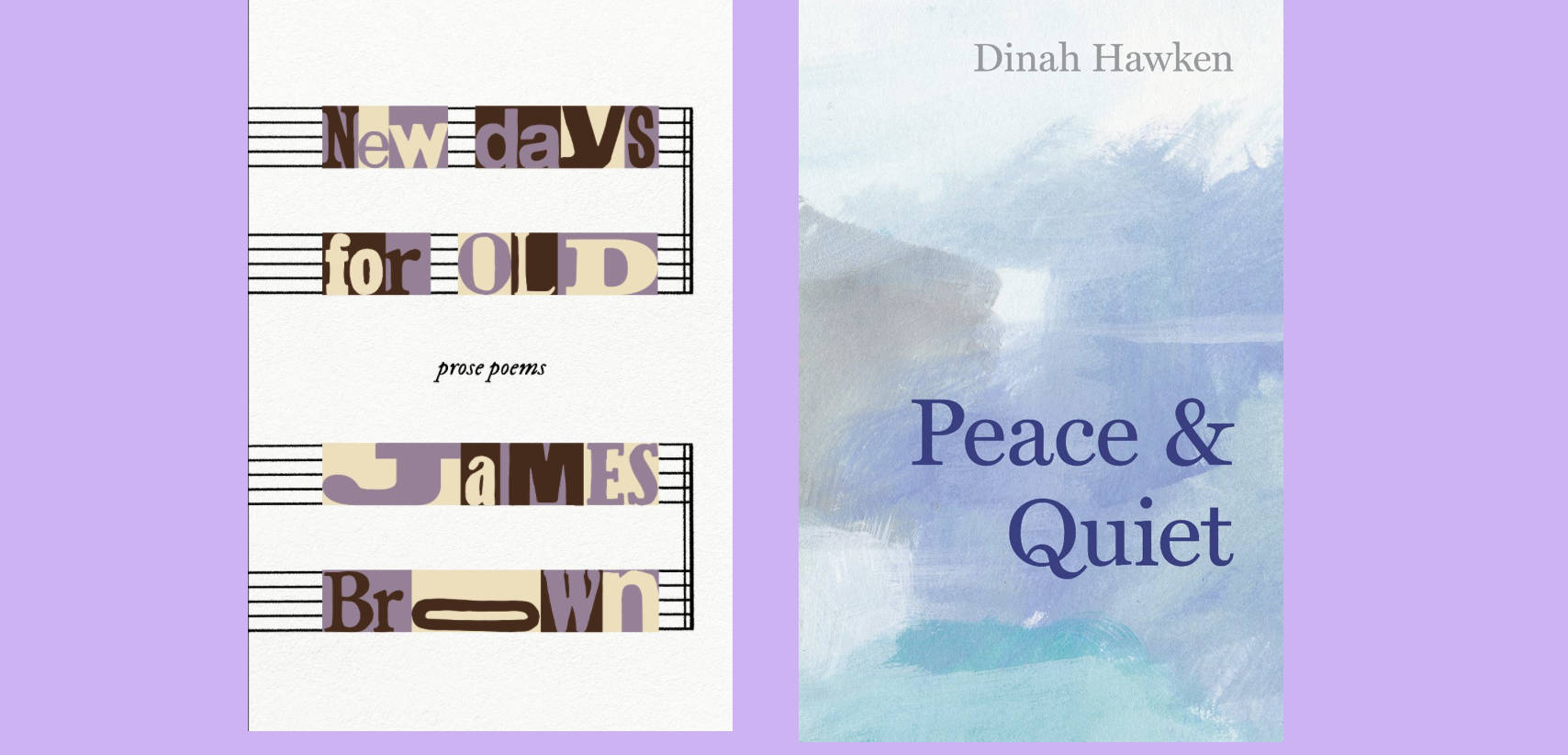

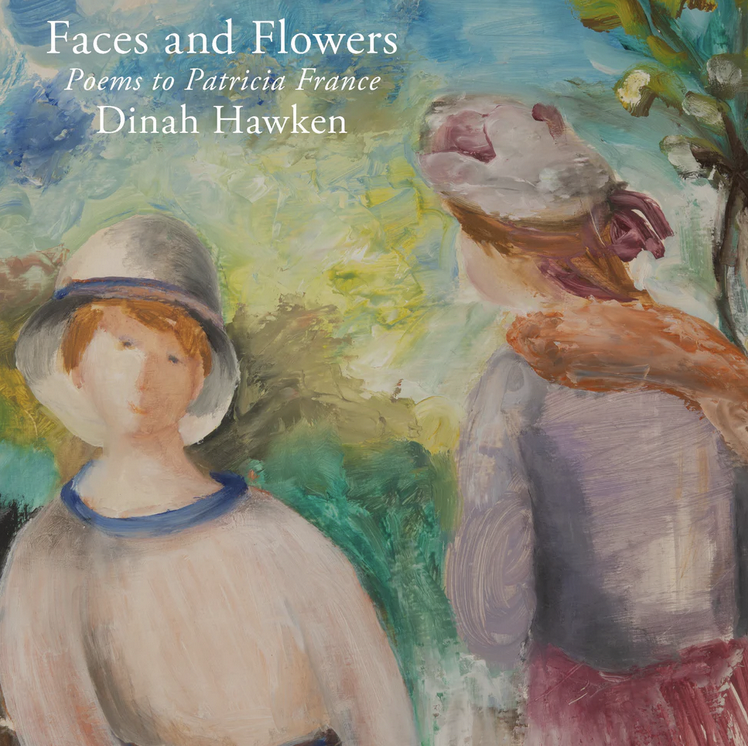
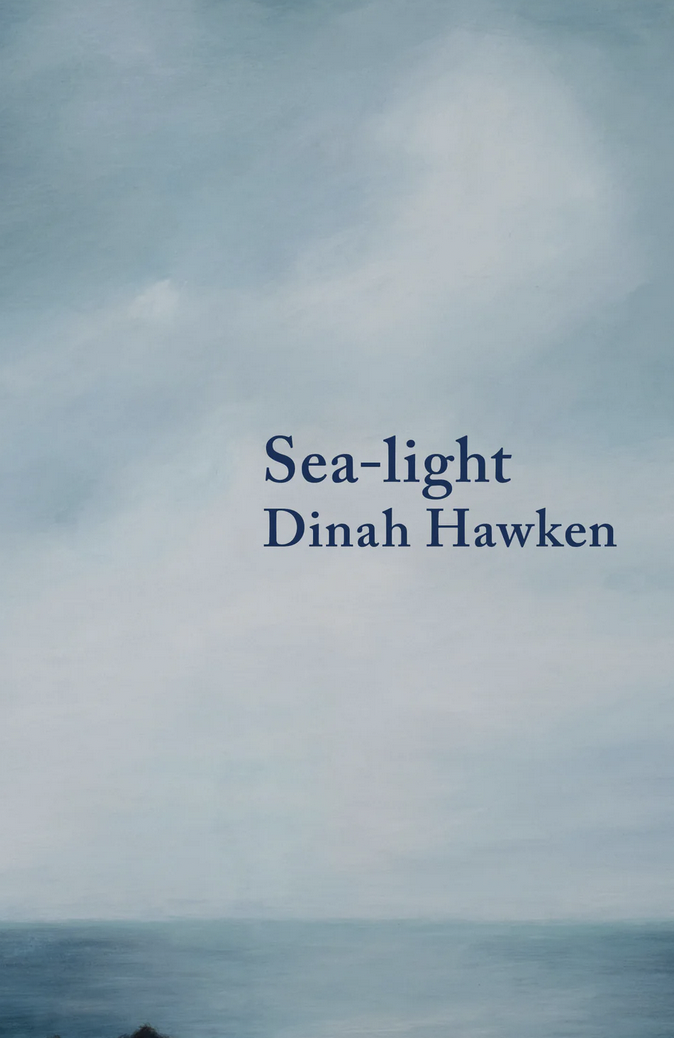
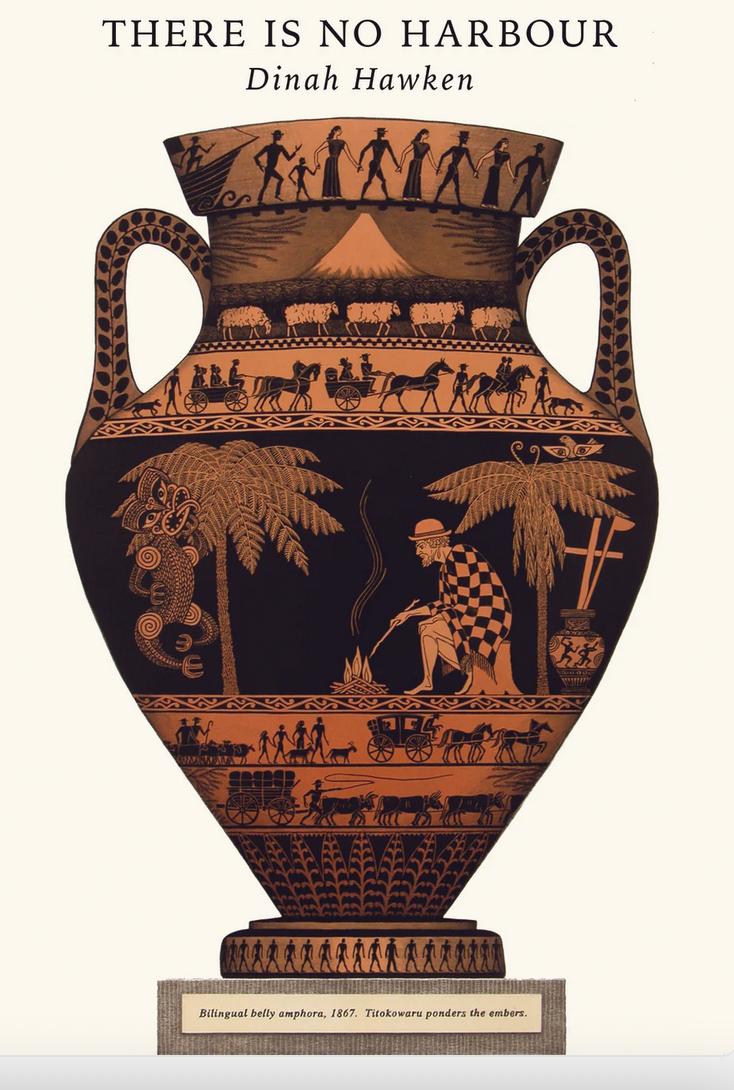
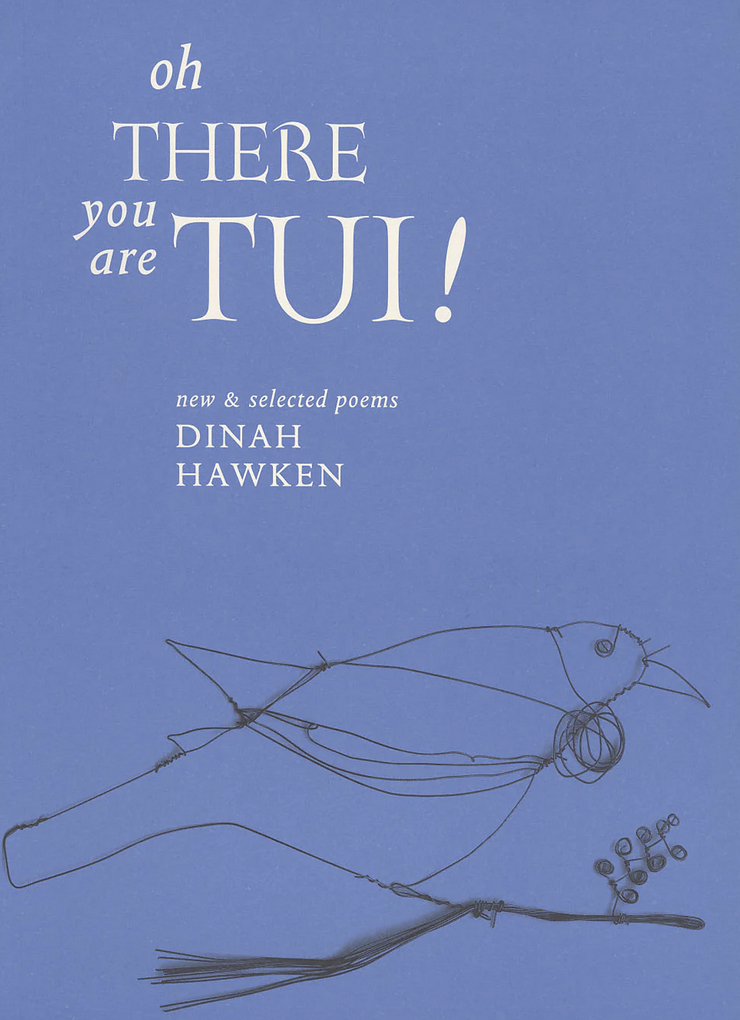
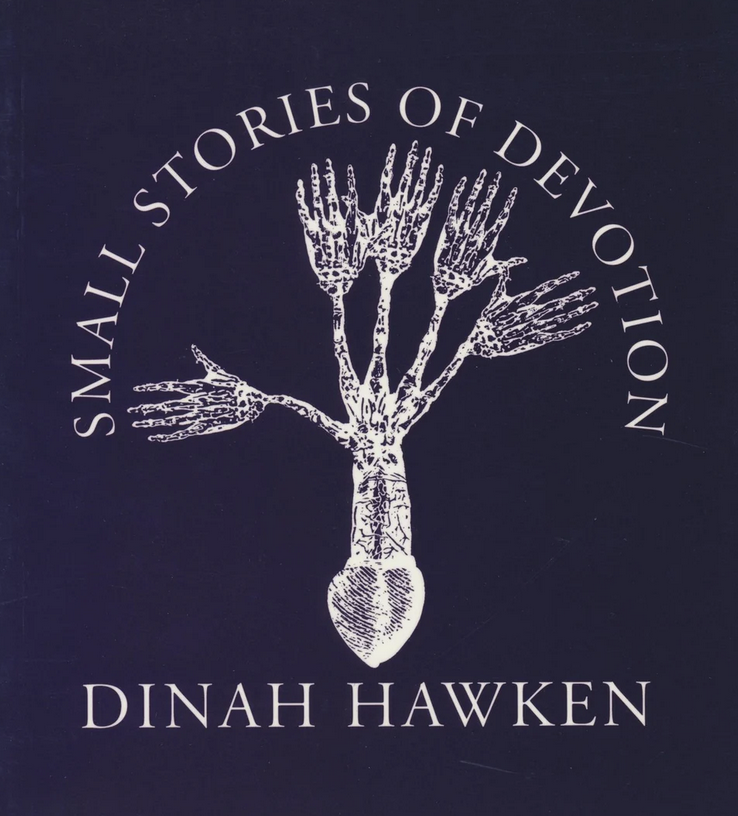
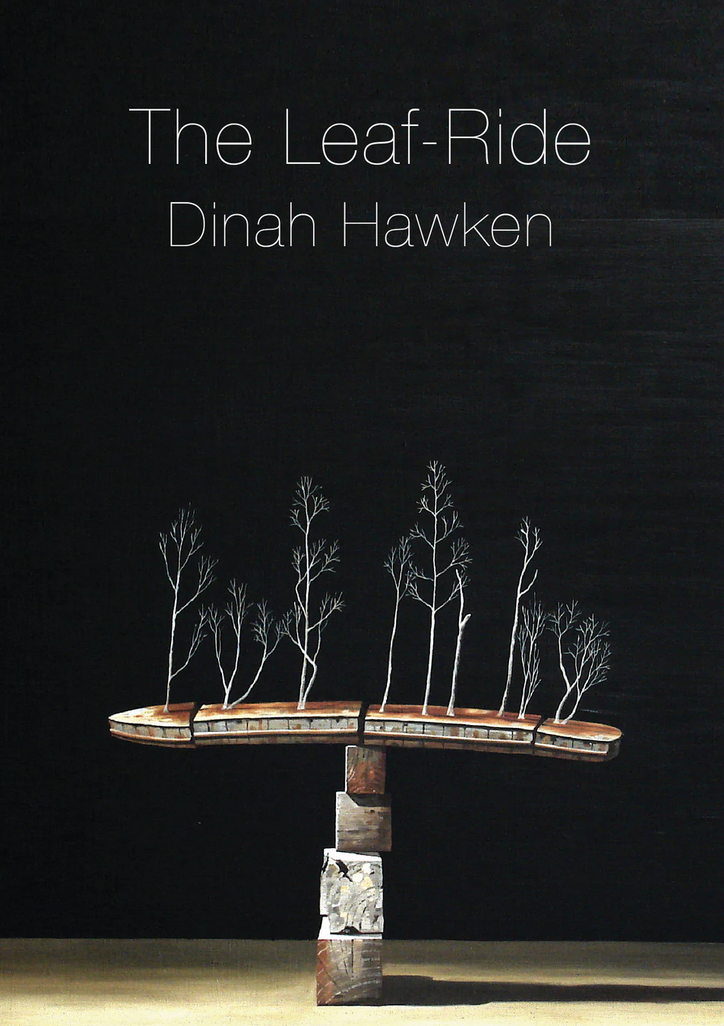
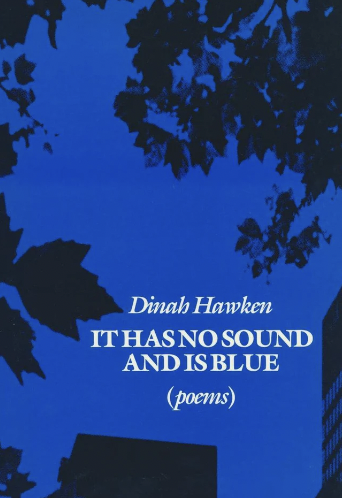
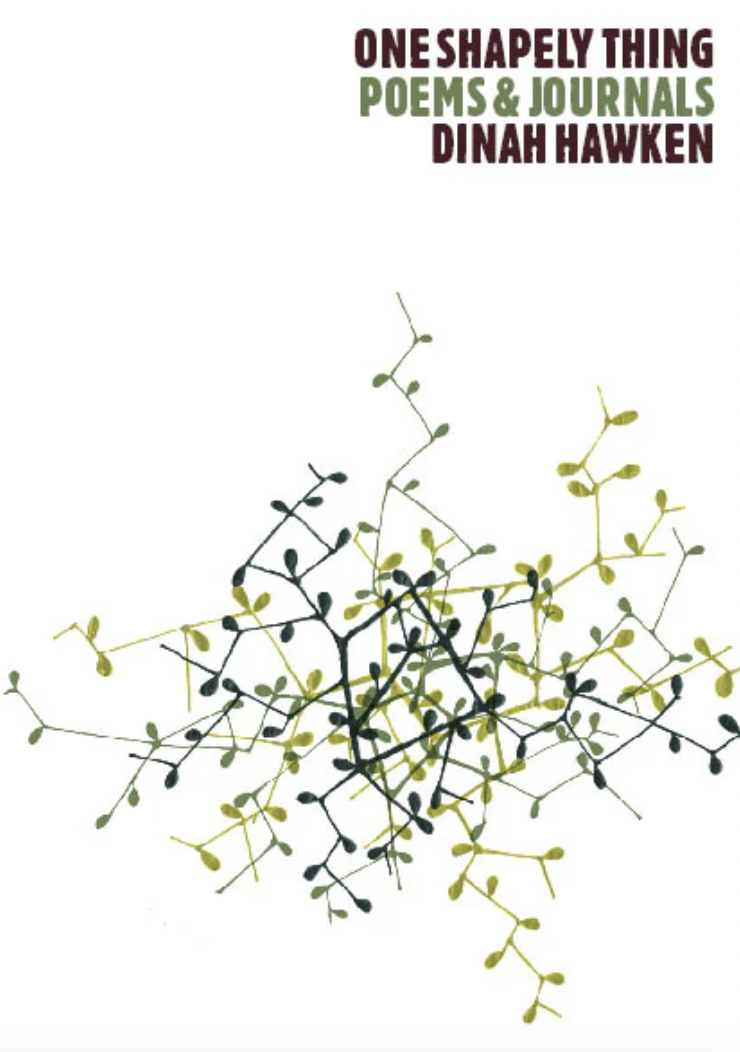
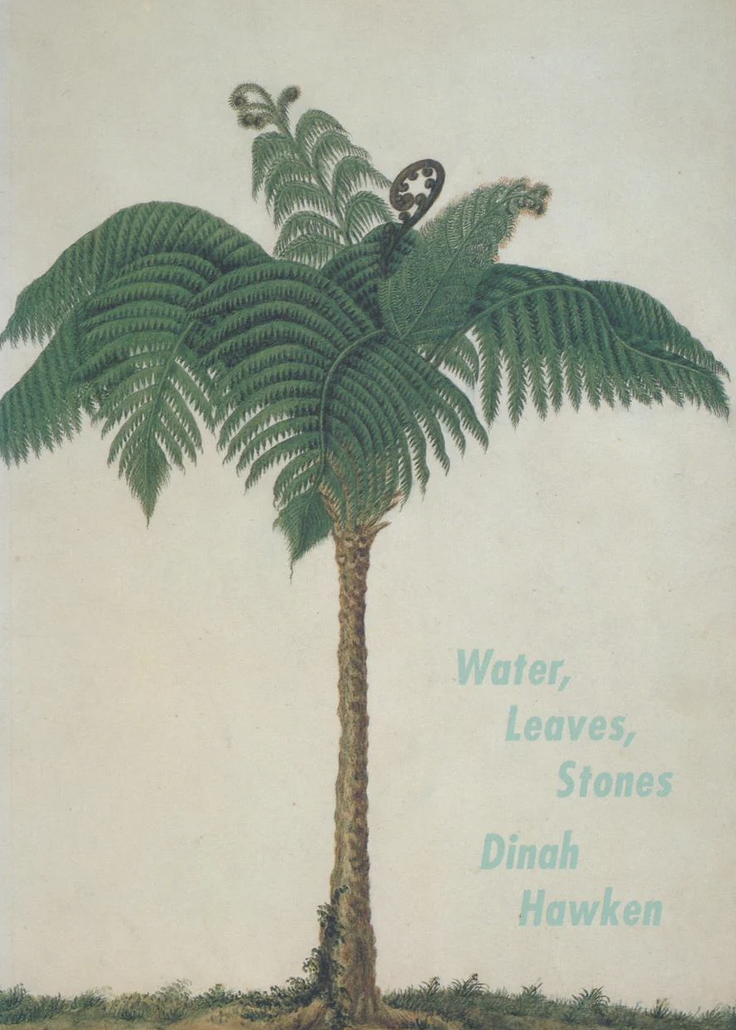
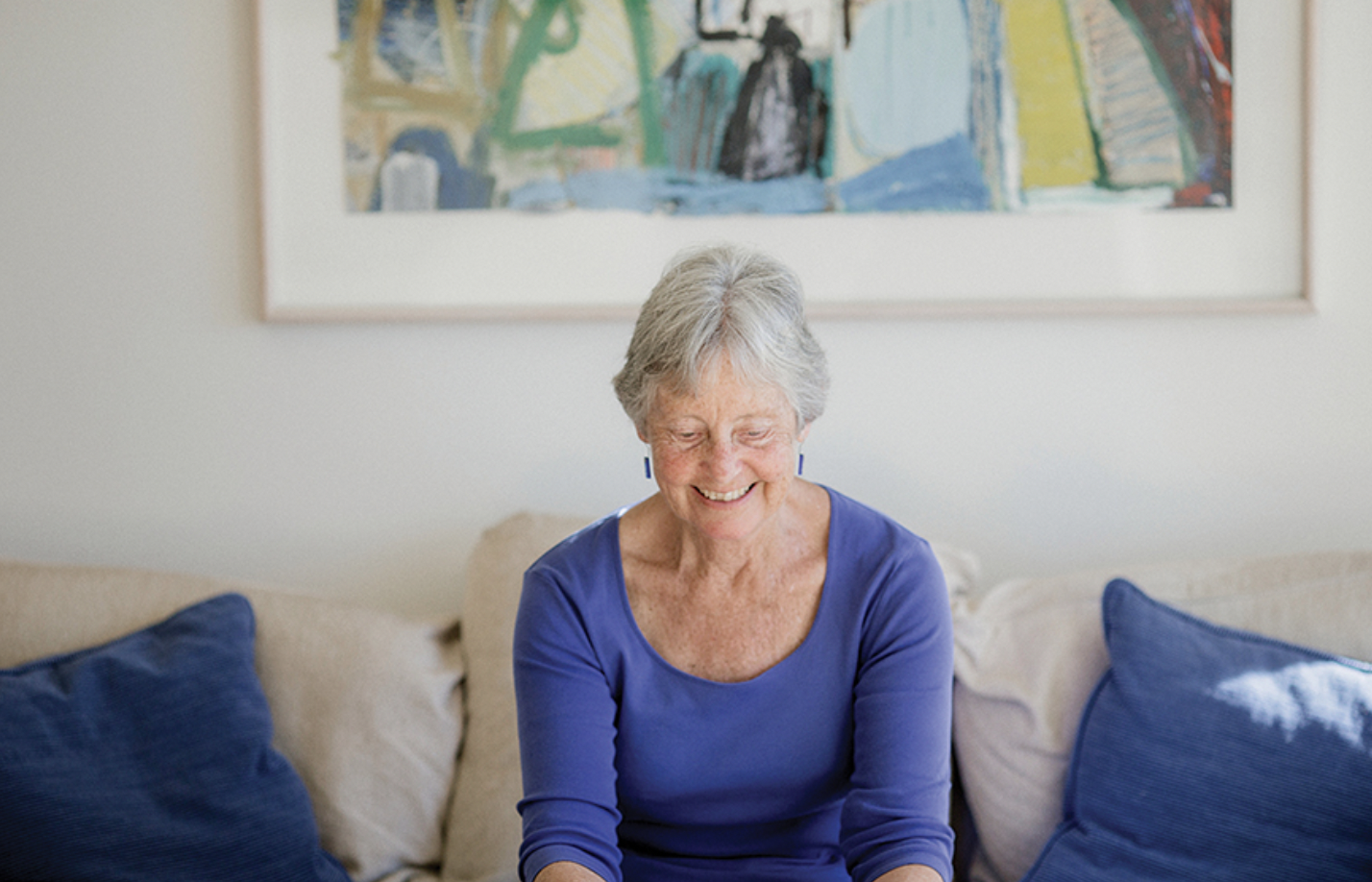
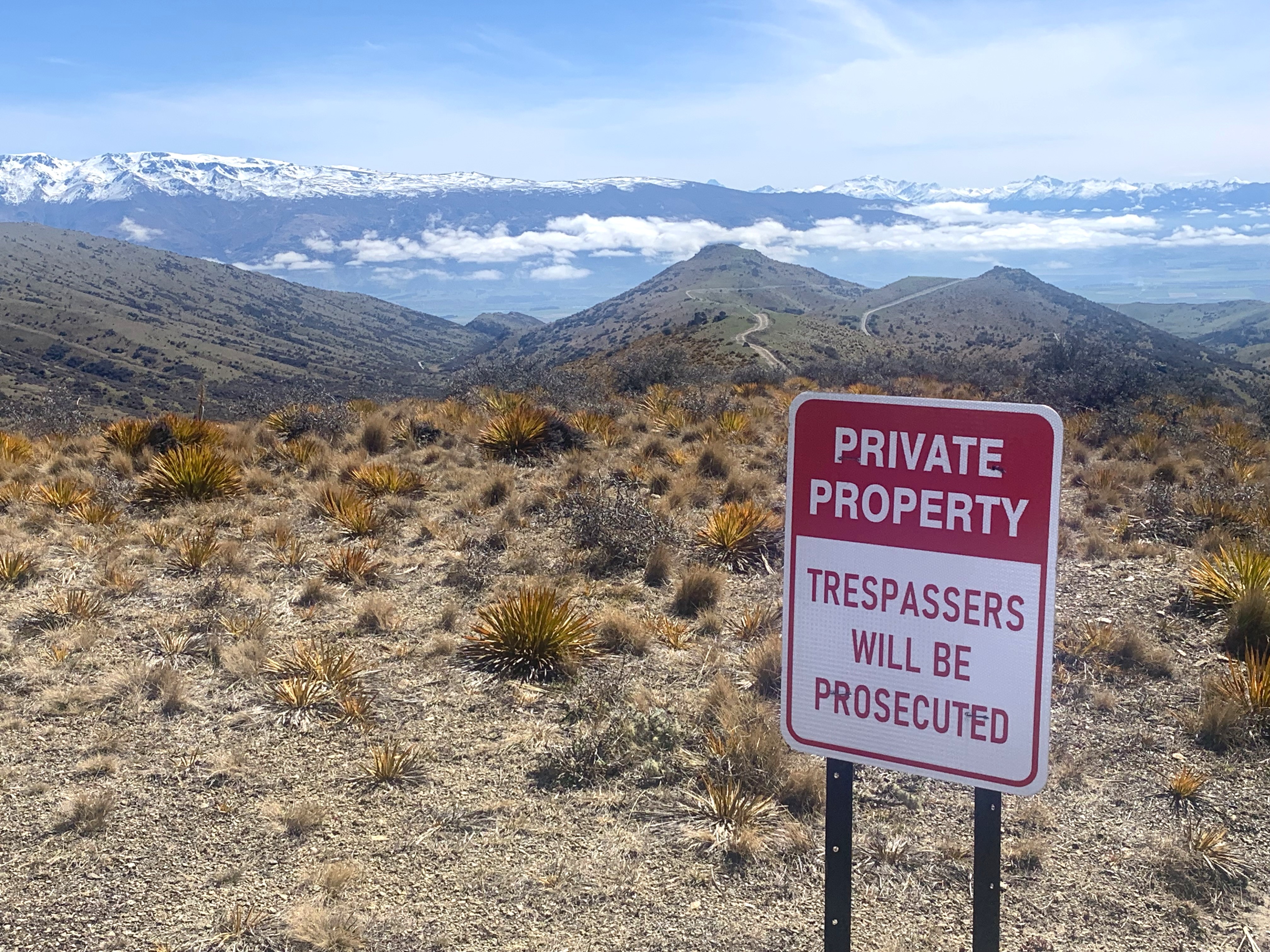
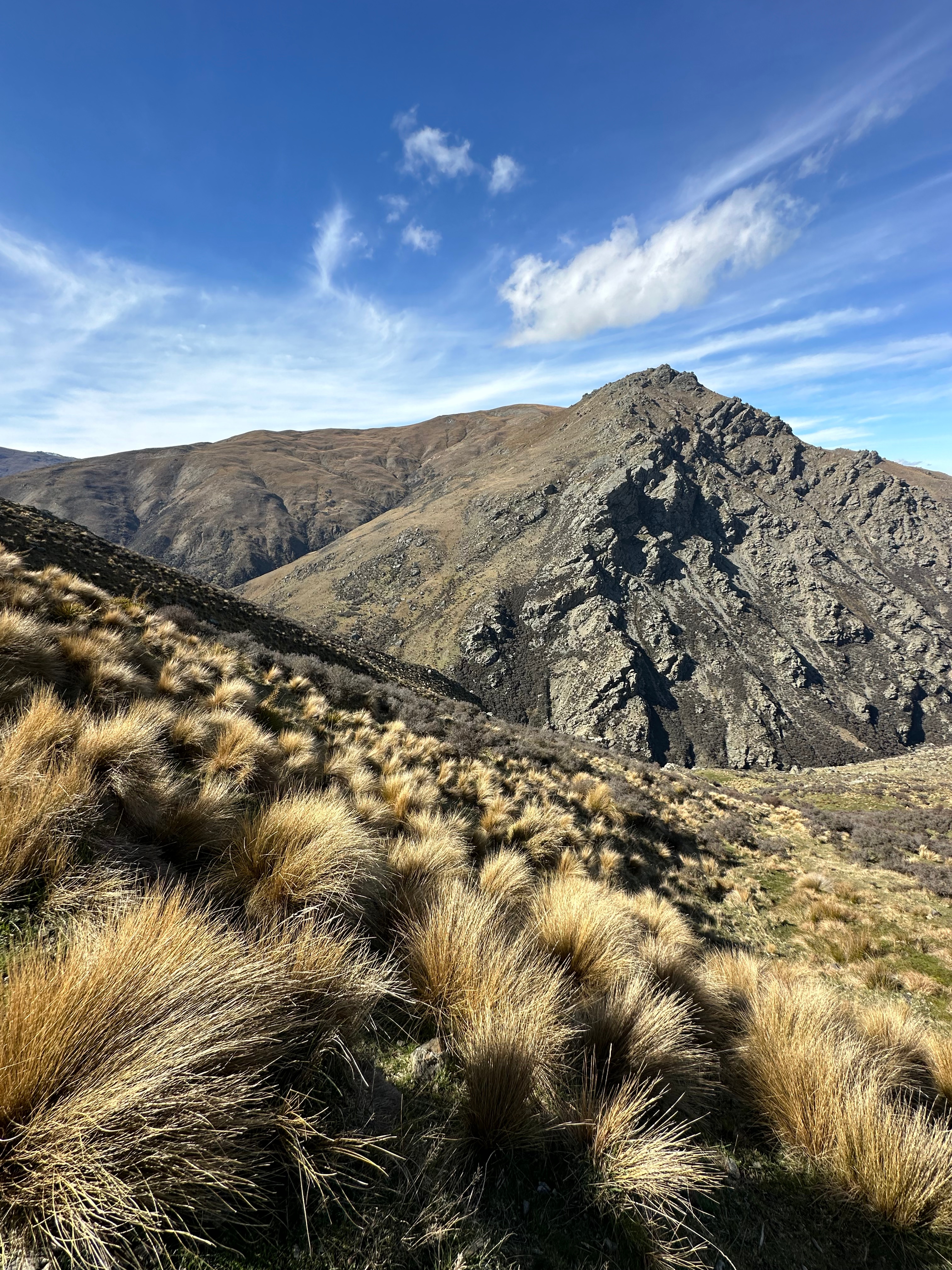
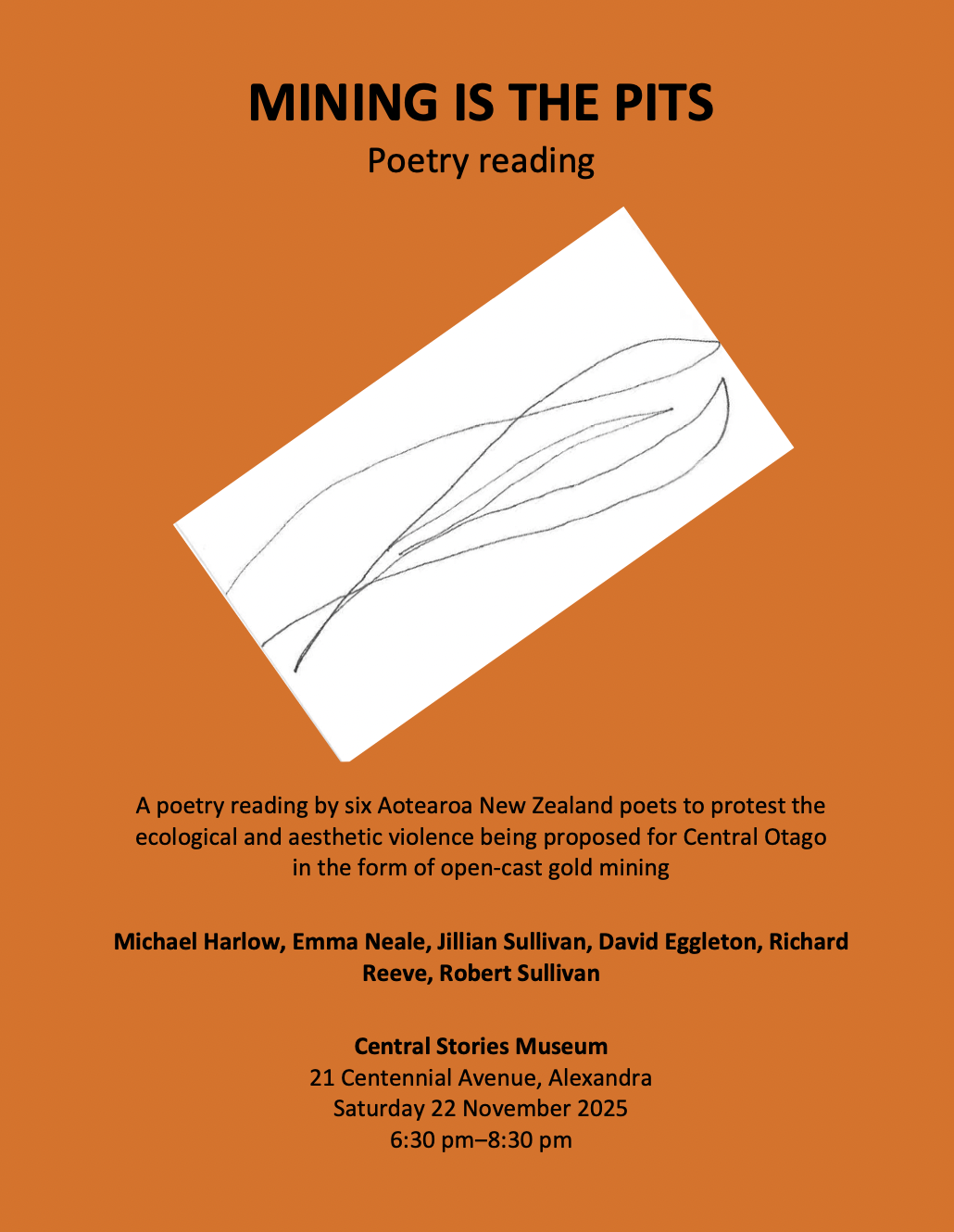
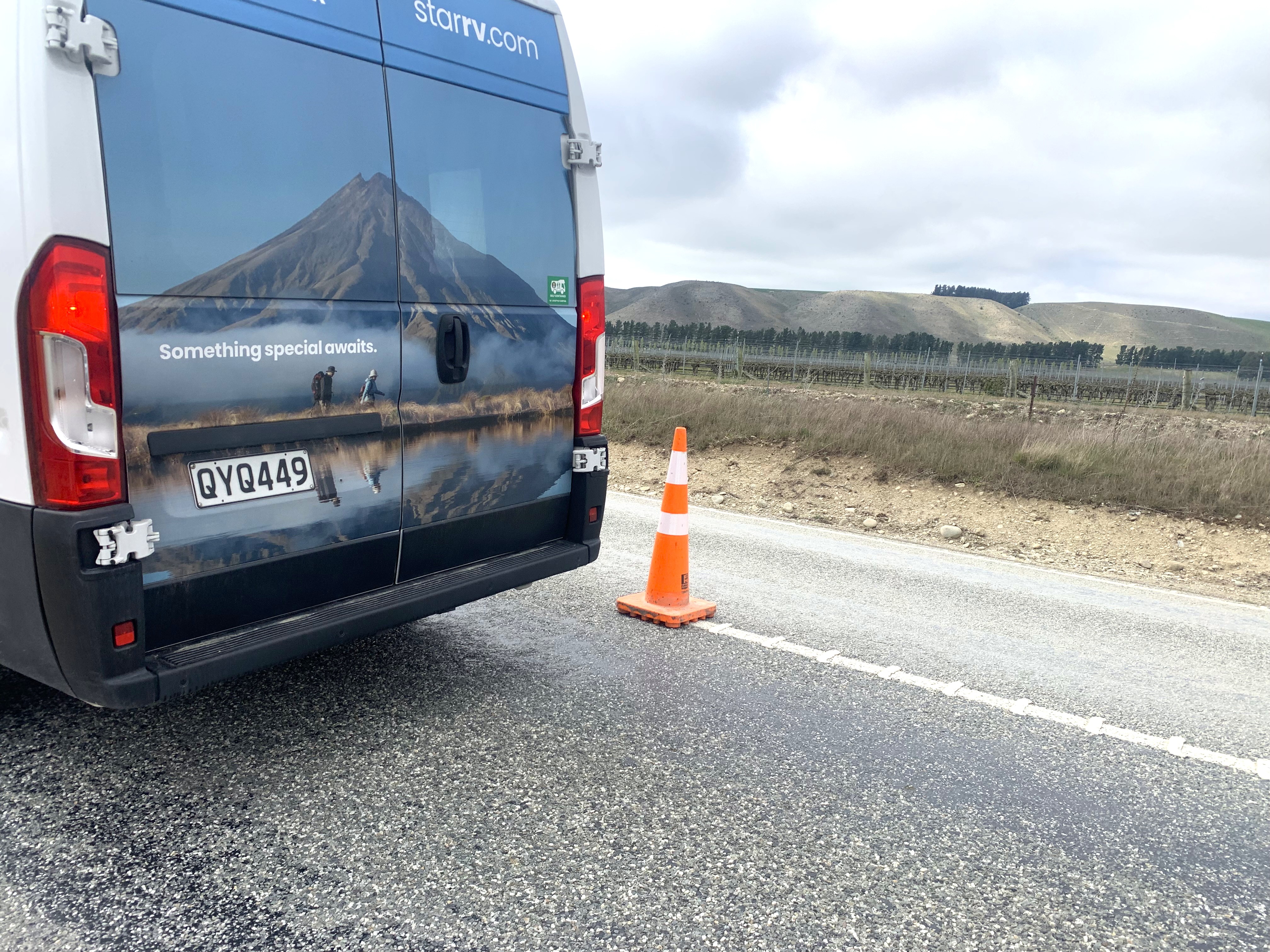
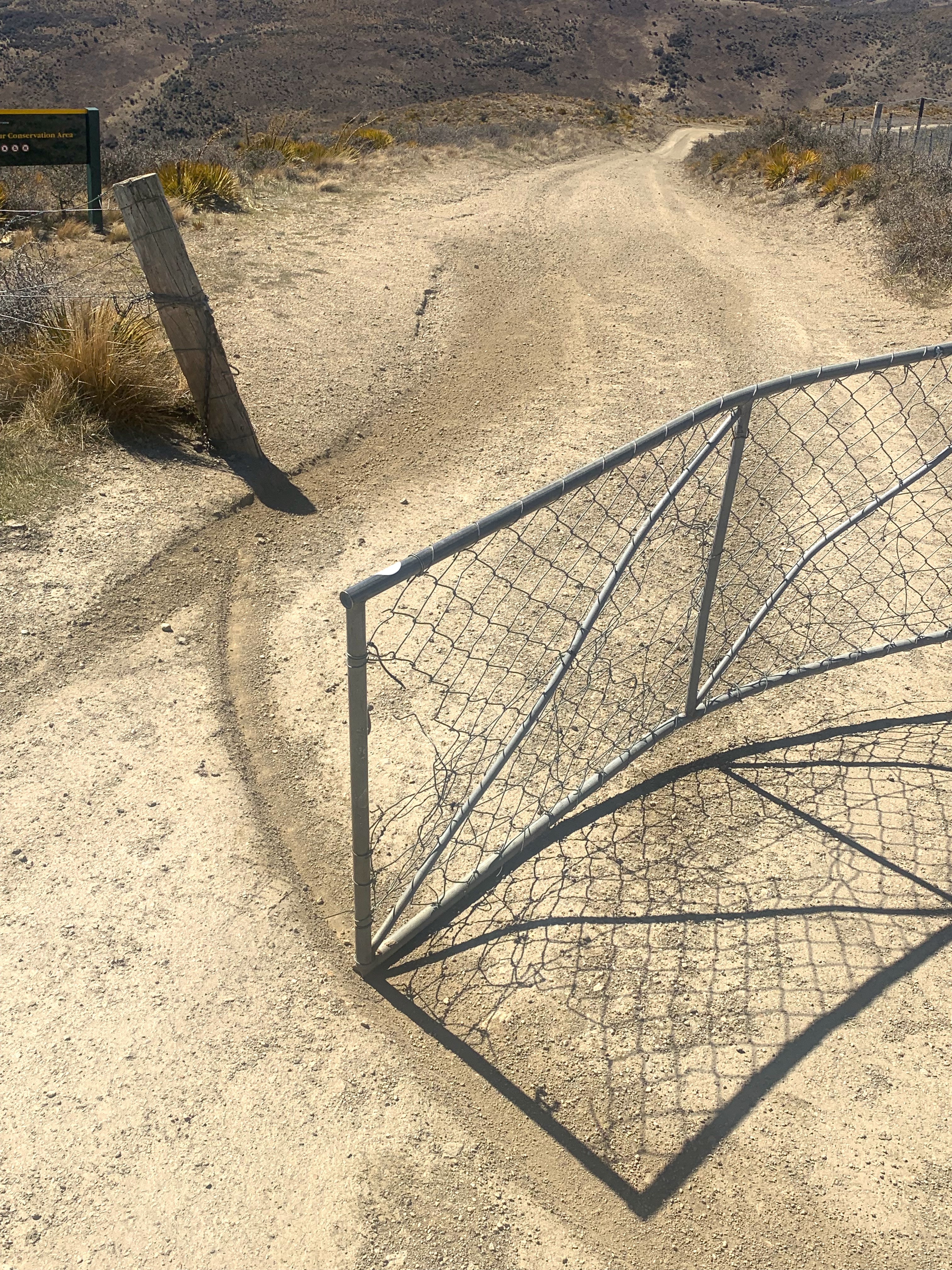

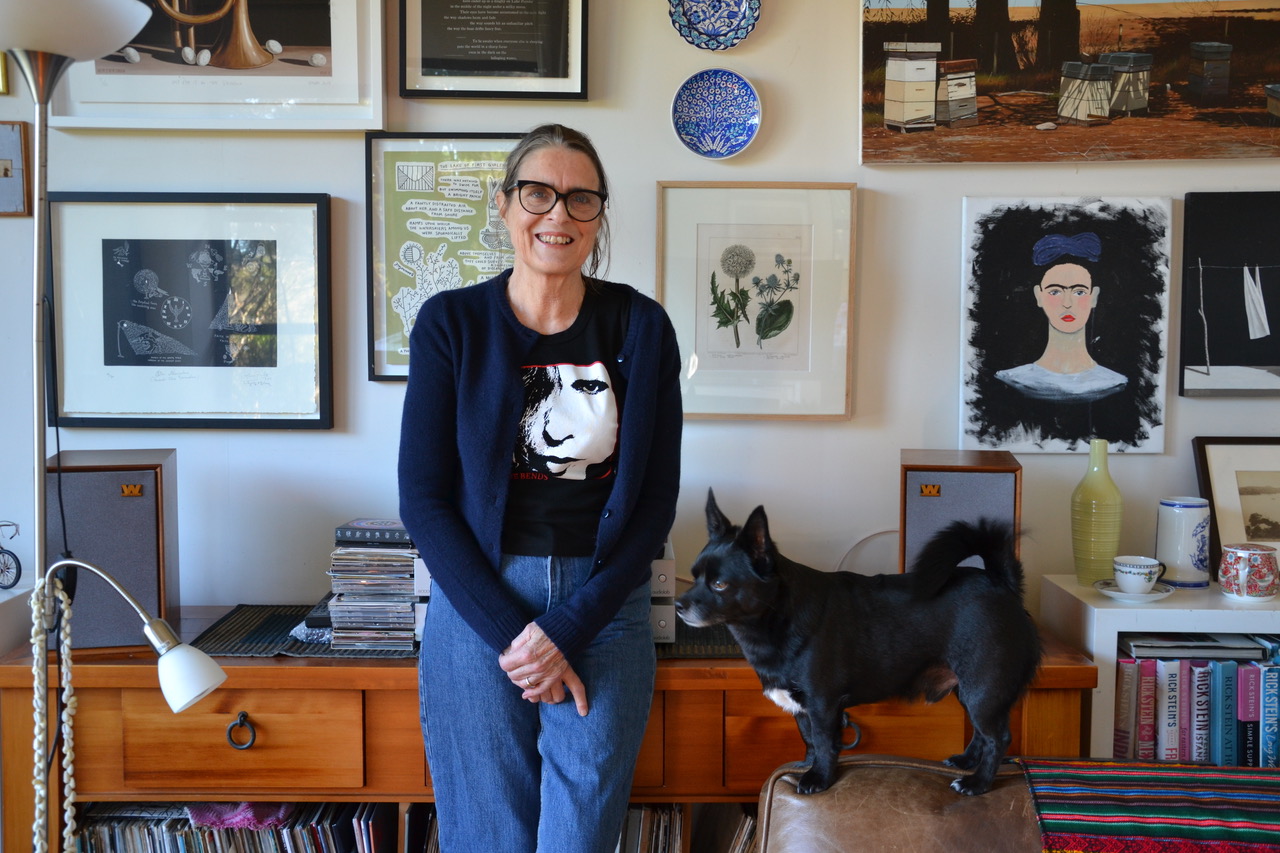

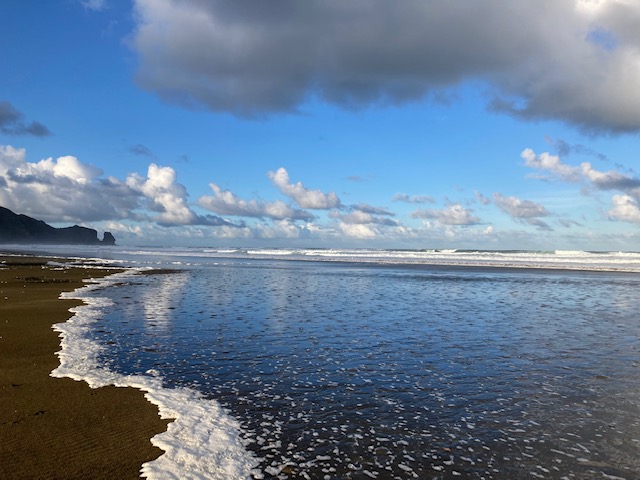
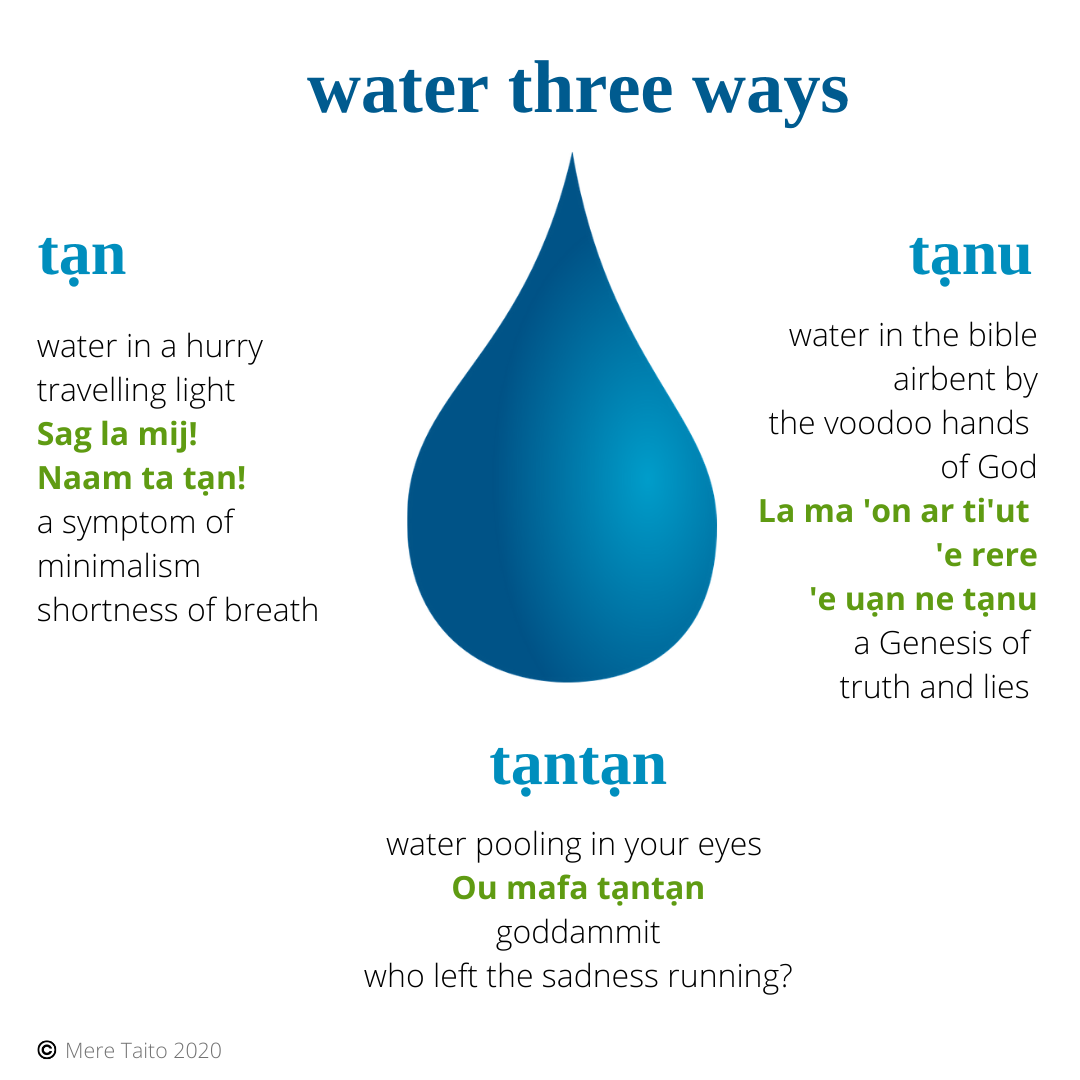
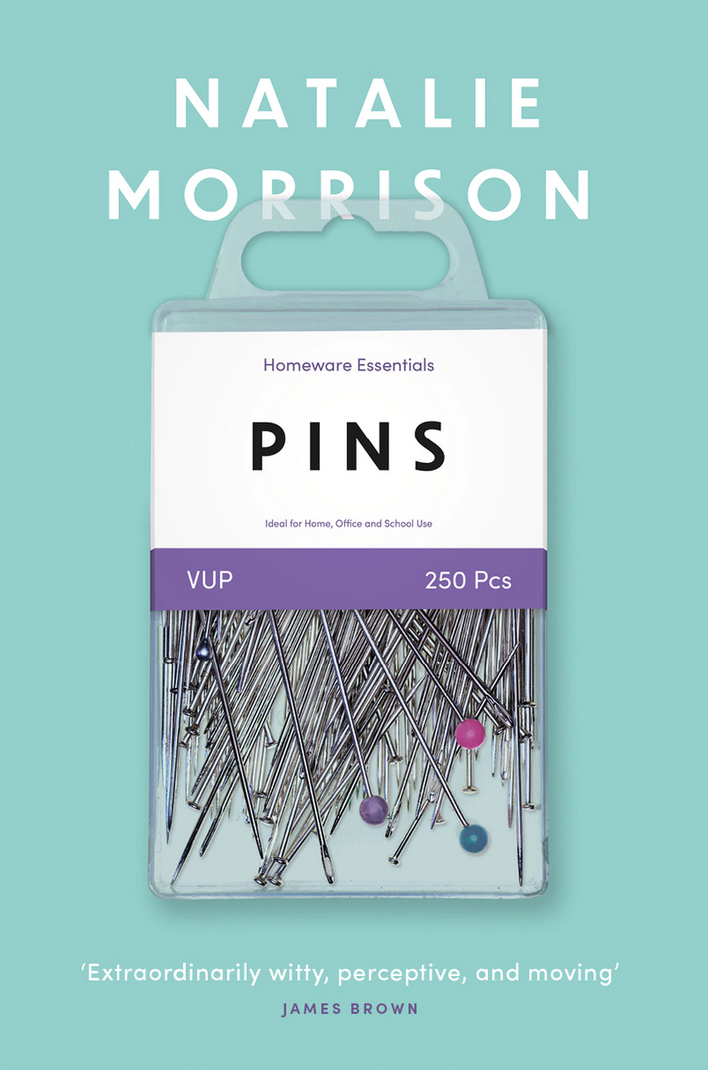
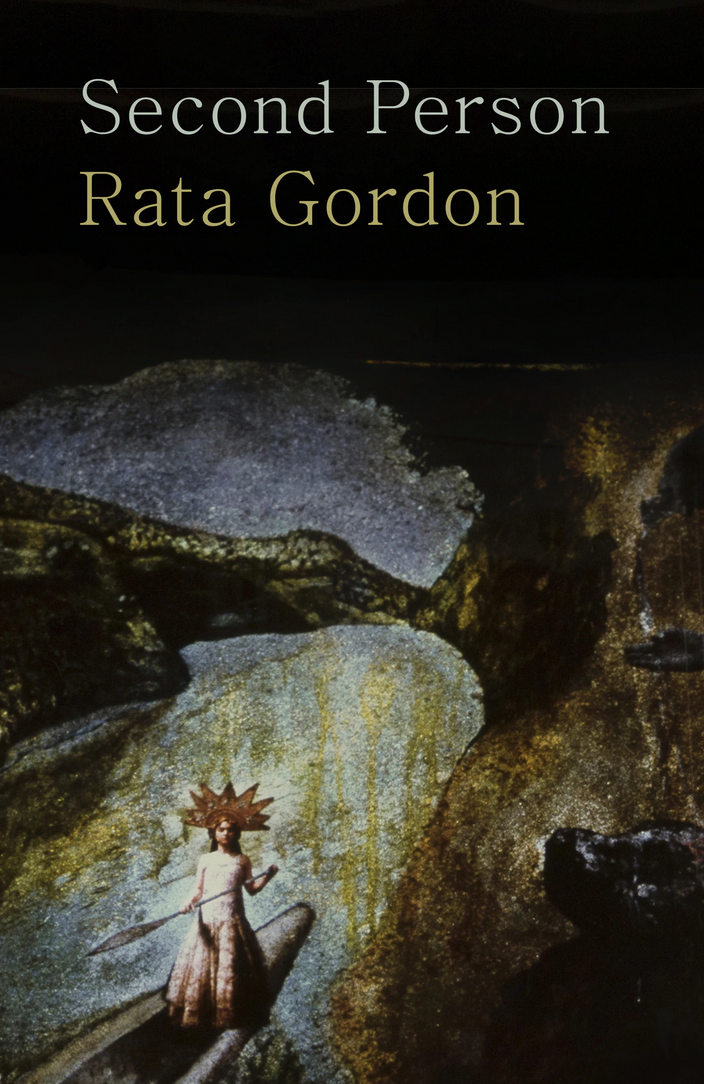
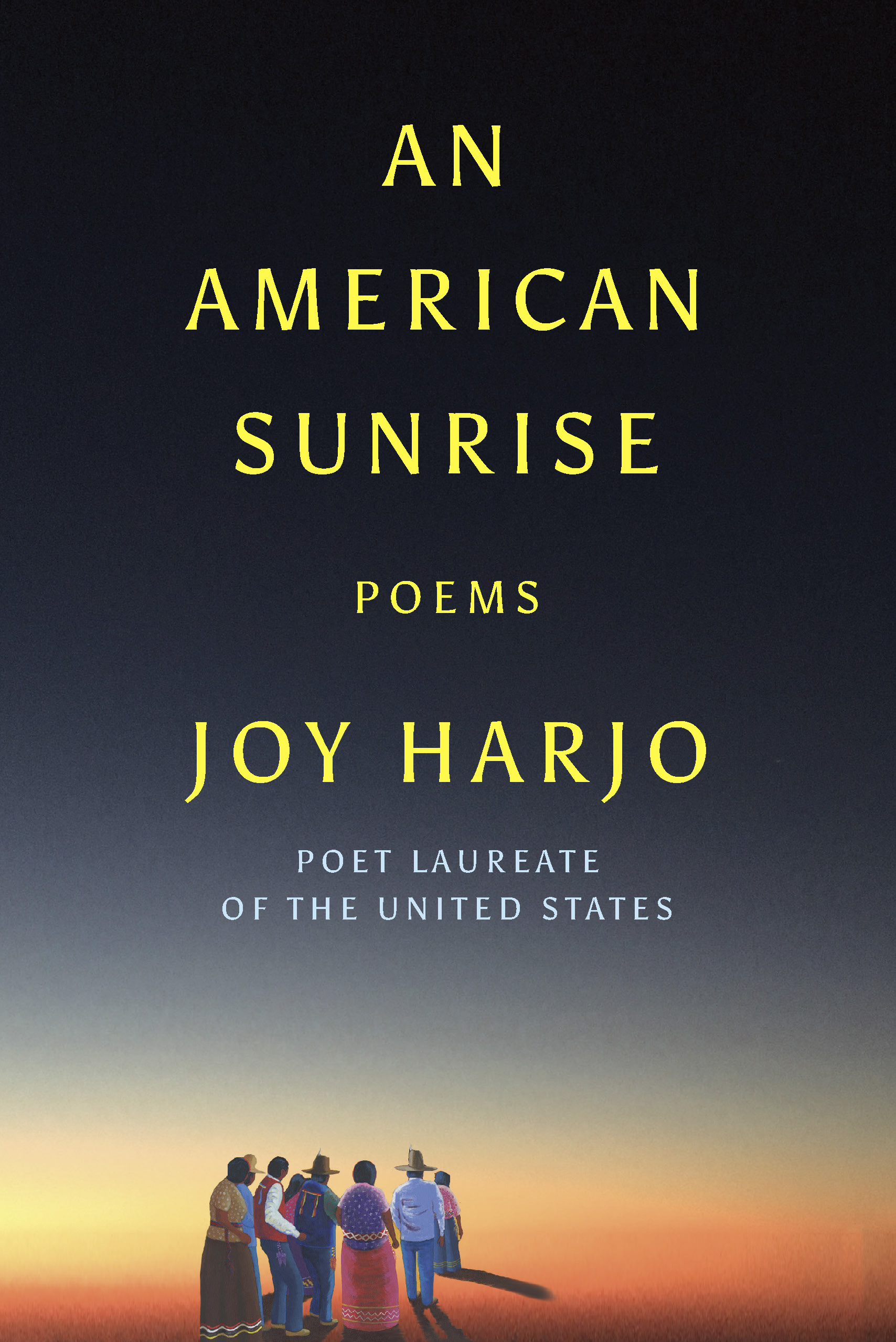
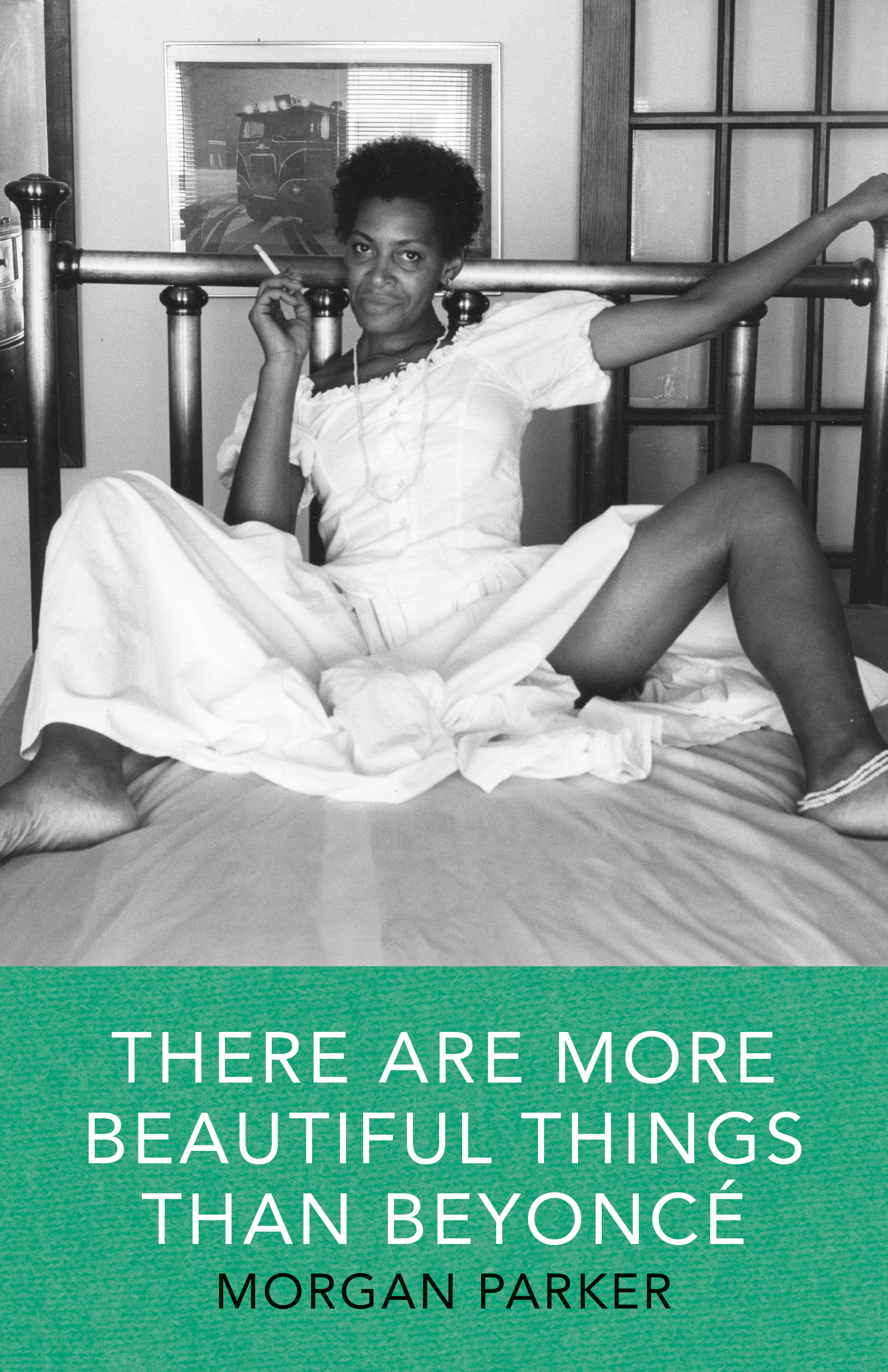
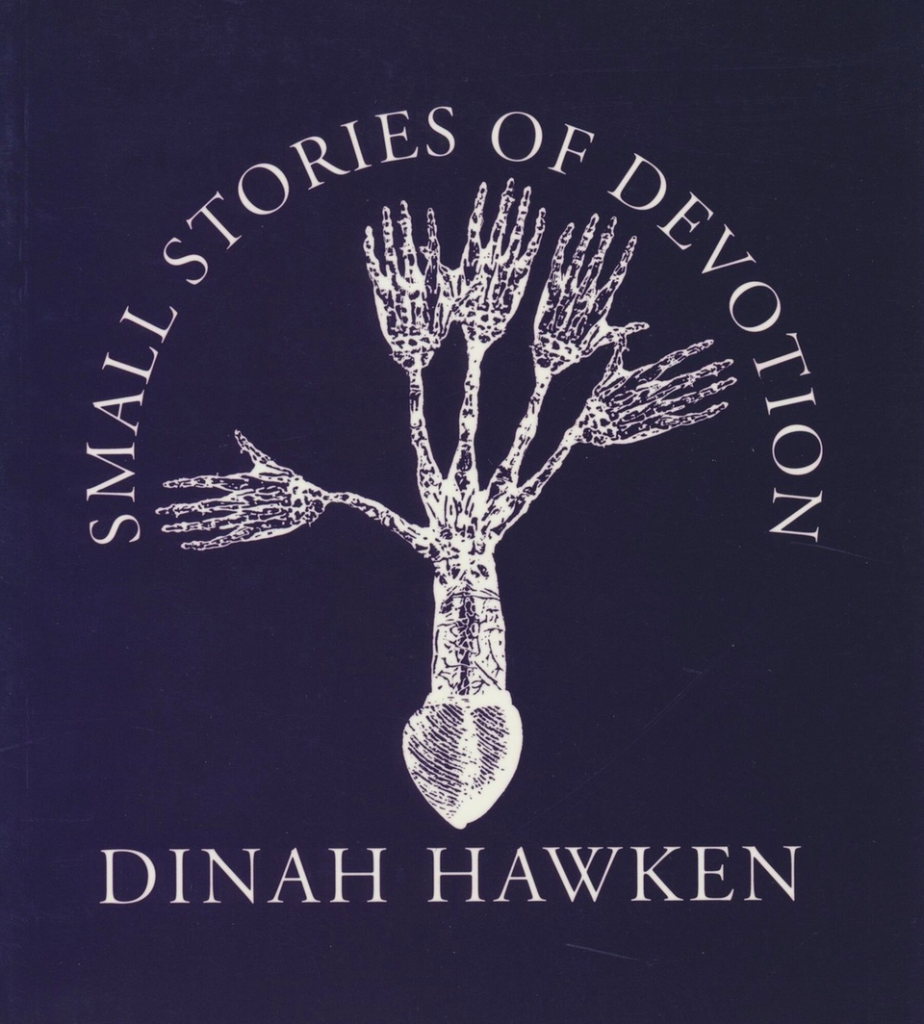
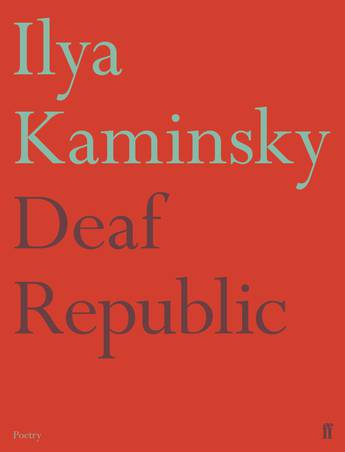
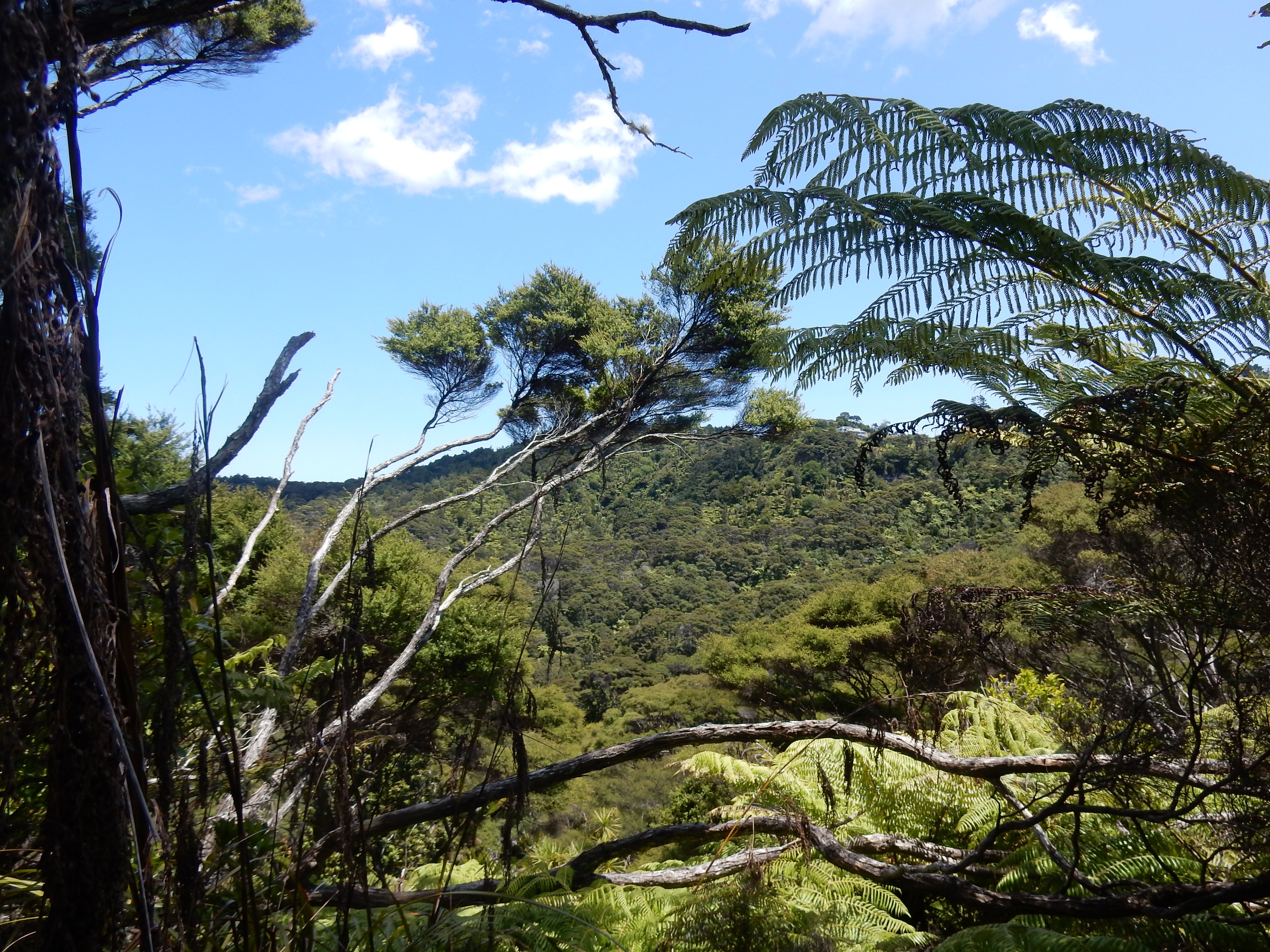
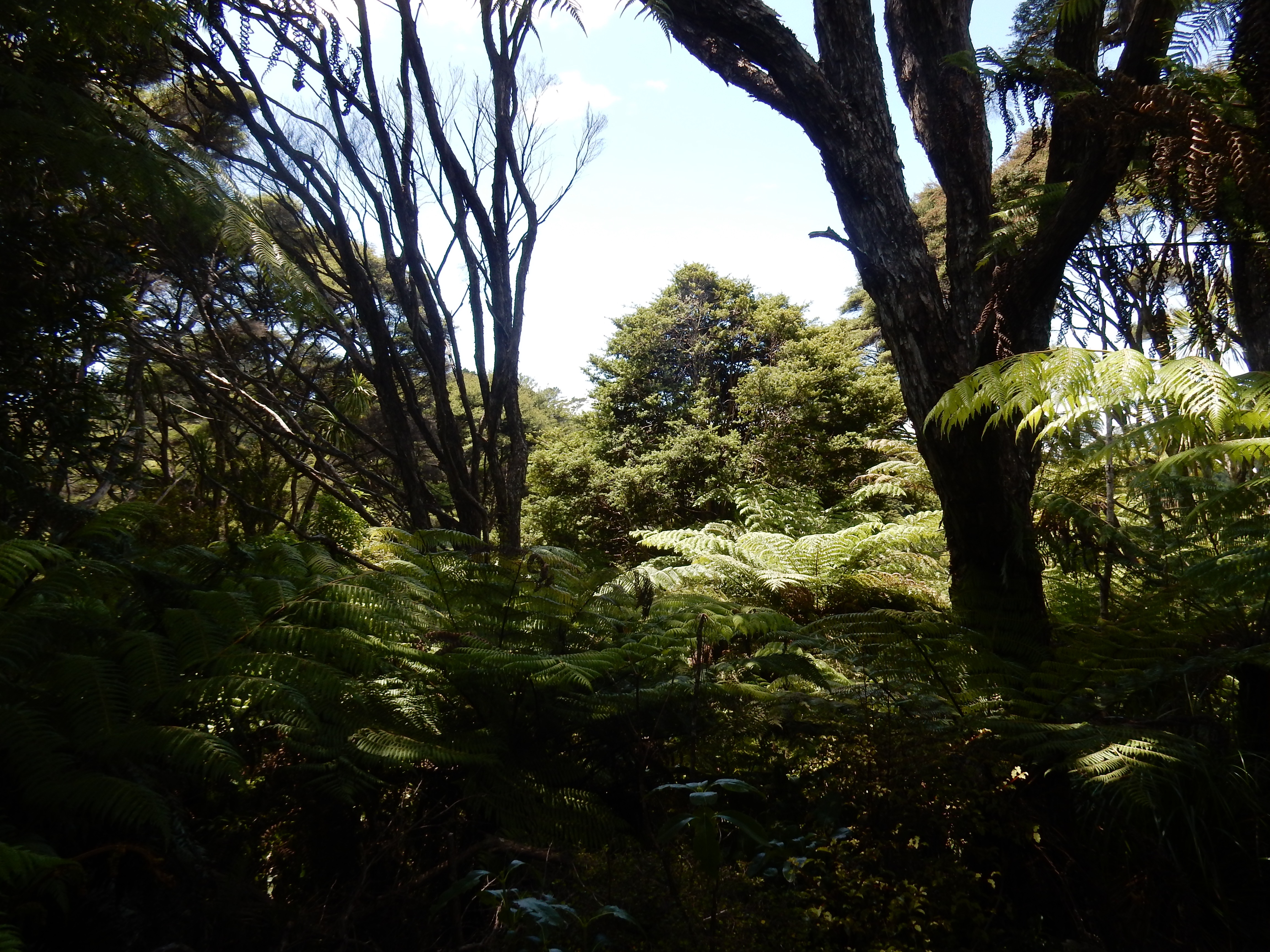
 NZ Poetry Shelf