Poetry Shelf Spring Season: Sally Blundell picks poems

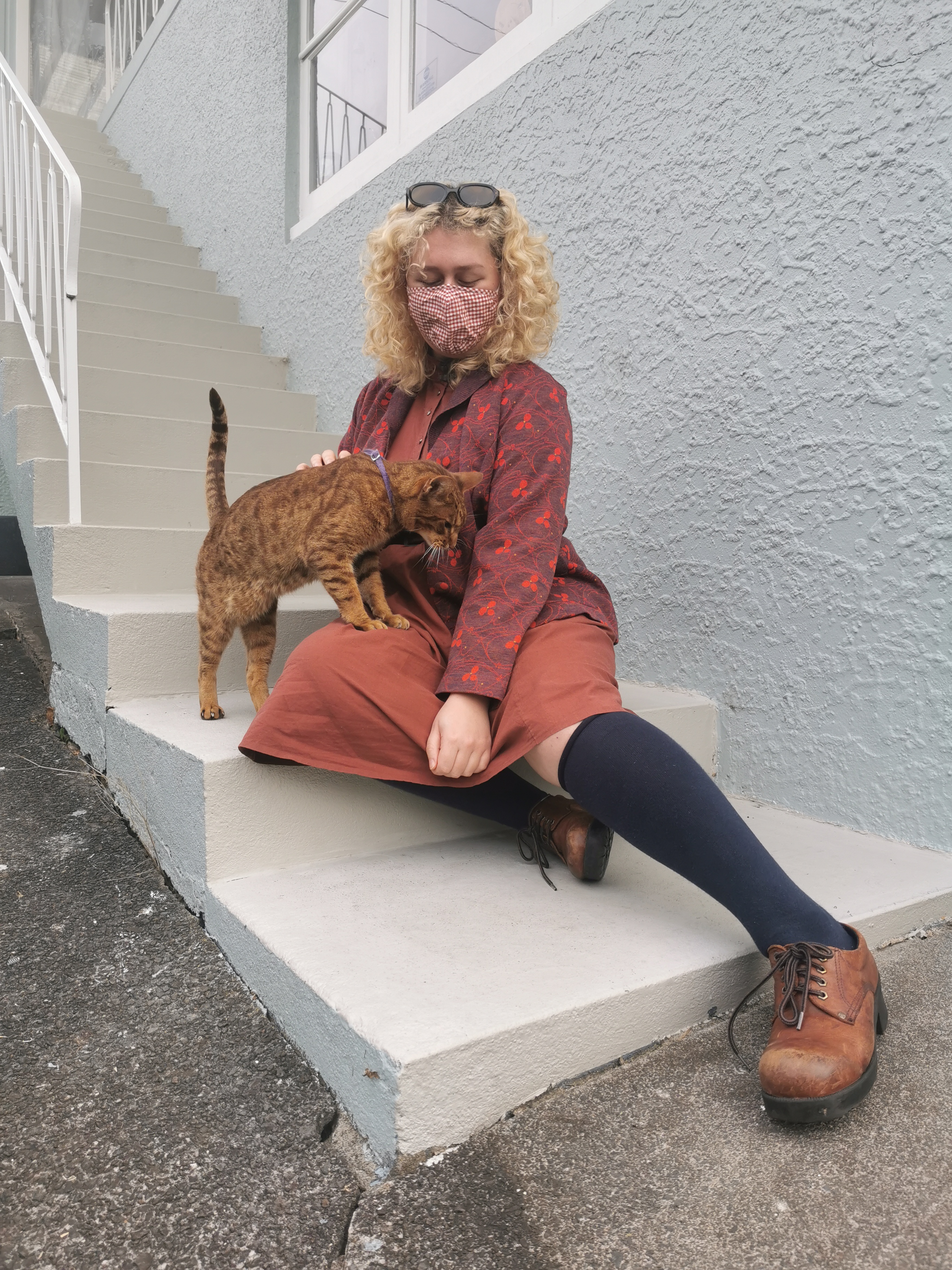
These are poems chosen in lockdown. Perhaps it shows. They are rooted in one place, with an eye on a flickering, shifting other. Ruth France, who died in 1968, finds herself between ‘headlands we did not know were headlands’ – France mastered the art of dislocation, her experience never quite fitted the map. Bernadette Hall’s twist in the tale, her superb tripwire, gives the land the upper hand, puts us in our place. Simone Kaho’s Blues holds the dream of music success just beyond the horizon of island time and an alcohol-fuelled bender. Rhian Gallagher is in that other place, of foreign sounds and welcome anonymity. Selina Tusitala Marsh’s perfunctory dismissal of ‘Jimmy’ Cook from his step on the podium of our history; Richard Langston’s gentle last rites for a roadkill seabird; the charged adolescent hopes in Airini Beautrais’ The Library – from our masked up, emptied spaces, these are Apirana Taylor’s reasons for writing: the richness of the land given to the poor.

Sally Blundell

The Poems

Near Hurunui

It is surprising, not far from home, to discover
An unknown, a shy bay where the water is very blue.


Where the road comes in through the bush
Casually, and arrives with no rush

But just comes there, beside the beach.
Where the headlands we did not know were headlands reach

Blue-shadowed into the the blue sea, stealing
Each from the other as an old remembered song


Of Greek islands lost, a long time ago.
There is a a feeling here of sleep, too

Many completed times we did not have part in,
And a strangeness as of other gods than our own

Walking among these hills. It is good in some ways
To come at evening back over the high ranges

Towards our own land, to leave such shadows behind us,
And feel tired, as though we have been a long way.

Ruth France

from No Traveller Returns: The selected poems of Ruth France, ed. Robert McLean, Cold Hub Press, 2020

The River Whau

for Linda


she tells me how her big desire
is to capture the River Whau

every day she sends me another photo

here is the river in gold dust
here is the river in ice        here is the river in mist
as it twists the sweet daily bread of language

who can explain the mystery of desire?

now, we’ve both been captured by the River Whau

Bernadette Hall

from The Ponies (Victoria University Press, 2007).

Poem note:  The Whau estuary is in Kelston. Auckland. The quotation is from Janet Frame’s poem, ‘I Write Surrounded by Poets’, from The Goose Bath (Random House, 2006)   

Blues

Andy Blues, man, soul man
let’s jam to the view
Do you want a cup of tea brother?
How did we get home last night?

Nah – good call good call.
Things have moved on man
it’s another day.
I’d give you that cat if it was mine
I swear sister.
Nah I’m Sāmoan, mainly Sāmoan.
My woman – she saved me
I like to think of her as an angel
I haven’t seen her all weekend

she doesn’t like to see me when I am on a bender.
Don’t you know who I am?
I’m Andy Blues
I’m gonna make it big in the UK
and come back and buy this street.
Yeah that’s what I said on Police Ten 7
haha cos they said You’ve got to turn it down sir
but here drink this sis

you gotta hydrate all the time
on the island.
That’s it
have a big long drink.

Simone Kaho

from Lucky Punch, Anahera Press, 2016

Abroad

I

Your own voice comes back at you
accentuating the rise
as if scaling a staircase of sound,
and everything here goes the other way round.
Everything you say is in question.

II

For the first time in your life
you feel free of your story,
walking street after street
in a city that is layered with history.
You are alone; you are in a zone of millions.
Anonymity shines down on you
from a sky so unclear
after years you will still not know
its true colour.

III

The islands shimmer against damp red brick,
flaunting their best appearances:
wild mountains & rivers & sea.
A tape in your head
plays the earliest memories. That girl,
you mother says, where she has gone?

Rhian Gallagher

from Shift, Auckland University Press, 2011

Breaking Up With Captain Cook on Our 250th Anniversary

Dear Jimmy,

It’s not you, it’s me.

Well,
maybe it is you.

We’ve both changed.

When I first met you
you were my change.

Well, your ride
the Endeavour
was anyway
on my 50-cent coin.

Your handsome face
was plastered everywhere.

On money
on stamps
on all my world maps.

You were so Christian
you were second to Jesus
and both of you
came to save us.

But I’ve changed.

We need to see other people
other perspectives
other world views.

We’ve grown apart.

I need space.

We’re just at different points
in our lives —

compass points

that is.

I need to find myself
and I can’t do that with you
hanging around all the time.

Posters, book covers, tea cozies
every year, every anniversary.

You’re a legend.

I don’t know the real you
(your wife did burn all your personal papers
but that’s beside the point.)

I don’t think you’ve ever really seen me.

You’re too wrapped up in discovery.

I’m sorry
but there just isn’t room
in my life
for the two of you right now:

you and your drama
your possessive colonising Empire.

We’re worlds apart.

I just don’t want to be in a thing right now.

Besides, my friends don’t like you.

And I can’t break up with my them so …

Selina Tusitala Marsh

from Ko Aotearoa Tātou: We Are New Zealand An Anthology, eds Michelle Elvy, Paula Morris & James Norcliffe, Otago University Press, 2020

Seabird

I have not forgotten that seabird,
the one I saw with its wings
stretched across the hard road.

One eye open,
one closed.
I wanted to walk past,

but the road is no place
for a burial –
I picked it up by the wings

took it to the
water & floated it
out to sea,

which was of no use
to the bird. It had ceased.
I like to think someone

was coaching me in the small,
never futile art,
of gentleness.

Richard Langston

from Five O’Clock Shadows, The Cuba Press, 2020

The library


The library is full of people looking for love. At the
sound of footsteps approaching, a boy turns around with
a meaningful glance, and casually slips a pencil behind his
ear. Girls pause on the landings, clutching armfuls of books
to their breasts. Sometimes, you feel sorry for these people.
You wish this wasn’t happening. All you want is a book,
and all the shelves are filled with eyes of longing.

Airini Beautrais

from Secret Heart, Victoria University Press, 2006

To write

to write of the mountains
to write of the rivers
to write of the lakes
to write of the seas
to write of the land
to write for the poor
that is the dream

Apirana Taylor

from Ko Aotearoa Tātou: We Are New Zealand An Anthology, eds Michelle Elvy, Paula Morris & James Norcliffe, Otago University Press, 2020

Sally Blundell is a freelance journalist and writer in Ōtautahi Christchurch. She holds a PhD from the University of Canterbury. She was books and culture editor for the NZ Listener and a judge (fiction) in the 2018 Ockham New Zealand Book Awards. She was awarded MPA journalist of the year in 2020 and was runner up as reviewer of the year in this year’s Voyager Media Awards.

Airini Beautrais lives in Whanganui and is the author of four poetry collections and a collection of short fiction. Her most recent poetry collection is Flow: Whanganui River Poems (VUP 2017). Bug Week and Other Stories recently won the Ockham NZ Book Fiction Award 2021.

Ruth France (1913–68) published two novels: The Race (1958), which won the New Zealand Literary Fund’s Award for Achievement, and Ice Cold River (1961); and two volumes of poetry: Unwilling Pilgrim (1955) and The Halting Place (1961), under the pseudonym Paul Henderson. Poems from a third collection, which remained in manuscript at the time of her death, are published as No Traveller Returns: The Selected poems of Ruth France (Cold Hub Press, 2020).

Rhian Gallagher’s first poetry collection Salt Water Creek (Enitharmon Press, 2003) was shortlisted for the Forward Prize for First Collection. In 2008 she received the Janet Frame Literary Trust Award. Her second poetry collection Shift, (Auckland University Press 2011, Enitharmon Press, UK, 2012) won the 2012 New Zealand Post Book Award for Poetry. A collaborative work, Freda: Freda Du Faur, Southern Alps, 1909-1913, was produced with printer Sarah M. Smith and printmaker Lynn Taylor in 2016 (Otakou Press). Rhian was the Robert Burns Fellow in 2018. Her most recent poetry collection Far-Flung was published by Auckland University Press in 2020.

Bernadette Hall lives in the Hurunui, North Canterbury. She retired from high-school teaching in 2005 in order to embrace a writing life. Fancy Dancing is her eleventh collection of poetry (VUP, 2020). In 2015 she was awarded the Prime Minister’s Award for literary achievement in poetry and in 2017 she was made a Member of the New Zealand Order of Merit for services to literature in Aotearoa New Zealand.

Richard Langston is a poet, television director, and writer. Five O’Clock Shadows is his sixth book of poems. His previous books are Things Lay in Pieces (2012), The Trouble Lamp (2009), The Newspaper Poems (2007), Henry, Come See the Blue (2005), and Boy (2003). He also writes about NZ music and posts interviews with musicians on the Phantom Billstickers website.

Simone Kaho is a digital strategist, author, performance poet and director. Her debut poetry collection Lucky Punch was published in 2016. She has a master’s degree in poetry from Victoria University’s International Institute of Modern Letters (IIML). She’s the Director of the E-Tangata web series ‘Conversations’ and a journalist for Tagata Pasifika. In 2021 Simone was awarded the Emerging Pasifika Writer residency at the IIML.

Selina Tusitala Marsh (ONZM, FRSNZ) is the former New Zealand Poet Laureate and  has performed poetry for primary schoolers and presidents (Obama), queers and Queens (HRH Elizabeth II). She has published three critically acclaimed collections of poetry, Fast Talking PI (2009), Dark Sparring (2013), Tightrope (2017) and an award-winning graphic memoir, Mophead (Auckland University Press, 2019) followed by Mophead TU (2020), dubbed as ‘colonialism 101 for kids’.

Apirana Taylor, Ngati Porou, Te Whanau a Apanui, Ngati Ruanui, Te Ati Awa, is a nationally and internationally published poet, playwright, short story writer, novelist, actor, painter and musician. He has been Writer in Residence at Canterbury and Massey Universities. He frequently tours nationally and internationally visiting schools, tertiary institutions and prisons reading his poetry, storytelling and taking creative writing workshops. He has written six collections of poetry, a book of plays, three collections of short stories, and two novels. His work has been included in many national and international anthologies.

Poetry Shelf Spring Season

Tara Black picks poems
Victor Rodger picks poems
Peter Ireland picks poems
Emma Espiner picks poems
Claire Mabey picks poems
Poetry Shelf new poems: Fleur Adcock’s ‘In the Desert’

IN THE DESERT

As the Taliban surged back into Kabul
and the international correspondents
looked more exhausted with every broadcast
but not as exhausted as the refugees

I thought of my young second cousin Matthew,
one of the four hundred and fifty-seven
flown back from Afghanistan in sealed coffins
to Wootten Bassett and then, in Matthew’s case,

to York for his military funeral
in the Minster, after which the gun-carriage
paraded him on a tour of the packed streets
before beginning its sedate procession

to the cemetery while we, the mourners,
plus vanloads of soldiery sped off ahead
at a pace Matthew would surely have preferred,
with sirens and flashing lights, to get there first;

all of which might have been designed to persuade
his parents that being blown up by a bomb
at twenty-three was a worthy destiny –
an opinion they are perhaps revising.

Fleur Adcock

Fleur Adcock, born in Auckland in 1934, is a highly acclaimed New Zealand poet, editor and translator who resides in Britain. She has published many collections of poems, most recently Glass Wings (2013), The Land Ballot (2014), Hoard (2017) and The Mermaid’s Purse (2021). Her awards include the 1961 Festival of Wellington Poetry Award, the Jessie Mackay Prize in 1968 and 1972, the Buckland Award in 1968 and 1979, the New Zealand National Book Award in 1984, an OBE in 1986, the Queen’s Gold Medal for Poetry in 2006, and a CNZM for services to literature in 2008. In 2019 she was the recipient of a Prime Minister’s Award for Literary Achievement.

Poetry Shelf noticeboard: Sargeson Prize 2021 winners

Sargeson Prize 2021 winners focus on relationships and families

A story about the harm patriarchal communities can do is the overall winner of this year’s Sargeson Prize.

The University of Waikato sponsors the short story competition and announced the winners at the annual Frank Sargeson Memorial Lecture, which was streamed online on Wednesday night due to Covid-19 lockdown restrictions.

Lara Markstein’s story ‘Good Men’ was the Open Division winner selected from 847 entries, and Shima Jack won the Secondary Schools Division with ‘Muscle Memory’, selected from 139 entries.

Markstein’s story is about the harshness of growing up in conservative, patriarchal communities.

Chief judge Patricia Grace says this story opens out, stage by stage, to form a picture of the main protagonist as part of an extended family, embracing three generations, in a particular time and place.

“Not an easy task within the confines of a short piece of writing,” says Grace, who is regarded as one of New Zealand’s best fiction writers. “Through action, reaction, interaction and vivid dialogue, characters and their circumstances are revealed.”

Markstein, from Picton, says she’d been thinking about this story after a family member revealed that their cousin wasn’t allowed to learn French. 

“I find the idea of closing off knowledge to children heartbreaking, and often thought of this distant relation, until I felt compelled to write about it.

“So the story came relatively easily, by which I mean, it percolated unwritten for several years, and then I wrote (and rewrote) for several weeks.”

Markstein was born in South Africa, raised in Aotearoa, with a longer than intended interlude in the United States, where she graduated from Harvard University with a BA in English and received her MFA in Creative Writing from Warren Wilson College. Her work has appeared in a variety of literary journals and she’s currently completing an epistolary novel, titled Little Wonder.

She takes away $6000 for her prize-winning story, plus a publication fee, making the Sargeson Prize New Zealand’s richest short-story competition.

Second place and $1000 went to ‘The Duwende’ by Mikee Sto Domingo from Wellington and third place went to another Wellingtonian, Jordan Hamel, for his story ‘Unexpected item in the bagging area’.

Secondary Schools Division winner Shima Jack is a Year 12 student at Dunedin’s Logan Park High School. Her winning story ‘Muscle Memory’ explores the intricacies of relationships and the quiet permanence of childhood memories.

Grace says of all the stories in the student section, Jack’s stood out as the one most clearly defined in regards to the short story genre. 

“But it stood out in other ways too,” says Grace. “Sharply drawn images bring the reader into the story. From this beginning, it progresses via the thought processes of the narrator and through words spoken … We learn of a grievance, and of a relationship somewhat on edge at this moment in time. Writing is spare, and appropriate to the mood it sets up.”

Jack says she wrote it in one intense period while listening to the song ‘Papillon’ by Johannes Motschmann, months after the idea first came to her in the form of the line ‘the slow blush of blood to skin’. 

“That line sat in the Notes app on my phone for a while!” she says. 

Jack has already published poetry and is the founder and editor of a writing anthology for her school where students can anonymously submit their writing to be featured in each edition.

“Towards the future, I’m focused on being more open-minded as a reader and writer and exploring different writing styles. Another ambition of mine is to start a youth writers’ group in my home city.”

Alongside $500 prize money, Jack wins a one-week summer writing residency at the University of Waikato, including accommodation, meals and mentoring.

Now in its third year, the Sargeson Prize was established in 2019 by novelist Catherine Chidgey, Senior Lecturer in Creative Writing at the University. 

She says she was impressed with the extremely high quality of entries this year. 

“There were enough fantastic stories to fill several anthologies and it was tough for the panel to narrow them down. Of particular note was the skill and range seen in the secondary schools entries.”

This year’s winning stories will be published on ReadingRoom, Steve Braunias’ literary section of Newsroom. 

He will publish ‘Good Men’ on 16 October, ‘Muscle Memory’ on 23 October, ‘The Duwende’ on 6 November and ‘Unexpected item in the bagging area’ on 13 November.

Results

Open Division:

  • First: ‘Good Men’ by Lara Markstein, Picton
  • Second: ‘The Duwende’ by Mikee Sto Domingo, Wellington
  • Third: ‘Unexpected item in the bagging area’ by Jordan Hamel, Wellington

Highly Commended:

  • ‘Close Your Eyes, Girls’ by Caoimhe McKeogh, Wellington
  • ‘Inside the Ribcage’ by Marama Salsano, Hamilton
  • ‘Precipitation’ by Harley Hern, Puhoi
  • ‘Honeymoon in a Town Called Fog’ by Pip Robertson, Wellington
  • ‘Mam’s Tables’ by Kirsty Gunn, Scotland

Secondary Schools Division:

  • First: ‘Muscle Memory’ by Shima Jack, Logan Park High School, Dunedin
  • Second: ‘What Makes a Forest’ by Jade Wilson, Kaiapoi High School
  • Third: ‘Ghosts’ by Stella Weston, Rotorua Lakes High School

Highly Commended:

  • ‘Blood Orange Season/The Girl Without a Heart’ by Zia Rogers, Feilding High School
  • ‘Flowers from 1970’ by Ryan Davidson, Wairarapa College
  • ‘Prelude’ by Ana Faville, Palmerston North Girls’ High School
  • ‘Second Sight’ by Gemma Bennion, Hutt Valley High School
  • ‘Ghosts’ by Andrew Crotty, Takapuna Grammar School
  • ‘roll the bones’ by Cadence Chung, Wellington High School

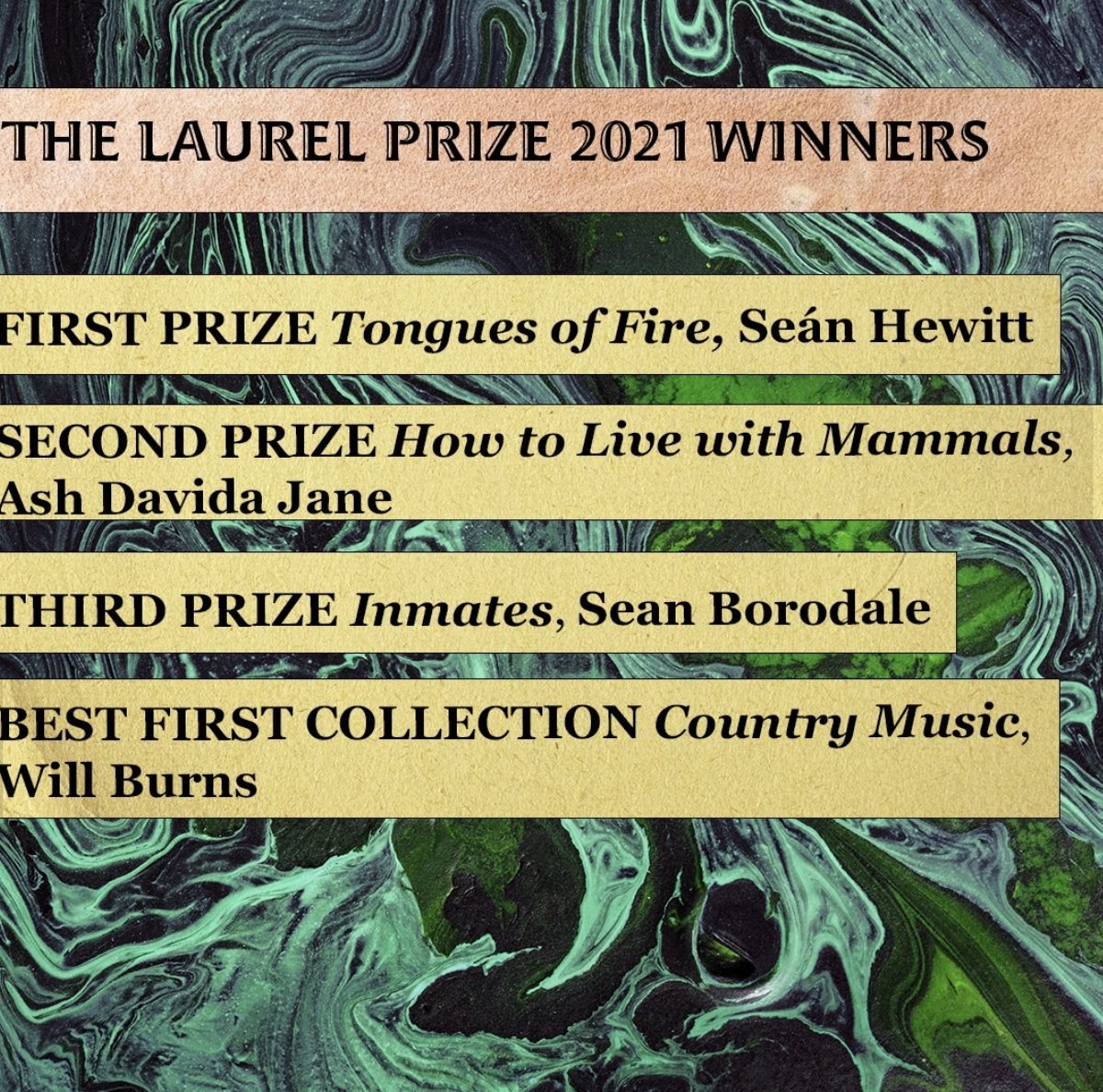
Poetry Shelf noticeboard: The 2021 Laurel Prize, second place Ash Davida Jane

The Laurel Prize is an award for the best collection of environmental, ecopoetry or nature poetry. The Prize will further the discourse around climate crisis, environmental and ecological topics and aims to reach new audiences with environmental messages.

Simon Armitage donates his Laureate’s Honorarium of £5,000 each year to support the project.

Laurel Prize website

My Poetry Shelf review of How to Live with Mammals

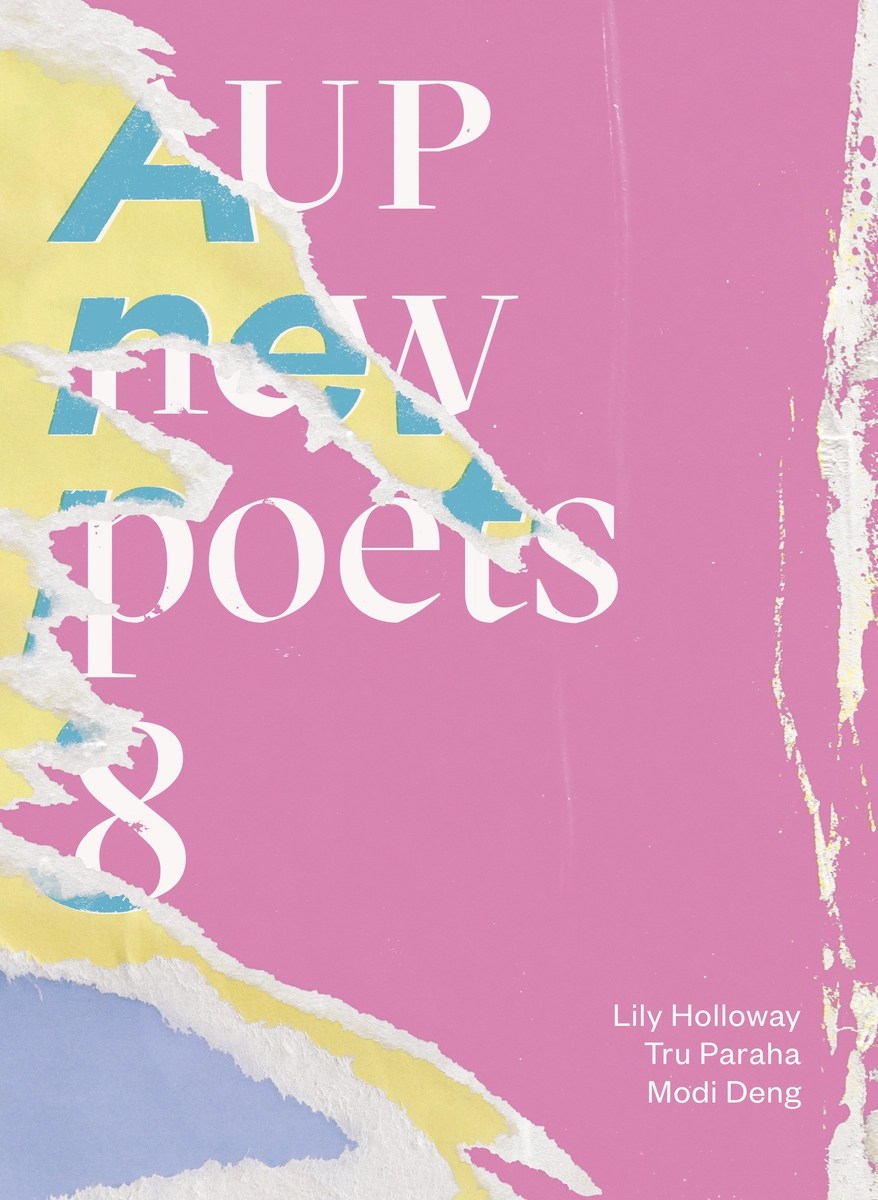
Poetry Shelf noticebaord: Paula Green reviews AUP New Poets 8 at Kete Books

AUP New Poets 8: Lily Holloway, Tru Paraha, Modi Deng, Auckland University Press, 2021

Review extract:

Editor Anna Jackson has selected three distinctive poets for AUP New Poets 8 and has placed them in the perfect tonal order.

The title of Lily Holloway’s suite, a child in the alcove, reminds me of poetry’s alcove-like features. Poems can be miniature shelters, places of refuge, an interplay of dark and light, secret, mysterious, challenging, bulging with nooks and crannies. Reading the work is to read across myriad directions, to peer into captivating cubbyholes and, as Jackson writes in her terrific foreword, to read distance and depth.

Holloway is an award-winning writer and postgraduate student who has been published in numerous journals. I have long admired her poetry: her aural and linguistic deftness, the sweet measure of surprise, the variegated forms, the connecting undercurrents, the honey, the bitterness. Her poems run on the rewarding premise that poems don’t need the full explanation, that tactile detail and deft juxtapositions can unmask love, desire, razor edges, self-exposure. Pocket narratives are equally sublime.

Full review here

Listen to the three poets read

Auckland University Press page

Lily Holloway (born in 1998, she / they) is a queer writer and postgraduate English student. While she mostly writes poetry, she has also tried her hand at non-fiction, fiction and playwriting. You can find her work in places like Starling, Midway Journal, Scum, The Pantograph Punch and The Spinoff amongst various other literary nooks and crannies. In 2020 she was honoured to receive the Shimon Weinroth Prize in Poetry, the Kendrick Smithyman Scholarship in Poetry and second place in the Charles Brasch Young Writers’ Essay Competition. In her spare time she enjoys op-shopping, letter writing, visiting small towns and collecting vintage Teletubbies paraphernalia. She is passionate about survivor advocacy and taking up space. You can find a list of her writing at lilyholloway.co.nz.

Tru Paraha resides in Tāmaki Makaurau in the suburb of Tukituki Muka (aka Herne Bay). She works as a choreographer and director, having enjoyed an extensive career in experimental dance, theatre and audio-visual arts. She is currently in the final year of a postdoctoral research fellowship in the English and Drama department at the University of Auckland. Moving between choreography, philosophy and creative writing, Tru produces live performances, artists’ pages and poems drawing on materials from deep space. She is a member of the International Dark-Sky Association and advocate for the preservation of the night sky as a world cultural heritage.

Modi Deng is a pianist based in London, currently pursuing postgraduate performance studies on a scholarship at the Royal Academy of Music. Her Chinese name 默笛 means ‘silent flute’, which her father drew from a poem by Tagore. Performances with her ensemble, the Korimako Trio, have taken her throughout the UK and her concerts have been broadcast on BBC Radio 3 and RNZ Concert. After growing up in Dunedin, she went on to complete a Master of Music with First Class Honours on a Marsden research scholarship, while completing a Bachelor of English at the University of Auckland. Modi cares deeply about literature (diaspora and poetry), music, psychology and her family.

Poetry Shelf Eight Poets, Eight Sentences: Chen Chen’s When I Grow Up I Want to Be a List of Possibilities

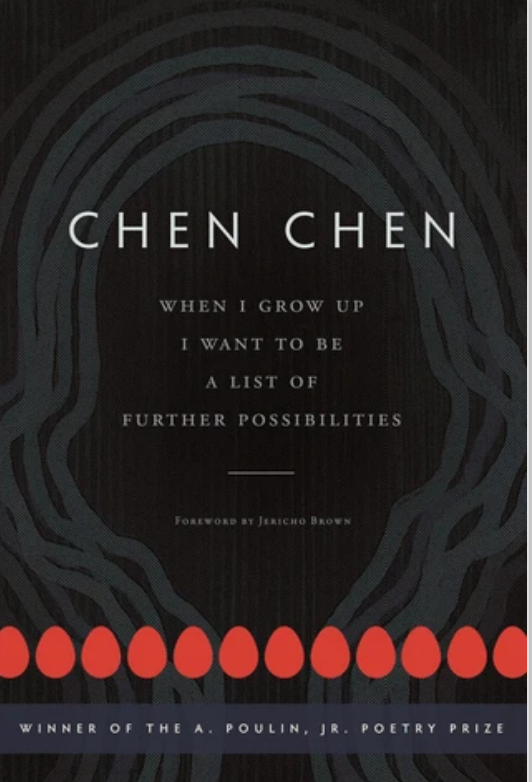
When I Grow Up I Want to Be a List of Further Possibilities, Chen Chen, Boa Editions, 2017

I am a gay sipper, & my mother has placed what’s left of her hope on my brothers.

She wants them to gulp up the world, spit out solid degrees, responsible
              grandchildren to gobble.

They will be better than mangoes, my brothers.

Though I have trouble imagining what that could be.

Flying mangoes, perhaps. Flying mango-tomato hybrids. beautiful sons.


from ‘Self-Portrait As So Much Potential’

Each poem is a list of further possibilities that stretch out with such word beauty to embrace life. Love sadness mother lover constellations emigration wonder kissing winter grandmother song. There is sublime melody in the story and there is sublime story in the song. Picture a footpath incandescent after rainfall and the goosebump tattoo on your skin is what you get as you read. Lists appear; like miniature self portraits, like slow-release puffs of life, suprising, complex, stingingly real. You cannot imbibe Chen’s poems without imbibing word joy. Poetry as a meditation device, contemplation. Luminous.

I want to say, No, it’s completely different, which in many ways it is, but really
I’m remembering what a writer friend once said to me, All you write about
is being gay or Chinese—
how I can’t get over that, & wonder if it’s true,

if everything I write is in some way an immigrant narrative or another
coming out story. I recall a recent poem, featuring fishmongers in Seattle,
& that makes me happy—clearly one that isn’t about being gay or Chinese.

But then I remember a significant number of Chinese immigrants
live in Seattle & how I found several of the Pike Place fishmongers
attractive when I visited, so I guess that poem’s about being gay

& Chinese, too. So I say to my friend, I’m not sure, & keep eating
the popcorn. Thank god we chose the “family size” bag. Can’t stop
the greasy handfuls, noisy mouthfuls. Can’t eat popcorn quietly.


from ‘Poem in Noisy Mouthfuls’


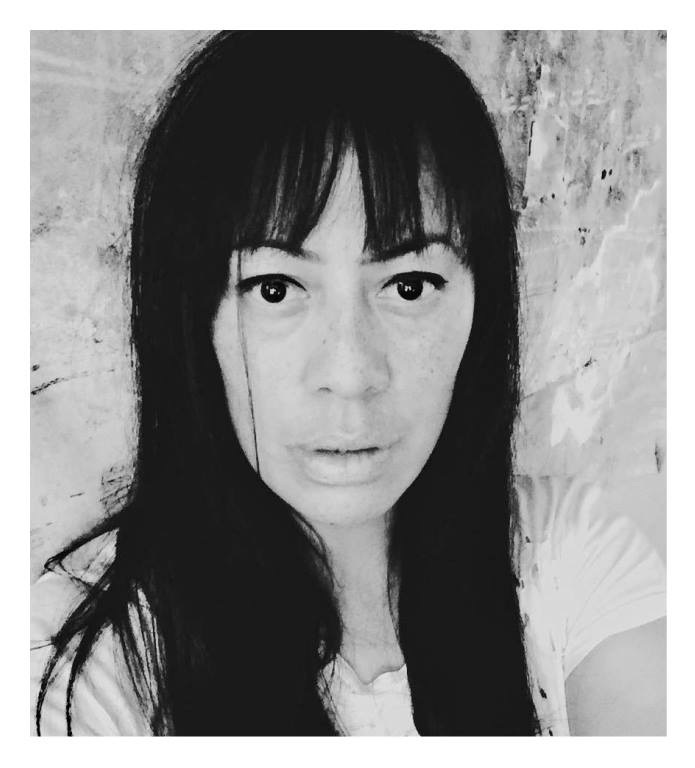
Chen Chen is a poet and essayist interested in Asian American histories and futures, family (bio and found), queer friendship, multilingualism, hybrid texts, humor, and pop culture. His work has appeared in two chapbooks and in such publications as Poetry, Gulf Coast, Indiana Review, Best of the Net, and The Best American Poetry. He is the recipient of fellowships from Kundiman, the Saltonstall Foundation, and Lambda Literary. He earned his BA at Hampshire College and his MFA at Syracuse University. He lives in Lubbock, Texas, where he is pursuing a PhD in English and Creative Writing at Texas Tech University. His second book of poems, Your Emergency Contact Has Experienced an Emergency, is forthcoming from BOA Editions in Sept. 2022. His first book of essays, In Cahoots with the Rabbit God, is forthcoming from Noemi Press in late 2023.

Chen Chen’s website

Boa editions page

Winner of the A. POULIN, JR. POETRY PRIZE
Winner of the GLCA New Writers Award
Winner of the Thom Gunn Award for Gay Poetry
Longlisted for the National Book Award for Poetry
Finalist for the Lambda Literary Award for Gay Poetry
A Barabara Gittings Literature Award Honor Book

Poetry Shelf noticeboard – Surrealist Sisters: Writers Respond

Surrealist Sisters: Writers Respond
31 October, 2pm
Te Papa – Te Marae, Level 4

Free event

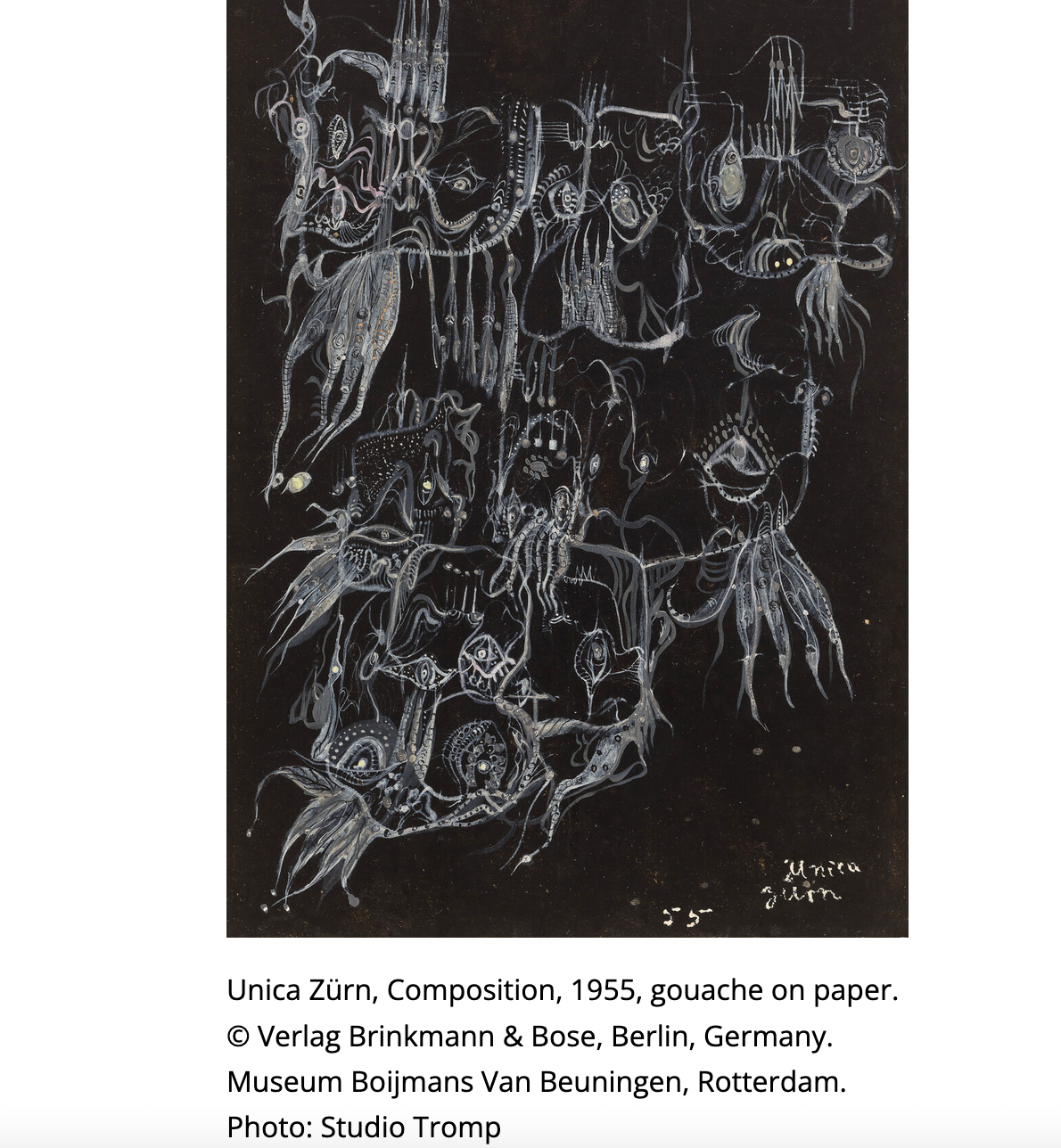
Verb guest curator, poet Rebecca Hawkes, has taken a gathering of writers to experience Te Papa’s latest international exhibition, Surrealist Art: Masterpieces from Museum Boijmans Van Beuningen. Each writer has crafted a written response to the exhibition: what played on their minds? What images and ideas latched on? Find out in this free event in which we’ll hear responses to the stars of surrealism shared for the first time. Featuring: Khadro Mohamed, Rebecca Hawkes, Sarah Scott, Jo Randerson and Cadence Chung. Curated by Rebecca Hawkes.

Presented in partnership with Te Papa.

Poetry Shelf Monday poem: Rosina Baxter and Amy Marguerite’s ‘Pathetic Fallacy’

Pathetic Fallacy

The rain is falling hard on the farm today
We’ve just messaged about loving older humans
How it’s true that age is just a number
How we want the whole world (two people) 
To eat our truth.   But how?
At noon certain numbers make a nation 
Sigh in unison
In the morning certain numbers make a city
Take out their thickest coat
At midlife certain numbers make a person 
Wistful for the bygone.
My grandmother is watching the kārearea soar 
Across the valley on warm spring waves
We give our lovers nicknames 
Like birds giving each patch of air a wing.
Punching my keyboard I ask is there is a way
to give without giving everything?  
I can’t help but think we are the kārearea
Our lovers the old ones watching 
Us soar, somewhere, like eyelashes
Licking golden cheeks 
Watching us watch the whole world
Watch each other 
For the wrong kind of answer.

Rosina Baxter and Amy Marguerite

Rosina Baxter is an emerging poet and songwriter who has used written word as personal catharsis from a young age. She is a regular performer at Poetry Live on Karangahape Road, she narrates poetry and prose for Passengers Journal, and has recently been published in Tarot Magazine.

Amy Marguerite is a poet and writer of non-fiction based in Te Whanganui-a-Tara, Wellington. Her poetry has featured in a number of journals and literary magazines, most recently the Food Court S08E01 zine. She is currently working alongside Rosina toward a collaborative collection of poetry. 

Poetry Shelf Spring season: Claire Mabey picks poems

In a book-club meet up recently I was reminded that lots of people, even extremely well read and clever people, feel like they need some kind of special knowledge or language to be able to talk about poetry. But I think what I love about poetry (and all art basically) is that you don’t have to have special anything for a poem to say something wonderful to you (or confronting, or funny, or unexpected, or thrilling). I chose these particular poems because they simply stuck with me for reasons I’m not sure of. They all contain certain images that attached themselves to the walls of my internal world and now I stroll past them on my daily rounds and they make me pause and think. I like that about poetry. Poems are like the tequila shots of the literary world: potent, dizzying, give you a buzz. And the good stuff is head and shoulders above most of the other options on the shelf.


‘Feagaiga/ Covenant’, Tusiata Avia
I chose this poem because I heard Tusiata read it (I can’t remember where) and the image of siblings knitting themselves together, interlocking their pyjamas, just, I can’t explain it, it nailed me. It made me want to cry and be joyously grateful at the same time. Something about it spoke to what being a sibling is and it made me feel pain and happiness simultaneously.


‘For a Five Year Old’, Fleur Adcock
This poem is one of the first I remember having to learn for Speech and Drama. S & D seems like a weird old fashioned thing these days but, actually on reflection, I think that the early lessons on poetry and making images, and appreciating words, were foundational for me. And I’ve never lost the love for this poem and its gentle severity. Of course I understand it completely differently now I am a mother. 


‘The feijoas are falling from the trees’, Louise Wallace
I love this poem because I love feijoas and also inherited my grandmother’s anxiety about not wasting fallen fruit. I heard Louise recite this at the Festival of Colour in Wanaka years ago and loved its domesticity and its vividenss and its humour. Like lots of Louise’s work it is plump with the understanding that the human condition is inextricable from the small comic drudgeries of daily life.          

‘Spent’, Sugar Magnolia Wilson
I love this poem because it feels dark and dangerous and beautiful. Sugar Magnolia Wilson’s work appeals to a certain aesthetic, and thematics, that I love to read. There is something of the fairytale, of the supernatural lurking in every line. I love the sense of the night sky mirroring the dark face full of teeth, and the rustle of the ‘wide-mouthed egg-swallowers’. Thrilling.

The poems

For a Five-Year-Old

A snail is climbing up the window-sill
into your room, after a night of rain.
You call me in to see, and I explain
that it would be unkind to leave it there:
it might crawl to the floor; we must take care
that no one squashes it. You understand,
and carry it outside, with careful hand,
to eat a daffodil.

I see, then, that a kind of faith prevails:
your gentleness is moulded still be words
from me, who have trapped mice and shot wild birds,
from me, who drowned your kittens, who betrayed
your closest relatives, and who purveyed
the harshest kind of truth to many another.
But that is how things are: I am your mother,
and we are kind to snails.

Fleur Adcock

from The Eye of the Hurricane, Reed, 1964. Also published in Fleur Adcock: Collected Poems, Victoria University Press, 2019.

The feijoas are falling from the trees

The feijoas are falling from the trees –
a fresh bag-load every day.

Winter is on its way.
I am in the kitchen
shucking feijoas like oysters –
filling ice-cream containers to freeze.

Won’t it be nice to eat them in July?
Rory is a good man, who hates feijoas.

I see a strong gust outside
and I imagine the sound of a feijoa falling.
Crashing into branches on its way down,
waiting to be plucked
from the leaves and soil.

Winter is on its way.
I try to think of how I could earn
more money; work harder, get ahead.
There is never enough
and it would be nice to get ahead.

I write a list of all the things
I need to make –
stewed feijoas, feijoa crumble –
another gust: feijoa cake.

Louise Wallace

from Enough, Victoria University Press, 2013

Feagaiga/ Covenant                     

I tell my brother about the boy at school


I make him tickle my back
and every time he stops
I tell him about the boy at school
who can do it
The Best In The World.
My brother and I are Siamese twins
I graft him to me
his pyjama holes to my buttons
and we sleep face to face.
When they try to lift me out
I keep my eyes shut
my mother has to call for help
the surgeon is delayed till morning.

Dad’s Army

Grandpa comes on Thursdays
when they are at counselling
he watches Dad’s Army.
My brother and I eat pancakes
I tell him how stupid he is
how much I hate him
and how I have hollowed out little caverns
in the pancakes and filled them with ants.

Love Boat

At 7pm on Wednesday night
when the Love Boat is on
they ask me who I think should get the house.
I make my brother an ice-cream sundae
with secret passages for the Resistance to hide in
I fill them with curry and chilli and shoe polish.

My brother goes missing

I check back-yard, front-yard, park, neighbours’
wardrobes, bathroom, toilet, wash house
I know deep down he is dead
and I am a bad person
I even ring my mother at Weight Watchers –
he turns up in the warming cupboard.

My brother doesn’t know what a magistrate is

We go to The Muppet Movie
and then Ice Castles
and then Bambi (again)
my brother eats too many ice castles
and falls asleep.
We walk back to the courthouse
which is by the tearooms
and I eat a custard square.

My brother goes next door

The girlfriend comes round
and won’t go away
and threatens to cut her wrists
with the windows or mayonnaise jars.
I tell my brother to go next door and stay there
I tell the girlfriend to go ahead and kill herself
but first , Get in the taxi, just get in the taxi.

The day we meet our other brother

At Bishopdale shopping mall
we all look the same
but he looks more like our father
and tells us his life is fine
as if we might be robbers
who will break into his house
and remove everything he has.

I take my friend round to my brother’s

I’m nervous about seeing him on my own
but he’s hungover and gentle
and shows us the tiny box of ashes.
His wife gets home with a new jacket
she puts the box back on its stand
So you’ve shown them our son? she says
and rips off all the buttons.

Tusiata Avia

first appeared at The Spinoff Review of Books 2016

Spent

The night sky is full of
  stars but

we are more clever than
most – we know
they are just
         burned bones.

Nothing beautiful –

not space sailors blown
from their ships – the light from
treasure quickly grasped
in their fists

only reaching us now.

It’s a useless kind of light –
     unspendable.

The palm of your hand lies
on my knee
                     like a gold coin
           donation

trying to free up my joints

but I don’t feel like
      moving
            or shining.

And your voice has had
its heartwood cut out

a woodpecker taps a hollow
sound against
the bark casing where

other things dwell
now – rats and
stoats, wide-mouthed
egg-swallers too.

In the dark your face
is different – you have more
teeth than normal and
                              your mouth

looks expensive.

Sugar Magnolia Wilson

from Because a Woman’s Heart is Like a Needle at the Bottom of the Ocean, Auckland University Press, 2019

Claire Mabey is founder of Verb Wellington which is an organisation dedicated to supporting Aotearoa writers and readers. Verb has a Readers & Writers Festival this year between 3 – 7 November and the programme is out now. She is also curator for the Aotearoa New Zealand Festival of the Arts’ writers programme 2022 and is mum to Charlie.

Fleur Adcock, born in Auckland in 1934, is a highly acclaimed New Zealand poet, editor and translator who resides in Britain. She has published many collections of poems, most recently Glass Wings (2013), The Land Ballot (2014), Hoard (2017) and The Mermaid’s Purse (2021). Her awards include the 1961 Festival of Wellington Poetry Award, the Jessie Mackay Prize in 1968 and 1972, the Buckland Award in 1968 and 1979, the New Zealand National Book Award in 1984, an OBE in 1986, the Queen’s Gold Medal for Poetry in 2006, and a CNZM for services to literature in 2008. In 2019 she was the recipient of a Prime Minister’s Award for Literary Achievement.

Tusiata Avia is an internationally acclaimed poet, performer and children’s author. She has published 4 collections of poetry, 3 children’s books and her play ‘Wild Dogs Under My Skirt’ had its off-Broadway debut in NYC, where it took out The Fringe Encore Series 2019 Outstanding Production of the Year. Most recently Tusiata was awarded a 2020 Arts Foundation Laureate and was made a Member of the New Zealand Order of Merit for services to poetry and the arts.

Louise Wallace is the author of three collections of poetry published by Victoria University Press, most recently Bad Things. She is the founder and editor of Starling, and is currently working on a PhD in Creative Writing at the University of Otago.

Sugar Magnolia Wilson is from the Far North of New Zealand. She completed her MA in creative writing at the International Institute of Modern Letters at Victoria University of Wellington in 2012. Her book Because a Woman’s Heart is like a Needle at the Bottom of the Ocean was longlisted for the 2020 Ockham book awards. Her work has been published in most of the usual NZ literary journals.  

Poetry Shelf Spring Season

Tara Black picks poems

Victor Rodger picks poems

Peter Ireland picks poems

Emma Espiner picks poems

Poetry Shelf reviews YA fiction: Eileen Merriman’s Black Wolf

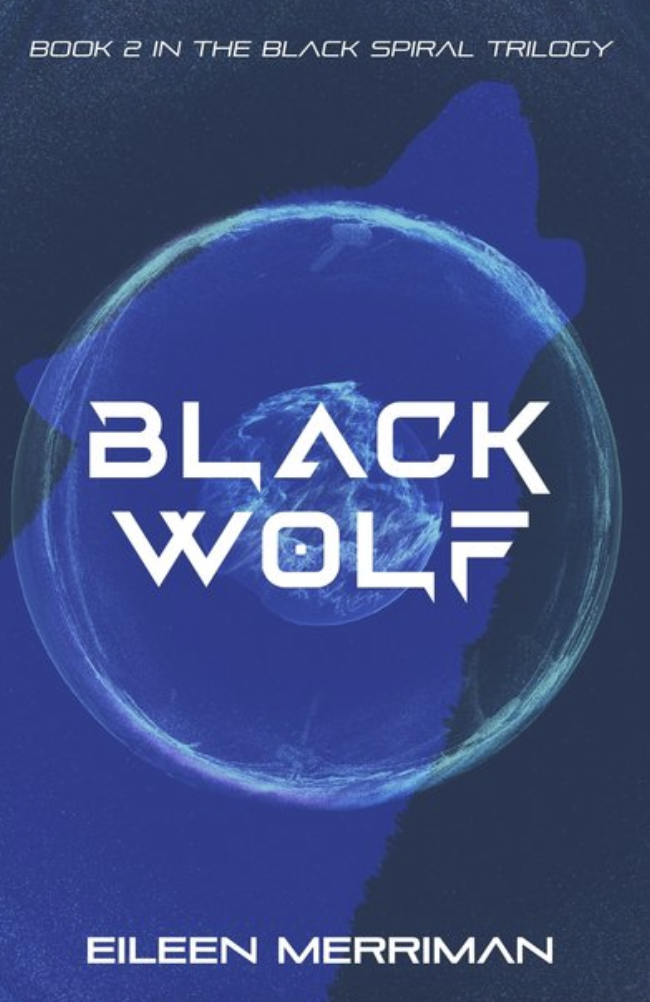
Black Wolf, Eileen Merriman, Penguin Books, 2021

I gobbled up the first book, Violet Black, in Eileen Merriman’s The Black Spiral Trilogy, in two greedy sittings. The book has suspense, gritty characters, vital borders between good and evil, porous ethics, romance. When I closed it I felt bereft – knowing how long I had to wait to read the next volume.

Aotearoa is rich in YA writers, writers who delve into the point of view of teenagers, and who navigate contemporary circumstances that challenge both at the level of the personal and an onslaught of ideas and decision making. NZ Bookshop day is coming up this Saturday and I am dreaming that everyone who can afford it will order a local book. Wishing for this. More than ever publishers and booksellers need our support. Let’s celebrate YA fiction, such a magnificent genre.

I recommend getting hooked into Eileen’s gripping trilogy. I read the second book, Black Wolf, in two days. And again I felt bereft when it ended and, in the same breath, utterly satisfied with the rollercoaster, heart-pounding story arc. Phoenix and Violet have become experimental subjects of The Foundation after having caught a mysterious virus, M-fever. They are under the control of The Foundation because they acquired super gifts, the key one being able to communicate telepathically. The rest of the world thinks they are dead. Other subjects die or are decommissioned. They resolve to fight for what is right.

On the one hand this is a struggle of good versus evil, but even more compelling, it is the interior struggle of two teenagers wanting to make good choices, wanting to care for fellow human beings, to work for the good of the whole rather than the benefit of the greedy individual. This is not easy. Being a teenager is not always easy. There is unbearable kindness. There is sex, there are drugs, there is romance. Relationships to unravel. There is mystery. The medical issues and implications.

Eileen’s sentences flow like honey. The dialogue is pitch perfect. I care so much about the characters I woke at 2 am, after the first day’s reading, plotting what might happen next. Worried for everyone!

Reading this book lifted me out of the black hole that keeps dragging me down. So sweetly. So rewardingly. I don’t want to go giving everything away – you just need to find a comfort corner and board the exhilarating ride with its spiky twists and turns, gathering in strength, kindness, empathy. Three qualities we need in our collective response devices, in our own challenging virus-stoked times.

I toast this glorious book. It was just what I needed. Oh and the final volume is out 1 March 2022.

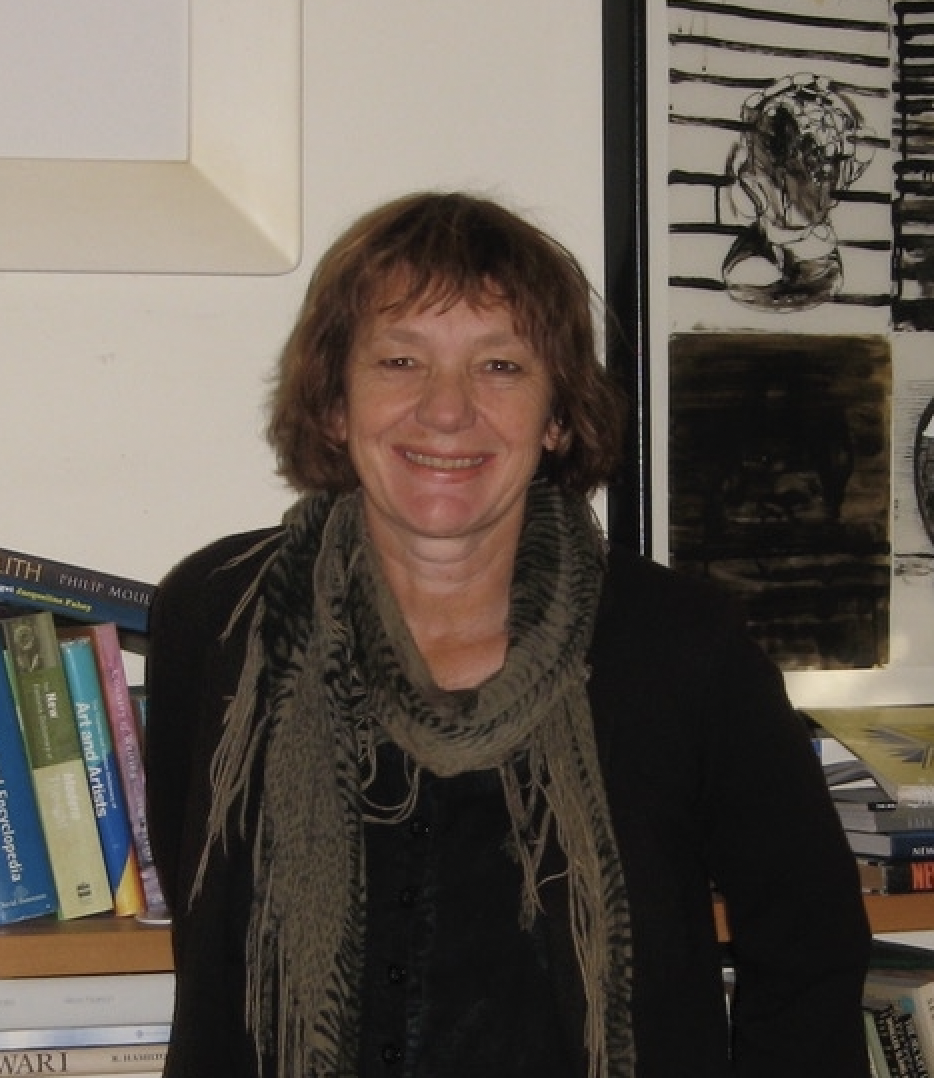
Eileen Merriman’s first young adult novel, Pieces of You, was published in 2017, and was a finalist in the NZ Book Awards for Children and Young Adults and a Storylines Notable Book. Since then, she has published another nine novels for adults and young adults and received huge critical praise, with one reviewer saying: ‘Merriman is an instinctive storyteller with an innate sense of timing.’ In addition to being a regular finalist in the NZ Book Awards for Children and Young Adults, Merriman was a finalist in the 2021 Ngaio Marsh Award for Best Crime Novel and Moonlight Sonata was longlisted for the Jann Medlicott Acorn Prize for Fiction 2020. Editions of some of her young adult novels have been released in Germany, Turkey and the UK and three have been optioned for film or TV, including the Black Spiral Trilogy.

Her other awards include runner-up in the 2018 Sunday Star-Times Short Story Award and third in the same award for three consecutive years previously. She works as a consultant haematologist at North Shore Hospital.

Penguin page

Eileen’s website