Category Archives: NZ poems

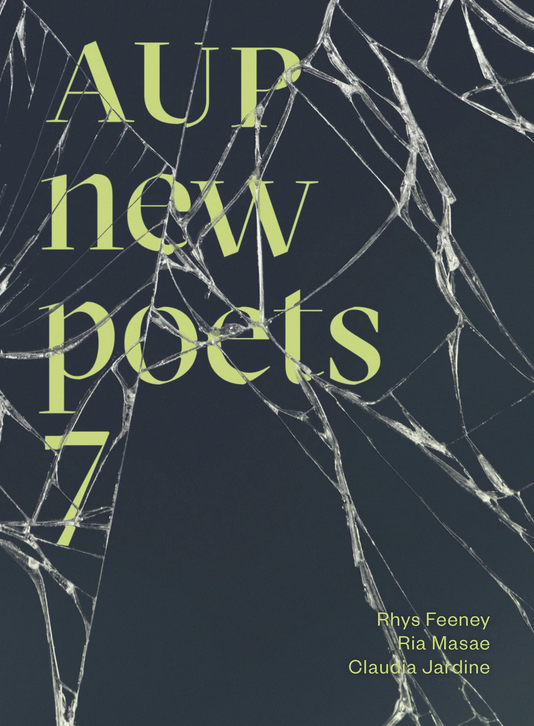
Poetry Shelf review: AUP New Poets 7

AUP New Poets 7 features the work of Rhys Feeney, Ria Masae and Claudia Jardine. The series is edited by Anna Jackson.

Editor Anna Jackson suggests the collection ‘presents three poets whose work is alert to contemporary anxieties, writing at a time when poetry is taking on an increasingly urgent as well as consolatory role role as it is shared on social media, read to friends and followers, and returned to again in print form’.

I agree. Poetry is an open house for us at the moment, a meeting ground, a comfort, a gift, an embrace. But poetry also holds fast to its ability to challenge, to provoke, to unsettle. In the past months I have read the spikiest of poems and have still found poetry solace.

AUP New Poets 7 came out in lockdown last year and missed out on a physical launch. To make up for that loss I posted a set of readings from the featured poets. One advantage with a virtual celebration is a poetry launch becomes a national gathering. I still find enormous pleasure in online readings – getting to hear terrific new voices along with old favourites.

Herein lies one of the joys of the AUP New Poets series: the discovery of new voices that so often have gone onto poetry brilliance (think Anna Jackson and Chris Tse).

Rhys Feeney is a high school teacher and voluntary health worker in Te Whanganui-a-Tara with a BA (Hons) in English Literature and a MTchLrn (Secondary). Ria Masae is an Auckland-based poet, writer and spoken-word artist. In 2018 she was the Going West Poetry Slam champion. Claudia Jardine is a Pākehā/ Maltese poet and musician with a BA in Classics with First Class Honours. The three poets have work in various print and online journals.

Rhys Feeney

I am thinking poetry is a way of holding the tracks of life as I read Rhys’s sequence of poems, ‘soy boy’. He is writing at the edge of living, of mental well being. There is the punch-gut effect of climate change and capitalism. There are crucial signals on how to keep moving, how to be.

The poems are written as though on one breath, like a train of thought that picks up a thousand curiosities along the way. As an audio track the poetry is exhilarating in its sheer honeyed fluency. Poems such as ‘the world is at least fifty percent terrible’ pulls in daily routine, chores, political barbs. The combination matters because the state of the world is always implicated in the personal and vice versa. The combination matters in how we choose to live our lives and how we choose to care for ourselves along with our planet.

waking up from a dream abt owning a house

for a moment i think i’m in utopia

      or maybe australia

           but then i see the little patches of mould on the ceiling

i roll over to check my phone

    but i forgot to put it on charge last night bc i was too tired

          why am i am so fucking tired all the time

i should find some better alternative to sugar

i should find some better alternative to lying there in the morning thinking

Artificial Intelligence is a Fundamental Risk to Human Civilisation

      or what i am going to have for breakfast

           how can i reduce my environmental footprint

                but increase the impact of my handshake


from ‘the world is at least fifty percent terrible’

I love the way Rhys plays with form, never settling on one shape or layout; the poems are restless, catching the performer’s breath, the daily hiccups, the unexpected syncopation. Words are abbreviated, lines broken, capitals abandoned as though the hegemony of grammar and self and state (power) must be wobbled. Yet I still see this as breath poetry. Survival poetry.

I am especially drawn to ‘overshoot’; a poem that lists things to do that get you through the day, get you living. The list is more than a set of bullet points though because you get poignant flashes into a shadow portrait, whether self or invented or borrowed.

     5) give yourself time to yourself

light fresh linen candles

       & cry in the bath

           call it self-care

6) eat a whole loaf of bread in the dark

7) start working again

           the topsoil of your tolerance is gone

you break in two days

      this is called a feedback loop

your coping strategies don’t work

           in this new atmosphere

Rhys’s affecting gathering of poems matches rawness with humour, anxiety about the world with anxiety about self. Yet in the bleakest moments humour cuts through, gloriously, like sweet respite, and then sweesh we are right back in the thick of global worry. How big is our footprint? What will we choose to put in our toasters? Have we ever truly experienced wilderness other than on a screen? This is an energetic and thought-provoking debut.

Ria Masae

What She Sees from Atop the Mauga opens with a wonderful grandmother poem: ‘Native Rivalry’. The poem exposes the undercurrents of living with two motherlands, Samoa and Aotearoa, of here and there, different roots and stars and languages, a sea that separates and a sea that connects. There is such an intense and intimate connection in this poem that goes beyond difference, and I am wondering if I am imagining this. It feels like I am eavesdropping on something infinitely precious.

i tilted my face up to the stars

that were more familiar to me

than the ones on Samoan thighs.

without turning to her, i answered

Leai fa‘afetai, Nana.’

i felt her stare at me for a long pause

before puffing on her rolled tobacco.

we sat there silently looking at the night sky

until we were tired and went to sleep

side by side on a falalili‘i in her fale.


from ‘Saipipi, Savai‘i, Samoa’ in ‘Native Rivalry’

Perhaps the lines that really strike are: ‘Mum was fa’a pālagi, out of necessity / i was pālagified by consequence / so, was i much different?’

I am so affected reading these poems on the page but I long to hear them sounding in the air because the harmonics are sweet sweet sweet. ‘Intersection’ is an urban poem and it is tough and cutting and despairing, but it is also stretching out across the Pacific Ocean and it is as though you can hear the lip lip lap of the sea along with the throb throb throb of urban heart.

She sits at her window

staring down at the city lights.

Her scared, her scarred, her marred wrists

hugging her carpet-burnt knees.

The waves in her hair

no longer carry the scent of her Pacific Ocean

but burn with the stink of

roll-your-own cigarettes.

Ah, enter these poems and you are standing alongside the lost, the dispossessed, the in-despair, you are pulled between a so often inhumane, concrete wilderness and the uplift and magnetic pull of a Pacific Island. I find these poems necessary reading because it makes me feel but it also makes me see things afresh. I know from decades with another language (Italian) some things do not have a corresponding word (for all kinds of reasons). ‘There is No Translation for Post-Natal Depression in the Samoan Language’ is illuminating. There is no word because of the Samoan way: ‘be back home that same evening / to multiple outstretched brown hands / welcoming the newborn baby into the extended alofa.‘ How many other English words are redundant in a Samoan setting, where ‘isolation’ and ‘individualism’ are alien concepts?

At this moment, in a time I am so grateful for poetry that changes my relationship with the world, with human experience, on the level of music and connections and heart. This is exactly what Ria’s collection does.

Claudia Jardine

Claudia Jardine’s studies in Ancient Greece and Rome, with a particular interest in women, have influenced her sequence, The Temple of Your Girl. I was reading the first poem, ‘A Gift to Their Daughters: A Poetic Essay on Loom Weights in Ancient Greece’, in a cafe and was so floored by the title I shut the book and wrote a poem.

The sequence opens and closes with the poems inspired by Ancient Greece and Rome, with a cluster of contemporary poems in the middle. Yet the contemporary settings and anecdotes, the current concerns, permeate. There is sway and slip between the contemporary and the ancient in the classical poems. History isn’t left jettisoned in the past – there are step bridges so you move to and fro, space for the reader to muse upon the then and the now. The opening poem, ‘A Gift to their Daughters’, focuses on the weaving girls/women of ancient Greece, and the threads (please excuse the delicious pun) carry you with startle and wit and barb. I am musing on the visibility of the work and art women have produced over time, in fact women’s lives, and the troublesome dismissal of craft and the domestic. Here is a sample from the poem which showcases the sublime slippage:

Weaving provided women with a means to socialise and help one

another, strengthening their own emotional associations to the oikos and

to textile manufacturer itself.

The school is filled with Berninas, Singers, Vikings and Behringers.

Our mums are making cat-convict costumes for the school musical,

a mash-up of plagerised Lloyd Webber and local gossip.

I already hate CATS – The Musical.

from ‘The Importance of Textile Manufacture for the relationship of Women’ in ‘A Gift to their Daughters’

These lines reverberate: ‘My dad is furious when I decide to take a textiles class in Year 10. My mother has a needle in her mouth during this conversation.’ The characters may be fictional or the poet’s parents but the contemporary kick hits its mark. How many of us know how to sew? How many of us were frowned upon for selecting domestic subjects at secondary school? So many threads. The speaker / poet muses on ‘all the queens on Drag Race who do not how to sew’.

At times the movement between then and now borders on laugh-out-loud surprise, but then you read the lines again, and absorb the more serious prods. I adore ‘Catullus Drops the Tab’. Here is the first of two verses (sorry to leave you hanging):

there were no bugs

crawling under his skin

where that Clodia

had dug her nails in

rather

The middle section gets personal (or fictional in a personal way) as the poems weave gardening and beaching and family. Having read these, I find they then move between the lines of the classical poems, a contemporary undercurrent that contextualises a contemporary woman scholar and poet with pen in hand. I particularly love ‘My Father Dreams of His Father’ with its various loops and lyricisms.

My father dreams of his father

walking in the garden of the old family homestead at Kawakawa Point

I have not been back since he passed away


As decrepit dogs wander off under trees

to sniff out their final resting places,

elderly men wait in the wings

rehearsing exit lines.


Claudia’s sequence hit a chord with me, and I am keen to see a whole book of her weavings and weft.

Anna Jackson’s lucid introduction ( I read after I had written down my own thoughts) opens up further pathways through the three sequences. I love the fit of the three poets together. They are distinctive in voice, form and subject matter, but there are vital connections. All three poets navigate light and dark, self exposures, political opinions, personal experience. They write at the edge, taking risks but never losing touch with what matters enormously to them, to humanity. I think that is why I have loved AUP New Poets 7 so much. This is poetry that matters. We are reading three poets who write from their own significant starting points and venture into the unknown, into the joys (and pains) of writing. Glorious.

Poetry Shelf launch feature: Claudia, Rhys and Ria talk and read poetry

Auckland University page

Review at ANZL by Lynley Edmeades

Review at Radio NZ National by Harry Ricketts
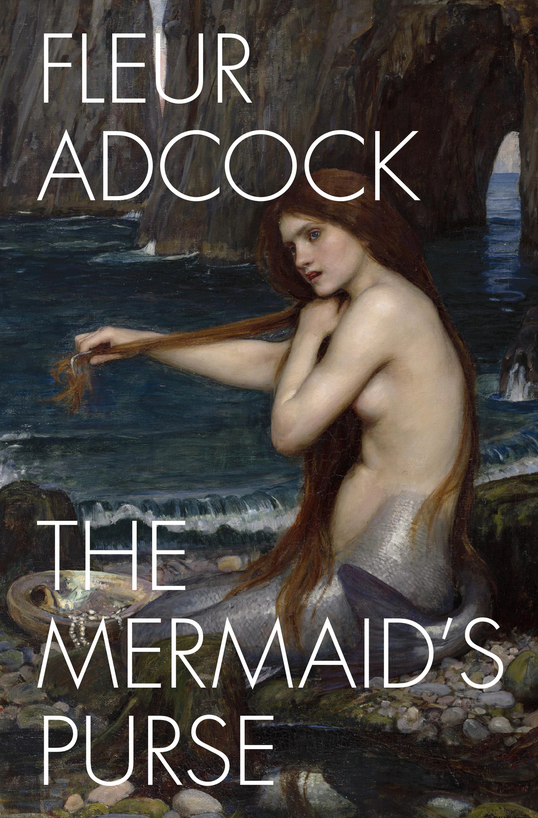
Poetry Shelf noticeboard: my review of Fleur Adcock’s at Kete Books


I woke in the middle of the night with an @RNZ earthquake message and held the radio to my ear until dawn, drifting in and out of advice, alerts and individual stories from mayors and locals, with the anxiety like a snowball gathering Covid-level talk and Covid -rule breakers, and the incomprehensible news of threats against Muslims in Christchurch, and the brutality in women’s prisons, and the bullies in the police force, and how some people should not get airspace their behaviour and views are so damaging and ugly, and I am thinking how lucky I was to have those five days up north with my family at Sandy Bay, and food in my cupboards, and a stack of poetry books to read and review, and clean notebooks for my secret projects, and panadol for pain, and the tomato plants still laden, and water in the tank, and @ninetonoon with Kathryn Ryan keeping us posted with @SusieFergusonNZ and her heartwarming Te Reo Māori.

Poetry is the lifeline, the hand held out, the music in the ear, the saving grace, the little miracle on the page.

I reread Fleur Adcock’s The Mermaid’s Purse at Sandy Bay and this morning I was picturing myself back under the tree’s shade with the tide coming in, and the sun shining bright. I was back in the beach scene and back in the scenes of Fleur’s glorious poetry. Here is a sample from my review for for Kete Books:

The Mermaid’s Purse moves between places with vital attachments (New Zealand and Britain) and, in doing so, moves through the remembered, the felt, the imagined. I sit and read the collection, cover to cover, on holiday beside the dazzling ocean and white Northland sand. I am reading ‘Island Bay’, a poem near the start of the book and keep moving between the dazzle of Adcock’s lines and the dazzle of the sea. Here are the first two stanzas:


Bright specks of neverlastingness

float at me out of the blue air,

perhaps constructed by my retina


which these days constructs so much else,

or by the air itself, the limpid sky,

the sea drenched in its turquoise liquors


Both lucid and luminous, this exquisite poem sets the mind travelling. I’m reminded these poems were written in an old age. “Neverlasting” is the word that unthreads you. It leads to the infinite sky, and then to the inability of the ocean and life itself to stay still or the same, to old age.

Full review here

Poetry Shelf noticeboard: Warm congratulations to the Ockham NZ Book Awards shortlisted poets

The finalists in the 2021 Mary and Peter Biggs Award for Poetry are:

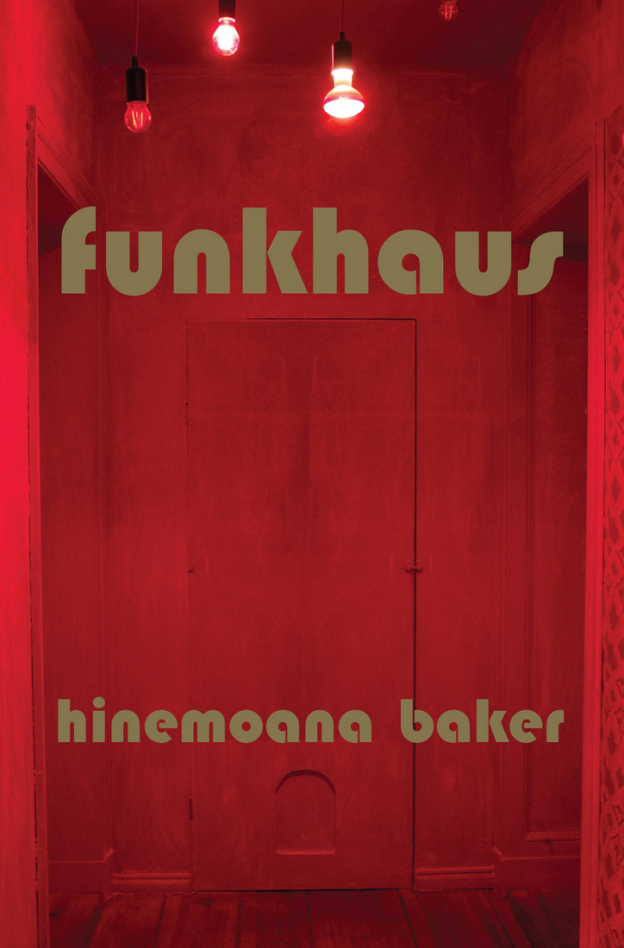
Funkhaus by Hinemoana Baker (Victoria University Press)

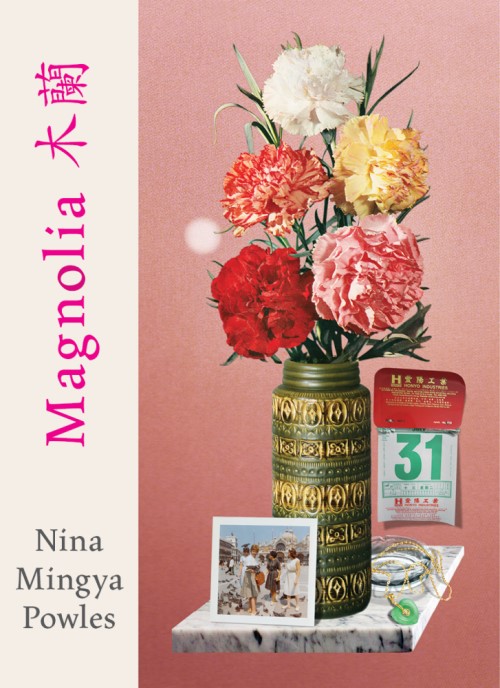
Magnolia 木蘭by Nina Mingya Powles (Seraph Press)

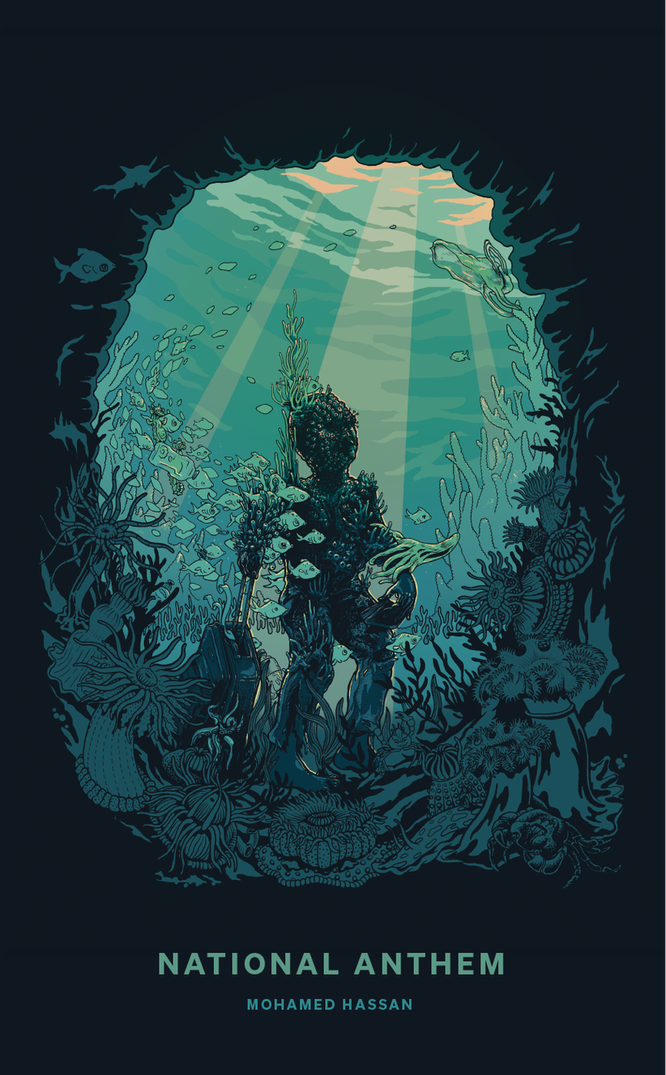
National Anthem by Mohamed Hassan (Dead Bird Books)

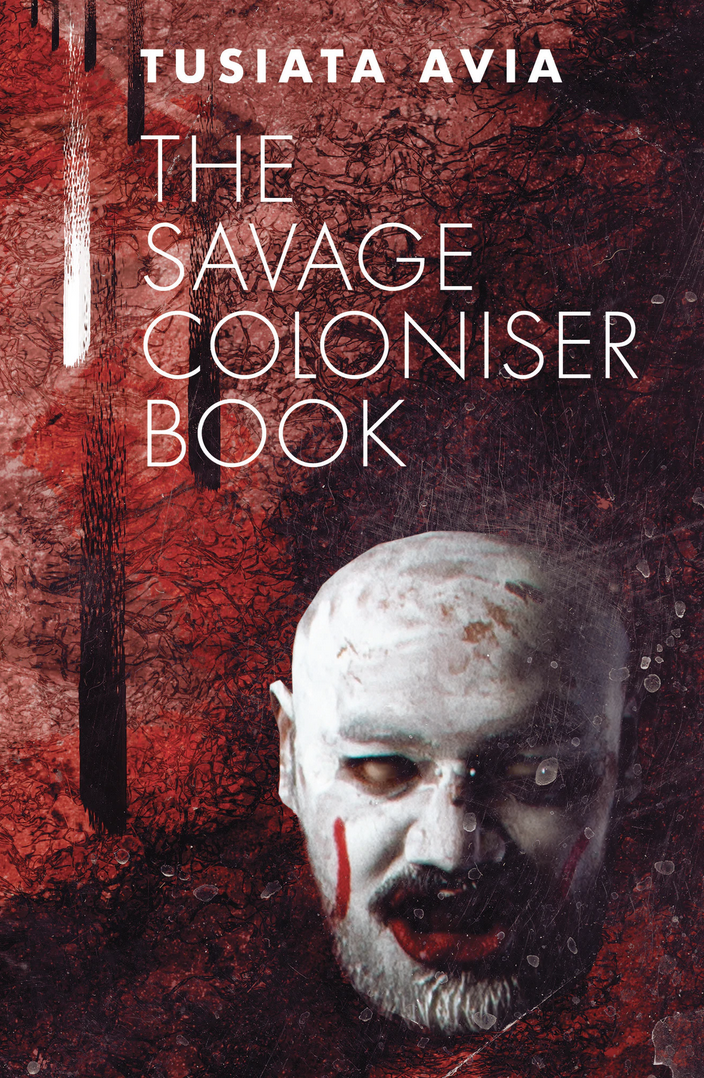
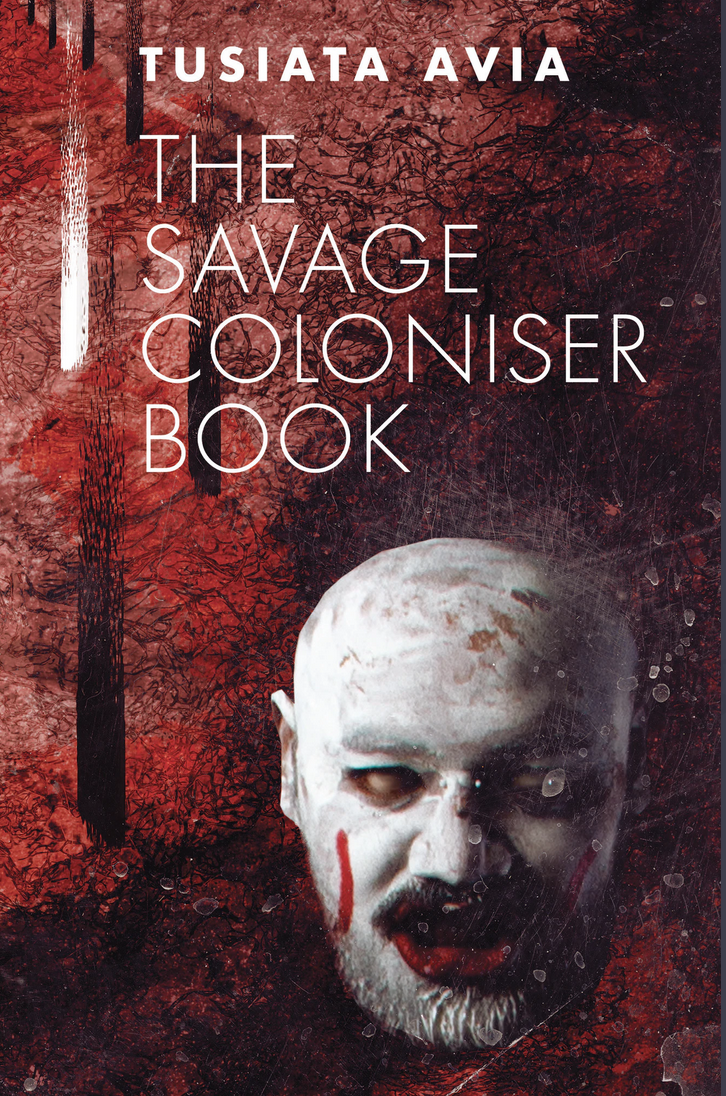
The Savage Coloniser Book by Tusiata Avia (Victoria University Press)

Full shortlist and judges’ comments here.

“Poetry collections published in Aotearoa in 2020 show a wealth of exceptional and original work.  It’s an exciting situation for New Zealand poetry. The four shortlisted collections are striking, all exhibiting an acute global consciousness in difficult times,” says Poetry category convenor of judges Dr Briar Wood.

I was so excited about the poetry longlist, I spent the last few months celebrating each poet on the blog. What sublime books – I knew I would have a flood of sad glad feelings this morning (more than on other occasions) because books that I have adored were always going to miss out. I simply adored the longlist. So I am sending a big poetry toast to the six that didn’t make it – your books will have life beyond awards.

I am also sending a big poetry toast to the four finalists: your books have touched me deeply. Each collection comes from the heart, from your personal experience, from your imaginings and your reckonings, from your musical fluencies. The Poetry Shelf reviews are testimony to my profound engagement with your poems and how they have stuck with me.

Over the next weeks I am posting features on the poets: first up, later this morning, Tusiata Avia.

Mary and Peter Biggs CNZM are long-time arts advocates and patrons – particularly of literature, theatre and music. They have funded the Biggs Family Prize in Poetry at Victoria University of Wellington’s International Institute of Modern Letters since 2006, along with the Alex Scobie Research Prize in Classical Studies, Latin and Greek. They have been consistent supporters of the International Festival of the Arts, the Auckland Writers Festival, Wellington’s Circa Theatre, the New Zealand Arts Foundation, Featherston Booktown, Read NZ Te Pou Muramura (formerly the New Zealand Book Council), the New Zealand Symphony Orchestra, the Featherston Sculpture Trust and the Kokomai Arts Festival in the Wairarapa. Peter was Chair of Creative New Zealand from 1999 to 2006. He led the Cultural Philanthropy Taskforce in 2010 and the New Zealand Professional Orchestra Sector Review in 2012. Peter was appointed a Companion of the New Zealand Order of Merit for arts governance and philanthropy in 2013.


Poetry Shelf Monday poem: ‘Libraries like icebergs’ by a Wellington poet and librarian

Libraries like icebergs

Proximity to the library is having one’s hand on the pulse of the universe. It’s turning to see a dear friend in a room absolutely rotten with strangers. It’s looking down on a familiar city from a great height, sweat cooling on your back, and it’s still, so still, that you think you’ve missed the apocalypse. It’s the streetlight blinking when you walk below it, a small owl calling from the bush beyond the fence. It’s that barometric lift of understanding when thoughts move like weather, like an emotion. It’s the feeling of extreme up-closeness that comes from finding out more, and then more again, about the person you love. The secret dimness of the backstage. The treasure at the core of the cave. It’s the feeling I had as a child reading The Borrowers, imagining the whole world in cross-sectioned miniature—that’s how I see the library—like a dollhouse, hinged open at its heart, tiny readers bent over tiny books. Being inside the library is like flying inside a cloud—shut off from the outside, riding out its knocks and bumps. Libraries feel magical, like mushrooms all connected underground, like hibernation, like glimpsing the glittering elbow of a gem poking out of dark rock. Libraries, like icebergs, balancing out the seen with the great unseen—all that knowledge tucked below the surface, keeping us all afloat. Libraries, like icebergs, disappearing.

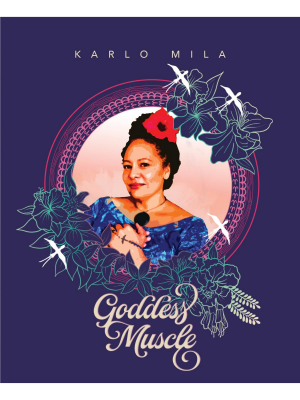
Poetry Shelf celebrates the Ockham NZ Book Awards Poetry longlist: Karlo Mila reads from Goddess Muscle

Karlo Mila reads ‘Letter to JC Sturm’, from Goddess Muscle Huia Publishers, 2020

Dr Karlo Mila is a New Zealand-born poet of Tongan and Pākehā descent with ancestral connections to Samoa. She is currently Programme Director of Mana Moana, Leadership New Zealand. This leadership programme is based on her postdoctoral research on harnessing indigenous language and ancestral knowledge from the Pacific to use in contemporary leadership contexts. Karlo received an MNZM in 2019 for services to the Pacific community and as a poet, received a Creative New Zealand Contemporary Pacific Artist Award in 2016, and was selected for a Creative New Zealand Fulbright Pacific Writer’s Residency in Hawaii in 2015.

Goddess Muscle is Karlo’s third book of poetry. Her first, Dream Fish Floating, won NZSA Jessie Mackay Best First Book of Poetry Award at the Montana New Zealand Book Awards in 2006. In 2008, Karlo collaborated with German-born artist Delicia Sampero to produce A Well Written Body. Karlo’s poetry has been published in in many anthologies, in a variety of journals and online. 

Huia Publishers author page

Poetry Shelf review

NZAL review (Lana Lopesi)

@RNZ Karlo talks with Kathryn Ryan on Nine to Noon

Poetry Shelf celebrates the Ockham NZ Book Awards Poetry longlist: Tusiata Avia reads from The Savage Coloniser Book

Tusiata Avia reads ‘Massacre’ from The Savage Coloniser Book (Victoria University Press, 2020)

Tusiata Avia is an acclaimed poet, performer and children’s writer. Her previous poetry collections are Wild Dogs Under My Skirt (2004; also staged as a theatre show, most recently Off-Broadway, winning the 2019 Outstanding Production of the Year), Bloodclot (2009) and the Ockham-shortlisted Fale Aitu | Spirit House (2016). Tusiata has held the Fulbright Pacific Writer’s Fellowship at the University of Hawai‘i in 2005 and the Ursula Bethell Writer in Residence at University of Canterbury in 2010. She was the 2013 recipient of the Janet Frame Literary Trust Award, and in 2020 was appointed a Member of the New Zealand Order of Merit for services to poetry and the arts.

Victoria University Press page

Poetry Shelf review

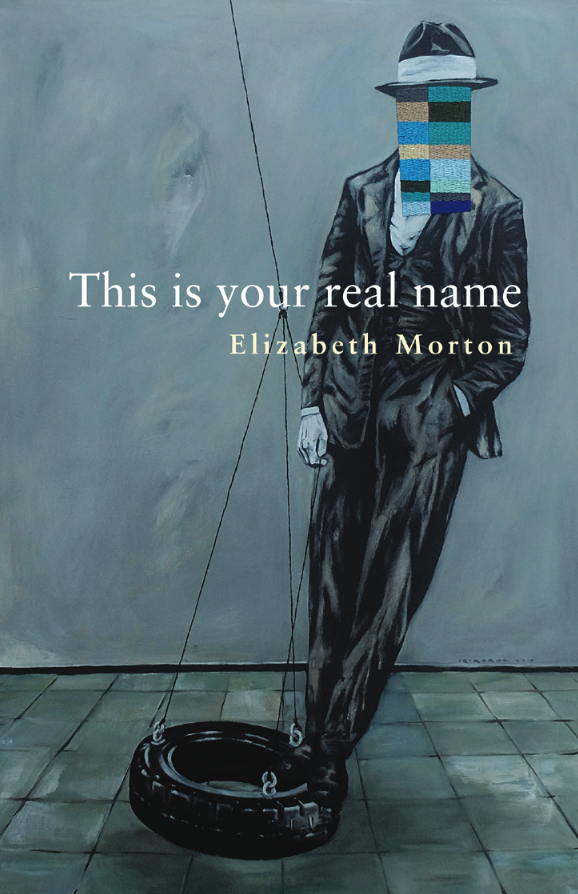
Poetry Shelf celebrates Ockham NZ Book Award poetry long list: Elizabeth Morton reads from This is your real name

Elizabeth Morton reads two poems from This is your real name (Otago University Press, 2020)

Elizabeth Morton is a poet and teller of yarns. She has two poetry collections – Wolf (Mākaro Press, 2017) and This is your real name (Otago, 2020). She is included in Best Small Fictions 2016, and was feature poet in the Poetry New Zealand Yearbook 2017. She has an MLitt in Creative Writing from the University of Glasgow, and is currently completing an MSc through King’s College London.

Otago University Press page

Poetry Shelf review

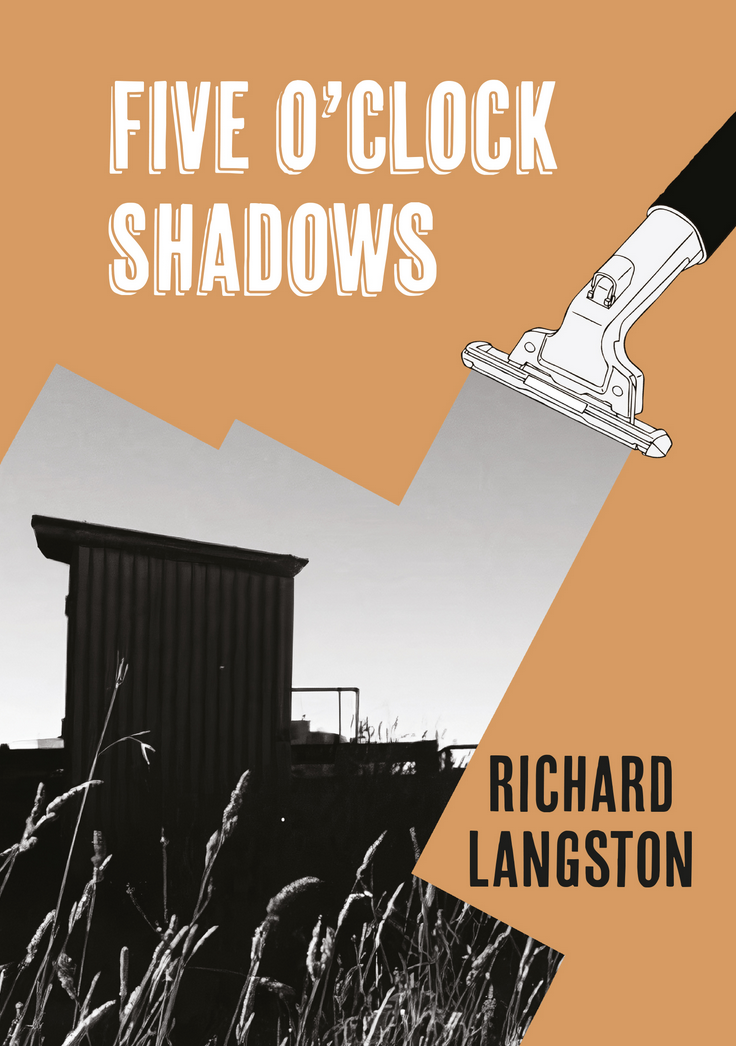
Poetry Shelf review: Richard Langston’s Five O’Clock Shadows

Richard Langston, Five O’Clock Shadows, The Cuba Press, 2020

We often wonder

what moves us in a day –

was it words in a sequence

that surprised us

or notes played by someone

who kept their mouth closed

& let the sound leave

their broken body

from ‘Hill walk’

I am writing this as Tāmaki Makaurau is back in lockdown, wondering if I will pack the car for our first family summer holiday up north in years, worrying how Auckland businesses will cope, how families will cope, and sleeping like a patchwork quilt. Poetry is such a necessary diversion. It even makes up for patchwork sleep. I still have a wee stack of 2020 poetry books and now the 2021 stack is growing. It is like a preserving cupboard of treats along with the canned tomatoes and the black beans.

Richard Langston’s book has been on my mind for months after hearing the reading he did for Poetry Shelf. This week has been the perfect time to return to the poems. I finished the book and the word that came to mind, a word I have never applied to a poetry collection, was precious. This is a precious book – it has poise and it is personal.

The first poems take me to the land. I am musing on how Allen Curnow and the crew of white men writing poetry in the middle of the twentieth century were digging their way into a New Zealand kind of poetry. They were moving away from the early poets that filtered the land and experience through poetry models from Britain. It is a complicated story that has been retold so many times over the decades, in so many different contexts, with so many different biases and erasures. Ah. And then the land barely got a look in in poems. I feel there is a book to be written that traverses the relationship between the land and poetry, that never lets the poem lose contact with the reader, that never lets the poem service the theory and little else, that acknowledges the suffering and heartbreaking losses of the tangata whenua.

The first poems in Five O’Clock Shadows make the land precious. I am reminded of how Sue Wootton, Brian Turner, Airini Beautrais (a river), Hone Tuwhare, Ruth Dallas have done this in distinctive ways. Like these poets, Richard’s poems also travel with myriad subject matter: from the closing of a tavern, to a lost dog, to Dunedin, to refugees, to Sunday in the islands. But it is the land poems that first strike me. I am musing on how earth warmth and leaf light can permeate a whole book. So yes, this is a collection of earth warmth. You get to stand in the land poems and the poem is beauty and anchor and care.

We love the land by eye & feel & sun

& shadow. It grows within us.

This is who we are, this is how we find ourselves.

from ‘Map’

There is a spareness in all the poems, a light rich economy. Goodness knows what it took to write these, but when they reach me there is an exquisite poise. Every word belongs. I also found ‘Bsharri, Lebanon’ – a poem penned for Richard’s sisters who travelled to their ancestral village – precious. This ancestor poem is a poem to hear read aloud:

We have come to hug you,

we have come to kiss you for the life

you made us.

We have come, ancestors, to love

you as you taught us. We have come,

ancestors, & now we are together.

Ancestors, we hug you, we kiss you.

Ancestors, we weep, because

we have come.

The poetry is economical but each poem launches you into multiple musings, feelings, intricacies. I love ‘Please, do not’. The poem begins with infectious word wit and then travels to the punch-gut restorative ending – and the word ‘enough’. I want you to read the whole poem but here is the beginning:

Please do not yell,

such a small shattering word –

YELL – I prefer yell-ow

that might imply surrender

or a field of flowers holding

their faces to the sun,

why not peace, or acceptance,

such lovely hard-earned words.

Perhaps the poems that strike deepest, that are most precious, are the several addressed to mother and father. Eulogies, recollections, re-tracings. I am thinking how Richard’s poems are made of parts and you need to experience the coming together of these parts to get the reading joy in full. If I take a stanza or two to share with you, I am distilling the magic. These poems are magic, moving, must-reads: ‘Plums’, ‘Sons’, ‘Snoring’, Threaded’, ‘There’. In writing the poems both mother and father are held close, like a gift for family, like a gift for us as readers who also live and love and mourn. I especially love ‘There’, a poem that places the mother at the centre. Here are a few stanzas near the end of the poem (again I implore you to read the whole poem):

What we share is our story.

I sit with her

& look out at the weather.

The windows

are full of the day.

She doesn’t know. I do not know.

We have our story,

our fallible memories.

Her mouth

hovers by the spoon,

& we watch the weather.

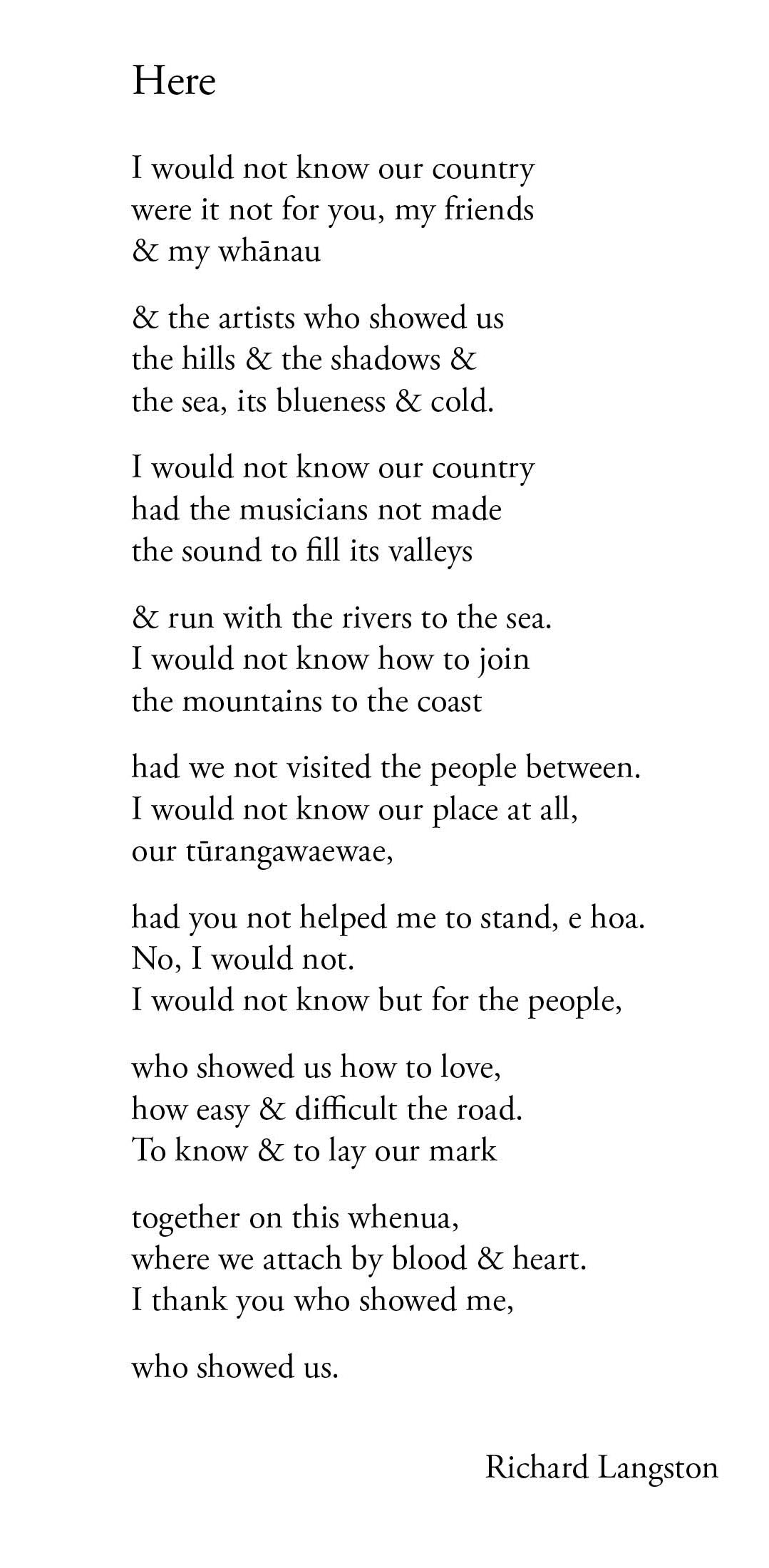
You can tell this book matters so very much to the poet – and the degree of personal investment is contagious, whether in words gathering the land, family, experience, memory. Think of the poems as personal plantings in the undergrowth of life, with all manner of glorious lights shining through. Like I said, I reread this book in our return to lockdown, and by the time I got to the end I was filled with the joy of living and writing and reading. I am going to leave you with the final poem in the book, that takes us back to the land (crikey we never left it), how the need to be creative is such a necessary thing and how we share so many attachments – ‘together on this whenua’.

Richard Langston is a veteran broadcasting journalist and director, who comes from Dunedin, and was a driving force in the city’s music scene in the 1980s. He lives in Wellington and is a proud member of the three-person South Wellington Poetry Society.

The Cuba Press author page

Richard reads from Five O’Clock Shadows

Off the Tracks review

Poetry Shelf Monday Poem: Hana Pera Aoake’s ‘Going on strike’

Going on strike

Geographies 

of justice 

of gentrification 

of holiday destinations

of raupatu whenua 

of farmland stretching out and circling in 

of productivity

of 100% pure 

Fanon once wrote that “The Manichaeism of the colonist produces the Manichaeism of the colonised”

It means that we are conditioned to believe in 

categories

only ‘two’ genders 

capitalism with all the trimmings

that we have the right to speak for us all 

We are categorised and branded as one thing 

We cannot be another 

So we surrender to a position so futile in nature 

It cuts like obsidian 

It bleeds like the rata tree

While Taawhaki cries out 

In seeking vengeance we found only death 

Amongst other things we have forgotten

The numbing stench of rain 

The chance to listen

The gift of learning 

The ability to be humble 

The suffering of others 

The necessity of place 

We don’t know how to be complicated

We don’t know how to be nuanced 

We don’t know how to be wrong 

We don’t know that to be wrong is to be free

Freedom is conditional 

But it grows like Lichen 

It dries out in the summer 

And regenerates in the winter

We don’t see how we are the ones who perpetuate the violence 

We say I am right and you are wrong

It’s like George W Bush all over again

“Your either with us or against us”

I want to be the shoe that hits you in the face 

We run a gallery named after a slave ship 

But we want to give platforms to grave robbing as art 

But we don’t want to be told that we are the ones who need to do the work 

But we don’t realise that some of us never forget these things 

But we don’t realise memory is a stain that can only be undone through acknowledgement 

But we don’t realise we should heal ourselves first 

Here we are during this true blue kiwi summer  working our tan 

burning our skin 

not in communion with Tama nui te ra

while the world is dying 

while terrorists attempt a pathetic coup 

while prisoners drink brown water 

while the ice melts as we pillage 

Protecting our property we lock our car doors 

We accumulate and close ranks

We sell decolonize mugs for $70 

We sell decolonize earrings for $70

We sell and sell and sell and sell

We upset ourselves 

We upset each other

We doom scroll 

We don’t dream 

We don’t show tenderness 

We don’t take time be present

We don’t take time to be awake 

Under sheets of rain we watch the splitting of spaces into the interstices of empire 

Afraid of anything but especially ourselves 

But what other ways could they have possibly broken in two or is it that we broke into ourselves and revelled in the smell of salt that we can hear

Imagine just saying saying     no

I want it all to stop sometimes 

I think about the loops that the waves make as they lick the edges of the rocks 

I remember that plastic slowly disintegrates as it travels through the ocean’s currents 

Remember the Roman tar marking the roads across Europe 

Remember the asphalt on Jewish and Romani homes 

Remember Govenor Grey in the cape colony, south Australia and New Zealand 

Remember the gun holes in the wall on University property

Remember

Remember

Remember

The prisons on my ancestors stolen lands are of course deliberate 

The difference between protest and protector 

The difference between a riot and a protest 

The fall of empire 

The decline of the west

The beginning of the end 

Our lives are like raranga 

Rich fibres knotted together 

Through many bodies 

For which we must honour them 

We honour them through 

our complications

our flaws that we work to unlearn

our ability to show love even in the face of the wretched 

Hana Pera Aoake

Hana Pera Aoake (Ngaati Mahuta, Ngaati Hinerangi, Tainui/Waikato) is an artist and writer based in Te wai pounamu. Hana recently published their first book of essays and prose, A bathful of kawakawa and hot water with Compound Press. They currently co-organise Kei te pai press with Morgan Godfery.

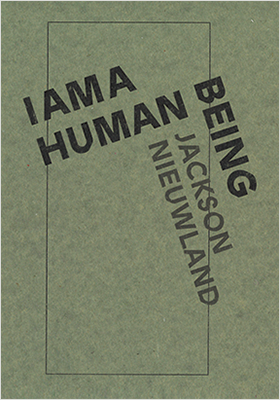
Poetry Shelf celebrates the Ockham NZ Book Awards Poetry Longlist: Jackson Nieuwland reads from I Am a Human Being

Jackson Nieuwland, I Am a Human Being, Compound Press, 2020

Jackson reads from I Am a Human Being

Jackson Nieuwland is a human being, duh. They are a genderqueer writer, editor, librarian, and woo-girl, born and based in Te Whanganui-a-Tara. They co-founded the reading/zine series Food Court. This isn’t even their final form.

Compound Press page

Poetry Shelf review (Paula Green)

Pantograph Punch review (Vanessa Crofskey)

Landfall on Line review (Erik Kennedy)

Chris Holdaway (Compound Press) celebrates Jackson’s place on the longlist with a poem