Naming the Beast, Elizabeth Morton, Otago University Press, 2022
You don’t want book reviews to diminish your reading experience, to lead you up the garden path of expectation, to lay false trails and unreliable hopes. Imagine the review as a tasting room where you let a morsel of the book swirl on your tongue, releasing flavour, leaving a vital aftertaste. You don’t want book jargon, you just want an aromatic taste (precursor) of the writing, the ideas, the feelings, the connections.
Elizabeth Morton’s Naming the Beast is poetry gold. It is the kind of book you savour slowly, absorbing brocade textures, the sumptuous threads, the surprising patterns, satisfying layers. This is poetry that is sonorous, sensual, startling. It got me thinking about how enmeshed I become in certain poetry collections. How I am laid bare as a reader. How I am spiked and soothed. I get caught in a poem, no question.
Elizabeth writes about being in someone else’s poem:
In somebody else’s poem it’s goddamned desolate. I’m in a house with no windows; just venetian blinds on blank walls. The rotary phone bleats hircine, and I hold a real gun to my head. In a poem, the gun goes off. I wake in another poem, planting succulents because love goes as far as my toes, and no further.
from ‘We write what we know when we run out of things we don’t’
I could simply pitch this as a collection of beasts and wild(er)ness, because beasts and wildness are an integral part, but it is also a collection of time, mothers, luck, castles, fire, relatives. The subject matter roves and ranges, at times resembling stream of consciousness connections, lily pad leaps, edgeways writing. The music is symphonic. The lexicon is extraordinary; words feed subterranean narratives and dreamscapes, pungent fields of details. There is plainness and there is opulence. There is the off-real and there is the hyperreal.
Celebrate the richness of poetry, the allure of detail thickets, but there is too the invitation of the unsaid, the vibrating space, the reading alcoves.
I admire the collection’s invisible stitching, the behind-the-scenes craft of the poet that produces such poetic fluency. Yet at other times, the making of poetry is poignantly visible. Poetry comes protagonist, a character moving in and out of shadow and light.
Ah, I have used book jargon, kindled your expectations crazily, so I return to my idea of a tasting room – I will hold out a tasting platter for you, and let some of Elizabeth’s lines spark your reading tastebuds.
First, bark the moon. Make ceremony from a stammer, from a steaming crockpot of two-minute noodles, from the way the taxi driver sucks his bottom teeth as he drives you north.
from ‘Instructions on how to lose a mind’
My mother is the night owl. My father is the tussock, I own memories, alone. My celestial object is done for. The rust core of a lamp that was already out – a red star coughing though light-years of average days, days spent picking lemons and walking average suburbs, nodding at ordinary dogs.
from ‘Stolen pepeha’
We pipette soluble proteins like mothers do. Mothers are no minor characters, who arrange herbs like rubrics, under the soft light of a kettle stove. Home is a fume-cupboard where legend is filtered like breath. Our mothers huddle around pantries of cod liver oils, vitamins, and bleach. Their hands haul the sun over the eastern hillocks, like an axiom.
from ‘Immunohistochemistry’
I want to say I know this place with my eyes closed. I can run, butt naked, through cabbage rows and dairy cows, and the Waikato will annunciate my name with a branding iron and an ear tag that speaks to a bloodline sniffed out by regret. I am writing in my first language. My second is shame. When I dream I dream words I cannot spell.
from ‘God of nations’
If I were a robot, I would be in a better poem. If I were a person, I’d want the telephone wires to hum like stars, and the stars to be unavoidable.
form ‘Hard sell’
Get a copy of this book, open it, pick a poem, take a road trip within its lines, inhabit as a small retreat, sojourn in a series of alcoves. This collection is gold.
Elizabeth Morton grew up in suburban Auckland. Her poetry and prose have been published in New Zealand, the UK, the USA, Canada, Ireland, Australia and online. She holds an MLitt in Creative Writing from the University of Glasgow. Morton has accrued many literary acknowledgements for her work, and her previous collection of poetry, This is Your Real Name (OUP, 2020), was longlisted for the Mary and Peter Biggs Award for Poetry in the 2021 Ockham New Zealand Book Awards. The manuscript of Naming the Beasts was shortlisted for the 2021 Kathleen Grattan Poetry Award.
“When viewed in deep time, things come alive that seemed inert. … Ice breathes. Rock has tides. Mountains ebb and flow. Stone pulses. We live on a restless Earth.”
—Robert Macfarlane in Underlands
tomb with a view – earthed on a volcano’s seaward slope I kneel in fresh-cut lawn – not knowing whose bones decompose below – only interested in the sheen of this headstone – a slab of flashing feldspar hewn in loving memory – my mother the geologist
surveys well-kempt lanes – reading the names on strangers’ graves – the cemetery lawnmower hums around us – clippers licking to and fro constant as the waves – eroding the basalt cliff below that threatens all our bones – even diamond gravestones aren’t forever
nor this rich labradorite – it births aurora borealis in the right light – glints of scintillating indigo blue morpho – sips of methylated lavender a happenstance of kissing crystal facings – turned brilliant in crushing heat – how we are all made
anew through strain – the only constant thing is change in this restless earth – my mother sees these shifts like a slow-motion picture – technicolour aeons on the geological map – this is her gift to her children she invented two new deaths – but gave us all of time
etched on a headstone – if we can learn to read igneous glints of a frenzied planetary history – continents stretch like cats and we are very small fleas – we do not live for long we make our homes – in the fertile shadow of the volcano – we build cities on fault lines
that fell cathedrals – we pray for everyone we love to live forever then where there are graves – the lawnmowers graze where there are cemeteries – there are rising stones and women – who want to know the names not written on those monuments but inside their very substance– ancient incantations in crystal language
tonight after the wake – we will gather on this hillside to light fireworks – with a stray roman candle the dry cut grass will blaze – brilliant as lava on this dormant caldera and through it all the cemetery lawnmower – will hum darkly among the graves tending to them – until the real volcano wakens
from a dream beyond all naming – reclaims the fallen and their stones sowed like seeds beneath the lawn – returns us all to the molten cradle – where the start of all life flows in liquid light the sound of shifting continents – sure and steady as a mother’s heartbeat
Rebecca Hawkes
Rebecca Hawkes is a poet, painter, editor. Her first chapbook of poems Softcore coldsores appeared in the reignition of the AUP New Poets series (2019). Her debut collection Meat Lovers (AUP 2022) was awarded The Laurel Prize Best International First Collection 2022. Rachel edits the poetry journal Sweet Mammalian with Nikki-Lee Birdsey, and has co-edited an anthology of poetry on climate change, No Other Place To Stand (AUP 2022). Raised on a Mid-Canterbury sheep and beef farm, Rebecca now lives in Te Whanganui-a-Tara / Wellington. She is a founding member of popstar poets’ posse Show Ponies and holds a Masters degree in nonfiction creative writing with Distinction from the International Institute of Modern Letters.
thinks about driving to Waihao to fetch some uku to make a koauau. It’s at Waihao Box where you said the local boaties couldn’t stand walking around your group of mana whenua collecting uku for taonga pūoro. I want to play taonga pūoro like you. It’ll improve my poetry readings where I need to lean against the fourth wall to be heard.
It ain’t easy. I still can’t click my fingers properly let alone make a clay flute in my head. It’s the idea that some non-Māori boaties are out there waiting to troll me for holding up their kayak adventure when this billy goat wants a koauau journey for healing. Āuē. I’m still in my dressing gown. If only Tangaroa would be my valet. Tomorrow it’s Mutuwhenua. I don’t even know the tides.
Robert Sullivan
Robert Sullivan belongs to the Ngāpuhi and Kāi Tahu iwi. He has won awards for his editing, poetry, and writing for children. Tunui Comet is his eighth collection of poetry. Robert’s an Associate Professor of Creative Writing at Massey University. He is a great fan of all kinds of decolonisation.
A life is a cycle of swimming; we go from ahurumowai out into the bright lights with earthquakes and house shatters we are born brown and breathing yet again.
The center spent on land pulls us down hard as leafy things learn to grow beyond our reach. This whānau never had ladder in one season we’d wait for pecked fruit to fall rotten at our feet, soft speckled butter in the mouth.
In the other season we could fly we could climb we could breathe as unripe fruit from the highest boughs stung our tongues.
I learnt to see my body as a house from the way you cut down those trees to build me. I am soft wood and hard work. I am the family dream of four children per family – absoloute minimum.
I am girl surrounded by ghosts of elder dreams. They taught me with hand games, ring-a-ring-a-rosie showing you how many could fall to invisible soldiers, foreign bodies in the water, intruders in the rivers breathing through reeds just waiting to cut us down.
They taught me with be careful, They taught me with be quiet when known strangers asked us about how we flew one season then gifted the river a flooding the next. Now I tell them that I come from a long line of flood and draught.
Before you I am your young reflection, shaped like softness, dark eyes blue rimmed, sitting here so far from your lands knowing you will return only through me. Only through your dreaming of the dark water that connects you to a past felt but never seen.
Once you called me to your side to hold me “It is my job now to dream”, you said “It is my job to dream good dreams for you until the dreams come and take me away” And I knew then that we both came from that dark water that only we could see.
You close your eyes to me and see me better that way; both of our outlines a flickering in the black.
Ruby Solly
Ruby Solly (Kāi Tahu, Waitaha, Kāti Māmoe) is a writer, musician and taonga pūoro practitioner living in Pōneke. She has been published in journals such as Landfall, Starling and Sport, among others. In 2020 she released her debut album, Pōneke, which looks at the soundscapes of Wellington’s past, present and future through the use of taonga pūoro, cello, and environmental sounds. She is currently completing a PhD in public health, focusing on the use of taonga pūoro in hauora Māori. Tōku Pāpā, published in Februrary 2021, is her first book.
When you were clear-eyed When your breasts burst out of you like blossoms Your legs brown willow wands Your hair like golden fire You determined to be strange Wore bad 80s tracksuits Hair in a low ponytail tied with a scrunchie Frumpy centre part and frizz, a frown Under thick eyebrows Wore old man pants Hacked off your hair Grew it back without grooming Went to the ball in jandals and your grandma’s dress Smelling like dust Wore no bra and your mum’s old skivvy Ate cake in the street Made homemade dreadlocks That stunk of skin and rotting thread Went swimming in baggy boyleg trunks Wore old sneakers from a skip bin Smoked weed out of toilet rolls, apples, plastic bottles, bits of bamboo Threw all your costume jewellery in the clothing bin Bought a pair of heels and never wore them Gave them to the opshop Slept with stoners, drunks, deadbeats and layabouts Tried to get jobs in bare feet Threw out everything made of leather Wore thai fisherman pants and no undies Refused to shave anything Hacked your hair off again Wore a bad 80s jacket Dyed it patchy pink with DYLON cold Cut your own bangs crooked Got paint all over yourself Wore clown pants Carried everything in a dirty backpack No spare change no time of day Get lost, fuck off, nothing to see here Like a tree dropping fruit On the pavers of an abandoned courtyard
Airini Beautrais
Airini Beautrais lives in Whanganui and is the author of four poetry collections and a collection of short fiction. Her most recent poetry collection is Flow: Whanganui River Poems (VUP 2017). Bug Week and Other Stories recently won the Ockham NZ Book Fiction Award 2021.
We will make sure we get a good night’s sleep. We will eat a decent breakfast, probably involving eggs and bacon. We will make sure we drink enough water. We will go for a walk, preferably in the sunshine. We will gently inhale lungsful of air. We will try to not gulp in the lungsful of air. We will go to the sea. We will watch the waves. We will phone our mothers. We will phone our fathers. We will phone our friends. We will sit on the couch with our friends. We will hold hands with our friends while sitting on the couch. We will cry on the couch with our friends. We will watch movies without tension – comedies or concert movies – on the couch with our friends while holding hands and crying. We will think about running away and hiding. We will think about fighting, both metaphorically and actually. We will consider bricks. We will buy a sturdy padlock. We will lock the gate with the sturdy padlock, even though the gate isn’t really high enough. We will lock our doors. We will screen our calls. We will unlist our phone numbers. We will wait. We will make appointments with our doctors. We will make sure to eat our vegetables. We will read comforting books before bedtime. We will make sure our sheets are clean. We will make sure our room is aired. We will make plans. We will talk around it and talk through it and talk it out. We will try to be grateful. We will be grateful. We will make sure we get a good night’s sleep.
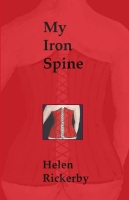
Helen Rickerby, from How to Live
I am stuck at home, not doing author trips, not catching up with friends in person, never hanging out in cafes, so I’ve been doing email conversations with poets whose work I have loved. A couple have sublime new books out, but with others it was an excuse to revisit writing I have carried with me.
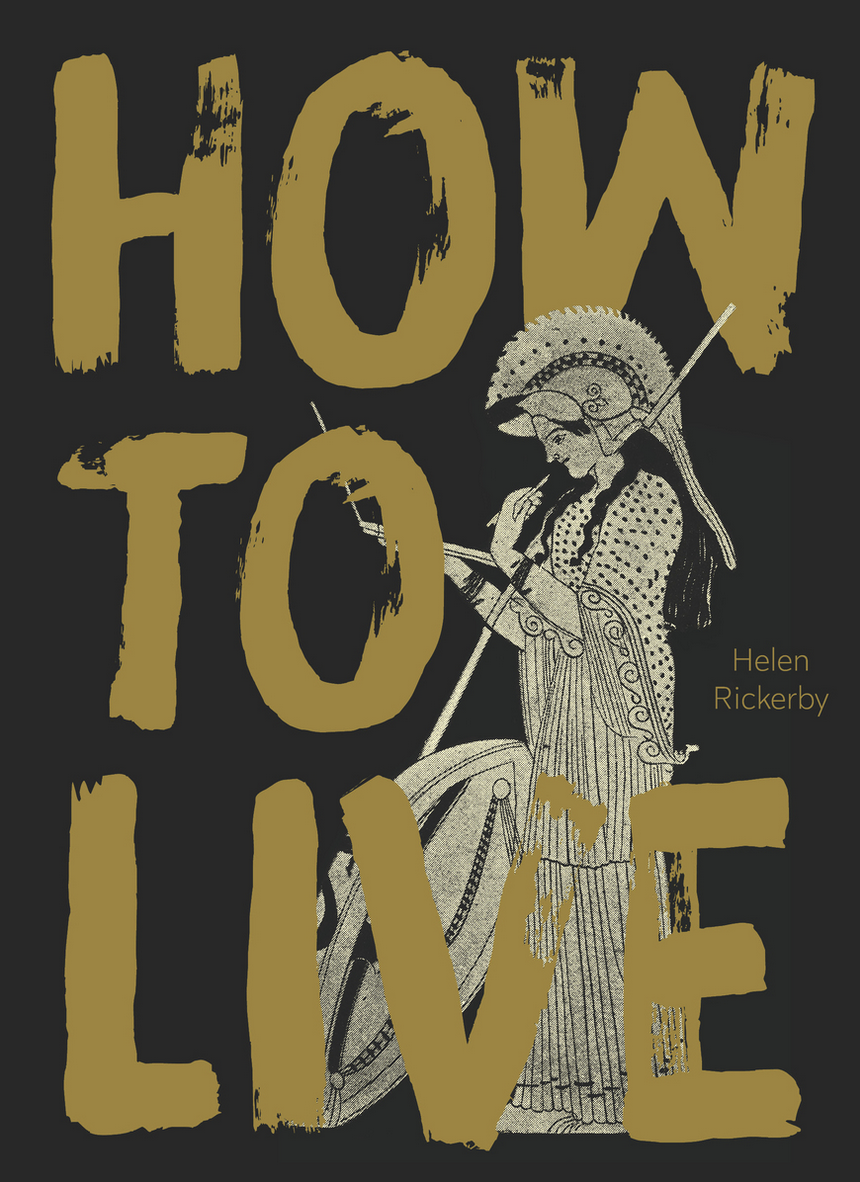
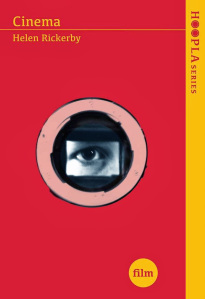
Last up in this series is Helen Rickerby. Helen is a writer, editor and publisher. She has published a number of poetry collections, including Cinema (Mākaro Press, 2014) and How to Live, which won the 2020 Ockham New Zealand Book Awards – Mary and Peter Biggs Award for Poetry (Auckland University Press, 2019). Helen was co-managing editor of the literary journal JAAM from 2005–2015 and single-handedly runs Seraph Press, the boutique poetry press.
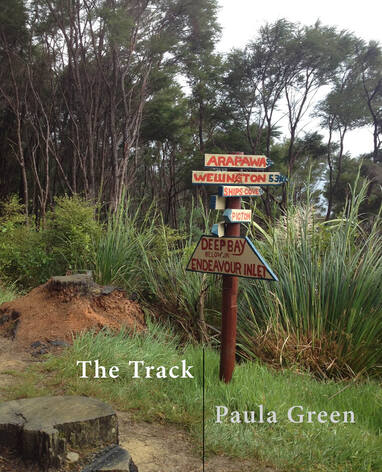
I have been a fan of Helen’s poetry for a long time, but she has also published a number of my own collections (The Baker’s Thumbprint 2013, New York Pocket Book 2016 and The Track 2019). I have loved working on each book with her.
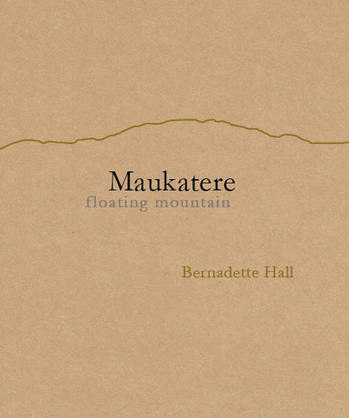
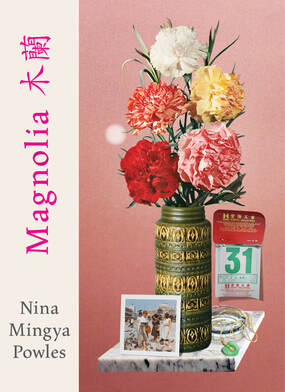
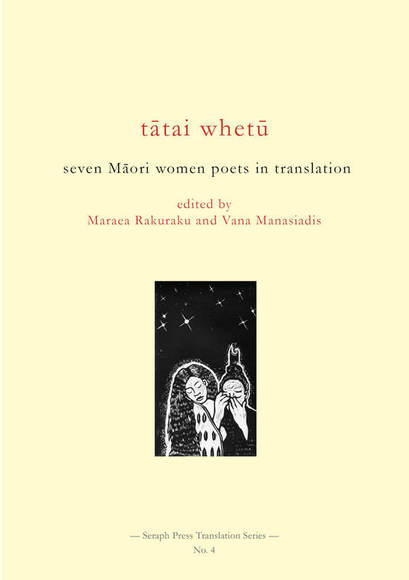
Seraph Press’s list of publications include some of my favourite poets in Aotearoa: Anna Jackson, Bernadette Hall, Nina Mingya Powles, Anahera Gildea, Vana Manasiadis, Helen Llendorf, Maria McMillan, Johanna Aitchison, Vivienne Plumb – plus the terrific anthology, Tātai Whetū: Seven Māori Poets in Translation (2018).
It has been such a pleasure to touch base with books and poetry in email conversations..
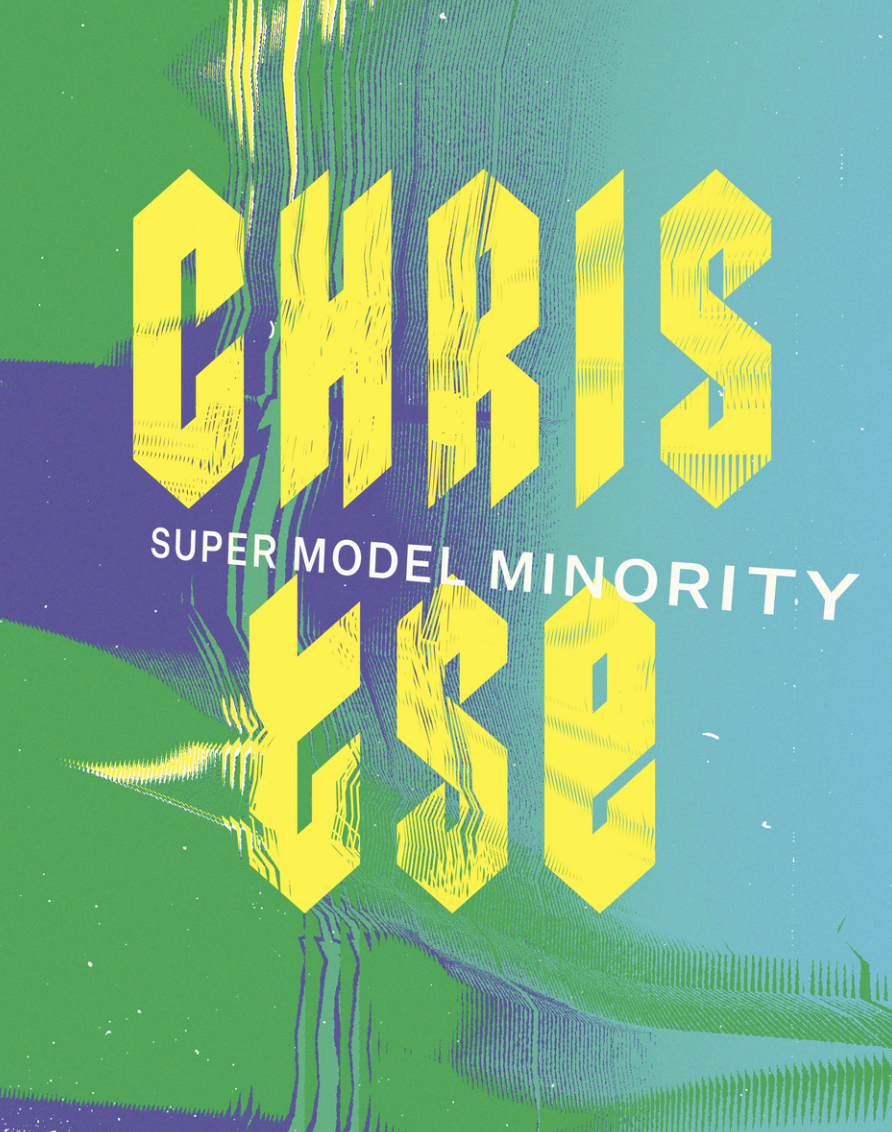
Paula: In these tilted and jagged times diversions are so important. For me, reading and secret writing projects are essential. So many sublime books are being published in Aotearoa and around the world at the moment, of all genres. What has helped you? Any books that have lifted or anchored or transported you? I can so identify with your words in Chris Tse’s new Auckland University Press book, Super Model Minority (‘these poems cut my heart before warming it’).
Helen: Yes, I’m also sticking pretty close to home just now, and while I am still seeing my friends, mostly in our own homes, I am also needing to find my joys near at hand. Over the last week while I’ve been finding a lot of comfort and joy, and also a bit of challenge, in creative non-fiction – particularly in books that could loosely be described as memoir, but which are much more. There’s something about the mixture of narrative, life, ideas and poetic writing (if not actual poetry) that’s my thing right now. Recent highlights include Joan Didion’s The Year of Magical Thinking and Blue Nights, Daniel Mendelsohn’s An Odyssey: A Father, a Son, and an Epic, Patricia Grace’s From the Centre and especially Deborah Levy’s autobiographical trilogy.
During last year’s lockdown a friend left a care package of books in my letterbox. One of the books was Real Estate, the third (red) volume in Deborah Levy’s trilogy. It’s kind of about her making a new life for herself after her daughters leave home, but it’s so much more than a memoir, as are the other two books in the trilogy. It’s poetic and philosophical and, collage-like, full of quotes from other works of literature that she’s having conversations with – I felt an affinity, it felt allied with what I’ve been doing in poetry in recent years. I read my way backwards through the trilogy, borrowing the second (yellow) volume, The Cost of Living, from a friend who lives downstairs and, as soon as we got to Level 3, buying the first (blue) book, Things I Don’t Want to Know, from the lovely Volume bookshop in Nelson (because no Wellington bookshops had it and I knew Volume could get it to me quickly, and I needed it immediately). And then when I finished that, I started reading them all again, forwards this time. I found them so calming, like the eye of a storm. I was finding everything a bit hard at the time, mainly in my head, and I would just take a little bit of time with these books and I could feel myself calming down. Even though her experiences were very different to mine, I loved the way in these books she kind of rises up above her life and looks down on it, and writes about it, from a calm height. It made me feel like I could do the same.
I confess to being someone who is looking for quite a lot of comfort in life and literature, but I also know that growth doesn’t usually come from comfort, and a bit of discomfort is really important. Super Model Minority is a fabulous book, and one that did at times make me feel uncomfortable. Some of the things he’s writing about are uncomfortable and even painful, and there’s definitely anger. But the poems make you think, and make you see and appreciate, and in the midst of it all there’s humour and hope and beauty. I’m always keen on some humour and hope and beauty.
Paula: Ah – now I am dead keen to read the Levy trilogy. And yes! That’s exactly what Chris’s collection does. And you do come away with the word hope.
I want to talk about how I love your poetry, but first, which poets would you choose to have conversations with (let’s say dead or alive, home or abroad). Poets who have affected your travels and engagements as a writer and a reader.
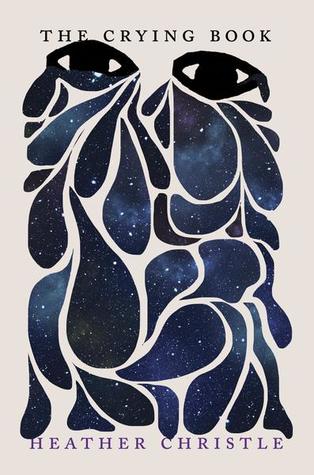
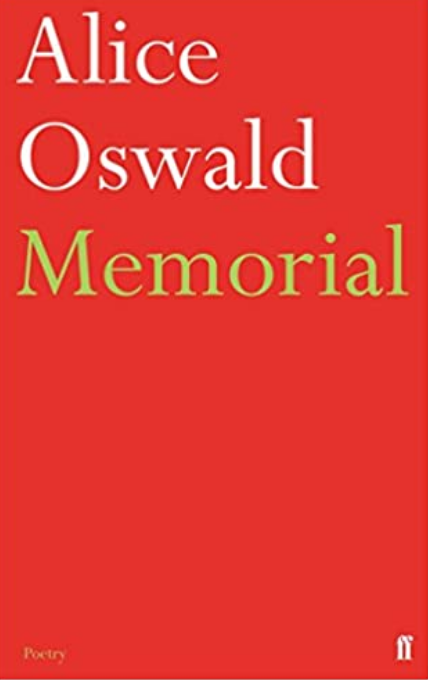
Helen: Hmmm, that’s a tricky question. I have a bit of a fear of meeting my heroes, in case it’s terribly disappointing, or they don’t like me (or I don’t like them), or we had a mediocre conversation. So much pressure! Also, quite a few of my heroes are women I don’t think I would get along with very well: Katherine Mansfield, Sylvia Plath, Virginia Woolf, George Eliot, etc… I also feel that if I really love someone’s work, I don’t necessarily want to talk to them about it, I wouldn’t want to break the magic. So I would be very nervous to talk to Anne Carson, for example, even though her work has been very important and inspiring to me in showing the breadth of what poetry can do. I was reminded today of the wonderful book-length poem Memorial by Alice Oswald today, and I would be interested in talking to her about that. While it was Heather Cristle’s The Crying Book, which is not strictly speaking poetry, that really got me, she is a poet I might risk talking to. I have had great conversations about poetry with poets who are my actual friends, perhaps particularly with Anna Jackson, who I’ve run a few conferences with, though we talk about other things too. From the past, Sappho would be very interesting to converse with, though we’d need to use some kind of translator. I would be intrigued to meet Byron, but it might not be poetry we’d talk about.
Paula: Ha! I never thought of that. Yes, I feel nervous when I review a book as that feels like a conversation that could go terribly wrong on my part. I want to navigate the paths, corridors, alcoves, wide open windows of a book and make discoveries. No interest in listing all the things a poetry collection doesn’t do.
What matters to you when you write a poem? What do you want your poem to do or be or feel or activate (I keep coming up with more and more verbs)?
Helen: I probably have as many answers to that question as poems I’ve written – possibly more! And what matters to me changes over time, and maybe changes back. But some things that come to mind are to capture something – a thought, a feeling, an experience, the thinking through of an idea, an image, a memory. I want to communicate, but not too clearly or simply, I want to create layers and textures and possibly contradictions. I want the reader to get something out of my poem, but I don’t want them to necessarily be able to decode the whole poem. I don’t want to be able to decode the whole poem. I want the sound and language to feel right for the poem, and I want the words to be beautiful, even if only ugly beautiful. I want it to feel fresh to me and/or the reader, but I want it to feel true to them in some way, which is not the same thing as factual. I want the poem to be more than the sum of its parts, and I want the poem to be a bit bigger than me, maybe wiser? I want to open some doors or windows in my own head, and the heads of at least some of my readers. I want to feel like the poem doesn’t have too much, or too little – I have a bit of a thing for a long, spacious poem, when appropriate. I want to feel that it’s a bit worthwhile, in some or other way. I don’t want to reread it and think ‘Yeah, and so?’ I want to have learned something, through writing the poem, even if only about myself. I’m not sure I can do all of these things at once!
from ‘How to Live’, in How to Live
Paula: How to Live (Auckland University Press, 2019) is one of my all time favourite poetry collections. It is a book I am taking to hospital with me. I so loved reviewing it on Poetry Shelf. Like many contemporary poets you are cracking open poetic forms – widening what a poem can do – as though taking a cue from art and its ability both to make art from anything and in any way imaginable. So richly layered. In fact everything you say above!
‘How to live’ is a question open to interpretation as it ripples through the poems; and it makes poetry a significant part of the myriad answers. I haven’t read a book quite like this and I love that. The writing is lucid, uplifting, provocative, revealing, acidic, groundbreaking. The subject matter offers breadth and depth, illuminations, little anchors, liberations, shadows. I am all the better for having read this book. I just love it. (Poetry Shelf)
If windows and doors open in your head as you write a poem they open in mine as I read the collection. Particularly in view of the presence of women. What did you discover writing this book?
Helen: Aww, thank you Paula! I learned a lot while writing this book, though I finished it more than three years ago, and so have forgotten a lot! It was definitely a book of thinking through – and feeling through – and making connections. So there’s a lot of me in there, and my own thoughts and experiences and attempts at figuring things out, but there’s also a lot of research. I learned quite a bit about philosophy and about philosophers, and that got me thinking about why I didn’t really know of many, if any, women philosophers. Turns out the main reason is the same reason we don’t know about a lot of women from the past: because they’ve been erased and forgotten. I am always quite delighted to discover women from the past who have done cool things – there are lots of them. It was also while writing this book that I started thinking about the way my poetry, and the work of other poets that I’d been noticing, was crossing over with essay, and I got quite excited about that. I’m really interested in poetry that explores and thinks through ideas – that journey – I’m probably less interested in the destination. I love the way poetry can leap over gaps and fragments, happily hold contradictions and layers and non-binaries. Both/And.
Palimpsest is a word I have to look up every time A palimpsest is a parchment from which the words have been scraped off so it could be used again but the old words still show through
Earth / late summer
This is the place of intersection your life my life my time and the little I know about yours the little I know about mine the little I know
from ‘Ban Zhao’
Paula: I so love the title and the poem it references. I am wondering if poetry so often responds to this question, overtly or opaquely. It made me want to write my own version, borrowing your title. Did anything in particular prompt the poem?
Helen: It’s a question I think we all need to keep asking ourselves all the time, for our whole lives. There’s no one answer, and the answer for each of us keeps changing, but in order to be a good person in society and a happy person in our own lives, I think we need to think about this, and also to act. Everyone could write a book of this title, and I would love to read yours! Multiple books probably – I have continued developing my ideas about how to live since I finished writing this book. They now involve more fun and dancing.
My original idea for this book was quite different, but with the same title. About a decade ago Sean, my husband, was diagnosed with cancer. It turned out to be of a very treatable kind, which was very fortunate, but the whole dealing with the medical system, let alone mortality, was a bit of a thing. I was also becoming increasingly aware that I was no longer a youth, and of the finiteness of time, and wanting to make the most of that time. During all of this, especially during Sean’s treatment and recovery, I was writing poems about this experience and exploring the idea of living as in not dying, and living as in really living. These poems weren’t entirely successful, but they had something in them, and I ended up cutting them up and using them as the basis of the long title poem, which explores these same ideas, as well considering ideas about what poetry is, and, you know, everything!
Paula: Is there a poem (or two) which has fallen into charismatic place for you? Two longer poems are particularly magnetic: ‘Notes on the unsilent woman’ and ‘George Eliot: a life’. Both function as fascination assemblages. They allow the reader to absorb lyrical phrases, humour, biography, autobiography, insistent questions. Biography is enlivened by such an approach, as is poetry. Ah, really the whole collection, magnetic, eclectic, electrifying.
Helen: I’m not quite sure what you mean by this question. Of my own work? This might not be what you mean, but I had a similar experience with both the first poem in the book ‘Notes on the unsilent woman’ (which was the last poem I wrote for the book) and the last poem in the book ‘How to live’, where I had this idea of what I wanted to do in the poem, and I had all these fragments, but I didn’t know how to make the poem I wanted it to be. But with each, while feeling like I would NEVER get there, I had a kind of epiphany about the form, which gave me the tone, which made everything else fall into place. I have found this encouraging since – that you can feel completely hopeless, but if you keep on going you might be quite close to creating the thing you want to. I think this recent tweet by Heather Cristle evokes this beautifully: ‘I love it when form writes the book for you. It is like you are trying to screw something together and form is watching you impatiently until it says ‘just give it to me’ and you do and form puts everything together so fast while you lie down admiring its movement and shape.’
from ‘Notes on the unsilent woman‘ Hipparchia of Maroneia c. 350–c. 280 BC
Paula: I was over the moon when it won the 2020 Ockham New Zealand Book Awards – Mary and Peter Biggs Award for Poetry. Did the judges recognise something in the book you hadn’t seen? I love it when that happens – when you look through the open windows of a poem and things surprise you. And how was it winning the award?
Helen: It was all a bit of a blur! Google photos tells me it was two years ago this week. It was also at the end of the first lockdown – quite a nice way to end it. I was in complete shock – I was pretty certain that Anne Kennedy would win, and when they said my name there was quite a lot of screaming (and a little bit of swearing) at my house. Book awards are weird things. I’m fully aware that they’re never an objective ranking, which isn’t even possible, but are just what those three judges managed to agree on at that time, but it was still very lovely that it was my book they agreed on. I don’t think there was anything the judges said about my book that surprised me, but I appreciated that they got what I was exploring. And winning meant that more people sought out my book, which was also lovely.
Paula: I find myself drawn to poems of all lengths – for a while I favoured the long poem as I could carry it in my pocket and keep adding to it as I mothered and worked and cooked. Now I quite like small poems, sweet mouthfuls that are verging on stream of consciousness. What do you like about the long poem?
Helen: There is something nice about a little gem of a poem, but I do love a good long poem the most. I love the way it has space to breathe and move and meander and be a bit messy. To look at things from a bunch of angles and maybe not favour any of them. I have come to accept that I’m a digressive conversationalist, perhaps a digressive person in pretty much everything except my day job (I’m an editor/technical writer, which is all about plain-language, clear structure, unambiguity – basically the opposite of poetry), and I really enjoy interesting digression in what I’m reading, and what I’m writing. Though, it won’t be entirely a digression, because it will almost certainly connect to everything else in some kind of way. A long poem has enough time to set up resonances within itself, it can tell stories rather than just capture moments. Not that I don’t love a great poem that just captures a moment! And because I’ve been interested in the essay poem, longer poems have more space for the essaying, the thinking through, the exploration. And I guess they have the space to be about several things at once, and about the connections between those things. Probably I should give some examples, but I’m immediately struck by everything I would miss out! Possibly my all-time favourite long poem, and all-time favourite poem, is ‘The Glass Essay’ by Anne Carson, which isn’t quite book length (it comes in at 45 pages), but which manages to be about the end of a relationship, Emily Brontë, Wuthering Heights, a visit to the narrator’s mother, and the decline of a father with dementia, and some other stuff, and is all beautifully written.
Paula: I am delighted to see so many boutique presses springing up – bringing us such a wider range of voices. You have published a number of my poetry collections though Seraph Press, and it has been a special relationship. I have loved the look of each book, am grateful for your editing. The collections are all so different. I love that! And I discovered Nina Mingya Powles through you! How does publishing the work of poetry impact on your own writing? You put so much love in to the books you published. What matters to you when you make the book of someone else? [do you think publishing is something you are moving away from now to give more time to your own work?]
Helen: I do love making books, both as collections of words and ideas, and also as physical objects. And I have loved working with different writers to get their words out into the world. Some of them, like you, were fully formed poets when I started working with you, while others – such as Nina, who was only 21 when I published her first chapbook containing some of the very first poems she’d written – were just beginning and I’ve got to see them bloom in close quarters. I have made some great connections and am really proud of making books that I think are beautiful and worthwhile. I try to work with each author so we’re both happy with what we’re putting out, and happy with how it looks. Because it’s something that I do in my own time and almost entirely with my own money, I have had to basically be in love with the books to make it worthwhile. It has taken a bit of a toll on my own writing sometimes, because when I’m working on someone else’s book, that has obligations and deadlines, whereas my own writing doesn’t and gets pushed back. Especially as I’m not an especially great multi-tasker, am usually also working a day job or two, and am by nature quite lazy and so my inclination is generally to just muck around instead. As much as I love publishing, or rather some aspects of publishing (because I do pretty much everything, there are definitely things I’m less interested in and less skilled at – like marketing, for example), after getting a bit burned out I am having a hiatus on the publishing front, and focusing on my own writing, and my own life, for a while. I’m sure I haven’t published my last book though!
Meanwhile, I’m really excited to see the new publishers coming through, doing things their own way, getting important work out there, and increasingly being noticed by mainstream awards. This not at all an exhaustive list, but I’m thinking right now of Anahera Press, Compound Press, We Are Babies and new kid on the block Taraheke | Bushlawyer. Exciting times!
Paula: Indeed – so exciting to see the new presses supporting terrific new voices. I feel like we have had a very long lunch, with the most delicious food and roving conversation. It means a lot, to be part of wide stretching poetry communities.
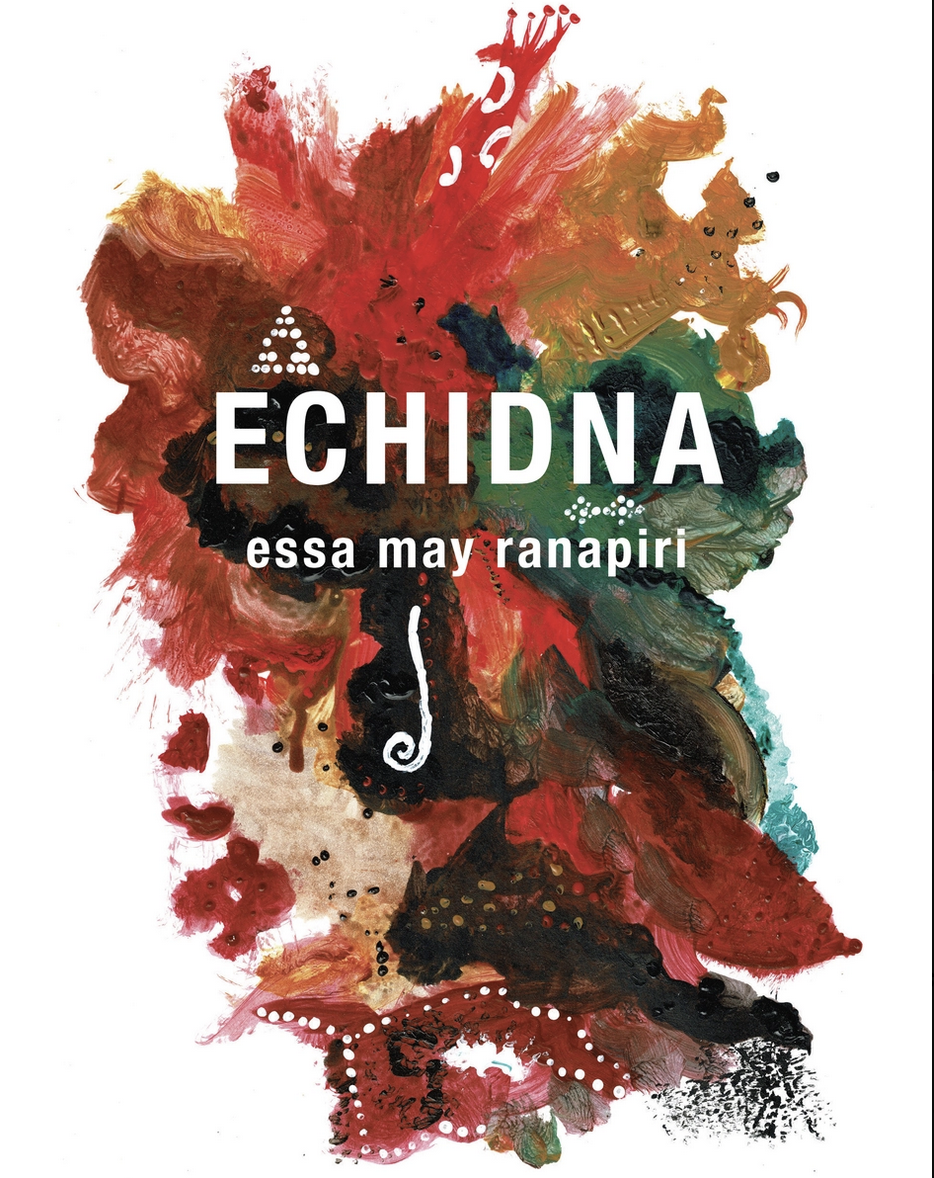
Echidna, essa may ranapiri, Te Herenga Waka University Press, 2022
they’re sharing takeaways next to the ocean bony butts on a park bench the Spider signs into the air did you know liking hot chips makes you gay Echidna smiles does it? there is just the sound of waves crashing and the newspaper rustling the grease making things transparent
from ‘Echidna & the Spider’
Spending extended time with essa may ranapiri’s new collection Echidna is a catalyst for contemplation, deep-seated musing, sinking into the knowable, wallowing in the unknowable, brushing against the light, scratching at the dark. All this and more. essa is writing in the present tense, that intimate prolonged precious moment when their words meet screen or page but, as their dedication indicates, are writing – for to from – their ancestors (past) and descendants (future). And past present future become weave. And writing becomes weave. And weave becomes writing.
I see the word weave is used on the book’s blurb: ‘Echidna contends with three stands of tradition; Greek mythology, Christianity and Māori pūrākau, and through weaving them together attempts to create a queerer whole.’ Storytelling is weave. Weave is storytelling. Where and how did she fit into storytelling over time? Where do they fit into story telling. Who is speaking? Who wields power according to the dominant voice? Ah the power of myth to acculturate.
For decades, we have attempted to place she centre stage, to give her necessary voice, to rescue her from shadows and misrepresentation, this complex prismatic stretching she. As a writer and once temporary academic, I wanted/want to witness and engage with her publications, performances, anthologies, critiques. And now, so long overdue, we must place they centre stage, to give them voice, the non binary, the gender fluid, to rescue them from shadows and misrepresentation, this complex prismatic stretching they. As writer and once temporary academic, I want to witness and engage with their publications, performances, anthologies, critiques.
essa draws upon so very much for this heart-startling collection. I experience it as a weave of their own self, vulnerabilities, fears, dreams, experiences. As a weaving of contemporary spaces, mythological and cultural inheritances, and above all the wounding slam of colonialism. This is the kind of book an author has given every inch of skin and blood to. I am reminded of Tusiata Avia’s Bloodclot.
Again I am also reminded that the books we write are woven out of the books that precede us, the communities we write within and beyond – as much as life, imaginings, daring. essa acknowledges this in their poem dedications and ‘Notes’ and the connective tissue of their poems. Here is part of the community they gather: Tusiata Avia, Tayi Tibble, Roman Potiki, Aimee-Jane Anderson O’Connor, Hana Pera Aoake, Tina Makereti, Sam Duckor-Jones, Ruby Solly, Stacey Teague, Whiti Hereaka, Keri Hulme, Rangi Faith, Robert Sullivan, Anne Marie Te Whiu, Ngahuia Te Awekotuku, Reihana Robinson, Elizabeth Kerekere, Hinemoana Baker, Sinead Overbye, Michelle Rahurahu, Harry Josephine Giles, Carin Smeaton.
The collection. Echidna, the she-viper, cave dweller, mother of monsters, half woman half snake: she is myth and she inhabits this world. She meets Narcissus, and she starts an instagram account, plays video games, eats takeaways. She squashes sandwiches into a tupperware container and she wraps herself in cliches. She meets Ureia. She is a night cleaner. She is the pulse and tension of this collection. She will keep you reading.
standing in the shower now she scrubs vivid from her tails kids’ comics and lyrics from the radio Black Parade and a Riot! of melodrama when she gets out lifting her unruly form over the threshold she wraps clichés around herself to get dry the mirror fogged over hides a reflection she doesn’t see herself in
from ‘Echidna Goes through Her Emo Phase’
Māui and Prometheus also make an appearance or two in a steaming hot relationship. The poem ‘Prometheus Collects the Body of His Lover’ hugs the right-hand margin and the collection slows right down to heartbreak, to held-breath, to astonish us as the poem shifts vantage point and embodies grief.
he takes small sips black and bitter
there was a Prometheus who would howl at this would take up patu and strike a Prometheus who would burn the house down and leave with the body and bury him in the rich soils of his kāinga a Prometheus who would try his hand at succeeding where Māui had failed but that wasn’t him
not now
essa offers sensual hooks so poems become tactile, aromatic, igniting taste buds. There is the physical and there is the intangible. The form of the poems shift like the shifting voice of the storyteller, the point of view swivelling. Sometimes a poem might appear like two salt pillars, sometimes ravined with space and ache, sometimes wider gaps punctuate the line, allowing room for float and drift.
And the sound. There is the music of the storytelling voice, a voice attuned to holding a listener entranced, to composing aural connections, undulating chords. Yes, it is music for the entranced listener.
Books find you. You find books. Poetry, like storytelling, has an incredible ability to invigorate every body pore, in ways that both heal and challenge. We need poetry in these turbulent times. We need this book. This remarkable groundbreaking Echidna.
essa may ranapiri (Ngaati Raukawa, Highgate, Na Guinnich) is the author of this book. Their first book, ransack, was published in 2019. They will write until they’re dead.
Te Herenga Waka University Press page Poetry Shelf Monday poem: ‘Echidna & Nafanua’
Yesterday the world emptied out. I don’t remember a flood – just a perfect summer’s day that had gone a bit far. Nothing was left except three donkeys and two pigs – and a hawk that began her serene hunt, wings spread, for prey. I don’t think I was there. I was floating downstream or plucking away at something in someone else’s vacant apartment (where had all the furniture gone?) with not a hell of a lot to say. A caterpillar might crawl across my path, if I was lucky, or a heavily-breathing man, intent on making it to the top. There are bigger gaps between the stepping stones now, as well as peach trees, pumpkins, apples and apricots. They offer quiet advice that hangs just out of reach.
Susanna Gendall
Susanna Gendall’s writing has appeared in a number of journals, including JAAM, Ambit, Takahē, Landfall and Sport. Her debut novel, The Disinvent Movement (THWUP), was published last year.
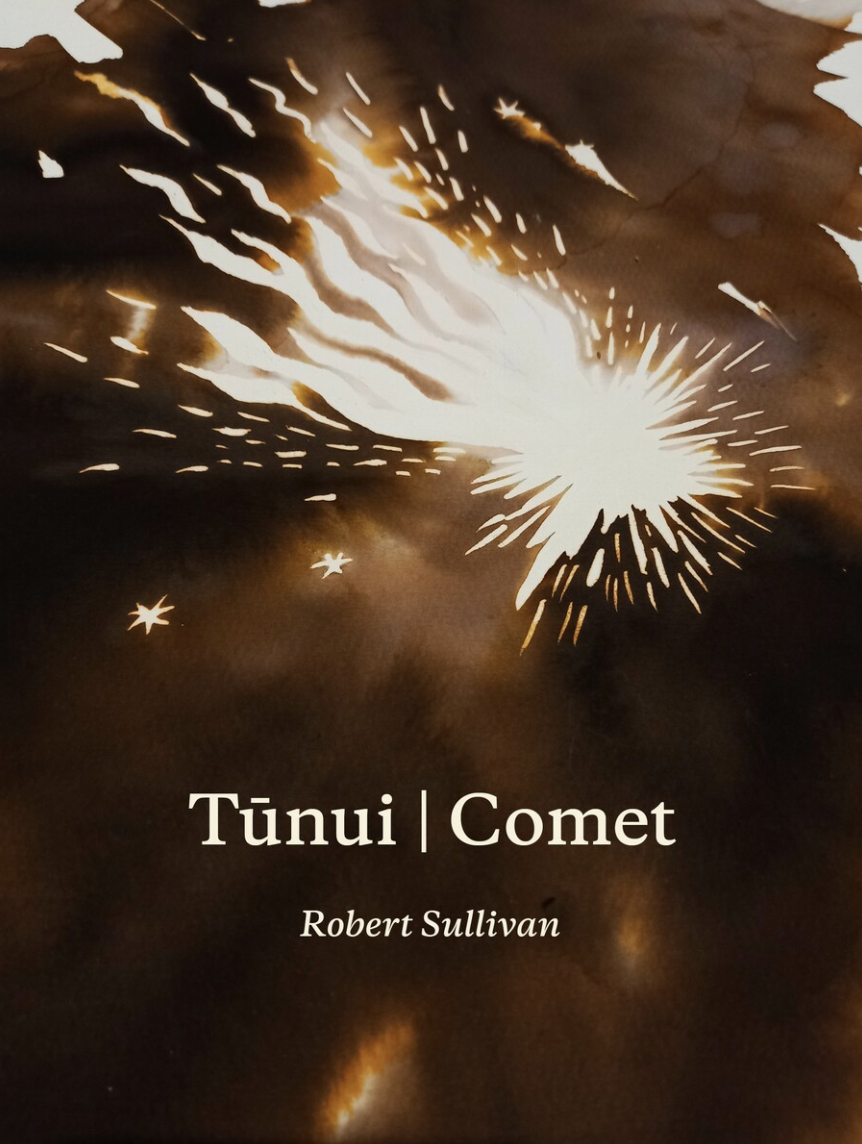
Tūnui | Comet, Robert Sullivan, Auckland University Press, 2022
6.
I’d written ‘Decolonisation Wiki Entries’ because it reminded me of buses in Honolulu
at the airport and Waikiki. The open-air buses aren’t like decolonisation though. Decolonisation
is not worrying about cultural identity, and not translating and not having to explain
things like a family and hapū do such as wānanga because the wānanga is the explanation
or learning mōteatea by our ancestors, or prophecies of our spiritual tūpuna, or sadness
at the fighting on the other side. These decolonisations make up life.
from ‘Te Tāhuhu Nui’
Robert Sullivan belongs to the iwi Ngāpuhi Nui Tonuand Kāi Tahu. His debut collection, Star Waka (Auckland University Press, 1999), marked the arrival of a significant poet, and has been numerously reprinted. Robert has published a number of collections since, and with Reina Whaitiri edited Puna wai Kōrero, an anthology of Māori poetry, and with Reina and Albert Wendt, Whetu Moana and Mauri Ola, anthologies of Polynesian poetry in English.
Robert’s new collection, Tūnui | Comet, stands on the shoulders (hearts, lungs, mind) of everything he has written and edited to date. Voice has carried his poetry, his family, his whakapapa. Voice is the weave that remembers the touchstones of his previous collections: Tāmaki Makaura, the Far North, colonisation, Cook, family. I have never forgotten his premise that voice carries us. And voices carries this collection, all that it holds close, all that it challenges. It is there in ‘Kawe Reo / Voices Carry’:
Voice carries us from the foot of Rangipuke / Sky Hill / Albert Park to the Wai Horotiu stream chuckling down Queen Street carrying a hii-haa-hii story—from prams and seats with names and rhymes, words from books and kitchen tables.
In writing poetry, Robert is speaking to for with from. He is conversing and he is voyaging, and his writing is the river flowing, the currency of water and air vital. Each poem sits in generous space on the page, each poem given ample room in which to breathe, in an open font, allowing space for the reader to pause and reflect.
The collection weaves in past, present, and future – who he is, was and will be – mythologies, histories. There is the drive to write in te reo Māori, to nourish the language’s roots, to write poems without English translations, to insist upon a need to speak and grow with his own language.
Robert acknowledges he writes within a community of poets who have shaped him. He carries a history of reading, of considering the work of others, particularly Māori and Pasifika poets. There’s a homage to Alistair Te Ariki Campbell. An imagined barbecue with Hone Tuwhare. A reminder the notDeclaration of Independence was actually yes, an assertion of mana by the rangatira (for Moana Jackson). There’s walking on Moeraki sand to remember Keri Hulme’s place names.
Voicing: colonisation decolonisation. The poem ‘Decolonisation Wiki Entries’ reminded me of the caution I bring to facts and figures, to encyclopaedic entries, to the way statistics can be hijacked, research findings manipulated. I am reminded of the hidden narratives, the misrepresented experiences, the sidelined voices.
2. Ruapekapeka
I have visited once and seen a hilly field from memory—hard to take the scene in without props. There was a church service and worshippers fled out beyond. Never swarmed the bunkers and trenches. Flicked between ancestor Wynyard and out neighbouring great chief Kawiti. I do not know the buried knives. We gathered in this hill of ash, dead bees and pollen. We left carvings in the earth and flowers there.
from ‘Decolonisation Wiki Entries’
Tūnui | Comet is poetry of acknowledgement. It is poetry of challenge. And it is profoundly moving. In ‘A.O.U’, the poem sings a mihi for Ihumātao. In ‘Feather’s’, the speaker is wearing blood and mud splattered trousers at Parihaka (‘we’re a little band of brothers /marching hundreds strong’) and the feather is in flight:
Whiteness of the mountain the ploughs and feathers the children’s singing witness
I say challenge, do I mean voice? Voicing different versions. Wanting to wrap Old Government House in Treaty pages and lavalavas and knock on the door and ‘say open sesame’. Or stepping back into the sailing boots of Captain James Cook and twisting the eyeglass to imagine afresh the what if.
Or what if I stayed in Aotearoa and shared our science, our medical knowledge, our carpentry and animal husbandry, our love of books and conservation values? What if we had gained the friendship, love and trust of the Natives, and returned that equally at the time, not needing to constantly gaslight and to make amends?
from ‘Cooking with Gas’
Reading Robert’s intricate, sweetly crafted poetry affects me on so many levels. There is aroha in the pen’s ink, there is fortitude and insight, there is history and there is future. There is uplift, and the need to refresh the eyeglass, the mouthpiece. Read the excellent reviews of Anton Blank and David Eggleton (links below); they celebrate the arrival of a new book by a significant poet in multiple ways, and how it inspires on so many levels. My head is all over the show now, and reviews are getting harder and harder to write, but I hold this book out to you. It is a beacon of light on the horizon, and I am grateful for its presence.
Auckland University Press page Anton Blank review at ANZL David Eggleton review at Kete Books
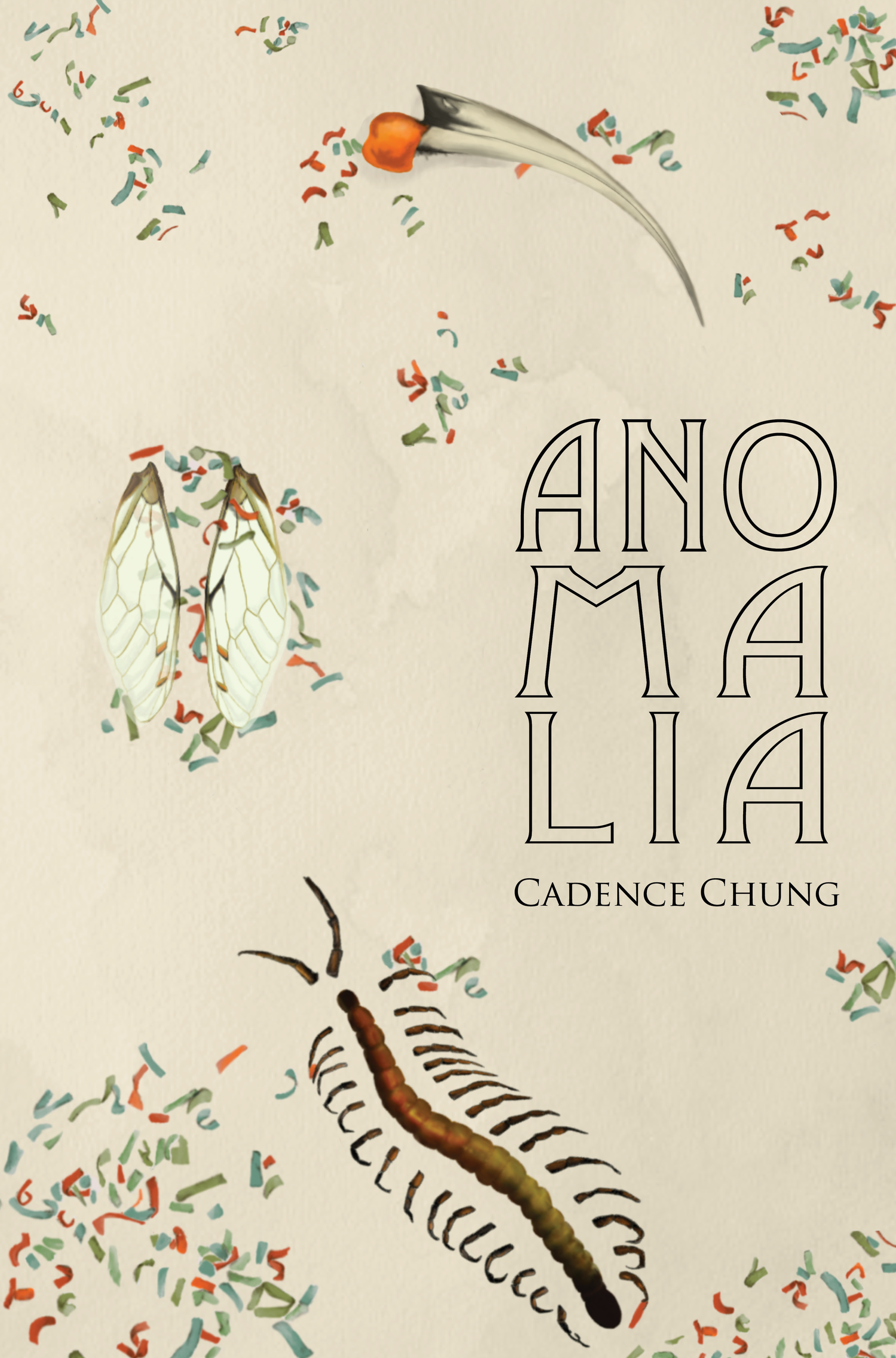
anomalia, Cadence Chung, We Are Babies Press, 2022
scrapes and yellow bruises on her knees, she is learning the terrain, learning that some things cut and some things stain, she is learning that the sky above is full of balls of light that you can’t touch or feel or taste she is getting used to the injustice of it all.
from ‘specimen ‘332: the astronomer’
anomalia is Cadence Chung’s debut collection, and was written during her final year of secondary school in Wellington. She has been writing since she was young, and began publishing in her teens. Cadence has made two demo albums and her musical Blind Faith was staged at her secondary school in 2021. She hit the poetry headlines with ‘Shadows / shades’, a poem she wrote in response to NZQA using a poem by white supremacist and murderer Lionel Terry in a Level 2 History exam.
The collection’s opening poem, ‘abstract’, underlines how anomalia heightens a sense of the imprecise, the irregular. Stare at a word long enough, say it often enough, and it slips into the unfamiliar, the unpredictable, the unsteady. The word ‘abstract’ may reference a summary that acts as prelude or doorway. It may be ideas that stand as theoretical window. Or the removal that signals a clearance from expected settings. The word/idea/flashpoint bounces me back to the title of the book, and I am musing on how a word wobbles on the line, how this thought or that gesture, this appearance or that choice, deviates from expectation.
Poetry is a perfect place to contest everyday anomalies. The word may wobble on the line, but the word on the line can emit light, can resist subjugation. And Cadence’s poetry demonstrates this.
Poetry is a perfect place to celebrate the present tense, to make use of the gerund, the present participle, in order to keep moving: to keep searching, collecting, surrendering, dissecting, loving, pretending, existing, recurring.
Cadence’s collection is a curious curiosity cabinet with its recurring motifs and themes: cicada, vivisect, blood, science, anxiety, specimens, antique shops, milk(y), love. But it is more than that. It is more than physicality. Cadence has probed into the tender flesh of being human, with scalpel and penetrating lens, and laid the seeping wounds and insights into the clearing that is poem.
There is the insistent and constant need to classify, sort, catalogue or vivisect the specimen. The specimen may be a gathered object, a body’s organ, but I also see it as self. The poet is driven to sort, classify, catalogue, vivisect self. It is the beating heart, the fragile state. It is elusive and unknowable. Self is placed in display cabinet. Self becomes cabinet. Self becomes poem. And if the specimen is dismembered, split open, if the self is vivisected, this is poetry of pain, hurt, danger, vulnerability.
The floating and ambiguous ‘me’ is more than body parts. It is astonishing to peer into the glass cabinet of the poem and hit the sharp edge of anomaly. Where the most important things (I love you) are incommunicable. Where sorrow is easily categorised but matches no category. Where uncertainty is a certainty. Where life is sonnets and getting tender about mushrooms, a flirting moon. And life is ‘patching together / every scrap and semblance i know of’. Also from the poem ‘that’s why they call me missus fahrenheit’: ‘Because everything’s too bitter / to not suck on the sweet bits’.
Oh and scientist poet, poet scientist, becomes dissident. They long to subvert the results, the order – and gore becomes glitter cluster. From ‘anatomy’: ‘keep trying to understand the strange strange anatomy / of existence’.
The collection has hooked onto my skin, down my breathing passages. The poetry is provisional anchor. Searchlight. Distress signal. Gritty field. Self reflection.
anomalia is a breathtaking debut.
like i have admired everything in my life with recklessness and without hesitation
how could i not? when there are drawers full of herbs pictures of distant towns
ripped waistcoats long-gone family crests love letters to dispense from heart-covered machines
for a penny each how could i not? when i am so used to being collected
like dust between pages like sludge in a gutter like eyeliner on skin left to sit
how could i not? when i am lonely so everything reminds me of love


 NZ Poetry Shelf