Tag Archives: poetry shelf reading

Poetry Shelf celebrates Te Pūrere The Exodus with eleven readings

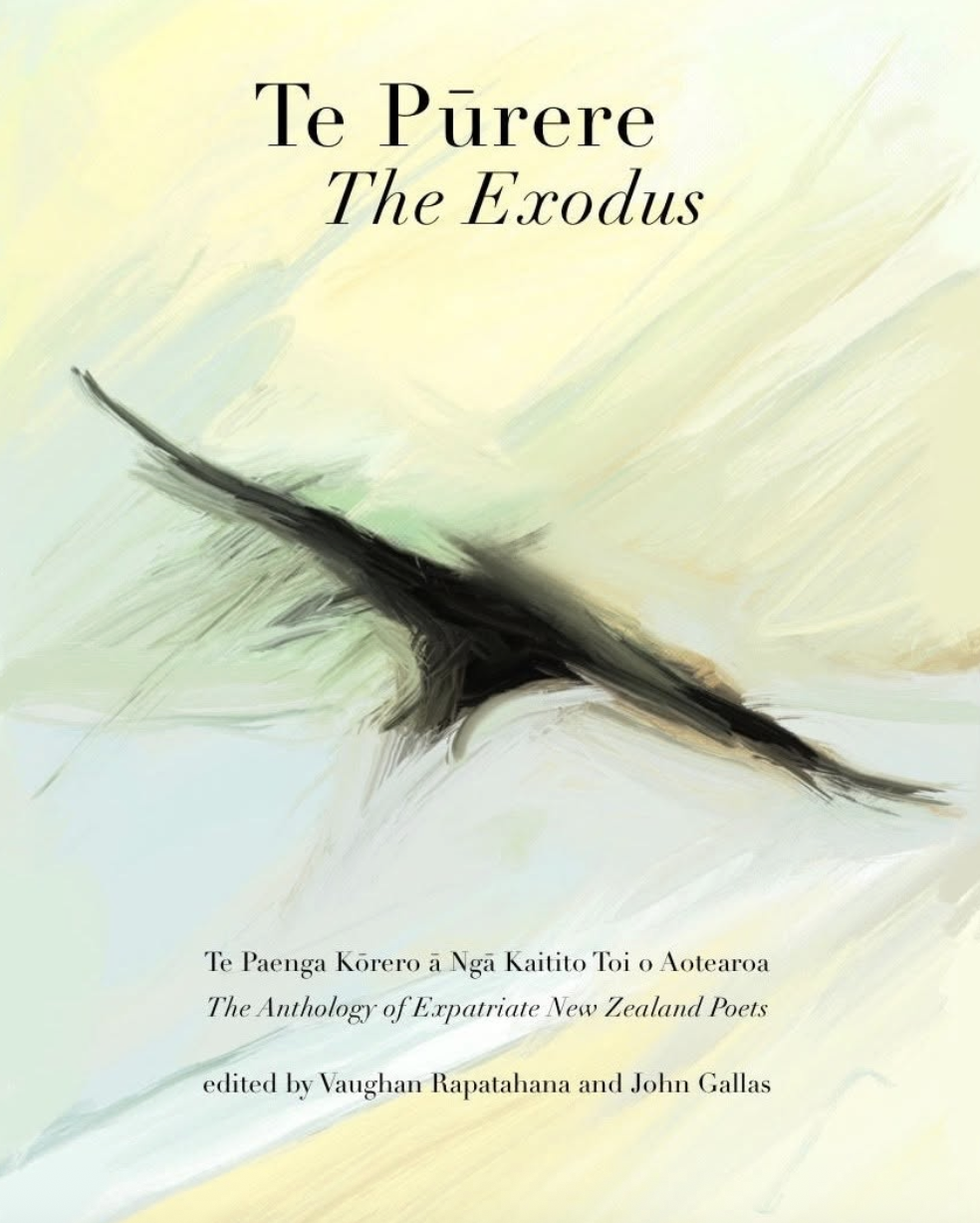
Te Pūrere The Exodus
Te Paenga Kōrero ā Ngā Kaitito Toi o Aotearoa
The Anthology of Expatriate New Zealand Poets

eds Vaughan Rapatahana and John Gallas
Cold Hub Press, 2026

We lost count of the number of times we packed up our loves and left our
homes, and sat on the shore with our suitcases, playing music for animals who
resembled flowers, while our spirits were cut into jigsaws, while we threw away
our names and birthplaces, and watched the sun fragment into amethyst and
coconut shards as it walked backwards into the ocean.

Manisha Anjali
from ‘Sea, Pilgrim’

Te Pūrere The Exodus offers an eclectic selection of poems by 60 Aotearoa New Zealand poets who live overseas, expatriates with tendrils in various homes. The anthology includes an introduction by Roger Horrocks and the sublime cover art work by Vaughan’s daughter, Pauline Canlas Wu.

I lived in London for five years in the 1980s, an arm stretch from my Scottish Grandmother’s Glasgow, and an elbow tap from my English Grandfather’s London. I lived through London IRA bomb scares, through art exhibition astonishment in both the UK and across Europe, embarked on long cycle trips, food discoveries, author discoveries and an extraordinary set of gigs and concerts, including Nina Simone at Ronnie Scotts, Annie Lennox. I adored West End musicals, astonishing Shakespeare productions. And then London got hit with radioactive rain from Chernobyl and planes laden with bombs left from southern England to bomb Libya. Michael and I felt an urgent pull to return home. To replant ourselves by bush and ocean.

So I entered Te Pūrere The Exodus with an offshore/home longings back story, drawn to the resonance of being here and there. Place and people are brought to life in the wide-ranging poetry. Poetry becomes a terrific way of making oneself at home, whether offshore or back here in Aotearoa, whether past or present. The anthology, so beautifully produced by Cold Hub Press, is an enriching read, a gathering of fascinations and discoveries and loves.

I have been participating
in the word – Scotland –
we have been moving through each other
like fish and light and water through water.

Lynn Davidson
from ‘To get here’

Two questions for Vaughan and John

1. What discoveries did you make as you gathered this anthology together? Whether on poets or poetry itself? Whether moments of surprise or delight or learning?

Vaughan: Tēnā koe mō tēnei pātai. I became more surprised as we went on, just how many expatriate Kiwi kaitito (poets) there are. I already knew of many – which is why I instigated this project – but not as many as we eventually invited to contribute. More, almost without exception, they responded enthusiastically and obligingly and we – and here I speak for John, I am sure – were quite delighted with the quality of their toikupu (poetry). Across a wide swathe of kaupapa and an array of styles. Aotearoa New Zealand should be very proud of its expatriate poets!

John: Every contribution a discovery. The unique combination of ‘displacement’, the attitude to it, the pluses and minuses of it, the emotional response to it, and the kind of ‘double-life’ it represented, all expressed in a wild variety of forms and styles … all this made for a real odyssey – calling in at every port on the way! Individually, the ‘feel’ of the poems was super-personal, even when not a direct expression of ‘I’: and as a whole, the noticeable rejection of what might be called Traditional/European forms and disciplines made for a freshness, independence and originality that was striking … and made me feel kind of proud of Us.     

2. How have notions and the experience of exodus, of being an expatriate writer affect you as a poet?

Vaughan: Tēnā koe anō. For me, literally living across three countries and cultures, as well as several languages, has vastly widened my mental vistas, which – invariably – lead to poems incorporating these variegated experiences. I guess that I no longer see New Zealand with a ‘domestic point of view’, but from afar, and accordingly perhaps have different opinions and outlooks inside my work.

I would also like to note that during our compilation of this anthology, we lost some fine Kiwi poets – Fleur Adcock, Eric Beach, Vernice Wineera. Te Pūrere/The Exodus was compiled to commemorate as many Kiwi poets as possible and to bring them further recognition in Aotearoa now.

John : Can be summed up, for me, in the following, which was written for the back cover of ‘Aotearoa/Angleland’ (New Walk Editions ISBN 978-1-8381153-4-0):

A life, a heart, a soul – and a book – divided. Happily divided. In this pamphlet, John Gallas wanders the corners of his two homelands: Aotearoa and England. The heart doesn’t bleed, the soul doesn’t yearn to be one, and Life can always get on a plane. As Misuzu Bonchō wrote, when she moved to Dodge City:

A thing with two roots
will grow to embrace the earth
with both arms. Write on …”

the readings

Vaughan Rapatahana
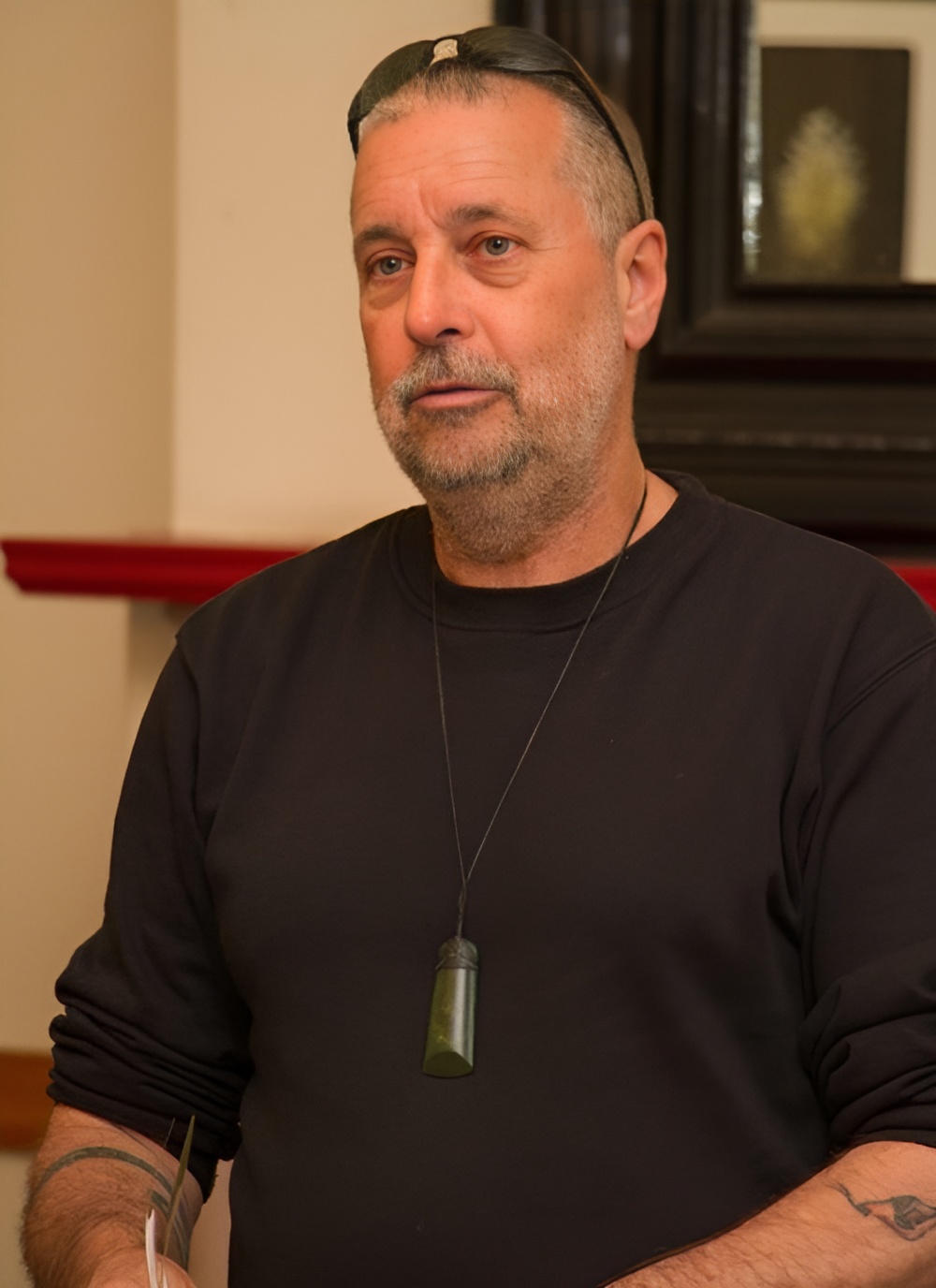
Vaughan reads ‘three countries’

John Gallas
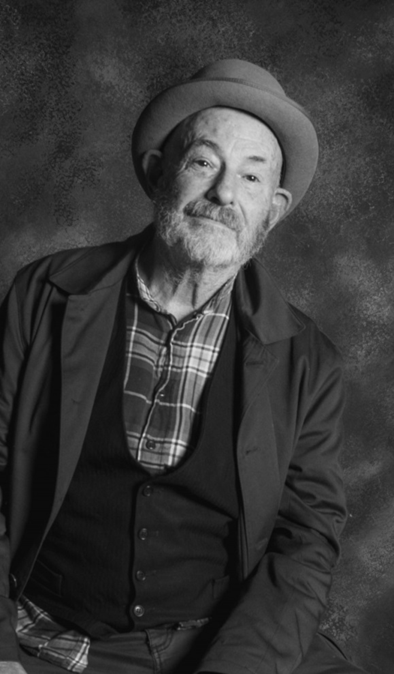
John reads four tankas, ‘Poeticals’, ‘Rooked’, ‘Lowestoft Harbour’, ‘Hillgate’

Hinemoana Baker
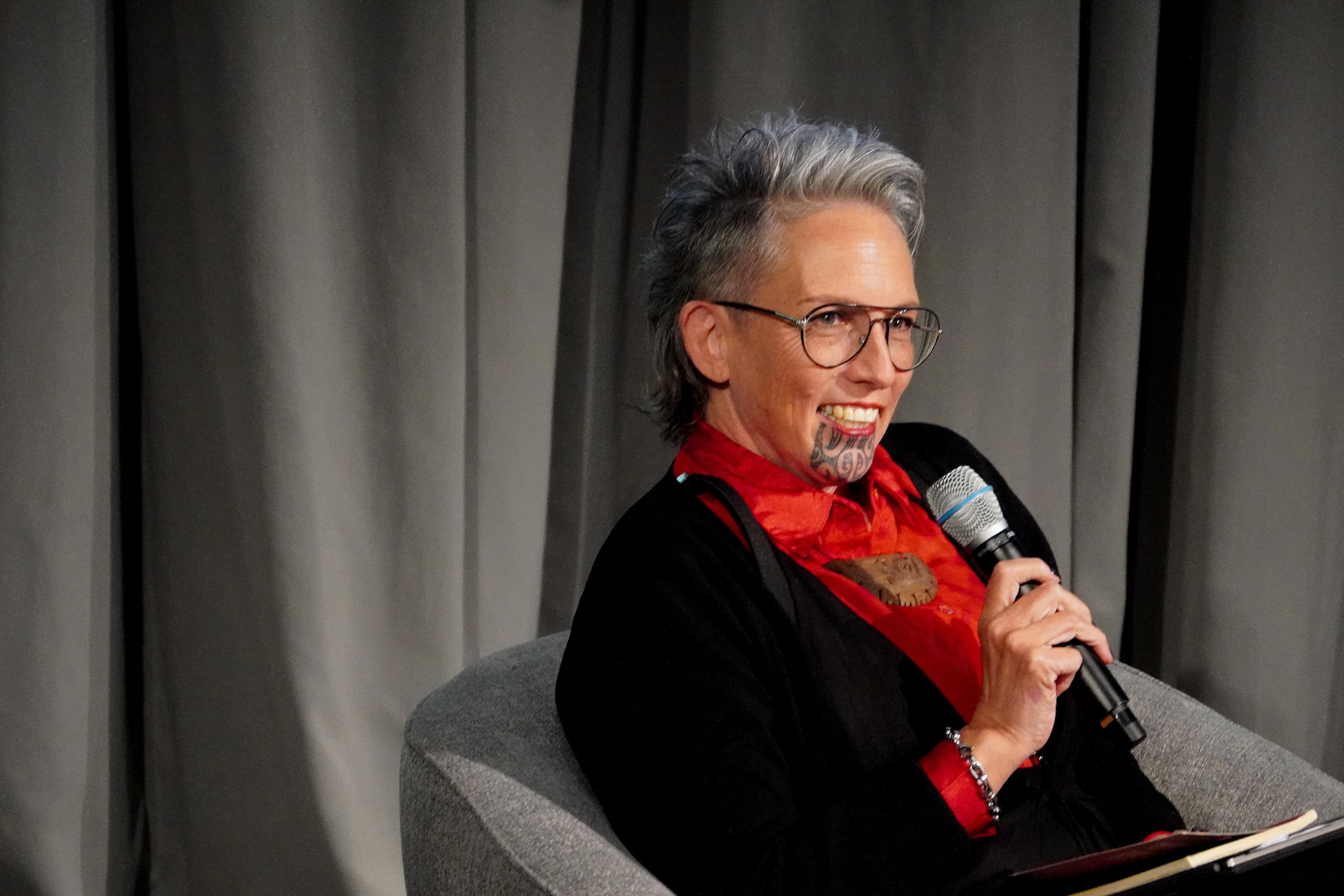
photo credit, Tim Gruar, courtesy of Randell Cottage Trust 2024

Hinemoana reads ‘the librarian asks me about the green stone around my neck’ and ‘Fox’

John Puhiatau Pule
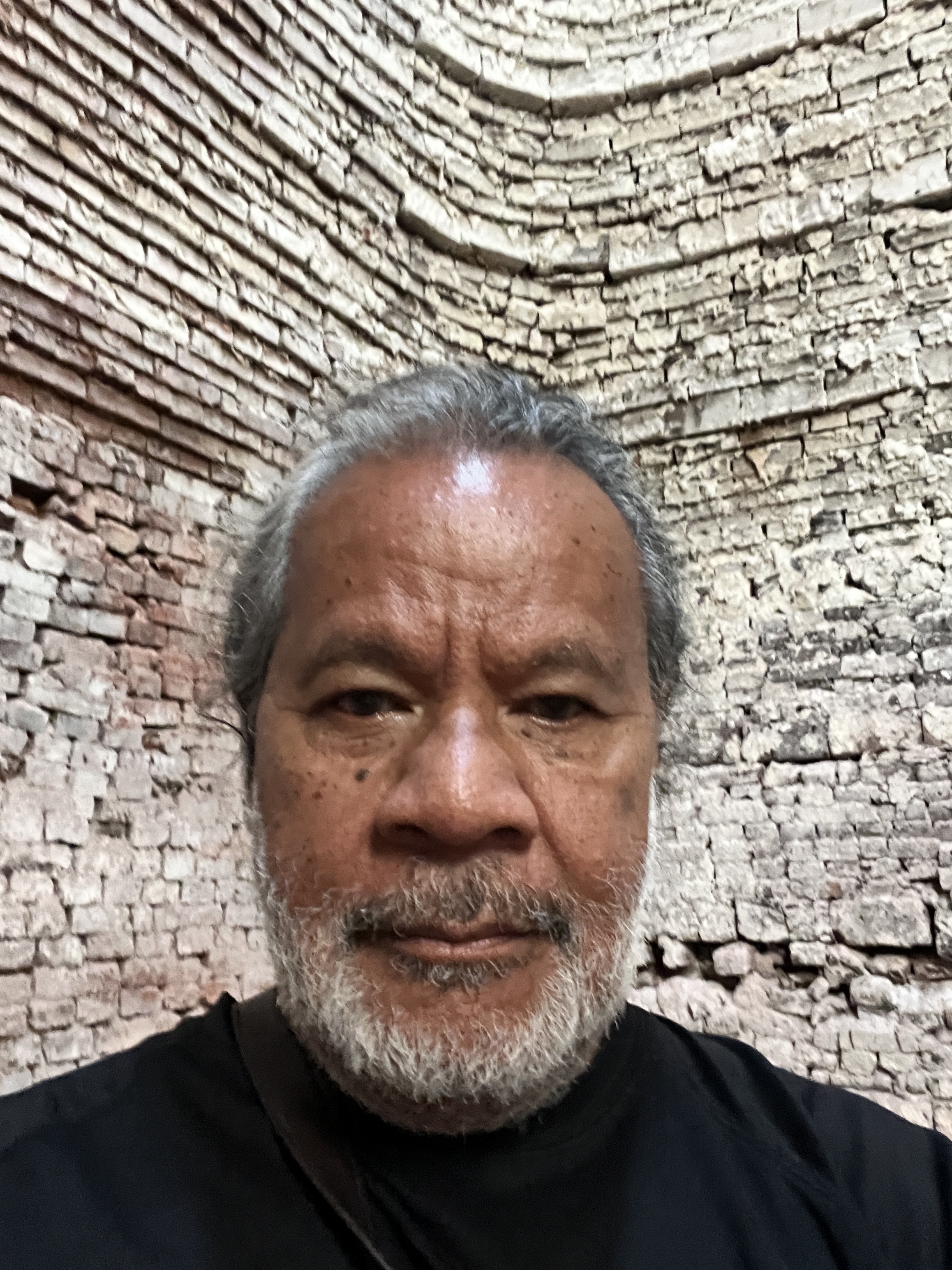
John reads ‘Looking at rain too long has given me eternity’

Joan Fleming
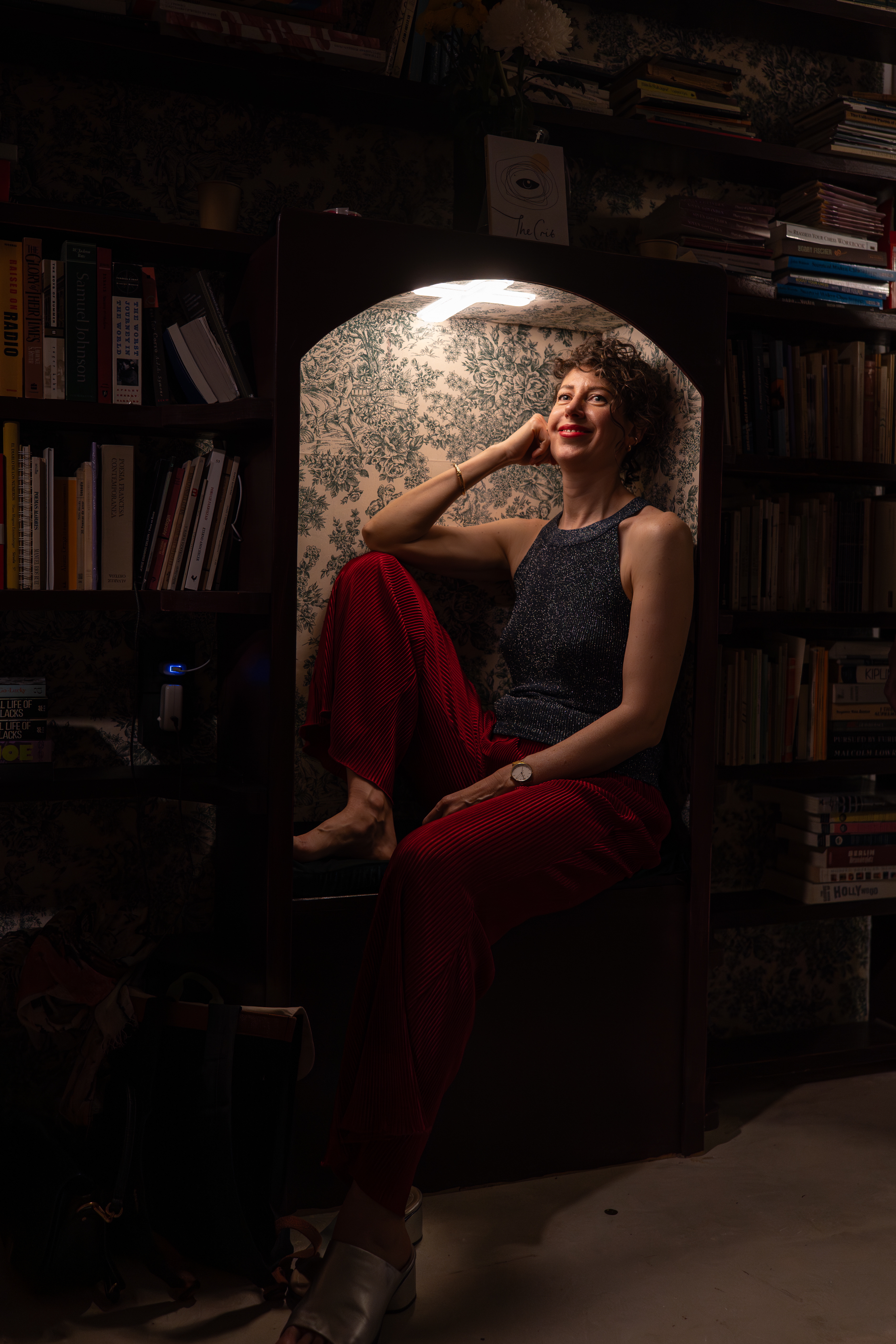
photographer credit Reyes Cervantes

Joan reads ‘Catalogue’

Amy Catherine Brown
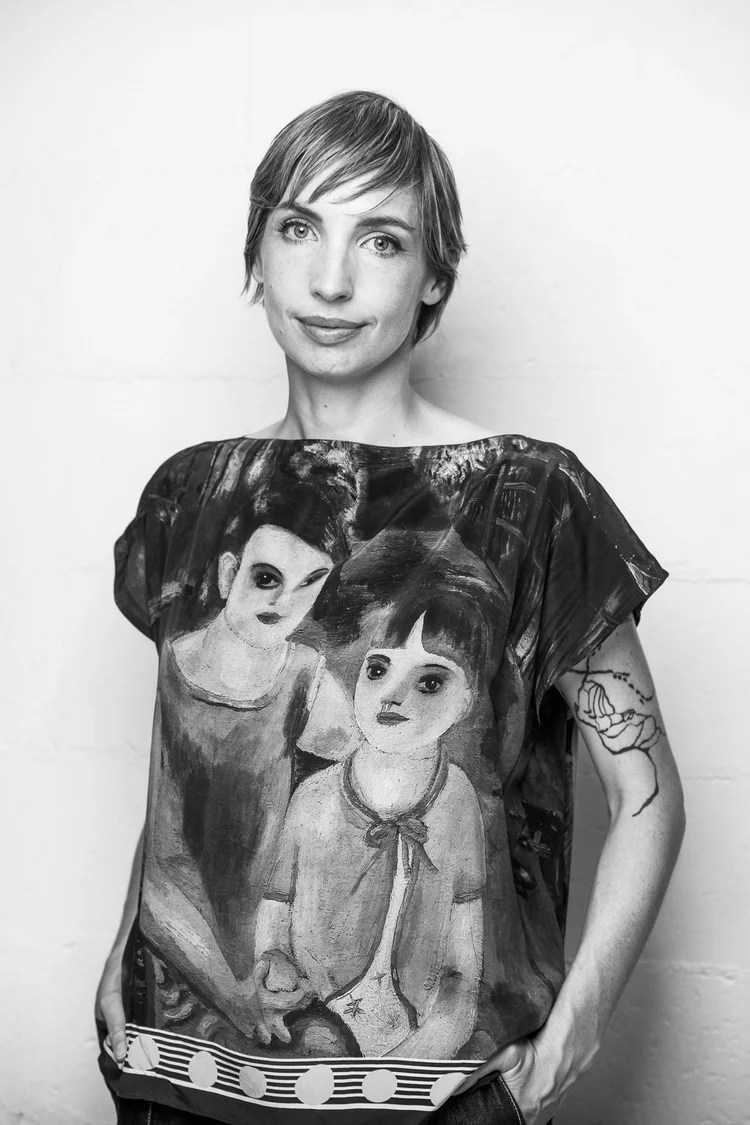
Amy reads ‘Pacing Poem’

Lynn Davidson
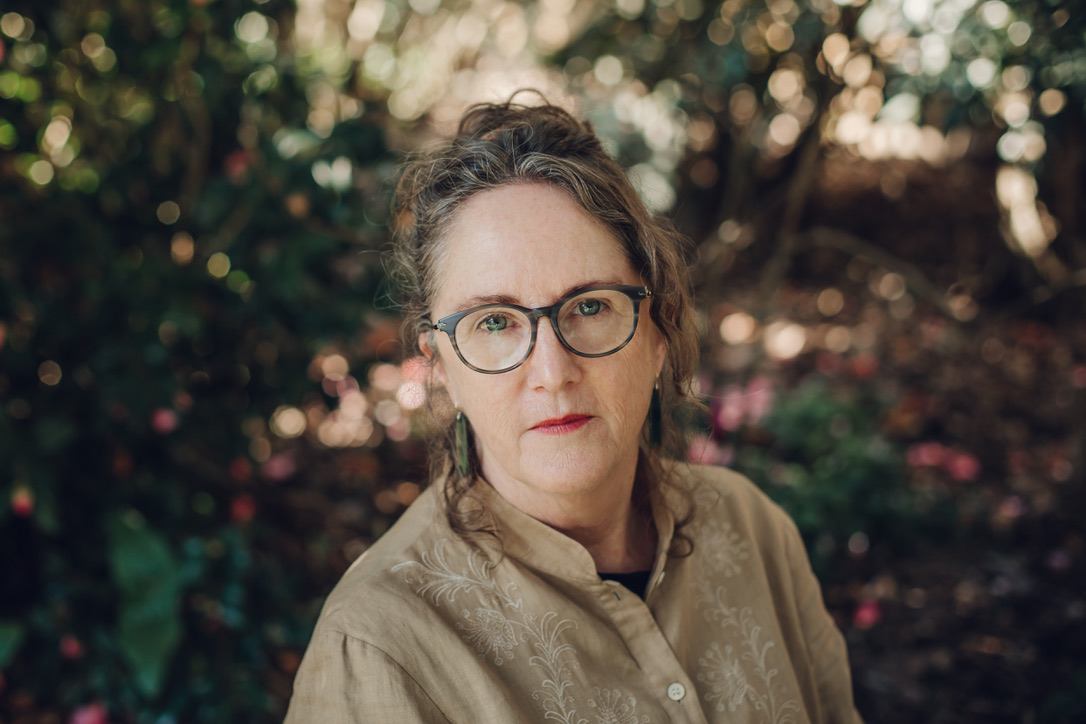
Lynn reads ‘To Get Here’

Orchid Tierney
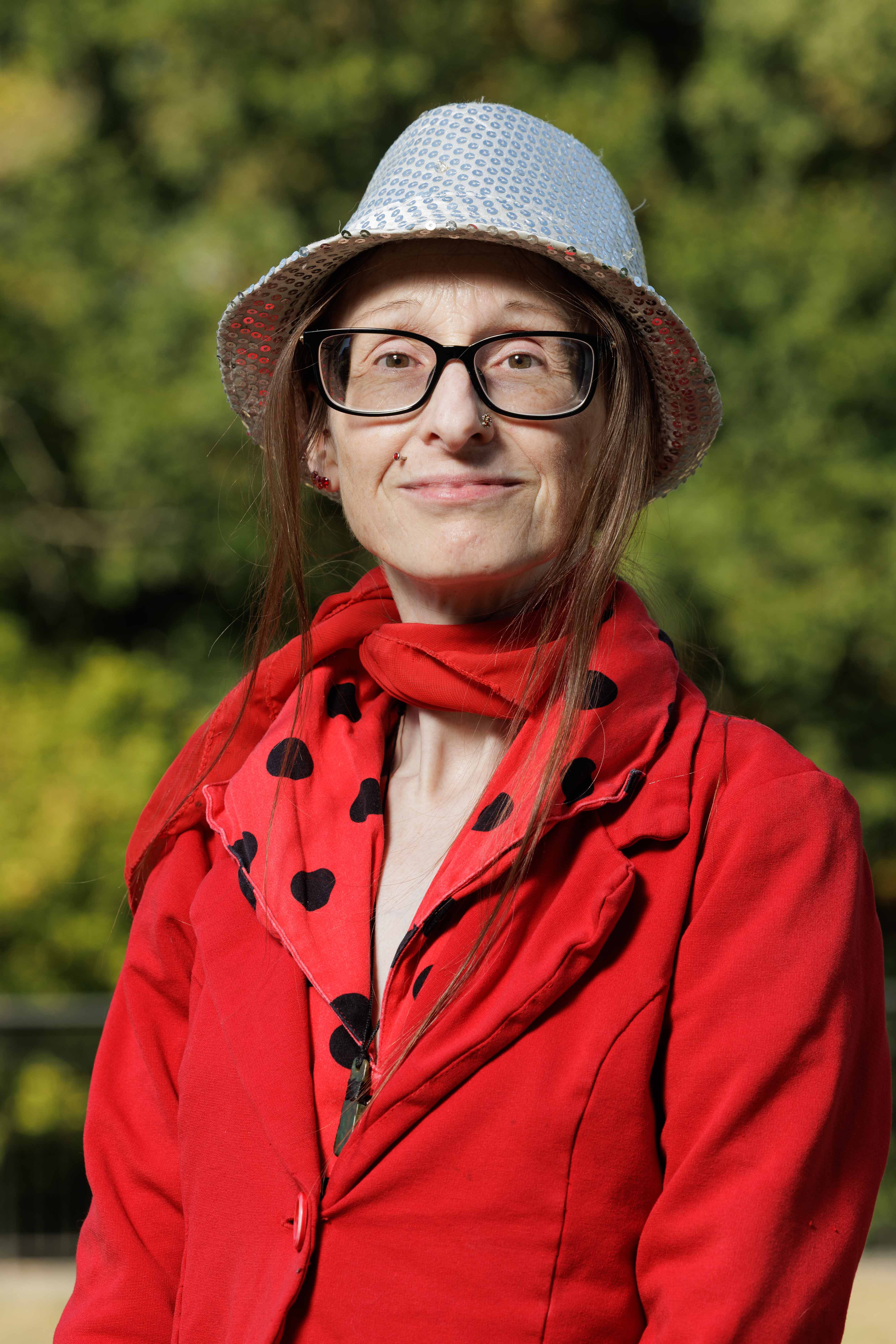
Photo by Graham Stokes

Orchid reads from ‘My Beatrice’, and ‘prayer | suit’ and ‘to the is-land’

Charles Olsen
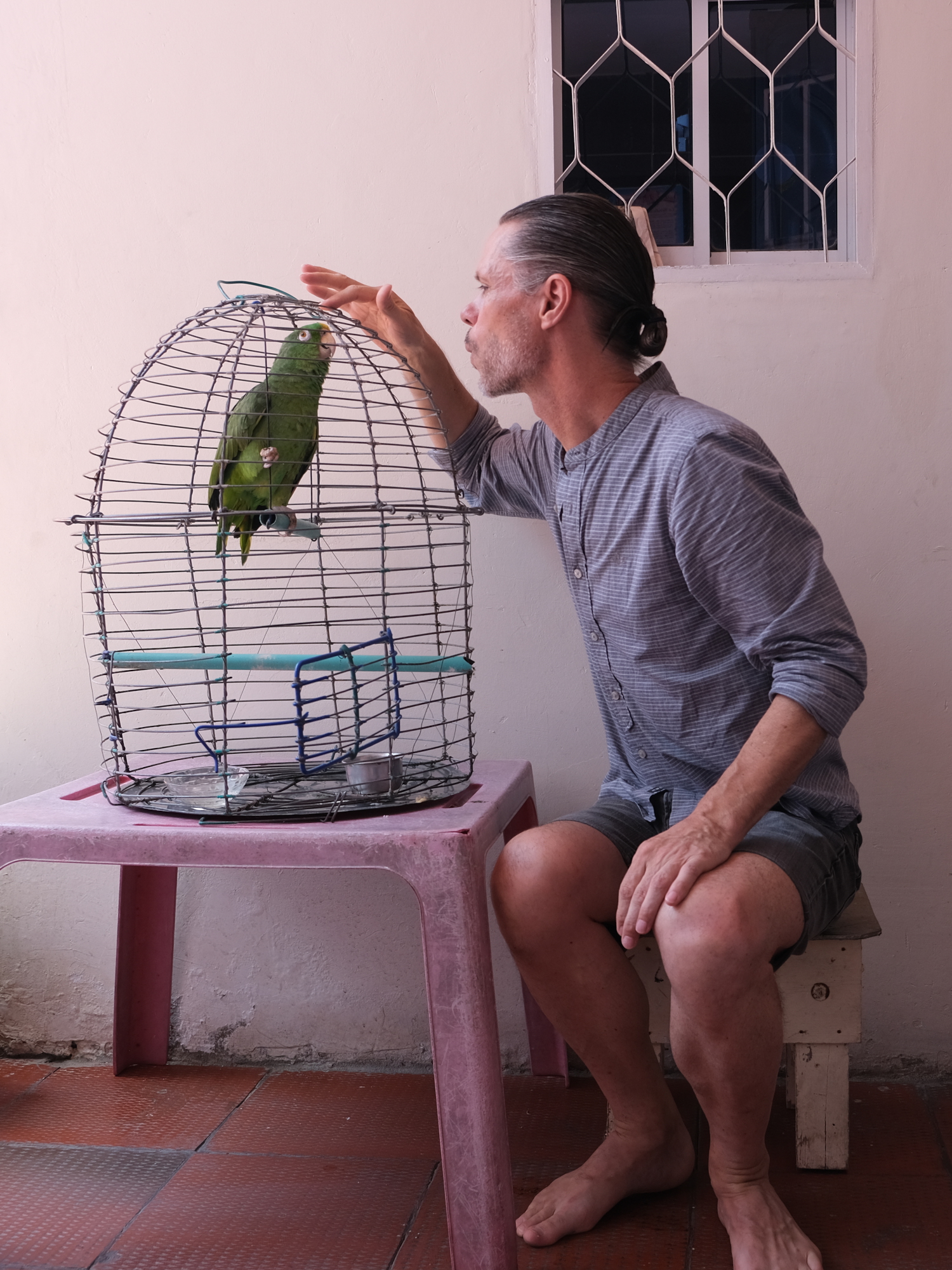
 

Charles reads ‘El Avefría | The Lapwing’, ‘Por la mañana | Morning’, and ‘Five o’clock’

Alison Wong
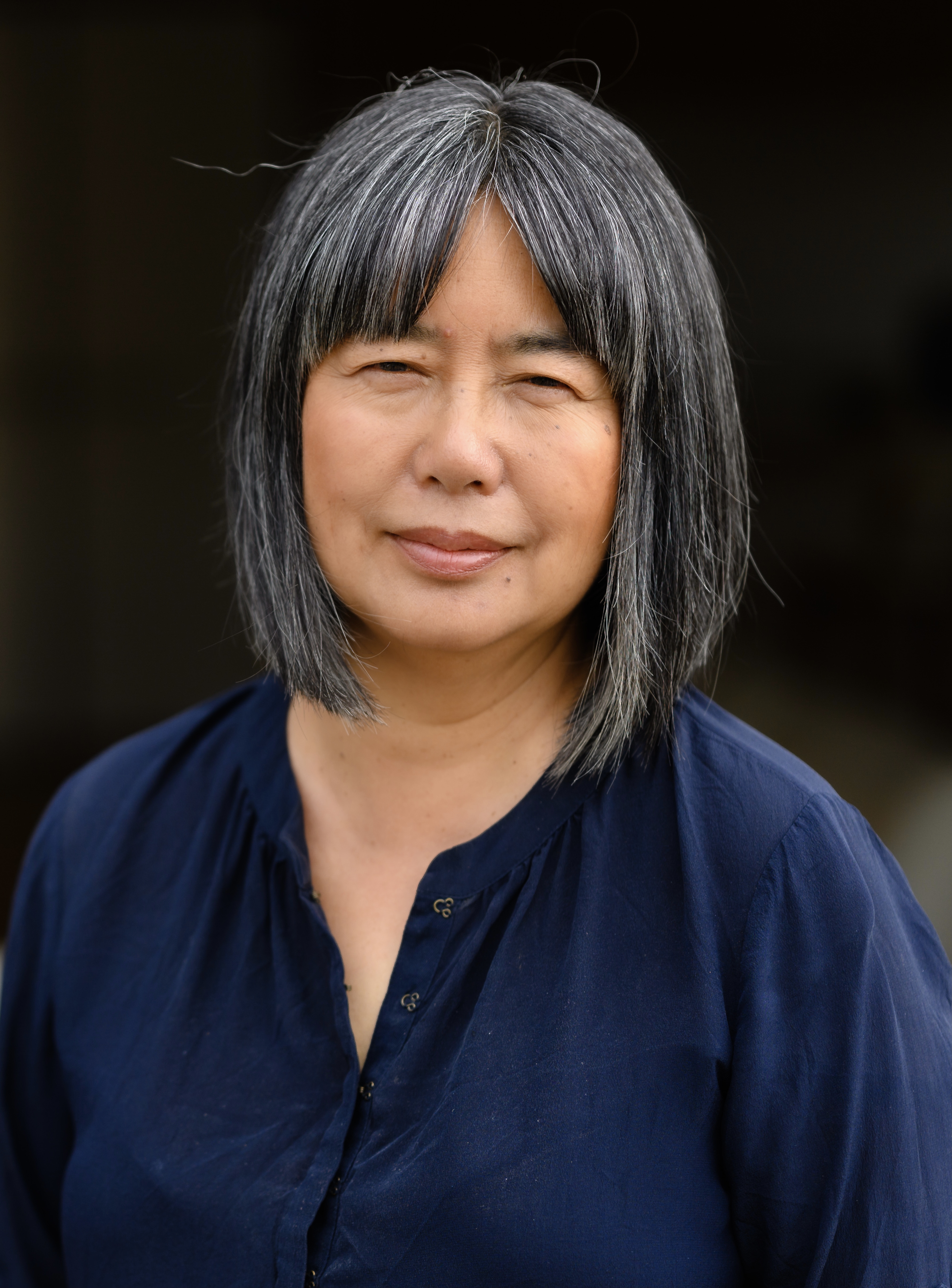
Alison reads ‘Family Photographs’

Stephen Chan
Stephen reads ‘Love in the Time of Covid’

The editors

John Gallas is published by www.carcanet.co.uk  Website at www.johngallaspoetry.co.uk : Poem of the Month & All News. Presently living in Markfield, Leics. with weekly getaway caravan/bike in Lincolnshire. Project Poet for Saxonship shipbuild www.saxonship.org , librettist, translator (‘The Song Atlas’, ’52 Euros’, ‘Petrus Borel:Rhapsodies’ : all Carcanet), Fellow of the English Association, Poet for St Magnus Festival, Orkney. 

Vaughan Rapatahana (Te Ātiawa, Ngāti Te Whiti) commutes between homes in Hong Kong, Philippines, and Aotearoa New Zealand. He is widely published across several genre in both his main languages, te reo Māori and English and his work has been translated into several other languagesHe is the author and editor/co-editor of over 50 books. He won the AAALS Indigenous Poetry Prize in 2026.

The readers

Alison Wong is a Cantonese New Zealander living in Geelong, Australia. Her collection, Cup (Steele Roberts), was shortlisted for the 2007 Jessie MacKay Award for Best First Book for Poetry. Her novel, As the Earth Turns Silver (Penguin NZ), won the 2010 NZ Post Book Award for Fiction. She coedited A Clear Dawn: New Asian Voices from Aotearoa New Zealand (AUP, 2021), the first anthology of creative writing by Asian New Zealanders. She is working on a revised edition, and also Journeys Home: A Memoir from Aotearoa New Zealand, Australia and China. 

Hinemoana Baker (Ngāti Tukorehe, Ngāti Tupaia ki te Aro, Ngāti Raukawa ki te Tonga, Ngāti Toa Rangatira, Te Āti Awa, Kāi Tahu, Ngāi Tiamana, Ngāi Ingarangi) Poet, musician and educator Hinemoana Baker is known for her power on the page and stage, her wry humour and deep sense of cultural and personal inquiry. In 2015 Hinemoana received the Creative New Zealand Berlin Writer’s Residency and lived for almost a decade in Germany. In that time her Ockham-shortlisted collection ‘Funkhaus’ was published in German and Polish. Hinemoana is currently back in Te Whanga-nui-a-Tara Wellington completing a PhD exploring how poetry can be a rongoā for takatāpui.

Joan Fleming is a New Zealand-Australian writer who doesn’t know where she’s from. This year she is living back in Spain. Her last book was the post-collapse verse novella Song of Less (Cordite Books)Her debut novel The Fig Book will be published in 2027 by Allen & Unwin (Au/NZ) and Mariner Books (US). 

Amy Brown is a New Zealand-Australian writer and teacher who lives in Naarm/Melbourne. She has published three collections of poetry, four children’s novels, and completed a PhD at the University of Melbourne. Amy Brown’s debut novel was shortlisted for the Victorian Premier’s Prize for an Unpublished Manuscript and was later published as My Brilliant Sister. Her next novel, This Creature, will be published in 2027.

Lynn Davidson writes poetry, memoir, and essays. Her memoir Do you still have time for chaos? was published by Main Point Books, Edinburgh, and Te Herenga Waka University Press, Wellington. Her latest poetry collection Islander was published by Shearsman Books, Bristol, and Te Herenga Waka University Press. Lynn had a Hawthornden Fellowship in 2013 and a Bothy Project Residency in 2016.  She won the Poetry New Zealand Poetry Award, 2020, and was the Randell Cottage Creative New Zealand Writer in Residence, 2021, and the Mike Riddell Writer in Residence, 2023. Lynn lives in Edinburgh and calls Aotearoa New Zealand and Scotland home.

Charles Olsen has published three bilingual poetry collections in Spain. He is preparing an anthology of the first ten years of the Given Words poetry competition (see @givenwords). Currently in Colombia presenting his poetry films in the IV ALARI Continental Conference on Afro-Latin American Studies in Cali, he has also been invited to curate a screening of poetry film at REELpoetry Houston, Texas, in September.

John Puhiatau Pule was born in Niue and since 1964 has lived in Auckland. In 2015 he returned to Niue to live. His expansive interdisciplinary practice has transformed oceanic imaginaries, offering new ways of understanding the arts, cultures, and histories of our region. He has published two novels and has published extensively as a poet. He also works as an artist, painting, drawing, printmaking, filmmaking and performing. Pule’s work has been represented in three Asia-Pacific Triennials at the Queensland Art Gallery, Brisbane (2006, 2002, 1996) Other selected group exhibitions include Hawaii triennial (2025) Sydney Biennale (2024) Oceania at Royal academy of arts, London & Musee du quai Branley ( 2018 & 2019) Kwangju Biennale, Korea (1995 &  2018); the 3rd Auckland Triennial, Auckland Art Gallery Toi o Tamaki (2007)South Pacific Arts Festival in Palau (2004), New Caledonia (2000), Samoa (1996); Johannesburg Biennale, South Africa (1995).

Orchid Tierney is a poet and scholar originally from Aotearoa New Zealand, now living in Ohio. Her collections include this abattoir is a college (Calamari Archive, 2025) and a year of misreading the wildcats (The Operating System 2019). She is the author of several chapbooks including looking at the Tiny: Mad lichen on the surfaces of reading (Essay Press, 2023), ocean plastic (BlazeVOX, 2019), and blue doors (Belladonna* Press, 2018). Tierney is a senior editor at the Kenyon Review and is an associate professor at Kenyon College. She invites you to visit her www.orchidtierney.co

Since he left NZ in 1976 Stephen Chan has completed graduate and post doctoral work at London King’s, Kent and Oxford and is now Professor of World Politics at SOAS University of London. Before then he served as an international civil servant in emerging countries, working in zones of development and war. He has published more than 40 academic books, 5 volumes of poetry and 3 novels. He teaches karate in emerging countries and has been European Masters Champion in the fighting division.
Poetry Shelf conversation and reading: Airini Beautrais

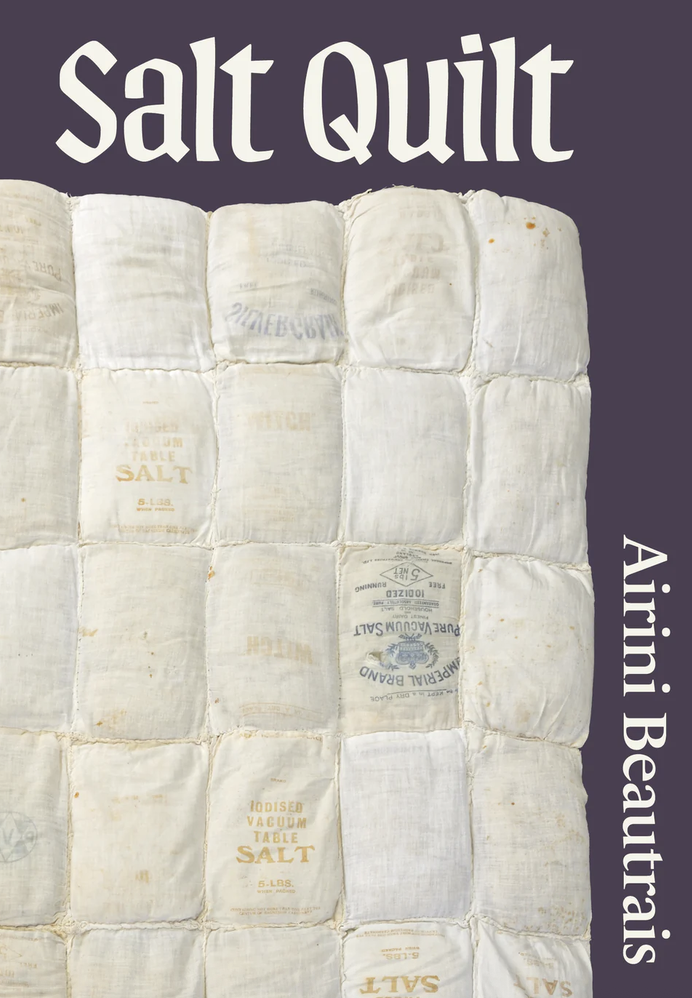
Salt Quilt, Airini Beautrais
Te Herenga Waka University Press, 2026

Airini Beautrais’s new poetry collection, Salt Quilt, is like a prism I hold to the light and dark of living, past present future, of what is experienced and what is imagined, what is felt and what is thought. The poetry ranges and embraces diverse subject matter, form, mood, connections. I have felt so utterly boosted by this book.

I kept teaching, I started having human children
and I kept writing poems. Eventually I had enough
for another book. I had a launch at Thistle Hall
on a Saturday afternoon with my baby on my hip.

Pip Adam and Maria McMillan read with me,
and their children drove trucks back and forth
across the wooden floorboards.
Bill Manhire sat in the corner slowly eating olives.

from ‘Cancer Moon: Poet Life’

a conversation

Paula: Firstly I thank you for kind acknowledgment in the endnote. Honestly I felt like crying. I felt like crying because poetry is so connecting for so many people, and for me it is my lifeline. Your new poetry collection has got me thinking and feeling deeply, on so many levels. Thinking about poetry, about life, about being and becoming a poet, and still being and becoming a poet. The first word I wrote on the page beside me as I read, was openness. The openness of the speaking voices, the opening of the past, the opening of the present, the openness of what a poem can be.

What word or words catch what the poetry was being and doing as you wrote?

Airini: Well firstly, thanks again to you Paula, for all that you do. I know it is a lot of mahi and we don’t always get a lot of acknowledgement or compensation for work in the arts in Aotearoa NZ, especially in the current political climate.

I wrote the poems in this collection over fifteen years, so there was a lot of being and doing in that time. There are also a lot of different approaches, as some of these poems are very personal, whereas others were commissions and are removed from my personal experience by default. Some words that come to mind now are: Exploration, distillation, sense-making, acknowledgement, vulnerability, experimentation.

Vulnerability is a big one. I think poets, or at least serious/ literary poets, tend to avoid it. I think this is because poetry allows for distance between the emotional self and the text via linguistic and stylistic features and there can be a temptation to increase that distance. When I started out my poetic career, I definitely wanted to be cool. My first book was called Secret Heart which I think was apt given there is a lot of hiding in those poems. Now I feel happier to just be who I am, and put uncomfortable things out there.

Paula: Vulnerability seems to have been crucial in a number of poetry books I have loved over the past year. Your list of words resonate as I reflect upon your collection. I was deeply moved by ‘Cancer Moon: Poet Life’, a poem that traces your origins and unfolding life as a poet. I recognised myself at times, the difficult child who never felt seen, the incredible turning points, the people places, situations and choices that matter. It feels like poetry is what we do, against all odds, but it also feels like we write, perform and share poetry, out of so many different things. Difficulty, love, renewed relationships with the world, whether physical or peopled. Has this changed for you over time? What you write out of? And why poetry matters to you?

Airini: In that poem I talk about how over the time I have been a writer, writing has only got harder, and I don’t know why. So although I am more comfortable with myself, I do find it harder to put things into words. There are a few possible reasons for this. One is being a working single parent and being tired a lot. Another is having a bit more emotional maturity – being able to reflect in the moment (more often, at least) means less need to reach for the notebook and pour one’s heart out. And I also think it’s inevitable that we become more self-critical as we get older. We have a wider frame of reference and more awareness of where our work sits in the scheme of things, and sometimes that can be daunting.

I think I write out of compulsion, and even if I tried to stop, I wouldn’t be able to. I sometimes wonder if I write because my brain takes longer to tease things out, while other people might be able to just figure out how they think and feel right away, and go about their day.

At my launch I said that poetry is my first love, and it is my favourite genre to write in because I feel that it is where words meet spirit. To me it matters in more of a psychological and spiritual way than an aesthetic or intellectual way. Poetry is very diverse and means lots of different things to different people, but I see a strong connection between poetry and prayer, chant, meditation and music.

Learning about inherited forms
I got into the idea of the sonnet as corset,
like some kind of erotic bondage, although I am actually
quite vanilla in real life.

from ‘Cancer Moon: Poet Life’

Paula: Yes! I love that. And indeed the joy and boost of writing out of love. It is the key to why I keep Poetry Box going for children – to be an ambassador for writing out of love and play. Vital for children and equally vital for adults.

I utterly love how the collection resembles an ode to form. How form, whether villanelle or pantoum for example, offers musical patterns in repeating lines and rhymes but how form is never a straitjacket. For me form offers musicality but it also heightens the vital echoes. The way the collection is like an echo symphony, scoring the musical notes of memory, reflection, the physical wold, the peopled world. What drew you to poetic forms?

Airini: On a conscious level it was being contrarian. I wanted to do something that other people, especially people of my generation, weren’t doing much anymore. I do think there is a place for poetry written in the rhythms of prose, and I still write a lot of it myself, but it’s not all I want to do, or read. On a subconscious level, I think rhyme and meter and other sonic features have an innate appeal to our brains. I have been listening to my four-year-old niece come up with words and phrases and say ‘Hey, that rhymes!’ in utter delight. In ‘Cancer moon’ I write about how sometimes it feels like it’s me and a bunch of old men who write in inherited forms. I don’t think form itself is political, but some people do associate it with conservative politics. I just find it really fun. I studied form as part of my PhD and it was an eye (and ear) opening thing to look into. I am fascinated by things to do with sound, like how the pentameter line isn’t really innate to English, which is a stress-timed language, and the old Anglo-saxon alliterative meters were based around a four-stress line. Around 95% of popular music is written in 4/4 time which suggests there is something we find really appealing and easy about four beats.

Paula: So many books I’ve spent time with this year bring together the personal and the political. I am drawn to this insistent weave – to our need to share intimate details, personal hurts delights epiphanies, alongside our need to speak out for the environment, for the undermined, the silenced, the war smashed, the hungry, against damaging political choices. How important is a political personal weave for you as you write?  

Airini: I don’t think it’s always a deliberate choice. Some of my political poetry has been written in collaboration with artists, and I think political topics are a good basis for inter-arts projects because they allow for exploration of big, complex issues.

I find the current state of the world, and Aotearoa New Zealand, so depressing at the moment. I have found it really hard feeling like every other week we have to make a submission on a bill that either allows for vandalization of the environment, or undermines human rights. I think we are more polarized now than we have ever been in my lifetime, and social media is driving this – for very cynical reasons. I would personally prefer to spend energy on making positive connections with people and effecting positive change, than arguing, fighting and name-calling. When I weave the personal and political together in my writing, it is often a form of self-soothing. Basically I just need to stay mentally well enough to function and I can only deal with so much awful stuff at any given time. I often have to tune out and go into nature and look for good things.

The lights come on: streetlamps,
fairy lights outside the indie bookshop.
It is autumn, the sun sets earlier
behind the brutalist building.
I imagine it covered in trees.
I imagine something happening here.
I imagine we are sitting on this hill
on the top of the city
for the sole purpose of
observing everything.
Less like Olympian gods,
more like nesting pigeons.

from ‘Lemon sky’

Paula: Oh that word is staying in my self-care room in my head: self-soothing. Poetry, as one of my ongoing series underlines, can be a way of speaking out for to with. How do we navigate and inhabit this jagged world? And yes to positive connections.

I loved reading your endnote and discovering the varied lives of some of the poems, how some were commissioned, published and performed in diverse settings. It got me thinking again on your magnificent origin poem, ‘Cancer Moon: Poet Life’. How our writing communities matter. Your poems acknowledge this, from poets you have read and loved, teachers who have boosted you (for example, James Brown and Harry Ricketts at IIML to whom you dedicated the book), writer friends who read and respond. I am fascinated by the private secret and public lives of poetry. How do you find moving between these zones a writer?

Airini: I think it’s very hard. I find it difficult moving between these zones as a writer and I also find it difficult being all the different people I have had to be in my life. I am about to start another break from science teaching which has been my main bread and butter over the last couple of decades, and focus on creative work for a while. It’s quite a scary prospect because it feels like those public and private worlds are now colliding and I have less of a public persona to hide behind.

On the other hand, as I’ve mentioned earlier, I think poetry, by its stylized and often contorted nature, gives us a useful distance between personal experience and the text. So even though it is a bit cringe having people read about my romantic failures, it also feels like those are fictional stories and readers are not seeing the full ugly face of what happened.

In terms of teachers and communities, I think this is hugely important to the creative arts. Although the act of writing itself is often a solitary pursuit, all the other aspects aren’t. I couldn’t do this without the people I have learned from, or the editors, proofreaders, publicists, administrators, booksellers, festival organisers, reviewers, readers and everyone else who has helped me out.

Paula: Can you give me a reading tip, and share the title of a poetry book you have loved and felt affected by in the past couple of years.

Airini: I am a very eclectic reader, but I’m also not as committed a reader as many of the writers I know. This is partly because I’m not very good at sitting still or staying focused. Also, I am not very good at being on top of trends, so it often takes me years to catch up. So my tips would be: Audio books count as reading. Poets, please consider recording audio books of your poetry! And, read what you feel like reading, when the mood takes you. For me, it’s often at breakfast time. I have accepted that I am not a morning person and my morning routine is a pot of Earl Grey and an hour or so of reading, rather than a walk, a litre of water, a meditation, intention-setting and a gym workout. (If that is someone’s routine – awesome. Just not something I’m able to do!)

I have loved a lot of poetry books in the last few years. I have been enjoying sharing NZ poetry at an open mic night that I co-MC in Whanganui. Jordan Hamel’s collection Everyone is Everyone Except You is full of poems that are fun to read aloud. People love hearing some Hera Lindsay Bird. And sometimes I like to put in a throwback poem like Allen Curnow’s ‘You will know when you get there.’

The poetry book that has affected me the most in the past couple of years is Refaat Alareer’s If I must die: Poetry and Prose (OR Books, 2024). Refaat was killed in Gaza City in December 2023. It’s so easy to complain about things like not being in the window display of Unity, or not being in this or that anthology or journal, but fuck, we are alive, folks. We should never take for granted that we are alive on earth, still writing.

Paula: Yes! I often begin my day at 4 am if not earlier and find this pocket of time perfect to read a few poems and write, waiting for the dark to lift, the bush birdsong to arrive. It is self-soothing indeed.

Can you choose one poem use as an end point for our conversation – and why you chose this poem.

Airini: I’d like to choose a poem that you initially published on NZ Poetry Shelf. It’s called ‘Regret’ and it is a found poem made up of quotes from wrestler and actor John Cena. Cena has been such a beloved figure for so many people for decades now. I came across an interview with him following the release of the Transformers movie Bumblebee in 2018, and thought it just felt like poetry. One of the reasons I enjoy poetry is that I find language endlessly fascinating. Not just poetry with a capital P but the poetry of everyday life. I think a found poem becomes a poem when you put effort into choosing bits of language and arranging them in a form, a bit like a collage. I really resonated with what Cena was saying about letting go of ego and letting go of regrets. The quote ‘I don’t regret a single thing man not one thing’ is a good mantra to remember for actors, wrestlers and poets alike.

Regret

I’m in the stunt business and I just want to fall down.
But that’s not the way it works.
It’s storytelling, but I have comfortable roots.

I was still trying to learn and define who I was.
And you’re waiting eight hours for a giant stunt.
And you don’t understand the reason.

Went through a character shift
from the ruthless aggression guy, to the rap guy,
to the non-rap guy, to the superman guy.

Feel free to be open with me.
I have no ego.
My ego is making an awesome movie.

These were the prime years
when things were catching fire, and the place
I really wanted to be was on that canvas.

No ego. Let’s make great moments
and how can we do that?
My ego lies with the finished product.

Life is always good no matter what.
We tell stories sometimes that are real close to the vest.
learn from every single situation.

If this thing doesn’t fly I’m putting it on my shoulders
and I’m gonna figure out why and I’m hopefully
gonna get another chance to attack it again.

Man I don’t have a single regret in my life.
I’ve been on such a crazy ride.
I don’t regret a single thing man not one thing.

a reading

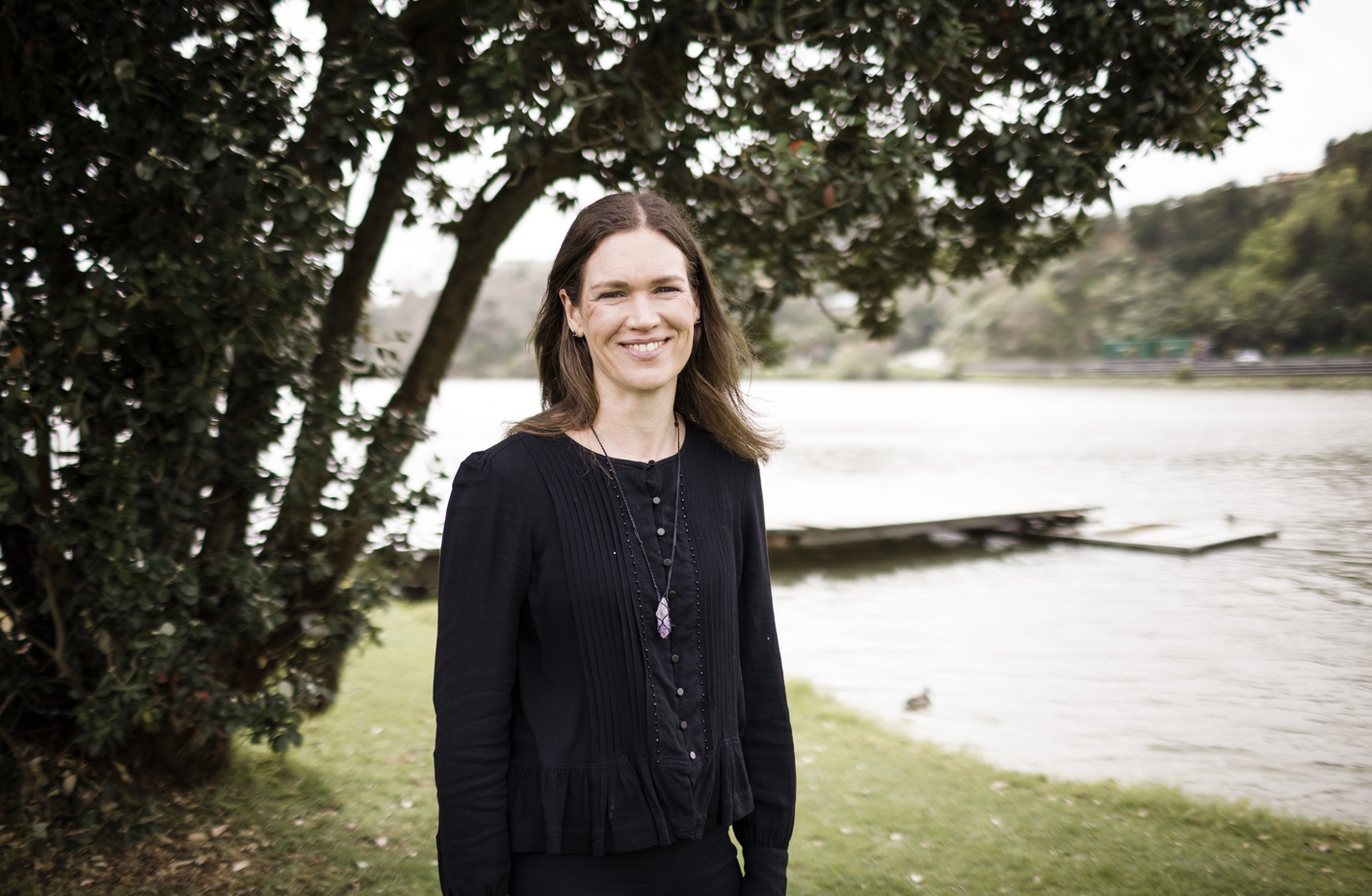
photo credit: Skye Boniface

‘Failure’

‘Dreams’

‘Salt quilt’

Airini Beautrais was born in Auckland in 1982. Her debut work of fiction, Bug Week, won Aotearoa New Zealand’s top fiction award, the Jann Medlicott Acorn Prize, at the 2021 Ockham New Zealand Book Awards. She is the author of five collections of poetry, including Salt Quilt (2026) and Secret Heart (2006), which won the Jessie Mackay Award for First Book of Poetry at the 2007 Montana New Zealand Book Awards, and The Beautiful Afternoon (2024), a collection of essays. In 2016 she won the Landfall Essay Prize. Airini is also a science teacher and dance instructor. She lives in Whanganui.

Te Herenga Waka University Press page