The Venetian Blind Poems, Paula Green, The Cuba Press, 2025
When I wrote Wild Honey: Reading New Zealand Women’s Poetry (MUP, 2019), I built a house, dividing the book into rooms, and then moving through open doors and windows to the wider world. The book was neither a formal history nor a theoretical overview of New Zealand’s women’s poetry but a way of collecting, building recouping valuing the poetic voices of women in Aotearoa. As I moved through the rooms in the house the themes accumulated: politics, poetics, love, the domestic, self, relations, illness, death, location, the maternal, home, voice.
The book came out in 2019, not that long ago, and I was interested to read ‘The sickbed’ chapter again. I began the chapter by saying inquisitive audiences often ask, ‘Why write poetry?’. I still claim the answers are myriad: it makes us feel good, we are addicted to wordplay, we can squeeze writing a poem in between domestic chores, parenting, scholarly endeavour, work commitments. We might crave public attention, awards, good reviews. We might simply have to write. Our poetry might reflect a love of music, storytelling, suspense, wit, surprise, attraction to the unsayable or beauty. We might write poems at the kitchen table, in our head as we walk, run, dream or dillydally. We might favour condensation and pocket size writing or expansion and long sequences. We might write from a sick bed.
My collection Slipstream (AUP, 2010) came out of my breast cancer experience. I refer to it in Wild Honey: ‘poetry was an energy boost, a way to enhance my sense of wellbeing’. As I wrote, at least a year after the experience, I did not feel I was writing poems – nothing on the page earned the label ‘poem’ in my view — but I was conscious that the white space, the juxtapositions, the assembled lists and the melody were reaching for the poetic. I did not want to summon the dark, middle of the night slumps, but rather to show illness can change the way you see the day as well as live the day.
The Venetian Blind Poems is a little different in that I wrote it in the moment, in hospital and then back home on the recovery road. But I recognised similar motivations to write.
My new collection has been out in the world for a fortnight now, and it feels so very special. To be in Motutapu Ward and the Day Stay Ward this week, signing copies for nurses, hearing them read fragments aloud, reminded me that poetry is an incredible way of connecting. I am still in a thicket of appointments as I fine tune the road ahead, but this fortnight feels like like my time in hospital, when so many poets sent me a poem in a card. The emails you have sent me these past two weeks, so thoughtful and caring, have shone fresh light on how and why poetry is a gift. On why we write and sometimes publish poetry. I will treasure your emails for a long time (and reply soon)!
More than anything, The Venetian Blind Poems is a way of saying thank you to the doctors and nurses who have given, and are giving so much. I offer an enormous bouquet of thanks to Mary McCallum and Paul Stewart at The Cuba Press, for the beautiful book, and for inviting such terrific responses to post on social media by poets who have read it.
Now its back to normal transmission! I have new ideas for Poetry Shelf bubbling like my sour dough starter, manuscripts to finish, a treasury of books to review, emails to answer, a few more appointments, and most excitingly, I am ready to get my secret seedling idea off the ground: Poetry Shelf Goes Live. Yes! Soon I will be back in the world organising live poetry events around the country.
A cluster of illness poems
The waiting game
begins with someone calling your name before you wait to have your blood taken in a windowless room. Wait for the stultifying thoughts of red and disease to pass. Wait for the phone call, for relief to wash over you. And while you are waiting I recommend you dance like the memory of sweat easing down his throat; roll open like the drum beat of your limbs in sync; tear through your wildest nights, still lit in hopeful neon; cry like the Christmas you lost your last grandparent; and sing like the forgotten violin slowly coming undone in your muscle memory. If you do not allow yourself to sleep in peace with your worries, you will find yourself awake at the bottom of a very deep, very secret lake.
Chris Tse Turbine, 2014
A Final Warning
I walked past the stars the silence of grandfathers
I was going somewhere but where
I went left at first then right then way off course then back to somewhere
near the middle did this mean I was ready to die
well they’ve been testing me for everything I think I’ve got the lot
Bill Manhire from Honk Honk, The Anchorstone Press, 2022
The Night Shift
I wake on the ward, afloat on ketamine, fentanyl, see sky-blue morphine swifts roost nearby in pleated paper thimbles
and some uneasy instinct tugs my gaze to a scuff mark on the lino floor. Coal-dark, it smolders. I stall.
A voice reassures me it’s just a graze left by the wheel of some routine machine: IV, PCA line, heart monitor screen.
Yet as I ease deep-cut core and leaden legs over the distant side of the high bed I can’t shake this need to stare
not quite in fear: not quite.
For last night, creatures came. They arrived en masse, nodded, swayed, pressed into each dimmed cubicle,
their copper eyes bright-candled, lips pouched over strong, proud teeth, their heads bowed in silent inspection;
marmalade lions with oxen feet, crested birds with antlers, candy-pink teats, all crowded, crowded round each bed
as the window in time was fast contracting, and they wanted us to see before our minds sealed tough with the fibers of logic, denial.
Their fur packed tight as green florets on catkins. Their horns, colossal black spikes, gleamed like grand pianos. Such mass and strength in their embedded weaponry,
yet still, they withheld their crush and maim.
The breath and bunt of their herded skulls said we are the unbroken in you, don’t be afraid, and I saw through the seep of dawn
that soon like guardians they will gather each one of us, our failing forms absorbed into their warm, strong-walled veins
until we too watch each figure on the bed as something invisible shifts in the intricate balance of matter and spirit.
So it is awe, not dread, that asks me to leave the ground undisturbed where they gathered, to skirt carefully the sign one left like a scorched hoof print as if they had stood in fire to show they bear time’s pyre for us,
our wild sentries, our wild sentries.
Emma Neale from Liar, Liar, Lick, Spit, Otago University Press, 2024
(A lifetime of sentences)
Soon, I could leave my body without prompts. The artist’s concept of the birth of a star, or I broke my name until the fibres separated and lost their coats. My thirst for windows kept me indoors. My gaze wandered across the suburbs of childhood, faces stammering with shyness, bodies masquerading as furniture. Initial mass and luminosity determine duration, but my sensibility comes to require an object. Here, the word “system” implies a level of certainty that is unwarranted. Some of those memories were not written by me, so they are memos, at home on my desk, but still authoritative. Now, instead of a pupil, there’s a screensaver. It was late. The room was empty. A lifetime of sentences which at first glance seem superfluous, but whose value is later understood. One thing leads to a mother. Soon enough, a flock of children came running and tapped on the glass. When I reached the bottom of the stares, I looked up.
Zarah Butcher-McGunnigle selected by Kiri Pianaha Wong and was published a fine line and also Best NZ Poems 2011
it is a wedding cavalcade in which I take your day of birth and marry it with ten pink tulips to mine look, behind us on the road sadness and unutterable joy leaping over the rocks how we were those people in the crowd unmindful of everything except stepping along together under our parasols what’s wrong with that? see, the road is still there still ahead and behind losing its mind and leaping over the rocks with its train of clowns who are careless careless careless and will never behave any differently believing themselves arm in arm with all they need to sustain life on a distant planet choogaloo, this is all you need tulips and a parasol to keep off the bigger bits of debris falling out of the sky don’t be sad there is every chance we are just now resident in two minds regarding each other tenderly, quizzically, uproariously as a wedding cavalcade
Michele Leggot from Milk & Honey, Auckland University Press, 2005
What’s the time, Mr Wolff-Parkinson-White?
Press palm against skin feel its breathless sprinting
count 230 beats in a minute count six sibling arguments count four gecko squawks
gulp two glasses of water phone the absent dad three times return to the couch
count 194 beats—and whoah with the flutter of a moth it slows down to a jog
steady rhythm of 75
Fire heart Sea heart Earth heart
Calm waters as a child now more fire than earth chased by a white wolf
Want to feed my child ruby corn raspberries red meat cherry tomatoes pomegranate bursts sugar and acid enough to woo a rebel
The heart heals itself between beats, reassures Elizabeth Smither
Mikaela Nyman
Amy Marguerite picked a poem from Shira Erlichman’s Odes to Lithium, a book I now have on order! But sadly I didn’t manage to get permission to post the poem but you can listen to Shira read it here.
Self-Affirming Mantra
I was searching my symptoms online. Disturbed sleep led to fatigue which led to post-viral condition and also to alcohol abuse and liver disease and unthinkable cancers which all led to conclusions about society and how one operates in it, how someone can be rational and maladaptive at the same time, how resilience is just a word in a PowerPoint, how years of work go into the manufacture of one unit of anxiety (a person), and how each unit, although similar to others in many ways, is unique, the product of a freakish and golden permutation of inputs, which led me back to my usual searches for wars and politicians and racing drivers and recipes and animals and islands and colours.
I went out into the day with my symptoms. The sun made the swans look like harps. I appreciated the silhouettes of buildings. I scrumped apples from over a fence. My symptoms were still with me but also not with me. I was loving them. I was setting them free.
Erik Kennedy from Poto | Short (Te Herenga Waka University Press, 2025)
The Venetian Blind Poems, Paula Green The Cuba Press, 2025
Later in the year I am planning a number of Poetry Shelf live events to celebrate poetry voices in Aotearoa. This month I have a new poetry collection out but my energy jar and immunity is not quite ready for book launches so I have invented three celebrations for the blog. On Publication Day (August 1st), I posted an email conversation I had with my dear friend Anna Jackson, a conversation that celebrates our shared love of writing and our two new books. Anna’s Terrier, Worrier (Auckland University Press) and my The Venetian Blind Poems (The Cuba Press).
For my second feature, I have created a collage conversation by inviting some of the poets whose books I have reviewed and loved over the past year to ask me a few questions. It gives me another chance to shine light on the extraordinary writing our poets are producing. I have kept the conversation overlaps as I find something new when I return to a similar idea or issue.
It is with grateful thanks to David Gregory, Mikaela Nyman, Cadence Chung, J. A. Vili, Rachel O’Neill, Kate Camp, Xiaole Zhan, Claire Beynon and Dinah Hawken, I offer this conversation in celebration of poetry. You can find links to the reviews below. The conversation has ended up being something rather special for me. I have never experienced anything quite like it! I loved the questions so much. Thank you. Because this is a book of love, I would like to gift signed copies to five readers, whether for themselves or a friend (paulajoygreen@gmail.com).
I also want to share a review Eileen Merriman posted on her blog after reading my book, because she is in the unique position to respond to it as another writer, a haematologist and a close friend. Some things she says struck me and I refer to them when I answer a question by Kate Camp.
I’ve just finished reading Paula Green’s recently published poetry collection, The Venetian Blind Poems in one sitting. This book was an oasis in the midst of a hectic time for me (when is life ever not?); it’s not very often I can be compelled to sit for more than half an hour currently. Yet I connected with this on so many levels: as a writer, as a doctor, as a patient, as a friend, as a human. Green details her experience on the Motutapu ward, the bone marrow transplant/haematology unit at Auckland Hospital, where she received a bone marrow transplant for a life threatening blood disorder in June 2022.
As a haematologist, I know this is one of the most challenging treatments you can put a patient through, bringing someone to the brink of death to save a life. Recovery takes months, sometimes years. The acute phase can be akin to torture, one only the recipient could ever understand. But Paula holds us close, so that we can begin to understand: ‘I return to the pain box in Dune… I am using the box/for when my ulcerated mouth pain is unbearable/last night I held the box/as the mouth pain radiated but/I didn’t put my hand in/I decorated the box/ with seashells instead’. And then we are elevated from the abyss to the sublime, because this is how Green survives, by stacking poems along her windowsill and creating word pictures in her head: ‘Buttered toast and clover honey/marmalade brain and mandarin heart’. And then, time and time again, we are brought back to the world that Green sees, from the confines of her isolation room, peering through the Venetian blinds at the world that sustains her, one second, one minute, one day at a time.
This book had me captivated from the delicious first line ‘Liquorice strips of harbour’, throughout the rough seas, eddies, near-drownings and becalmed harbours of the stem cell transplant, and beyond, right through to that hopeful last line, ‘We will be able to see for miles’. Kia kaha, Paula Green, your inner strength knows no bounds.
Eileen Merriman
me with my daughter’s dog, Pablo
a collage conversation
Every morning I open an envelope and read a poet’s choice inside a greeting card I nestle into the joy of Cilla McQueen’s kitchen table
David Gregory
David: Where do your ideas for your poetry come from? Paula: They fall into my head like surprise word showers, whether from what I see, hear, feel or read. From the world experienced, the world imagined, the world recalled.
David: How do you know when a poem is complete? Paula: It’s a gut feeling. When it hits the right notes and catches a version of what I want to transmit. Poetry can be and do so many things, and I’m a strong advocate for poetry openness rather than limiting and conservative ideas on what a poem ought to be. Paul Stewart from The Cuba Press edited the book and he has a sublime ear for poetry and its range. You couldn’t ask for a better poetry editor.
In the middle of the night the radio takes me to Science in Action and I am listing ways to save the planet and the way dance liberates cumbersome feet
Mikaela Nyman
Mikaela Nyman: These poems emerged out of a life temporarily reduced by severe illness. Yet they’re not limited by the medical circumstances, and not merely a comfort blanket, but seek to connect with the world outside. Did this happen straight away, or is it something you consciously pursued later in the writing process? Paula: I love this question – yes my life was limited physically, not only on the ward but on my long recovery road with a fragile immune system, daily challenges and minute energy jar. But I also saw it as an expansion of life. I focused and am focusing on what I can do, not what I can’t do. On the ward, the world was slipping in through the blinds as much as I was looking out. From the start my writing navigated both my health experience and the world beyond it.
Mikaela: Given the dire circumstances that compelled you to turn to poetry at this point in life – i.e. your personal health struggle as well as the state of the world – how important is it for you to retain hope and offer a sense of wonder in your poems? Paula: I think it ‘s been ongoing, across decades, my impulse to write through dark and light. I think all my books have sources, whether overt or concealed, in patches of difficulty. I was writing 99 Ways into NZ Poetry with Harry Ricketts when I was first diagnosed and I never stopped writing. Maybe writing is my daily dose of vitamins. And that word wonder. Wonder is a talisman word – whether it’s the delight you might find in thought coupled with the delight you might find in awe. It is a crucial aid.
It’s the third day of the poetry season Oh, everyone’s queueing up to read a poem and count falling leaves
Cadence Chung
Cadence: Do you have a particular line/poem you’ve written that you think really encapsulates the collection?
I will meet you at the top of the hill we will be able to see for miles
Cadence: What’s an experience you’ve had lately that has brought you joy? Paula: Ah, such an important question. Every day is a patchwork quilt of joy. Take this day for example. Reading and reviewing a poetry book. Drinking coffee with a homemade muffin with sun-dried tomatoes and paprika. Making nourishing soup for lunch and sourdough with millet flour for a change. Watching the pīwakawaka dance in front of the wide kitchen window as though they are rehearsing for an special occasion. Replying to children who have sent me poems for Poetry Box. Cooking a Moroccan tagine with preserved pears and rose harissa paste for dinner and sharing with my family. Listening to Jimmy Cliff on repeat all day and imbibing the uplifting reggae beat and need to protest.
This morning I got up at 5 am to drive to an early appointment as the full-wow-moon shone in the dark, and streaks of bright colour ribbons hung over Rangitoto. It felt like my heart was bursting. I switched to Maria Callas singing ‘Casta Diva’ from Bellini’s Norma.
Today I feel happiness as solid as a wooden kitchen table with six chairs and a bowl of ripe fruit
Cadence: How does a poem come to you? Quickly and all at once, or more measured and worked out? Paula: Poems linger in my head -as they did on the ward – before I write them in a notebook. Often poem fragments arrive in the middle of the night, or when I am driving across country roads to Kumeū. But there is always a sense of flow not struggle. I love that.
I decide even stories are slatted with missing bits, so I lie still and fill in the gaps of my childhood
J. A. Vili
Jonah: How did your writing flow in the light and dark times, on the good days and bad days of your recovery journey? Paula: It flowed and flows in my head, most days, slowly, slowly. But sometimes, especially in the dark patches, I don’t have the energy to write on paper. I can’t function. Words falter. I compare it to the stream in the valley – sometimes it flows like honey, sometimes it struggles over rocks and debris. When it’s honey flow I write, when it’s not, I do something else. So I pull vegetables from the fridge of garden and make a nourishing meal to share with my loved ones. Or watch Tipping Point on TVNZ! Or listen to an audio book.
Jonah: How much did writing these poems during your personal struggle help in your healing and recovery? Paula: To a huge degree. And it still does. It was and is a crucial aid because it was and is a way of connecting with the world and people, of feeling love though my love of words. It’s a vital part of my self-care toolkit.
Jonah: Since this was such a personal journey for you, what was something new you discovered about yourself and life itself? Paula: How in the toughest experience you can feel humanity at its best – for me the incredible care and patience of the doctors and nurses, no matter how tired or stretched they were (and underpaid). I loved my time on the ward. An anonymous donor gifted me life and that felt extraordinary to me. This miracle gift – it felt like I was seeing and experiencing the whole world for the first time and it was a wondrous thing. And still is (despite the heart slamming choices of certain leaders and Governments). It’s recognising what is important. Cooking and sharing nourishing food (especially Middle Eastern flavours). Watching football. Listening to music on repeat: reggae, Bach, opera, Reb Fountain, Boy Genius, Nadia Reid, The National, Marlon Williams, Lucinda Williams, Billy Bragg, Delgirl, Nina Simone,more reggae. I am hooked on Jimmy Cliff at the moment and the struggle he was singing about way back in the 1960s and 1970s: our half starved world, the Vietnam War, the broken planet, the ‘suffering in the land’. Well we are still singing and writing these same songs of heartbreak and protest.
In the basement of song there are jars of pickled zucchini worn shoes and well-thumbed novels
Rachel O’Neill
Rachel: Where does a poem generally begin for you, and has that changed at any point? Paula: In my conversation with Anna, I talked about the way phrases drift into my head, surprise arrivals in my mental poetry room. I referred to these arrivals as gentle word showers. I have had these arrivals since I was a child. when I was in Year 8 (Form 2) my teacher, Frederick C. Parmee, was a poet! He was the only teacher who saw the potential in me as a writer and I flourished. By secondary school I was shut down as wayward and I failed school. Yet the words kept falling into my mind, and then into secret notebooks (like many women across the centuries), across my years of travelling, living in London, and finding a place in the Italian Department at the University of Auckland. Taking an MA poetry paper with Michele Leggott. Getting a poetry collection published with Auckland University Press. Extraordinary. And still the words drift and fall.
Rachel: Does your new collection speak to dynamics of patience and urgency? Along these lines, what has writing this collection made you appreciate more, or challenged you to move on from? Paula: I think it has amplified my attraction to slowness, to patience, to writing and reading and blogging like a snail, into uncharted territory as much as into the familiar. When you run on slow dose energy, I think urgency is disastrous – I favour slow cooked braises and sourdough bread. Choosing the slow reading of poetry books, so much more is revealed. Yet urgency is both rewarding and necessary for other people, and produces breathtaking results, it just doesn’t work for me. That said, we need to unite with urgency to heal this damaged planet.
The second part of your question is crucial. In a nutshell, I appreciate life, I have had a transplant that has gifted me the miracle of life. Extraordinary. How can this not change the way I am in the world. What matters. Dr Clinton Lewis at Auckland Hospital has made an excellent video for bone marrow transplant patients. He talks about how many patients reassess what matters most. I have drafted a book, A Book of Care, it is not quite ready yet, but it is the manuscript I am most keen to be published. I offer it is as a self-travel guide, a tool kit, borrowing practical ideas that have helped me.
Rachel: In what ways do you think poetry helps us integrate and accept tension or discomfort as part of human experience and living a full life? Paula: I love this question. I have been musing no matter what I am writing, the tough edges of the world, the daily wound of news bulletins find their way in. What difference does it make if we speak of Gaza and the abominable choices our Government is making? I just don’t know, but I do know silence is a form of consent, and that in the time of fascism in Italy, it was strengthening that some people spoke out. Every voice ringing out across the globe, in song or poem or article, every protest march and banner, is a human arm held out, a call to heal rather than destroy, to feed rather starve, to teach and guide the whole child rather than discriminatory parts.
My repugnance at the devastation of Gaza is not eased by the soft light on the Waitākere Ranges or a canny arrangement of summer nouns or Boy Genius on the turntable or even a bowl of chickpea tajine
Kate Camp
Kate: do you ever feel when you are writing about personal experiences – especially intimate ones of the body – that you are invading your own privacy? And once you have written about those experiences, do you find that the poem version overlays the “real” remembered version? Or if not overlays it, then how do they co-exist, how does the personal, private version of the experience alongside the version of the experience as captured in a poem? Paula: I love love this question Kate. Xiaole introduces their reading for a Poetry Shelf feature I am posting on Poetry Day, by talking about oversharing. I know this feeling so well. I feel like I am doing it in this collage conversation! To what extent do people want to hear about illness? About bumps in the road? I started sharing my health situation on the blog because I wanted people to know why I was operating on a tiny energy jar and couldn’t review quite so many books or answer emails so promptly. And most people have been unbelievably kind. I felt so bad when I hadn’t celebrated a book I had loved. And then I would think EEK! And wanted to delete my talk of cancer and transplant experiences and issues. But what I don’t do is go into dark detail. That stays private and personal. Will I have the courage to press ‘publish’ for this collage conversation! Scary.
I found it so illuminating to read Eileen’s review of the book. She writes from her experience as a writer, avid reader, haematologist and my friend. She says things I don’t have running through my head but are important! To read her words made feel so much better about how I am handling my recovery road and my own writing! I don’t use warrior language on my cancer road. I don’t wallow in what I can’t do. I have never said ‘why me?’. But I do have dark patches where I feel I physically can’t function. To hear doctors say a bone marrow transplant is an extremely tough experience is like getting a warm embrace. Recognition.
So yes, I love the idea of a private version and a shared public version – I am a writer that keeps most of my life private – my personal relationships, especially with my partner and our children. I think part of my impulse to write this experience was self-care, as I mentioned to Jonah. Liking drinking water. And how important it is for me to write out of aroha and wonder as much as difficulty. To write as you travel, in the present tense of experience. Once I had spent two years writing the sequence, I wanted to get to get the book published as a gift for doctors, nurses and other people ascending Mountains of Difficulty.
After a night of dream scavenging I open my mouth and out fly stars a garden of leeks and carrots a family of skylarks a track to the wild ocean
Xiaole Zhan
Xiaole: I’ve been thinking a lot about this idea from e.e. cummings: ‘To know is to possess, & any fact is possessed by everyone who knows it, whereas those who feel the truth are possessed, not possessors.’ Did you have any experiences of not knowing or of ‘being possessed’ while working on/ living through your collection? Paula: What fascinating traffic between knowing and feeling! Possessing the facts, being possessed. What slippery territory . . . truth yes, but even facts. Are they ever fixed or certain? Sometimes I think writing is a way of re-viewing an experience, of re-speaking it say, and it is for me an organic process. Never fixed. The versions I tell my consultant, the nurse, my psychologist, my close friends, my family, are tremble stories, never fixed, as I remember and forget and shift the focal lens, the distance finder, the colour filter. It is so very important. I almost feel like venturing to Zenlike thought by saying there is knowing in the unknowing, and unknowing in the knowing.
I lip read the cloud stories and remember the comfort points
Claire Beynon
Claire: I appreciated the absence of ‘explicit’ punctuation in your collection—all commas, colons, semi-colons, full stops are invisible/implicit. The rhythm and cadence of each word, line and stanza work quietly and diligently on their own, as if seeking connection and continuity. They neither ask for, nor require, anything extra in the way of emphasis or embellishment. Did you set out to write the collection this way? Or did you initially include ‘traditional’ punctuation and make a decision to remove it later/during your editing process? Paula: Punctuation is an aid for the poem – for me it is a key part of the musical effect – and it is a guide for the reader – where to take a breath or to pause. I have had many books published and worked with many editors and they have different, and at times, contradictory approaches. I wanted to keep faith with the first section of The Venetian Blind Poems as I gathered it in my head on the ward. Punctuation played more of a role in the second section which I wrote back home. A musical tool. A rhythm aid.
Claire: I wondered while reading The Venetian Blind Poems whether living with a painter—your partner, Michael Hight—influences your way of composing and structuring your poems? I mentioned in my FB post that something about the tone and shape of this collection reminds me of the work of artist Giorgio Morandi. I’ve long admired Michael’s paintings, too—their quiet, contemplative quality, compositional sophistication and attention to detail, the at-times unexpected juxtaposition of objects—and sense between them and your poems a kind of reciprocity or shared sensibility.
Forgive me if I’m projecting here. I don’t mean to speak out of line or to make any assumptions… but, well, I found myself wondering about these things… how there seems to be something deeply simpatico between your work and Michael’s. And it moves me/strikes me as beautiful. Paula: Michael and I are big fans of Morandi! We live very separate creative lives – he doesn’t enter the poetry room in my head and I very rarely walk up the hill to his studio – neither of us talk about work in process with anyone. But I have written about Michael’s work (read a review of his last Auckland show here). We have his art on our walls and it’s uplifting, a vital form of travel. I give him my manuscripts to read just before they go to a publisher! We have two creative daughters and we have shared love of books, movies, music and art. To be in New York together absorbing art, music, literature and food was incredibly special – and Ireland, Barcelona and Lisbon on another occasion – and of course Aotearoa.
Claire: I realised when I reached the last page of your collection that I’d read the book as one long poem—a whole comprised of many parts, yes, but essentially ‘one poem’. I actively appreciated the fact that, aside from the titles at the start of each of the two sections, there are no titles to distract or interrupt the flow of the writing. This allows readers to fall into step with you and walk more closely alongside. On the last page, you seem to confirm this:
Most of this poem is in 1000 pieces in a box on the table
Do you see the collection as one poem? Paula: Yes I do! One poem like a quilt made of many notes, light and dark patches.
A poem might be an envelope to store things in for a later date: old train tickets postcards buttons a map of Rome a bookmark
Dinah Hawken
Dinah: A few weeks ago I found myself asking myself what I most hoped my poems would do now that I’m in the last part of my writing life. My main hope is that a few readers will feel ‘be-friended’ by a poem of mine, in the way I have felt be-friended by the poems of others. Then, in reading your conversation with Anna (Jackson), I came across – with surprise – your idea of ‘poetry as friendship’ and Anna’s of poetry as ‘a short cut to intimacy.’ Do you have more to say about this? Paula: Anna and I have been friends since my first collection Cookhouse was published in 1997, when I had just completed my Doctorate in Italian. Before our slow-paced email conversation, I had never thought of poetry as friendship, but the more I thought of it, the more it resonated as an idea and a practice. I realised my slow-tempo approach to poetry – to reading, writing, blogging and reviewing – is a way for forging connections, of holding things to the light to see from different angles, explore multiple points of view, experiences, hues and chords. Of listening. Our poetry communities in Aotearoa are so active and so strengthening. As this collage conversation underlines.
Dinah: And were you thinking of a particular kind of reader (say someone who had experienced serious illness) when you were writing The Venetian Blind Poems? Paula: No, I wasn’t thinking of a reader at all. Of getting published. I write first out of my love of writing, as a form of nourishment, as a source of joy. So I guess that is selfishly writing for one’s self. Inhabiting the moment. But now that The Venetian Blinds Poems is out in the world, to be able to give copies to doctors, nurses and other people going through difficult health experiences matters so very much. And to other poets! Climbing a mountain can be hard but it can also be a source of beauty, and I am nothing, this book is nothing, without my support crew, particularly Anna Jackson, Harriet Allan, Eileen Merriman, Michele Leggott and all the fabulous doctors and nurses on Motutapu and the Day Stay Ward. All the readers and poets who contribute to Poetry Shelf as both readers and writers. And my dear family. Thank you. My dedication catches how I felt when I had finished writing the book:
for everyone ascending the Mountains of Difficulty and their support crews
David Gregory, Based on a True Story, Sudden Valley Press, 2024, review Mikaela Nyman, The Anatomy of Sand, THWUP, 2025, review Cadence Chung, Mad Diva, Otago University Press, 2025, my review J. A. Vili, AUP New Poets 11: Xiaole Zhan, Margo Montes de Oca, J. A. Vili editor Anne Kennedy, Auckland University Press, 2025, review Rachel O’Neill, Symphony of Queer Errands, Tender Press, 2025, review Kate Camp, Makeshift Seasons, THWUP, 2025, review Xiaole Zhan, AUP New Poets 11: Xiaole Zhan, Margo Montes de Oca, J. A. Vili editor Anne Kennedy, Auckland University Press, 2025, review Claire Beynon, For when words fail us: a small book of changes,The Cuba Press, 2024, review Dinah Hawken, Faces and Flowers Poems to Patricia France, THWUP, 2024, review
The Cuba Press page Paula Green and Anna Jackson in conversation
The Anatomy of Sand, Mikaela Nyman Te Herenga Waka University Press, 2025
I often ask poets how what is going on in the world affects their writing, if not their ability to write. Their answers occupy myriad points on a spectrum, from writing as solace to writing as protest. Mikaela Nyman’s new collection, The Anatomy of Sand, draws our environmental relationships into view. It’s a version of holding up protest placards (and we are doing much of this on the streets) by using poetic forms to revisit human impacts upon nature, both good and bad. Mikaela draws upon many sources to furnish and advance her poetic spotlight: scientific research, Finnish myths, the work of other poets, artists, inventors, engineers.
The cover image is as haunting as the collection’s title. The enigmatic glass sculpture by Ellie Field, photographed on a beach setting, is open to multiple readings. I jot down words: fragility, sur-real, melancholy, intense mind and heart concentration. The image sets the title vibrating as the word and idea of “sand” explodes in multiple directions. Hmm. I am standing barefoot on the beauty of beach sand. I’m holding a sand timer wondering if time is running out, recalling the way sand slips through fingers, is dredged and transported elsewhere, is conserved by locals as a vital home for native birds under threat.
I read the first poem, ‘Lonely sailors’, and am again caught in a matrix of melancholy, enigma, physical and historical debris on a fragile shoreline. The final line sticks to me as I read the whole collection: ‘knowing // that we’re sailing too close / to the wind’. We are simply sailing too close to the wind and it hurts.
I shuffle back to the preface quotation by Rachel Carson from Silent Spring and it feels like a lifeline for us all: ‘In nature, nothing exists alone.’ And herein lies a reason to keep writing, to keep connecting, whether for solace or protest and everything in between. I add to that Margaret Mead’s declaration: “Never doubt that a small group of thoughtful, committed citizens can change the world. Indeed it is the only thing that ever has.” And I want to say, clearly and insistently, Mikaela’s precious book promotes the idea that poetry does not exist alone.
Poetry has the ability to be the glass sculpture on the beach, a prismatic form that might be personal, political, philosophical, elliptic, searching, intertextual, rich in narrative, surreal. Pick up the book. Move from the seed collectors to the tree planters, from the separation of metals to the disposal of milk on the land, from the ownership of sand to feeding on Hope Cafe’s sandwiches and leeching on hope. Circle around notions of balance, the sight of shoreline debris, prophesies in a gallery soundscape. Flick back to ‘Cilia’, and revisit the weight of the world, not just today, but across generations (Mormor means ‘mother’s mother’ in Swedish). How this glorious poem catches me:
Unable to heed the warning I carry the world’s worries on my hips. Too late
to tell Mormor I now understand what she was on about, why her hips were so wide you could spread one of her fine embroidered tablecloths over them and invite the whole neighbourhood for a feast.
Mikaela writes with a multi-toned pen, her lines delivering technical information alongside moments of awe, wonder, contemplation. Listen to her read below, listening to the shifting tones of ache and gentleness, jagged edge and lilt, the sonic flurry dancing in the ear, urgently. Oh so urgently. Perhaps we are all standing on the shoreline as we read, as we reconsider our actions and choices, yes absorbing beauty and life, but re-examining how to heal rather than damage the environment. Our environment. In reading this collection, we inhabit the poem, and then, with Mikaela’s visible signposts, we move beyond the poem, mindful of past present future, to the collective power to do and to hope. Thank you.
a reading
‘pear lizard plumage’
‘Mudlarking’
‘Of orfes and alder’
an interview
Were there any highlights, epiphanies, discoveries, challenges as you wrote this collection?This is your first book written in English – how was that?
Someone wise said “every poem is in search of a collection,” which may or may not be true. What is true, is that every poem that elicits a response from someone along the way gives me a boost and strengthens my resolve to stick with the more expansive project. I do become obsessed with certain issues, themes and observations, and tend to follow that enquiry to the end. Sometimes there’s a happy ending. At other times there is no end in sight, so I have to draw a line and say enough. What this means, is that some poems end up being closely linked – in theme, tone, place, imagery, format – as they emerged around the same time. Over time, however, when the focus shifts to new territory, older poems may feel obsolete, or they don’t quite fit in. Just because poems have been individually published or placed in competitions doesn’t mean they should automatically be included in a collection.
And then we have the whole problem of translation. Since I write in both English and Swedish, I play around with words a lot. I don’t always know if a poem sparked to life in English or Swedish. I waste a lot of time translating myself into the other language and back again, continuously polishing it. In the process something alters, it becomes a different beast. With The Anatomy of Sand, I was never sure how much of my own Nordic ancestry, history and mythology to include. Would it even be remotely interesting to anyone else? At one point, all the Nordic elements were taken out. Self-doubt is a constant companion.
I find moving between other languages can create such different music! Along with everything else.What matters when you are writing a poem? Or to rephrase, what do you want your poetry to do?
Each poem is its own contained world, it has to carry its own emotional truth. The aural quality of hearing a poem read out aloud, how the words roll off the tongue, the rhythm and sounds, and how it impacts the listener matter to me.
Are there particular poets that have sustained you, as you navigate poetry as both reader and writer?
I read widely, in several languages. Some of the poets that have sustained me over the past few years include Tua Forsström, Finland’s most celebrated contemporary poet. Like me, she also belongs to the linguistic Swedish minority. Her poetry can be dream-like and moody. Reading her makes me want to row out on a lake at night, light candles in the snow, and watch Andrei Tarkovsky films.
Swedish poet Tomas Tranströmer’s poems tracks the changes of seasons, using surprising word choices and imagery. His poems ooze with nature’s atmospheric beauty and a sense of mystery that fills me with wonder and awe when I read him.
Padraig O’Tuama’s podcast ‘Poetry Unbound’ has steadied my ship and kept me company when I wake up at dawn and wonder if the world is still intact. I’m grateful to Hinemoana Baker for putting me onto Padraig. Hinemoana’s Funkhaus is one of my favourite New Zealand poetry collections.
Ada Limón was the first Latina to be named Poet Laureate of the United States. I wonder how she is faring now… I love how she can pick up some mundane detail and turn it into something astonishing. The way she depicts human relationships with nature evokes an Oliverian sense of gratitude for being alive. I think we need that, more than ever.
We are living in hazardous and ruinous times. Can you name three things that give you joy and hope?
My family, nature, collaboration with generous creative human beings across all art disciplines.
And for me your book! And picking up on poets and filmmakers to return to (Tarkovsky and Limón) in interviews and the poetry books I am reading.
Mikaela Nyman is from the autonomous, demilitarised Åland Islands in Finland and lives in Taranaki. Her climate fiction novel SADO was published by Te Herenga Waka University Press in 2020. Her two poetry collections in Swedish were nominated for the Nordic Council Literature Prize in 2020 and 2024 respectively. Her second poetry collection, To get out of a riptide you must move sideways (Ellips), connects Taranaki and Finland and was awarded a literary prize in 2024 by the Swedish Literary Society (SLS) in Finland. In 2024, she was the Robert Burns Fellow.
In order to widen the reach of new poetry books, Poetry Shelf is posting a series of launch speeches and photographs. Do get in touch if you have had a launch you would like featured.
TheAnatomy of Sand, Mikaela Nyman, Te Herenga Waka University Press,2025 (the photos are by Ina Kinski at UBS Otago)
Launch speech for TheAnatomy of Sand by Mikaela Nyman
Kia ora koutou
Thank you so much for this invitation, Mikaela, to launch this new book, The Anatomy of Sand. It’s an honour to be asked. My job, as book-launcher, is to tell you why you should buy and read this book. I’ve got plenty of reasons why you should.
I never tired of reading and rereading this book. It was a joy to read a full collection, to sit down and do that thing many people don’t often get to do these days without distraction, and read a book from cover to cover—to read it’s contours and shimmies, its tilts and turns, its rises and falls. The poet seems to say to us: Look at this, can’t you see how curious it is? And then she goes on to show us. The poet is curious to the world, sensitive to our missteps as humans, but also alive its wonders.
As cliche as it may sound, reading Anatomy of Sand felt like traversing the world with my slippers on. Mikaela takes us so many places, in time and space: as expected (and hoped), we travel to Norway, Finland, and Sweden. But we also visit Nigeria, Palau, and the United Arab Emirates, Western Australia, New Caledonia, Dubai and Cornwall, Jamaica, Nigeria, the Virgin Islands, Bamiyan, and London’s River Thames. But we also flit around Aotearoa, from her home in Taranaki and the surrounding regions of Ōpunaki, Parihaka, Mōkau, we also go to Tokoroa, Porirua, Lake Rotokare, Waiwhakaiho, Mangorei, Mimitangiatua Awa, Whakarewarewa, Ngahoro, and back down here to Ōtepoti where a little bit of Mikaela’s heart remains after having the Burns Fellowship in 2024 (more on that later). Mikaela’s sense of place is immense and the poet never takes her taking up space for granted.
The book is also in conversation with many and provides a very contemporary constellation of voices. Like a great navigator of place and time, of language and culture, Mikaela reaches out to writers and artists, great myths and minds from so many reaches of the globe and somehow, somehow, joins them all in conversation. We meet Lauris Edmond, Michael Smither, Bill Manhire, Ngāhina Hohaia, Ni Vanuatu poet Carol C. Aru, Mary Oliver, Mary Ruefle, Rilke, Gregory Kaan, Andreas Wannerstedt, Maggie Nelson, Paul Celan, Brett Grahame, Sisyphus, and Oppenheimer. But this is not a name-checking exercise—Anatomy of Sand is a tapestry of language, connected deeply with the layers and complexities of our time. One poem, for example, is called ‘Reading Maggie Nelson at Matariki,’ where the poet invites Nelson’s presence into a contemplation of our celebrated winter stars, Puanga and Tautoro, to collectively contemplate the idea that may be what connects all writers and artists across time and space: that we’re all searching for ways to articulate the world. As Mikaela says, so beautifully: ‘Focus on Puanga bright above Tautoru / know that the inexpressible / is contained within / the expressed // We feed our anxieties with that / which eludes us, what can be said / instead—galaxies sugared / and stripped—stuck on verbs that explode a constricted throat.’
This is a generous poetry, a poetics of openness, ‘whose verbs explode a constricted throat’. We’re constricted by our time, our inability to fight against the monoliths of industry that continue to plunder our resources and tip the delicate balance of our environment, the ecosystems that would allow us all to thrive if we just took what we needed to sustain ourselves and nothing more. Mikaela’s poetry is sensitive to these plunders and butcherings, always turning toward the problems—never away from them—as if to say, let’s look at it. Let’s address the absurdities that underly so much of our late-capitalist motivations, the immense madness that is a phenomenon like private property, or, as the poet calls it, the ‘cost of sand.’ In her poem ‘Iron throne, submerged’ the poet tells us about the mineral Vanadium-rich iron ore found off the coast of Taranaki that a company called Trans-Tasman Resources ‘had their eye on’, and that vanadium is used for treating various life-threatening ailments. And yes, that sounds ideal, but the mineral can also be found in ‘space vehicles, nuclear reactors, aircraft carriers, piston and axles, as girders in construction.’ The poem asks, ‘who does the sand belong to anyway,’ and finishes by suggesting that ‘next time you’re held at ransom, why not bargain for sand dollars.’ It’s not too far outside the realm of possibility—stranger things have happened…
Of course, sand is a central feature throughout the book. The poetry is attuned to mineral, geology and the ancient body of earth we call home. But not just the land that we can successfully ‘own’ but also the water, the bodies of oceans that are also the home to so much life. The poet is sensitive to sand as border, porous, sometimes solid, and almost mythical line between land and sea, particularly as she comes from a long line of islanders and nordic seafarers, and has spent much time in the Pacific, particularly in Vanuatu, and with the work she did with ni-Vanuatu poets as co-editor of the excellent book Sista Stanap Strong! The poet seems to at home on and in the sand, as the place of welcome and transition, a porousness and openness to the waves of what comes and what goes.
And perhaps, if we too could hover in that sand-space for longer, we might also come to notice the things the poet is alerting us to. To exist on sand, to examine the anatomy of sand, is to learn of both the sea and the land. It is made up of both, just like the poet now is made up of the Aland Islands of Finland and the islands of Aotearoa, of several languages and cultures. And as such, the poet and the poetry has so much to teach us: as fellow island dwellers, we could really learn a lot from the reach of this poetry, the way it respects the land it is borne of it but is constantly looking out from.
On a very practical level, although I don’t condone googling-while-reading, I would suggest keeping your phone nearby as there is so much to be gained by following Mikaela’s layers of interest to teach you about so many things you’ve heard of, let alone even thought of: we learn about the Global Seed Vault at Svalbard, a secure backup facility for the world’s crop diversity on the Norwegian island of Spitsbergen in the remote Arctic Svalbard archipelago; the epic Finish National creation story, the Kalevala, and how representations of Aino, a mythological character who was the victim of sexual advances of a male counterpart have been rethought in the wake of the #metoo movement; that in 1961, amateur Italian radio engineers recorded what appeared to be a female Russian cosmonaut burning up on re-entry to the Earth’s orbit. I was constantly stopping and looking out the window, thinking: fuck! There’s a wonder in these pages, both of the poet in wonder of the world, but also the wonderment of a poet with the skill to show us her own wonder and to make us, in turn, wonder. I felt myself wondering: how exactly is she doing this? There is a desire to share (not ‘tell’) ideas and information, a generosity that comes, I think, with the poets capacity to see what’s curious and to infectiously share this with us.
This openness is twofold, both in the poetry and the poet, as observed from her time in Ōtepoti as the Burns Fellow in 2024. Mikaela threw herself into our community, forged genuine and what I imagine to be life-long friendships with some of us in the room. Her desire for connection and community is immense and this is illustrated in the poetry too. It forges connections, leads you toward that ‘Aha’ moment, guides you the reader toward new knowledge. It’s a poetics of generosity—a sisterlyness, for people and for the environment.
It’s a generosity that is quite unrivalled in contemporary poetics, I would say. This is poetry that isn’t intersted in the the self, the personal. Yes, it views the world as any subject would, making it subjective, but the poet is so acutely aware of the bigger world, the one in which that subject lives. The beautiful poem ‘Beach Scrabble’, reads:
Drop your phone and concentrate On this complex arrangement of stones and bones for the sake of sanity, beauty and all the things that count yet cannot be measured
Of course good intentions count— but do they suffice?
What are we but petrified symbols standing in for the real thing lost to rising tides
Mikaela’s voice is unlike anything I’ve read in NZ before and we’re lucky to have her, writing about us, writing with us, writing amongst us. She comes from a civilisation eons older than our own and she’s chosen to make a life here, to share the wisdom from beyond, and Anatomy of Sand is a taonga in our literary ecosystem. The work in here offers threads where threads have not been, invisible ties to a world that is not our own, lands and sands beyond our shores, and yet shows us exactly how connected we all are, how undeniable these threads of connection are.
It’s a leap of faith, by the writer, to ask someone who hasn’t read the book yet to launch it and I also took a leap of faith when I agreed to launch Anatomy of Sand before I’d even read it. There’s always that slightly fretful moment of thinking, ‘what if I don’t like it?’ ‘What will I find to say about it?’ Well, I can assure you, I love it (and have obviously got a lot to say about it) and I absolutely know you will too. If you don’t buy this book, you’re missing out.
Dr Lynley Edmeades (she/her) Editor, Landfall Aotearoa Arts and Letters Lecturer | Pūkenga, University of Otago – Ōtākou Whakaihu Waka
The winners of the Given Words competition for Phantom National Poetry Day were announced last Friday 17 September. The director of Given Words, Charles Olsen, invited poets Pat White, Savarna Yang and Aine Whelan-Kopa, to read their poems for NZ Poetry Shelf.
All entries had to include five words chosen from the te reo poetry film Noho Mai, which features a poem by Peta-Maria Tunui. The poems could be written in English or te reo Māori or a mix of the two, with the five words being: pō/dusk, hau/breath, tūpuna/ancestors, hiki/raise, and karoro/black-backed gull.
The winners and one special mention were selected by Mikaela Nyman, Michael Todd and Charles Olsen. Their comments on some of the poems along with a selection of 45 poems by both adults and under-16s can be read on Given Words, along with a reflection on the use of te reo in many of the poems by Peta-Maria Tunui.
Pat White was the winner of ‘Best Poem’ for his poem ‘After visiting the IC ward.‘
After visiting the IC ward
You might think at dusk that a black-backed gull, and the terns would be flying for the rookery. The fishing folk with an empty basket might trudge homeward, instead of standing longer on those moving dunes dividing shore between offshore tūpuna and inland ancestors, here sea birds just like words tie the waves’ surge to lives between two worlds.
Another chance to keep going as if every breath matters, coming to rattling rest, as waves do over shell and pebbles shifting over and over the planet’s body, one grain of sand at a time. Your bed occupying a place between light and dark the soul poised to raise a voice in praise of one more day giving thanks, flying in the mind to where uplift drafts will raise pin feathers of an albatross wing tipped slightly to infinite nautical miles over the breaker’s lip, reflecting water movement into light carrying driftwood to be dragged home. for burning like the flicker of life burning in your chest.
Pat White
Savarna Yang, aged 13, won ‘Best Poem by Under-16s’ for her poem ‘Eventide’.
Eventide
alabaster moths flutter on indigo shadows of dusk I press my toes into cold sand, listen to the inbreath and outbreath of sea and I remember my tupuna tāne, how he died moored to a ventilator, breaths drowned in risen tides far from his whānau
the moon spills silver over ocean ripples I raise my face to the sky through a blur of tears the first stars form an outline of wings, tips of white against the black I imagine my tupuna flies free as a karoro
Savarna Yang
Aine Whelan-Kopa received a Special Mention for her poem ‘Hiki te hoe’.
Hiki te hoe
I got goosebumps today When Tāwhiri breathed And I heard the words When I opened my heart To tūpuna They whispered Hoea te waka Hoea te waka Hoea te waka Like a chorus And on the beat It hurt like hope But felt like home I’m sorry I ever told them to go Hoea te waka Their words sing on In my puku-heart As wiriwiri In my head-heart Sways the pūriri In my heart-heart There’s aroha And that’s everything It pumps my veins Out of and into The pull The row The drag The flow Hiki te hoe Hoea te waka I’m moving on Out of te pō Upon Cool waters misty Like a lake before dawn Hoea te waka To where karoro flies Hoea te waka To where the green flash glows Hoea te waka To where the four winds blow Ngā hau Hoea te waka Along the long awa Guided by whispers And one hundred tuna Black and blue Hoea te waka By starlight To sunlight With Hine ā Maru And you
Aine Whelan-Kopa
About the Poets
Pat White lives just out of Fairlie in the South Island of Aotearoa/New Zealand. There he works as a writer and painter, with his wife Catherine, a musician and painter. He has published a number of volumes of prose and poetry since the 1970s, including; How the Land Lies, (VUP 2010) prose memoir essays, Watching for the wingbeat; new and selected poems (Cold Hub Press 2018). He was editor of Rejoice Instead: Collected poems of Peter Hooper (Cold Hub Press, 2021).
His entry in Given Words honours the experience of a son who was in an Intensive Care Ward four years ago. ‘Such events hone our appreciation of every breath, and the need of each of us to give thanks for the miracle of ordinariness that is daily life. This afternoon the sun is shining, soon it will be time for a glass of red wine while sitting looking at the mountains to the west. Who knows a poem may be gifted on a gust of wind … if we sit quietly enough?’
Savarna Yang is thirteen years old, home-schools, and lives near Ōtepoti, Dunedin. You can often find her spinning and weaving wool from her pet sheep or baking mountains of cookies (especially over lockdown). She plays football for her local team but unfortunately they have lost every single game this season… She loves writing short stories and reviews.
Of the inspiration for her poem she says, ‘My grandparents live overseas, in Australia and China. I haven’t seen them for a long time and maybe I won’t get to see them again. In Aotearoa, we had an elderly friend nearby we loved like a grandparent. They died in hospital during lockdown when we could not visit to say goodbye.’
Aine Whelan-Kopa lives in Tāmaki Makaurau Auckland and grew up in very small rural, coastal towns in the Hokianga and Taranaki. She is of Ngāti Hine, Te Hikutu o Hokianga, Ngāpuhi and Irish descent. Being bi-racial has been challenging and impactful, writing and art are ways for Aine to express herself and explore her identity. The mix of te reo Māori and English in her poetry is a natural extension of the way she talks. Aine is a student majoring in psychology and aims to use art therapy to help children affected by trauma. Whānau, whenua, atua and taiao are the cornerstones of her connection to Te Ao.
Hiki Te Hoe was written as a note to self that in order to get to where you want to go you need to pick up the paddle and start to row. Aine loves running and chocolate equally, because life is about balance.
Sista, Stanap Strong! A Vanuatu Women’s Anthology, eds Mikaela Nyman and Rebecca Tobo Olul-Hossen, Victoria University Press, 2021
Sista, Stanap Strong!gathers new writing from three generations of Vanuata women. This groundbreaking book includes poetry, fiction, essay, memoir, and song. While most of the contributors are ni-Vanuatu living in Vanuatu, some live in New Zealand, Fiji, the Solomon Islands and Canada, and some were born overseas and have made a home in Vanuatu. The arrival feels special – the anthology assembled with love, the voices tender, fierce, probing, with vital connections to both Vanuatu and the wider world. In celebration, seven poets read their anthologised poems.
Grateful thanks to editor Mikaela Nyman for assistance in assembling this post.
The Readings
Sharon Wobur reads ‘A strong woman’
Rebecca Tobo Olul-Hossen reads ‘as you turn 2 weeks old, koko dearest’
Frances C. Koya Vaka‘uta reads ‘Leiniaru, the girl from Pele Island who picks the fruit of the Niaru tree’
Elsie Nalyal Molou reads ‘This body is mine’
Nancy Gaselona Palmer reads ‘And she wept’
Pauline Chang Ryland reads ‘WIFE ‘ Woman in Ferocious Environments’
Ketty Dan-Napwatt reads ‘Givem wata lo olgeta’ and ‘For you today’
The Poets
Pauline Chang Ryland Having grown up in an environment where expressive arts was encouraged, I have been writing poetry, but have only recently begun to share my writing. My poetry is often written when I feel words spilling out of my heart, brain and lips and I just have to grab my pen and write. It’s my expression of what life dishes me and those around me, my significant memories and concerns about life and humanity, especially in the Pacific.
Ketty Dan-Napwatt: I began writing by accident and I still do it sporadically. Because I think a lot and mull over decisions that I have to make or plan something spontaneously, it makes writing my thoughts down easier. I love language and use it creatively for writing, especially when my children urgently request words to create a specific song for public and national events – from a capella to R&B to reggae/dub and spirituals. I write about everything I feel strongly about and more as a relief activity than something to be read by others.
Frances C. Koya Vaka‘uta – Of mixed heritage with links to Sāmoa, Fiji and Vanuatu. Artist and poet, her work explores what it means to be of and belong to the islands, and contemporary issues in the islands under the pseudonym 1angrynative. She’s published in journals and anthologies. Her poetry collections of schizophrenic voices (2002) and Fragments (2018) are available through the University of the South Pacific Book Centre. She is working on two collections.
Elsie Nalyal Molou As a young woman in a very cultural based and patriarchal society, it can be difficult to find a space to voice your views on certain issues, such as violence in relationships and particularly violence against women. Poetry, is not only an escape for me to reflect on these issues, but a way for me to point out to others that these are issues we need to address. And I’m thankful that I’ve been given this space to do just that, and I hope that other young women will find their own outlets to do the same.
Rebecca Tobo Olul-Hossen completed her undergraduate studies at Massey University in Palmerston North. She is co-editor of Sista, Stanap Strong! A Vanuatu Women’s Anthology together with Mikaela Nyman. Rebecca’s and Mikaela’s collaborative poem ‘I Love You?’ was published in Sport 47. In 2020, her collaborative poem with Ketty Dan-Napwatt appeared on Sista website and her poems were included in the poetry collection Voes (published by Alliance Française in Port Vila) and in the South Pacific Communit’s poetry anthology Rising Tides. She is one of the authors and editors of Vanuatu’s first non-fiction book for children, Taf Tumas: Different journeys, one people (2020). Rebecca lives in Port Vila with her husband, sons and daughter.
Nancy Gaselona Palmer is a poet and writer, she self-published her first book of poems Rock of Strength in 2019. She now is a contributor to Save the Children Solomon Islands project to write short stories for children below ages of 8. The stories are digitised and made available for little children on their mobile phones or tablets.
Sharyn Wobur – Works for World Vision and is originally from Gaua and the Solomon Islands. Poetry is her passion – a strategy to relieve stress where negative thoughts are written into positivity and she gains strength to soar.
Sado Mikaela Nyman, Victoria University Press, 2020
At the end of the day, poetry and fiction are just different languages in which to express what matters most to me.
Mikaela Nyman, VUP Q & A
During lockdown Poetry Shelf hosted a virtual launch for Mikaela Nyman’s debut novel Sado. To miss out on the celebration of your first novel with friends and family, with people buying your books and you signing them is a big thing, and it seems so many of the books that were due during lockdown have missed out in other ways. Bookshops were shut, print media was on life-raft rations. And we were all struggling with subterranean anxiety, surreal connections with a surreal world. What mattered became a key question. I was delighted to see Mikaela has recently celebrated the book at a launch event with Elizabeth Smither.
Books are getting less attention in print media at the moment, but thank heavens for the commitment of some editors (Canvas is still doing its utmost best to include NZ reviews). And thank heavens for online review activity. But I do hear authors saying their recent books have disappeared into the ether.
I recently read a wonderful Q & A that Mikaela did for Victoria University Press; it has prompted me to post the link here and include a few personal reactions to the novel.
She doesn’t trust her memory to retain the sharp edges. One day this will appear no worse than a regular spring storm. People will try to convince her it wasn’t half as terrifying, that she’s made it up, that they watched movies and drank wine or cups of spice tea while the storm blew itself out. It would be unfair to anyone who was caught in this cyclone and in the storms to come. Because there are going to be more of them, increasing in frequency and intensity as the earth and the oceans warm up and create this atmospheric oscillation, this unpredictable lashing and swirling.
from Sado
Reading Sado during a time of world catastrophe – when some people are struggling to cope with the effect of Covid on their lives, when some people have greater access to what they need – is timely. Mikaela’s novel is set in 2015 in Vanuata at the time Tropical Cyclone Pam hit. The devastation is widespread – physical yes, but it also impacts on lives in myriad ways. Cathryn is an NGO worker from Aotearoa, with a local boyfriend and a teenage son. Faia is a radio journalist, a community organiser who works hard for women. There are various tensions between contemporary life and tradition. However the blazing-hot kernel of the story is a car accident where a young baby is killed, and kastom (custom) declares a child must be offered in compensation.
It grew out of the realisation that Vanuatu didn’t seem to feature on people’s radar in New Zealand – despite the fact that it is only a three-hour direct flight away, and we have thousands of Ni-Vanuatu come every year to work in our vineyards and orchards.
Mikaela, VUP Q & A
Patriarchy is a dominant force – women’s lives are regulated with scant access to power, individual choices, work opportunities. Justice is called into question by different actions of the Supreme Court and the Council of Chiefs. Yet Sado showcases the power of women to connect, to support, to communicate.
My nagging question: how did Mikaela get to write a novel outside her own culture and negotiate ideas of trespass? Mikaela was born in Finland, spent four years in Vanuatu and now lives in New Plymouth with her family. She writes poetry, fiction and nonfiction in both English and Swedish, and has published a collection of poetry in the latter. Her PhD in Creative Writing (IIML) involved a collaboration with Ni-Vanuatu writers. In her endnotes Mikaela describes Sado as a work of fiction shaped by her own experience of the cyclone, and her enduring friendships with writers and former colleagues in Vanuatu. Her expressed hope, having found only a few slender volumes by Ni-Vanuatu women, is that her novel will encourage ‘women writers from Vanuatu to tell their own stories’.
The questions mounted as I read – but have in fact been addressed by the Victoria University Press interview:
And so I chose to become an ally and supporter, and perhaps a conduit for New Zealanders to glean a different perspective of their Pacific neighbour. To help explain what it feels like to be at the receiving end of such a natural disaster in our Pacific neighbourhood and to have to deal with an unprecedented influx of responders and well-intended, but perhaps misplaced, relief efforts. In parallel, I’ve shared my writing, my knowledge and skills with emerging Ni-Vanuatu women writers, facilitating creative writing workshops and collaborative poetry events, in order to find my place in the world and enable Ni-Vanuatu writers to grow as writers and see their work published. ‘Nothing about us without us,’ one of my Māori colleagues said to me when we discussed the ethos informing my research and novel writing. It reinforced my decision that working in alliance and collaboration would be the best ethical choice. Taking heart from the fact that these Ni-Vanuatu women writers were among my first readers and encouraged me to keep writing this world that they recognised, while at the same time ensuring I left space for Ni-Vanuatu writers to tell their own stories. The kind of insider stories I couldn’t possibly tell.
Mikaela, VUP Q & A
So for me the novel has two vital impacts. The way I muse on the context in which the book was written. The slow surfacing of women’s voices, women writers, in Vanuatu. Poet and academic, Selina Tusitala Marsh has spent a number of years researching women writers across Pacific regions, working hard at finding ways to make their voices visible, and importantly, to find an apt expression of her own reading engagements. Selina’s book is still in the making but will be a significant arrival. If Vanuatu women’s books can springboard from Mikaela’s projects and engagements, along with the efforts of local women, then that is a blessing.
The second impact is the narrative itself: gripping, character driven, building complexity in its representation of place, people, culture. That Mikaela is a poet is made clear in the sentences and rhythmical fluency, at times lyrical, at times economical. I have no difficulty with the interplay of different registers. In a sense it mirrors the entanglement of culture, relationships and experience that is paramount. At the moment, in a world struggling with clashing perspectives, needs and outcomes, everything is complicated, so many challenges.
The novel’s complexity is also placed in sharp relief by the focus on various characters. Even in the aftermath of catastrophe, life carries on. Relationships might change, circumstances are affected, and what is normal shifts. So many entangled threads: Carolyn’s teenage son, her Ni-Vanuatu boyfriend, her mother, her attachment to Aotearoa, her friendships, her reaction to cultural difference, and of course the impact of climate change. All manner of storms – minor and major – that affect individuals, partnerships, families in all manner of ways.
As a reader I need multiple views and multiple engagements. Sado does open Vanuatu for me, I feel like I have visited somewhere I have never been before, and encountered versions of it through the eyes and thoughts and feelings of a visitor, a visitor who has lived there. I am grateful for this book that has moved me on many levels, but like Mikaela, I hunger for space to make as many voices and stories and concerns visible and viable.
Listen to Mikaela read an extract at her Poetry Shelf online launch
Welcome to the online book launch of Mikaela Nyman’s novel Sado (Victoria University Press). Settle back with a glass of wine before dinner and let’s raise our glasses!
Publisher Fergus Barrowman welcomes us and the book:
Mikaela Nyman introduces us to Sado with a reading:
From Kirsten McDougall, VUP publicist:
This launch was to be held in person with wine and food at Vic Books, Kelburn. We are sorry we don’t get to celebrate the launch of the book by supporting Vic Books and we ask that when business resumes, readers support them.
Here’s a link to our webpage – where people can buy the reader through Mebooks for kindle or any other ereader. People can also read the first chapter of Sado on PDF from a link on that page too.
Four questions for Mikaela(VUP Blog, March 2020)
Your debut novel, Sado, is set in Port Vila, Vanuatu, just after Cyclone Pam caused massive destruction in the islands. Can you tell us about the genesis for your story?
It grew out of the realisation that Vanuatu didn’t seem to feature on people’s radar in New Zealand – despite the fact that it is only a three-hour direct flight away, and we have thousands of Ni-Vanuatu come every year to work in our vineyards and orchards. The majority of New Zealanders I encountered who had visited Vanuatu, had only been there for a day, on a cruise ship holiday. They ‘had done Vanuatu,’ or so they kept telling me. The absoluteness of this statement threw me. I was privileged to spend four years in Vanuatu and feel I’ve barely dipped below the surface – thanks to the generosity of friends, colleagues, villagers, public officials and artists who have shared the richness of their respective cultures, experiences and languages with me over time. Vanuatu stretches over 80 islands and has more than 100 languages. There’s a lot more to it than Port Vila. Yet the exotic island holiday paradise narrative prevails.
Across the Pacific, entire populations brace themselves every year for the cyclone season. But for Vanuatu it wasn’t until Cyclone Pam radically transformed the landscape in 2015 that the outside world took notice. And even then it only lasted for a moment, until a greater natural disaster in another part of the world superseded Pam. And in a heartbeat the world’s attention on a suffering small Pacific island nation was gone. It could make you cynical. Or you could start writing about it … I guess as an islander (albeit from the Northern hemisphere), and as someone who has always tried to make sense of the world by writing about it, I wanted to share a more nuanced and complex reality that included the everyday desires, tragedies, joys, limitations and absurdities that tend to make up island life.
You have two main protagonists, Cathryn, a New Zealand national working in Port Vila, and Faia, a Ni-Vanuatu woman, and colleague of Cathryn. Can you talk about the relationship between these two characters and how you went about the creation of these two very different people?
Cathryn and Faia are amalgams of many people I’ve encountered. There are aspects of their personalities that are made up, because the story demanded it. They are both devoted mothers and have worked together for several years in a fictional non-governmental organisation, yet Cathryn remains more reliant on Faia than vice versa.
Faia is part of a larger and more complicated local scene, with more obligations and reciprocal relationships than Cathryn will ever have. Their relationship traverses that awkward territory where they are no longer merely work colleagues, but neither are they very close friends. I wanted to explore that tension – how far you can push friendship, what may break it; what you are able to forgive, and how.
From a young age, I was hooked on Toni Morrison’s novels. Decades later, I found her insightful lectures, published as Playing in the dark: whiteness and the literary imagination, where Toni Morrison speaks about the perils of writing ‘blackness’ (specifically African-American), and equally the perils of not writing about it enough, and thereby contributing to erasing part of the world’s population from historical records and literature. I did not wish to contribute to that erasure. And I did not want a single narrative that in its incompleteness reinforces stereotype, to paraphrase Chimamanda Ngozi Adichie.
I explored ways to include other voices and came across a helpful essay on Toni Morrison’s paired characters in her novels. It discusses how time and again Morrison’s perceived protagonist serves as an ironic anti-hero, while a secondary character, with a seemingly lesser role, demonstrates courage and overcomes immense personal and cultural obstacles. The ‘seemingly lesser role’ and the common assumption that there is only one protagonist, usually the one who takes up most space, resonated with me as an apt description of what I was trying to achieve. It confirmed to me that Cathryn, albeit the perceived protagonist, could indeed be the anti-hero. What I needed was a radical and tangible shift to physically wrestle authority from Cathryn and pass it to Faia.
There is a lot of discussion presently around the ethics of what stories a writer can write – can you talk about what it was like for you to write Sado? What considerations played into your writing and research of writing a novel set in Vanuatu?
I don’t think I would ever have written a story set in Vanuatu without actually having lived there. The experience of being hammered by Cyclone Pam, a devastating Category 5+ super cyclone, is part of my own lived experience, it is my story to tell (although I hasten to add that my personal circumstances were not the same as Cathryn’s). Apart from the cyclone, there was a lot to consider. Vanuatu was never going to be reduced to mere setting, for a start.
The discovery that Vanuatu doesn’t really feature in New Zealander’s imagination was followed by a realisation that Ni-Vanuatu women’s voices and creative expressions are underrepresented, particularly in literature. I was fortunate to have Teresia Teaiwa read some of my early draft chapters and give me positive feedback before she unexpectedly passed away. It gave me the confidence to continue on this track. ‘We are tired of having to constantly explain ourselves to the outside world,’ Teresia said several times, talking about the Pasifika community in New Zealand, and more broadly about the experience of women of colour in various parts of the world. She handed me a copy of ‘Identity, Skin, Blood, Heart’ by Minnie Bruce Pratt, and Lisa King’s writing on rhetorical sovereignty and rhetorical alliance in the writing classroom.
And so I chose to become an ally and supporter, and perhaps a conduit for New Zealanders to glean a different perspective of their Pacific neighbour. To help explain what it feels like to be at the receiving end of such a natural disaster in our Pacific neighbourhood and to have to deal with an unprecedented influx of responders and well-intended, but perhaps misplaced, relief efforts.
In parallel, I’ve shared my writing, my knowledge and skills with emerging Ni-Vanuatu women writers, facilitating creative writing workshops and collaborative poetry events, in order to find my place in the world and enable Ni-Vanuatu writers to grow as writers and see their work published. ‘Nothing about us without us,’ one of my Māori colleagues said to me when we discussed the ethos informing my research and novel writing. It reinforced my decision that working in alliance and collaboration would be the best ethical choice. Taking heart from the fact that these Ni-Vanuatu women writers were among my first readers and encouraged me to keep writing this world that they recognised, while at the same time ensuring I left space for Ni-Vanuatu writers to tell their own stories. The kind of insider stories I couldn’t possibly tell.
You are also a published poet in your native language. How does your writing in different tongues as well as in different modes – poetry and prose – influence how you write?
I was told my alternative novel titles were too poetic, for a start! Writing in my own mother tongue was a project of writing myself out of personal grief and back to my own language universe. Through language I can belong to different worlds. I actually dream in different languages. I thought I had lost my Swedish and Finnish vocabulary, that they’d been erased by English. It doesn’t seem to be the case, although I know I haven’t been able to keep up with the slang and ever evolving obscene language.
I’ve found it’s more difficult to translate my own poetry than my prose. Language evolves according to its own logic and grammatical rules, complete with specific metaphors and implied subtexts. When I write I have to stay focused on the language I’m using in that moment to make it full justice. It can be quite tiring and takes time, with lots of cross-checking if my family keeps interrupting. Some scenes in the novel started as poems, other bits were cut from the novel but morphed into poems. At the end of the day, poetry and fiction are just different languages in which to express what matters most to me.
Thank you for coming. Please refresh your glass, make a note of the book, and enjoy the rest of your evening.
Next Poetry Shelf Lounge book launch will be Anna Jackson launching AUP New Poets 6 on Saturday around 5 pm.


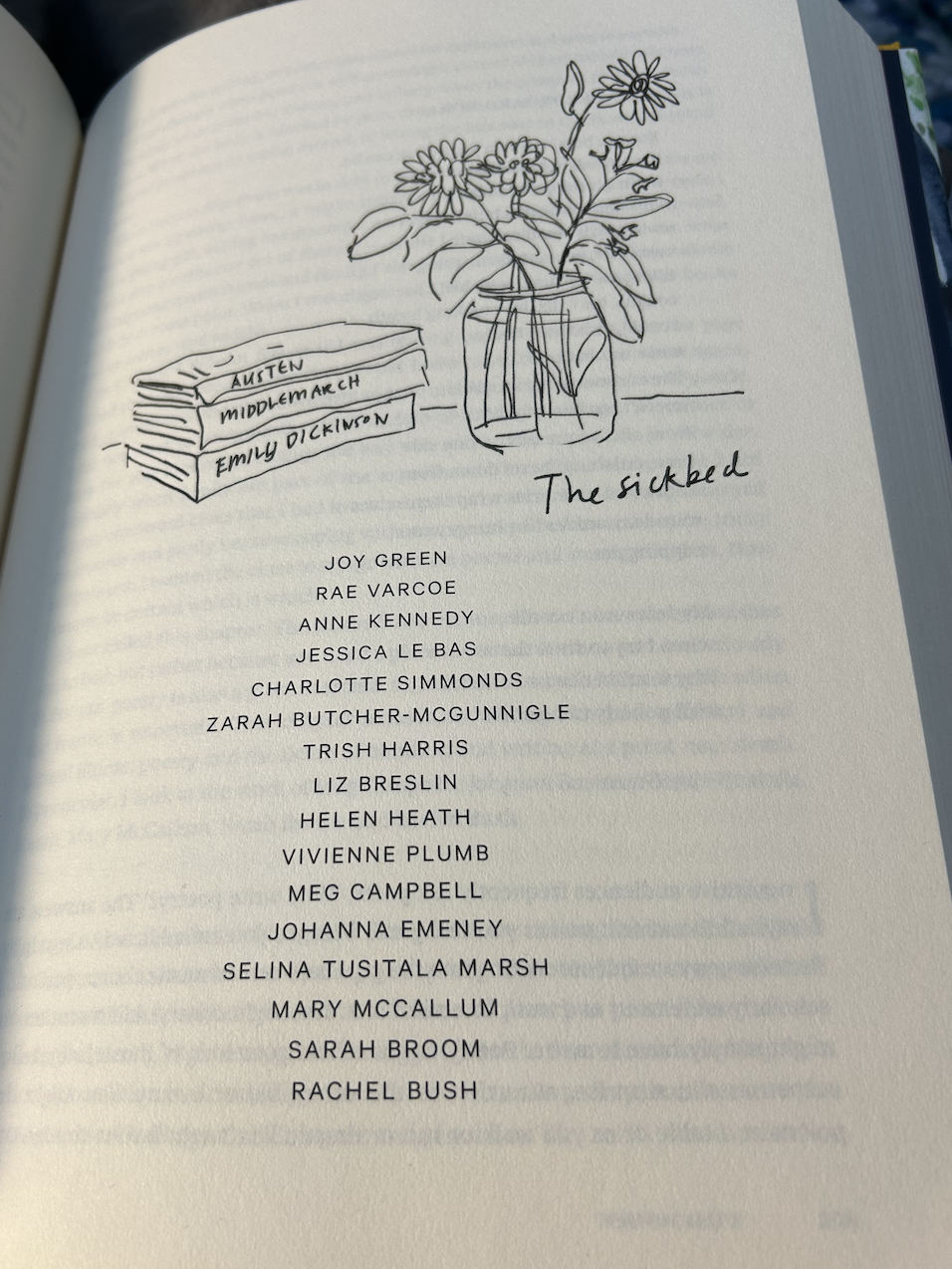
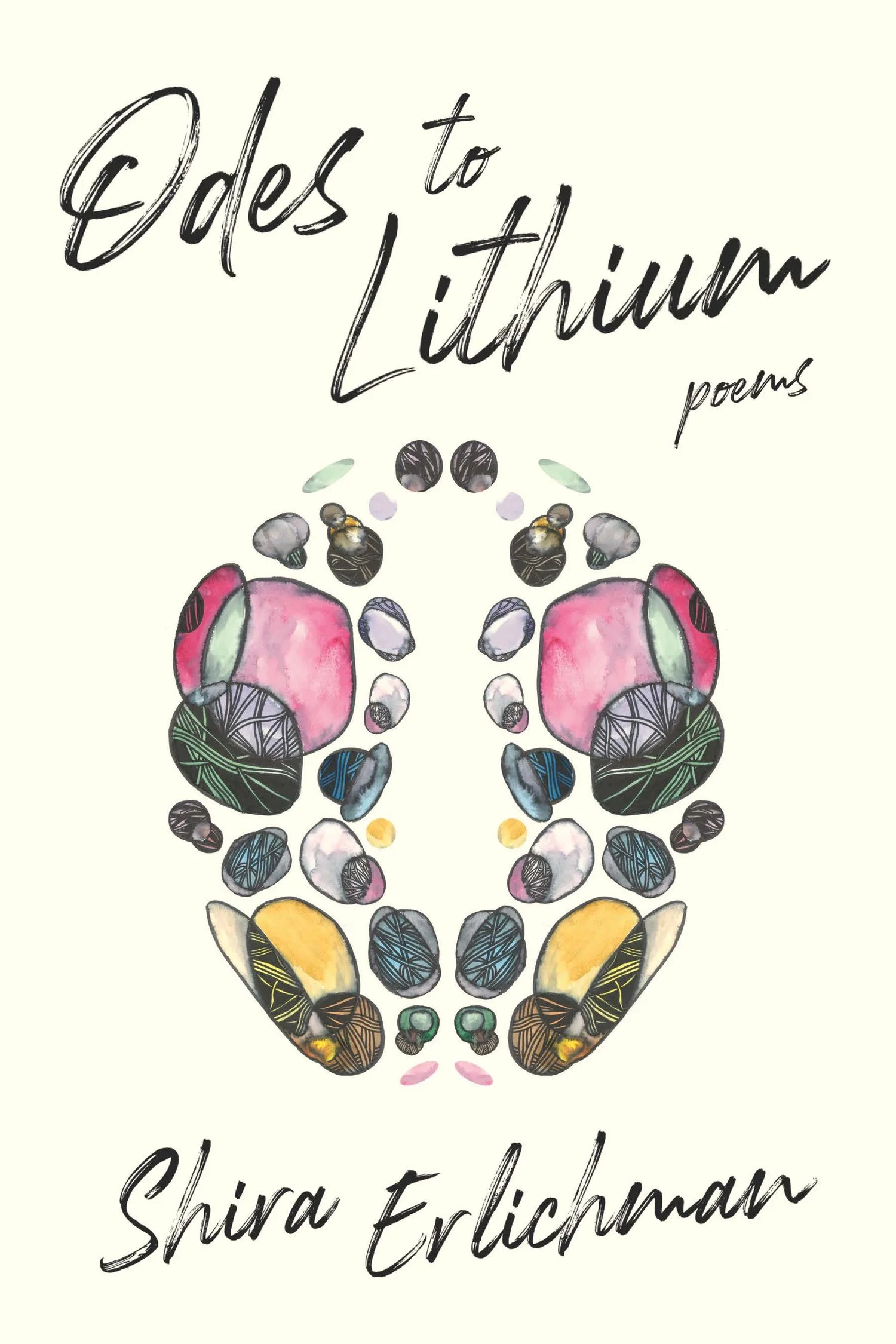
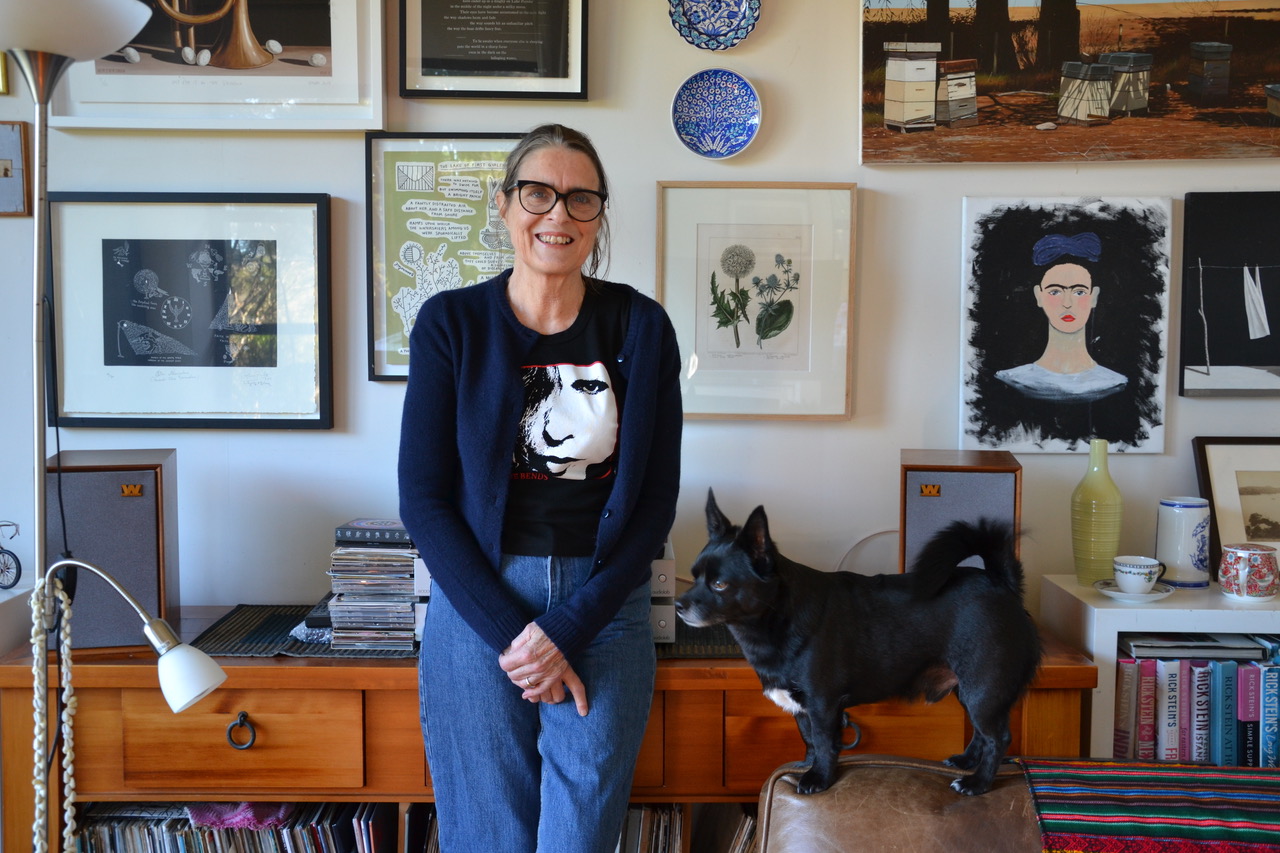


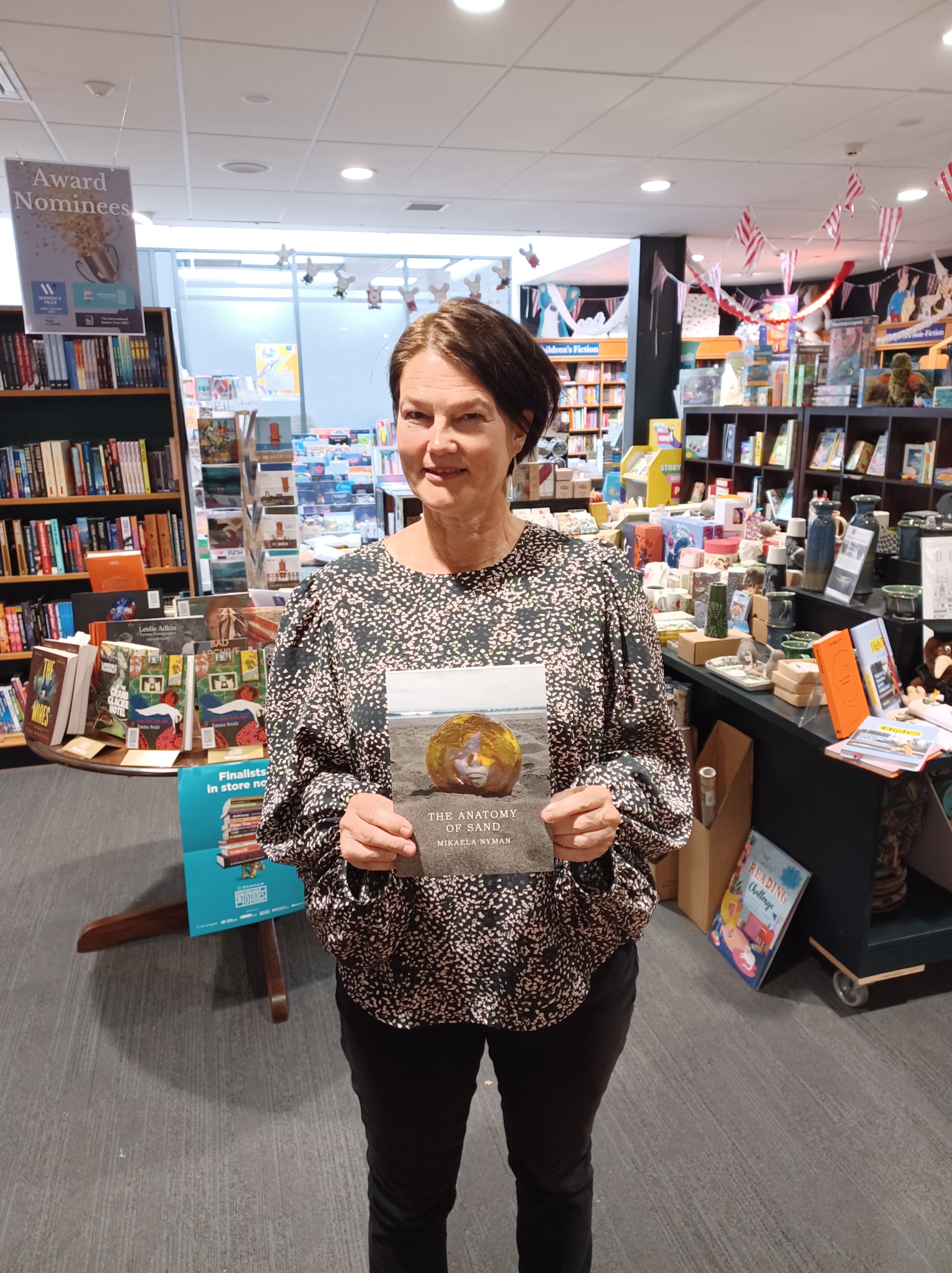
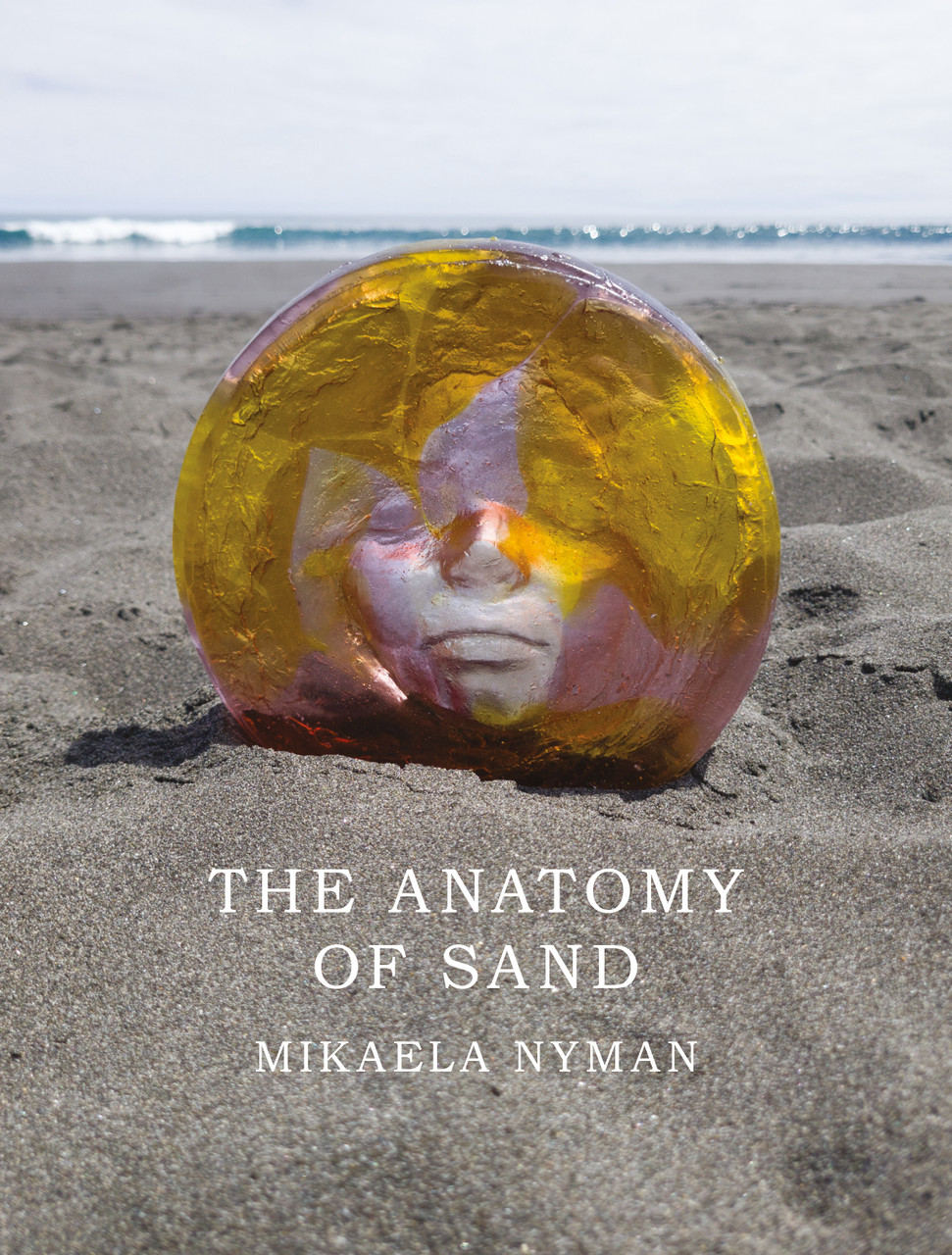
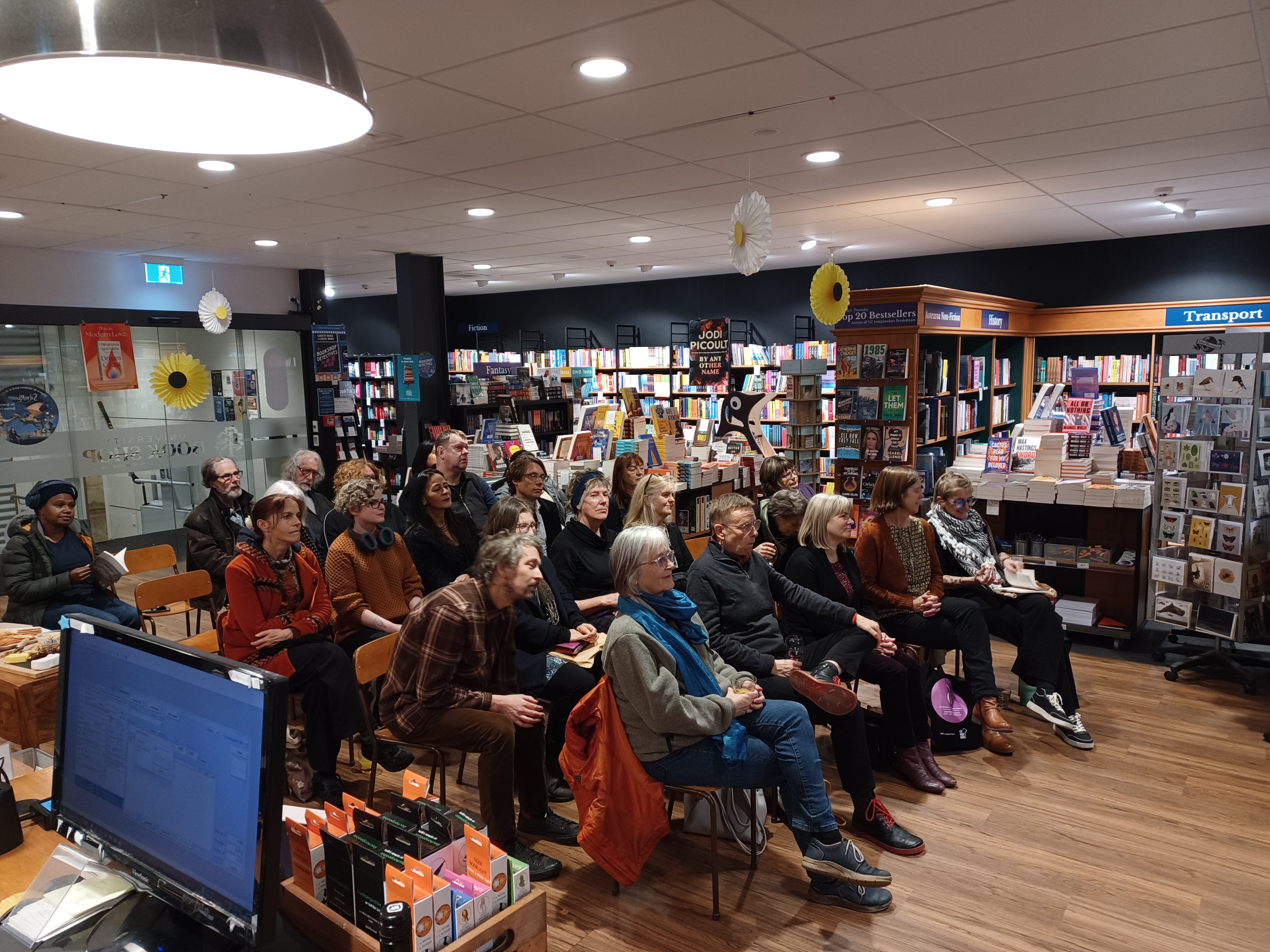
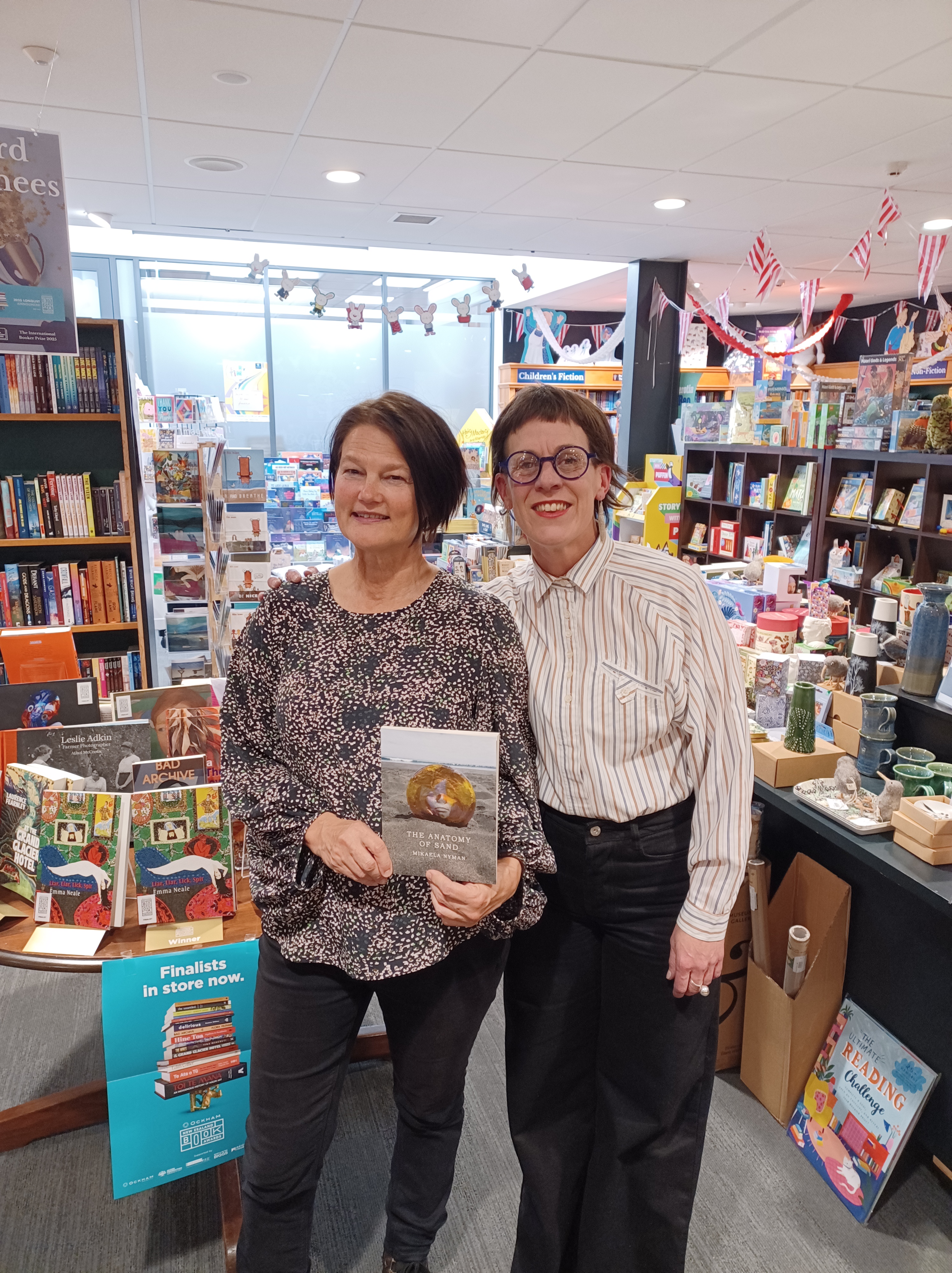
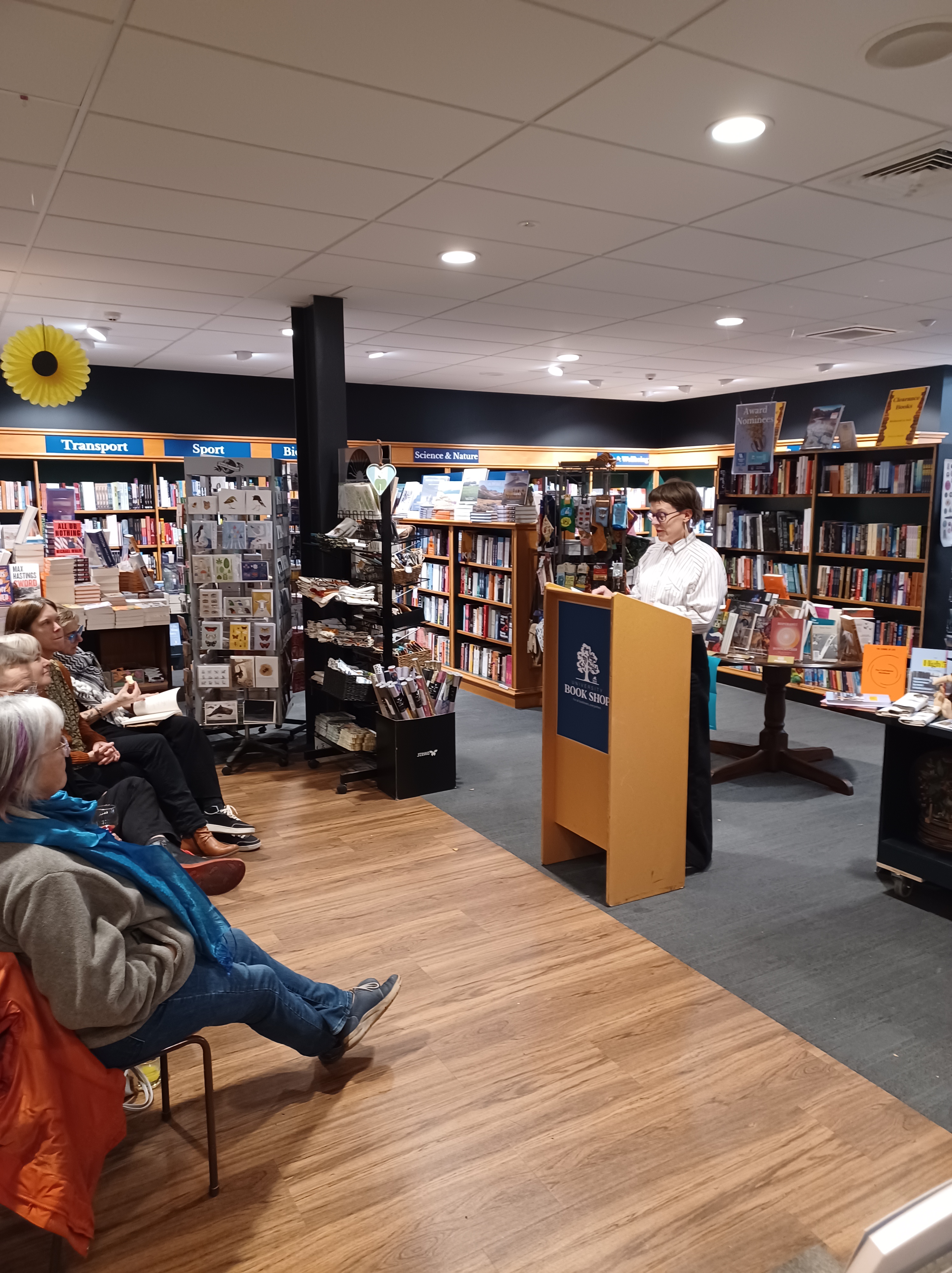
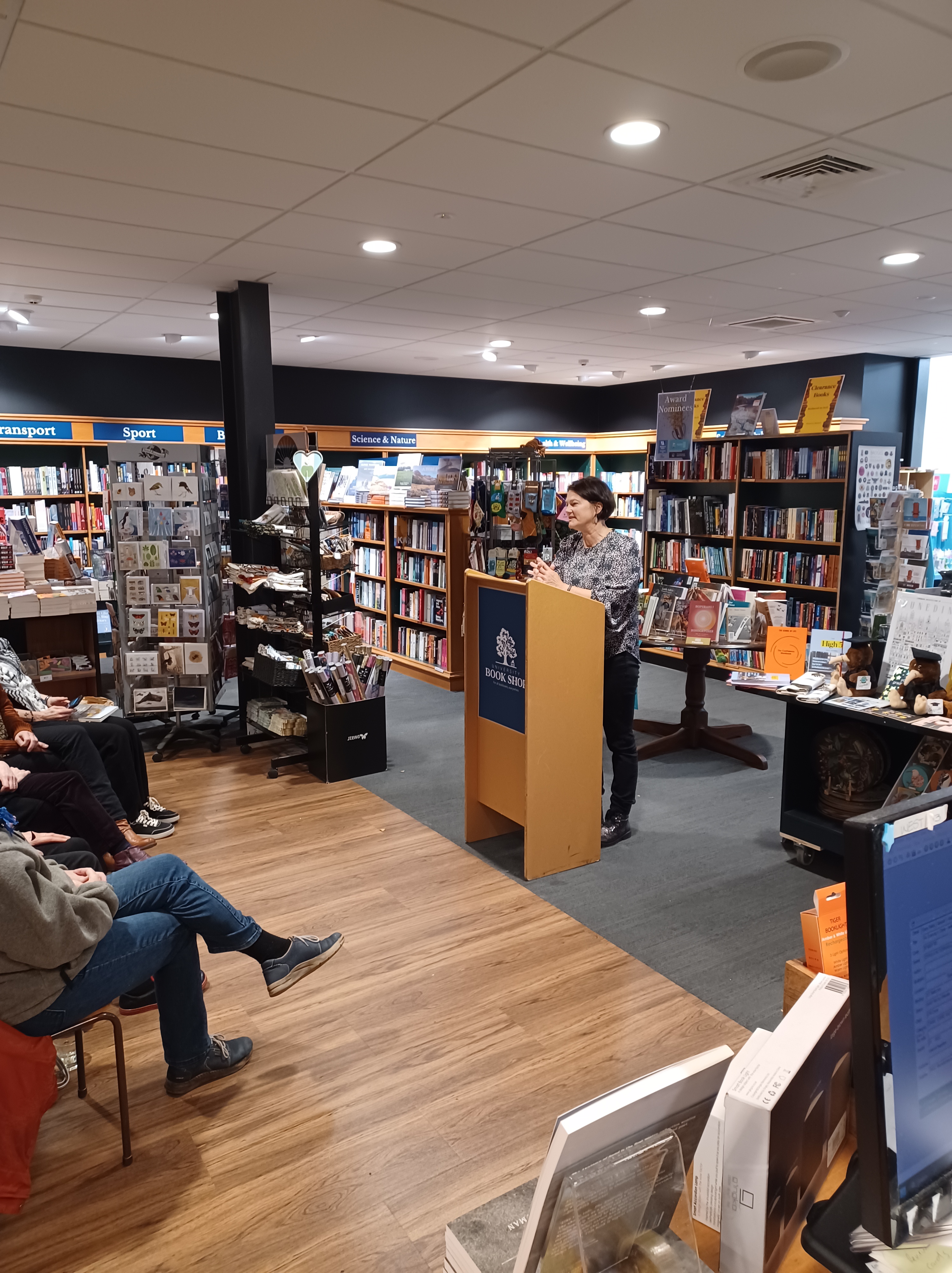
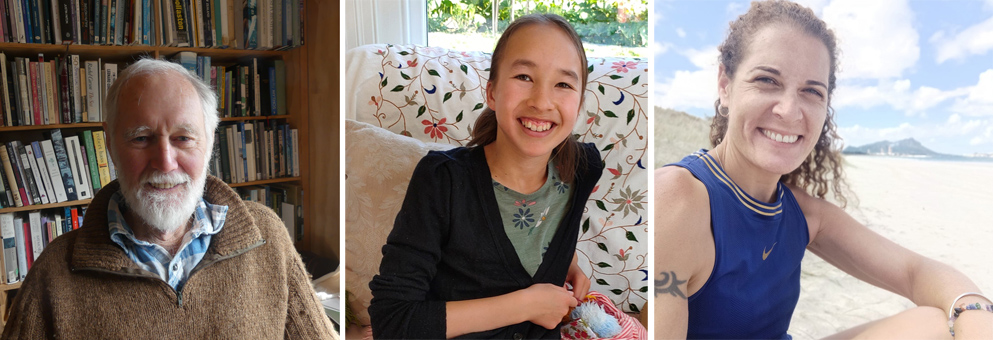

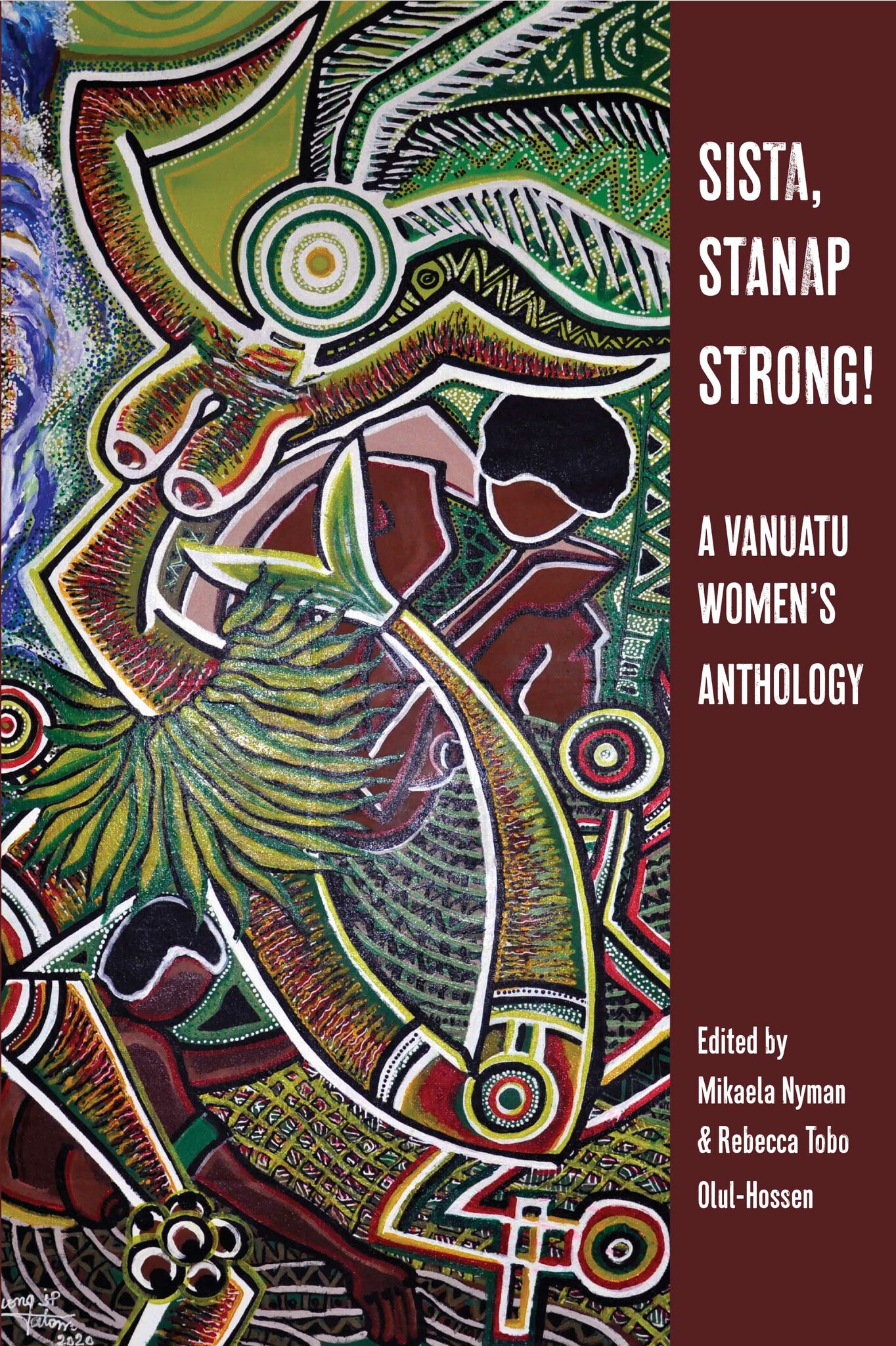




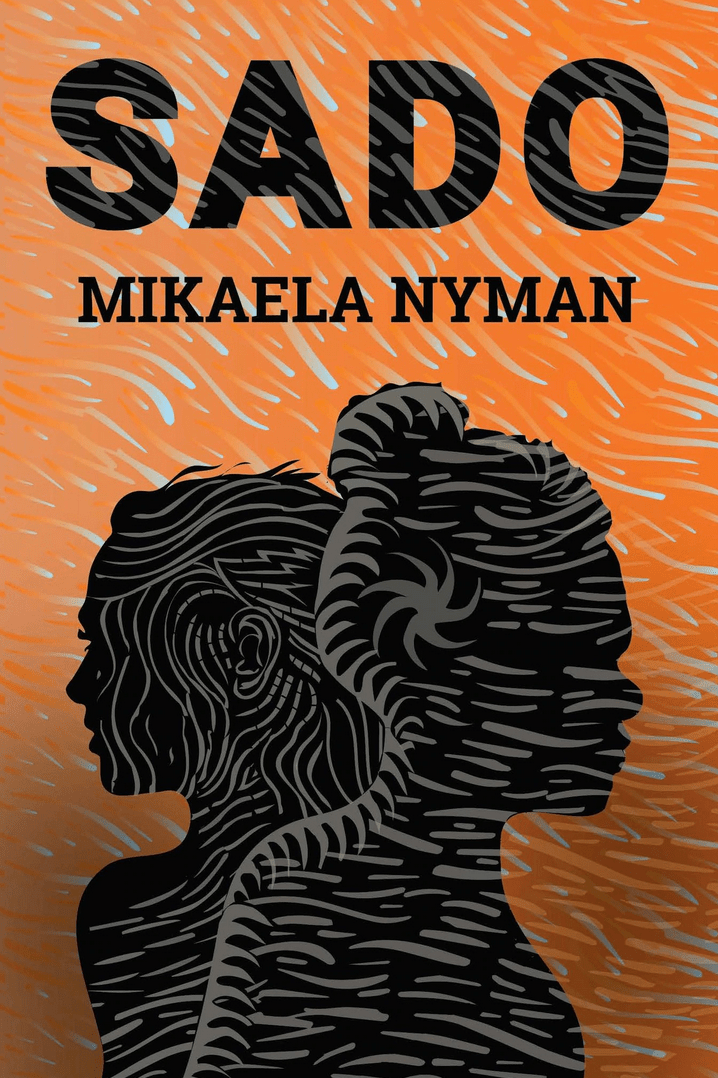
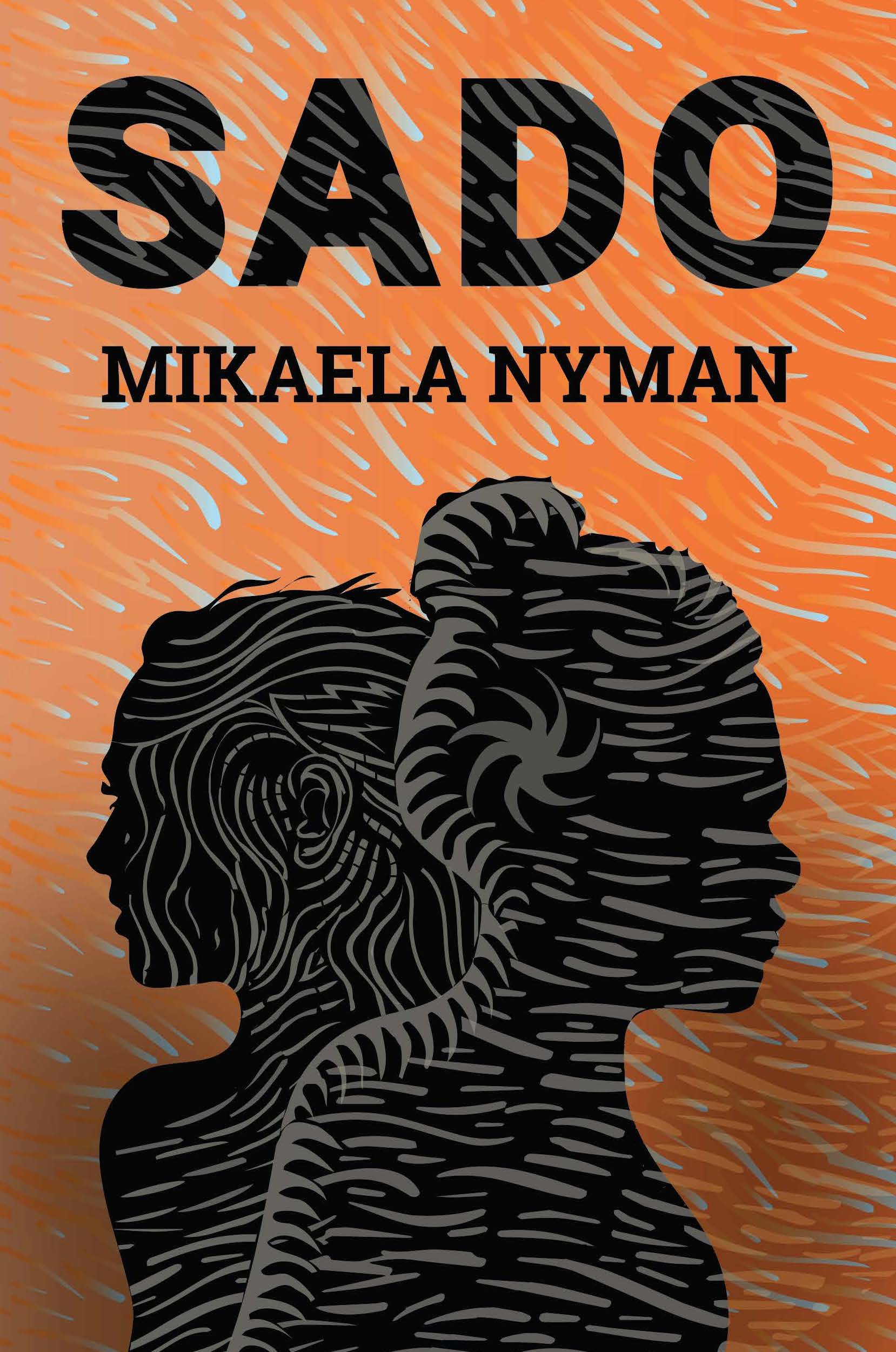
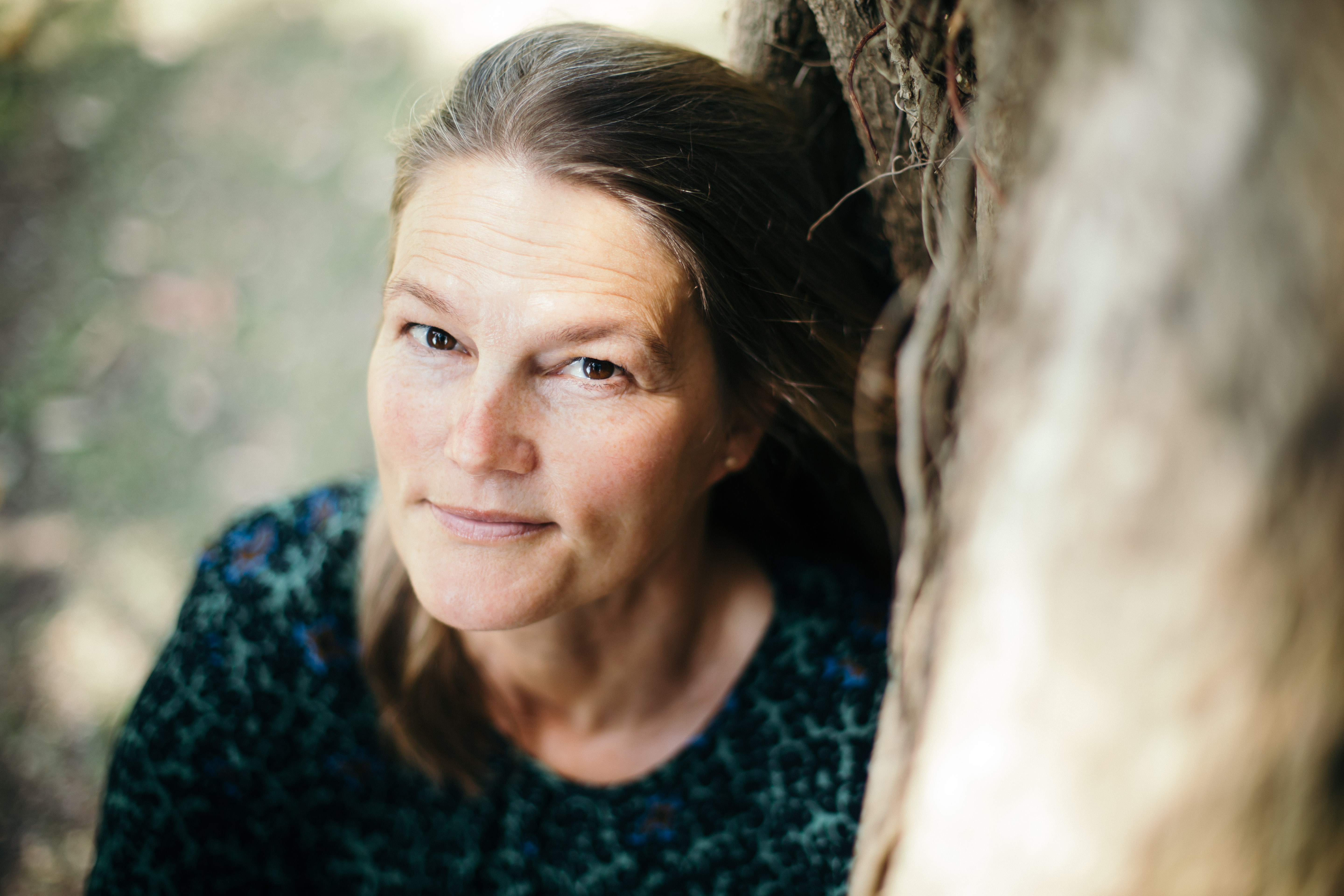
 NZ Poetry Shelf