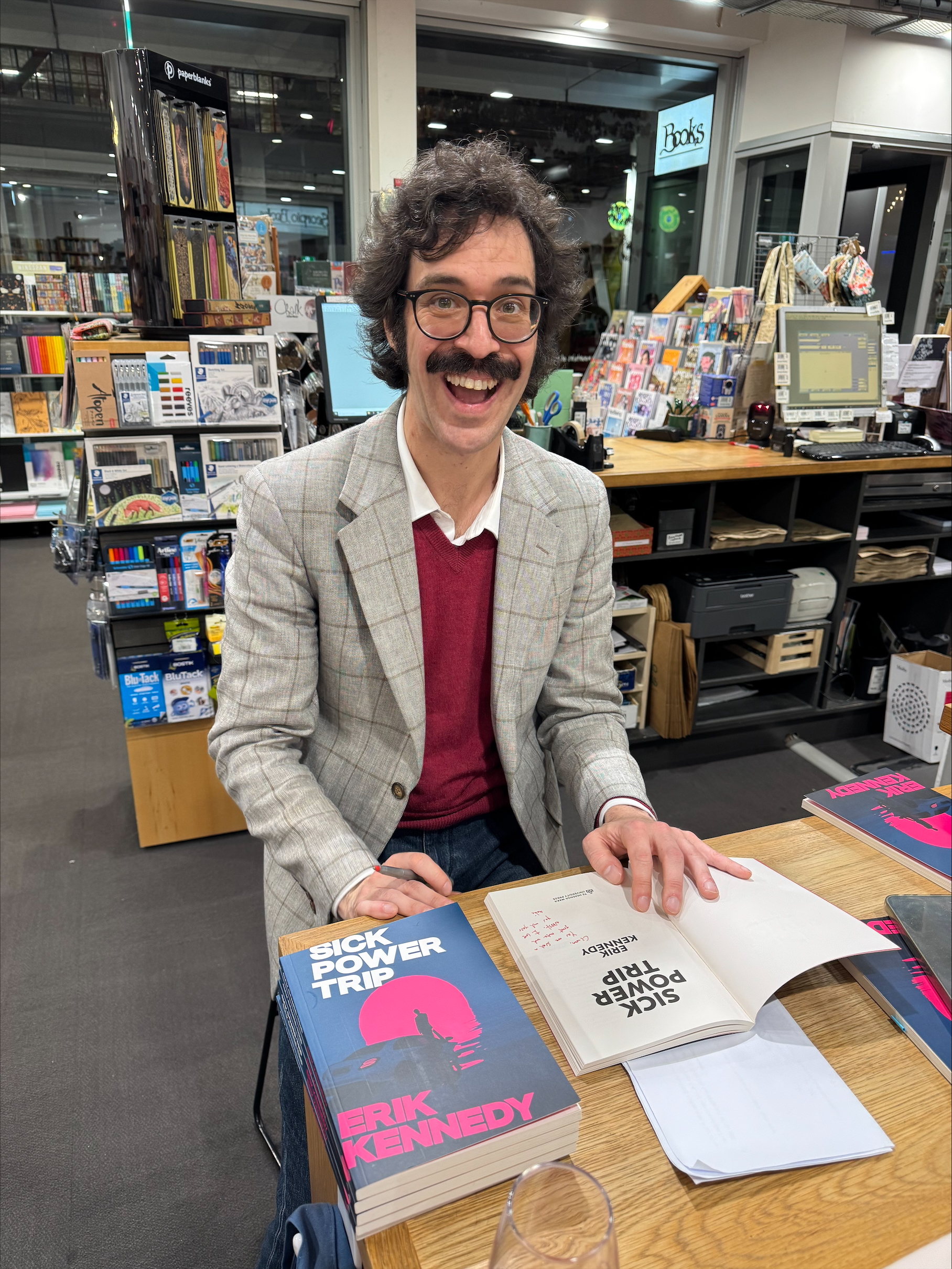
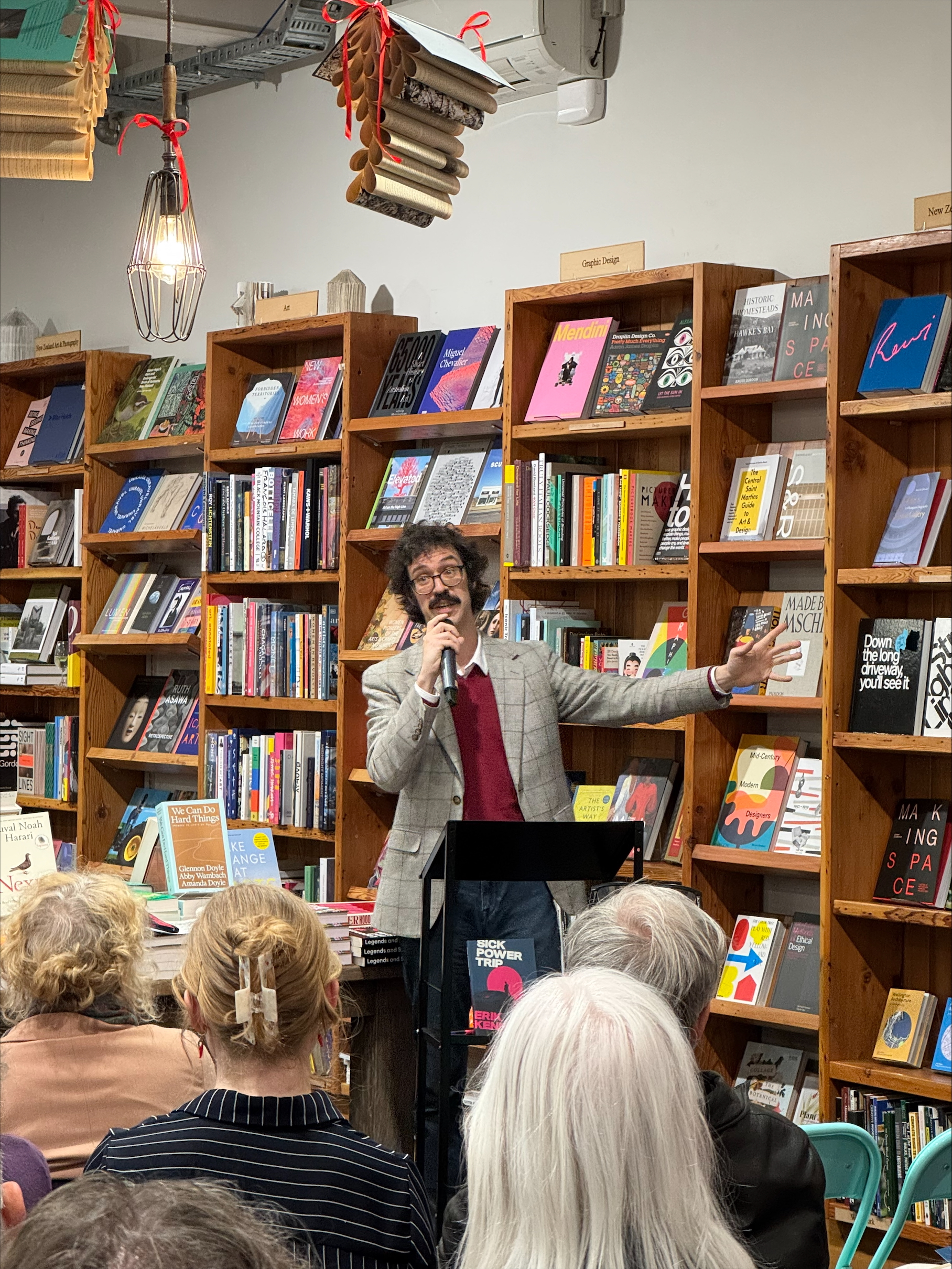
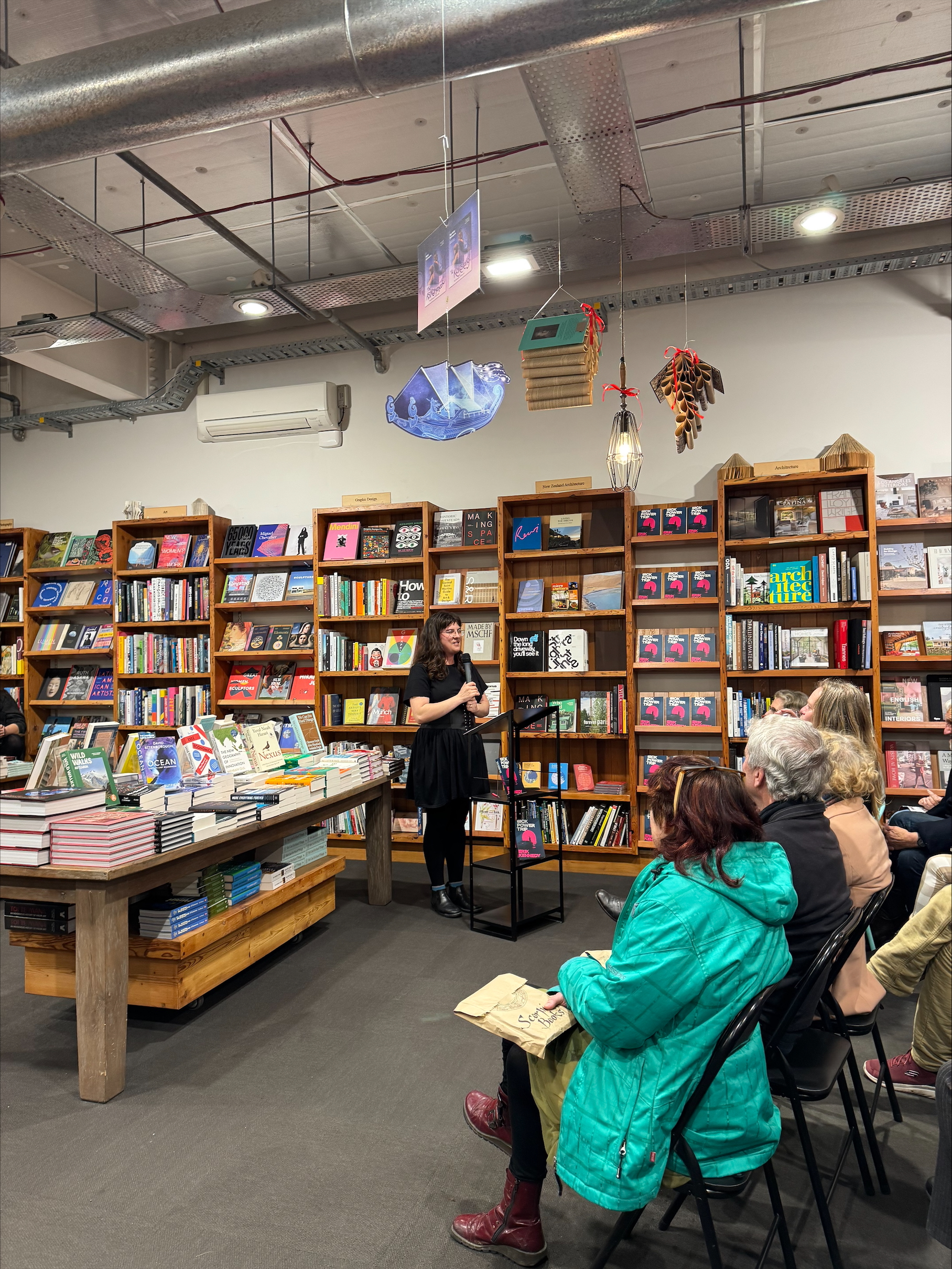
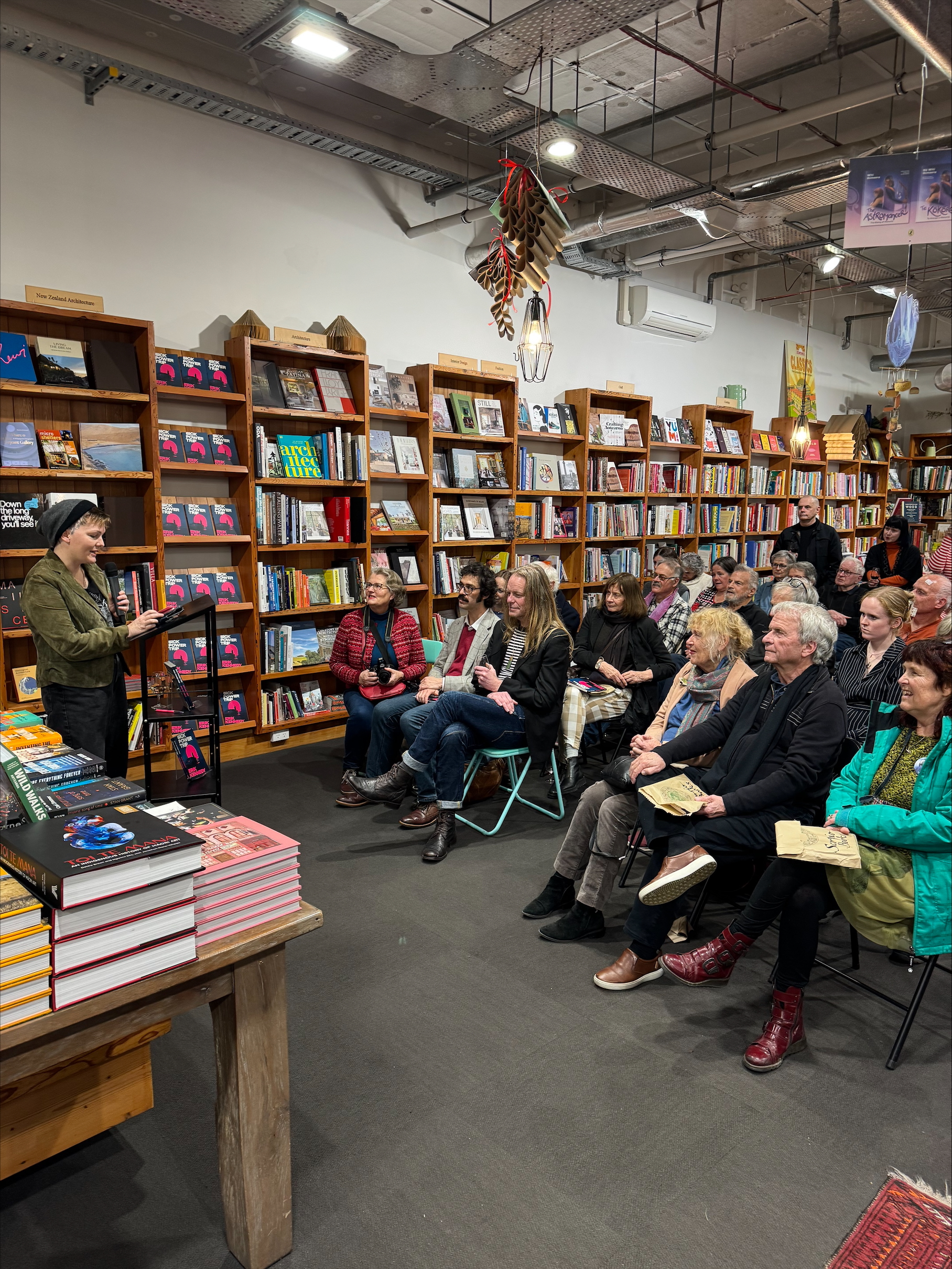
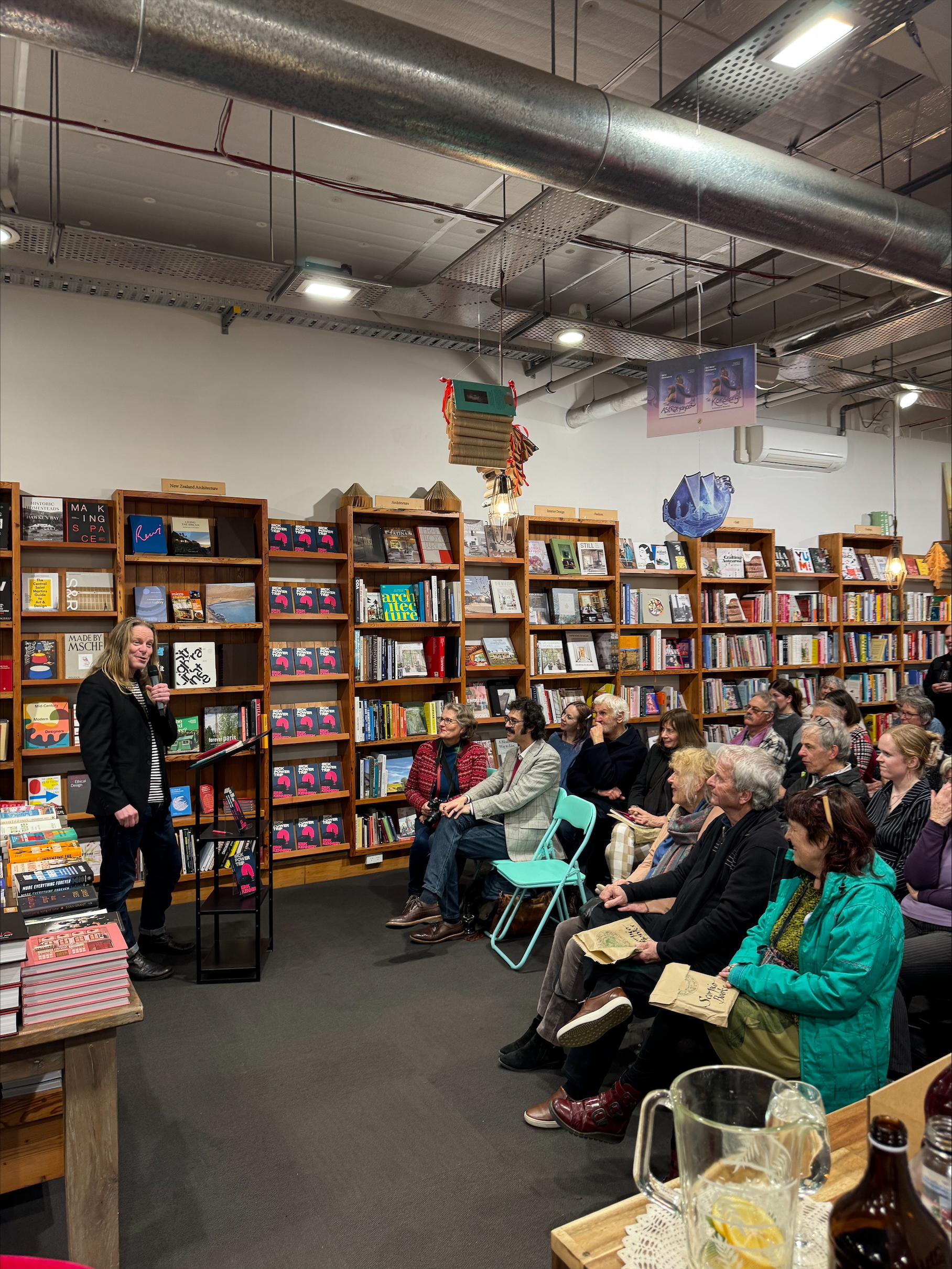
Sick Power Trip, Erik Kennedy, Te Herenga Waka University Press, 2025 (photos courtesy of Scorpio Books)
Tēnā koutou katoa. Ki ngā mate, haere, haere, haere atu rā. E mihi ana ki te iwi e tau nei, Ngāi Tūāhuriri, tēnā koutou. Ki a tātou e tau nei, kia ora koutou. Nō Mīere me Ingarangi ōku tīpuna. Kei te noho au ki Ōtautahi. Kei kaituhituhi ahau e mahi ana. Ko Claudia Herz Jardine tōku ingoa. Tēnā koutou katoa.
Hello, everyone. Thank you for coming. A caveat that these things aren’t expressed so gracefully in reo Pākehā; with my opening remarks I acknowledge the deceased, notably the poet John Allison; I recognise Ngāi Tūāhuriri, our local iwi and tangata whenua; I welcome you all here, in Scorpio Books, to this celebration of Erik Kennedy’s pukapuka Sick Power Trip.
My name is Claudia Herz Jardine. My ancestors, like Erik’s, came from far away- and, also like Erik, I call Ōtautahi Christchurch home and am prepared to defend it from further environmental assault with my life, my poems and my needle-nose pliers.
The first image of Sick Power Trip that wedged itself in my head was the “absolute possibility engine”- a ferret on a leash as observed in the poem ‘Animals On Leads’. At the time, my brother-in-law had his girlfriend’s dearly beloved and deceased pet ferret in his freezer as they waited for the cost of taxidermy to go down – this going down in price could be enabled by free market conditions, or the death of another ferret i.e. taxidermy at a quantity discount. All the ferrets in my life were distinctly lacking in possibilities, and then Erik came along to our critical writing group with his poem. I didn’t have much critical feedback for Erik- I only recall scrawling, “love ‘the energy of a ten-man brawl in a two-man toilet’.” A phrase that feels like it has the same amount of plosive consonants as a ferret should have claws.
Many months later Erik mentioned he had a manuscript ready. He emailed it to me. I made approximately five suggestions. My email sign-off was: “It’s a stacked deck! A pack of heavyweights! An all-star team!!” This ratio of suggestions to compliments bodes well for Erik. I read it all in one sitting, and by standing before you all tonight, I declare that me and my poetic sensibilities were wholeheartedly entertained and intrigued by this book.
To make some hazy, summative stabs at the book now, Sick Power Trip is a sort of wealth redistribution weathervane. The poems in this book, together, seem to say- if you have THIS much money, can you please do the decent thing and use it to make THESE lives better? Though the poems are stacked with ‘I’ statements, the ‘I’ is always asking; why aren’t we kinder to each other? Why do the people with the most get away with caring about others the least?
We live in an age in which any possible friction in our daily lives is viewed by Big Tech Companies as a money-maker. We have computers in our hands, a supermarket monopoly willing to visit us at home, and apps that write small talk and argumentative rebuttals for us. The narrator of ‘Individualistic Societies’ (page 11) states: “I fixed every problem I ever had until I couldn’t, at which point I became the problem.” For as long as we are encouraged to remove friction from our lives by paying money, the environment and its indigenous populations will be exploited. Skip ahead to page 93, ‘Someone Put an Ancient Burial Ground Right Where a Hotel Needs to Go,’ and an archaeological worker has a vision of excavated bones filling the city- “One day this project will be done and the building that even / its designer’s mother doesn’t love will spend its seasons here… What is allowed to endure is sometimes a second-choice thing / and the ones choosing are as likely to be thinking about the weather / as the future. Is it going to rain? Is the smart oven set?”
Yes, these poems are fringed with scathing, cynical Erik-ness. They also serve as an untraditional curriculum vitae for why, in the end times, Erik Kennedy will be on the shortlist for holding the newly-designed flag while jumping up and down on top of the bunkers as we sweep through Central Otago, shelling billionaires from their boltholes. This will be a pointy time, and unlike the narrator of ‘Notes Towards a Theory of Fun’ (page 50), no one will be getting arrested for kidnapping fossil fuel executives and shouting (quote) “Imma rubber-band this motherfucker up like a bunch of kale.”
Some notes on craft; Erik knows when to end a line, use an adverb, when to turn up the dial on the presence of the narrator and how to get out of the way. Erik and I share a love of whittling the pointy end of the poem first and then making the grip as comfortable as we see fit. So, watch as he casually wraps serious themes in humour to make the weight a little easier to bear- you could “die in a hail of 5-inch shells / or mild social disapproval,” you were either “raised by scorpions,” or you can care about the people of Gaza, you can be sad and lonely, or you can get involved in your local dogging group- just get out there and network!
Importantly, these are poems about thinking and caring. Erik cares about us. Erik cares about all animals. Erik cares about the planet. And Erik, in his day-to-day ways, turns up for other poets and throws his support behind our scene. When Erik had long Covid and stayed home, we missed him, and it was nice of him to invent the word “wonkening” while he was away.
Thank you all for listening to my speech. Congratulations, Erik, on another fantastic volume of poems. Can we all give him a big round of applause?
A warm thank you to Te Herenga Waka University Press and our speakers for this evening – and please join me again in congratulating Erik Kennedy.
Ah. Love is my final theme. My seventeenth gathering. I chose love because love is the ink in my pen, it drives the pencil filling my notebooks. It’s the reason I keep two blogs running when, at times, it seems impossible. There is the love of reading and writing stretching back to childhood. Love poetry can embrace many subjects, moods, objects, experiences, relationships. So many poetry books in Aotearoa are steeped in love. In what is written and, just as importantly, in the infectious love poets feel for the power of words. For the possibility of the line, silence, music, physical detail. As readers, writers, publishers, reviewers, booksellers of poetry, we are connected through a shared and invigorating love of poetry. Ah.
To celebrate the end of my theme season I have ten copies of Wild Honey: Reading New Zealand Women’s Poetry to give away. I will sign one for you or for a friend. You can leave a comment on the blog, on FB or Twitter: Which theme resonated for you? What theme do you suggest if I should ever do this again? Or just email me if you have my address.
Grateful thanks and aroha to all the poets, publishers and readers who have supported my season of themes. I so loved doing this!
The poems
Poem
So far it has worked by imagining you in all the places I would like you to be
*
this is the one I love. he is not here but the air is still warm from where he might have been
*
we have spent hours circling each other with words-thinly vowelled embraces
*
how to translate these words into silences or the silences into words
*
when I cannot fix you behind my eyes I carry your absence like stars on the blue roof
Jenny Bornholdt
from Selected Poems, Victoria University Press, 2016
Catch
Two sitting at a table two at a table sitting two and two a table in the grass in the grass a table and on the table empty almost with a little a little empty almost but with a little water there sits a jar for love on the table a jar for love not a fresh jar every day fresh every day nothing in the jar that lasts always fresh they are sitting sitting at the table looking they are looking at the jar at the table at each other they are sitting looking sitting at the table at the jar looking looking sitting now is nearly the day the day is nearly now now go to sleep go to love go to jar go to look look looking look sit sitting catch that catch two sitting at a table two at table sitting two and two and two a table in the grass
Murray Edmond
from Fool Moon, Auckland University Press, 2004
Because of you
(for Darae)
My Son,
in you I see the shape of the heart all poets try to explain
you, the greatest poem I could never pen
how blessed I am to mother a son to exercise hope and love when everything else is absent
Son, your are a gift to men because of you I pray for men still love men hold hope for me, for you.
Grace Iwashita-Taylor
from Full Broken Bloom, Ala Press, 2017
The wind has shaken everything out of the quince tree. Behold the bony gullets of fledglings as yellow as the towers of rock that arise in Wyoming. ‘Stop blocking the gangway,’ the old woman used to say, cutting away long roils of yellow clay with her spade, hell bent on re-configuring a brand new version of genetically modified melancholy. ‘Never forget how the old ones arrived from Dubh Linn, the Place of the Dark Pool, formed from the union of the River Liffey and the River Poddle. Never forget that we are arisen from a line of proud people.’ And here I am, holding onto my end of the string and I know, my love, that you are holding onto the other.
Bernadette Hall
Aroha Mai
Aroha mai I was trying to get to you but the wind kept changing direction
Aroha atu she hates it when institutions use Te Reo in their signatures she hates it when my wet hair drips all over the bedsheets
Aroha mai I couldn’t see you this time I was down a rabbit hole along the coast beside the point
Aroha atu love given love received there isn’t enough room in this house to house our love the brick square flat beneath a rectangle sky
Aroha mai your baby finally came the angels found your address submerged in yesterday’s current and she’s clapping in every photo
Aroha atu my feet don’t touch the ground these days take the stairs to stay fit I keep my car full of gas it is easy to recycle the past
Aroha mai my ghost is in town and I don’t know if I should email her back
Aroha atu already the skeleton wings of this year are casting long shadows we don’t know what’s for dinner but next door’s Tui keeps singing all the buried bones to life
and you’re opening every can of beans in the cupboard to feed the tired warrior in my arms
Courtney Sina Meredith
from Burnt Kisses on the Actual Wind, Beatnik Publishing, 2021
Helping my father remember
My father is in the business of transmissions. A radio technician, the basic premise being that a message is sent out, then received. Except something’s gone wrong with the wiring, and he didn’t teach me how to fix it. I see him, standing at the kitchen bench, his hand hovering over an orange and paring knife; trying to think what he had planned.
*
There is evidence that sound helps restore memory: the sound of a cricket ball colliding with tin fence; lemonade meeting beer in a shandy; sticks smouldering in the air, when pulled from a camp fire. The doctor says depression, my sister says stress, my father says stop being so bloody dramatic.
*
They say I am the most like you, and that we are like your mother. I am following you through tall grasses, as high as my head. You’re in your angling gear. It’s summer, I can hear the cicadas. There’s a wind up, but its warm. We’re heading to the river. You find Nana, and I’ll find you. We won’t be lost if we’re together.
I haven’t read a single new book since I’ve been with you. I’ve been so busy peering into your eyes where I can see dark passages & feinting canaries & gold & mine mine mine mine
Plus I’ve been preoccupied with the joy of sex the science of living the interpretation of dreams & my undiscovered self.
So today I read a love poem.
But when I looked at it, it just said your name.
It was very repetitive. It just kept skipping over itself. Skipping to the important bits. Slipping into something more comfortable.
I looked away for a second & when I looked back the love poem had filled the whole room. It was thrusting against the ceiling & had burst through the open window pushing the vase of sunflowers right out.
I tried to call to you to come & look but the love poem was so big that it caught in my throat. There were fainting canaries everywhere like the fallen petals of sunflowers gasping yours yours yours yours
Hannah Mettner
from Fully Clothed and So Forgetful, Victoria University Press, 2017
Strummer Summer
All that summer we kissed outside because we had nowhere inside to be alone. We had matching Clash t-shirts and black outlooks. After my shifts at Seafood Sam’s I would pick you up in my Dad’s ute and we’d drive to the river
so I could swim off the chip grease. I’d light a fire while you showed me the riffs you’d learned that day on your unplugged Fender. /I’ve been beat up, I’ve been thrown out,/ /But I’m not down, No I’m not down./ I requested Blondie but you said it was chick-music.
Poking the fire with a stick, the tinny twang of your dead strings. We thought we had it pretty bad. Your Dad didn’t like me because I was “the wrong flavour”. I craved city life. Packed my army bag and left home, but not before I withdrew half my chip money and bought you an amp.
Helen Lehndorf
from The Comforter, Seraph Press, 2011
The library
The library is full of people looking for love. At the sound of footsteps approaching, a boy turns around with a meaningful glance, and casually slips a pencil behind his ear. Girls pause on the landings, clutching armfuls of books to their breasts. Sometimes, you feel sorry for these people. You wish this wasn’t happening. All you want is a book, and all the shelves are filled with eyes of longing.
Airini Beautrais
from Secret Heart, Victoria University Press, 2006
Always on Waking
Always, on waking, I look out into treetops: I lie beside you in the shimmering room Where, whether summer morning, shell of dawn Or dazed moonlight patterns leaves on walls I wake to wide sky and the movement of treetops.
As the leaves flicker (thin scimitars of opaque Dull green the eucalyptus bundles over her bark strips) They become lucent; leaves lined with sunlight With moonlight are no longer drab But seem scimitars shining, are not now opaque.
While you are there I am nested among leaves; As sparrows come each morning for breadcrumbs So I look for your still face beside me; Without your calm in the face of what wild storm I am no longer nested, but desolate among these leaves.
Ruth France
from No Traveller Returns: The poems of Ruth France, Cold Hub Press, 2020
Honey
It was manuka honey, the best kind, in a big, white plastic bucket, given to you by someone with bees, because you’d been helpful, so much honey, it looked like it might last a lifetime and you being you, and maybe why I love you, you spooned it out into carefully washed jars and gave it to your uncle, your mother, your brothers, our friend with the little boy, your mother’s neighbour who had the birthday, so much honey, and after all that you gave away, there was still so much left for us.
Janis Freegard
from Meowing Part 1 (the Meow Gurrrls zine).
Is It Hard to Follow Your Heart When You Have Three?
(on the story of the giant octopus from Aelian’s De Natura Animalium)
is it hard to follow your heart when you have three?
one for circulation two for breathing
i am the stone jar of pickled fish you are the giant octopus
i wait in the dark for you you crawl up the sewer for me
we cast our votes two are for breathing
Claudia Jardine
from The Starling 9
Toikupu aroha 1
I waited all night for you to come home to plant kihikihi into your cupped palms
now as you sleep I glide my fingers memorising the tracks that led me here
to this chest – arms – manawa with such vastness and proximity
I lean down taking in the entirety of your pulse and there my hā quickens
above lifelines grooved with spacious and honest certainty.
Iona Winter
from Gaps in the Light, Ad Hoc Fiction, 2021
For Baukis
There are four extant poems written by the ancient Greek poet Erinna. Three of these concern the death of her childhood friend, Baukis.
you lost her, didn’t you? the one that made it worthwhile to be underneath the sun and breathing
you remembered her, didn’t you? the days you played chasing the tortoise topsy turvy, falling from all the white horses
you missed her, didn’t you? when marriage came like a thief and snatched her away the ribbon of your world
you mourned her, didn’t you? when the ribbon was torn the bright eyes empty, the breath stilled
you cried for her, didn’t you? raw, with it heaving out the wet thick language of snot and tears
you loved her, didn’t you? even more than a friend, the closest companion the only one
you wrote for her, didn’t you? wove her memory through hexameters to stave off oblivion
and, now, for her we read.
Hebe Kearney
When the Person You Love Leaves You in the Night
When the person you love leaves you in the night, it is only natural to get out of bed and follow them. It is also only natural for your pyjamas to be all crumpled and your hair sticking up at the back. It is only natural to feel confused, and alone.
Nine times out of ten, a light will be on and you will walk into the living room, squinting. The person you love will probably be making human body parts out of plasticine, or playing video games. They will look up and say ‘Hello’ and smile at you like you’re some kind of lost baby animal. You will feel a little bit found.
If there is no light on in the house, it is important that you check the garden. If there is no garden, check the balcony. The person you love will be out there, staring at the moon and not crying. You are the one who cries. Except that one time… and the other. Don’t ask them if they’re okay because they will just say ‘Yeah’. Besides, you are the one who was left alone in the night.
Just look at them in the moonlight, and let them look at you. Stay very still. Then take their hand in slow motion and walk to the kitchen. The person you love will follow you, and so will the moon. Pour some milk into a pan and simmer gently. You will see a quivering white circle. The moon will be in there somewhere. Slice cheese onto bread and turn on the grill.
When you have two pieces of cheese-on-toast, put them on a plate. Pour half the milk into the mug with Peter Rabbit on it and half into the souvenir mug from Sweden. There will be sugar on the floor and it will stick to your feet. Swing yourself up onto the kitchen bench. You and the person you love will sit with your feet dangling side by side. The sugar will fall without a sound. You will drink your milk. The person you love will eat their grilled cheese, with sips of milk in-between. Peter Rabbit will eat his radishes.
Congratulate yourselves for drinking calcium. Sit at opposite ends of the couch with your legs tossed over their legs. Talk until you wake up the birds.
It is important that at some point during the night the person you love reminds you that you are the person they love. It is also important that they thank you for the grilled cheese. If they don’t, give them a pen and a piece of cardboard. Drop them on the side of the road. Tell them, ‘You can hitchhike from here.’
Joy Holley
from Starling 4
Love Poem with Seagull
I wish I’d seen it from your side of the table when the horrid gull attacked my fish and chips, the springy baton of haddock in my hand a signal for the post-saurian psycho to swoop at my talon-less fingers as they moved toward my mouth in their classically dithering mammalian way, because if I’d had the privilege to see the stress-warped, flexuous face behind my bat-like ultrasonic shrieks of shock as I fought off the bird unsuccessfully then I’d have some idea of what it means for you to love me, the sort of person who manages to always look like this or feel like this regardless of how much easier being normal is.
Erik Kennedy
from There’s No Place Like the Internet in Springtime, Victoria University Press, 2018
Found Again
our love is a tracking device more sure than any global positioning system
just carve us into wooden tablets then imprint us on opposite corners of a mighty length of siapo and watch tusili’i spring forth
making bridges to connect us over rock-bound starfish scampering centipedes and the footprints of bemused birds
we have many stories of losing and finding each orther
of getting lost and losing others
but today all is well
I lie beneath the old mango tree smothered with coconut oil embellished with wild flowers and droplets of your sweat
your aging shoulders still fling back proud
and I still arch towards you like a young sweetheart
you have whispered in my hair
found again
and we both know this is our final harbour
Serie Barford
from Tapa Talk, Huia Press, 2007
Everything
This morning when I looked out my window they were the first thing I noticed. I saw them flocking outside my house. I like to look at them from my window. I get the sun there. I’ll go out and stroke them. I wonder what they think of me. Some people don’t have anything much but if you put a hen on their knee they start looking. I’m not fast on my feet. I have bother with my eyes. I’ve got friends that can’t get out. Everything goes downhill. I would go back to when I was younger. I love the first things. When you’re young you’ve only a future. I’ve made no plans for dying. I haven’t paid for anything. I’d be terrified if they made a mistake. I do love everything about living though. I love being able to see. I like to look out my windows and see the leaves like a blanket on the ground. I love the autumn. I love the hens in the autumn. They’re beautiful. I couldn’t imagine my life without them. They’re everything to me.
Ashleigh Young
from How I get Ready, Victoria University Press, 2019
The poets
Serie Barford was born in Aotearoa to a German-Samoan mother and a Palagi father. She was the recipient of a 2018 Pasifika Residency at the Michael King Writers’ Centre. Serie promoted her collections Tapa Talk and Entangled Islands at the 2019 International Arsenal Book Festival in Kiev. She collaborated with filmmaker Anna Marbrook to produce a short film, Te Ara Kanohi, for Going West 2021. Her latest poetry collection, Sleeping With Stones, will be launched during Matariki 2021.
Airini Beautrais lives in Whanganui and is the author of four poetry collections and a collection of short fiction. Her most recent poetry collection is Flow: Whanganui River Poems (VUP 2017). Bug Week and Other Stories recently won the Ockham NZ Book Fiction Award 2021.
Jenny Bornholdt is the author of many celebrated collections of poems, including The Rocky Shore (Montana New Zealand Book Award for Poetry, 2009) and Selected Poems (2016), and editor of several notable anthologies, including Short Poems of New Zealand (2018). In 2005 she became the fifth Te Mata Estate Poet Laureate, during which time she wrote Mrs Winter’s Jump (2007). In 2010 she was the Creative New Zealand Victoria University Writer in Residence. In 2013 she was appointed a Member of the New Zealand Order of Merit for services to literature. In 2016 she edited the online anthology Ōrongohau | Best New Zealand Poems. Jenny’s most recent collection is Lost and Somewhere Else (2019).
Murray Edmond, b. Kirikiriroa 1949, lives in Glen Eden. 14 books of poetry (Shaggy Magpie Songs, 2015, and Back Before You Know, 2019 most recent); book of novellas (Strait Men and Other Tales, 2015); Then It Was Now Again: Selected Critical Writing (2014); editor, Ka Mate Ka Ora (http://www.nzepc.auckland.ac.nz/kmko/); dramaturge for Indian Ink Theatre. Forthcoming: Time to Make a Song and Dance: Cultural Revolt in Auckland in the 1960s, from Atuanui Press in May, 2021.
Ruth France (1913–68) published two novels: The Race (1958), which won the New Zealand Literary Fund’s Award for Achievement, and Ice Cold River (1961); and two volumes of poetry: Unwilling Pilgrim (1955) and The Halting Place (1961), under the pseudonym Paul Henderson. Poems from a third collection, which remained in manuscript at the time of her death, are published as No Traveller Returns: The Selected poems of Ruth France (Cold Hub Press, 2020).
Janis Freegard is the author of several poetry collections, most recently Reading the Signs (The Cuba Press), and a novel, The Year of Falling. She lives in Wellington. website
Bernadette Hall lives in the Hurunui, North Canterbury. She retired from high-school teaching in 2005 in order to embrace a writing life. Fancy Dancing is her eleventh collection of poetry (VUP, 2020). In 2015 she was awarded the Prime Minister’s Award for literary achievement in poetry and in 2017 she was made a Member of the New Zealand Order of Merit for services to literature in Aotearoa New Zealand.
Joy Holley lives in Wellington and has recently completed her Masters in fiction at the International Institute of Modern Letters. Her writing has been published in Starling, Sport,Stasis and other journals.
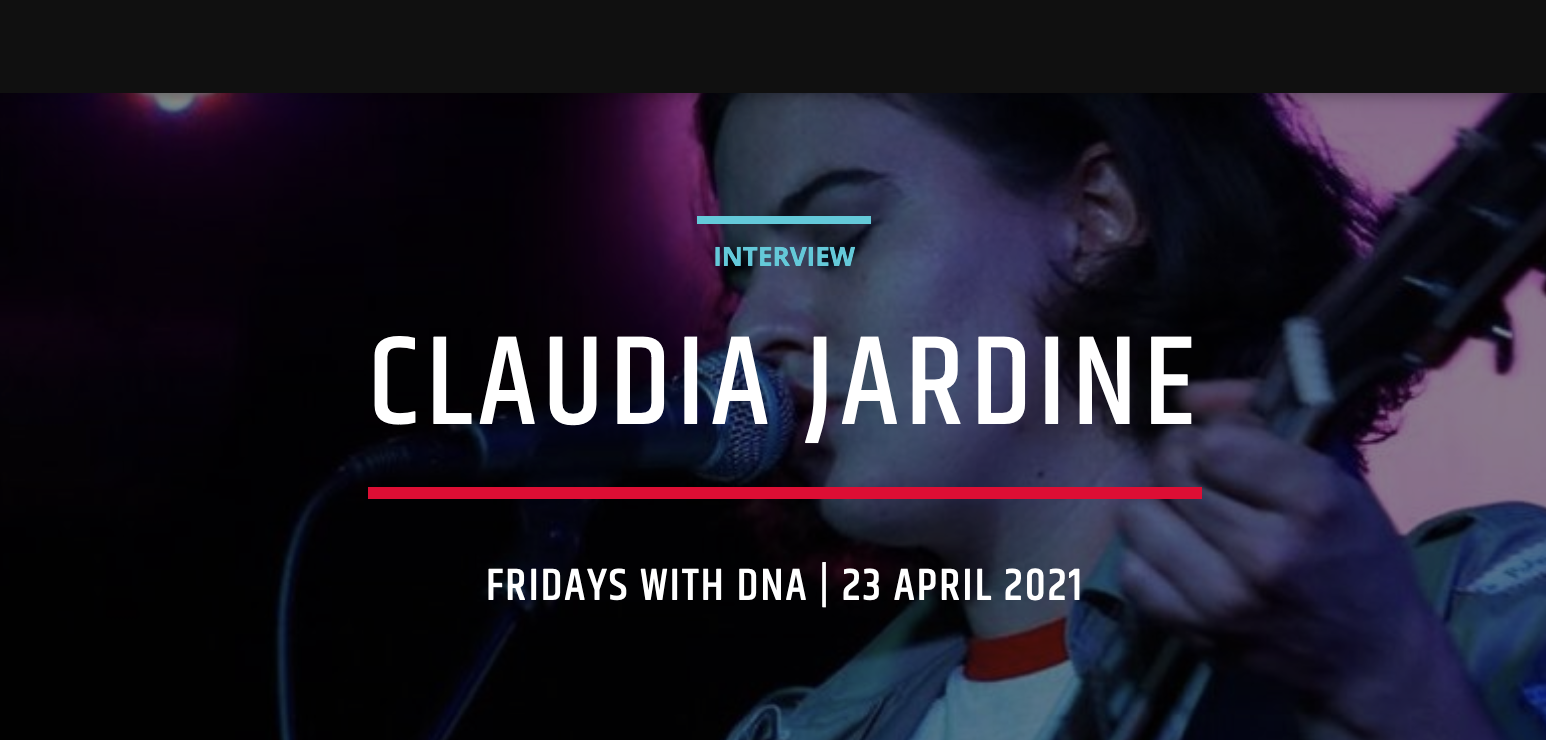
Claudia Jardine (she/her) is a poet and musician based in Ōtautahi/Christchurch. In 2020 she published her first chapbook, The Temple of Your Girl, with Auckland University Press in AUPNew Poets 7 alongside Rhys Feeney and Ria Masae. For the winter of 2021 Jardine will be one of the Arts Four Creative Residents in The Arts Centre Te Matatiki Toi Ora, where she will be working on a collection of poems.
Hebe Kearney is a queer poet who lives in Tāmaki Makaurau. Their work has appeared in The Three Lamps, Starling, Oscen, Forest and Bird, a fine line, and Poetry New Zealand Yearbook 2021.
Erik Kennedy is the author of There’s No Place Like the Internet in Springtime (Victoria University Press, 2018), and he is co-editing a book of climate change poetry from Aotearoa New Zealand and the Pacific forthcoming from Auckland University Press later in 2021. His second book of poems is due out in 2022. His poems, stories, and criticism have been published in places like FENCE, Hobart, Maudlin House, Poetry, Poetry Ireland Review, the TLS, and Western Humanities Review. Originally from New Jersey, he lives in Christchurch, New Zealand.
Helen Lehndorf’s book, The Comforter, made the New Zealand Listener’s ‘Best 100 Books of 2012′ list. Her second book, Write to the Centre, is a nonfiction book about the practice of keeping a journal. She writes poetry and non-fiction, and has been published in Sport, Landfall, JAAM, and many other publications and anthologies. Recently, she co-created an performance piece The 4410 to the 4412 for the Papaoiea Festival of the Arts with fellow Manawatū writers Maroly Krasner and Charlie Pearson. A conversation between the artists and Pip Adam can be heard on the Better Off Read podcast here
Courtney Sina Meredith is a distinguished poet, playwright, fiction writer, performer, children’s author and essayist, with her works being translated and published around the world. A leading figure in the New Zealand arts sector, Courtney is the Director of Tautai Contemporary Pacific Arts Trust, an organisation committed to championing Oceanic arts and artists. Courtney’s award-winning works include her play Rushing Dolls, poetry Brown Girls in Bright Red Lipstick, short stories Tail of the Taniwha and children’s book The Adventures of Tupaia. Burst Kisses On The Actual Wind is Courtney’s new collection of poetry, the book was released just this month.
Hannah Mettner (she/her) is a Wellington writer who still calls Tairāwhiti home. Her first collection of poetry, Fully Clothed and So Forgetful, was published by Victoria University Press in 2017, and won the Jessie Mackay Award for best first book of poetry at the 2018 Ockham New Zealand Book Awards. She is one of the founding editors of the online journal Sweet Mammalian, with Sugar Magnolia Wilson and Morgan Bach.
Grace Iwashita-Taylor, breathing bloodlines of Samoa, England and Japan. An artist of upu/words led her to the world of performing arts. Dedicated to carving, elevating and holding spaces for storytellers of Te Moana nui a Kiwa. Recipient of the CNZ Emerging Pacific Artist 2014 and the Auckland Mayoral Writers Grant 2016. Highlights include holding the visiting international writer in residence at the University of Hawaii 2018, Co-Founder of the first youth poetry slam in Aoteroa, Rising Voices (2011 – 2016) and the South Auckland Poets Collective and published collections Afakasi Speaks (2013) & Full Broken Bloom (2017) with ala press. Writer of MY OWN DARLING commissioned by Auckland Theatre Company (2015, 2017, 2019) and Curator of UPU (Auckland Arts Festival 2020 & Kia Mau Festival 2021). Currently working on next body of work WATER MEMORIES.
Louise Wallace is the author of three collections of poetry published by Victoria University Press, most recently Bad Things. She is the founder and editor of Starling, and is currently working on a PhD in Creative Writing at the University of Otago.
Iona Winter (Waitaha/Kāi Tahu) lives in Ōtepoti Dunedin. Her hybrid work is widely published and anthologised in literary journals internationally. Iona creates work to be performed, relishing cross-modality collaboration, and holds a Master of Creative Writing. She has authored three collections, Gaps in the Light (2021), Te Hau Kāika (2019), and then the wind came (2018). Skilled at giving voice to difficult topics, she often draws on her deep connection to land, place and whenua.
Ashleigh Young is the author of Magnificent Moon, Can You Tolerate This?, and How I Get Ready (Victoria University Press). She works as an editor at VUP.
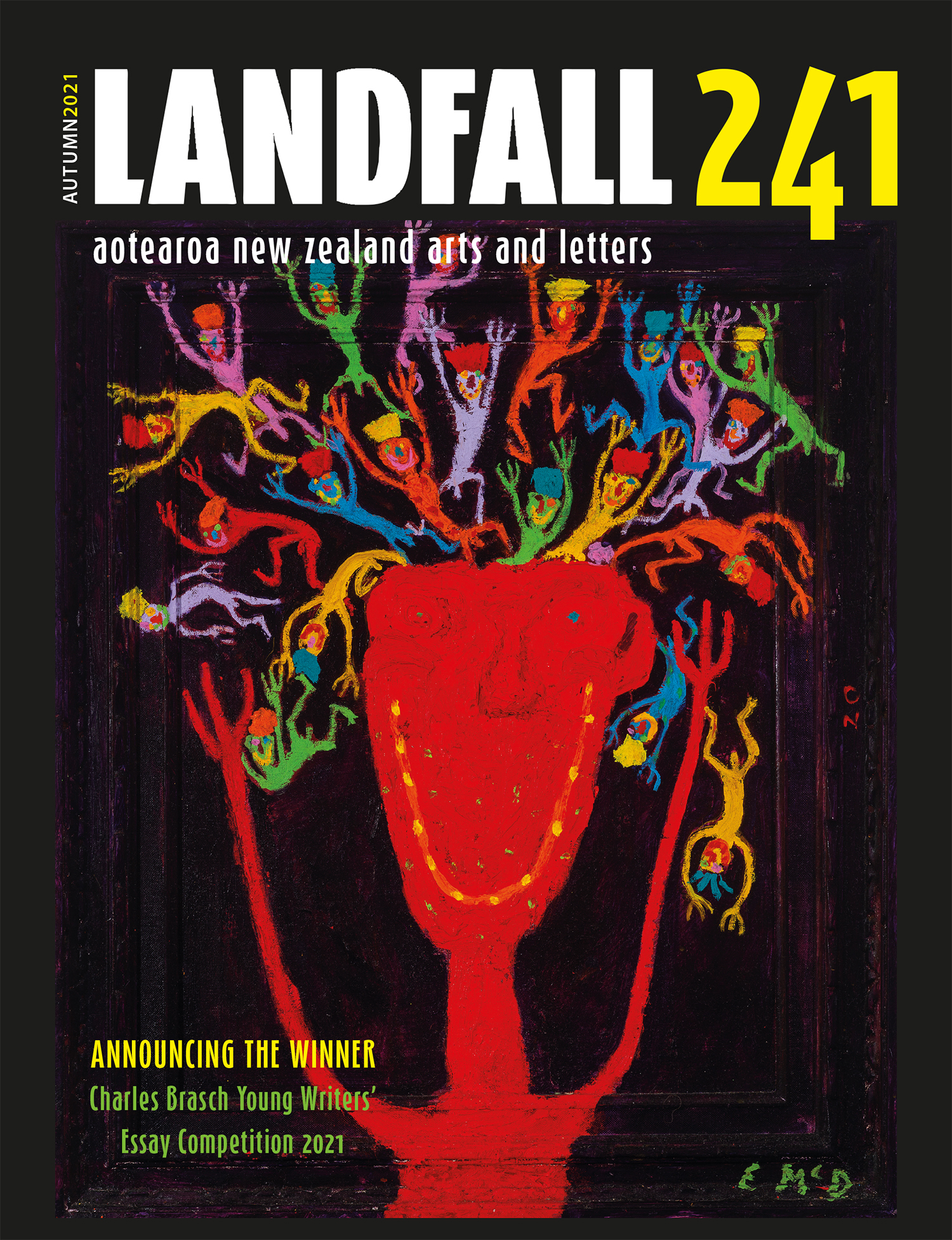
Landfall 241, edited by Emma Neale, reviews editor Michelle Elvy
Otago University Press, 2021
As Landfall 241 is the final issue edited by Emma Neale, Poetry Shelf takes a moment to toast the stellar work she has done as editor over the past few years. Like the other Landfalls under her watch, the latest issue is a vital compendium of poetry, fiction, reviews, essays and artwork. I am delighted to see a range of familiar and unfamiliar voices, emerging poets and those established, and to traverse wide-ranging subject matter and styles. The winners of the Charles Brasch Young Writers’ Essay Competition are announced and the artwork is sublime, distinctive, eye-catching.
Bridget Reweti’s stereoscopic photographs invert Allen Curnow’s ‘Unknown Seas’ to become ‘Known Seas’. If you hold the double images at the right distance and look though to the horizon you get a sense of spatial depth. It got me considering how I ‘hold’ a poem and experience multiple shifting depths. The way a poem pulls you into space in myriad ways. The way you float through layers, in focus out of focus, absorbing the physical, the intangible, the felt.
I made a long list of poems that held my attention as I read. Alison Glenny’s extract from ‘Small Plates’ haunted me with its off-real tilts:
The poets move together in flocks. One finds a new song and the others take it up. Developers move in and the poets rise together to find a new perch. The night is a forest with missing eaves. So much wood to build boxes for poems to live in. Each leaf a quarrel over the exact placement of the moon.
In the end I assembled a Landfall reading comprising voices I have rarely managed to hear, if ever, at events. It is so very pleasing to curate a reading from my rural kitchen and feel myself drawn to effervescent horizons as I listen. The print copy is equally rewarding!
The poets in Landfall 241: Joanna Aitchison, Philip Armstrong, Rebecca Ball, David Beach, Peter Belton, Diana Bridge, Owen Bullock, Stephanie Burt, Cadence Chung, Ruth Corkill, Mary Cresswell, Alison Denham, Ben Egerton, Alison Glenny, Jordan Hamel, Trisha Hanifin, Michael Harlow, Chris Holdaway, Lily Holloway, Claudia Jardine, Erik Kennedy, Brent Kininmont, Wen-Juenn Lee, Wes Lee, Bill Manhire, Talia Marshall, Ria Masae, James McNaughton, Claire Orchard, Joanna Preston, Chris Price, Tim Saunders, Rowan Taigel, Joy Tong, Tom Weston
Cadence Chung reads ‘that’s why they call me missus fahrenheit’
Claudia Jardine reads ‘Field Notes on Elegy’
Ria Masae reads ‘Papālagi’
Stephanie Burt reads ‘Kite Day, New Brighton’
Tim Saunders reads ‘Devoir’
Jordan Hamel reads ‘Society does a collective impersonation of Robin Williams telling Matt Damon “It’s not your fault” repeatedly in Good Will Hunting‘
Rowan Taigel reads ‘Mothers & Fathers’
Trisha Hanifin reads ‘Without the Scaffold of Words’
The Poets
Stephanie Burt is a professor of English at Harvard and has also taught at the University of Canterbury. Her most recent books include Callimachus (Princeton University Press, 2020) and Don’t Read Poetry: A book about how to read poems (Basic, 2019).
Cadence Chung is a student at Wellington High School. She first started writing poetry during a particularly boring Maths lesson when she was nine, and hasn’t stopped since. She enjoys antique stores, classic literature, and tries her best to be an Edwardian dandy.
Jordan Hamel is a Pōneke-based writer, poet and performer. He was the 2018 New Zealand Poetry Slam champion and represented NZ at the World Poetry Slam Champs in the US in 2019. He is the co-editor of Stasis Journal and co-editor of a forthcoming NZ Climate Change Poetry Anthology from Auckland University Press. He is a 2021 Michael King Writer-in-Residence and has words published in The Spinoff, Newsroom, Poetry New Zealand, Sport, Turbine, Landfall, and elsewhere.
Trisha Hanifin has a MA in Creative Writing from AUT. Her work has been published in various journals and anthologies including Bonsai: Best small stories from Aotearoa New Zealand (Canterbury University Press, 2018). In 2018 she was runner up in the Divine Muses Emerging Poets competition. Her novel, The Time Lizard’s Archeologist, is forthcoming with Cloud Ink Press.
Claudia Jardine (she/her) is a poet and musician based in Ōtautahi/Christchurch. In 2020 she published her first chapbook, The Temple of Your Girl, with Auckland University Press in AUP New Poets 7 alongside Rhys Feeney and Ria Masae. For the winter of 2021 Jardine will be one of the Arts Four Creative Residents in The Arts Centre Te Matatiki Toi Ora, where she will be working on a collection of poems.
Talia Marshall (Ngāti Kuia, Ngāti Rārua, Rangitāne ō Wairau, Ngāti Takihiku) is currently working on a creative non-fiction book which ranges from Ans Westra, the taniwha Kaikaiawaro to the musket wars. This project is an extension of her 2020 Emerging Māori Writers Residency at the IIML. Her poems from Sport and Landfall can be found on the Best New Zealand Poems website.
Ria Masae is a writer, spoken word poet, and librarian of Samoan descent, born and raised in Tāmaki Makaurau. Her work has been published in literary outlets such as, Landfall, takahē, Circulo de Poesia, and Best New Zealand Poems 2017 and 2018. A collection of her poetry is published in, AUP New Poets 7.
Tim Saunders farms sheep and beef near Palmerston North. He has had poetry and short stories published in Turbine|Kapohau, takahē, Landfall, Poetry NZ Yearbook, Flash Frontier, and won the 2018 Mindfood Magazine Short Story Competition. He placed third in the 2019 and 2020 National Flash Fiction Day Awards, and was shortlisted for the 2021 Commonwealth Short Story Prize. His first book, This Farming Life, was published by Allen & Unwin in August, 2020.
Rowan Taigel is a Nelson based poet and teacher. Her poetry has been published in Landfall, Takahe Journal, Shot Glass Journal, Aotearotica, Catalyst, After the Cyclone (NZPS Anthology, 2017), Building a Time Machine (NZPS Anthology, 2012), and she has been a featured poet in A Fine Line, (NZPS). Rowan received a Highly Commended award for the 2020 Caselberg International Poetry Competition with her poem ‘Catch and Kiss’. She can often be found in local cafes on the weekend reading and writing poetry over a good coffee.
Open late next Wednesday evening, The Physics Room is excited to host readings from Claudia Jardine (current artist in residence at The Arts Centre Te Matatiki Toi Ora) and Vana Manasiadis (2021 Ursula Bethell Residency in Creative Writing at University of Canterbury). We’ll be serving mulled wine, pumpkin soup, and toast to stay warm as you listen.
Hosted within the exhibition Light enough to read by, Jardine and Manasiadis’ readings hinge on ideas of shift and sequence, returns and remembrance, terrain and syntax: changes which we register physically, textually, seasonally. Alongside the exhibition, which includes works by artists Fiona Connor, Lucy Skaer, Rachel Shearer and Cathy Livermore, these readings honour the space for listening, speaking, and non-visual aspects of communication.
Manasiadis will read from her publication The Grief Almanac: the Sequel (Seraph Press, 2019) and recent unpublished writing, and Jardine from The Temple of Your Girl (AUP, 2020), alongside other of their works.
There will also be an opportunity to view the exhibition, with the gallery remaining open until 8pm.
Born in Te Whanganui-a-Tara, Vana Manasiadis has been moving between Aotearoa and Kirihi Greece the last 20 years. Her most recent book The Grief Almanac: A Sequel, followed her earlier Ithaca Island Bay Leaves: A Mythistorima in experimenting with hybridity and code-switching, and as editor and translator she has edited or co-edited bilingual poetry selections including Tātai Whetū: Seven Māori Women Poets in Translation with Maraea Rakuraku of Tūhoe and Ngāti Kahungunu. In 2021 she is Ursula Bethell Writer-in-Residence at Te Whare Wānanga o Waitaha Canterbury University with Behrouz Boochani.
Claudia Jardine (she/her) is a poet and musician based in Ōtautahi/Christchurch. In 2020 she published her first chapbook, The Temple of Your Girl, with Auckland University Press in AUP New Poets 7 alongside Rhys Feeney and Ria Masae. For the winter of 2021 Jardine is one of the Arts Four Creative Residents in The Arts Centre Te Matatiki Toi Ora, where she is working on a collection of poems. She likes velour, animals and going to the backcountry.–
Image: Lucy Skaer, In the Shelterbelt, Arrows Rain Down, The Day is Bright and Open, Hare Darts for Cover and the Chord of C Minor Sounds (detail), 2021. Photo: Janneth Gil.
Not many younger poets sent me poems about ice but there were loads of dreaming poems. I have always loved poems that dream because poetry is a close relation with its slants, mists, hallucinations, and deep personal cores. I sometimes think that to dream is to write. To enter the opaque, to reclaim the obvious, to have no idea where you will end up or how you will get there. To astonish yourself.
I am so very grateful to the poets and publishers who have backed my themed poetry season with such loving support.
Ten poems about dreaming
the dream is real
the moon is an open eye
high in the sky or winking
at the world below
the wind is the sea’s breath
rustling the leaves in the trees
night is a dark river
flowing through the day
a bird is a song
the dream is real
clouds are ghosts
flight is a wing
Apirana Taylor
from a canoe in midstream, Canterbury University Press, 2009
Insomnia
it is a black night
I lie perfectly still
mine is the long
awake adult body
two small boys
flickering at either side
night sweats
bad dreams
fluttering in and
out of sheets
I lie black
in between
head
thorax, abdomen
trembling children
my wings
Karlo Mila
from A Well Written Body, Huia Press, 2008
My Father Dreams of His Father
My father dreams of his father
walking in the garden of the old family homestead
on Kawaha Point.
I have not been back since he passed away.
As decrepit dogs wander off under trees
to sniff out their final resting places,
elderly men wait in the wings
rehearsing exit lines.
I’m sure my grandfather never envied his dog more
than during those last days.
I’m sure, given the choice, he would have preferred
to slip away under the magnolias.
The garden is tended by different hands now.
My grandmother still walks by the lake,
her little dog in tow. The current man of the house
is more interested in the chasing of swans
than the cultivating of camellias.
My father dreams of his father
walking in the garden of the old family homestead
on Kawaha Point.
I have not been back since he passed away.
Claudia Jardine
from AUP New Poets 7, ed. Anna Jackson, Auckland University Press, 2020
Sentries
I’m frantically chasing my mother who weaves in and out of the aisles throwing down craft supplies. I trip over scissors and quick unpicks
not seeing her face, only clean ponytail and collar poking out over plum cardigan. We run between shelves of antique vases but lose contact with the linoleum
and float out. In this world we drive couches like cars. I’m picking one up from the junkyard with a blue shag cushion for reference. Bumper stickers are glinting
while the couches lie gridlike. We scramble through the drivers’ seats running fingers through the upholstery. In the winter gardens there are fish tanks
nestled between succulents. One has a tangle of thin eels within it. Boys tap on the home of a solitary neon tetra until it shatters. I hold the fragments together
and try to keep the fish swimming in a handful of glass and water. They put me in the newspaper. I run out to catch you in the ocean, my mother
but you keep dipping under. As I look around I notice, embedded in rock formations are those white plastic fans, not rotating anymore just facing the horizon.
Lily Holloway
originally published at The Spin Off, October, 2020
interventionalist god
in my dream nick cave had a long, thick black mane.
it swung around his hips, kissed
with a bright white streak
snaking its length.
he served noodle soup at the concert
full of moving mushrooms, blooming
into elegant dancing technicolour spores;
tasted like purple.
the show was very red, like the blood
of his falling son. my mother
was falling too,
drunkenly, over crimson seats,
hurting her back and lying down with the room spinning.
pissing off the man in the toupee, and toupee’s wife.
nick drawled, don’t worry,
sung a song sad and it broke us,
spun around inside a steel cage,
spray-painted KINGS on our leather jackets
so we could get into his next stadium show free.
afterwards, we matched up our snails in the foyer.
nick was smoking through tears out back,
about to catch a flight, saying,
i think i’ve met someone with your name,
and it was you already.
Hebe Kearney
Lake Wakatipu
A jade lizard bends in a circle,
chasing its tail;
straightens, and darts for a crevice.
Mist swathes in grey silk the lake:
flat-stomached, calm, slow-pulsed,
a seamless bulk.
Vapours spiral,
pushing up to a cloud-piercer,
where snow has been sprinkled
like powder from a talc can at height.
Grandeur stands muffled.
The Earnslaw headbutts shorewards.
After lying prone for years,
rocks shift downwards
at speed, eager to wheel
through air, crash in a gully,
and not move.
The lake buttons up to dive deep,
leaving a perfectly blank black space,
through which you might fall forever.
David Eggleton
from Edgeland and other poems, Otago University Press, 2018
Daisy
This town is just one great big farm. The main road runs alongside these power poles tilted over green green paddocks, the lines all sagging, the poles on the piss. You hit it at forty k and slug down the main street, past the Strand, the Top Pub, the Nott. Past blue election billboards and wooden fences painted red with Water Gouging and Inheritance Tax. The arterial line is just panel beaters, tractors, pots of pink flowers dripping from shop windows. She says they look like icing. And these cows. There are forty-two of them, all painted up to look cultural. Blue like an old tea cup, pearls and roses dribbling over the rim. One unzipped at the side, with muscle and guts peeking out like baked beans and salmon. One flower power cow, real LSD yellow and orange, like it sorta wandered over from Woodstock and got lost for years and years. Little kids run across the road just to touch them. Name their favourites after their pet cats. Rusty, Mittens, Boots. They’re bolted to the pavement so at night they just haunt the main street, all washed out and hollow. But the worst is that giant one right at the start of town. Two stories high, with black splotches like flames of tar. I have these dreams that the paddocks are on fire and the ground is opening up and all you can hear is mooing. The Mega Cow watching over his herd like some great milky God. The trains rattle past at dawn and wake me up. The cows hardly blink.
Aimee-Jane Anderson-O’Connor
from Ngā Kupu Waikato: an anthology of Waikato Poetry, ed. Vaughan Rapatahana, Self Published, 2019
Tilting
The woman on the bus said
I’ve never been on a bus before
as she lifted her bag
a miniature suitcase
black and shiny as a beetle.
Next time you’ll know what to do
said the driver as he stood on the brakes
pointed to the building on the left and said
The lift’ll take you to The Terrace.
There were no ledges on The Terrace
just buildings tilting and leaning
and the wind to push against.
That night, unpacked and tired
the woman climbed on her black beetle bag
and flew across the harbour
soaring above its flat cool face
staring deep into its mouth
and wondering about earthquakes.
The next morning the bus driver couldn’t shake
the woman from his mind.
As he left the depot
his bus pshishing and grinding through peak hour flow
he checked his mirror
but she wasn’t there
instead he saw the edges of his bus converting
row by row, slice by slice
into a huge loaf of bread.
The aroma filled the aisles
stirring the appetites of even
his sleepiest passengers
and when he neared the end of Lambton Quay
all that was left of the bus, was the crust.
Some like the crust, some don’t, he thought
as he chewed and chomped
until the last crumb fell
into the gutter, into the drain
into the harbour, and out to sea.
What now? he said
peering skywards, catching a glint.
Trish Harris
published under the title ‘Openings’ in New Zealand Poetry Society Anthology 2015/2016
bone / tired
I am tired to my bones
this exhaustion
has wrapped around my ribs
sunk into my jaw
slunk
down
each vertebrae
I take deep slow breaths
each exhale
rattles the cage of ribs
I don’t sleep anymore
I just rattle around the house
the rooms empty of the wakeful
I touch each wall
like a talisman
like an averter of the evil eye
to avert whichever evil
might choose us tonight
I keep vigil
I don’t sleep anymore
rattle the bones
of the sleeping
I am rattled
to my bones
I don’t sleep anymore
the bones of my shoulders
have permanently rolled inward
they hunch
waiting for a fight
for a blow
I have never been in a fight
just in anticipation
of the fight, the flight
there are 27 bones in the human hand
I count them all
in lieu of sleeping
I am tired to my bones
I don’t sleep anymore
Rose Peoples
Pasture and flock
Staring up into the sky my feet
anchor me to the ground so hard
I’m almost drowning, drowning,
in air, my hair falling upwards
around my shoulders, I think I’ll hug
my coat closer. I’m standing
on hundreds of blades of grass, and
still there are so many more
untrodden on. Last night, in bed,
you said, ‘you are the sheet
of linen and I am the threads,’ and
I wanted to know what you meant
but you wouldn’t wake up to tell me
and in the morning you didn’t
remember, and I had forgotten
till now when I think, who is
the blades of grass, who is the pasture?
It is awfully cold, and my coat
smells of something unusual.
It almost seems as if it is the stars
smelling, as if there were
an electrical fault in the sky,
and though it is almost too dark
to see I can see the sheep
moving closer, and the stars
falling. I feel like we are all
going to plunge into the sky
at once, the sheep and I,
and I am the sheep and I am
the flock, and you are the pasture
I fall from, the stars and the sky.
Anna Jackson
from Pasture and Flock: New & Selected Poems, Auckland University Press, 2018
Aimee-Jane Anderson-O’Connor was awarded the 2018 Charles Brasch Young Writers’ Essay Competition, and the 2017 Monash Prize for Emerging Writers. Her work has appeared in Starling, Mayhem, Brief, Poetry New Zealand, Landfall, Turbine, Flash Frontier, Mimicry, Min-a-rets, Sweet Mammalian, Sport and Verge. She is Poetry New Zealand‘s 2021 Featured Poet. She writes thanks to the support of some of the best people on this great watery rock.
David Eggleton is the Aotearoa New Zealand Poet Laureate 2019 – 2022. His most recent book is The Wilder Years: Selected Poems, published by Otago University Press.
Trish Harris has written two books – a poetry collection My wide white bed and a memoir The Walking Stick Tree. She teaches non-fiction on the Whitireia Creative Writing Programme, is co-founder of Crip the Lit and edited their 2019 pocketbook, ‘Here we are, read us: Women, disability and writing’. She says she’s a part-time crane operator…but maybe she’s dreaming?
Lily Holloway has a Teletubby tattoo and is forthcoming in AUP New Poets 8. You can find more of her work here
Anna Jackson lectures at Te Herenga Waka/Victoria University of Wellington, lives in Island Bay, edits AUP New Poets and has published seven collections of poetry, most recently Pasture and Flock: New and Selected Poems (AUP 2018). Thoughts on dreaming and on being dreamed about can be found here and here.
Claudia Jardine (she/her) is a poet and musician based in Ōtautahi/Christchurch. In 2020 she published her first chapbook, The Temple of Your Girl, with Auckland University Press in AUP New Poets 7 alongside Rhys Feeney and Ria Masae. Her work has also been published in Starling, Sport, Landfall and Stasis. For the winter of 2021, Jardine will be one of the Arts Four Creative Residents in The Arts Centre Te Matatiki Toi Ora, where she will be working on a collection of poems.
Hebe Kearney is a poet from Christchurch who now calls Auckland her home. Her work has appeared in The Three Lamps, Oscen, Starling, Forest and Bird, a fine line, and the Poetry New Zealand Yearbook 2021.
Dr Karlo Mila (MNZM) is a mother, writer, award-winning poet and leadership programme director. Of Tongan and Pākehā descent, her creative and professional career has focused upon Pasifika peoples in Aotearoa. Her book Dream Fish Floating won the best first book of poetry in the NZ literary awards in 2005. Karlo lives in Tāmaki Makaurau with her three sons. Her third poetry book Goddess Muscle was published by Huia in 2020.
Rose Peoples is from Te Awakairangi/Lower Hutt. She is a student at Victoria University and, having finished her law degree last year, decided that the logical next step was to embark upon a Masters in Literature. She is a bookseller at Good Books. Her work has previously appeared in Cordite, Mimicry and Starling.
Apirana Taylor, Ngati Porou, Te Whanau a Apanui, Ngati Ruanui, Te Ati Awa, is a nationally and internationally published poet, playwright, short story writer, novelist, actor, painter and musician. He has been Writer in Residence at Canterbury and Massey Universities. He frequently tours nationally and internationally visiting schools, tertiary institutions and prisons reading his poetry, storytelling and taking creative writing workshops. He has written six collections of poetry, a book of plays, three collections of short stories, and two novels. His work has been included in many national and international anthologies.
there was kickback from the rifle aimed at cans of spaghetti
which set my last good ear reluctantly ringing, but organs
grumbled on, oblivious, dedicated to their business
then, a bowstring chipped along a forearm, the obvious
smarting blush of focus lost – that’s all – just a rash
to impress upon oneself the importance of accuracy
how about the satisfaction of bowling
straight and spinning, after three wides?
even the llamas seemed to sense that
otherwise, catching the hawk
making hot circles in the haze before braking hard
in the macrocarpa – the host will copy her later and almost
clip a concrete wall, prompting a brief vision of a herniated
ute smoking in the darkness – but we kept
to our seats and let him turn up his dust – no, hey, I know
the sheep started to seem familiar – pumping
panic, split up, sorted, all of us
watching the same pink pair of shorts
thinking the shade had lost its cool and comfort
wondering how high one would jump
and if the gate could be cleared
Claudia Jardine
Claudia Jardine is a poet and musician who has recently returned to Ōtautahi. A selection of her poetry was published in AUP’s New Poets 7 alongside the work of Rhys Feeney and Ria Masae. More of her work can be found in Starling, Sport, Stasis and on her bandcamp webpage.
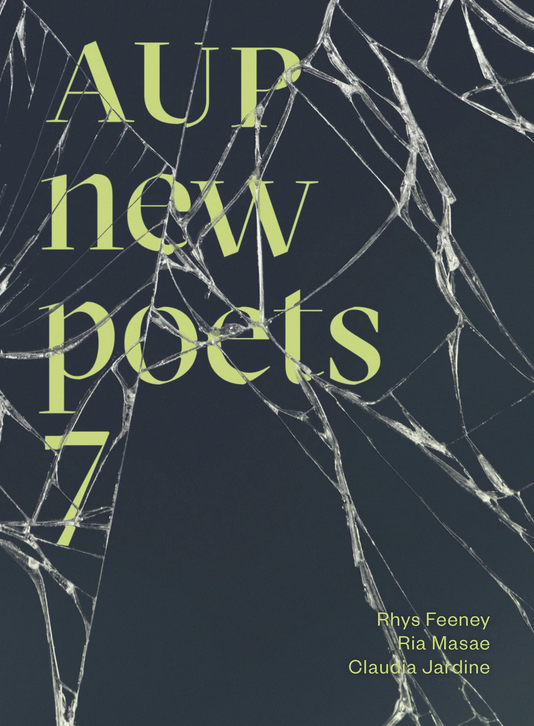
AUP New Poets 7 features the work of Rhys Feeney, Ria Masae and Claudia Jardine. The series is edited by Anna Jackson.
Editor Anna Jackson suggests the collection ‘presents three poets whose work is alert to contemporary anxieties, writing at a time when poetry is taking on an increasingly urgent as well as consolatory role role as it is shared on social media, read to friends and followers, and returned to again in print form’.
I agree. Poetry is an open house for us at the moment, a meeting ground, a comfort, a gift, an embrace. But poetry also holds fast to its ability to challenge, to provoke, to unsettle. In the past months I have read the spikiest of poems and have still found poetry solace.
AUP New Poets 7 came out in lockdown last year and missed out on a physical launch. To make up for that loss I posted a set of readings from the featured poets. One advantage with a virtual celebration is a poetry launch becomes a national gathering. I still find enormous pleasure in online readings – getting to hear terrific new voices along with old favourites.
Herein lies one of the joys of the AUP New Poets series: the discovery of new voices that so often have gone onto poetry brilliance (think Anna Jackson and Chris Tse).
Rhys Feeney is a high school teacher and voluntary health worker in Te Whanganui-a-Tara with a BA (Hons) in English Literature and a MTchLrn (Secondary). Ria Masae is an Auckland-based poet, writer and spoken-word artist. In 2018 she was the Going West Poetry Slam champion. Claudia Jardine is a Pākehā/ Maltese poet and musician with a BA in Classics with First Class Honours. The three poets have work in various print and online journals.
Rhys Feeney
I am thinking poetry is a way of holding the tracks of life as I read Rhys’s sequence of poems, ‘soy boy’. He is writing at the edge of living, of mental well being. There is the punch-gut effect of climate change and capitalism. There are crucial signals on how to keep moving, how to be.
The poems are written as though on one breath, like a train of thought that picks up a thousand curiosities along the way. As an audio track the poetry is exhilarating in its sheer honeyed fluency. Poems such as ‘the world is at least fifty percent terrible’ pulls in daily routine, chores, political barbs. The combination matters because the state of the world is always implicated in the personal and vice versa. The combination matters in how we choose to live our lives and how we choose to care for ourselves along with our planet.
waking up from a dream abt owning a house
for a moment i think i’m in utopia
or maybe australia
but then i see the little patches of mould on the ceiling
i roll over to check my phone
but i forgot to put it on charge last night bc i was too tired
why am i am so fucking tired all the time
i should find some better alternative to sugar
i should find some better alternative to lying there in the morning thinking
Artificial Intelligence is a Fundamental Risk to Human Civilisation
or what i am going to have for breakfast
how can i reduce my environmental footprint
but increase the impact of my handshake
from ‘the world is at least fifty percent terrible’
I love the way Rhys plays with form, never settling on one shape or layout; the poems are restless, catching the performer’s breath, the daily hiccups, the unexpected syncopation. Words are abbreviated, lines broken, capitals abandoned as though the hegemony of grammar and self and state (power) must be wobbled. Yet I still see this as breath poetry. Survival poetry.
I am especially drawn to ‘overshoot’; a poem that lists things to do that get you through the day, get you living. The list is more than a set of bullet points though because you get poignant flashes into a shadow portrait, whether self or invented or borrowed.
5) give yourself time to yourself
light fresh linen candles
& cry in the bath
call it self-care
6) eat a whole loaf of bread in the dark
7) start working again
the topsoil of your tolerance is gone
you break in two days
this is called a feedback loop
your coping strategies don’t work
in this new atmosphere
Rhys’s affecting gathering of poems matches rawness with humour, anxiety about the world with anxiety about self. Yet in the bleakest moments humour cuts through, gloriously, like sweet respite, and then sweesh we are right back in the thick of global worry. How big is our footprint? What will we choose to put in our toasters? Have we ever truly experienced wilderness other than on a screen? This is an energetic and thought-provoking debut.
Ria Masae
What She Sees from Atop the Mauga opens with a wonderful grandmother poem: ‘Native Rivalry’. The poem exposes the undercurrents of living with two motherlands, Samoa and Aotearoa, of here and there, different roots and stars and languages, a sea that separates and a sea that connects. There is such an intense and intimate connection in this poem that goes beyond difference, and I am wondering if I am imagining this. It feels like I am eavesdropping on something infinitely precious.
i tilted my face up to the stars
that were more familiar to me
than the ones on Samoan thighs.
without turning to her, i answered
‘Leai fa‘afetai, Nana.’
i felt her stare at me for a long pause
before puffing on her rolled tobacco.
we sat there silently looking at the night sky
until we were tired and went to sleep
side by side on a falalili‘i in her fale.
from ‘Saipipi, Savai‘i, Samoa’ in ‘Native Rivalry’
Perhaps the lines that really strike are: ‘Mum was fa’a pālagi, out of necessity / i was pālagified by consequence / so, was i much different?’
I am so affected reading these poems on the page but I long to hear them sounding in the air because the harmonics are sweet sweet sweet. ‘Intersection’ is an urban poem and it is tough and cutting and despairing, but it is also stretching out across the Pacific Ocean and it is as though you can hear the lip lip lap of the sea along with the throb throb throb of urban heart.
She sits at her window
staring down at the city lights.
Her scared, her scarred, her marred wrists
hugging her carpet-burnt knees.
The waves in her hair
no longer carry the scent of her Pacific Ocean
but burn with the stink of
roll-your-own cigarettes.
Ah, enter these poems and you are standing alongside the lost, the dispossessed, the in-despair, you are pulled between a so often inhumane, concrete wilderness and the uplift and magnetic pull of a Pacific Island. I find these poems necessary reading because it makes me feel but it also makes me see things afresh. I know from decades with another language (Italian) some things do not have a corresponding word (for all kinds of reasons). ‘There is No Translation for Post-Natal Depression in the Samoan Language’ is illuminating. There is no word because of the Samoan way: ‘be back home that same evening / to multiple outstretched brown hands / welcoming the newborn baby into the extended alofa.‘ How many other English words are redundant in a Samoan setting, where ‘isolation’ and ‘individualism’ are alien concepts?
At this moment, in a time I am so grateful for poetry that changes my relationship with the world, with human experience, on the level of music and connections and heart. This is exactly what Ria’s collection does.
Claudia Jardine
Claudia Jardine’s studies in Ancient Greece and Rome, with a particular interest in women, have influenced her sequence, The Temple of Your Girl. I was reading the first poem, ‘A Gift to Their Daughters: A Poetic Essay on Loom Weights in Ancient Greece’, in a cafe and was so floored by the title I shut the book and wrote a poem.
The sequence opens and closes with the poems inspired by Ancient Greece and Rome, with a cluster of contemporary poems in the middle. Yet the contemporary settings and anecdotes, the current concerns, permeate. There is sway and slip between the contemporary and the ancient in the classical poems. History isn’t left jettisoned in the past – there are step bridges so you move to and fro, space for the reader to muse upon the then and the now. The opening poem, ‘A Gift to their Daughters’, focuses on the weaving girls/women of ancient Greece, and the threads (please excuse the delicious pun) carry you with startle and wit and barb. I am musing on the visibility of the work and art women have produced over time, in fact women’s lives, and the troublesome dismissal of craft and the domestic. Here is a sample from the poem which showcases the sublime slippage:
Weaving provided women with a means to socialise and help one
another, strengthening their own emotional associations to the oikos and
to textile manufacturer itself.
The school is filled with Berninas, Singers, Vikings and Behringers.
Our mums are making cat-convict costumes for the school musical,
a mash-up of plagerised Lloyd Webber and local gossip.
I already hate CATS – The Musical.
from ‘The Importance of Textile Manufacture for the relationship of Women’ in ‘A Gift to their Daughters’
These lines reverberate: ‘My dad is furious when I decide to take a textiles class in Year 10. My mother has a needle in her mouth during this conversation.’ The characters may be fictional or the poet’s parents but the contemporary kick hits its mark. How many of us know how to sew? How many of us were frowned upon for selecting domestic subjects at secondary school? So many threads. The speaker / poet muses on ‘all the queens on Drag Race who do not how to sew’.
At times the movement between then and now borders on laugh-out-loud surprise, but then you read the lines again, and absorb the more serious prods. I adore ‘Catullus Drops the Tab’. Here is the first of two verses (sorry to leave you hanging):
there were no bugs
crawling under his skin
where that Clodia
had dug her nails in
rather
The middle section gets personal (or fictional in a personal way) as the poems weave gardening and beaching and family. Having read these, I find they then move between the lines of the classical poems, a contemporary undercurrent that contextualises a contemporary woman scholar and poet with pen in hand. I particularly love ‘My Father Dreams of His Father’ with its various loops and lyricisms.
My father dreams of his father
walking in the garden of the old family homestead at Kawakawa Point
I have not been back since he passed away
As decrepit dogs wander off under trees
to sniff out their final resting places,
elderly men wait in the wings
rehearsing exit lines.
Claudia’s sequence hit a chord with me, and I am keen to see a whole book of her weavings and weft.
Anna Jackson’s lucid introduction ( I read after I had written down my own thoughts) opens up further pathways through the three sequences. I love the fit of the three poets together. They are distinctive in voice, form and subject matter, but there are vital connections. All three poets navigate light and dark, self exposures, political opinions, personal experience. They write at the edge, taking risks but never losing touch with what matters enormously to them, to humanity. I think that is why I have loved AUP New Poets 7 so much. This is poetry that matters. We are reading three poets who write from their own significant starting points and venture into the unknown, into the joys (and pains) of writing. Glorious.
Poetry Shelf launch feature: Claudia, Rhys and Ria talk and read poetry
AUP New Poets 7: Rhys Feeney, Ria Masae, Claudia Jardine, ed. Anna Jackson
Auckland University Press, 2020
Anna Jackson, editor of AUP New Poets 7, suggests the collection ‘presents three poets whose work is alert to contemporary anxieties, writing at a time when poetry is taking on an increasingly urgent as well as consolatory role role as it is shared on social media, read to friends and followers, and returned to again in print form’.
I agree. Poetry is an open house for us at the moment, a meeting ground, a comfort, a gift, an embrace. But poetry also holds fast to its ability to challenge, to provoke, to unsettle. In the past months I have read the spikiest of poems and have still found poetry solace.
It feels really important to maintain our poetry hubs – to listen to poets as well spend time with the book in hand. So many new books have missed launches. I haven’t been to a poetry reading since the Wellington Writers and Readers Festival. This is partly why I am compelled to create Friday gatherings so we can connect with poets across Aotearoa.
I am the lucky one. Each of these poets emailed me their readings and I felt I was at an intimate private preview. Just me and the poems, and the heart-moving discussions on poetry, poems and the book itself.
I will review this anthology at a later date, but in the meantime, settle back in a comfy spot and take a listen, and the support the poetry world and buy a copy! I love this gathering so much I am walking on air, boosted out of covid flatness into glorious activity.
Thank you so much Ria, Rhys and Claudia for the mahi, the poetry love. Thank you.
The Poets
Ria Masae talks poetry and the book:
Ria reads poems:
Claudia Jardine reads and talks poetry:
Rhys Feeney reads two poems and talks about the book:
The Poets
Rhys Feeney is a high school teacher, volunteer peer support worker and fledgeling doomsday prepper who lives in Te Whanganui-a-Tara. He writes with terrible grammar about things he is scared of. His work can be found in Starling, Sponge, Salty x Foodcourt, and forthcoming in The Spinoff. You can buy his debut chapbook ‘soyboy’ as part of AUP New Poets 7.
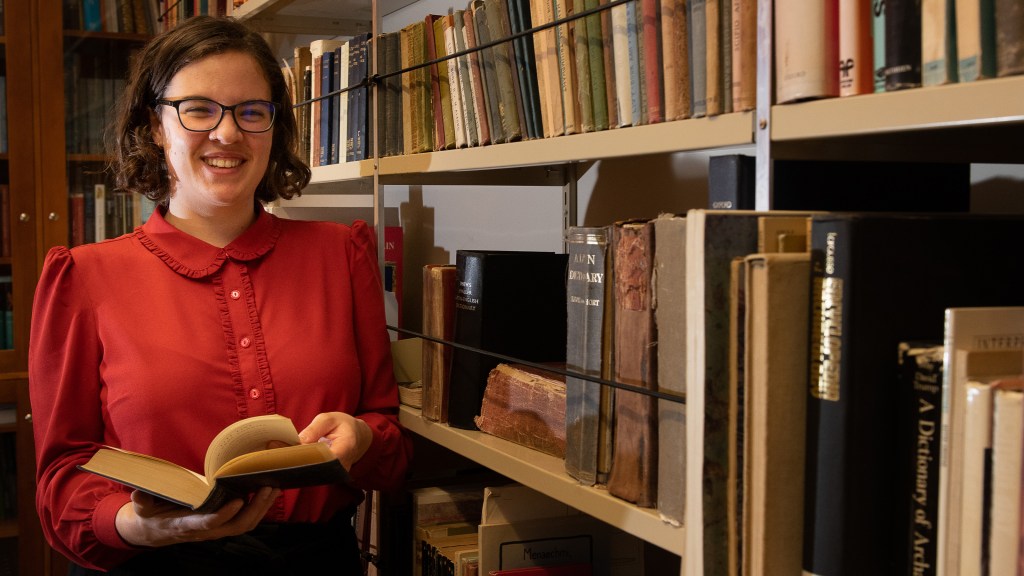
Claudia Jardine (she/her) is a poet and musician based in Te Whanganui-a-Tara. Her most recent publication is AUP New Poets 7 which also contains collections by Ria Masae and Rhys Feeney. In recent months she has completed an MA thesis on intertextuality in Anna Komnene’s Alexiad, and now she is learning to groom dogs. Jardine’s writing can be found in Sport 47, Starling, The Spinoff, Stasis and Landfall 237.
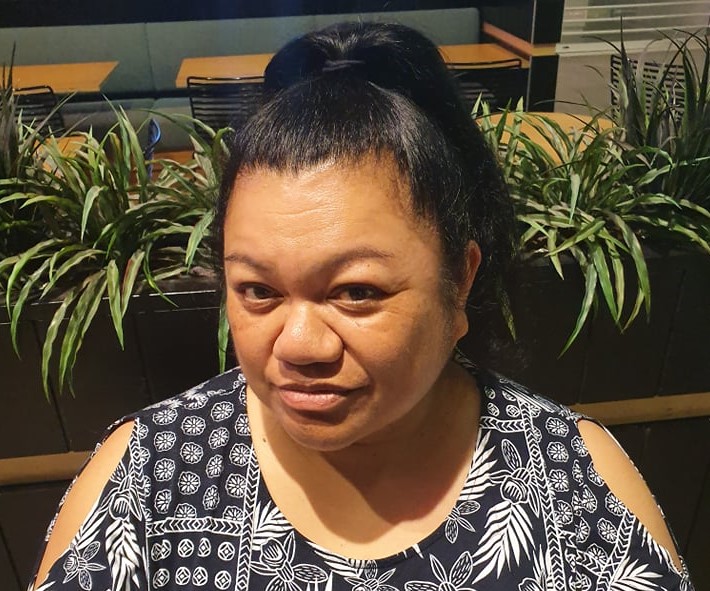
Ria Masae is of Samoan descent, born and raised in Tāmaki Makaurau. She is a writer, poet, and spoken word artist whose work has appeared in various literary publications, as well as a handful of theatre productions. Her family includes an exasperating, but adorable dog who looks like a cow and neighs like a horse. Since her acceptance into the AUP New Poets 7 anthology, Ria has been working on a poetry collection for her first sole anthology.
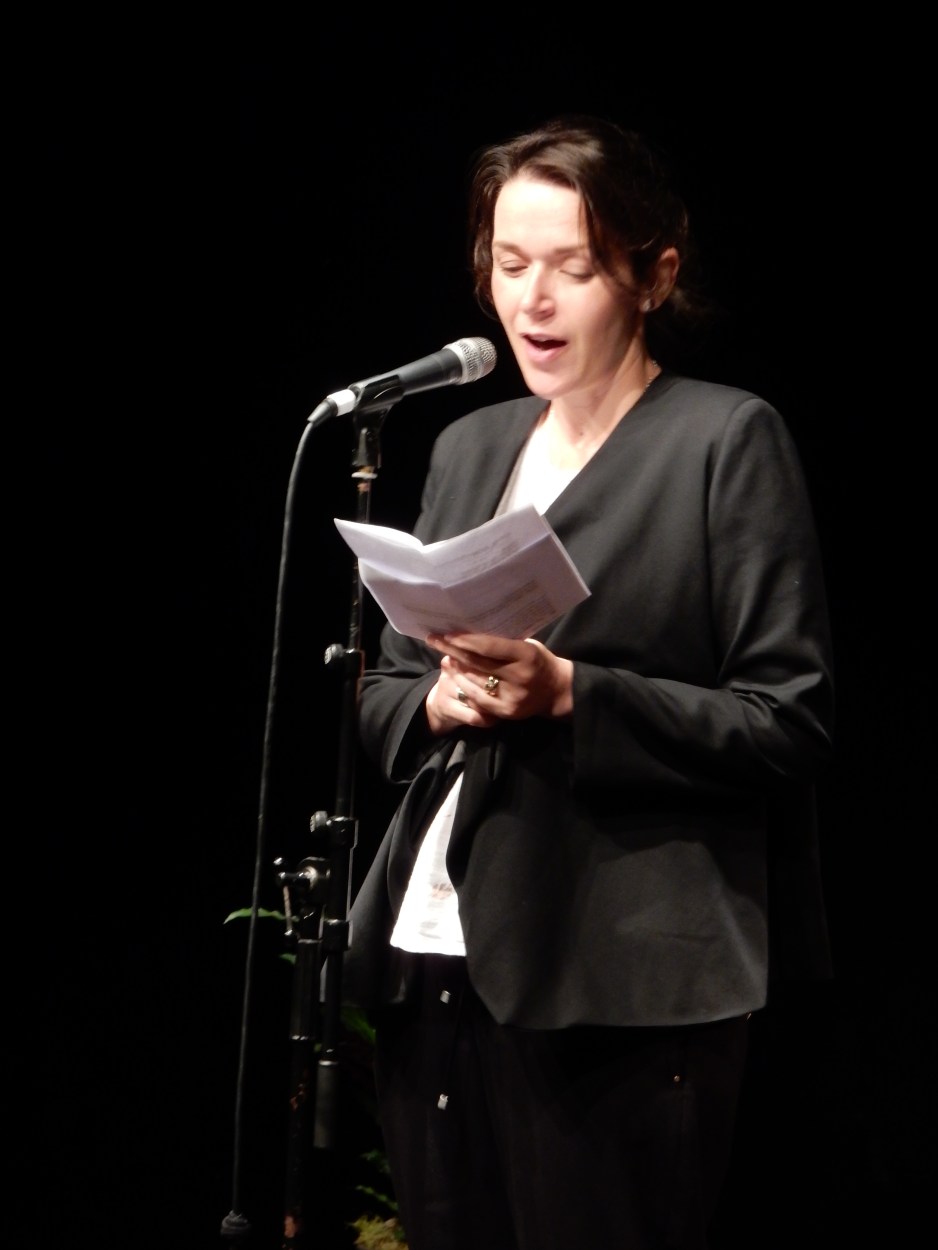
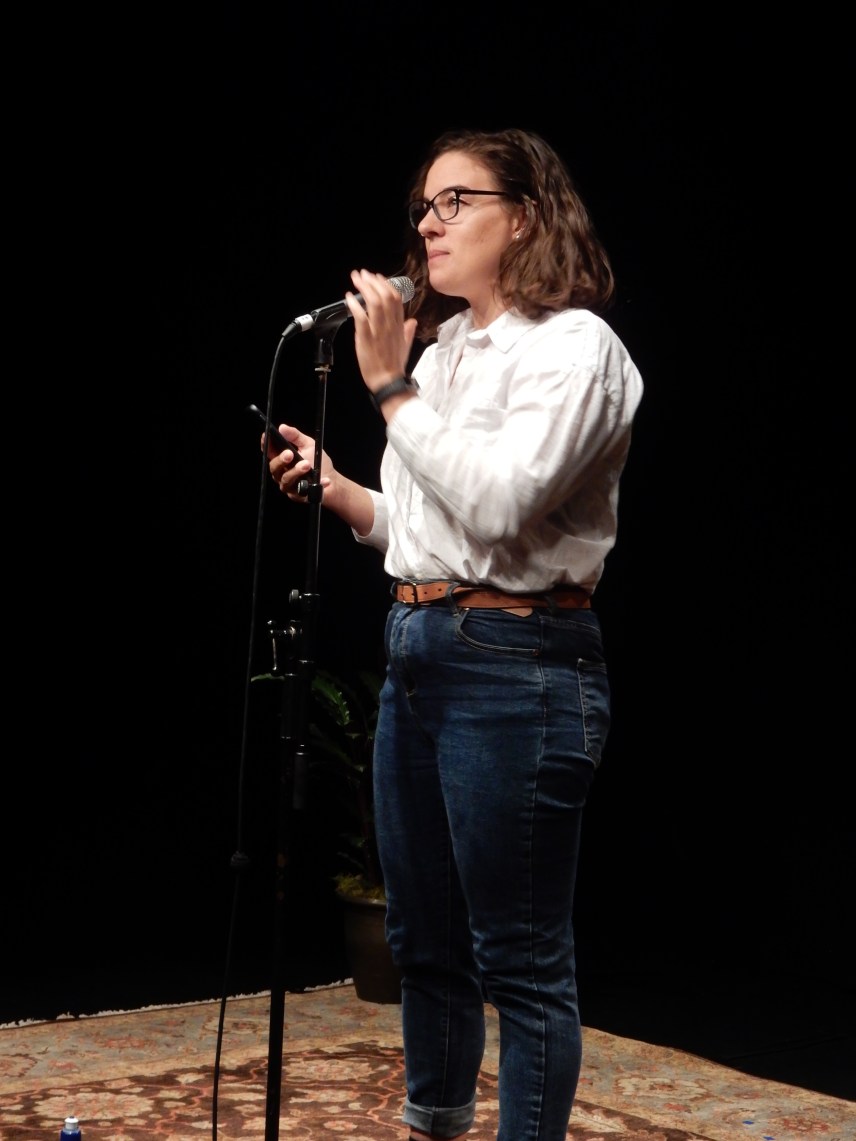
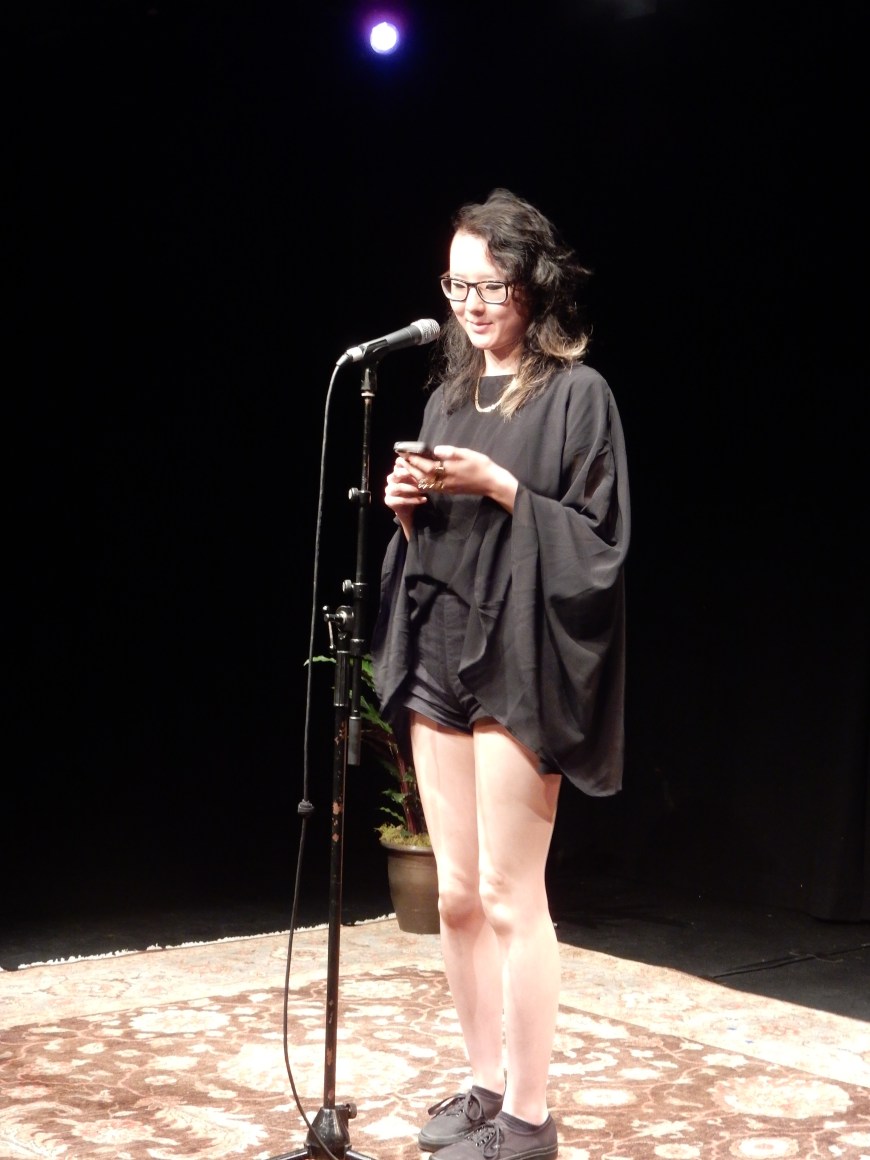
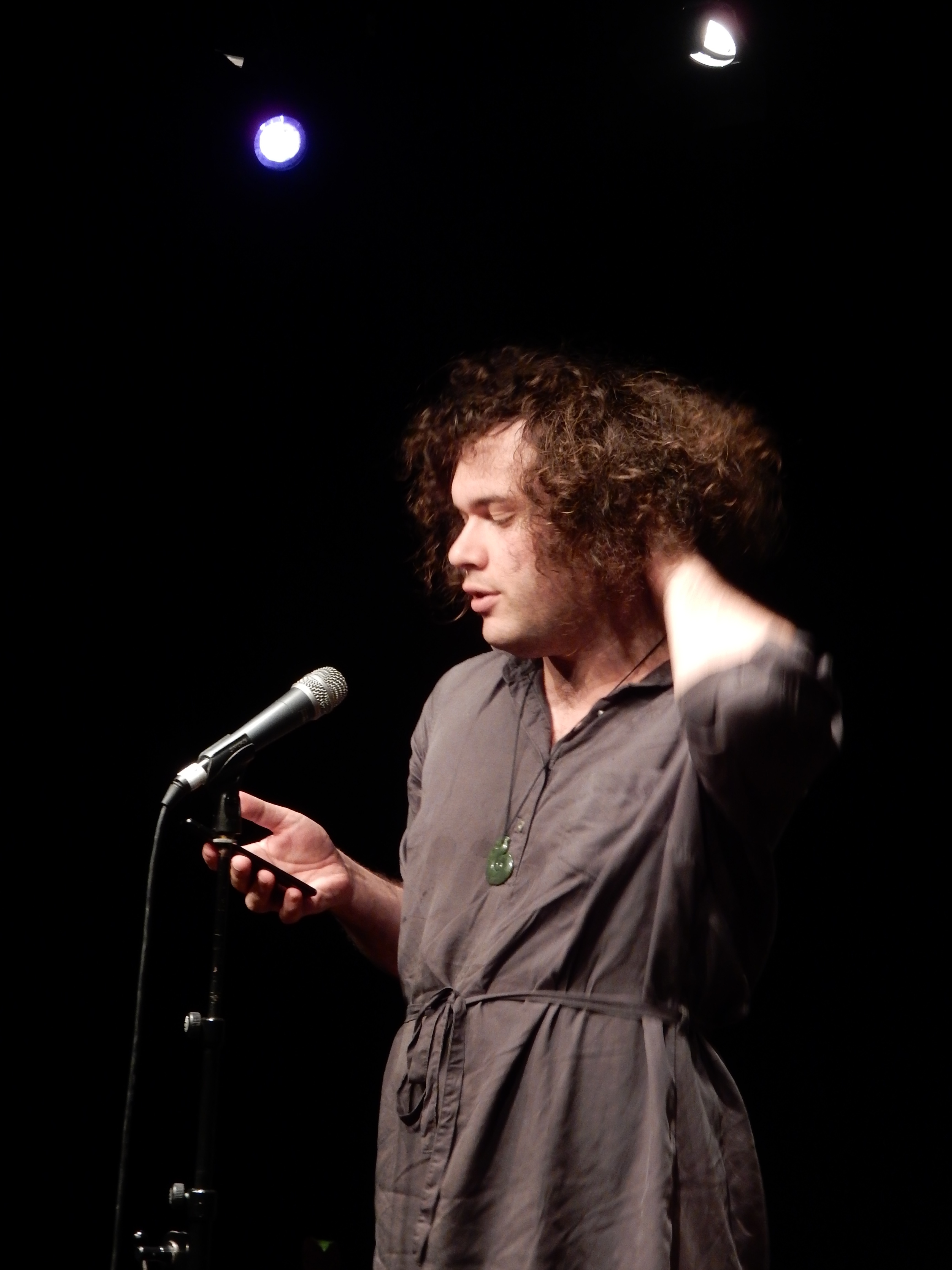
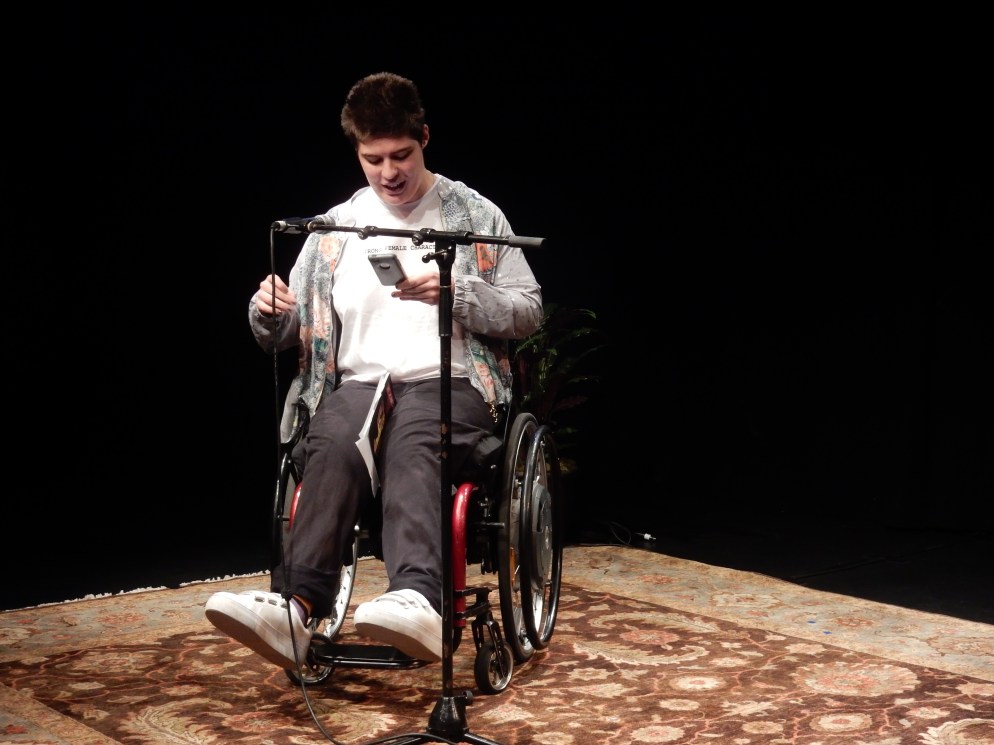
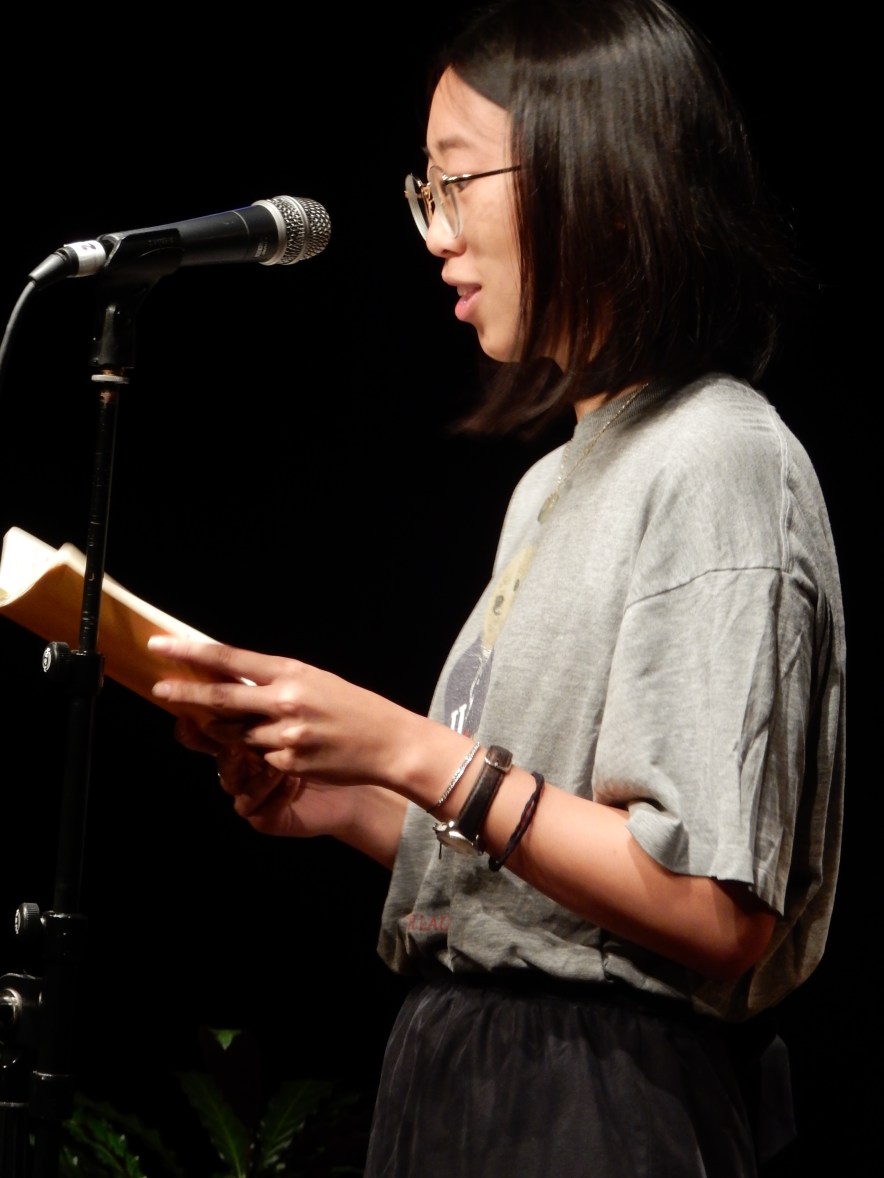
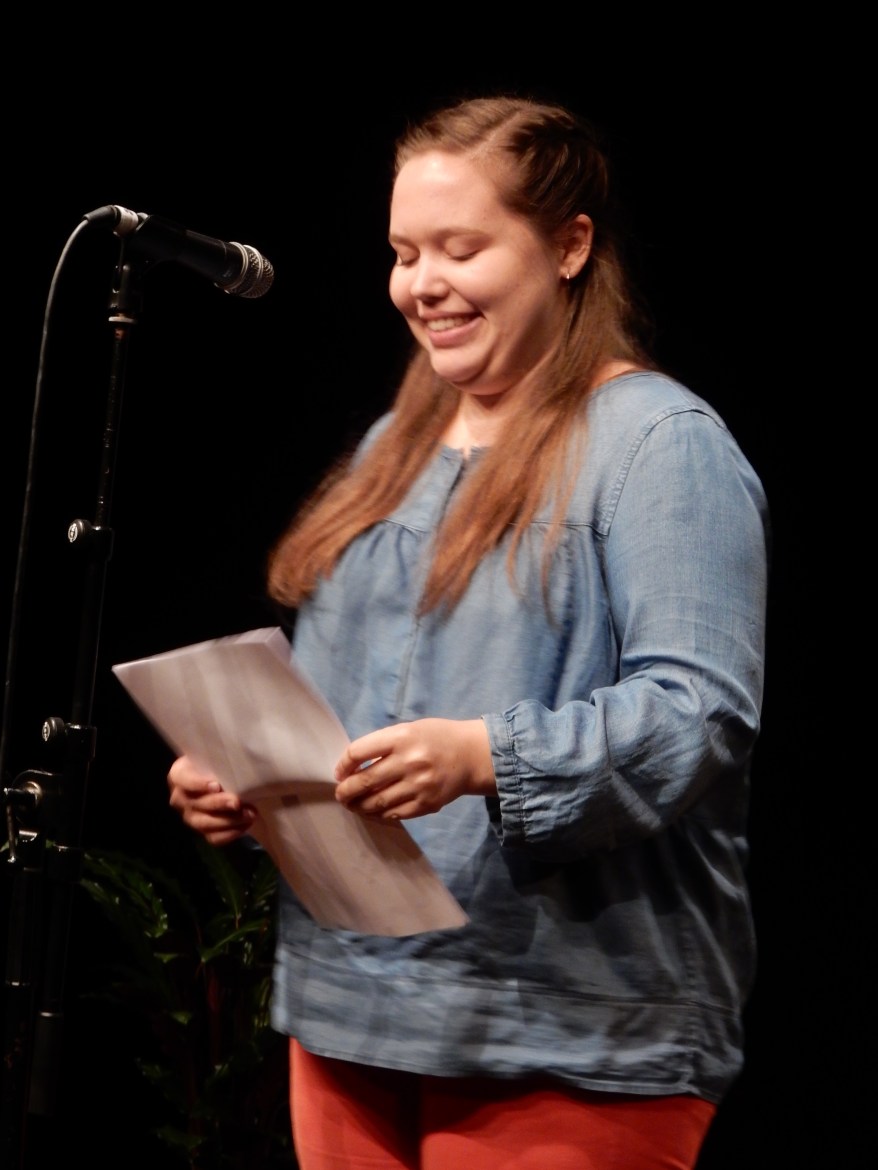
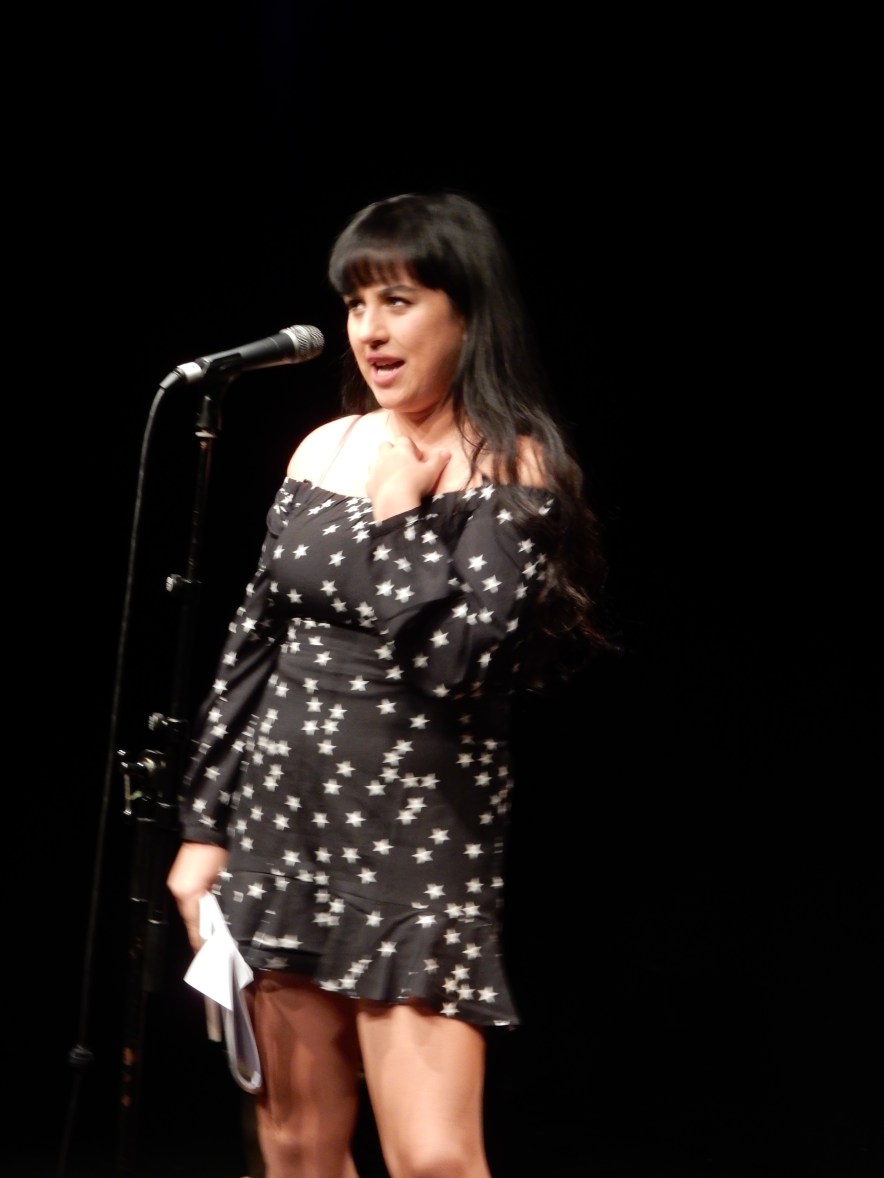
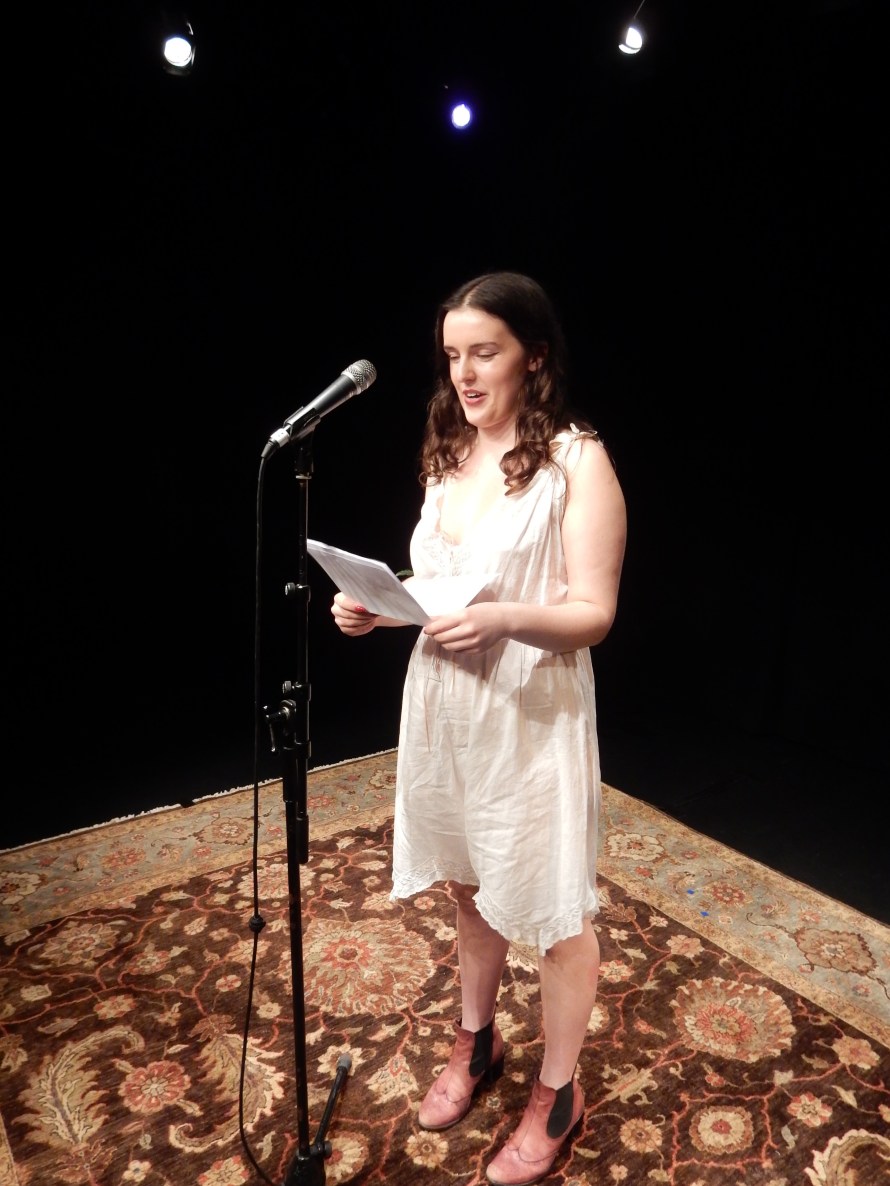
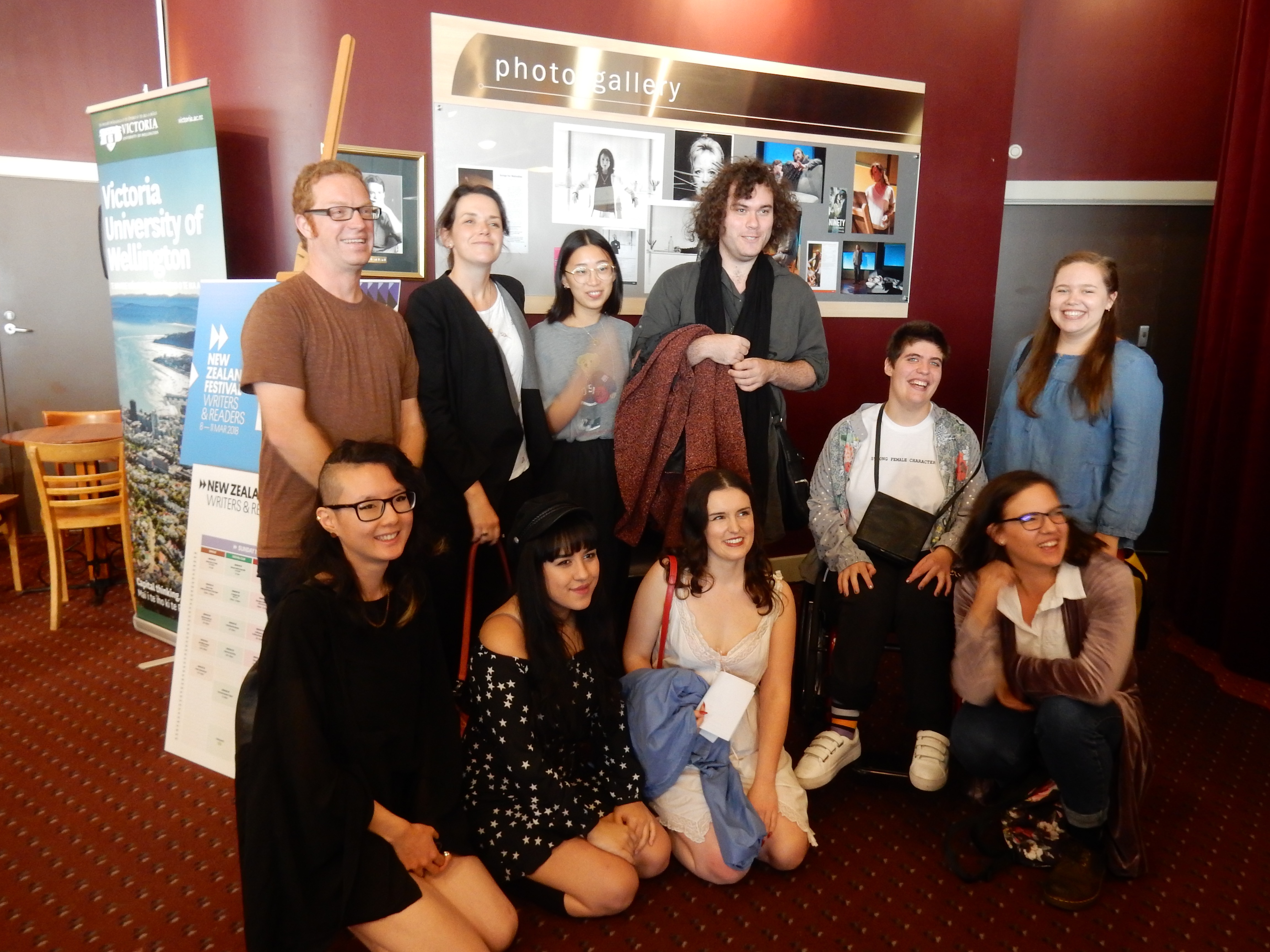
This was one of my favourite festival events, that I touch upon in my forthcoming festival diary. I hope to post that this afternoon! And I am most definitely posting some poems!! New Zealand poetry is in very good heart. Three cheers for mentors Louise Wallace and Francis Cooke, the Starling editors and event mcs.
All photos by me (sorry Francis my photos of you were a washout!).
Lousie Wallace
Claudia Jardine
Emma Shi
Essa Ranapiri
Henrietta Bollinger
Sharon Lam
Sophie van Waardenberg
Tayi Tibble
Joy Holley
the participants with Francis Cooke and Louise Wallace





 NZ Poetry Shelf