
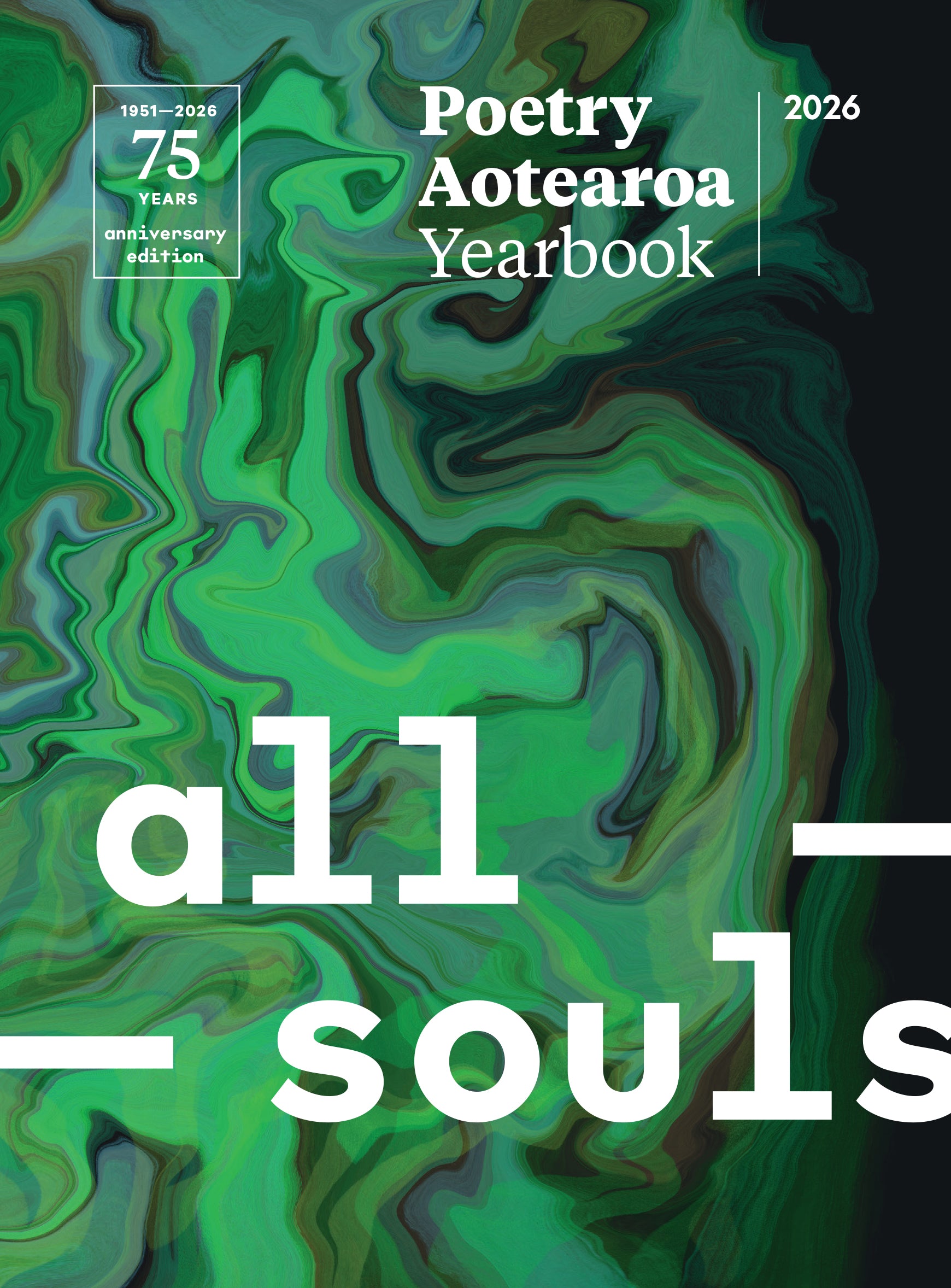
Poetry Aotearoa Yearbook -all souls
editor, Tracey Slaughter
Massey University Press, 2026
anthology page
Wild Houses
Bright bright horses choose me
to house their hooves. Houses
house their light like the evening
holds lock-jaw streetlights, and
kitchen windows house inaccessible
grief and joy; like the sun sets in
princess colours, yawns pastel mouths.
I have walked these paths so lonely
the streetlights have extinguished
as I passed. Behind a sky-rise
the sun blossoms like a tender bruise.
When I left home I learnt a new city
like a horse learns an apple in its mouth:
consumed its sweet, waning colours.
Saw my sun-struck reflection in a pool
of greywater. Pocketed my hands
further still. Drank deep.
Maia Armistead
Poetry, as I repeat like a mantra on Poetry Shelf, can be and do many things. Poems can ignite milky ways of feelings, ideas, experience, memories, desires, drawing us deep into and beyond who we are and who we might be. And that’s what the latest Poetry Aotearoa Yearbook: All-Souls does for me. All–Souls is a smooth and jagged uplift, an inspiration, an absorbing gathering of what poetry can do. This glorious anthology set my writing pens and pencils dancing again.
All-Souls is a special issue celebrating 75 years of publications. It was first edited by Louis Johnson, and from 1954 published by Pegasus Press in Christchurch. Nicola Legat presents an overview of Louis’s editorial role; his varying views of nz poetry. She locates examples across the years from from scolding to jaunty to despairing to marvellous to furious. Louis’s final issue was in 1964, upon which the journal took a break. Frank McKay edited it biannually from 1971 until 1984. Again a break, and then from 1990, with a series of publishers, the editors were David Drummond (brief spell from 1990) and Alistair Paterson (1993 to 2014). Jack Ross became editor and published from 2014 with Massey University Press assuming the publishing role in 2017. Johanna Emeney followed him, with Dr Tracey Slaughter assuming the role in 2021. As Nicola remarks:
“Louis Johnson, who published 32 poets in volume 1, would surely be astounded that the year book features 120 poets or so each edition. The New Zealand poetry he was so anxious to support and sustain has only grown in in all those years.”
Indeed! And as the diverse poetry in All-Souls demonstrates, whether style tone subject matter, and as Tracey’s inspired introduction underlines, as she explores the issue’s title.
The poems navigate aging, death, illness, therapy, multiple darknesses, but they also draw upon multiple lives, lights and lightnesses.
Darkness. Take for example, Cindy Botha’s moving ‘heart of the dinner table’, with its smouldering absences, “where silences are handed out like empty boxes”. Or the grief and deep aroha in Kerrin P Sharpe’s extraordinary ‘nothing like himself’, where the loss of a magnolia’s foliage reveals a brother loss:
He’s only here
in the tree
at dinner time
his wedding ring
that last ray of sun
Light: In ‘A Garden’, Lucy Miles offers sanctuary to weeds and birds, rather than resort to the uplift of Prozac or meth. And I stall on the ending to Mary Creswell’s Ceento: I am part of all that I have met”:
The lights begin to twinkle from the rocks,
and there is a story in a book about it:
that which we are we are:
a few old pecker-fretted apple trees.
And now, I return to the darkness and to the light and find the poems smudge both like heart ripples, and everything in between. Linger over the aroha and memory of violence in Joel LeBlanc’s heart-bending ‘There is stardust in my blood’ (poem below). Or the lithe moves of Maia Armistead’s ‘Wild Houses where windows ‘house grief / and joy’ (poem above). Linger in the “nursery of stars” and “opening umbrella” and the missed body next to her, in Medb Charleton’s glorious ‘Making Love to the Muse’. Take time out with a good dose of Erik Kennedy’s wit and seriousness in ‘Classic Rain’:
There are people who would play sports or go to war in this,
when instead they could watch the surface of a birdbath.
The Yearbook continues to offer exemplary attention to reviewing New Zealand poetry, the kind of reviews that leads us to a book that takes our fancy on multiple levels. I have had Mary McCallum’s Tackling the Hens on my desk for far too long, and the review makes reading it this weekend imperative. And I’ll be tracking down Rhondda Greig’s book of poems and paintings.
To celebrate this anniversary issue, I invited nine poets to record their poems, and the editor and the featured poet, Josiah Morgan, to answer some questions. Poetry Aotearoa Yearbook continues to be a gift for our poetry communities – we are in the debt of Massey University Press.
Poetry is a gift to ourselves and to each other. Thank you.
There is stardust in my blood
and it smells of smoke and sulphur, a memory
of violence, charcoal pencils that leave dusty
kisses on my fingertips, a house filled with
burnt coffee, mānuka wood transforming into
incense and ash in our fireplace, my husband’s
skin as I curl against him, hunting for warmth
like comfort in a church, his breath tickling
as he tells me, “Love, it’s time to get up,”
and I imagine the world was born exactly
this way: the caress of a hand, a mumbled
whisper, light intruding, moths fluttering away,
us forgetting that the birth of the universe was
also an ending, and we used to be stars.
Joel LeBlanc
Five questions for Tracey Slaughter, the editor
Paula: I was both surprised and moved to discover your review of my collection The Venetian Blind Poems at the end of the review section. I discovered it at 4 am when I was both wide awake and at a low ebb, and your exquisitely crafted words and thoughts, and personal acknowledgements, drew me back to why poetry matters to me, as reader and writer, reviewer and blogger. I got musing on how reviews can open rather than shut down a book, how they might draw closer to both the light and the dark, how the personal can be gold. How what we bring to a poetry collection as readers makes an electric difference. What are your thoughts on reviewing poetry?
Tracey: Firstly, I’m so glad that my review found you in that 4am place. When I read your book I felt like it was speaking directly to that part of me that can get so washed up and cut off in those pain-hours too, and the hold your poems kept on language, to guide you through those lonely precincts, just…glowed to me. I think reviews should help map our way towards those books we most need, & it’s often a deeply felt review, one which is willing to take the risk to open up the personal, the tender, the vulnerable, which shines a light on a book that might go on, in a profound sense, to save us in some future moment, connect with our tattered nerve-ends when nothing else will.
Paula: I totally agree. I want my reviews to open up a book rather than close its potential doors and windows and trails. I have an ongoing fascination with what poetry can be and do, as my introduction acknowledges: the way a poem might be an echo chamber or a form of travel, the way it might be squatting in the sand dunes absorbing beauty. I kept drawing ideas from your terrific introduction. For example, poetry as telescope, mirror or solace. Each new collection I read, seems to add another possibility, and I love that. How poetry is beyond rigid formulae. What discoveries have you made about what poetry can be and do, whether as editor or reader or writer?
Tracey: So beyond rigid formulae and forever smashing fixed mirrors! It’s been fascinating as editor to see our national poetry shift, stretch and flow over the years, always searching new fields, voicing fresh modes and moods. This year’s issue All-Souls announced its theme with resounding urgency from very early reading – while each piece was distinct, original, innovative, there was also a sense in which a collective quest for something – meaning, god, soul – was building in our poets to a force that felt outright choral. Lit up amidst all our global catastrophes, there’s a symphonic scanning for some human essence going on – these poems shiver with the existential, and scroll for meaning far beyond the algorithmic screen.
Paula: I find certain poems stand out in my reading travels, poems that catch me by surprise, offering wonder or joy or challenge. Is there a poem (among many I am sure) in All-Souls that caught you by surprise?
Tracey: The submission that cut right through my heart this year came from a bereaved wife sending in poetry her partner composed in his final days, transmitting words painfully pulse by pulse via device when his body was frozen by MND. You read poetry like that and there’s nothing more to say…It was so intensely moving to have one of David Gilbert’s last poems entrusted to our pages.
The sunset of the century
The pink had turned to green
How many breaths a man should take
And whether he may scream
I would play-act the drama
I would speak from the heart
But my heartbeat might falter
And I’d just mime my part
David Gilbert
from ‘The Sunset of the Century’
Paula: I am a big fan of your poetry – can you offer three words that matter to you when you are writing a poem. I guess it comes back to what we want our poetry to be and do.
Tracey: Oh thank you! That means so much to me. Mmmm, only three…then the things I surrender to first might be: Rhythm. Fire. Ruthlessness. Or is that maybe a way of saying: Instinct. Instinct. Instinct…
Paula: Oh yes to instinct! And yes, more than ever, we are all, collectively, hand-in-hand, navigating the dark and the light, at personal and global levels. What helps you through the day?
Tracey: Honestly, connecting with other creatives. I’m blessed that in my work, at Waikato University, and in my editing, for Poetry Aotearoa, I’m continuously brought into contact with creative voices brimming with fresh life. And lately my writing practice has spilled over into collaborative forms too, which I’ve found infinitely sustaining, even when I’m running on near-empty – I’ve been co-writing a screenplay adaptation of my novella The Longest Drink in Town with my eldest son Liam Hinton, & also performing in a theatre production of his latest Adam Award-winning play Passionfruits (on in Kirikiriroa very soon!!! & I’m alive with stage-fright already! yet finding I’m happiest in rehearsal, which is like getting to live right inside a book…).
Three questions for Josiah Morgan, the featured poet
Name three words that matter to you when you are writing a poem.
Fragments, challenge, opacity
Can you share a few poets whose poetry boosts you as a poet?
Dennis Cooper changed my life, and his work boosts me whenever I’m in a rut. So does the writing of the new ethnographic photographer-writer New Juche, who makes work with a bizarre and strange opacity that challenges me. In the Aotearoa context, Liz Breslin, Liam Jacobson, and the editor of this year’s Poetry Yearbook Tracey Slaughter feel closely aligned with what I do. The Compound Press book the prism and the rose, by Schaeffer Lemalu was published posthumously and is the most inspiring volume of local poetry I can think of in recent years.
Why poetry? Why poetry in this tumultuous world?
Poetry is a way of thinking. It is part of what constitutes and constructs our everyday lives. Poetry reduces the boundary between the Western-individualist ‘i’ and the world around us, it is a mode of relation. Poetry is one of the few language-oriented tools we have with which we can disempower language. Language is very easy to bastardise for, say, political gain. Well, poetry can bastardise politics back upon itself. And poetry can stand for itself as an object, too. Poetry cannot be explained as anything other than what it is; it just is.
The readings
Josiah Morgan
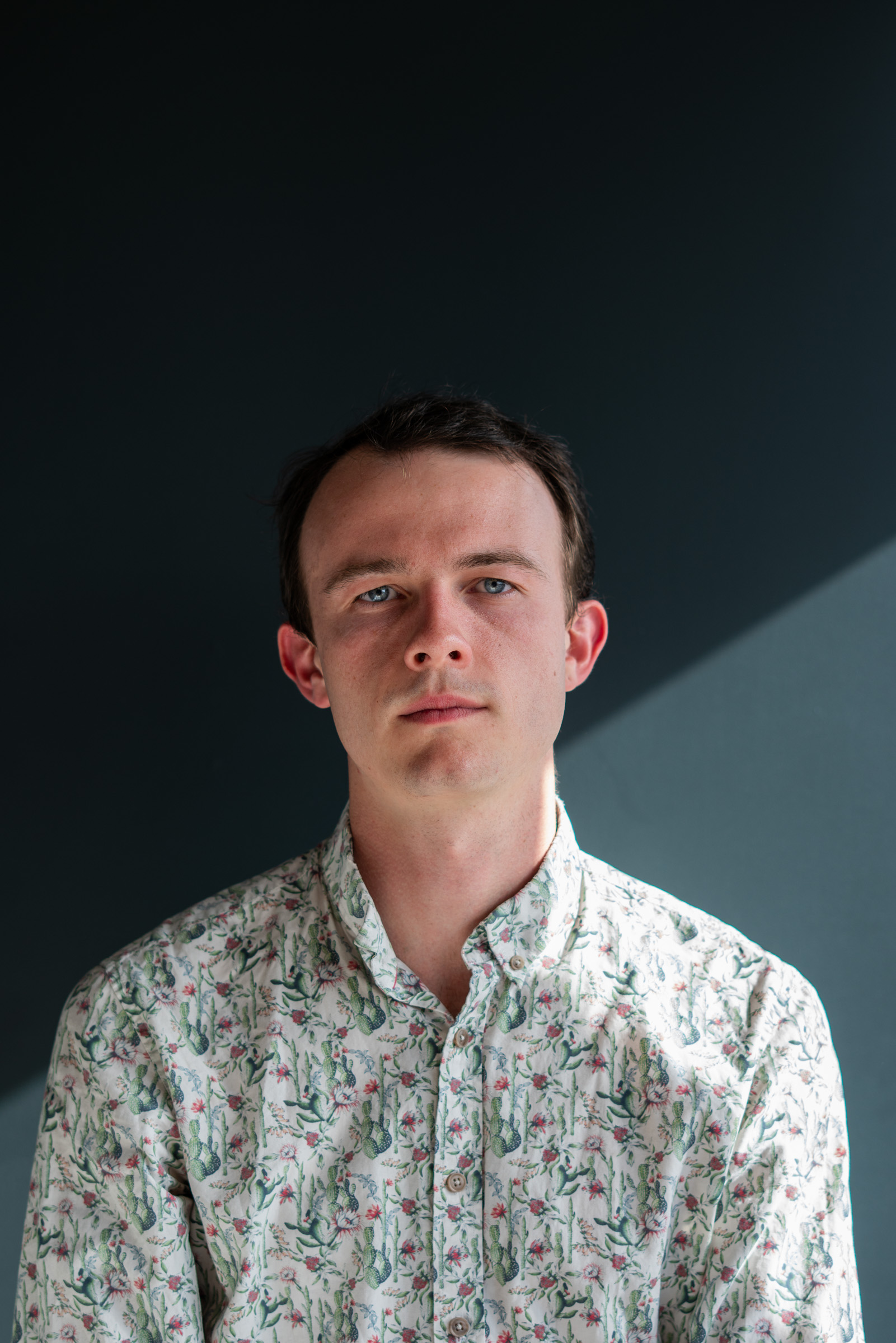
Josiah reads ‘Noir is a field of unequal informatics, like a poem that could have been a sestina if it didn’t end too early, if it hadn’t been organised randomly out of order’
Joshiah reads ‘REDACTED (after Ralph Hotere)‘
Josiah reads ‘Family secret’
Josiah reads ‘It could happen to you too’
Rebecca Hawkes
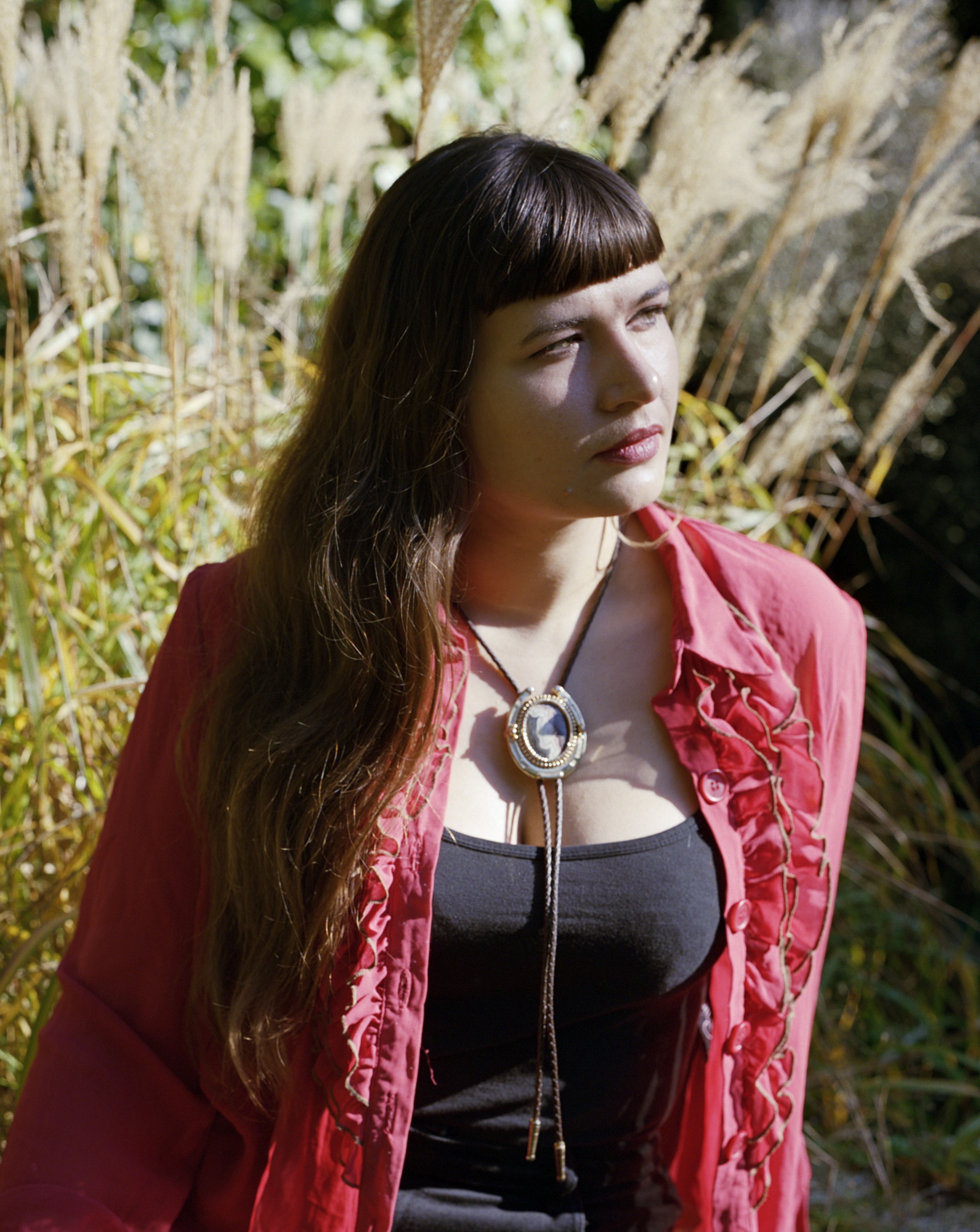
Rebecca reads ‘All Souls’
Elizabeth Morton

Elizabeth Morton reads ‘O-O-O’
Richard Reeve
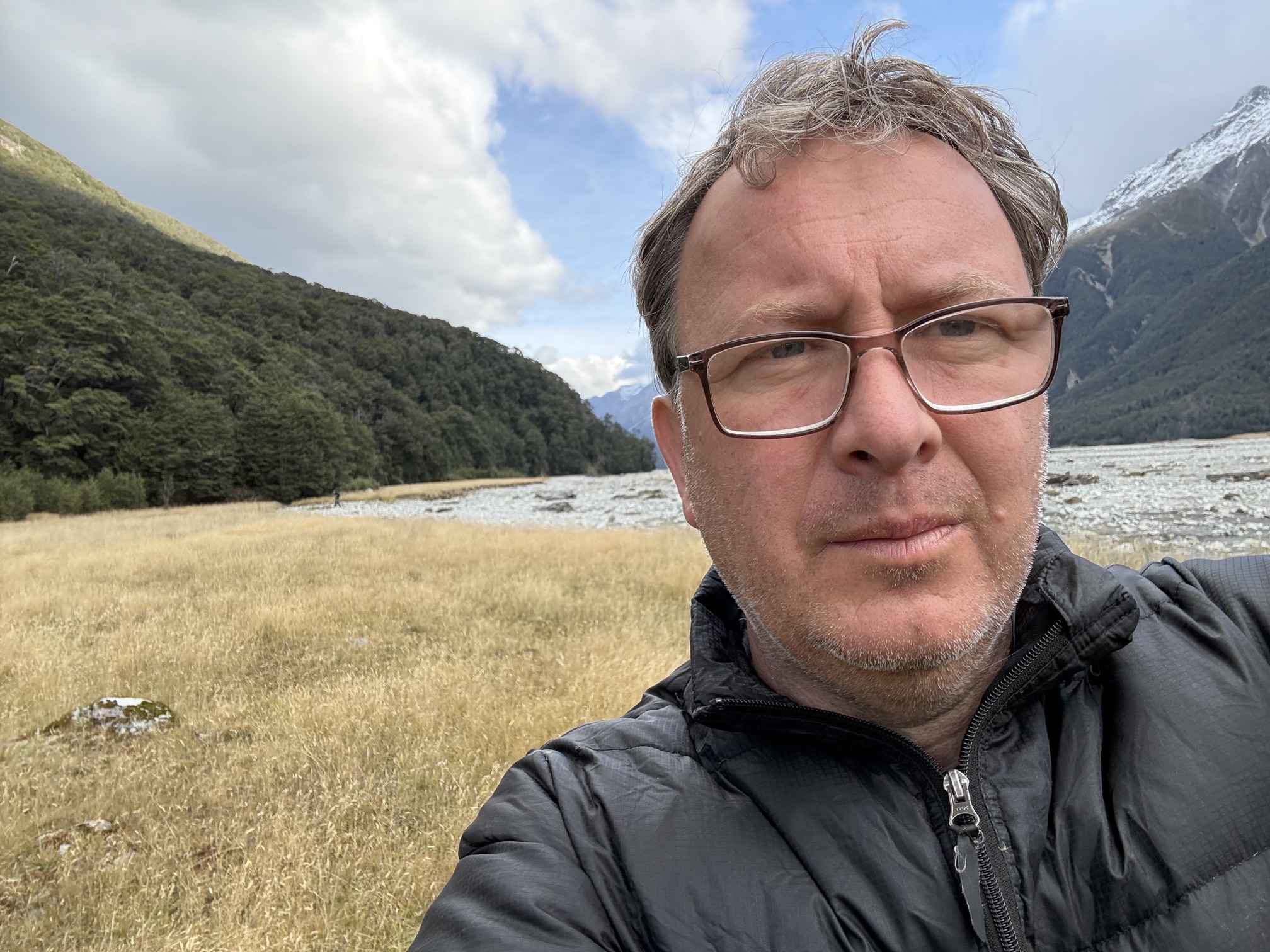
Richard reads ‘Wake’
Sabrina Li
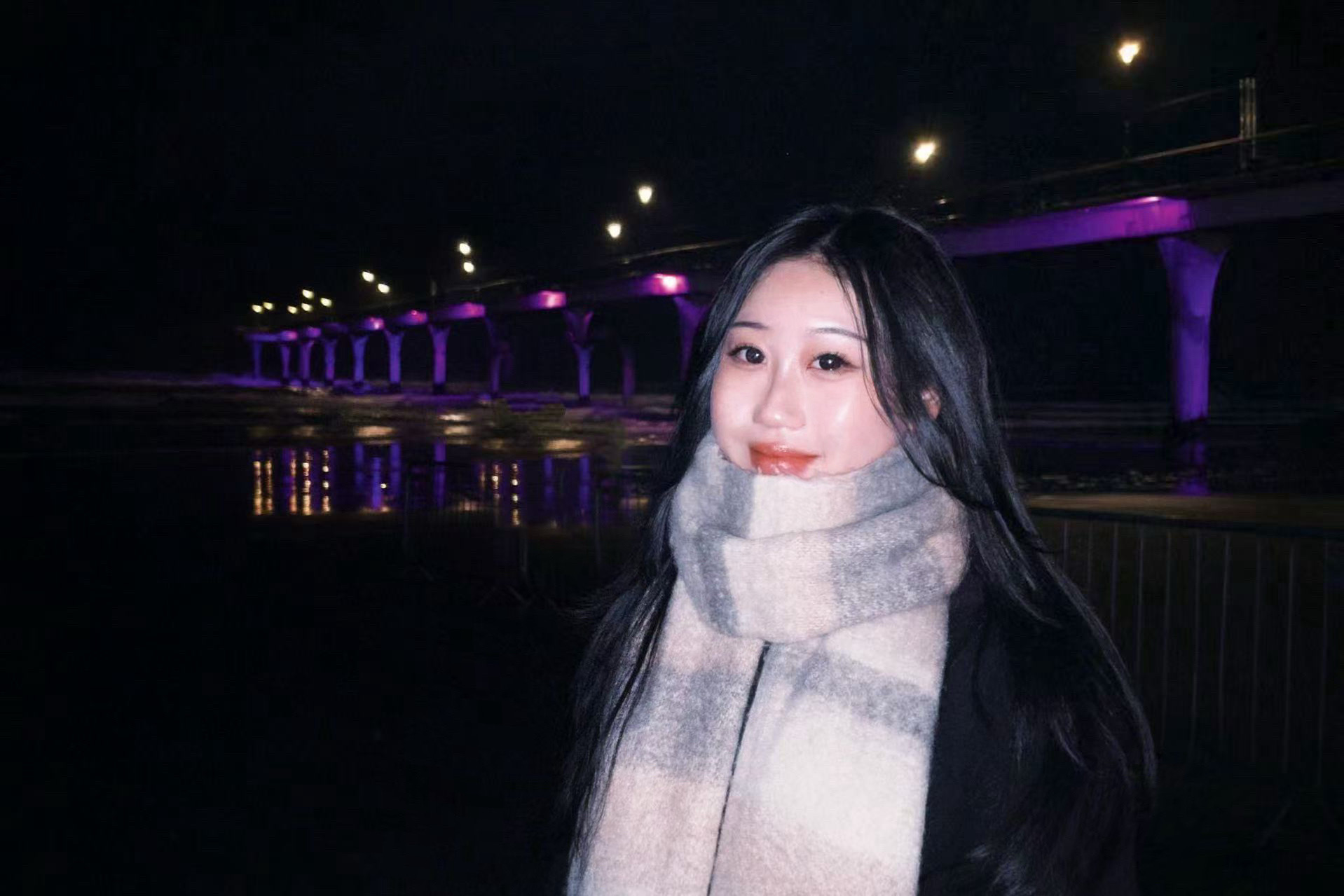
Sabrina reads ‘Venice Syndrome’
This poem won First Prize in 2025 Poetry Aotearoa Yearbook student poetry competition.
Megan Kitching
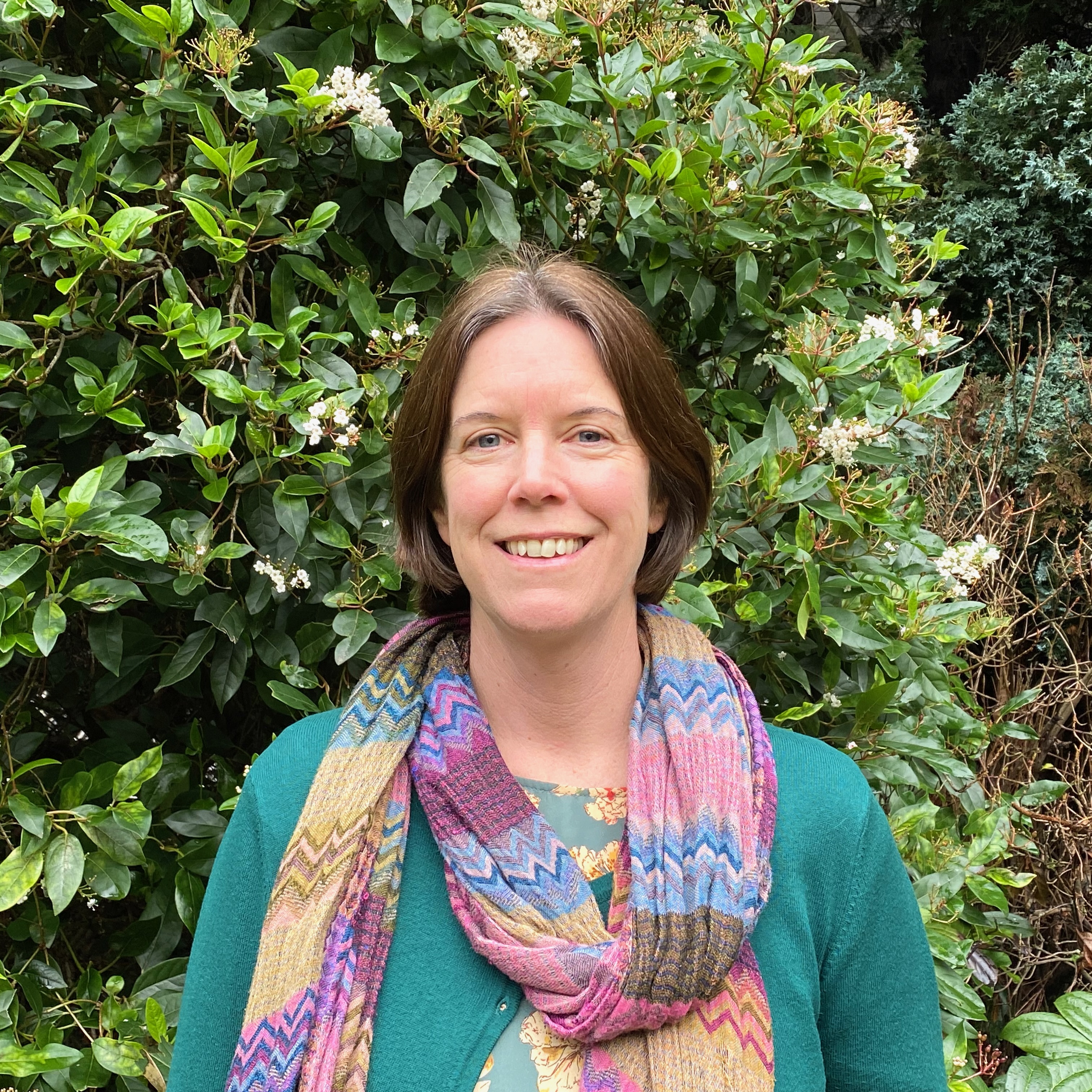
Megan reads ‘Fire’
Sherry Zhang

Sherry reads ‘First swim of summer’
Alvia Farooqui

Alvia reads ‘Relapsing’
Leah Dodd
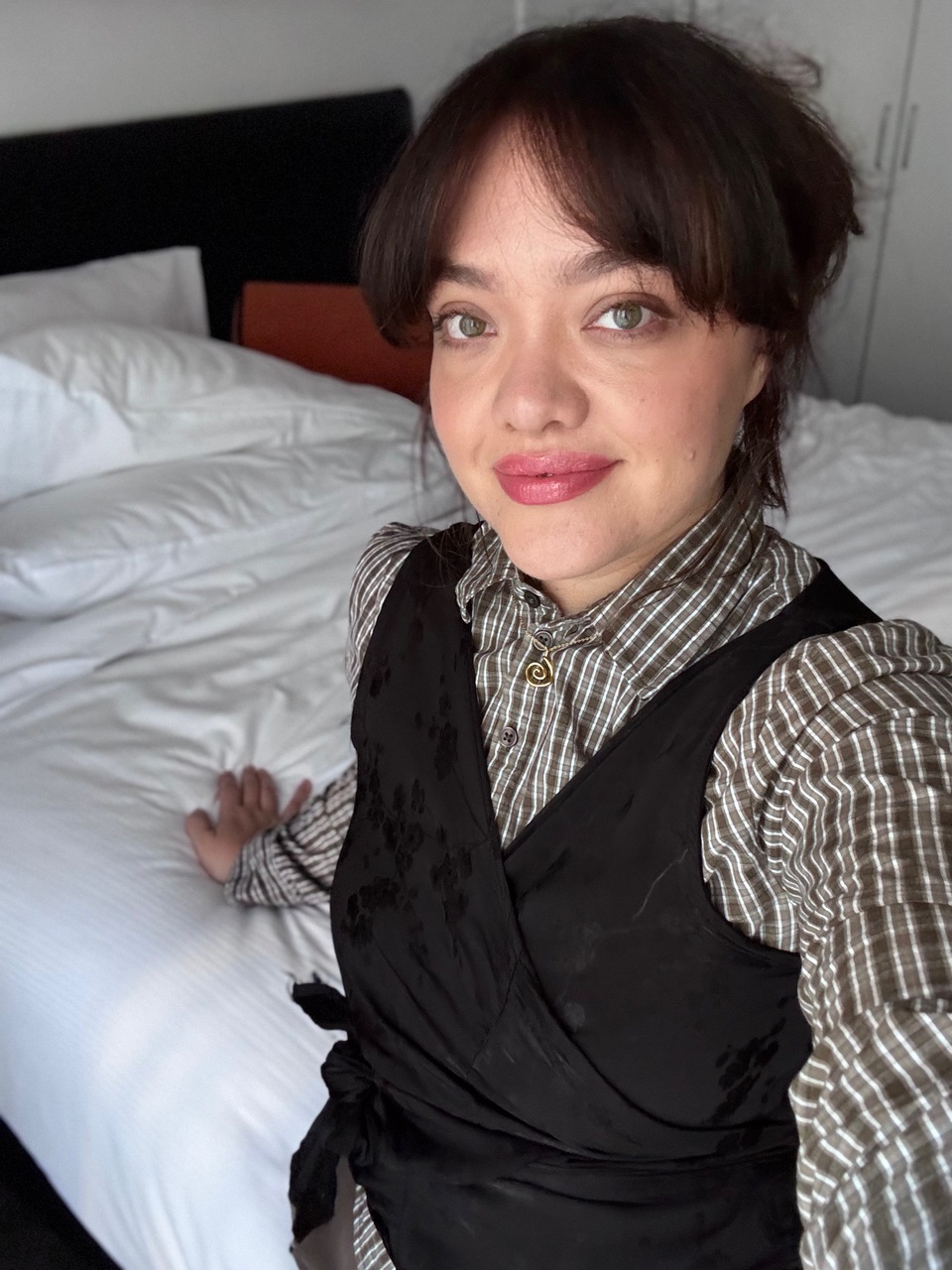
Leah reads ‘Pure expression of colour’
The readers and editor
Dr Tracey Slaughter is an award-winning poet and short story writer. Her books include Her Body Rises, The Longest Drink in Town, Deleted Scenes for Lovers, Devil’s Trumpet and The girls in the red house are singing. She has been the editor of the Poetry New Zealand Yearbook since 2020.
Alvia Farooqui is a Year 13 student at Macleans College in Tamaki Mākaurau Auckland. Her poem ‘Relapsing’ won first prize in the 2025 Poetry Aotearoa Yearbook student poetry competition.
Elizabeth Morton is a spinner of yarns and a poem-maker from Tāmaki Makaurau. Her poetry and prose have been published in New Zealand, the UK, the USA, Canada, Ireland, Australia and online. She has three collections of poetry, the latest being Naming the Beasts (Otago University Press, 2022). An upcoming collection, Incident Report (Otago University Press), will be published this year. She is a PhD candidate in psychological medicine with the University of Otago.
Josiah Morgan (he/him, Kāi Tahu / Ngāti Maniapoto) is a poet, actor, drama teacher, performance artist, facilitator, reviewer, editor and writer from Ōtautahi Christchurch. In 2026, he was the Visiting Writer at Washington State University’s creative writing program. He is the author of i’m still growing (Dead Bird Books, 2024), and his novella Road: A Postlapsarian Comedy won the Macmillan Brown Writers Prize in 2021. His work has featured in The Spinoff, Landfall, Out Here and numerous other journals, blogs and magazines. His chapbook Black Window holds the featured poet slot in Poetry Aotearoa Yearbook 2026.
Leah Dodd grew up in Taranaki and lives in Te Whanganui-a-Tara. Her first collection of poetry, Past Lives, was published by Te Herenga Waka University Press in 2023. She is currently working on a second.
Megan Kitching is an Ōtepoti Dunedin poet. Her debut collection At the Point of Seeing (Otago University Press, 2023) won the Jessie Mackay Prize for Poetry in the 2024 Mātātuhi Foundation Best First Book Awards and was awarded Best International First Collection in the UK Poet Laureate’s The Laurel Prize 2024. In 2021, Megan was the inaugural Caselberg Trust Elizabeth Brooke-Carr Emerging Writer in residence.
Rebecca Hawkes is a painter-poet from a farm near Methven, now living in Wellington. She is the author of the poetry collection Meat Lovers (Auckland University Press) and the chapbooks Softcore Coldsores (AUP New Poets 5) and Hardcore Pastorals (Cordite). She edits poetry journal Sweet Mammalian. Rebecca holds an MFA in yearning from the University of Michigan and MA in half-truths from the IIML. Her new chapbook Hide, an illuminated manuscript of narrative verse, is coming in September 2026 with ngā pukapuka pekapeka, and her next collection Fool’s Spring is forthcoming from Yes Yes Books and AUP in 2027.
Born in Dunedin in 1976, Richard Reeve is the author of seven collections of poetry, Dialectic of Mud (AUP 2001), The Life and the Dark (AUP 2004), In Continents (AUP 2008), The Among (Maungatua Press 2008), Generation Kitchen (OUP 2015), Horse and Sheep (Maungatua Press 2019) and About Now (Maungatua Press 2024). With Mick Abbott, he is also co-editor of an anthology of essays on wilderness, Our Wild Heart: The Possibility of Wilderness in Aotearoa New Zealand (OUP 2011). He lives in Warrington, to the north of Dunedin, with Octavia and the cat Lionel.
Sabrina Li is a young writer from Christchurch who enjoys exploring poetry through inventive forms and structures, often finding beauty in the ordinary moments of everyday life. She draws inspiration from the natural world around her, as well as the stories and perspectives she encounters through social media. Her poetry has also appeared in Write On Magazine and Given Words, along with a new work forthcoming from the Hagley Writer’s Institute.
Xue Li (Sherry) Zhang is a writer born and raised in Tāmaki Makaurau. She works across poetry, theatre and prose. Her family are from Fujian, China. She was the editor of The Pantograph Punch, and the co-manager of Te Kāhui Creative Writing.

