There are gauzy bandages of mist all down the East Cast as far as Bluff
Having to face our own despairs, we moved out onto the promontory
The ship was an illusion, a golden ship and a galleon,so high in the water
He may not be such a beautiful man when he is older, when the bones take over
I’m so glad we went to meet you, little darling, walking towards us through the tussock
Bernadette Hall has published numerous poetry collections with Victoria University Press – books that resonate so beautifully for both ear and heart. Her poems are like intricate lacework. Just gorgeous.
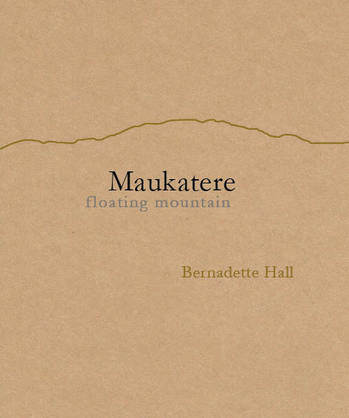
With her latest project, Bernadette was drawn to work with two younger women on a chapbook that drew inspiration from her local mountain, from the stories that have bedded down in the area and in her mind. Helen Rickerby from Seraph Press published the book and poet Rachel O’Neill did the illustrations. Three women walking round a mountain, as Bernadette says.
The poem is like a long poem (around 14 pages) made of drifting pieces, like little dandelion kisses that hit the page and hook you. Settler stories, as Bernadette says. There is the Tangler drifting in at out; an Irish figure, both loner and trickster, who acted as a buyer-seller go-between at the fairs. The poems are the fidgety intermediary between light and dark; the glint of the present and the shadows of history.
‘and she repeats it/ like the blade of light/ that repeats itself’
Reading this is like entering the metaphorical woods, where you get whiffs of story and elsewhere and skimming voices. Mountain as woods. Standing alongside a mountain, walking around that mountain, can be a portal to voice. This is a collection of voice; think of the way you stand somewhere old and it is like you can hear the past.
And in that mysterious pull of voice, you get the hit of physical detail, earthy and grounding.
‘A day of patchy rain – another chink in things’
‘What joy in the new experimental poets – up early throwing stones into the lake’
‘There are gauzy bandages of mist all down the East Coast as far as Bluff’
‘the wounds in the marshland fill slowly with fresh water’
Reading this is magical. The woods are knotty. The mountain is. You can take so many paths, both illuminated and dark.
Helen Rickerby has produced a beautiful hand-bound book with thick paper and an elegant design. The book is a labour of love; picture a sewing circle with stories shared. The limited, hand-numbered edition has virtually sold out but a second print run is in the pipeline.
Rachel O’Neill has produced the most exquisite sequence of drawings that carry their own narrative. Little cross-hatched beauties. Enigmatic. Labour intensive. The hooded-lamp figure connects us to the poems where the little glows are like a unifying thread. The lantern head pulses with meaning. The figure is defined and dependent upon both light and dark in order to exist, in order to comprehend. Again there is the subtle and beautiful link to the poems where the light references rebound. It is as though certain things, whether recalled or invented, are caught in the beam of poet.
This is a very special book.
Bernadette co-founded Hagley Writers’ Institute In Christchurch. She lives at Amberley Beach in the Hurinui in North Canterbury. Bernadette was awarded The Prime Minister’s Award for Poetry in 2015.
Rachel’s debut collection was One Human in Height (Hue & Cry Press). She is a filmmaker, writer and artist.
Seraph Press page