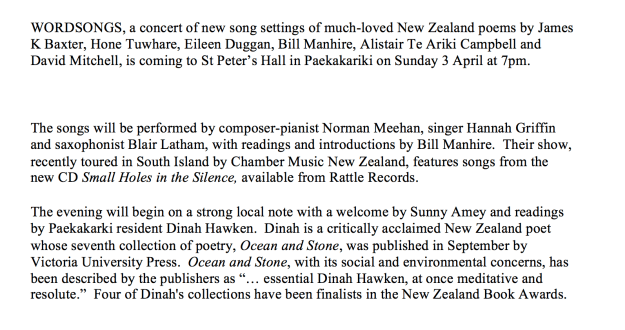
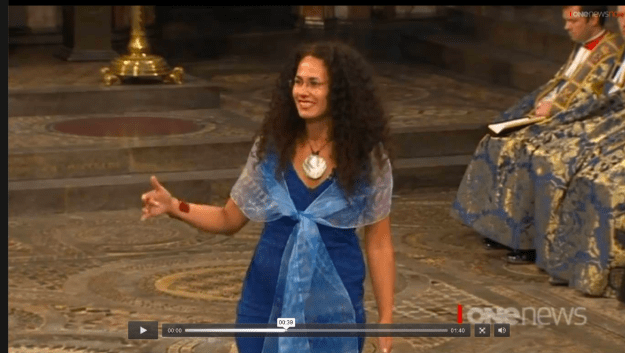
Dinah Hawken to open WORDSONGS

I seem to have been a roving poetry reporter these past few weeks but time to shut the hatches and stay at home. This event will be good – I judge this on my experience of hearing Hannah sing Bill at the AWF a few years ago. Transcendental experience.

I urge you to check this poetry event out and would love a wee response from a poetry patron to post on the blog.


Screen Shot 2016-03-23 at 10.12.24 AM.png


Screen Shot 2016-03-22 at 6.28.24 PM.png


Tickets $20 from Eventfinder or Darcey’s Fruit Shop.  Limited door sales at $25.

QUERIES: Gilbert Haisman.  Tel 04 904 8428 or 022 0122 103. Email: thewordshop@paradise.net.nz

Why I loved the Ruapehu Writers Festival


‘Memoir is a place to illuminate, not seek revenge.’ Elizabeth Knox

‘The Villa is a book of 100 tiny pieces. That’s how my brain was. Everything had fallen to pieces. I was writing in a state of shock.’ Fiona Farrell

‘I am a product of socialism and feminism.’ Fiona Farrell

‘We are not just a who or a what we are also a here.’ Martin Edmond

‘Archives are as questionable as memory.’ Martin Edmond

‘Poems have tended to ambush me every few decades.’ Fiona Kidman


[ I   k e e p   r e m e m b e r i n g

t h i n g s  a n d    a d d i n g     b i t s]


Yesterday there was a flurry of writers on social media suggesting the Ruapehu Writers Festival was the best festival ever. I have loved the richness and discoveries of so many other festivals, along with the family warmth of Going West. Yet this festival was special. The best ever.

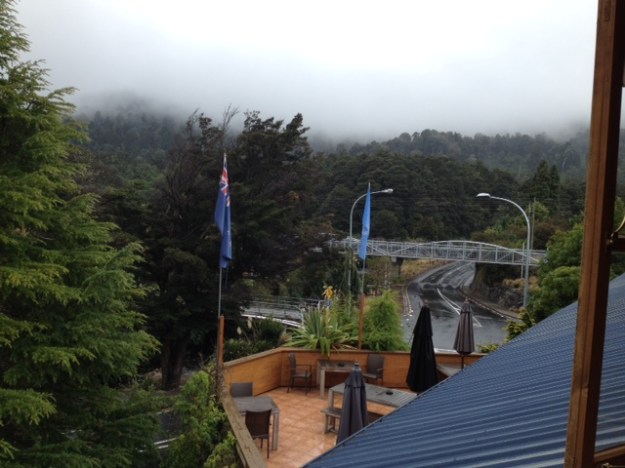
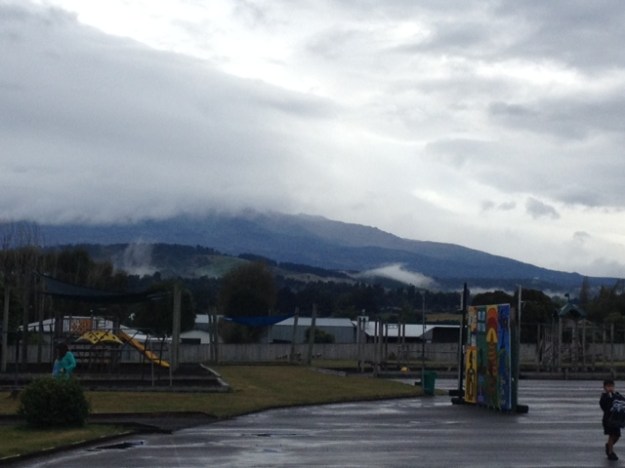
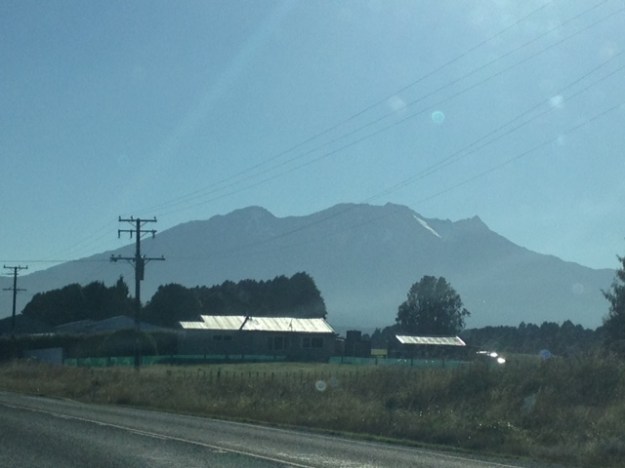
The setting: The mountain to the north loomed large out of clouds, and on some days into bright blue sky. The mountain stream babbled past like a soothing mountain soundtrack. The trains punctuated sessions and we all stopped and listened to the comforting sound of travel.

The writers: The writers came from far and wide (Martin Edmond, Fiona Farrell). Bigger publishers were represented (Penguin Random House, Auckland University Press, Victoria University Press) and so too were the boutique Presses (Seraph Press, Anahera Press, Mākaro Press, Cat & Spaghetti Press, Hue & Cry – to name a few).


The sessions: Not a single dud. Just smorgasbord of highlights. I do want to pick out a couple of presentations that struck a chord with me.

Merrilyn George shared Ohakune stories with Martin Edmond. Wow! I wish the whole country could have squeezed in to hear the way the local matters. Has mattered, does matter and will matter. It was Martin’s session too, but he let Merrilyn take centre stage with his little anecdotal prompts.

The fluency of my good friend Sue Orr when she got talking about place as character.

Three writers musing on the Desert Road: Fiona Kidman, Ingrid Horrocks and Fergus Barrowman (standing in for Nigel Cox). The conversation just flowed and the extracts were riveting. I have tracked down Ingrid’s essay, ‘A Small Town Event,’ in Sport 43. The sample stuck with me so I need to read the whole thing.

Elizabeth Knox‘s festival lecture, ‘On Doubt, Doubtingly,’  explored the implications and means of building memoir. Particularly in view of multiple selves, and the multiple reception and behaviour of selves. Elizabeth showed the way ideas can move, stimulate and challenge. Deliciously complicated and moving.

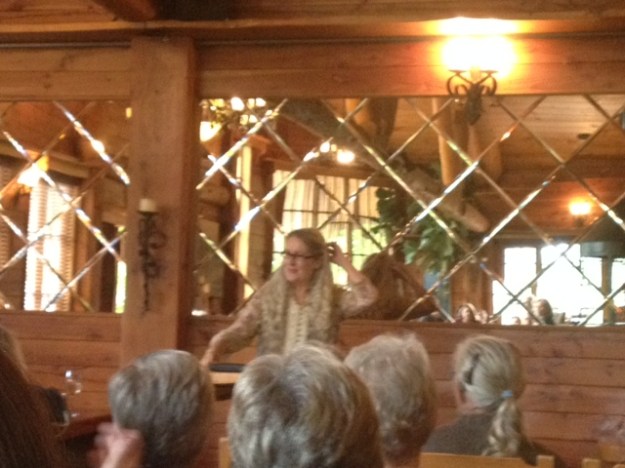
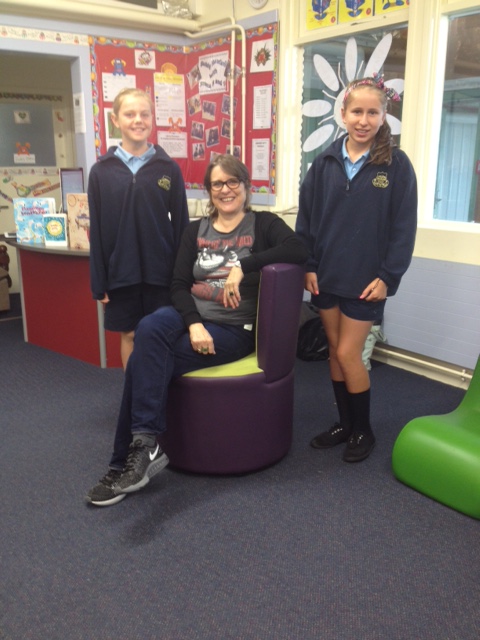
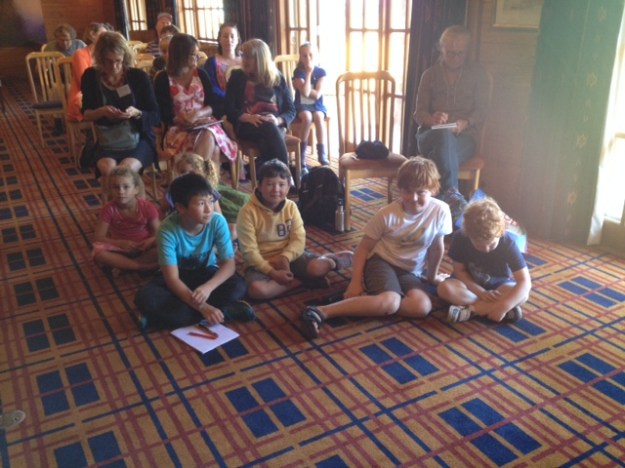
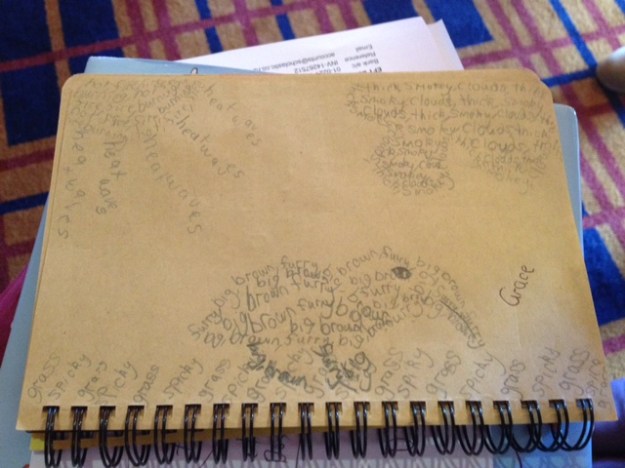
The children who came to my poetry session. Some as a result of my visit to Ohakune Primary School on the Thursday. I had an outstanding time there. This is a school where the teachers have already sown the fertile seeds of poetry. PS Jenny and Laughton Patrick did a great job getting the whole room singing!

Three writers talk on structure: Pip Adams, Emily Perkins and Fiona Farrell. This session got on National Radio because Fiona let her guard down and moved most of us to tears. I thought I was going to start sobbing out loud. Listening to Fiona read from The Villa at the End of the Empire — a book shortlisted in the nonfiction section of the Ockham NZ Book Awards — was extraordinary. Yet the session was this and was more than this. It embraced two other terrific readings and generated a conversation on structure that made me want to get writing.

Six writers read from Extraordinary Elsewhere: Essays on Place from Aotearoa New Zealand (forthcoming VUP). Ashleigh Young‘s detail kept ringing in my ear, along with the moving circularity of Harry Rickett‘s essay and the philosophical nuggets of Martin Edmond (which I tweeted throughout the session).

I was quite taken with the response of Tim Corballis and Thom Conroy (chair) in my session on POV. I just loved the way Tim proposed the leaf on the boy’s shoe acted as a transcendental point of view. Ha! Thom was an excellent chair.

The final session of poets was a perfect way to end. I discovered the poetry of Hannah Mettner and will go hunting for it in issues of Turbine. I loved hearing Fiona Kidman read from her new book (out next week) and Vana Manasiadis from her old. Magnolia Wilson was also a new find off the page (I had loved her foldout poems). A local poet and ex-librarian, Helen Reynolds read her poems in the quietest of quiet voices. We stretched forward, further and further into her reading. It felt like I was bending forward into the end/ear of the festival.


The atmosphere: Warm, intimate, stimulating, generous. The festival had the family flavour of Going West but in a mountain setting. At four thirty each day we spilled into the bar for a glass of wine and platters of gratis nibbles before the final sessions. We shared conversation and that conversation was infused with a common love of books. And an infectious engagement with ideas.

The chance(ish) encounters: Hearing Amy Leigh Wicks read poetry for the first time and having lunch with her. I am itching to write about her poems on the blog. Sitting under the cool of a tree and talking women’s poetry with Sarah Jane Barnett (she was there as reader, as were other writers!). Eating breakfast with the very lovely Fiona Kidman and talking about women’s poetry in the seventies. Meeting a man who lived next to Eileen Duggan but not getting to follow that revelation up (ah! rue!). Drinking coffee with Fiona Farrell and talking about how something in the air or on the page prompted us to let our guard down. Just a tad. Meeting old friends.

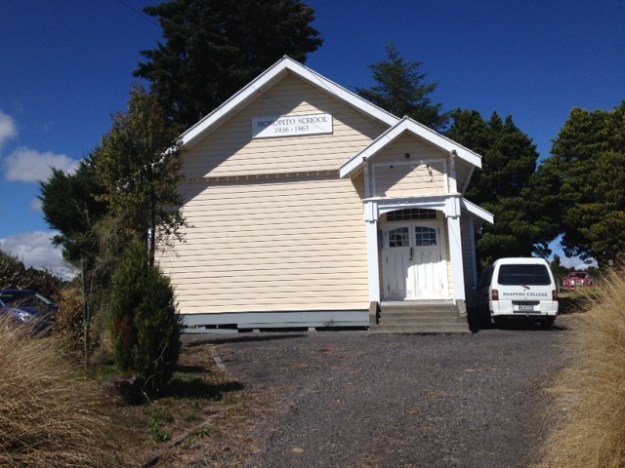
The special features: A band of writers cycled back from Horopito Hall with James Brown after hearing a session on cycling and poetry (ok Ashleigh Young where can I read a version of your lost-things poem?). A local kaumatua guided at least forty readers and writers up to a waterfall and back (around two hours). Stacy Gregg led some fans on a horse trek.

The audiences: Most sessions were full to the brim.

The chairs: I especially loved Fergus Barrowman (he did zillions with just the right degree of input), Nick Ascroft (he was hilarious) and Thom Conroy (astute listener!).

The organisers: Anna Jackson, Helen Rickerby and Simon Edmonds built a festival out of nothing yet when I reflect upon this daring, I realise it was out of something. The festival grew out of the hard labour and inventive thinking of these three. It also grew out of the good will these three can harness: from the locals, the venue, the schools, the publishers and the out-of-town readers and writers. It might sound corny but it also grew out of the physical location and its beauty. The festival always bore this mind.

It was really good to hear Anna and Helen read and share ideas. I loved too the way they sat in the front row in every shared and listened so intently. I could see the joy of the occasion on their faces. You don’t usually see festival organisers with freedom to sit in the front row and listen. Yet another sign of what made this occasion special.

Place matters.

I think if I were to ask all writers and readers to join me in a huge pakipaki for Anna, Helen and Simon we would drown out the mountain stream and the passing train. Just for a moment. We are in debt to you. Thank you.


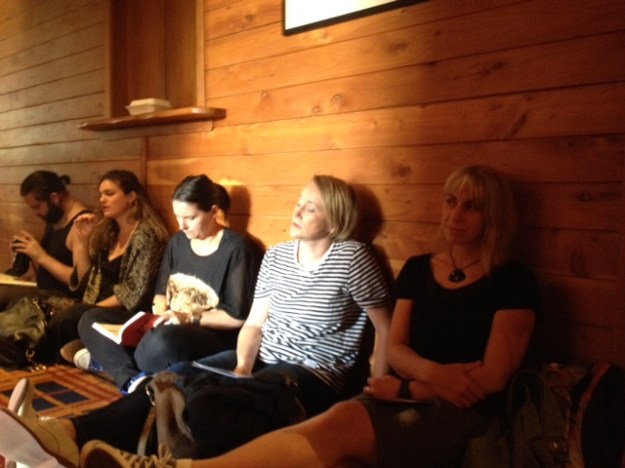
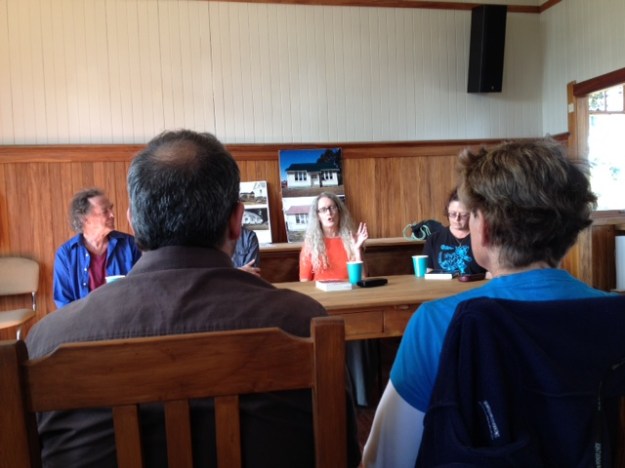
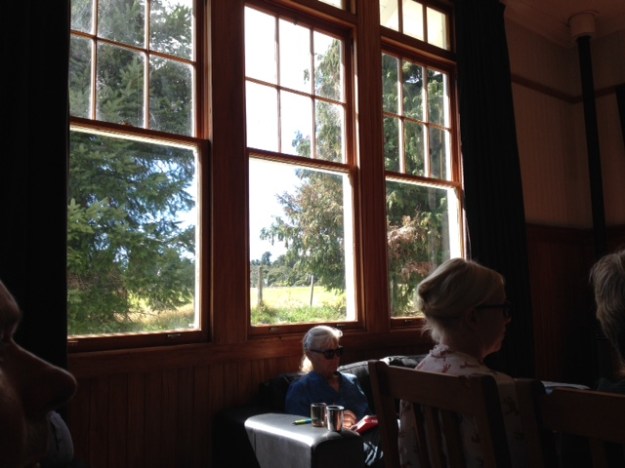
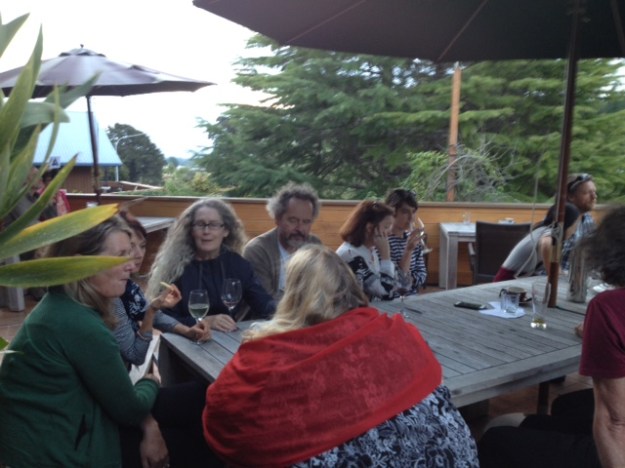
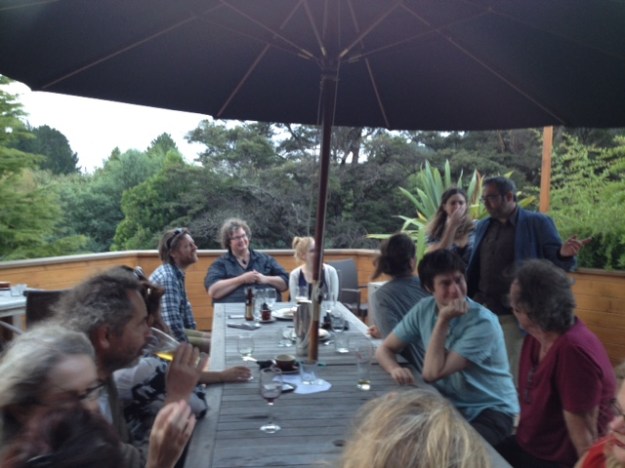
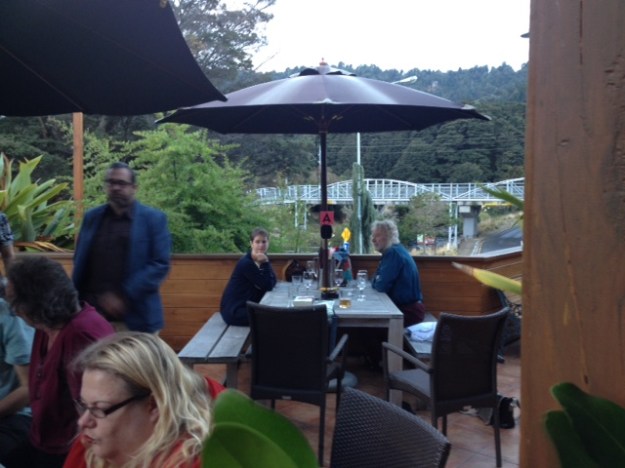
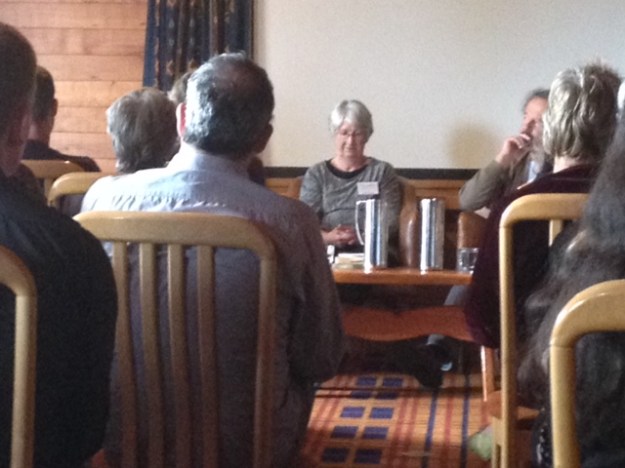
Excuse my phone photos!
IMG_3156IMG_3157IMG_3137IMG_3140IMG_3142IMG_3145IMG_3146IMG_3151IMG_3152IMG_3154IMG_3161IMG_3162IMG_3164IMG_3166IMG_3168IMG_3169IMG_3170IMG_3171IMG_3173IMG_3174IMG_3175IMG_3176IMG_3177IMG_3178


Great news: New partnership powers up National Poetry Day

Screen Shot 2016-03-22 at 8.15.24 AM

National Poetry Day always demonstrates the wide reach of poetry in New Zealand. All manner of events and poets tumble into vision and hearing. Phantom Billstickers is a tireless promoter of NZ poetry. This partnership has to be good. Bravo NZ Book Awards Trust for this grand idea!


This terrific news is just out:

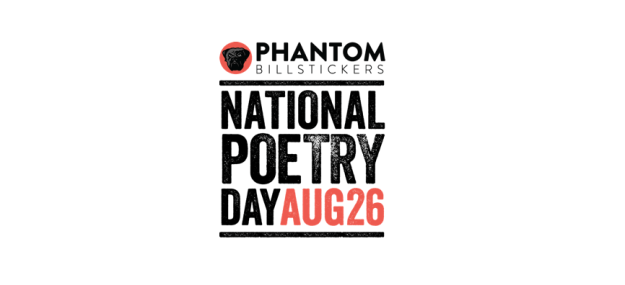
In its 19th year, National Poetry Day — the biggest nationwide poetry event of the year —will be boosted by the partnership between the New Zealand Book Awards Trust and Phantom Billstickers, with a sponsorship agreement announced today.

The highly popular and eclectic National Poetry Day will now be known as Phantom Billstickers National Poetry Day and will continue to bring poetry to the people, with over 80 events held nationwide, involving everyone from seasoned award winners to aspiring poets facing the microphone for the first time. Phantom Billstickers National Poetry Day will be held on Friday August 26 this year and continue the day’s legacy of taking poetry to the people from Kerikeri to Southland, across the streets of small towns and major cities.

“It’s an opportunity to hear more poetry. There’s the possibility to take it back to the regions that built us,” says Jim Wilson, owner of Phantom, “We’ve been putting the New Zealand voice out there for some time. Now with this exciting partnership that voice will become louder.”

Phantom Billstickers National Poetry Day is about discovery, diversity, community and pushing boundaries. Poetry enthusiasts generate events such as slams, poetry-music jams, poetry art exhibitions, performance poetry, poetry and dance, poetry street chalking, bookshop and library readings, open mic events and poetry writing competitions.

Nicola Legat, chair of the New Zealand Book Awards Trust says “We have long admired Phantom’s commitment to putting poems on posters and in cafes via their Café Reader. They are a natural partner given that Phantom’s business is taking messages to the streets and that’s what the New Zealand Book Awards Trust aspires to do with poetry.”


Phantom Billstickers   http://0800phantom.co.nz/   is a street poster company which since 1982 has consistently helped Kiwis express themselves. Recognising and supporting home grown talent has always sat comfortably alongside its commercial campaign work. Phantom actively promotes New Zealand music, art, poetry and culture around the country and across the world, putting poetry on posters and a literary mix of work into cafes via its quarterly magazine the Phantom Billstickers Café Reader. Phantom makes New Zealand’s streets livelier by taking the creative arts into public spaces.

The New Zealand Book Awards Trust   www.nzbookawards.nz  was established as a charitable trust in 2014 to govern and manage the country’s two major literary awards and National Poetry Day, and to ensure their longevity and credibility. New sponsorship agreements have now been secured for all three properties with Ockham supporting the Book Awards, Hell Pizza backing the Children’s and Young Adult awards via its support of the Reading Challenge and Children’s Choice programmes and Phantom National Poetry Day. Additional funders include The Acorn Foundation, Book Tokens Ltd, Creative NZ, Copyright Licensing Ltd NZ , the Fernyhough Education Foundation, Nielsen and Wellington City Council, supporting specific aspects of the properties.


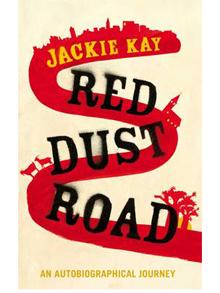
Jackie Kay is Scotland’s new Poet Laureate


kaystory_1651035f.jpg

And off they went, my two parents
to march against the war in Iraq,
him with his plastic hips. Her with her arthritis,
waved at each other like old friends, flapping,
where they’d met for so many marches over their years,
for peace on earth, for pity’s sake, for peace, for peace.


Jackie Kay was such a vital poetry presence at a recent Auckland Writers Festival. On stage and on the page, we all fell in love with her. This is terrific news. Congratulations!

From The Observer:

Following the appointment of Kay as Scotland’s national poet last Tuesday, a press colleague who had interviewed her was simply thrilled. “She’s just wonderful; she’ll make people read poetry and write poetry who have never done so before.” The words were spoken in a tone that suggested he had touched the great woman’s hem.

The full article here.

Hear Jackie read at The Scottish Poetry Library.

Auckland Writers Festival delivers poetry

Once again Anne O’Brien serves us a fine feast of poetry. I’ve had a quick flick through the programme. 

There are the Sarah Broome finalists and the shortlist from the Ockham NZ Book Awards. 

Bill Manhire in conversation Eith Pau Muldoon is also doing a music gig.

Out in Aotea Square is the poetry doctor who will proscribe a poem. 

James Sheard will help you unlock the poetry door. 

Tusiata Avia’s new collection will be launched by VUP. 
Slam poets Omar Musuf and Maxine Benebe Clarke are set to go. 

You will find Joan Fleming, Serie Barford, David Eggleton, Cillz McQueen, Lynn Jenner in the programme. 

Vincent O’Sullivan is the guest of honour. 

Bet I missed a few. 

No photos as doing this on my clunky phone in Ohakune. 

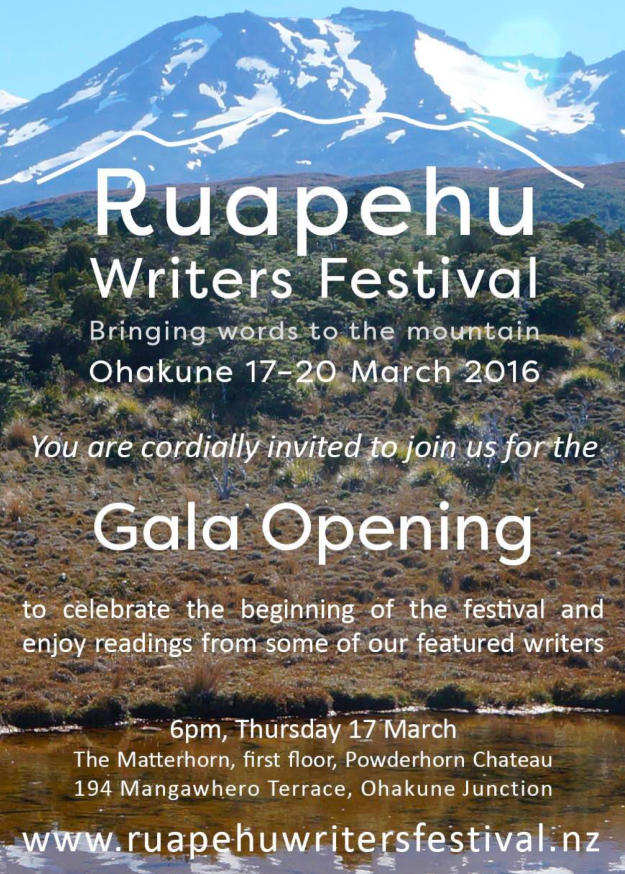
Ruapehu Writers Festival gala night

I am very excited to head off in the morning to this festival. Writers are coming from far and wide to touch base with Ohakune readers. It seems like no other festival with children doing a horse ride with Stacy Gregg, a waterfall walk, a bunch of writers doing the crossing on Monday (ah if only!), festival lecture by Elizabeth Knox, truck loads of poets and fiction writers, non fiction as well. Martin Edmond for a start.

Some writers are going as readers.

Not too late to plan a weekend by the mountain!

Loads of hard work by the organisers getting a festival off the ground for the first time.

So thanks! So good to see such a bustle of literary activity outside the main centres and universities.


Screen Shot 2016-03-15 at 7.55.23 PM.png

Cilla McQueen Conjures the Past: A Poet’s Memoir

In a Slant Light - Cilla McQueen


Press release from Otago University Press:


… can’t be sure about the authenticity of memory,

but by my lights it’s all I’ve got to go on.


So begins Cilla McQueen’s entrancing poetic memoir, In a Slant Light. One moment brought to light leads to another unfolding – as in the writing of a poem: In A Slant Light is a layered, intuitive interaction with the past.

‘The joy of writing a memoir,’ says Cilla, ‘is the wonderful sense of discovering the past as you go; writing itself becomes an act of memory.’


McQueen, one of New Zealand’s major women poets, leads us over the stepping stones of childhood recollections, some half submerged, some strong and glinting in the light of her wit:

I tried the magic trick of pulling the tablecloth out

from under our plates of tomato soup. This didn’t work.


With humour and openness, clarity and grace, the journey continues through her teenage years and the excitement and turbulence, the expansion and vulnerability, of university days and early motherhood in the 1960s and 1970s … raising a young child alone, falling in love with Ralph Hotere and witnessing his deeply immersive artistic practice …


This account of the life of an extraordinary verbal artist is immensely warm and welcoming. The lightness of Cilla’s touch coupled with the grit of her endurance through challenging personal circumstances makes the reader feel privileged to be invited in to the quiet wisdom worn here with both integrity and modesty.


This is a book not only for those who love Cilla McQueen’s poetry, but for anyone fascinated by the social, artistic and literary history of New Zealand.


Bluff poet Cilla McQueen was the New Zealand Poet Laureate 2009–11. She has published 14 volumes of poetry and has won the New Zealand Book Award for Poetry three times. Her work has been extensively anthologised. Cilla’s most recent publication was Edwin’s Egg and other poetic novellas (OUP, 2014).


In a Slant Light

A poet’s memoir

By Cilla McQueen


Release Date: March 2016

ISBN 978-1-877578-71-7

$35, hardback with ribbon

OUP

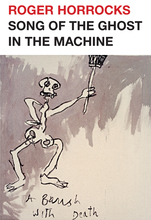
Poetry Shelf Review: Roger Horrocks and Song of the Ghost in the Machine – as you readwalk you feel invigorated, refreshed, and ready to write

ghost_cover_front__73226.1427153026.220.220   ghost_cover_front__73226.1427153026.220.220   ghost_cover_front__73226.1427153026.220.220


Song of the Ghost in the Machine

Roger Horrocks

Victoria University Press

2015


I confessed the day the Ockham NZ Book Award short lists came out I had not read this book as it felt too close to something I had in my head. Truth is I have finished a draft that I am leaving for a decent period of time before lifting it into something that works. The link with my starting point is tenuous. But it loomed large at the time.

Roger’s new collection comes out of walking. Walking in the physical world, walking through books, ideas, memory. Each section is prefaced by the biggest stack of quotations I have seen in ages in a poetry book. If ever! –  when I think further. It means there are two different reading approaches at work here. You can go shopping within the quotes and find the ones that stick.

Like a little reading map for the reader pedestrian. The sources are eclectic. Surprising.

Then there is the poetry, and this is infused with the way age changes things. For some poets, it prompts a new alertness to the world, to what matters. Roger is absorbing the world as he walks and leaving shiny traces of it in the poems.

‘This is the world I saw.’

For some poets, age is the body changing, under threat, slower. Death seems closer. Death seems to push and nudge the poems and make itself felt. For Roger, it is there in a health scare, in the passing of loved ones.

‘The body supplies the beat’

Mostly the poems are made of long lines in thick stanzas and generate the fluency of walking. One poem, ‘One Hundred Descriptions,’ amasses aphorisms, miniature thoughts, like miniature steps.

‘a square peg in the round hole of the world’

Throughout the book, as you meander and read, sidetrack and read, loiter and read, certain things leap out at you. Just like when you walk in the physical world and see the cat asleep in the flowerpot.

‘Like shoehorn, a mind is meant to ease you/ into the world, but his makes a poor fit.’

‘My cargo is close to bursting – years of sights/ and smells, ideas and anxieties, mistakes and regrets -/ but for the moment I’m still mobile, still fossicking.’


What changes the poetry when death seems that little bit closer? With this collection it invigorates it. The ideas about self and writing and how we fit in the world. How we belong. How we make attachments. How we can use words to make shadows on the page like Plato’s cave.

In his note at the back of the book, Roger talks about poetry. In my view, when I scan the decades of NZ poetry I have read, I believe poetry does anything and everything. It busts out of compartments. Not all poetry is preoccupied with self (Roger proposes much is), yet find me a poem where traces of the poet don’t flourish like tiny signatures (ah begone Barthes!). Tiny alluring signatures that reflect bias. Bias that snags on ideas, physical views, opinions, musicality, experience, poetic choices, subject preferences.

This terrific poetry collection is like walking in the world because as you readwalk you feel invigorated, refreshed, and ready to write.

Congratulations on a well deserved spot on the short list, Roger.


VUP page