Poetry Shelf celebrates new books with readings: Ten poets read from Poetry New Zealand Yearbook 2021

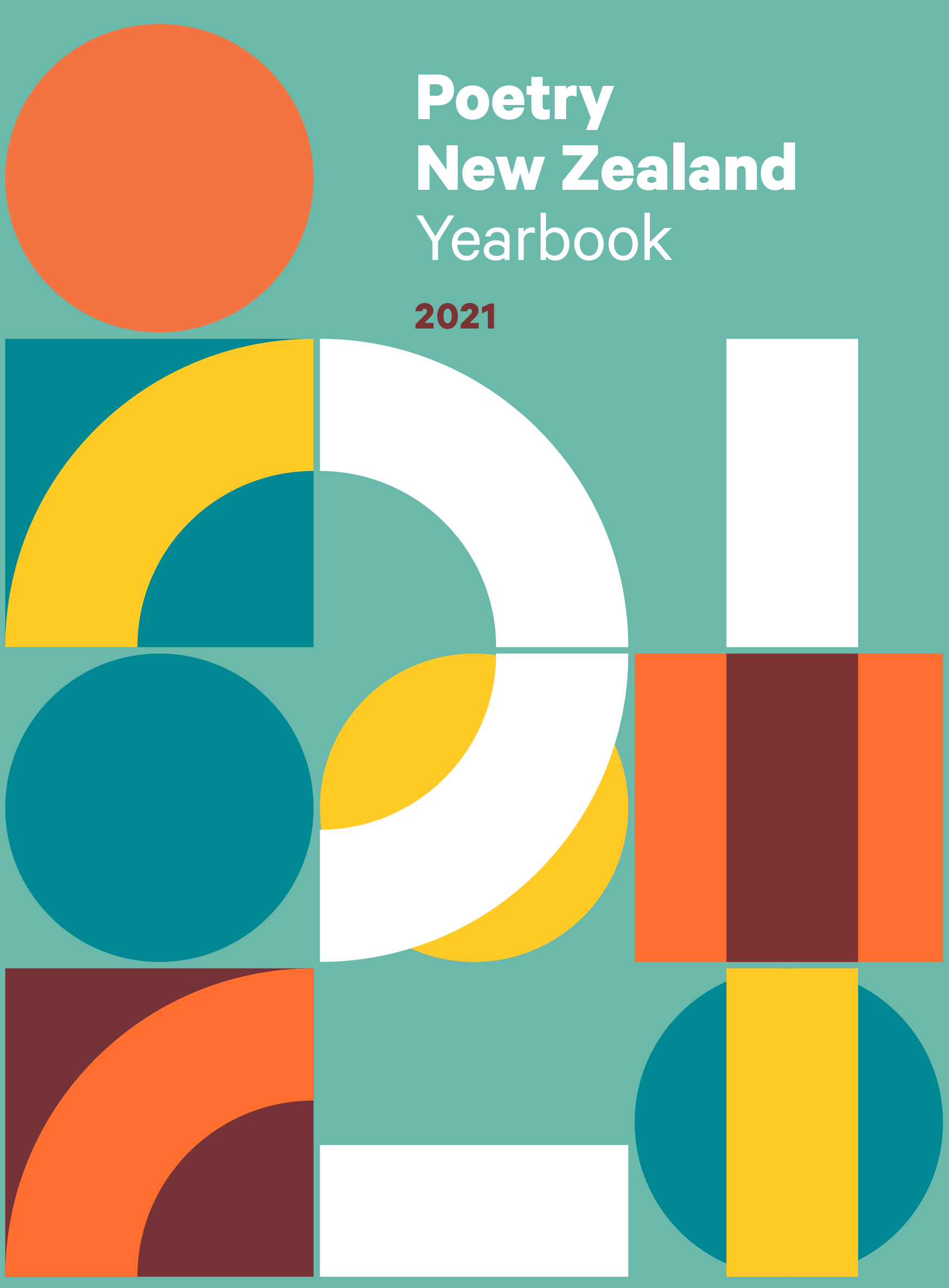
Poetry New Zealand Yearbook 2021, ed Tracey Slaughter, Massey University Press

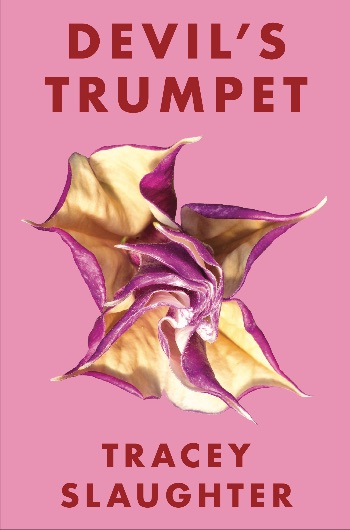
Poetry New Zealand is our longest running poetry magazine – it features essays and reviews, along with substantial room for poems. Tracey Slaughter has taken over the editorial role with the 2021 issue, a wide-ranging treat. A poet and fiction writer, she teaches creative writing at the University of Waikato. Her new collection of short stories, Devil’s Trumpet, has just been released by Victoria University Press.

Winners of the Poetry New Zealand Poetry Prize and the Poetry New Zealand Yearbook Student Poetry Competition are included. Aimee-Jane Anderson-O’Connor is the featured poet. To celebrate the arrival of the new issue – with 182 poems by 129 poets – I invited a few to read.

Cadence Chung reads ‘Hey Girls’ (First Prize, Year 12, Poetry New Zealand Yearbook Student Poetry Competition)
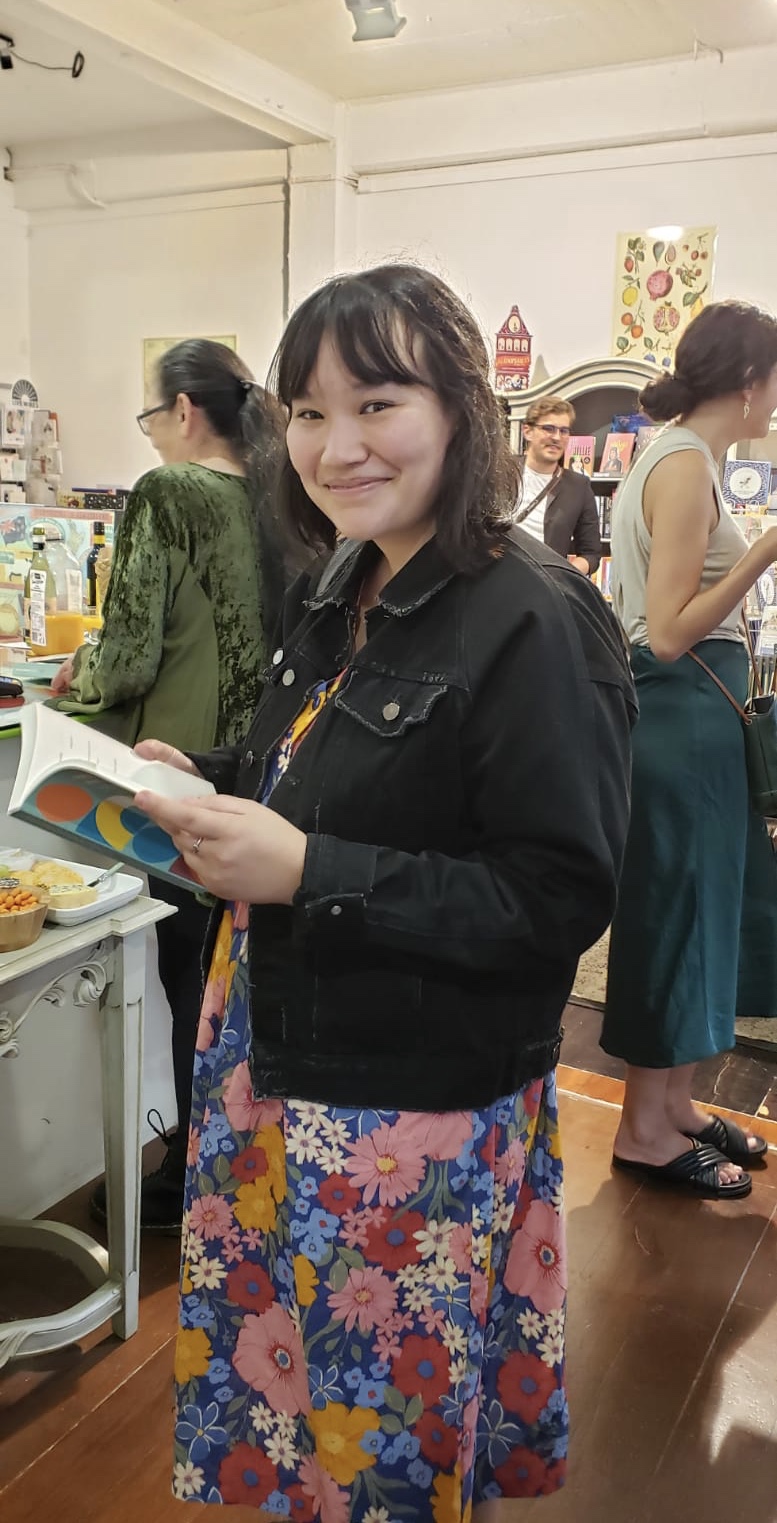
Brecon Dobbie reads ‘Diaspora Overboard’

Nida Fiazi reads ‘the other side of the chain-link fence’

Lily Holloway reads ‘The road to the hill is closed’
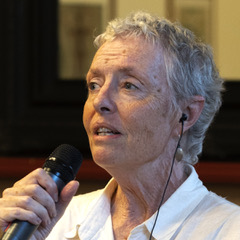
Michele Leggott reads ‘Dark Emily’

Aimee-Jane Anderson-O’Connnor reads ‘Cat’ and ‘If the heart is meat made electric’
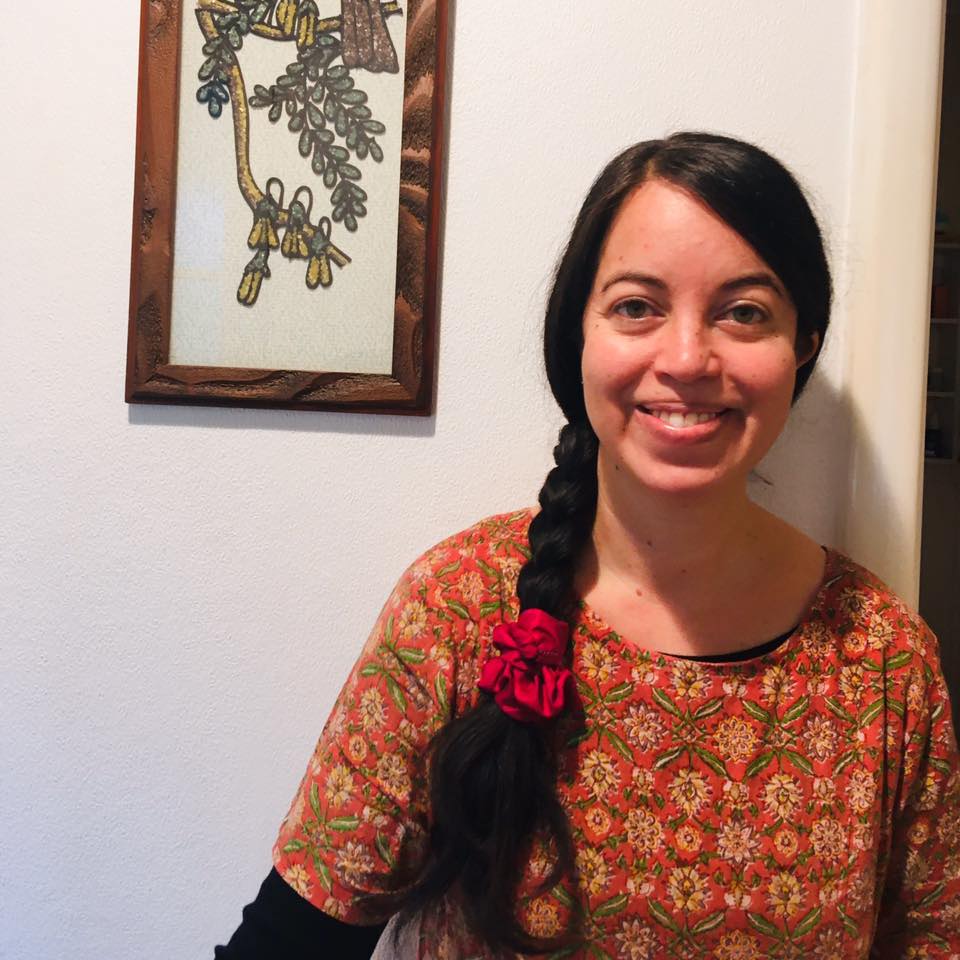
Kiri Piahana-Wong reads ‘Before’

essa may ranapiri reads ‘Hineraukatauri & Her Lover’ (for Ruby Solly)
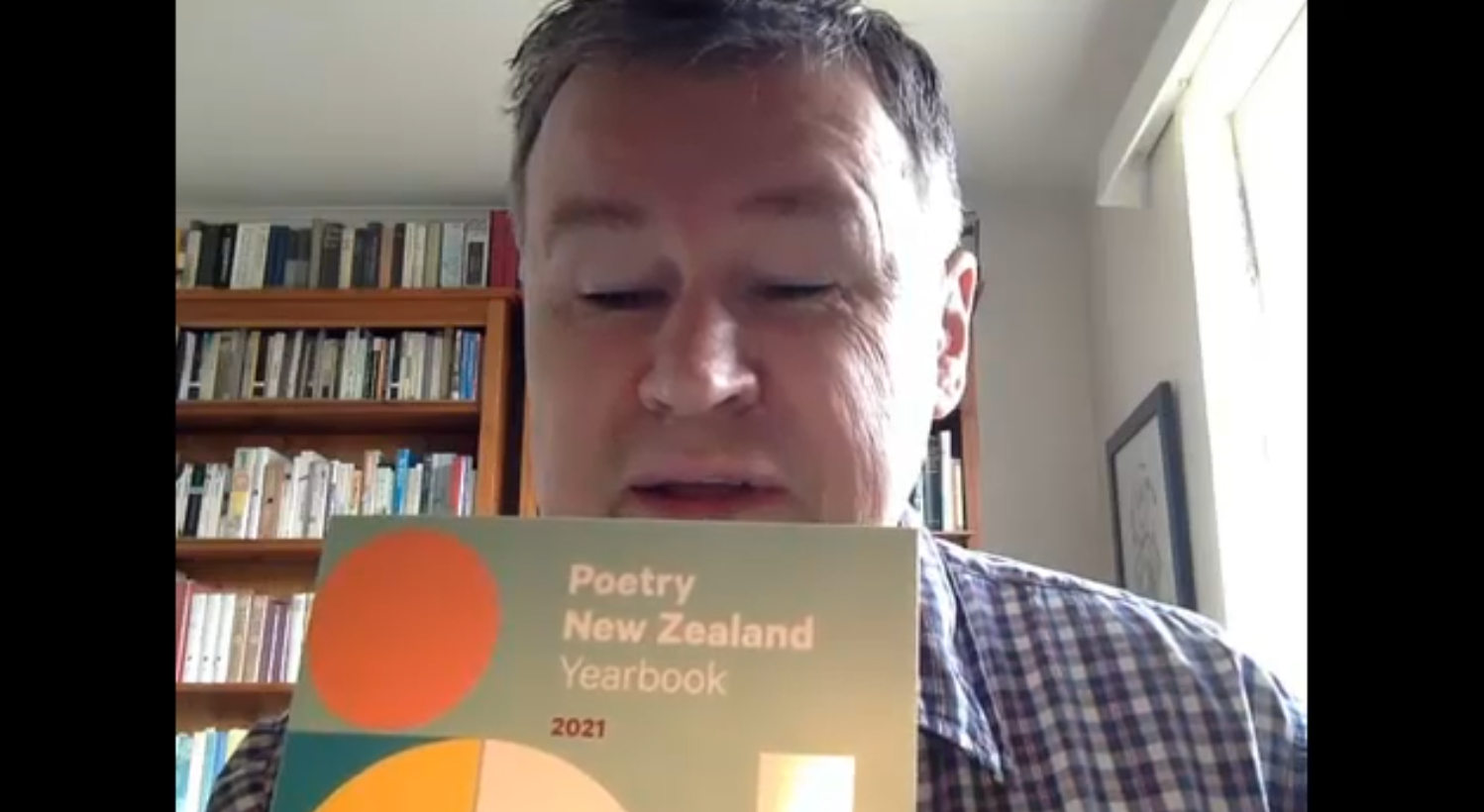
Jack Ross reads ‘Terrorist or Theorist’. Listen here

Michael Steven reads ‘The Gold Plains’

Cadence Chung is a student at Wellington High School. She first started writing poetry during a particularly boring maths lesson when she was nine. Outside of poetry, she enjoys singing, reading old books, and perusing antique stores.

Brecon Dobbie recently graduated from the University of Auckland with a BA in English and Psychology. She is currently writing as much as possible and trying to navigate her place in the world. Some of her work has appeared in Minarets JournalHowling Press and Love in the time of COVID Chronicle

Nida Fiazi is a poet and an editor at The Sapling NZ. She is an Afghan Muslim, a former refugee, and an advocate for better representation in literature, particularly for children. Her work has appeared in Issue 6 ofMayhem Literary Journal and in the anthology Ko Aotearoa Tātou | We Are New Zealand.”

Lily Holloway (born in 1998, she/they) is a forever-queer English postgraduate student. Her creative writing has been published in StarlingScumThe Pantograph Punch, Landfall and other various nooks and crannies (see a full list at lilyholloway.co.nz/cv).  She is an executive editor of Interesting Journal and has a chapbook forthcoming in AUP New Poets 8. Lily is based in Tāmaki Makaurau, is a hopeless romantic and probably wants to be your penpal!

Michele Leggott was the New Zealand Poet Laureate 2007-09 and received the Prime Minister’s Award for Literary Achievement in Poetry in 2013. Recent collections include  Vanishing Points (2017) and Mezzaluna: Selected Poems (2020). Michele coordinates the New Zealand Electronic Poetry Centre (nzepc) with colleagues at the University of Auckland. In 2017 she was elected a Fellow of the Royal Society of New Zealand.

Aimee-Jane Anderson-O’Connor writes thanks to the support of some of the best people on this big watery rock.

Kiri Piahana-Wong (Ngāti Ranginui) is a poet and editor, and she is the publisher at Anahera Press. Her poems have appeared in over forty journals and anthologies, most recently in tātai whetū: seven Māori women poets in translation,Solid Air: Australian and New Zealand Spoken Word and Set Me on Fire(Doubleday, UK). Her first poetry collection, Night Swimming, was released in 2013; a second book, Give Me An Ordinary Day (formerly Tidelines), is due out soon. Kiri lives in Auckland with her family. 

essa may ranapiri / tainui / tararua / ootaki / maungatautari / waikato / guinnich / cuan a tuath / highgate / thames / takataapui / dirt / dust / whenua / there is water moving through bones / there are birds nesting in the cavities

Jack Ross works as a senior lecturer in creative writing at Massey University. To date he’s published three novels, three novellas, three short story collections, and six poetry collections, most recently The Oceanic Feeling (Salt & Greyboy Press, 2021). He was the managing editor of Poetry New Zealand Yearbook from 2014-2019, and has edited numerous other books, anthologies, and literary journals. He blogs here

Michael Steven was born in 1977. He is an Auckland poet.
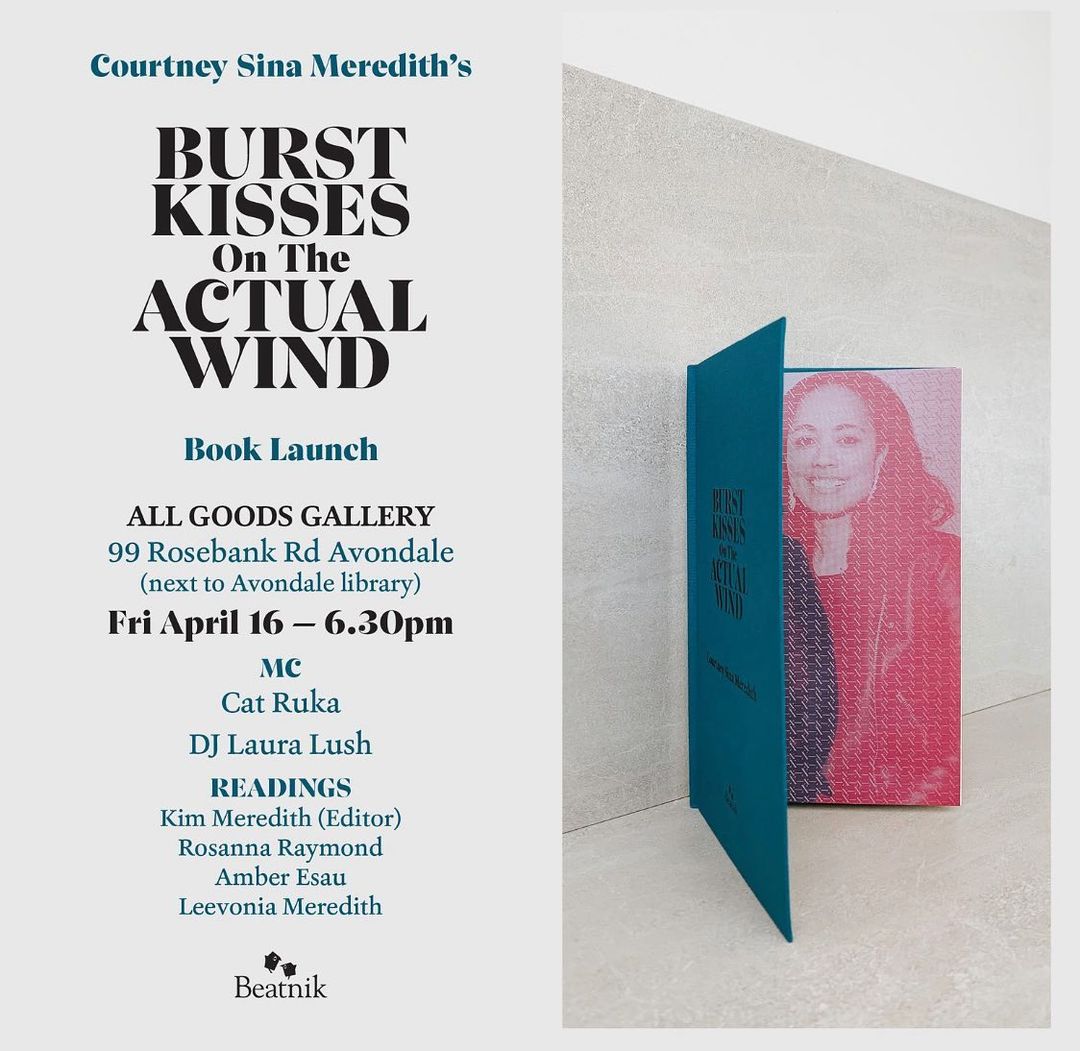
Poetry Shelf Monday Poem: Harry Ricketts’s ‘For Lauris 2’

For Lauris 2

You had a gift for friendship.

When someone rang, you’d say,

“Ah, Liz” or “Ah, Murray” with a special

flicker on their name, as if the call

had made your day. Your first

collection came out when you were

fifty-one. You knew about grief,

pain, didn’t pretend to be young.

You knew all about “the small

events’ unmerciful momentum”.

You gained a readership as large

and loyal as that of a novelist.

(You’ll forgive me if I mention

you were a really lousy driver

and that your white cat sometimes had fleas.)

You treated other poets as pen pals

absorbed in the same enthralling enterprise,

not as rivals, threats or enemies.

It was a stiff pull up that path

to 22 Grass St – that rainbow

letterbox – but always worth it.

Harry Ricketts

Harry Ricketts teaches English Literature and creative writing at Victoria University of Wellington Te Herenga Waka. His Selected Poems will be coming out from Victoria University Press later this year.

Poetry Shelf noticeboard: Tracey Slaughter launches Devil’s Trumpet

Victoria University Press and Poppies Bookstore
warmly invite you to the launch of

Devil’s Trumpet
by Tracey Slaughter

on Thursday 15 April, 6pm 
at Poppies Bookshop,
Casabella Lane, Barton St,
Kikiroa, Hamilton.

All Welcome.

Poetry Shelf noticeboard: Takapuna Poetry Tour and other events in Urban Walking Festival 2021


Takapuna Poetry Tour 2 pm, 8 May, Takapuna


The Takapuna Poetry Tour features contemporary poets performing poems in response to Takapuna and its writing history. Join us for spoken word and poetry on the streets. Poets include Jack Ross, Renee Liang, Kiri Piahana Wong, Elizabeth Morten and Ruby Porter.

Facebook

tickets

Urban walking

Walking In Lockdown 7 pm, 28 April, Ellen Melville Centre

Five writers, Russell Brown, Nisha Madhan, Karlo Mila, Zech Soakai and Kennedy Warne, tell their stories of walking in a time of COVID-19.

Full details of Urban walking events

From 22 April to 16 May, some of Auckland’s most enthusiastic city-lovers will be celebrating their place with free walking tours throughout our city’s neighbourhoods and I’m delighted to let you know the programme for the Urban Walking Festival 2021 is now online.  

At the heart of the festival are 37 walks hosted by city-loving guides and local residents who will share the stories, beloved experiences and hidden gems of their local neighbourhood. The extensive programme includes urban hikes, guided tours, sensory explorations and opportunities to dance as well as an exciting mix of community-initiated walks and a stimulating programme of talks and films reflecting on walking in the city.

The Urban Walking Festival 2021 is inspired by the annual international festival of free, citizen-led walking conversations Jane’s Walks which celebrate writer and urban activist Jane Jacobs.  Jane’s Walks happen across the globe and encourage people to share stories about their neighbourhoods, discover unseen aspects of their communities and use walking as a way to connect with their neighbours.  

This year we’re delighted to include two free open-air screenings of Citizen Jane: Battle for The City in our festival line-up.  This fascinating documentary follows Jane Jacob’s fight to save historic New York City from wholesale demolition and redevelopment during the 1960s.  Screenings will be held in the city at Aotea Square and in Takapuna at 38 Hurstmere.

We couldn’t hit the streets without Eke Panuku and Auckland Transport whose support and assistance has helped us to grow the Urban Walking Festival 2021 to what it is today, with highlights such as:

Walking In Lockdown. 

Five writers, including Russell Brown, Nisha Madhan, Karlo Mila, Zech Soakai and Kennedy Warne, tell their stories of walking in a time of COVID-19. 

Henderson Night Hikoi.

Discover the night ecology of Henderson by exploring the hidden bush spots and trails around the Opanuku stream and Waikumete streams as the night falls over the town centre. 

The Takapuna Poetry Walk and Citizen Jane: Battle for the City.

A poetry walk from Takapuna Beach to 38 Hurstmere, followed by an outdoor screening of the documentary Citizen Jane: Battle for the City

Silent Disco City Walks. 

Two new routes from the award-winning Silent Disco Citywalk, offering an energetic, multi-sensory outdoor experience and a new perspective on Ponsonby and Grey Lynn.  

From Moses to Merge. 

An urban hīkoi led by people who have lived experience of sleeping rough through the Karangahape Road precinct  

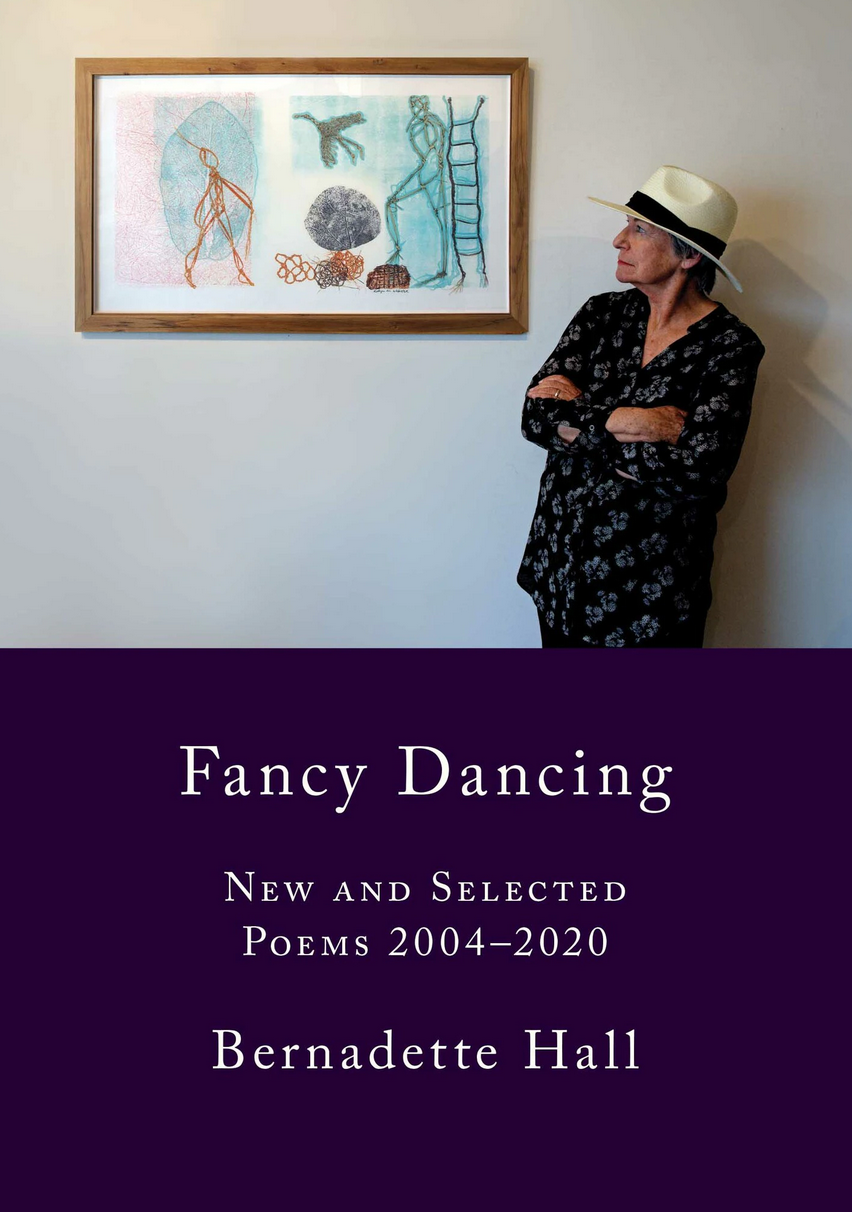
Poetry Shelf review: Bernadette Hall’s Fancy Dancing: New and Selected Poems 2004 – 2020

Bernadette Hall, Fancy Dancing: New and Selected Poems 2004 -2020, Victoria University Press, 2020

Campfires flicker in the night, ice masks the harbour.

I’ve made up my mind at last. I’m going to walk across

to see the others. We can sit down then

and talk about poetry, the way ‘water’ chimes

with ‘daughter’ and is there any news of her yet.

from ‘Wai-te-ta’

2020 was a year rich in New Zealand poetry and I am still dipping into my wee stack for treasures. I have long been a fan of Bernadette Hall’s poetry with its sumptuous sound and visual effects, its wide roving subject matter, and its agile engagement with ideas, experience and feeling, it’s humour.

Interestingly, picking up Fancy Dancing set me on a slightly different response to the poetry, because I stalled on Robyn Webster’s artwork before I read the poems. Robyn’s works are enticing. They appear like a fusion of needlework, embroidery and painting with maybe a whiff of printmaking. I haven’t seen them in real life so am only connecting with them as illustrations in a book and have no idea of the media. I am struck by the allure of threads, branches and tributaries, by a colour palette that shifts between soothing harmonies and piquant contrasts. There is both simplicity and intricacy.

Here I am stalling on the artworks and I see them as shadow maps of the poetry. To think of Bernadette’s poetry as rich in tributaries, branches and threads is rewarding. One thread takes you along Irish roads into experience and ancestors, another into ice and snow and the Antarctic. Gardens and friends, weather and the sea, the mountain and the angels are stitched exquisitely along the lines. There is the close-at-hand and there is the wider world. There is the warmth in harmonies and the edge in contrasts. It was so satisfying to read my way through samples from the collections I am familiar with (The Ponies (2007), The Lustre Jug (2009), Life & Customs (2013) and Maukatere, floating mountain (2016).

The final section is devoted to new poems, including an exquisite sonnet sequence that is akin to brocade it is so rich in effect. Bernadette’s included author bio is revelatory : “And as for the wilful sonnets that explode in the final pages of this book, she wonders where on earth they came from. ‘It was such fun writing them,’ she says, ‘as if I‘d kicked down the stable doors and taken to the hills.’”

If I continue making analogies with the artwork, I see the 25 sonnets as embroidery at its most intricate and dazzling. Classical threads are stitched into a contemporary context, the personal is threaded with the fictional, the imagined with the recalled. Both Phaedra and the poet are shadowy presences, their back narratives bubbling beneath the surface. The poet speaks:

Now it’s time to expand the narrative. So come

with me into a dimly lit corridor in the Mayflower

Student Hostel beside the Mississippi River

in Iowa.  (…)

from ‘v.’

Think of brocade that glints and gleams and offers pocket narratives and pinches of the surreal. Guests make appearances: friends, family, writers, artists, goddesses. You will hear rain and footsteps, but you will also hear the sumptuous audio effects that are a trademark of Bernadette’s writing. Such an ear for the resounding line. I keep wanting to quote lines to you, whole sonnets.

In sonnet xix, the ‘crazy lady, how she strides down Cuba Mall in full combat gear’ declares the area is under control. The poem culminates in the poet/speaker imagining how she would behave kindly if it were a movie: she would approach the woman in combat gear saying, ‘Thank you, / I feel so much safer in this crazy world with you around.’

I am repeatedly drawn to sonnet xxiv, a sonnet dedicated to grandchildren, a sonnet that sways between past and present, between Italian marble and four children harbour swimming, ‘their arms / like triangle roof-lines’. The image is potent, the shiver between past and present fertile, and the ending so very moving:

(…) How long it took to see

the eating, drinking, gulping, feasting of the water

body, the spasmodic sun, the specific shade.

Beautiful children, you are forever and thereafter

swimming me to shore. I could not love you more.

The final sonnet is a form of counting blessings as it gives thanks. It becomes a rich celebratory brocade, luminous and heartfelt, a gift for ear and eye. I will pin this sonnet to my study wall as I continue to give thanks to poetry, to the things near me, to what gives me courage and furnishes each precious day.

Let us give thanks for the cranesbill geranium

and the mouse eared myositis,

for the ranunculus (little frog mouth, little friend),

for the feathered nival zone, for the bug moss

in the tarn, for all that is and all that

has been and all that is to come. It is for us

to keep our courage firm, to nurse our appointed

pain, to await ‘that which springs ablaze of itself’.

from sonnet xxv

Fancy Dancing showcases the work of one of our most treasured poets. The poems will dance in your ear and on your tongue, in your limbs and in your heart. Take a read. Pick a favourite and pin it to the wall. Take heart from this gift of poetry.

Bernadette Hall is Otago born and bred. Following a long and much enjoyed career as a high school teacher in Dunedin and Christchurch, she has for the last eighteen years lived in a renovated bach at Amberley Beach in the Hurunui, North Canterbury, where she has built up a beautiful garden. Fancy Dancing is her eleventh collection of poetry. ‘It’s as close as I’ll ever get to writing an autobiography,’ she says, laughing. And as for the wilful sonnets that explode in the final pages of this book, she wonders where on earth they came from. ‘It was such fun writing them,’ she says, ‘as if I‘d kicked down the stable doors and taken to the hills.’ In 2015 she collaborated with Robyn Webster on Matakaea, Shag Point, an art /text installation exhibited at the Ashburton Art Gallery. In the same year she was awarded the Prime Minister’s Award for literary achievement in poetry. In 2017 she was made a Member of the New Zealand Order of Merit for services to literature in Aotearoa New Zealand.

Victoria University Press page

Poetry Shelf sonnet from Fancy Dancing

ANZL review by Lynley Eadmeades

Best NZ Poems, sonnet from Fancy Dancing

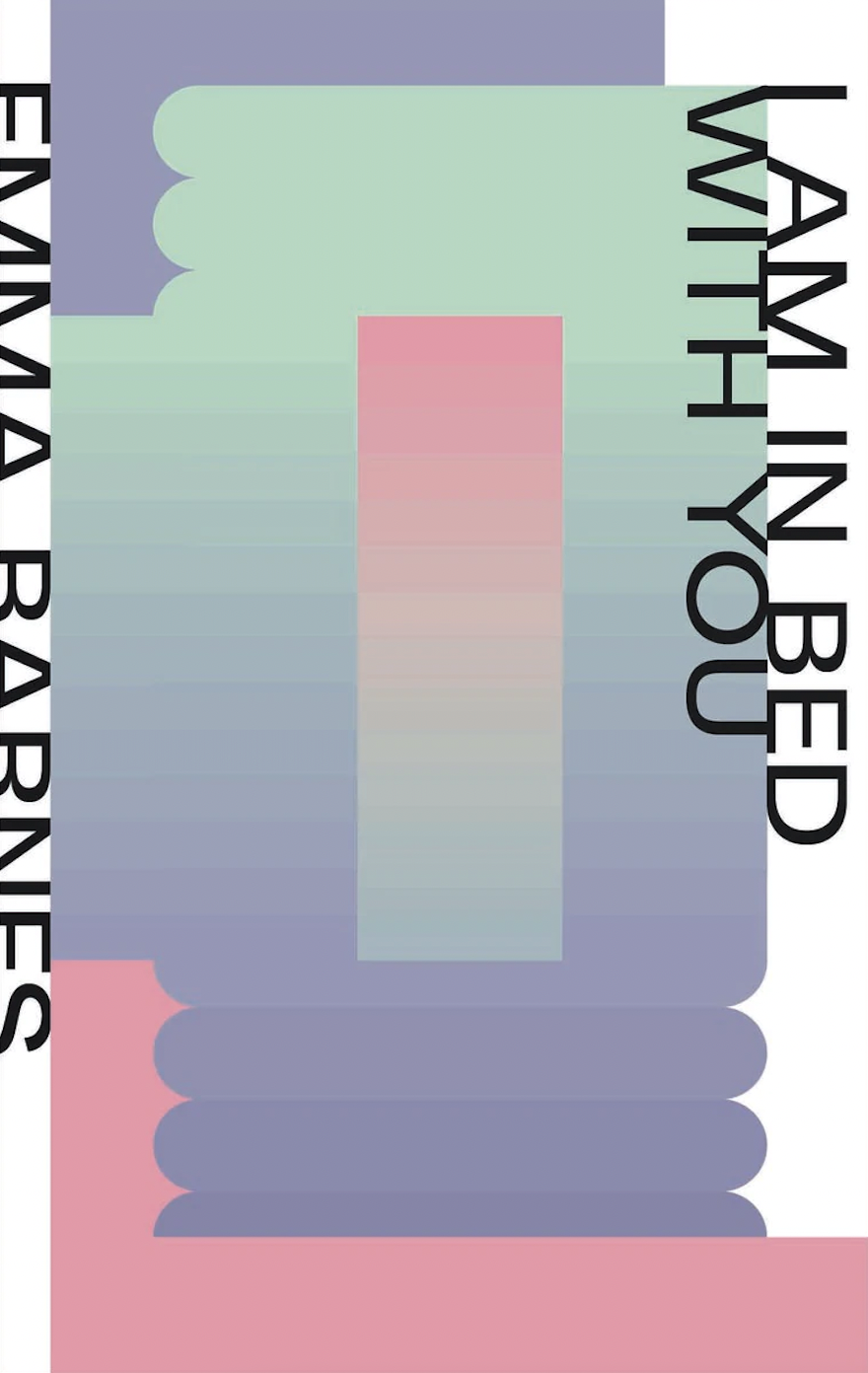
Poetry Shelf celebrates new books: Emma Barnes reads from I Am in Bed with You

Emma Barnes reads four poems from I Am in Bed with You, Auckland University Press, 2021

‘Maiden Mother Crone’

‘Ohio’

‘Low boughs’

‘Completely dry riverbed’

Emma Barnes lives and writes in Pōneke / Wellington. They have just released their first book I Am In Bed With You. For the last two years they’ve been working with Chris Tse on an anthology of LGBTQIA+ and Takatāpui writing to be released this year by Auckland University Press. They work in Tech and spend a lot of time picking heavy things up and putting them back down again. 

Auckland University Press page

Poetry Shelf Monday Poem: Reihana Robinson’s ‘Not even hurt’

Not even hurt

We are wearing the t-shirt proclaiming peace

We are walking the talk in the street

We are over sung and under weight

We are procreating far too late

We are smug and deceitful

We are crippled and smoke-filled

We are ripe with forgiveness with

none to forgive

We even pray for a moment —

it cant hurt to imagine

some finer godly cerebellum

We believe we breathe sanctuary

We believe we live well—

our fingertips tell us what we

believe in is hell

Click-clacking click-clacking like the

click of a pen, only treacherous seas

threaten to bring all to an end

From water we sloshed with mud on our shoes

to water we slither leaving no clues

A species a family a swarm and a tribe

And now not an echo of heartbeat inside

A gaggle a tangle a sleuth and a web

amoeba and diatoms what’s left just a thread

And so it goes

And

What will be?

Philosophers, painters rolled into one

We try to hook on but our claws are too short

Pride is deflated our nestlings all caught

One egg insufficient to keep up the plot

Chemical peels too late give over to rot

We sing and we diet and we cannot keep quiet

Like the stone and the river a ruckus a riot

Glue and cement a tiny toehold

Now withered, a memory of once was so bold

So this is the tale of what happens when

stories of heroes parade simulacra of men

Without texture, delight, humour or spice

heads bowed, genuflect, try to make nice

What is left are the tailings, the shit heap the pile

Naked mole rats shuffle and eat all our bile

Ant pathways like accordions filter the dirt

We feel nothing at all, not even hurt

Reihana Robinson

Reihana Robinson: Starting out near year end of 2019 there was the beautiful volume Ko Aotearoa Tatou/We are New Zealand (An anthology) I had the fortune to join. Next up was Nga kupu Waikato Kotahitanga online, video and exhibition with creator Vaughan Rapatahana at the helm.

Love in the Time of Covid Chronicle of a Pandemic through the good graces of Michelle and Witi brought me to the surface of writing after a spell of painting. Astonishing art and inspirational writing from around the world.

The year of 2020 was a year of editing both a new volume of poetry and a collection of poems for young voices. The new volume is woven, not like tukutuku or taniko (no absolute pattern). There are beginnings and a few endings that bleed, come together and come apart. Poems stitched with threads of rural misenchantment, misplaced desire and simmering memories that hover just over the horizon. Characters fledge their wings and some fly, some die. Language both gentle and brutal.