Poetry Shelf noticeboard: Lily Holloway’s ‘Tidewrack’

Tidewrack

Everything is beached in the apocalypse

bathed in eggplant light as I trundle

past lines of tidewrack and lemons

spitting with sandhoppers

Pink cephalopods suck armoured worms 

from where holes bubble and froth

muscle pulled thick and stubborn

I can hear their beaks cracking

tentacles grasping and it’s painful

to see through their pellucid skin

When I look again, now closer to that line of debris

fluorescent seaweed are strands of thin balloons 

blues and yellows simply twisted and segmented

overlapping scuttlers 

a carrier crab with an urchin settled on its carapace

an offering or mardi-gras hat

People have written cryptograms with sticks

just under the surface of the water

tic-tac-toe and boxes made of scallop shell

preserved in the stillness of it all

The sand path around the cliffside grows thin

and I walk like there’s less gravity 

in a jacket that rustles and clinks

pockets full of the clarity I’m bootlegging

Lily Holloway

Lily Holloway (she/they) has been published in StarlingScumThe Pantograph Punch, Landfall and other various nooks and crannies (see a full list at lilyholloway.co.nz/cv).  She is an executive editor of Interesting Journal and has a chapbook forthcoming in AUP New Poets 8. Lily is based in Tāmaki Makaurau, is a hopeless romantic and probably wants to be your penpal! You can follow her on Twitter @milfs4minecraft.

Poetry Shelf Theme Season: Thirteen poems about home

Home is a state of mind, it’s where you lay your roots down, where you trace your roots, feed yourself, friends and family, bake your bread and make kombucha, where you stand and sleep and dream, it’s a physical place, a small house with wooden floors and comfortable couches, a garden with kūmara almost ready to harvest, shelves overflowing with books, my family tree, my family treasures, my thoughts of life and my thoughts of death, a series of relationships, myself as mother, partner, writer, home is my reluctance to drive beyond the rural letterbox, it’s contentment as I write the next blog, the next poem, sort the kitchen cupboards, light the fire, conserve the water, feel the preciousness of each day.

The poems I have selected are not so much about home but have a home presence that leads in multiple directions. Once again I am grateful to publishers and poets who are supporting my season of themes.

The poems

all of us

once upon a time

all of us here

were one of them there.

maybe

in another skin

in a life before.

maybe

only a few weeks ago.

land of the long white cloud,

land of no borders,

floating

adrift

near the end of the world,

near the end of the sea.

we came

and stayed

and with our accents

call

this place

home.

carina gallegos

from All of Us, Landing Press, 2018

there’s always things to come back to the kitchen for

a bowl of plain steamed rice

a piece of bitter dark chocolate

a slice of crisp peeled pear

a mother or father who understands

the kitchen is the centre of the universe

children who sail out on long elliptical orbits

and always come back, sometimes like comets, sometimes like moons

Alison Wong

from Cup, Steele Roberts, 2005, picked by Frankie McMillan

What’s the pH balance of yin + yang?

lake / river / liquid / beverage / additional charges or income / (of clothes) classifier for number of washes / hai bian / shang hai /  shui guo / zhong guo / Sway by Bic Runga / three drop radicals on my guitar / liquid cement /  tai chi at Buckland’s Beach / put your facemask on and listen to the rain on a UE speaker /

It’s not outlandish to say I was raised by the water.  Aotearoa is a land mapped in blue pen, each land mass a riverbed. Originally swampland, the water gurgles from kitchen taps and runs silent cartographies underneath cities of concrete.

I was raised by my mama, raised with the treasures of every good cross-pollinated pantry. We have rice porridge for breakfast and mee hoon kueh when I plead. My siblings and I vie for iced jewel biscuits kept out of our reach, packed tightly into red-lidded jars on the highest shelf of our pantry. We stretch torso to tiptoe to reach them, knocking the jars off their perch with our fingertips. The dried goods we ignore on the levels below are the real jewels in the cabinet. From behind the creaky door comes the festivities of Lunar Celebrations: dried mushrooms, dried shrimp, vermicelli noodles, black fungus, herbal remedies, that good luck moss you eat on New Year’s.

Chinese cooking is a testament to soaking. Benches overflow with an array of colanders, damp towels cover small white bowls of noodles, rehydrating. We wash rice in liquid choreography: Pour. Swirl. Measure by the pinky. Drain.

My mum is from Ma Lai Xi Ya, her mum’s mum from Fujian, China. I google map the curve of a bordering coast, trace a line through the wet season pavements of Kuala Lumpur and end up with fingerprints all the way to Oceania. From my house you can see the windmills of Makara, jutting out like acupuncture needles. The sea rushes the wind like nature’s boxing lessons.

We fly back to Malaysia every couple years, past the sea-lapsed boundaries of other countries. In Singapore I am offered moist towelettes on the plane. In KL, where two rivers meet by the oil of Petronas, I shower in buckets of cold water and reunite with faulty flushing.

The first ethnic Chinese came to New Zealand during the 1850’s, following flakes of fortune. They came for the gold rush, fishing for luck on the unturned beds of rivers. Wisps of fortune lay in thousand year old rocks worn down to alluvial alchemy.  Chinese last names carried through the cold water creeks. They died in sea-burials.

Tones and tombs. You made your river, now lie in it. Yǐn shuǐ sī yuán. To think of water and remember its source; to remember where one’s happiness comes from; to not forget one’s roots or heritage.

Oriental Bay is the closest beach to us in Wellington City. On weekends, we drive out for picnics, happy to migrate our schedules. The beach was named by George Dupper in the late 1840’s after the boat he arrived on. Fresh off the Bay. Oriental Parade is famous for 22,000 tonnes of imported sand. In my house we are displaced soil in torrential rain. I search ancestry on Wikipedia, then look for my own last name.

Think of water and remember its source. Where do our pipelines go? When do our bodies enter the main frame? Oriental, noun. Characteristic of Asia, particularly the East. Rugs, countries, bamboo leaves. A person of East Asian descent (offensive).  A beach with fake grains. Imported goods and exported gooseberries. The fruits of our labour, measured and drained.

I think tourists find the green unsettling. It never stops pouring.

Year of the money. Year of the pig. Year of the scapegoat, the migrants, the rats on the ship. Labour. Lei. Qi Guai. Guai Lo. I google the wind howls around a shipwreck. I google microtraumas until my eyes bleed transparent. I google:

  • why do chinese people love hot water
  • can chinese people swim
  • why are there so many chinese in auckland
  • chinese people population
  • chinese people opinion

Ink blue motions stencil sight lines into the harbour of my eyes. I rub at ink sticks until the ocean turns to soot. The rising shadows of New World Power loom from water’s depths. We float currency back to motherlands in a trickle down economy.  What’s the pH balance of yin + yang?

I was raised with the dawn promise of an unpolluted skyline, pools in cyan-printed eyes, long white dreams of the colony. My body the cycle of a washing machine, bleached into safety. I was raised in a world full of oysters, one lofty pearl held between the whiskered snout of a dragon. But you can’t feng shui the comments on Stuff articles.

Feng shui just means wind water. It’s not scary. Duān wǔ jié is the annual dragon boat festival. I throw zongzi in the river to protect Qu Yuan’s body. Remember how you moved across the world to know you had been here already? My mum says she caught sight of the harbour and it’s why she will never leave. I watch her from the doorway, her frame hunched across the sink. She belongs here. The soft light of morning streams through the window, catching glints on small rice bowls. I can hear a pot of water boiling. She soaks bones for breakfast, then asks if I’m hungry. 

Vanessa Mei Crofskey

from A Clear Dawn: New Asian Voices from Aotearoa New Zealand, eds Paula Morris and Alison Wong, Auckland University Press, 2021

blue beat

Every morning he milked the cow.

It was the chime that woke me and my sister,

metal against metal,

the fall of the empty milk-bucket’s handle

as he put it down to open the gate

right beside our sleep-out.

At the end of the day, in socks,

the cold, clear smell of fresh air

still on him, was his way

of arriving back;

the glass of water he gulped,

the hanky dragged from his pocket,

how he leaned back with a grunt

against the nearest doorpost

to rub and scratch the itch,

or ache, between his shoulders. Once,

seeing me poring over a map of the world

trying to find Luxemburg,

he teased, saying something

about how I couldn’t wait to leave.

None of us knowing then

that he would be the first to go,

leaving us

long before we could ever leave him.

Kay McKenzie Cooke

from Born to a Red-Headed Woman, published by Otago University Press, 2014

We used some

concrete blocks

the hollow kind

that let the grass

grow through

to make a carport

then took a few

out back to

plant a herb garden

parsley    thyme

used to step out

mid-dish to snip off

fronds till

it all went to seed

now my mother’s not

been out the

back door in

more than a year

they’ve grown into

massive aberrant

plants to match

the trampolines

around the flats

on either side

Jack Ross

Bliss

If I were to describe this moment

I may write

bliss

If bliss meant quiet, companionship

you in the garden, me hanging washing

the fresh scent of rain on the air

the murmur of voices inside

You and me

not far away

bliss

Rose Peoples

Reasons you should retire to the

small town the poet grew up in

Because you have a Grahame Sydney book on your coffee table.
Because you are public figure
        reinventing yourself as a public figure –
        in Central Otago.
Because you can buy advertising space cheap
        and write a column about
        local issues.
Because you know how moorpark apricots
        ripen from the inside
        and look deceptively green.
Because it’s a gold rush
        a boomer boom town.
Because you are a big fan of Muldoon
        flooding the gorge
        for the generation of electricity –
        when the river rose
        it formed little islands
        possums, skinks and insects
        clung to power poles
        to escape drowning.
Because you fell in love when you were sixteen
        with the dusty curtains
        in the high school hall –
        immense as the horizon
        holding the town in.

Ella Borrie

from Stasis 2020, picked by Aimee-Jane Anderson-O’Connnor

In my mother’s house

Everything is always evening:

curios in candlelight, blowpipes,

riding crops, cabinets of Caligari.

Children used to giggle in the rhododendrons;

dragons wander up to the door.

There were nightingales.

The ghosts hunch, passing the port,

rehash old scandals, broken trysts,

all those garden parties long ago.

Harry Ricketts

from Just Then, Victoria University Press, 2012

Hunting my father’s voice, County Down

It begins with the medieval

throat clearing of crows

high over Scrabo tower. You

were the boy your mother

forgot to drown and still

you holler for help

So here’s a bloody conundrum

shot to blazes and back

and your brother Jimmy

in a slow swim to save you

Dad, the land is full of boulders

an apron of stones

to feed a nanny goat

chalk a plenty to soften your voice

All those stories, enough

to hang a man, come Easter

All that dreaming

the time it took

to dig breath for the fire

the knot and bog

of the back parlour where Jimmy

washed roosters

and sister Maureen, her hair

lovely enough to stop your throat

Frankie McMillan

appeared on a Phantom Poetry Billsticker 2015

SH5

From Bluff Hill we can see the ships come in. Past the buoys stitched crooked like Orion’s belt. My school is art deco seashell and lavender climb. Girls press their hands to the frames and breathe on the glass. There’s this one boy who got peach fuzz before the rest of them. His voice cracks seismic and we all swarm. I practice my California accent down the landline and my mother laughs behind the door. We pass him around like chapstick. Hickies like blossoms on his neck, like rose-purple flags planted behind pine trees and beach grass. There are socials. Socials with glow sticks and apple juice in cardboard cartons. We all look at him. We look at him, through him, to see each other. A postcard is no place to be a teenager. The sea air is too thick. Rusts my bicycle in the garage. Rusts the door hinges. Stings in the back of my eyes.

Our town’s like honey. You get knee deep. Arataki. Manuka. Clover. Sweet. Council flat, Sky TV, pyramid scheme, boxed wine, sun-freckled early twenties. Ultra-scan, veganism, Mum’s club with the girls who went to your kindy. His sisters, their perfume vanilla and daisies, their babies fat and milky. We could have built a vege garden. I could have kept a shotgun under the mattress.

Most of us. Most of us leave. We carve the initials of our high school sweethearts into lumps of driftwood and throw them out to sea. To big cities where no one knows us, where the cops drive with their windows up and their sleeves rolled down. We learn to sleep through the traffic. We keep on leaving till we find a way to go. We leave so one day we can maybe come back.

Aimee-Jane Anderson-O’Connor

from Starling 6

The Shed

It was a shed before it was home to Tongan relatives. The inside smelled like Dad’s work gloves, musk and dirt. Dust caught in cobwebs draped over muddy tools. Overgrown insects nested between the spades and hoes. Wonky stacks of building stuff lay against the walls,window frames, doors, planks with flaking paint and nails poking out. Dad would be busy in the humming dark behind the shed, shovelling smelly things in the compost.

He’d reach the bottom of the pit in one spadeful, burying green- oaty food waste and feathering rich crumbly compost over the top with delicate shakes. I liked the slicing sound of the spade when he dug deep. The mouldy compost frame kept everything together for so many years. To Dad’s left there was the chicken coop, with a motley crew of chickens and a duck. He’d built a pirate-rigging treehouse in the trees above. To his right the long brown garden where everything he planted thrived, giant broccoli and gleaming silverbeet. Runner beans grew up a chicken-wire frame separating the veggie plot from the pet cemetery at the back where flowers grew amongst wooden crosses with cats’ names scrawled on them.

There was a flurry of bush between us and neighbours. One bush grew glowing green seed-capsules we wore as earrings, there was a sticky bamboo hedge and the rotten log sat solidly in a gap. The bush was thick enough for birds to nest in, dark patches in the twigs that cried in spring. Sometimes we’d hear strangled shrieks and sprint to retrieve dying bodies from cats’ mouths; saving lives for a few moments. Dad said we’re allowed to pick flowers to put on graves but otherwise it’s a waste.

Simone Kaho

from Lucky Punch, Anahera Press, 2016

Home is on the tip of your tongue when

you lose your tongue

watch your tongue         

  wag your tongue

hold your γλώσσα

  cat got your tongue

sharpen your tongue      

  bite your γλώσσα

bend your tongue                      

  keep a civil tongue                   

slip some tongue

  speak in γλώσσες

  roll your tongue                        

give great γλώσσα

  loosen your tongue

find your tongue                        

   find your γλώσσα

Βρες your γλώσσα

 Βρες τη γλώσσα

Βρες τη γλώσσα σου

Vana Manasiadis

And Are You Still Writing?

All day in the spaces in between

soothing, feeding, changing the baby,

fielding work, balancing accounts, juggling memos,

tidying away the wandering objects

left in tidemarks in every room –

spill cloths, rattles, stretch ’n’ grows,

a stray spool of purple cotton,

coffee cups, litters of shoes – 

a poem waited,

small, tight-skinned, self-contained:

a package left on the doorstep of an empty house.

It was to be a poem

about the spaces in between.

From it would grow

menageries and oases:

wilds and silence.

But, as so often, dusk came.

The pen cast its image on the page.

The shadow lengthened, deepened

and thickened, like sleep.

Emma Neale

from Spark, Steele Roberts, 2008

The poets

Aimee-Jane Anderson-O’Connor was awarded the 2018 Charles Brasch Young Writers’ Essay Competition, and the 2017 Monash Prize for Emerging Writers.  Her work has appeared in Starling, Mayhem, Brief, Poetry New Zealand, Landfall, Turbine, Flash Frontier, Mimicry, Min-a-rets, Sweet Mammalian, Sport and Verge. She is Poetry New Zealand‘s 2021 Featured Poet. She writes thanks to the support of some of the best people on this great watery rock.

Ella Borrie is a Te Whanganui-a-Tara based poet from Otago. She co-edited Antics 2015 and her work appears in Mimicry, Starling and Turbine | Kapohau. The title of this poem is inspired by Louise Wallace’s poem ‘How to leave the small town you were born in’.

Kay McKenzie Cooke’s fourth poetry collection was published by The Cuba Press in June 2020 and is titled Upturned. She lives and writes in Ootepoti / Dunedin.

Vanessa Crofskey is an artist and writer currently based in Pōneke Wellington. She was a staff writer for online arts and culture journal The Pantograph Punch and has a collection of poems out in AUP New Poets Volume 6. 

carina gallegos, originally from Costa Rica, has worked in journalism and development studies, and with refugee communities since 2011. She published poems in All of Us (Landing Press, 2018) with Adrienne Jansen. She lives in Wellington with her family and refers to New Zealand as ‘home’.

Simone Kaho is a digital strategist, author, performance poet and director. Her debut poetry collection Lucky Punch was published in 2016. She has a master’s degree in poetry from Victoria University’s International Institute of Modern Letters (IIML). She’s the Director of the E-Tangata web series ‘Conversations’ and a journalist for Tagata Pasifika. In 2021 Simone was awarded the Emerging Pasifika Writer residency at the IIML.

Vana Manasiadis is Greek-New Zealand poet and translator born in Te Whanganui-a-Tara and based in Tāmaki Makaurau after many years living in Kirihi Greece.  She is 2021 Ursula Bethell Writer-in-Residence at Te Whare Wanaga o Waitaha Canterbury University. Her most recent book was The Grief Almanac: A Sequel.

Frankie McMillan is a poet and short story writer who spends her time between Ōtautahi/ Christchurch and Golden Bay. Her poetry collection, There are no horses in heaven  was published by Canterbury University Press.  Recent work appears in Best Microfictions 2021 (Pelekinesis) Best Small Fictions 2021 ( Sonder Press), the New Zealand Year Book of Poetry ( Massey University) New World Writing and Atticus Review.

Emma Neale is a writer and editor. Her most recent collection is To the Occupant. In 2020 she received the Lauris Edmond Memorial Award for a Distinguished Contribution to New Zealand Poetry.

Rose Peoples is from Te Awakairangi/Lower Hutt. She is a student at Victoria University and, having finished her law degree last year, decided that the logical next step was to embark upon a Masters in Literature. She is a bookseller at Good Books. Her work has previously appeared in Cordite, Mimicry and Starling.

Harry Ricketts teaches English Literature and creative writing at Victoria University of Wellington Te Herenga Waka. His latest collection Selected Poems was published by Victoria University Press, 2021.

Jack Ross‘s most recent poetry collection, The Oceanic Feeling, was published by Salt & Greyboy Press in early 2021. He blogs on  the imaginary museum, here[http://mairangibay.blogspot.com/].

Alison Wong is the coeditor of A Clear Dawn: New Asian Voices from Aotearoa New Zealand (AUP, 2021), the first anthology of creative writing by Asian New Zealanders. Alison’s novel, As the Earth Turns Silver (Penguin/Picador, 2009) won the NZ Post Book Award for fiction and her poetry collection Cup (Steele Roberts, 2006) was shortlisted for the Jessie Mackay Award for best first book of poetry. She was a poetry judge at the 2018 Ockham New Zealand Book Awards.

Ten poems about clouds

Twelve poems about ice

Ten poems about dreaming

Eleven poems about the moon

Twelve poems about knitting

Ten poems about water

Twelve poems about faraway

Fourteen poems about walking

Twelve poems about food

Poetry Shelf noticeboard: Vaughan Rapatahana on David Eggleton at Jacket 2

Vaughan Rapatahana offers a commentary on his old schoolmate David Eggleton, along with a close look at David’s recent poem, ‘Are Friends Electric’. Terrific piece which you can read in full at Jacket 2. Here is a taster:

‘I have known David ever since we both went to the same South Auckland, New Zealand, schools waaaaay back in the 1960s. Indeed, we were in the same classes at Aorere College, Mangere, where David had a definite proclivity for compiling vocabulary. I recall once presenting him with the triad “copious, abundant, plethora,” which he noted was good, nodding enthusiastically.

Eggleton loves words, most especially esoteric, arcane, and interesting lexis, which he crafts into his cadenced poetry with considerable care. His poems are vital verbal extravaganza and this — along with his indomitable delivery style, itself rhythmically syncopated — are hallmarks of his work as a poet, given that he is also a writer across several other genres such as art criticism, literary reviews, and editing, and holds other roles, such as a recording artist. His poems abound with layers of colourful imagery, often adumbated, so that their overall patina is distinctive: one can often recognise his distinctive work even if his name does not appear on the page.’

.

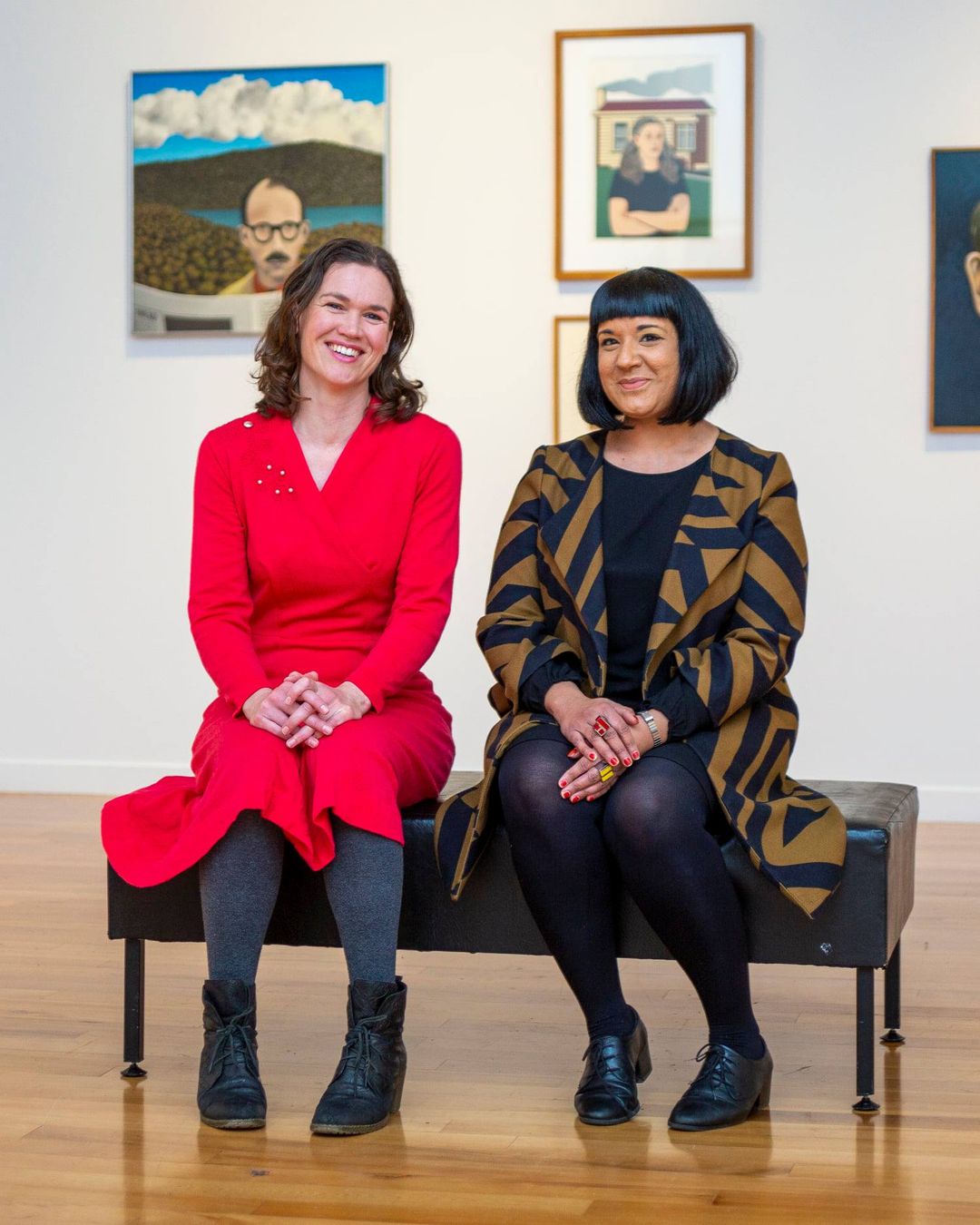
Poetry Shelf noticeboard: Airini Beautrais in conversation with Kiran Dass at Sarjeant Gallery Te Whare O Rehua Whanganui

Whanganui author Airine Beautrais reads from and discusses her short story collection Bug Week which won the prestigious Jann Medlicott Acorn prize for fiction at the 2021 Ockham New Zealand Book Awards.  Airini wil be in discussion with journalist and book reviewer Kiran Dass.  Copies of Bug Week will be available at the event courtesy of Paige’s for sale and signing.

Sunday 27 June 2021, 4.30pm @ Sarjeant Gallery on the Quay

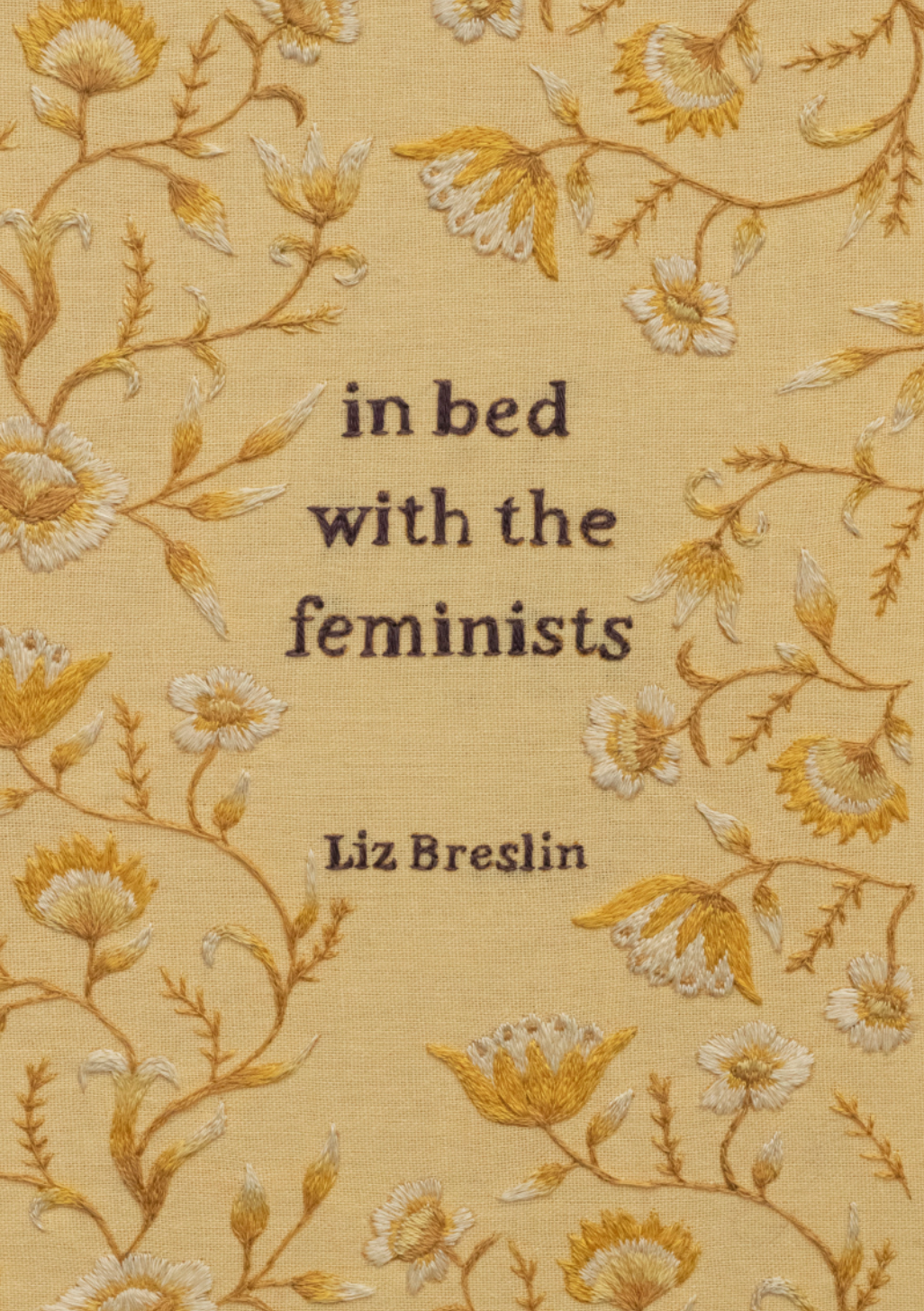
Poetry Shelf celebrates new books: Liz Breslin reads from in bed with the feminists

Liz Breslin reads ‘In bed with history: by lamplight’

In bed with the feminists is Liz Breslin’s second poem collection, part of which won the 2020 Kathleen Grattan Prize for a Sequence of Poems. Her first collection, Alzheimer’s and a spoon, was listed as one in the NZ Listener’s Top 100 Books of 2017. Liz was a virtual resident at the National Centre for Writing, UK, in February 2021, where she documented life through the peregrine webcam on Norwich Cathedral in a collection called Nothing to see here. In April 2020 she co-created The Possibilities Project with Dunedin UNESCO City of Literature.

Liz’s website

Deadbird Books page

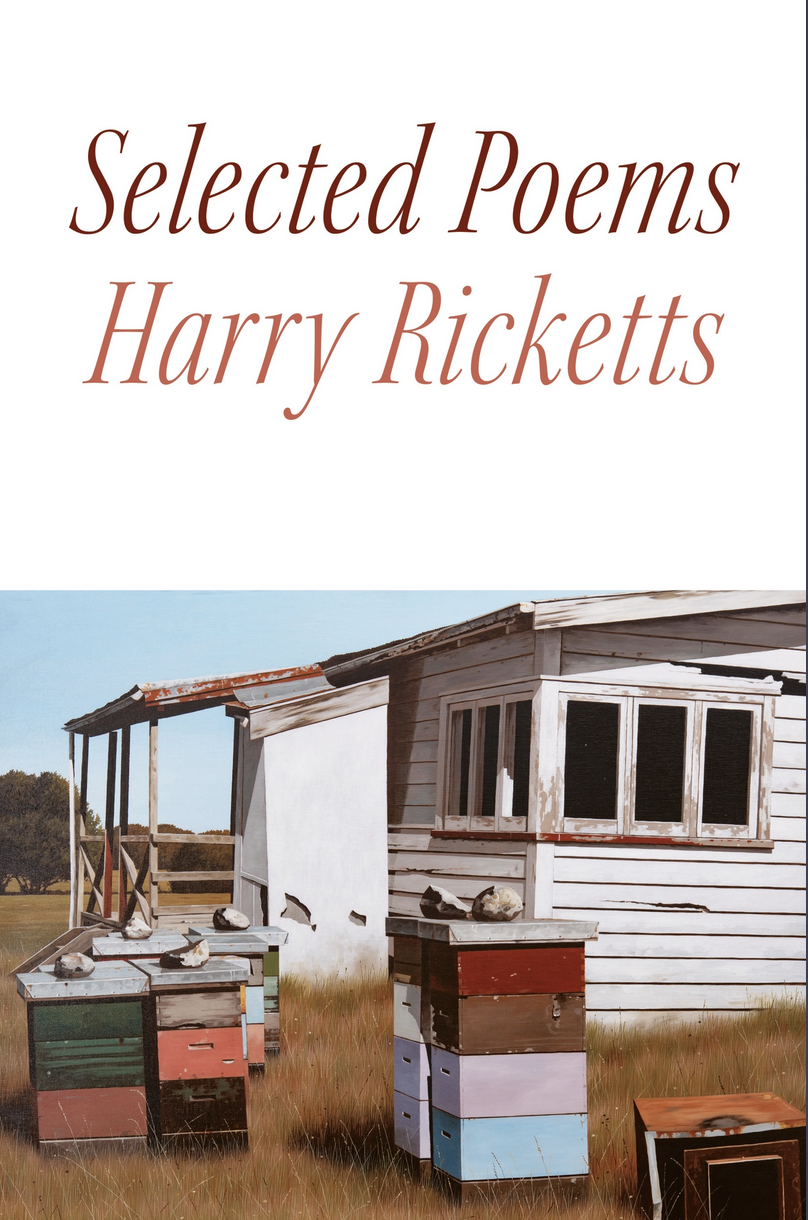
Poetry Shelf celebrates new books: Harry Ricketts reads from his Selected Poems

Harry Ricketts reads ‘Prep School Days’ and ‘The Writing Life’ from Selected Poems, Victoria University Press, 2021

Harry Ricketts teaches English literature and creative writing at Victoria University of Wellington. He is a literary scholar, biographer, essayist, reviewer, editor and poet. His publications include the internationally acclaimed The Unforgiving Minute: A Life of Rudyard Kipling (1999) and Strange Meetings: The Lives of the Poets of the Great War (2010). His previous collection of poetry is Winter Eyes (2018).

Victoria University Press page

Paula Green review at Kete Books

‘A Life of Poetry’ on Nine to Noon Radio NZ National

Selected Poems showcases the work of one of our beloved poets. His poetry embraces humour, the necessity of books and reading, the ability of poetry to dance from melancholy to exquisite sheen, from plain speech to elegant soundings, to the whip and caress of life. This is an anthology to treasure.’ Paula Green, Kete Books

Poetry Shelf noticeboard: The light changes: readings by Claudia Jardine and Vana Manasiadis

Open late next Wednesday evening, The Physics Room is excited to host readings from Claudia Jardine (current artist in residence at The Arts Centre Te Matatiki Toi Ora) and Vana Manasiadis (2021 Ursula Bethell Residency in Creative Writing at University of Canterbury). We’ll be serving mulled wine, pumpkin soup, and toast to stay warm as you listen.

Hosted within the exhibition Light enough to read by, Jardine and Manasiadis’ readings hinge on ideas of shift and sequence, returns and remembrance, terrain and syntax: changes which we register physically, textually, seasonally. Alongside the exhibition, which includes works by artists Fiona Connor, Lucy Skaer, Rachel Shearer and Cathy Livermore, these readings honour the space for listening, speaking, and non-visual aspects of communication.

Manasiadis will read from her publication The Grief Almanac: the Sequel (Seraph Press, 2019) and recent unpublished writing, and Jardine from The Temple of Your Girl (AUP, 2020), alongside other of their works.

There will also be an opportunity to view the exhibition, with the gallery remaining open until 8pm.

Born in Te Whanganui-a-Tara, Vana Manasiadis has been moving between Aotearoa and Kirihi Greece the last 20 years. Her most recent book The Grief Almanac: A Sequel, followed her earlier Ithaca Island Bay Leaves: A Mythistorima in experimenting with hybridity and code-switching, and as editor and translator she has edited or co-edited bilingual poetry selections including Tātai Whetū: Seven Māori Women Poets in Translation with Maraea Rakuraku of Tūhoe and Ngāti Kahungunu. In 2021 she is Ursula Bethell Writer-in-Residence at Te Whare Wānanga o Waitaha Canterbury University with Behrouz Boochani.

Claudia Jardine (she/her) is a poet and musician based in Ōtautahi/Christchurch. In 2020 she published her first chapbook, The Temple of Your Girl, with Auckland University Press in AUP New Poets 7 alongside Rhys Feeney and Ria Masae. For the winter of 2021 Jardine is one of the Arts Four Creative Residents in The Arts Centre Te Matatiki Toi Ora, where she is working on a collection of poems. She likes velour, animals and going to the backcountry.–

Image: Lucy Skaer, In the Shelterbelt, Arrows Rain Down, The Day is Bright and Open, Hare Darts for Cover and the Chord of C Minor Sounds (detail), 2021. Photo: Janneth Gil.

Poetry Shelf noticeboard: Radical Languages event – Behrouz Boochani and Vana Manasiadis challenge monolingualism

The two 2021 University of Canterbury (UC) Ursula Bethell writers-in-residence come at these questions from very different perspectives that are in some ways comparable. Both writers will share their experience at a free Tauhere UC Connect public talk on the radical use of language, on the evening of Wednesday 30 June at the University of Canterbury’s Ilam campus and livestreamed.

Behrouz Boochani is a Kurdish Iranian who, during his lifetime, has witnessed his native dialect taken over by Farsi in ways that embody the cultural marginalisation of his people. During his time as an Ursula Bethell Writer-in-Residence at UC, Behrouz seeks to resist this imaginative and literary colonisation by writing fiction in his people’s language. Greek-New Zealand poet and translator Vana Manasiadis is dedicating her Ursula Bethell Writer’s Residency to the project of ‘translanguage’; the creation of literary works that explore and celebrate the experience of movement between languages and so between minority and dominant cultural spaces.

In 2021 Aotearoa New Zealand, as we seek to embrace a future beyond the limits of monolingualism, these two exceptional writers have much to teach us. Please join them, and moderator Professor Philip Armstrong from UC’s English Department, for a stimulating, transgressive and boundary-pushing conversation about the relationship between language, power, literature, imagination, home and exile.

Vana Manasiadis is a Greek-New Zealand poet and translator who has been moving between Aotearoa and Kirihi Greece the last 20 years. Her most recent book The Grief Almanac: A Sequel, followed her earlier Ithaca Island Bay Leaves: A Mythistorima in experimenting with hybridity, pluralism and code-switching, and is being translated into Greek for forthcoming publication in Greece.

Behrouz Boochani is an internationally acclaimed author and journalist who for six years was incarcerated as a political prisoner by the Australian government on Manus Island and then held in Port Moresby, Papua New Guinea. In November 2019 he was invited to Christchurch, New Zealand where, after being recognised as a refugee under the UN Convention on Refugee Status, he was been granted asylum. He became a Senior Adjunct Research Fellow at the University of Canterbury’s Ngāi Tahu Research Centre. His book No Friend but the Mountains: Writing From Manus Prison (Picador 2018) has won numerous awards including the 2019 Victorian Prize for Literature.

The Ursula Bethell Residency in Creative Writing, jointly funded by UC’s College of Arts and Creative New Zealand, was established in 1979 to provide support for New Zealand writers and foster New Zealand writing. The UC residency allows authors of proven merit in all areas of literary and creative activity an opportunity to work on an approved project within an academic environment. Since the inception of the Writers Residency, UC has been home to dozens of fiction-writers, poets and dramatists, many of whom have made valuable contributions to the development of young writers studying at the university. Since 1979, UC has hosted many renowned writers, including Keri Hulme, Kevin Ireland, David Eggleton, Eleanor Catton, Owen Marshall, Fiona Farrell, Tusiata Avia, and Victor Rodger.

UC Connect public lecture – Radical languages: Writers Behrouz Boochani & Vana Manasiadis challenge monolingualism, Presented by UC Arts writers-in-residence Behrouz Boochani and Vana Manasiadis, moderated by Professor Philip Armstrong, University of Canterbury, from 7pm-8pm, Wednesday 30 June 2021 – C1 lecture theatre in C-Block, Ilam campus, University of Canterbury. Register free to attend: https://www.canterbury.ac.nz/public-lectures/

Poetry Shelf noticeboard: Poetry in Motion: PIM – July Edition – Featured Guest Simon Sweetman

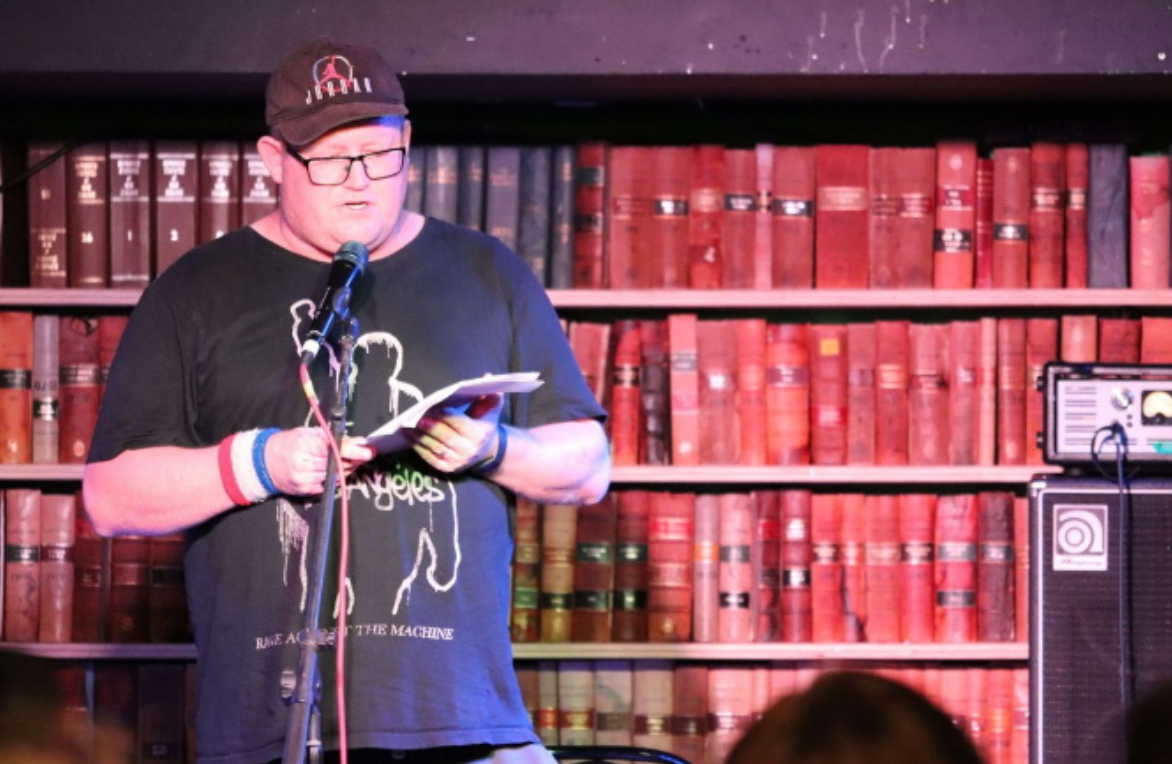
The fantastic Poetry in Motion hosts an event on the first Thursday of every month at Wellington’s Fringe Bar. I’ve been attending as often as I can across the last couple of years. The structure is always the same – open mic starting at 7.30, and after an intermission there’s a feature poet; a guest spot.

The format might always be the same but the content is different. This is the best open-mic going in Wellington that I know about. And the guests are wonderful.

I’m honoured to be the July guest poet. (No pressure!) I’ll be reading poems from my book and newer work too.

It’s $3-$5 on the door. It starts at 7.30. Get there a few minutes earlier to register if you want to read. Bring money to buy copies of my book if you’re keen.

See you there!

Poetry Shelf interviews James Brown

The plain words—the best ones—

you couldn’t give them away.


from ‘No Trick Pony’

What a delight to see Selected Poems from James Brown arrive in 2020 (Victoria University Press). Like a number of poetry books out in the first year of COVID, I am not sure it got the attention it deserved (see below for some reviews and poem links). James’s debut collection, the terrific Go Round Power Please (1995), won the Jessie Mackay Best First Book Award for Poetry, and like so many recipients of this award, he has published a number of further collections and has gathered a significant fan club. Me included. Pick up a James Brown collection and expect to laugh out loud and feel a heart twinge in the same glorious reading breath. He has edited Sport (1993 – 2000), an issue of Best New Zealand Poems (2008) and The Nature of things: Poems from the New Zealand Landscape (Craig Potton, 2005). He teaches creative writing at the International institute of Modern Letters.

The interview

Paula: Reading your Selected Poems has been like catching up with old friends. I have loved moving through samples from your terrific debut collection Go Round Power Please (1995) through Lemon (1999), Favourite Monsters (2002), The Year of the Bicycle (2006), Warm Auditorium (2012) to the most recent Floods Another Chamber (2017). Plus the nonfiction booklet Instructions for Poetry Readings (2005). I kept wanting to tap someone on the shoulder and say, hey listen to this!

What were the delights and challenges in making the book?

James: It was mostly a challenge. I was hellish busy at the time and it was difficult to immerse myself in the process, which probably wouldn’t have made that much difference to the end result, but would’ve been more fun for me. Nothing like a good wallow in your own missteps. There were a few delights. ‘University Open Day’. And, much to my surprise, I was pleased with Warm Auditorium and Floods Another Chamber, which I’d kind of turned on. I was disappointed by ‘The Language of the Future’, which is a flagship poem in Lemon.

People kept saying Vet was the best.

It had the cow with the glass panel.

Actually, the panel wasn’t that interesting,

sort of dark and red. The cow

was eating hay in a small concrete room.

Mostly it just ate. but now and then

it would look sadly round at everyone,

and that’s when I got to thinking

about Philosophy.

The department wasn’t easy to find.

It turned out to be a single office

down a badly lit corridor.

A faded note on the door said

‘Back in 10’. And so

my education began.

from ‘University Open Day’

The process confirmed for me that what I enjoy most about poetry is writing it. And I’m happy for that process to take forever. I even updated a stanza about the Palmerston North Panthers stockcar team in ‘I Come from Palmerston North’. My past self would’ve written poems and sent them to literary outlets and they wouldn’t have become quite real until they were published. My present self is content with the writing.

Paula: I feel the same way. Patricia Grace said a similar thing at AWF this year. It is the writing that matters. In your first collection you were a whizz at similes. I liken them to picnic clearings. I just wanted to let them reverberate visually, semantically, surprisingly. And then they become less and less of a feature in your writing. Do you think your poetry has changed over the decades?

Now the light breaks

across his shoulders like

pieces of some great glass elevator

he may have been waiting for

for years.

from ‘Creation’

James: It surprises me to hear that because I’ve never thought of myself as a simile poet – in fact, quite the opposite. So much so that when I do drop one in I feel all pleased and writerly, like wow, a simile, I’m a proper writer. I’m sometimes a bit suspicious of similes because you can link almost anything to an abstraction. The poem ‘Their Feelings’ you published plays on that: feelings can be like anything. I once wrote a long poem called ‘Small Obligations’ (Sport 9) that was an endless list of similes which all joined to each other. It’s a catastrophic failure. Hera could probably make the idea work.

What was the question? Has my poetry changed? Some earlier poems were obsessed with notions of representation – postmodern stuff I’d studied at uni. Compiling the Selected, I was shocked to see how often self-referential moments appear in my poems. Power relations – how power doesn’t always flow in clichéd, expected directions – were another early interest. I’m still fascinated by power, but less so about representation.

I’ve always loved narrative and I think I’ve got better at it. A lot of my poems are little stories. Stuff happens.

Humour is also an important part of my poetry. There are so many things jokes can teach writers. I worry my poetry has become less funny. Maybe I’ve become sadder.

But my poems don’t always reflect my feelings or attitudes. People always assume poems are autobiographical, but mine are a mixture of my life, other people’s lives, and pure invention. My relationship poems often involve fictional characters, but try convincing people of that. More of my later poems are autobiographical – and I worry they’re the worse for it.

Paula: I find humour is a constant. So many times I laugh out loud. As Bill Manhire says, you are adept at being funny and serious in the one poem (take ‘Willie’s First English Book’ for instance). So many examples – loved ‘Loneliness’ in which the speaker spots Elvis walking across the quad; ‘Identifying New Zealand Birdsong’ with not a bird to be heard; or the wicked lesson with wine gums in ‘Capitalism Explained’. And I laughed out loud at the small poem ‘Flying Fuck’.


James:
Thank you, it’s nice you see the humour as a constant. I worry it’s diminished. I’ve sometimes purposely structured poems as jokes (eg, ‘Maintenance’). ‘Willie’s First English Book’ is actually a found poem, and I’ve transcribed the 100 Mahi from two of William Colenso’s books, and think they’d make a great little book of found prose poems. ‘Flying Fuck’ struck a chord with people. One good thing about writing different styles of poems, which I do, is that some throwaway experiment or off-quilter gag might become someone’s favourite poem!

Paula: I love Emma Barnes’s recent debut I Am in Bed with You that is funny, serious and surreal in equal measures. And Erik Kennedy. Any New Zealand poets who make you laugh?

James: Ha – I took a simile of Erik Kennedy’s and built a poem called Liking Similes around it. At first, I found his simile ‘Here, the cicadas sing like Christian women’s choirs / in a disused cotton mill’ slightly ridiculous, so I decided to unpack it, to try to make it work, and by the time I got to the end of the poem, it did! Now I can’t hear cicadas without thinking of Christian women’s choirs in a disused cotton mill. Very annoying.

I can reel off some overseas poets who’ve make me laugh recently: Louis Jenkins (Where Your House is Now), Miles Burrows (Waiting for the Nightingale), Kimmy Walters (Killers), and Joe Dunthorne (O Positive).


Ashleigh Young’s poems are very funny! Bill Manhire’s latest book Wow. Hinemoana Baker’s funkhaus juggles humour and seriousness without dropping either. That’s a sign of a good, funny poem: if I read it and think it’s hilarious, then I read it again another time and think it’s actually really sad or serious. Nick Ascroft. Tayi Tibble. Sam Duckor-Jones. Am eagerly awaiting Rangikura and Party Legend (love the title poem!) to arrive in my letterbox.

The sun was clouded

—but it wasn’t gonna rain.

The sky was the colour of water

far off.

from ‘Statement After the Fact’

Paula: I like the continuing presence of rain and birdsong – little anchors no matter what else the poem is doing. Any motifs that persist?

James: Rain is probably ubiquitous in poetry. I like weather generally. As I am a carless person, I have to deal with it directly. Cars maybe – because I’m not a fan of them. Water is probably a big recurring element. Light, for sure. But these are hardly exceptional to me. I’m not that conscious of my motifs. Each poem has its own world that requires its own details. As I become an older poet, ahem, I’ve become aware of maybe writing a poem similar to one I’ve already written, which is maybe why I like to take on different characters and forms.

The day I stopped writing poetry

I felt strangely serene.

Back when I started, I had no idea

what I was trying to do: get something out, perhaps,

and I suppose ‘art’ had something

to do with it. There’s a tempting simplicity

about poetry; you don’t necessarily need

the room, the desk, the glowing typewriter

—a scrap of paper and pencil will suffice.

Some of my tidier lines often came to me

on the bus or while I was just lumping along;

they’d be dancing or singing away in my head

while I grinned helplessly at the passing world

until I could arrange to meet them somewhere.

from ‘The Day I Stopped Writing Poetry’

Paula: I also like the way the making of poetry is not kept hidden. I just love ‘The Day I stopped Writing Poetry’. I got curious. What do poems need? Any rules? Anything?

James: Hmmm. Poems have no rules, and yet they set up their own rules, usually really quickly – as in the first few lines. Things like tone, layout, punctuation. It’s quite hard for a poem to deviate too far from its initial ‘rules’, and if it does, it either feels wrong or abrupt shifts in register become one of its rules.

What do poems need? Can I take that back to the source and answer what do poets need? An ear for the intricate registers of language. The ability to read and be moved by poetry. If you don’t like reading poetry, how can you write it? So writing poetry is as much about being able to hear as it is about making yourself heard. Some poets perhaps focus too much on the latter …

Paula: Sometimes you question whether a particular poem is actually a poem. I so know that feeling even though I am trying not to follow in a long line of self-doubting women. Is it a playful choice suggesting poetry can be anything or perhaps a signpost to doubt?

James: The Guardian once posed this question to readers:


Can anyone

tell me if this

is a poem

or not?


My answer is, yes (it has line-breaks), but it’s not a particularly good one. The line between poetry and prose is blurred, and some of my efforts certainly lean more toward prose. It’s not possible to say whether something is or isn’t a poem. Sometimes I read prose poems and think they’re actually prose, whereas sometimes I read prose (eg, Willie’s First English Book) and hear poetry. Lots of odd books get called poetry simply because publishers are unsure how to categorise them. Kenneth Goldsmith’s, for example. Finally, there’s just good writing and bad writing, by which I mean writing you like and writing you don’t like and the vast continuum between those poles.

‘Son,’ he kept saying, ‘son’. Then he turned to me to see

how I was doing. I was concentrating on the fogged up world

out the fogged up window, but his wet, hopeless face

somehow found a way through and got deep inside me, and,

try as I might, I have never been able to shake it out

my whole life long.

from ‘The End of the Runway’

Paula: I was really affected by the poems that get personal but are all quite different. Take ‘The Bicycle’ for example, a poem that highlights a beloved childhood gift. Am I imagining this but did you once compare writing a poem to riding a bicycle? I love the poignant scene of parents tending to a wet toddler in ‘Feeding the Ducks’. Oh and the glorious comic / raw-edged thread in ‘Family Planning’. And more than anything, the heart ripping ‘The End of the Runway’. OMG this poem tore. I have no idea what the personal – fiction mix is but it is a little beauty.

Do you have no-go zones when it comes to personal subject matter? Confession?

James: I have compared riding up a hill to writing poetry – the link being suffering. There are lots of things I wouldn’t write about. I feel it’s unfair to write about friends and family in ways that might hurt them. Well, I might write a poem, but I wouldn’t publish it. I’ve certainly got poems I think are good that I’ll never publish.  

As said, my poetry is less autobiographical than people think. ‘The Bicycle’, for example, is based on experience, but isn’t entirely true. I did not love my bicycle as a kid, but I had one I really liked as an adult. The feelings in ‘The End of the Runway’ are genuine, but many of the details I use to generate them are imagined.

My new book that VUP are publishing next year is anchored around three long, confessional poems. They were hard for me to write. I’d tried to write about one incident on and off for years. I’m very reliant on VUP as to whether they’re successful as poems because for me writing them was really a kind of therapy.

Paula: Anne French likens you to a bricoleur and I can see why. Under your guidance a poem can hold many things. I wonder how it could possibly work and then the poem becomes an effervescent tablet on the tongue. Are you still drawn to this?

James: Do you mean am I still drawn to bricolage? Well, I think the English language is a bricolage. Sometimes I set out to hijack certain registers – like the official names of Barbie dolls in ‘Ken, Barbie, and Me’. ‘Alt. Country’ mimics the ‘straight talkin’ voice of Americana music. Perhaps my poems are bricolages because my own voice is an assemblage of different language registers – song lyrics, advertising speak, clichés, and very occasionally an original turn of phrase.

Paula: Perhaps the funniest piece was the booklet, Instructions for Poetry Readings. I kept thinking of excruciating occasions where a poet hogs everyone else’s time, or has no idea what they are going to read so have to shuffle through pages and books, or spends twenty times longer on an intro than the poem itself. What prompted you to write this booklet?

James: I wrote it at a time when I was going to a lot of poetry readings. They are, as I’m sure you know, strangely ritualistic events. No matter where you are in the country, they follow similar formats, and the characters you meet are strangely familiar. The haiku writer, the political poet, the lustful poet, the poems about cats. You encounter the same highs and lows, so I thought it was about time someone wrote a booklet outlining how everyone ought to behave. So I created a pseudonym, Dr Ernest M. Bluespire (after the James Tate poem ‘Teaching the Ape to Write Poems’), and Fergus published it as a chapbook. Some people thought the author was Steve Braunias because the publisher we concocted was Braunias University Press. I somehow forgot to put any of this in the Notes in the Selected Poems.

I’m actually a big fan of poetry readings and those who organise them.

Paula: Have you been to memorable poetry readings (in a good way)? I am thinking of Bill Manhire at Going West (sublime!). Tusiata Avia (I just get split into heart atoms). Listening to Emma Neale (the music mesmerising).

James: They start to blur now. Bill Manhire is always worth crossing the road for. I was transfixed by Mary Ruefle’s reading; it was like an incantation. James Fenton was great. Robert Hass. Dinah Hawken brings a quiet power to her readings. Tusiata Avia is a great performer of her poems. I’m not usually a fan of performance poetry. The poetry needs to stand on its own.

Paula: Oh envious of hearing Mary. This feels like an impossible question but any poems in the selection that have really hit the mark for you over the decades?

James: A couple could’ve been cut, but I’m happy with the selection. Here’s
Bill Manhire reading ‘University Open Day’.

Paula: Are you a voracious reader? Any poetry books that have affected you in the last few years?

James: I dunno about voracious. Actual Air by David Berman really affected me. It took me a month to read it. Pins by Natalie Morrison. There’s a new poetry book by Tim Grgec called All Tito’s Children that has the most beautiful, effortless writing.

Paula: Ah Pins is sublime. When you first started writing?

James: Do you mean influences when I first started writing? Bill Manhire and Jenny Bornholdt. Charles Simic. Lots of people.

Paula: Any books in other genres you have loved in the past year?

James: A couple of novels I’ve liked: Elif Batuman (The Idiot) and, less so, Jenny Offill (Weather). I reread John Steinbeck’s novella ‘The Pearl’ over the weekend, and thought it a masterful piece of storytelling. The tension! Also The Things They Carried by Tim O’Brien. And I’m a secret member of the South Wellington Branch of the Magnus Mill’s Fan Club.

Paula: If you were able to curate a poetry reading inviting poets from any time or place who would you line up?

James: Joe Dunthorne, Emily Dickinson, Philip Larkin, Jorie Graham, Alice Oswald, Gertrude Stein. Which is why I’d never be allowed to curate a poetry reading.

Paula:  Oh i would go to that one in a flash! There is more to life than poetry. What else gives you comfort, stimulation, mind and heart boosts?

James: I still get out for a mountain-bike ride once a week, though in the last few years I’ve exchanged mountain-biking at weekends for walking with friends. I listen to a lot of music and odd audio. I read, but not enough. I find reading hard to do around other things because for me it’s immersive. I work from home so spend my days by myself, which I don’t mind, but it does mean I get out of practice speaking.

Paula: Of all writing forms poetry is least likely to put food in the cupboards, pay a mortgage (as you muse on in poems). It is scantly reviewed, is side-staged at festivals, sells less. Yet on the other hand I find our poetry communities are thriving. Exciting. Any thoughts on life as a poet in 2021?

James: The Wellington poetry communities (and I love that there are a number of them) are abuzz with activity. Anyone who writes poetry for fame and/or fortune has taken a wrong turn. So poets need jobs. But poetry is easier to fit around a job than longer forms of writing. Yes, you might work on a poem for years, but they sometimes arrive in your head almost fully formed. Mostly though, poetry is hard work. I suspect life as a poet in 2021 isn’t that different from life as a poet in 1991 (when I was finding my feet), except for rent. New Zealand’s investor-encouraging property market and extortionist rents are probably impacting on reading and writing by forcing people to work longer hours. A lot of New Zealand’s problems go back to land in the end.

Victoria University Press page

Harry Ricketts review on Nine to Noon (Radio NZ National)

Anna Livesey review at ANZL

Jamnes Brown ‘Liking Similes’ at The Spin Off

James Brown ‘Flying Fuck’ at The Spin Off

New James Brown poem on Poetry Shelf ‘Their Feelings’