a prayer for your lungs inhaling the salted oceans a prayer for your knees buckled in sludge and flood a prayer for your stomach wounded by one man’s hatred a prayer for your shoulders bearing the freight of the world a prayer for your hips holding your small child close a prayer for your hands that soothe and caress a prayer for your tongue that sings to heal
a prayer for the Muslim’s heart, warm and beating a prayer for the Christian’s heart, also warm and beating a prayer for the beating-heart warmth of the tangata whenua a prayer for the beating-heart warmth of Afghan refugees, so recently welcomed a prayer for your heart beating in time with the sun and the stars a prayer for your heartache traversing the rough and the wild a prayer for your heart in sync with the land and the water a prayer for she and he and they
a prayer for your ears listening to ever-bleak media feeds a prayer for your eyes breaking up over images and statistics a prayer for your fingers unravelling daily knots and tough choices a prayer for your tiredness and a prayer for your despair a prayer for your silence and a prayer for your protest a prayer for your movement over corrugated roads and bendy tracks a prayer for the lonely and the unloved or the led astray
a prayer for your face that shuts out the name-calling a prayer for your arms that lower the raised weapon a prayer for your leaders that face boulders and crevasses a prayer for your legs that cross cruel divides and welcome bridges a prayer for your body that is sick or wounded or dying
a prayer for the blue sky overhead with the kerurū coasting a prayer for your children lost in daydream kites and story locomotives a prayer for your children digging garden soil and planting spring seeds a prayer for kawakawa leaves brewing and manukā balm a prayer for your lentil soup warming and your words of love a prayer for your arms open wide and your arms embracing
a prayer for your heart a prayer for your heart a prayer for your heart yes you and you and you
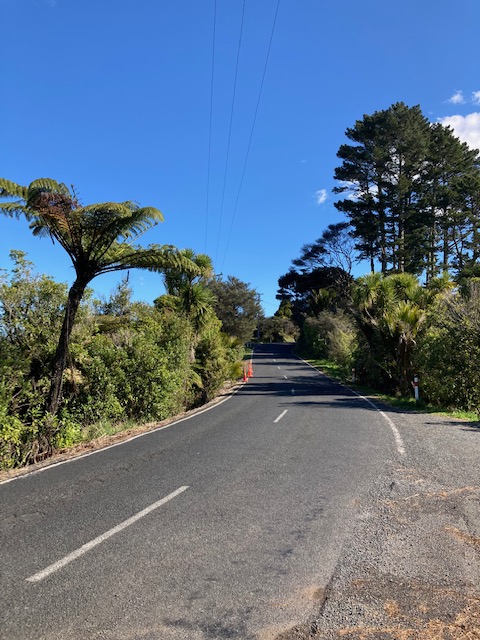
I wasn’t going to post anything today. Life is overflowing with bends in the road for me at the moment, where I can’t exactly see what is ahead. I have been musing on the bends in our road and how I love them. This was me out walking yesterday, in the brilliant blue-sky day, breathing in the clean air, savouring the after-storm gleam. Straight roads would be so much less satisfying. Bliss.
At the start of the year I decided to write things (“psuedo books”) with scant if any aim to get published again. It is is liberating, to write out of a love of writing. But against all odds, on Wednesday I agreed to write a piece for Newsroom on floods and Covid-19, even though I live on a safe hill in a bush haven, with an ability to fill my days with no sense of being locked up or locked out or locked in. Yet life is not normal – I am constantly under threat of deluge.
The floods this week have been devastating for some families. But what has struck me is the way communities come together. I belong to three private communities bongos out west and the support is staggering. None more so at my nearby beach, at Te Henga. The houses there are still cut off, but the community is strengthening a strong support network. I see this happening so often in the time of Covid. Individuals doing astonishing things to help those with unbearable challenges. The 100 plus nurses heading to Auckland to work in hospitals. Wow! The bus drivers who keep going to work despite abuse. The way South Auckland faces unforgivable and ignorant racial abuse.
Poems are a lifeline. Like I say in the piece, poetry is an energy boost for me. As are our poetry communities.
Next Friday I will starting a new season – I am very excited about it.
‘Monday night and the rain and thunder are loud and relentless. Uncharacteristically I am tweeting that I am scared. I never do personal tweets. I have never tweeted I am scared in a storm. Maybe it is the intense noise. We are watching tv, but the tv reception is on storm fade, and I am missing the final of Australian Master Chef after months of viewing. This is upsetting me as much as the storm.’
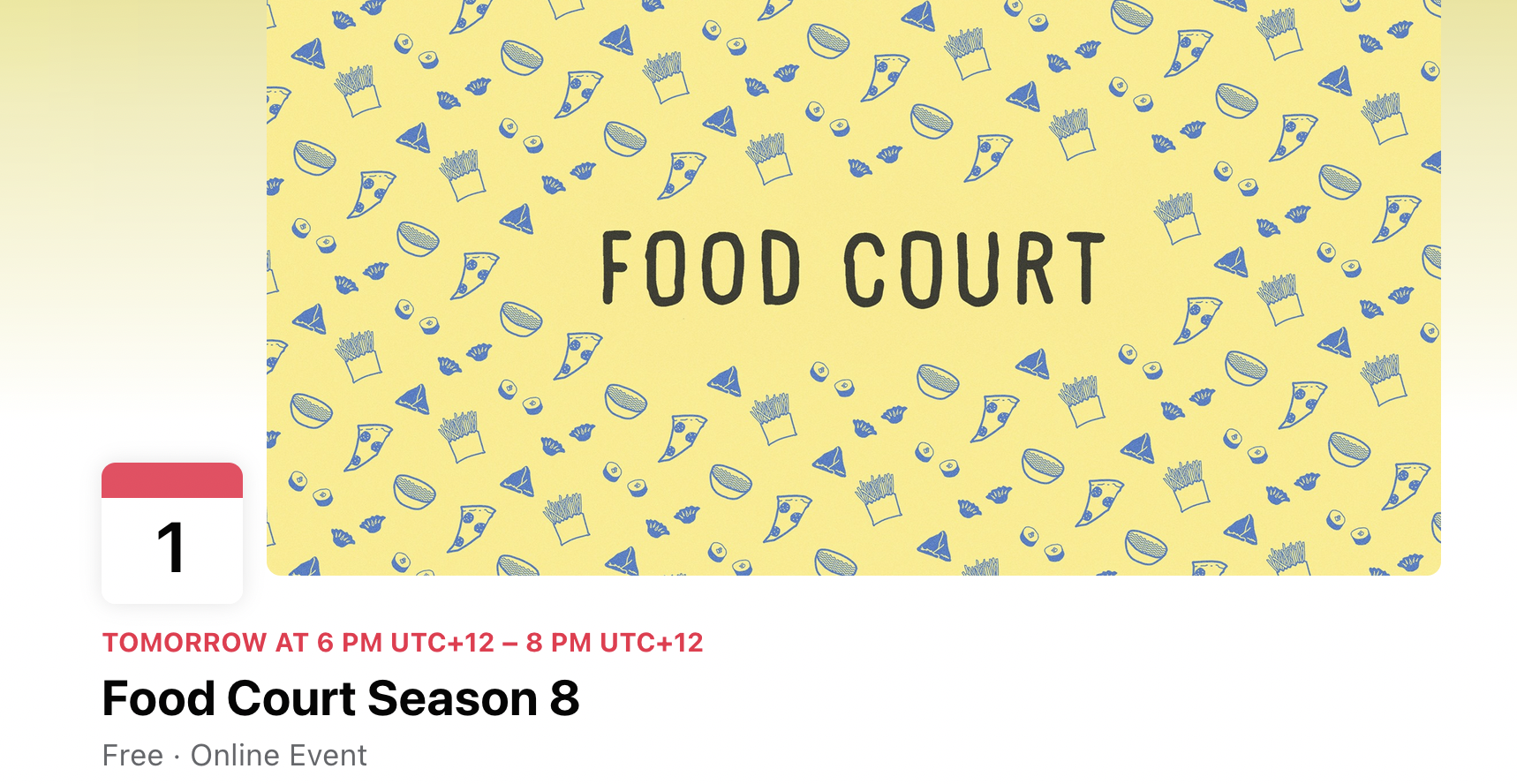
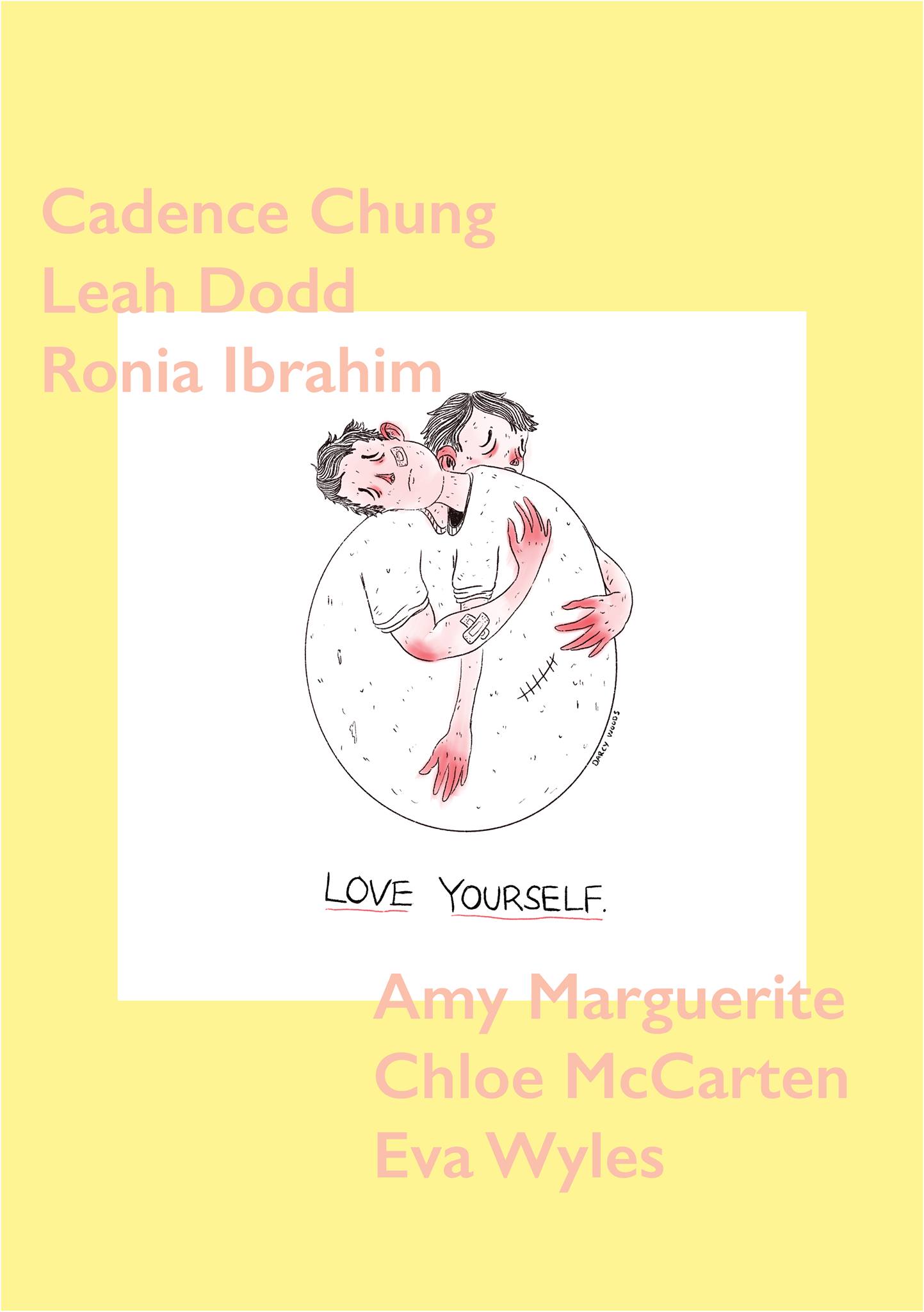
We started off as a reading series and we still are!We’re happy to announce that we will be hosting regular readings at Food Court Books (or on Zoom when conditions demand it) on the first Wednesday of each month.
Each reading will have a zine to go along with it, featuring work by the writers who performed at the event.
We’re kicking off the 2021 season on September 1st.
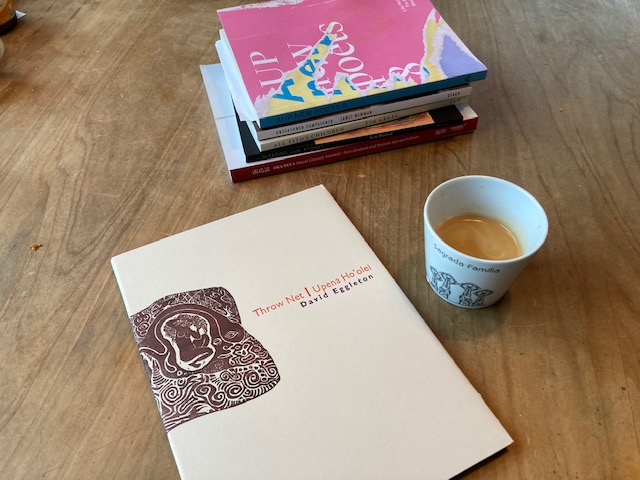
my current POETRY reading pile selected from my current POETRY tower
Initially I invited three poets, whose poetry I love, to do a reading for a small Phantom National Poetry Day celebration on Poetry Shelf. But when I felt we’d be in an extended lockdown, and our fabulous physical Poetry Day events would need virtual reinvention, I made a larger gathering. I have so loved listening to the readings as they arrived. Sitting at the kitchen table, transported so beautifully.
I am sad that a magnificent list of national events can’t take place physically, but I am glad I can tune into things today I wouldn’t have seen or heard. Exciting! Check out virtual Phantom National Poetry Day eventshere.
To celebrate poetry in Aotearoa, I have a few more copies of Wild Honey: Reading NZ Women’s Poetry to give away (only in NZ). Leave a comment here, on FB or Twitter or email me.
I also want to make up a few poetry-book care packages. If you are in need of a poetry boost let me know (only in NZ). I won’t be able to send anything until Auckland moves to Level 3.
Help our publishers and booksellers by ordering a poetry book online today!
NZ POETRY BOX Phantom National Poetry Day celebration:If you have children who like writing poems you might like to check out my suite of children’s authors reading a poem and my galaxy of hidden poem challenges. I will post poems and have books to give away. Here And my National Poetry Day guide for children.
Grateful thanks to all the poets who recorded a poem or two.
If I have made mistakes, I would be grateful if let me know, as I seem to be a continued state of drift and daze.
HAPPY POETRY DAY – Keep safe, be kind on yourself as well as others.
The readings
Sue Wootton reads three poems
Photo credit: Doug Lilly
Sue Wootton reads ‘Tauranga’, ‘The Knitters’ and ”Poem on the shortest day’ (all appeared in takahē101)
Anuja Mitra reads two poems
Anuja Mitra reads two poems: ‘To You, in Late July’ (published in the Poetry New Zealand Yearbook 2020) and ‘Home, Seen From a Distance’ (published in Signals)
Louise Wallace
Photo credit: Grant Maiden
Louise Wallace reads ‘The Happy Poem’ (Enough, Victoria University Press, 2013)
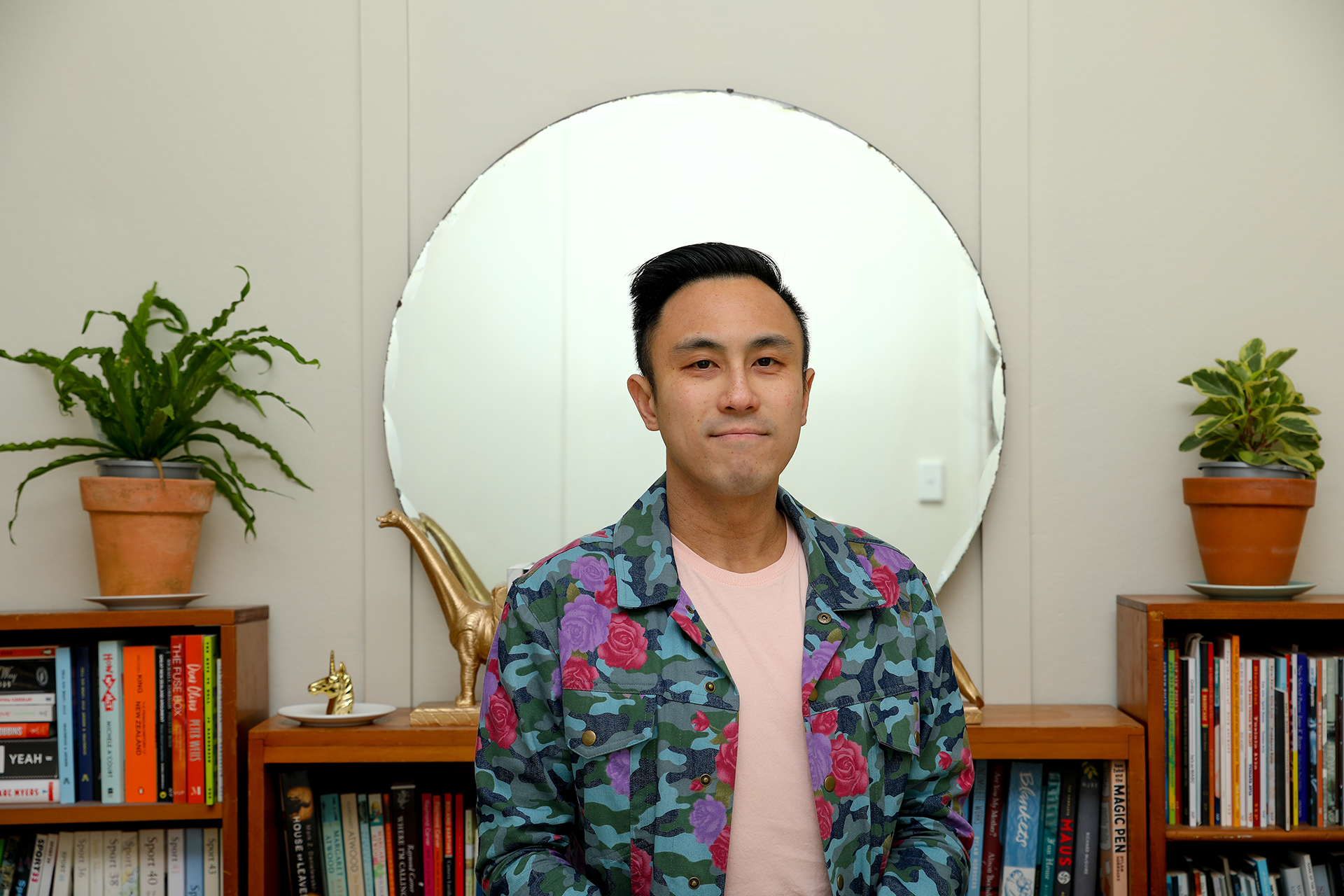
Chris Tse
Chris Tse reads ‘Red—Life & Courage’
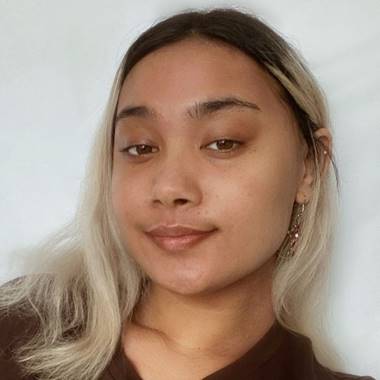
Modi Deng
Photo credit: Mikayla Bollen
Modi Deng reads ‘tell me’ and ‘tomorrow will be the same but not as this is’ (AUPNew Poets 8, Auckland University Press, forthcoming)
Lily Holloway
Photo credit: Angela Zhang
Lily Holloway reads ‘hopscotch’ and ‘stocktaking during venlafaxine discontinuation’ (AUP NEW Poets 8, Auckland University Press, forthcoming) and ‘Imagined heterosexuality with you, my ex who won’t stop calling’ (Cordite Poetry Review: GAME, August 2021)
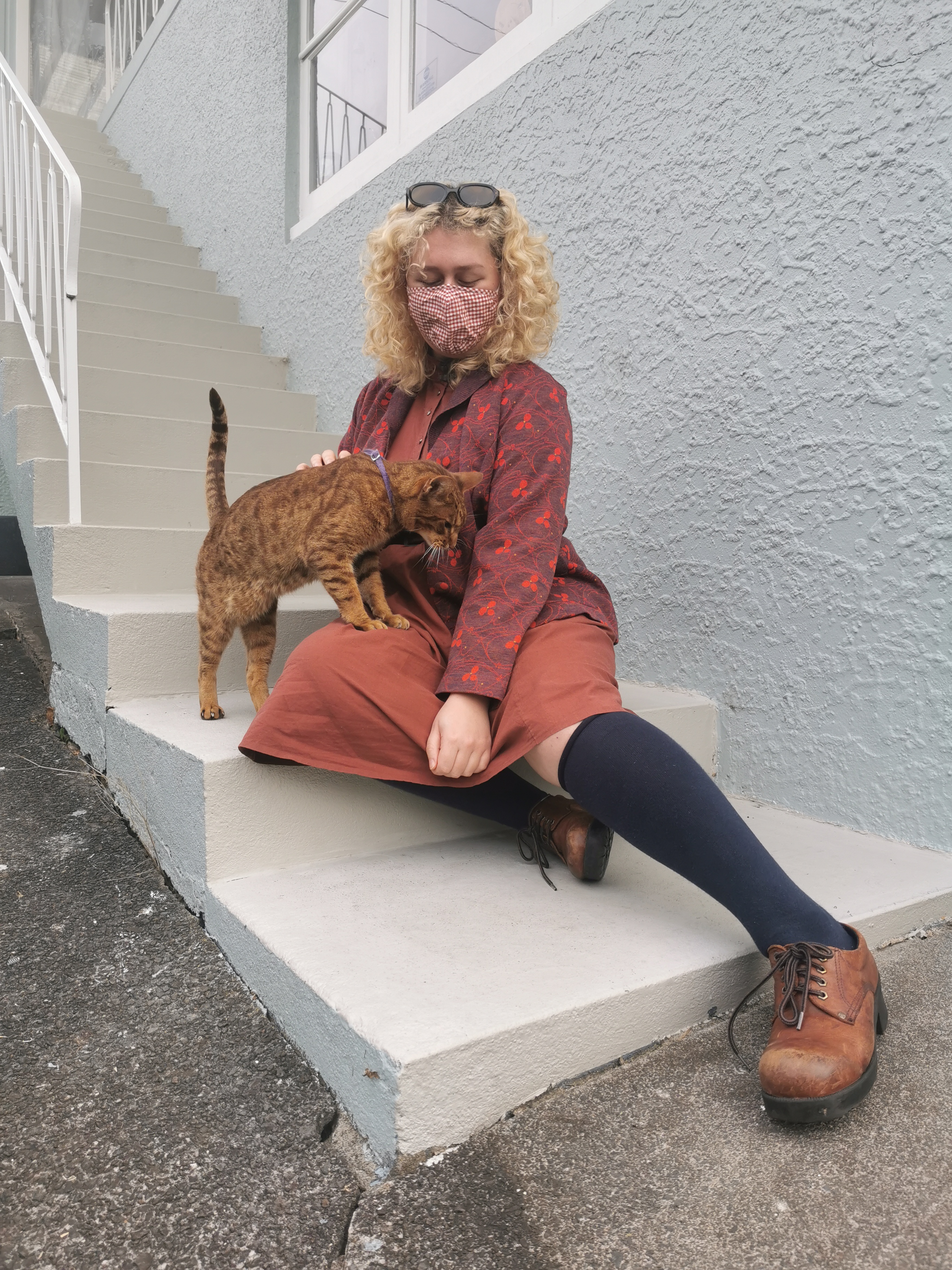
Tate Fountain
Photo credit: Andi Crown
Tate Fountain reads ‘Red’, Yellow’ and ‘Blue’ from ‘COLOUR THEORY (PRIMARY)’ (Min-a-rets Annexe), and ‘Iterations’ (Starling 11).
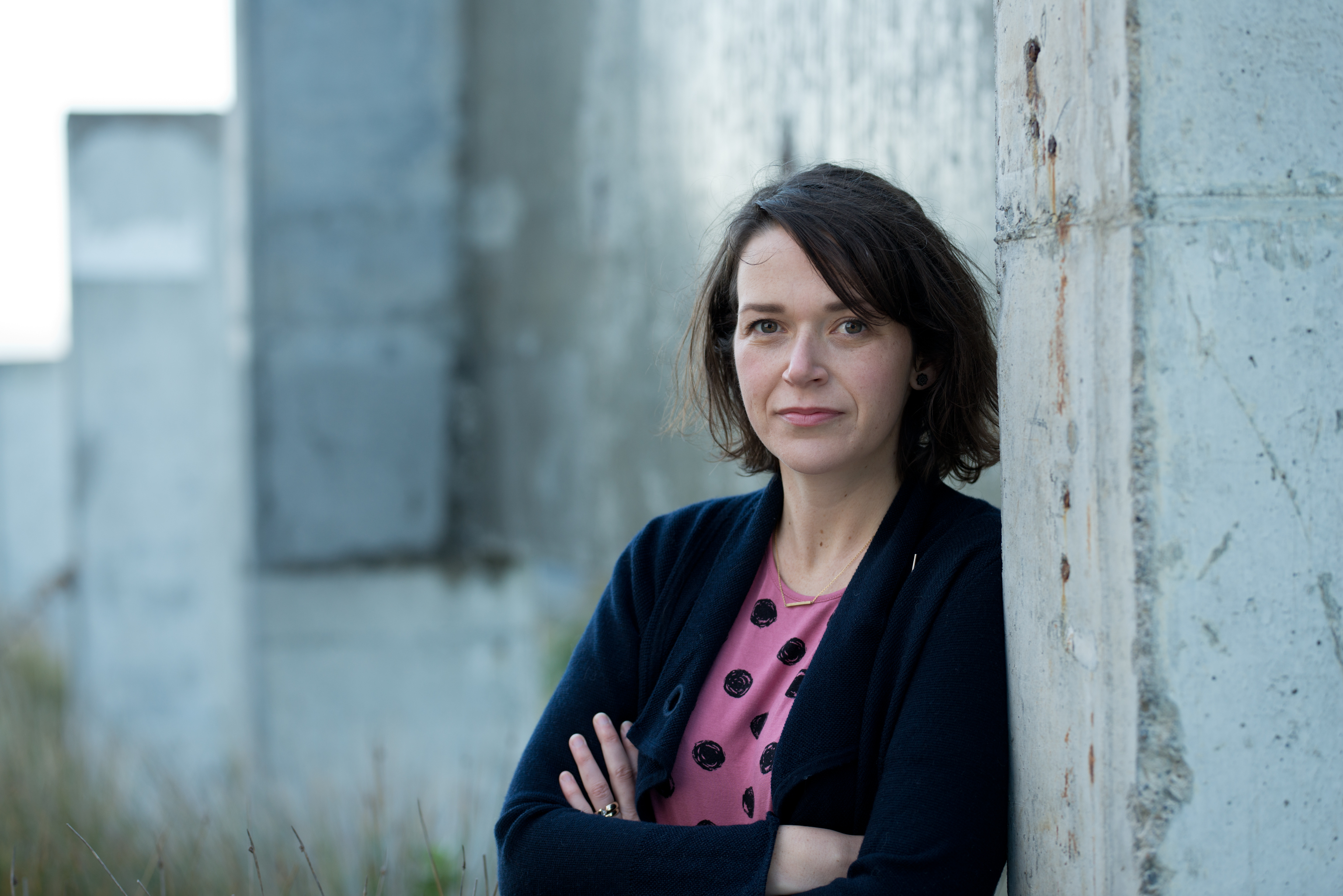
Emma Neale
Photo credit: Caroline Davies
Emma Neale reads ‘Withdrawn’ (To the Occupant, Otago University Press, 2019)
The poets
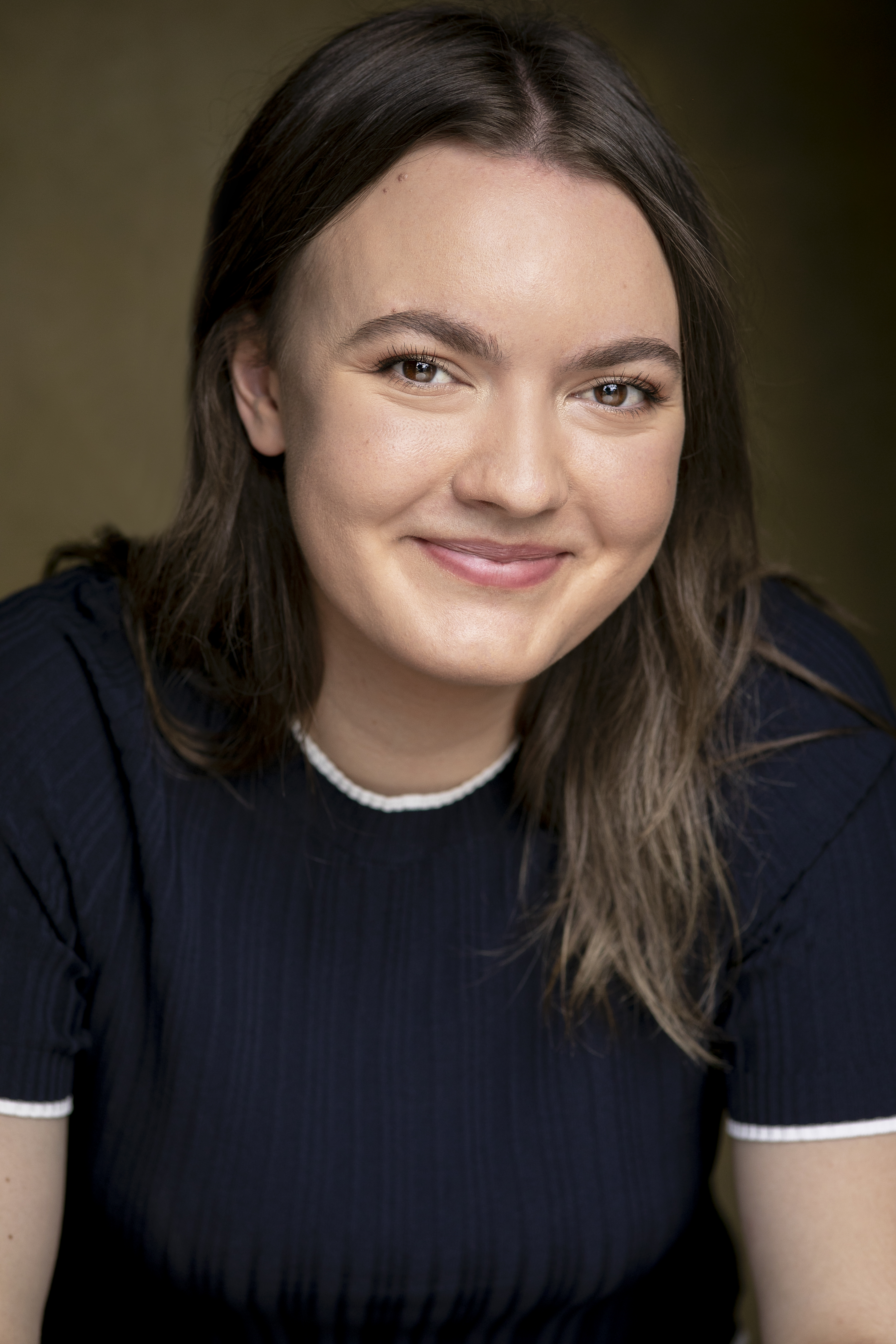
Modi Deng is a postgraduate candidate in piano performance at the Royal Academy of Music on scholarship. Currently based in London, Modi received a MMus (First Class Hons, Marsden research scholarship) and a BA from Auckland University. Her first chapbook-length collection of poetry will be part of AUP New Poets 8. She cares deeply about literature (especially poetry, diaspora), music, psychology, and her family.
Tate Fountain is a writer, performer, and graduate teaching assistant based in Tāmaki Makaurau. She has been published in Agenda, the Min-a-rets Annexe, and others, and her short fiction was highly commended in the Sunday Star-Times Short Story Competition (2020). She is now on the Editorial Committee for Starling, which means Francis and Louise have a reprieve from having to format her poetry for the web.
Lily Holloway is a queer nacho-enthusiast. She is forthcoming in AUP New Poets 8 and you can find her work here. Follow her on Instagram and Twitter @milfs4minecraft.
Anuja Mitra lives in Auckland. Her writing has appeared in Cordite, Takahe, Mayhem, Starling, Signals, Sweet Mammalian, Poetry Shelf and The Three Lamps, as well as the recently-launched A Clear Dawn: New Asian Voices from Aotearoa New Zealand. She writes theatre and poetry reviews for Theatre Scenes and the New Zealand Poetry Society. She enjoys eating Reese’s Peanut Butter Cups and petting her small colony of cats, both of which she is probably doing to procrastinate writing.
Emma Neale lives in Otepoti/Dunedin, where she works as an editor and writer. She has published 6 novels and 6 collections of poetry and her first book of short fiction, The Pink Jumpsuit, is due out from Quentin Wilson Publishing this year.
Chris Tse is the author of two poetry collections published by Auckland University Press – How to be Dead in a Year of Snakes (winner of Best First Book of Poetry at the 2016 Ockham New Zealand Book Awards) and HE’S SO MASC – and is co-editor of the forthcoming Out Here: An Anthology of Takatāpui and LGBTQIA+ Writers From Aotearoa.
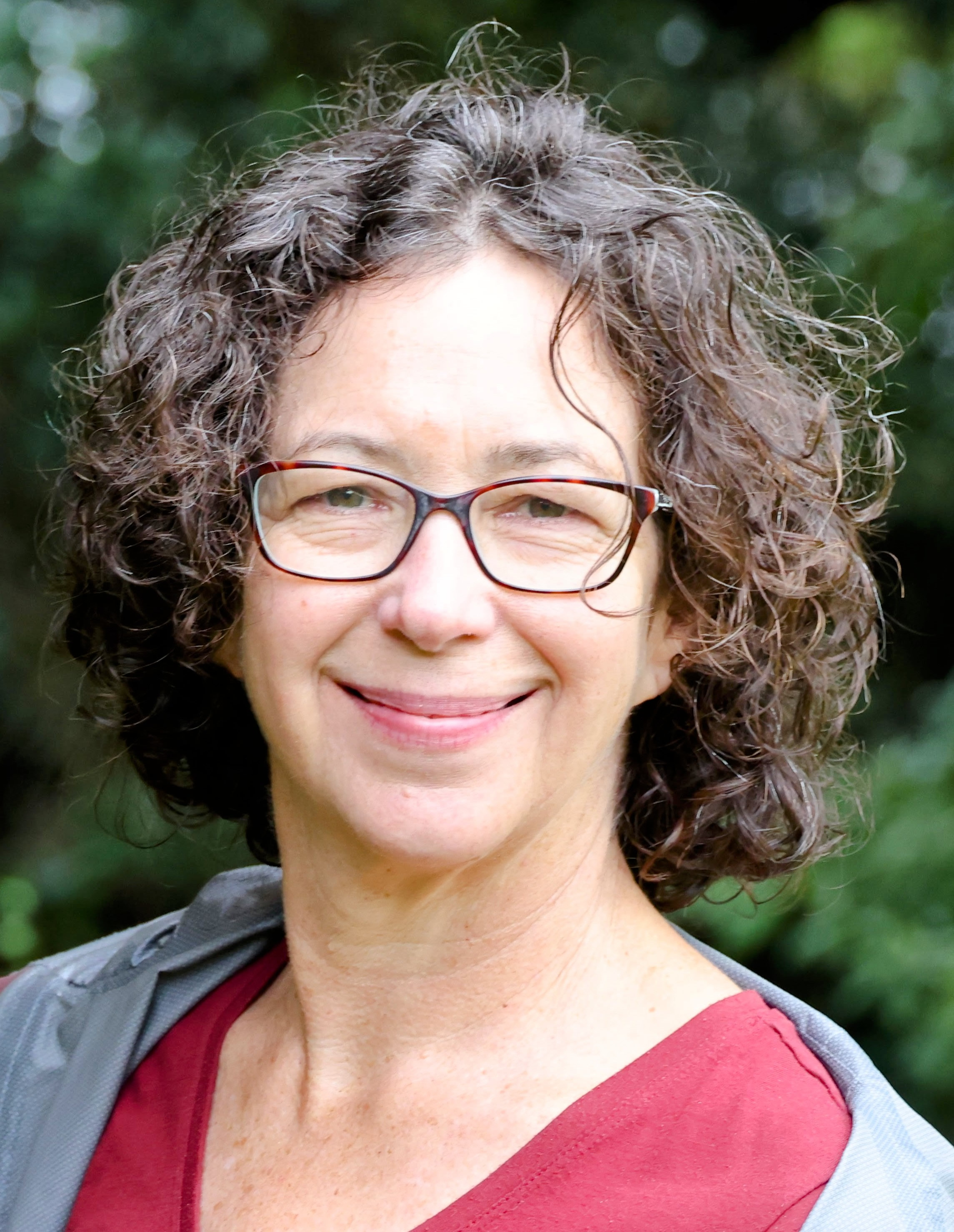
Louise Wallace is the author of three collections of poetry published by Victoria University Press, most recently Bad Things. She is the founder and editor of Starling and is currently working on a PhD in Creative Writing at the University of Otago. She is spending the level 4 lockdown at home with her partner and young son on the Otago Peninsula.
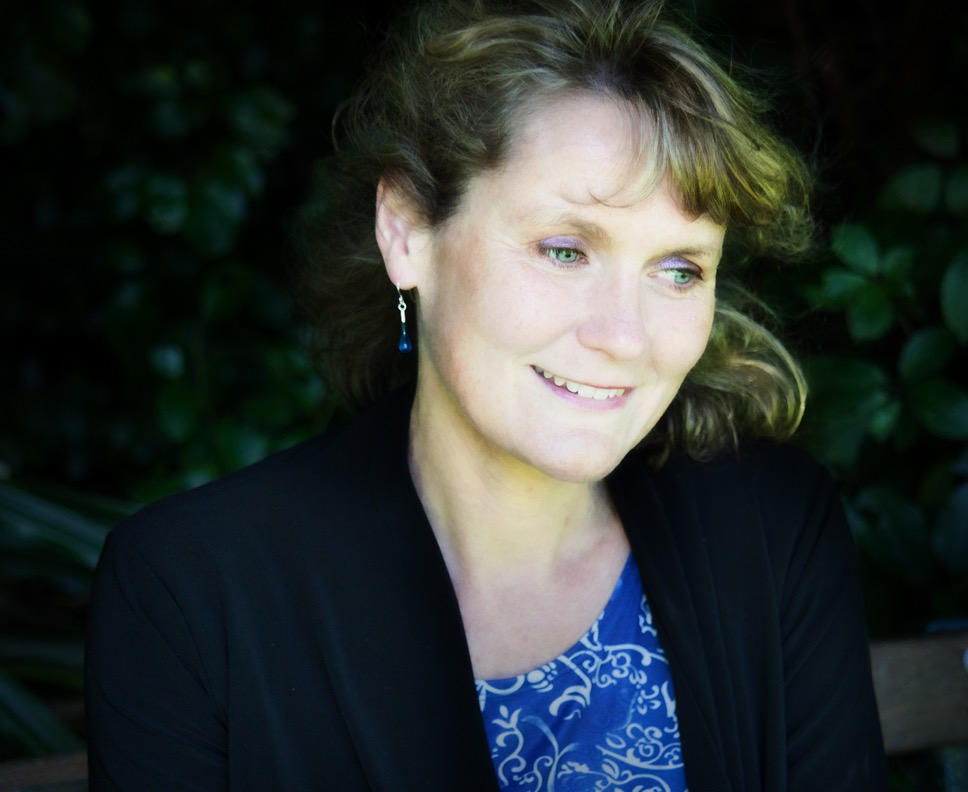
Sue Wootton’s novel Strip (Mākaro Press) was longlisted for the 2017 Ockham NZ Book Awards, and her most recent poetry collection, The Yield (OUP), was a finalist in these awards in 2018. She was the 2008 Robert Burns Fellow, and held the 2018/19 NZSA Beatson Fellowship. She was awarded the 2020 Katherine Mansfield Menton Fellowship. Sue lives in Ōtepoti-Dunedin where she is the recently-appointed Publisher at Otago University Press.
The poems in Sue’s recording were published in takahē 101. ‘Tauranga’ is after ‘Watching for dolphins’ by David Constantine. ‘The knitters’ is for Dunedin-based artist Michele Beevors, creator of a series of life-sized, anatomically-accurate knitted sculptures of animals, especially extinct and threatened species. ‘Poem on the shortest day’ was written in June 2020, and responds to events of that year, especially the pandemic lockdowns and the aftermath of George Floyd’s murder.
Massey University Press is thrilled to announce that you can now read all the winning entries from the 2021 Poetry New Zealand Student Poetry Competition here.
The first prize winners will be published in Poetry New Zealand Yearbook 2022, releasing in March next year. Congratulations again to all the winners of the competition, and thank you to everyone who entered.
This year’s winners are:
YEAR 11:
FIRST: Jade Wilson ‘Café Vienna’: closely observed, drawing resonance from sensory detail, sustained & involving voice that creates intimacy.
SECOND: Jade Wilson ‘Balancing Shadows’: sustained image-focus & emotional resonance, & again showcased an arresting reflective voice.
THIRD: Kaia Nahi ‘The Hypnosis of the Flame’: gets a hypnotic & energetic effect from personification, & shows a real awareness of the compelling power of word choice.
COMMENDED: Frauke Haase ‘Little Stars’; Mandrie du Preez ‘untitled’; Mia Fraser ‘White Snow, White Wind, White Hair’.
YEAR 12:
FIRST EQUAL: Ocean Jade ‘Route Back Home’: some stunning intensity & rhythmic movement, vivid focus on evocative imagery, conveying a strong sense of voice, energy & story; AND Sarah Kate Simons ‘Gossip’: sustained use of dynamic form & imaginative focus to colourful & original narrative effect.
SECOND: Sarah Kate Simons ‘In Yourself’: power in sound-play & execution, exploring language & meaning with vibrant intelligence & sensory force.
THIRD EQUAL: Shima Jack ‘Develop & Structure’: extremely inventive form, used to potent ends to generate intensity & impact; AND Sarah Kate Simons ‘Hospital’: arresting connections in imagery, mature & graceful voice.
FIRST: Caitlin Jenkins ‘South’: electric attitude, rhythmically voiced, vividly detailed, with a tough tone of pride in its streets & its identity.
SECOND: Penelope Scarborough ‘Today I (my sister’s cigarettes)’: brave compelling piece that uses sustained structure to zero in on a story with sharp emotional impact, containing disturbing encounter through concrete detail; real intensity & heart in this story.
THIRD EQUAL: Amelia Kirkness ‘Unmaking my New Boots’: powerful metaphor at its core, observed with striking sensory skill & political awareness; AND Lucy Barge ‘Ever after’ & ‘Staining the Silence’: both lean honed & vibrant poems, making striking edgy use of form to generate intensity.
COMMENDED: Judy Fong ‘Steps’; Amelia Kirkness ‘Evil Make Believe’; Freya Turnbull ‘apology to the butterfly that lived’; John Pain Yesterday ‘When I stopped’; Grace Fakahau ‘4 tha culture’.
Ode to South Auckland wins National Schools Poetry Award 2021
Caitlin Jenkins, a Year 13 student from Papatoetoe High School in Auckland, has won the 2021 International Institute of Modern Letters (IIML) National Schools Poetry Award with a poem that celebrates the rich cultural histories of South Auckland.
The announcement comes as Aotearoa New Zealand celebrates National Poetry Day.
Judge Tayi Tibble says the winning poem ‘South’ “cleverly explores the relationship between people and place, tangata and whenua”. She adds, “The poem reminded me of a chant, or a prayer. It hit a perfect chord of being both staunch and critical but also forgiving and hopeful.”
The 2021 National Schools Poetry Award is organised by Te Herenga Waka—Victoria University of Wellington’s IIML with the support of Creative New Zealand, and sponsorship and promotional support from Wonderlab.
Caitlin Jenkins, who is of Tongan (Village Fatai), Niuean (Village Toi) and NZ European descent, receives a prize of $500 and her school library receives a book grant of $500. She also receives a package of literary prizes provided by Read NZ Te Pou Muramura, Victoria University Press, Sport, Landfall and the New Zealand Society of Authors. As part of the prize, Caitlin will attend a poetry masterclass with Tayi Tibble, along with the nine other poets shortlisted for their entries. The current COVID alert level has pressed pause on the masterclass, which will be held online if necessary.
Caitlin says, “I’m feeling very honoured and grateful to receive this award. ‘South’ is a poem dedicated to my Pasifika and Māori communities of South Auckland. We have forever been taught to accept the mould the rest of New Zealand has put us in, but this poem is proof that only we can shape us, that we can reverse the damage and grow from it something beautiful. Please take this poem and welcome it into you, and when you enter our streets, remember us by it.”
There were more than 200 entries this year from senior high school students. Many of the poems that impressed the judge wrestled with multiculturalism in New Zealand. “I am blown away and completely inspired by how freaking cool teenagers are these days,” says Ms Tibble.
“They’re whip smart and passionate. They’re generous, thoughtful, keen, and respectful. They are funny and warm. What always impresses me the most, like, literally makes my jaw hit the floor, is their socio-political awareness and responsibility. They care about the world around them and the people that society affects, targets, isolates, and disenfranchises.”
Ms. Chris Price, senior lecturer at the IIML says “The winning and shortlisted poems make it clear that the future of poetry, and of Aotearoa itself, is in very good hands.”
The other nine finalists are: Ruby Buffett-Bray (St Dominic’s College, Auckland), Grace Fakahau (Palmerston North Girls’ High School), Janet Guo (Hillcrest High School, Hamilton), Jackson McCarthy (St Peter’s College, Auckland) Darcy Monteath (Logan Park High School, Dunedin), Ella Paterson (Tauranga Girls’ College), Penelope Scarborough, (Te Aho o Te Kura Pounamu), Holly Willis (Wellington Girls’ College), and Angelina Zhou Narayan (Burnside High School, Christchurch).
All finalists will join Caitlin at the poetry masterclass, as well as receiving prizes from Read NZ Te Pou Muramura and Sport, and $100 cash.
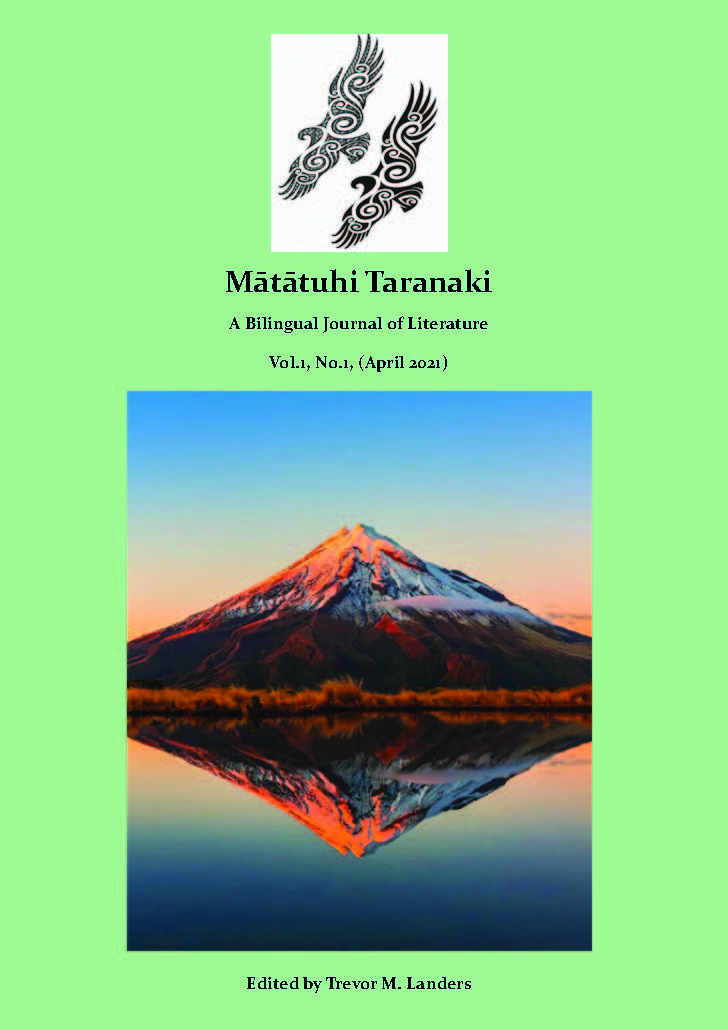
The new bilingual journal, Mātātuhi Taranaki, features poetry, micro-fiction, stories, songs, essays with writers that are both familiar and unfamiliar to me. What an exciting initiative this.
‘Huirangi’s urging was for unification between the peoples of Taranaki, recognising and celebrating our commonalities and differences. Paddy recognised in Trevor the skills to support the revitalisation of Te Reo Māori (done so capably by others) by providing a forum for Māori, Pākehā and Tauiwi to express a uniquely Taranaki identity in Māori, English (and other languages by negotiation). The bumper first edition is a proof of concept. In true Taranaki gate style, it might not be the flashiest website at this stage, but it provides a showcase of the enormous literary talent in Taranaki.’
The next issue is: Vol.1, No.2, (December 2021) and submissions are now OPEN. Submission close: 30 September 2021, or when complete, whichever is the sooner.
Join our online Showcase featuring leading contemporary poets from Australia and New Zealand. Includes Hinemoana Baker, Nina Mingya Powles and Tusiata Avia from NZ.
Featuring readings by some of Australia’s and Aotearoa’s leading contemporary poets. Presented in partnership with Phantom National Poetry Day and Ockham New Zealand Book Awards.
We may not be able to gather in the same room, but we can certainly still soak our tympanic membranes in all sorts of lovely! Bring yourself, your poems, and your ears along to our lockdown open mic this Friday night (National Poetry Day). Reading is, as ever, optional, but if you’d like to read, please flick a message through to us via our Facebook page before Friday & we will put you on the list. There will also be the opportunity for impromptu reading. This event is open to everyone from every place, of every age and experience level, etc. & the rest. See you in our lovely little poetry bubble shortly!