
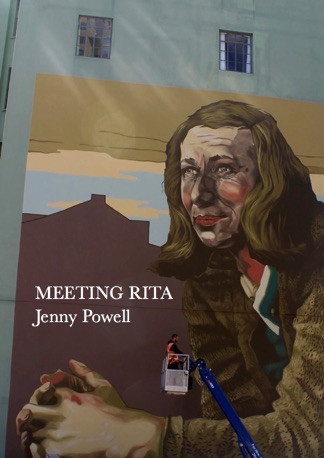
Finding Rita, Jenny Powell, Cold Hub Press, 2021
Jenny Powell reads four poems
‘Meeting Rita’
‘Between Two Worlds’
‘Arthur’s Pass’
‘Rutu’
Jenny Powell is a Dunedin poet and performer. Her work has been part of various journals and collaborations. She has a deep interest in music and used to be a french horn player.
Cold Hub press page
Paula Green reviews Finding Rita for Kete Books


Do you want to design a Phantom National Poetry Day event for children? I wrote a new guide, including event ideas, inspiration poems, and a poetry bibliography.
You can check out all the ideas here.
I also have challenges for schools and prize poetry packs to give away.
On National Poetry Day check into Poetry Box to hear some Aotearoa children’s authors read a favourite NZ poem for children.

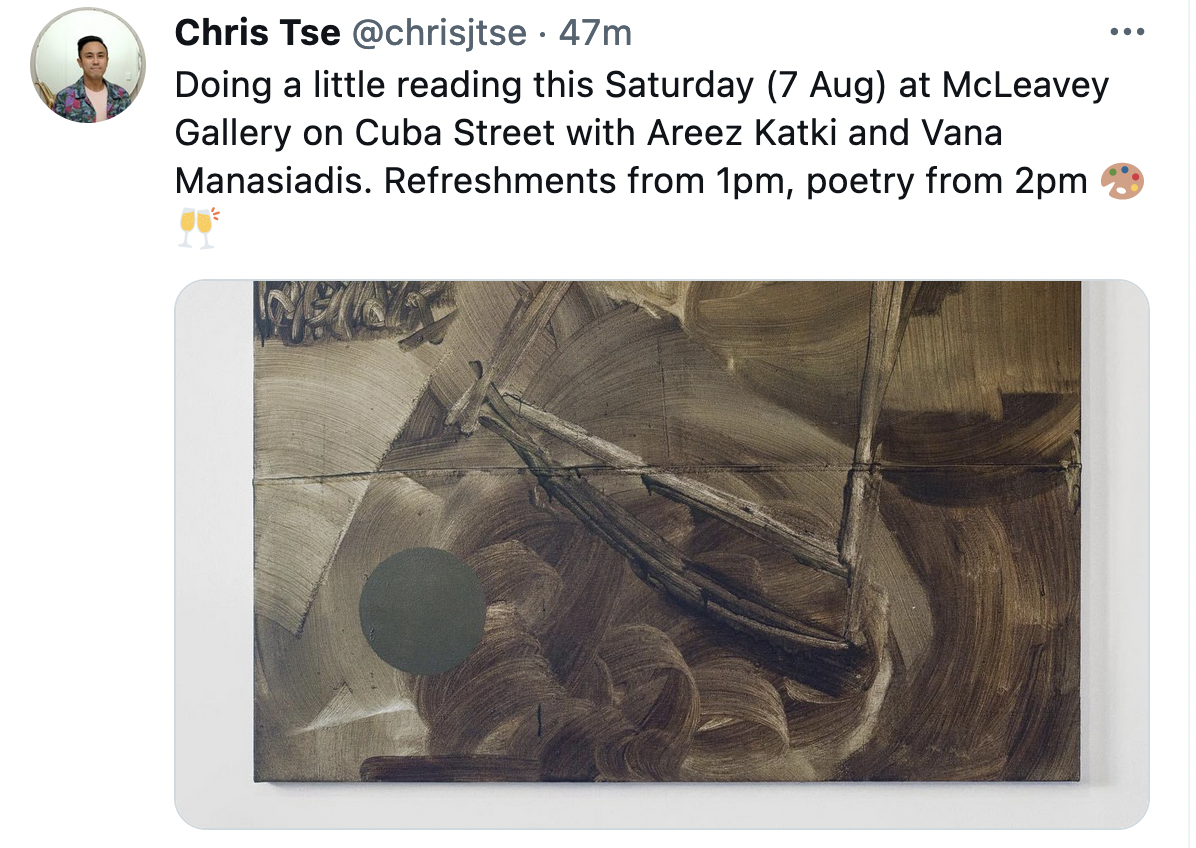
Spotted on Twitter! Wellington you are poetry hot spot and i salute you. So many events I’d love to attend. Here’s another.

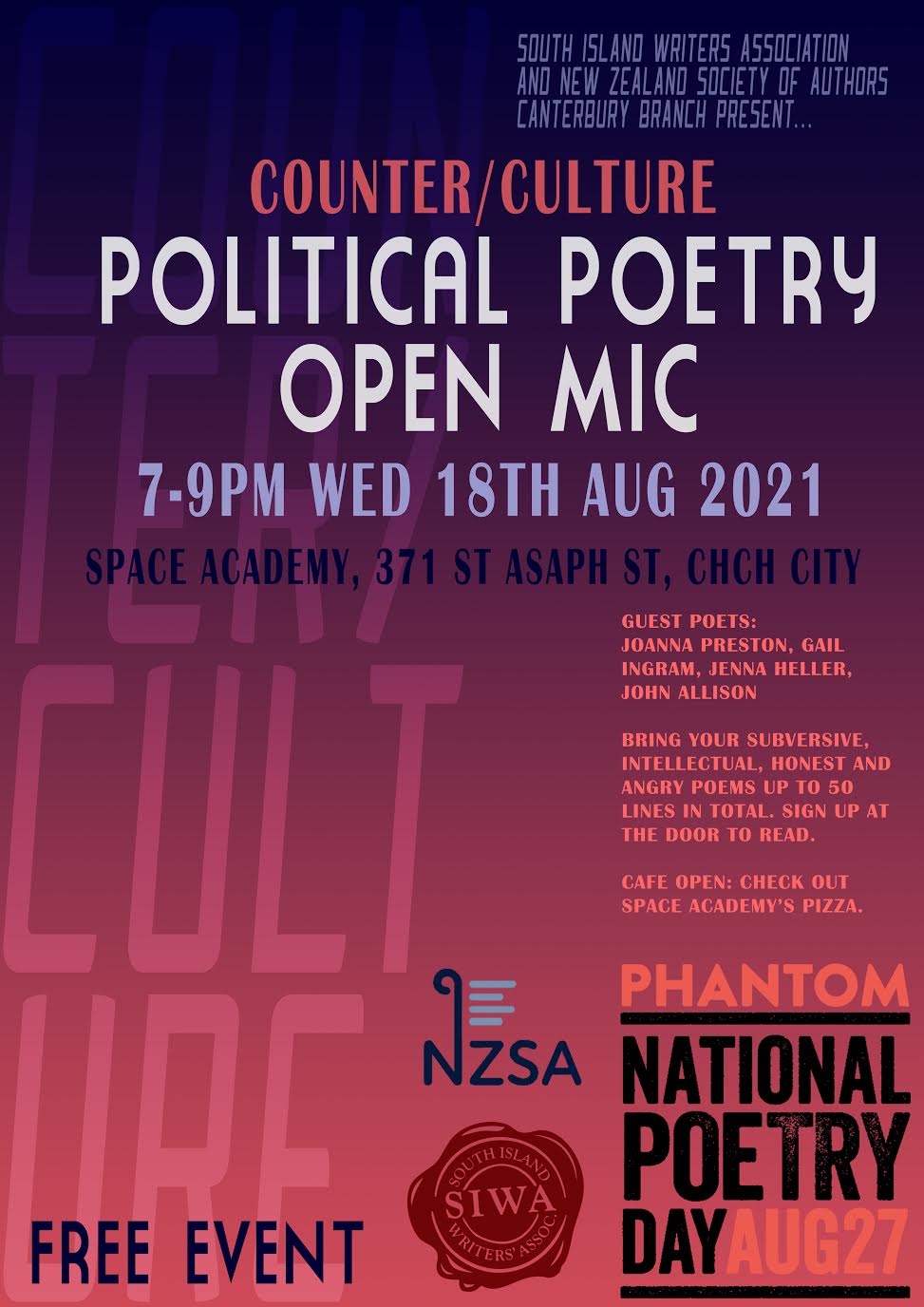
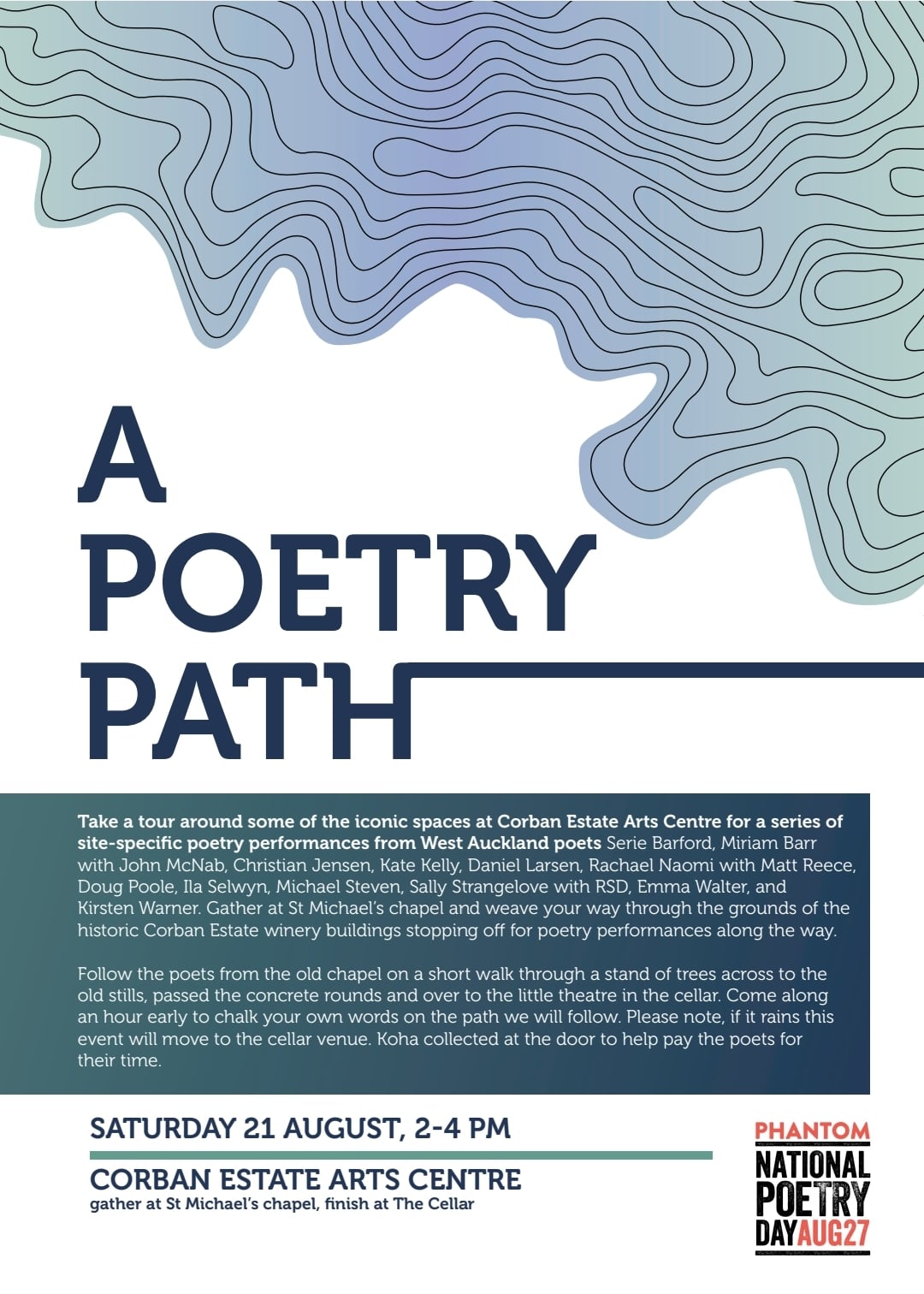
Poetry fans across Aotearoa New Zealand are eager to create a vibrant, diverse Phantom National Poetry Day on Friday 27 August 2021, after the global pandemic curtailed public gatherings last year.
The packed programme goes live today (Thursday 5 August), revealing the breadth of our annual nationwide celebration. More than 100 events and competitions are scheduled for late August. You can find the full programme at Phantom National Poetry Day.
Now in its 24th year, Phantom National Poetry Day is set to go off with a bang, with events all around the country – from cafés and bars to libraries, bookshops, marae, schools, universities and parks. Poetry will also pop up on public transport, city streets, beaches, and hospitals. There’s something for everyone, whether it’s poetry slams, open mic nights, readings, book launches, workshops or performances.
Among the highlights are:
To celebrate both Phantom National Poetry Day and Australia Poetry Month, online warm-up event Aus x NZ Poetry Showcase is scheduled for Thursday 26 August. The evening will include lively virtual readings from Tusiata Avia, winner of the Mary and Peter Biggs Award for Poetry at the 2021 Ockham New Zealand Book Awards; shortlisted poets Hinemoana Baker, Mohamed Hassan and Nina Mingya Powles; MitoQ Best First Book Award (Poetry) winner Jackson Nieuwland; and Aotearoa Poet Laureate David Eggleton.
On Friday 27 August, Tusiata Avia will also appear at the WORD Christchurch Festival 2021 event Confluence and Jackson Nieuwland will take part in Wellington event Shouting Into The Void: Six Poets One Megaphone.
Poet and NZ Book Awards Trust spokesperson Richard Pamatatau says, ‘As always, this year’s Phantom National Poetry Day is an opportunity for our poets to bring words, ideas and language to people across Aotearoa. To celebrate who we are, what we stand for and to reflect on what has passed. In the midst of a global pandemic, and after last year’s socially distanced celebration, it is delightful to see activity and vibrancy surging back into the day, with so many events planned.’
Nearly 20 wickedly good poetry competitions are listed in the Competition Calendar, including online poetry competition Given Words 2021 – Noho Mai, in its 6th year, and E Tū Whānau’s inaugural Spoken Word Competition, with winners announced on Phantom National Poetry Day. To find out more and enter these competitions visit Competition Calendar.
Much-loved children’s poet Paula Green has created an inspiring resource for teachers to use with students – one which will spark their imaginations as they write poetry and create events. Find out more at Phantom National Poetry Day Schools Guide.
Phantom CEO Robin McDonnell says, ‘Phantom Billstickers LOVES poetry and has been taking it to the streets of New Zealand and overseas for nearly 40 years. There’s something delicious about finding poetry in unexpected places – on walls, lampposts, billboards – for all the world to see. Phantom National Poetry Day gives us an opportunity to go large and celebrate our local poets. What’s not to love!’
Held annually on the fourth Friday in August, Phantom National Poetry Day brings together poetry royalty and fans from all over Aotearoa New Zealand. Many of the programmed events will be FREE and open to the public. This popular fixture on our cultural calendar celebrates discovery, diversity and community. For the past six years, Phantom Billstickers has supported National Poetry Day through its naming rights sponsorship.
For full details about all the events taking place, including places, venues, times, tickets and more, go to Phantom National Poetry Day Calendar of Events.
Social media links
Website: www.poetryday.co.nz
Facebook: @NZPoetryDay
Twitter: @NZPoetryDay
Instagram: nzpoetryday
Hashtags: #NZPoetryDay
National Poetry Day was established in 1997 with a mandate to celebrate discovery, diversity, community and pushing boundaries. It is a one-day national poetry-event extravaganza held every August.
Phantom Billstickers has been assisting New Zealanders to express themselves since 1982. From the very beginning they’ve supported home-grown talent alongside their commercial campaign work, actively promoting New Zealand music, art, poetry and culture through a network that now numbers 6500 framed street posters countrywide.
The New Zealand Book Awards Trust was established as a charitable trust in 2014 to govern and manage the country’s two major literary awards – The Ockham New Zealand Book Awards and the New Zealand Book Awards for Children & Young Adults – as well as Phantom National Poetry Day, and to ensure their longevity and credibility.
The Ghost Resurrects the Family
Haunting it from within, all ghosts –
disappeared, departed and displaced –
find solace in the family they create;
as in the new home. For them, to parent
is to raise the dead and breathe fresh air
into ancient rites of passage. All
for their children, their future.
So that they will never know
how to grow invisible. Never see
the hardships of the hand-me-downs:
worn shoes; torn clothes; broken toys;
taunts; cold baths; half-finished meals.
The bodies never embraced; the words
never spoken: these too the ghost fades
from their offspring’s lives. Of course,
the damaged always loiter somewhere
out of reach. Like knives; clear cut
crystal; diamond ring: all pledged
as inheritance, to be passed down
as silently as curly hair and anaemia.
But the ghost doesn’t bleed out all
its harm; who does? The kids are safe
to make their own mistakes:
the ghost is at peace with that.
Siobhan Harvey
from Ghosts, Otago University Press, 2021.
Siobhan Harvey takes part in Shifting Ground event on Saturday 13th November. See full programme here.

Fresh New Format Marks Going West Festival’s 2021 Live Season
Going West Festival’s 26th season is dialing it up, offering four multi-media Saturday evening events featuring Aotearoa’s finest writers of prose, poetry and music once a month from August.
Launching on Saturday 14 August, the richly layered new-format offers something for everyone with a love of reading and ideas.
“Going West Festival is 25 years old this year. We want to demonstrate our commitment to the next quarter century with a fresh programming approach. There will be live music, oratory, performance and kōrero taking place, as well as pop up performances and installations, on multiple stages, with refreshments available throughout the evening.
“You’ll hear new work from our literary and musical taonga and innovative ideas from some of our sharpest young minds. We’re keeping the kaupapa that our audiences tell us they love, so we’ll be as friendly as ever, and offering compelling insights into Aotearoa’s unique narrative culture all in one whare. But it won’t all happen in one long weekend.
“The new format is covid-adaptable. It provides new programming opportunities and it’s also going to be a lot of fun,” says director James Littlewood.
Award-winning writer and associate professor of creative writing at the University of Auckland Paula Morris is a mentor to the Festival’s fresh approach. Together with literary advisors Angelique Kasmara, Amy McDaid, Jack Cottrell and Sonya Wilson, Dr Morris has curated a programme that celebrates Aotearoa as a Pacific nation of increasing diversity under the theme ‘Stranded in Paradise.’
“Our group relished exploring books, writers, ideas, and imaginative connections for Going West this year. We looked for events that would engage and absorb diverse audiences, and feature emerging voices as well as established writers. We embraced the challenge of programming for such varied spaces,” says Dr Morris.
Gala Night
Theme: Stranded in Paradise
Saturday 14 August, 7pm – 10pm
Glen Eden Playhouse
$35 ($15 concession)
Always a sellout, the Gala night is the Festival’s traditional centre piece. This year it features arresting poets Darren Kamali and Karlo Mila, and a significant literary performance curated by singer-songwriter Charlotte Yates traversing her four albums of standout NZ poetry-to-song accompanied by multi-instrumentalist extraordinaire Show Pony and the stunning songstress, Julia Deans.
Emceed by Pita Turei.
Documented Reality
Saturday 11 September, 7pm – 10pm
Lopdell House and Te Uru
$25 ($15 concession)
Including powerful readings from Lana Lopesi, Charlotte Grimshaw, Alison Jones and Ghazaleh Golbaksh; conversations with Rebecca Macfie(Helen Kelly: Her Life) and Jack Cotterell (Ten Acceptable Acts of Arson); Len Bell on Marti Friedlander and Sarah Shieff on Denis Glover; a discussion with illustrations on The Front Line and conscientious objectors featuring Glyn Harper and Mustaq Missouri; and provocative performance poetry curated by Aiwa Pooamorn and Gemishka Chetty.
Fabricated Reality
Saturday 9 October, 7pm – 10pm
Lopdell House and Te Uru
$25 ($15 concession)
Including conversations and readings with powerhouse writers; a multi-media session with award-winning non-fiction writers; and a discussion on speculative fiction for screen.
Shifting Ground
Saturday 13 November, 7pm – 10pm
Lopdell House and Te Uru
$25 ($15 concession)
Look forward to a panel discussion on te reo translating; an illustrated talk; readings from award-wining novelists; and a scripted musical soundscape from some of our finest poets.
Tickets go on sale at 9AM, Thursday 1 July from here
Going West is grateful for the support of CNZ Creative New Zealand, The Trusts Community Foundation, Waitakere Ranges Local Board, Auckland Council, Te Uru Contemporary Art Gallery, Lopdell House and Glen Eden Playhouse
 NZ Poetry Shelf