Category Archives: NZ Poetry reading

WRITERS ON MONDAYS In the company of a master: Vincent O’Sullivan

WRITERS ON MONDAYS

In the company of a master: Vincent O’Sullivan

We kick off our 2015 programme in grand style with one of New Zealand’s finest. Poet Laureate Vincent O’Sullivan’s impressive writing career includes poetry, biography, novels, plays and short stories. His recent publication Being Here is the first to survey the entire span of O’Sullivan’s poetry, from 1973’s Bearings to new poems first published in this volume. Join us as O’Sullivan and longtime publisher and friend Fergus Barrowman take a journey back through an illustrious writing career, discussing favourite themes and preoccupations, recent work, and the public role of poetry.

Writers on Mondays is presented with the Museum of New Zealand Te Papa Tongarewa with support from National Poetry Day and Circa Theatre.


DATE:  Monday 13 July

TIME:   12.15-1.15pm

VENUE: Te Papa Marae, Level 4, Te Papa
(Please note that no food may  be taken onto the Marae).

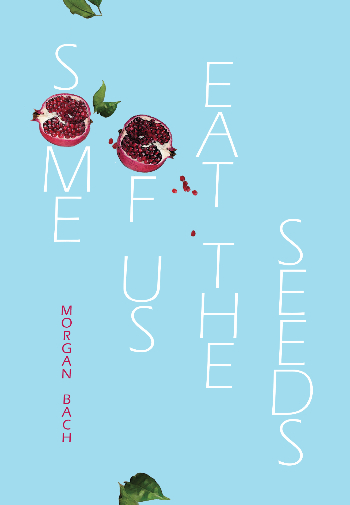
Morgan Bach’s launch at Wellington’s award-winning Unity Books -Would love to be there for this! Can’t wait to read it

684a89cf-1c7b-4ee7-a686-f3e03271a543

Victoria University Press warmly invites to the launch of

Some of Us Eat the Seeds
by Morgan Bach

6pm–7.30pm on Thursday 16 July
at Unity Books, 57 Willis St, Wellington.

About Some of Us Eat the Seeds:
Morgan Bach weaves a line between waking life and the unstable dreamworld beneath, disorienting and reorienting us from moment to moment. In poems of childhood, family, travel and relationships, she responds to the ache and sometimes horror of life in a voice that is restless and witty, bold and sharp-edged.

‘It’s ordinary and extraordinary. It’s the kind of arrival that delights me.’ – Bernadette Hall

Starling: Showcasing New Zealand’s Best Young Writers – to be edited by Louise Wallace & Marty Smith

Starling takes flight

Showcasing New Zealand’s Best Young Writers

A new opportunity for young writers has emerged today. Starling (www.starlingmag.com) is an online literary journal that will be published twice yearly, accepting poetry and prose from only New Zealanders under 25 years of age.

The founder and editor is poet, Louise Wallace, author of two collections of poetry and the current Robert Burns Fellow at the University of Otago. The journal will be an opportunity for young writers to showcase their work in a professional environment to a national audience. “There is nothing quite like this out there at the moment in New Zealand – certainly not with the national focus we hope to cultivate,” Wallace says. “It can be difficult for young writers to find publication with our more established print journals when they are competing for space with writers who have twenty or thirty or forty year’s experience. Starling levels the playing field.”

Wallace is keen to convey that the quality of the work will still be there. “Just because a writer is under a certain age, does not mean the quality of the work is any less. The journal has a high standard for acceptance and we are committed to presenting our contributors and their work seriously – in that way the submissions we receive and the writing we publish will be the best of the best.”

Starling is also focused on a community approach. Each issue of the journal will open with new work from an established New Zealand writer and will close with an interview with a person of note from the literary industry. Wallace says there are a few things that are crucial to the journal’s success. “The first is obviously getting young writers to submit. But we also need support from readers. We have a selection of posters available on our website that people can download and put up out in the real world to encourage submissions, and the website also allows supporters to sign up for email updates. Without these people taking that extra step, there will be no community.”

Submissions are now open for Issue 1, with a deadline of 20 October 2015, the issue to be published January 2016.

Wallace is joined by Co-editor, Francis Cooke, and Schools Coordinator, Marty Smith, who like Wallace, are graduates of the International Institute of Modern Letters MA programme. Cooke’s short stories have been published in a number of national journals, and Smith’s first collection of poems, Horse with Hat, won the Jesse Mackay Award for Best First Book of Poetry at the 2014 NZ Post Book awards, and was a finalist in the poetry category. Smith is also a high school teacher, and will work with Wallace to deliver the journal as a resource for New Zealand teachers in the classroom.

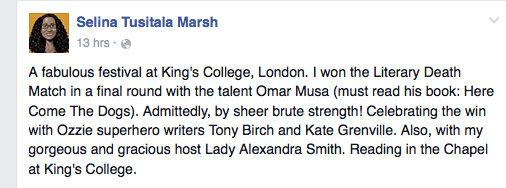
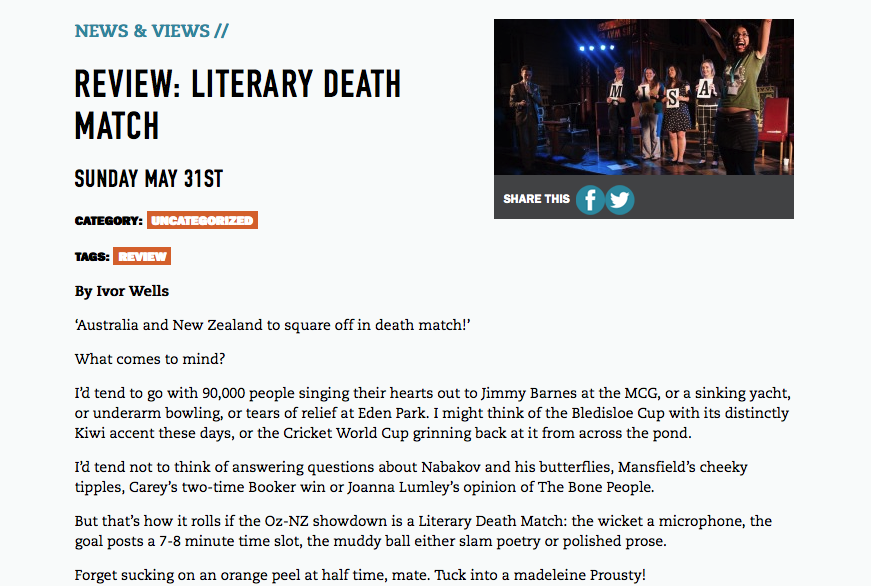
Selina Tusitala Marsh wins the Literary Death Match at the Australian New Zealand Festival in London

Screen shot 2015-06-01 at 10.55.23 AM

Congratulations!

Screen shot 2015-06-01 at 10.59.32 AM Screen shot 2015-06-01 at 10.58.57 AM

Rest of Ivor’s review see here

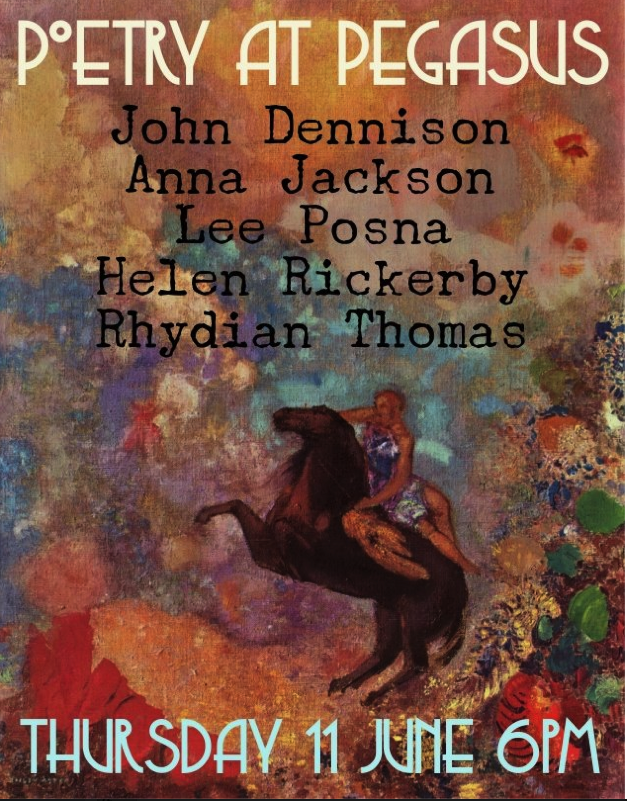
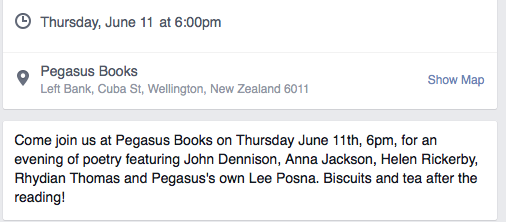
This looks very good! Poetry at Pegasus: Dennison, Jackson, Rickerby, Thomas, Posna

Screen shot 2015-05-31 at 1.05.19 PM

Screen shot 2015-05-31 at 1.08.02 PM

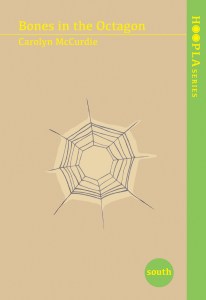
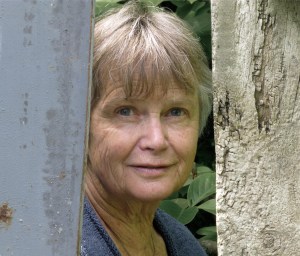
Emma Neale’s terrific launch notes for Bones in the Octagon by Carolyn McCurdie

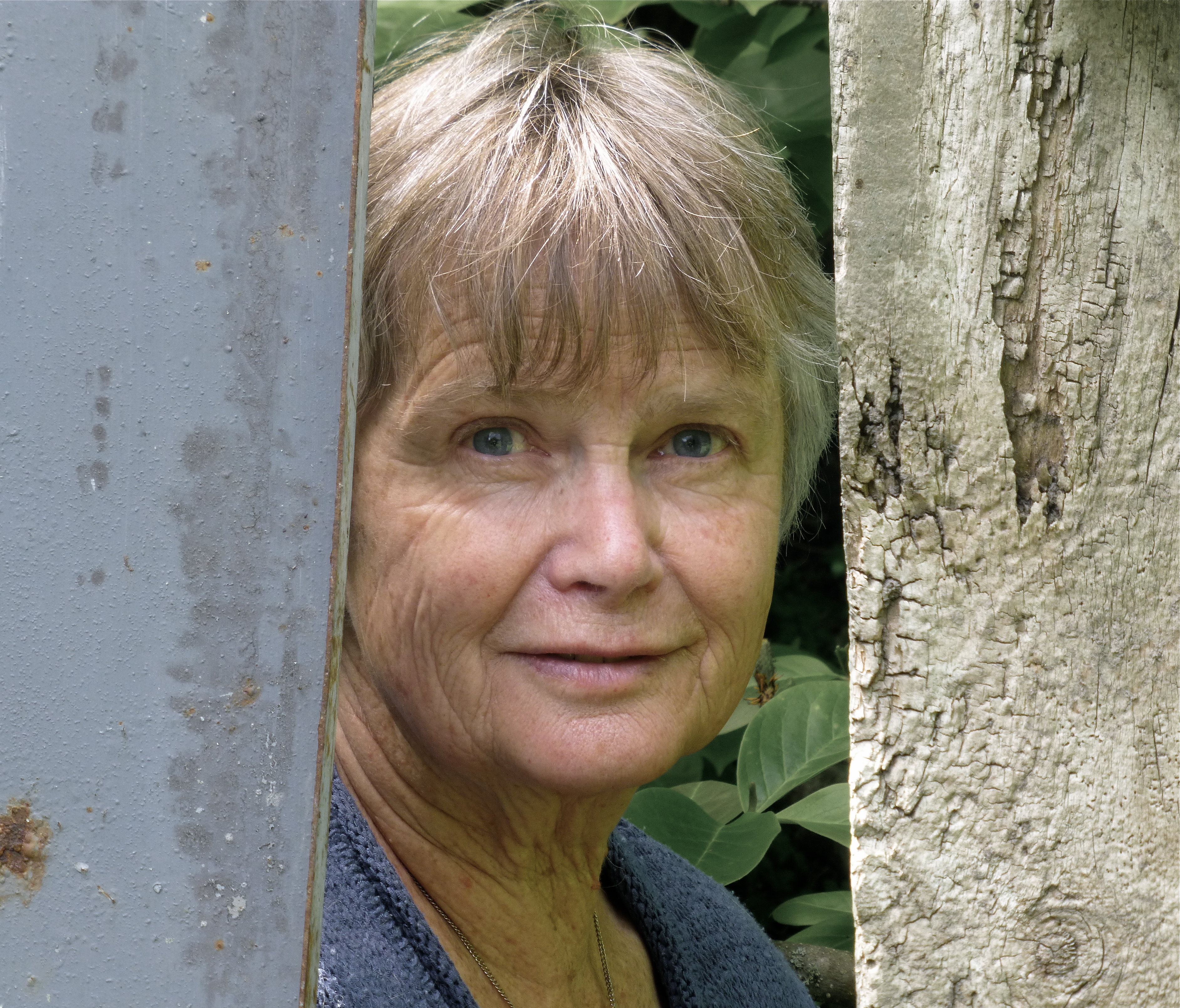
Bones in the octagon front cover copy     McCurdie colour author pic

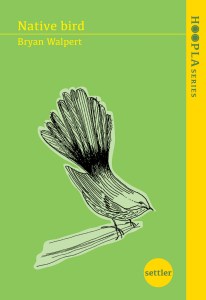
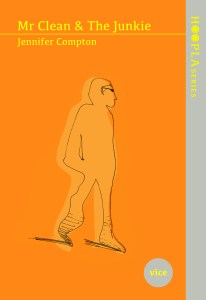
Bones in the Octagon by Carolyn McCurdie, Mākaro Press, 2015 (part of The Hoopla Series 2015, see below for other two titles)

Launch notes – Emma Neale


I’ve spoken in public before about first coming across Carolyn’s fantasy novel for children, The Unquiet, in manuscript form at Longacre Press. I felt then a sense of breathless disbelief that something so sharp and lucidly poetic, was just sitting there, looking like any other mild-mannered typescript in the unsolicited submissions pile. It should have been thrust into the air gleaming like the sword from the stone in myth. Hyperbole, you might think, but the novel went on to be named in the Storylines Trust list of ‘Notable Books of 2007’, and I still stand by my description of it as a novel that seems Frameian in its use of gentle abstraction, natural imagery, and its empathy for the child’s eye view. Carolyn’s use of imagery there lay potent clues for what she also does in her poetry.

Mākaro Press have done a gorgeous job of producing this first collection of her poems —her first poems, but her third book. (There is also an ebook of short stories called Albatross, published by Rosa Mira books.) I love the feel of the whole Hoopla series as tactile objects — the fact you can slip them into your bag or capacious coat pocket like a Swiss army knife — bristling with tools for the mind — and the fact that it comes with two free bookmarks — (i.e. the side flaps) — or wings, symbolically ready for launch.

When I first started reading Bones in the Octagon, very early on I wanted to pluck out the phrase ‘shy iridescence’ to characterise Carolyn’s poems. But increasingly that came to seem lazy, insipid, because while the poems might have a kind of chromatic shimmer of mood and topic, the dart and race of illumination, the voice is anything but reticent. It is often, I think, steely. There is an inner resilience here; a voice that holds its strong, pure note even when face to face with everything from physical drought to domestic violence, psychological abuse, suppression, bereavement, political corruption, dislocation, and deep dread. Resurgent, the voice always lifts. And throughout, even when confronting darkness, it somehow still hums with wonder.

Carolyn’s poems can reach back to the first footprints and hungers of human civilisation, feeling out for connection to our earliest selves; they can hone in on the present, with condemnations of political expediency and brutality; they can have the dreamlike urgency of premonition; the shiver of fable lodged deep as inherited instincts, bred in the bone. Some, like ‘Making up the spare beds for the Brothers Grimm’, contain a sense of threat and corrupted relationships that go right down to the roots of a primal terror — there are traces here of abuse, damage, disillusion. Yet the touch is so light and the poetic control impeccable.

Often the voice in the book seems to speak in the firm but whispered imperatives of a mentor, parent, even a spirit guide. (Here is just a small sample: don’t cross, cross now, go through, walk with me, pack no bags, don’t look back, stand by her, watch out, shush, look there, please leave, come in, measure, wait…and again wait…. and wait.) There’s the sense of a markswoman with her arrow pulled back, tense, taut, not even quivering — then thwish — the poem is released.

Carolyn’s range is wide: she draws on world myth, local human and zoological history, the urban present, the transcendent imagination of childhood, a feeling of secular prayer and benediction. ‘Verbal Thai Chi’ is another way to describe the atmosphere of her work. She catches the heady lift of music ‘the intoxication of song’ as she calls it; she has a long view, of gradations of deep time — yet she is also vividly alert to the smallest shift in interaction between people right now, in the living minute. (I’ll just say here, watch out for the eyebrows.)

Her language, in its crisp repetitions, might imitate a bird in flight; her use of line break and white space can capture the way a ‘silence is vibrant’ […] ‘As when you enter a room/and conversation stops’ ; the careful accretion of information builds like a web of narrative, every strand or line holding the whole design in place. There can be gentle, plangent word play which shows the way the subconscious can both pun and express loss, can show the past so indelibly written on the mind’s memory maps.

Throughout the book, there is an awareness of the atavistic, of someone listening in closely to the primitive within us, but with something like a physician’s training and carefulness. It made me think of the title of a Les Murray collection, Translations from the Natural World, but where Murray’s work sprawls and layers, Carolyn seems to have a porous sensitivity that she still manages to whittle down to a fine wire of narrative; to forge the line till it strikes a clear, ringing note.

I could say so much more about Carolyn’s work, but I want to close by saying that as in her poem ‘Hut’, her work has corners that shelter tenderness, and offer us refuge. To use her own lines to sum up the strongest qualities in her work, and to make a ‘virtual’ toast to Carolyn here: “Fire, music, you. Another sip.”
 

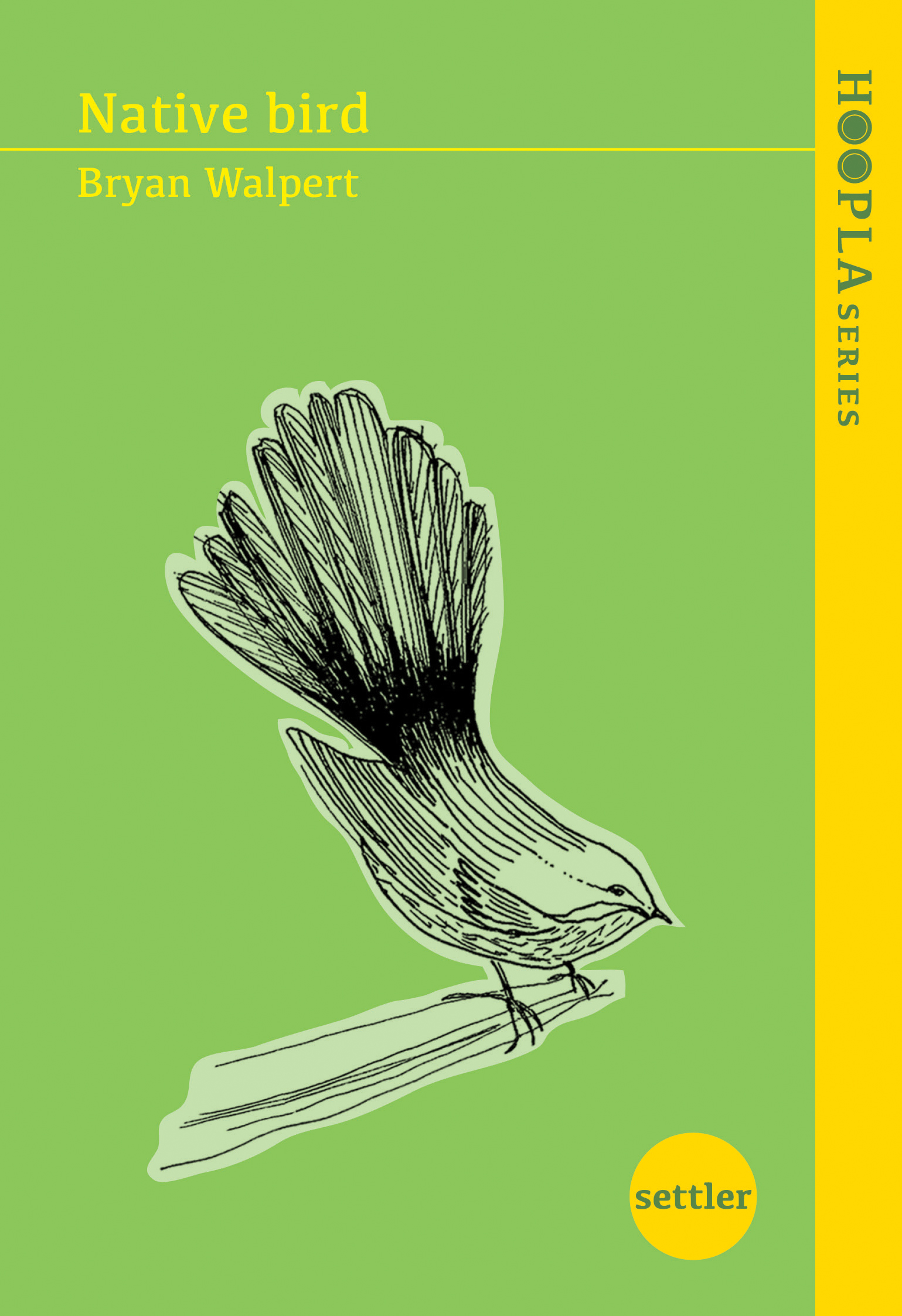
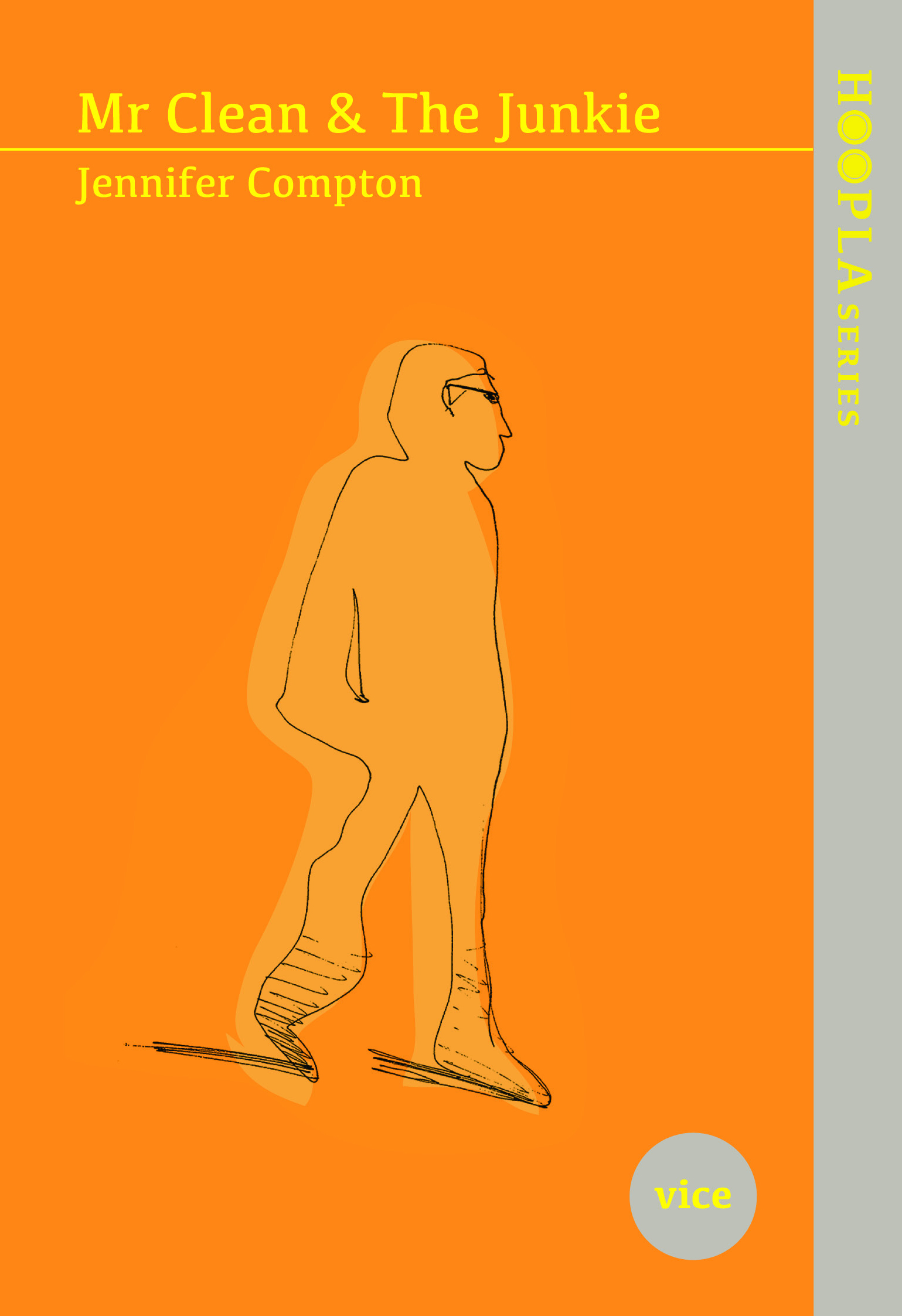
Hoopla Native bird front cover copy Mr Clean & The Junkie front cover copy

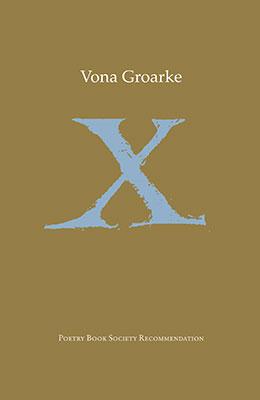
Nina Powles on Vona Groarke in conversation with Cliff Fell at the City Gallery ‘I’m interested in words being placed on top of other words; words landing on top of their own shadow’

X-Vona-Groarke-1

Vona Groarke in conversation with Cliff Fell at the City Gallery,

Wellington. 21 May, 2015


the lit window summons the dark

as if from one frame of mind to another,


as if from one future to a future opposite

runs a tripwire of desire.


— Vona Groarke, ‘The Courtyards of Vilhelm Hammershøi’, from X


In the dimly lit auditorium, attended by a good crowd for a rainy Thursday afternoon, Groarke begins by reading from a sequence of poems about her garden, from her latest collection, X. She acknowledges the difficulty in writing about one’s garden—so many people have done it before. But this didn’t daunt her. She talks about putting aside how certain subjects have been written about in the past, and seeing how you can make it grow in your own small patch.

Her poems—and the things she says when she talks about her poems—keep coming back to the idea of ‘negotiating the territory between an object’s physical reality and its metaphorical resonance.’ A murmur ripples through the audience. These are exactly the moments in her poems that catch me—the way we’re suddenly shown two layers of reality at once, in so few words.

When asked about the characteristics of Irish poetry, Groarke smiles and says there might be things that can be identified as Irish inside poems, ‘but all these things don’t necessarily add up to an Irish poem’. Her answer reminds me of things people often say about New Zealand poetry and the impossibility of defining what ‘a New Zealand poem’ is.

She reads one of her ekphrastic poems, ‘La Route’, about a painting by André Derain. It reads ‘your footprints in the dust / fall upon footprints in the dust’. She comes back to this particular image later in the conversation: ‘I’m interested in words being placed on top of other words; words landing on top of their own shadow.’ Reading the poem on the page certainly has this effect, but hearing it aloud is another thing—hearing the words land on top of their echo.

Vona-Groarke  Vona-Groarke  Vona-Groarke  Vona-Groarke   Vona-Groarke

Groarke has many poems about paintings, including a haunting sequence in X about the work of Danish painter Vilhelm Hammershøi who paints empty rooms with mere traces of human presence left inside them. Looking at a painting sometimes triggers a poem, she says, but not always. When asked about where she finds inspiration, she says there’s no single place; they can come from anywhere. ‘You don’t get better or faster at writing poems. You get better at learning to recognise when something has happened that might result in a poem.’ I sense a murmur of agreement around me. ‘That unpredictability, that not knowing when or where a poem will spring from,’ she says, ‘that keeps me writing.’

As the conversation drew to its end, Groarke read the opening passage of her translation of EibhlÍn Dubh NÍ Chonnaill’s ‘Lament for Art O’Leary,’ a poem extemporised in the Irish keening tradition and considered one of the greatest 18th century Irish poems. She finished with two poems about her daughter. One – an account of a visit to Haworth – focused on an exhibit of Charlotte Bronte’s underwear. As Groake asked of the audience, why would anyone want to exhibit someone else’s underwear, let alone Charlotte Bronte’s? Why, indeed?


Irish poet, Vona Groarke, has published six collections with Gallery Press. Her poems have  appeared in the following places: Yale Review, The New Yorker, Kenyon Review, Boston Review, The Guardian, The Times and Poetry Review. Vona currently edits Poetry Ireland Review and teaches poetry in the Centre for New Writing at the University of Manchester. Vona was judge of the Sarah Broom Poetry Award in 2015 and appeared at the Award session at the Auckland Writers Festival in May.

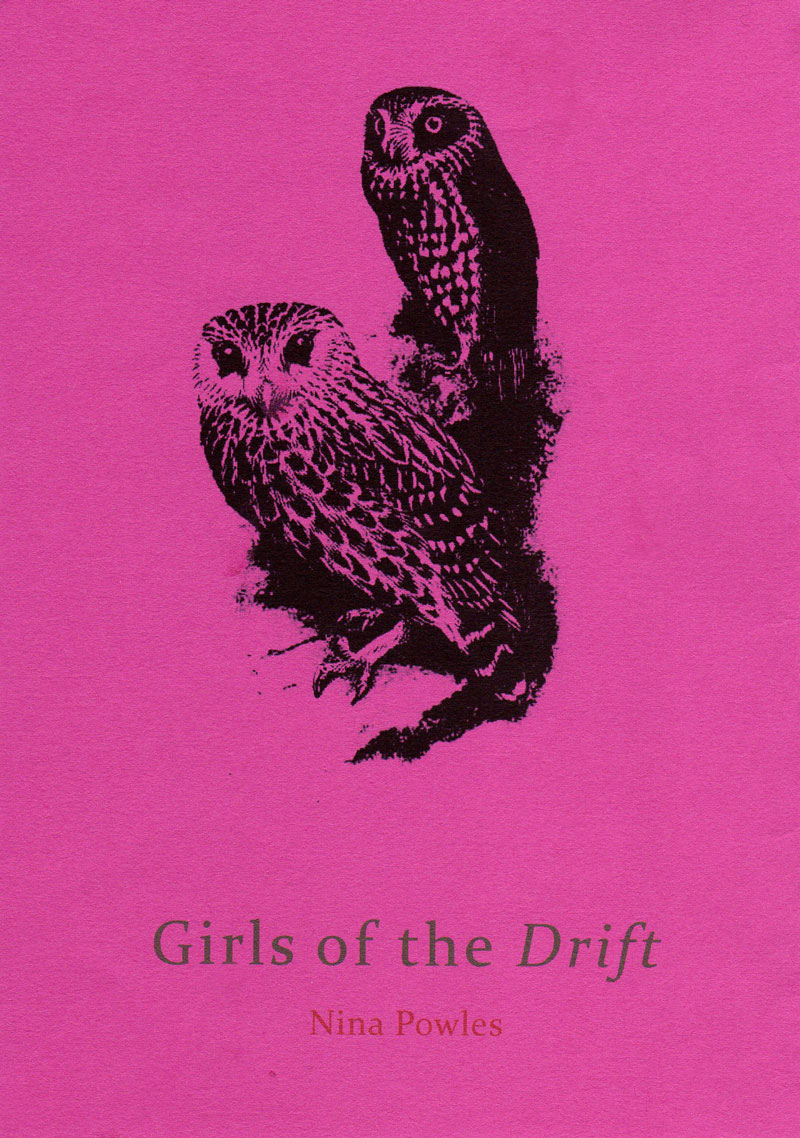
Nina Powles lives in Wellington and is studying towards an MA in Creative Writing at the IIML. Her debut chapbook Girls of the Drift was published by Seraph Press in 2014, from which a poem was selected by Vincent O’Sullivan for Best New Zealand Poems 2014. Her non-fiction writing, ranging from book reviews to essays about whales, has appeared in Salient and Turbine.

Girls-of-the-Drift-cover-web Nina

Poem Friday: Ashleigh Young’s ‘Become road’ clung to me like a poetry limpet as I left the room

Become road

When the car stops we are beginning already to become road.
A little taken apart and buried, the way birds, leaves
become road. Become road beneath
the burying of cars. All become driven over,
all become under. Even weather is taken
a little apart and buried. That we have been hit tonight
is relief; we no longer need to wonder when. Pain becomes
a story we will tell you years from now.
Sound becomes the dream you’ll nurse us from.
For now we are a passenger belted in
to the happening, looking back
at our tame furred moon. On our way home
the night had been too pleasant: rows and rows
of blue glass jars like the BFG’s jars
of dreams: the night was too pleasant
for what we had done. As we cycled uphill
the person we once were was cycling downhill
and each exhalation pushed us further apart.
Before we got hit we saw the shadows of trees
become road. Then the trees. A woman walking
a dachshund through the trees become road.
We saw the dog’s eyes glinting in the road.
The shine of his leash, caught in the road.
We heard voices in the trees become road, and the sound
of someone’s phone ringing in the trees become road.
As traffic clears, the road softens and takes us
deep in its arms, which though hard, accommodate
everyone. Early morning, as the road begins
its upward surge we hear footsteps nearing
from somewhere inside the road, as if
we have been recognised.

© Ashleigh Young


Note from Paula: This was one of the poems that Ashleigh read out at the Auckland Writers Festival in the session for the Sarah Broom Poetry Award. Ashleigh was a finalist in the award along with  Alice Miller (I was her stand in)  and Diana Bridge (winner). This poem really struck a chord with me, clung to me like a poetry limpet as I left the room. Curiously, as I listened, it was a little hallucinogenic — time slowed down, the world stretched out to a state of dissolve and all that mattered was the elongated moment of the poem. Everything inside the poem seemed bright, shining, crystal clear yet simultaneously unreal, mysterious, out of reach. Disconcerting. Strange and estranging. The words so perfectly catching the momentum of anecdote yet lilting sideways, looping back like a Zen master as everything becomes road and time laps back upon itself (‘As we cycled uphill/ the person we once were were was cycling downhill’). Really, that state I had to snap out of as I sat on stage in front of the packed audience is the state embedded in the poem — when catastrophe strikes. The world stretches like chewing gum to become so real it is unreal. This is what poetry can do; it can take those unfathomable, unspeakable moments and cast them within a poetic frame that recasts you. You get to see and feel and shift a bit. Thank you Asheigh Young, thank you.


Sarah Broom Poetry Award judge’s comments (Vona Groarke) on Ashleigh here.