Category Archives: NZ poems

Poetry Shelf review: Jackson Nieuwland’s I am a human being

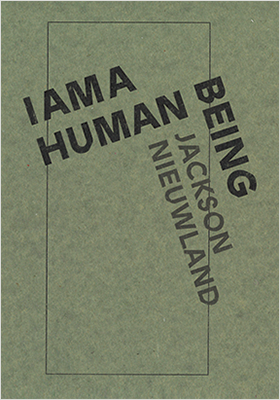
I am a human being, Jackson Nieuwland, Compound Press, 2020

Sometimes you pick up a poetry book and you know within a page or two, it is a perfect fit, a slow-speed read to savour with joy. That’s how I felt when I started reading Jackson Nieuwland’s I am a human being. I love the premise embedded in the title, that in turn generates a sequence of poems that form a secret title list poem (I am an egg, I am a tree, I am tree, I am a beaver, I am a bear, I am a dog, I am a bottomless pit, and so on).

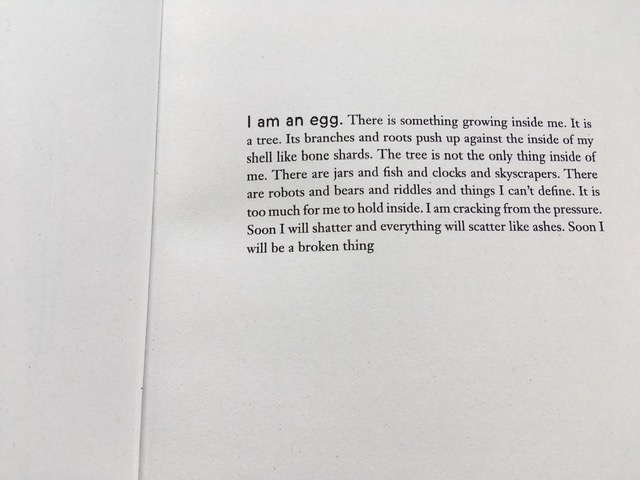
The opening poem offers an image that, in its exquisite and heart-moving detail, underlines the range of the book: physical, metaphorical, fable-like, metaphysical, autobiographical. In one poem the speaker suggests they are not quite sure who they are yet, that there is no single word that adequately defines them (‘agender, genderfluid, trans …’). This book, so long in the making, lovingly crafted with the loving support of friends, with both doubt and with grace (think poise, fluency, adroitness), this book, in its lists and its expansions, moves beyond the need for a single self-defining word.

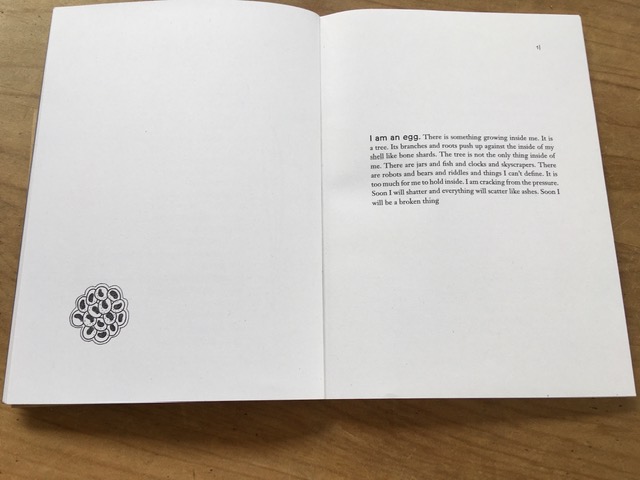
Instead we are offered the image of the egg – and the way we hold a universe of things inside us, and that sometimes we might break.
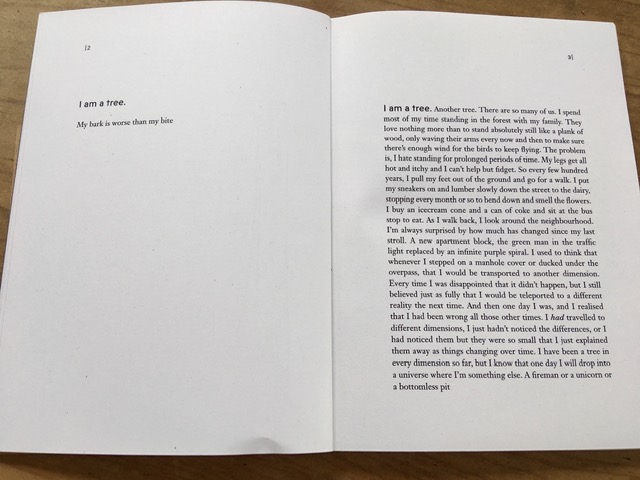
This is intimate poetry. This is slowing down to observe the quotidian, the daily comings and goings, the things you see and feel when you stop and reflect and imagine, that then tilts to surprise. There is uplift and there is slipstream.

This is contoured poetry because it ignites so many parts of you as you read. You will laugh out loud as you read. You will feel the poignant witty wise delightful magical joy. The shifting melodies. There are keyholes to light and keyholes to dark. The speaker speaks of outsiderness, of what it is to fit, and what it is to not fit.

Sometime you will turn the page to a glorious pun.
Sometimes the vulnerability is a sharp ache above the surface of the line. This from ‘I am version of you from the future’:

Your past self looks at you with sympathy.

They pull you into a tight hug.

You begin to sob

releasing years of tears

that had been held inside

due to the conditioning you received

from a patriarchal society

and the overload of testosterone

pumping through you body.

As you sink into your own embrace,

the two versions of you merge into one,

and you begin again

given a chance to do it all over

but differently this time,

with an open heart

like quadruple bypass surgery.

The risk of death is high

but what other choice do you have?

I am a version of you from the future.

This is just the beginning—

I am a human being is my favourite poetry book of 2020 so far. I like the addition of Steph Maree’s line drawings. I like the way the poetry stretches in its imaginings to draw closer to an interior real that is never fixed. I like the way the poetry is both anchor and liberating kite. I like the acknowledgement that, in order to know who you are, you need to embrace many things. I love this book so very much from first page to last. In the endnotes, the page where the poet gives thanks, I read the best acknowledgement ever:

And thank you for reading

this book. I’ve gone back and

forth with myself for years

about whether these words are

worth anyone’s time. It means

the universe to me that you’ve

read all the way to the end. I

hope you found something that

meant something to you.

Jackson Nieuwland is a genderqueer writer from Te Whanganui-a-Tara. Their poetry has appeared in a number of journals, in print and online.

Compound Press page
Poetry Shelf poets on poetry: Murray Edmond on ‘A translation of one of the sonnets of the importunate’

THE TO AND FROM OF POETRY

Murray Edmond’s poem ‘A translation of one of the sonnets of the importunate’

Poems are written ‘from’ – from the author – and poems are sent ‘to’ –  to the reader. The poem itself, the ding an sich, needs both its writer and its reader to exist; or perhaps it would make more sense to say, ‘to accomplish its existence.’

Any poem can be an occasion to kōrero about poetry. And this is what I’d like to do. Having once written the poem, when you go back to it, you realise you are the reader and you find the poem is staring back at you:

‘Tell me what you make of me now,’ the poem says.

 ‘Okay, poem, I shall try and do this.’

Poems contain within themselves some form of address, which is why one always needs to ask those old questions:

Who (or what) is speaking in the poem?

Who (or what) is being spoken to?

And what is the nature of this speech – does it tell a story? Does it tempt you to agree with a proposition? Does it reveal a surprise? Is it trying to achieve something  – does it petition? Persuade? Plead? Threaten? Demand? Seduce? Okay, so, what is the poem doing?

And that further question: What kind of poem is this?

The poem of mine that I have chosen for this kōrero importunes. That’s the action of poem. It is called ‘A translation of one of the sonnets of the importunate.’ The importunate speak.

Before moving to the next questions, best you have a chance to read the poem for yourself, dear Reader; after all, it is you who shall complete the poem as its reader. For the purposes of this exercise, I, once the author, am now of your kind, a reader too. And, remember, we may always and often disagree:

They brought those fêted seals in bells and hats

and leis by fated sails from ocean bowers

with cargo load of sated foals and gold

crew of fetid souls – white warlock on the bridge

our failed ships drooped before this armada

lagoon spilled shells and pestilence of coral

so that we took forced spoils and chopped them up

in slithers speech degrades – swathed fools

worked days of filched sleeps and broken skin

slipped our secret saviours feasts of scraps –

those zealots who sequestered skeins of poison –

lovers searching under sheets for signs of solace

swift wealth consumes our livers’ breath

sweet succubus send annihilation of the goat

In the last line the poem does reveal to whom it speaks. There is that moment of specific address: ‘sweet succubus.’ A succubus is importuned.

Succubuses (or slightly less hissy, succubae), supernatural entities, better known as demons, are probably folkloric in origin, though they pop up in Jewish religious texts and stories, as well as in the form of ‘Jinns’ in Turkey; and they caused consternation to such Christian thinkers as St Augustine, Thomas Aquinas and James 1st of England – they were anxious if these demons could conceive offspring from humans. In Brazil you might find one in a river looking like a dolphin (boto), but always wearing a hat so you don’t notice the demon is breathing through the top of its head. Though a succubus is female and its male equivalent is called an incubus, there’s a strong feeling that a certain gender fluidity allows a succubus to flip over into an incubus and back again into a succubus, as required. Put simply, these demons come and seduce you and then kill you via sexual desire and ravishment.  They annihilate you. The father of Gilgamesh, hero of the eponymous Sumerican epic, seems to have been an early precursor of an incubus; while in The Zohar Adam’s first wife, Lilith, becomes a succubus. Pope Sylvester (999 – 1003) apologized for having a relationship with a succubus, but there may have been an element of rationalization involved in his story

The voice of my poem importunes a succubus to ‘send annihilation of the goat.’

The action of the poem ghosts the action of a prayer, in that a prayer (while not being a performative speech act) is a form of words that try to make something happen by the act of being spoken.

Well then, what kind of poem is this?  Its title proclaims its origins and its classification.: ‘A translation of one of the sonnets.’ ‘Translation’ means that here exists a previous form of the poem in a different language – what you are reading is a step away from the original. And ‘one of the sonnets’ gives us a particular kind of poem.

The inventor of the sonnet, Giacomo de Lentini, writing in Sicilian in the thirteenth century, was a lawyer, a pleader, in the Sicilian court of Frederick II, an Epicurean atheist whom Dante placed in the sixth layer of hell and Nietzsche called ‘the first European.’ Since then the sonnet has been relentlessly propagated. When Elizabeth Barrett Browning composed her Sonnets from the Portuguese in the mid-1840s, she initially wanted to call them ‘Sonnets translated from the Bosnian.’ Husband Robert used to call her ‘my little Portuguese’ and so the change of name allowed her to embed the private reference (‘Yes, call me by my pet-name’ – Sonnet 33) as well as posing the poems as translations, thus securing the best of both worlds, which sometimes poems aim to do.

Since poets never write alone, it’s worth mentioning that the poet who was on Elizabeth’s mind was Luis de Camões (1524-1580), celebrated ‘national poet’ of Portugal. Camões may have been the first significant European poet to cross the equator into the Southern Hemisphere, spending periods in Goa and in Macau and being wrecked off the coast of Cambodia, experiences which contributed to his epic Lusiads. But he was also a sonneteer. 

The sonnet itself is a topic for sonnets. In English, Keats wrote ‘On the Sonnet’ and Wordsworth wrote ‘Scorn not the sonnet’ (and Shelley wrote a sonnet, ‘To Wordsworth,’ a lament for Wordsworth’s betrayal of his commitment to ‘truth and liberty’). I think my favourite is Edna St Vincent Millay’s ‘I will put Chaos into fourteen lines.’

With my sonnet, I wished to include the presence of chaos within the fourteen-line form. The word succubus comes from the Latin word ‘succuba,’ meaning a ‘paramour,’ which in its turn derives from ‘sub’ meaning under and ‘cubare’ to lie. The succubus will come and lie under you while certain erotic dreams occur. Entirely the fault of the succubus. In an analogical way, the form of the sonnet ‘lies under’ my poem. Desire beneath the chaos.

In his Handbook of Poetic Forms, Ron Padgett writes that the ‘sonnet form involves a certain way of thinking.’ Padgett points out, ‘if you want to write in the sonnet form, it’s good to understand the concept of “therefore”.’

Therefore, the first quatrain of my poem evokes an incursion bringing disaster – ‘by fated sails from ocean bowers’ – the arrival of pestilence, pandemic, plague, prostration, perhaps a colonization, with the fatal combination of ‘crew’ and ‘white warlock on the bridge.’  

The next quatrain informs that, like ‘swathed fools,’ resisters to this ‘armada’ are helpless. Therefore, in the third quatrain, such slow plans as the nurturing of ‘secret saviours’ and the plottings of ‘zealots’ are frustrated by the concitation of the desire for destruction. That desire, ‘annihilation of the goat’ in the poem’s final words, may be for self-destruction or the miracle that will drive the invaders out. ‘Whose annihilation?’ is the question. The sonnet is a coded message from the damned who can only speak in riddles. This is a poem that does not declare itself because it is written from a situation in which it is not safe to do so. The language sounds strange, tantalizing, alien, indeed, translated.

One presumes there are more sonnets to come which might explain. As this garland of sonnets is unwound, will poetry make something happen? ‘Poetry makes nothing happen,’ as Auden mentioned in his poem on the death of Yeats.  And that may just be its achievement. Poetry can make nothing happen. In reality nothing can’t happen. But in poetry it can. That’s what the reader finds, when they invent out of this nothing.

Every poem is a kind of collaboration. When you write a poem you begin by collaborating with the reader’s idea of what a poem is: you may want to subvert this idea or confirm it, but you are complicit from word one. Then the poem has a form that is one you borrow or one that you claim (against what odds it is hard to measure) is your own. The form and the reader are both ‘others’ of your poem. Where does that leave your poem? And you –  are you the ghost of your poem? Is the reader the reader conceived from your poem?

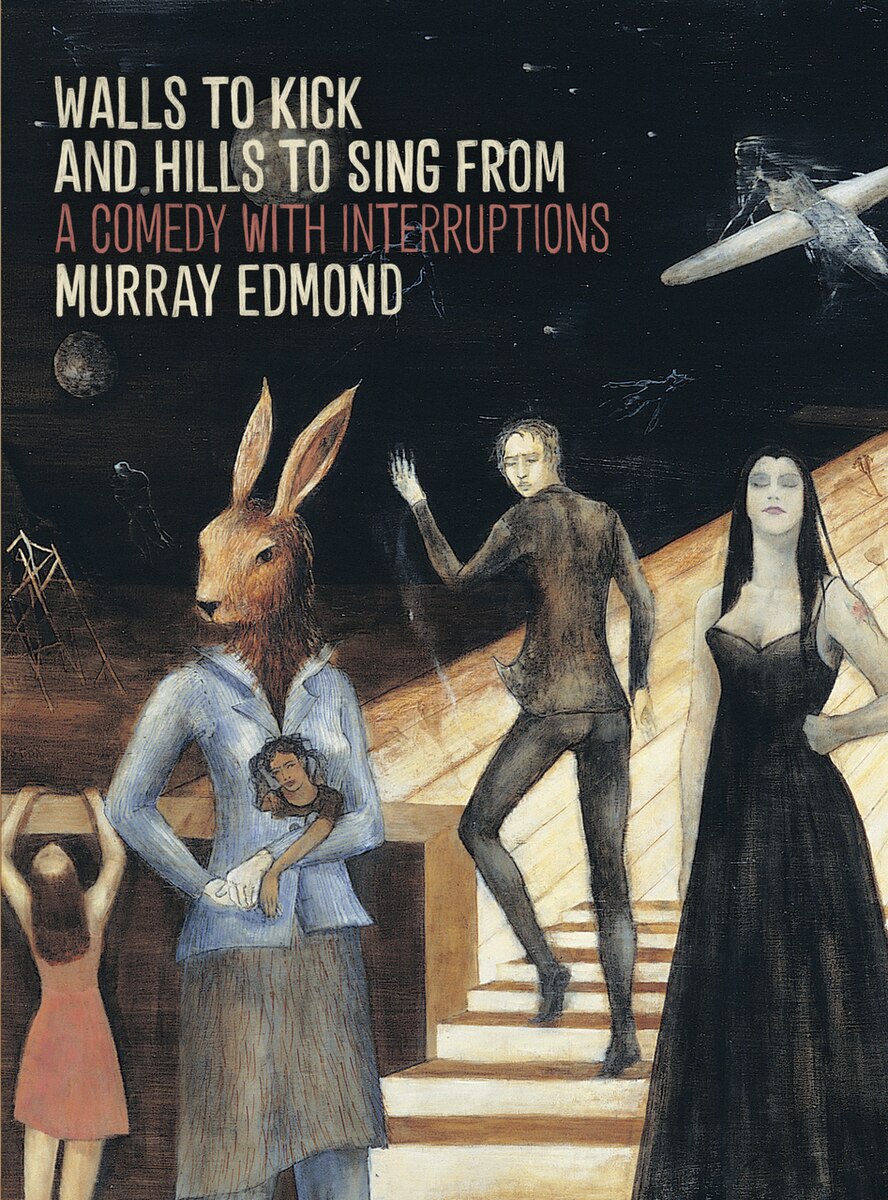
‘A translation of one of the sonnets of the importunate’ appears in Walls to Kick and Hills to Sing From: a comedy with interruptions by Murray Edmond (Auckland UP, 2010) p.19.

Murray Edmond: Born Kirikiriroa 1949, lives in Glen Eden, Auckland. Poet (14 books, Shaggy Magpie Songs, 2015, Back Before You Know, 2019); critic (Then It Was Now Again: Selected Critical Writing, 2014); fiction-writer (Strait Men and Other Tales, 2015); editor, Ka Mate Ka Ora; dramaturge for Indian Ink Theatre. Forthcoming: from Indian Ink, Paradise or the Impermanence of Ice Cream, Q Theatre, October 2020. Ka Mate Ka Ora #18, October 2020. Time to Make a Song and Dance: Cultural Revolt in Auckland in the 1960s, from Atuanui Press in 2021.

You can hear Murray in conversation with Erena Shingade here. He reads this poem at the end.

Auckland University Press page

Poetry Shelf Monday poem: Rachel Lockwood’s ‘Water Ways’

Water Ways

I have bloodied and been bloodied,

I have been rivered and streamed away,

I have been forest, honey, and I have

been dirt drawn beetle, honey, and

I have been mud. I have been

lung smoke, throat clearing,

menthol rasp, honey.

I have been liar and bullshitter,

I have been the round pot of tallow, honey,

and I have scraped. I have been

oceaned and rivered away.

I have been deep ravine, baby,

I have been gully, I have been fog.

I have been mirage darling,

I have been cowboy antithesis.

I have been shadow hungry, honey,

I have been fern, and salmon, and bird.

I have been runt of the litter, honey,

I have been fed fat on cream.

I have been love lettered, been Dear John lettered,

I have been written to ask to leave

and leave and come back again

like some migratory sea bird

to the winter. I have been soft-held,

honey, I have been soft-held by you.

Rachel Lockwood

Rachel Lockwood is Hawke’s Bay born and bred but now living in Wellington and studying a BA at VUW. She was a 2019 National Schools Poetry Award finalist, and has previously been published in Starling.

You can hear Rachel read her poem in Starling 10 here

Rachel muses on essa may ranapiri’s poem ‘she cut her face shaving’

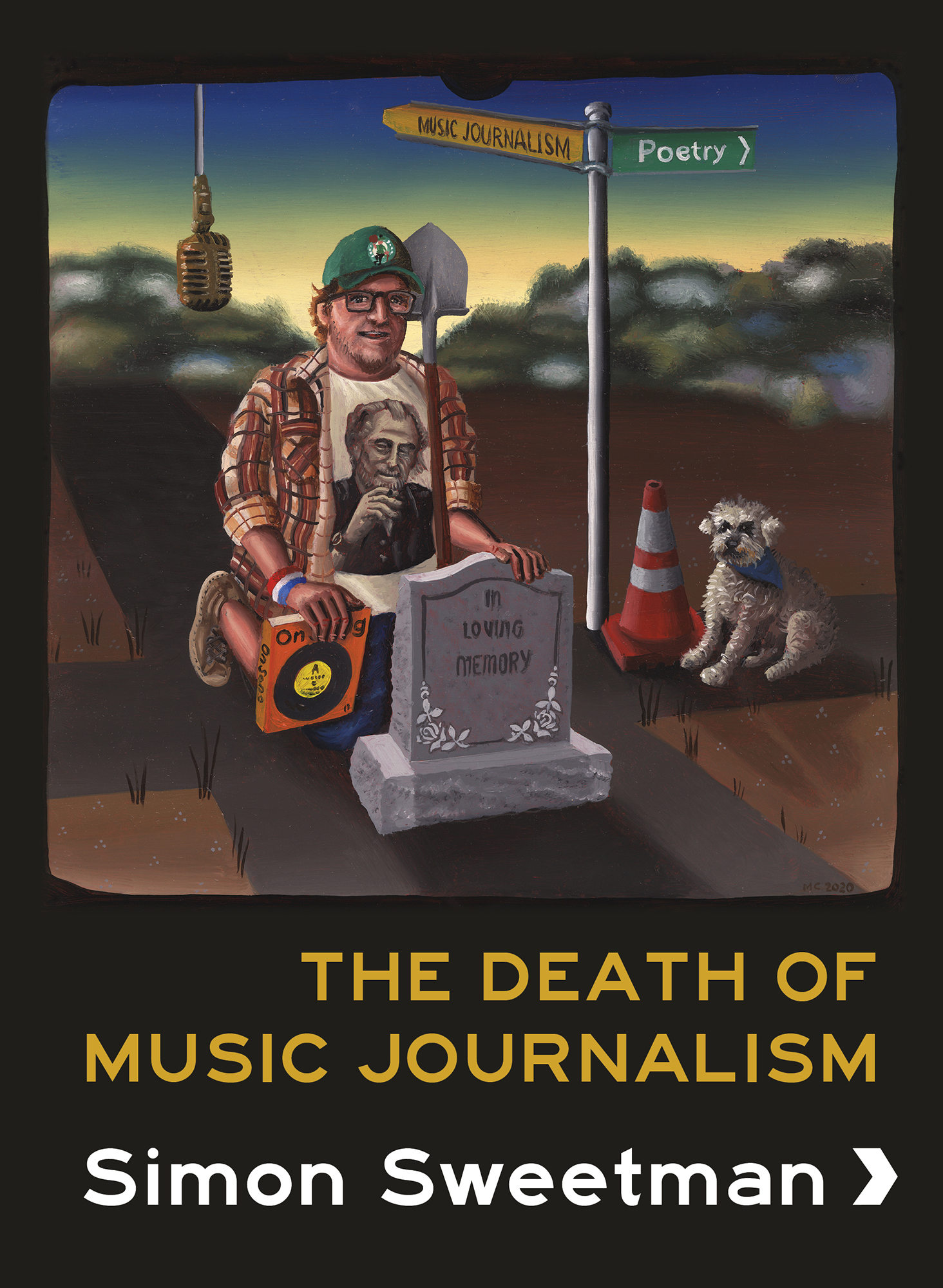
Poetry Shelf Video Lounge: Simon Sweetman reads from his debut poetry collection, The Death of Music Journalism

Simon Sweetman reads poems from his debut poetry collection, The Death of Music Journalism (The Cuba Press, 2020)

Simon Sweetman is a Wellington-based writer of poems, stories, blogs and reviews. He grew up in Hawke’s Bay where sport was the thing. Now it’s music, horror movies, dog walks and family time. The Death of Music Journalism is his second book (after 2012’s On Song) and his first book of poetry. He blogs, everyday, at offthetracks.co.nz and is the host of Sweetman Podcast. Sometimes he appears on RNZ talking about music. And would like to do that more often.

The Cuba Press author page

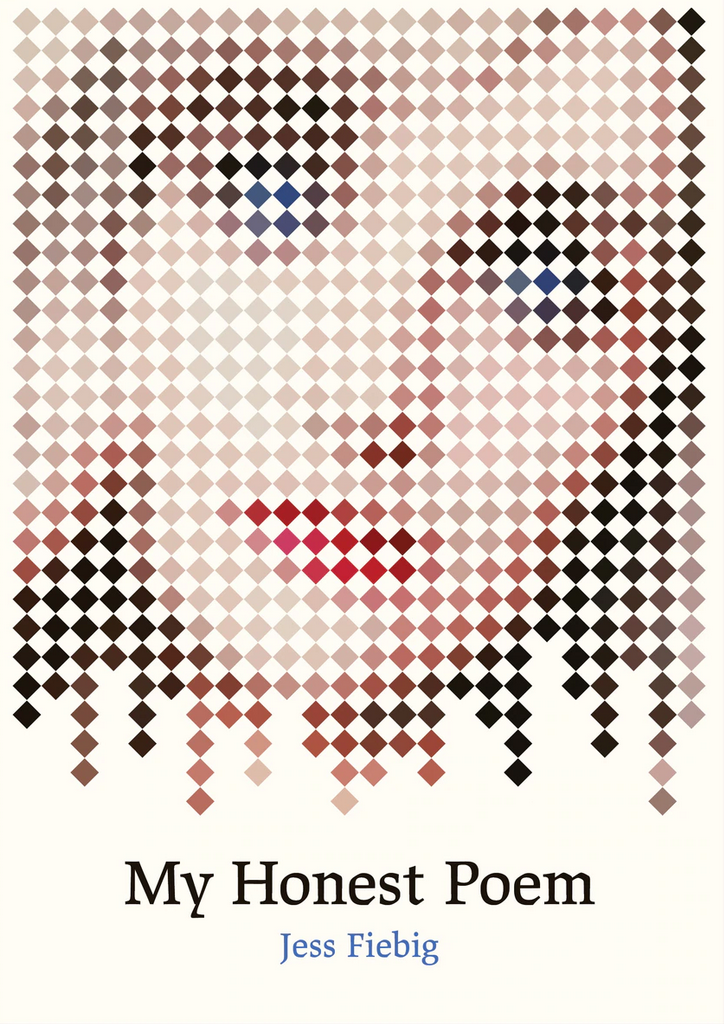
Poetry Shelf review: Jess Fiebig’s My Honest Poem

Jess Fiebig My Honest Poem Auckland University Press 2020

When I was a scrap of blonde hair, pink cheeks

and jam-smeared hands, my grandma would say

‘that girl always needs a pen in her hand’

and at twenty-eight, I think she called it,

right from the start.

from ‘My Honest Poem’

I first picked up Jess Fiegbig’s book when we were in lockdown and I held the book at arm’s length as I was navigating my own dark thoughts. It wasn’t the time to cross poetry bridges into difficult subject matter. Yes this is a book of darkness, of anxiety, family violence, sex, drug addiction but it is also a book of hope, grit, grace. Jess’s poems navigate a woman coming into being along a rocky road, but the book is also a revelation of poems coming to life.

The title suggests the writing is an opening up, the poems frank, holding out for truth. And truth is a hot coal to handle. Prismatic. Shining this light here and that light there. For Jess it is also the heat (and ice) of writing from the searing embers of personal experience. Yet when she writes though tough subjects, her love of writing pulsates, and the words are agile on the line:

I slide two fingers

down my throat

to ease out the knots

I have folded myself into

starting gently at the bottom

and working my way up

just like

when I sat on his knee

at six years old

and he carefully combed

my tangled blonde curls

from ‘Knots’

The middle section of the book, ‘I get lost in lovers’, is both an emptying out and a replenishing. There is the physical vomiting that brings up both bile and the internal weights. ‘Kitchen Sink’ ends with the image of the grandmother and her handbag (‘the kitchen sink’) that carries ‘so much that is heavy, unnecessary’. The poet’s kitchen sink is internal, we infer: ‘I lug my own kitchen sink with me’. This swing between shedding and reclaiming finds the sharp-edged things as well as love, friendship, desire.

You need to add the crafting of poems, the hints at how poems arrive, the way certain words shimmer or blaze on the line. Yes these poems are linguistic treat. Lithe, fluent, musical, economical, image rich. Poetic choices are amplifying the subject matter. Take a stanza from ‘Hypnic Jerk’ for example. You get a murmur of ‘mms’, the tantalising hit of ‘dream souvenirs’. The image of the apple in the throat conjures voice, growth, presence, absence, the memory scaffolding maintained by a go-to image. The very fickle and hard-to-articulate business of memory:

     I have kept

           dream souvenirs

     for a time when remembering you

     wouldn’t grow an apple

                                in my throat


     from ‘Hypnic Jerk’

I find this stanza in ‘Party After Riccarton Races’ equally gripping:

     Sunday, without sleep,

     I seek out the beach, hope

     that sand on skin might release

     the brine in my head.

The poem describes a party in a multi-storied swimming-pooled home, where white powder is offered in lines on platters rather than canapes – but it is the ‘brine’ in her head that catches me, the salty agent of preservation that is holding things the speaker wants to discharge and dissolve.

People feature. Lovers, yes. Friends. In the beginning an achingly honest depiction of a mother with various addiction and distances, the abusive boyfriend of her mother. It is particularly moving to read in the acknowledgements Jess’s mention of her mother: ‘whose support of me telling these story shows real grace’. The grandmother is a recurring figure and she is a magnet of warmth and wisdom.

When we say grace,

she declares that I have cold hands, and

a warm heart; don’t go giving it all away.

My grandmother has perfect fingernails

her lined palms are soft, fleshy,

as they rest tenderly

on my arm; her touch

feels like home.

from ‘Palmistry’

The land also becomes a grounding. A way of locating a scene, a relationship, an outing, a mood shifter, an epiphany. Again the poet’s craft, the exquisite movement of word on the line, both aurally and visually, assists the story being told, the personal story being laid down:

     the yolk yellow leaves,

     brash and unashamedly golden

     in this lilac light,

     are shocking in their defiance

     of the gentle pastel landscape


     they stir something inside me

     that has lain still

                                    for so long.


     from ‘Dead Man’s Point’

My Honest Poem is a move towards new beginnings. The poetry is fresh, succulent and lyrical. Perhaps the most moving collection I have read this year; it might be difficult for some readers, but this is a poetry arrival to celebrate. It took courage to write this book, and it took a finely-tuned ear and eye to achieve such a poetry gleam.

Auckland University Press page.

Jess Fiebig is a Christchurch-based poet whose work has featured in Best New Zealand Poems 2018, Poetry New Zealand Yearbook 2018 and 2019, Landfall, Turbine | Kapohau and takahē. She was runner-up in the 2019 Sarah Broom Poetry Prize.

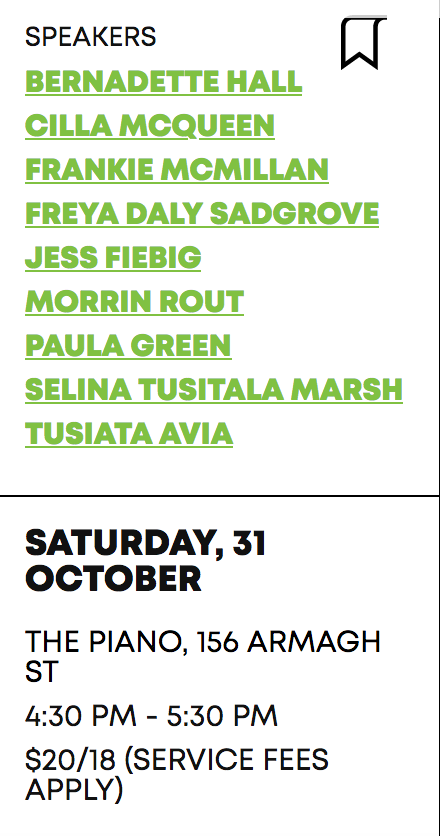
Jess is reading in my Wild Honey session at Word in Christchurch.

Poetry Shelf Monday Poem: Emma Neale’s ‘The First World Hotel’

The First World Hotel

You’re quite some guest, you know, buddy. Wet towels tossed in loose crumples like botched thank-you notes; toast crumbs Hanselled in pockets of your room; thoughts and plans kept schtoom behind that door-sized don’t disturb sign. The other occupants only ever hear you from behind the clam-shell of your walls; as if your murmured conversations always hide private, no-tell pearls.

Sometimes, true, they glimpse you in the front foyer as you knock storm-strewn camellias, tea-bag brown, from your shoes; shake rain, wood-smoke, and leaf-lint from your lapels. Or with their arms laden with laundry, linen, they might pass you in the corridor’s electric fritz and hum, where your fleet nod and smile flash up like ID, for security scans that you hope run glitch-free, let you back into your own hushed interior.

They carry on: attend to quiet comforts. Not after-dinner mints on pillows; white cloths folded into mute swans; not single malt, strong, campfire peaty and dry, in doll-sized phials. They store and preserve the apple-fall of small realisations. Such as, when you leave, how polite this son will be, as he acknowledges transient strangers in the world’s anonymous spaces.

Emma Neale

Emma Neale is the author of six novels and six collections of poetry. Her most recent novel, Billy Bird (2016) was short-listed for the Acorn Prize at the Ockham NZ Book Awards and long-listed for the Dublin International Literary Award. Emma has received a number of literary fellowships, residencies and awards, the most recent of which is the Lauris Edmond Memorial Award for a Distinguished Contribution to New Zealand Poetry 2020. Her first collection of short stories, Party Games, is due out late 2020/early 2021. Emma lives and works in Ōtepoti/Dunedin, and she is the current editor of Landfall, New Zealand’s longest-running literary journal.

Poetry Shelf Monday Poem: Tusiata Avia’s ‘Covid in the time of Primeminiscinda’

Covid in the time of Primeminiscinda

I’m not listening to Jacinda

I’m going to my friend’s party and all the herbalists are there

listing all the things:

Thieves Oil, whiteywood, kānuka, honeysuckle, pōhutukawa,

horopito, elderberry syrup.

It’s really easy, they say, all you have to do is go for many

miles into the wilds, recognise the right things, pick them,

dry them in a confusing and special way, boil them, decant

them, strain them into pure glass bottles and seal them.

You’ll be lucky to find them for sale anymore.

This freaks me out so I go home.

Level 1

I’m listening to Jacinda

I’m telling myself that I’m staying the hell away from herbalists

and Facebook

I’m sitting in cafés with the panickers, the terrified and the lonely.

I know there is plenty to panic about.

I’m staying six feet away

chatting to the old man with the stroke in his arm and his leg.

How are you? he asks. I’m good, I answer.

I’m watching the surprise in his droopy eye

and his lopsided smile.

I’m talking to the German Hare Krishna, who owns the café,

and asking her how she copes with everyone coming in

and eating their anxiety and leaving saliva on the plates.

They’re just stimulated by all of this, she says, but I have Krishna

and I will be all right.

Level 2

I’m waking up at five in the morning and I’m thinking maybe

Jacinda has become my Krishna

Hare Jacinda

Rama Primeminiscinda

I take her picture down and light my incense to nothing at all.

I’m asking my eighty-six-year-old mother to ring me half

an hour before she comes into the same room as

me and my daughter, so I can disinfect:

the light switches and the door knobs and the cupboard handles

and the fridge door and the microwave door and the knife-

drawer handle and the taps and the dishwasher door and the

bench and the tabletop and her dining-room chair and the

back of her chair and the landline phone and the TV remote

and the heat-pump remote

and then I walk quickly to the other end of the house

and disinfect the toilet and the flush button and all the light

switches and the taps and the empty towel rail.

I keep reminding my daughter:

Imagine Uncle is lying on the floor with his feet here and

his head there, that’s how far you have to stay away from Granny.

I speak loudly to Mum (cos she’s pretty deaf):

Stay away Mum, stay away.

Before my brother and my niece arrive for the last time,

my daughter is deep-frying panikeke

I say the word dangerous more than fifteen times

then I’m standing under the shower and forcing myself to

breathe

just leaving her with the boiling oil and standing under

the water and trying to breathe. I am just having a shower I am just

having a shower I am just having a shower.

I’m listening to Jacinda and clicking on her message to the nation

and the full media briefing she does afterwards

and the science woman with bright pink hair who shows us how

to wash our hands.

I am calling a briefing for my mother and daughter.

I am Jacinda

I’m plugging myself in to the TV and turning the volume up

loud enough that my daughter

has to cover her ears

and my mum can hear.

Are you ready, I ask them? Are you ready?

Level 3

Jacinda is saying tomorrow is lockdown

I know my daughter is out of sanitary pads and I’m not sure

if the taxis will keep running, so, I’m going to Wainoni

Pak’nSave with six zillion other people.

Jacinda told us to shop normally.

I’m telling myself: Shop normally shop normally shop normally

I’m forcing myself to buy one packet of toilet paper

and four cans of baby beetroot. A woman is taking photos of all

the different kinds of sanitary pads to send to her daughter.

She steps back and bumps into me. I’m trying not to freak out,

I’m forcing myself to walk slowly around the supermarket

walk slowly walk slowly walk slowly.

I’m going back to the health and beauty aisle and searching for

Rescue Remedy and not finding it

I see a guy I met on Tinder ages ago and didn’t sleep with

and he says, Well, how do you tell the story?

and gives me a look as if it is a thing that neither of us

could know, as if it is a thing perhaps no one could know.

In the carpark a couple of young bogans

stick their heads out of the car window

and cough as loud as they can, laugh and drive off.

I’m reading what the microbiologist has said about

disinfecting.

You have to let it sit for ten minutes

or you’re just moving the bacteria around.

I thought I was doing a good job keeping my mum safe.

I thought I was keeping her safe, so if she does die,

at least I will know I did all the right things

but I’ve just been moving it around.

Level 4

I’m listening to the bugle call in the kitchen.

Jesus isn’t coming back or Armageddon

or even the end of Level 4

but here is the moment of silence, so I stop

whatever ten-minute meal I am making

and remember those who have fallen: the Anzacs and the Covid

cluster down the road at the Rosewood Rest Home.

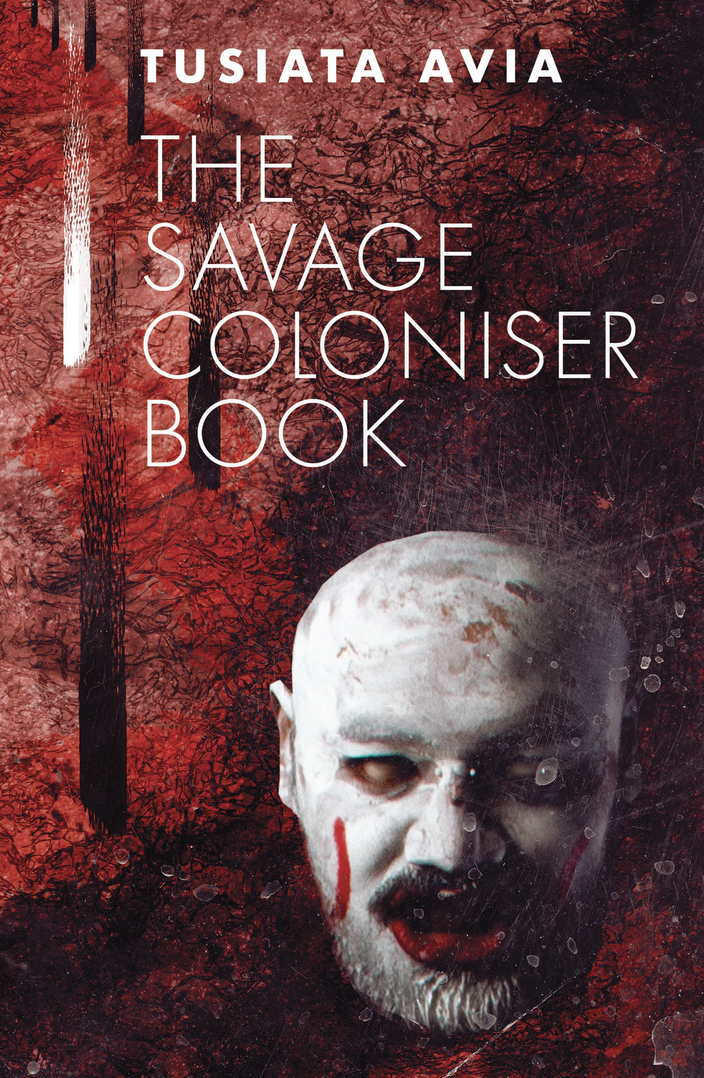
Tusiata Avia from The Savage Coloniser Book Victoria University Press, 2020

Tusiata Avia is an acclaimed poet, performer and children’s writer. Her previous poetry collections are Wild Dogs Under My Skirt (2004; also staged as a theatre show, most recently Off-Broadway, winning the 2019 Outstanding Production of the Year), Bloodclot (2009) and the Ockham-shortlisted Fale Aitu | Spirit House (2016). Tusiata has held the Fulbright Pacific Writer’s Fellowship at the University of Hawai‘i in 2005 and the Ursula Bethell Writer in Residence at University of Canterbury in 2010. She was the 2013 recipient of the Janet Frame Literary Trust Award, and in 2020 was appointed a Member of the New Zealand Order of Merit for services to poetry and the arts. Her latest collection, The Savage Coloniser Book, has just been published by Victoria University Press.

Victoria University Press page

Poetry Shelf Lounge: Richard Langston reads from his new collection, Five O’Clock Shadows

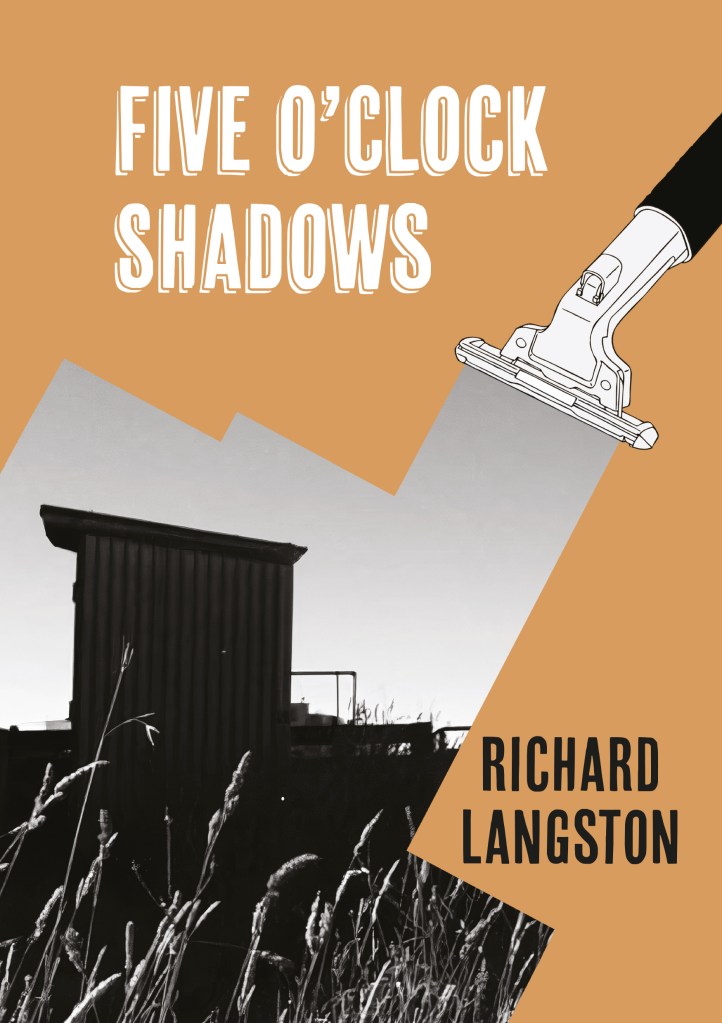
Richard Langston reads three poems from his new collection, Five O’Clock Shadows (The Cuba Press, 2020)

Richard Langston is a poet, television director, and writer. Five O’Clock Shadows is his sixth book of poems. His previous books are Things Lay in Pieces (2012), The Trouble Lamp (2009), The Newspaper Poems (2007), Henry, Come See the Blue (2005), and Boy (2003). He also writes about NZ music and posts interviews with musicians on the Phantom Billstickers website.

The Cuba Press author page

Poetry Shelf Lounge: Robyn Maree Pickens’ Finland Residency – a poem, an interview, photographs

Flaunted temporality

It is a rare winter      the blood of the earth runs unfrozen

The coldest thing is this peach & passionfruit juice in a glass bottle

I open it & take a sounding dive into you  through

pinked granite, epipelagic ocean rifts & twenty-eight lost seasons

I’m back on that dusty strip between the disused train station

& the eroding coastline where we practiced chi gong

& the ocean gulped & purged our broken teeth & awkward outs

One summer’s day we cupped a warm peach in our hands &

meditated on the distillation of sun as dust peeled the pyramids

In divinity pleats the sun magnetised the seed’s first stretch

into light & between the movement of thought & the movement

of growth there was no paralysis until we held all the sun

that had ever shone & uncupped into an orchard in a disorder

of tongues & disrobing & grasping & pressing & scent & stick

the consistency of sun-hot bruised fruit    pinnately veined 

Robyn Maree Pickens    

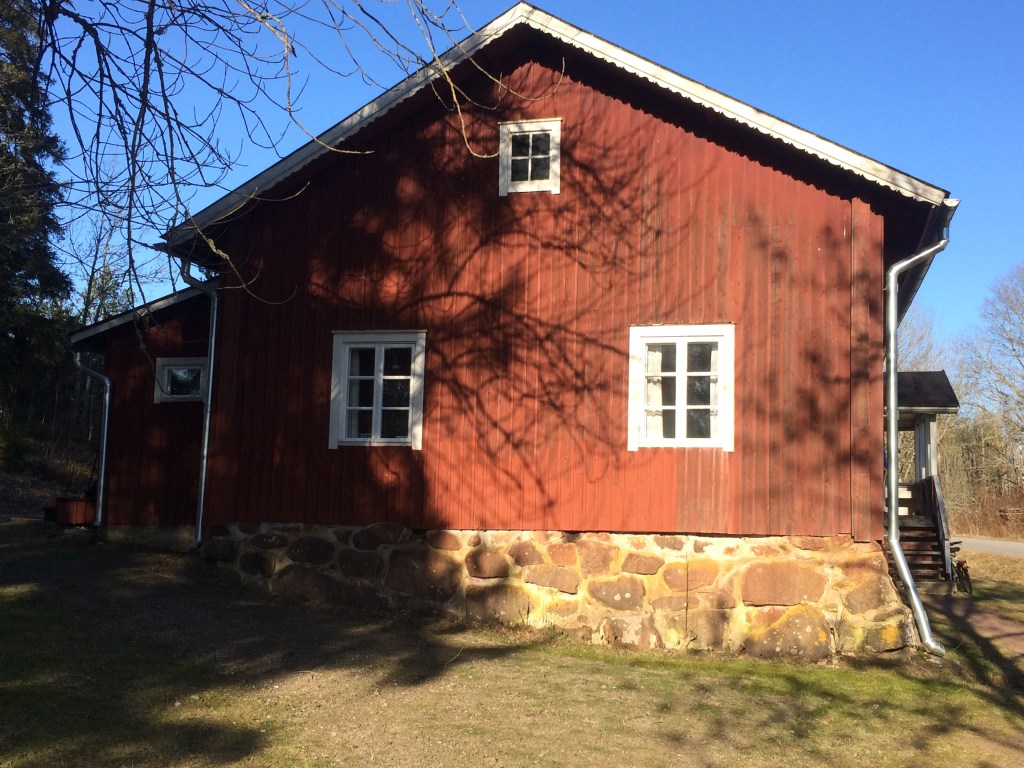
my accommodation on the day I left (28 February)

The interview

What three words come to mind when you think of your Finland experiences:

nourishment / squirrels / ice

Did you know anything about Finland before you went?

Initially nothing more than generalised projections of Nordic countries: wintry yet cosy inside, great jerseys, fish, forests of evergreens, sleek design, sauna…

Can you introduce us to the residency please?

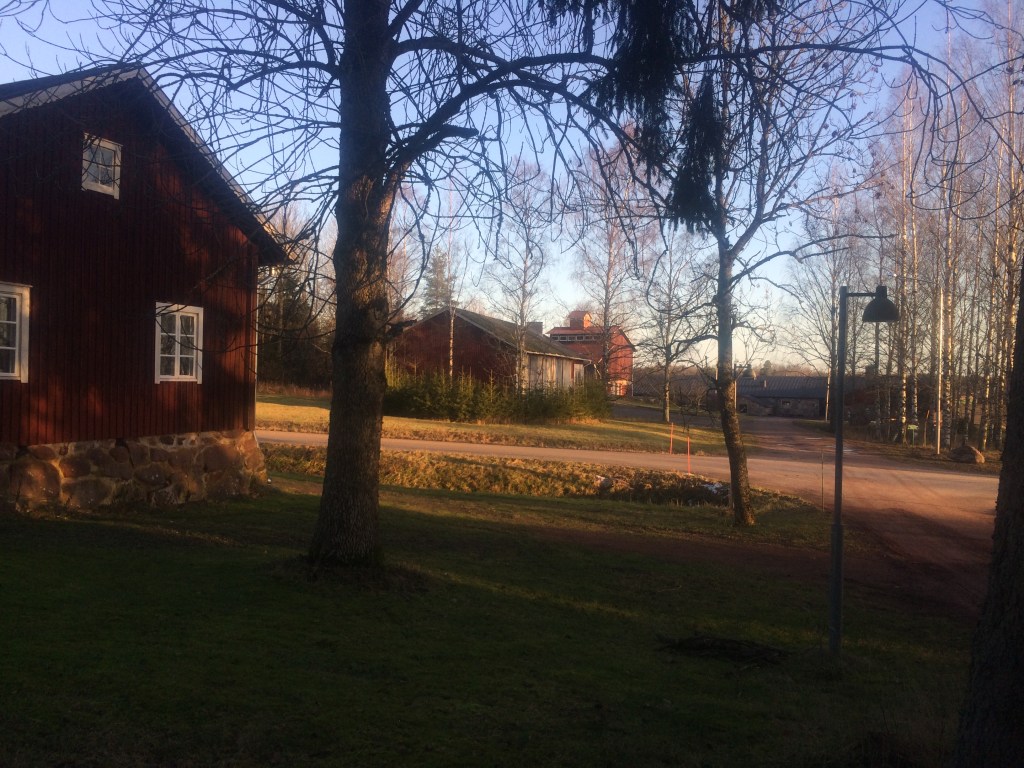
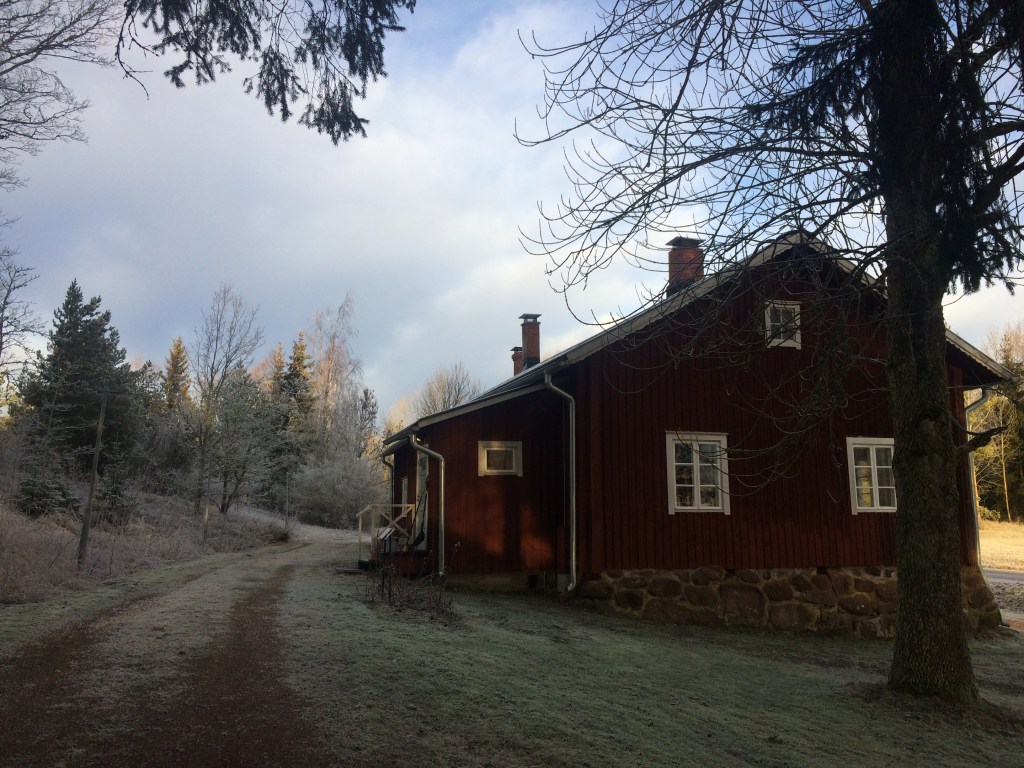
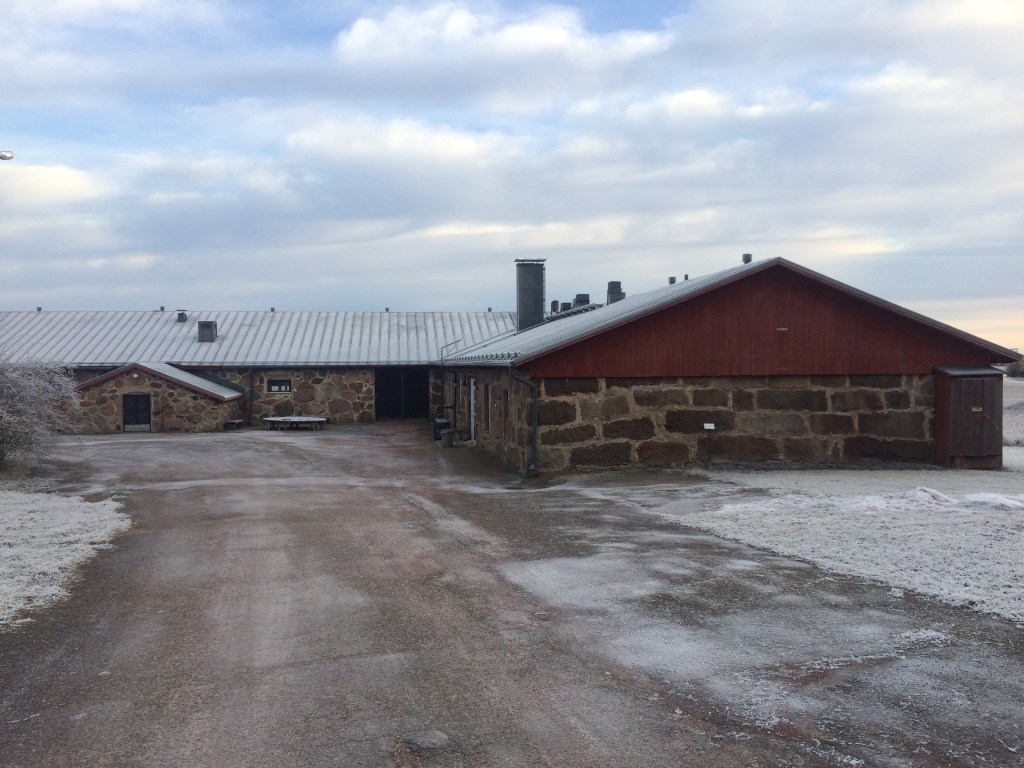
You get off a local bus on the side of the highway in the midst of bare, flat farmland in southwest Finland, and are greeted by Iiris who takes you a short distance in a minivan to Saari Residence, which used to be a manor. It now supports two-month individual artist residencies for eight practitioners at a time, while collective residencies are held over the summer months. The invited artist is there for eight months. During the time I was at Saari, the practitioners included dancers/choreographers, filmmakers, a composer, an artist, and a PhD student.

Were you located in one place or did you travel around?

Just in one place.

What struck you most when you arrived and settled into the residency?

So many things! The level of care we were given, the seriousness with which we, and our projects, were treated, the incredible warmth inside, amazing welcome dinner and weekly lunches made by a local chef, and the smoothness of understated wealth.

Did you travel with predetermined writing plans?

Yes, I submitted a proposal centred on an eco-phenomenological response to place and climate as a source for a collection of poems nine or ten months before the actual residency. I selected the Northern Hemisphere’s winter months of January and February as my first option because I was aware that snowfall has been reducing over the past decades, and it was starting to feel like an increasingly rare experience. But to fly to the other side of the world… It was becoming harder and harder to justify flying, and it seems even more absurd now with Covid. Yet the pull of difference is still strong.

Did the place change what you had planned?

It did, but in the almost year long interval between proposal and residency, I had become seduced by Hannah Arendt’s concept of amor mundi (love of the world) and her definition of the Latin phrase Amo: Volo ut sis which is translated either as ‘I love you: I will you to be,’ or ‘I love you: I want you to be.’ Arendt writes, ‘[i]t is the affirmation of the other who is loved for his [sic] own sake and not as an object of desire… not “I want to have you” or “I want to rule you,”[1] and I wondered if this could shape an ecopoetic and ethical relationship with the rest of nature. So I read quite a bit of Arendt.

Ironically, it was also one of the warmest winters, which in the warmer southern region of Finland still means approximately (or at least) thirty centimetres of snow over those first two months of the year. While there was some snow and plenty of frosts and ice, it didn’t last that long. So if I had been fixed on my original proposal, I would’ve had to have dealt with absence, or partial absence, which could’ve been interesting as well.

Where was your favourite place to write?

There was a desk and table in the living room of my apartment (which was originally the farmhands’ building), but I always worked at the table because it looked out onto a stand of trees, and there were squirrels leaping from branches and racing up tree trunks.

What did you love most about the experience?

The quality of T I M E and the feeling of being cared for. The people I met. And being continuously warm inside when it was cold out.

Did you have any epiphanies? Life or writing?

I experienced a deep, platonic connection with the invited artist Essi Kausalainen that was more than shared interests, values, aesthetic sensibilities, and ethics. We continued the conversations we had at Saari via email, some of which you can read here

Was there something you missed about Aotearoa when you were there?

The diversity of plants and the sound of native birds. And kombucha.

What books did you take?

CA Conrad’s three most recent collections (A Beautiful Marsupial Afternoon 2012, Eco Deviance: (Soma)tics for the Future Wilderness 2014, While Standing in Line for Death 2017), Mal: a journal of sexuality and erotics: Plant Sex, Anne Carson Decreation, Sappho Come Close, Ocean Vuong Night Sky with Exit Wounds, Kaveh Akbar Calling a Wolf a Wolf, Max Ritvo Four Reincarnations, Lucie Brock-Broido Stay, Illusion.

I am incredibly grateful to the Kone Foundation who fund Saari, the staff at Saari, the other residents (their personalities and creativity), and all the other sentient beings: birch and pine trees (and their mycorrhizal synergies), pack ice, migratory birds, and squirrels. Thank you!


[1] Tatjana Noemi Tömmel, ‘Vita Passiva: Love in Arendt’s Denktagebuch’, in Artifacts of Thinking: Reading Hannah Arendt’s Denktagebuch, ed. by Roger Berkowitz and Ian Storey (New York: Fordham University, 2017), pp. 116, 117.

Robyn Maree Pickens is an art writer, poet, and a critical/creative PhD candidate in ecological aesthetics at the University of Otago. Her poetry is forthcoming in Southword, and has appeared in Empty Mirror, Into the Void, this gender is a million things that we are more than, Peach Mag, SAND Berlin, amberflora, Cordite, Plumwood Mountain, Matador Review, Jacket 2 (US), at ARTSPACE, Auckland, in the Brotherton Poetry Prize Anthology published by Carcanet Press and in Fractured Ecologies. Website Twitter: @RobynPickens

my accommodation (four individual apartments in what was originally the farmhands’ building)

my accommodation

the barn, communal area, and studios

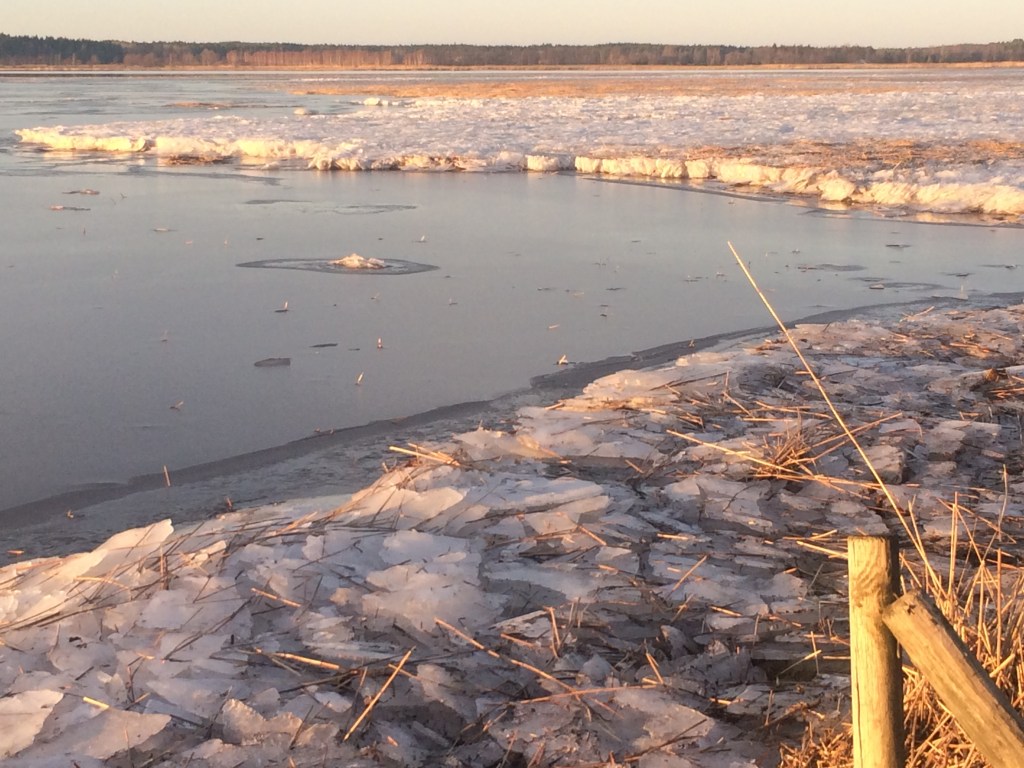
pack ice at the nearby inlet

pack ice at the nearby inlet

Poetry Shelf review: Diane Brown’s Every now and then I have another child

Every now and then I have another child, Diane Brown, Otago University Press, 2020

Sometimes you reach for memory,

an impossible task in this throw-away

world. What choice is there but to slip

on your new self as if you come clean

without story

from ‘This Is How It Is for All of Us’ in Every now and then I have another child

Diane’s Brown previous book, a poetic memoir entitled Taking My Mother to the Opera, was ‘a rollercoasting, detail-clinging, self-catapulting, beautiful read’ (from my review ). I loved the book so was very interested to see how I engaged with Diane’s new one: Every now and then I have another child.

The new book is narrative poetry; a narrative comprising individual poems with a cast of characters that offer multiple viewpoints. For me it is a collection of border crossings, with notions and experiences of motherhood the key narrative propulsion. Everything blurs and overlaps as the fictional touches the surreal and brushes against the real.

I am reminded of Luigi Pirandello’s play, Six Characters in Search of an Author (1921), but in this case it is an author in search of characters and characters in search of each other. Joanna is a writer, poet, creative writing teacher and mother. Anna, her doppelgänger, is homeless and gatecrashes funerals. There is a mysterious baby, both phantom and pseudo-real. There are two sons, one a geek on the spectrum scale and one a sensitive surfer. There is a stepmother, a missing mother and an alcoholic father. Add in a detective, a former lover and a baby in the mural on the wall.

Life is dislocating; the borders are porous with movement between what is real and what is not real, what is present and what is missing, what is longed for and what is abandoned. Reading your way through the poetry thickets is reading symphonic psychological effects. It is reading deep into the shadows and discovering shards of light. Being mother and being daughter is complicated and complicating. There are cryptic clues, a dead body, another dead body, a crying baby, a need to imagine, a need to name and be named. Reading the list of characters underlines the way in which the narrative is also genre crossing: think fiction, memoir, poetry, detective fiction, flash fiction.

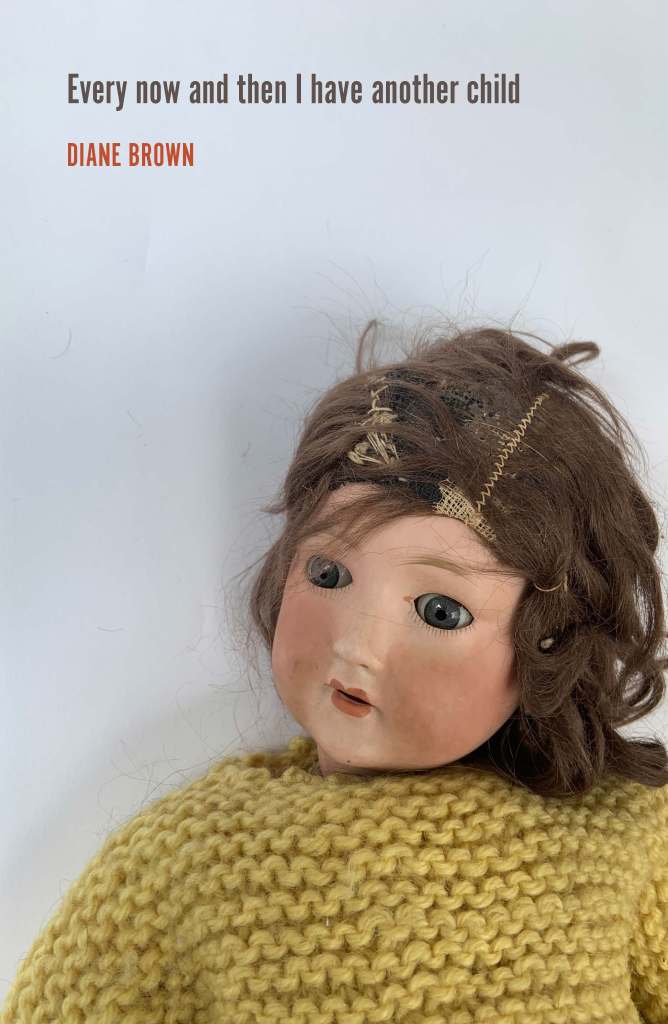
I can’t think of another book like it in Aotearoa. The spooky porcelain doll photographed by Judith White on the cover (my standard reaction to porcelain dolls) sets me up for various hauntings. Joanna is haunted by a phantom baby and her missing mother. Anna is haunted by Joanna, and by life itself. There is the way in which writing itself is a kind of haunting. How do you start? How do you keep going? How do words matter? And i would add reading. Reading this is a kind of haunting. I am thinking of the way the past – with its shadows and its light – has the ability to haunt.

Issues of creative writing are touched upon, and make you reflect back on the making of the narrative, on the author herself. If there are multiple border crossings, are there also ways in which ‘Diane’ hides in the thickets, leaves traces of herself in various characters, encounters, epiphanies? You cannot package this sequence within a neat and tidy story where everything makes sense and the real outweighs the dream or imaginary scape. Nor would you want to. We are reading poetry that draws upon rich genre possibilities, the slipperiness of writing when you try to pin it down, the evasiveness of memory, the multifaceted prongs of experience.

And that’s what makes the collection such a rewarding read. You will bump into the calamitous real world with the homeless, conspiracy theories, alternative facts, North Korean missiles. You will move from Dunedin to Auckland to Alice Springs and London, with Dunedin being the physical heart of the narrative. Geographic movement, temporal movement, emotional movement: with all roads leading to motherhood and creative processes. It is a sumptuous and haunting book that you need to experience for yourself without a reviewer ruining the startles, the surprises, the puzzles and the moving connections. I am going to do something I have never done before and leave you with the terrific last poem so you can read it, then get the book, open it at page one and find your own way to the ending. Listening hard along the way. Poetry is most definitely a way of listening. ‘Listen.’

Written on the Body

The Baby

I’ve heard the narrator give

borrowed advice: writers

need to kill their ego.

Never easy to follow yourself,

harder still to coax children

from cocoons into the light,

tracing every inch of skin

and reading what is written

with indelible ink.

Word that may unearth

the buried and extinct,

can re-ice glaciers,

turn petrified trees back

 into lush green leafiness,

repopulate the seas,

and extinguish fires

raging out of control

at the top of the world.

But to see such words,

you have to strip bare, hold

nothing back and listen. Listen.

Diane Brown

DIANE BROWN is a novelist, memoirist and poet who runs her own creative writing school, Creative Writing Dunedin. Her publications include two collections of poetry (Before the Divorce We Go to Disneyland and Learning to Lie Together), a novel (If the Tongue Fits), a verse novel (Eight Stages of Grace), a travel memoir (Liars and Lovers), a prose/poetic memoir (Here Comes Another Vital Moment) and a poetic family memoir (Taking My Mother to the Opera). In 2013 she was made a Member of New Zealand Order of Merit for services to writing and education.

Otago University Press page