Category Archives: NZ author

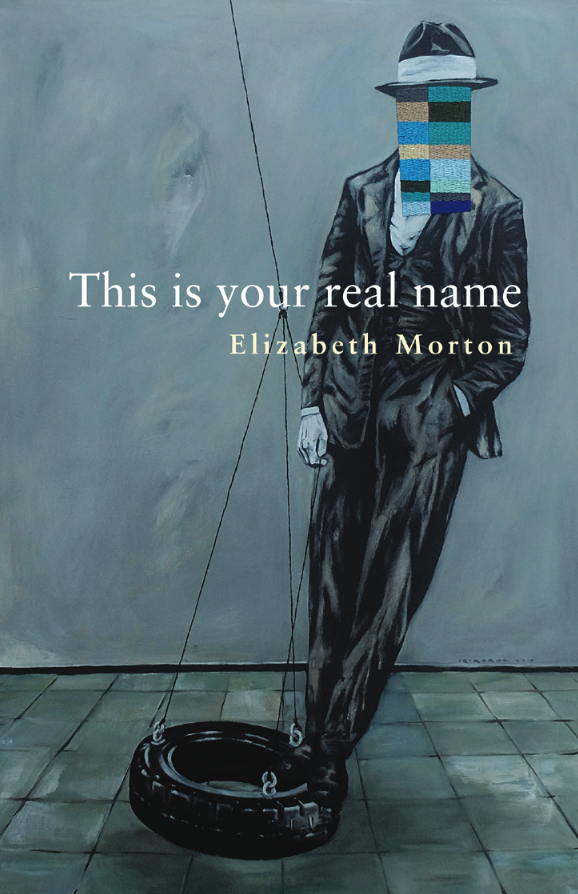
Poetry Shelf celebrates Ockham NZ Book Award poetry long list: Elizabeth Morton reads from This is your real name

Elizabeth Morton reads two poems from This is your real name (Otago University Press, 2020)

Elizabeth Morton is a poet and teller of yarns. She has two poetry collections – Wolf (Mākaro Press, 2017) and This is your real name (Otago, 2020). She is included in Best Small Fictions 2016, and was feature poet in the Poetry New Zealand Yearbook 2017. She has an MLitt in Creative Writing from the University of Glasgow, and is currently completing an MSc through King’s College London.

Otago University Press page

Poetry Shelf review

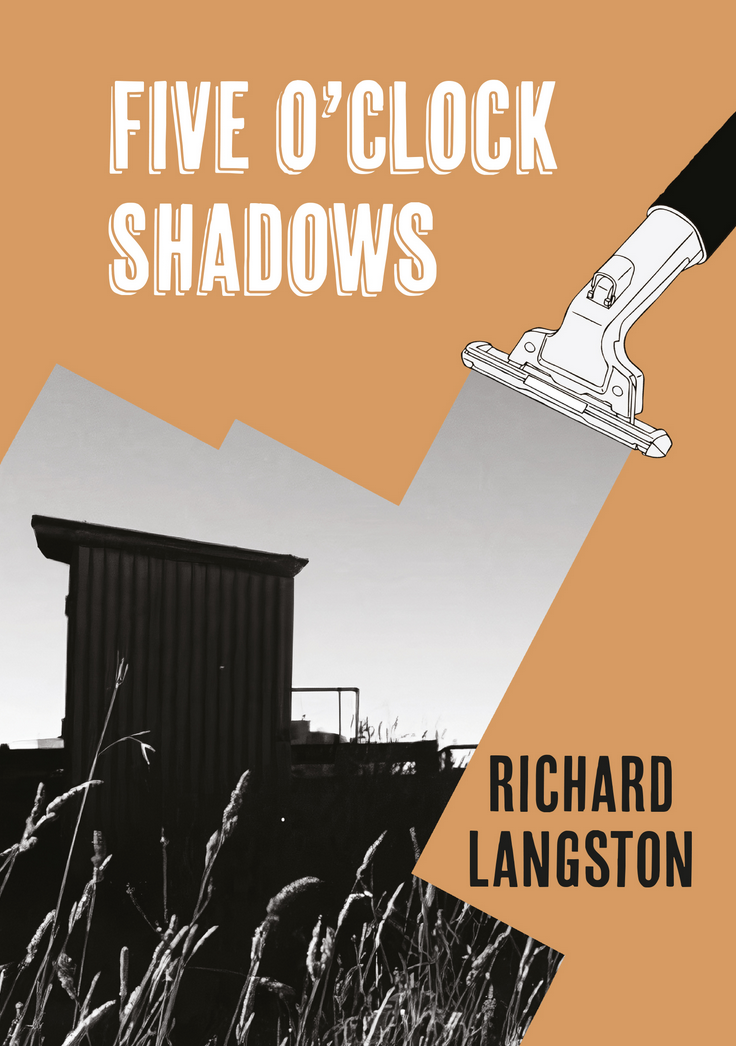
Poetry Shelf review: Richard Langston’s Five O’Clock Shadows

Richard Langston, Five O’Clock Shadows, The Cuba Press, 2020

We often wonder

what moves us in a day –

was it words in a sequence

that surprised us

or notes played by someone

who kept their mouth closed

& let the sound leave

their broken body

from ‘Hill walk’

I am writing this as Tāmaki Makaurau is back in lockdown, wondering if I will pack the car for our first family summer holiday up north in years, worrying how Auckland businesses will cope, how families will cope, and sleeping like a patchwork quilt. Poetry is such a necessary diversion. It even makes up for patchwork sleep. I still have a wee stack of 2020 poetry books and now the 2021 stack is growing. It is like a preserving cupboard of treats along with the canned tomatoes and the black beans.

Richard Langston’s book has been on my mind for months after hearing the reading he did for Poetry Shelf. This week has been the perfect time to return to the poems. I finished the book and the word that came to mind, a word I have never applied to a poetry collection, was precious. This is a precious book – it has poise and it is personal.

The first poems take me to the land. I am musing on how Allen Curnow and the crew of white men writing poetry in the middle of the twentieth century were digging their way into a New Zealand kind of poetry. They were moving away from the early poets that filtered the land and experience through poetry models from Britain. It is a complicated story that has been retold so many times over the decades, in so many different contexts, with so many different biases and erasures. Ah. And then the land barely got a look in in poems. I feel there is a book to be written that traverses the relationship between the land and poetry, that never lets the poem lose contact with the reader, that never lets the poem service the theory and little else, that acknowledges the suffering and heartbreaking losses of the tangata whenua.

The first poems in Five O’Clock Shadows make the land precious. I am reminded of how Sue Wootton, Brian Turner, Airini Beautrais (a river), Hone Tuwhare, Ruth Dallas have done this in distinctive ways. Like these poets, Richard’s poems also travel with myriad subject matter: from the closing of a tavern, to a lost dog, to Dunedin, to refugees, to Sunday in the islands. But it is the land poems that first strike me. I am musing on how earth warmth and leaf light can permeate a whole book. So yes, this is a collection of earth warmth. You get to stand in the land poems and the poem is beauty and anchor and care.

We love the land by eye & feel & sun

& shadow. It grows within us.

This is who we are, this is how we find ourselves.

from ‘Map’

There is a spareness in all the poems, a light rich economy. Goodness knows what it took to write these, but when they reach me there is an exquisite poise. Every word belongs. I also found ‘Bsharri, Lebanon’ – a poem penned for Richard’s sisters who travelled to their ancestral village – precious. This ancestor poem is a poem to hear read aloud:

We have come to hug you,

we have come to kiss you for the life

you made us.

We have come, ancestors, to love

you as you taught us. We have come,

ancestors, & now we are together.

Ancestors, we hug you, we kiss you.

Ancestors, we weep, because

we have come.

The poetry is economical but each poem launches you into multiple musings, feelings, intricacies. I love ‘Please, do not’. The poem begins with infectious word wit and then travels to the punch-gut restorative ending – and the word ‘enough’. I want you to read the whole poem but here is the beginning:

Please do not yell,

such a small shattering word –

YELL – I prefer yell-ow

that might imply surrender

or a field of flowers holding

their faces to the sun,

why not peace, or acceptance,

such lovely hard-earned words.

Perhaps the poems that strike deepest, that are most precious, are the several addressed to mother and father. Eulogies, recollections, re-tracings. I am thinking how Richard’s poems are made of parts and you need to experience the coming together of these parts to get the reading joy in full. If I take a stanza or two to share with you, I am distilling the magic. These poems are magic, moving, must-reads: ‘Plums’, ‘Sons’, ‘Snoring’, Threaded’, ‘There’. In writing the poems both mother and father are held close, like a gift for family, like a gift for us as readers who also live and love and mourn. I especially love ‘There’, a poem that places the mother at the centre. Here are a few stanzas near the end of the poem (again I implore you to read the whole poem):

What we share is our story.

I sit with her

& look out at the weather.

The windows

are full of the day.

She doesn’t know. I do not know.

We have our story,

our fallible memories.

Her mouth

hovers by the spoon,

& we watch the weather.

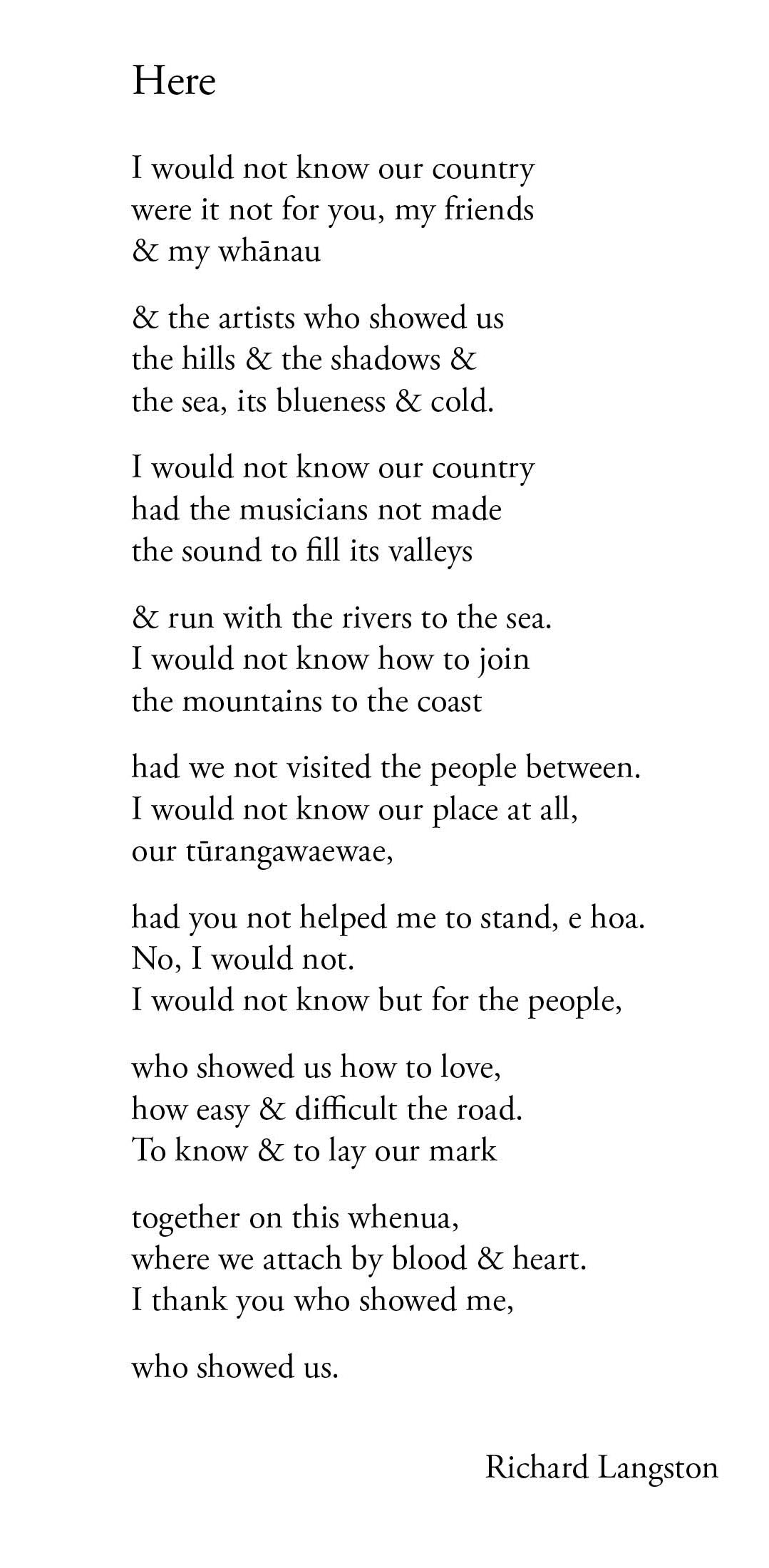
You can tell this book matters so very much to the poet – and the degree of personal investment is contagious, whether in words gathering the land, family, experience, memory. Think of the poems as personal plantings in the undergrowth of life, with all manner of glorious lights shining through. Like I said, I reread this book in our return to lockdown, and by the time I got to the end I was filled with the joy of living and writing and reading. I am going to leave you with the final poem in the book, that takes us back to the land (crikey we never left it), how the need to be creative is such a necessary thing and how we share so many attachments – ‘together on this whenua’.

Richard Langston is a veteran broadcasting journalist and director, who comes from Dunedin, and was a driving force in the city’s music scene in the 1980s. He lives in Wellington and is a proud member of the three-person South Wellington Poetry Society.

The Cuba Press author page

Richard reads from Five O’Clock Shadows

Off the Tracks review

Poetry Shelf Monday Poem: Hana Pera Aoake’s ‘Going on strike’

Going on strike

Geographies 

of justice 

of gentrification 

of holiday destinations

of raupatu whenua 

of farmland stretching out and circling in 

of productivity

of 100% pure 

Fanon once wrote that “The Manichaeism of the colonist produces the Manichaeism of the colonised”

It means that we are conditioned to believe in 

categories

only ‘two’ genders 

capitalism with all the trimmings

that we have the right to speak for us all 

We are categorised and branded as one thing 

We cannot be another 

So we surrender to a position so futile in nature 

It cuts like obsidian 

It bleeds like the rata tree

While Taawhaki cries out 

In seeking vengeance we found only death 

Amongst other things we have forgotten

The numbing stench of rain 

The chance to listen

The gift of learning 

The ability to be humble 

The suffering of others 

The necessity of place 

We don’t know how to be complicated

We don’t know how to be nuanced 

We don’t know how to be wrong 

We don’t know that to be wrong is to be free

Freedom is conditional 

But it grows like Lichen 

It dries out in the summer 

And regenerates in the winter

We don’t see how we are the ones who perpetuate the violence 

We say I am right and you are wrong

It’s like George W Bush all over again

“Your either with us or against us”

I want to be the shoe that hits you in the face 

We run a gallery named after a slave ship 

But we want to give platforms to grave robbing as art 

But we don’t want to be told that we are the ones who need to do the work 

But we don’t realise that some of us never forget these things 

But we don’t realise memory is a stain that can only be undone through acknowledgement 

But we don’t realise we should heal ourselves first 

Here we are during this true blue kiwi summer  working our tan 

burning our skin 

not in communion with Tama nui te ra

while the world is dying 

while terrorists attempt a pathetic coup 

while prisoners drink brown water 

while the ice melts as we pillage 

Protecting our property we lock our car doors 

We accumulate and close ranks

We sell decolonize mugs for $70 

We sell decolonize earrings for $70

We sell and sell and sell and sell

We upset ourselves 

We upset each other

We doom scroll 

We don’t dream 

We don’t show tenderness 

We don’t take time be present

We don’t take time to be awake 

Under sheets of rain we watch the splitting of spaces into the interstices of empire 

Afraid of anything but especially ourselves 

But what other ways could they have possibly broken in two or is it that we broke into ourselves and revelled in the smell of salt that we can hear

Imagine just saying saying     no

I want it all to stop sometimes 

I think about the loops that the waves make as they lick the edges of the rocks 

I remember that plastic slowly disintegrates as it travels through the ocean’s currents 

Remember the Roman tar marking the roads across Europe 

Remember the asphalt on Jewish and Romani homes 

Remember Govenor Grey in the cape colony, south Australia and New Zealand 

Remember the gun holes in the wall on University property

Remember

Remember

Remember

The prisons on my ancestors stolen lands are of course deliberate 

The difference between protest and protector 

The difference between a riot and a protest 

The fall of empire 

The decline of the west

The beginning of the end 

Our lives are like raranga 

Rich fibres knotted together 

Through many bodies 

For which we must honour them 

We honour them through 

our complications

our flaws that we work to unlearn

our ability to show love even in the face of the wretched 

Hana Pera Aoake

Hana Pera Aoake (Ngaati Mahuta, Ngaati Hinerangi, Tainui/Waikato) is an artist and writer based in Te wai pounamu. Hana recently published their first book of essays and prose, A bathful of kawakawa and hot water with Compound Press. They currently co-organise Kei te pai press with Morgan Godfery.

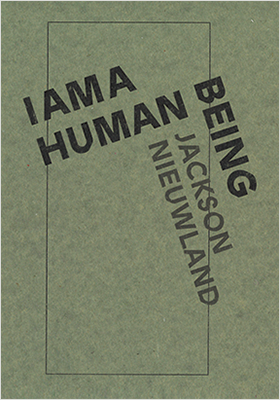
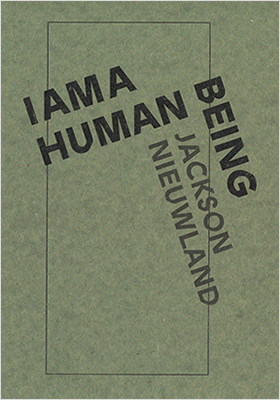
Poetry Shelf celebrates the Ockham NZ Book Awards Poetry Longlist: Jackson Nieuwland reads from I Am a Human Being

Jackson Nieuwland, I Am a Human Being, Compound Press, 2020

Jackson reads from I Am a Human Being

Jackson Nieuwland is a human being, duh. They are a genderqueer writer, editor, librarian, and woo-girl, born and based in Te Whanganui-a-Tara. They co-founded the reading/zine series Food Court. This isn’t even their final form.

Compound Press page

Poetry Shelf review (Paula Green)

Pantograph Punch review (Vanessa Crofskey)

Landfall on Line review (Erik Kennedy)

Chris Holdaway (Compound Press) celebrates Jackson’s place on the longlist with a poem

Poetry Shelf celebrates Ockham NZ Book Award Poetry Longlist: A Bill Manhire poem and audio link

Someone was Burning the Forest

We did not know why the child was crying,
nor why he stood bare-shouldered at the window.
How had he come by those skimpy feathers?
The mother had fallen from the tower
a moment after she began to answer. I looked around
and there were many towers, also other bodies.
Now I was on the ground myself. I could hear
the child but no longer see him. Perhaps
he was still aloft. The towers were dissolving
yet surely there were trees. It was dark now
but I knew there must be many bodies.
I would need to climb to see where we might go.

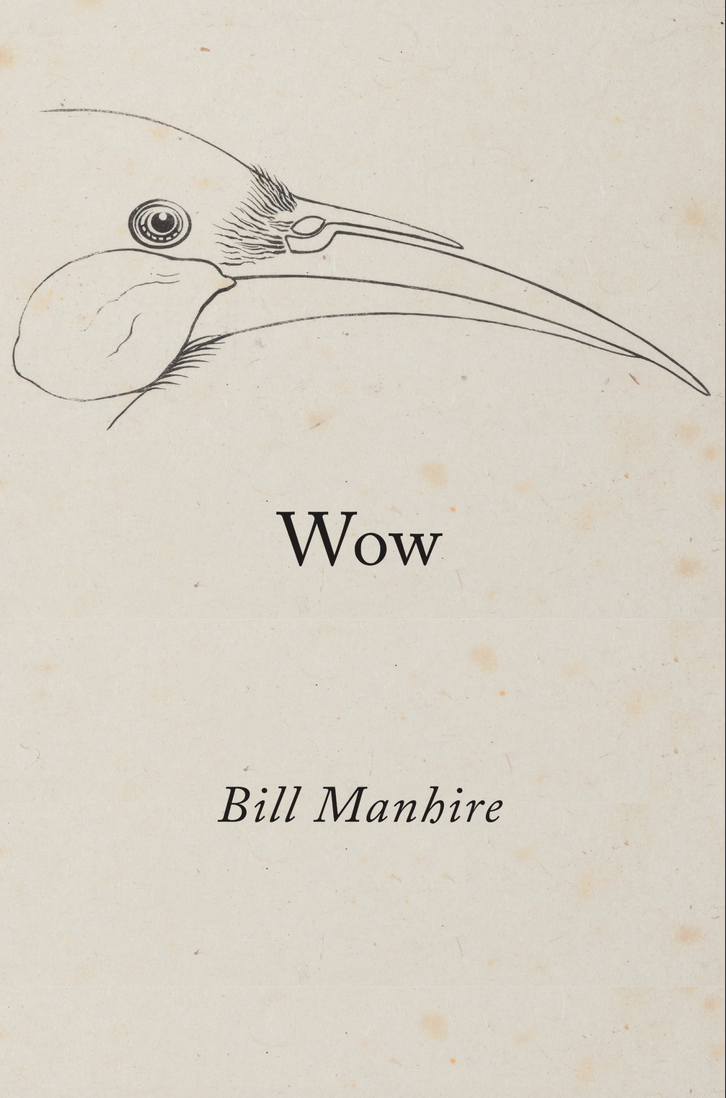
Bill Manhire, Wow Victoria University Press, 2020

Have a listen: For the first Stress Test of 2021, Rough Trade Books welcomed special guest Bill Manhire to join them for music and poems.

Bill Manhire’s most recent books include Some Things to Place in a Coffin (2017), Tell Me My Name (with Hannah Griffin and Norman Meehan, 2017) and The Stories of Bill Manhire (2015). He was New Zealand’s inaugural poet laureate, and founded and until recently directed the International Institute of Modern Letters at Victoria University of Wellington. He has edited major anthologies, including, with Marion McLeod, the now classic Some Other Country: New Zealand’s Best Short Stories (1984).

Victoria University Press page

Poetry Shelf review

ANZL review (Anna Jackson)

Chris Tse reviews Wow on Nine to Noon, Radio NZ National

‘Huia’ Poem of the Week in the Guardian

Bill Wows the crowd at WORD

Poetry Shelf celebrates the Ockham NZ Book Awards Poetry Longlist: Natalie Morrison reads from Pins

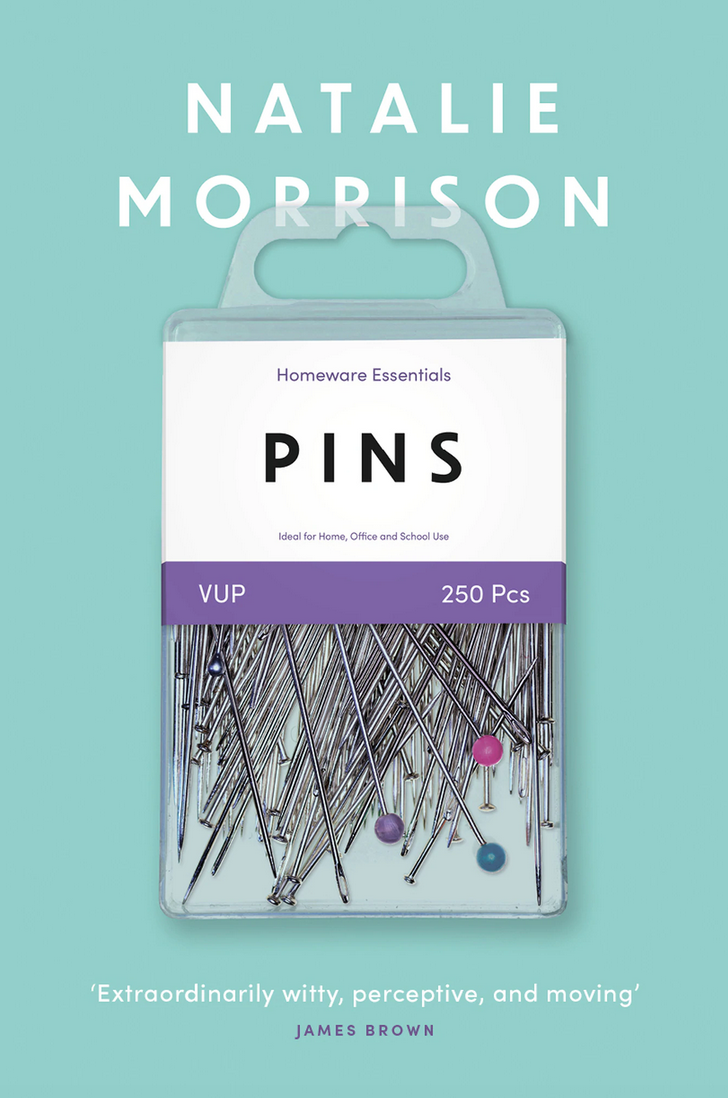
Natalie Morrison reads from Pins, Victoria University Press, 2020

Natalie Morrison has an MA in Creative Writing from the International Institute of Modern Letters, where she received the Biggs Family Prize for Poetry in 2016. She lives and works in Wellington. Pins is her first book and is on the Ockham New Zealand Book Awards Poetry Category longlist. 

Victoria University Press page

Poetry Shelf launch of Pins

Poetry Shelf interviews Natalie

Poetry Shelf review: Hinemoana Baker’s funkhaus

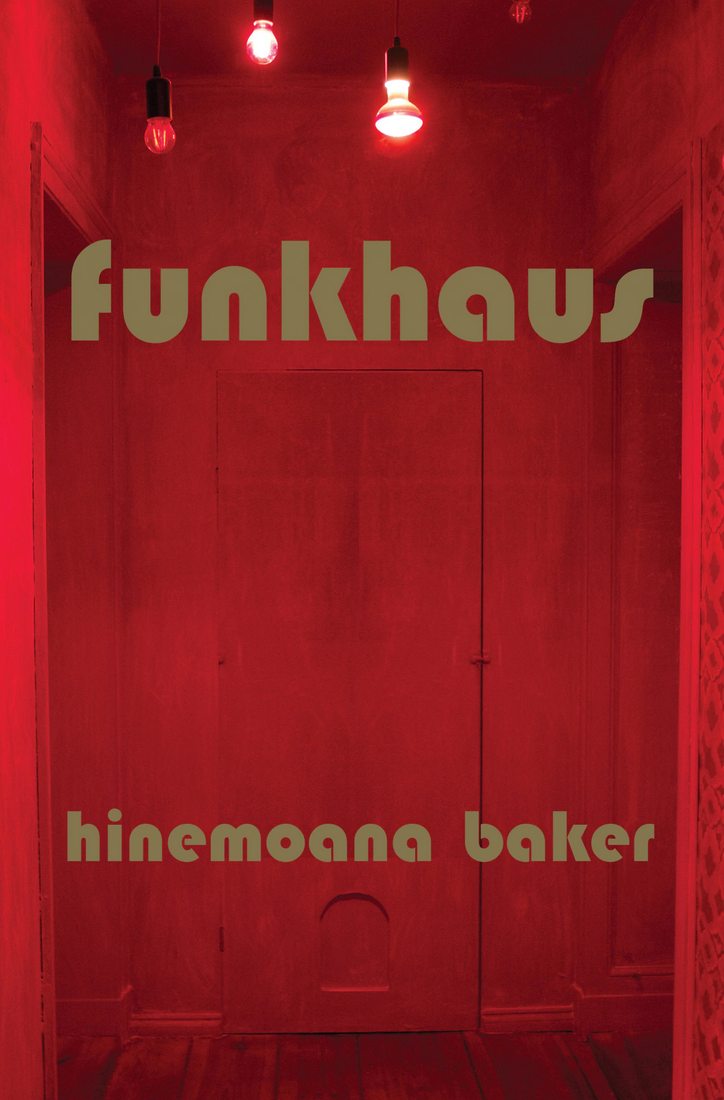
Hinemoana Baker funkhaus Victoria University Press, 2020

A woman carries in her arms

a heavy rectangle of sky –

roofs and treetops.

She places it in the back seat

of her car to calm down.

You and I sit

like separate circles

of a Venn diagram

unaware of the fabled

tasting zones of the tongue.

from ‘flomarkt’

Hinemoana Baker’s new poetry collection is peppery, salty, sweet. The poems form a bridge between two homes, Aotearoa and Berlin, and the overall effect is a book you want to keep reading. Again and again and again. I have been reading funkhaus since it arrived in my postbox May last year. Some books are like this. The German word ‘funken’, we learn in the blurb, is ‘to send a radio signal’. I love the idea that poetry becomes a form of broadcast. I love being an antenna, picking up the static, the silences, the connections across eight months.

funkhaus is on the Poetry category longlist of the Ockham New Zealand Book Awards. The shortlist will be announced on March 3rd.

Hinemoana has always achieved a stop-you-in-your-tracks fluency, maybe because she is a musician and her ear is attentive to the sound of the line, regardless of the subject matter, the personal admissions, the political acumen, the light along with the biting dark. I am listening to funkhaus and admiring the pared back melodies, both the acoustic and the electric.

Pepper blacks the pan so never

Shake it near me, wait

For the flagrant animation

In my bed base

In mountain situations

Sleep swaddled, wake ecstatic

from ‘Narcissist advice column’

What has gripped me more than anything – and maybe this particularly matters in these Covid times – is the way most poems are peopled. Yes there is a mesmerising view out the window where the birds are flying in formation. Yes there is a new vacuum cleaner. Yes there is the question of whether extinct species might be revived. But touch the beating pulse of this collection and you will feel people. Unlike the camera that gravitates towards the people-emptied landscape, Hinemoana draws people in close. Think loved ones, friends, family, passersby. Sometimes a poem is infused in the surreal and you imbibe a scene that tilts and sticks. This is is the start of ‘friday night’, a little beauty of a poem:

Way down south

in the south

of the  south island of himself

over greyscale trees.

Eagles and meteorites are not.

On other occasions the poem is grounded in the personal. There is always the gap, the quavery silence, the unnamed pronouns (I, we, you, he, she, they), the spiky detail that fascinates, the heart of experiencing, of imagining, of replaying. I especially love ‘aunties’, a poem Hinemoana read for Poetry Shelf (2019). This glorious tour de force of a poem makes people (aunties) utterly, movingly, wittily, wincingly, gorgeously present.

We had a marching auntie and an eyelash-curler aunty, a

headscarves one, a lavender talcum powder aunty and a satin

running shorts one. We had an aunty who was laid out on the

sheepskin rug by that uncle when she was six, and seven and

eight. These might be the same aunties. We had an aunty who

died on the same day as her own sister and turned into that

white horse on the green hill. A drawn-on-eyebrows aunty who

said I don’t care how good they are at yodelling they’re giving

country music a bad name those girls.

Ah but I also love ‘mother’, ‘waitangi day’, ‘if i had to sing’, waiata tangi’. Find the book. Find your own clearings.

Hinemoana crafts poetry as flourishing movement. In part as melodic flow but also in the way poems come into being in surprising ways. The unexpected paths and sideturns. The underlays and overlays. The semantic chords and the visual alerts. In ‘fox’, an animal is spotted outside in the snow (‘The most powerful things / are the ones we simply come across’). The poem entrances as you move from this sweet epiphany to loss of appetite, your own child dying, to the skin as kidney to:

Climbing into the air outside your door

a tufty plant grows from a cobblestone.

And there –

there is the sandwich board with pictures of fruit

and words you don’t understand

which make nothing happen.

Another sublime example is ‘flohmarkt’, the poem I quoted from at the start of the review. Here we move from the striking opening image of woman and sky to tongue myths to dog and bike owners, and then to chairs. This is how poetry can move. It is gap and it is breathtakingly resonant. Here is the end of the poem:

I live with a surplus

of chairs, mostly empty.

My one, with its smooth

wooden arms and your one

if you were here.

The kind of chair you never want

to get up out of

the kind of chair for which

prepositions were invented.

Maybe this sounds old-fashioned but for me Hinemoana’s poetry gets down to the essence of things. There is an addictive economy that opens out into lush and surprising fields of reading. Like a yin and yang effect. Like poetry as a basket of essential oils that you flick on your wrist and carry all day. That work for each of us differently. That sustain and delight, that get you moving and thinking. That change as you wear them over the course of eight months. Poetry as essential. Poetry as skin tingling essential. It feels essential to Hinemona – to be writing poems, to be travelling across the poetry bridge, that arc of static and connection between Berlin home and Aotearoa home, to be grounded in her friends and whānau, her writing support crew. She acknowledges the vital support of those who have offered aroha and wisdom, publication and recording opportunities, reviews, translations, festival invitations in her endnotes. I offer a small thank you to Hinemoana – each book is a gift and we are all the better for residing within your latest one.

HINEMOANA BAKER is a poet, musician and creative writing teacher. She traces her ancestry from Ngāti Raukawa, Ngāti Toa Rangatira, Te Āti Awa and Ngāi Tahu, as well as from England and Germany (Oberammergau in Bayern). She is the author of the poetry collections Funkhaus (VUP, 2020), waha | mouth (VUP, 2014), kōiwi kōiwi (VUP, 2010), and mātuhi | needle (co-published in 2004 by Victoria University Press and Perceval Press).

Hinemoana has edited several online and print anthologies and released several albums of original music and more experimental sound art. She works in English, Māori and more recently German, the latter in collaboration with German poet and sound performer Ulrike Almut Sandig. She is currently living in Berlin, where she was 2016 Creative New Zealand Berlin Writer in Residence, and completing a PhD at Potsdam University.

Victoria University Press page

The Spin Off review (Elizabeth Heritage)

Pantograph Punch review (Arihia Latham)

NZLA review (Kiri Piahana-Wong)

Poetry Shelf celebrates Ockham NZ Book Award poetry long list: Rhian Gallagher reads from Far-Flung

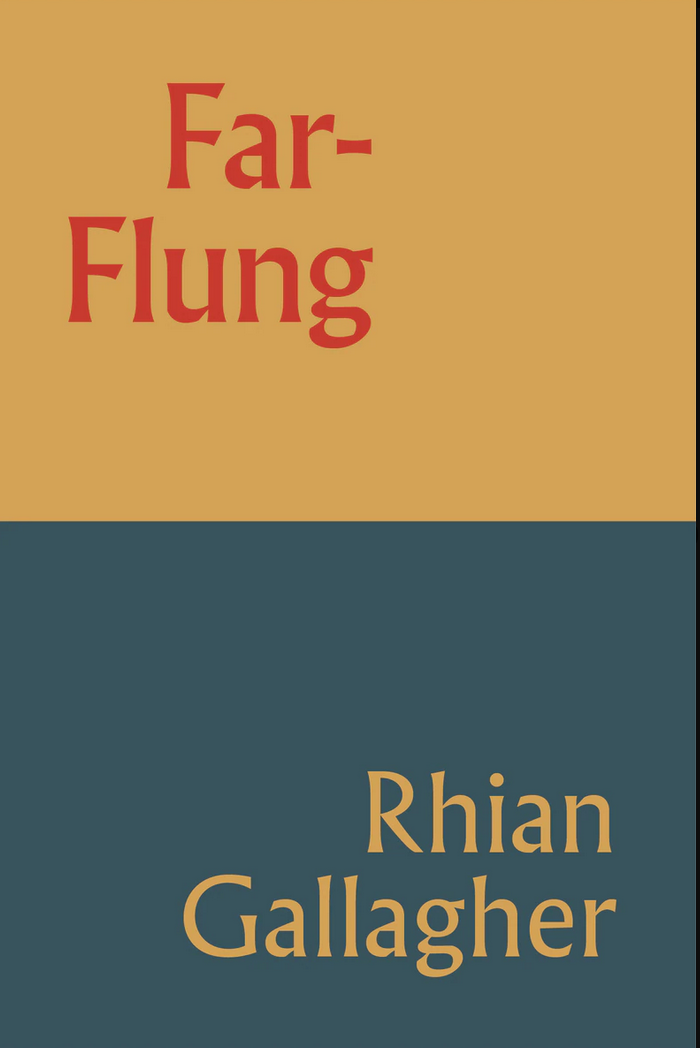
Rhian Gallagher reads from Far-Flung (Auckland University Press, 2020)

Rhian Gallagher‘s first poetry book Salt Water Creek (Enitharmon Press, 2003) was shortlisted for the Forward Prize for First Collection. In 2007 Gallagher won a Canterbury History Foundation Award, which led to the publication of her book Feeling for Daylight: The Photographs of Jack Adamson (South Canterbury Museum, 2010). She also received the 2008 Janet Frame Literary Trust Award. Gallagher’s Shift (AUP, 2011) won the 2012 New Zealand Post Book Award for Poetry. In 2018, she held the University of Otago Robert Burns Fellowship.

Auckland University Press page

Poetry Shelf review of Far-Flung

Poetry Shelf celebrates the Ockham NZ Book Awards poetry longlist: Chris Holdaway’s poem for Jackson Nieuwland

Greetings cards for Jackson Nieuwland

I light a candle and vines of blood

Run down in place of wax as if

The experience of transubstantiation

Were being drawn towards the grave

Centre of the earth by the weight of

Your own iron content. Ever found

Yourself on a throne whose arms

And legs are wired to crosses like

A marionette? You’re no puppet and

It’s all the universe in a pocketwatch

I’m afraid. My heart on fire under

A bell jar and that’s just how it’ll stay.

Getting into keeping fish as a hobby

Hoping to use my own body as a tank

Until so filled with water I gain imm-

Unity to drowning and companionship

All at once. The deeper I go the more I

Feel as though falling from great heights.

My open palm broad enough to form

Plains on which tornadoes arise like

Spring clockwork before the lines turn

To river deltas so blue I can’t imagine

Ever having had veins in my hand.

Amongst the sunflowers the scarecrow

Is king. I have the first successful mono

-culture fields of carnivorous plants

That eat every new seed right as you

Sow it. Knock off and pitch a ladder

Against the clouds to paint them like

A weatherboard house or chip away at

An ice sculpture. Lay down on the Gulf

Stream like Michelangelo on scaffolding

Painting the dogmatic ceiling. As if

The compass woven into paper maps

Could spring to life like a computer.

I woke inside a lightbulb holding

A candle slowly consuming all the air

Like the sweetest dream of being a star

Calculating orbits in the different twists

Of screw and bayonet fittings the kind

Of knowledge that can never survive

A trip to the store. An alley so dark I

Instantly become an orphan and have

The shadow of a wolf in passing head

-lights. Fallen leaves and playing cards

And receipts curl into being on the wind

And take a hike into rolling hills.

Chris Holdayway

Chris Holdaway’s Compound Press was established in 2013. It publishes poetry, other writings along with Minarets, a journal of poetry and poetics. The books are printed and bound in their Auckland workshop. Jackson Niuewland’s I am a human being (2020) is longlisted in the Poetry Category of the Ockham New Zealand Book Awards. Last year they also published A bathful of kawakawa and hot water, a selection of writings by Hana Pera Aoake.

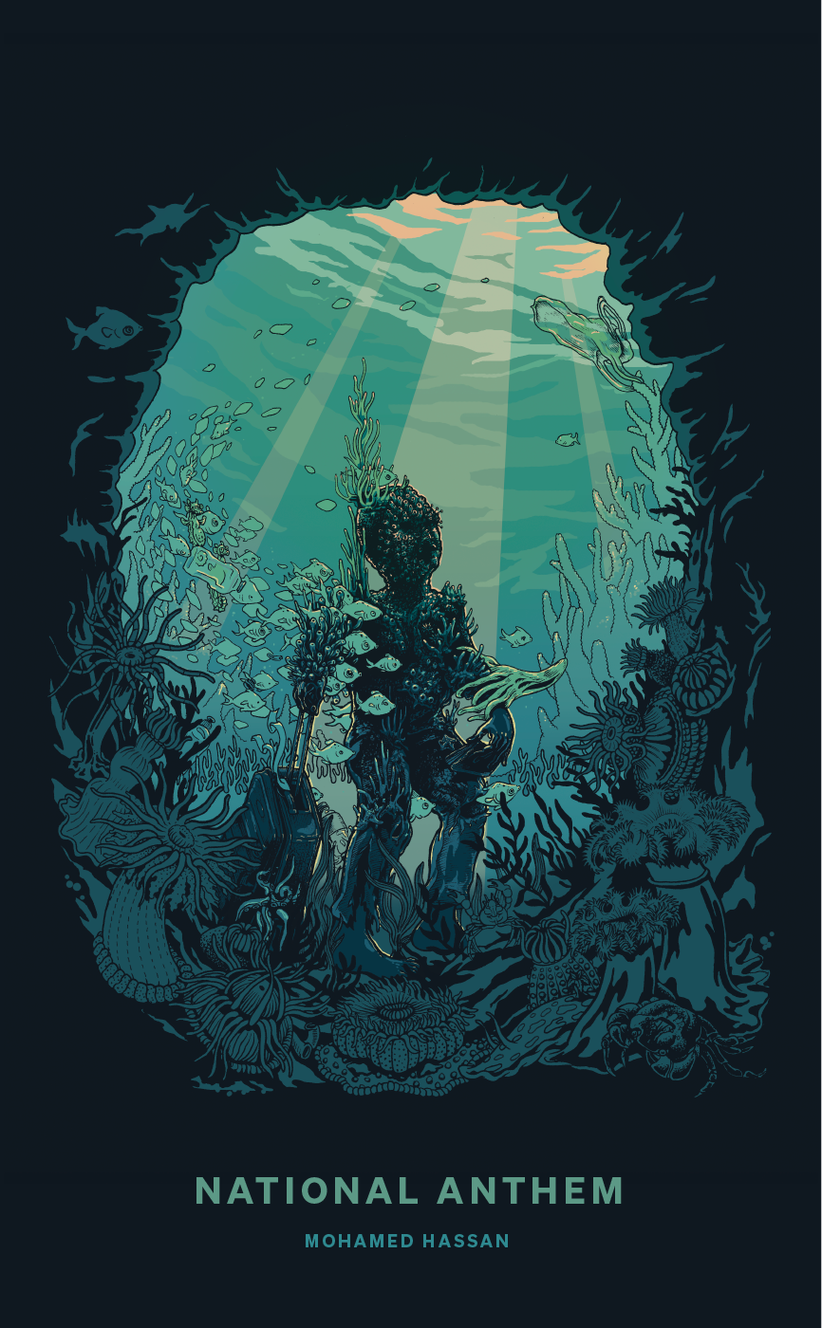
Poetry Shelf celebrates the Ockham NZ Book Awards poetry longlist: Mohamed Hassan reads from National Anthem

Mohamed Hassan, National Anthem, Dead Bird Books, 2020

Mohamed reads a few poems from National Anthem

Mohamed Hassan is an award-winning journalist and writer who has lived in Egypt, Aotearoa and Turkey. He was the winner of the 2015 NZ National Poetry Slam, a TEDx fellow and recipient of the Gold Trophy at the 2017 New York Radio Awards. His poetry has been watched and shared widely online and taught in schools internationally. His collection, National Anthem, is longlisted for the Ockham New Zealand Book Awards, poetry category.

Dead Bird Books page

Ockham NZ Book Award page

Poetry Shelf review