Monthly Archives: March 2016

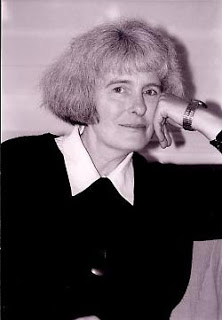
Farewell Rachel Bush, beloved poet


rachel+bush.jpgThought+Horses+cover.jpg
I receive this news with great sadness. I met Rachel for the first time when she read in Nelson as part of my Hot Spot Poetry Tour of Nelson last year. But her poetry caught my attention and held it a number of years ago. My thoughts reach out to friends and family.


from ‘Early’

The darkness wears a quiet sound

of fires died down and people who stir

in sleep. Soon they will slip on

their daily selves, button them up.


A rooster knows the time, says

it out loud when day is less

than a light line above the hills


This from VUP:

It is with great sadness we learned that our good friend Rachel Bush died yesterday. Rachel was a wonderful poet, an astute reader and a warm supporter of other writers. She will be greatly missed. Our thoughts are with her family and close friends.

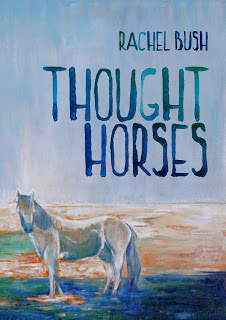
Thought Horses, Rachel’s newest collection of poetry, will be published in April. We are so pleased that Rachel was well enough to work on her book with editor Ashleigh Young, and that she also got to see and hold her book.

We will be holding a reading and celebration of Rachel at Vic Books on Tuesday 19 April.


As part of the Hot Spot Poetry Tour children interviewed authors. Lucy interviewed Rachel:


5960977

Photo credit: Martin de Ruyter


The Interviewer: My name is Lucy and I am 11 years old. I like to write poems and LOVE to read. I go to Mahana school and I am in Year 7.

 The Interview:

Have you always loved to write and from what age?

I have always enjoyed writing, but I don’t know that I have always ‘loved’ it. When I was a bit younger than you, I was a very keen reader of Enid Blyton books and I wrote two rather pallid imitations of her books. In both of them there were four central characters called George, Kath, Alice and Anne – which names are very like those of some of the characters in Enid Blyton’s Famous Five books. I was starting to grow my hair at this time and all four characters had long plaits.

At first I wrote more stories than poems. Poems seemed to be what i wanted to write as I got older. I still write stories occasionally.

I kept a diary from when I was thirteen. I don’t exactly keep a diary any more, though sometimes I will write about particular things that have just happened but I do always have at least one notebook on the go and I write something in it most days.

What advice would you give to a writer wanting to publish a book?

I’d encourage anyone who wants to do this to go ahead. There are more opportunities now for publishing than there were when I was a young writer.

I sometimes think publishing is a gradation. At one end is someone whose poems/novels/short stories are hidden away deep in a computer file. When I was younger the equivalent was having them hidden in a bottom drawer, and at the other end is a big fat book like The Luminaries with lots of publicity for the author. A first step to publication might be sharing your writing with another person. Probably the first time I had a poem published was when I had a poem in the school magazine when I was in Year 12.

Computer software make it possible to publish your own work and have it looking very smart and stylish. A poet whose a friend of mine sends out a stylish looking card on his birthday. It’s folded in three and on five sides there’s at least one poem. On the sixth side there’s a little note about it being his birthday. (He also has a book published and has work published in magazines.) Or you can go online and publish your work there.

If you want to have a book published, I suppose you try to get some sort of publishing record first of all – maybe sending things to magazines for instance. This involves a bit of research because you need to be familiar with what sort of thing that particular magazine publishes. What sort of length are the pieces they publish? Are they prose and/or poetry?

If I had a book ready to go I would look hard at different publishing firms and what sorts of things they like to publish. I’d be trying to decide whether my book would fit in with the sort of thing they seem to want to publish.

I’d want to make a manuscript look good with no typos, a good clear plain font, double spaced with wide margin space. It would be easy to find information about this sort of thing online. Some publishers don’t want a hard copy, but prefer to be sent a computer file. Again you need to do some research. So this aspect of writing is more like being your own Personal Assistant and being business-like about trying to get work published.

What is your favourite genre to read?

I don’t have a favourite genre. I try to ready widely.

There’s almost always a book of poems that I’m reading and I keep it by my bed or in my handbag if the book is skinny enough. At present I am still reading Essential New Zealand Poems and I am also reading Horse with Hat by Marty Smith. I’ve also read some of Milton’s poetry, particular a verse drama called Samson Agonistes that for some reason I never got round to reading when I studied Milton as a university student. (Paula — these books aren’t children’s books in case you think they are.

I’m reading a novel too – it’s called Concluding by Henry Green. It first came out when I was 6 years old but of course I didn’t know anything about him then. He was talked about a bit when I was at university but was never in any of the English papers I did.

I love Victorian novels. I read and reread Dickens, Trollope and George Eliot’s books for instance.

I’m enjoying biographies more as I get older.

I’ve read several books from the Old Testament this year.

I like reading good short stories and this year I discovered an excellent writer, Lydia Davis. I also found out that nearly everyone except me had known of her work for years!

So it seems that I can’t really answer this question about my favourite genre but have just meandered around it

If you want to write in a particular genre it’s likely you’ll read that genre. At the same time I sometimes find that the books that really get me writing are a surprise. It’s not necessarily books of modern poetry that make me want to write poems.

Where does your inspiration come from?

I don’t often feel inspired. I try to keep writing and sometimes something unexpected happens and I find I’m writing more easily and confidently than usual. It’s wonderful when that happens.

Things that make me want to write vary.

What I read is often helpful. Sometimes first lines of very good writers make me want to write my own poem almost as a response to theirs. Janet Frame and Anne Carson have done that for me.

Sometimes being under a particular pressure makes me write easily. Which seems strange. Pressure might be a time constraint, like to write something in 20 minutes. Or it might be a set of ‘rules’, like ‘Write a poem that consists entirely of untrue statements’. I think the hardest thing to do is probably to be told to take as long as you need to write the best poem you possibly can about whatever you think is important. If there are constraints you can always blame them if your poem isn’t as terrific as you would have liked it to be.

Walking helps me to write. I’m pretty sure Fiona Farrell has written about how how walking helps her to write.

Glenn Colquhoun says something somewhere (I’m sorry I can’t be more precise), about writing being best when you write about those things you see out of the corner of your eyes. I like that idea. Sometimes it helps to sit with and discover what I’m really preoccupied with and use that in my writing, rather than write what I think I ought to write about.

Do you ever take a break from writing a poem and come back to it?

Yes, I almost always do this.

I mentioned earlier that I always have a notebook. Usually this is where I draft poems and then maybe weeks later I read back over this notebook. Some things I’ve written look a bit feeble but often there’s something I can use and develop further.

After a gap of time, I can often look at a poem a bit more objectively and see what needs doing to it. I would hardly ever send a poem I’ve just written away to a literary magazine because I am so likely to see things I want to change if I look at it after a few weeks.

Do you ever get writers block, if you do how can you get rid of it?

Yes, I suppose sometimes I do feel the opposite from inspired and can’t think how to begin or continue anything.

Sometimes I find that to think of it as being like having a bit of a headache is useful. Okay, it’s there, and I can either retire to bed feeling sorry for myself or just go on doing what I do as best I can. But if I decide I am suffering from Writer’s Block and stop writing then there is no chance of my writing well.

Michael Harlow once said at a workshop that if you write a word another flies to it. That’s mostly true for me. So if I can find a word or a phrase from anywhere and write it down then there is a chance some writing will happen. It may not be very good, but at least its writing.

If I was feeling flat about my writing, I used to return to a book called Writing Down the Bones by Natalie Goldberg and it helped me to forgive myself for often writing rubbishy, dull stuff. (And it also has some really good suggestions, about daily writing practice that I found useful.)

What is the hardest thing about writing?

I don’t think I can answer this very well. There’s no single thing that is particularly hard for me.

I have learned to accept that alternating between thinking I have just written a Truly Terrific Poem and thinking that I am an Embarrassing Disaster of a Writer who will never manage an even halfway decent poem doesn’t help me at all. I’m gradually realising that nothing I write will change the world and knock its little cotton socks off, but also I’ve come to realise that there’s no need to be ashamed of what I write.

Just keeping going, I guess, is hard. There are lots of other wonderful things to do. How do you balance these different aspects of your life? I’m busy, as most people are busy. I don’t write as much as I would like to write. I also need to work on regularly finishing poems and sending them away to literary magazines.

Sometimes writing can seem a bit lonely. But having a group of people you trust and with whom you can share your writing helps.

Nobody has to be a writer. But when it’s going well it’s good fun and satisfying.

Thanks for a wonderful interview Lucy and Rachel. Rachel has given us all kinds of tips about writing and has shown us the wide range of books she reads as an adult. To be a good writer you do need to keep reading and trying out things as you write — no matter what age you are! Rachel has a lovely poem in A Treasury of NZ Poems for Children called ‘Early.’
Shari Kocher’s The Non-Sequitur of Snow – This book is a little gem

kocher.jpg


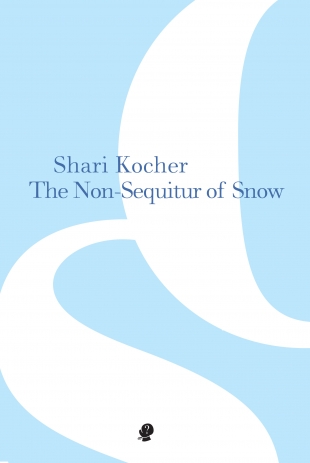
Shari Kocher The Non-Sequitur of Snow  Puncher and Wattmann (Sydney) 2015


So then let the Mountain be.

Let the hush of apples and ladders be as they are.

Let the shoes empty that enter the traffic

and release from its flow

the hush of the halo. Let the hush be

a halo. Let there be mourning any time of day.


from ‘Snowmelt’


This book is a little gem. It is perhaps the first Australian poetry collection I have reviewed on a blog devoted to NZ Books but the borders of my blog are porous.

Reading this book prompts diverse reader responses. You never know what effect the next poem will have upon you and I like that. Nonetheless, there are hinges that unify, that hold the collection in a single embrace.

First the initial impact. There is an over-riding sense of simplicity in the spareness on the page, the quietness of voice, the restraint, the vocal elegance. The effect promotes stillness, contemplation, slowness of reading. At this leisurely pace, there is an opportunity for an exquisite absorption of detail.

And then simplicity gives way to complexity, richness, relations, strangeness. Contemplation skews and slants as you shift between the real and the dream-like real. Flavoursome nouns salivate upon the tongue. Recollection is filtered through a surreal undertow. You fall upon the child, the lover, the family, the mother, the sister. Angels, apples, ladders, snow.


crowded in drawers or leaning

precariously by the sink

their metal mouths

pursed and shrinking

the way my mother shrank from us

as if each child that swelled inside her

gouged her out a little more


from ‘Spoons’


Complexity gives way to a poetry echo chamber where words and phrases are picked up from one poem to the next like little loose stitches and rendered in a slightly different pattern. Faint echos that feed into the book’s predilection to repeat. Some poems play with form and smudged repeating lines like offvillanelles. That repetition is comforting. Sometimes it is just a word such as ‘let’ that resonates like the drip of snow melt.

So many poems to love but I especially loved ‘A Letter to Dorthy Hewett’ where Shari pays tribute to the Australian poet she loved at the news of her death. She draws her into the space of her living and writing and talks. That talk drags me into the heart of poetry.

Here are the first and last stanzas:


I’d always imagined

I’d meet you one day

nothing spectacular

just two women

going along the path

in a parallel world …


[..]


stripping me bare

they shout aloud

in tongues that flare

the skin around my bones

bidding me, as Lazarus was bid,

to get up and go outside

to keep on loving, and to live.


You will have to track down this utterly gorgeous read and find the missing pieces. It is worth the hunt! After several decades of writing poems, Shari’s debut collection is one to celebrate.


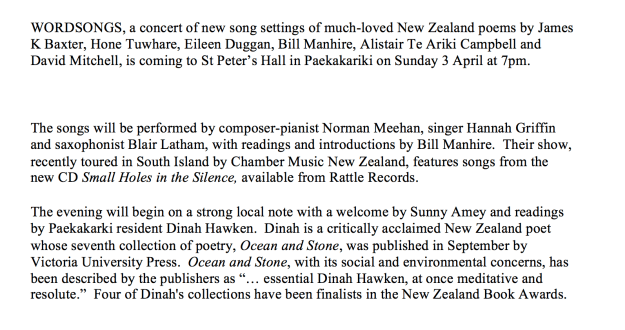
Dinah Hawken to open WORDSONGS

I seem to have been a roving poetry reporter these past few weeks but time to shut the hatches and stay at home. This event will be good – I judge this on my experience of hearing Hannah sing Bill at the AWF a few years ago. Transcendental experience.

I urge you to check this poetry event out and would love a wee response from a poetry patron to post on the blog.


Screen Shot 2016-03-23 at 10.12.24 AM.png


Screen Shot 2016-03-22 at 6.28.24 PM.png


Tickets $20 from Eventfinder or Darcey’s Fruit Shop.  Limited door sales at $25.

QUERIES: Gilbert Haisman.  Tel 04 904 8428 or 022 0122 103. Email: thewordshop@paradise.net.nz

Why I loved the Ruapehu Writers Festival


‘Memoir is a place to illuminate, not seek revenge.’ Elizabeth Knox

‘The Villa is a book of 100 tiny pieces. That’s how my brain was. Everything had fallen to pieces. I was writing in a state of shock.’ Fiona Farrell

‘I am a product of socialism and feminism.’ Fiona Farrell

‘We are not just a who or a what we are also a here.’ Martin Edmond

‘Archives are as questionable as memory.’ Martin Edmond

‘Poems have tended to ambush me every few decades.’ Fiona Kidman


[ I   k e e p   r e m e m b e r i n g

t h i n g s  a n d    a d d i n g     b i t s]


Yesterday there was a flurry of writers on social media suggesting the Ruapehu Writers Festival was the best festival ever. I have loved the richness and discoveries of so many other festivals, along with the family warmth of Going West. Yet this festival was special. The best ever.

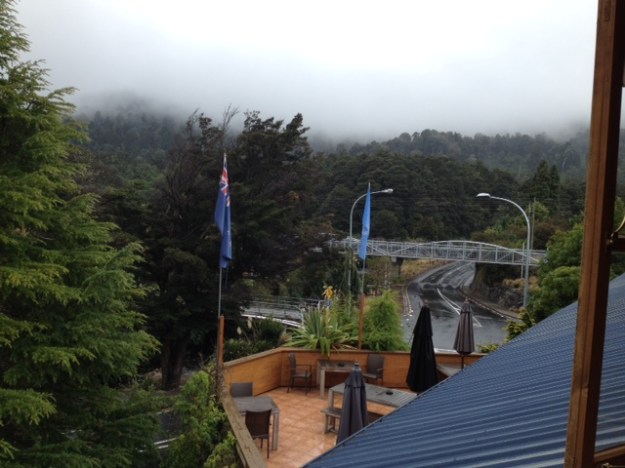
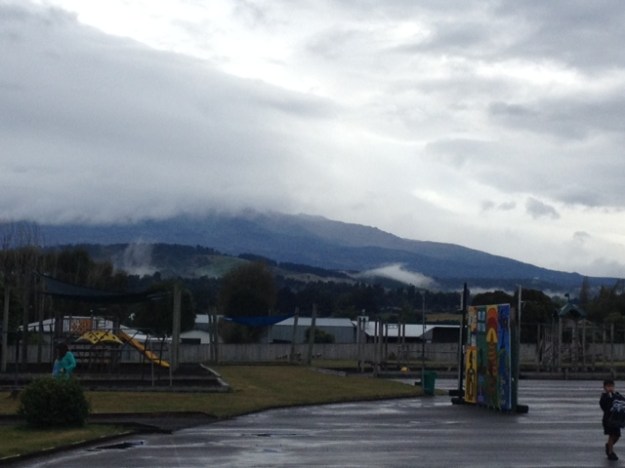
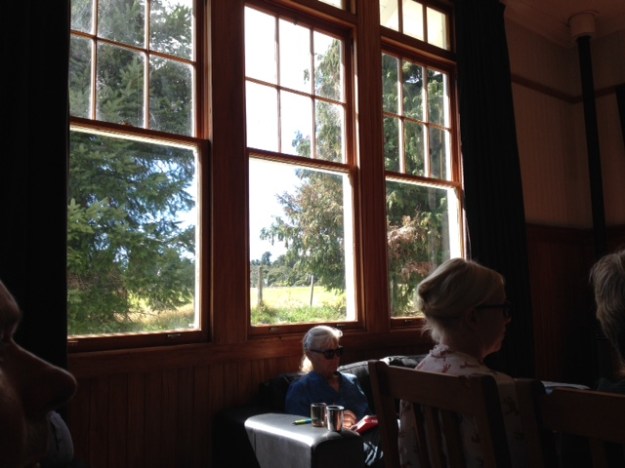
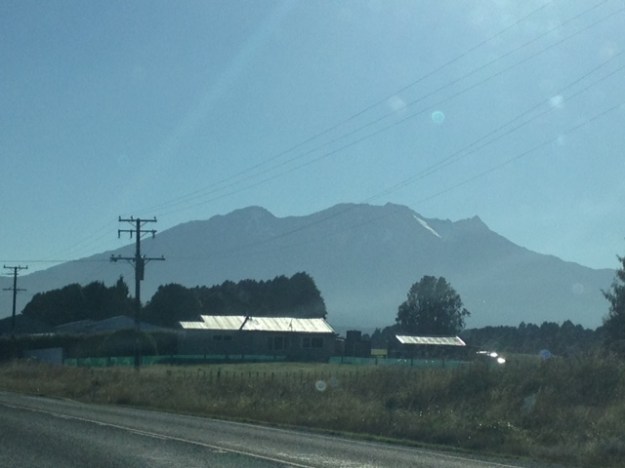
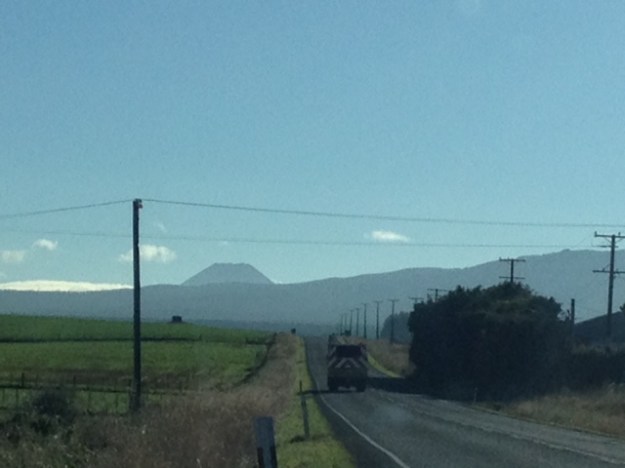
The setting: The mountain to the north loomed large out of clouds, and on some days into bright blue sky. The mountain stream babbled past like a soothing mountain soundtrack. The trains punctuated sessions and we all stopped and listened to the comforting sound of travel.

The writers: The writers came from far and wide (Martin Edmond, Fiona Farrell). Bigger publishers were represented (Penguin Random House, Auckland University Press, Victoria University Press) and so too were the boutique Presses (Seraph Press, Anahera Press, Mākaro Press, Cat & Spaghetti Press, Hue & Cry – to name a few).


The sessions: Not a single dud. Just smorgasbord of highlights. I do want to pick out a couple of presentations that struck a chord with me.

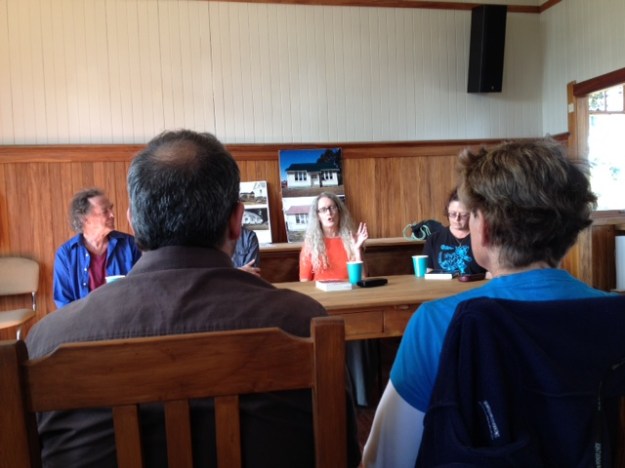
Merrilyn George shared Ohakune stories with Martin Edmond. Wow! I wish the whole country could have squeezed in to hear the way the local matters. Has mattered, does matter and will matter. It was Martin’s session too, but he let Merrilyn take centre stage with his little anecdotal prompts.

The fluency of my good friend Sue Orr when she got talking about place as character.

Three writers musing on the Desert Road: Fiona Kidman, Ingrid Horrocks and Fergus Barrowman (standing in for Nigel Cox). The conversation just flowed and the extracts were riveting. I have tracked down Ingrid’s essay, ‘A Small Town Event,’ in Sport 43. The sample stuck with me so I need to read the whole thing.

Elizabeth Knox‘s festival lecture, ‘On Doubt, Doubtingly,’  explored the implications and means of building memoir. Particularly in view of multiple selves, and the multiple reception and behaviour of selves. Elizabeth showed the way ideas can move, stimulate and challenge. Deliciously complicated and moving.

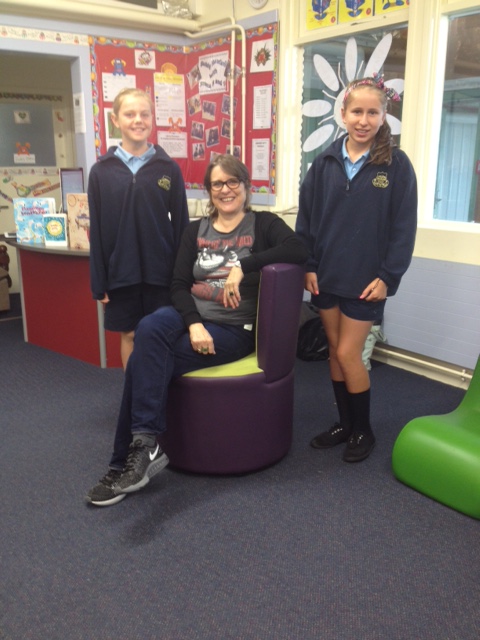
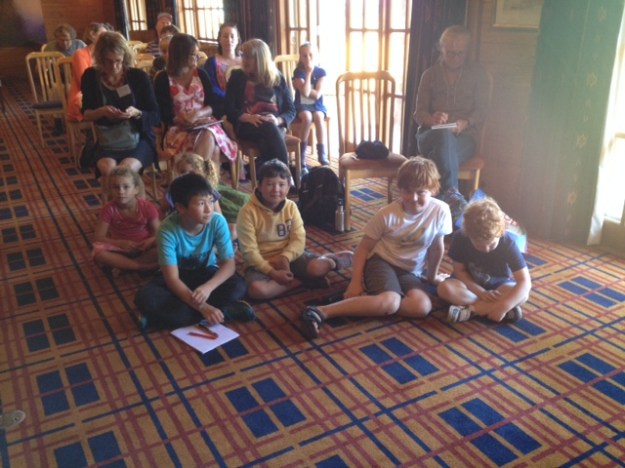
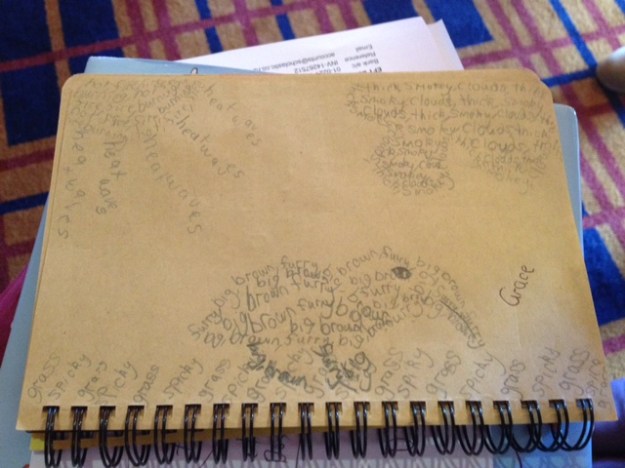
The children who came to my poetry session. Some as a result of my visit to Ohakune Primary School on the Thursday. I had an outstanding time there. This is a school where the teachers have already sown the fertile seeds of poetry. PS Jenny and Laughton Patrick did a great job getting the whole room singing!

Three writers talk on structure: Pip Adams, Emily Perkins and Fiona Farrell. This session got on National Radio because Fiona let her guard down and moved most of us to tears. I thought I was going to start sobbing out loud. Listening to Fiona read from The Villa at the End of the Empire — a book shortlisted in the nonfiction section of the Ockham NZ Book Awards — was extraordinary. Yet the session was this and was more than this. It embraced two other terrific readings and generated a conversation on structure that made me want to get writing.

Six writers read from Extraordinary Elsewhere: Essays on Place from Aotearoa New Zealand (forthcoming VUP). Ashleigh Young‘s detail kept ringing in my ear, along with the moving circularity of Harry Rickett‘s essay and the philosophical nuggets of Martin Edmond (which I tweeted throughout the session).

I was quite taken with the response of Tim Corballis and Thom Conroy (chair) in my session on POV. I just loved the way Tim proposed the leaf on the boy’s shoe acted as a transcendental point of view. Ha! Thom was an excellent chair.

The final session of poets was a perfect way to end. I discovered the poetry of Hannah Mettner and will go hunting for it in issues of Turbine. I loved hearing Fiona Kidman read from her new book (out next week) and Vana Manasiadis from her old. Magnolia Wilson was also a new find off the page (I had loved her foldout poems). A local poet and ex-librarian, Helen Reynolds read her poems in the quietest of quiet voices. We stretched forward, further and further into her reading. It felt like I was bending forward into the end/ear of the festival.


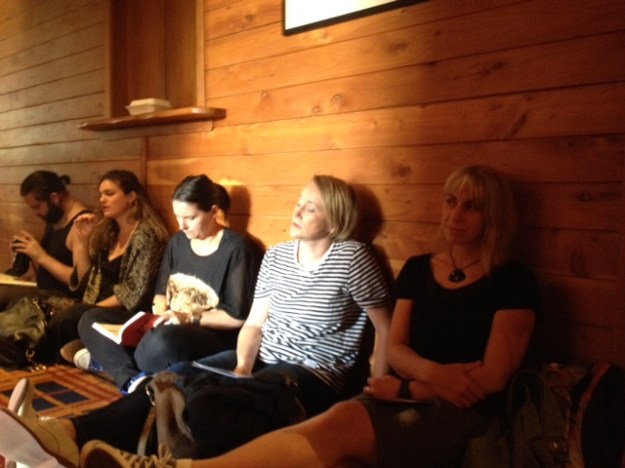
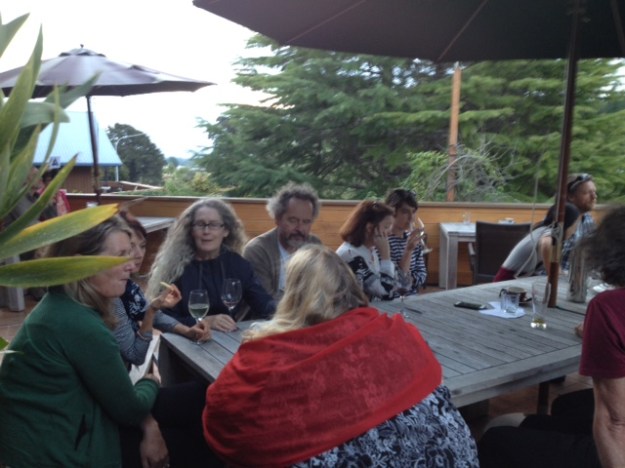
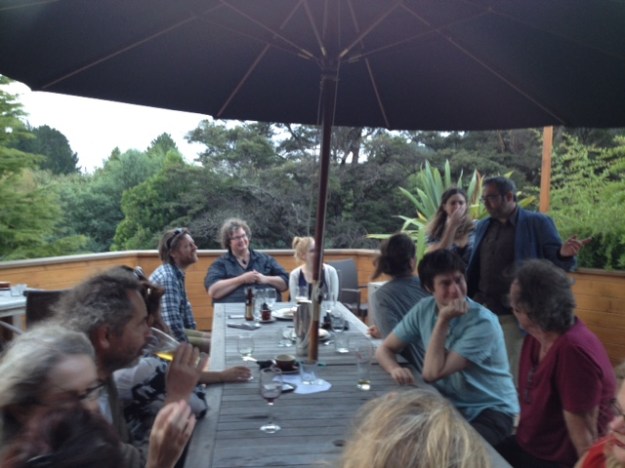
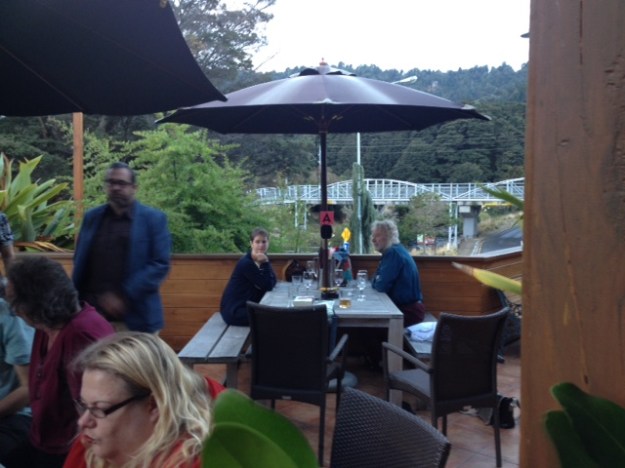
The atmosphere: Warm, intimate, stimulating, generous. The festival had the family flavour of Going West but in a mountain setting. At four thirty each day we spilled into the bar for a glass of wine and platters of gratis nibbles before the final sessions. We shared conversation and that conversation was infused with a common love of books. And an infectious engagement with ideas.

The chance(ish) encounters: Hearing Amy Leigh Wicks read poetry for the first time and having lunch with her. I am itching to write about her poems on the blog. Sitting under the cool of a tree and talking women’s poetry with Sarah Jane Barnett (she was there as reader, as were other writers!). Eating breakfast with the very lovely Fiona Kidman and talking about women’s poetry in the seventies. Meeting a man who lived next to Eileen Duggan but not getting to follow that revelation up (ah! rue!). Drinking coffee with Fiona Farrell and talking about how something in the air or on the page prompted us to let our guard down. Just a tad. Meeting old friends.

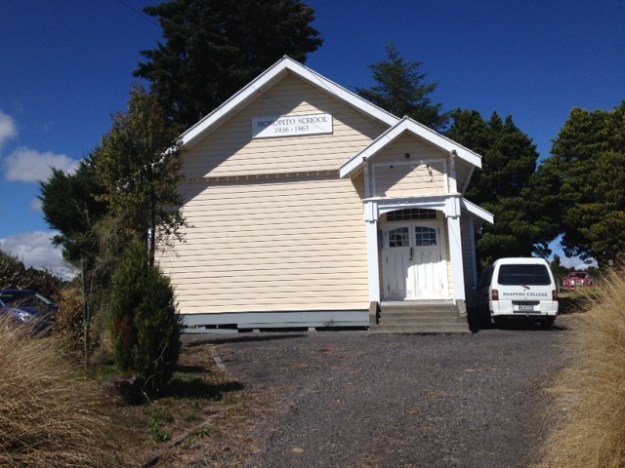
The special features: A band of writers cycled back from Horopito Hall with James Brown after hearing a session on cycling and poetry (ok Ashleigh Young where can I read a version of your lost-things poem?). A local kaumatua guided at least forty readers and writers up to a waterfall and back (around two hours). Stacy Gregg led some fans on a horse trek.

The audiences: Most sessions were full to the brim.

The chairs: I especially loved Fergus Barrowman (he did zillions with just the right degree of input), Nick Ascroft (he was hilarious) and Thom Conroy (astute listener!).

The organisers: Anna Jackson, Helen Rickerby and Simon Edmonds built a festival out of nothing yet when I reflect upon this daring, I realise it was out of something. The festival grew out of the hard labour and inventive thinking of these three. It also grew out of the good will these three can harness: from the locals, the venue, the schools, the publishers and the out-of-town readers and writers. It might sound corny but it also grew out of the physical location and its beauty. The festival always bore this mind.

It was really good to hear Anna and Helen read and share ideas. I loved too the way they sat in the front row in every shared and listened so intently. I could see the joy of the occasion on their faces. You don’t usually see festival organisers with freedom to sit in the front row and listen. Yet another sign of what made this occasion special.

Place matters.

I think if I were to ask all writers and readers to join me in a huge pakipaki for Anna, Helen and Simon we would drown out the mountain stream and the passing train. Just for a moment. We are in debt to you. Thank you.


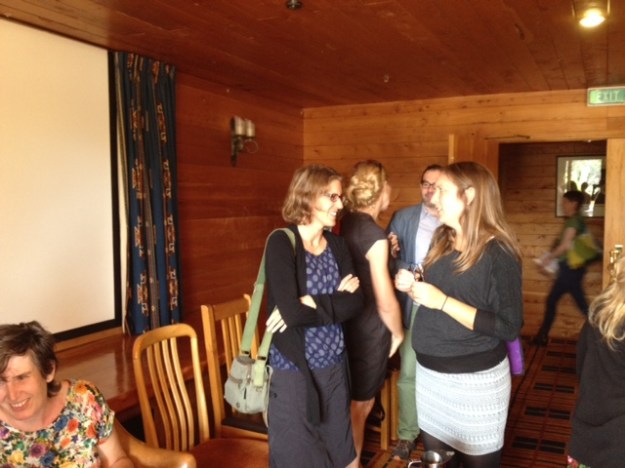
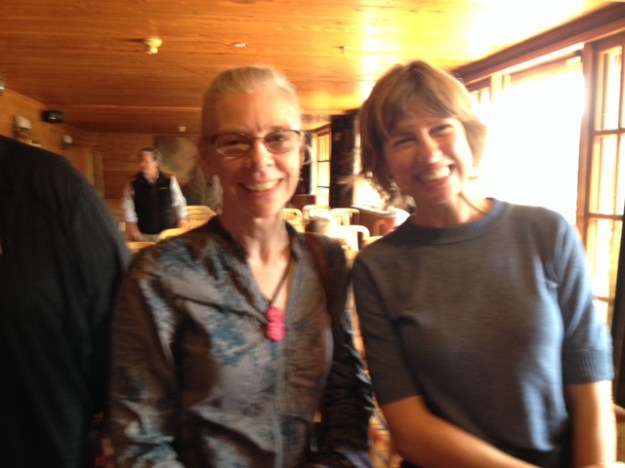
Excuse my phone photos!

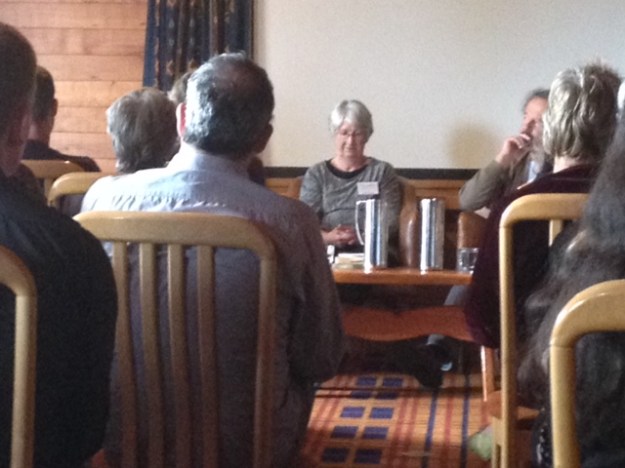
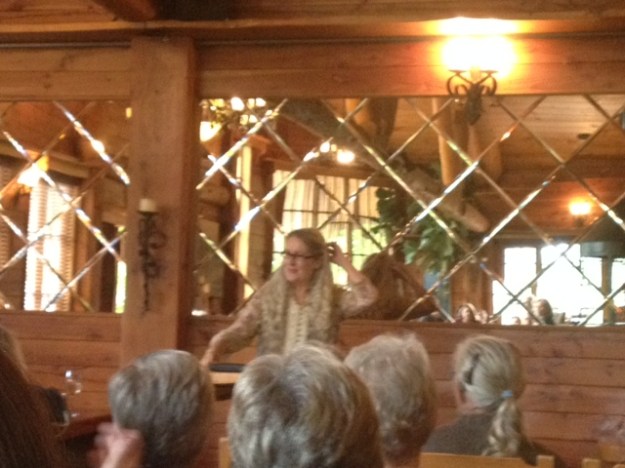
IMG_3156IMG_3157IMG_3137IMG_3140IMG_3142IMG_3145IMG_3146IMG_3151IMG_3152IMG_3154IMG_3161IMG_3162IMG_3164IMG_3166IMG_3168IMG_3169IMG_3170IMG_3171IMG_3173IMG_3174IMG_3175IMG_3176IMG_3177IMG_3178


Great news: New partnership powers up National Poetry Day

Screen Shot 2016-03-22 at 8.15.24 AM

National Poetry Day always demonstrates the wide reach of poetry in New Zealand. All manner of events and poets tumble into vision and hearing. Phantom Billstickers is a tireless promoter of NZ poetry. This partnership has to be good. Bravo NZ Book Awards Trust for this grand idea!


This terrific news is just out:

In its 19th year, National Poetry Day — the biggest nationwide poetry event of the year —will be boosted by the partnership between the New Zealand Book Awards Trust and Phantom Billstickers, with a sponsorship agreement announced today.

The highly popular and eclectic National Poetry Day will now be known as Phantom Billstickers National Poetry Day and will continue to bring poetry to the people, with over 80 events held nationwide, involving everyone from seasoned award winners to aspiring poets facing the microphone for the first time. Phantom Billstickers National Poetry Day will be held on Friday August 26 this year and continue the day’s legacy of taking poetry to the people from Kerikeri to Southland, across the streets of small towns and major cities.

“It’s an opportunity to hear more poetry. There’s the possibility to take it back to the regions that built us,” says Jim Wilson, owner of Phantom, “We’ve been putting the New Zealand voice out there for some time. Now with this exciting partnership that voice will become louder.”

Phantom Billstickers National Poetry Day is about discovery, diversity, community and pushing boundaries. Poetry enthusiasts generate events such as slams, poetry-music jams, poetry art exhibitions, performance poetry, poetry and dance, poetry street chalking, bookshop and library readings, open mic events and poetry writing competitions.

Nicola Legat, chair of the New Zealand Book Awards Trust says “We have long admired Phantom’s commitment to putting poems on posters and in cafes via their Café Reader. They are a natural partner given that Phantom’s business is taking messages to the streets and that’s what the New Zealand Book Awards Trust aspires to do with poetry.”


Phantom Billstickers   http://0800phantom.co.nz/   is a street poster company which since 1982 has consistently helped Kiwis express themselves. Recognising and supporting home grown talent has always sat comfortably alongside its commercial campaign work. Phantom actively promotes New Zealand music, art, poetry and culture around the country and across the world, putting poetry on posters and a literary mix of work into cafes via its quarterly magazine the Phantom Billstickers Café Reader. Phantom makes New Zealand’s streets livelier by taking the creative arts into public spaces.

The New Zealand Book Awards Trust   www.nzbookawards.nz  was established as a charitable trust in 2014 to govern and manage the country’s two major literary awards and National Poetry Day, and to ensure their longevity and credibility. New sponsorship agreements have now been secured for all three properties with Ockham supporting the Book Awards, Hell Pizza backing the Children’s and Young Adult awards via its support of the Reading Challenge and Children’s Choice programmes and Phantom National Poetry Day. Additional funders include The Acorn Foundation, Book Tokens Ltd, Creative NZ, Copyright Licensing Ltd NZ , the Fernyhough Education Foundation, Nielsen and Wellington City Council, supporting specific aspects of the properties.


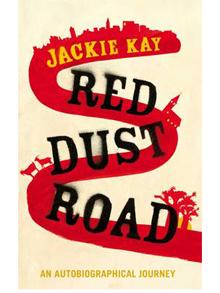
Jackie Kay is Scotland’s new Poet Laureate


kaystory_1651035f.jpg

And off they went, my two parents
to march against the war in Iraq,
him with his plastic hips. Her with her arthritis,
waved at each other like old friends, flapping,
where they’d met for so many marches over their years,
for peace on earth, for pity’s sake, for peace, for peace.


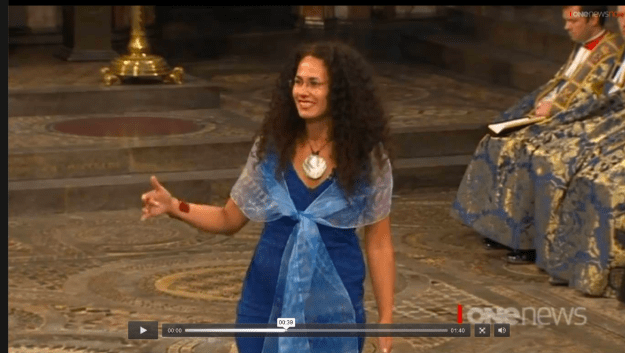
Jackie Kay was such a vital poetry presence at a recent Auckland Writers Festival. On stage and on the page, we all fell in love with her. This is terrific news. Congratulations!

From The Observer:

Following the appointment of Kay as Scotland’s national poet last Tuesday, a press colleague who had interviewed her was simply thrilled. “She’s just wonderful; she’ll make people read poetry and write poetry who have never done so before.” The words were spoken in a tone that suggested he had touched the great woman’s hem.

The full article here.

Hear Jackie read at The Scottish Poetry Library.

Auckland Writers Festival delivers poetry

Once again Anne O’Brien serves us a fine feast of poetry. I’ve had a quick flick through the programme. 

There are the Sarah Broome finalists and the shortlist from the Ockham NZ Book Awards. 

Bill Manhire in conversation Eith Pau Muldoon is also doing a music gig.

Out in Aotea Square is the poetry doctor who will proscribe a poem. 

James Sheard will help you unlock the poetry door. 

Tusiata Avia’s new collection will be launched by VUP. 
Slam poets Omar Musuf and Maxine Benebe Clarke are set to go. 

You will find Joan Fleming, Serie Barford, David Eggleton, Cillz McQueen, Lynn Jenner in the programme. 

Vincent O’Sullivan is the guest of honour. 

Bet I missed a few. 

No photos as doing this on my clunky phone in Ohakune. 

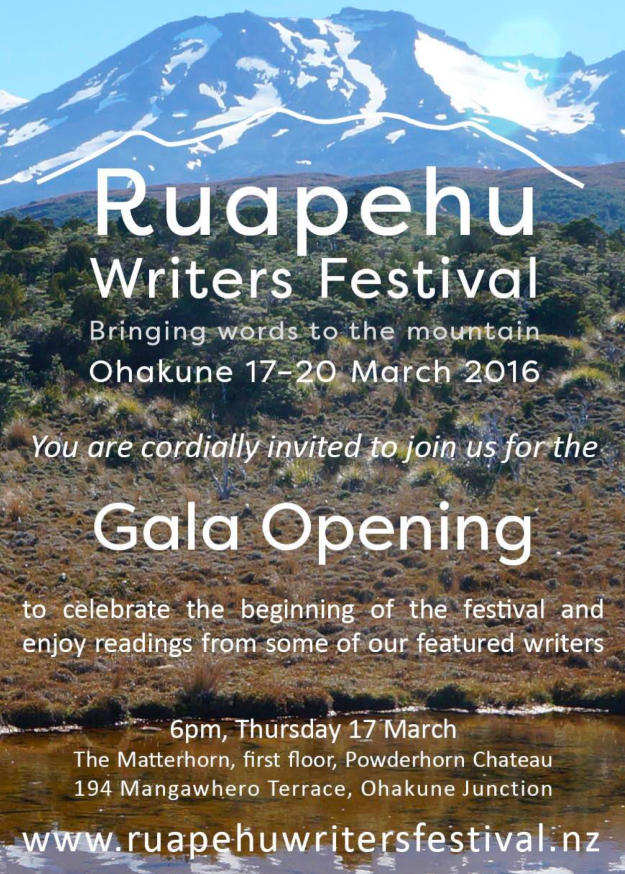
Ruapehu Writers Festival gala night

I am very excited to head off in the morning to this festival. Writers are coming from far and wide to touch base with Ohakune readers. It seems like no other festival with children doing a horse ride with Stacy Gregg, a waterfall walk, a bunch of writers doing the crossing on Monday (ah if only!), festival lecture by Elizabeth Knox, truck loads of poets and fiction writers, non fiction as well. Martin Edmond for a start.

Some writers are going as readers.

Not too late to plan a weekend by the mountain!

Loads of hard work by the organisers getting a festival off the ground for the first time.

So thanks! So good to see such a bustle of literary activity outside the main centres and universities.


Screen Shot 2016-03-15 at 7.55.23 PM.png