
In order to widen the reach of new poetry books, Poetry Shelf is posting a series of launch speeches and photographs. Do get in touch if you have had a launch you would like featured.
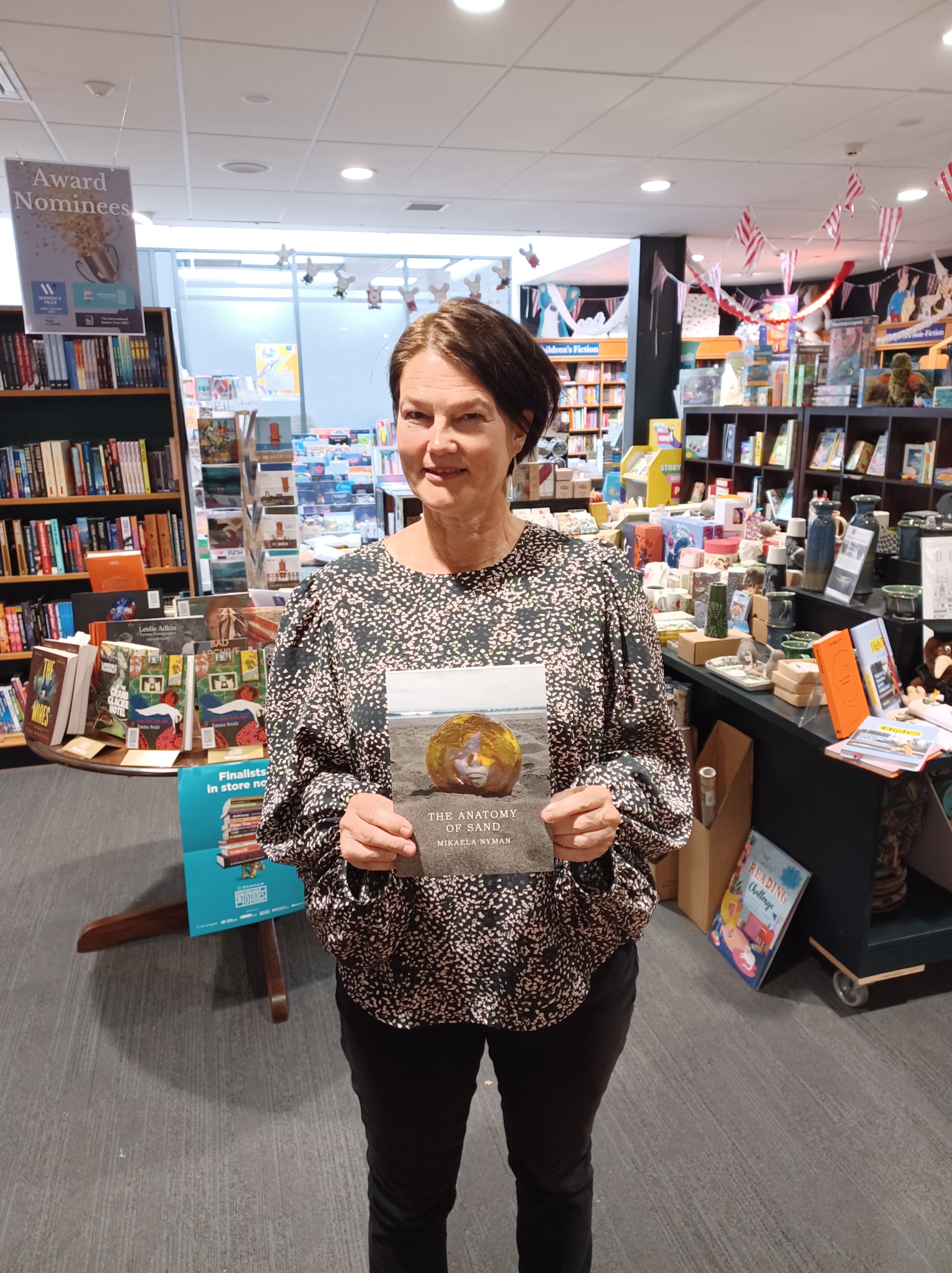
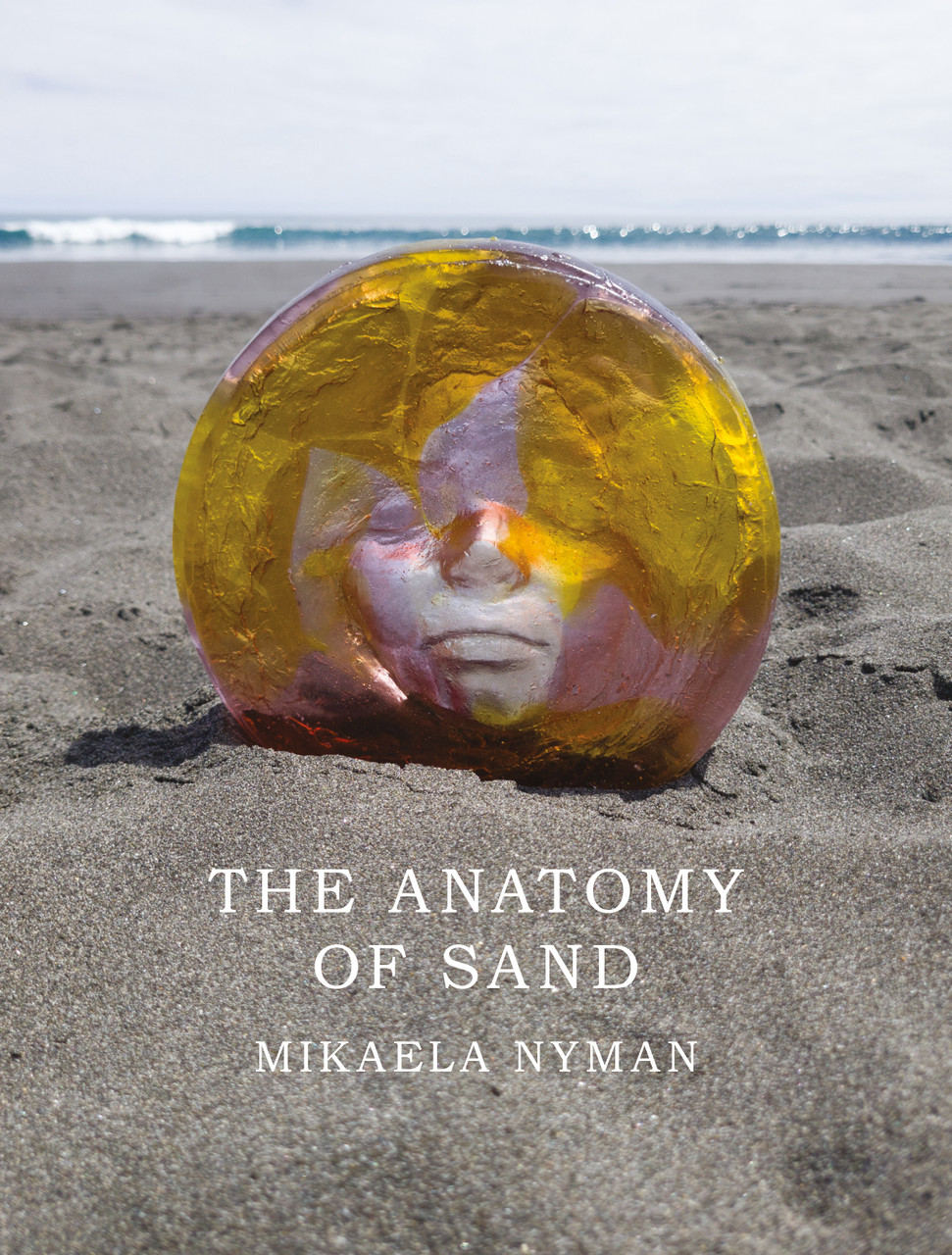
The Anatomy of Sand, Mikaela Nyman, Te Herenga Waka University Press,2025
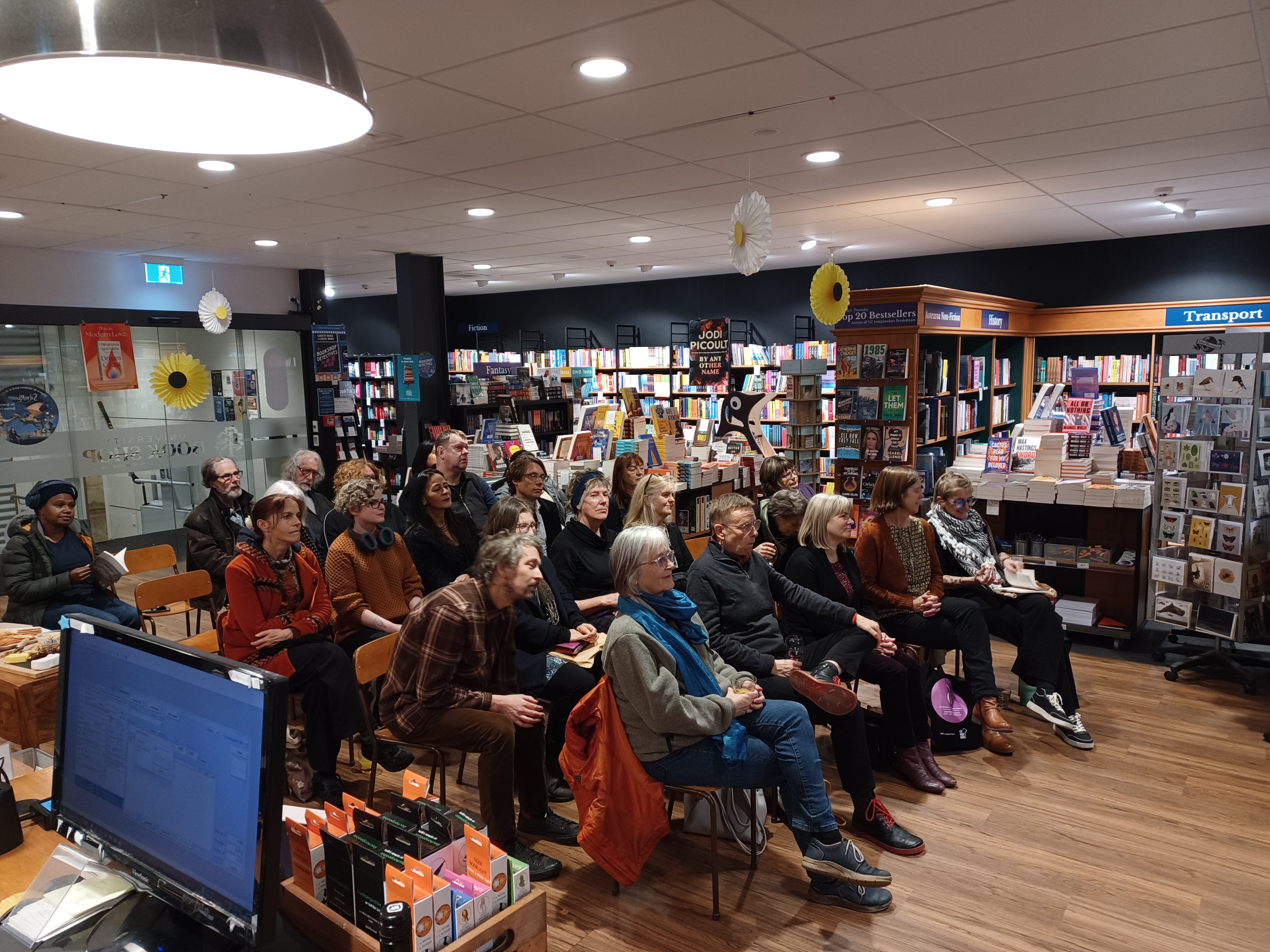
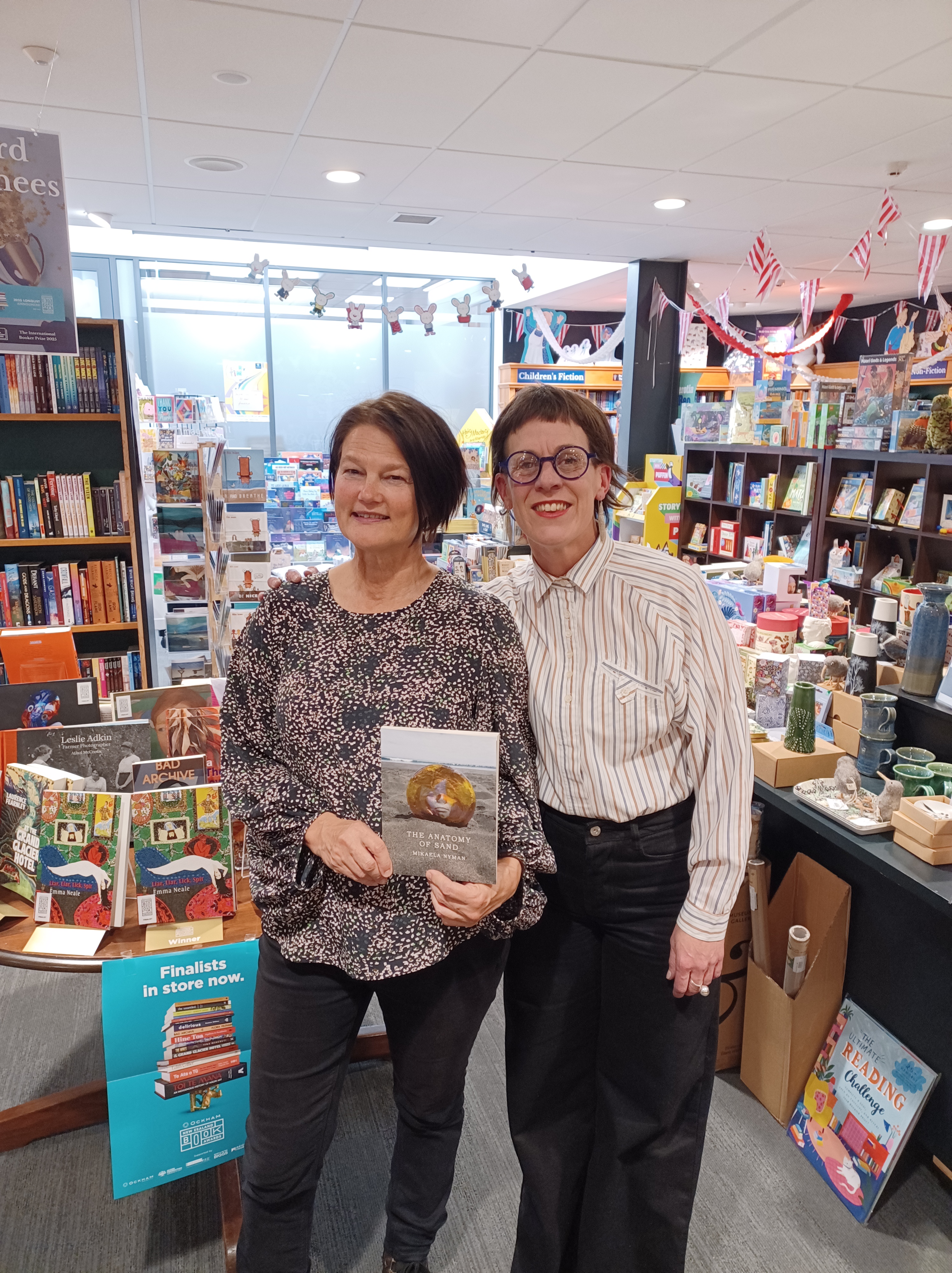
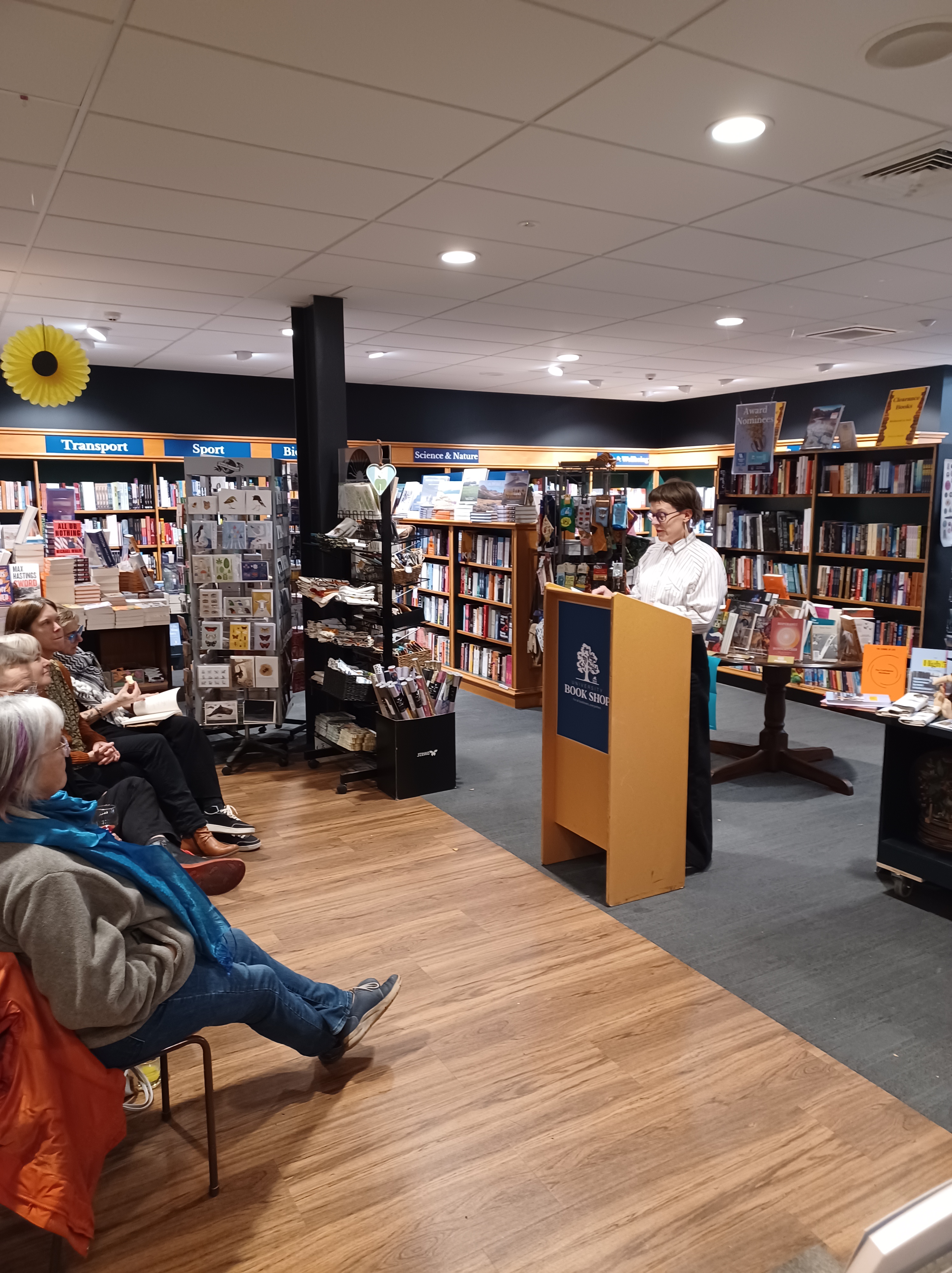
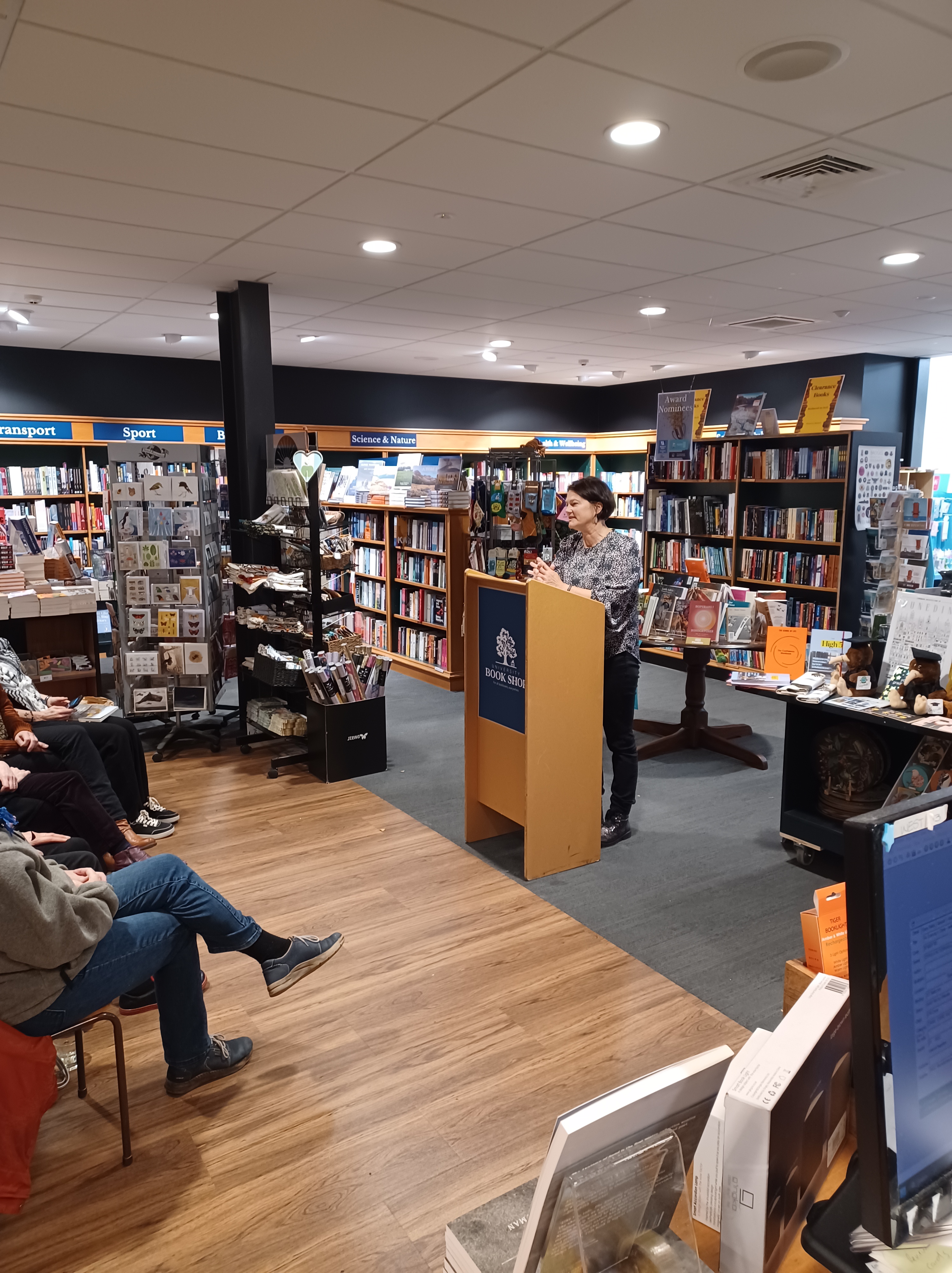
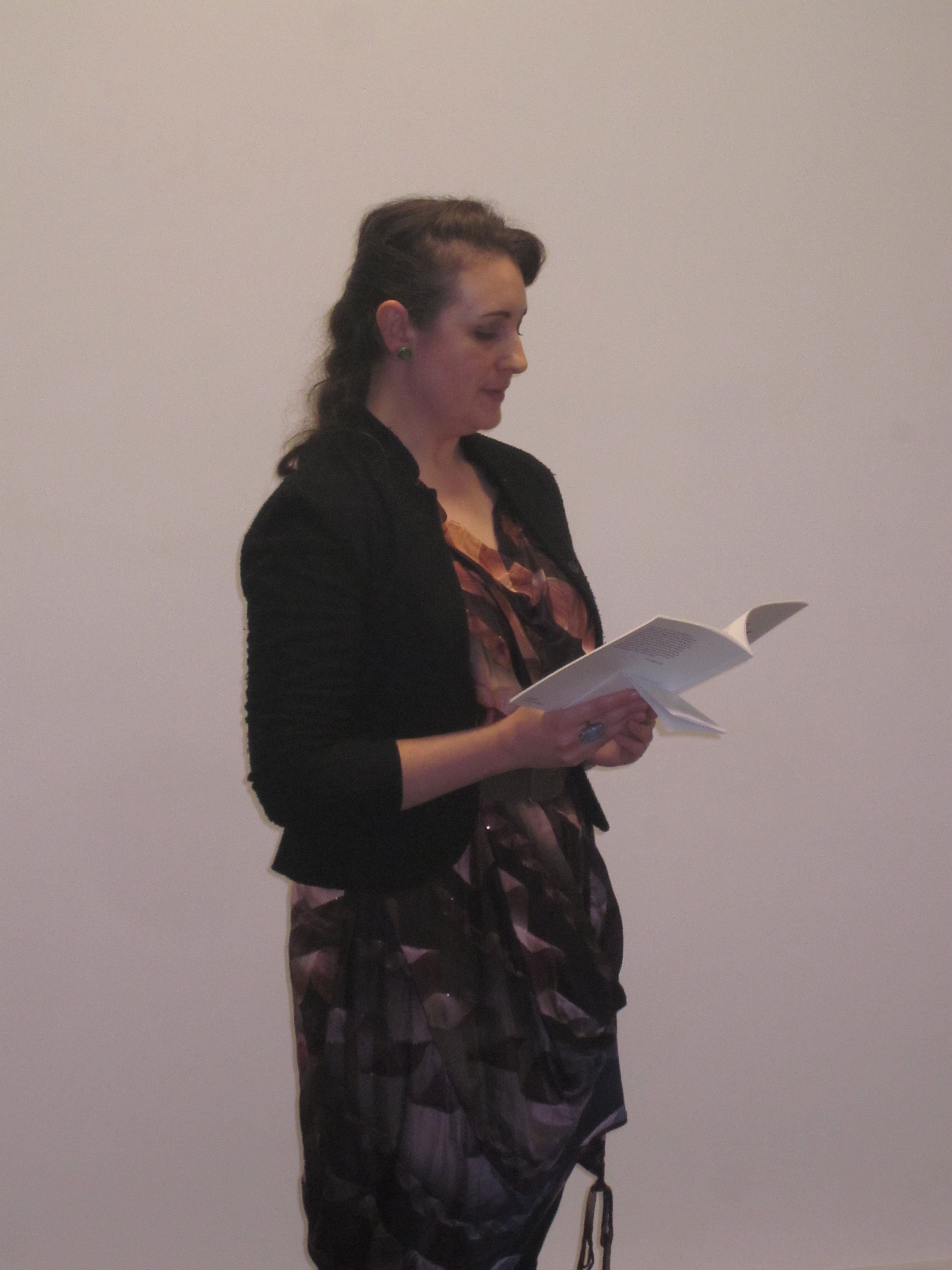
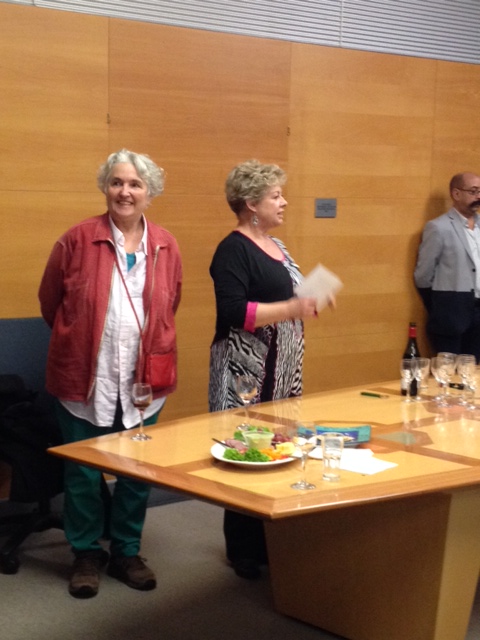
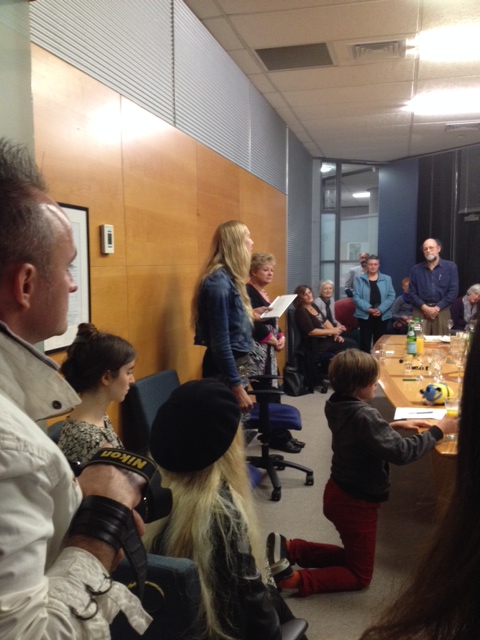
(the photos are by Ina Kinski at UBS Otago)
Launch speech for The Anatomy of Sand by Mikaela Nyman
Kia ora koutou
Thank you so much for this invitation, Mikaela, to launch this new book, The Anatomy of Sand. It’s an honour to be asked. My job, as book-launcher, is to tell you why you should buy and read this book. I’ve got plenty of reasons why you should.
I never tired of reading and rereading this book. It was a joy to read a full collection, to sit down and do that thing many people don’t often get to do these days without distraction, and read a book from cover to cover—to read it’s contours and shimmies, its tilts and turns, its rises and falls. The poet seems to say to us: Look at this, can’t you see how curious it is? And then she goes on to show us. The poet is curious to the world, sensitive to our missteps as humans, but also alive its wonders.
As cliche as it may sound, reading Anatomy of Sand felt like traversing the world with my slippers on. Mikaela takes us so many places, in time and space: as expected (and hoped), we travel to Norway, Finland, and Sweden. But we also visit Nigeria, Palau, and the United Arab Emirates, Western Australia, New Caledonia, Dubai and Cornwall, Jamaica, Nigeria, the Virgin Islands, Bamiyan, and London’s River Thames. But we also flit around Aotearoa, from her home in Taranaki and the surrounding regions of Ōpunaki, Parihaka, Mōkau, we also go to Tokoroa, Porirua, Lake Rotokare, Waiwhakaiho, Mangorei, Mimitangiatua Awa, Whakarewarewa, Ngahoro, and back down here to Ōtepoti where a little bit of Mikaela’s heart remains after having the Burns Fellowship in 2024 (more on that later). Mikaela’s sense of place is immense and the poet never takes her taking up space for granted.
The book is also in conversation with many and provides a very contemporary constellation of voices. Like a great navigator of place and time, of language and culture, Mikaela reaches out to writers and artists, great myths and minds from so many reaches of the globe and somehow, somehow, joins them all in conversation. We meet Lauris Edmond, Michael Smither, Bill Manhire, Ngāhina Hohaia, Ni Vanuatu poet Carol C. Aru, Mary Oliver, Mary Ruefle, Rilke, Gregory Kaan, Andreas Wannerstedt, Maggie Nelson, Paul Celan, Brett Grahame, Sisyphus, and Oppenheimer. But this is not a name-checking exercise—Anatomy of Sand is a tapestry of language, connected deeply with the layers and complexities of our time. One poem, for example, is called ‘Reading Maggie Nelson at Matariki,’ where the poet invites Nelson’s presence into a contemplation of our celebrated winter stars, Puanga and Tautoro, to collectively contemplate the idea that may be what connects all writers and artists across time and space: that we’re all searching for ways to articulate the world. As Mikaela says, so beautifully: ‘Focus on Puanga bright above Tautoru / know that the inexpressible / is contained within / the expressed // We feed our anxieties with that / which eludes us, what can be said / instead—galaxies sugared / and stripped—stuck on verbs that explode a constricted throat.’
This is a generous poetry, a poetics of openness, ‘whose verbs explode a constricted throat’. We’re constricted by our time, our inability to fight against the monoliths of industry that continue to plunder our resources and tip the delicate balance of our environment, the ecosystems that would allow us all to thrive if we just took what we needed to sustain ourselves and nothing more. Mikaela’s poetry is sensitive to these plunders and butcherings, always turning toward the problems—never away from them—as if to say, let’s look at it. Let’s address the absurdities that underly so much of our late-capitalist motivations, the immense madness that is a phenomenon like private property, or, as the poet calls it, the ‘cost of sand.’ In her poem ‘Iron throne, submerged’ the poet tells us about the mineral Vanadium-rich iron ore found off the coast of Taranaki that a company called Trans-Tasman Resources ‘had their eye on’, and that vanadium is used for treating various life-threatening ailments. And yes, that sounds ideal, but the mineral can also be found in ‘space vehicles, nuclear reactors, aircraft carriers, piston and axles, as girders in construction.’ The poem asks, ‘who does the sand belong to anyway,’ and finishes by suggesting that ‘next time you’re held at ransom, why not bargain for sand dollars.’ It’s not too far outside the realm of possibility—stranger things have happened…
Of course, sand is a central feature throughout the book. The poetry is attuned to mineral, geology and the ancient body of earth we call home. But not just the land that we can successfully ‘own’ but also the water, the bodies of oceans that are also the home to so much life. The poet is sensitive to sand as border, porous, sometimes solid, and almost mythical line between land and sea, particularly as she comes from a long line of islanders and nordic seafarers, and has spent much time in the Pacific, particularly in Vanuatu, and with the work she did with ni-Vanuatu poets as co-editor of the excellent book Sista Stanap Strong! The poet seems to at home on and in the sand, as the place of welcome and transition, a porousness and openness to the waves of what comes and what goes.
And perhaps, if we too could hover in that sand-space for longer, we might also come to notice the things the poet is alerting us to. To exist on sand, to examine the anatomy of sand, is to learn of both the sea and the land. It is made up of both, just like the poet now is made up of the Aland Islands of Finland and the islands of Aotearoa, of several languages and cultures. And as such, the poet and the poetry has so much to teach us: as fellow island dwellers, we could really learn a lot from the reach of this poetry, the way it respects the land it is borne of it but is constantly looking out from.
On a very practical level, although I don’t condone googling-while-reading, I would suggest keeping your phone nearby as there is so much to be gained by following Mikaela’s layers of interest to teach you about so many things you’ve heard of, let alone even thought of: we learn about the Global Seed Vault at Svalbard, a secure backup facility for the world’s crop diversity on the Norwegian island of Spitsbergen in the remote Arctic Svalbard archipelago; the epic Finish National creation story, the Kalevala, and how representations of Aino, a mythological character who was the victim of sexual advances of a male counterpart have been rethought in the wake of the #metoo movement; that in 1961, amateur Italian radio engineers recorded what appeared to be a female Russian cosmonaut burning up on re-entry to the Earth’s orbit. I was constantly stopping and looking out the window, thinking: fuck! There’s a wonder in these pages, both of the poet in wonder of the world, but also the wonderment of a poet with the skill to show us her own wonder and to make us, in turn, wonder. I felt myself wondering: how exactly is she doing this? There is a desire to share (not ‘tell’) ideas and information, a generosity that comes, I think, with the poets capacity to see what’s curious and to infectiously share this with us.
This openness is twofold, both in the poetry and the poet, as observed from her time in Ōtepoti as the Burns Fellow in 2024. Mikaela threw herself into our community, forged genuine and what I imagine to be life-long friendships with some of us in the room. Her desire for connection and community is immense and this is illustrated in the poetry too. It forges connections, leads you toward that ‘Aha’ moment, guides you the reader toward new knowledge. It’s a poetics of generosity—a sisterlyness, for people and for the environment.
It’s a generosity that is quite unrivalled in contemporary poetics, I would say. This is poetry that isn’t intersted in the the self, the personal. Yes, it views the world as any subject would, making it subjective, but the poet is so acutely aware of the bigger world, the one in which that subject lives. The beautiful poem ‘Beach Scrabble’, reads:
Drop your phone and concentrate
On this complex arrangement of stones and bones
for the sake of sanity, beauty
and all the things
that count yet cannot
be measured
Of course good intentions count—
but do they suffice?
What are we but petrified symbols
standing in for the real thing
lost to rising tides
Mikaela’s voice is unlike anything I’ve read in NZ before and we’re lucky to have her, writing about us, writing with us, writing amongst us. She comes from a civilisation eons older than our own and she’s chosen to make a life here, to share the wisdom from beyond, and Anatomy of Sand is a taonga in our literary ecosystem. The work in here offers threads where threads have not been, invisible ties to a world that is not our own, lands and sands beyond our shores, and yet shows us exactly how connected we all are, how undeniable these threads of connection are.
It’s a leap of faith, by the writer, to ask someone who hasn’t read the book yet to launch it and I also took a leap of faith when I agreed to launch Anatomy of Sand before I’d even read it. There’s always that slightly fretful moment of thinking, ‘what if I don’t like it?’ ‘What will I find to say about it?’ Well, I can assure you, I love it (and have obviously got a lot to say about it) and I absolutely know you will too. If you don’t buy this book, you’re missing out.
Dr Lynley Edmeades (she/her)
Editor, Landfall Aotearoa Arts and Letters
Lecturer | Pūkenga, University of Otago – Ōtākou Whakaihu Waka
Te Herenga Waka University Press page
 NZ Poetry Shelf