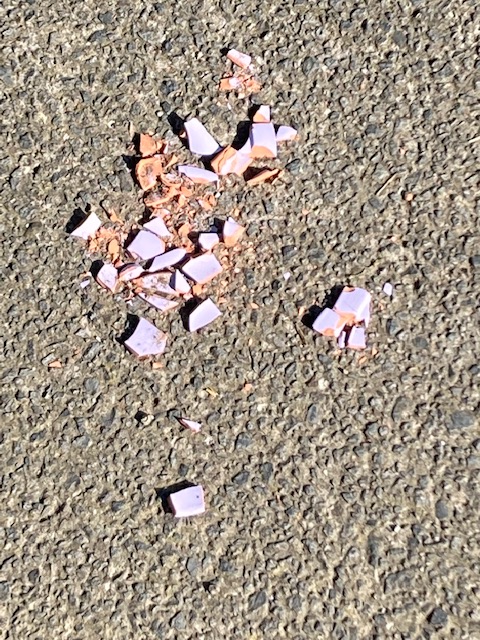
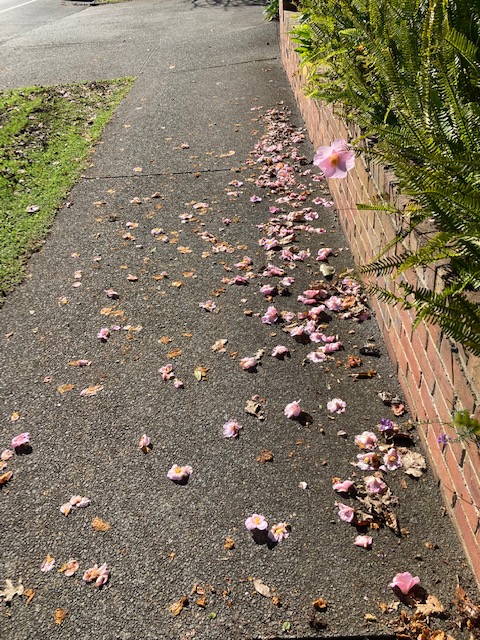
Poetry Shelf Theme Season: Ten poems about edge

It’s a week when I feel on edge about everything: the news a back slap of global and local misdeeds, COVID spread, Hong Kong oppression, petty political point scoring, exploiting the system for the good of the individual rather than the good of the whole, the maltreatment of children in care, my internet and landline going down amplifying my aloneness, the strength of the bubble, the weakness of the border, the need to acknowledge how well our Government has done when you keep things in perspective, the fact I haven’t planted the boadbean seeds yet, the fact I am not getting enough sleep, the night-time nag the future is uncertain. And yet I make a pot of leek, cauliflower and corn soup with harissa, and I am reading the edges in Iona Winter’s wonderful gaps in the light, and somehow, in some remarkable miraculous way, I feel joy. Posting poems with some kind of edge feels entirely fitting.

The poems

Thresh/hold

It looked inviting

that blue promise

so I stepped through

but the door unframed

my thought, unhinged

my indoor-outdoor flow.

Now all’s astray, I don’t

know why I came or where

to go. I am misplaced,

a left-hand mitten dropped

on concrete, getting

wet, that splits the sense

of keeping warm right

down the middle. I’m

hot and cold, I’m black

and blue, my fine boot on

the other foot but on this one

somebody else’s shoe.

Chris Price

from Beside Herself Auckland University Press, 2016, suggested by Amy Brown

The poem that is like a city

This poem is like a city. It is full of words.

Doing words. And being words. And words

that compare one thing to another thing

and words that hold everything together.

This poem has a high rise at its centre

with a view across the plains to the hills.

It has a CBD and CEOs and a thousand

acronyms whirring like wheels, This

poem is going places. It also has small

prepositions where people pause, drink

coffee and read the paper. They go to

and from and sit before and behind.

They walk across the park. Crunching

like gerunds on white gravel while

watching dogs splashing.  Ducks quack

and rise. Like inflections? At the end of

phrases? The way we do here? This

poem is a crowded street where words

clatter in several languages and every

thing you see or touch has many names.

This poem is written in the gold leaf of

faith and in the red capitals of SALE

and BUY NOW and all the people walk

among the words as if they were trees

and ornament and would never fall off

the edges of their white page,

This poem jolts at the caesura and all

the words slide sideways, slip from

the beam in dusty slabs, The children

who were learning how to say hello

tap goodbye goodbye in all their

voices , reaching in the dark for the

mother tongue. There is no word in

English for this. No word in any city.

This poem is palimpsest, scraped

clean each morning and dumped

in the harbour. But at night it rises.

The moon buttons back the dark on

towerblock, mall and steeple. Cars

boom hollow on a phantom avenue,

cups fill with froth and nothing and

an empty bus wheezes up Colombo

Street. Stops for the children who

perch waiting like similes for

chatter and flight, tapping their

abbreviations.

Ths pm is lk  

a brkn cty

all its wds r

smshd to

syllbyls.

Each syllbl

a brck.

Fiona Farrell

from The Broken Book Auckland University Press, 2011

On discovering your oncologist is a travel agent

There is a choice, he says. The shorter route, without add-ons,

the ‘no frills’, no-treatment way would be faster, more direct.

You’d arrive at your destination ahead of time, having avoided the

pitfalls of travelling: no missed connections, lost luggage or jet lag.

The longer route would provide a wider panorama, more stopovers,

new experiences. You’d wear an ID tag on your wrist. There would be

regular appointments, hours spent in waiting rooms scrutinizing food

and fashion magazines, art on walls. There would be needles, tubes

and drains, a slow-playing drama with a diverse cast of characters

constantly checking your name and number, oxygen levels, pulse,

temperature, blood pressure. There would be drugs and delirium;

you would cross time zones, travel in all weathers, meet strangers,

make new friends, embrace old ones. You would need time

and fortitude. You have to decide, now, so that plans can be set

in place. There’s no map for the journey, no certainty about what lies

ahead. No clear directions. No estimated time of arrival.

The ground you stand on is shaky, the horizon hazy, both routes

daunting from a distance. One thing is certain. There’s no going

back. That’s not an option. Your name is on the passenger list.

You must pack your own bags and choose which way you will go.  

Elizabeth Brooke-Carr

from Wanting to Tell You Everything Caselburg Press, 2020

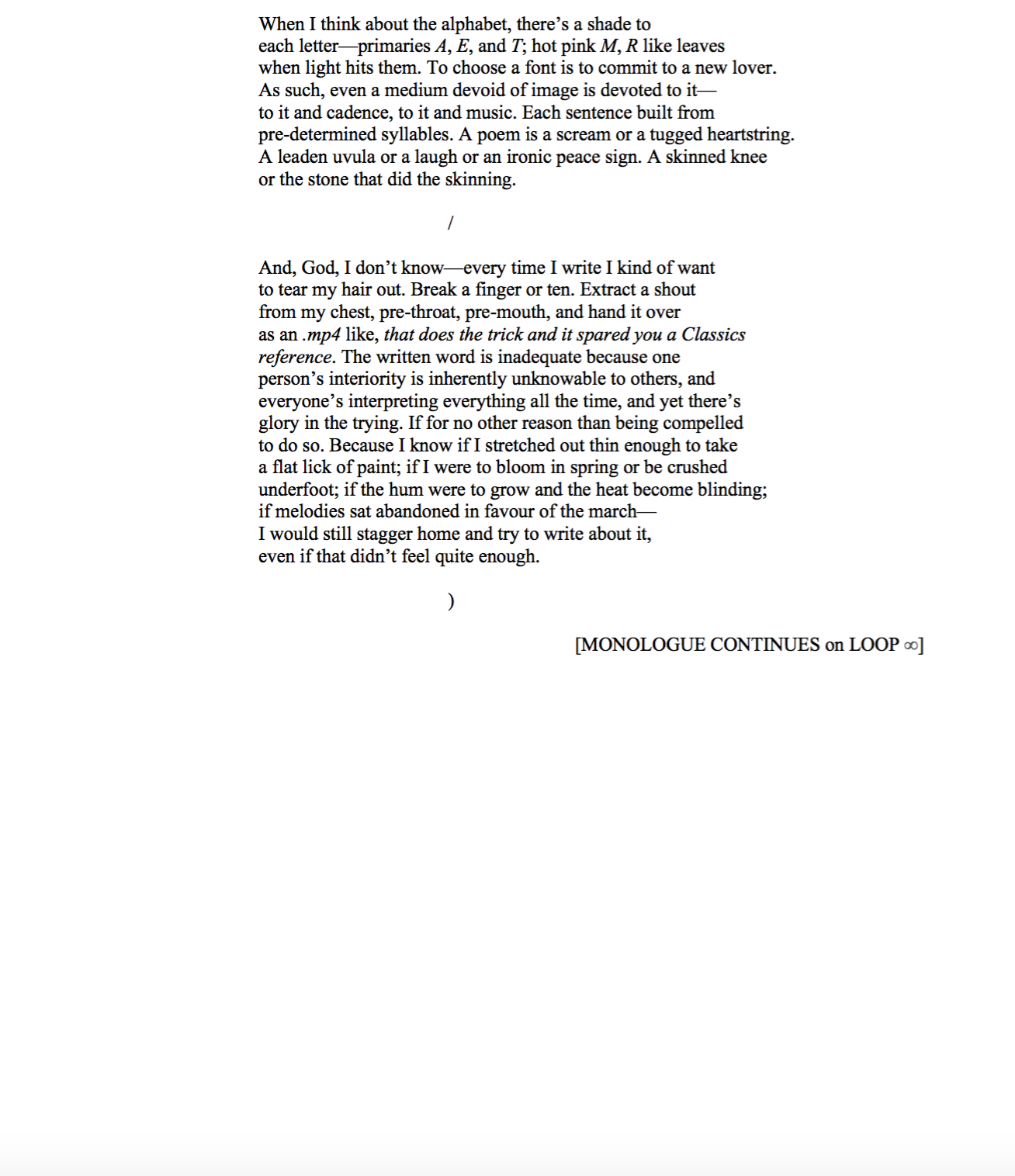
Transcript of a Monologue [Internal]
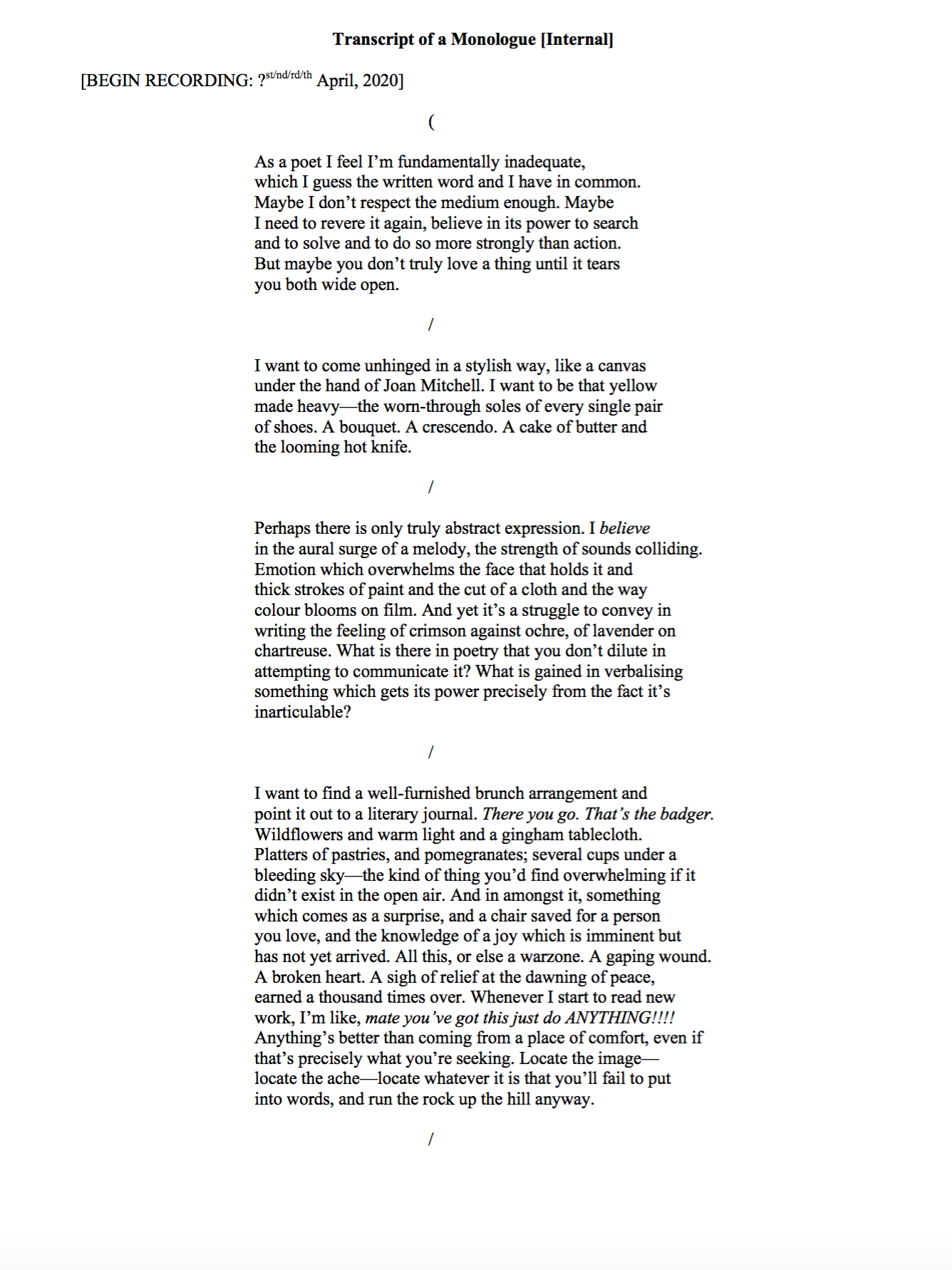
Tate Fountain


Seams

In time all cities blur and connect 

as each street remembers

another, remembers the downward 

pressure on your temple 

as the plane rises, rises, as the lights

of one city are gurgled by fog, and what’s left 

is one more night between time zones.

What glow here. What unbreakable seams.

You know the earth, like your body, can’t take this,

won’t last, and yet tonight you need too much to get home.

What else do you need too much?

Another plane slips across darkness before the cloud shifts and again

a city—its networked wide grids, grips of colour, unreal green

of some outskirts’ stadium before that black cloud pours back in.

Did you use your time on earth to save 

what you wanted? Did you use anyone 

the way you should? What song

will you sing as the light leaves,

as the mask’s lowered over your eyes?

Alice Miller

This poem first appeared in The Poetry Review and also the collection, What Fire (Pavilion, 2021).

The Tape  

for Chris Mead–  

Tonight big squalls

lift off the sea channel

below the dark cliff

at the end of our section.

Pine branches thrash

against the garage,

television aerials rattle

on the neighbour’s rooftop.

My parents snore

in their room upstairs.

Under the bedcovers,

I put the C-60 tape,

handed to me by Matt Klee

at Engineering class,

into my blue Walkman.

When I hit the Play button,

spools click and spin.

There’s feedback,

distortion in reverse,

the blistering wail of a Stratocaster;

the louche yet gentle voice

of a prophet.

I sat bolt upright–

it’s as if god has spoken

to me directly.

And this is the first time

I feel the power

of language as poetry.

Michael Steven

from Walking to Jutland Street Otago University Press, 2018

Edgeland

Awks: you winged Auk-thing, awkward, huddling;

you wraparound, myriad, amphibious,

stretchy, try-hard, Polywoodish

juggernaut; you futurescape, insectivorous,

Akarana, Aukalani, Jafaville, O for Awesome,

still with the land-fever of a frontier town —

your surveyors who tick location, location, location,

your land-sharks, your swamp-lawyers, your merchant kings,

your real estate agents who bush-bash for true north,

your architecture that fell off the back of a truck,

your shoebox storerooms of apartment blocks,

your subdivisions sticky as pick and mix lollies;

you fat-bellied hybrid with your anorexic anxieties,

your hyperbole and bulimia, your tear-down and throw-up,

the sands of your hour-glass always replenished,

your self-harm always rejuvenated, unstoppable;

you binge-drinker, pre-loader, storm-chaser,

mana-muncher, hui-hopper, waka-jumper,

light opera queen, the nation’s greatest carnivore;

cloud-city of the South Pacific, it’s you the lights adore.

David Eggleton

from Edgeland, Otago University Press, 2018, chosen by Jenny Powell

Precarious

the first time I listened to Jupiter sound waves on the internet

I saw myself from a great distance as

a solitary beam of light flaring

in a dark suburban street

the other residences curtained and sombre

in this aching utopia

that is not paradise –

someone I know says their recurring nightmare

is of waking up to find a huge new planet

in the sky

nearly close enough to touch:

as a spinning ball in so much unconquerable dark

the Earth is ridiculously easy to finish off

Anuja Metra

from Starling, Issue 2.

It’s worth almost anything

That feeling right before everything bursts

Sitting on the bench in Cathedral Park

The one down the path from the tree we used to pile in

Hang loud like different primates

Bottles loose, lips curved almost grimace

If not for the laugh of our throats stretched wide

We’re a spectacle

A performance

We’re so goddamn tantalizing

Anyone would twist themselves into knots to get to us and they do

Guess it’s all that big trans energy Sam was talking about

Sam always knows what she’s talking about cause she’s a witch

Who looks like a car painted with cartoon flames

Super powerful, you know?

You’re playing dead on the bench

You’re playing dead cause you want to die

But also cause you want to kiss me

You want me to lean my face close to your face

In jest to check if you’re breathing

You want me to pause two beats too long

That’s when you’ll open your eyes

And we’ll look at each other right before

The scene cuts

Sitting on the couch at my parent’s house

Just ~vibrating~ the air

watching Wild Things

For the plot, you know

You’re Neve Campbell, obviously

I’m Denise Richards and when all of this is over

Neither of us will be women

Speaking of things we’re afraid to admit . . .

How about my entire adolescence, hmm??

Bottle stoppered too afraid to drink

The litany of dropped glances and

Unsatisfied thoughts-

You dipped out before it finished

Cause well, cause you know why

I’m sticking it out for the memories only

Cause when you left you were everywhere

But I’m scared if I go too there’ll be no one 

To remember all the stupid bullshit

That happened just to you and me

Was it gulab jamun in your Wellington depression flat?

Was it hands pressed hard into fully clothed thighs?

Sneaking off to smoke weed at my sister’s wedding

She was always so mad we were better friends

But it wasn’t that, we were in love

Wanted to fuck but didn’t know how

Didn’t know we were allowed to do anything else

But press real close to the edge of the bubble

Waiting to see if it would pop

Eliana Gray

Trip with Mum

Mum is at Disneyland again—she goes regularly these days,

favouring evenings it might storm. This is the first time she’s

brought me along, and I’m the memory of my ten-year-old self,

looking for the roller coaster, stopping Snow White to ask the

way. But Mum insists we work our way up from the carousel,

facing each level of fear as we progress. I’m on the upward swoop

of a pink and gold pony with sequinned reins when Mum says,

I’m worried you’re addicted to drugs. I stagger as I dismount, and

Mum looks suspicious, but leads us expertly to the cup and saucer

ride, winking at the guard and bypassing the line. Everyone has

pain, she says, gripping the bar that’s keeping us in. The veins and

sunspots on her hands pop like fortune’s marks. It’s easy to forget

she’s getting old too. It’s difficult to keep looking at her—I’m

concentrating on keeping my stomach inside my body, and my

lunch inside of that. This is like the year of bad tampon ads when

I was twelve or thirteen, and we still watched TV as a family—

just don’t move and it’ll stop soon … If I let go of the bar now

I would whoosh out of here so far and fast that I would go

into orbit. Mum might look for me at dusk from the porch back

home, and watch me get smaller and smaller and brighter and

brighter as my outer layers burned off. I would see her there and

be unable to wave, my arms pressed to my sides by the speed. I’d

try shouting things like, What do you know about pain?! and, I’m

afraid! and finally, I love you! as I grew smaller and smaller and she

grew older and older and everything just kept spinning.

Hannah Mettner

from  Fully Clothed and So Forgetful Victoria University Press, 2017

Outcast

for Audre

I’m a darling in the margins

but you said

be nobody’s darling / be an outcast

take the contradictions of your life

and wrap around / you like a shawl

to parry the stones / keep you warm

I keep what you said

pinned by brass tacks

against every wall ‘cos

I’m a darling by nature

traitor to the rebel

show me a mould

I’ll fill it, an unmade bed

I’ve already made it

draw me a paper road I’ll sign it

over to whoever says

they need it diverted for a better cause

but you said

be nobody’s darling

and that which casts me out

is cast about me

that which warms my flesh

guards my bones

and when I found

it to be true

the part about freedom

your shawl

became a fall of Huka curls

plunging black through suburban streets

a grey beach cottage firing

paua spirals under its eaves

his hand pressing want under

the wake table

a cocooning quilt pulled back under

the slim promise of sun

a brown woman walking

genealogy swimming her calves

a green dress worn on a blue blue day

because she can

it’s become a map

to get us beyond the line

the justified edge

that breaking page

it’s become a map in my arms

to get us beyond the reef

Selina Tusitala Marsh

from fast talking PI Auckland University Press, 2009

The poets

Elizabeth Brooke-Carr (1940 – 2019) was a Dunedin poet, essayist, short story writer, teacher and counsellor. Her writing appeared in newspapers, online journals and anthologies. She was awarded the New Zealand Society of Authors’ 75th Anniversary Competition and the Dunedin Public Libraries competition Changing Minds: Memories Lost and Found. She received a PhD from the University of Otago.

David Eggleton is the Aotearoa New Zealand Poet Laureate 2019 – 2022. His most recent book is The Wilder Years: Selected Poems, published by Otago University Press. 

Fiona Farrell publishes poetry, fiction, drama and non-fiction. In 2007 she received the Prime Minister’s Award for Fiction, and in 2012 she was appointed an Officer of the New Zealand Order of Merit for Services to Literature. Her most recent publication, Nouns, verbs, etc. Selected Poems (OUP 2020) has been warmly reviewed as ‘a Poetry Treasure House…a glorious book’ (Paula Green, Poetry Shelf), and ‘an excellent retrospective…remarkable for drawing small personal realities together with the broad sweep of history.” (Nicholas Reid, The Listener). After many years in remote Otanerito bay on Banks Peninsula, she now lives in Dunedin.

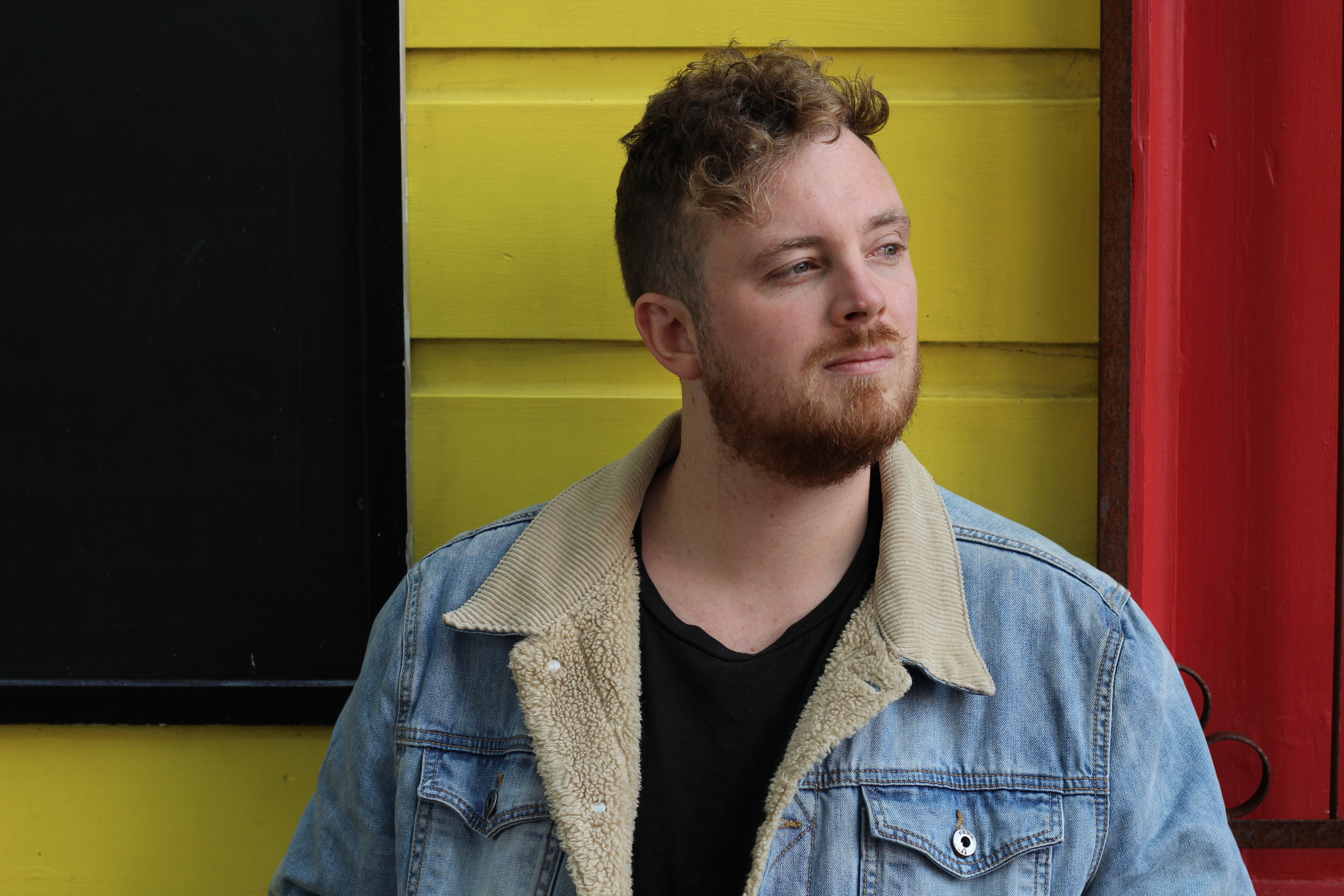
Eliana Gray is a poet, youth worker and arts facillitator. They like queer subtext, collaborative writing and making sure people have a nice time. They have had words in: SPORT, Landfall, Poetry NZ, Mayhem, and others. Their debut collection, Eager to Break, was published by Girls On Key Press in 2019, and in 2020 they undertook residencies in both Finland and Ōtepoti.

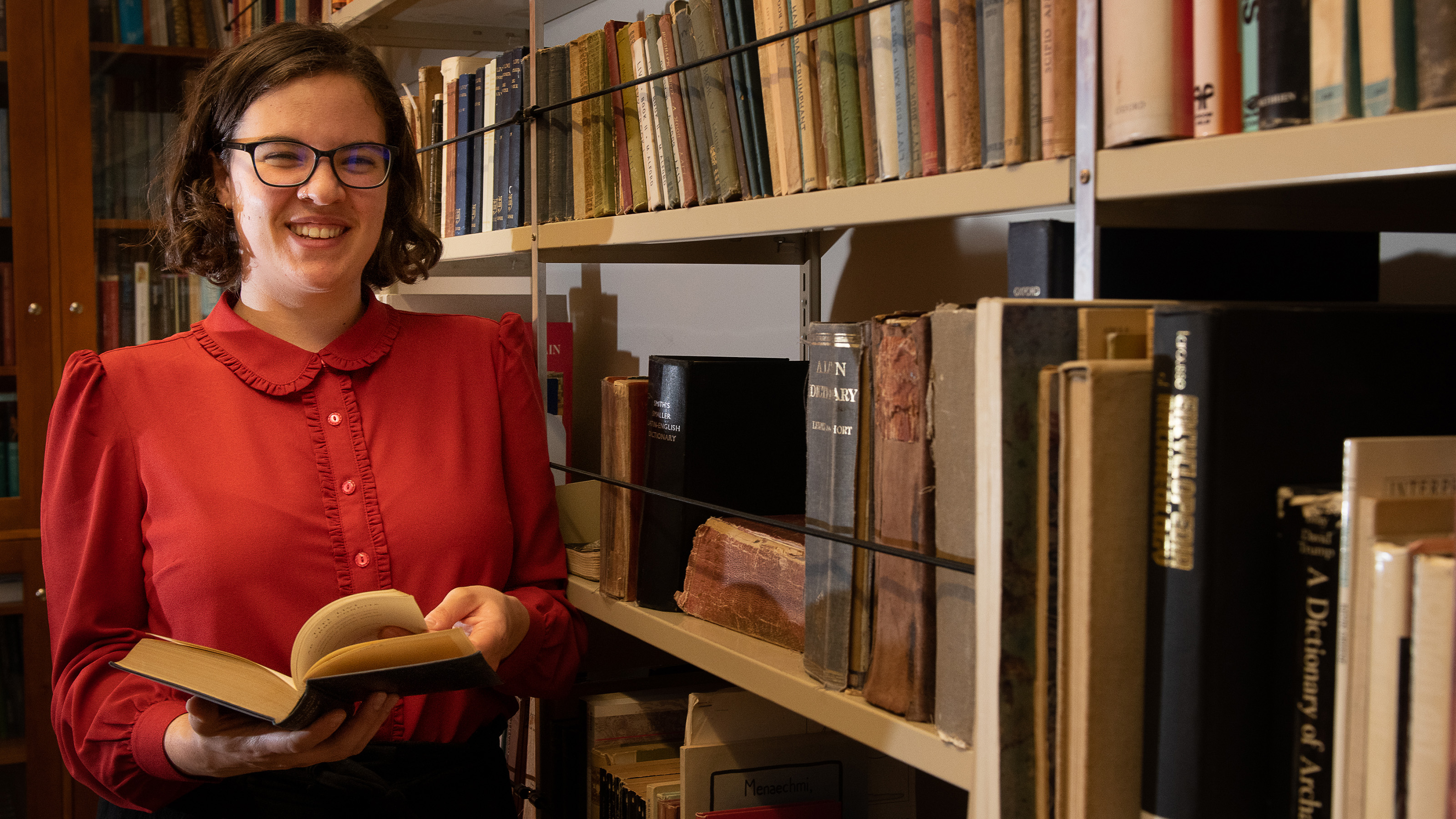
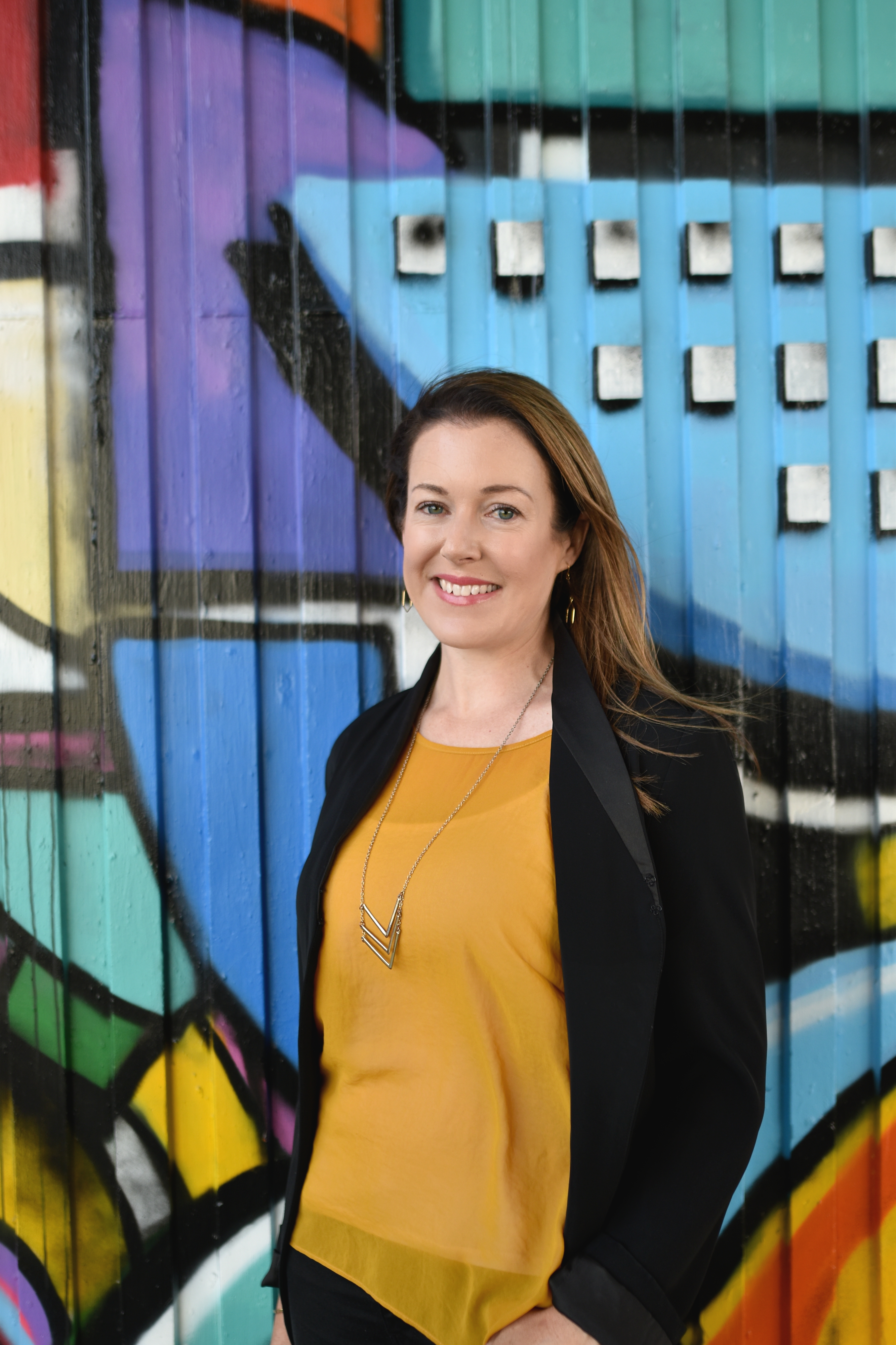
Tate Fountain is a writer, performer, and academic based in Tāmaki Makaurau. She has recently been published in StuffStarling, and the Agenda, and her short fiction was highly commended in the Sunday Star-Times Short Story Competition (2020).

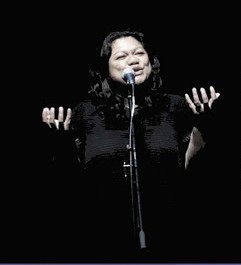
Selina Tusitala Marsh (ONZM, FRSNZ) is the former New Zealand Poet Laureate and  has performed poetry for primary schoolers and presidents (Obama), queers and Queens (HRH Elizabeth II). She has published three critically acclaimed collections of poetry, Fast Talking PI (2009), Dark Sparring (2013), Tightrope (2017) and an award-winning graphic memoir, Mophead (Auckland University Press, 2019) followed by Mophead TU (2020), dubbed as ‘colonialism 101 for kids’. 

Hannah Mettner (she/her) is a Wellington writer who still calls Tairāwhiti home. Her first collection of poetry, Fully Clothed and So Forgetful, was published by Victoria University Press in 2017, and won the Jessie Mackay Award for best first book of poetry at the 2018 Ockham New Zealand Book Awards. She is one of the founding editors of the online journal Sweet Mammalian, with Sugar Magnolia Wilson and Morgan Bach.

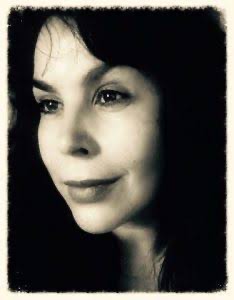
Alice Miller’s third poetry collection, What Fire, came out in May 2021 from Pavilion. She is also the author of the novel More Miracle than Bird (Tin House, 2020). She lives in Berlin.

Anuja Mitra lives in Auckland. Her writing has appeared in TakaheMayhemCordite Poetry ReviewStarlingSweet MammalianPoetry Shelf and The Three Lamps, and will appear in the AUP anthology A Clear Dawn: New Asian Voices from Aotearoa New Zealand. She  has also written theatre and poetry reviews for TearawayTheatre ScenesMinarets and the New Zealand Poetry Society. She is co-founder of the online arts magazine Oscen.

‘Thresh/hold’ was first published in Chris Price’s Beside Herself (Auckland University Press, 2016). Her next book, an essay in collaboration with photographer Bruce Foster, is forthcoming in Massey University Press’s kōrero series of ‘picture books for adults’ later this year.

Michael Steven is an Auckland poet. His current research interests include microbes and organic gardening – growing food and rongoā using no-till and KNF farming methods. Recent writing appears in KetePhotoforumPoetry New Zealand Yearbook 2021, and Õrongohau|Best New Zealand Poems 2020.
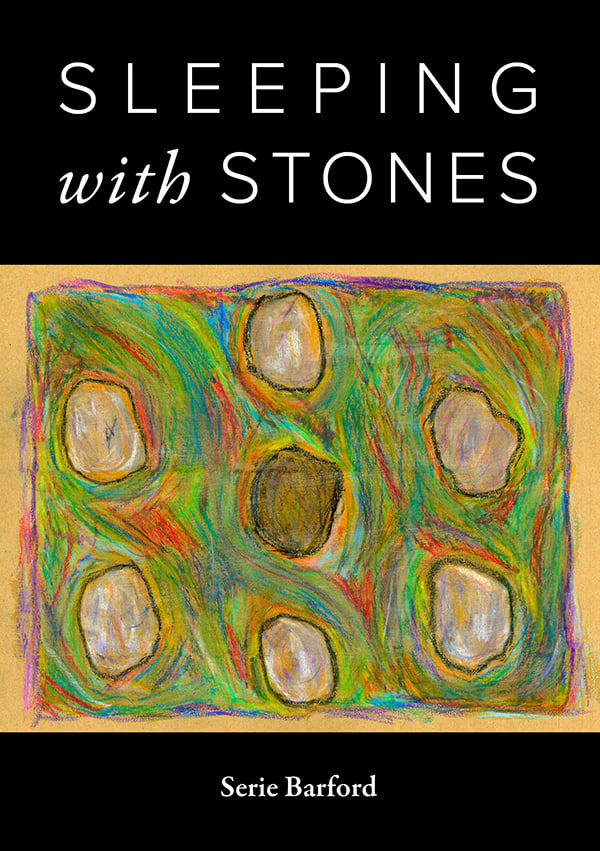
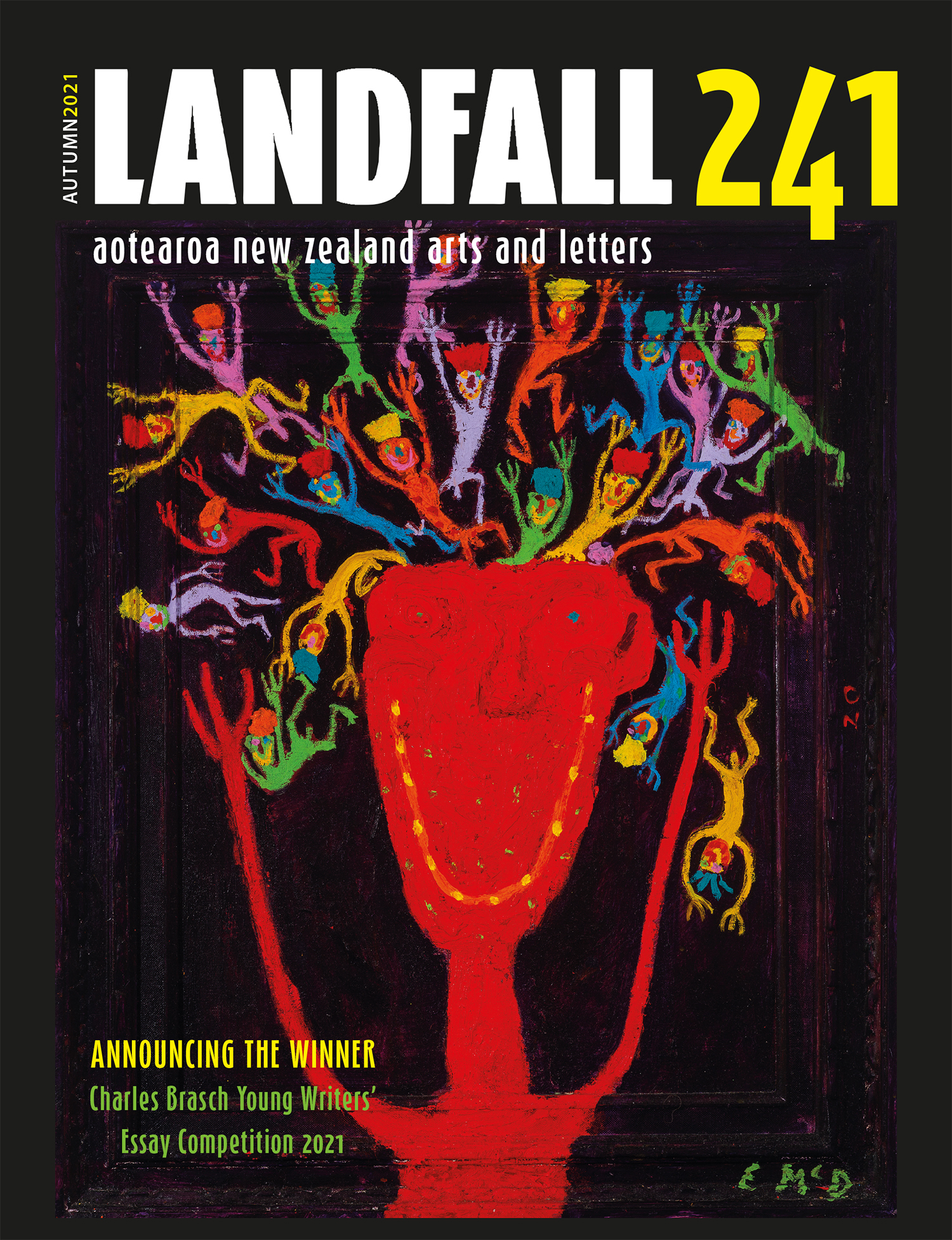
Poetry Shelf celebrates Landfall 241

Landfall 241, edited by Emma Neale, reviews editor Michelle Elvy

Otago University Press, 2021

As Landfall 241 is the final issue edited by Emma Neale, Poetry Shelf takes a moment to toast the stellar work she has done as editor over the past few years. Like the other Landfalls under her watch, the latest issue is a vital compendium of poetry, fiction, reviews, essays and artwork. I am delighted to see a range of familiar and unfamiliar voices, emerging poets and those established, and to traverse wide-ranging subject matter and styles. The winners of the Charles Brasch Young Writers’ Essay Competition are announced and the artwork is sublime, distinctive, eye-catching.

Bridget Reweti’s stereoscopic photographs invert Allen Curnow’s ‘Unknown Seas’ to become ‘Known Seas’. If you hold the double images at the right distance and look though to the horizon you get a sense of spatial depth. It got me considering how I ‘hold’ a poem and experience multiple shifting depths. The way a poem pulls you into space in myriad ways. The way you float through layers, in focus out of focus, absorbing the physical, the intangible, the felt.

I made a long list of poems that held my attention as I read. Alison Glenny’s extract from ‘Small Plates’ haunted me with its off-real tilts:

The poets move together in flocks. One finds a new song and the others take it up. Developers move in and the poets rise together to find a new perch. The night is a forest with missing eaves. So much wood to build boxes for poems to live in. Each leaf a quarrel over the exact placement of the moon.

In the end I assembled a Landfall reading comprising voices I have rarely managed to hear, if ever, at events. It is so very pleasing to curate a reading from my rural kitchen and feel myself drawn to effervescent horizons as I listen. The print copy is equally rewarding!

The poets in Landfall 241: Joanna Aitchison, Philip Armstrong, Rebecca Ball, David Beach, Peter Belton, Diana Bridge, Owen Bullock, Stephanie Burt, Cadence Chung, Ruth Corkill, Mary Cresswell, Alison Denham, Ben Egerton, Alison Glenny, Jordan Hamel, Trisha Hanifin, Michael Harlow, Chris Holdaway, Lily Holloway, Claudia Jardine, Erik Kennedy, Brent Kininmont, Wen-Juenn Lee, Wes Lee, Bill Manhire, Talia Marshall, Ria Masae, James McNaughton, Claire Orchard, Joanna Preston, Chris Price, Tim Saunders, Rowan Taigel, Joy Tong, Tom Weston

Landfall page here

The readings

Talia Marshall reads ‘Learning How to Behave’

Cadence Chung reads ‘that’s why they call me missus fahrenheit’

Claudia Jardine reads ‘Field Notes on Elegy’

Ria Masae reads ‘Papālagi’

Stephanie Burt reads ‘Kite Day, New Brighton’

Tim Saunders reads ‘Devoir’

Jordan Hamel reads ‘Society does a collective impersonation of Robin Williams telling Matt Damon “It’s not your fault” repeatedly in Good Will Hunting

Rowan Taigel reads ‘Mothers & Fathers’

Trisha Hanifin reads ‘Without the Scaffold of Words’

The Poets

Stephanie Burt is a professor of English at Harvard and has also taught at the University of Canterbury. Her most recent books include Callimachus (Princeton University Press, 2020) and Don’t Read Poetry: A book about how to read poems (Basic, 2019).

Cadence Chung is a student at Wellington High School. She first started writing poetry during a particularly boring Maths lesson when she was nine, and hasn’t stopped since. She enjoys antique stores, classic literature, and tries her best to be an Edwardian dandy.

Jordan Hamel is a Pōneke-based writer, poet and performer. He was the 2018 New Zealand Poetry Slam champion and represented NZ at the World Poetry Slam Champs in the US in 2019. He is the co-editor of Stasis Journal and co-editor of a forthcoming NZ Climate Change Poetry Anthology from Auckland University Press. He is a 2021 Michael King Writer-in-Residence and has words published in The Spinoff, Newsroom, Poetry New Zealand, Sport, Turbine, Landfall, and elsewhere.

Trisha Hanifin has a MA in Creative Writing from AUT. Her work has been published in various journals and anthologies including Bonsai: Best small stories from Aotearoa New Zealand (Canterbury University Press, 2018). In 2018 she was runner up in the Divine Muses Emerging Poets competition. Her novel, The Time Lizard’s Archeologist, is forthcoming with Cloud Ink Press.

Claudia Jardine (she/her) is a poet and musician based in Ōtautahi/Christchurch. In 2020 she published her first chapbook, The Temple of Your Girl, with Auckland University Press in AUP New Poets 7 alongside Rhys Feeney and Ria Masae. For the winter of 2021 Jardine will be one of the Arts Four Creative Residents in The Arts Centre Te Matatiki Toi Ora, where she will be working on a collection of poems.

Talia Marshall (Ngāti Kuia, Ngāti Rārua, Rangitāne ō Wairau, Ngāti Takihiku) is currently working on a creative non-fiction book which ranges from Ans Westra, the taniwha Kaikaiawaro to the musket wars. This project is an extension of her 2020 Emerging Māori Writers Residency at the IIML. Her poems from Sport and Landfall can be found on the Best New Zealand Poems website. 

Ria Masae is a writer, spoken word poet, and librarian of Samoan descent, born and raised in Tāmaki Makaurau.  Her work has been published in literary outlets such as, Landfall, takahē, Circulo de Poesia, and Best New Zealand Poems 2017 and 2018.  A collection of her poetry is published in, AUP New Poets 7.

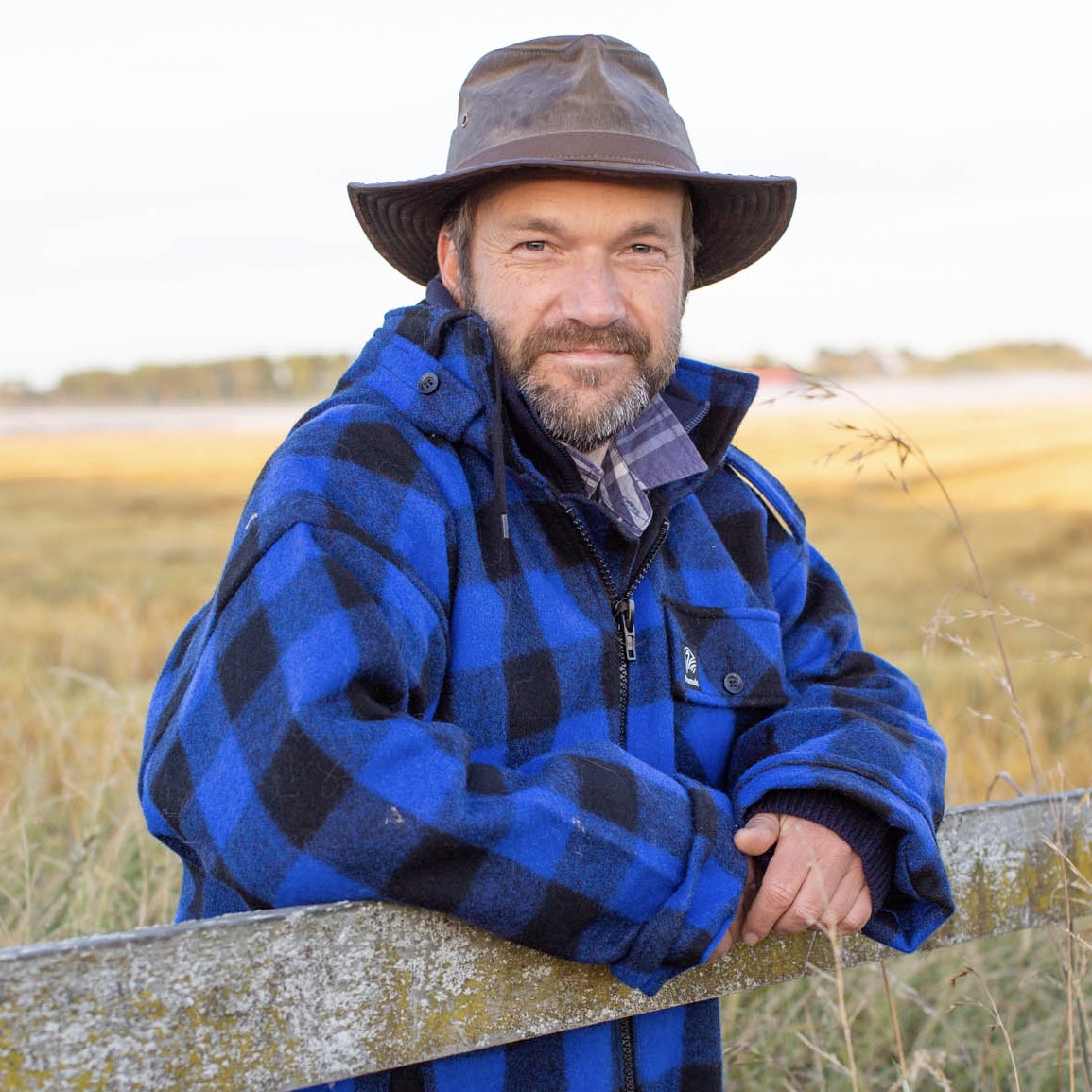
Tim Saunders farms sheep and beef near Palmerston North. He has had poetry and short stories published in Turbine|Kapohau, takahē, Landfall, Poetry NZ Yearbook, Flash Frontier, and won the 2018 Mindfood Magazine Short Story Competition. He placed third in the 2019 and 2020 National Flash Fiction Day Awards, and was shortlisted for the 2021 Commonwealth Short Story Prize. His first book, This Farming Life, was published by Allen & Unwin in August, 2020.

Rowan Taigel is a Nelson based poet and teacher. Her poetry has been published in Landfall, Takahe Journal, Shot Glass Journal, Aotearotica, Catalyst, After the Cyclone (NZPS Anthology, 2017), Building a Time Machine (NZPS Anthology, 2012), and she has been a featured poet in A Fine Line, (NZPS). Rowan received a Highly Commended award for the 2020 Caselberg International Poetry Competition with her poem ‘Catch and Kiss’.  She can often be found in local cafes on the weekend reading and writing poetry over a good coffee.

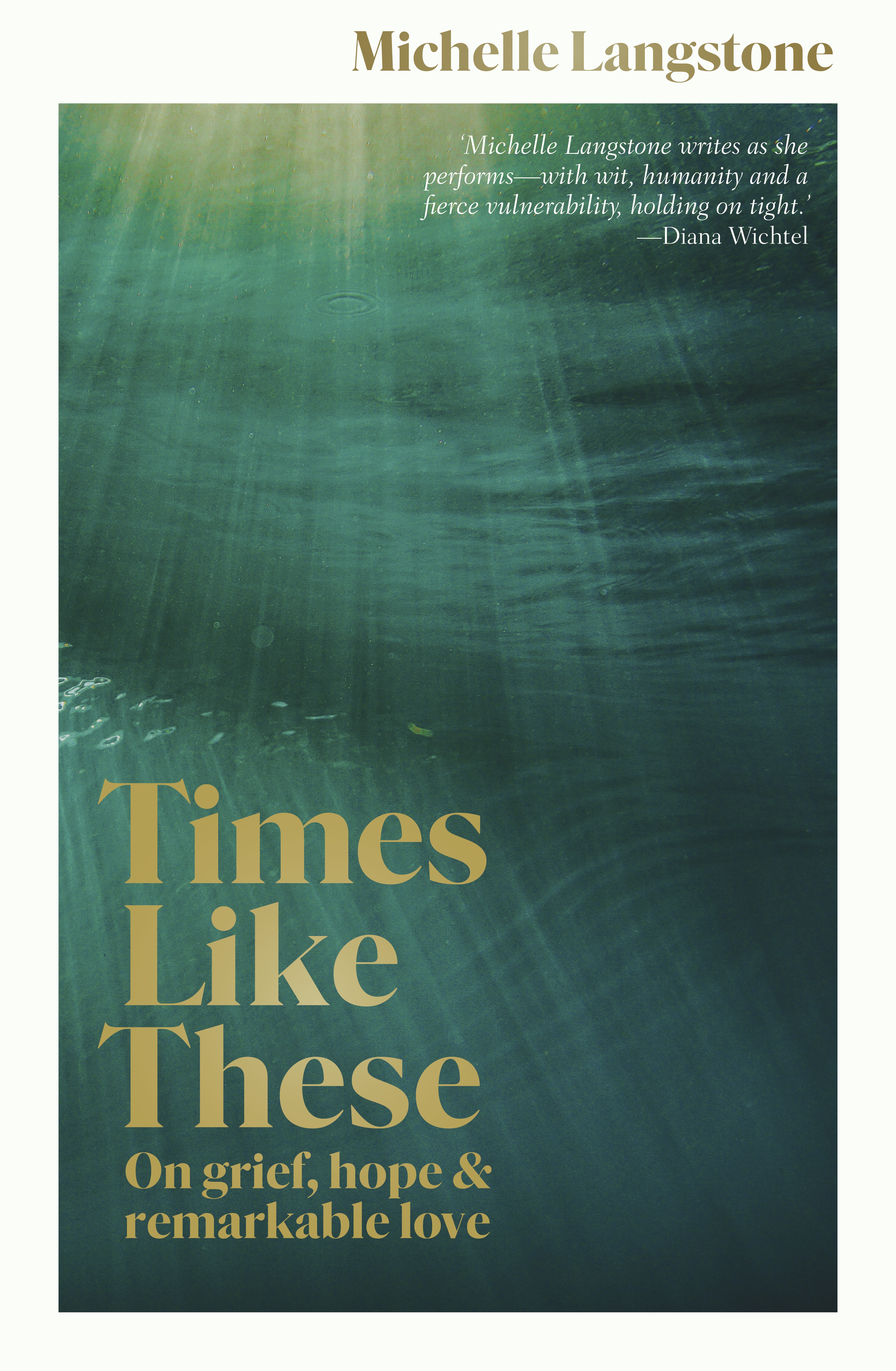
Poetry Shelf celebrates: Michelle Langstone’s Times Like These

Times like These, Michelle Langstone, Allen & Unwin, 2021

I wonder how long it will take for us all to snap back into old ways of being, like rubber bands set free. I hope I will remember the way these days slowed down to show me things, to allow time to sit with the spaces inside me. I want to keep the quiet of these days close, and look for myself imprinted on the landscape where I walk.

from ‘Where I Walk’

Poet and bookseller, Jane Arthur, enthused about Michelle’s memoir to me in Good Books, so I came home to Tāmaki Makaurau with a copy. I now picture you standing next to me in my kitchen as I write this, as I too share my enthusiasms, my unadulterated love of this memoir, with its personal avenues and wisdom boulevards, its aches and its solace. I want to find readers who will love it as much as I do.

The sentences, ah, so sweetly crafted: jewels on the page, neither laboured nor akward. Michelle writes with the ink of a poet. Similes enrich. The rhythms flow like music. I stop and admire single sentences, phrases, word choices, but equally important is the content. The way grief, hope and love infuse the wider story and the smaller detail. Each scene gleams with life and at times death; Michelle’s father is dying, and the details are precious. I am in the scene, an interloper, feeling my own life and my own death with such intensity, such verve, such love, I know this is a rare reading experience.

An essay takes me back to lockdown, to the five weeks when everything changed, when we were out walking and breathing in the quiet, baking and making different plans, out walking walking walking. Michelle returns me to the way some of us had anxiety overload, not just for self and family, but also for the world, especially for the global loss of loved ones, for stories that resonate and matter behind every statistic.

Yes this memoir takes you into hard terrain. The death of a father is not just feeling it is also physicality, a changing body, the shared life recalled in piercing flashes. It is the rollercoaster experience of trying to conceive a baby, fertility treatment, maternal yearnings. But it also takes you to the everyday life that carries on, as partner, sibling, daughter, friend, actor, writer. The need to nourish and be nourished sits alongside the restorative power of the natural world: walking up the local maunga, the sky, the stars, trees, weather, falling leaves. It is the series of family boats where bags get packed and the harbour calls, mother ashore, father at the helm, the swimming, the near-drownings. It is life in all its kaleidoscopic range: the plainness, the sharpness, the joy.

I love this book because it draws me close to how experience, both good and bad and everything in between, can help view things in new lights, whether people or places or values. Whether ideas, the past, the present. For Michelle, her mother is re-seen:

I have seen my mother almost every day of my life, but it took my dad’s death to bring her into a focus that is hers alone. After his death we have more time. What she wants to do is see things grow, and with her I revert back to childhood, looking at plants with her, inspecting the old wooden troughs that she has given to me, making sure they’re in one piece and ready for new plants. I grow a salad and herb garden in the troughs she’s had for several decades, and when the new growth comes through I am euphoric, because it grows in my history and in the history of my mother’s hands. She comes to dinner and I make salads from from what I gather in the garden and I watch her eat and feel just like her.

from ‘Mother/Earth’

Thank you Michelle Langstone, thank you for this glorious gift of a book. I do hope one of the readers looking over my shoulder in my kitchen feels compelled to get a copy and start reading.

Michelle Langstone is a well-known actor in both New Zealand and Australia, and has featured in multiple film and television roles, including recurring roles in One Lane Bridge, 800 Words and McLeod’s Daughters. Michelle won the award for Best First Person Essay at the Voyager Media Awards in 2019 and the award for Best Interview or Profile at the Voyager Media Awards in 2020. She is a regular contributor to North & South, The New Zealand Herald and The Spinoff website.

Allen & Unwin page

Michelle Langstone in conversation with Jesse Mulligan Radio NZ National

Poetry Shelf write-ups: Jordan Hamel on Lōemis Epilogue

Lōemis Epilogue

Poetry and music go together like candles and churches, and what’s better than poetry and music? Poetry and music in the cavernous St Peters church on a stormy night. Lōemis Festival’s recent event Epilogue, born out of the mind of Festival Artistic Director Andrew Laking, brought together some of the city’s finest ensemble musicians and a murderer’s row of local poets for an evening of original composition that was at times ecstatic, somber, thought-provoking, soothing and so much more. Local wordsmiths Nick Ascroft, Chris Tse, Rebecca Hawkes, Ruby Solly and Harry Ricketts were all given the opportunity to write and deliver original poems in this reimagined requiem mass and their words the space and scope they deserved.

The event page promised an echo of the original idea, that follows the same rise, fall and atmosphere, and it delivered, interspersing music and the spoken word. The event begun with a composition from the ensemble and they punctuated every poet’s performance, creating room for breach and reflection and time for the poems to wash over the crowd and reset the mood for the next poet. The church was dark and moody and still throughout, while this made for the perfect audience experience it made it impossible to take any notes during the show, as a result I’m just going to gush about all the wonderful performers who took the stage.

Epilogue

Nick Ascroft was the first poet to take to the pulpit. He delivered two new poems that were personal and inventive, hilarious and heartbreaking. While I’ve been a fan of Nick’s wit on the page for years it was great to have the opportunity to see him read in this context, not only did his poems set the tone for the evening but his opener ‘You Will Find Me Much Changed’ has been lounging about in my head ever since. Next up was everyone’s favourite poet crush Chris Tse. Dressed in dapper attire apparently inspired by a fancy can of water, Chris, much like Nick used repetition to build his sermon, like a mantra, an incantation. It reverberated off the stained-glass windows and when Chris finished with his piece, entitled ‘Persistence is futile’, I got so upset I have to wait until 2022 for his third collection.

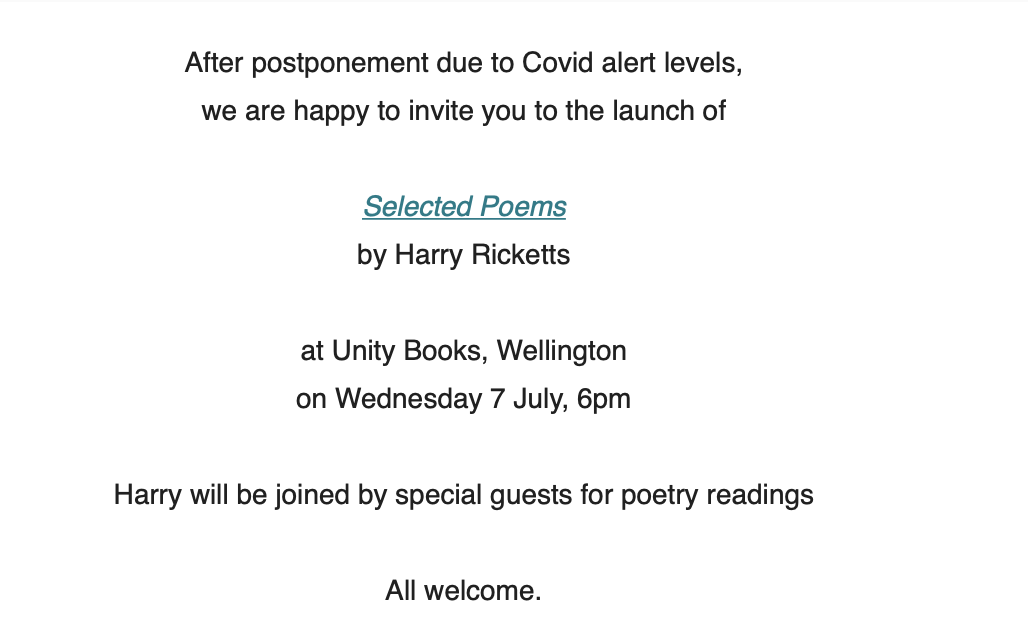
Rebecca Hawkes was next, accidentally dressed as Kath from Kath and Kim due to a wardrobe malfunction but it didn’t matter. Rebecca is the type of poet tailor-made for an event like this, she can conjure imagery that spans the grotesque to the sublime and she has a performance style that colours those images so vividly you feel fully submerged in her world. Speaking of complex other worlds, Ruby Solly is one of the masters of weaving them together and that was on full display in her performance. Ruby also played taonga pūoro with the ensemble before her reading just to remind the audience how talented she is. The last poet of the evening was Harry Ricketts, whose Selected Poems is out in the world right now. Harry’s ‘The Song Sings the News of the World’ closed out the evening, and while it wasn’t necessarily the most complex or challenging poem of the evening, it was the perfect ending, prompting all those watching to look forward and wonder, leaving the audience with a sense of hope.

Overall it was the perfect evening, poetry and music together as they should be, in a venue built for ritual. Epilogue is the type of event that showcases what poetry can be when it’s not confined, stretching it and moulding it into something unexpected, the type of event Andrew and his VERB co-director Clare Mabey excel at producing. I sincerely hope Epilogue doesn’t live up to its namesake and we get to see it again in one form or another.

Jordan Hamel

Music by Nigel Collins and Andrew Laking, in collaboration with Simon Christie and Maaike Beekman. New texts written and read by Chris Tse, Rebecca Hawkes, Harry Ricketts, Ruby Solly, and Nick Ascroft. With Dan Yeabsley (reeds), Tristan Carter (violin), and Dayle Jellyman (keys).

Jordan Hamel is a Pōneke-based writer, poet and performer. He was the 2018 New Zealand Poetry Slam champion and represented NZ at the World Poetry Slam Champs in the US in 2019. He is the co-editor of Stasis Journal and co-editor of a forthcoming NZ Climate Change Poetry Anthology from Auckland University Press. He is a 2021 Michael King Writer-in-Residence and has words published in The Spinoff, Newsroom, Poetry New Zealand, Sport, Turbine, Landfall, and elsewhere.

Jordan Hamel’s poem ‘You’re not a has-been, you’re a never was!’

Poetry Shelf noticeboard: Lily Holloway’s ‘Tidewrack’

Tidewrack

Everything is beached in the apocalypse

bathed in eggplant light as I trundle

past lines of tidewrack and lemons

spitting with sandhoppers

Pink cephalopods suck armoured worms 

from where holes bubble and froth

muscle pulled thick and stubborn

I can hear their beaks cracking

tentacles grasping and it’s painful

to see through their pellucid skin

When I look again, now closer to that line of debris

fluorescent seaweed are strands of thin balloons 

blues and yellows simply twisted and segmented

overlapping scuttlers 

a carrier crab with an urchin settled on its carapace

an offering or mardi-gras hat

People have written cryptograms with sticks

just under the surface of the water

tic-tac-toe and boxes made of scallop shell

preserved in the stillness of it all

The sand path around the cliffside grows thin

and I walk like there’s less gravity 

in a jacket that rustles and clinks

pockets full of the clarity I’m bootlegging

Lily Holloway

Lily Holloway (she/they) has been published in StarlingScumThe Pantograph Punch, Landfall and other various nooks and crannies (see a full list at lilyholloway.co.nz/cv).  She is an executive editor of Interesting Journal and has a chapbook forthcoming in AUP New Poets 8. Lily is based in Tāmaki Makaurau, is a hopeless romantic and probably wants to be your penpal! You can follow her on Twitter @milfs4minecraft.

Poetry Shelf Theme Season: Thirteen poems about home

Home is a state of mind, it’s where you lay your roots down, where you trace your roots, feed yourself, friends and family, bake your bread and make kombucha, where you stand and sleep and dream, it’s a physical place, a small house with wooden floors and comfortable couches, a garden with kūmara almost ready to harvest, shelves overflowing with books, my family tree, my family treasures, my thoughts of life and my thoughts of death, a series of relationships, myself as mother, partner, writer, home is my reluctance to drive beyond the rural letterbox, it’s contentment as I write the next blog, the next poem, sort the kitchen cupboards, light the fire, conserve the water, feel the preciousness of each day.

The poems I have selected are not so much about home but have a home presence that leads in multiple directions. Once again I am grateful to publishers and poets who are supporting my season of themes.

The poems

all of us

once upon a time

all of us here

were one of them there.

maybe

in another skin

in a life before.

maybe

only a few weeks ago.

land of the long white cloud,

land of no borders,

floating

adrift

near the end of the world,

near the end of the sea.

we came

and stayed

and with our accents

call

this place

home.

carina gallegos

from All of Us, Landing Press, 2018

there’s always things to come back to the kitchen for

a bowl of plain steamed rice

a piece of bitter dark chocolate

a slice of crisp peeled pear

a mother or father who understands

the kitchen is the centre of the universe

children who sail out on long elliptical orbits

and always come back, sometimes like comets, sometimes like moons

Alison Wong

from Cup, Steele Roberts, 2005, picked by Frankie McMillan

What’s the pH balance of yin + yang?

lake / river / liquid / beverage / additional charges or income / (of clothes) classifier for number of washes / hai bian / shang hai /  shui guo / zhong guo / Sway by Bic Runga / three drop radicals on my guitar / liquid cement /  tai chi at Buckland’s Beach / put your facemask on and listen to the rain on a UE speaker /

It’s not outlandish to say I was raised by the water.  Aotearoa is a land mapped in blue pen, each land mass a riverbed. Originally swampland, the water gurgles from kitchen taps and runs silent cartographies underneath cities of concrete.

I was raised by my mama, raised with the treasures of every good cross-pollinated pantry. We have rice porridge for breakfast and mee hoon kueh when I plead. My siblings and I vie for iced jewel biscuits kept out of our reach, packed tightly into red-lidded jars on the highest shelf of our pantry. We stretch torso to tiptoe to reach them, knocking the jars off their perch with our fingertips. The dried goods we ignore on the levels below are the real jewels in the cabinet. From behind the creaky door comes the festivities of Lunar Celebrations: dried mushrooms, dried shrimp, vermicelli noodles, black fungus, herbal remedies, that good luck moss you eat on New Year’s.

Chinese cooking is a testament to soaking. Benches overflow with an array of colanders, damp towels cover small white bowls of noodles, rehydrating. We wash rice in liquid choreography: Pour. Swirl. Measure by the pinky. Drain.

My mum is from Ma Lai Xi Ya, her mum’s mum from Fujian, China. I google map the curve of a bordering coast, trace a line through the wet season pavements of Kuala Lumpur and end up with fingerprints all the way to Oceania. From my house you can see the windmills of Makara, jutting out like acupuncture needles. The sea rushes the wind like nature’s boxing lessons.

We fly back to Malaysia every couple years, past the sea-lapsed boundaries of other countries. In Singapore I am offered moist towelettes on the plane. In KL, where two rivers meet by the oil of Petronas, I shower in buckets of cold water and reunite with faulty flushing.

The first ethnic Chinese came to New Zealand during the 1850’s, following flakes of fortune. They came for the gold rush, fishing for luck on the unturned beds of rivers. Wisps of fortune lay in thousand year old rocks worn down to alluvial alchemy.  Chinese last names carried through the cold water creeks. They died in sea-burials.

Tones and tombs. You made your river, now lie in it. Yǐn shuǐ sī yuán. To think of water and remember its source; to remember where one’s happiness comes from; to not forget one’s roots or heritage.

Oriental Bay is the closest beach to us in Wellington City. On weekends, we drive out for picnics, happy to migrate our schedules. The beach was named by George Dupper in the late 1840’s after the boat he arrived on. Fresh off the Bay. Oriental Parade is famous for 22,000 tonnes of imported sand. In my house we are displaced soil in torrential rain. I search ancestry on Wikipedia, then look for my own last name.

Think of water and remember its source. Where do our pipelines go? When do our bodies enter the main frame? Oriental, noun. Characteristic of Asia, particularly the East. Rugs, countries, bamboo leaves. A person of East Asian descent (offensive).  A beach with fake grains. Imported goods and exported gooseberries. The fruits of our labour, measured and drained.

I think tourists find the green unsettling. It never stops pouring.

Year of the money. Year of the pig. Year of the scapegoat, the migrants, the rats on the ship. Labour. Lei. Qi Guai. Guai Lo. I google the wind howls around a shipwreck. I google microtraumas until my eyes bleed transparent. I google:

  • why do chinese people love hot water
  • can chinese people swim
  • why are there so many chinese in auckland
  • chinese people population
  • chinese people opinion

Ink blue motions stencil sight lines into the harbour of my eyes. I rub at ink sticks until the ocean turns to soot. The rising shadows of New World Power loom from water’s depths. We float currency back to motherlands in a trickle down economy.  What’s the pH balance of yin + yang?

I was raised with the dawn promise of an unpolluted skyline, pools in cyan-printed eyes, long white dreams of the colony. My body the cycle of a washing machine, bleached into safety. I was raised in a world full of oysters, one lofty pearl held between the whiskered snout of a dragon. But you can’t feng shui the comments on Stuff articles.

Feng shui just means wind water. It’s not scary. Duān wǔ jié is the annual dragon boat festival. I throw zongzi in the river to protect Qu Yuan’s body. Remember how you moved across the world to know you had been here already? My mum says she caught sight of the harbour and it’s why she will never leave. I watch her from the doorway, her frame hunched across the sink. She belongs here. The soft light of morning streams through the window, catching glints on small rice bowls. I can hear a pot of water boiling. She soaks bones for breakfast, then asks if I’m hungry. 

Vanessa Mei Crofskey

from A Clear Dawn: New Asian Voices from Aotearoa New Zealand, eds Paula Morris and Alison Wong, Auckland University Press, 2021

blue beat

Every morning he milked the cow.

It was the chime that woke me and my sister,

metal against metal,

the fall of the empty milk-bucket’s handle

as he put it down to open the gate

right beside our sleep-out.

At the end of the day, in socks,

the cold, clear smell of fresh air

still on him, was his way

of arriving back;

the glass of water he gulped,

the hanky dragged from his pocket,

how he leaned back with a grunt

against the nearest doorpost

to rub and scratch the itch,

or ache, between his shoulders. Once,

seeing me poring over a map of the world

trying to find Luxemburg,

he teased, saying something

about how I couldn’t wait to leave.

None of us knowing then

that he would be the first to go,

leaving us

long before we could ever leave him.

Kay McKenzie Cooke

from Born to a Red-Headed Woman, published by Otago University Press, 2014

We used some

concrete blocks

the hollow kind

that let the grass

grow through

to make a carport

then took a few

out back to

plant a herb garden

parsley    thyme

used to step out

mid-dish to snip off

fronds till

it all went to seed

now my mother’s not

been out the

back door in

more than a year

they’ve grown into

massive aberrant

plants to match

the trampolines

around the flats

on either side

Jack Ross

Bliss

If I were to describe this moment

I may write

bliss

If bliss meant quiet, companionship

you in the garden, me hanging washing

the fresh scent of rain on the air

the murmur of voices inside

You and me

not far away

bliss

Rose Peoples

Reasons you should retire to the

small town the poet grew up in

Because you have a Grahame Sydney book on your coffee table.
Because you are public figure
        reinventing yourself as a public figure –
        in Central Otago.
Because you can buy advertising space cheap
        and write a column about
        local issues.
Because you know how moorpark apricots
        ripen from the inside
        and look deceptively green.
Because it’s a gold rush
        a boomer boom town.
Because you are a big fan of Muldoon
        flooding the gorge
        for the generation of electricity –
        when the river rose
        it formed little islands
        possums, skinks and insects
        clung to power poles
        to escape drowning.
Because you fell in love when you were sixteen
        with the dusty curtains
        in the high school hall –
        immense as the horizon
        holding the town in.

Ella Borrie

from Stasis 2020, picked by Aimee-Jane Anderson-O’Connnor

In my mother’s house

Everything is always evening:

curios in candlelight, blowpipes,

riding crops, cabinets of Caligari.

Children used to giggle in the rhododendrons;

dragons wander up to the door.

There were nightingales.

The ghosts hunch, passing the port,

rehash old scandals, broken trysts,

all those garden parties long ago.

Harry Ricketts

from Just Then, Victoria University Press, 2012

Hunting my father’s voice, County Down

It begins with the medieval

throat clearing of crows

high over Scrabo tower. You

were the boy your mother

forgot to drown and still

you holler for help

So here’s a bloody conundrum

shot to blazes and back

and your brother Jimmy

in a slow swim to save you

Dad, the land is full of boulders

an apron of stones

to feed a nanny goat

chalk a plenty to soften your voice

All those stories, enough

to hang a man, come Easter

All that dreaming

the time it took

to dig breath for the fire

the knot and bog

of the back parlour where Jimmy

washed roosters

and sister Maureen, her hair

lovely enough to stop your throat

Frankie McMillan

appeared on a Phantom Poetry Billsticker 2015

SH5

From Bluff Hill we can see the ships come in. Past the buoys stitched crooked like Orion’s belt. My school is art deco seashell and lavender climb. Girls press their hands to the frames and breathe on the glass. There’s this one boy who got peach fuzz before the rest of them. His voice cracks seismic and we all swarm. I practice my California accent down the landline and my mother laughs behind the door. We pass him around like chapstick. Hickies like blossoms on his neck, like rose-purple flags planted behind pine trees and beach grass. There are socials. Socials with glow sticks and apple juice in cardboard cartons. We all look at him. We look at him, through him, to see each other. A postcard is no place to be a teenager. The sea air is too thick. Rusts my bicycle in the garage. Rusts the door hinges. Stings in the back of my eyes.

Our town’s like honey. You get knee deep. Arataki. Manuka. Clover. Sweet. Council flat, Sky TV, pyramid scheme, boxed wine, sun-freckled early twenties. Ultra-scan, veganism, Mum’s club with the girls who went to your kindy. His sisters, their perfume vanilla and daisies, their babies fat and milky. We could have built a vege garden. I could have kept a shotgun under the mattress.

Most of us. Most of us leave. We carve the initials of our high school sweethearts into lumps of driftwood and throw them out to sea. To big cities where no one knows us, where the cops drive with their windows up and their sleeves rolled down. We learn to sleep through the traffic. We keep on leaving till we find a way to go. We leave so one day we can maybe come back.

Aimee-Jane Anderson-O’Connor

from Starling 6

The Shed

It was a shed before it was home to Tongan relatives. The inside smelled like Dad’s work gloves, musk and dirt. Dust caught in cobwebs draped over muddy tools. Overgrown insects nested between the spades and hoes. Wonky stacks of building stuff lay against the walls,window frames, doors, planks with flaking paint and nails poking out. Dad would be busy in the humming dark behind the shed, shovelling smelly things in the compost.

He’d reach the bottom of the pit in one spadeful, burying green- oaty food waste and feathering rich crumbly compost over the top with delicate shakes. I liked the slicing sound of the spade when he dug deep. The mouldy compost frame kept everything together for so many years. To Dad’s left there was the chicken coop, with a motley crew of chickens and a duck. He’d built a pirate-rigging treehouse in the trees above. To his right the long brown garden where everything he planted thrived, giant broccoli and gleaming silverbeet. Runner beans grew up a chicken-wire frame separating the veggie plot from the pet cemetery at the back where flowers grew amongst wooden crosses with cats’ names scrawled on them.

There was a flurry of bush between us and neighbours. One bush grew glowing green seed-capsules we wore as earrings, there was a sticky bamboo hedge and the rotten log sat solidly in a gap. The bush was thick enough for birds to nest in, dark patches in the twigs that cried in spring. Sometimes we’d hear strangled shrieks and sprint to retrieve dying bodies from cats’ mouths; saving lives for a few moments. Dad said we’re allowed to pick flowers to put on graves but otherwise it’s a waste.

Simone Kaho

from Lucky Punch, Anahera Press, 2016

Home is on the tip of your tongue when

you lose your tongue

watch your tongue         

  wag your tongue

hold your γλώσσα

  cat got your tongue

sharpen your tongue      

  bite your γλώσσα

bend your tongue                      

  keep a civil tongue                   

slip some tongue

  speak in γλώσσες

  roll your tongue                        

give great γλώσσα

  loosen your tongue

find your tongue                        

   find your γλώσσα

Βρες your γλώσσα

 Βρες τη γλώσσα

Βρες τη γλώσσα σου

Vana Manasiadis

And Are You Still Writing?

All day in the spaces in between

soothing, feeding, changing the baby,

fielding work, balancing accounts, juggling memos,

tidying away the wandering objects

left in tidemarks in every room –

spill cloths, rattles, stretch ’n’ grows,

a stray spool of purple cotton,

coffee cups, litters of shoes – 

a poem waited,

small, tight-skinned, self-contained:

a package left on the doorstep of an empty house.

It was to be a poem

about the spaces in between.

From it would grow

menageries and oases:

wilds and silence.

But, as so often, dusk came.

The pen cast its image on the page.

The shadow lengthened, deepened

and thickened, like sleep.

Emma Neale

from Spark, Steele Roberts, 2008

The poets

Aimee-Jane Anderson-O’Connor was awarded the 2018 Charles Brasch Young Writers’ Essay Competition, and the 2017 Monash Prize for Emerging Writers.  Her work has appeared in Starling, Mayhem, Brief, Poetry New Zealand, Landfall, Turbine, Flash Frontier, Mimicry, Min-a-rets, Sweet Mammalian, Sport and Verge. She is Poetry New Zealand‘s 2021 Featured Poet. She writes thanks to the support of some of the best people on this great watery rock.

Ella Borrie is a Te Whanganui-a-Tara based poet from Otago. She co-edited Antics 2015 and her work appears in Mimicry, Starling and Turbine | Kapohau. The title of this poem is inspired by Louise Wallace’s poem ‘How to leave the small town you were born in’.

Kay McKenzie Cooke’s fourth poetry collection was published by The Cuba Press in June 2020 and is titled Upturned. She lives and writes in Ootepoti / Dunedin.

Vanessa Crofskey is an artist and writer currently based in Pōneke Wellington. She was a staff writer for online arts and culture journal The Pantograph Punch and has a collection of poems out in AUP New Poets Volume 6. 

carina gallegos, originally from Costa Rica, has worked in journalism and development studies, and with refugee communities since 2011. She published poems in All of Us (Landing Press, 2018) with Adrienne Jansen. She lives in Wellington with her family and refers to New Zealand as ‘home’.

Simone Kaho is a digital strategist, author, performance poet and director. Her debut poetry collection Lucky Punch was published in 2016. She has a master’s degree in poetry from Victoria University’s International Institute of Modern Letters (IIML). She’s the Director of the E-Tangata web series ‘Conversations’ and a journalist for Tagata Pasifika. In 2021 Simone was awarded the Emerging Pasifika Writer residency at the IIML.

Vana Manasiadis is Greek-New Zealand poet and translator born in Te Whanganui-a-Tara and based in Tāmaki Makaurau after many years living in Kirihi Greece.  She is 2021 Ursula Bethell Writer-in-Residence at Te Whare Wanaga o Waitaha Canterbury University. Her most recent book was The Grief Almanac: A Sequel.

Frankie McMillan is a poet and short story writer who spends her time between Ōtautahi/ Christchurch and Golden Bay. Her poetry collection, There are no horses in heaven  was published by Canterbury University Press.  Recent work appears in Best Microfictions 2021 (Pelekinesis) Best Small Fictions 2021 ( Sonder Press), the New Zealand Year Book of Poetry ( Massey University) New World Writing and Atticus Review.

Emma Neale is a writer and editor. Her most recent collection is To the Occupant. In 2020 she received the Lauris Edmond Memorial Award for a Distinguished Contribution to New Zealand Poetry.

Rose Peoples is from Te Awakairangi/Lower Hutt. She is a student at Victoria University and, having finished her law degree last year, decided that the logical next step was to embark upon a Masters in Literature. She is a bookseller at Good Books. Her work has previously appeared in Cordite, Mimicry and Starling.

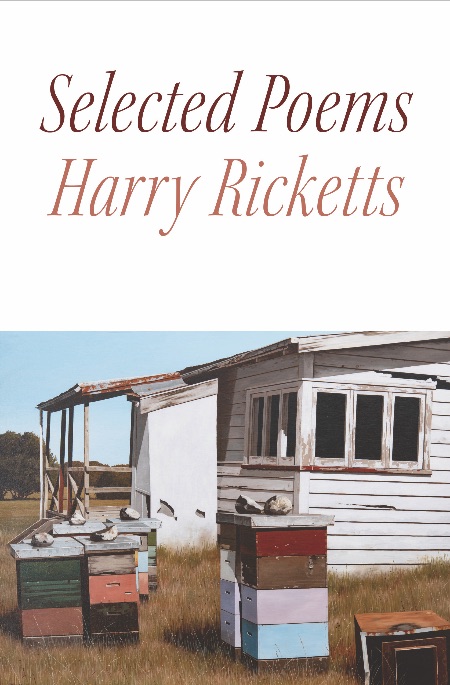
Harry Ricketts teaches English Literature and creative writing at Victoria University of Wellington Te Herenga Waka. His latest collection Selected Poems was published by Victoria University Press, 2021.

Jack Ross‘s most recent poetry collection, The Oceanic Feeling, was published by Salt & Greyboy Press in early 2021. He blogs on  the imaginary museum, here[http://mairangibay.blogspot.com/].

Alison Wong is the coeditor of A Clear Dawn: New Asian Voices from Aotearoa New Zealand (AUP, 2021), the first anthology of creative writing by Asian New Zealanders. Alison’s novel, As the Earth Turns Silver (Penguin/Picador, 2009) won the NZ Post Book Award for fiction and her poetry collection Cup (Steele Roberts, 2006) was shortlisted for the Jessie Mackay Award for best first book of poetry. She was a poetry judge at the 2018 Ockham New Zealand Book Awards.

Ten poems about clouds

Twelve poems about ice

Ten poems about dreaming

Eleven poems about the moon

Twelve poems about knitting

Ten poems about water

Twelve poems about faraway

Fourteen poems about walking

Twelve poems about food

Poetry Shelf noticeboard: Vaughan Rapatahana on David Eggleton at Jacket 2

Vaughan Rapatahana offers a commentary on his old schoolmate David Eggleton, along with a close look at David’s recent poem, ‘Are Friends Electric’. Terrific piece which you can read in full at Jacket 2. Here is a taster:

‘I have known David ever since we both went to the same South Auckland, New Zealand, schools waaaaay back in the 1960s. Indeed, we were in the same classes at Aorere College, Mangere, where David had a definite proclivity for compiling vocabulary. I recall once presenting him with the triad “copious, abundant, plethora,” which he noted was good, nodding enthusiastically.

Eggleton loves words, most especially esoteric, arcane, and interesting lexis, which he crafts into his cadenced poetry with considerable care. His poems are vital verbal extravaganza and this — along with his indomitable delivery style, itself rhythmically syncopated — are hallmarks of his work as a poet, given that he is also a writer across several other genres such as art criticism, literary reviews, and editing, and holds other roles, such as a recording artist. His poems abound with layers of colourful imagery, often adumbated, so that their overall patina is distinctive: one can often recognise his distinctive work even if his name does not appear on the page.’

.

Poetry Shelf noticeboard: Airini Beautrais in conversation with Kiran Dass at Sarjeant Gallery Te Whare O Rehua Whanganui

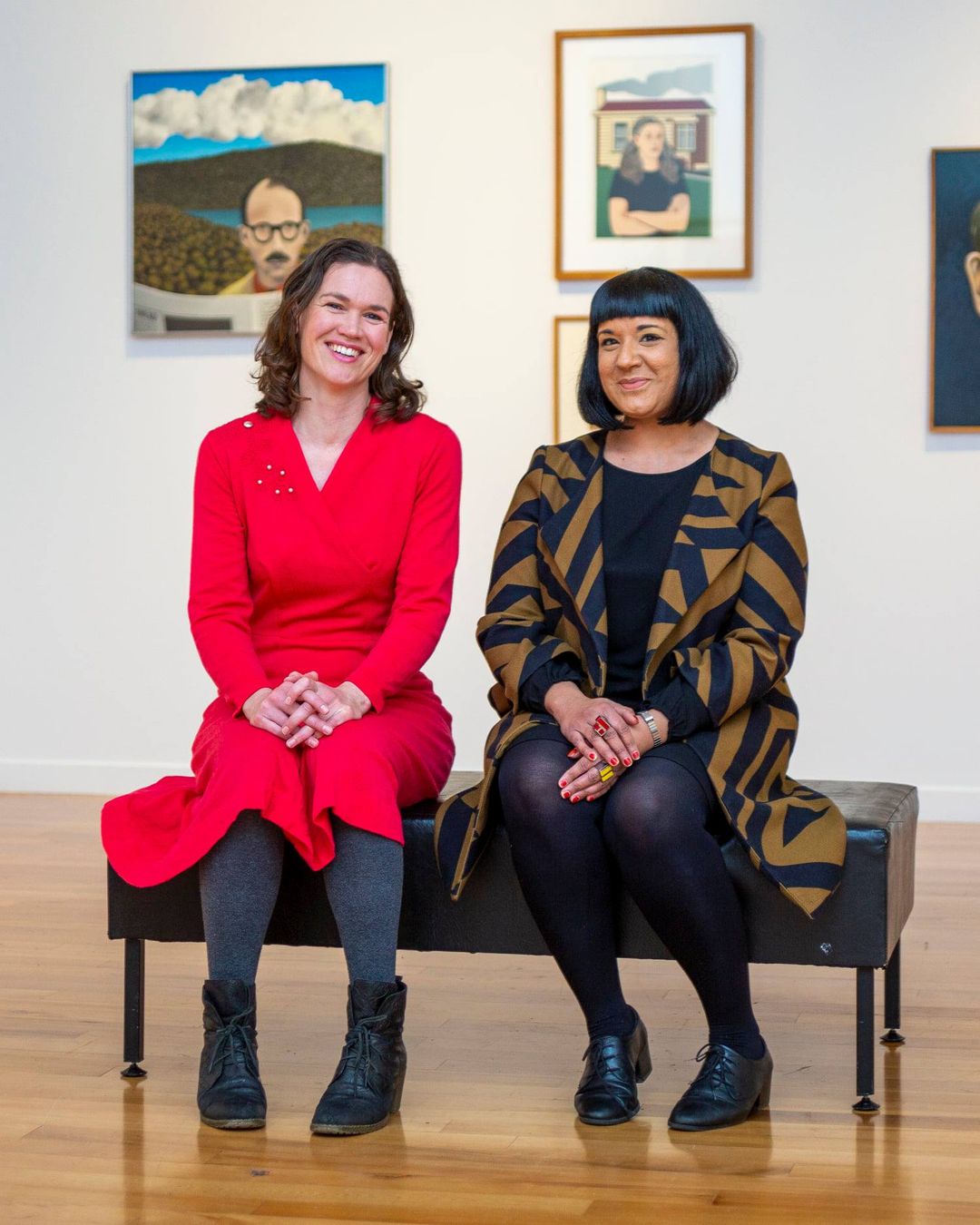
Whanganui author Airine Beautrais reads from and discusses her short story collection Bug Week which won the prestigious Jann Medlicott Acorn prize for fiction at the 2021 Ockham New Zealand Book Awards.  Airini wil be in discussion with journalist and book reviewer Kiran Dass.  Copies of Bug Week will be available at the event courtesy of Paige’s for sale and signing.

Sunday 27 June 2021, 4.30pm @ Sarjeant Gallery on the Quay