Category Archives: Uncategorized

Sarah Broom Poetry Award – the deadline approaches

Entries open 5 January 2016 and close 18 February 2016

Now in its third year, the Sarah Broom Poetry Prize will be announced at the Auckland Writers Festival in May 2016. Shortlisted poets will be invited to read their poetry at a dedicated poetry event at the Festival, where the winner will be announced.

In 2016 the judge for the prize will be Paul Muldoon. One of the world’s leading contemporary poets, and the author of over thirty collections, Paul was awarded the Pulitzer Prize for Poetry in 2003, and the T.S. Eliot Prize in 1994. A past Professor of Poetry at Oxford, he is now at Princeton University. Paul is the President of the British Poetry Society and Poetry Editor at The New Yorker. The Guardian describes Paul Muldoon as “amongst the few significant poets of our half-century” and “the most significant English-language poet born since the second world war.” His most recent collection is One Thousand Things Worth Knowing (2015).

For more information about the prize and Sarah Broom visit here.

For more information about the Auckland Writers Festival, which launches its 2016 programme on 16 March 2016, visit here.

HOW TO ENTER

The prize is awarded on the basis of an original collection of poems by a New Zealand resident or citizen. Entries will be accepted from 5 January 2016 until 18 February 2016. Poets are required to submit six to eight poems, of which at least five must be unpublished. The recipient of the prize will be announced in May 2016 at the Auckland Writers Festival.

Entries should be emailed to poetryprize@sarahbroom.co.nz
Any queries should be emailed to enquiries@sarahbroom.co.nz

Share Button

Share

Poetry Shelf 2016

IMG_2907


Time to kick start Poetry Shelf back to life for 2016 as I get set to kick off a moon boot!

This year I will post poetry reviews, interviews with New Zealand poets, poetry news from anywhere, event details, competition details, poems that I fall in love with, and whatever else takes my fancy.

I particularly want to keep you aware of poetry books that are released in New Zealand. With a big new book on the go, I cannot promise to review all books released, but this year I do want to flag all arrivals.

Please send copies so I can highlight them (and perhaps review, set up an interview, post a poem from) on the blog.  I do want to support the grassroot presses! See address below.

I am also happy to consider pieces by other writers whether reviews, interviews or musings on poetry.

This blog continues to run on the currency of love so I cannot pay people who contribute.

New Zealand desperately needs poetry forums. Poetry books so seldom get attention in mainstream media. In 2016 I will work hard to celebrate and critique our poetry and create an ongoing resource for poetry fans.

Any way you can think of to strengthen this aim is much appreciated.


Paula Green

paulajoygreen@gmail.com

PO Box 95078 Swanson Waitakere 0653

Ruapehu Writers Festival Fundraising Campaign

Message from Victoria University:

We are planning a Ruapehu Writers Festival for 17-20th March. It’ll be the first of its kind in the Ruapehu area. The inspiration behind it came from wanting to take literary festivals out of the metropolitan areas and into small town New Zealand. Our rural towns, mountains, rivers and landscapes have inspired some remarkable writing and we want these words to be heard in the places that inspired them. We also want to inspire a new generation of readers and writers.

But we need your support to make this idea happen. We’re launching a fundraising campaign today to raise the funding we need to get the festival off the ground. We have secured some funding from Creative NZ and we’ll raise some income from selling tickets, but we still need another $7,000 to make the festival happen. So we’re asking our community and supporters to get on board and donate any amount you can, big or small, through our Boosted website here. You can read more about the festival there too.

Please help us make the festival a huge success – every donation, big or small, will make a huge difference. Your donations will be tax deductible as the website is run through the Arts Foundation so you’ll get a receipt.

And please help us spread the word by sharing on social media and telling your friends and family, and of course buy your tickets to come along too! You can buy tickets here.

Thank you!

Cheryl Spain
Development Manager – Faculties of Humanities, Social Sciences and Education
Victoria University
Phone: 04 463 6479

Poetry Shelf, Poet’s Shelf: Holly Painter makes some picks


CLASS-Spider-CVF-100_1024x1024 large_9781877448195

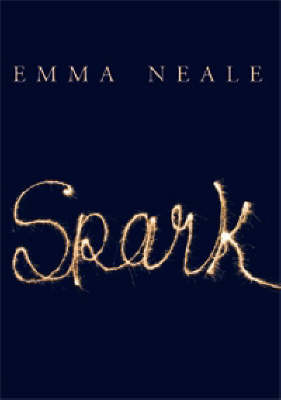
I revisited Emma Neale’s Spark (Wellington: Steele Roberts, 2008) as a new parent, and found even more to love. It still renders the mundane brilliant, seizes the poetic and humorous opportunities afforded by the development of speech and language, and puts front and center the child’s and the poet’s confrontations with realities pleasant and not. This time, I also noticed more particularly the small ways in which the collection places family life and writing life side-by-side. It’s a hopeful book for a reader whose mind is muddied by sleeplessness.

At the other end of the life cycle, in Harbouring (Singapore: Math Paper Press, 2015), poet S. C. Gordon processes the death of her partner less than a year into the relationship. It is painful, cathartic, honest, and tender, and despite what the title might suggest, neither seeks nor offers easy emotional solace, preferring to do it the hard and lasting way.

This year, I also enjoyed Spider Boys (Auckland: Penguin NZ and William Morrow, 1995), by Singapore-born New Zealander Ming Cher. The unaffected bare-bones storytelling, in combination with the fleeting setting of rough, pre-developed 1950s Singapore and historically specific Singlish, left me tantalized. Fortunately, Cher has just put out a sequel, Big Mole (Singapore: Epigram, 2015), which I look forward to reading.

Finally, I’ve come around to podcasts as a literary genre (and reinvention of 1930s radio drama?) via Jeffrey Cranor and Joseph Fink’s warmly dystopian Welcome to Night Vale. Purportedly a community radio broadcast from an American desert town, the fortnightly short stories are bizarre, addictive, and delightfully seeded with the most unexpected literary allusions.


Holly Painter

Poetry Shelf,Poetry Picks: Emily Dobson shares some picks

3665135 tree_space__40939-1398819236-220-220


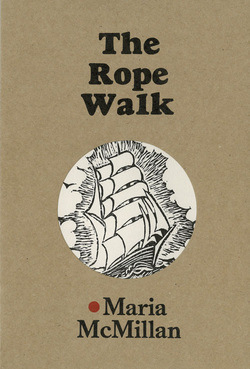
I don’t get much time to read poetry at the moment (well for the last 6 years really!) but whilst bouncing my #3 baby George to sleep in hammock for his naps rather than just sit there I have been pulling out some poetry and rereading it. I just read Maria Macmillan‘s Rope Walk again, and I love it so much, everything about it (it is a beautiful object to hold). I bought it after hearing Maria read from it last year on Poetry Day in Unity Books. Now I will have to re-read Tree Space too! Have just been re-reading Marty Smith‘s Horse with Hat also.

Emily Dobson

horse_with_hat_front_cover__77059-1385936731-220-220   horse_with_hat_front_cover__77059-1385936731-220-220   horse_with_hat_front_cover__77059-1385936731-220-220

My five words for the Spanish ‘Given Words’ project produced a tremendous poem by Juan M. Santiago León

I was invited by Charles Olsen to submit five words for the Palabras Prestadas (Given Words) project. My words: limón, miel, azul, caer y agrietar. I was surprised and delighted to read the winning poem. I adore it. I have posted it below with a translation by Charles. Wonderful!

For all the selected poems (in Spanish!) see here.

Charles Olsen on the project: ‘Tell me about the Palabras Prestadas project. Every two weeks a guest is invited to donate five words and participants send in their poems that must include the five words. A prize is awarded for the best poem of each edition and it is these poems that are brought together in this book. You can read more in this previous press release in The Big Idea. The project is currently coming to the end of its fourth year during which poets have been challenged to write with Samoan words given by Doug Poole and words donated in the annual football match between poets and novelists in Granada among others. This year the publishers Vaso Roto, Pre-Textos and Huerga & Fierro have joined with Cuadernos del Vigía in donating books from their poetry collections as prizes for the best poems. The project has also been featured in the national Spanish newspaper El País and on national Spanish television (RTVE) in NCI Noticias.’ For the rest of the article see here


TIME PAST

All the given words

led me to one person, my grandmother.

1936

a bloody war

bombs fall

the space under a staircase cracks

my great uncle is a baby

a neighbour is blown up.

1943

A Cordovan torturer

sucks a lemon

while the face of the red turns blue

shots are heard in the street

a false alarm.

1987

I’ve never liked honey

I hate things that look me in the eye

neither prawns nor snails

first time I got drunk

on sour beer.

1995

She hung the curtains

in one of her flats to rent

although she didn’t invite us to eat

so as not to mess up the kitchen.

2009

My mother sets her curlers

my youngest uncle writes simple poems

and tells me his new theory

to fix Spain and the world.

2015

It’s 30 years since my grandfather died

and the word processor goes crazy.

The email opens windows without reason

and decides alone to send

an unfinished poem.

Today I’ve smashed a mobile against the floor

and without wanting, I’ve paid homage to my other drunk grandfather

to my cantankerous and bullied father

to the post-war which was messed up for the common people

to the women full of unwanted children

to the brutal priests

to the pitched battles between gangs of youth

to the doors with splintered wood from the blows…

Juan M. Santiago León

(Translated by Charles Olsen)
TIEMPO QUE YA NO ES

Aquella vez, todas las palabras pensadas
me llevaron a una sola persona, mi abuela.

1936
una guerra cruenta
caen las bombas
se agrieta el hueco de una escalera
mi tío abuelo es un bebé
un vecino muere reventado.

1943
Un torturador cordobés
sorbe un limón
mientras el rostro del rojo se pone azul
suenan tiros en la calle
es una falsa alarma.

1987
Nunca me gustó la miel
detesto las cosas que me miran a los ojos
ni gambas ni caracoles
primera borrachera
con cerveza caducada.

1995
Le colgaba las cortinas
en uno de sus pisos de alquiler
sin embargo, no nos invitaba a comer
por no manchar la cocina.

2009
Mi madre le lía los rulos
mi tío el pequeño escribe poesía fácil
y me cuenta su nueva teoría
para arreglar España y el mundo.

2015
Hace 30 años que falleció mi abuelo
y el procesador de textos se vuelve loco.
El correo electrónico abre ventanas sin ton ni son
y decide enviarse solo
un poema inacabado.

Hoy he estrellado un móvil contra el suelo
y sin quererlo, le he hecho un homenaje a mi otro abuelo borracho
a mi padre iracundo y maltratado
a la posguerra que fue muy jodida para el pueblo llano
a las mujeres llenas de hijos sin desearlos
a los curas partebocas
a las batallas campales entre bandas de chicos

a las puertas con la madera hundida por los puñetazos…

Juan M. Santiago León

Poetry Shelf, Poet’s Choice: Kiri Piahana-Wong makes her picks


cp-How-to-be-dead

Internet poetry sensation Lang Leav has sold 300,000 copies of her three poetry books and has a startling 135k followers on Instagram. Leav is part of a new wave of young poets who reach their audience through social media platforms such as Tumblr, Instagram and Facebook rather than traditional marketing channels. She even has a New Zealand connection: Leav was born in Thailand, but lives here. So why have we never caught her on the usual poetry reading circuits? I decided to check out her third book, Memories, and I’m recommending it. A lot of Instagram poetry is cutesy or trite, but Leav transcends this, managing to be witty, insightful, and ok, a little cute. This may be the poetry equivalent of pop music, but who doesn’t like to dabble on the light side occasionally?

How to be Dead in a Year of Snakes by Chris Tse is my other poetry recommendation. Like the man himself this is an immensely assured and elegant first collection, deservedly long-listed in the Ockham NZ Book Awards.

Other reading: the two novels I read this year that left the greatest impression on me were Hanya Yanagihara’s New York epic A Little Life and Anna Smaill’s beguiling and strikingly unusual dystopian debut The Chimes.

Kiri Piahana-Wong

Poetry Shelf, Poet’s Choice: Maria McMillan makes her picks

9781408866511    9781408866511

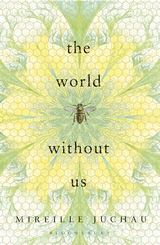
I loved Australian writer Mireille Juchau‘s barely speculative novel The World Without Us. It’s an insightful portrayal of disturbance on many levels, and the workings of survival. It is wonderfully grounded, if that makes sense, full of palpable place and people, and so lush it highlights how sparse much contemporary writing (the stuff I come across anyway) is.

I decided to try and read all the writers coming to Writers Week as part of the NZ Festival next year. My hands down favourite pick so far is Nnedi Okorafor. I read both Who Fears Death and its prequel The Book of Phoenix. Both are vivid, splendid affairs melding existing and imagined dystopias.

At the Paekākāriki annual book fair I  found two treasures from my childhood. You talk to practically any New Zealander my age and we were all petrified by a TV series whose name none of us can remember which had a girl trapped in a house surrounded by giant watching stones that were getting closer. The series was based on Marianne’s Dreams by Catherine Storr, which was my first find. Marianne is in bed sick and draws frightening pictures which come true. The second was Ruth Park‘s marvellous Playing Beatie Bow. A time slip novel set in Sydney. I don’t remember many friends knowing about it here but apparently when it was released in Australia in 1980 it was huge. I read this book multiple times as a child, and can now resume the practice.

Maria McMillan

Poetry Shelf, Poet’s Pick: Carolyn McCurdie makes her picks


Hoopla Native bird webHoopla Native bird web


There has been so much poetry I’ve loved this year, but of course there are always some poems that anchor me, enlarge and challenge me, more than others. I have read no collection that did not give in this way. But some stand out.

Two NZ collections:

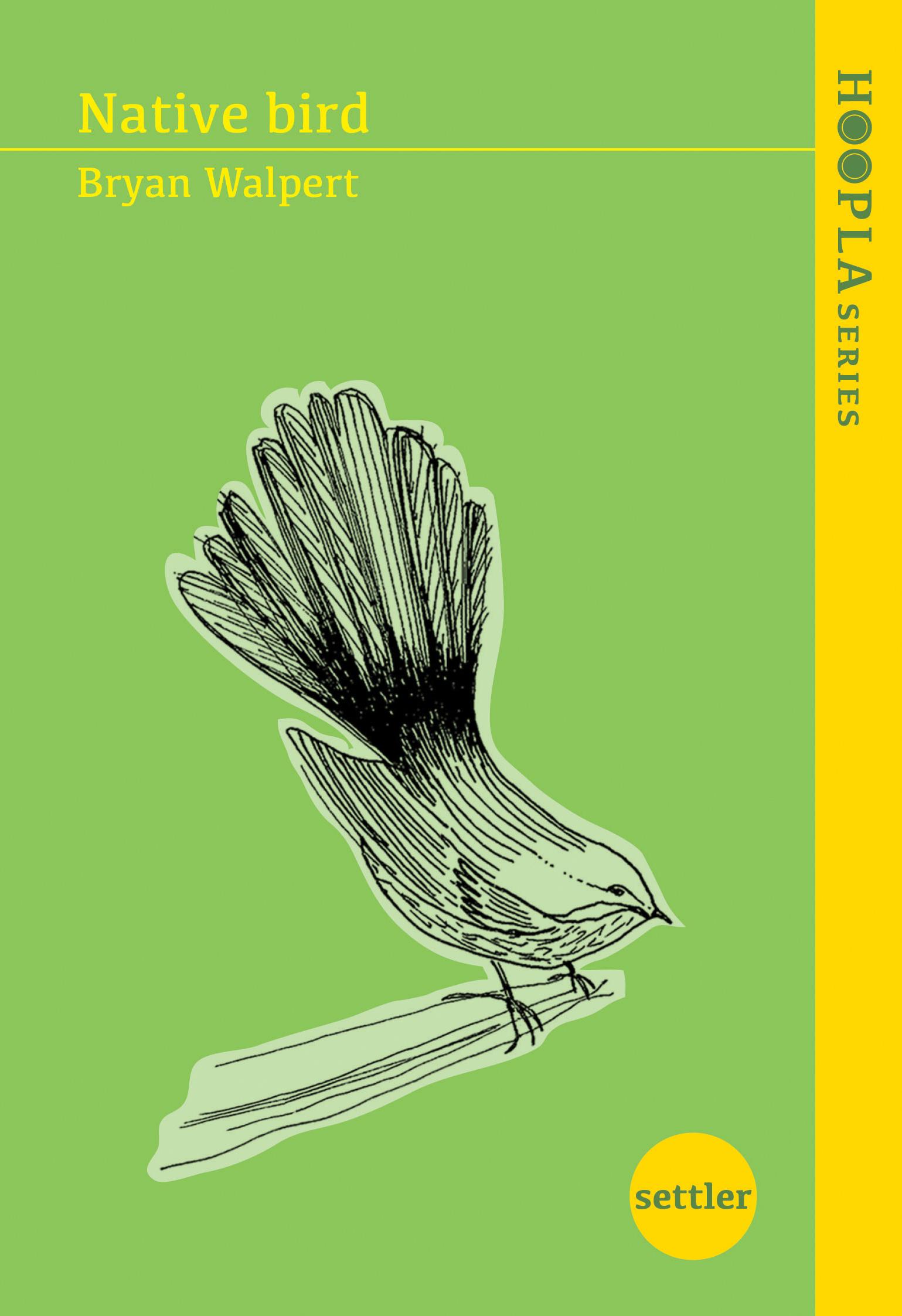
Native Bird by Bryan Walpert, Makaro Press 2015

Using metaphors of birds, the poet explores various tricky territories: being an immigrant, a father, a husband. Placed throughout the book are five poems with the title: ‘A Beginner’s Guide to Birding.’ The tone is quiet, meditative, often self-deprecating and full of clever word play, a joking that invites the reader in. These are warm, engaging poems. And beautiful. From the title poem, its context, a tramp through forest:

Gravity sings its sweet siren song –

sit, sit, sit –


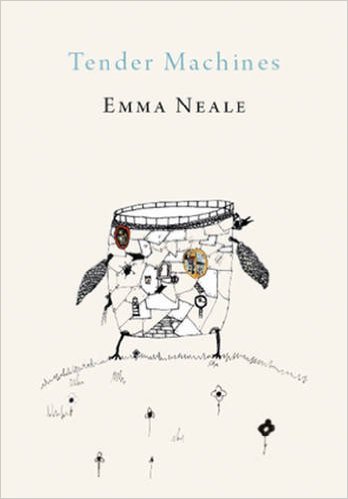
Tender Machines by Emma Neale, Otago University Press 2015

Some of the tenderness here is that of all protective layers being stripped back. These poems are brave. They reach out and talk with the ‘subsonic heart’ (Alchemy, p21) as it grapples with the frazzle of life with a toddler, a teenager, with technology, with adult love and estrangement, and with poverty and privilege, a hurting planet. Yet the voice is alight with irrepressible dance and laughter. The poems plant their two feet, wave their cardboard sword, and swashbuckle.

From ‘Ross Creek’ p59:

for despair and anger

to burn again and again

right back to love –

it takes courage.


Two collections from elsewhere:

Tonight No Poetry Will Serve by Adrienne Rich, W.W. Norton 2011

It was the title of this book that hit me between the eyes and made me buy it. But for just those nights, poems like these are what you might reach for. From ‘Turbulence’ p24:

In the event put on

the child’s mask first. Breathe normally.


Cumulus by Robert Gray, John Leonard Press, 2012

The poet has collected these from his eight volumes as all that he wants to retain. I find their power overwhelming and can read them only slowly, a few at a time. Here is the Australian landscape as if from its core, the this-ness, here-ness, now-ness of sky, river, tree and surf, of street and rain against the window. From ‘Cyclone’ p253:

like the vast doom

drums of Japan,

on this tin-roofed

town.


418MHC3lAEL._SX346_BO1,204,203,200_   418MHC3lAEL._SX346_BO1,204,203,200_


Carolyn McCurdie


Poetry Shelf Book Review: Steven Toussaint’s The Bellfounder – It is an exquisite read

The+Bellfounder_CultSoc_COVER_v04-2-page-001


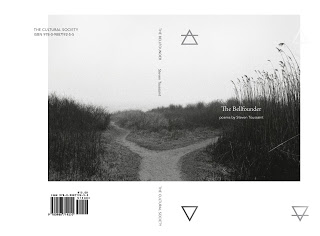
Steven Toussaint The bellfounder  The Cultural Study Society, 201B


Steven Toussaint was born in Chicago in 1986. He is the author of the chapbook Fiddlehead (Compound Press, 2014). He lives on the side of a volcano in Auckland, New Zealand.

Steven’s new poetry collection, The Bellfounder, is an exquisite read. The epigraph stands as a dedication to Eleanor Catton: ‘For you I have emptied the meaning/ leaving the song’. The ‘you’ widens to gift song to the reader as music is both first and last reading effect. A lexicon of musical terms amass: melody, pitch, chord, counterpoint, harmony, rhythm. I wanted to shut my eyes and absorb the musicality through the pores of my skin.

Each word chimes like a musical note, but the reward is in the aural connections – surprising, comforting, hair shivery – that produce the lift and skip of melody (‘brine seamed, milked at alpine view’). Your ear flutters to and fro along the track of the line catching sounds that twitch and oscillate and gel (‘alive as white aster, as stars’). There is both musical playfulness and musical craft. The little shift from ‘aster’ to ‘as stars’ sends gossamer threads to Gertrude Stein, Michele Leggott, Susan Howe. Melody is made more endearing by syntax that sidesteps, elides, eludes (‘hoove the ground/ each order othering’). Words hum on the ends of lines like a secret sidebone poem (whole formative cloud downgrowth longing parades embankments view is left stars ground othering bellow). (quotations are from ‘The Ground’)

At times, the language is demanding (I love this), when the words are obscure, not in everyday use, deliciously coined, twisted and shifting. At times, there is a sweet economy that counterbalances a governing richness. Always, at every crest and turn, phrases that cling to the ear (‘ore poured/ through ode// and hissed forth/ dread’ from ‘Analogion’).


What of meaning abandoned? After the initial joy of melody (song), I savoured the visual tussock; the way image is both ephemeral and grounded. Again I was reminded of Gertrude, Michele and Susan – and the playful energy of an image held in the mind. A point of contemplation. Transcendental, almost. At first, there is the allure of the image (‘quiet tangle/ of birchbark’ ‘Down along/ the frost encased// river little/ stinging reeds’). The images are little anchors in the overall mist of the poems. Yet that grounding enables the folds and creases of connection, personal associations and drifting thought (how to build that ice-cold river in mind’s eye?). Motifs, like the musical wordnotes, echo. The images tilt you. They act as little keys to drifting notions. Now and then, I felt like I was walking into sumptuous strata of Dante’s Inferno or the wet, kaleidoscopic thrill of a Tarkovsky film. I could almost hear Dante’s voice.

For me, the reading drift is the drift of a hiker locked into the rhythm of walking, where the natural world becomes music, music tethers image and image untethers thinking. Then thinking becomes still and still becomes raucous. Glorious. I love the way implanted image builds train of thought. The reading drift becomes a musing on poetry. On the possibilities of poetry. Take the poem, ‘Measure’: beautiful, enigmatic, poised, entrancing. The birchbark and river detail are the physical measure of melody, of viewing the world. Yet there is more, always more. Poetry becomes more than meaning, yet you are never left groundless. It is the mysterious movement that is travel and location and the laying of here and the layering of there.


Enormous funnels

of pitch a people


press on, tamp

the thicket’s


thickset quiet out

as if a current


of flame rouses

deep under boats


pitch-sealed

to carry them over.


(from ‘Measure’)


This collection is one of my favourite reads of the year. It transports you to the milky mists of nowhere and then feeds you the sublime ‘pitch’ and ‘drip’ of a somewhere that matters to you on a level both conscious and subconscious. Breathtakingly good.


Available in NZ from Timeout Book Store, or elsewhere via Small Press Distribution

Steven’s blog

Plainsong‘ on Poem Friday on Poetry Shelf

An excerpt from ‘Aevum Measures‘ on The Spinoff