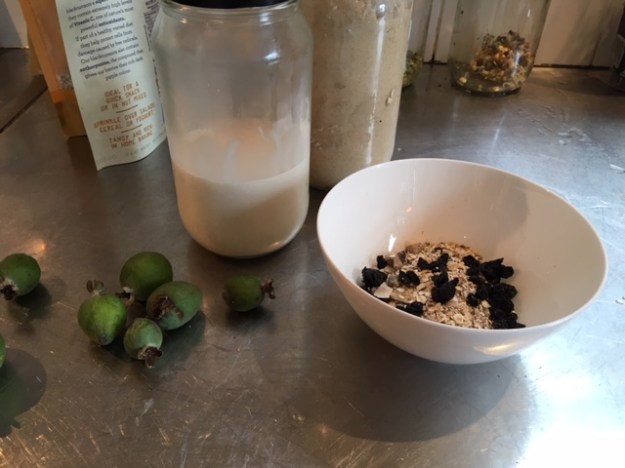
my kitchen activities
Over the past weeks I have received so many poems in my inbox – poems from friends, from poets, both known to me and not known. It seems some of us took up reading and writing, while others found words an impossible currency.
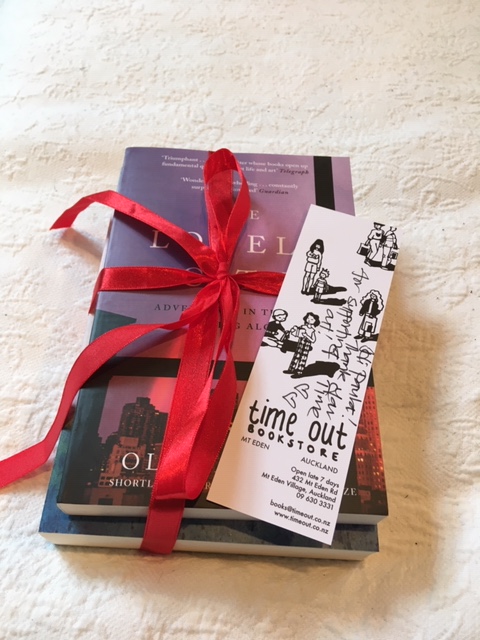
Each week I have invited different groups of New Zealanders (writers, publishers, booksellers and across the arts) to pick a book or two that has offered solace or comfort. Some people kindly said no as they haven’t been reading, while others have found books to be the greatest comfort. I plan to keep these lists going for a wee while yet as a way of supporting our booksellers and publishing communities.
Some people have written nonstop, while others either haven’t time with so many other pressures or haven’t found inclinations.
This is the year we go easy on ourselves. We do what we can when we can. We might write, we might not, and that is ok.
I have never had so many emails (and poems arrive) especially as Poetry Shelf is an invitation-only blog. BUT I decided to devote April and May to NZ poetry and do as many things as I could. Some days it has taken me 6 hours to read all the emails, so apologies if I have missed some and apologies I cannot post all the poems I have received.
I have taken such delight in reading what you have sent. It feels like – when such an unprecedented crisis slams us in the gut / heart / lungs – poetry can be a good thing, whether we are reading or writing it.
Along with the sough dough, the microgreens, the homemade almond milk and yoghurt (my coup!), and the walks down the road, poems have been fermenting across Aotearoa.
I have barely slept in the past months. I wake at some ungodly hour and find poems tiptoeing through my mind. I have been writing them down. Barely polishing them. Night arrivals. The Herald have published some – the last one will appear in Saturday’s Canvas.
Today I am posting some of the poems that arrived and will sprinkle a few more over the next week or so. I am also getting back to posting interviews, reviews, and various Poetry Shelf features. I will still host book launches, and other audio and video things. In fact, while I am going to reserve time for my own new projects and writing, I plan to keep Poetry Shelf highly active in these uncertain times.
Poetry Shelf is a way of making connections.
I want to thank everyone who has supported me and my requests during Level 4 and Level 3. You have made such a difference. Your kind emails have been essential reading. Kindness, here I am musing on this, is never a redundant word. Even more so. That and patience. And I am trying to learn more about empathy.
thank you poetry fans
may poetry sing and dance in our lives
kia kaha
go well
The poems
Where we sleep
when my marriage went west
I rebubbled in my childhood home
with two matriarchs
the dowager and incumbent
my father and sons
four-generations
it was never going to be easy
bought a red chaise longue
too wide for 1950’s doorframes
it sat on blocks in the garage
displaced my parents’ car
these days I have my own home
French doors and a faded chaise longue
elderly parents bubbling on a peninsula
sons ensconced with flatmates
on the other side of town
one cooks and plays guitar
the other lauds Japanese joinery
has discovered carpentry
the wondrous feel of wood
the throb and thrust of tools
there is nowhere to store his creations
he texts me a photo
My next lockdown project, Mum
I’m making you a table
Serie Barford
maple moon
you text us photos garden to plate
baby beetroot out of isolation
tides of beetroot where the moon fed
turned them red clusters of beetroot
in scarlet jackets like foxy
waiting waiting at our window
we text you photos
of the maple planted at your birth
text haiku autumn breeze/flames of leaves/
warm an empty sky/ and misty morning/
her leaves light/the whole house/ and pray
when the world repairs its lungs
with the business of breathing
the rising sea between us
becomes a red bridge
Kerrin P Sharpe
Rubbish day
putting out rubbish is the new black
neighbours listen for rumbling concrete
synchronise wheelie bins
join the procession
push
pull
Council approved receptacles
brimming with homemade scraps
to letterboxes
stand on berms
lean on lampposts
sit on green transformers
greet friends and strangers
chin wag
dogs at their feet
alert for moving cars
moving anything
yawn
Serie Barford
bubbles
in a room where you can’t get to him
he breathes despite his lungs
overnight the bones in your face
shift into the mask of grief
you speak to me over the fence
from a safe 3 metres
from a black tunnel that goes forever
at the far end with a lighter
that burns your thumb as you try
to see how to feel
your husband takes the kids inside
to watch peppa pig
they say every line by heart
Stephanie Christie
They Should’ve Sent an Influencer
‘Today, in the whole history of the world, it’s my birthday.’
London Kills Me Hanif Kureishi
Everyone has their time – goes the jingle –
to clonk out into the limelight,
to let that burning lime’s candoluminescence throw
your features into relief,
hyperreal, sunlike, and arrayed
with tendril shadows snaking black into the velvet
of the backcloth. Everyone a time,
and for every time a person. This is yours.
Reach. Snatch at it with your elaborations of peace and
kindness, bread and candour.
Bottle it like memory.
Sell it for free to the sick, the half-blind and sand-blind.
Give it a lemon spotlight. Bejazzle it with spaffed glitter
handwriting. As it twists, bepectacle it, add bunny lugs,
balloons, a flash of thunder from forehead to chin like
Jacinda Bowie. No: minimise. Let the brand tell
its story. The morning light the window’s hills sing.
Shadows burbling. A child shimmering, who takes
a sashayed step, takes it back, repeats.
It’s how one talks business, the talking and not the business.
It’s why heads lift, fingers tap, scroll, pinch.
This is their story you are telling of yourself.
At balance teeter anxiety, joy, vanity, yelping, relativism,
tigers, platters, psycho splatters.
All for the drawing in, the seating at your outdoor table,
are these flourishes and motifs, and affirmations
for their loyalty of looking. Preparing them for the real sell.
It is again your birthday. One must be all the ages.
And all the ages you have been are past, and the new
ones are hungry waiting.
This is your moment, your audience landlocked
to their living rooms, or hiding on a bath chair flicking
through your plays on light and motherhood.
This isn’t the worst day of your life,
though the restaurants are bolted closed
and I have bought you a present no husband should
ever buy his wife, even if she had asked for it,
but asked for it if he passed a supermarket, not wrapped
to double its unintended but now italic insult,
mouthwash. The streets are barricaded in a war
on the pandemic and it was all I … could …
But this is your limelit opportunity.
If you don’t seize it like a bear salmon,
the first one slopping out of its grip, but then
munch, right in the kisser, you are a debutante,
a wonder of the glare.
Nick Ascroft
Camphor Laurel
Avondale Police Station
our relationship grew
significant to you
the way an old friend
merits heritage protection
you find my green
refreshing
but leaves drop
on your cars
you feel displeased
here now
you are the pest species
your greenery
exhausts me
at my base
leaf–fall chemicals
collect
to deter your seedlings
whatever axing you plan
in my maturity
branches spreading old friend
look around
i saw you off
Janet Charman
Cover of daylight
with this suspension
of scruffy habitual delights
op shop used thrillers
coffee stands where you stand too
leaning against a shelf
sipping a cardboard Americano
while sorting out your change
writing up your notebook
it’s possible we’ll learn something
about ourselves and others
like how to share with decency
the space allotted to us all
and the time it takes for lives
collective and individual
to pause and rekindle
to accept and endure loss
or how saving someone
we love by our absence
by no means a passive commitment
may clarify things in the end
Tony Beyer
Cannibal ants
for the sake of the nest there is
neither ceremony nor commemoration
a dark column carries the debris
of existence away into the dark
thinking numerically
absorbs the individual
and any small hopes and regrets
until all pronouns are plural
yet we need not devour each other
in order to survive and succeed
lesson one of a thousand or million
to be preserved from this ordeal
being conscious of living through history
has never in the past been an advantage
(remember the old curse
May you live in interesting times)
the pace from here on will need
to be more humane if less profitable
except in the sense
that all should be well
Tony Beyer
Lockdown
From our three bubbles, I quiz
my mother and my sister
on the finer points
of bottling fruit
overnight, the supermarket
has bloomed into
a biohazard zone
invisible viruses
malevolent cans of peaches
and apple sauce
we would rather
holiday in Chernobyl
opinions differ on the internet
on the necessity of sugar
its preservative powers
my sister recalls
her mother-in-law
kitchen ninja
always added sugar –
not too much
my mother is equivocal
thinks it might be ok without
if using the water bath method
I don’t have a big enough pot
my stepfather chimes in
he has heard that sugar
makes the fruit last longer
how long does he think
that we’ll be here
best be on the safe side
we recall my grandmother’s
penchant for pickling
the jars of preserves
she would line up in her pantry
I remember picking strawberries
in vanished fields in Karaka
the time a knife fell on my foot
while chopping rhubarb
the small white scar
a never-ending memory of Christmas
Mum finally persuaded Grandma
to switch to Watties cans
she gave it up reluctantly
like driving at 87
taking the old people to church
unappetising bottled pears
the grittiness of quinces
air bubbles are safe in jars
as long as they’re sealed in
I wonder when we’ll next
be together in the kitchen
the memories
still hold us there.
Amanda Hunt
a ramble down a road
zig zag in and out
keep the two metre distance
pass walkers and dogs on leads
people smile but seldom speak
is it fear or are they trapped in their headphones?
i crave the sound of friends’ voices
ring Rosemary chat for 10 min by the side of the road
yesterday Janet rang, picked up my pieces
decide to ring a friend a day
texting useful but lacks warmth
happy now i ramble on
see Sam Sampson just after a swim
walking home with his wife and two kids
Sam wonders what i’m doing so far from home
we stop to chat at a safe distance
happy about low emissions
friendliness of people
peace and quiet
worried about families in crowded conditions
after solving the crisis we part
i walk on down to the tempting wild water
maybe tomorrow, maybe not
walking back i pull out my notebook
sit on a step and start to write
four steps down a sign says
Playground Closed
shove notebook in my pack
a glowing woman in a golden poncho passes
smiles, further up I see the family I saw yesterday
today the young boy walks with his mum
i slip to the road then step back to the sidewalk
the older boy and his dad follow behind
passing a rugby ball on the road
yesterday i follow this family
the two play catch back and forth
the young boy wants to join in
fumbles the ball, passes it end over end
frustration kicks in, he kicks the ball down a steep bank
both boys scramble after it
we laugh as i pass their parents
today we smile at each other as we zig zag in different directions
Ila Selwyn
THE SPIDER AND THE SITTING DUCK
a spider crawls across the wall
while I’m sitting on my meditation cushion
the wall is there to avoid distraction
a deliberately nothing kind of wall
until the spider crawled across it
although the Sensei says ignore the spider
indeed ignore the wall
if it comes to that
that spider’s very hard to ignore
outside
I hear the sound of tires on asphalt
making like a rain has begun to fall
but that I can ignore
whereas
if I quickly reached out
even while maintaining this Burmese half-lotus pose
I reckon I could grab the spider
squash it flat
I know Buddha says don’t do that
but the spider is a sitting duck
it’s almost as if it’s asking for it
squashed spiders presage rain
or so they say
but that’s plain hocus-pocus
take your mind off hocus-pocus things
how can you meditate
in this shall-I-shan’t-I kind of state
whereas if the spider wasn’t there
I’d be back in the groove
meantime (mean time indeed!) how long can I last
vacillating like a pendulum
neither here nor there
neither this nor that
Arthur nor Martha
though neither is my name
absorption in this kind of dithering
can make you lose all sense of the passing moment
which is after all the thing you’re meant to be noticing
as it passes
and it’s right about now
that I look up
having lost my focus on the wall for a lower one
that stain upon the carpet
and bugger me
the spider’s gone
the sitting duck has slipped away
and left in her stead
another sitting duck
sitting here
upon his meditation cushion
Murray Edmond
Myriad
the washing machine throbs
and convulses,
coughs and spits dark gunk.
the walls shake.
our hands shake,
but we don’t
shake
hands anymore.
black moths
litter our living room floor,
their fragile corpses like
small velvet off-cuts. the
mourning garb of old Italian women
is strewn over unrehearsed ground;
a myriad broken rosaries,
bodies of a generation piled like landfill.
feverishly we beat against the membranes of our bubbles,
drill frenetically into floorboards, slap white paint over
chips and scars, block the entry points
of mice and contagion,
but outside
the air is vibrant, the sky vivid, the land verdant
and in the
clear ear of the world,
there is resonance
and birdsong.
Sophia Wilson
Nick Ascroft was born in Oamaru. His latest collection is Moral Sloth (VUP, 2019). His previous poetry collections are From the Author Of (2000), Nonsense (2003), and Back with the Human Condition (2016); in 2018 Boatwhistle published his Dandy Bogan: Selected Poems. He has edited Landfall, Glottis and Takahē and was all-too briefly the Burns Fellow at the University of Otago. He is also a non-fiction author, writing on music and football. Nick is an editor by trade, a linguist by training and a competitive Scrabble player by choice. Victoria University Press author page
Serie Barford was born in Aotearoa to a migrant German-Samoan mother and a Palagi father. Her latest collection, Entangled Islands (Anahera Press 2015), is a mixture of poetry and prose. Serie’s work has appeared in numerous journals and anthologies. She was awarded the Seresin Landfall Residency in 2011 and is a recipient of the Michael King Writers’ Centre 2018 Pasifika residency. Some of Serie’s stories for children and adults have aired on RNZ National. She has recently completed a new collection, Sleeping with Stones.
Tony Beyer writes in Taranaki. His recent work can be found online in Hamilton Stone Review, Mudlark and Otoliths; and is forthcoming in print in Kokako and Landfall.
Janet Charman’s monograph SMOKING! The Homoerotic Subtext of Man Alone is available as a free download at Genrebooks. Her essay ‘Mary Mary Quite Contrary’ on Allen Curnow’s suppression of the poetics of Mary Stanley, appears in the current issue on-line of Pae Akoranga Wāhine, the journal of the Women’s Studies Association of NZ.
Stephanie Christie is a poet who also works on multimedia collaborations and produces zines. She is the featured poet in Poetry NZ 2019. Her latest collection is Carbon Shapes and Dark Matters (Titus Books, 2015). Stephanie’s author page.
Murray Edmond lives in Glen Eden, West Auckland. His latest book, Back Before You Know, includes two narrative poems, ‘The Ballad of Jonas Bones’ and ‘ The Fancier Pigeon’ (Compound Press, 2019).
Amanda Hunt is a poet and environmental scientist from Rotorua, currently locked down at Pukorokoro Miranda on the Firth of Thames. Her work has been published in Landfall, Takahē, Mimicry, Poetry NZ, Ngā Kupu Waikato, Sweet Mammalian and more. She has been highly commended in NZ Poetry Society competitions and published in numerous anthologies. In 2016, she was shortlisted for the Sarah Broom Poetry Prize.
Ila Selwyn gained First Class Honours in MCW at the University of Auckland in 2014, with a multi-media approach of drama, poetry and art. She wants to write a one-woman play, with poetry. She launched her latest poetry book, dancing with dragons, in 2018.
Kerrin P Sharpe has published four collections of poetry (all with Victoria University Press). She has also appeared in Best New Zealand Poems and in Oxford Poets 13 (Carcanet Press UK) and POETRY (USA) 2018. She is currently working on a collection of poems around the theme of snow, ice and the environment.
Sophia Wilson resides with her rural GP husband and their three daughters in Otago. She has a background in arts, medicine and psychiatry. Her recent poetry/short fiction can be found in StylusLit, Not Very Quiet, Ars Medica, Hektoen International, Poems in the Waiting Room, Corpus and elsewhere. In 2019 the manuscript for her first children’s novel, ‘The Guardian of Whale Mountain’, was selected in the top ten for the Green Stories Competition (UK). She was shortlisted for the 2019 Takahē Monica Taylor Prize and the 24 Hour National Poetry Competition, and was a finalist in the Robert Burns Poetry Competition. She won the 2020 International Writers Workshop Flash Fiction Competition and is the recipient of a 2020 NZSI mentorship grant.











 NZ Poetry Shelf