Category Archives: Uncategorized

Poetry Shelf connections: celebrating Poetry NZ Yearbook 2020 with a review and an audio gathering

9780995122932.jpg

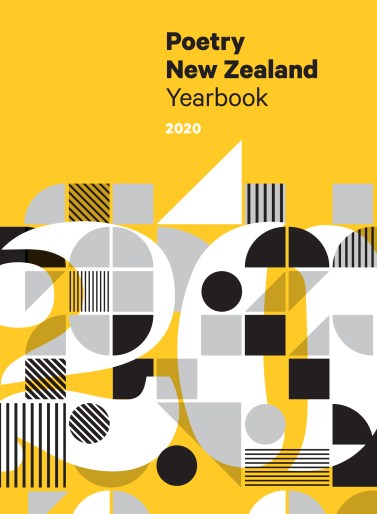
Poetry New Zealand Yearbook 2020 edited by Johanna Emeney (MUP)

Johanna Emeney works at Massey University as a teacher of creative writing and has published several poetry collections.


Many many years ago my first poetry collection Cookhouse (AUP) appeared in the world and it was a big thing for me. I was at the stove with my baby in my arms, when the phone rang, and I dropped something all over the floor. It was Alistair Paterson, then editor of Poetry NZ, wanting to know if I would be the feature poet. The tap was running, the mess was growing, the pot was bubbling, my baby was crying, but somehow I spoke about poetry and agreed to my face on the cover and poems inside. It felt important.

I have only sent poems to journals a couple of times since then as I find it a distraction, but I love reading NZ literary journals. We have so many good ones from the enduring magnificence of Sport and Landfall to the zesty appeal of Mimicry and Min-a-rets.


Poetry NZ has had a number of editors, and is New Zealand’s longest running literary magazine. Poet Louis Johnson founded it in 1951 and edited it until 1964 (as the New Zealand Poetry Yearbook). Various others have taken turns at the helm – most notably Alistair Paterson from 1993 to 2014. In 2014 Jack Ross took it back to its roots and renamed it Poetry New Zealand Yearbook. This year Johanna Emeney stepped in as guest editor while Tracey Slaughter takes over the role from 2021.

Each issue includes essays, reviews, critical commentary, poetry and a featured poet.


For me Poetry New Zealand 2020 is a breath of fresh air. It opens its arms wide and every page resonates so beautifully. It showcases the idea that poetry is an open home. The poems behave on the page in a galaxy of ways, sparking and connecting multiple communities. I feel so satisfyingly refreshed having read this, warmed though, restored.

I am at the point in lockdown where I drift about the house from one thing to next in an unsettled state. I alight on this and land on that. So Poetry NZ 2020 is the perfect resting spot. I want to sing its praises to the moon and back, but I am tired, have barely slept and words are like elusive butterflies.


Johanna Emeney’s introduction is genius: ‘It is wonderful to be chosen by poems, and the very opposite of trying to chose poems.’ And later: ‘A poem choose you the minute it takes you by surprise. To be clear this cannot be any old surprise.’ And later: ‘poems that choose you are like mille-feuilles— thoughtfully assembled and subtly layered.’

I love the way Johanna has treated the issue like we often shape our own collections – in little clusters of poems that talk to each other: ‘Into the water’, ‘Encounter’, ‘Other side up’, ‘Remember to understand love’. It is an issue lovingly shaped – I am in love with individual poems but I am also mesmerised by the ensuing conversation, the diverse and distinctive voices.

The essay section is equally strong. You get an essay by Mike Hanne on six NZ doctor poets, Maria Yeonhee Ji’s ‘The hard and the holy: Poetry for times of trauma and crisis’. You also get Sarah Laing’s genius comic strip ‘Jealous of Youth’ written after going to the extraordinary Show Ponies poetry event in Wellington last year. And Roger Steele’s musings on publishing poetry. To finish Helen Rickerby’s thoughts on boundaries between essays and poetry. Restorative, inspiring.

77 pages of reviews cover a wide range of publishers (Cold Hub Press, VUP, Mākaro Press, Otago University Press, Cuba Press, Compound Press, Titus Books, Waikato Press, Hicksville Press and a diverse cohort of reviewers. With our review pages more and more under threat – this review section is to be celebrated.

The opening highlight is the featured poet (a tradition I am pleased to see upheld). Like Johanna I first heard essa may ranapiri read at a Starling event at the Wellington Writers Festival, and they blew my socks off (as did many of the other Starlings). essa is a poet writing on their toes, in their heart, stretching out here, gathering there, scoring the line in shifting tones and keys. So good to have this group of new poems to savour after the pleasures of their debut collection ransack. I particularly enjoyed the conversation between essa and Johanna – I felt like I was sitting in a cafe (wistful thinking slipping though?) sipping a short black and eavesdropping on poetry and writing and life. Tip: ‘That a lot of poems are trying to figure something out. If you already know it, then you don’t need to write the poem.’


I have invited a handful of the poets to read a poem they have in the issue so you can get a taste while in lockdown and then hunt down your own copy of this vital literary journal. Perhaps this time to support our excellent literary journals and take out a few subscriptions. Start here!


a n       a u d i o     g a t h e r i n g


First up the Poetry New Zealand Poetry Prize and the Poetry New Zealand Student Poetry Competition.


LynnD_June_2017_016_13Jun17_Web-2.jpg

Lynn Davidson (First Prize)


Lynn reads ‘For my parents’


Lynn Davidson is a New Zealand writer living in Edinburgh. Her latest poetry collection Islander is published by Shearsman Books in the UK and Victoria University Press in New Zealand. She had a Hawthornden Fellowship in 2013 and a Bothy Project Residency at Inshriach Bothy in the Cairngorms in 2016. Lynn has a doctorate in creative writing, teaches creative writing, and is a member of 12, an Edinburgh-based feminist poetry collective. Her website


IMG_2754 (1).jpeg

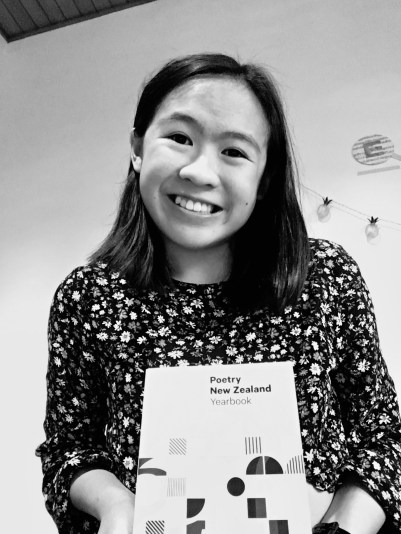
E Wen Wong (First Prize Y12)


E Wen reads ‘Boston Building Blocks’


E Wen Wong is in her final year at Burnside High School, where she is Head Girl for 2020. Last year, her poem ‘Boston Building Blocks’ won first prize in the Year 12 category of the Poetry New Zealand Student Yearbook Competition.


image0.jpeg

Chris Tse


Chris reads ‘Brightest first’


Chris Tse is the author of How to be Dead in a Year of Snakes and HE’S SO MASC. He is a regular contributor to Capital Magazine’s Re-Verse column and a book reviewer on Radio New Zealand. Chris is currently co-editing an anthology of LGBTQIA+ Aotearoa New Zealand writers.

 

FB_IMG_1586983227686.jpg

Fardowsa Mohamed


Fardowsa  reads ‘Tuesday’


Fardowsa Mohamed is a poet and medical doctor from Auckland, New Zealand. Her work has appeared in Poetry New Zealand, Sport Magazine, Landfall and others. She is currently working on her first collection of poetry.


Screen Shot 2020-04-16 at 10.01.53 AM.png

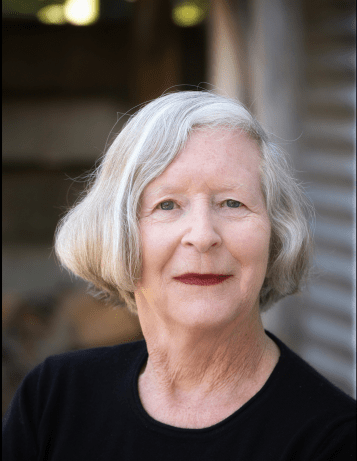
Photo credit: Jane Dove Juneau

Elizabeth Smither


Elizabeth reads ‘Cilla, writing’


Elizabeth Smither, an award-winning poet and fiction writer, has published eighteen collections of poetry, six novels and five short-story collections, as well as journals, essays, criticism. She was the Te Mata Poet Laureate (2001–03), was awarded an Hon D Litt from the University of Auckland and made a Member of the New Zealand Order of Merit in 2004, and was awarded the Prime Minister’s Award for Literary Achievement in Poetry in 2008. She was also awarded the 2014 Janet Frame Memorial Award for Literature and the 2016 Sarah Broom Poetry Prize. Her most recent collection of poems, Night Horse (Auckland University Press, 2017), won the Ockham New Zealand Book Award for Poetry in 2018.


Anuja pic.jpg

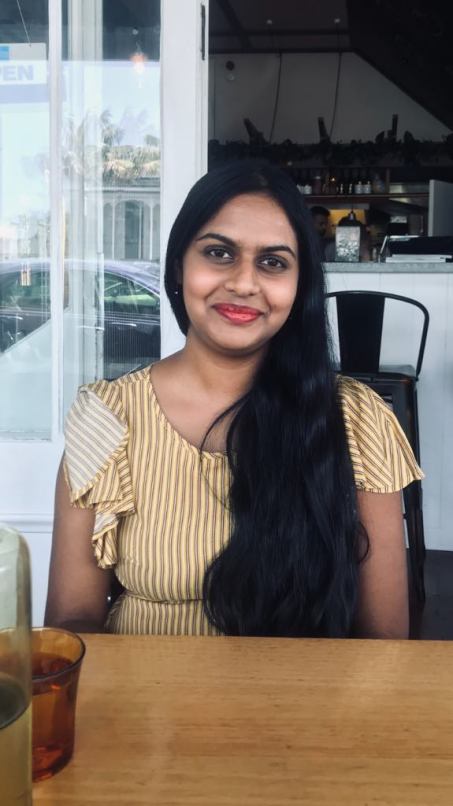
Anuja Mitra


Anuja reads ‘Waiting Room’


Anuja Mitra lives in Auckland and is co-founder of the online arts magazine Oscen. Her writing can be found in Starling, Sweet Mammalian, Mayhem, Poetry NZ and other journals, though possibly her finest work remains unfinished in the notes app of her phone.



8A119731-0A17-4377-80EA-181D7D8D5ECC.jpeg

Semira Davis


Semira reads ‘Punkrock_lord & the maps to i_am_105mm’


Semira Davis is a writer whose poetry also appears in Landfall, Takahe, Ika, Blackmail Press, Ramona, Catalyst and Mayhem. In 2019 they were a recipient of the NZSA Mentorship and runner-up in the Kathleen Grattan Poetry Award.
 

Profile Picture-1.jpg

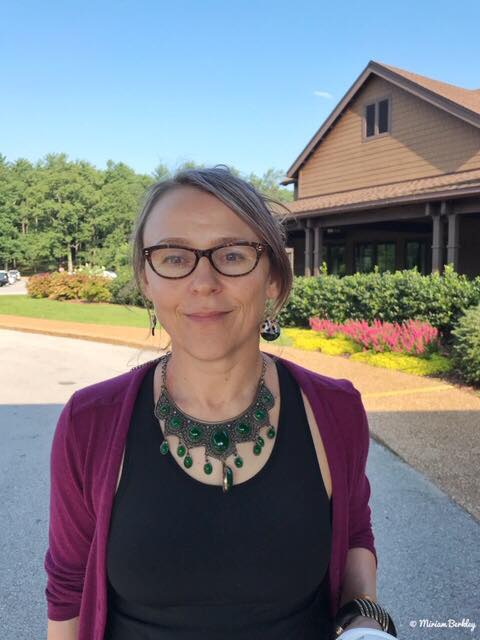
Photo credit: Miriam Berkley

Johanna Aitchison


Johanna reads ‘The girl with the coke can’


Johanna Aitchison was the 2019 Mark Strand Scholar at the Sewanee Writers’ Conference in Tennessee, and her work has appeared, most recently, in the Poetry New Zealand Yearbook 2020, NZ Poetry Shelf, and Best Small Fictions 2019.
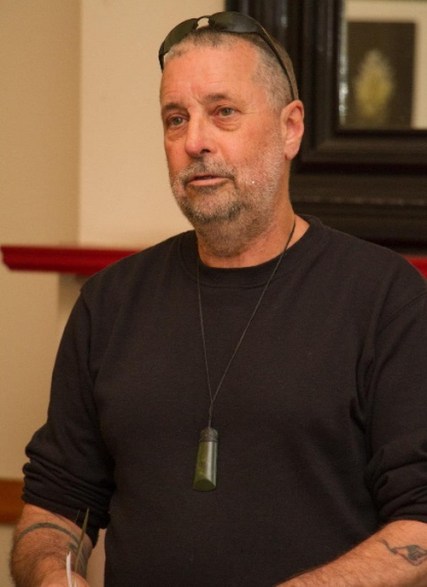


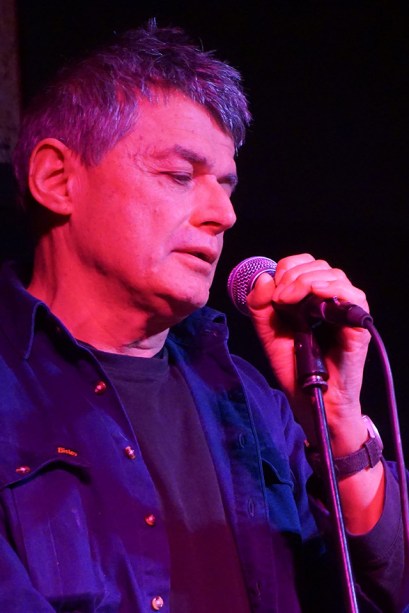
Vaughan Rapatahana photo.jpg


Vaughan Rapatahana


Vaughan Rapatahana reads ‘mō ō tautahi’


Vaughan Rapatahana (Te Ātiawa) commutes between homes in Hong Kong, Philippines and Aotearoa New Zealand. He is widely published across several genre in both his main languages, te reo Māori and English and his work has been translated into Bahasa Malaysia, Italian, French, Mandarin and Cantonese.

Five books published during 2019 – in Aotearoa New Zealand, India, United Kingdom. Includes his latest poetry collection ngā whakamatuatanga/interludes published by Cyberwit, Allahabad, India. Participated in World Poetry Recital Night, Kuala Lumpur, September 2019. Participated in Poetry International, the Southbank Centre, London, U.K. in October 2019 – in the launch of Poems from the Edge of Extinction and in Incendiary Art: the power of disruptive poetry. Interviewed by The Guardian newspaper whilst in London.

His poem tahi kupu anake included in the presentation by Tove Skutnabb-Kangas to the United Nations Forum on Minority Issues in Geneva in November 2019. Interviewed on Radio NZ by Kim Hill in November 2019.
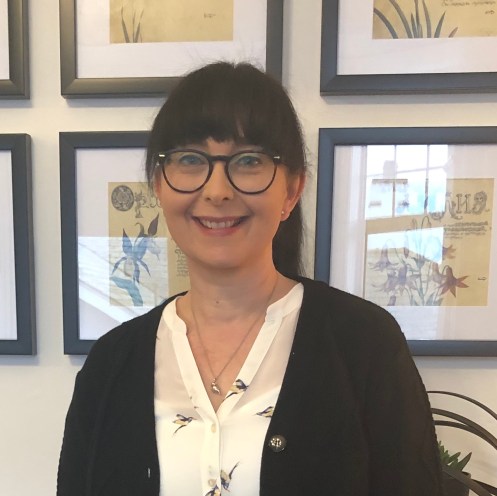


IMG_2010.jpg

Emma Harris


Emma Harris reads ‘Ward’


Emma Harris lives in Dunedin with her husband and two children. She teaches English and is an assistant principal at Columba College. Her poetry has previously been published in Southern Ocean Review, Blackmail Press, English in Aotearoa and Poetry New Zealand.
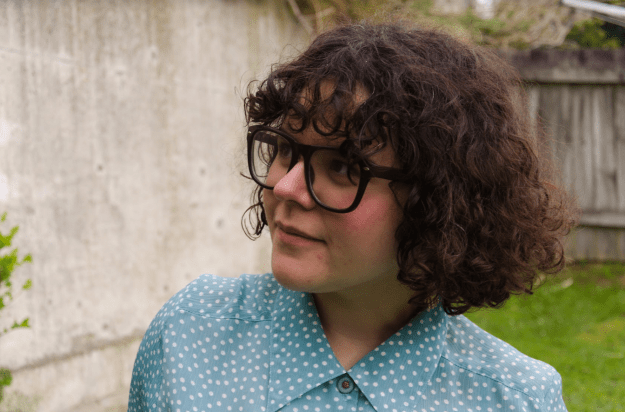
 

Screen Shot 2020-04-17 at 4.22.13 PM.png


Dani Yourukova


Dani reads ‘I don’t know how to talk to you so I wrote it for me’


Dani is a Wellington poet, and one of the Plague Writers (a Masters student) at Victoria’s IIML this year. They’ve been published in Mayhem, Aotearotica, Takahe, Poetry New Zealand Yearbook 2020 and others. They’re currently working on their first collection of poetry.


Poetry New Zealand Yearbook site


Poetry Shelf connections: Charlotte Simmonds ‘What He Did’

What He Did


Write 500 words ☐

Write a poem ☐

Write a poem for Paula ☐

Write any poem ☐

Write anything ☐

Write a word (for Paula?) ☐

Write a word ☐

Dishes ☑

Date pudding ☑

Dishes ☑

And it was evening, and it was morning, one day.


Email Paula ☐

Reply to Paula ☐

Dishes ☑

Feel guilty for lack of productivity ☑

Dishes ☑

And it was evening, and it was morning, a second day.


Do taxes ☐

Dishes ☑

Feel guilty for date pudding ☑

Dishes ☑

And it was evening, and it was morning, a third day.


Exercise 30 min ☐

Exercise 15 min ☐

Go outside ☐

Feel guilty for feeling guilty ☑

Reject a negative thought ☐

Avoid crowds ☑

Reject a negative thought ☑

And it was evening, and it was morning, a fourth day.


Get enough sleep ☐

Clean teeth evening ☐ morning ☐

Have a shower ☐

Dishes ☑

Feel guilty for lack of personal hygiene ☐

Dishes ☑

Clean teeth muthafucka you can’t go to the dentist in the apocalypse!!!

And God said, “Let the waters swarm a swarming of living creatures.” And God created the great sea monsters, 15,000 virus species with which the waters swarmed, and God saw that it was good. And God said, “Fill the waters of the seas,” and they did, between 10,000 and 200,000 of them in every drop of seawater.

And it was evening ☑, and it was morning ☑, a fifth day.


1000 words translation/2000 words editing ☐

500 words translation/1000 words editing ☐

200 words translation ☐

100 words translation ☐

0-50 words translation ☐

1 hr work ☐

Write a word ☐

Dishes ☑

Feel guilty for not writing a word ☑

Dishes ☑

And behold, it was very good, and it was evening, and it was morning, a sixth day.


Apply for wage subsidy ☑

DO TAXES ☐

Dishes ☑

Feel guilty for living in NZ ☑

Dishes ☑

Now the viruses of the heavens and the earth were completed and all their hosts. And God completed on the seventh day His work what he did, and He abstained on the seventh day from all His work what he did because there was no more work and He was out of it.


Eat enough calories ☑☑☑☑☑☑☑☑☑☑☑☑☑☑☑☑☑☑☑☑☑☑☑☑☑☑☑☑☑☑☑☑☑☑☑☑

Timtams?

Ice cream? Milo?

Tiramisu?????

Dishes ☑

Feel guilty for having a functional government ☑

Dishes ☑

And behold, God had created a universe so it did not matter that He was out of work because He had His universal income. There was evening, and there was morning, a 16th day.


Dishes ☑

Feel guilty for being alive ☑

Dishes ☑

God was never bothered again. There was evening, and there was morning, a 26th day.


Charlotte Simmonds


Charlotte Simmonds is a writer, editor and translator indoors, Wellington.


Poetry Shelf noticeboard: NZ BOOK AWARDS GOING VIRTUAL FOR 2020 OCKHAMS WINNERS’ ANNOUNCEMENTS ON 12 MAY


Screen Shot 2020-04-15 at 12.47.44 PM


In a creative response to the restrictions imposed on travel and public gatherings during the Covid-19 crisis, the New Zealand Book Awards Trust has elected to take the announcement of the 2020 winners of Ockham New Zealand Book Awards online on the original date set down for the awards ceremony in Auckland: Tuesday 12 May.

“Covid-19 has interfered with our annual celebration of the finalist authors and publishers in an event that’s greatly anticipated and enjoyed by hundreds as one of the first events of the Auckland Writers Festival. But as the old adage goes, ‘the show must go on’, and we hope that by making our announcements ‘virtual’ we will reach an audience of thousands on the evening of 12 May.”

— Nicola Legat, New Zealand Book Awards Trust chair

Working with the talented team at the Auckland Writers Festival and the production company Lotech, a slick, tight virtual ceremony is being planned, fronted by popular ceremony MC for the past two years, broadcaster and te re Māori advocate Stacey Morrison.

The proceedings will kick off on a dedicated YouTube channel at 6pm with the announcement of the MitoQ Best First Book awards and then continue after a short break, at 7pm, with formalities and the reveal of winners of the four main subject categories: the General Non-Fiction Award, the Mary and Peter Biggs Award for Poetry, the Illustrated Non-Fiction Award and, finally, the $55,000 Jann Medlicott Acorn Prize for Fiction.

You can find out more about the 2020 Ockhams shortlisted titles here and subscribe to our YouTube channel here.


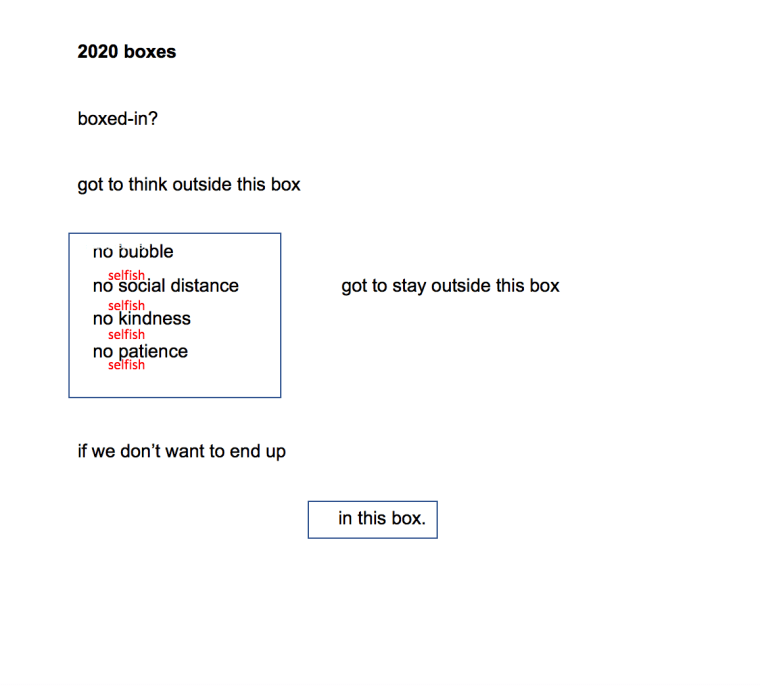
Poetry Shelf connections: Vaughan Rapatahana’s ‘2020 boxes’


Screen Shot 2020-04-15 at 8.49.42 AM.png


Vaughan Rapatahana (Te Ātiawa) commutes between homes in Hong Kong, Philippines and Aotearoa New Zealand. He is widely published across several genre in both his main languages, te reo Māori and English and his work has been translated into Bahasa Malaysia, Italian, French, Mandarin and Cantonese.

Five books published during 2019 – in Aotearoa New Zealand, India, United Kingdom. Includes his latest poetry collection ngā whakamatuatanga/interludes published by Cyberwit, Allahabad, India. Participated in World Poetry Recital Night, Kuala Lumpur, September 2019. Participated in Poetry International, the Southbank Centre, London, U.K. in October 2019 – in the launch of Poems from the Edge of Extinction and in Incendiary Art: the power of disruptive poetry. Interviewed by The Guardian newspaper whilst in London.

His poem tahi kupu anake included in the presentation by Tove Skutnabb-Kangas to the United Nations Forum on Minority Issues in Geneva in November 2019. Interviewed on Radio NZ by Kim Hill in November 2019.


Poetry Shelf connections: 4 poems from Tony Beyer


Loose leaf


hard to tell if the rain

enhances or limits contagion


its voice in the night

calms the anxious world


the dog involves himself

in a tighter knot of sleep


surprising how the mind

almost emptied of hope


is also empty of fear

unless concern for everyone


not just one

is not love but fear


dawn and birds return

and the dog wakes expectantly


my neighbour over the fence

lets me know how they’re doing


nothing dramatic

but nothing as usual either


and in the bare streets

maybe hope too will return


Mourning the normal world


a café table

or on the back porch at home


a hug from a friend

or seated alone


leafing through new books

just bought from Unity


a grandchild conversing

earnestly with the dog


frisbee or touch in the park

with brothers and their sons


wives of both generations

shaking their heads


at immemorial

masculine folly


a cousin from the UK

staying for a week or a month


vegetables exchanged

garden to garden


shared home baking

and home preserves


Upside


yet the wind still

dries the washing on the line


and the sky intermittently blue

over Taranaki


encourages us

grizzling into the garden


voices on the other side

of fences are reassuring too


already halfway

through Zola’s Earth


which took some exhuming

from dust on the shelf


the message is it’s really

the planet and our attention to it


that matters

and like frost on winter stubble


or deceased parents

spared all this by chronology


we are useful

and expendable


Black hat


the virus rode in

from points north

on a sickly horse


it was worse

than politics

or target practice


it stole conversation

and book shops

and football


it stole lives too

each of them

irreplaceable


days like a tide

receded after it

leaving sadness bare


explaining to

children and old

folks was difficult


something we’d

done or not done

something shameful


Tony Beyer


Tony Beyer writes in Taranaki. His recent work can be found online in Hamilton Stone Review, Mudlark and Otoliths; and is forthcoming in print in Kokako and Landfall.

Poetry Shelf noticeboard: National Library celebrates our new Poet Laureate with Poet’s Night In


david-eggleton.jpg

David Eggleton. Photo credit David Mackenzie


David Eggleton our new Poet Laureate was due to celebrate his laureateship with a wonderful April weekend at Matahiwi marae in Hawkes Bay, along with his invited poets (Michael O’Leary, Jenny Powell and Kay McKenzie Cooke) and guests.

The good news is the special event will be rescheduled but in the meantime you can enjoy poems from each of these poets with a welcome speech from host Marty Smith- and then look forward to other things the Poet Laureate Blog / National Library have planned.


Peter Ireland from the National Library introduced the night in:

The weekend of the 4th and 5th of April was to have seen a gathering of poets at Matahiwi marae in Hawkes Bay, where David Eggleton, current New Zealand Poet Laureate, would receive his laureate’s tokotoko, carved by Jacob Scott. Like most public gatherings at present, this couldn’t happen, though it will, later in the year.

Not doing something creates an opportunity to do something else in its stead and over the next few weeks we are featuring poetry to mark the weekend we couldn’t have. We begin with poems by David and the fellow poets he invited to join him at Matahiwi: Michael O’Leary, Jenny Powell and Kay McKenzie Cooke.

Then, from next week, there will be poems by former Poets’ Laureate: Bill Manhire, Elizabeth Smither, Michele Leggott, Cilla McQueen, Ian Wedde, Vincent O’Sullivan and Brian Turner, in solidarity with David, fellow poets, and friends of poetry everywhere.

Laureate readings began as part of the programme for the Te Mata Poet Laureate, and Bill Manhire started these with a reading in the Barrel Room at Te Mata Estate.


Go here to read the poems and for Poet Laureate Blog

You can also hear David read with Karyn Hay RNZ National

Screen Shot 2020-04-14 at 9.26.06 AM.png

Poetry Shelf connections: Amy Brown’s ‘If we’re lucky we have time’


If we’re lucky we have time


to divide batter into bowls and drop a different colour into each, then tip the mixtures

into a tin and use a knife to drag pink through blue and yellow through green knowing

in this, at least, there’s no getting it wrong


to lie on the driveway, arms angelic, and be tickled with chalk tracing our edges


to say, This is how big you are – enormous! – look at how much space is yours


to adopt kittens and not be annoyed when they pad across our faces overnight because

really we aren’t sleeping


to read little and slowly, attention brittle and bracketed


to turn the spare bedroom into a quarantine zone for when he comes home

from the COVID ward with symptoms and should no longer touch us


to count the hairs that come away between my fingers


to order three plain grey T-shirts because the world has sold out of scrubs


to answer teenagers’ emails which begin, As you know these are uncertain times and

I’m truly sorry I haven’t submitted my essay yet, and end, I hope you don’t get sick


to hear fear in his language that reminds me of his dearness


to sing Twinkle Twinkle Little Star or The Barrel as our hands turn into volcanoes –

Look at my lava!


to spray all the handles with Ajax and feel like an Ancient Greek propitiating Apollo

to ward off the plague


to find glitter on my cheek three months after New Year’s Eve


to smile at the three-year-old announcing, The kitten’s pooing in her glitter tray again


to imagine holding a social proximity party at which everyone must be within 1.5 metres

of more than one other person


to consider how to get our wills witnessed from a safe distance


to listen to a kids’ podcast about why leaves fall off trees; when the days get too dark it is

right to let go of what allows you to grow


to decide


to hibernate


Amy Brown


Amy Brown is a poet, novelist and teacher. In 2012 she completed a PhD in creative writing at the University of Melbourne. She is the author of The Propoganda Girl (VUP, 2018), which was shortlisted in the 2009 NZ Book Awards, and The Odour of Sanctity (VUP, 2013), a contemporary epic poem. She is also the author of Pony Tales, a series of children’s novels. Amy’s most recent collection, neon daze, was published by Victoria University Press in 2019.


My review of neon daze

The Spin Off – ‘Turning on the Light Ladder: Amy Brown on motherhood and writing neon daze

Radio NZ – Harry Ricketts reviews neon daze

Poetry Shelf – excerpt from neon daze

Victoria University Press author page


Poetry Shelf noticeboard: The NZPS International Poetry Competition – 2020

Screen Shot 2020-04-13 at 10.06.21 AM.png


Full details plus judges here


The New Zealand Poetry Society International Poetry Competition is open once again for 2020! Our competition has been running since 1987 and is open to all members and non-members, worldwide, with members receiving an entry fee discount.

There are cash prizes to be won in each category, and all entries are eligible to be published in our anthology. Our annual anthology includes all placed and commended poems, as well as a selection of other favourite poems from the competition. 

Poets can enter one of these four sections:

  • Open verse for adults (18 years and over)
  • Open verse for juniors (17 years or younger)
  • Haiku for adults (18 years and over)
  • Haiku for juniors (17 years or younger)

Class teachers can enter multiple poems from their students, using the school group form. There is a discount for entering multiple entries as a school group. We also have a teacher’s guide for writing haiku.

Keen to enter? Please see our submission guidelines and entry forms for each category below. Entries must be received by 31 May 2020.

Due to COVID-19, our competition is running solely online this year. If you have previously entered by post and would like guidance in entering online, we are happy to help. For this and any other queries, please email the Competition Coordinator, Emma Shi, at competition@poetrysociety.org.nz

Submission guidelines

Entry forms

Our entry forms can be filled in digitally, so there is no need to print and scan. Simply download, type in your details, and save.


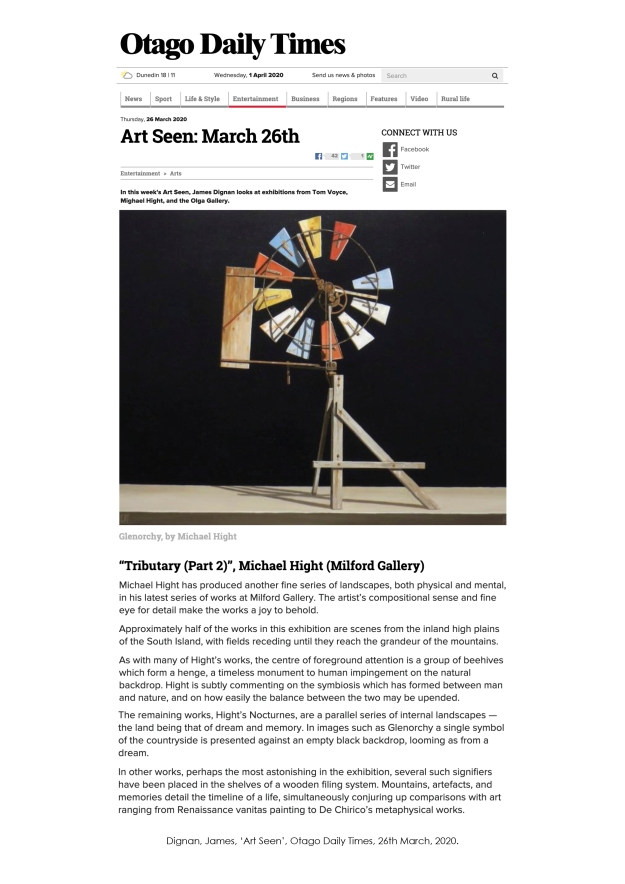
Poetry Shelf connections: Michael Hight’s ‘Tributary Pt 2’ and a studio video

200326 ART SEEN ODT Michael Hight 'Tributary' Review.jpg

My partner, Michael Hight, and I live most of our lives in self isolation in our rural setting –  writing and painting, and doing home things. We are so lucky at the moment. His studio is on our property and we own a tract of protected regenerating bush with a track. We are a short drive from Te Henga Bethells Beach but have chosen to observe the rules and stay at home. Early morning runs and swims, when the sun is barely up, are off daily routines until our bubbles open.

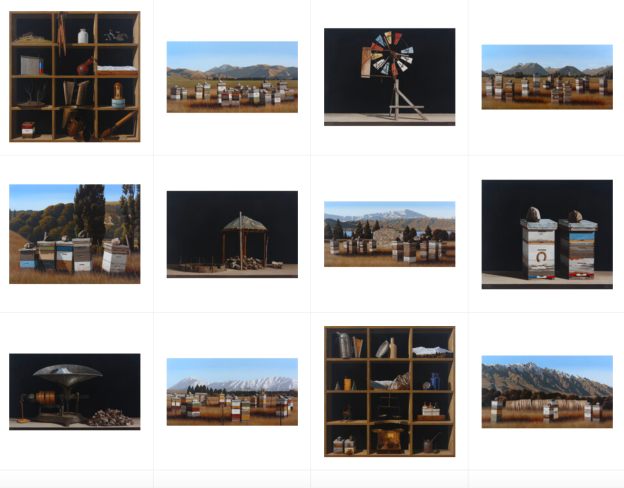
Michael currently has show on at Milford Gallery in Dunedin (until April 14th) – an extraordinary group of paintings where he matches a beehive work and a black painting to a New Zealand river. These come out of his (and our) road trips. We weren’t going to be able to make the Dunedin opening but it ended up nobody did! Now I am doing individualised ‘road trips’ as I look at Michael’s paintings (and as we write, read, invent, create, muse and ‘road trip’) from bubble solitude.

I rarely walk up to Michael’s studio and watch his work in progress. So when a show goes up, it is mostly a surprise. Each time I see a new show, I am transported, uplifted, utterly diverted by the experience of looking. I find the works transcendental, and of the greatest comfort in their mix of light and dark, strangeness, familiarity and complicated humanity. Yes I am biased, but I just love them.


You can watch a short video of Michael in his studio

Michael’s Dunedin Milford Gallery show


Screen Shot 2020-04-11 at 8.07.50 AM.png


Poetry Shelf comfort book list from children’s authors


Sacha Cotter sent me these photos of her son with dad Josh; the baby hunts down his favourite book wherever they put it. I can’t find the words to say how much I love these photos. This is why we write children’s books. It is utterly magic.

Children’s books are extra necessary while families are living in bubbles with children, but for me children’s books are an endless source of comfort and delight. They are always an essential part of my life. I am thinking of the joy I get reading Margaret Mahy picture books from The Three Legged Cat to A Summery Saturday Morning. Or Barbara Else’s The Travelling Restaurant. Kate De Goldi sent me a list of classics one summer and I had a heavenly time reading my way through the books. Every classic was a comfort. An uplift. But a book that offers supreme comfort is Kyle Mewburn’s Hill and Hole. A joy. As is this list.

forgive quality of some of the book covers – not always easy to find at the moment


9780143504535.jpg


the list


x300.jpg


Sacha Cotter

Arrgh – it was so hard to choose!!! There are so many books I could have chosen!!

I almost chose a baby book that our 9 month old is currently obsessed with (a brightly coloured book called This Little Piggy by Jarvis). We put it up on his book shelf in a different spot each day and even though he is still only commando crawling and can’t even pull himself up to sitting, he is still able to peek up, flail his arms about, find the book and pull it down each time!! So cute! We must read it to him ten times a day at least! Ha ha.

But…I think I’ll go with A Magical Do-Nothing-Day by Beatrice Alemagna. Perhaps more fitting for the current situation.

When I read the picture book On a Magical Do-Nothing Day I feel comforted and cosy and warm and also full of wonder and excitement all at the same time! On a boring, rainy day a child reluctantly goes outside expecting to find even more boringness. At first the child is unimpressed with the wet outdoors, but over the course of the story, without really realising it, the child begins to notice all the mystery and joy and adventure of being outside. I feel a special sense of connection with this story because it reminds me of my childhood and because spending time by myself outside, alone with my thoughts, is what I like to do to re-energise and appreciate the little things.


9781760292294.jpg


Kate De Goldi

The Blue Cat by Ursula Dubosarsky, Allen & Unwin, Sydney 2017

This astonishing book begins with an epigraphic poem both mysterious and menacing: the final two stanzas suggest the act of horrified witness at the heart of the book:


his body shakes

when he’s asleep

with secret anger

dark and deep


there’s nothing

nothing we can do

i only know

the cat is blue


The book’s subject is grave and devastating but – as with all this writer’s novels – our lens is that of a child who only partially understands what she sees. We are in Sydney in 1942 and ten-year-old Colomba (the little dove) tries to stitch together the particulars of her life: the navy ships in the harbor, time gone backwards by an hour, a foreign boy newly arrived at school, her Cassandra-like friend, Hilda, impenetrable adult pronouncements, and a sleek blue cat that comes and goes. Dubosarsky’s writing is limpid but freighted; meaning reverberates between the lines. Beneath the apparently simple story surface are radiating mysteries. I find this book continually compelling and comforting – for its reminder of the terrors and hilarity of childhood perception, its complex expression of humanity, and its proof that great writing for children deploys the full cupboard of literary arts.


Screen Shot 2020-04-10 at 7.35.41 AM.png

Elena de Roo

I am picking the Emily books by L.M. Montgomery because they transported me to another time and place (Prince Edward Island in Canada in the 1920’s) when I was eleven and staying at a kind elderly relative’s place for the school holidays. She had the whole hardcover set of three (Emily of New Moon, Emily Climbs and Emily’s Quest) on her book shelf and most afternoons while I was there, I’d sit curled up in a comfy arm chair and devour their musty smelling pages and delicious language, and dream.

‘Emily had slipped away in the chilly twilight for a walk. She remembered that walk very vividly all her life—perhaps because of a certain eerie beauty that was in it—perhaps because “the flash” came for the first time in weeks—more likely because of what happened after she came back from it.’


Screen Shot 2020-04-10 at 9.56.45 AM.png

Tessa Duder

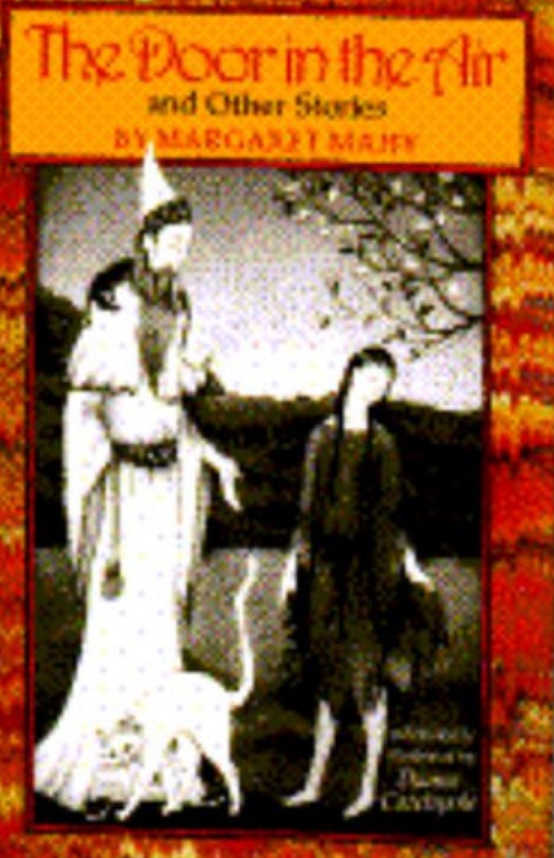
Margaret Mahy wrote hundreds of wonderful books, but for me, her finest writing is to be found in two short stories from her only young teenage collection, The Door in the Air and other stories.

Both ‘The Magician in the Tower’ and ‘The Bridge Builder’ are profound meditations on the nature of transformation and death, but lightly and compassionately told in breathtakingly beautiful language. I read and re-read them during a time of great family grief, and nearly thirty years on am still overawed by their power to provide comfort and wisdom. Aroha nui, Margaret.


9780812989632.jpg


Whiti Hereaka

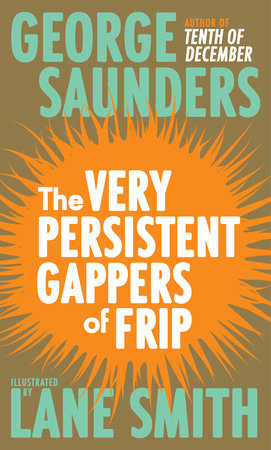
A book that’s given me comfort recently is The Very Persistent Gappers of Frip by George Saunders, illustrated by Lane Smith. It is a beautiful fable about a village, Frip, plagued by goat loving creatures called gappers. A little girl named Capable brings her community together with kindness (even though her neighbours have been less than kind to her in the past.) It’s a lovely little tale about the dangers of being selfish.


Screen Shot 2020-04-10 at 8.52.49 AM.png


David Hill

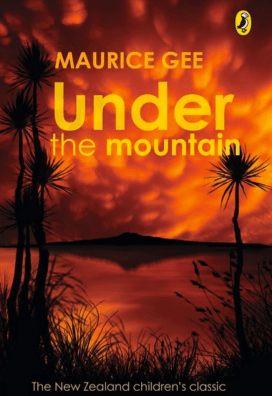
I’ve always enjoyed and hugely admired Maurice Gee’s Under the Mountain. The story of identical twins who become aware of a strange, evil breed of creatures called The Wilberforces living furtively in Auckland, and how with the aid of an old guy with strange powers, the twins are hurled into a series of astonishing adventures, which leads to Auckland’s volcanoes dramatically erupting, is a totally engrossing story – plus the twins are so convincing. It made a pretty good TV series, as well.


The-Jillion-600x600.jpg


Melanie Koster

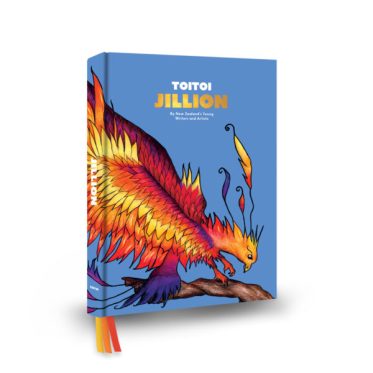
The book I have chosen is Jillion (by Toitoi). The stunning illustrations draw you in, and there is such a variety of stories and poems. If I feel like a quick read, there’s plenty of tiny poems and flash fiction. Or if I feel like getting stuck into something chunkier, there are longer stories and articles. There is writing that makes you think, wonder and laugh out loud. The talent from these young New Zealanders is awesome and inspiring.


51ynloFd3fL._SX331_BO1,204,203,200_.jpg


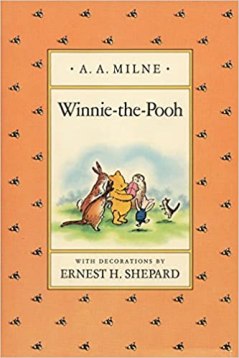
Janice Marriot

This book (s) always delights me; all the varied characters, the acceptance of difference, acceptance of the bizarre wonder of the world.
“What day is it?” asked Winnie the Pooh.
“It’s today,” squeaked Piglet.
“My favourite day,” said Pooh.


206436670.jpeg


Eileen Merriman

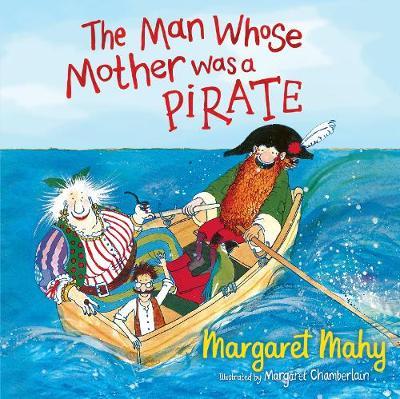
I love The Man Whose Mother Was A Pirate (Margaret Mahy). The beautiful artwork paired with the exciting, humorous storyline and poetic prose is delightful.


All The Ways To Be Smart cover.jpg


Amber Moffat

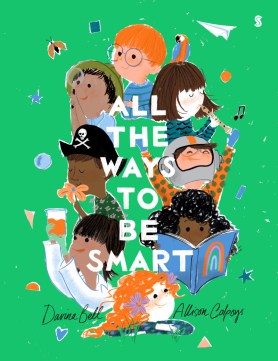
The book I have chosen is All The Ways To Be Smart by Davina Bell and illustrated by Allison Colpoys.

It is a great book to dive into as we all are finding new ways to be creative and keep learning while at home. It explores all the different ways you can be smart, like being, “Smart at rhyme and telling time, and building cubbies, making slime.” The illustrations are energetic, with lots of popping colour and flourishing lines – it’s a beauty!


Screen Shot 2020-04-10 at 10.00.37 AM.png


Bill Nagelkerke

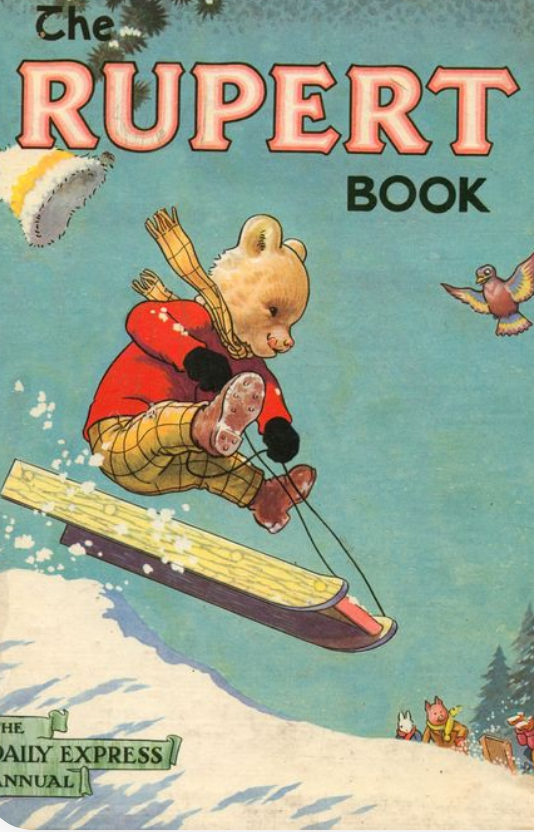
I loved, and still love, the stories about Rupert Bear, which were collected into Annuals. Rupert and his mates went on wondrous adventures and visited amazing places. They got into some tight spots at times, but they always came home safely.


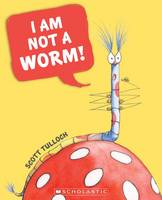
cv_i_am_not_a_worm.jpg


Belinda O’Keefe

I am Not a Worm! By Scott Tulloch

I absolutely love this book by the very talented author/illustrator Scott Tulloch. The conversation between caterpillar and chameleon is hilarious, as caterpillar tries to convince chameleon he is not a worm. The expressions on the caterpillar’s face as his temper explodes is priceless – you can almost hear him shouting out of the book! With stunning illustrations, witty dialogue and a surprise ending, this book has me and my son in fits of laughter every time we read it. Enjoy!


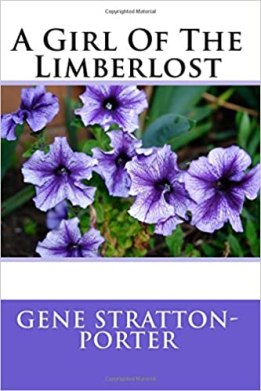
51ttHbGi1KL._SX331_BO1,204,203,200_.jpg


Lorraine Orman

My go-to book for solace reading is very old. It’s Girl of the Limberlost by Gene Stratton-Porter (1909). When I was young, in the 1950s, my life wasn’t happy at all. I found comfort in reading this story about a girl who endured a poverty-stricken life with her cold-hearted mother – but came out on top because of her own efforts and the help of others. It’s available free at several internet sources, including here.


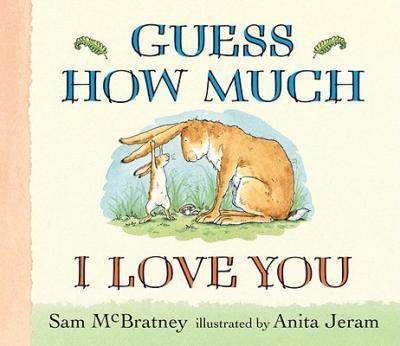
9780763642648.jpg


Clare Scott 

(note from Paula: PRH has postponed arrival of Clare’s fabulous The Midnight Adventures of Kiwi and Ruru)

Guess How Much I love You (Sam McBratney) says beautifully and simply that there is nothing bigger than the love I feel for my special people – and that there really is no way of properly describing that immense feeling. It just simply ‘is’…
(And never is that more important than now!)


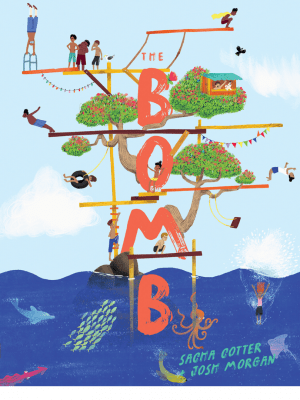
The-Bomb-website.png


Melinda Szymanik

I’ve picked Sacha Cotter and Josh Morgan’s The Bomb (Huia, 2018). I remember my joyous reaction on reading this book for the first time not long after it came out. How quintessentially New Zealand it was, what energy there was in the story, and yet what patience too with the familiar childhood dilemmas of insecurity and fear over doing something for the first time, and how beautifully it was all resolved. Pictures and text working so seamlessly together. Such a feel good book.

And just before lockdown I was lamenting the fact that I didn’t own my own copy. I wanted to read it again, and share it with others. But inertia reared its head and I put off buying it. How lovely it would be in such strange times to be reminded of these simple New Zealand pleasures like doing a bomb, of summer fun, and where our biggest problem is finding the courage to dive in. Of course the silver lining now is that it is a purchase I can make to help my beloved local bookshop when the lockdown is lifted. And I feel like that reflects the spirit of the book.


51tAvrPhpNL._SY368_BO1,204,203,200_.jpg


Vasanti Unka

I’m more likely to read a children’s book for inspiration than comfort or solace but to comfort a child I’d go straight to A A Milne’s Winnie-the-Pooh. Such a predictable choice – I hear you sigh. I know, we’ve all seen too many ‘Pooh and Piglet’ memes.Yet I will be a fan forever – that bear is as silly as me.

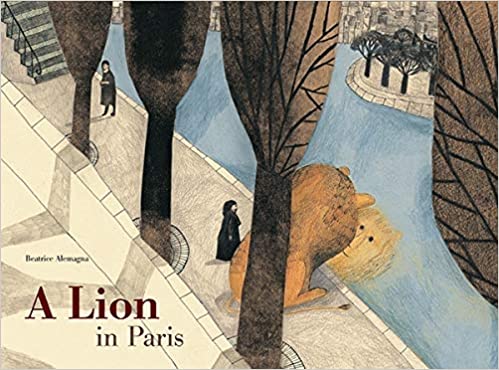
Maybe as an alternative – something more contemporary – I’ll tell you about a picture book that’s sitting on the floor near my desk, A Lion in Paris, by Beatrice Alemagna. I’ve been raving about it to my illustration students in the Zoom classroom. I wanted to show my students the book because it’s been rendered so sensitively in a mix of pencil, paint and collage. It exudes warmth and empathy. The skewed perspectives are apt.

The book is about a lion who is bored of living in the grasslands so he goes to Paris. As the Lion wanders the city, he wonders if people will be terrified of him but nobody even sees him. The lion, wanting to be noticed, becomes despondent. He looks in the river. The river is smiling up at him – its really his own reflection. Everything changes for the lion. At the Louvre a girl looks at him endearingly – its actually the Mona Lisa. The dreary city is transformed, ‘…smiling at him with all its windows.”

The text and illustrations poignantly capture the feeling of aloneness, the strangeness of new surroundings and then of finding one’s place and one’s self in the midst of this. There is a perfect big, happy ‘ROAR near the end.


charlotte 11802920.jpg

Philippa Werry

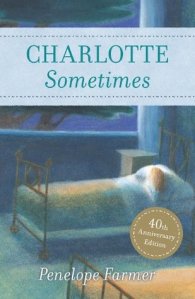
Charlotte Sometimes by Penelope Farmer

Charlotte Sometimes is a book I loved in childhood. I haven’t met many people who have read it but everyone should. As well as having an enticing title, it combined some of my favourite genres – time travel, family and boarding school stories – underpinned by themes of identity, war, death and loss. The first time I read it, some of those themes went right over my head. I didn’t get all the World War One references and I didn’t know about the Armistice or the 1918 flu epidemic. But I did know that I loved the story of Charlotte and Clare, their school life, and their desperate efforts to get back to their own time and their own families. Now I read it with a poignant sense of what time takes away from us in its passing, but I’m comforted also by a sense that there is a pattern to our lives and that we find ways to get through the hard times.


keep well

kia kaha

keep imagining