Category Archives: NZ poetry

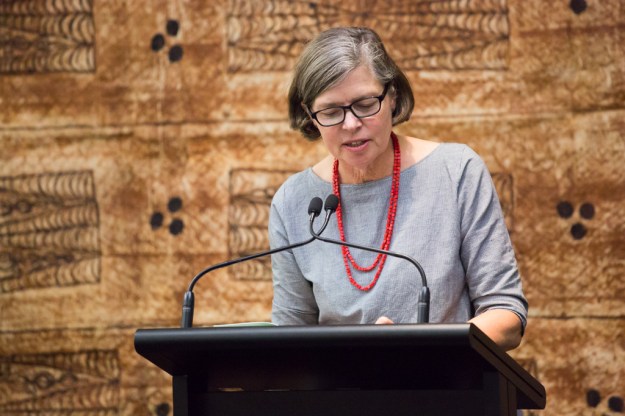
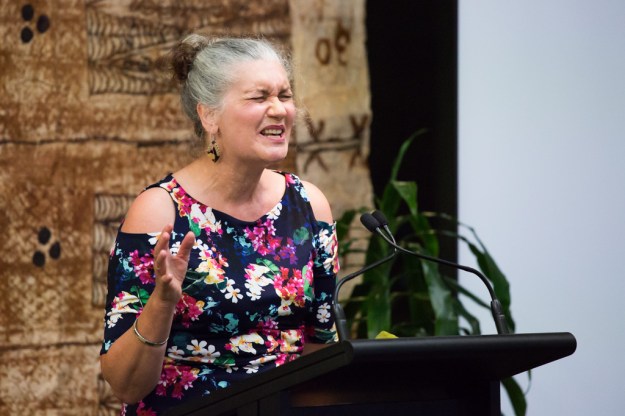
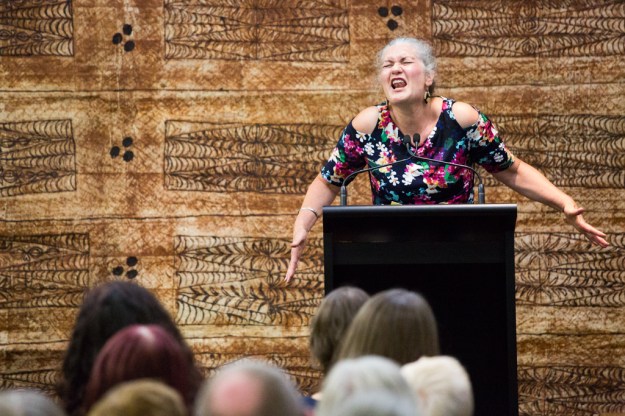
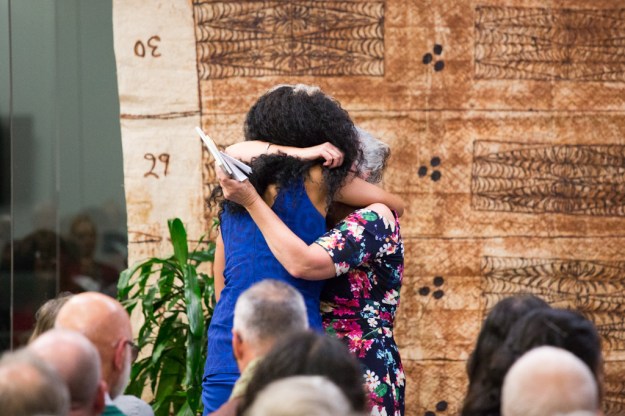
Monday Poem: Maraea Rakuraku’s ‘When does it start?’


When does it start?


It’s not waving a flag, holding a banner, knowing what postcolonial theory

means and when to use it, memorising quotes and lining them up like

soldiers that are sent out in waves of attacks,


It’s not being polite, remaining open, listening fairly, vigilantly assessing

your motivation, re-writing your carefully worded response, marvelling

how the person who has cornered you on-line, at a party, work do or

rugby game is not hearing how every word they are saying is offensive and

they may as well be slicing through your heart, with the intent-sity of a

scythe clearing long grass,


It isn’t realising dressing up racist rhetoric in flash language is still just

racist rhetoric in flash language and sniffing that out in the first, I’m not

racist … but,


It isn’t recognising white privilege and entitlement, functioning under white

privilege and entitlement, loving under white privilege and entitlement,


It doesn’t start with the huge fucking disappointment when a brown

brotha is worse than the worst redneck you’ve encountered in your life,


It doesn’t start by standing up for your iwi, people, culture, colleague,

son, daughter, lover, missus, Koro, Nan, cuzzie, animals, Papatūānuku, or

even yourself,

Mō āhea tīmata ai? ka tīmata āwhea?


Ehara i te whakakakapa i te haki, i te pupuri ki te kara, i te mōhio ki

te ariā pōhi koroniara me te wā e tika ana kia whakamahia, i te tuhi i

ngā whakataukī ki te rae ka whakarārangi ai anō nei he hōia e tukuna

putupututia ana ki te whawhai,


Ehara i te mānawanawa, i te noho areare, i te tōkeke o te whakarongo,

i te mātai i ākinga ōu, i te whatatika i tō whakahoki kua āta tuhia, i te

whakamīharo ki te tangata nāna koe i whakaiti i te ipurangi, i te pāti, i

te kaupapa ā-mahi, i te kēmu whutupōro rānei me tana kore i rongo ki te

hākiki o ia kupu āna, me e haehae ana i te ngākau, he rite tōna kaha ki te

kotinga o te haira e whakawātea ana i te pātītī roa,


Ehara i te kitenga o te kōrero kaikiri kua whakareia ki te kupu whakaniko,

me te mōhio tonu iho he kōrero kaikiri tonu kua whakareia ki te kupu

whakaniko, ehara au i te kaikiri … heoi anō,


Ehara i te whakamārama i te huanga me te āheinga kiritea, e mahi ana i

raro i te huanga me te āheinga kiritea, e aroha ana i raro i te huanga me te

āheinga kiritea,


Kāore e tīmata i te mutunga kē mai o te matekiri i te mea he kino noa ake

te tūngāne kiriparauri i te kakī whero tino kino rawa atu kua tūpono i

roto i ō rā,


Kāore e tīmata i tō tū tautoko i tō iwi, i ō tāngata, i tō ahurea, i tō

kaimahi, i tō tama, i tō kōtiro, i tō whaiāipo, i tō wahine, i tō koro, i tō

kuia, i tō whanaunga, i ō mōkai, i a Papatūānuku, i a koe anō hoki,

It starts,

with that first step from the margins into the glare of light

and

opening

your

mouth,

that started

when the idea of you was born and took seed

that started

when the idea of you was born and took seed

that started

when the idea of you was born

that started

with the idea of you.

Ka tīmata,

i te tapuwae tuatahi i te paenga ki te kōnakonako o te tūrama

me te

hāmama

o tōu

waha,

i tīmata tērā

i te tinakutanga me te tupu o te whakaaro ki a koe

i tīmata

i te tinakutanga me te tupu o te whakaaro ki a koe

i tīmata

i te tinakutanga o te whakaaro ki a koe

i tīmata

i te whakaaro ki a koe.


©Maraea Rakuraku  Translated by Jamie Cowell, Tātai Whetū: Seven Māori Poets in Translation, Seraph Press, 2018.


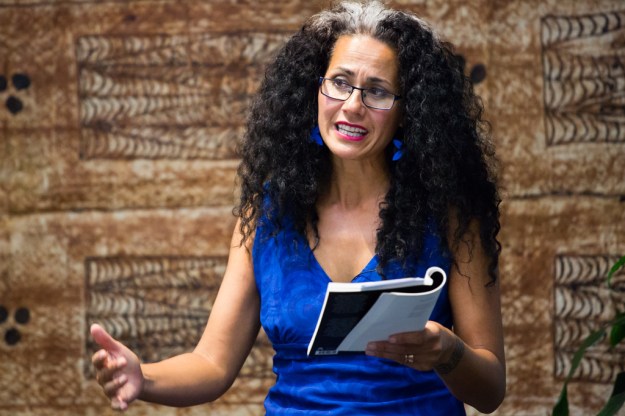
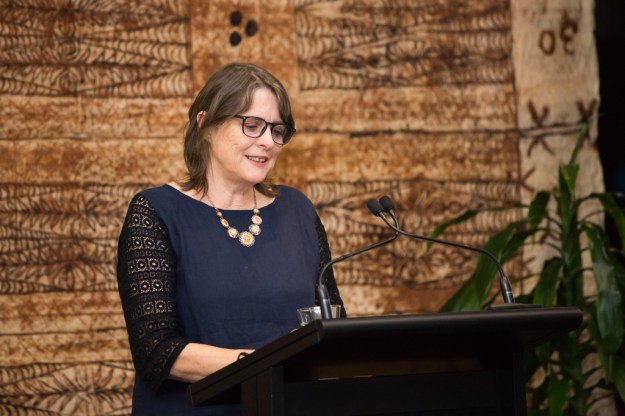
Maraea Rakuraku is an award-winning playwright, poet, short story writer, critic, reviewer and broadcaster who lives in Wellington and the Bay of Plenty. She creates work that investigates, examines, calls out and celebrates Te Ao Māori and our navigation of 21st century Aotearoa New Zealand.

Her thoughtful, fierce intellectualism, and grounding in her Tūhoe and Ngāti Kahungunu identity, is matched only by her heart and commitment to giving voice.

With Vana  Manasiadis, Maraea is the co-editor of and contributor to Tātai Whetū: Seven Māori Poets in Translation, which has just been published by Seraph Press.

In 2018 she started a PhD in Creative Writing at the International Institute of Modern Letters, Wellington.

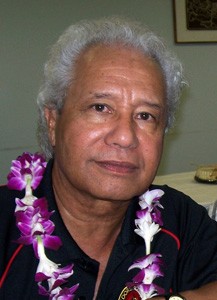
Albert Wendt is reading at The Thirsty Dog


1396039023448-1.jpg


Talofa, Everyone,

I’m giving a poetry reading at the THIRSTY DOG TAVERN, 469 Karangahape Road, Auckland, on Tuesday 3 April, starting at 8 pm. Musicians will also be performing.

COME AND ENJOY THE EVENING WITH US. Ia manuia le aso.

Al Wendt

Poet Laureate Selina Tusitala Marsh on TVNZ’s Sunday


    • Sunday 18 Mar

    She’s a runner, a writer, a fighter, a scholar, a mother and a teacher. She’s also New Zealand’s Poet Laureate. Dr Selina Tusitala Marsh is a dynamic academic who wants to bust open people’s ideas of poetry and where it belongs because – she says – poetry belongs everywhere.


  • watch here


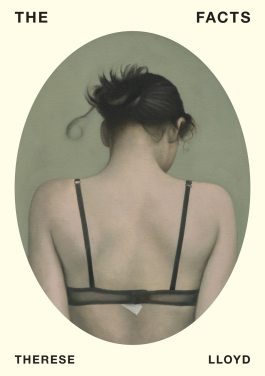
Poetry Shelf review: Therese Lloyd’s The Facts

The_Facts_low_res__11927.1513281444.jpg


Therese Lloyd  The Facts Victoria University Press 2018


For three months I tried

to make sense of something.

I applied various methods:

logic, illogic, meditation, physical exertion,

starvation, gluttony. Other things too

that are not necessarily the opposite of one another,

writing and reading for example.

But the absurdity of the thing

made all attempt at fact-finding evaporate;

a sort of invisible ink streamed from my pen

the more data I wrote down: facts are things driven,

as Anne Carson says, into a darkening landscape where other people

converse logically.

from ‘The Facts’


Therese Lloyd’s new collection resides in a captivating interplay of chords. You could say that any poetry book delivers chords whether aural, visual or thematic, and in the light of ideas and feelings. This book does it to a stunning degree. Once you start hunting for them – whether in harmony or not, between poems or within a single example – the rewards are myriad.

Hera Lindsay Bird endorses the book on the back cover: ‘The Facts is mesmerisingly beautiful, and shocking in its intensity. This is already one of my favourite New Zealand books. It won’t make you feel better.’

I didn’t read the back until I had read the poems as I like to start a book with a clean reading slate (if that is possible).  I am thinking of the way reading this book sets up an arc between comfort and discomfort; we are the interlopers into what Therese chooses to let us see.

We enter a collection in debt to a doctoral thesis (IIML), and I am curious about the ideas picked up in the academic component.

This might be the first cluster of chords: shifts between ideas and feelings provoked by the writings of poet Anne Carson and the experience of a broken marriage and a toxic love affair.  This might be an impetus to navigate relations with art, in itself forging a chord with Anne.

I am absorbing the chords as though they flicker between light and dark – and the poem resembles a cinematic space with the external world, and its pressing demands, blacked out so it is just you and the poem. This what flicks for me:

love notlove

truth lies

Carson LLoyd

facts notfacts

pain joy

mother daughter

daughter husband

daughter lover

presence absence

beginning end

end beginning

beauty beauty

deep breath shallow breath

here there

intimacy distance

heart mind

sweet sour

slow stalling

debris order

miracle incidental

share notshare

exposure kept hidden

where you live where you don’t live

mixed clarity

see see

poet poem

poem story


At the core of the book the title poem, the standout-lift-you-off-your-feet poem, achieves the blinding intensity that Hera speaks of: raw, surprising, probing, accumulative, fearless, cutting, detail rich, lucid, testing. On either side the poems offer more subtle chords. Yet any element in my list for ‘The Facts’ might drive a poem. I particularly love the surprising turns of ‘Mr Anne Carson’.

Therese’s collection takes you deep into personal experience that gets hooked up in the poetry of another, in matted ideas and the need to write as a form of survival. It makes you feel as much as it makes you think. It is a riveting read.


I moved all the holiday reading

to the spare room

to keep the literature and the art books

pure

I say squarely in the middle

of the fluffed-up sunroom sofa, I am

careful

not to disturb the cushions

cushion—a curious word

its function of support

is ancillary to its attractiveness

and that’s why cushions have covers

in colourful fabric—I become

an ornament

another word I like

because everything here is decoration

everything here is placed

The story of the things here is not new


from ‘Mr Anne Carson’


Victoria University Press page


Poetry at AWF 2018

-1.jpeg


Lola Ridge and others: Terese Svoboda Terese has put Lola back in the spotlight (amongst many other writing projects including poetry of her own). This is must hear for me.  

Standing Upright Here  Elizabeth Caffin and John Newton celebrate Allen Curnow’s biography and Collected Poems with Patrick Evans.

Tightrope: Selina Tusitala Marsh Selina is in conversation with Adam Dudding

Homage to the River   Airini Beautrais

Afterglow: Eileen Myles   in conversation with Ian Wedde

Portrait of an Artist Mongrel: Rowley Habib

Considering the Women: Choman Hardi  in conversation with me (excited!)

Sad Girls: Lang Leav   with Courtney Sina Meredith

The Art of the Poem: Airini Beautrais, James Brown, Choman Hardi with Terese Svoboda

NZ Poets in mixed sessions: Tusiata Avia, Janet Charman, Anna Livesey, Elizabeth Smither, Briar Wood

NZ poets in the O’Connell street literary mayhem: Morgan Bach, Airini Beautrais, Anne Kennedy, Karlo Mila, Vivienne Plumb, Jessie Puru, Briar Wood and others

Best Best Showcase of spoken word poets John Carr, Jessie Fenton, Daren Komali, Vanessa Crofskey and Alex Wheatle (UK), Renee Taylor (US) and mc Te Karere Scarborough

Sarah Broom Poetry Award with judge Eileen Myles and me as mc (3 shortlisted poets)


Some international poets I am really keen to hear and a scattering of local poets chiefly drawn from the Ockham NZ Book Award poetry longlist.


Jacket 2: Vaughan Rapatahana on Hera Lindsay Bird, Simone Kaho and Mere Taito


from Vaughan Rapatahana at Jacket 2:


‘Kia ora. Talofa lava. Malo. Greetings, once more.

I am honoured and humbled to continue to commentate on poetry and poets in Aotearoa New Zealand, which swerve away from so-called ‘traditional’ ways to write a poem and concomitantly, away from traditional topoi.

In this commentary, I will extend from my final commentary post of March 2016, which was entitled ‘Coda 2,’ although that title is obviously a misnomer, as this country just keeps on producing poets of great ability, with serious credentials and a willingness to  s t  r  e  t  c  h  the paramaters of what a poem is, should be.

So, I am privileged to here introduce three further women writers — Hera Lindsay Bird, Simone Kaho and Mere Taito. All have recently had published new collections of poetry: the ‘new’ in this commentary title refers to this aspect — for all three have been writing poetry for some time. For me, they are intelligent, rather intensely tremendous talents.

I think that I will here replicate what I wrote in that ‘Coda 2’ piece, as the sentiments are exactly the same —

All three fit, if you will, the parameters I claimed would establish the future direction of an increasingly multicultural country. None of them could be classified as pākehā middle-class poets and all tend towards the experimental and/or performance and/or indigenous striates of poetry. Significantly and obviously, all three are women. Theirs is the future of poetry in the skinny country of Aotearoa — inevitably, for as I have stressed several times previously — the demographic of Aotearoa is rapidly and rather radically on the move into major diversity.’

Full article here


See my reviews:

Hera Lindsay Bird

Simone Kaho

Mere Taito and a poem


Comfort and discomfort: A fragmented Writers and Readers Week diary

DSCN9437.jpg

All mixed-quality photos without credit by me


Back home after a head-and-mind-rich time at Writers and Readers Week in Wellington. I loved the change of venue to the waterfront cluster: Circa Theatre, the Festival Club tent, Te Wharewaka o Pōneke, the Michael Fowler Centre and Renouf Foyer along with a few outlying places such as The National Library. The diversity of the programme, as it moved across genre and person, was terrific. With four sessions in each slot, like the Auckland Writers Festival, it was impossible to get to everything you ticked. And that is what festivals are about: an explosion of taste and flavour.

At festivals, I love supporting my friends, going to local writers (especially poets),  much loved international writers, but I also like stepping out of my comfort zone and trying things that are completely unfamiliar. You could say that opting for discomfort along with comfort – because you never know what gold nuggets will gleam – is a festival must.

Things didn’t quite run to plan and I came home with a fragmentary notebook and novels unread as you will see.

But warmest congratulations to Mark Cubey and his team, because this was an excellent occasion that had audiences, including me, buzzing with delight. Thanks for the invite!


My fits and starts diary


Thursday

I have my checked-in bag with books for every mood because I am off to Wellington’s Writers and Readers Week to mc and read poems at Call Me Royal and chair Capital Poets, Bill Manhire and Mike Ladd. Having sent off my ms on reading New Zealand women’s poetry, this is my poetry treat. I want to go to every poetry event and read novels in the gaps.

I leave the heat and humidity of Auckland’s West Coast and step out into the wet and cold of Wellington. It is a sweet relief to feel like moving and thinking again.

First up is a bus ride to Rimutaka Prison to participate in a writing workshop with some prisoners thanks to Write Where You Are Collective. On the bus are a mix of organisers, festival people, balloted public and a handful of writers. Waiting for the bus, I am asked to speak at the end – what I thought of the event and about writing poetry – and I am really nervous! I have run countless workshops but have rarely if ever been a participant. I summon Hone Tuwhare’s ‘Rain’ and  Y12-me to find courage. I say that while we are not allowed to take the writing out, I am also not going to share the details of the experience in public. And I am not. However the general mood I carry back into the city is absolute enthusiasm for what has taken place. This is special and I would do it again at the drop of a hat.

Next up my hotel room – the chemical cleaners are so strong it triggers an allergic reaction that just grew worse over the five days. I know not to stay in this hotel again – luckily the hyperactive Wellington wind is able to blast through the window each day. My post-writing treat suddenly becomes a matter of survival and definitely not luxuriating in a hotel room reading novels or writing lucid accounts of the sessions for my blog. (I had to flee several sessions with a coughing fit fighting for breath and attendees were wondering whether to call an ambulance.)

I arrive at the VUP book launch late but love the tail end of Damien Wilkin‘s launch speech celebrating new books by Vincent O’Sullivan, Therese Lloyd and Gigi Fenster).  I am sitting here in a toxic chemical haze and the little readings flick about like little hallucinogenic butterflies. I buy the two books, that I don’t have, to read at home.

The Gala Night, Women Changing the World – is kaleidoscopic in range and impact and I am still on planet hallucinogenic butterfly. Renée gets an almost-standing ovation. Selina Tusitala Marsh shares a poem for Teresia Teaiwa (1968 – 2017) to whom she dedicated Tightrope, her most recent book.  I am reminded how important Oceanic foremothers are for Selina, not just as a poet but as a woman forging her way in the world. This is breath-catching (dangerous in my state!). Along with Selina the highlight for me is hearing Harry Josephine Giles read their body twisting, word slipping, gorgeous glorious evocation of life and living. Check out graphic artist Tara Black‘s take.

I am at Loretta eating snapper pie with freekeh topping and it is comfort food cutting through the toxins. I am wondering if poetry is comfort food as much as it is discomfort food and that we need both and everything in between. At the moment I crave comfort.


Friday

I have coffee with Jane Parkin who is going to edit my book. We have never met before but it is such a pleasure to talk about the pleasures of punctuation. I didn’t tell her I used to read grammar books and dictionaries in bed at night when I was primary school. I am thinking grammar and punctuation is always on the move – I am so excited she is going to go through my writing with a fine-tooth comb spotting all the infelicities. As a poet I often use a punctuation mark as a guide to breathing and pause. How will this change in prose?

Next up Sarah Laing talks with two American comic artists, Sarah Glidden and Mimi Pond. The conversation flows between the personal and the political with revelation and reflection and I buy both books risking an overweight bag. Tara Black is in the front row drawing her fabulous renditions of a session.

This festival puts comic and graphic novelists centre stage, both local and international. I like that. Check out Tara’s review and images.

This is where my good plans go awry and I have to opt out of a few things. Sadly.

I am lying on the bed with the wind gusting in. I feel like I am in the cleaning cupboard.

I make it to Tusiata Avia in conversation with her cousin Victor Rodger (and an excellent chair not named in the programme). This is mesmerising stuff. I instantly connect with their need for some kind of truth. Truth got a bad rap when I was at university because it is mobile, unreliable and hard to pin down. Yet when I hear or read a writer working from the truth of their experience, (however you see that) it just gets me. Check out Tara‘s review and images.

Tusiata talks about her epileptic history, perhaps for the first time in public, and how she might have an aura on stage. She reads her epileptic poem and it feels tough and vulnerable and full of music that replays a fractured inner state. I want more poems but I am loving the talk. She reads a poem that responds to an ongoing painful knotty experience of Unity Books wanting to check her bags fifteen years ago, on two occasions, because they suspected her of shoplifting. She has mashed up an email from them to show her point of view, to show how racism is embedded in the unconscious way we speak and communicate. She puts pronouns on alert. My heart is breaking because I don’t know how to fix this rift knot. I love Tusiata. I have family connections that link me and Tilly back to my daughter’s parents. I love Marion, bookseller extraordinaire. I don’t know what to do to help.

I have to stand on stage and mc tonight and celebrate poetry and I can’t breathe.

My first book, Cookhouse has a poem, ‘Listing the breathless women’, that I wrote in hospital when I couldn’t breathe.

who will live in this place of white sheets

when the stories built to terrifying pitches?

I have missed The Lauris Edmond Memorial Award. I have missed the Bloody Difficult Women and I loved Kirsten McDougall‘s Tess so much.

I put on a blue dress and a Parisienne necklace Sue gave me, and Tusiata’s pounamu bracelet. I told a prisoner that when I get nervous, I picture something in my head that I love, or wear something someone has given me (usually a gift from Michael). Then I am fortified to go on. When you lose your breath you lose your voice and I am wondering if I will be a ghost on stage even with the necklace and the bracelet.
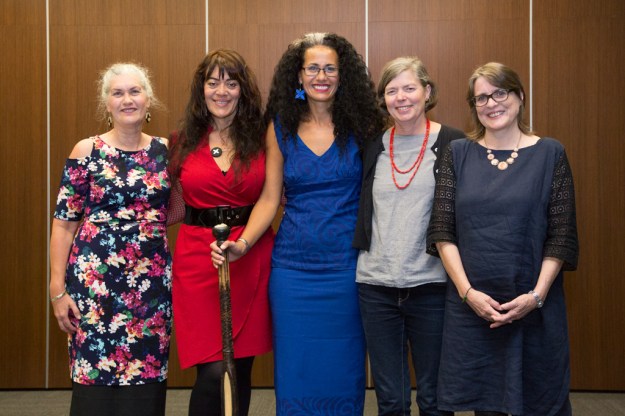
20180309_NL_PP_Call_Me_Royal_016_02.jpg

Photograph credit: Mark Beatty, photographer, The National Library

To be in the Alexander Turnbull Library, at Call Me Royal, with a fine showing of the librarians who helped me find my way through the archives is restoring; to catch sight of dear Elizabeth Jones for a second is restoring. And Peter Ireland the Laureate guardian, ever helpful, ever supportive of poetry. I lay my stones for Selina Tusitala Marsh as a gift for her mana, and then let her do the talking and the poems. We write and speak from an embrace of women. The ‘Unity’ poem for the Queen, the way it came into elusive being, always captivates. Again the pronoun strikes: the ‘i’ and the ‘u’ in ‘unity’ is genius.

I am wondering what the audience makes of us. The way we hug and perform because this is a poetry whanau. We have many connections and we are all driven to write and stand on stage and open up poetry for the ear, heart and mind. The space between is alive with what we think and feel. Check out my photo gallery and intros here.
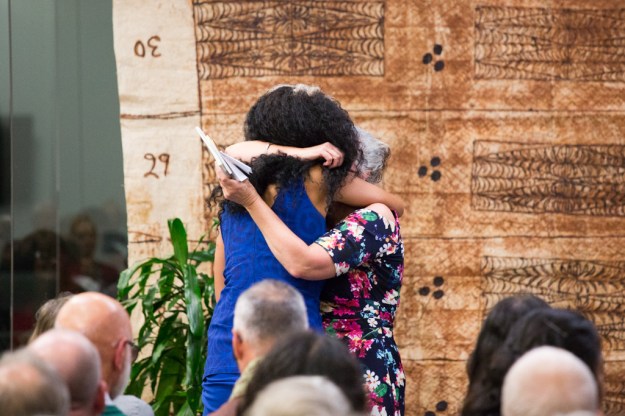
20180309_NL_PP_Call_Me_Royal_054.jpg

Photograph credit: Mark Beatty, photographer, The National Library


I am back at Loretta having another snapper pie and talking about poetry with Helen. All I need is comfort food in this state of discomfort. Maybe that includes poetry.


Saturday

I am eating poached eggs with Bill and Marion and the conversation sets me up for the day like a good slow release protein. I miss Charlie Jane Anders and Samin Nosrat. I miss fun and games with Harry Josephine Giles. I miss the amazing Charlotte Wood because I am about to go on stage with Mike Ladd and Bill Manhire, the Capital Poets. First I need to lie down with the window wide open.
 

IMG_4543.JPG

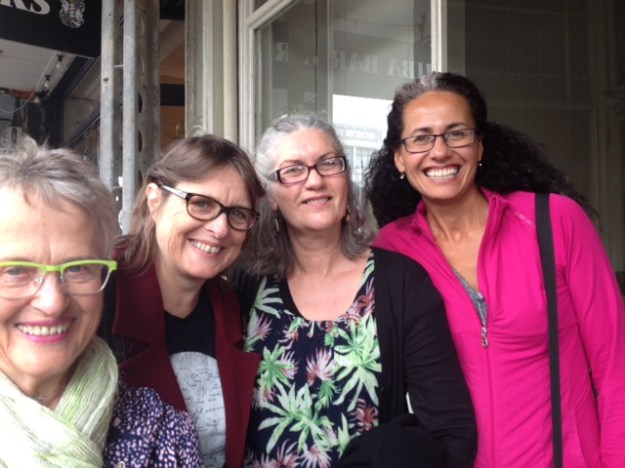
I have an early lunch with Selina and Serie, and we bump into Rachel McAlpine, whose poetry I write about in my book. Four poets, by chance, in Cuba Street,


When I agreed to chair the Capital Poets session a month ago, I thought these poets were chalk and cheese, and I wasn’t quite sure how Bill was a capital poet bar the fact he was a good one, and he lived in Wellington. But as I ran on the beach each morning, I began to find connections. I decided they both write with an economy that is paradoxically rich and they both write from attention to humanity, not necessarily blazing on the line, but as a vital core. MIke’s poetry often takes me to a sharply rendered scene that is so bright (or dark) I get goosebumps.  Bill can transport a reader into a more mysterious interplay of dark and light, full of glorious movement, offbeat or sideways, so you find and lose and find your bearings. Another kind of goosebump. Goosebumps are an excellent, but not the only poetry barometer.

Being a chair, in a space that feels like a lounge, means it is like you get to talk poetry at home with quite a lot of strangers listening. I find it fun. You set up a conversational field and go exploring. I cheekily got Bill to pitch Wellington to a stranger in 60 seconds which he did with good grace. I really liked the idea of a city where you constantly bump into things around corners. But as always it is the poetry readings that get me – and I can now play Mike’s poems in my head in his voice and that makes a difference. I can hear his fascination with sound and the way politics always find a way in. Bill read a brand new short poem with Colin Meads and some good rural vocabulary before turning a corner and letting us laugh-bump into the ending.

I spent two and half years writing my book, and when I sent it off a few weeks ago, I felt there was so much more I could explore and write. Same with a festival session; the time goes by in a whizz and we barely scratch the surface of conversation.


Paula Morris gets to talk to Teju Cole and it feels like balm and challenge as we see his photographs and hear the story behind them. I could have listened for hours. I reviewed his tremendously good essays for The NZ Herald ages ago – so it was a treat to listen to that mind roving. Paula is just the right mix of adding comments and getting the speaker talking.

Next up Blazing Stars: Hera Lindsay Bird and Patricia Lockwood with Charlotte Graham. I miss most of this session. I sit down in the front row with a bunch of writers but have a coughing fit to the point I can’t breathe and have to walk out. Embarrassing! The festival people are so kind bringing me things. I sat on a chair outside and then at the back. I am back with the hallucinogenic butterflies. Charlotte is wearing a butterfly dress and Hera and Patricia seem to be in some kind of butterfly bitch challenge. Hera reads a poem with psychedelic metaphors. I desperately need a stunt stand-in to pay attention and write things down for me.

I eat roasted fish and fig pie at Floridita before going to bed. I am thinking about my new poetry collection and how I need to blast it to smithereens. Then I might see what to do with it. This happens at festivals. It gets you thinking about your own work and all its failings and possibilities.

I miss Outer Space Saloon. I really want to go.


Sunday

Fruit at Loretta and a coffee to pull the bits of me together. If I wasn’t making this my Poetry Day, I would be off to hear the fabulous Ursula Dubosarsky.
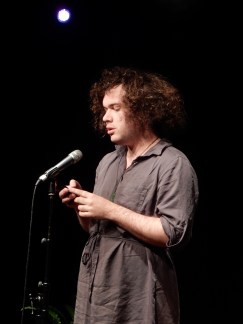
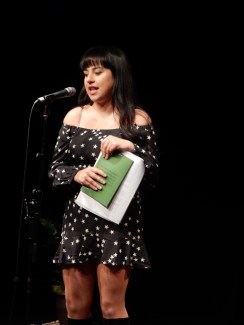
 

DSCN9407.jpg  DSCN9425.jpg

Essa and Tayi

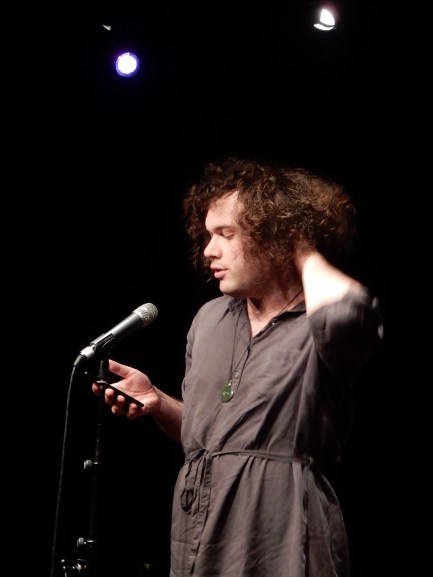
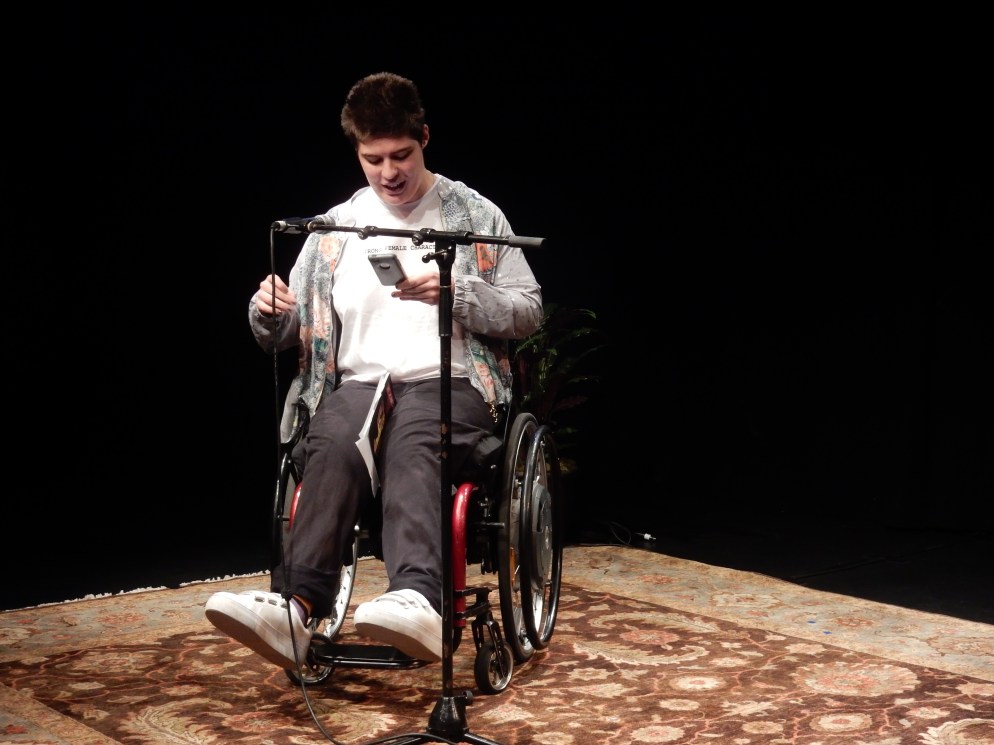
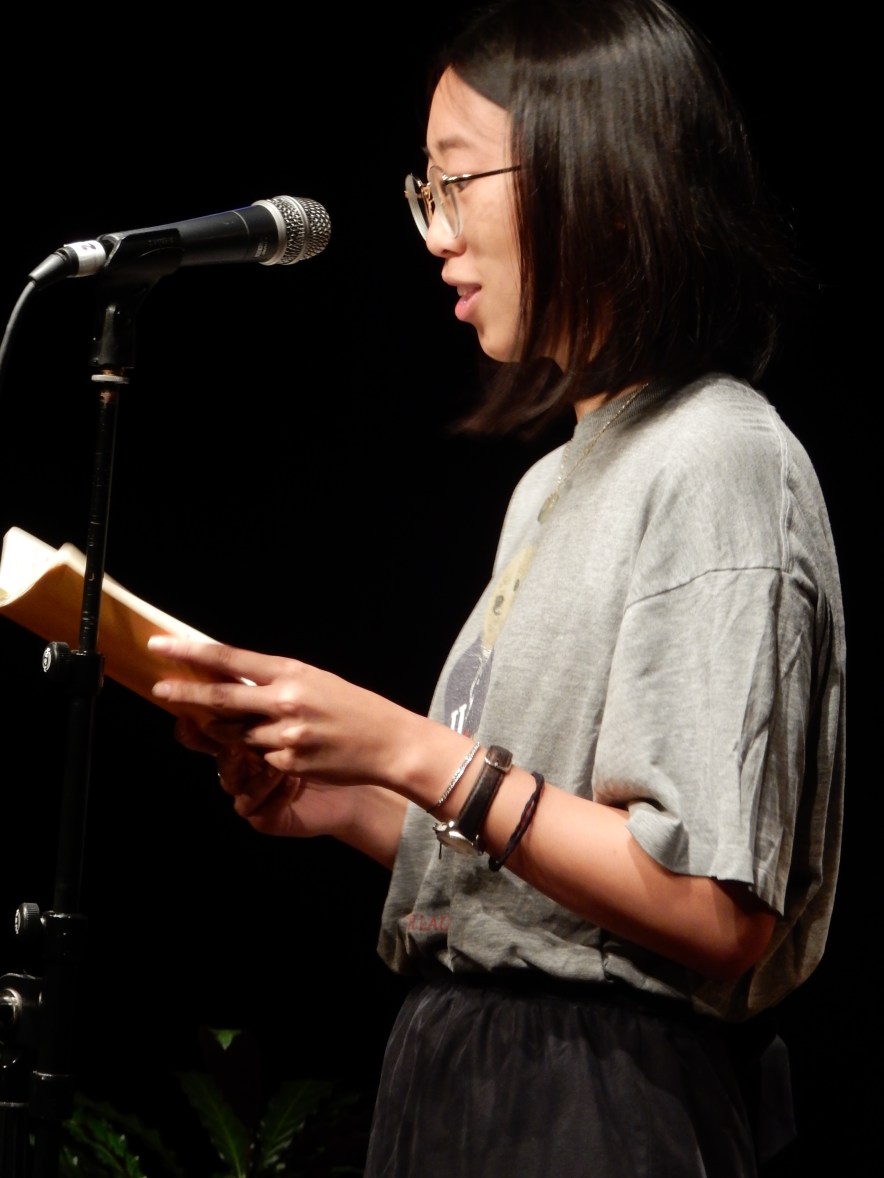
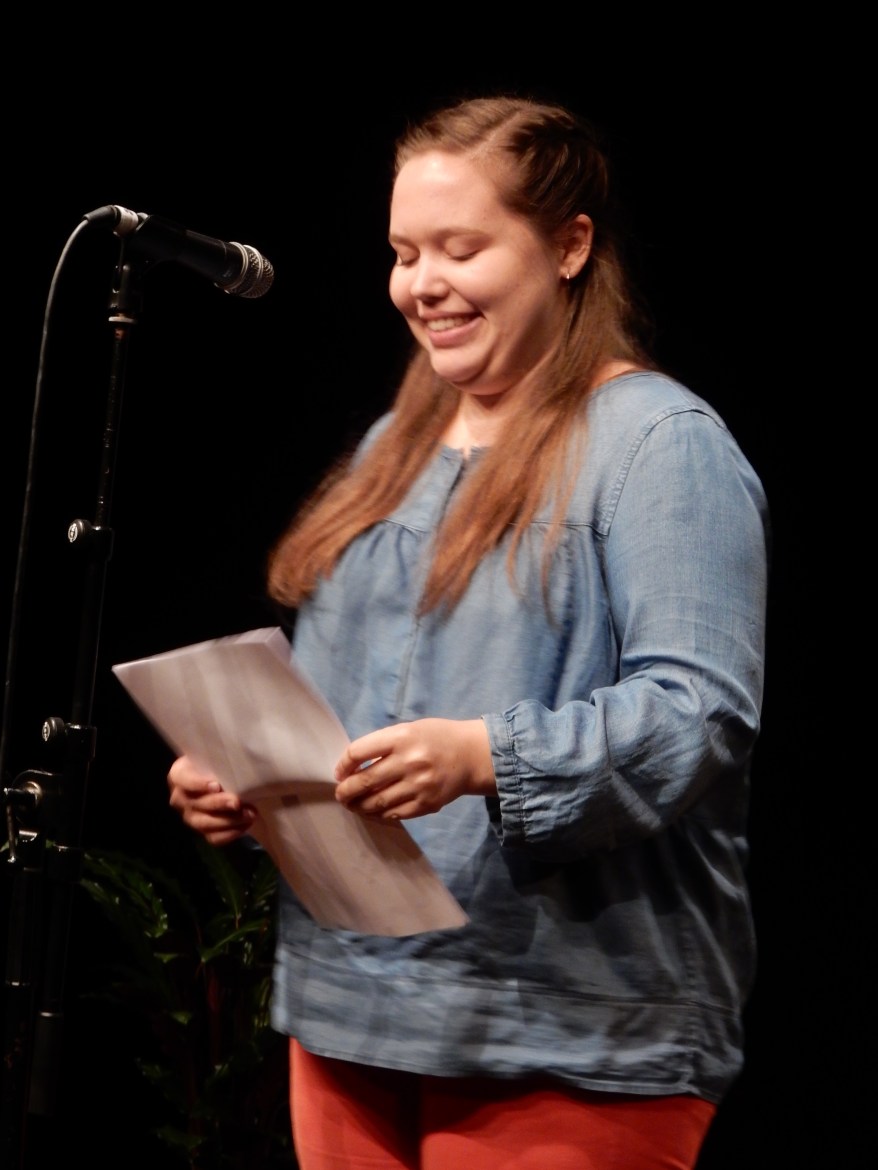
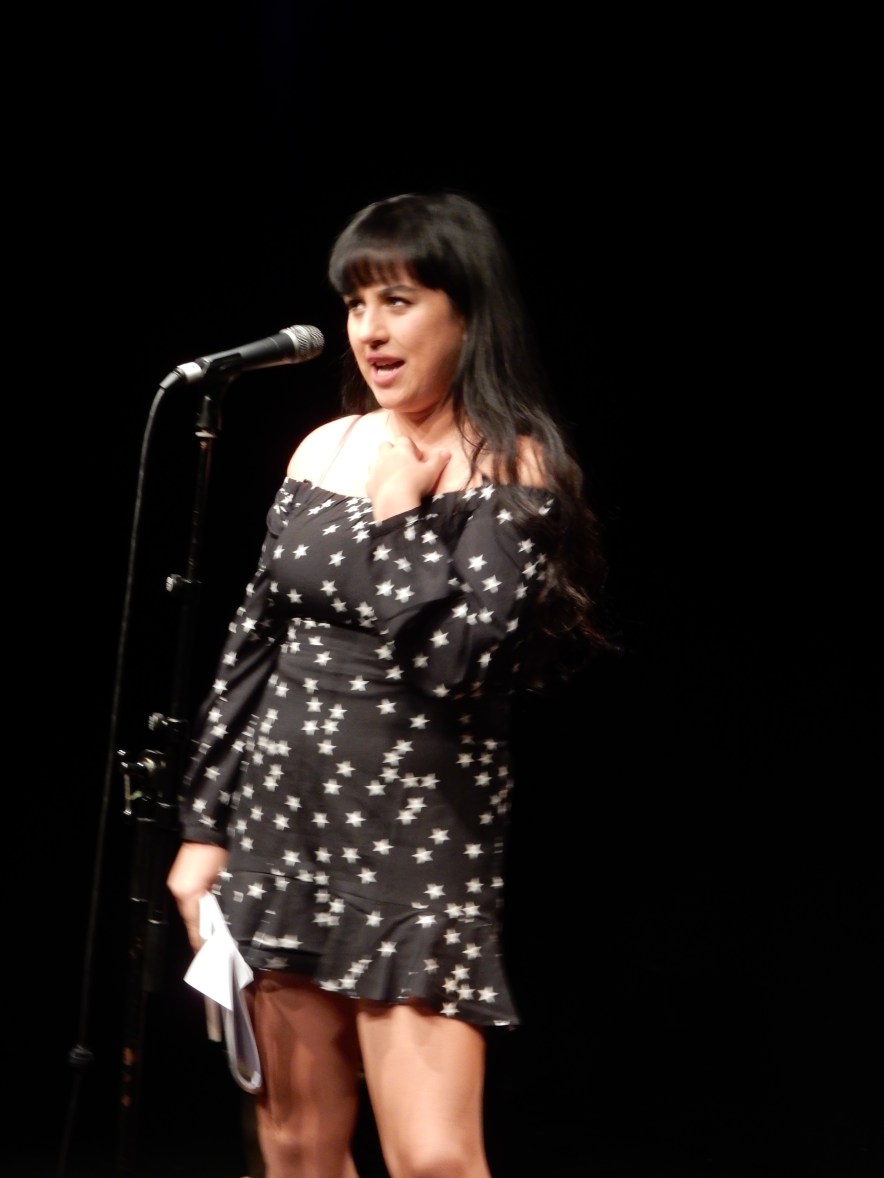
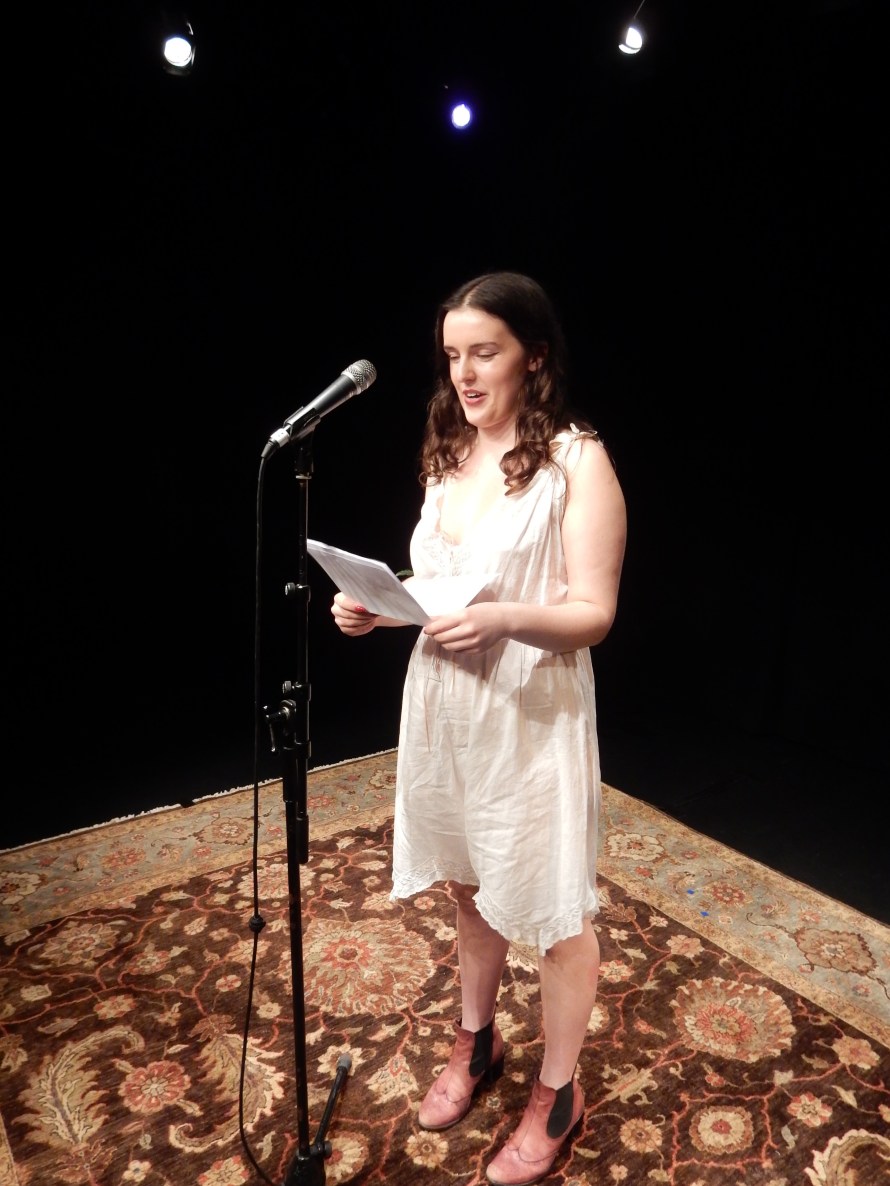
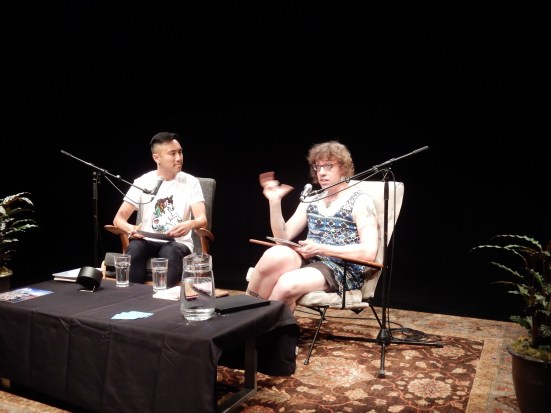
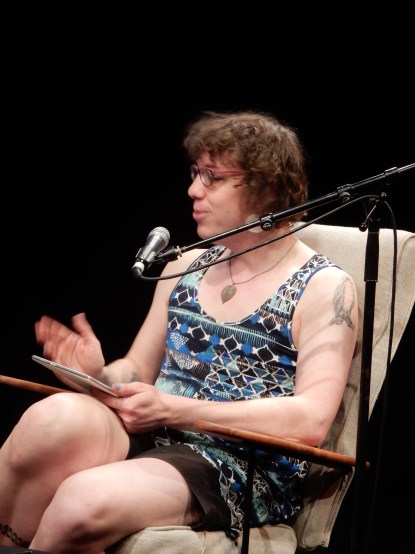
First up The Starlings – a festival highlight for me. Chris Tse is also in the audience supporting these young writers. The session features 9 writers aged under 25 who have been published in Starling (now up to 5 Issues). The journal is edited by Francis Cooke and Louise Wallace. They mc the session with Sharon Lam, Rebecca Hawkes, Claudia Jardine, Tayi Tibble, Emma Shi, Joy Holley, Henrietta Bollinger, Sophie van Waardenberg and Essa Ranapiri. The poetry resists homogenisation as it travels across distinctive and diverse moods and revelations, challenges and connections. I love it – and will be posting poems from this across the next month or so when I reignite Poetry Shelf next week. See my photo gallery here.
 

DSCN9438.jpg

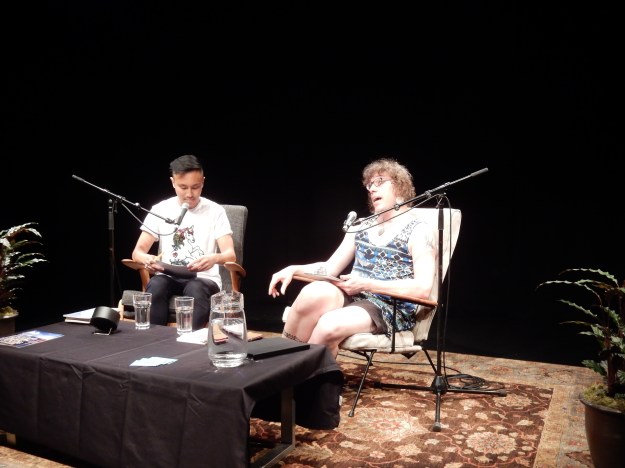
Apologies to David Larsen because I don’t know how to mute my camera – just took photos at start and end.

Second up, my other festival highlight: Harry Josephine Giles in conversation with Chris Tse. The poetry  –  with its meshing up of Scots and English, its filthy patches and rollercoaster rhythms, its musical effervescence and its little heart taps  – is astonishing! No other word for it. Great chair, fluid talk, happy audience. I go out and buy all their books so I can do a feature on the blog if I dare. This session was like a dose of breathing medication and was the only time I wrote screeds in my journal.

One sample: ‘When your body is at odds with what is normal – not that anyone is normal – I can play with this. I can muck around with it.’

I like the idea of mucking around much better than blasting to smithereens. At breakfast when I asked Bill if he was writing he said he was mucking around. I thought of Tom and the Hired Sportsmen who were expert at mucking around before they ate greasy bloaters. Poets like mucking about.

One other thing. Harry Josephine was at pretty much every NZ poetry event I went to. I loved that. There was a handful of Wellington poets at the Laureate event – but mostly it was poetry readers not poetry writers. I wondered why this was. Harry Josephine was there talking to the locals.
 

DSCN9439.jpg

DSCN9441.jpg

DSCN9443.jpg


Next up Patricia Lockwood is talking with Kim Hill and I get another coughing fit – the breathing medication has worn off so I have to walk out several times. It is like they are talking on another planet and I can’t make head nor tail of anything. I decide you need oxygen to listen.

I am sitting outside in the wind sun wondering what makes writing matter. What makes a poem matter when this one over here doesn’t. I can’t think of a single thing. It seems to depend upon the individual. Some kind of mysterious alchemy. I told the prisoners music is always the first port of call for me. Actually I told Bill that on stage when he said music mattered. The first hit from a Manhire poem is music.
 

DSCN9449.jpg

Marae and Vana

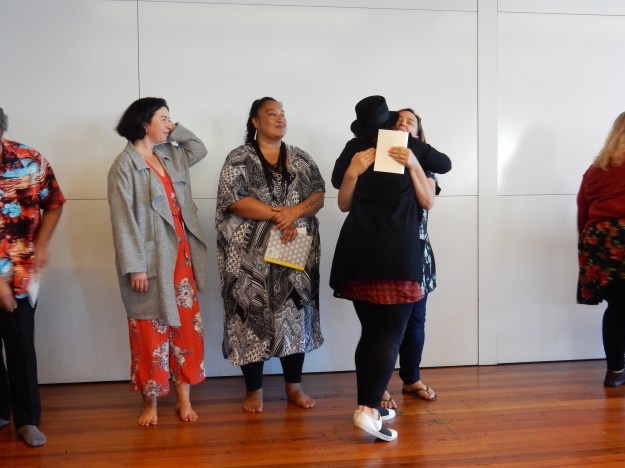
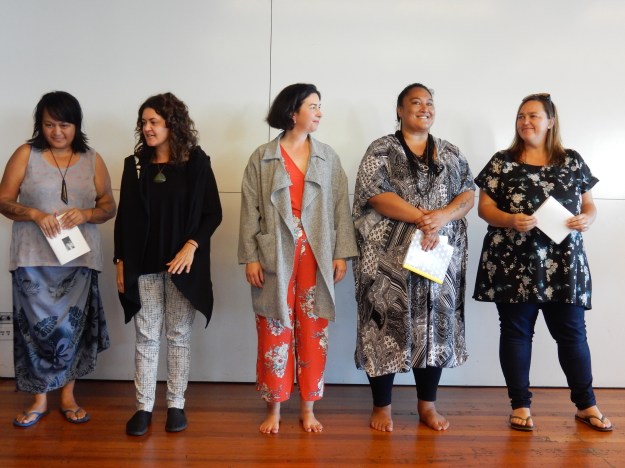
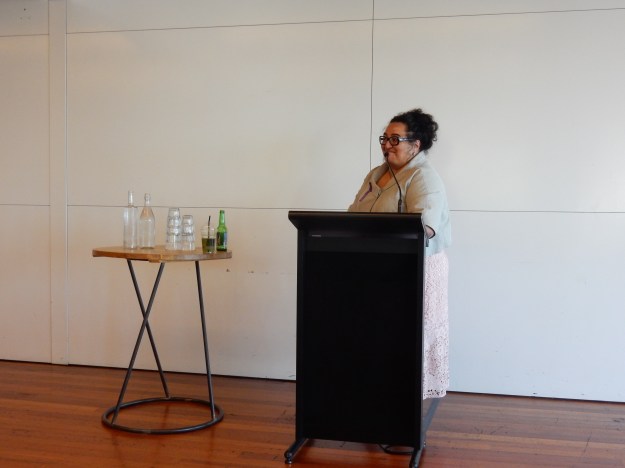
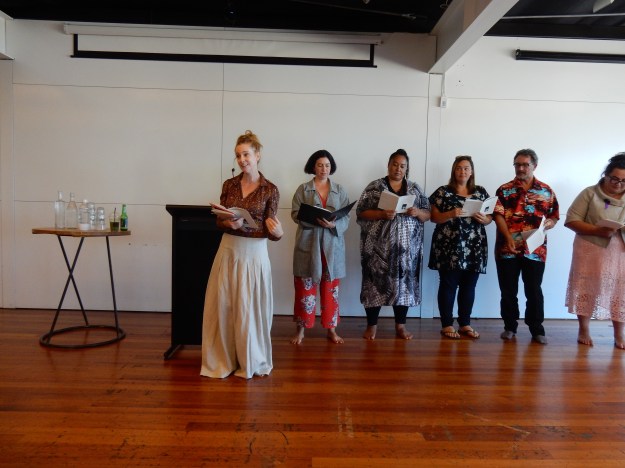
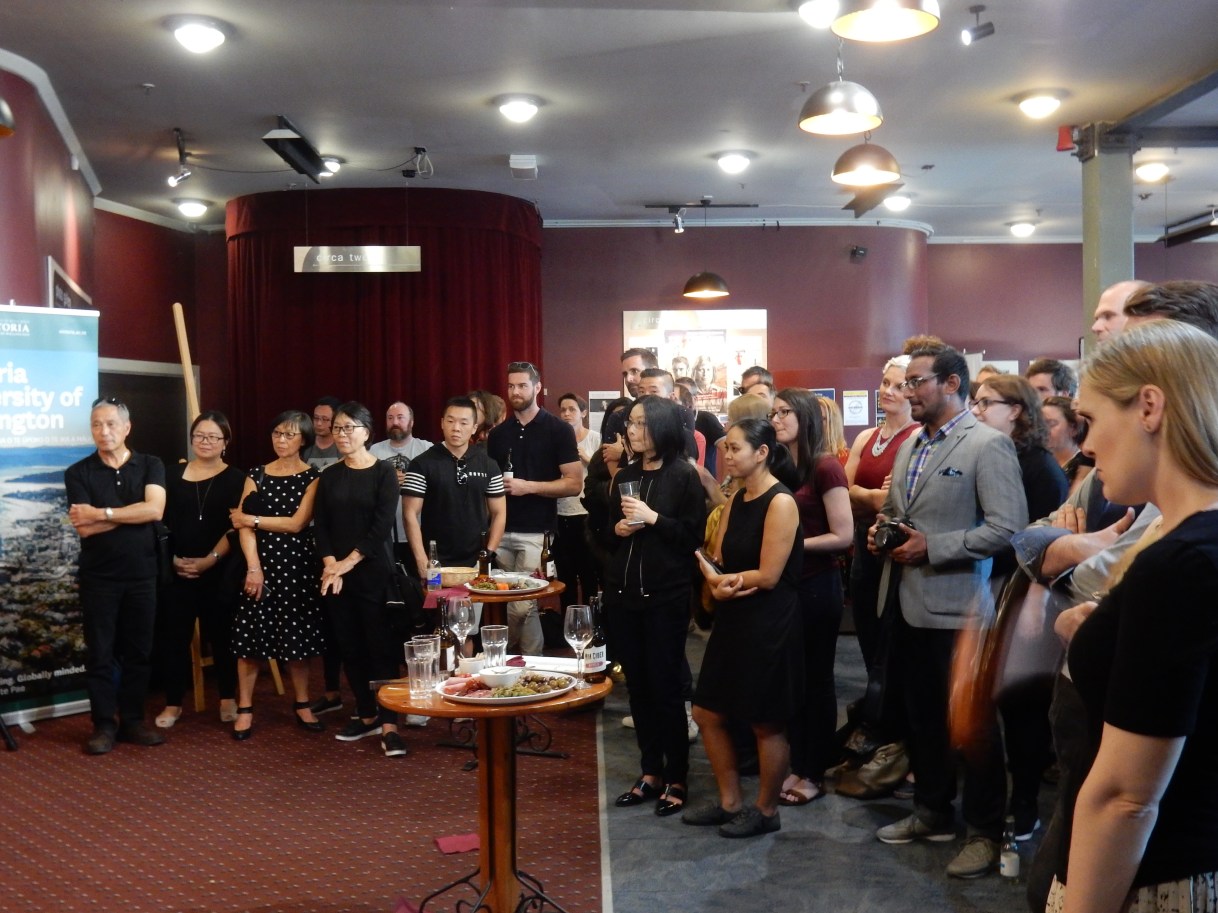
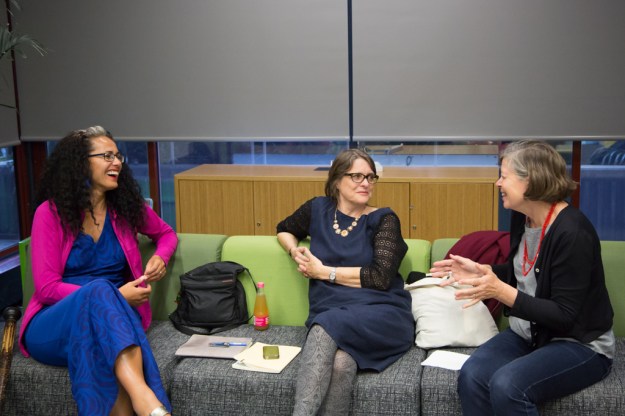
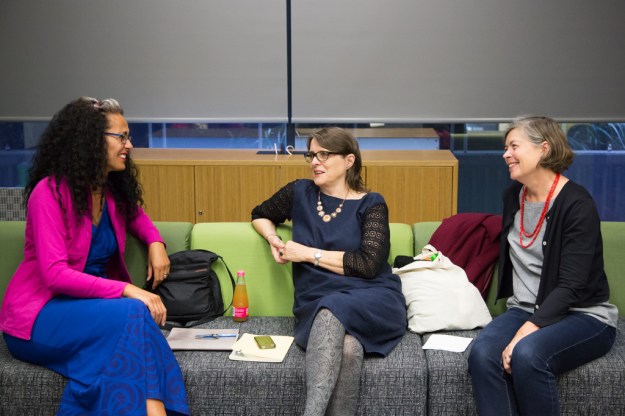
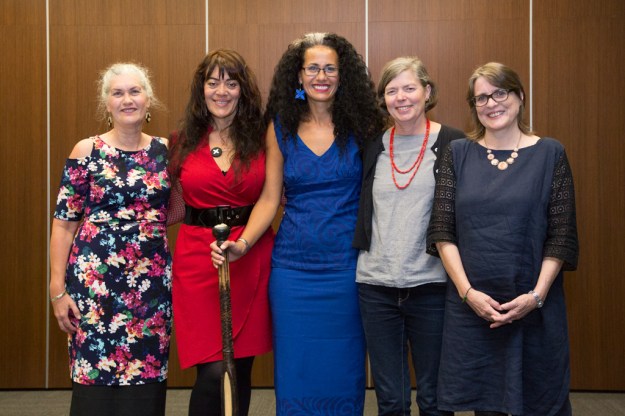
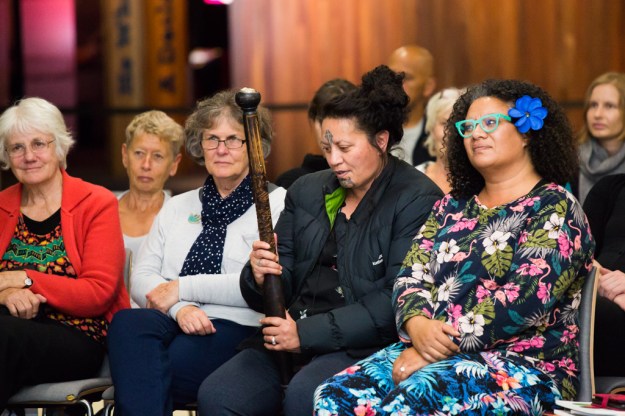
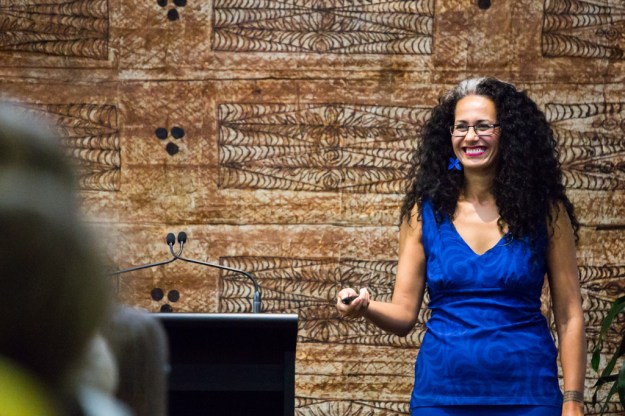
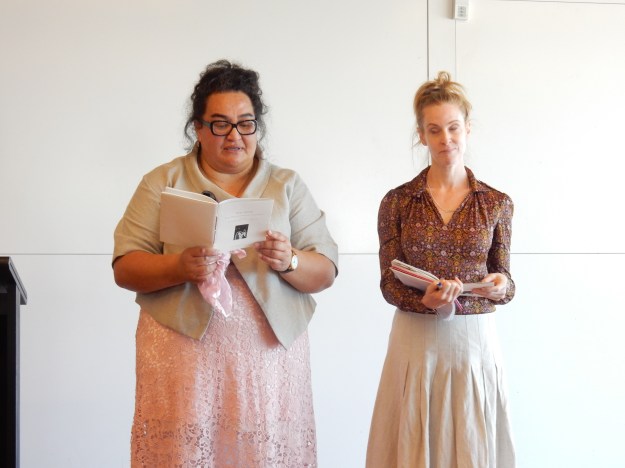
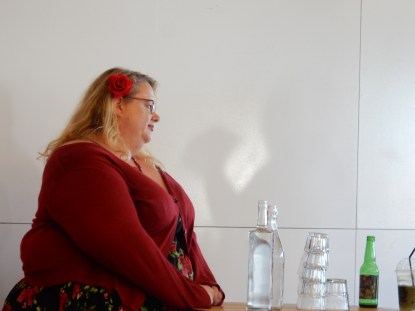
I am off to Helen Rickerby’s Seraph Press launch of Tātai Whetū: Seven Māori Women Poets in Translation. We are welcomed on with a little powhiri and a big mihi.  Editors Vana Manasiadis and Maraea Rakuraku acted as mcs. This is my third festival highlight. An utterly special occasion, uplifting and challenging, as I listen to Te Reo and English versions of each poem (Anahera Gildea, Alice Te Punga Somerville, Kiri Piahana-Wong, Tru Parahaa, Michelle Ngamoki, Dayle Takitimu, and Maraea). I will be posting a poem from Maraea on the blog. 

I am reminded, how on so many occasions at this festival, I witness the creative strength of women (wahine mana), not just in the poetry families/whanau, but across genres. Maybe because poetry is such a poor cousin in the book world, the bonds are forged tighter.
DSCN9459.jpg

Helen Rickerby from Seraph Press


DSCN9458.jpg

DSCN9454.jpg

DSCN9452.jpg

DSCN9450.jpg


I miss the editing session with my new editor, because I just can’t duck out of this one. Like I said, when you are on the verge of breathing collapse you crave comfort. That doesn’t mean poetry without edges, because this poetry has raw cutting edges, sharp spikes, but it also feeds upon humaneness, writing with heart, hankering after truth. In a lopsided endangered world that can be a vital tonic.
 

DSCN9447.jpg

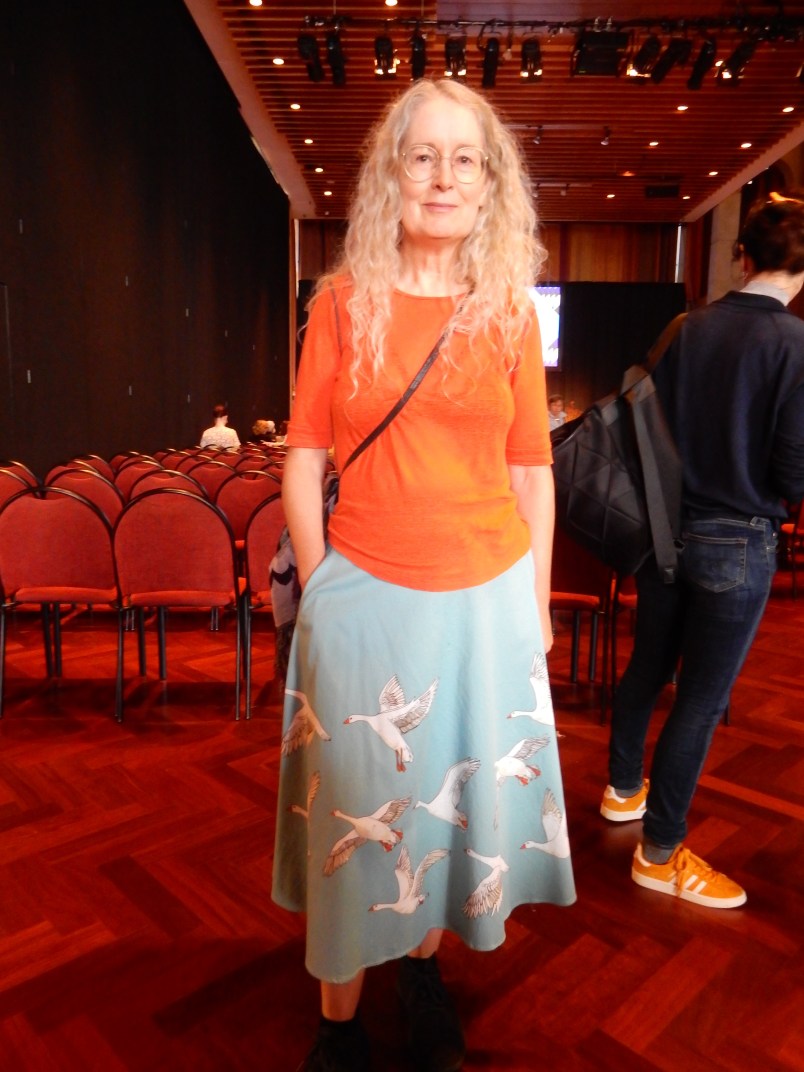
I bump into Elizabeth Knox and her fabulous skirt. She is long overdue for a Prime Minister’s Award for Fiction, just saying.


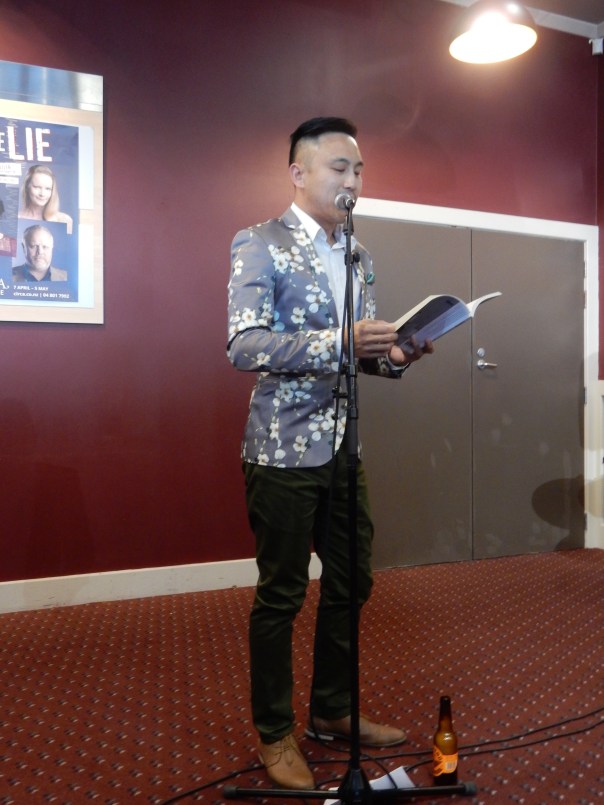
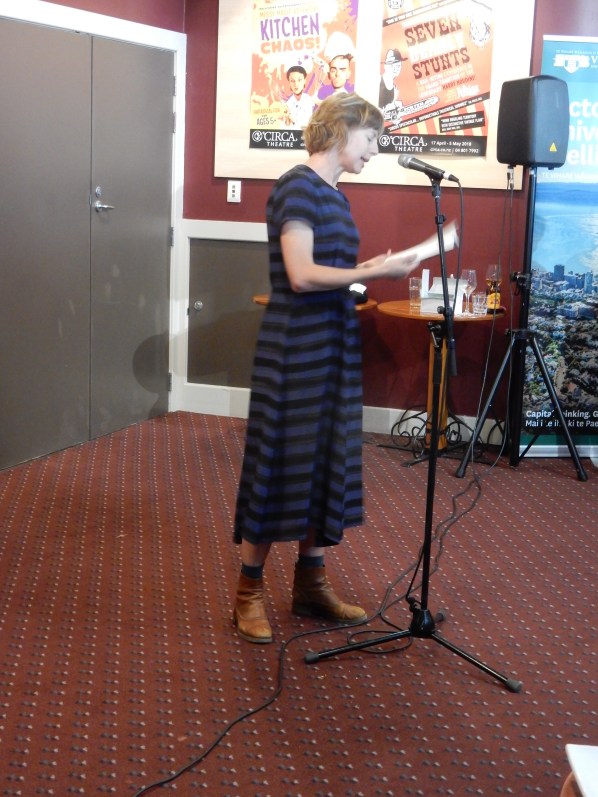
I made the Poetry International event where post accident, highly medicated Chris Price does a stellar job as mc/chair. This feels like a risky format combining reading and questions with nine poets, both local and international. As you would expect, several resist the brief in their 6 minute slots. But you end up with a glorious explosion of words and thoughts and poems. I jot this down from Bill after saying he had read a lot of American poetry: ‘I feel uneasy about my enthusiasms. I feel I’ve reverted to the local.’
 

DSCN9466.jpg  DSCN9467.jpg

DSCN9469.jpg


The final thing and I am at Anna Jackson and Chris Tse’s AUP book launches in the crowded Circa foyer. I did an email interview with Chris over the past weeks so I know his book well and love it to bits. His speech moves the socks off us when he says he wanted his friends and family to be proud of him and that he hopes the book will fall into the hands of those who will see themselves in it. I am equally in love with Anna’s book, a Selected Poems, that travels through decades of writing with new writing at the end. Anna and I are in the middle, or near the end, of an unfolding email interview that I will post soon.

This was my experience, slightly skewed by being on the edge of a breathing precipice. Elizabeth Heritage wrote up the Harry Josephine session like I wish I could have done!


There is always a bridge between ourselves and the page, between ourselves and the reader and speaker. Sometimes we skim across it with ease, with all kinds of sparking connections. Other times the bridge falters and it is hard to find a way. Then there are the occasions where crossing is like an impossibility and the page, the reader and the speaker are utterly out of reach. It happens to me. I wait. It may mean I need to retune the way I walk.


Wednesday

I am back home grateful for the invitation to participate. Happy to be back to the quiet and the wild and the chance to write new things.

There is a strong chance this blog is riddled with mistakes – let me know so I can correct. Meanwhile I am off to sleep.
 

DSCN9225.jpg


A photo gallery: A Flock of Starlings

This was one of my favourite festival events, that I touch upon in my forthcoming festival diary.  I hope to post that this afternoon! And I am most definitely posting some poems!! New Zealand poetry is in very good heart. Three cheers for mentors Louise Wallace and Francis Cooke, the Starling editors and event mcs.

All photos by me (sorry Francis my photos of you were a washout!).


DSCN9405.jpg

Lousie Wallace


DSCN9399.jpg

Claudia Jardine


DSCN9401.jpg

Emma Shi


DSCN9406.jpg

Essa Ranapiri


DSCN9410.jpg

Henrietta Bollinger


DSCN9415.jpg

Sharon Lam


DSCN9416.jpg

Sophie van Waardenberg


DSCN9422.jpg

Tayi Tibble


DSCN9431.jpg

Joy Holley


DSCN9432.jpg

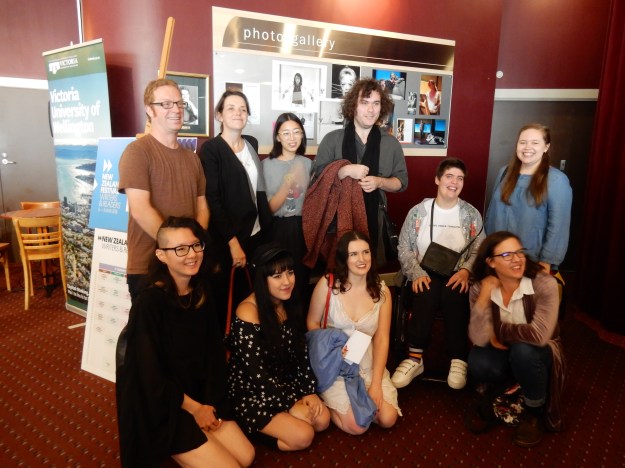
the participants with Francis Cooke and Louise Wallace

A photo gallery: Call Me Royal

I am about to post my big but fragmented New Zealand Festival Writers and Readers Week diary but first two photo galleries. First up: Call Me Royal.

These photos were taken by Mark Beatty, one of the The National Library photographers, and they catch the spirit, warmth and generosity of the event so beautifully. It was an utter privilege to mc, to read poems with Jenny Bornholdt, Serie Barford, Tusiata Avia and our Poet Laureate extraordinaire, Selina Tusitala Marsh. I have put my intros at the end.

Grateful thanks to Peter Ireland, Chris Szekely and the National Library team. This was special.

All photographs courtesy of Mark Beatty, The Alexander Turnbull Library, National Library


20180309_NL_PP_Call_Me_Royal_069.jpg


20180309_NL_PP_Call_Me_Royal_009.jpg

20180309_NL_PP_Call_Me_Royal_007.jpg

20180309_NL_PP_Call_Me_Royal_016_02.jpg


20180309_NL_PP_Call_Me_Royal_017.jpg


20180309_NL_PP_Call_Me_Royal_025.jpg


20180309_NL_PP_Call_Me_Royal_026.jpg

20180309_NL_PP_Call_Me_Royal_036.jpg

20180309_NL_PP_Call_Me_Royal_041.jpg


20180309_NL_PP_Call_Me_Royal_047.jpg

20180309_NL_PP_Call_Me_Royal_050.jpg


20180309_NL_PP_Call_Me_Royal_051.jpg

20180309_NL_PP_Call_Me_Royal_054.jpg

20180309_NL_PP_Call_Me_Royal_057.jpg

20180309_NL_PP_Call_Me_Royal_059.jpg


My mihi

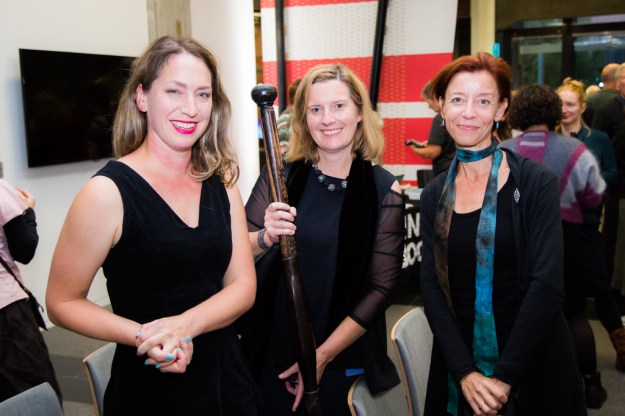
The Poet Laureateship began under the administration and vision of Te Mata Estate with Bill Manhire the inaugural Laureate and has moved through to the six poets appointed by The National Library. Each Laureate is gifted a tokotoko, a walking stick, a personal fit, carved by Haumoana artist Jacob Scott. This to me is like the Laureate role – each recipient shapes the role to fit their own predilections and circumstances, from the Laureate blog, to poetry written, to a book published, to engagements and visibility within our reading and writing communities.

I jumped for joy on Poetry Day when I discovered Selina was our new Laureate; she is invigorating how the tokotoko is held, how the role is shaped. Of Samoan, Tuvaluan, English and French descent, she was the first Pacific Islander to graduate with a PhD in English at the University of Auckland – where she is now Associate Professor.


In her debut collection, Fast Talkin PI, Selina lays a circle of stones to acknowledge the embrace of women from which she writes, from which she throws the calabash for us to catch the seeds. I want to lay a circle of 6 stones for Selina.

The first stone is the gift of her poetry from her effervescent, award-winning debut with the title poem already a classic, and far ranging poetry that establishes movement on the page and charismatic movement in performance. To the second collection, Dark Sparring, written out of strength and lightness, out of her adoption of Muay Thai kickboxing and the death of her mother from cancer. The kickboxing is like a trope for poems that are graceful, startling, strong. This book lifts you out of your senses as she lifts grief out of her body and translates it into word music carrying us to the sun and moon and clouds. Selina’s latest book, Tightrope, longlisted for the book awards, travels in myriad directions, in ways that soothe, challenge and delight, that move us along fecund highways between sky and earth.

The second stone is the poetry mana Selina carries to young writers (I have witnessed this as I follow in her slipstream at Auckland schools) and to emerging writers – because she liberates the word. She stands, speaks and sings poetry, from self and wider communities and lineages, with such passion and drive the audience is compelled to read and write.

The third stone is Selina’s drive to bring Pasifika women poets to our attention – with a groundbreaking book in the making.

The fourth stone is the way she has carried poetry from our shores, in multiple translations, at myriad festivals, representing Tuvālu at the London Olympics Parnassus event, and as the 2016 Commonwealth Poet performing her commissioned poem UNITY for the Queen.

The fifth stone is the life of the poem in performance that Selina has made utterly her own. I am thinking of two mesmerising performances of Dark Sparring. At her launch, Selina was accompanied by Tim Page’s musical layerings, and she interrupted a kickboxing poem with a round or two of sparring in the room. It was breathtaking. On the second occasion, Selina read at the Ladies Litera-Tea without musical accompaniment and without a round or two of sparring. What struck me about this performance was the way silence was a significant part of the poetry palette. Again breathtaking. And of course there was the performance for the Queen that so many of us adored on the internet.

The sixth stone is the circle itself, the poetry connections and friendships, the poetry whanau that links us readers and writers that Selina tends with aroha and prodigious energy. Let us offer a warm to welcome dear friend and poet, Poet Laureate, Selina Tusitala Marsh.


The second half 

Jenny, Serie, Tusiata, me, Selina

Jenny Bornholdt, a much honoured poet, anthologist and children’s author, is a former Te Mata Estate NZ Poet Laureate. VUP has paid luminous tribute to her poetry in her recent Collected Poems. The book showcases Jenny’s intricate movements in the world – close at hand and roaming wider, and on the page itself, with large themes such as love, loss, illness and family, and smaller attentions such as a cotton shirt, a tea towel or a blanket, the large animating the small, and vice versa. You might get a conversational tone, with images unfolding like origami, surprising turns, linguistic agility and ample room for pause. You will always get a necessary heart beat, because Jenny’s poetry refreshes our relations with a living world, both complicated and vital. When I had to pick my ten favourite NZ Poetry books for a newspaper once, I picked Jen’s The Rocky Shore, but I could have added Summer or Mrs Winter’s Jump or These Days.

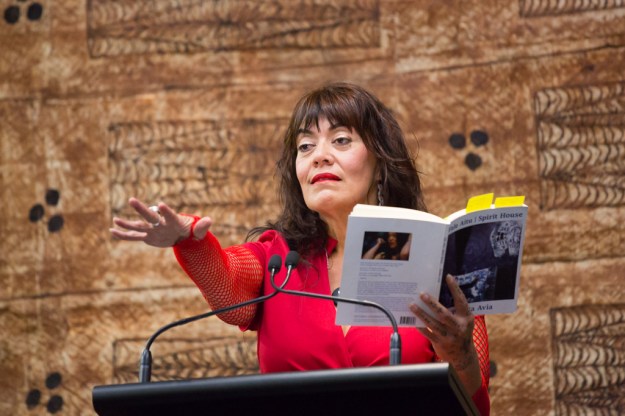
Tusiata Avia, of Samoan lineage, a poet, performer and children’s author, currently living in Christchurch, is a significant presence, a poetry beacon say, for emerging Pasifika poets.  She has carried that beacon on her overseas travels. Tusiata originally staged her debut collection, Wild Dogs under My Skirt, as a one-woman show – but we can now see this must-read book performed at the festival by a cast of six. I went to the goosebump launch of her latest collection, Fale Aitu / Spirit House, and like slow release food resides in your blood, this became my favourite book of 2016. The book releases skeletons, darkness and pain, yet in doing so, the roots of being daughter, mother, poet are tended with such animation, such love, such a willingness to be open, self reflective, world reflective, these poems, this book, matters so very very much.

Serie Barford is a West Auckland performance poet of Samoan and European descent with four published collections. Her poetry, both political and deeply personal, is rich in evocation. You can absorb her poems through senses as you bite into flavour, catch the lull and lift of melody, smell the poem’s very essence. You get to travel with heart and with challenges laid down. Her most recent book, Entangled Islands, with both prose and poetry, emerges from a tangle of family, motherhood, partnership, colonisation, history, communities, migration, childhood memories, culture and love, most importantly love. Connections are nourished: between words, things, people, places, events. Disconnections are acknowledged. As with Jenny’s poetry, the essential undercurrent, the fuel in the pen, is love.


Poetry Shelf interviews Chris Tse


Chris Tse - October 2017 - 01x - Photo by Rebecca McMillan.jpg


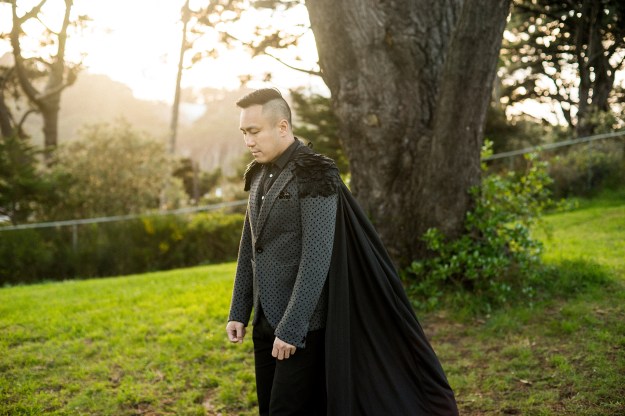
Chris Tse is a poet, actor and musician whose poetry first appeared in AUP Poets 4. His award-winning debut collection, How to be Dead in a Year of Snakes, responds to a moment in history – a 1905 murder – not so much by narrating that history but by installing a chorus of voices. I loved the book as you will see here.

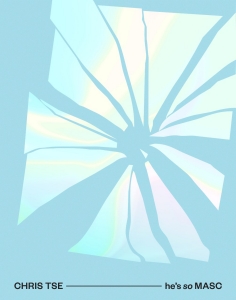
I consumed Chris Tse’s new poetry collection, He’s so MASC, in one sitting, because I was caught in its grip. The knottiness belies the grace and fluidity of writing, but the tangle of self – the laying on the line and the holding in reserve – haunted me. It feels utterly exposing, playful, inventive and daring. It is warm, vulnerable, strong. I began to fear a review might appear heavy-footed alongside its lithe connections; like a delicately balanced house of cards, a review might miss the point and topple it over. Instead I have opted for an unfolding email conversation.

Chris made a deeply personal speech at his launch, acknowledging heartfelt gratitude to his friends and family. His tears, in hoping his friends and family were proud of him, moved me to tears. He told us that, for the first time in his poetry, ‘the speaker is one hundred percent me’.  This is the book that matters. Chris also hoped the book might find its way into the hands of people who might ‘see themselves in it’.


      1517533295117.jpg   1517533295117.jpg

Chris Tse, He’s So MASC, Auckland University Press, 2018


Paula: Are you hesitant to answer questions about this book? I am hesitant to ask them! In the first poem we meet wolves. The wolf is also there in the last poem and makes a number of appearances in between, with teeth and claws and transformations. They can never settle to a single trope or behaviour or ache. I don’t want to explain the wolf. I just want to say they were a subterranean sharpness that clawed me. I can’t stop talking about the wolf. They are plot device, semantic undercurrent, emotional barometer, love infected, unreliable protagonist, hidden key. Ah, there is that glorious knottiness. Can you say anything about the wolf?


The wolves are closing in

on the ballroom while the band members

look out and brace themselves

for the conflict to come. Shit just got real.

They pick up their instruments

and clear their throats.

from ‘Intro’


Chris: For me, a big part of getting this book ready for publication was figuring out how I’m going to talk about it. With Snakes, it was like there was a safe following distance between me as author and the book as a literary/historical object. With this book, I don’t feel the safety of that distance given its themes and content, and honestly that’s a little terrifying. I work in communications and part of my job is to train our staff in how to deal with the media and select committees. We drill them on all the possible questions they could be asked and the best ways to answer them so that nothing throws them. I’ve been feeling I need to do that for myself for this book just to make me feel less anxious about it!

I like to think of each of the poems in this book being a single wolf roaming the terrain of my personal history. The first wolf poem I wrote for the book was ‘Lupine’, but it began life as a poem about my brother and I. Eventually, as the poem begin to take shape, it was clear that my brother had nothing to do with what I was trying to say in the poem. From there on, the image of the wolf and its association with transformation and masculinity felt like a good fit for what I wanted to explore, and so wolves began to pop up in other poems. I love how you’ve described the wolves as an ’emotional barometer’ – that’s a really apt description of what I wanted them to do in the book. They seem to have a habit of popping up in poems where I’m feeling uncertain, heartbroken, or angry.


Paula: I think the diverse self exposures is one reason why this book has affected me so much – and the sway between distance and intimacy. Things are at a distance and things keep disappearing. Presence is handlocked with vanishings, and not just the speaker in the poem. That flitting in and out of view intensifies the emotional impact for me, the unspoken. I am wondering too if distance is also coupled with masquerades and masks?


I can almost run my fingers through

the sun-streaked strands of those days


when I was nothing but a silhouette

disappearing into fog—just a sketch.


I could step into a crowd and never

resurface. No one would suspect anything.


from ‘Belated backstory’


Chris: The masquerades and masks are definitely there for distance. I’ve been performing my entire life – in public and private – so it was essential that this book, as unflinchingly open and true to my experiences as it is, also acknowledged the masks I’ve worn to protect, to give myself confidence, and to play. Those masks have been an important tool of survival and a way to make sense of the mess that sometimes builds up in my head. It’s also in part a response to having a somewhat public life now and the expectations that some people have of me as a Chinese New Zealand writer, especially given how few there are of us. I’ve talked at length in the past about being piegeon-holed, so I won’t go into all of that again, but sometimes I do feel like I’m performing the part of a Chinese New Zealand writer to appease others and meet a certain need. I can’t and won’t ever deny that side of me, but this book was a chance to draw from the intersectionalities of who I am.


Paula: Yes! The Chinese New Zealand part surfaces here and there – I was thinking like little teeth marks teeth to carry on the Wolf presence:


I’ll go to my next grave                     wondering

whether I pushed them hard enough to never settle

for being the token Asian in a crowd scene or

the Asian acquaintance in an ethnically diverse television series

from ‘Punctum’

I like the way intersectionalities of self are so important. The ‘coming out as a poet’ poems feel high risk when masks and arm’s lengths are dropped or reduced. I found these poems witty and raw and touching a chord. Yet there is also the nerve-ending intersections with coming out sexually. The one standing in for the other.


There’s no such thing as the perfect time or the best way to tell loved

ones about your poetry inclinations. You need to muster up every

ounce of courage in your being and just say it: I am a poet. You could

say ‘I write poetry’, but there’s something non-committal about

that phrasing, like you only dabble now and then and would prefer

not to attach labels to your preferences. Prepare yourself for a full

spectrum of emotional reactions, from ‘You’re still the same person

to me’ to ‘I can’t be friends with a poet’.

from ‘I was a self-loathing poet’


Paula: Is this an example of letting the poetry do the talking?


Chris: Absolutely. And not just letting it talk, but also letting it have the last laugh, so to speak. It was important to me that a poem like that (which dealt with something that I don’t exactly fondly look back upon!) had a healthy dose of humour in it to soften some of the emotional barbs for me as a writer. It’s not that I’m trying to run from the memory of that moment in my life or downplaying its significance. Rather, I see it as a way to embrace it for what it is while still being able to continuously learn from it and move forward.

Those intersectionalities of the self are important, and possibly even more so for readers who are trying to find someone they can identify with. On the flip side, those intersectionalities can be so easily carved up and used as labels to make someone or something appear more palatable or accessible. Even I’ve been guilty of this: as this book was coming together I would joke with my friends that this was “the gay book”, but it could just as easily have been “the break-up book” or “the pop music book”.


Paula: Sometimes poetry books should come with playlists at the back! This was what I was listening to at the time.

Is there a poem that particularly resonates with you – where everything has fallen into place and it just works or it matters in other ways? For me it is ‘Release’. I gasped when I read this. Maybe it is feeling that is both intense and restrained. I love this poem. Then again I like the surprise and momentum of ‘The saddest song’. I also adored ‘Wolf Spirit —Fade’, the last poem, but readers have to discover this poem for themselves.


Chris: Well, being the mix tape/playlist geek that I am, I’ve made two playlists for this book: Side A and Side B! They feature songs and artists that inspired the poems or feature in the poems themselves.


I can fit the saddest song in the world in my carry-on.

I can fit the saddest song in the world in my right-side brain.

But I can’t fit it in my lungs or hold on to it with confidence

when underwater.               And I can’t fit the saddest song

on one side of a 90-minute cassette tape without

an uncomfortable interlude cutting into its breath.

from ‘The saddest song in the world’


‘The saddest song in the world’ is the poem that resonates the most for me – I consider it the heart and soul of the book. Writing ‘Release’ was a very confronting experience. I read that poem now and I feel so vulnerable, but it was important to me that it had a place in the collection. Every time I had to revise what was in or out, I fought for it to be in, even though it feels like a ‘selfish’ inclusion because of its personal significance, so I’m glad it resonated with you as a reader! I’ve never performed it and I don’t know if I ever could. ‘Punctum’ and ‘Performance—Part 2’ were the last two poems written for the collection, after my publisher had already seen a final-ish version of the manuscript. They were both based on two separate lines that I’d been holding on to for a long time but just didn’t want to play with any of the other poems. When those two poems were finished it felt like I’d clocked a video game – those two lines were the things I needed to complete my quest!


Paula: One of the great attractions in the collection is movement. There are vital points (themes, events, revelations, states of being) that shine out, that repeat and overlap, a bit like a constellation. But it is the movement between that creates the knottiness I first mentioned, and I am not thinking of an ugly mess of a knot, just intricacies and complications.

What attracts you in the the poetry of others. Did you read any books that got under your skin while you were writing this?


Chris: I can’t pinpoint what attracts me to a particular poet or type of poetry – keeping an open mind is essential – but lately I have been drawn to poets and books that aren’t afraid to be sassy, funny or messy.

Unsurprisingly, I read a lot of poetry by gay male poets while writing this book: D.A. Powell, Richard Siken, Stephen S Mills, Ocean Vuong, Saeed Jones, Danez Smith, Andrew McMillan and Mark Doty, to name but a few. D.A. Powell was one of the first contemporary gay poets that I remember reading while I was an undergraduate and being absolutely shaken by his syntax and the emotional intensity of his writing.

Reading Hera Lindsay Bird’s first book was a revelation – a real YES! moment that in its own little way gave me the confidence to carry on with the types of poems I wanted to write for the book. Maggie Nelson’s The Argonauts and Bluets have also had a profound effect on me recently. Her work is often described variously as memoir, essay or genre hybrid. It’s all drawn from her personal experiences, which are then filtered through many layers of what interests and excites her. That, to me, is poetry. The way she’s able to draw in so many threads to weave a net of support over a single narrative is fascinating to experience as a reader.


Paula: Finally, I love the title. It feels like a little challenge. You are opening the space of masculinity – stretching poems wide open to its possibilities. As our conversation so clearly shows your book challenges us as much as it challenges you. I am really intrigued how certain books, such as this one, matter so much to me – often it is because they anchor themselves in human experience in distinctive ways. This seems like a scary, tricky question but what do you love about your book?


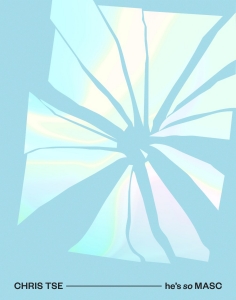
Chris: That is a scary question! It’s apt that you’ve mentioned the title because that is what I would pick. For the longest time – even before Snakes was published – I thought I knew what the title of this book would be. But somewhere along the way it became clear that my working title wasn’t going to cut it, and this book needed something spikier with loads more character. HE’S SO MASC instantly felt right – it’s cheeky, it’s a little irreverent and there’s a pop music connection (Cyndi Lauper’s She’s So Unusual). And I love what Greg Simpson, the cover designer, has done with it too – the dash drawing my name into the title, the italicised ‘so’. In a way the title is a challenge – the word ‘MASC’ is so loaded in gay culture and I wanted to turn that on its head. It’s my way of pushing back on everything I’ve ever been told that made me feel like I wasn’t enough or didn’t fit in.


Auckland University page

Chris Tse website

Friday poem at the SpinOff