when asked to explain the lines that lead to now, you describe /
the shape of your body as it hits water / the shape of cold water
shocking muscle / the shape of fleshy chambers forced to loosen
and acquiesce / the shape of your grandparents in their coffins /
the shape of coffins that are too small to contain entire lifetimes /
the soft and hard moments we can’t forget no matter how often we
turn our backs to the light / [you write this poem out of love / but
even love can be a blindfold] / the shape of you and your parents
standing in your grandparents’ driveway / after being kicked out
for talking to your aunty’s white boyfriend / your hand reaching
out to someone you don’t recognise in a dream / their silhouette
branded upon your brain / [you’ve tried to swallow the night and
all its inhabitants / but they weren’t designed for consumption] / the
night standing in for doubt / as you argue with your own memory /
waking up to the smell of 皮蛋瘦肉粥 / the shape of a bowl designed
to hold love / love that is never spoken of because to do so would
silence it / the shape of silence when you tell your parents you’ve
fallen in love with a white boy / the shape of that white boy pressed
against your body / both your hearts / shaped like hungry mouths /
the shape of your mouth biting into the world’s biggest egg / the
shape of years spent running before walking / your knees shredded
and bloody / even after you grew the thick skin they said you would
need in this lifetime / the years pass like a watched pot / but you imagine
steam rising from its wide open body / flashbacks to the shape of air
being forced into a lifeless body / some incisions are made to clean
blood, others to fast-forward a certain end / when your grandparents
spoke of life it was whatever came their way / no one back then had
time to hide behind the sky / to pull strings / to taste control / the shape
of control does not fit with the shape of effort / a grounded bird tries
to climb an invisible ladder to heaven / to correct a path the world
wouldn’t let it look upon / in case it traced a line too close to comfort /
we all fear the shape of comfort when it belongs to someone else /
forgetting that we all look the same buried six feet under / both your
grandparents appear before you on the night you learn how to take off
your blindfold / when you finally recognise the shape of acceptance /
and how it might fit among the ruins of your rejections / it goes like this: /
the fights, the kisses, the direct hits / unfolding yourself into a shape
the world doesn’t know how to contain / what doesn’t fit / what doesn’t
hold true / the shape of your name / the shape of a bowl that never
empties / all of these things fit together if you turn them the right way up /
you run your finger along the lip of the bowl and remember / what it
means to be laced in time and not know how to use your hands to feed
yourself / you count the years / you feel their shape flooding your
throat / making a noise / making a space for what’s to come
Chris Tse
Chris Tse is the author of the poetry collections How to be Dead in a Year of Snakes and HE’S SO MASC. He and Emma Barnes are co-editing an anthology of LGBTQIA+ and Takatāpui writers to be published by Auckland University Press in 2021. He also edits The Spinoff’s Friday Poem.
鸣 (míng), the cry of animals and insects, rhymes with tooth, which rhymes with precipice, which rhymes with the first part of my Chinese name.
I am full of nouns and verbs; I don’t know how to live any other way. I am a tooth-like thing. I am half sun half moon, and the scissors used to cut away the steamed lotus leaves. I am honey strokes spreading over the tiles.
Certain languages contain more kinds of rain than others, and I have eaten them all.
from ‘Fieldnotes on a downpour’
I have been a fan of Nina Mingya Powles’s poetry since her chapbook Girls of the Drift (2014) through to her glorious poetry boxset Luminescent (2017). The poems are probing, lyrical, self-inquisitive, with women placed centre stage. Her new collection Magnolia 木蘭was also published in the UK (Nine Arches Press) and was shortlisted for the 2020 Forward Prize for Best First Collection. In 2018 she was one of three winners of the inaugural Poetry Prize, and won the Nan Shepherd Prize for Nature Writing the following year.
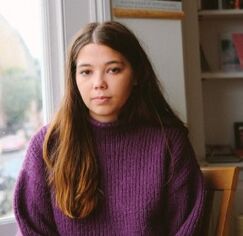
Currently living in London, Nina is a poet, zine-maker and nonfiction writer of Malaysian-Chinese and Pākehā descent. I have long been fascinated with the idea that poetry is way of writing home, whether home is physical, on the move, a state of mind, ancestral connections, familial relations, an anchor, an epiphany. And if poetry is a way of writing home it is also a way of writing to / for / with / by / underneath / inside / from (home). Magnolia is an organic version of this as it shifts languages on the tongue, layers sensual detail, raises identity questions, and moves from London to Shanghai to Aotearoa. Smells and tastes of elsewhere bring elsewhere closer to the point the paper is imbued with scent and living matter, and your reading taste buds pop.
there are only dream mountains high above the cloudline
I come from a place full of mountains and volcanoes
I often say when people ask about home
from ‘Night train to Anyang’
Senses are on alert as you read a Nina Powles poem, and I love the physical sensation as you read:
After Mulan saves China / fireworks rain down in waves of multi-coloured
stars
from ‘Girl warrior, or: watching Mulan (1998) / in Englsih with subtitles
Food is an exquisite presence, often connecting you to place, a particular memory or event, love, home. But sometimes Nina lingers on food for the sheer pleasure of food itself: it’s tofu for the love and sake of tofu, lotus leaves and sticky rice ‘sucked clean’. I have felt a similar addictive tastebud reaction reading the poetry of Ian Wedde, particularly The Commonplace Odes.
for the morning after a downpour
Layers of silken tofu float in the shape of a lotus slowly
opening under swirls of soy sauce. Each mouthful of dòufu
huā, literally tofu flower, slips down in one swallow. The
texture reminds me of last night’s rain: how it came down
fast and washed the city clean.
from ‘Breakfast in Shanghai’
Colour is equally vital, sometimes the hue of the land is evoked but, at other times, the tone of a particular painting is foregrounded. It makes a difference that I have stood in the Tate Gallery in London and felt the astonishing hum of Rothko’s colour palate, and have imbibed the colour in Agnes Martin’s equally heavenly paintings. I am curious that Nina’s poems, so active with colour, affect me as much as the artworks. It is as though the poem and the artwork are placed on my wrist like perfume and I feel the colour-pulse streaming through. Really the whole experience is both words and greater than words. Really it is as though a poem has the ability to hum inside us. Like colour.
#fee10c | saffron: pigment in medieval manuscripts
If I could step inside any Rothko painting it would be Saffron
(1957), which is different from his other yellows because of the thin
bright line that divides the colour fields, not colour shapes or colour
squares or colour blocks, none of which are wide enough to contain
the light. A line dividing two yellow atmospheres glows along the
edges, an electric current. If you stare long enough it seems to get
bigger, slowly opening at one end until it forms a bright gap that
you could just fit through by putting each one of your limbs inside,
one by one, until you are swallowed by light and your skin is the
colour of sunflower petals right before they die and you are either
floating or drowning or both at the same time.
from ‘Colour fragments’
Reading Nina’s collection, I keep fine-tuning what a poem can do. One moment it is the origami bud unfolding in my palm to expose surprising petals of feeling. The next moment she retraces her steps though a city she once lived in; walking and writing through the city and subsequently the miniature poem version. We choose how we move through the poem as miniature city, me on tiptoe, slowly, slowly. This experience is deeply affecting in ‘Falling city’, where the poet lived when young, where she is falling in love, where things have changed and things have remained constant. Nina is seeing and imagining and writing Shanghai by walking; and by reading Shanghai writer Eileen Chang / Zhāng Àilíng, by reading Robin Hyde, by reading maps (‘each person has their own secret map’), visiting ramen bars, musing on ‘New Woman’.
18. What was Chang herself like? I don’t know, but I think she
understood this moment when the dream and the real begin to blur.
She understood how the sky in Shanghai contains many different
colours at once: “At the horizon the morning colours were a layer of
green, a layer of yellow, and a layer of red like a watermelon cut open.”
19. When reading her stories in translation it’s like trying to see
her from a great distance. Or through a thick pane of glass. I am
standing outside, peering into rooms where her ghost has been.
20. As autumn deepened I expected to see your face on the street
or in the subway station. After you left I thought I might feel sad
that this possibility could no longer exist. Instead after a while the
outlines of trees looked sharper, like a fog had lifted.
from ‘Falling city’
The shortish middle sequence, ‘Field notes on a downpour’, is a favourite. There is a hunger for words that fit, for Mandarin fluency, for her mother whose name means rain and language, together meaning ‘cloud tints’. In its intimacy, small details, flâneur pace, mother closeness, disappearances, its repeating motifs, particularly clouds and rain, its naming and its confessions, its love yearnings, this sequence is succulent poetry. And I keep musing on why I am so attracted to the making of poetry, whether writing it reading it, and that it maybe comes down to poems that move into and from the heart of the matter. I don’t mean it has to be full of feeling. I don’t mean it has to fit the facts or perceived realities. I mean it navigates poetic truths: that on certain occasions, in certain places, for a particular person, radiating multiple lights and nuances, this is how it is. In this crumpled and self-challenging world – poetry flicks on the human switch. I am musing this because Nina’s incandescent poetry navigates a bundle of vital questions on who and how and where she is. On what being a particular human in a particular place means to her. On when being asked where you come from digs deep. On needing to eat words. On feeling the rain in all its colours. On being in love.
In order to make learning Mandarin easier, I started to see the
characters as objects I could collect and keep close to me.
魔 (mó), spoken like a murmur, an evil spirit or demon.
One night you said my name in the dark and it came out like a ghost
鬼 from between two trees 林. A ghost that rhymes with a path
between rice fields which rhymes with a piece of steamed bread which
rhymes with paralysis of one side of the body which rhymes with thin
blood vessels.
In June the cicadas were so loud we thought the trees would swallow
us whole.
from ‘Field notes on a downpour’
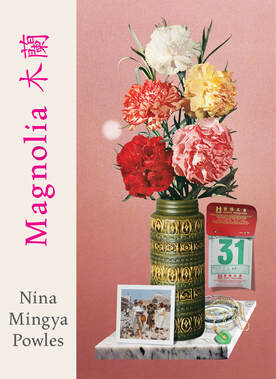
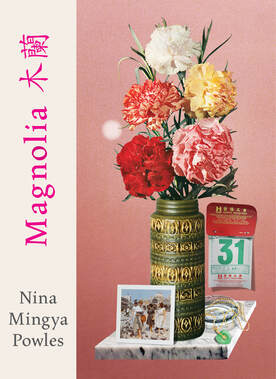
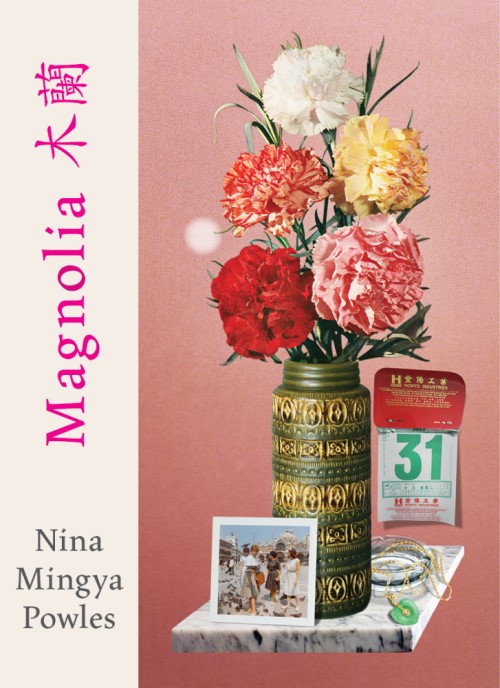
I turn to the blurb on the back of the book and see so many of the words that have guided my reading: hunger, longing, home, mixed-race, languages, women, colour, rain. Magnolia 木蘭 is origami poetry – it will unfold in your body as you read. It is miniature-city poetry that will reinstate multiple existences of home. It is rain poetry that will fall as gleaming light and stomach nourishment and tattoo your skin. It is love poetry and disappearance poetry. It is heart poetry and human poetry that, in this extraordinary year, will get you contemplating your own downpours and magnolias, and in those musings discover poetry solace. Oh, and it has my favourite cover of the year: an image by Kerry Ann Lee (Allora, 2017), and it is lovingly produced by Helen Rickerby and Seraph Press.Glorious!
I want to know the names of the trees in all other languages too so
that I find out what they taste like to other people. But my mouth
can only hold so much.
from ‘Magnolia, jade orchard, she-wolf’
Nina Mingya Powles is a poet, zinemaker and non-fiction writer of Malaysian-Chinese and Pākehā heritage, currently living in London. She is the author of a food memoir, Tiny Moons: A Year of Eating in Shanghai (The Emma Press, 2020), poetry box-set Luminescent (Seraph Press, 2017), and several poetry chapbooks and zines, including Girls of the Drift (Seraph Press, 2014). In 2018 she was one of three winners of the inaugural Women Poets’ Prize, and in 2019 won the Nan Shepherd Prize for Nature Writing. Magnolia 木蘭 was shortlisted for the 2020 Forward Prize for Best First Collection. Nina has an MA in creative writing from Victoria University of Wellington and won the 2015 Biggs Family Prize for Poetry. She is the founding editor of Bitter Melon 苦瓜, a risograph press that publishes limited-edition poetry pamphlets by Asian writers. Her collection of essays, Small Bodies of Water, is forthcoming from Canongate Books in 2021.
Chris Tse discusses Bill Manhire’s Wow with Kathryn Ryan on Nine to Noon. I loved how Chris said reading the collection reminded him of strolling through the emptied city in lockdown. Yes! Strolling through Bill’s poetry – everything sharpens, the birds are returning, it affects you on so many levels, the invisible is present, fleetingly, lyrically.
For end-of-year Poetry Shelf wraps, I have usually invited a swag of writers to pick books they have loved. It has always turned into a mammoth reading celebration, mostly of poetry, but with a little of everything else. This year I decided to invite a handful of poets, whose new books I have loved in 2020, to make a few poetry picks.
My review and interview output has been compromised this year. I still have perhaps 20 poetry books published in Aotearoa I have not yet reviewed, and I do hope to write about some of these over summer.
The 8 Poets
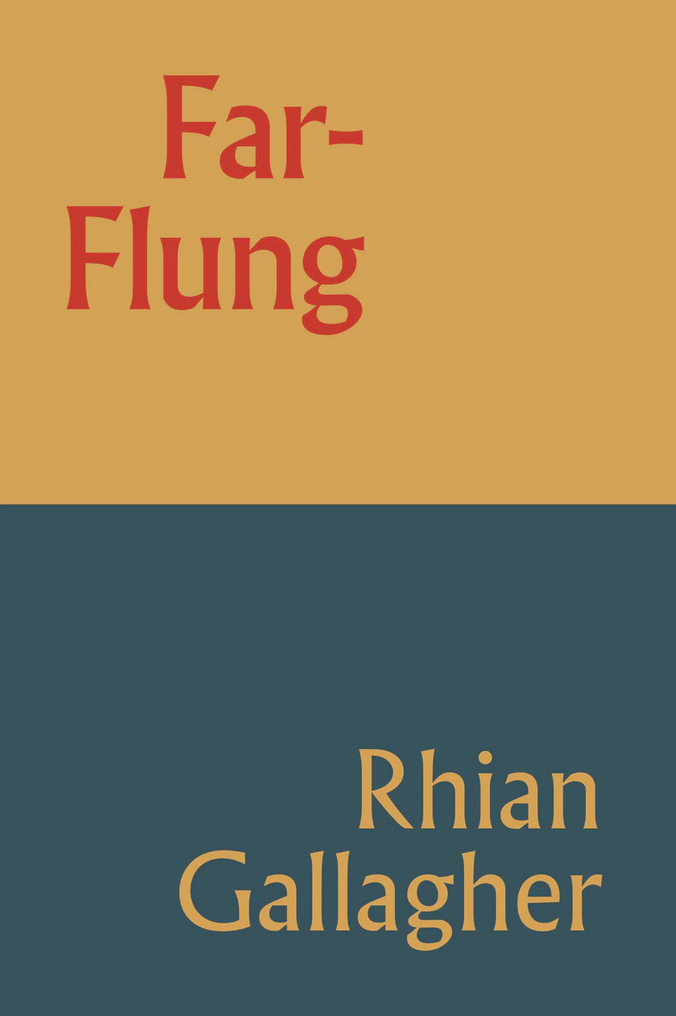
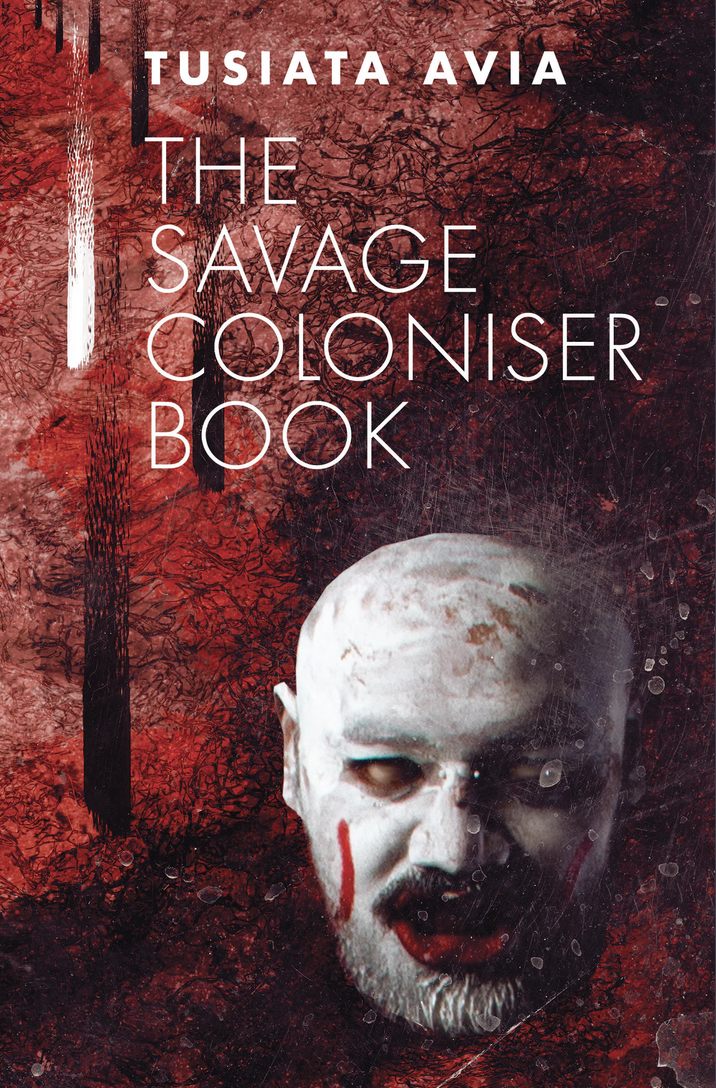
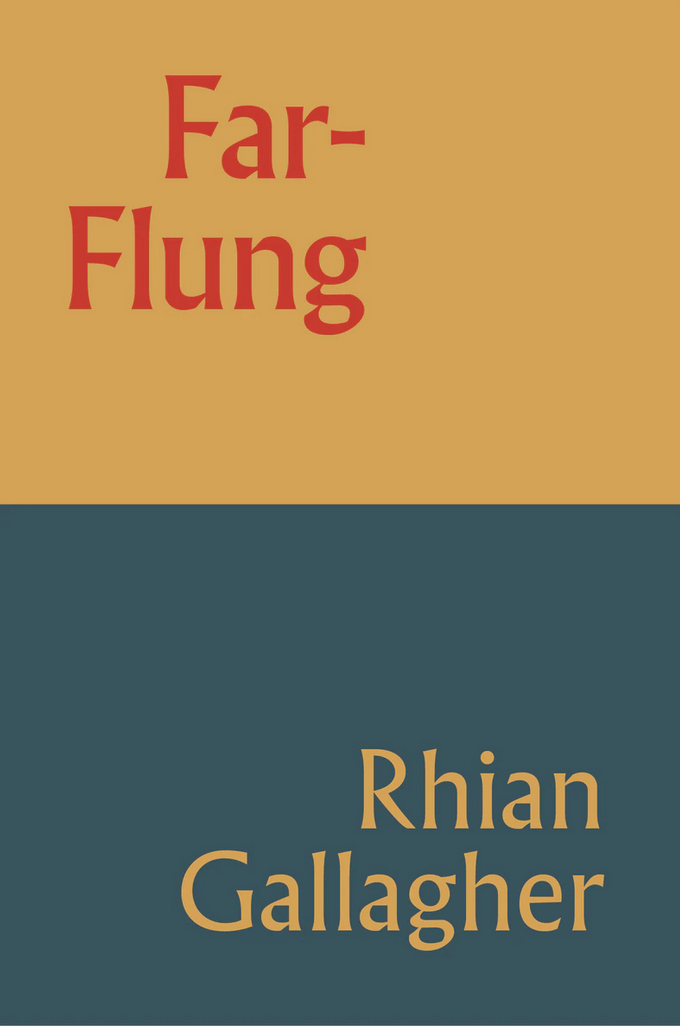
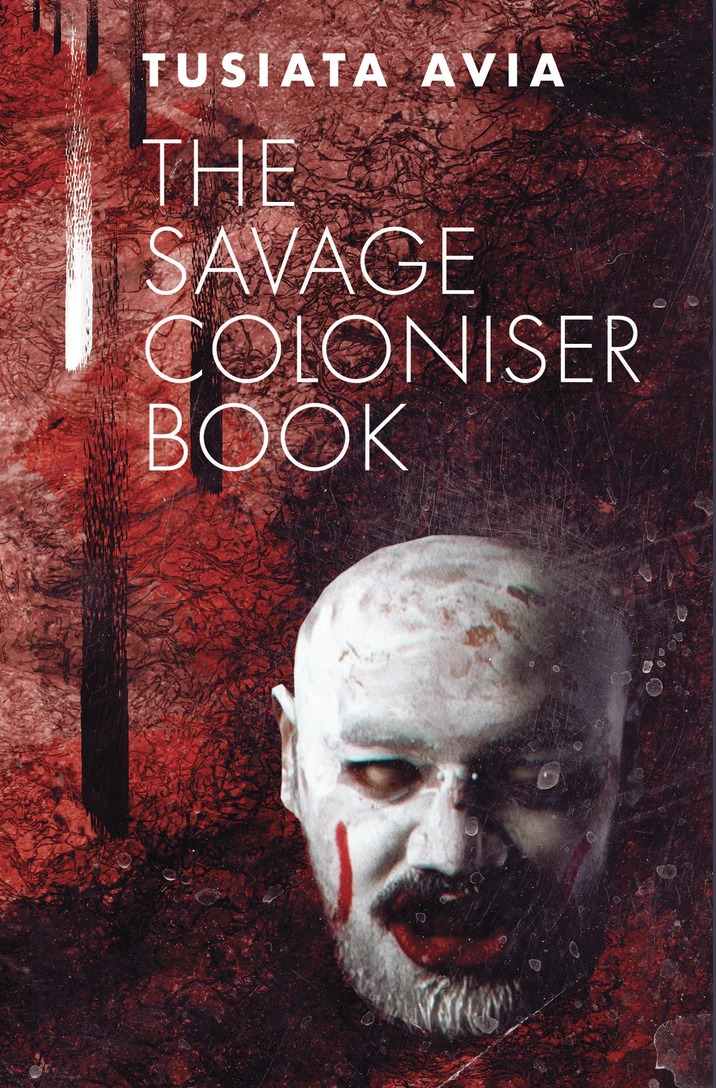
Among a number of other terrific poetry reads (Oscar Upperton’s New Transgender Blockbusters for example), here are eight books that struck me deep this year (with my review links). Tusiata Avia’s The Savager Coloniser (VUP) is the kind of book that tears you apart and you feel so utterly glad to have read it. Tusiata has put herself, her rage, experience, memories, loves, prayers, dreads into poems that face racism, terrorism, Covid, inequity, colonialism, being a mother and a daughter, being human. An extraordinary book. Rhian Gallagher’s Far-Flung (AUP) is a sumptuous arrival, a book of exquisite returns that slowly unfold across months. Her poetic craft includes the lyrical, the political, the personal and the contemplative in poems that reflect upon the land, experiences, relationships.
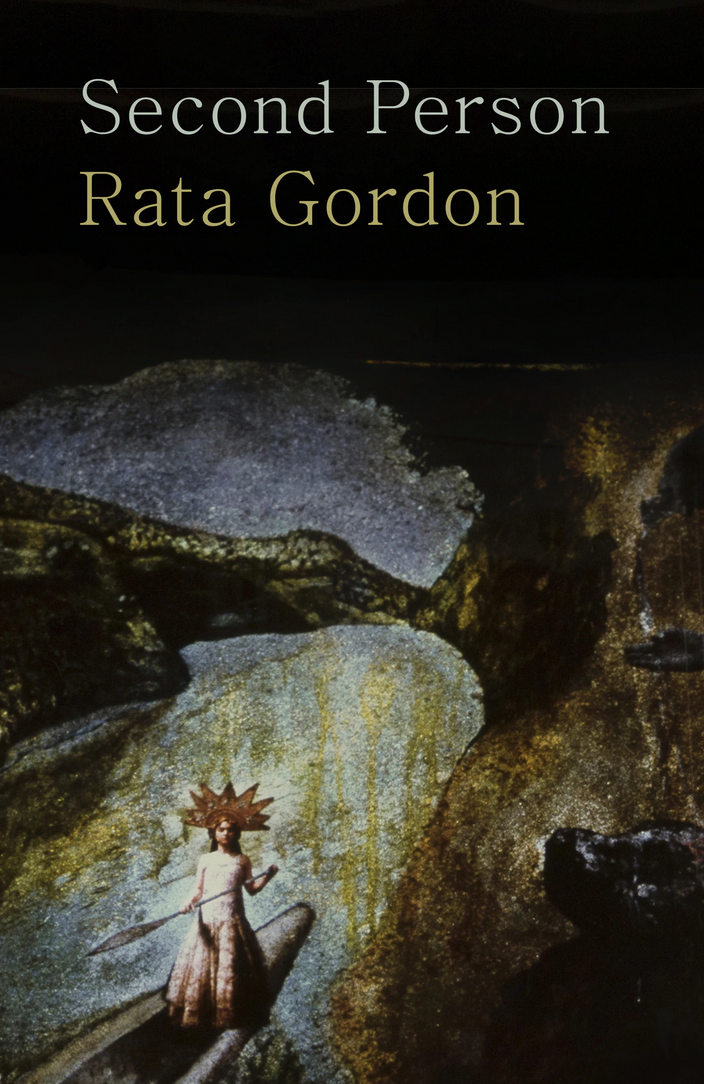
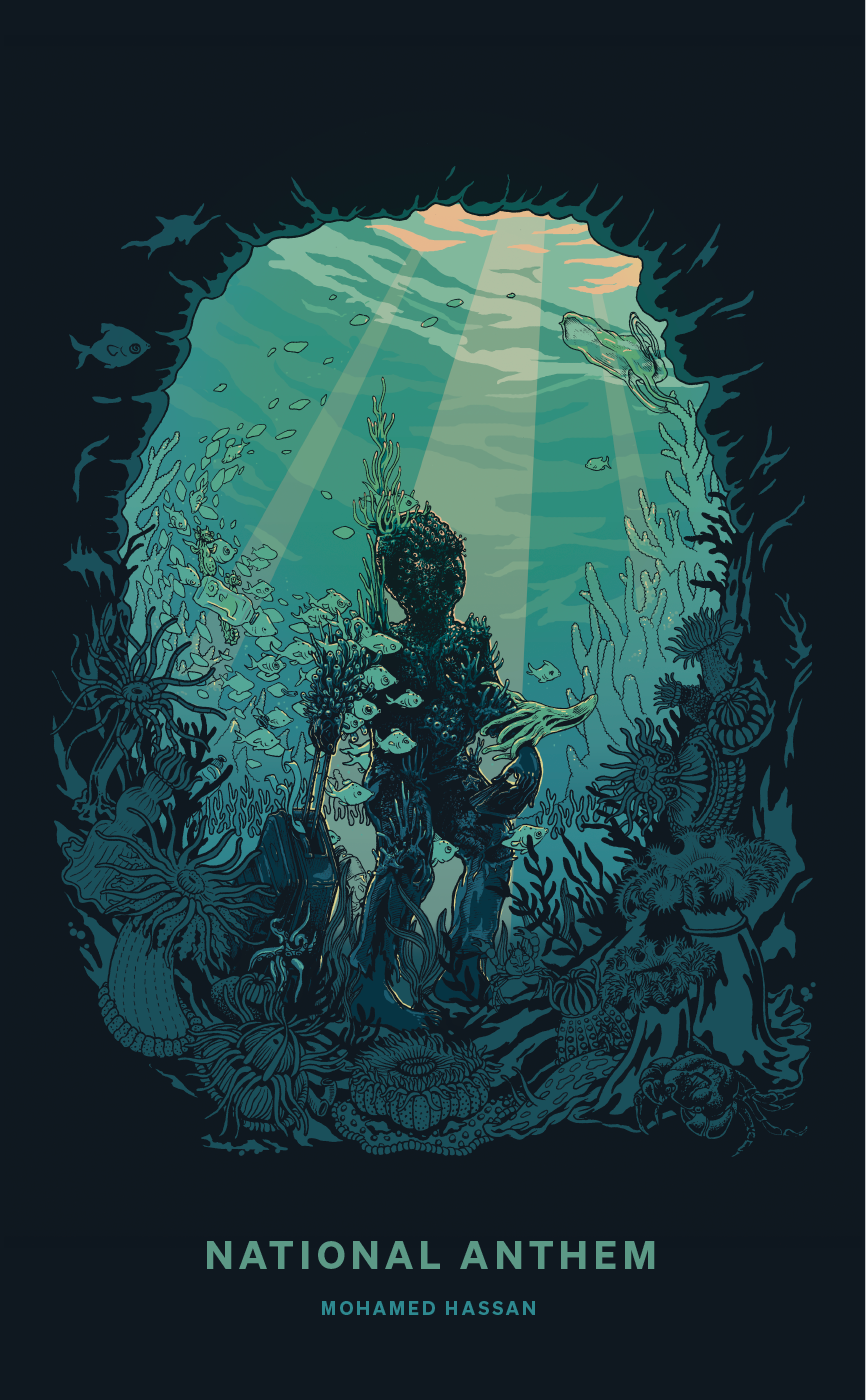
Rata Gordon‘s Second Person (VUP) is fresh, layered and utterly captivating. This is a book of birth, babies, death, the universe, love, motherhood, water, sky, wildlife. It is a book that celebrates the present tense, the way we can inhabit the now of being. Reading Mohamed Hassan’s new collection, National Anthem (Dead Bird Books), opens up what poetry can do. It widens your heart. It makes you feel. It makes you think. It gets you listening. It makes you think about things that matter. Humanity. Family. Soil. Ahh!
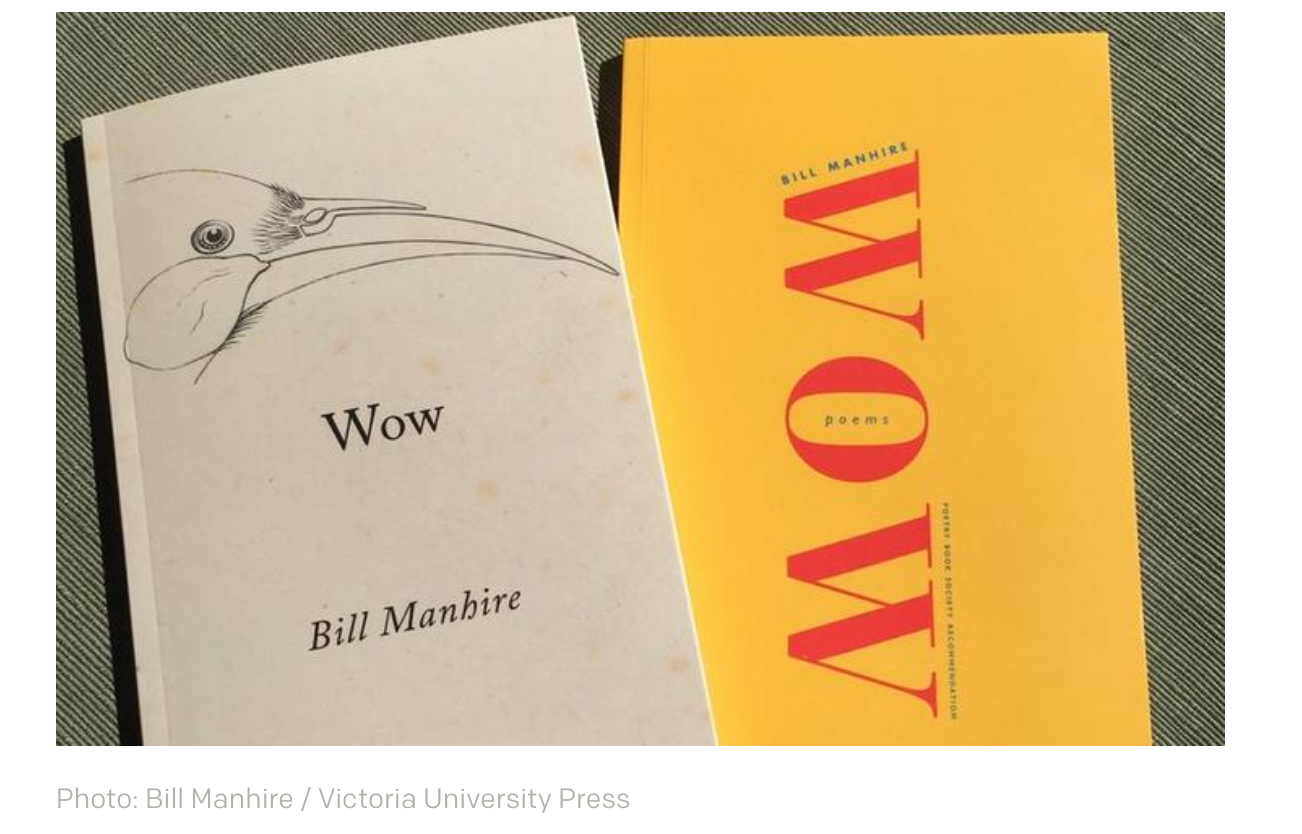
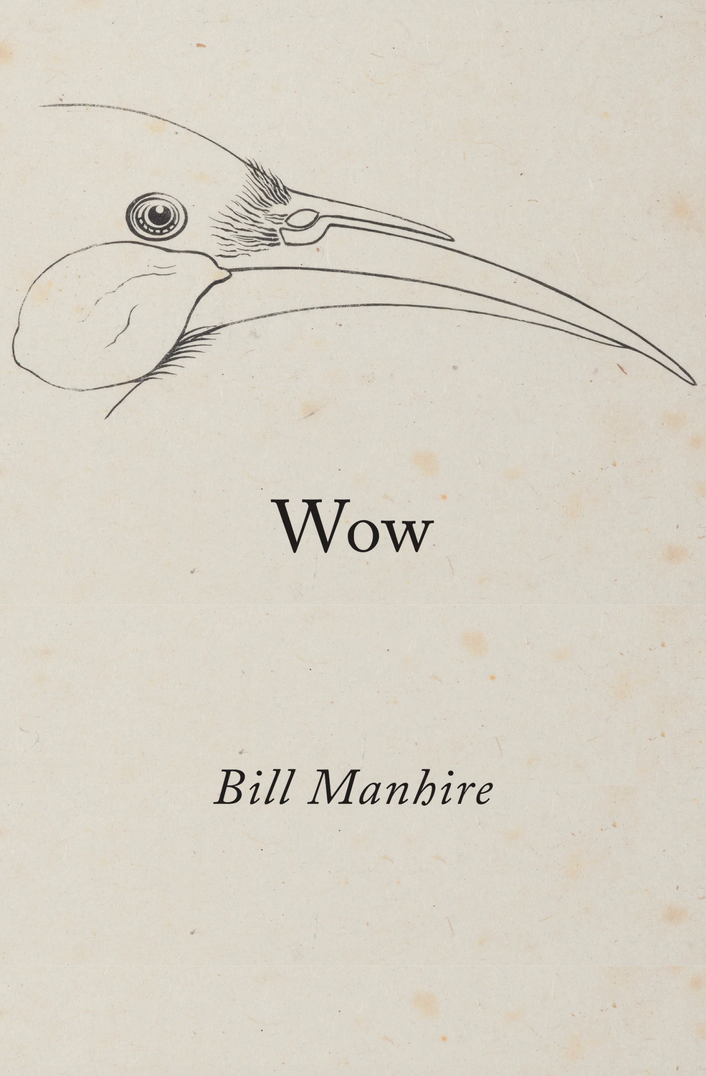
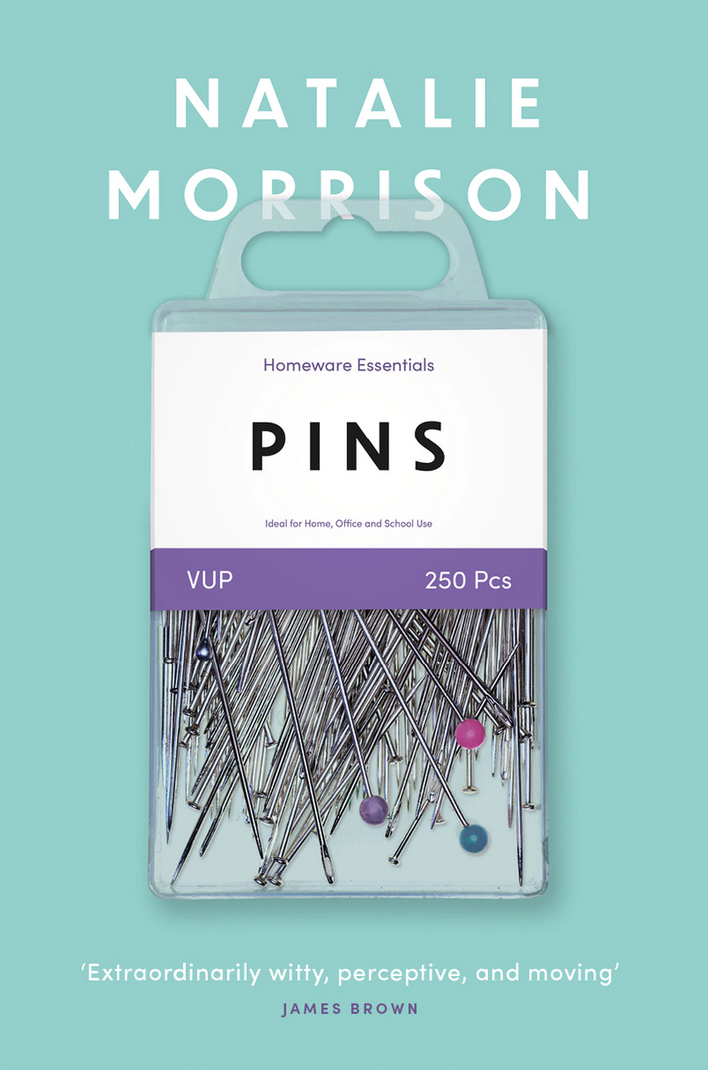
Bill Manhire‘s Wow (VUP) will haunt you – so many of these poems have joined my list of memorable poetry encounters. The baby in the title poem says ‘wow’ while the big brother says ‘also’. This new collection sparks both the ‘wow’ moments and the ‘also’ moments. Get lost in its glorious thickets and then find your way out to take stock of the ordinary (and out-of-the-ordinary) world about you. Like Rhian’s collection this is a book of poetry astonishments. Natalie Morrison‘s (VUP) debut collection Pins is exquisite, both melodious and tactile, economical and rich. There is both a quirkiness and a crafted musicality, resonant white space, yet perhaps a key link is that of narrative. I filled with joy as I read this book.
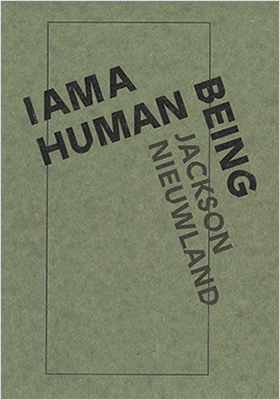
Jackson Nieuwland‘s I am a Human Being (Compound Press), so long in the making, lovingly crafted with the loving support of friends, with both doubt and with grace (think poise, fluency, adroitness), this book, in its lists and its expansions, moves beyond the need for a single self-defining word. I knew within a page or two, this book was a slow-speed read to savour with joy. Nina Powles‘s Magnolia (Seraph Press) is the book I am currently reading. I have long been a fan, from Girls of the Drift to the glorious Luminscent). Nina’s new book is so immensely satisfying as it navigates home and not-home, identity, history, myth, the lives of women – with characteristic nimbleness, heavenly phrasing, open-heart revelations, the senses on alert, the presence of food, multiple languages. Reading bliss!
The poets and their picks
Tusiata Avia
I’m a terrible book buyer. I tend to read books given to me (because I’m cheap like that) and the shopping-bag full of books my cousin, playwright, Victor Rodger, lends to me on the regular. He has the best taste! I should probably be a better reader of New Zealand poetry in particular, but I reckon I’ve got enough things to feel guilty about.
The top three on my list of books I have read this year and love:
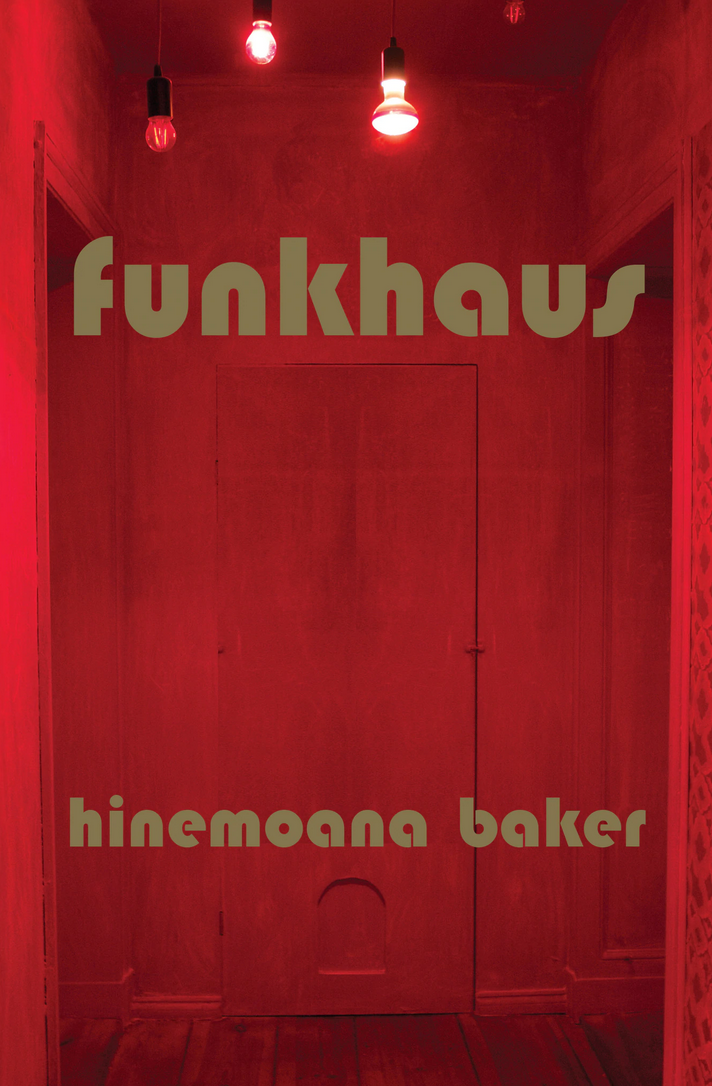
Funkhaus by Hinemoana Baker (Victoria University Press)
I love the way Hinemoana uses language to make the ethereal and the mysterious. I’m happy to not immediately be able to pin down meaning; her language allows me to be suspended between what it does to me and what it means. Poems like the incantatory Aunties and Mother – which I think of as more ‘rooted’ – make me want to sit down immediately and write a poem. In fact that is exactly what I did do when I read this book. I love a book that makes me write.
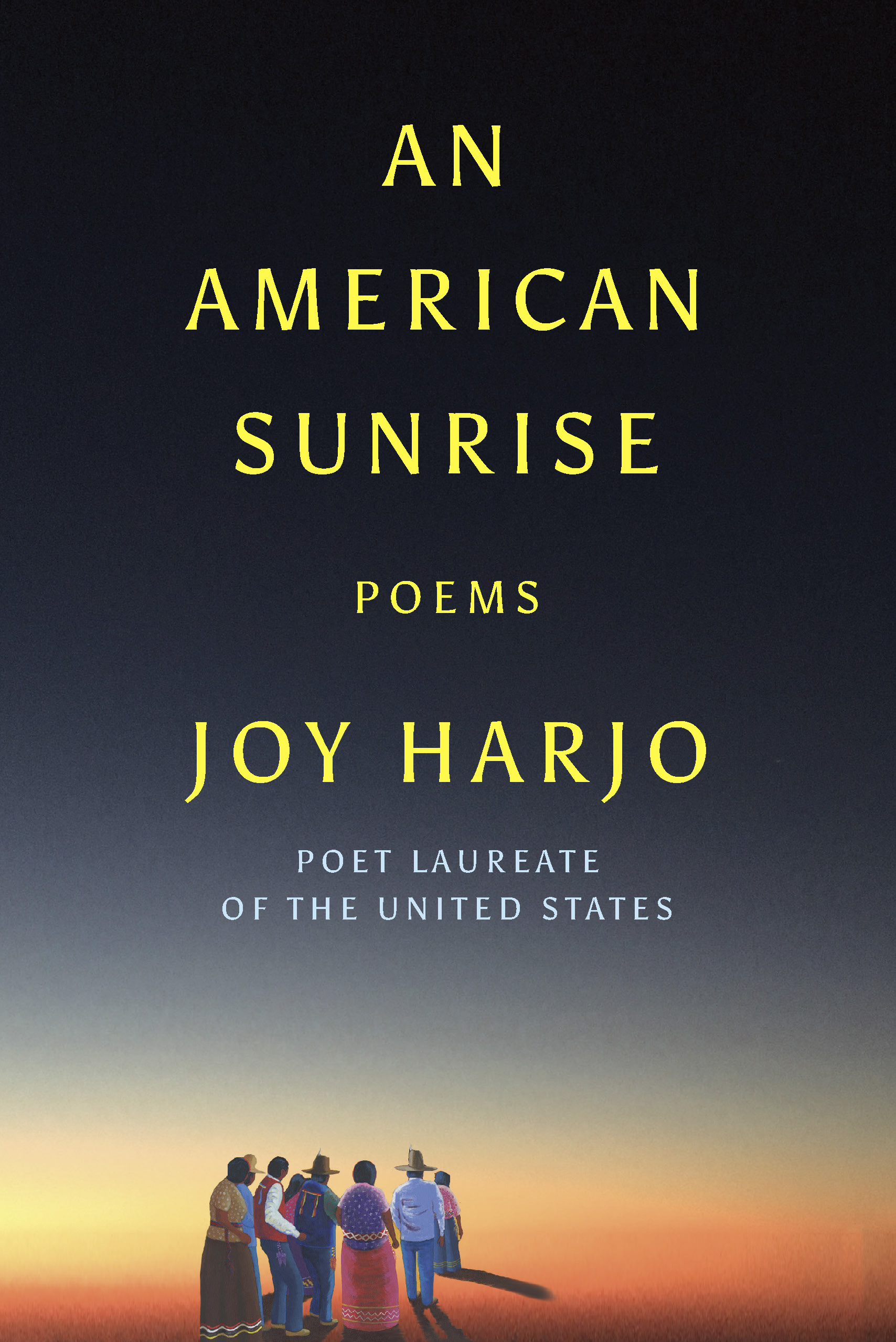
An American Sunrise Joy Harjo (WW Norton & Co)
An American Sunrise is Joy Harjo’s most recent book of poetry. Joy is Poet Laureate of the United States. I love everything Joy Harjo has written. And I mean everything. She Had Some Horses (from an early book of the same name) is one of favourite poems of all time. Elise Paschen says of her, “ Joy Harjo is visionary and a truth sayer, and her expansive imagination sweeps time, interpolating history into the present.”. I would add to that she is taulaaitu, mouth-piece for the ancestors, gods and spirits. While you’re reading Joy Harjo’s poetry, read Crazy Brave, her wonderful autobiography. It will stay with you forever.
National Anthem by Mohamed Hassan (Dead Bird Books)
When I was looking for favourite lines in this book, I couldn’t decide, sooo many – like small poems in themselves. Mohamed speaks with an iron fist in a velvet glove. His poetry is elegant and beautiful and it tells the damn truth. Someone needs to tell the damn truth – about March 15, about being Muslim in New Zealand (and in the entire western world), about the things that happen so close to us – and inside us – that are easy (and more comfy) to avert our eyes from.
Some favourite lines from White Supremacy is a song we all know the words to but never sing out loud: ‘Please come and talk on our show tomorrow/ no don’t bring that up/…
‘This isn’t about race/ this is a time for mourning/ this is about us/ isn’t she amazing/ aren’t we all’…
‘Let us hold you and cry/ our grief into your hijabs’…
Who can tell these stories in this way but a good poet with fire in his fingers, love and pain in equal measure in his heart and feet on the battleground?
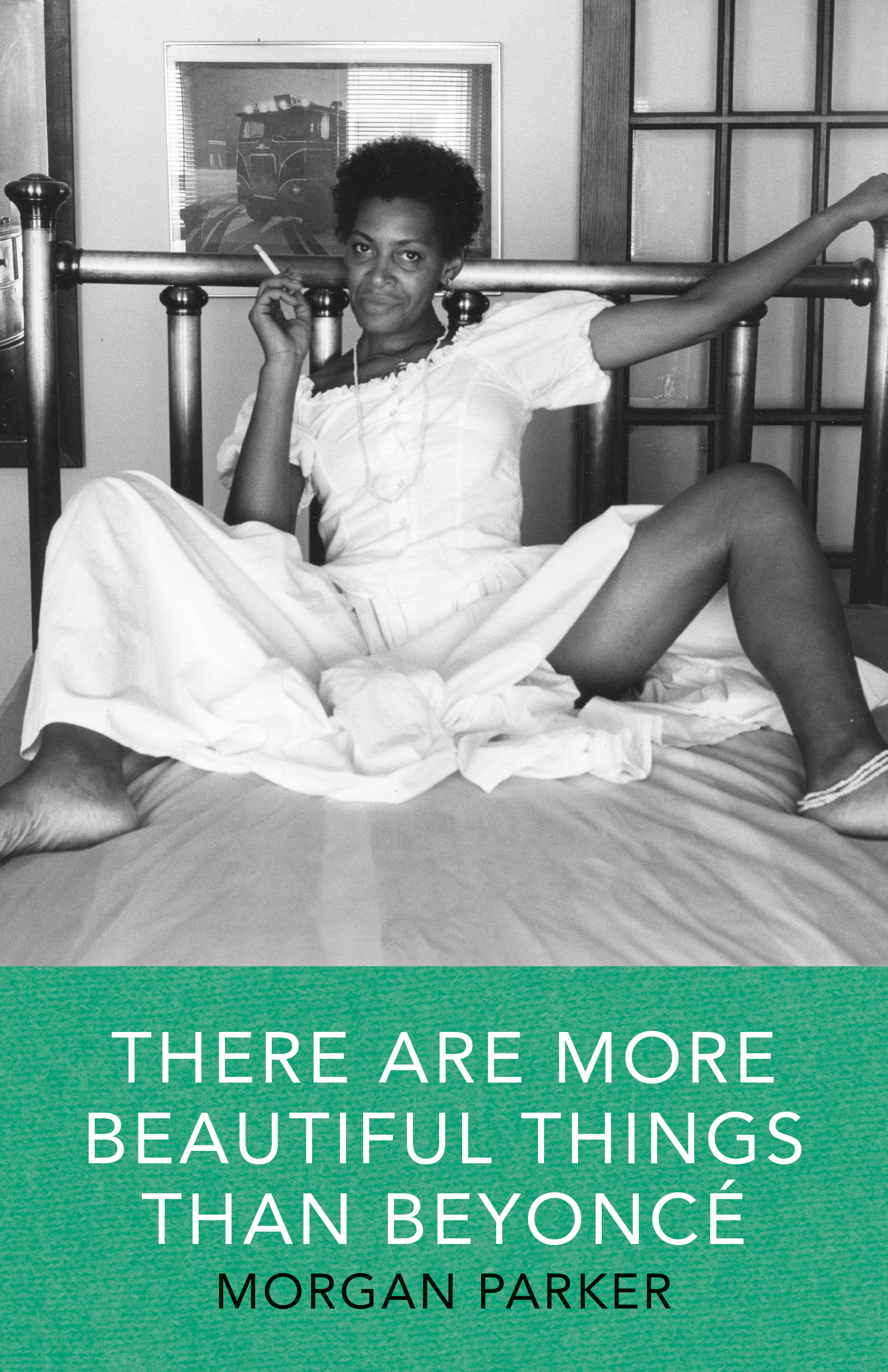
There are More Beautiful Things Than Beyonce Morgan Parker (Tin House)
I have to add, There are More Beautiful Things Than Beyonce by Morgan Parker to every list I write forever. In my opinion, no reader of poetry should miss this. If it doesn’t grab you by the shoulders, the heart, the brain, the belly – you might be dead. From the epigraph: ‘The president is black/ she black’ (Kendrick Lamar). Morgan Parker is PRESIDENT.
Rhian Gallagher
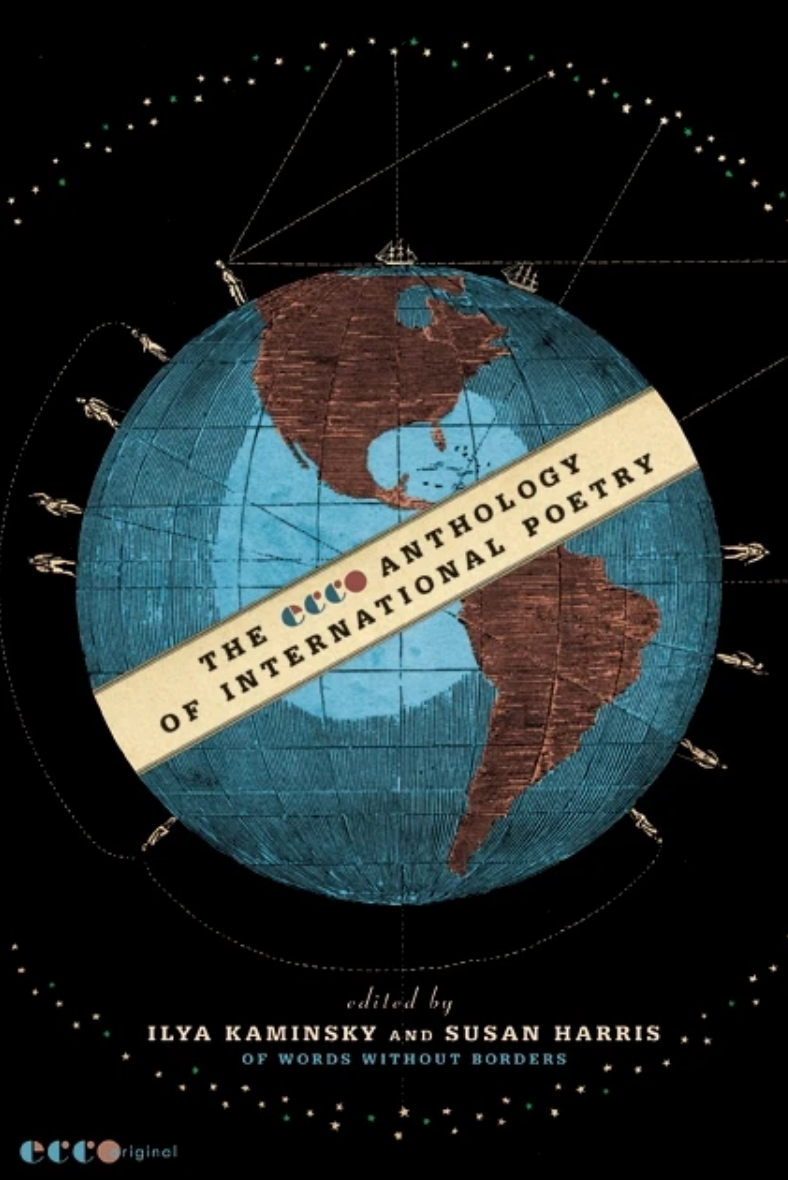
The Ecco Anthology of International Poetry (HarperCollins) edited by Ilya Kaminsky and Susan Harris features translations of 20th century poets from around the world and is packed with surprises.
Amidst all the books I have enjoyed during 2020, this is the one that I have read and re-read and continue to come back to. It was first published in 2010. I have been slow in coming to the book.
When a poem in another language is re-cast into English, through the empathy and skill of a translator, it seems to unsettle notions of line, rhythmn, word choice and form. Translation pushes and tugs at the boundaries of the ‘rules’ and introduces a kind of strangeness. This strangeness I experience as an opening; a feeling of potential, slippery as a an eel to articulate. It recalibrates predetermined notions and generates excitement about what a poem can do or be.
There are well-known names here: Cavafy, Lorca, Akhmatova, Ritsos, Milosz, Symborska among others. There are also many poets previously unknown to me, and many whose work is either out of print or difficult to source. It’s a diverse, inspiring array of poetic voices and, as Kaminsky says in the introduction, puts us ‘in conversation with a global poetic tradition’.
Making discoveries is one of the great pleasures of anthologies. I now have a brand new ‘to read’ list.
Rata Gordon
When I’m reading something that inspires me, I have the urge to inhabit it somehow. I find that entering into a creative process by writing with, and around, another’s words helps me to absorb them into my internal landscape. This poem was created with snippets of some of the poetry I have met recently.
Soon, we are night sailing (Hunter, p. 71)
This is the closest you can get to it:
the void, the nothing,
the black lapping mouth of the sea
and the black arching back of the sky. (Hunter, p. 71)
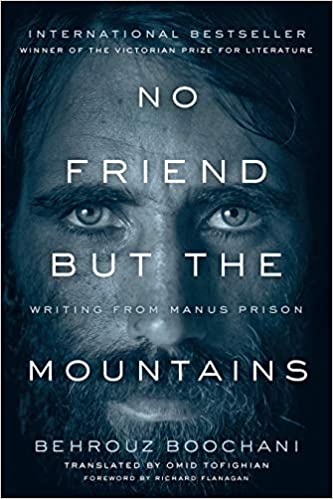
One still maintains a little glimmer of hope
Deep down inside
A tiny light
About the size of a speck
Like a distant star
Is spotted on the horizon this dark night (Boochani, p. 26)
Swish swish swish
as quiet as a fish. (Ranger, p. 13)
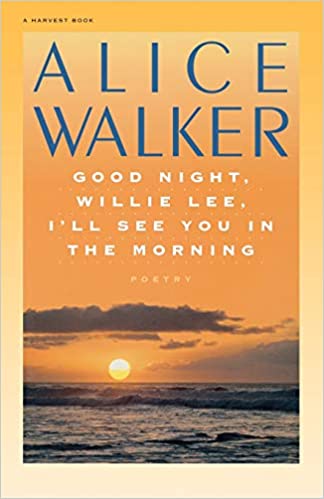
… holy women
await you
on the shore –
long having practiced the art
of replacing hearts
with God
and song (Walker, p. 7)
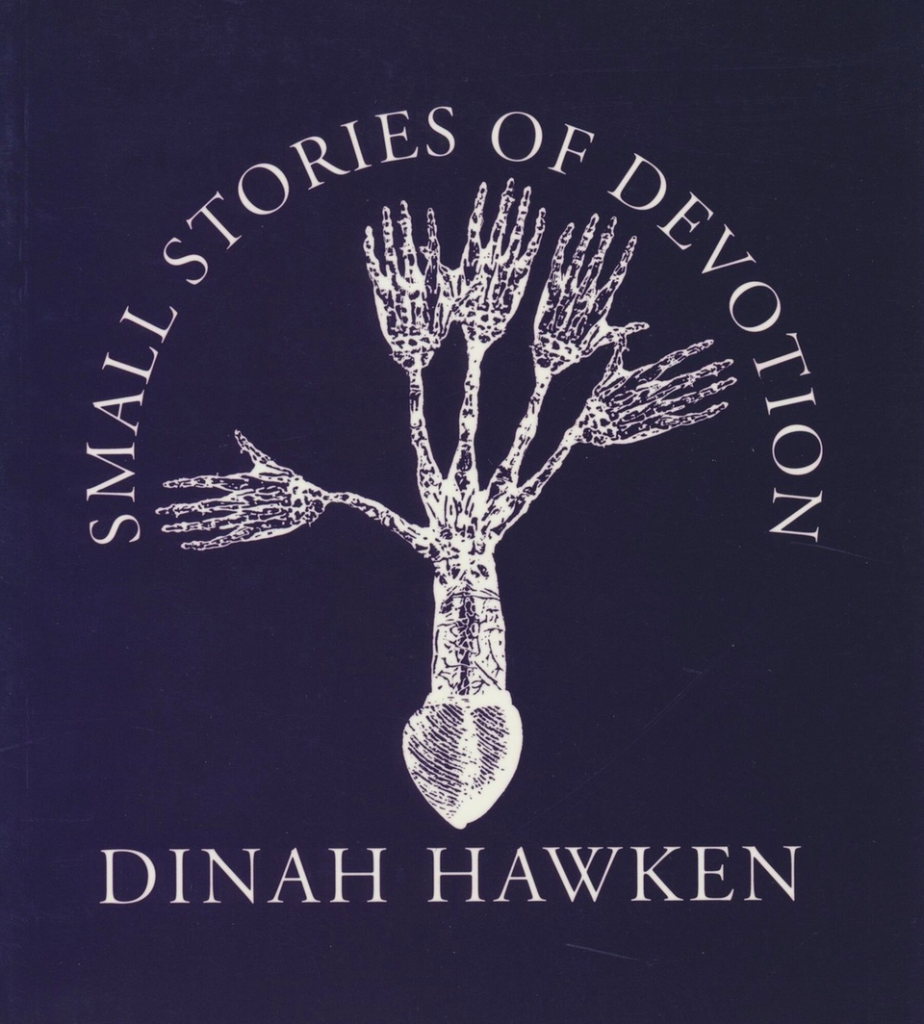
Today you are tumbling towards her like the ocean.
… you are becoming nearer and nearer to someone other
than yourself. (Hawken, p. 49)
I have … imagined my life ending,
or simply evaporating,
by being subsumed into a tribe of blue people. (Nelson, p. 54)
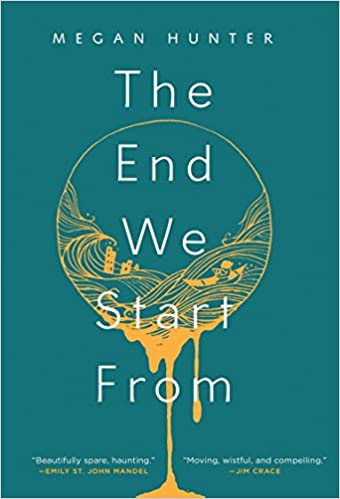
The End We Start From by Megan Hunter (2017, Picador). (Not strictly poetry, but the book feels so much like a long poem to me). Line breaks added by me.
No Friend but the Mountains by Behrouz Boochani (2020, Picador).
‘Autumn Leaves’ by Laura Ranger. In A Treasury of NZ Poems for Children edited by Paula Green (2014, Random House).
Good Night, Willie Lee, I’ll See You in the Morning by Alice Walker (1975, The Women’s Press).
Small Stories of Devotion by Dinah Hawken (1991, Victoria University Press).
Bluets by Maggie Nelson (2009, Jonathan Cape). Line breaks added by me.
Mohamed Hassan
Tusiata Avia’s The Savage Coloniser Book (Victoria University Press)
A few weeks ago, I sat in the audience at a WORD Christchurch event and watched our former poet laureate Selina Tusitala Marsh read a poem from Tusiata Avia’s new collection. It began as such:
Hey James,
yeah, you
in the white wig
in that big Endeavour
sailing the blue, blue water
like a big arsehole
FUCK YOU, BITCH.
The hall fell pin silent and a heavy fog of discomfort descended from the ceiling, and I sat in the corner brimming with mischievous glee. It was a perfect moment, watching two of the country’s most celebrated poets jointly trash the country’s so-called ‘founder’ in the most spiteful way imaginable. The audience squirmed and squirmed and I grinned and grinned.
This is how Avia’s book begins, and it never lets up. As the title subtly implies with a hammer, Avia has things she wants to say, and doesn’t care how people feel about them. She delights in the spiteful, burrows down into the uncomfortable and the impolite and pulls out nuggets of painful truths with her bare hands. They are all truths that must be said bluntly and Avia drills them home.
In Massacre, Avia reflects on her youth fighting the demons of Christchurch, and asks us if our ‘this is not us’ mantra is divorced from the history carried in the land, haunted instead by the white spirits that rose to claim lives on March 15.
The book crescendos with How to be in a room full of white people, a dizzying poem that traps us in a single moment in time and forces us to witness and squirm and eventually, hopefully, understand what it is like to be the only brown body in a foreign space, in all its literal and metaphorical significance.
This has been my most cherished book this year, bringing together Tusiata Avia’s firecracker wit and her uncanny gift of conjuring worlds that feel vivid in their weight and poignancy. Abandoning all diplomacies, this is a blazing manifesto for honest and confrontational poetry that speaks with an urgency that puts me as a writer to shame, and demands more of me at once.
Bill Manhire
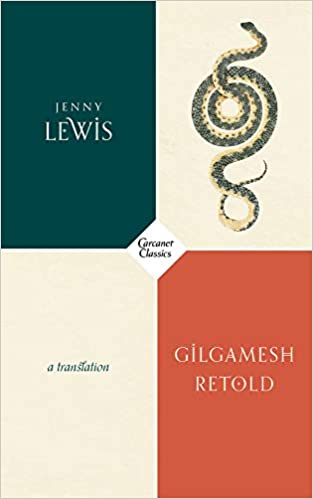
Jenny Lewis, Gilgamesh Retold, (Carcanet)
I love the way poetry re-visions the past, especially the deep past. I’m thinking of books like Matthew Francis’s reworking of the Welsh epic The Mabinogi and Alice Oswald’s Memorial, a book that abandons the main storyline of Homer’s Iliad in favour of narrating the death scenes of minor characters, accompanied by extra helpings of extended simile. I’d always known about the Epic of Gilgamesh, which I have owned for about 40 years in a yellow 1960 Penguin paperback. I’ve hardly opened it, but it’s one of some nine translations of the poem that Jenny Lewis has consulted for Gilgamesh Retold, published by Carcanet some four thousand years after the stories first circulated in oral form. (Her publisher at Carcanet, Michael Schmidt, has himself written a much admired book about the poem’s origins and afterlife)
Locally Dinah Hawken has worked with this ancient material, particularly writing about Inanna, the goddess of beauty and fertility and, sometimes, war, who is one of the major figures in the Gilgamesh cycle. Dinah’s feminist sense of the ancient stories accords with Jenny Lewis’s decision, as the blurb says, to relocate the poem “to its earlier oral roots in a Sumerian society where men and women were more equal, … [where] only women were allowed to brew beer and keep taverns, and women had their own language – emesal.”
It’s as well Inanna has such a significant role in Gilgamesh, for otherwise it would be a tale about male adventuring and bonding (Gilgamesh and Enkidu) and the discovery that even the greatest heroes can never overcome death. The world of Gilgamesh also gives us a Flood, which matches and in some ways outdoes the Old Testament. I love the way Jenny Lewis has retold these stories. She doesn’t try to pad them out to produce the sorts of coherence and pacing that contemporary readers and movie-goers find comfortable, while her phrasings have an unreductive clarity and a genuinely lyrical grace. The most audacious thing she has done, and has carried off brilliantly, is to use different metrical forms to reflect the ways in which a range of different custodians/retellers have voiced and revoiced the story. You admire the 21st-century poet’s craft even as she inducts you into a baffling and unfamiliar world. All stories, Gilgamesh Retold tells us, are made by many voices, and the best of them will journey on through many more.
And now I must try and summon up the courage to give the latest version of Beowulf a go!
Natalie Morrison
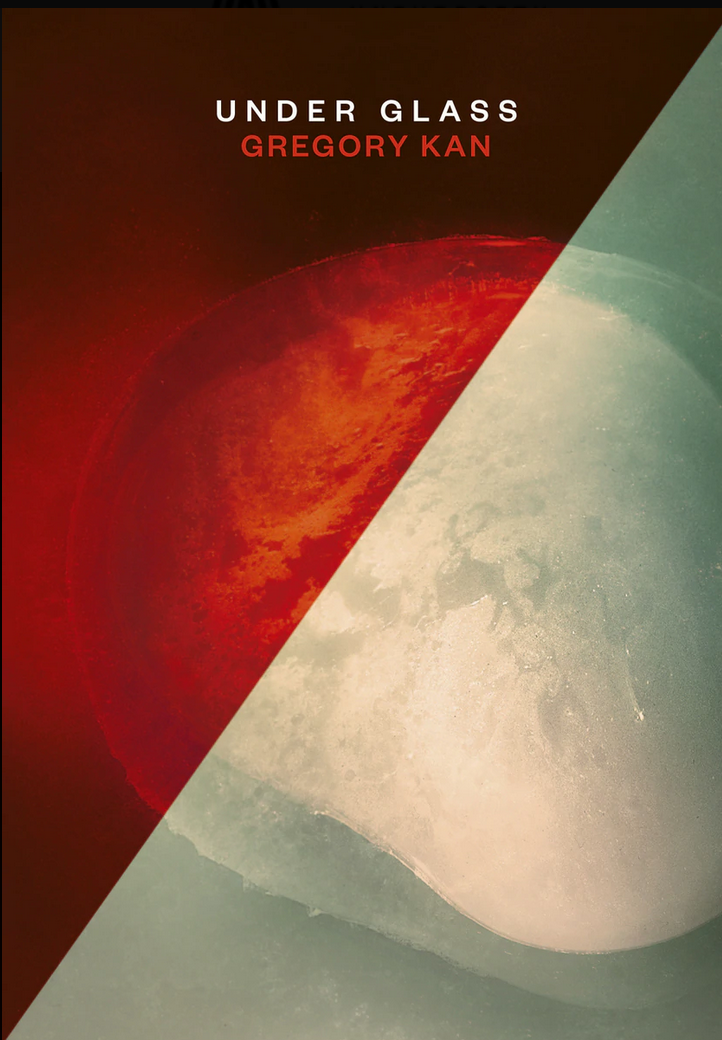
Gregory Kan, Under Glass(Auckland University Press)
My esteemed colleague, with one hand around his Friday swill-bottle: ‘I hate poetry – no one cares, no one reads it anymore.’
Gregory Kan, with two suns infiltrating the long ride on the train to Paekākāriki, illustrates otherwise: Under Glass lulls like a really disquieting guided meditation.
After lockdown, it is the first book I read outside our ‘bubble’. Threading through an internal landscape, somehow a place I recognise. ‘Here, there are two suns. The ordinary sun is in the sky overhead. The other sun is eating its way out from inside me.’
Certain lines, with their mystical insistence, snag on me and come back again from time to time: ‘Everything that surrounds the second sun is not part of it but nonetheless makes it what it is.’ It’s as if some lines have been dreaming of themselves. The book invites a gentle inspection. A glass bead held right up against the eye. A shutter flipped open over a stark interior.
‘When you move a look moves inside me and eats there what I eat.’
Once, a kind individual in Paekākāriki, their hands busy with a teapot, told me: ‘Those who know what it is, fall on it like starving people.’
When Litcrawl comes, we make our way to some of the events. The room has sucked a crowd in. Spells for 2020, with Rebecca Hawkes, Rata Gordon, Stacey Teague, Arihia Latham, Rachel McAlpine and Miriama Gemmell (thank you for your entrancing words), reminds me of how poetry is still something people might come in search of. Visitations of bees, airline heights and morphing walls. There is a sense of relief.
A crowd still feels like a dream, and a dream still feels like the sea. Gregory writes that ‘the sea is a house made of anything. The sea is a story about anything, told by someone unfit for storytelling. More than what I can know, and much more than I can understand.’
Under Glass, which wasn’t exactly written for this year (no ordinary year), seems to slot into it.
My steamed colleague, with one hand steadying the banister: ‘I guess Bob Dylan is okay, though.’
Note: I asked my colleague’s permission for quoting him. He said he was fine with it, as long as a mob of angry poets didn’t come knocking.
Jackson Nieuwland
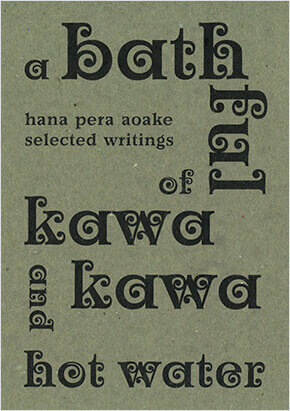
2020 was the year we finally got a book from Hana Pera Aoake (A bathful of kawakawa and hot water Compound Press). I had been waiting for this for so so long. It’s a taonga that I am incredibly grateful for. Ever since I first read Hana’s work they have been one of my favourite writers. Their writing is both clever and wise, of the moment and timeless, pop culture and fine art, Aotearoa and international.
This is a book I will be returning to over and over again for inspiration, electrification, nourishment, and comfort. I would recommend it to anyone.
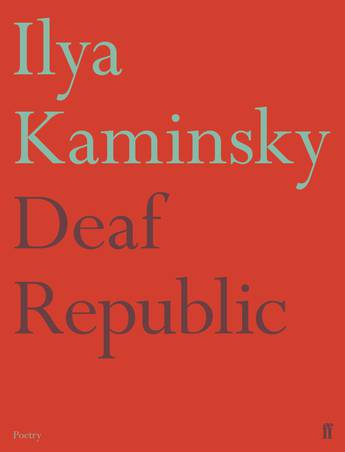
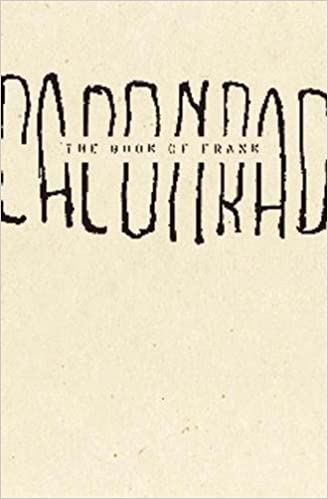
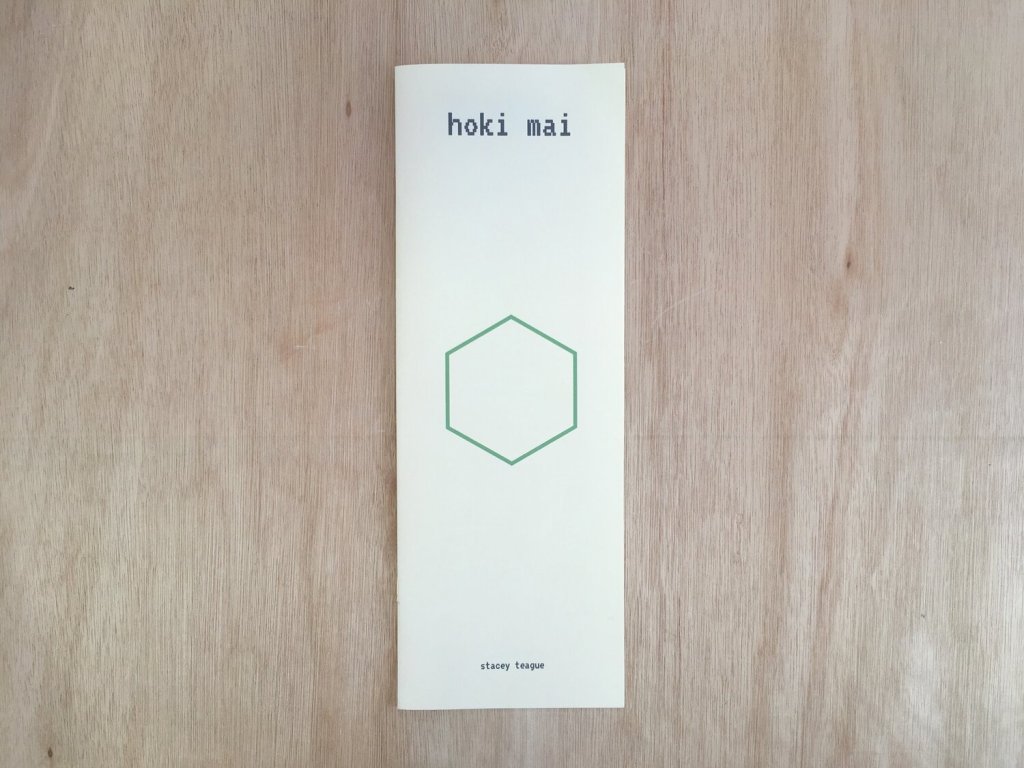
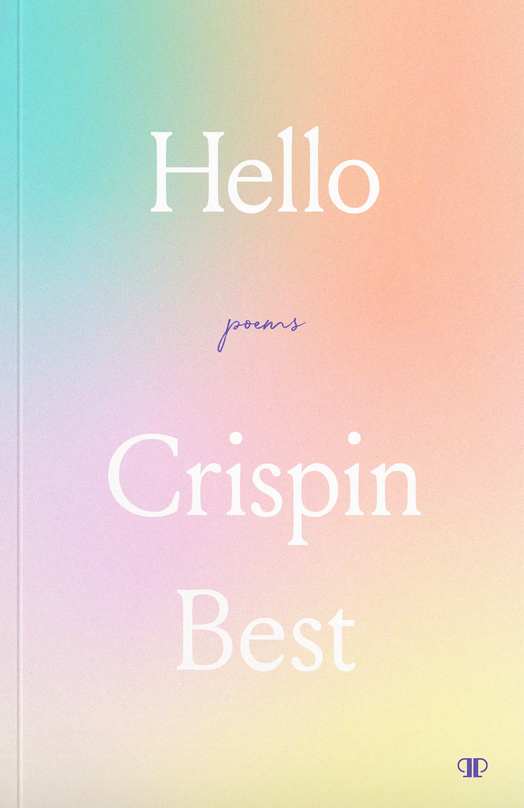
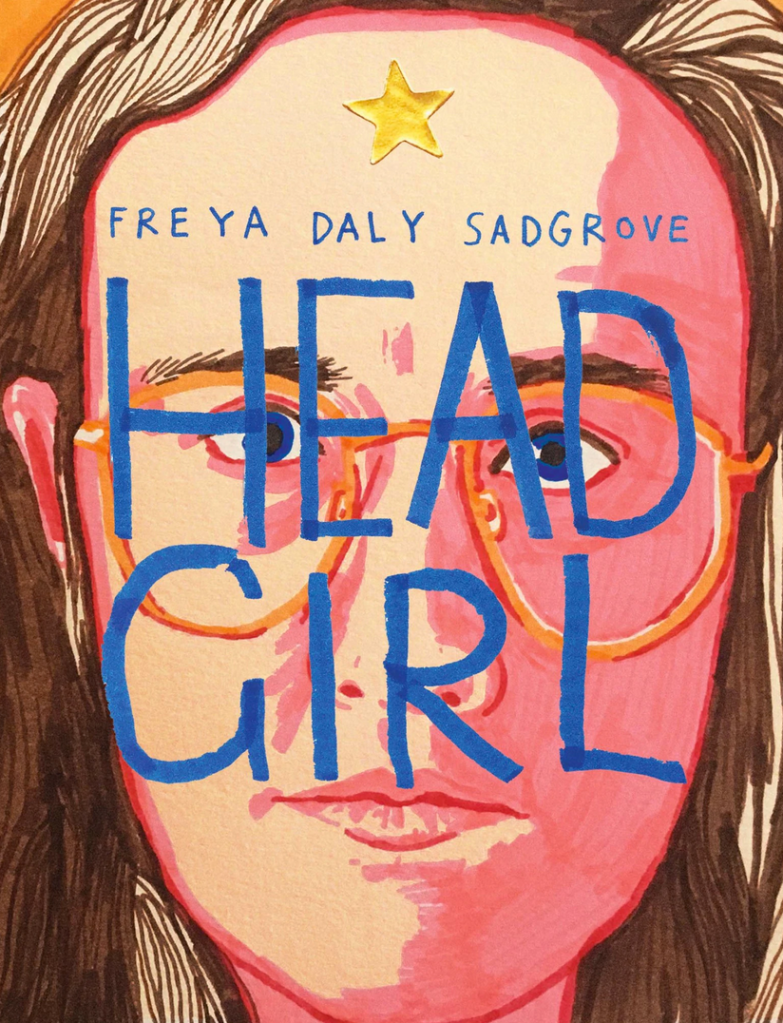
Other poetry books I read and loved this year: Deaf Republic by Ilya Kaminsky, The Book of Frank by CA Conrad, hoki mai by Stacey Teague, Hello by Crispin Best, and Head Girl by Freya Daly Sadgrove.
Nina Mingya Powles
For most of this year I could only read things in fragments. I could only hold on to small parts of poems, essays, short stories in my head before they floated away. This year I sought out poetry by Indigenous writers. Of these two books, the first I read slowly, dipping in and out like testing the surface of cool water. The other I read hungrily all at once.
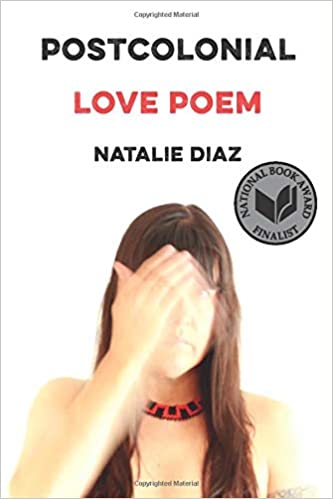
Postcolonial Love Poem by Natalie Diaz (Graywold Press) reminded me why I write poetry, at a time when writing anything at all felt impossible. Diaz’s heavy, melodic love poems circled around my head for days: “My lover comes to me like darkfall – long, / and through my open window.” But it is her writing about water and the body that changed me. In this book, water is always in motion, a current that passes through time, memory and history. Her long poem “The First Water of the Body” is a history of the Colorado River, a sacred river: “I mean river as a verb. A happening. It is moving with me right now.”
A bathful of kawakawa and hot water by Hana Pera Aoake (Compound Press) came to me when I needed it most, nourishing me and warming me. I haven’t yet held a copy of the book, but I read it on my laptop over two days and have carried parts of it around in my body ever since: “I speak broken French and Português into the broken yellow gloaming.” A bathful of kawakawa and hot water is a searing, lyrical work of poetry, memoir, and political and cultural commentary. Like the title suggests, it was a balm for me, but also a reminder of the ongoing fight for our collective dream of a better world, and most importantly, that “racism is not just a product of psychological malice, but a product of capitalism.”
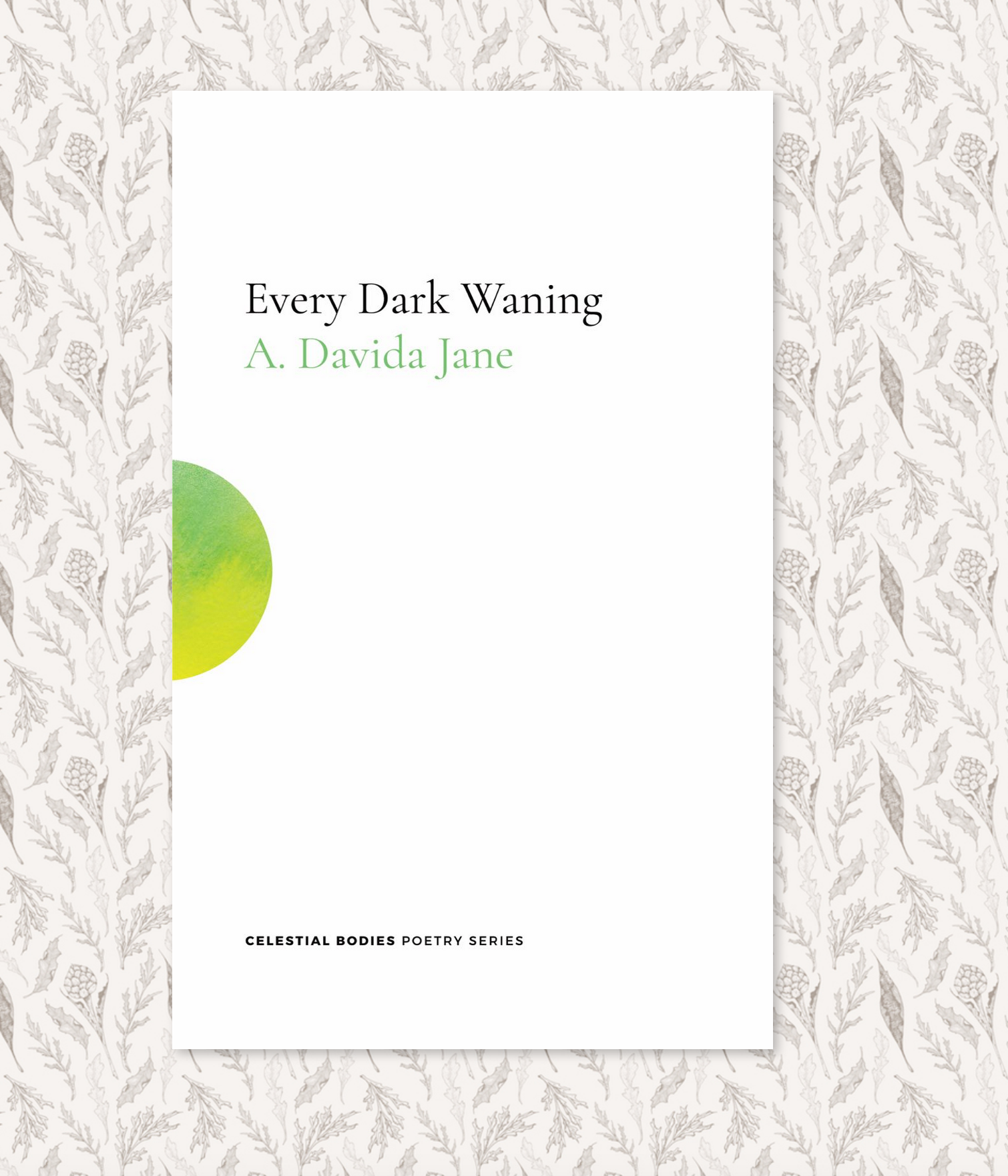
So many poetry books escape my attention, and then a trail of lucky connections leads me to a new discovery. I find the online journal The Starling is an excellent lead to poets under 25. This year I discovered the poetry of Ash Davida Jane and invited her to send me a Monday Poem (‘Undergrowth‘), write a response to a much-loved book (Paige Lewis’s excellent collection Space Struck), and muse on a poetry topic (‘An Ecopoetics of the Future’). I managed to get a copy of her debut collection, Every Dark Waning, from Unity Books in Te Whanganui-a-Tara where she works. And it filled me with poetry delight.
I especially loved the first section which pulls in the stars, sky, water, fire, breath and breathing. These poems are both dark edged and light fringed. Maybe the poet is talking from a deep secret place that misses things, that feels pain, is full of feeling. The dark core of the poems is deeply mysterious. It will grip your arm or your lungs and you will stay. There are many selves but the poet is the most present: ‘The poet is the most / honest part of me.’ (from ‘An Attempt at an Explanation’). The poet reappears in ‘Apollo 11’:
The stickiness of the
atmosphere traps in
all the words I never
wrote down, and the poet
in me flinches as I soar
into outer space.
And later, in ‘The House of Pindar’, in this book where poetry is both reticent and confessional:
You burn every house in me
but the poet’s—raze them to
the ground and salt them so
they’ll never grow back.
Only the writer remains.
Why do I love this book so much? Maybe its the sharp edges, the nightmares and the monsters, the things that are held in reserve, the way writing poetry and being a poet is so vital, life-saving perhaps, and the way my attention is directed to things I want to retain, to put away for a cloudy day. This from ‘Upturned’:
did you see me tuck the
view into the back of my
mind, putting it away for a
cloudy day when the stars
aren’t there and i can’t think
of a reason to get out of bed.
today, i needed a reason
to get out of bed, and
the moon was the only thing
that came close.
Ash Davida Jane is a poet and bookseller from Te Whanganui-a-Tara. She has a Master of Arts from the International Institute of Modern Letters. Some of her recent work can be found in Peach Mag, Turbine | Kapohau, Best New Zealand Poems, and Scum. How to Live with Mammals is due to be published by Victoria University Press in 2021.
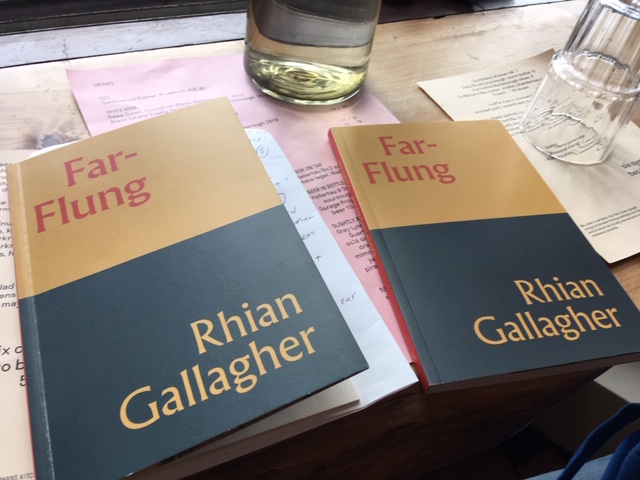
Rhian Gallagher,Far-Flung Auckland University Press, 2020
Into the Blue Light
for Kate Vercoe
I’m walking above myself in the blue light
indecently blue above the bay with its walk-on-water skin
here is the Kilmog slumping seaward
and the men in their high-vis vests
pouring tar and metal on gaping wounds
the last repair broke free; the highway
doesn’t want to lie still, none of us
want to be where we are
exactly but somewhere else
the track a tree’s ascent, kaikawaka! hold on
to the growing power, sun igniting little shouts
against my eyeballs
and clouds came from Australia
hunkering over the Tasman with their strange accent
I’m high as a wing tip
where the ache meets the bliss
summit rocks exploding with lichen and moss –
little soft fellas suckered to a groove
bloom and bloom – the track isn’t content
with an end, flax rattling their sabres, tussocks
drying their hair in the stiff south-easterly;
the track wants to go on
forever because it comes to nothing
but the blue light. I’m going out, out
out into the blue light, walking above myself.
Rhian Gallagher, from Far-Flung
Rhian Gallagher’s debut poetry book, Salt Water Creek (Enitharmon Press) was shortlisted for the Forward Prize First Collection, while her second book Shift was awarded the 2012 New Zealand Post Book Award for Poetry. She has received a Canterbury History Foundation Award, The Janet Frame Literary Trust Award and in 2018 she held the University of Otago Burns Fellowship. This year I welcomed the arrival of Far-Flung (Auckland University Press). It is a glorious book, a book to slowly savour.
Far-Flung is in two sections. The first section, with deep and roving attachments, navigates place. Think of the shimmering land, the peopled land, the lived-upon and recollected land, with relationships, experiences, epiphanies and upheavals. Think of the past and think of the present. Think of school classrooms, macrocarpa and our smallest birds. Think of a nor-west wind and Donegal women. These poems exude a delicious quietness, a stalled pace, because this is poetry of contemplation, musings upon a stretching home along with ideas that have shaped, and are shaping, how the world is.
The other day I turned up in an Auckland café to meet poet Anna Jackson for lunch, and we both brought along Far-Flung to read (if we got to wait for the other). I read the opening lines aloud to Anna when she arrived, and then she started reading the book. We were lost in the book. I am now imagining how perfect it would be to have a weekly poetry meeting with a friend, where you sit and read the exact same book over lunch. Perhaps I am returning to the afternoon-tea poems from my debut book Cookhouse, where I thought I would take afternoon with poets I loved (in the shape of a poem) for the rest of my life. That didn’t exactly happen (in the shape of a poem), but I guess I have been engaging with poetry in Aotearoa ever since.
Rhian’s opening poem ‘Into the Blue Light’ is a form of poetry astonishment. Let’s say awe, wonder, uplift. The spiritual meets the incandescent meets the hot sticky tar of the road repairs, and the ever-moving scene, with its biblical overtones (‘the bay with its walk-on-water skin’), references a fidgety self as it much as it scores physical locations. I keep coming back to the word ‘miracle’, and the way we become immune to the little and large miracles about us. Miracle can be a way of transcending the burdensome body, daily stasis, the anchor of here and there, the shadow of death, and embrace light and engage in light-footed movement. This is definitely a poem to get lost in. You don’t need to know what it is about or the personal implications for both poet and speaker. Perhaps this is what astonishment poems can do: they draw us into the blue light so that we may walk or drift above ourselves.
The second poem, ‘The Speed of God’, underlines the range of a nimble poet whose poetic craft includes the lyrical, the political, the personal and the reflective. Here Rhian wittingly but bitingly muses on the idea that God made the world too fast to get men right.
Or maybe if he’d made man and said, ‘You learn how to live with yourself and do housework and then I might think about woman.’
The second section of the book focuses upon voices from Dunedin’s Seacliff Lunatic Asylum and is in debt to research along with imaginings. The Lunatic Act of 1882 defines a lunatic within legal parameters rather a medical diagnosis. The institution was more akin to a prison than a place of healing, with those incarcerated granted no legal rights. As a national inspector of lunatic asylums, hospitals and charitable institutions, Dr Duncan MacGregor ‘feared New Zealand was being overrun by a flood of immigrants from lowly backgrounds’.
Rhian’s ‘The Seacliffe Epistles’ sequence is unbearably haunting. The endnotes acknowledge the sources, many poems in debt to inmate’s letters. Reading the poignant poetry, I am reminded of the way we still haven’t got everything right yet. We still have the dispossessed, the muted, the disenfranchised, the underprivileged. And that is another haunting seeping into the crevices of the book.
Far-Flung showcases multiple bearings of self, place, and across time. There is the child smelling the ‘gum trees in the gully’, rhyming her way across a wheat field, as letters and words start to produce sound and sense. From those tentative beginnings, words now offer sumptuous music for the ear, groundings for the heart, little portholes into our own contemplative meanderings. As Vincent O’Sullivan says on the back of the book: ‘I can think of no more than a handful of poets, whose work I admire to anything like a similar degree.’ This is a glorious arrival, a book of exquisite returns that slowly unfold across months.
Rhian Gallagher’s first poetry book Salt Water Creek (Enitharmon Press, 2003) was shortlisted for the Forward Prize for First Collection. In 2007 Gallagher won a Canterbury History Foundation Award, which led to the publication of her book Feeling for Daylight: The Photographs of Jack Adamson (South Canterbury Museum, 2010). She also received the 2008 Janet Frame Literary Trust Award. Gallagher’s Shift (AUP, 2011) won the 2012 New Zealand Post Book Award for Poetry. In 2018, she held the University of Otago Robert Burns Fellowship.
Tusiata Avia, The Savage ColoniserBook, Victoria University Press, 2020
I have just read Selina Tusitala Marsh’s brilliant review of The Savage Coloniser Book at the Academy of New Zealand Literature, and if you read one book review this year, from first line to last line, read this. It pays sublime tribute to Tusiata Avia’s book at a personal level and at a wider level. This is a taster:
The Savage Coloniser Book poetically documents our wounds, and by doing this provides poetic catharsis. Avia goes through the wound – colonisation, slavery, genocide and racism – and back through it several times. It’s an uncomfortable read in many places. Some might avert their eyes, refuse to lift off their own bandages to see, but it’s a wound that belongs to all of us and one shared by people of colour the world over. These are wounds that leak into our day-to-day lives, whether you’re paying in a bookshop or praying in a mosque, whether you are having coffee with blithely racist friends or standing in a protest line.
Tusiata Avia places herself – her ravaged heart, her experience, wounds, scars, thinking, feeling, her urge to speak, sing, perform, make poetry, no matter the price, the energy needed, holding history out, with tempered rage, with unadulterated rage, quietly, loudly, singing, shining, her heart on the travesties, the coloniser, the colonised, on the Pākehā who crossed lines into abuse, and into the light there, right there the unspeakable abuse that needs to be heard, whacking Captain Cook from his pedestal, sighting Ihumātao, the Australian bush fires, ‘The white fella houses go up in smoke. // They start living in caravans / like they’re the dispossessed’, and the refugees, in lines of sight, heart lines ear lines, ah the point of the blade when you hear the Manus Island refugees, the plundering of lives and loves and dreams and ways of being across time, the plundering of the land, the living growing nurturing land, ‘you might even have to remove a mountain’ to get to the ore, Jacinda’s house colonised by a Polynesian family, worried daughter listening to Jacinda and her daily Covid briefing, translating for worried mother, worried daughter, finding her mother’s Broadsheets, the gutted woman, the abortioned woman, her lovers, her daughter who wants her mother to be more specific, but she is disabled with epilepsy, saying thingy to beloved daughter, disinfectant wiping surfaces for her beloved mother, in the time of Covid, in the time of reckoning, the near death, again the near death, epilepsy on the floor, her passed father a presence, the white people who claim white as colour, and more, and worse, and notes for the critic with their suffocating paradigms and agendas, racism, and standing in the room with the white people who are finding it hard to be white and just won’t shut up, and she places a prayer, a prayer for water, her daughter, the stars, lungs, child, air, the reader and more – in her poems, in these necessary poems.
‘Protest is telling the truth in public … We use our bodies, our words, our art and our sounds both to tell the truth about the pain we endure and to demand the justice that we know is possible.’ DeRay Mckesson, On the Other Side of Freedom (quoted at front of book)
Help us celebrate the launch of Magnolia 木蘭 by Nina Mingya Powles in the time of covid! Nina is stuck in lockdown in London, from where she will do an Instagram Live reading to celebrate the publication of the New Zealand edition of her fabulous new poetry collection.
Join us on Wednesday 2 December at 9 pm NZ time on Nina’s Instagram page. (It will also be available to view later, but live is best!) To view the video you’ll need to have an Instagram account.
If Instagram isn’t your thing, or even if it is, you can also look forward to the real-life launch we’re planning with Nina in March!! Details TBC.
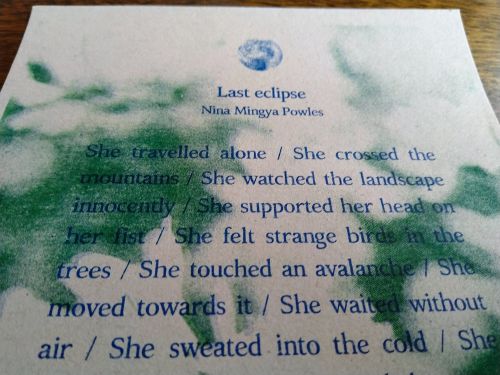
You can buy Magnolia 木蘭 from good bookshops, or direct from us. First 100 direct orders will also get a limited edition risograph print made by Nina herself of one of the poems in the collection.
About Magnolia 木蘭
Home is not a place but a string of colours threaded together and knotted at one end.
Shanghai, Aotearoa, Malaysia, London—all are places poet Nina Mingya Powles calls home and not-home; from each she can be homesick for another. A gorgeous bittersweet longing and hunger runs through the poems in this new collection from one of our most exciting poetic voices.
In Magnolia 木蘭 Powles explores her experience of being mixed-race and trying to find her way through multiple languages: English, Mandarin, Hakka, Māori. Powles uses every sense to take us on a journey through cities, food and even time, weaving her story with the stories of women from history, myth and film.
The gorgeous cover features an artwork by Kerry Ann Lee.
The UK edition of Magnolia 木蘭 was shortlisted for the Forward Prize for best first collection.
“This is a book of the body and the senses, whether the million tiny nerve endings of young love; the hunger that turns ‘your bones soft in the heat’; the painterly, edible, physical colour of flowers and the fabric lantern in the pattern of Maggie Cheung’s blue cheongsam; or ‘the soft scratchings of dusk’. These are poems of ‘warm blue longing’ and understated beauty, poems to linger over, taste, and taste again. As Powles searches for home she leaves an ‘imprint of rain’ in your dreams.” —Alison Wong
About the author
Nina Mingya Powles is a poet, zinemaker and non-fiction writer of Malaysian-Chinese and Pākehā heritage, currently living in London. She is the author of a food memoir, Tiny Moons: A Year of Eating in Shanghai (The Emma Press, 2020), poetry box-set Luminescent (Seraph Press, 2017), and several poetry chapbooks and zines, including Girls of the Drift (Seraph Press, 2014). In 2018 she was one of three winners of the inaugural Women Poets’ Prize, and in 2019 won the Nan Shepherd Prize for Nature Writing. Magnolia 木蘭 was shortlisted for the 2020 Forward Prize for Best First Collection. Nina has an MA in creative writing from Victoria University of Wellington and won the 2015 Biggs Family Prize for Poetry. She is the founding editor of Bitter Melon 苦瓜, a risograph press that publishes limited-edition poetry pamphlets by Asian writers. Her collection of essays, Small Bodies of Water, is forthcoming from Canongate Books in 2021.
Ale-bellied, full, we take our tavern talk outside,
searching for it on the stone stoop beneath the stars.
Still they are lost, the words we want
for that thing on the wall inside and what it did
although they knock and knock, these words,
behind the tongue. The boat ramp stinks of brine.
The moon rises slow and golden from the headland.
Old eye. The dock is matted with weed and slime.
Queen’s shilling. Shanghai. Press gang. Cosh.
The words we’ve been casting for are caught.
Deckloads of the disappeared come up now on the hook.
The bay’s awash with them, awash.
Sue Wootton
Sue Wootton ( suewootton.com ) lives in Ōtepoti Dunedin. Her debut novel, Strip (Mākaro Press), was longlisted in the 2017 Ockham NZ Book Awards, and the following year her poetry collection The Yield (Otago University Press) was a finalist in the poetry category of these awards. She is co-editor of the e-zine Corpus: Conversations about Medicine and Life, found at corpus.nz
The poem ‘At Moeraki’ was shortlisted for the 2019 University of Canberra Vice Chancellor’s International Poetry Prize.
Bill Manhire, Wow, Victoria University Press, 2020
Excuse me if I laugh.
The roads are dark and large books block our path.
The air we breathe is made of evening air.
The world is longer than the road that brings us here.
from ‘The Armchair Traveller’
Over my decades of reading New Zealand poetry, some poets stand out. To my discovery of Hone Tuwhare in my secondary-school library in the early 1970s, I add the joy of reading Jenny Bornholdt, Bernadette Hall, JC Sturm, Michele Leggott, Emma Neale, Tusiata Avia, Cilla McQueen, Anna jackson, Bill Manhire. So many other poets have given me goosebumps across the decades, poets who have made me pick up a pen and write, who have hooked my attention and then kept me listening. What is it that makes a particular poet, such as Bill Manhire, our first national poet laureate, a favoured return over years? For me it starts with music, moves through heart, silence, mystery, ideas, wit. I seem to favour bridges into poetry thickets, and these thickets might appear within a handful of words or a book-long sequence.
At WORD Christchurch a few weeks ago, I went to some excellent sessions. I have already written about the miracle of being there in the time of Covid, along with my festival highlights – but how fitting one favourite was the Bill Manhire / John Campbell conversation celebrating Bill’s new collection, Wow. John discussed the lasting effect of being in a Bill Manhire class at university and reading his poetry. I carried away such warmth and enthusiasm for poems and what poetry can do. John launched the conversation by explaining Bill’s impact on him: ‘A light went on in my head and heart which has never gone out’. This line has stuck with me. Poetry turns on internal lights. Gifts us an internal galaxy system. Coincidentally the house lights are always up in WORD sessions so it felt like a living-room or café conversation without the usual audience / speaker barrier at work. I kept wanting to join in! Afterwards fans lined up with the book to get signed and I pictured the queue of people racing home to find their own Wow enthusiasms. I will barely scrape the surface of how many paths through the collection.
Wow, co-published by Carcanet in the UK and Victoria University Press here, is one of four winter recommendations by the Poetry Book Society, an organisation TS Eliot and friends founded in 1953.
I begin with Wow’s preface: ‘they’ve cleared away / the clearings’.
The mystery is potent. The image haunting. I was sitting in my Ōtautahi hotel room, looking out at the parking-lot clearings, with Wow in hand, and I couldn’t stop leapfrogging from city clearings to bush clearings to mental clearings to poem clearings. And I couldn’t stop wondering what replaces the clearing, and the word bounced about in my head so much it lost sense. And then it became vital: we need clearings. We need clearings in the city, and the bush, and in our heads. Maybe we need clearings in poems, where the the light and dark intermingle, and the glints sit next to the ominous.
Thickets and clearings. The first poem is a song of the extinct huia, a fitting call onto the book’s musical terrain, and to uncertain and unsettling presents and futures. Such a poignant note to enter a collection with:
I lived among you once
and now I can’t be found
I’m made of things that vanish
a feather on the ground
from ‘Huia’
Turn the page and ‘Untitled’, a short poem, is an altogether different form of song. The dark edges are prominent, the silence (the unspoken, the withheld) a hook. This poem is the complete Manhire package: you get music, silence, mystery, dark edges, light turns.
Untitled
This book about extinct birds is heavier than any bird:
heavier than the dark bird eating my heart,
page after page of abandoned wings.
I lift it up and sit it on my lap
and listen to it purring.
Bill Manhire
John invited Bill to read the four-lined ‘A Really Nice Trip’, where the speaker visits several ‘Pleasant’ places: ‘Then we went all the way out to Pleasant Point.’ The audience laughed and loved it, and I pictured everyone picturing a mindstream of pleasant places. The poem is a wee joke. The poem turns up in reviews and on festival stages. The poem is also like a clearing for our own pleasant places, in my case, reeking of summer and green tea in a flask. Ah such a tongue-in-cheek, underrated word that scoots over how a Valley or a Flat or a Point can be satisfying, pleasing, a downright pleasure.
Yes! Bill is the maestro of ordinariness (a bit like Jenny Bornholdt is too) where an economy of words releases any number of treats. There is comfort in the ordinary – that pleasant place – that is sometimes so ordinary it becomes unreal, super-real. This kind of poetic ordinariness makes pinpricks on your eyelids, and you settle back in your chair or hammock as the armchair traveller, the poetry traveller, and it is altogether wonderful. I quoted the first stanza from ‘The Armchair Traveller’ at the start of this review, because it is this one of those classic Manhire poems that is going to haunt like ‘Kevin’ haunts you, or ‘The Ladder’ or ‘Erebus Voices’ or ‘Hotel Emergencies’ or ‘The Victims of Lightning’. Here is the last verse:
Time now to let the story take its course,
just settle back and let the driver drive.
Bliss is it late at night to be alive,
learning to yield, and not to strive.
from ‘The Armchair Traveller’
‘The Armchair Traveller’ is a poetry thicket at its very best – you get the light and dark, the mystery, the silence and the exquisite music. There is comfort but there is also discomfort. Perhaps the comfort –for me even in the darkest threats – is expanded by Bill’s fondness for rhyme and repetition. At times the rhyme resembles an incantation, a list, or repeating sounds, an insistent beat, but at other times, rhyme feeds the mysterious business of being human. ‘Warm Ocean’ is full of repetition and rhyme, assonance and alliteration, a sweet concatenation of musical effects and human connections, both within hearing and at a whisper.
Don’t play the music don’t play the music
says the man
who walks around town saying
over and over don’t play the music
all songs being made
as we know from things that hurt
ice that melts flames that fall from the sky
yes all of that and more
and the father goes on singing
long after his daughter leaves the church
from ‘Warm Ocean’
Yes! Wow offers multiple impacts as you read. Three poems in a row are heart catchers: ‘Knots’, ‘Our Teacher’, ‘The Sky’. Things are missed and missing. So poignant. Such treasures. How to tear yourself apart from the magical movement of ‘The Sky’? Impossible:
A man comes by with coal in a wheelbarrow,
muttering, muttering. He wants
to sell us warmth, his feet don’t leave the ground.
We think that we will always miss the sky.
It says look up whenever we look down.
from ‘The Sky’
Read Wow and you get story and song, light and dark, the surreal, constant surprise, but there is also always wit and humour. I laughed out loud at the indignant woman who thought she had phoned the cattery to get her vegetarian cat named Coleslaw back, and the bemused listener couldn’t get a word in edgeways. ‘The Lazy Poet’ is hilarious as it overlays cricket and poetry (‘He wonders about the word “thicket” …/ then turns on the cricket’) until ‘rain stops play’. I also laughed out loud at ‘The Deerculler’s Wife’, as it signals a poem that might be drowning, or yelling to get attention, or even blowing a yellow whistle.
Like many poets, Bill uses a roving speaker, who may or may not be autobiographical, invented, borrowed, an amalgamation of voices, experiences, imaginings. In a blog he wrote for Carcanet, he talks about the action between the speaker in the poem and the person who writes, and the way characters, one in particular, who keep turning up in his poetry. This nimble voice keeps us on our reading toes. Bill’s vagabond ‘I’ is best friends with an inquisitive and acquisitive eye and ear as it gathers in the world, real or imagined.
Wow will haunt you – so many of these poems have joined my list of memorable poetry encounters (see my list above to add to). The baby in the title poem says ‘wow’ while the big brother says ‘also’. This new collection sparks both the ‘wow’ moments and the ‘also’ moments. Get lost in its glorious thickets and then find your way out to take stock of the ordinary (and out-of-the-ordinary) world about you.
Bill closed his WORD session by reading ‘Little Prayers’, written in response to the Christchurch terrorist attack, 15 March 2019. This is a poem to hold in your heart. I will leave you with the opening verse, in the hope you will open the book, in your armchair or hammock, and begin reading:
Let the closing line be the opening line
Let us open ourselves to grief and shame
Let pain be felt and be felt again
May our eyes see when they cease crying
Let the closing line be the opening line
from ‘Little Prayers’
Bill Manhire’s most recent books include Some Things to Place in a Coffin (2017), Tell Me My Name (with Hannah Griffin and Norman Meehan, 2017) and The Stories of Bill Manhire (2015). He was New Zealand’s inaugural poet laureate, and founded and until recently directed the International Institute of Modern Letters at Victoria University of Wellington. He has edited major anthologies, including, with Marion McLeod, the now classic Some Other Country: New Zealand’s Best Short Stories (1984).


 NZ Poetry Shelf