Category Archives: NZ poetry

A Birthday Poetry Shelf for Paula Green from NZ poets — thank you!

Saturday June 6th:

This morning, after breaking my rule of not talking about my private life on social media, I wrote about my strange and marvellous last day in my 50s on Facebook.

Then this link arrives. I burst into tears. You just do what you do. But to have this gift of poems to read on my first day in my 60s is extraordinarily moving.

For the web page go here. The driving force was my dear friend Anna Jackson. Beautifully designed by Helen Rickerby, idea for a web page conceived by Harry Ricketts. This is a beautiful birthday gift I will always treasure.

Thank you friends and fellow poets.  Thank you.

Love

Paula

Starling: Showcasing New Zealand’s Best Young Writers – to be edited by Louise Wallace & Marty Smith

Starling takes flight

Showcasing New Zealand’s Best Young Writers

A new opportunity for young writers has emerged today. Starling (www.starlingmag.com) is an online literary journal that will be published twice yearly, accepting poetry and prose from only New Zealanders under 25 years of age.

The founder and editor is poet, Louise Wallace, author of two collections of poetry and the current Robert Burns Fellow at the University of Otago. The journal will be an opportunity for young writers to showcase their work in a professional environment to a national audience. “There is nothing quite like this out there at the moment in New Zealand – certainly not with the national focus we hope to cultivate,” Wallace says. “It can be difficult for young writers to find publication with our more established print journals when they are competing for space with writers who have twenty or thirty or forty year’s experience. Starling levels the playing field.”

Wallace is keen to convey that the quality of the work will still be there. “Just because a writer is under a certain age, does not mean the quality of the work is any less. The journal has a high standard for acceptance and we are committed to presenting our contributors and their work seriously – in that way the submissions we receive and the writing we publish will be the best of the best.”

Starling is also focused on a community approach. Each issue of the journal will open with new work from an established New Zealand writer and will close with an interview with a person of note from the literary industry. Wallace says there are a few things that are crucial to the journal’s success. “The first is obviously getting young writers to submit. But we also need support from readers. We have a selection of posters available on our website that people can download and put up out in the real world to encourage submissions, and the website also allows supporters to sign up for email updates. Without these people taking that extra step, there will be no community.”

Submissions are now open for Issue 1, with a deadline of 20 October 2015, the issue to be published January 2016.

Wallace is joined by Co-editor, Francis Cooke, and Schools Coordinator, Marty Smith, who like Wallace, are graduates of the International Institute of Modern Letters MA programme. Cooke’s short stories have been published in a number of national journals, and Smith’s first collection of poems, Horse with Hat, won the Jesse Mackay Award for Best First Book of Poetry at the 2014 NZ Post Book awards, and was a finalist in the poetry category. Smith is also a high school teacher, and will work with Wallace to deliver the journal as a resource for New Zealand teachers in the classroom.

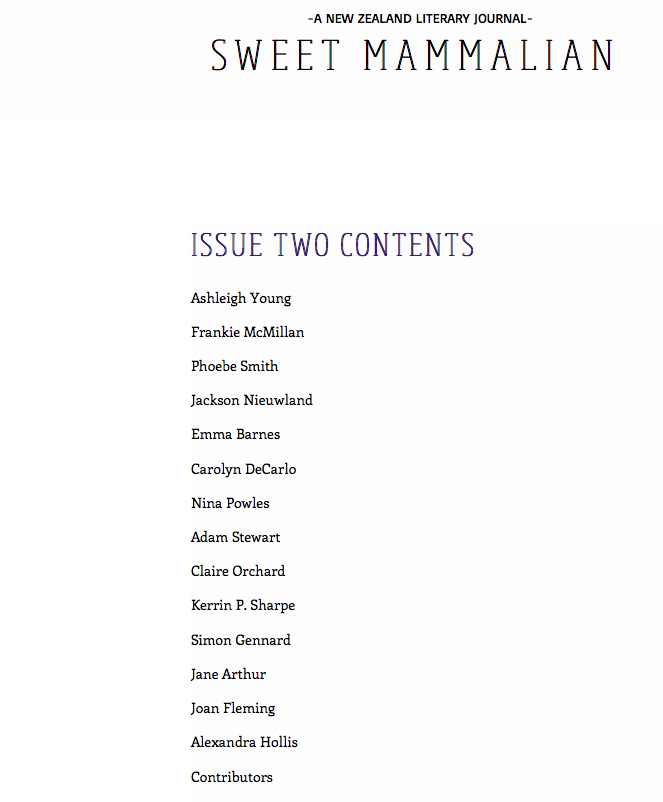
Sweet Mammalian #2 is sweet indeed – Where do I start? Every click comes up poetry trumps


The journal is here

Screen shot 2015-06-01 at 1.08.57 PM

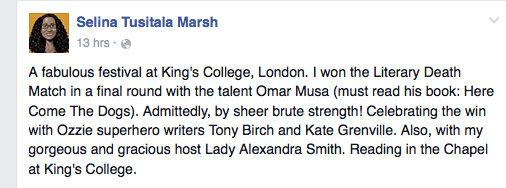
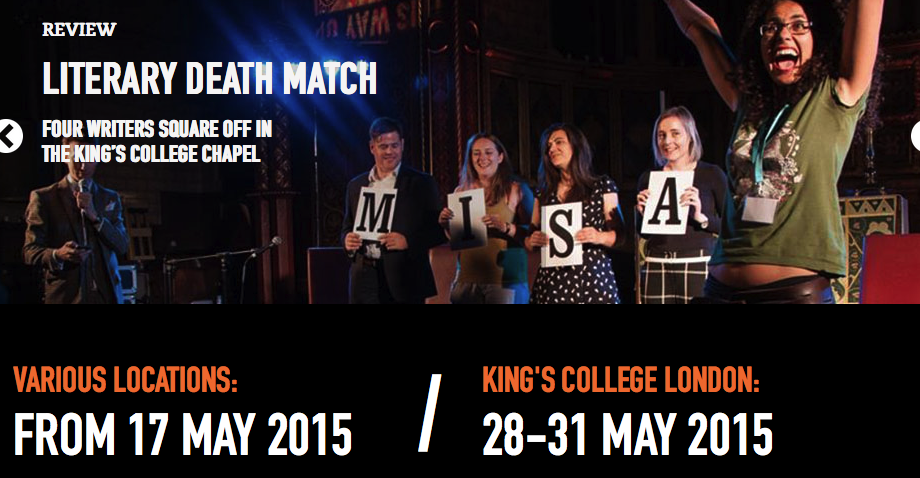
Selina Tusitala Marsh wins the Literary Death Match at the Australian New Zealand Festival in London

Screen shot 2015-06-01 at 10.55.23 AM

Congratulations!

Screen shot 2015-06-01 at 10.59.32 AM Screen shot 2015-06-01 at 10.58.57 AM

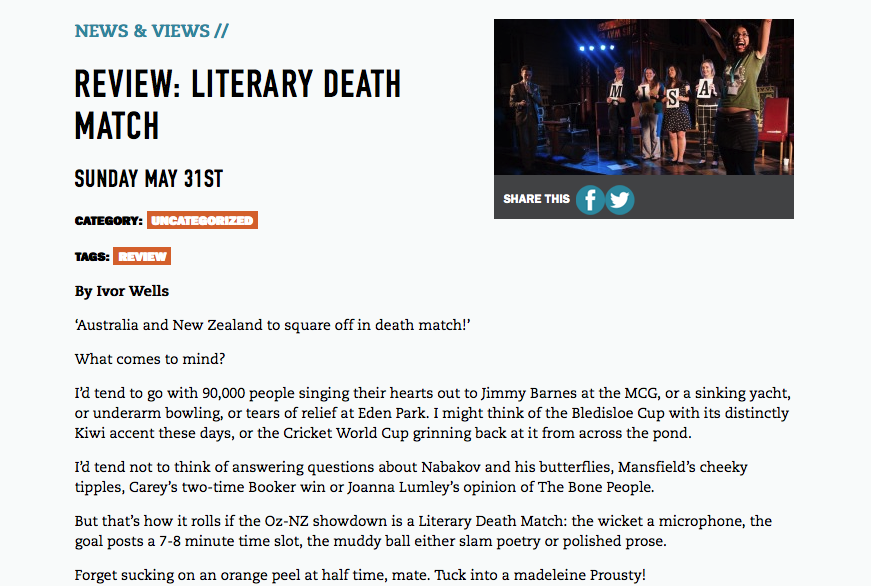
Rest of Ivor’s review see here

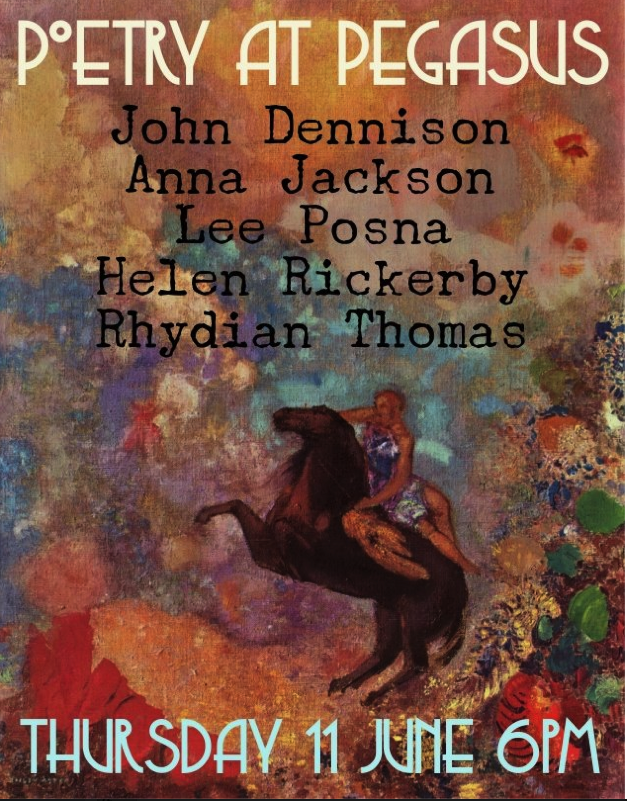
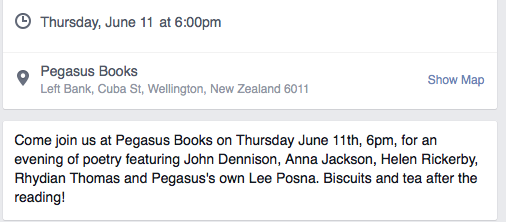
This looks very good! Poetry at Pegasus: Dennison, Jackson, Rickerby, Thomas, Posna

Screen shot 2015-05-31 at 1.05.19 PM

Screen shot 2015-05-31 at 1.08.02 PM

Anna Jackson’s I, Clodia and Other Portraits – A lightness that is fierce, a spareness that is complex

1415925155755  SAM_0467 (2)


I, Clodia and Other Portraits Anna Jackson, Auckland University Press, 2015

Anna Jackson has published five collections of poetry including Thicket (Auckland University Press, 2011) which was a finalist in the New Zealand Post Book Awards. She currently teaches English Literature at Victoria University.


Anna Jackson’s new collection contains two sequences that step up from everything she has previously written to a lightness that is fierce, a spareness that is complex. Poems become voice, voice becomes reaction to/against, reaction become autobiography, autobiography becomes invention. The pleasure that the poetry generates is multiple; from the exquisite loop of sound to the ideas that pierce, to the stories that accumulate, to the silent patches that are not in fact silent.

The first sequence, ‘I, Clodia,’ signals a return to Catullus, but now his muse, his beloved (Lesbia, Clodia), speaks. There has been a wide line in recent times of re-visioning, resiting, reclaiming, re-presenting women from the shadows of history; women who were spoken on behalf of, who were seemingly passive, are given voice. Anna’s version prompts thinking in myriad directions. The poems are laid across an underlay Catullus carpet. I followed Anna’s directive and read his poems in the order proscribed so that I might absorb the intriguing underlay as I read. In the end, it felt like Anna had given flesh to the bare bones of Catullus’s Lesbia (Clodia). Invented because Anna was working with the protruding bones of a skeletal figure, yet this sequence also gains fire and contextual zest through diligent research. The poems come to life within the context of the times hinted at — the events, relations, circumstances. The degree of research for such a slender sequence could have rendered the historical (the facts, the near-facts) cumbersome, but instead history becomes the lily pads of the poems. Drawing the eye close, moving ever so slightly on the drift of water, encouraging the mind to make little leaps.

What of the voice? No whimsical, petal-of-a-voice here. This is where the layers utterly captivate me. Draw me into a woman brought to sparking life, and all the issues and ideas that emanate. Clodia addresses his charges (‘but to counter them one by one in order’) and declares her love (‘Oh, I loved you, and being loved by me did/  you not take more than you could ever give me?’). She throws his questions back at him (‘Whom shall I love now?’ ‘Whom shall I permit to visit?’ ‘It seems we are occupied with the same questions’). She is fierce (‘You had better be leaving’) and in his moment of speechlessness, she replenishes her own stanzas (‘I’ll fill my/ stanzas up while you can be silent for once’).

We come hard up against the authority of the male poet on the page. His authorship legible, enduring. She, however, ephemeral. Catullus writes: ‘but a woman’s words to her eager lover/ should be written on running water, on the wind.’ Clodia counters (by way of Anna): ‘I can just see you/ scuttling about on the shore, peering/ suspiciously at the ocean and calling it/ a fickle thing’. Ha! He is desperate to read her, yet would not want her words set in concrete, with script and ink that lasts. In this sequence, Clodia exists beyond the contrary longings of Catullus; she exists beyond him in the wider world of political relations and within the intimate moments of her own reckoning.

Anna appeared with Daniel Mendelsohn at the Auckland Writers Festival this year in a standout session on translation. Anna suggested that she was ‘not translating words but ideas,’ and that she wanted to see ‘how far she could push her translated versions, her subversions.’ She had the advantage of translating ‘imaginary texts, non-existent poems.’ So for her, traversing the hiatus between Latin and a second language posed different challenges. The conventional translator faces the untransportable word, gendered endings, punning options, difficult rhymes, different rhythms, inappropriate cliches, time honoured truisms and cultural trapdoors. The list is endless. Anna, though, was traversing a different gap as she worked with English translations and sought to translate the hints, the shadows, the contradictions, the silences. She was after a way to give poetic flesh to longing, loss, love, not-love, circumstance, conflict and so on. Anna has stepped into the skin of a long-lost other and gifted us a mesmerising mouthpiece. The deftness of what is revealed and what is kept back renders the white space poignant, illuminating, fertile.

You need to go for a long walk or eat a bowl of soup before you move into the second sequence, ‘The pretty photographer.’ Now Anna steps into contemporary shoes in order to re-present portraits. The Diane Arbus quote at the start is the perfect entry point (‘A photograph is a secret about a secret’) because the poems are like miniature mise en abymes. You fall into elusive, intangible selves, the dry dust of story, as the autobiographical self is laid like a transparency over the invented or borrowed self. If these are photographs, at times it is like entering the photo negative, where things are dreamlike, with the melancholy of the dark room adhering, the upset of the negative image clinging. The past is caught in splices of looking, looking through and then looking through again (‘I’m going to look right through you/ furiously stapling my feelings together’). It is as much about the photographer as it is the subject.

So many standout poems that linger (‘ Diane, unexploded’ ‘Afraid of falls?’ ‘The photographer in the library’ ‘The photographer’s hallway’ the whole thing really!). So many lines and phrases in the collection as a whole to pin to the wall. Here are some that struck a chord:


‘silent and tethered’

‘a look of such lovely lamentation’

‘the sight of women’s arms/ lifting and rising in and out of the water/ black like black eels in a swarm/ curling and calling/ one to another’

‘She picks out her coldest onion,/ her tears tight on her face.’

‘We were always walking towards the day we’d be parted.’

‘The truth is, I have feelings for you/ in every substance – including/ a cathedral of sea.’

‘I had a dream I was a ghost/ and only one man could see me …’

‘I’ll return/ to the person I was drawing/ and the dawning of the night’.


My copy of I,Clodia is battered and worn as I have carried it out and about with me for months. Sometimes I think the right book finds the right reader, not because you will necessarily get what the poet is trying to do and say, but because that book strikes a deep internal chord — the chord of humanity, the exquisite chord of a solo violin partita, the chord of that which is missing and that which is missed, the chord of women emerging from the shade. This is a poetry collection that matters.


Auckland University page

New Zealand Book Council page

Anna Jackson’s poem, ‘Afraid of falls?’ on Poetry Shelf.

Anna Jackson’s interview on Poetry Shelf


Emma Neale’s terrific launch notes for Bones in the Octagon by Carolyn McCurdie

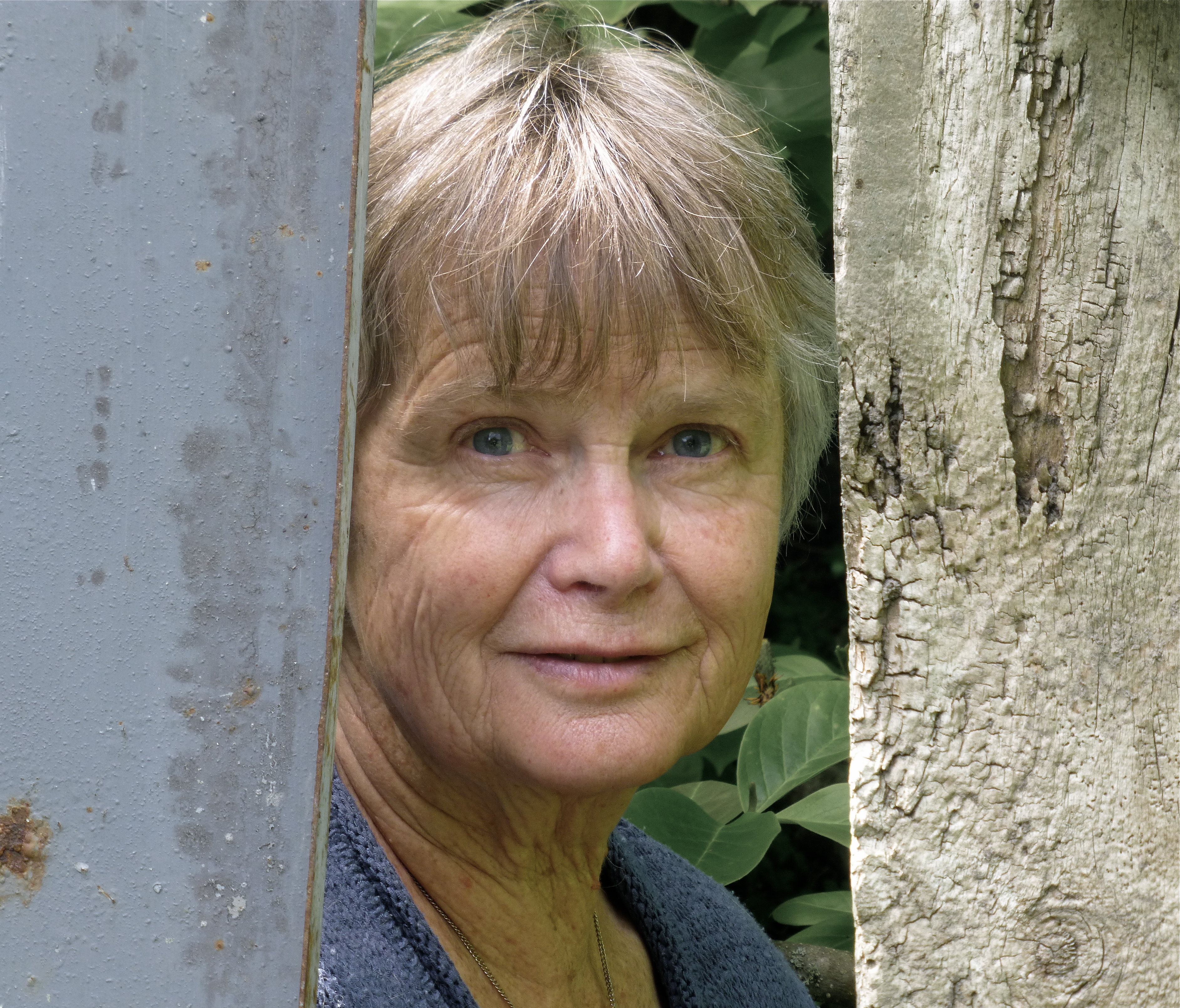
Bones in the octagon front cover copy     McCurdie colour author pic

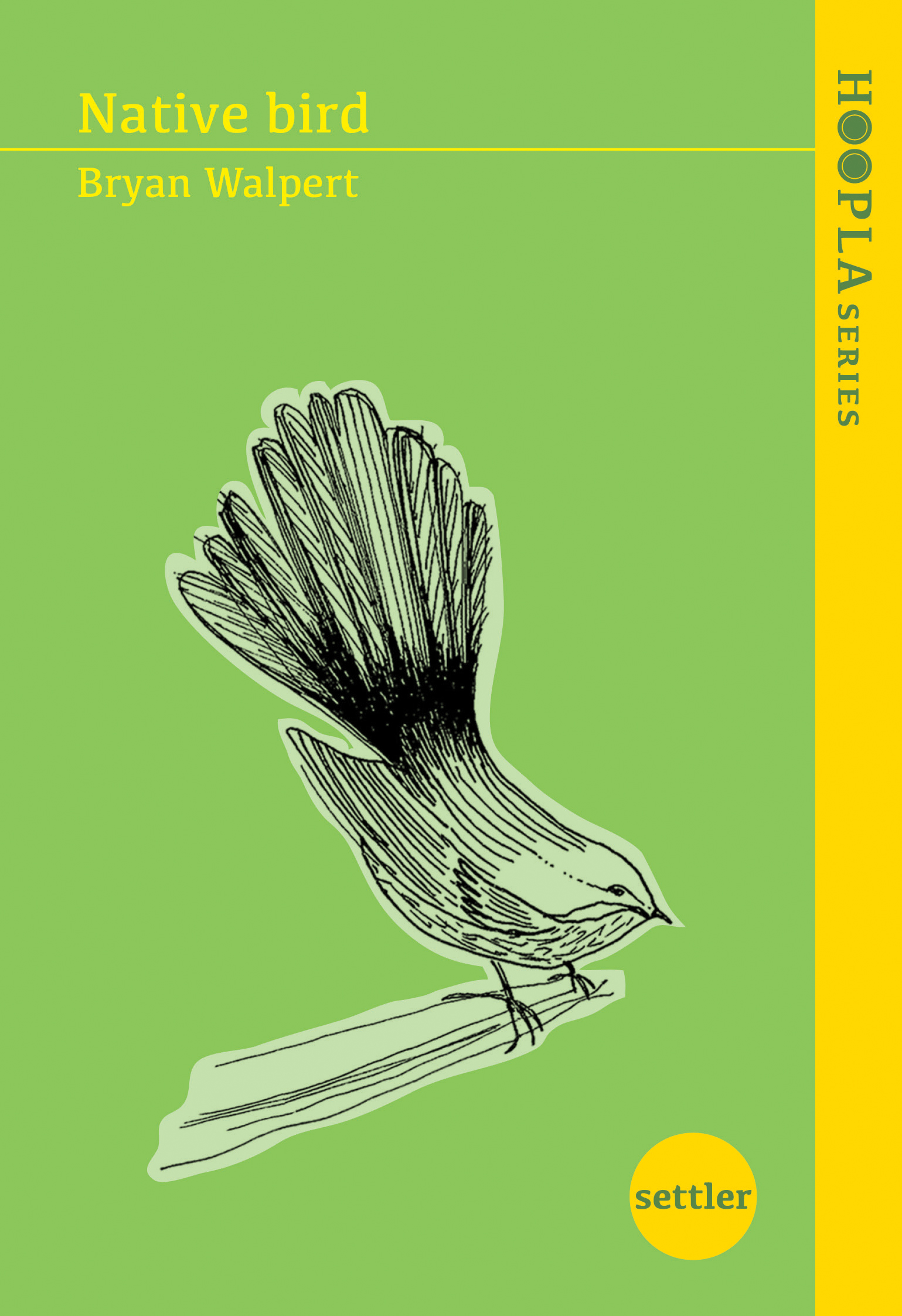
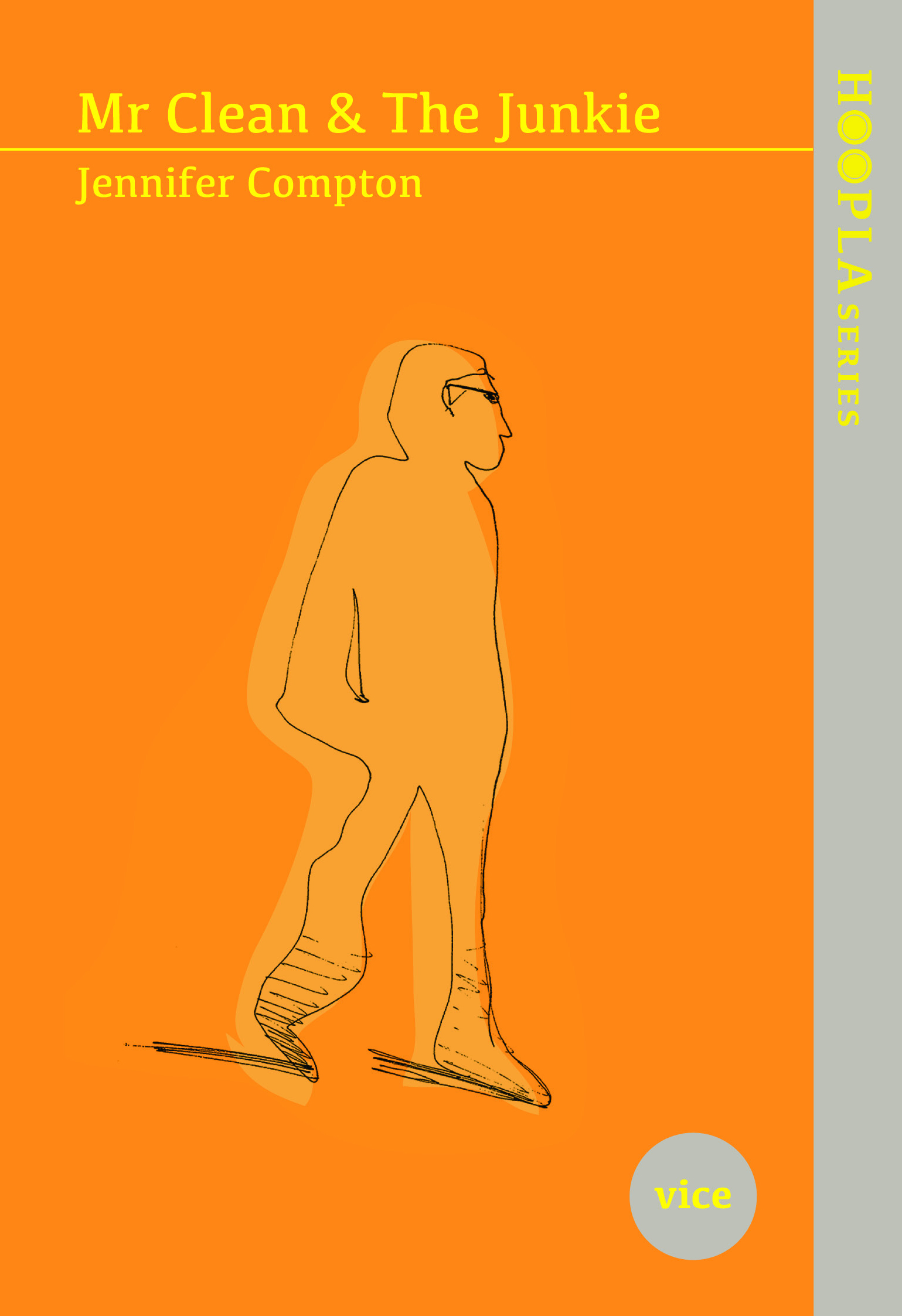
Bones in the Octagon by Carolyn McCurdie, Mākaro Press, 2015 (part of The Hoopla Series 2015, see below for other two titles)

Launch notes – Emma Neale


I’ve spoken in public before about first coming across Carolyn’s fantasy novel for children, The Unquiet, in manuscript form at Longacre Press. I felt then a sense of breathless disbelief that something so sharp and lucidly poetic, was just sitting there, looking like any other mild-mannered typescript in the unsolicited submissions pile. It should have been thrust into the air gleaming like the sword from the stone in myth. Hyperbole, you might think, but the novel went on to be named in the Storylines Trust list of ‘Notable Books of 2007’, and I still stand by my description of it as a novel that seems Frameian in its use of gentle abstraction, natural imagery, and its empathy for the child’s eye view. Carolyn’s use of imagery there lay potent clues for what she also does in her poetry.

Mākaro Press have done a gorgeous job of producing this first collection of her poems —her first poems, but her third book. (There is also an ebook of short stories called Albatross, published by Rosa Mira books.) I love the feel of the whole Hoopla series as tactile objects — the fact you can slip them into your bag or capacious coat pocket like a Swiss army knife — bristling with tools for the mind — and the fact that it comes with two free bookmarks — (i.e. the side flaps) — or wings, symbolically ready for launch.

When I first started reading Bones in the Octagon, very early on I wanted to pluck out the phrase ‘shy iridescence’ to characterise Carolyn’s poems. But increasingly that came to seem lazy, insipid, because while the poems might have a kind of chromatic shimmer of mood and topic, the dart and race of illumination, the voice is anything but reticent. It is often, I think, steely. There is an inner resilience here; a voice that holds its strong, pure note even when face to face with everything from physical drought to domestic violence, psychological abuse, suppression, bereavement, political corruption, dislocation, and deep dread. Resurgent, the voice always lifts. And throughout, even when confronting darkness, it somehow still hums with wonder.

Carolyn’s poems can reach back to the first footprints and hungers of human civilisation, feeling out for connection to our earliest selves; they can hone in on the present, with condemnations of political expediency and brutality; they can have the dreamlike urgency of premonition; the shiver of fable lodged deep as inherited instincts, bred in the bone. Some, like ‘Making up the spare beds for the Brothers Grimm’, contain a sense of threat and corrupted relationships that go right down to the roots of a primal terror — there are traces here of abuse, damage, disillusion. Yet the touch is so light and the poetic control impeccable.

Often the voice in the book seems to speak in the firm but whispered imperatives of a mentor, parent, even a spirit guide. (Here is just a small sample: don’t cross, cross now, go through, walk with me, pack no bags, don’t look back, stand by her, watch out, shush, look there, please leave, come in, measure, wait…and again wait…. and wait.) There’s the sense of a markswoman with her arrow pulled back, tense, taut, not even quivering — then thwish — the poem is released.

Carolyn’s range is wide: she draws on world myth, local human and zoological history, the urban present, the transcendent imagination of childhood, a feeling of secular prayer and benediction. ‘Verbal Thai Chi’ is another way to describe the atmosphere of her work. She catches the heady lift of music ‘the intoxication of song’ as she calls it; she has a long view, of gradations of deep time — yet she is also vividly alert to the smallest shift in interaction between people right now, in the living minute. (I’ll just say here, watch out for the eyebrows.)

Her language, in its crisp repetitions, might imitate a bird in flight; her use of line break and white space can capture the way a ‘silence is vibrant’ […] ‘As when you enter a room/and conversation stops’ ; the careful accretion of information builds like a web of narrative, every strand or line holding the whole design in place. There can be gentle, plangent word play which shows the way the subconscious can both pun and express loss, can show the past so indelibly written on the mind’s memory maps.

Throughout the book, there is an awareness of the atavistic, of someone listening in closely to the primitive within us, but with something like a physician’s training and carefulness. It made me think of the title of a Les Murray collection, Translations from the Natural World, but where Murray’s work sprawls and layers, Carolyn seems to have a porous sensitivity that she still manages to whittle down to a fine wire of narrative; to forge the line till it strikes a clear, ringing note.

I could say so much more about Carolyn’s work, but I want to close by saying that as in her poem ‘Hut’, her work has corners that shelter tenderness, and offer us refuge. To use her own lines to sum up the strongest qualities in her work, and to make a ‘virtual’ toast to Carolyn here: “Fire, music, you. Another sip.”


Hoopla Native bird front cover copy Mr Clean & The Junkie front cover copy

Poem Friday: Ashleigh Young’s ‘Become road’ clung to me like a poetry limpet as I left the room

Become road

When the car stops we are beginning already to become road.
A little taken apart and buried, the way birds, leaves
become road. Become road beneath
the burying of cars. All become driven over,
all become under. Even weather is taken
a little apart and buried. That we have been hit tonight
is relief; we no longer need to wonder when. Pain becomes
a story we will tell you years from now.
Sound becomes the dream you’ll nurse us from.
For now we are a passenger belted in
to the happening, looking back
at our tame furred moon. On our way home
the night had been too pleasant: rows and rows
of blue glass jars like the BFG’s jars
of dreams: the night was too pleasant
for what we had done. As we cycled uphill
the person we once were was cycling downhill
and each exhalation pushed us further apart.
Before we got hit we saw the shadows of trees
become road. Then the trees. A woman walking
a dachshund through the trees become road.
We saw the dog’s eyes glinting in the road.
The shine of his leash, caught in the road.
We heard voices in the trees become road, and the sound
of someone’s phone ringing in the trees become road.
As traffic clears, the road softens and takes us
deep in its arms, which though hard, accommodate
everyone. Early morning, as the road begins
its upward surge we hear footsteps nearing
from somewhere inside the road, as if
we have been recognised.

© Ashleigh Young


Note from Paula: This was one of the poems that Ashleigh read out at the Auckland Writers Festival in the session for the Sarah Broom Poetry Award. Ashleigh was a finalist in the award along with  Alice Miller (I was her stand in)  and Diana Bridge (winner). This poem really struck a chord with me, clung to me like a poetry limpet as I left the room. Curiously, as I listened, it was a little hallucinogenic — time slowed down, the world stretched out to a state of dissolve and all that mattered was the elongated moment of the poem. Everything inside the poem seemed bright, shining, crystal clear yet simultaneously unreal, mysterious, out of reach. Disconcerting. Strange and estranging. The words so perfectly catching the momentum of anecdote yet lilting sideways, looping back like a Zen master as everything becomes road and time laps back upon itself (‘As we cycled uphill/ the person we once were were was cycling downhill’). Really, that state I had to snap out of as I sat on stage in front of the packed audience is the state embedded in the poem — when catastrophe strikes. The world stretches like chewing gum to become so real it is unreal. This is what poetry can do; it can take those unfathomable, unspeakable moments and cast them within a poetic frame that recasts you. You get to see and feel and shift a bit. Thank you Asheigh Young, thank you.


Sarah Broom Poetry Award judge’s comments (Vona Groarke) on Ashleigh here.