Category Archives: NZ author

Poetry Shelf Poets on their poetry: Frankie McMillan reads and discusses ‘Hunting my father’s voice, County Down’

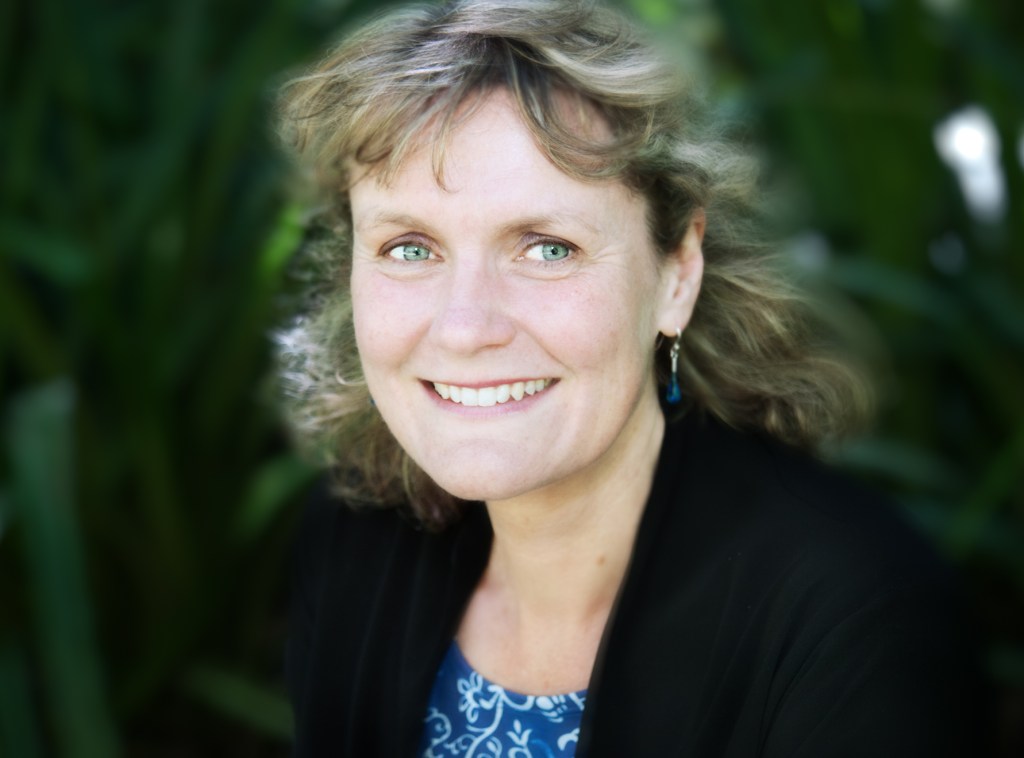
Photo credit: Kenneth Rittener, Getty Images

Frankie McMillan reads ‘Hunting my father’s voice, County Down’

Frankie McMillan is the author of five books, the most recent of which, The Father of Octopus Wrestling and other small fictions was listed by Spinoff as one of the 10 best New Zealand fiction books of 2019. Her previous book, My Mother and the Hungarians and other small fictions was long listed for the NZ Ockham Book Awards, 2017. She was awarded the NZSA Peter and Dianne Beatson Fellowship in 2019. Frankie currently teaches at the Hagley Writers’ Institute in Christchurch.

Poetry Shelf Monday Poem: Michele Leggott’s ‘very fine lace knitting’


very fine lace knitting


this is a picture of my house

wallpaper silvery with birch trees

covering the workbook

the stories and the pictures

red and yellow blue and blue-green

the smiling suns

jack in the box on the window sill

see Sweetie run

the high shelf in the toyshop

I want to be a ship

the umbrella poem

the oak tree and its acorns

the blue eyes that wouldn’t

the bar of chocolate and our mother at a high window

angelic openings in the calendar

circus elephants on the road at Waitara

hot black sand and the donkey rides at Ngāmotu


but we came ashore after the others

Mama still pale and no baby sister

though we begged her to tell us

when we might see her again

hush darlings she said

look at the tents and the lovely black sand

we will camp out until there is a house for us

but that house burned down right away

and Papa had no watch

or any instruments to make drawings with

and all of us felt sad

because the ship had gone

perhaps with our baby sister hidden somewhere inside

crying to us but we couldn’t hear

now Papa must cut the Sugar Loaf line

now Mama must tell us a new story

and when the earth shakes and the rats run across our blankets

we will not think of her

our sister outside in the dark

beside the rivers and wells

that wait to drown children less wary than us


when my mother was a girl

she thought all grown men had to go to jail

and feared to find her father one day

among the figures working in the prison gardens across the river

under the watchful eye of Marsland Hill

how did she know

afternoon sun slanting through eucalypts

stream curving or carving the valley that divides

here from there, us from them

now from then

or not at all

how did she know

that her grandfather was locked up

for three months pending trial

for the attempted murder of his wife and child

on the farm at the top of Maude Road

and that she, our great grandmother

would drop the charges, needing him

at home and claiming he would often shoot at her

going down the road, for target practice

he was cautioned against excessive drinking and released

to lose the farm and start over

as a teacher in country schools

how did my mother know

that her father, a young man in a country town

was put in the lock-up for two weeks in the year before the war

for sending indecent literature to the girl who jilted him

two postcards and a photograph

he is named but she is not

in the police report that went to the local paper

he was in the second draft

leaving for Palmerston North

dark hair brown eyes five foot seven

oblique scar on left forearm

August 1914


We were too small to remember

the trouble that took Papa to prison

for losing all his money

were we there too we ask Mama

did you take us did we all live in prison for a while

she will tell us only

that it wasn’t so bad

that everyone helped out and soon

he was home again I cannot now recall

how long we were away

but I was glad enough to leave that place

though I was not in favour of the long voyage

to the other side of the world

and dreaded confinement at sea

Well that is another story

now your father ties off his lines

for the company and remembers Cornish hills

Somerset hills and Devon hills under his pencil

he sees the nature path in the valley of the Huatoki

and knows it will take him to slopes covered in red and white pine

rimu and kahikatea

where a house may be built or brought

on land bought with remittances from England


the small child in the big photo

dark hair dark eyes pixie face

is my mother’s sister

they share a middle name

the child in the photo could be a year old

she is holding onto a stool with baby fingers

her feet are bare and she wears a dress

of soft white wool knitted by my grandmother

in whose bedroom the photo hangs

above the treadle sewing machine we are pumping hard

for the noise it makes up and down up and down

up and down and we are never told to stop or be quiet

we know the child in the photo died long ago

before she had time to become my mother’s sister

but we never ask our grandmother

about the very fine lace knitting

of the photo that hangs in her room


when at last we go looking for

the child who would have been our aunt

the trail is cold the dates stones or tears

Date of death: 20 September 1923

Place of death: Stewart Karitane Home Wanganui

Cause or causes of death: Gastroenteritis 2 1/2 Months, Exhaustion

Age and date of birth: 19 Months, Not Recorded

Place of birth: Stratford

Date of burial or cremation: 21 September 1923

Place of burial or cremation: Kopuatama Cemetery


we see our grandfather thrashing the Dodge

between Stratford and Whanganui

and the journey home with the little daughter

he will bury next day at Kopuatama

was our grandmother there

in the car at the Karitane Home at the graveside

the two and a half months of sickness

the birth of a second child

our Uncle Jack

8 July 1923


up and down up and down up and down

noise to cover a heartbeat under soft white wool


I look upon these letters and do not like to destroy them

they are a house of memory and when I read

I am my mother on deck at last

searching for a ripple on the flat Pacific Ocean

I am my father making delicate waves

around each of the Sugar Loaves on the map going to London

I am my brother in a choir of breakers

that bring his body to the landing place

I am my sister in the boat

outside the orbit of the moon and the orbit of the sun

I am my sister a bell-shaped skirt

between ship and shore

I am my sister painting a rock arch

that became fill for the breakwater

I am my sister exhausted

by travelling and the house to clear

I am my sister writing poems

that lie between the thin pages of letters

I am my sister singing

ship to shore choir of breakers alpine meadow

I am myself on the other side of nowhere

waiting for a knock on the door


my mother is taking a photo

of herself and our baby sister

in the mirror on the wall of silvery grey birches

it’s summer and she has propped the baby

between pillows in the armchair

holds the Box Brownie still

leans over the back of the chair smiling

into the mirror

she and her baby by themselves

reflected in silvery light

not for a moment aware of the child

whose passing long ago

mirrors to the day

the arrival of our sister

whose middle name my mother took

from the light of Clair de Lune


and so the daughter library

remakes itself and is not lost

though great libraries burn and cities fall

always there is someone

making copies or packing boxes

writing on the back of a painting or a photo

always there is someone

awake in the frosty dark

hearing the trains roll through and imagining

lying under the stars at Whakaahurangi

face to the sky on the shoulder of the mountain

between worlds and mirror light


***


Michele Leggott

Michele Leggott was the first New Zealand Poet Laureate 2007–09 under the administration of the National Library. She received the Prime Minister’s Award for Literary Achievement in Poetry in 2013. Her collections include Mirabile Dictu (2009), Heartland (2014), and Vanishing Points (2017), all from Auckland University Press. She cofounded the New Zealand Electronic Poetry Centre (NZEPC) with Brian Flaherty at the University of Auckland where she is Professor of English.

Auckland University Press page

Poetry Shelf review of Mezzaluna

Poetry Shelf Lounge: A National Poetry Day gathering

Kia ora poets and poetry fans

Welcome to the Poetry Shelf gathering on National Poetry Day. One of my favourite Poetry Days was in Wellington when I jumped in a taxi and went from one event to the next: Vic Books, the National Library, Unity Books, the Book Hound, Miaow. Listening to others read, reading a snippet myself or mc-ing, it felt like the best thing in the world (well right up there with early morning beach walks, and cooking meals, writing secret things, reading books for hours on end).

These days it feels good to count blessings because there is so much toxic stuff out there. I feel utterly privileged to get sent loads of poetry books published in Aotearoa, and to celebrate some of them on the blog. So many times this year I have picked up a new book and felt goosebumps as I settled into the poem thickets and clearings. You know the feeling – when the music and the mystery and the freshness, the challenges and the sensualness and the connective currents – make you feel so darn good.

I invited a handful of poets to send me an audio or video to celebrate National Poetry Day – it was over to them what they did: read their own poems, read the poems of others, share a favourite book or poet, muse on poetry. Bernadette Hall drove 30 km to hook up with Doc Drumheller and Rangiora Library staff at the band rotunda to create her video. Amy Brown did two versions, one with interruptions and a wee poem from her son Robin. I posted both for you! Student E Wen Wong recorded a poem by Cilla McQueen.

I have been getting these files as Auckland is in level 3 – and everyone else level 2 – and what a treat to listen to them. Poetry can do so much! The past few months it has been of immense comfort, and the way so many of you say yes to my requests.

As some of you know I had a melt down yesterday as WordPress has put us onto a new system that I find hard to manage yet. My daughter helped me a bit, but I had to make a few compromises, and one poet will make a future appearance. Thank you for the boosts on social media.

Happy National Poetry Day everyone. Dip and delve into this glorious and utterly special poetry gathering.

IMG-8587.JPG

Amy Brown reads two poems of her own: ’16 August 2016′ and ‘Pacing Poem’ from Neon Daze Victoria University Press, 2019. She also reads Airini Beautrais’s ‘Flow’ from Victoria University Press, 2017. Amy sent me two versions, one with interruptions by her son Robin (he does a poem at the end) and one without Robin present. I couldn’t pick as I loved so both, so you get to choose which one to listen to. I think the Robin one is rather special.

Amy Brown reads two poems with the help of Robin

Amy Brown reads the two poems without help

David Eggleton reads ‘The Sound and the Fury’ filmed by Richard C. Wallis in Waikouaiti, North Otago, on Wednesday 19.08.20. Not his tokotoko but a walking stick. Still waiting for the tokotoko ceremony at Matahiwi marae.

Erik Kennedy reads ‘There Is a Man Dancing on the Rudder of an Enormous Cargo Ship’

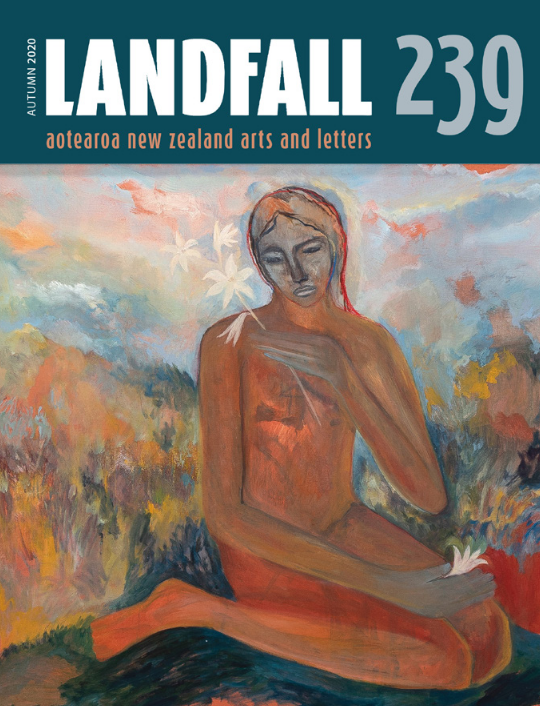
Bernadette Hall reads two sonnets, one published in Aotearotica and the other in Landfall 239. Her guest Doc Drumheller reads his haiku in Landfall 239. Bernadette had travelled 30 kms to the band rotunda in Rangiora to film this reading with the help of Paula and Daniel from Rangiora Library.

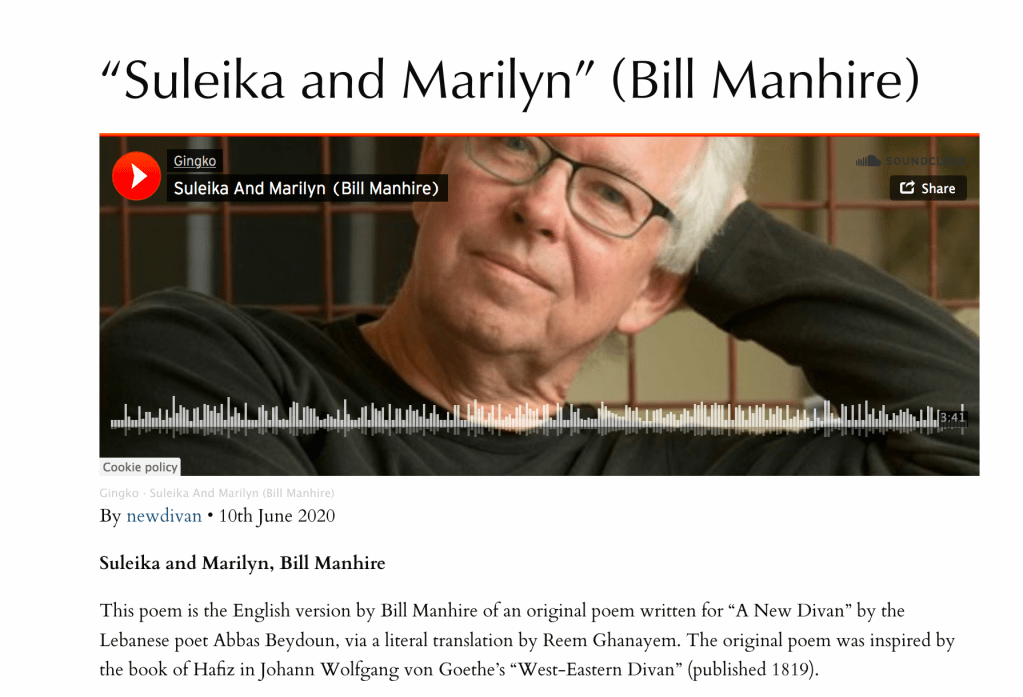
You can listen to Bill read here

You can find texts of the original poem and Bill’s translation here

Emma Neale reads ‘Polemic’ from Tender Machines Otago University Press, 2015

Cart+&+Horse.JPG

You can listen to Marty read here

Marty Smith reads ‘Agnus Dei’ from Horse with Hat, Victoria University Press, 2013

Ruby Solly reads two poems, a very early one and a very new one

Chris Tse reads ‘(Green-Nature)’

Louise Wallace 1.JPG

Louise Wallace reads three poems on a women/mother/daughter theme: by herself, (from Bad Things Victoria University Press, 2017), and by Naomii Seah and Modi Deng (from the latest issue of Starling).

E Wen Wong reads ‘Vegetable Garden Poem iv’ by Cilla McQueen from Axis: Poems and drawings Otago University Press 2001

The Poets

Amy Brown is a New Zealand poet, novelist and teacher, living in Melbourne. In 2012 she completed a PhD in creative writing at the University of Melbourne. She is the author of The Propaganda Poster Girl (VUP, 2008), which was shortlisted at the 2009 New Zealand Book Awards, The Odour of Sanctity (VUP, 2013), a contemporary epic poem, and Neon Daze (VUP, 2019), a verse journal of the first four months of motherhood. She is also the author of Pony Tales, a series of children’s novels.

Doc Drumheller was born in South Carolina and has lived in NZ for more than half his life. He has worked in award-winning groups for theatre and music and has published 10 collections of poetry. His poems have been translated into more than 20 languages. He lives in Oxford, where he edits and publishes the literary journal, Catalyst.

David Eggleton is a Dunedin-based poet and writer. He is the current Aotearoa New Zealand Poet Laureate. His Selected Poems is forthcoming.

Bernadette Hall is Otago born and bred. Following a long career as a high school teacher in Dunedin and Christchurch, she has now lived 17 years in a renovated bach at Amberley Beach in the Hurunui, North Canterbury where she has built up a beautiful garden. Her 12th collection of poetry, Fancy Dancing (VUP), will be launched at the WORD festival in Christchurch in November. ‘It’s as close as I’ll ever get to writing an autobiography,’ she says, laughing. And as for the wilful sonnets that explode in the final pages of this book, she wonders where on earth they came from. ‘It was such fun writing them,’ she says, ‘as if I‘d kicked down the stable doors and taken to the hills.’ In 2015 she collaborated with Robyn Webster on Matakaea, Shag Point, an art /text installation exhibited at the Ashburton ArGallery. In the same year she was awarded the Prime Minister’s Award for outstanding achievement in Poetry. In 2017 she was made a Member of the New Zealand Order of Merit for services to New Zealand literature.

Erik Kennedy is the author of There’s No Place Like the Internet in Springtime (Victoria University Press, 2018), and he is co-editing a book of climate change poetry from Aotearoa New Zealand and the Pacific forthcoming from Auckland University Press in 2021. His poems and criticism have recently been published in places like FENCE, Landfall, Poetry, Poetry Ireland Review, the TLS, and Western Humanities Review. Originally from New Jersey, he lives in Christchurch, New Zealand.

Bill Manhire Aside from publishing his own widely acclaimed poetry, Bill Manhire has edited a number of anthologies and written extensively on New Zealand literature. He was New Zealand’s first Poet Laureate. His most recent collections include Tell Me My Name and Things to Place in a Coffin.  Victoria University Press are publishing his new collection Wow November 2020.

Emma Neale is the author of six novels and six collections of poetry. Her most recent novel, Billy Bird (2016) was short-listed for the Acorn Prize at the Ockham NZ Book Awards and long-listed for the Dublin International Literary Award. Emma has received a number of literary fellowships, residencies and awards, the most recent of which is the Lauris Edmond Memorial Award for 2020. Her first collection of short stories, Party Games, is due out late 2020/early 2021. Emma lives and works in Ōtepoti/Dunedin, and she is the current editor of Landfall, New Zealand’s longest-running literary journal.

Marty Smith’s Horse with hat won the 2014 Jesse Mackay award for Best First Book of Poetry. Some of the book looks at the cost to her father of not talking about the war. ‘Agnus Dei’ is a poem that crosses religion over into war, although it looks like farming. She grew up riding beside her father, hence the horse strand in Horse with hat, hence the book she is writing about the obsession of people who risk their lives to ride racehorses. She would risk her life right now to ride a racehorse, if she were allowed.

Ruby Solly is a Kai Tahu / Waitaha writer and musician from Aotearoa, New Zealand. She has had poetry and creative non-fiction published in Landfall, Sport, Poetry NZ, Starling, Mimicry, Minarets, E-Tangata, The Spinoff, and Pantograph Punch amongst others. Victoria University Press will be publishing her debut book of poetry ‘Tōku Pāpā’ in 2021. Ruby is also a scriptwriter and her film ‘Super Special’ which aims to share knowledge around traditional Māori views and practices around menstruation has been featured in film festivals within New Zealand and the US. As a musician, she has played with artists such as Yo-yo Ma as part of his Bach Project, Trinity Roots, Whirimako Black, Rikki Gooch, and Ariana Tikao. Ruby is a taonga puoro (traditional Māori musical instruments) player and therapist with a first-class master’s in music therapy where she conducted kaupapa Māori research into the use of taonga puoro in acute mental health. As a taonga puoro player and therapist, she is privileged to work around Aotearoa with people from all walks of life sharing the taonga of her ancestors. She will be beginning a PhD to further her research this year. Her first album, ‘Pōneke’, which also features poetry, is available from rubysolly.bandcamp.cpm

Chris Tse is the author of How to be Dead in a Year of Snakes and HE’S SO MASC, both published by Auckland University Press. He is a regular book reviewer on Radio New Zealand and contributor to Capital’s Re-Verse column. He is currently co-editing an anthology of queer writers from Aotearoa.

Louise Wallace is the author of three collections of poetry published by Victoria University Press, most recently Bad Things. She is the founder and editor of Starling, and is currently working on a PhD in Creative Writing at the University of Otago on women, [domestic] paralysis and poetic form.

E Wen Wong is in her final year at Burnside High School, where she is Head Girl for 2020. Last year, her poem Boston Building Blockswon first prize in the Year 12 category of the Poetry New Zealand Student Yearbook Competition.

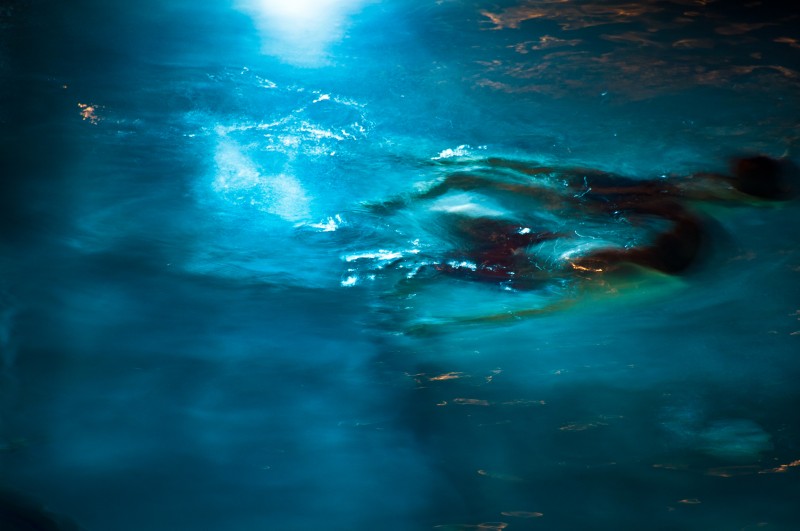
Poetry Shelf poets on their own poetry: Kiri Piahana-Wong reads and discusses ‘Night Swimming’


people-in-pool-at-night-802.jpg

Photo credit Cheryl Marland


Kiri Piahana-Wong reads and discusses her poem, ‘NIght Swimming’ from Night Swimming, Anahera Press, 2013


Kiri Piahana-Wong (Ngāti Ranginui) is a poet and editor, and she is the publisher at Anahera Press. Her poetry has appeared in over forty journals and anthologies, most recently in tātai whetū: seven Māori women poets in translation, Solid Air: Australian and New Zealand Spoken Word and Set Me on Fire: A Poem For Every Feeling (Doubleday, UK). Her first poetry collection, Night Swimming, was released in 2013; a second book, Give Me An Ordinary Day (formerly Tidelines), is forthcoming. Kiri lives in Auckland with her family.


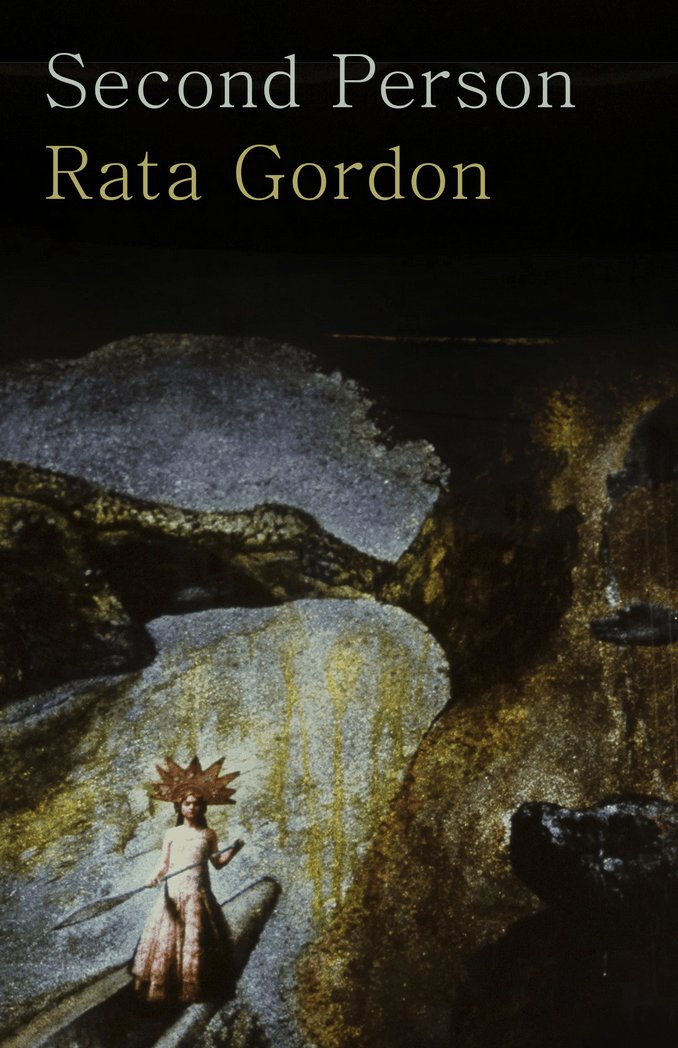
Poetry Shelf review: Rata Gordon’s Second Person


Screen Shot 2020-08-17 at 12.59.25 PM.png


Back in Level Three lockdown, but this time I can read, despite the wide awake nights. Rata Gordon’s debut poetry collection Second Person is mesmerising. It held me in the grip of poetry from first page until last. Yes! I devoured this collection in one sitting and then went back to dawdle on the poems that pulled me back in.

I have been musing on the way poetry can offer the reader a chain reaction of poem joy (among many other things of course). But joy seems like a good thing to imbibe at the moment.

Reading Second Person filled me with poetry joy.

This is a book of birth, babies, death, the universe, love, motherhood, water, sky, wildlife. It is a book that celebrates the present tense, the way we can inhabit the now of being. My first joy is visual as the poems are brocaded with hues and gleams. It is as though an artist has animated poems with their colour palette: ‘I painted sonnets on the wallpaper’. I adore the way a smattering of colour words spike the poems to gorgeous new levels. It fills me with joy.


I’m dressed in yellow leaking

gorse seeds out my pockets like

crumbs I am dressed in white skin

drinking from the spout of a

teapot (…)


from ‘The pregnant pioneer looks over her shoulder’


The second joy is the joy of sound. Many of the lines are short, the rhythm breathy with ample white space at the end of the line. These poems flow like a honey current. Again I am filled me with joy. At times it is the rhythm of walking. At time is is the rhythm of lying on the couch and looking out a wide window and breathing in and out, in and out. You inhale the poem.

As much as there is the physicality and a sensual present, there are also signposts to behind-the-scenes, to what is hinted at but not detailed. A taste from this poem for example:


In Delhi the dust

gets up your nose and into

your veins it swims

through the insides

of your bones


In April you want to hurt

yourself in the hotel room

but you don’t becuase a mango

will make it better


You walk through the streets

in the second person as if

watching yourself from behind

your backpack and your hands

are limp but your heart is

beating


This is all you have

to look forward to

your heartbeat and a

mango

everything else has dissolved:

your family

your intentions


from ‘Mango’


There is an unspoken story signposted here, and it may be real or fictional. It is the mood of the speaker, the state of mind, that holds as you read. The speaker becomes second person, alive, that beating heart, that mango luminous. I am musing on the way, as we write poems, as we insert ourselves above, between, behind and in the lines, we always become second person, whether past present future. I am filled with joy at this thought: the peering into the self inserted into the poem that is close at hand and walking away. Ah.

A third joy is the poetry stitching that shows through at times. Little windows open onto the writing of a poem, its making doesn’t just appear out of thin air, but is something altogether more mysterious, complicated, self-sustaining. I especially love ‘I find slaters’ with its surprising curves and bridges. Here is the middle bit:


I am rifling through this poem

trying to find

its hidden meaning.

If I rifle through fallen leaves

I find slaters.


The leaves are being digested.


How much twiddling do trees do?

Do they doodle on the sky?

Do they do a little spiral?


Second Person is fresh, layered and utterly captivating. Just the ticket  when you want to lie back on the couch and nestle into a welcome and very satisfying poetry retreat. I love this book.


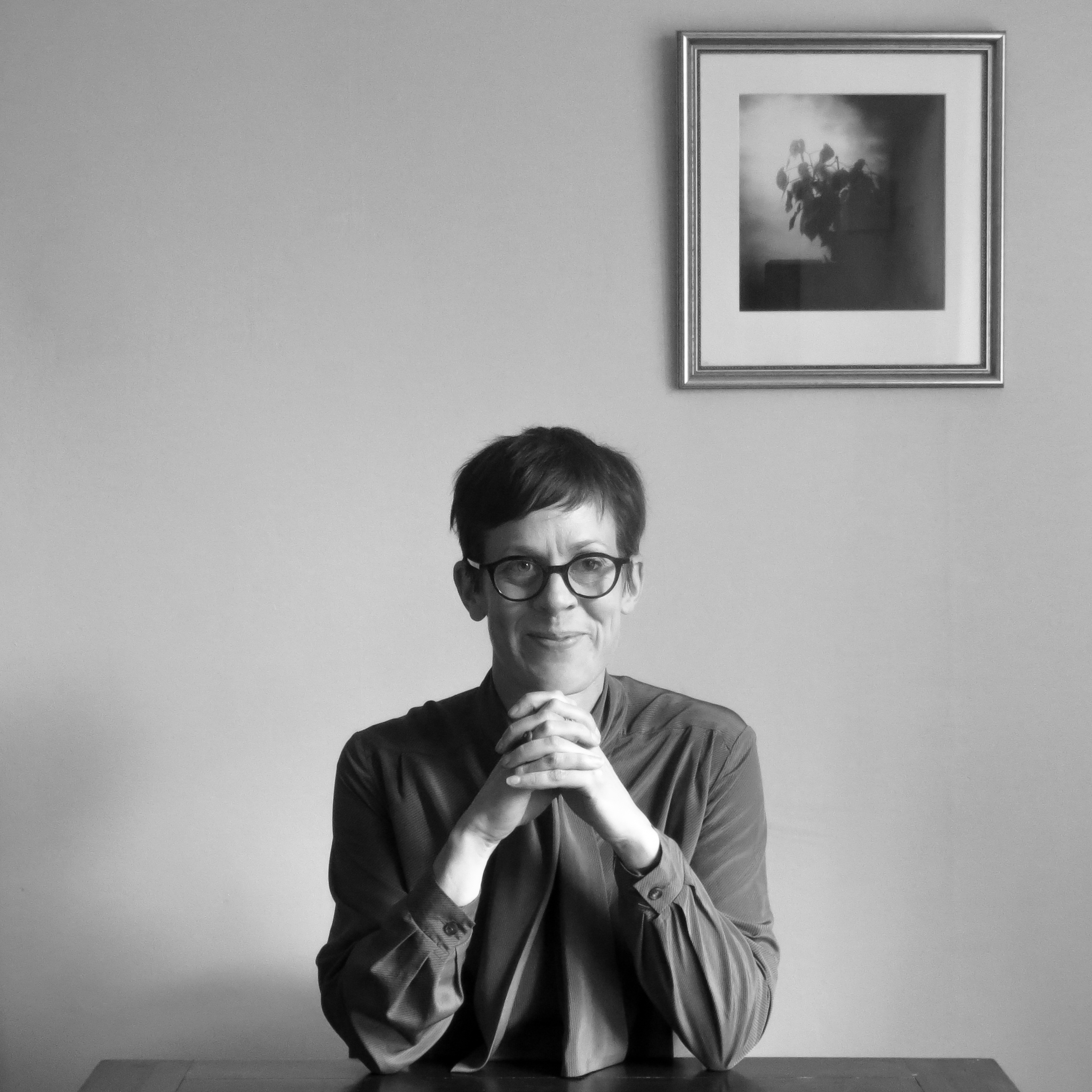
Rata’s poetry has appeared in a number of Aotearoa journals. She works in the arts and mental health.

Her website.

Victoria University Press page.


Poetry Shelf Monday Poem: Anuja Mitra’s ‘Polaroid’


Polaroid


there we are — lost

in a thicket of murky lines,

faces swallowed by lack

of light.


she waves the picture impatiently

coaxing us into view.

I think I have questions

about polaroids,


like why do we romanticise

our parents’ relics

and who knows to pull us

from that milky dark?


the last summer of my saviourhood

she leapt from the dock at low tide,

water closing over her

like it might never give her back.


after her other friends deserted her

she bought the camera

to salvage us.

the first shot developed slowly,


our figures fading

into sight.

there we are! she yelled

like we were terra nova.


the second was blurry,

our bodies smudged

and slightly ghoulish.

she tore it in two


and gave me her half.

keep it, she said,

we’ll be each other’s

ghosts.


Anuja Mitra


Anuja Mitra lives in Auckland where she is finishing a Law/Arts degree. She is co-founder of the online arts magazine Oscen at oscen.co, and more of her writing can be found in Signals, Starling, Sweet Mammalian, Mayhem, The Three Lamps and Poetry NZ.


Poetry Shelf Lounge: a Landfall 239 reading


Screen Shot 2020-08-13 at 4.04.35 PM.png


Landfall 239 edited by Emma Neale, Otago University Press, 2020


To celebrate the arrival of Landfall 239, edited by Emma Neale, I invited a few poets to read their poems from the issue.

The new issue is an excellent place for small reading retreats. You get fiction, non-fiction, poetry and reviews. It includes heavenly embroidered panels by artist Vita Cochran; they took me back to my primary school days when embroidery was a thing. Surely this will inspire a swag of us to pick up needle and thread, and get creative. I equally adored the paintings – oil on linen or canvas – by Star Gossage. These muted portraits, favouring  blue / green palettes, hum with mood and presence. Gosh I love them.

You also get the winning essays in the Charles Brasch Young Writers’ Essay Competition 2020.  And they cut through any stasis. Especially Grace Lee’s winning essay, ‘Body/Love’.

Small reading excursions are so very satisfying. And with me not going out for the forseeable future, I am very glad to settle back on the couch, and watch / listen to this Landfall reading. And then venture back into the book to read the fiction and reviews. Wonderful.

Thank you Landfall poets for contributing to a Poetry Shelf Lounge event.


Author Photo May 2016.JPG


Lynley Edmeades reads ‘Notice’


LeonardLambert Less Sat Hat Band.jpg


Leonard Lambert reads ‘Nights of Wonder, Days of Splendour’


IMG_20200802_165536_617.jpg


Emer Lyons reads ‘Nothing repaired, nothing gained’


IMG_20200623_112221_469.jpg


Talia Marshall reads ‘Being Active’


Kōtuku Titihuia Nuttall.JPG


Kōtuku Titihuia Nuttall reads ‘Kēhua’


essa may ranapiri reads ‘echidna goes to see the drone perform in front of a live audience’


Jo-Ella Sarich reads ‘The Jasmine (We need to talk about suicide)’


Tim Saunders reads ‘Demilune’


Nicola Thorstensen reads ‘Legacy’


The Poets


Lynley Edmeades is the author of two books of poetry: As the Verb Tenses (2016) and Listening In (2019), both published with Otago University Press and both longlisted for the Ockham New Zealand Best Book Award. Lynley is a lecturer at the University of Otago, and she is currently working on a book of essays.

Leonard Lambert is a long-established NZ poet with a publication history stretching from A Washday Romance (John McIndoe, 1980) to Somewhere in August: Selected Poems 1969-2016 (Steele Roberts, 2016). His most recent publication is a chapbook, Winter Waves, from Cold Hub Press. Between poems he paints and is a regular exhibitor around his home turf of Hawke’s Bay.

Emer Lyons is a lesbian writer from Cork, currently in the last months of a creative critical PhD at Otago.

Talia Marshall (Ngāti Kuia/Rangitāne ō Wairau/Ngāti Rārua/Ngāti Takihiku) is a poet and essayist with one son and one dog who has a poetry collection forthcoming from Kilmog Press titled Bad Apple. In 2020 she is writing about Ans Westra’s photographs of Māori as part of her Emerging Māori Writer’s Residency at Victoria University. Her essay titled ‘This Is the Way He Walked Into the Darkest, Pinkest Part of the Whale and Cried Don’t Tell the Others’ was quoted on the cover of POETRY magazine’s February 2018 Aotearoa issue.

Kōtuku Titihuia Nuttall (Te Āti Awa, Ngāti Tūwharetoa, Ngāti Rangatahi, SȾÁ,UTW̱ First Nation) is a creative writing student at Te Pūtahi Tuhi Auaha o Te Ao (IIML). Her work has been published in Landfall, Turbine / Kapohau, Starling, Food Court, and Te Rito o Te Harakeke.

essa may ranapiri (Ngāti Raukawa/Tainui/Ngāti Takatāpui/Clan Gunn/Highgate) is a person or some shit / or whatever / they wrote a book of poems called ransack / it’s still in th world / the only time they use they/them pronouns for themselves is in these bios / isn’t that funny / thx goes out to their ancestors / who are as big as everything / just wow / just everything / they will write until they’re dead

Jo-Ella Sarich is a lawyer, writer, and mother to two young girls living in Te Awa Kairangi. Her poems have appeared in a number of print and online publications, including New Statesman, The Lake, Cleaver Magazine, Barzakh Magazine, Quarterday Review, Shoreline of Infinity, takahē magazine, Shot Glass Journal, the New Zealand Poetry Society’s Anthology for 2017 and the Poetry New Zealand Yearbook 2017.  Tumblr link, @jsarich_writer.

Tim Saunders farms sheep and beef near Palmerston North. He has had poetry and short stories published in Turbine|Kapohau, takahē, Landfall, Poetry NZ Yearbook and Flash Frontier. He won the 2018 Mindfood Magazine Short Story Competition, and placed third in the 2019 and 2020 National Flash Fiction Day Awards. His book, This Farming Life, was published by Allen & Unwin in August, 2020.

Nicola Thorstensen is a member of Dunedin’s Octagon Poetry Collective, which organises monthly poetry readings. Her work can be found in a number of New Zealand periodicals and journals, including Takahē, Poetry New Zealand and political anthology Manifesto Aotearoa.


Poetry Shelf Monday poem: Jessie Puru’s ‘Milk’

Milk

Gumboots squelch across the paddock
it’s still dark and she’s making her way
over to the milking shed
a coat covers her to her knees
and tents over her growing belly

I imagine her working like normal
using her knees to lift
to carry the bucket home for breakfast
creamy milk, unpasteurised
perfect for porridge

trek back across the paddock, Tama-nui-te-rā
has begun to poke his head above the horizon
to warm the back of her
her belly starts to stir
then greet her with a few kicks

then she can get ready for her job
at the shop in town
or the mill,
whichever came first
and clean or cook
right up until the very due date

that week she will have her first girl
at eighteen
and a few years and girls later
she will marry down at the courthouse

then years later she will have 13 grandchildren
of course she will have favourites
and she will continue to work
and work and work
right up until the very last minute

and Tama-nui-te-rā will greet her
one last time
then farewell her not long after

*

her heels click across the footpath
it’s dusk and she’s making her way
a few streets over to the bus stop
a coat covers her to the ankles
it tents over her entirely


Jessie Puru


Jessie Puru, Ngāti Te Ata, Tainui,Ngā Puhi, is a Māori/ Pākeha poet and mother of one daughter living in Auckland. Her work has been published in Ika, Blackmail Press, Landfall, Poetry (US), and she was runner up for the Emerging Poets Competition in 2019. Jessie is currently working on her first collection of poems following the life of a young wāhine trying to find her connection with Te Ao Māori. She also has a Bachelor of Creative Arts from MIT and Master of Creative Writing degree from AUT.


Poetry Shelf review: Michele Leggott’s Mezzaluna: Selected Poems


Leggott_Mezzaluna__32399.1575593220.jpg


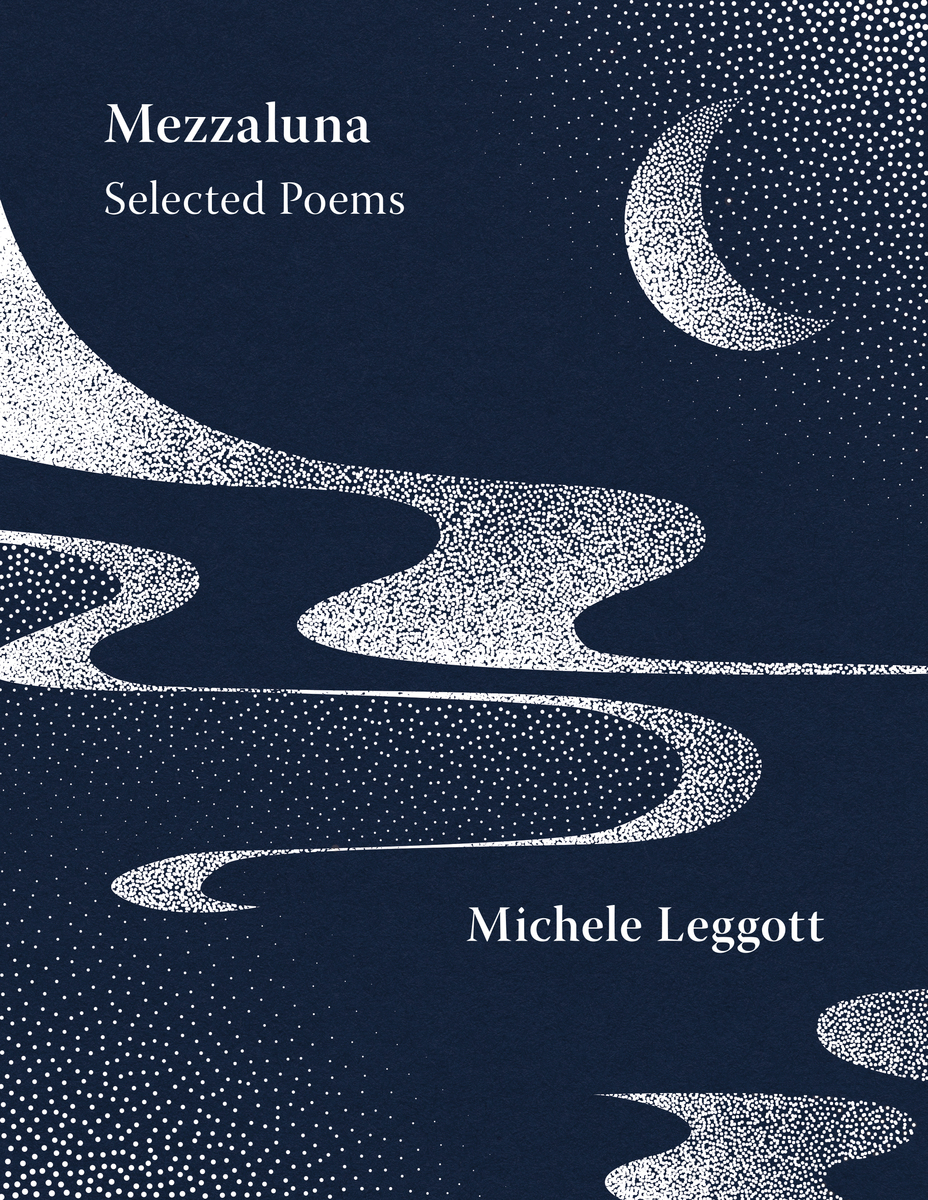
Mezzaluna: Selected Poems Michele leggott, Auckland University Press, 2020


people still go to cottages in moody seaside weather

to read for a week           how will we do it now?


when I go for walks words stalk along too

I’ll be travelling mid-February and can’t guarantee a lucid mind


what about a big table in a room with windows

looking over the wild and wavy event?


from ‘Colloquy’ Swimmers and Dancers


Michele Leggott is continuing to make extraordinary contributions to poetry in Aotearoa. I rank her with Bill Manhire: two poets who have not only published astonishing poetry, but who have also been significant mentors and teachers in university programmes and introduced poetry initiatives, and edited vital anthologies. We are in debt to Bill for his vision for the IIML and offshoot projects, and the Poet Laureateship (now administered by The National Library but established with the efforts of Bill and Te Mata Estate). Michele was the first Poet Laureate under the National Library administration. She established the NZ Electronic Poetry Centre, set up the Lounge readings in Auckland, and has organised various gatherings of poets, including symposiums in Bluff, Christchurch and Auckland. Not forgetting her diverse contributions as Professor of English at the University of Auckland.

More than anything, we are in Michele’s debt for the light she has placed upon women poets from the past, especially Robin Hyde and Lola Ridge.


words come so slowly

it has been lonely

a phoenix palm

and behind it

crystalline glitter

another story, waving


plaintain paradisiaca a bird

musey with waves

Helicon a harbour cone

here

bright

Greek

over Narrowneck


from ‘Withywind’ from Like This? (1998)


I have been reading Michele’s poetry since her debut collection, Like This? (1988) and have followed the thematic and lyrical contours ever since. The first word that springs to mind is heart. Michele has written within the academy, with her prodigious intellect flaring, but she is a heart poet beholden to neither theoretical trend nor poetic fad. Her poetry has always linked hands with the writing of other women, and over time has become increasingly personal and more accessible for readers.

Michele’s Mezzaluna: Selected Poems appeared mid March, just before we moved into lockdown. Its visibility suffered as our reading, writing, publishing and reviewing lives moved into upheaval.  There is an excellent interview with Lynn Freeman on Standing Room Only and a short conversation with Paula Morris as part of The Auckland Writer’s Festival online series. The highlight of the latter is hearing Michele read an extract from her poem ‘The Fascicles’ from Vanishing Points (2017) (she is the last writer in the zoom session).


Fine ground darkness pours into the vessel

beans and flowers adorn the fall—

ichor! ichor! drink to the eyes locked on yours

the mouth that smiles and will speak for itself

I have always done the talking and she

put the words in my mouth saying do melisma

like sunlight be melisma like no sunlight pressed

redness before dark print an iris on her


from ‘Blue Irises’ in DIA (1994)


Difficulty has never been an issue for me as a reader of poetry – I love venturing into poetry thickets where meaning might appear in whiffs, and where enigma, evasion and multiplicity are active ingredients. Michele’s mid-career poetry collections, perhaps from DIA through to Mirabile Dictu, delivered various shades of difficulty and I loved them for that. Her lexicon has drawn upon the arcane, the archaic, slang, borrowed words, foreign languages. There were highways and byways to other poems, a history of research and reading. Intimacy was as likely as distance. And even though her poetry has become increasingly personal, self confessional in parts, it has always been so. Family appears, sons, food, beloved places, a shaping of home along with a profound engagement with other writing, other stories, myths, conversations.

The poems underline the way poetry threads ideas, memory, motifs, experience, opinion, reading history. The how of writing is as crucial as the what of writing.


imagine     the world goes dark

a bowl of granite or a stone bird

incised by tools the nature of which

is unknown    just that they are metal

and therefore from otherwhere

just that the weight of the bowl

precludes light and lightness

of thought     my feet take a path

I can no longer see    my eyes

won’t bring me the bird   only now

has my hand found the stones

I could add to the smooth interior

of my despair     the world goes dark

I look into the eyes of my stone bird

hammers before memory

silence and the world that is not


from ‘mirabile dictu’ in Mirabile Dictu


Along Mezzaluna’s reading tracks you will find honeysuckle, daffodils, roses, melons, breath, the wind, stars, here, there, light, dark, heart. Always heart. Always the interplay between light and dark. Michele has dedicated Mezzaluna to those who travel light and lift darkness’. Yes reading is a fertile way of travelling, life equally so; light and dark stick to us like biddybids, but our relations with and navigation of both are unique. What do we carry with us? What do we keep placing in our personal baggage? What do we do with the dark? For Michele, with her slow movement into blindness decades back, and all the challenges that have affected every aspect of her life, blindness has understandably also seeped into her writing. She has always been attuned to the sound of words, the mobility of language, words as sound dance in the ear, in harmony and discord. But the possibilities of sound, under Michele’s deft guidance, have become a glorious anchor for everything that has mattered and will matter.

The lush terrain of the visual is also a sumptuous part of Michele’s poetry. The recurring motifs I have already mentioned range from piquant to honeyed, visual bouquets in their own physicality but players in so much more. Participants in ideas, the mythological references, the recuperation of memory, family history, personal challenges.

It is equally rewarding to listen for the other women, particularly the poets who have captured Michele’s attention and diligent rescue work: I am thinking of the way Robin Hyde, Eileen Duggan and Ursula Bethell have become a visible part of the network. More recently Lola Ridge. Michele’s latest project is Emily Harris, a New Plymouth poet who died in 1925 and whose work has been located in Sappho-like traces. Michele response to the missing poet is to recreate versions in Vanishing Traces.

I have heard Michele perform poems from most of her collections and it has always affected me deeply.  To listen to poems from As Far As I Can See – the poems that expose her move into blindness – these have been audience-affecting occasions. I have sat in a line of poetry fans and we have been utterly still, barely able to take breath at the daring exposure, the heartbreaking experience, the exquisite and utterly memorable poetry.

Ah, no matter what I write, no matter what I signal, I feel like I am shortchanging this rich and elegantly constructed volume. Michele told Paula Morris she had originally sent in a longer version but had cut it back and, in doing so, focused on the DNA of each book, on what was important. As she read and replayed, she carried a key question across the books: ‘What does a poem look like?’

This is such a good question to carry with you as you read – yes Michele’s poems do change, the lines shorten, the lexicon is more familiar, but there is common ground. Perhaps it comes down to a love of a sound, and how that love of sound is amplified when you can’t see the physical world. It is a rejuvenating, heart-engaging, thought-provoking read and it feels like this Michele’s poetry deserves a whole book of response. Michele Leggott warrants a whole book that navigates what her poetry does: its connections, its liberations, its epiphanies, its testings.

Mezzaluna showcases the work of one of our most inquisitive and sensual poets who ventures into the unknown, into an inhabited world, with an open heart and free-flowing mind. Glorious.


Auckland University Press author page


Poetry Shelf poets on their own poems: Jack Ross reads and comments on ‘1942’


Screen Shot 2020-08-04 at 11.17.26 AM.png


You can watch Jack’s video here


1942:  Some Notes on the Poem


A few years ago I was invited to attend a poetry festival at the University of Canberra. While I was there, one of the organisers asked me to contribute to a project where poets wrote new pieces about the local landscape for a textile artist to interpret.

I have to say that I felt a bit of a fraud in agreeing to participate. What do I know about the Canberra landscape? I’m from New Zealand, not Australia, and this was my very first visit to Australian Capital Territory.

However, my mother was born in Sydney, and I have made a lot of trips across the Tasman at one time or another, so I said I would see if anything came to mind before their deadline. Sometimes I think my wife is right to label me a ‘publication whore’ – any new project that comes up I tend to agree to. I love exhibition catalogues, and poetry posters, and chapbooks, and all that species of arty ephemera.

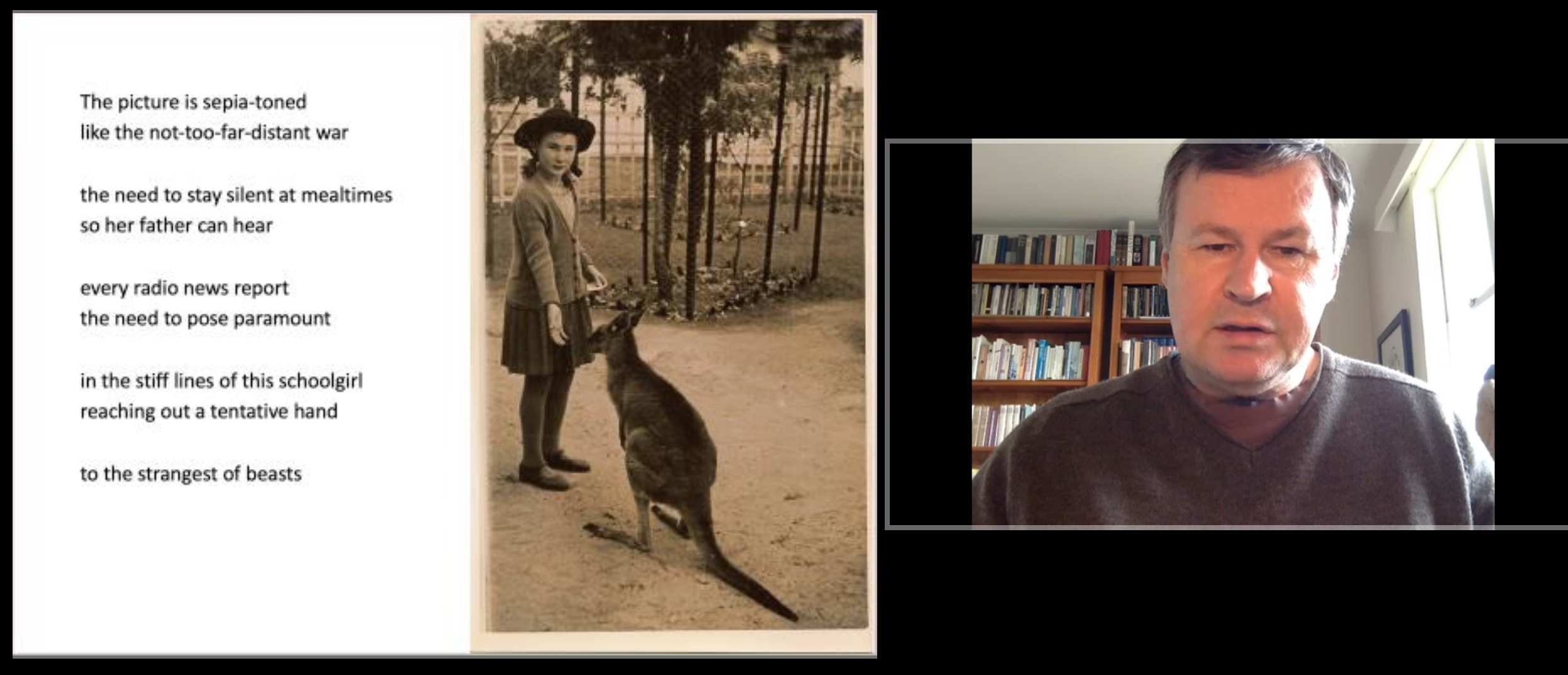
What I ended up writing was a four-part poem about various family associations with Canberra and Australia in general. My uncle graduated from Duntroon, the Military College there, back in the late 1940s. I have a number of friends who studied at Australian National University. The first poem in the sequence, though, and the only one I really feel fond of now, is this one based on a photograph of my mother as a schoolgirl, pictured feeding a wallaby.

I put into it a lot of what I’d heard from her about her childhood during the Second World War – the sense of imminent doom caused by austerity, the Japanese mini-subs in Sydney Habour, the bombing of Darwin. It’s for this reason that I called it ‘1942’, even though it’s difficult to say precisely what year it was taken: more likely a couple of years before that.

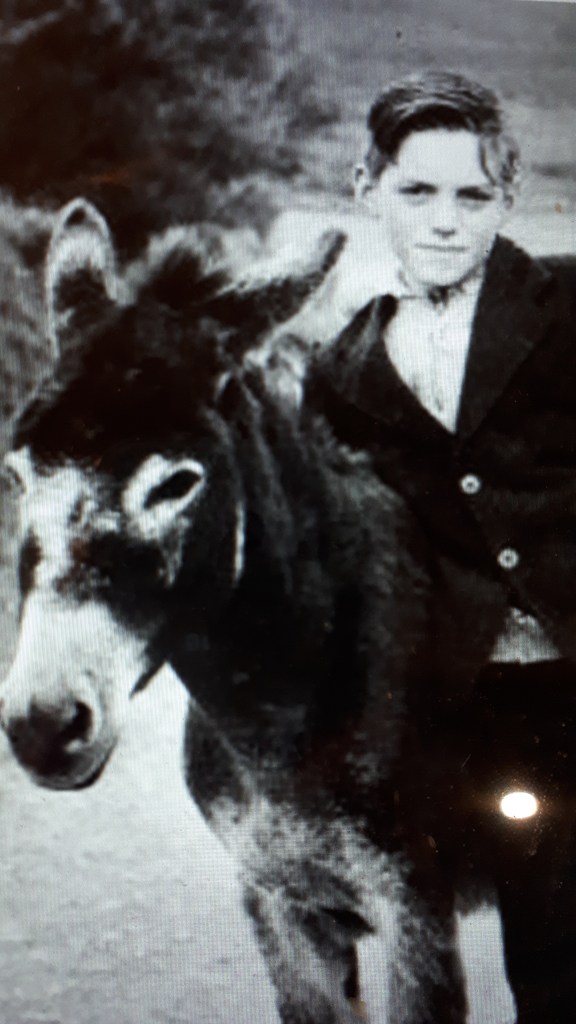
My mother suffers from dementia, and every piece of memory salvaged from her rich life experience seems particularly important to us as a result. This photo, in particular, we only found after my father’s death, as he’d replaced all the pictures in her album with shots of his own collection of militaria. It’s one of the very few images we have of her as a child.

But the picture itself! It was so odd, so obviously staged – as she described it to us, her father was barking orders at her all the time she was holding out her hand to fake the ‘feeding’ episode.  It speaks to me of lost time, a depth of emotion one can seldom attain in the everyday.

The textile artist I mentioned above, Dianne Firth, did a wonderful job of interpreting all four of the parts of my poem in her exhibition, Poetry and Place (Canberra: Belconnen Art Centre, 25 August – 17 September 2017), but this is the only part of it that I still feel a genuine affection for.

My wife, Bronwyn Lloyd, must have thought so, too, since she made it into a hinged poster work – the poem reproduced opposite the picture –for Christmas 2016. We used this one-off poster again for the celebration of my mother’s 90th birthday a couple of months ago.

“You really did me proud,” she said. She’s a hard-bitten Aussie still at heart. I’ve seldom seen her so moved.


– Jack Ross, Mairangi Bay, 2 August 2020


Jack Ross works as a senior lecturer in creative writing at Massey University. He is the author of five poetry collections and eight works of fiction, most recently Ghost Stories (Lasavia Publishing, 2019). He blogs here