Category Archives: NZ author

Poetry Shelf Theme Season: Twelve poems about faraway

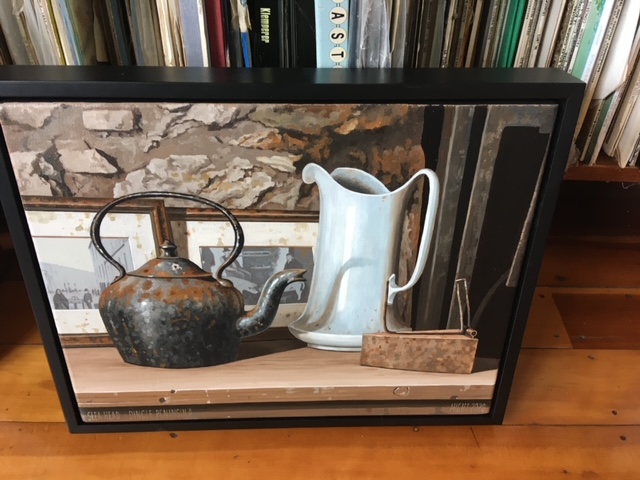
Slea Head: Dingle Peninsula Michael Hight, 2020

Poetry is a way of bridging the faraway and the close at hand. A poem can make the achingly distant comfortingly close. Poetry can be a satisfying form of travel, whether to the other side of the world, to the past or to imagined realms. Reading poems that offer the faraway as some kind of presence, I feel such a range of emotions. Moved, yes. Goose bumps on the skin, yes. Boosted, yes. This is such a fertile theme, I keep picturing a whole book moving in marvellous directions.

I am grateful to all the poets and publishers who continue to support my season of themes.

The Poems

Remembering

if you can you can try to recall

the sun across the roof and you

knee-deep in childhood playing

near the fence with the storm

of daisies still impressionable

in the way of dreams still

believing leaves had voices

and you might then remember

curtains drowned in burnished light

how at night the sky emptied

into a field of stars leaching out

the guilt you’d soon forget unlike

the woman you called Nana who kept

knitting you hats while you kept not

writing back and maybe then you’d know

the injustices you had no part in

the lady who bought your house how

she ravaged your kingdom while

you were away oh these memories

spiralling into memories into

nothing this helter skelter art of

remembering this bending

over backwards running out of light

Anuja Mitra

from Mayhem Literary Journal, Issue 6 (2018)

Drifting North

Acknowledgement to David Eggleton

She said we discussed post

structuralism in a post modern

context. She said in order

to remember such crucial

poetic phrases she had bought

a small exercise book in which

to record them.

It was, she said, a book

of semantic importance.

She said we considered

the deception of disjointed

parody and the fragmentation

of shallow consumer culture.

I can only remember

a girl

in her pale blue cardigan

drifting north

in a zither of light.

Jenny Powell

from Four French Horns, HeadworX, 2004

apricot nails

I want to paint my nails apricot
as an homage to call me by your name
and the fake italian summer I had last year — 

fake because
I didn’t cycle beside slow streams or
in slow towns

Instead I lay on a 70 euro pinstripe lounger
and couldn’t see the water
only other tourists

And the apricots I ate
came from peach spritzes at sea salt restaurants
and clouded supermarket jars

But all the shops are shut
and the closest nail colour I have
is dark red 

I want to be somewhere in northern italy
with light green water and
deep green conversations

I want to pick fresh apricots from drooping branches
and kiss a boy I shouldn’t
on cobblestone paths against cobblestone walls

I want to lick a love heart on to his shoulder
so that when he gets on a train
my hands shake like a thunderstorm

and I can’t cycle home past
the fields we held each other in
and mum has to pick me up from the station

I want to walk down a staircase
with winter at the bottom
waiting to sweep me into snow

I want the phone to ring when the sky is white
and hear an apricot voice 
ripe and ready to be plucked from the tree

he’ll say how are you
and I’ll slowly leak

Rhegan Tu’akoi

from Stasis 5 May 2020, picked by Aimee-Jane Anderson-O’Connor

Wearing Katherine Mansfield’s Shawl

Seventy years on, shut

in a cardboard box in the basement

of City Hall, you might think

the shawl would have lost

its force to charm, the airy fragrance

of its wearer departed, threads

stripped bare as bones,

yet here it is, another short story:

it felt like love at the Hôtel

d’Adhémar the moment you placed

the silk skein around my shoulders,

the dim red and rusty green fabric

and a fringe gliding like fingertips

over my arm, a draught of bitter

scent – Katherine’s illness,

Virginia’s sarcasm – and

yes, a trace of wild gorse

flowers and New Zealand, not

to mention the drift of her skin

and yours during the photograph,

the stately walk through the town.

Fiona Kidman

from Where Your Left Hand Rests, Godwit, Random House, 2010

Sparks

On the occasion of the Sew Hoy 150th Year Family Reunion, September 2019

Here in this earth you once made a start

home treasure watered with sweat, new seeds

a fire you can light and which gives off sparks

the gleam of gold glowing in darkness

an open door, warm tea, friendships in need

here on this earth you once made a start

sometimes you imagined you left your heart

elsewhere, a woman’s voice and paddies of green

a fire which was lit, remembering its sparks

but even halfway round the world, shoots start

old songs grow distant, sink into bones unseen

here in this earth you can make a new start

with stone and wood you made your mark

built houses of diplomacy and meaning

a new fire was lit, with many sparks

flame to flame, hand to hand, heart to heart

150 years, sixteen harvests of seed

here, in this earth, you once made a start

A fire was once lit. We all are its sparks.

Renee Liang

Heavy Lifting

Once, I climbed a tree

too tall for climbing

and threw my voice out

into the world. I screamed.

I hollered. I snapped

innocent branches. i took the view

as a vivid but painful truth gifted

to me, but did not think to lay down

my own sight in recompense.

All I wanted was someone to say

they could hear me, but the tree said

that in order to be heard I must

first let silence do the heavy lifting

and clear my mind of any

questions and anxieties

such as contemplating whether

I am the favourite son. If I am not,

I am open to being a favourite uncle

or an ex-lover whose hands still cover

the former half’s eyes. I’ll probably never

have children of my own to disappoint

so I’ll settle for being famous instead

with my mouth forced open on TV like

a Venus fly-trap lip-synching for its life.

The first and last of everything

are always connected by

the dotted line of choice.

If there is an order to such things,

then surely I should resist it.

Chris Tse

from he’s so MASC, Auckland University Press, 2018

My city

drawing blank amber cartridges in windows

from which we see children hanging, high fires

of warehouse colours, a reimagining, my city fluttering

far and further away with flags netted

and ziplining west to east, knotted

and raining sunshine,

paving cinder-block-lit-tinder music in alleys

where we visit for the first time, signal murals

to leapfrog smoke, a wandering, my city gathering

close and closer together a wilderness

of voices shifting over each other

and the orchestra,

constructing silver half-heresies in storefronts

to catch seconds of ourselves, herald nighttimes

from singing corners, a remembering, my city resounding

in and out the shout of light on water

and people on water, the work of day

and each other,

my city in the near distance fooling me

into letting my words down, my city visible

a hundred years from tomorrow,

coming out of my ears and

forgiving me,

until i am disappeared someways and no longer

finding me to you

Pippi Jean

Looming

I call it my looming

dread, like the mornings I wake

crying quietly at the grey

in my room, like whispering to my sleeping

mother – do I have to

like the short cuts I can’t take

like the standing outside not breathing

like my hand on the doorknob

counting to twenty and twenty

and twenty.

Tusiata Avia

from Wild Dogs Under My Skirt, Victoria University Press, 2004

mothering daughter

I am coming home to myself

while watching

my mother going away from herself.

Every move you make

an effort

so much slower now, mother

like your body is trying to keep pace

with your mind

everything about you reads as

tired

but sometimes I read as

giving up

FUCK THIS! silently salts my tongue

a tight fist slamming the steering wheel

gas under my foot

tears choking my ears

smoke swallowing my chest.

I am a mother:

Mothering her son,

a motherless daughter mothering her mother.

It’s hard somedays not to be swallowed.

Grace Iwshita-Taylor

from full broken bloom, ala press, 2017

Memoir II

Preparing for death is a wicker basket.

Elderly women know the road.

One grandmother worked in munitions, brown

bonnet, red stripe rampant. the other, a washerwoman:

letters from the Front would surface, tattered.

You must take the journey, ready or not.

The old, old stream of refugees: prams

of books and carts with parrots.

Meanwhile the speeches, speeches: interminable.

When the blood in your ears has time to dry: silence.

The angel will tie a golden ribbon to the basket’s rim.

You will disappear, then reappear, quite weightless.

Jeffrey Paparoa Holman

from Blood Ties: New and Selected Poems 1963- 2016, Canterbury University Press, 2017

fever

moving away from the orchard plots,

laundry lines that sag under the macrocarpa.

moving away from the crystalline skies,

the salt-struck grasses, the train carts

and the underpasses. i astral travel

with a flannel on my head, drink litres

of holy water, chicken broth. i vomit

words into the plastic bucket, brush

the acid from my teeth. i move away,

over tussock country, along the desert

road. i chew the pillowcase. i cling

my body to the bunk. the streets

unfurl. slick with gum and cigarettes.

somebody is yelling my name. i quiver

like a sparrow. hello hello, says the

paramedic. but i am moving away from

the city lights, the steel towers.

and i shed my skin on a motorway

and i float up into the sky.

Elizabeth Morton

from This Is Your Real Name, Otago University Press, 2019

Black Stump Story

After a number of numberless days

we took the wrong turning

and so began a slow descent

past churches and farmhouses

past mortgages and maraes

only our dust followed us

the thin cabbage trees were standing

in the swamp like illustrations

brown cows and black and white and red

the concrete pub the carved virgin

road like a beach and beach like a road

two toothless tokers in a windowless Toyota

nice of you to come no one comes

down here bro – so near and

yet so far – it takes hours

not worth your while –

turned the car and headed back

shaggy dogs with shaggy tales

Murray Edmond

from Fool Moon, Auckland University Press, 2004

The Poets

Tusiata Avia is an internationally acclaimed poet, performer and children’s author. She has published 4 collections of poetry, 3 children’s books and her play ‘Wild Dogs Under My Skirt’ had its off-Broadway debut in NYC, where it took out The Fringe Encore Series 2019 Outstanding Production of the Year. Most recently Tusiata was awarded a 2020 Arts Foundation Laureate and a Member of the New Zealand Order of Merit for services to poetry and the arts. Tusiata’s most recent collection The Savage Coloniser Book won The Ockham NZ Book Award for Best Poetry Book 2021.

Murray Edmond, b. Kirikiriroa 1949, lives in Glen Eden. 14 books of poetry (Shaggy Magpie Songs, 2015, and Back Before You Know, 2019 most recent); book of novellas (Strait Men and Other Tales, 2015); Then It Was Now Again: Selected Critical Writing (2014); editor, Ka Mate Ka Ora; dramaturge for Indian Ink Theatre. Forthcoming: Time to Make a Song and Dance: Cultural Revolt in Auckland in the 1960s, from Atuanui Press in May, 2021.

Jeffrey Paparoa Holman is a Christchurch poet and non-fiction writer. A poetry collection, Blood Ties: selected poems, 1963-2016 was published by Canterbury University Press in 2017. A memoir, Now When It Rains came out from Steele Roberts in 2018. He makes his living as a stay-at-home puppy wrangler for Hari, a Jack Russell-Fox Terrier cross. Hari ensures that little writing takes place, while psychogeography and excavating parks happen daily. Recent work has appeared in Poetry New Zealand Yearbook 2021, an essay on prison reform, and poetry; also, an inclusion in The Cuba Press anthology, More Favourable Waters – Aotearoa Poets respond to Dante’s Purgatory.

Grace Iwashita-Taylor, breathing bloodlines of Samoa, England and Japan. An artist of upu/words led her to the world of performing arts. Dedicated to carving, elevating and holding spaces for storytellers of Te Moana nui a Kiwa. Recipient of the CNZ Emerging Pacific Artist 2014 and the Auckland Mayoral Writers Grant 2016. Highlights include holding the visiting international writer in residence at the University of Hawaii 2018, Co-Founder of the first youth poetry slam in Aoteroa, Rising Voices (2011 – 2016) and the South Auckland Poets Collective and published collections Afakasi Speaks (2013) & Full Broken Bloom (2017) with ala press. Writer of MY OWN DARLING commissioned by Auckland Theatre Company (2015, 2017, 2019) and Curator of UPU (Auckland Arts Festival 2020).

Pippi Jean is eighteen and just moved to Wellington for her first year at Victoria University. Her most recent works can be found in Landfall, Starling, Takahe, Mayhem, and Poetry New Zealand Yearbook among others.

Fiona Kidman has written more than 30 books and won a number of prizes, including the Jann Medlicott Acorn Fiction Prize for This Mortal Boy. Her most recent book is All the way to summer:stories of love and longing.  She has published six books of poems.In 2006, she was the Katherine Mansfield Fellow in Menton.  The poem ‘Wearing Katherine Mansfield’s shawl ‘is based on an event during that time. Her home is in Wellington, overlooking Cook Strait.

Renee Liang is a second-generation Chinese New Zealander whose parents immigrated in the 1970s from Hong Kong. Renee explores the migrant experience; she wrote, produced and nationally toured eight plays; made operas, musicals and community arts programmes; her poems, essays and short stories are studied from primary to tertiary level.  In recent years she has been reclaiming her proud Cantonese heritage in her work. Renee was made MNZM in 2018 for Services to the Arts.

Anuja Mitra lives in Auckland. Her writing has appeared in TakaheMayhemCordite Poetry ReviewStarlingSweet MammalianPoetry Shelf and The Three Lamps, and will appear in the AUP anthology A Clear Dawn: New Asian Voices from Aotearoa New Zealand. She  has also written theatre and poetry reviews for TearawayTheatre ScenesMinarets and the New Zealand Poetry Society. She is co-founder of the online arts magazine Oscen.

Elizabeth Morton is a teller of poems and tall tales. She has two collections of poetry – Wolf (Mākaro Press, 2017) and This is your real name (Otago University Press, 2020). She has an MLitt in creative writing from the University of Glasgow, and is completing an MSc in applied neuroscience at King’s College London. She likes to write about broken things, and things with teeth. 

Jenny Powell is a Dunedin poet and performer. Her work has been part of various journals and collaborations. She has a deep interest in music and used to be a french horn player.

Chris Tse is the author of two poetry collections published by Auckland University Press – How to be Dead in a Year of Snakes (winner of Best First Book of Poetry at the 2016 Ockham New Zealand Book Awards) and HE’S SO MASC – and is co-editor of the forthcoming Out Here: An Anthology of Takatāpui and LGBTQIA+ Writers From Aotearoa.

Rhegan Tu‘akoi is a Tongan/Pākehā living in Pōneke. She is a Master’s student at Victoria and her words have appeared in Turbine | Kapohau, Mayhem and Sweet Mammalian. She has also been published in the first issue of Tupuranga Journal

Ten poems about clouds

Twelve poems about ice

Ten poems about dreaming

Eleven poems about the moon

Twelve poems about knitting

Ten poems about water
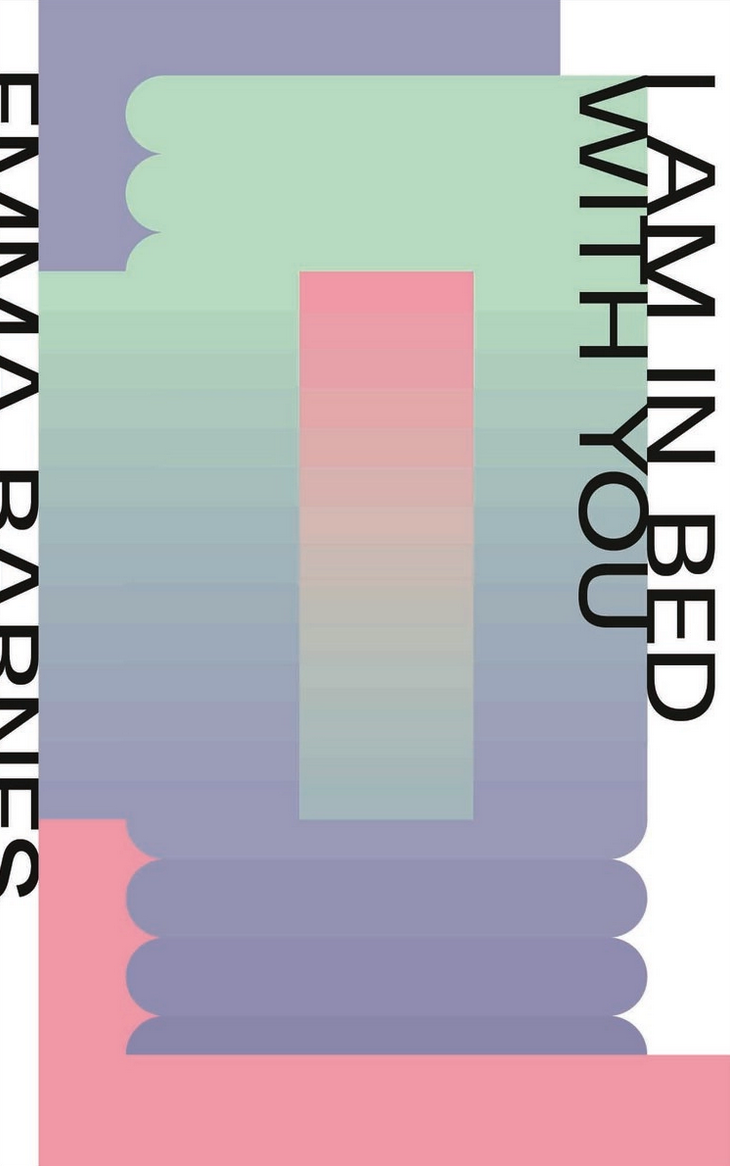
Poetry Shelf review: Emma Barnes’s I Am in Bed with You

I Am in Bed with You, Emma Barnes, Auckland University Press, 2021

I am in bed with you. The room varies. But I’m always on the

left. I am pulling the pieces of myself into myself. In the winter

I left myself behind in the 90s. I’m coming back now. You

can see the light touching me. I can see layers of tissue finally

making a body. And once I have a body I have a head. And in

my head are these thoughts. I can’t tell you what it is like with

words. You can hold my hand and feel my pulse, but I was in

1994. I didn’t like

it there. When I am getting through days I don’t even know I

am making it. I am the legume in that story about royalty. And

then on the other side I open up like a lake into a river. I can

survey the lean fields of my insides as if I am owner of all

those glistening blades. In 1994 I was fourteen. I buried some-

thing back there. I buried it alive in a biscuit tin. This winter

makes choices I’d have made differently. Your mother cooked

a roast chicken every

Saturday unless a larger animal had died. (…)

from ‘I am in bed with you’

Emma Barnes’s debut collection I Am in Bed with You is a sublime read. Their poems hit such pitch-perfect notes any attempt to share my reading engagements will fall short. It’s like when someone asks why you like this painting or this song or this poem and all you can say I love it. Get the book. Find your own engagements.

And yet.

And yet this book haunts me to the degree I want to talk about it with you. There are three sections: ‘This is a creation myth’, ‘Sigourney Weaver in your dreams’ and ‘The Run-Around’.

There is a moving acknowledgements page. I love this page. In fact I am loving this choice in a number of recent publications – tributes paid to the communities and individuals that a book is in debt to. Emma begins by saying: ‘The most important thank you for any Pākehā writer is to mihi the mana whenua of Aotearoa for their generosity in the face of continued acts non-consent and disrespect by us, their Treaty partners. I am truly privileged to be a treaty partner, to have this place to stand and to receive repeated gifts and offerings of manaakitanga.’

Emma thanks a high-school teacher and her publisher Sam Elworthy (Auckland University Press) who prompted her ‘to transform reluctance into curiosity’. I love this too. A publisher who is nurturing all manner of vital poetry collections and connections into the world (think A Clear Dawn, AUP New Poets 8). And of course friends and family. Taking time to offer such a heartfelt mihi matters.

Emma’s collection refreshes a joy in sentences. This is a book where sentences are the exquisite building blocks of poetry. Crafted with an ear attuned to sound, rhythm and chords, and an eye for movement that may startle, dazzle, draw you in closer.

The opening poem in the opening section is akin to a creation myth; an original origin story: inventive funny fabulous. The poems that follow resemble creation episodes; the speaker is vulnerable and bold in their self exposures, in the creating and making of self, dismissed body, gendered self, self expectation. The mother is missing, longed for or discounted. Being woman being man being another is faced. The sentences are off-real surreal cloaked hyper-real skating and free-sliding from feeling to nothing to question to admission to nothing to strange detail to wounding edge to invisibility to laugh out loud. To being unbearably moved.

Sigourney Weaver tells me that desire has a hard edge. The end. The

limit it enforces by virtue of its own inevitability. She’s been reading

the internet again. Sigourney Weaver says that our bodies are wishes

made from DNA and that time and time again we defeat ourselves with

our limited thinking. Always imagining edges. The edge of desire

is only there because we out it there. And we put it there because we

can’t make sense of a world where we could desire and act in equal

measure. Trust Sigourney Weaver to get me tied up in knots without any

rope. Not even the tiniest string around my finger. I like a boundary,

Sigourney Weaver. I like clear statements. I like small words. (…)

from ‘Sigourney Weaver confronts the limits of desire’

The middle section of poems stars Sigourney Weaver. If you want to hang out with a famous film star you can do it in a sequence of poems and then you get to choose how things will pan out. The speaker is hanging out with Sigourney in Aro Valley. They rent movies, kiss, take ecstasy, kiss, have an android baby. It is wickedly funny, so so funny, with a twist of weird and strange and creepy. Sigourney buys a place, a van, becomes a citizen, and in all the curious surreal twists – exhilarating, hilarious, uplifting – your heart is consistently tugged. Look to the weird and you find the ordinary: house-moving cartons, dresses and pigtails, ballgowns, mint-flavoured life savers. This sweetly crafted sequence also finds sustenance in the joy of the sentence.

The final section’s refrain is love. Love poems that are like prismatic love songs with shifting chords and rhythms, the ‘you’ elusive and on the move. In the other sections poems are given breathing-space as they break apart into stanzas. Here the poems appear as dense paragraphs – framed by the white space of breath yes – but catching love’s intensity, love as unfathomable, physical, intimate, complicated, hard to say. Again there is a glorious sway between the weird and the surreal and a familiar heart-grasp of relationships, aloneness, closeness. You can’t breathe as you read, as you feel.

Emma has produced a collection unlike any other I know with its unifying addiction to the sentence, and motifs that go deeper than surface beacons: think age, body expectations, gender, the making of self, the lasting effects of childhood, experiences that bite, disappearing acts, love, desire, more love, more desire. You will meet dreams and demons and epiphanies. Writing is musing, reflecting back, side-drifting, inventing, confessing. You will revel in the joy (and pain) of writing, and yes writing becomes, and yes writing is a form of becoming. Extraordinary.

Emma Barnes studied at the University of Canterbury and lives in Aro Valley, Wellington. Their poetry has been widely published for more than a decade in journals including Landfall, Turbine | Kapohau, Cordite and Best New Zealand Poems. They are currently co-editing with Chris Tse an anthology of LGBTQIA+ and takatāpui writing from Aotearoa New Zealand for Auckland University Press.

Auckland University Press page

Poetry Shelf: Emma reads four poems from I Am in Bed with You

An unpublished poem ‘The lake’ in Poetry Shelf water theme

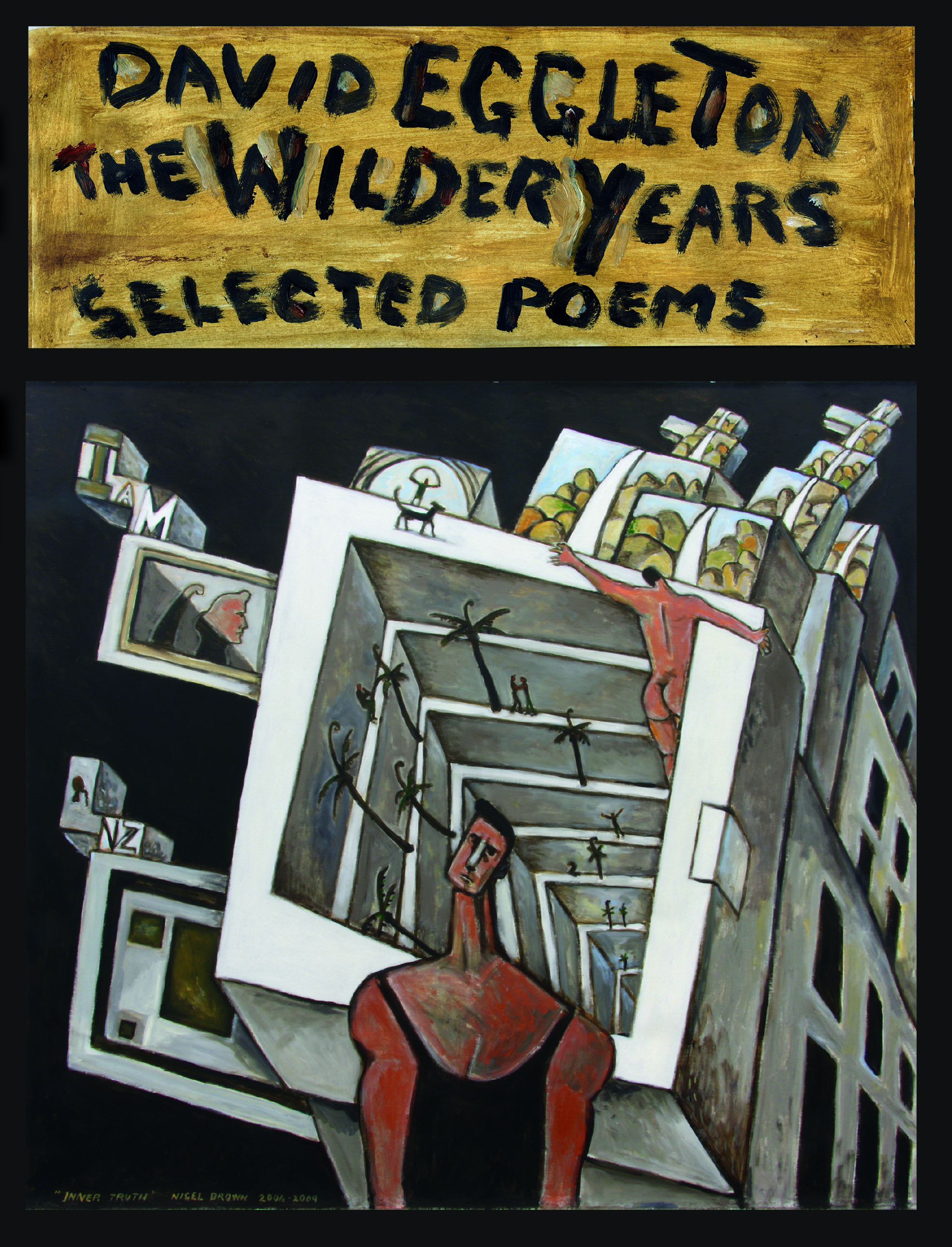
Poetry Shelf celebrates new books: David Eggleton reads from The Wilder Years: Selected Poems

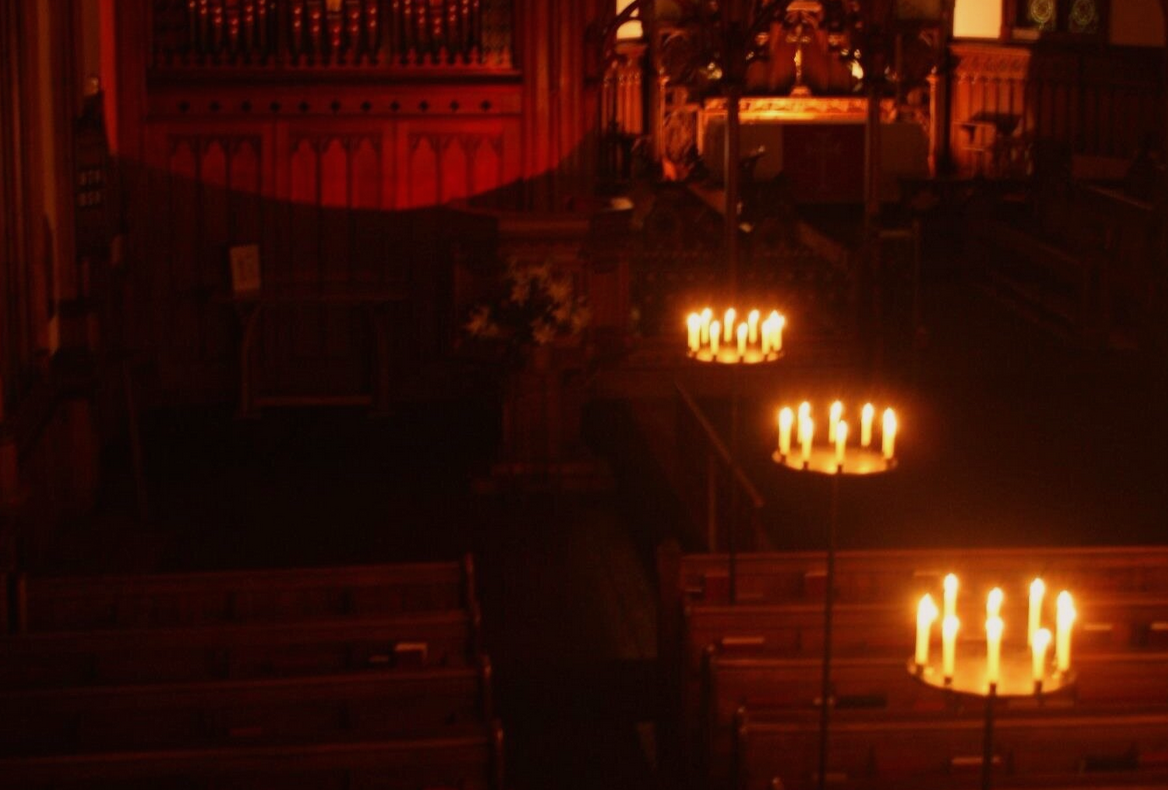
David Eggleton reads ‘The Burning Cathedral’

The Wilder Years: Selected Poems, Otago University Press, 2021

David Eggleton is a poet and writer of Palagi, Rotuman and Tongan descent based in Dunedin. He has published a number of poetry collections, and has also released a number of recordings with his poetry set to music by a variety of musicians and composers. He is the former Editor of Landfall and Landfall Review Online as well as the Phantom Billstickers Cafe Reader. His book The Conch Trumpet won the 2016 Ockham New Zealand Book Award for Poetry. In 2016, he received the Prime Minister’s Award for Literary Achievement in Poetry. His most recent poetry collection is The Wilder Years: Selected Poems, published by Otago University Press in May 2021. He is the Aotearoa New Zealand Poet Laureate for 2019 – 2022.

Otago University Press page

Michael Steven review at Kete Books

Standing Room Only interview RNZ National

Poetry Shelf noticeboard: Epilogue new work featuring poets and musicians

Epilogue

St. Peter’s on Willis
Sat 19th June, 8pm

Epilogue is a new work that follows the form of a requiem mass, minus the death and liturgy.

Five writers accompanied by an ensemble of musicians explore a series of unrelated events, evoking ideas around transition, inevitability, rest, activity, optimism and infinity.

Music by Nigel Collins (Flight of the Conchords / Congress of Animals) and Andrew Laking, in collaboration with Simon Christie and Maaike Beekman. New texts written and read by Chris Tse, Rebecca Hawkes, Harry Ricketts, Ruby Solly, and Nick Ascroft. With Dan Yeabsley (reeds), Tristan Carter (violin), and Dayle Jellyman (keys).

What to Expect
To make Epilogue, we took the structure and sense of a requiem mass, then pulled it apart it and filled it with contemporary language and music. What we’re left with is an echo of the original idea, that follows the same rise, fall and atmosphere, but speaks to more recent events, all of which are different and personal, but connected in a broader sense. Imagine a secular order of service that alternates between music and spoken word and you’re half way there!

Who’s involved?
Nigel Collins is a playwright and musician who is best known for his work with Flight of the Conchords (Orchestra of One) and Congress of Animals. He combines with a fantastic ensemble of musicians, including bassist Simon Christie (Aurora IV), Dayle Jellyman and reeds maestro Dan Yeabsley (The Troubles). The texts have been put together by a standout collection of writers, featuring many of Wellington’s best – for more info, click on the artist profiles on this page.

Tickets: From $25

Poetry Shelf Monday Poem: Grace Iwashita-Taylor’s ‘Prelude to Lagimalie’

Prelude to Lagimalie

when imposed on a body birthed from the moana

it squeezes the vastness

into tiny confined spaces

compact

identified 

and foreign


the body birthed from the moana twists

when the breath is not honoured

craves the salt

how you expand at the sea


but the body remembers where it once was


tā & vā   |   time & space

is malleable

multidirectional

multidimensional

multitransactional


our nervous system                           a sacred internal ecosystem

                                           not            a shock absorber


restore lagimalie    |    balance

Grace Iwashita-Taylor

Grace Iwashita-Taylor, breathing bloodlines of Samoa, England and Japan. An artist of upu/words led her to the world of performing arts. Dedicated to carving, elevating and holding spaces for storytellers of Te Moana nui a Kiwa. Recipient of the CNZ Emerging Pacific Artist 2014 and the Auckland Mayoral Writers Grant 2016. Highlights include holding the visiting international writer in residence at the University of Hawaii 2018, Co-Founder of the first youth poetry slam in Aoteroa, Rising Voices (2011 – 2016) and the South Auckland Poets Collective and published collections Afakasi Speaks (2013) & Full Broken Bloom (2017) with ala press. Writer of MY OWN DARLING commissioned by Auckland Theatre Company (2015, 2017, 2019) and Curator of UPU (Auckland Arts Festival 2020 & Kia Mau Festival 2021). Currently working on next body of work WATER MEMORIES.

Poetry Shelf Theme Season: Thirteen poems about water

‘A poem is / a ripple of words / on water wind-huffed’

Hone Tuwhare

from ‘Wind, Song and Rain’ in Sap-wood & Milk, Caveman Press, 1972

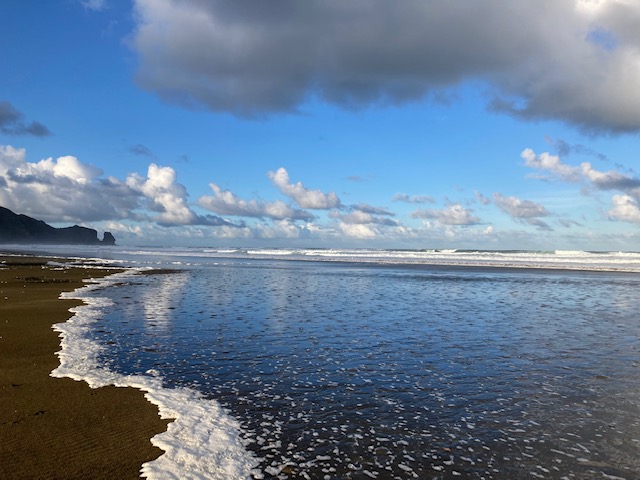
The ocean is my go-to salve. Before we went into level-four lockdown last year, I went to Te Henga Bethells Beach near where I live. I stood by the water’s edge as the sun was coming up. The air was clear and salty. Not a soul in sight. I breathed in and I breathed out, and I saved that sublime moment for later. Like a screen shot. Over the ensuing weeks in lockdown, I was able to return to that spot, my eyes on the water, my senses feeding on wildness and beauty. Look through my poetry collections and you will see I can’t keep the ocean out. It is always there somewhere.

Unsurprisingly there is a profusion of water poems in Aotearoa – think the ocean yes, but lakes and rivers and floods and dripping taps. This was an impossible challenge: whittling all the poems I loved down to a handful. I hadn’t factored in leaving poems out when I came up with my theme-season plan. Some poets are particularly drawn to water. Kiri Piahana-Wong’s sublime collection Night Swimming is like an ode to water. The same can be said of Lynn Davidson’s glorious collections How to Live by the Sea and The Islander. Or read your way through Apirana Taylor’s poems and you will find they are water rich – and his poetry flows like water currents. As does the poetry of Hone Tuwhare. Again water rich. And of course the poetry of Dinah Hawken, with her lyrical eye bringing the natural world closer, water a constant companion.

I have so loved this water sojourn. The poems are not so much about water but have a water presence. I am grateful to all the poets and publishers who continue to support my season of themes.

The poems

Girl from Tuvalu

girl sits on porch

back of house

feet kicking

salt water skimming

like her nation

running fast

nowhere to go

held up by

Kyoto Protocol

An Inconvenient Truth

this week her name is Siligia

next week her name will be

Girl from Tuvalu: Environmental Refugee

her face is 10,000

her land is 10 square miles

she is a dot

below someone’s accidental finger

pointing westwards

the bare-chested boys

bravado in sea spray

running on tar-seal

they are cars

they are bikes

they are fish out of water

moana waves a hand

swallows

a yellow median strip

moana laps at pole houses

in spring tide

gulping lost piglets

and flapping washing

girl sits on porch

kicking

Selina Tusitala Marsh

from Dark Sparring, Auckland University Press, 2013, picked by Amy Brown

The body began to balance itself

It started to rain

and it was not clear

if this would last a short time

or a long time

so I got my husband

and colleagues

and the librarian

and the owner of the local chip shop

and the humourless lady who failed me

on eyesight at the driver licence testing station

into a boat

though it was extremely cramped

and they rowed

out to the open ocean

and sat quiet

and waited.

Louise Wallace

from Bad Things, Victoria University Press, 2017

The Lid Slides Back

Let me open

my pencil-case made of native woods.

It is light and dark in bits and pieces.

The lid slides back.

The seven pencils are there, called Lakeland.

I could draw a sunset.

I could draw the stars.

I could draw this quiet tree beside the water.

Bill Manhire

from The Victims of Lightning, Victoria University Press, 2010

Train of thought

I thought of vitality,

I thought of course of a spring.

I thought of the give inherent

in the abiding nature of things.

I thought of the curve of a hammock

between amenable trees.

I thought of the lake beyond it

calm and inwardly fluent

and then I was thinking of you.

You appeared out of the water

like a saint appearing from nowhere

as bright as a shining cuckoo

then dripping you stood in the doorway

as delighted by friendship as water

and beaming welcomed us in.

Dinah Hawken

The lake

The ripples are small enough. The lake surface is the lake surface is the lake surface. All lakes exist in the same space of memory. Deep dark water. The scent of stones. I think of a swift angle to depth. I think of the sound when you’re underwater and the gravel shifts beneath your feet. I think of all the colours of water that look black, that look wine dark, that look like youth looking back at me. I can barely take it. I can see the lake breathing. I am the lake breathing. The lake breathes and I breathe and the depth of both of us is able to be felt by finger, by phone, by feeling. Don’t ask what you don’t want to know. I ask everything. I want to know nothing, everything, just tell it all to me. The gravel shifts again with the long-range round echo of stones underwater. I am separate parts breathing together. You say that I am a little secret. You say, as your brain seizes, that you have lost the way. Your eyes flicker and flutter under your eyelids as you try to find what’s lost, what’s gone forever. Nothing can really be found. I am never located when I want to be located the most. I am instead still that teenager on the side of the road with a cello hard case for company. I forget I exist. You forget I exist. I’ve forgotten I’ve believed I’ve not existed before. I’ve not forgotten you. Never forgotten your face. Could never. Would never. I don’t know how to communicate this with you in a way that you’ll understand. My mouth waters. I am back in the lake again. Except I’m the lake and I’m water myself.

Emma Barnes

Flow

To the stone, to the hill, to the heap, to the seep,

to the drip, to the weep, to the rock, to the rill,

to the fell, to the wash, to the splash, to the rush,

to the bush, to the creep, to the hush;

to the down, to the plain, to the green, to the drift,

to the rift, to the graft, to the shift, to the break,

to the shake, to the lift, to the fall, to the wall,

to the heft, to the cleft, to the call;

to the bend, to the wend, to the wind, to the run,

to the roam, to the rend, to the seam, to the foam,

to the scum, to the moss, to the mist, to the grist,

to the grind, to the grain, to the dust;

to the core, to the gorge, to the grove, to the cave,

to the dive, to the shore, to the grave, to the give,

to the leave, to the oar, to the spring, to the tongue,

to the ring, to the roar, to the song;

to the surge, to the flood, to the blood, to the urge

to the rage, to the rod, to the rood, to the vein,

to the chain, to the town, to the side, to the slide,

to the breadth, to the depth, to the tide;

to the neap, to the deep, to the drag, to the fog,

to the stick, to the slick, to the sweep, to the twig,

to the roll, to the tug, to the roil, to the shell,

to the swell, to the ebb, to the well, to the sea.

Airini Beautrais

from Flow, Victoria University Press, 2017, picked by Amy Brown

as the tide

i am walking the path

around hobson bay point

nasturtiums grow up the cliff face

and the pitted mud has a scattering

of thick jagged pottery, bricks

faded edam cheese packaging

and a rusty dish rack

all of the green algae

is swept in one direction

i am only aware of the blanketed crabs

when a cloud passes overhead

and they escape in unison

into their corresponding homes

claws nestling under aprons

my dad talks about my depression

as if it were the tide

he says, ‘well, you know,

the water is bound to go in and out’

and to ‘hunker down’

he’s trying to make sense of it

in a way he understands

so he can show me his working

i look out to that expanse,

bare now to the beaks of grey herons, which i realise is me

in this metaphor

Lily Holloway

Ode to the water molecule


‘Our body is a moulded river.’ Novalis


Promiscuous, by some accounts,

or simply playing the field—

     indecisive, yet so decidedly

yourself, you are


all these things: ice flow,

cloud cover,

     bend of a river,

crystalline structure


on an aeroplane window, fire-

bucket or drop

in the ocean, dissolver of a morning’s

     tablets or


mountain range. We envy you

your irresolution,

          the way you get along

with yourself, as glacier

     or humidity of


an overheated afternoon. A glass

of pitch-black water

               drunk at night.

Catchment and run-off. Water,

         we allow you


your flat roof and rocky bed

but there are also

          tricks we have taught you:

papal fountain, water

feature, liquid chandelier and

     boiling jug. It is, however,

                 your own mind


you make up, adept as you are

          —‘the universal solvent’—

at both piecing together

and tearing apart. With or


without us, you find your own

structure, an O and two H’s

                    in the infinity


of your three-sidedness, your

     triangulation, at once trinity

and tricycle. Two oars

and a dinghy, rowed.


Colourless, but for

‘an inherent hint of blue’,

     molecule in which

we are made soluble, the sum

of our water-based parts—


resourceful, exemplary friend

      kindred spirit – not one to jump to

conclusions

as you would traverse a stream, but rather


as you would leap in. Fluid,

by nature—given to swimming more than

being swum—

    with rain as your spokesperson,


tattooed surface of a river’s

undiluted wonder,

          snowfall and drift,

you enter the flow


of each of us, turn us around

     as you turn yourself around

as tears,

     sustenance,

          more tears.


Gregory O’Brien

first appeared (in a typeset and ‘drawn’ version) in PN Review 252, in the UK, March-April 2020.

First dusk of autumn here and i swim

through fish flicker through

little erasing tails


that rub the seafloor’s light-net out

that ink in night


down south winter warms to her task and 

will arrive smelling of wet shale in 

a veil of rain     


bats flicker into leaves 

to rub the tree-cast light-net from the grass

to ink in night 

Lynn Davidson

Waiheke

You yearn so much
you could be a yacht.
Your mind has already
set sail. It takes a few days
to arrive

at island pace,
but soon you are barefoot
on the sand,
the slim waves testing
your feet

like health professionals.
You toe shells, sea glass, and odd things
that have drifted for years
and finally
washed up here.

You drop your towel
and step out of
your togs, ungainly,
first
your right foot, then

the other
stepping down
the sand
to stand
in the water.

There is no discernible
difference
in temperature.
You breaststroke in
the lazy blue.

A guy passing in a rowboat
says, ‘Beautiful, isn’t it?’
And it is. Your body
afloat in salt
as if cured.

James Brown

from Poetry, 2018, picked by Frankie McMillan

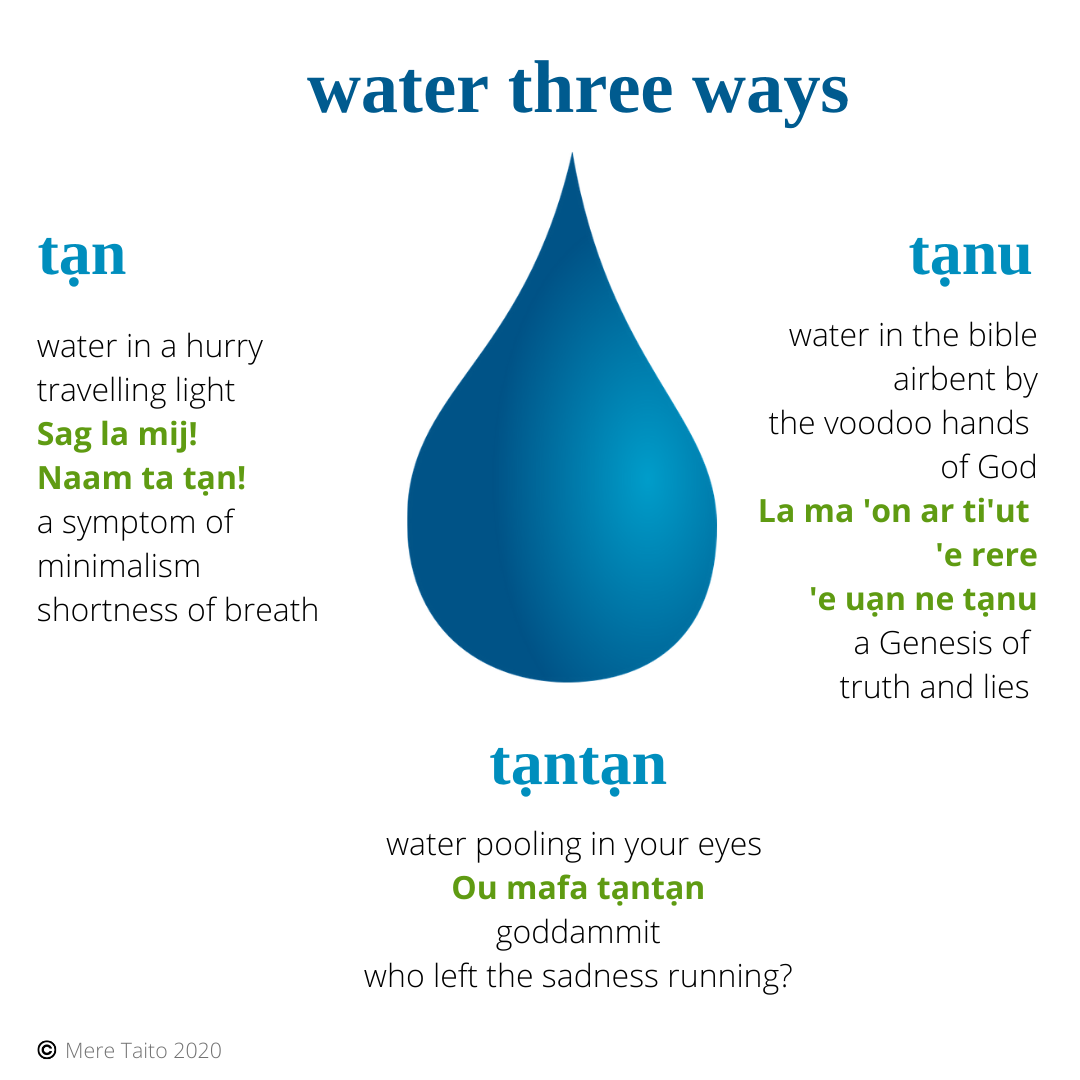
Mere Taito

Isthmus

Write the sea in your heart, write the rain.

Only that. Words are a poor habit. Let

the wind slide under your ribs let the rain,

for no one will love you the way

you write to be loved,

and your name only a name – but the green

edge of a wave made knifish by light

or some hurtful winter clarity in the water:

a bright sheet of sky against the horizon as if

breathing, as if the air itself

is your own self, waiting. Only there.

And know how your heart is the green deep sea,

dark and clear and untame,

and its chambers are salt and the beating

of waves, and the waves breaking,

and the waves.

Olivia Macassey

from Takahē, issue 90

Deep water talk

In honour of Hone Tuwhare

& no-one knows

if your eyes are

blurred red from

the wind, too

much sun, or the 

tears streaking your

face that could be

tears or just lines of

dried salt, who 

can tell

& you never can tell

if you are seasick,

drunk, or just

hungover—the 

symptoms are the

same

& sea and sky merge

until the horizon is

nothing but an

endless blue line

in every direction, 

so that you are sailing,

not on the sea, as you

thought, but in a

perfectly blue, circular 

bowl, never leaving

the centre

& you wonder who 

is moving, you or

the clouds racing

by the mast-head

& you wonder if

those dark shapes

in the water are 

sharks, shadows, or

nothing but old fears

chasing along behind

you

& the great mass of

land recedes, you 

forget you were

a land-dweller, 

feeling the pull 

of ancient genes

—in every tide, your

blood sings against

the moon

& food never tasted

so good, or water

so sweet—you’ve 

never conserved water

by drinking wine

before—and rum;

and coke; and rum 

and coke; and can

after can of cold

beer

& your sleep is

accompanied, not

by the roar of traffic 

on the highway,

but by the creaks

and twangs of your

ship as she pitches

and moans through

the dark ocean,

all alone

& you wonder—

where did that bird,

that great gull perching

on the bowsprit,

come from?

Kiri Piahana-Wong

from Night Swimming, Anahera Press, 2013

The Poets

Emma Barnes lives and writes in Pōneke / Wellington. They have just released their first book I Am In Bed With You. For the last two years they’ve been working with Chris Tse on an anthology of LGBTQIA+ and Takatāpui writing to be released this year by Auckland University Press. They work in Tech and spend a lot of time picking heavy things up and putting them back down again. 

Airini Beautrais lives in Whanganui and is the author of four poetry collections and a collection of short fiction. Her most recent poetry collection is Flow: Whanganui River Poems (VUP 2017). Bug Week and Other Stories recently won the Ockham NZ Book Fiction Award 2021.

James Brown’s Selected Poems was published by VUP in 2020. He is working on a new book.

Lynn Davidson’s latest poetry collection Islander is published by Shearsman Books and Victoria University Press. She had a Hawthornden Fellowship in 2013 and a Bothy Project Residency at Inshriach Bothy in the Cairngorms in 2016.  In 2011 she was Visiting Artist at Massey University. She won the Poetry New Zealand Poetry Award, 2020 and is the 2021 Randell Cottage Writer in Residence. Lynn has a doctorate in creative writing and teaches creative writing. She recently returned to New Zealand after four years living and writing in Edinburgh.  

Dinah Hawken lives and writes in Paekakariki. Her ninth collection of poetry, Sea-light, will be published by Victoria University Press in August, 2021.

Lily Holloway is a queer nacho-enthusiast. She is forthcoming in AUP New Poets 8 and you can find her work here.

Olivia Macassey’s poems have appeared in Poetry New ZealandTakahēLandfallBriefOtolithsRabbit and other places. She is the author of two collections of poetry, Love in the Age of Mechanical Reproduction and The Burnt Hotel (Titus). Her website

Bill Manhire founded the creative writing programme at Victoria University of Wellington, which a little over 20 years ago became the International Institute of Modern Letters. His new book Wow is published by Victoria University Press in New Zealand and Carcanet in the UK.

Selina Tusitala Marsh (ONZM, FRSNZ) is the former New Zealand Poet Laureate and  has performed poetry for primary schoolers and presidents (Obama), queers and Queens (HRH Elizabeth II). She has published three critically acclaimed collections of poetry, Fast Talking PI (2009), Dark Sparring (2013), Tightrope (2017) and an award-winning graphic memoir, Mophead (Auckland University Press, 2019) followed by Mophead TU (2020), dubbed as ‘colonialism 101 for kids’.

Gregory O’Brien recently completed a new collection of poems Streets and Mountains and is presently working on a monograph about artist Don Binney for AUP.

Kiri Piahana-Wong is a poet and editor, and she is the publisher at Anahera Press. She lives in Auckland.

Mere Taito is a poet living and working in Kirikiriroa. She is interested in the way poetry can be used to revitalise minority Indigenous languages like Fäeag Rotuạm ta.

Louise Wallace is the author of three collections of poetry published by Victoria University Press, most recently Bad Things. She is the founder and editor of Starling, and is currently working on a PhD in Creative Writing at the University of Otago.

Ten poems about clouds

Twelve poems about ice

Ten poems about dreaming

Eleven poems about the moon

Twelve poems about knitting

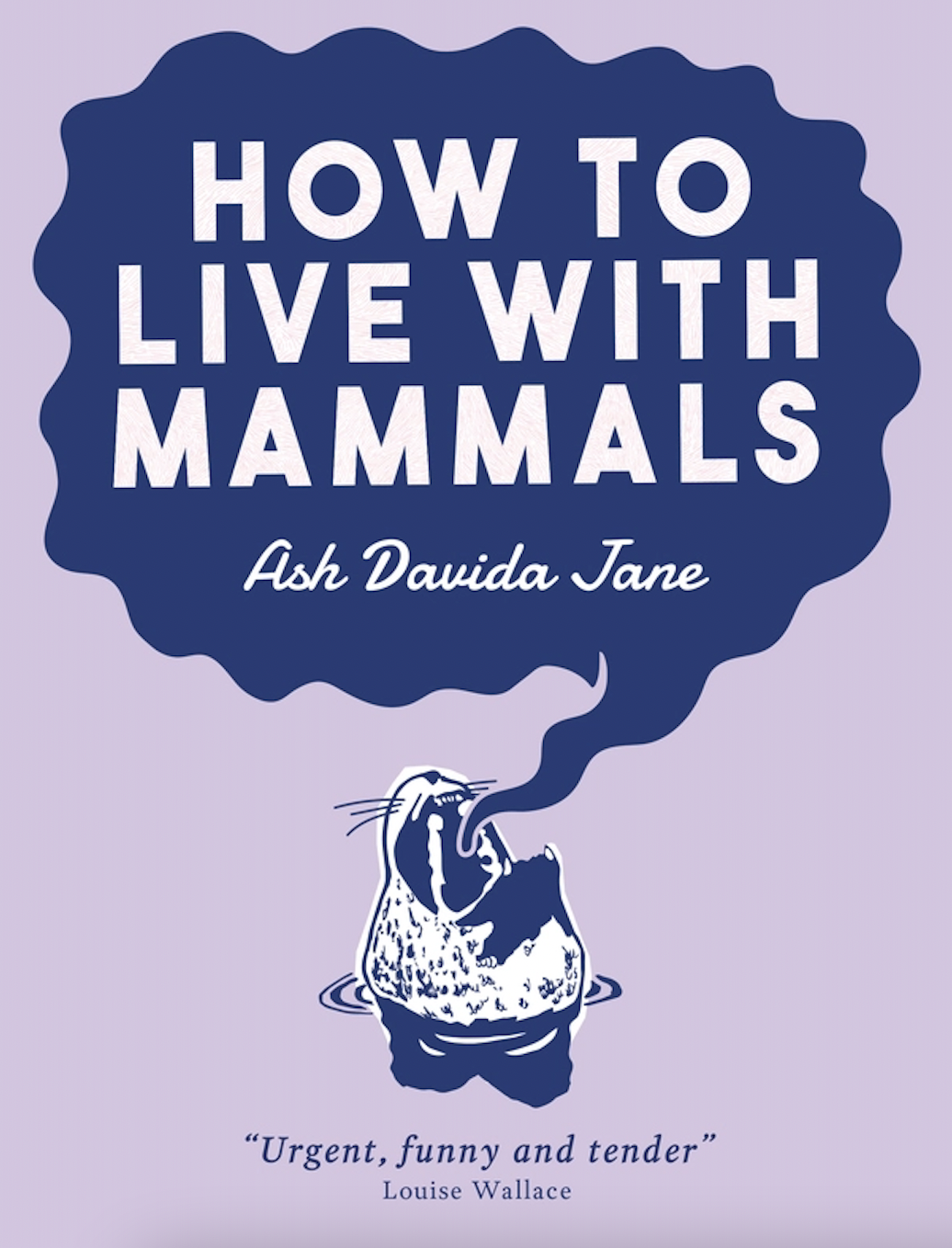
Poetry Shelf review: Ash Davida Jane’s How to Live with Mammals

How to Live with Mammals, Ash Davida Jane, Victoria University Press, 2021

Every poem in Ash Davida Jane’s new collection How to Live with Mammals is an explosion in the mouth; the intricacies and nuances last all day, and beyond. I keep saying to myself well this is my favourite, this is the one I want to dally over and dive in deep. But then I turn the page and encounter another favourite. Therein lies the joy of poetry: the way a poem can you hold you.

I am scared I am going to pin the collection down to a single idiosyncratic reading when the poetry is full of movement and surprise, revelation and comedy. I am thinking the collection faces knowing and not knowing, paying close attention both to self and to the complicated world. There is the way things slip from grasp and the way a poem marks a place – a way of being – in the world. It is rich in multiple notes like I’m holding a refracting prism that keeps hooking me with glint and gleam. Subject matter and motifs repeat like connecting bridges: mammals, food, asparagus, the body, naming, birds, trees.

The poet – the speaking voice – looks back and looks forward, and the poem becomes present participle, a glorious bearer of movement that touches the past and the present, with longing and with forgetting. Perhaps I am saying this is a book of verbs where living feels personal, enriched by imaginings and replay, punctuated by white space, the poet’s breath.

I love considering these poems within the fertility of verbs. Take looking for example. Observing. Seeing what we have lost the ability to see. Being looked at. Not being looked at. Looking back with longing. Paying attention. Looking forward. This is just one verb-al thread that offers glorious sustenance to the collection’s arc. This from a poem that mourns a world affected by climate change:

I pay daily attentions to colour

7am waiting at the bus stop under

a sulphur-red sky

 burnt at the edges where it

sticks to the horizon

fading to a midday dull white sheen


the ocean a room of

mirrors reflecting itself

the edges of waves tinged pink

like we’re on another planet

but we’re exactly

where we’ve always been


except there’s a PE teacher

pushing us to go faster than we want to

jogging into an apocalyptic future

in polyester shorts


from ‘2050’

You could track the naming of things, the vanished names, the recalled names, the way names matter. You could trace the talking thread, self talk, alone talk, intimate talk, talking in a crowded room. You could take the bridge from assumed point of view to the poet’s place to other shoes. The poet steps into another character after her partner jokes that she’s his ‘farm wife / in my long brown skirt / and beige sweater / sleeves rolled up’. She steps into the walking shoes of Dorothy Wordsworth, borrowing lines, overlaying English lake with flittery fantail and a shared moon.

the bees emerging

from their wooden house

mistake me for

a flower and for

a moment I am one

hopelessly lacking in pollen

swaying in the breeze

and taking up space

standing still in the mud

unmaking myself amid

leaves I’ve seen a thousand times

and never wondered the names of

some trees putting out red shoots

query: what trees are they?


from ‘walking with Dorothy’


The reading rewards of Ash’s poetry are numerous. A single poem might make you laugh, recoil, identity, empathise, leap unexpectedly, gather facts, process feelings. ‘marine snow’ provoked such movement. Crikey I love this poem that moves from underwater swimming to a hatred of swimming, especially when the instructor tells the three year old a crab lives on the bottom of the pool, to the grief of last things to the grief of last things flowing into other things ( ‘the pot of coffee / is in mourning / now / the laundry / drips wet tears’) to the fact it snows underwater. Glorious. Sad. Challenging.

I don’t want to limit this book to narrow pathways and dead ends. I want you to find your own bridges and sidetracks, to leap and dive deep. Expect to be embraced in the scene. Expect heat shimmer steam. Expect the lucid and the poignant. I’m in love with these poems, every single one of them.

Ash Davida Jane’s poetry has appeared in MimicrySweet MammalianStarlingThe Spinoff and elsewhere. Her first book, Every Dark Waning, was published in 2016 by UK indie publisher Platypus Press. She lives in Wellington, where she works as a bookseller.

Pip Adam’s launch speech via Victoria University Press page

Victoria University Press page

Poetry Shelf: Ash reads from the book

Tara Comics launch page

Starling online journal: ‘Love poems when all the flowers are dead’

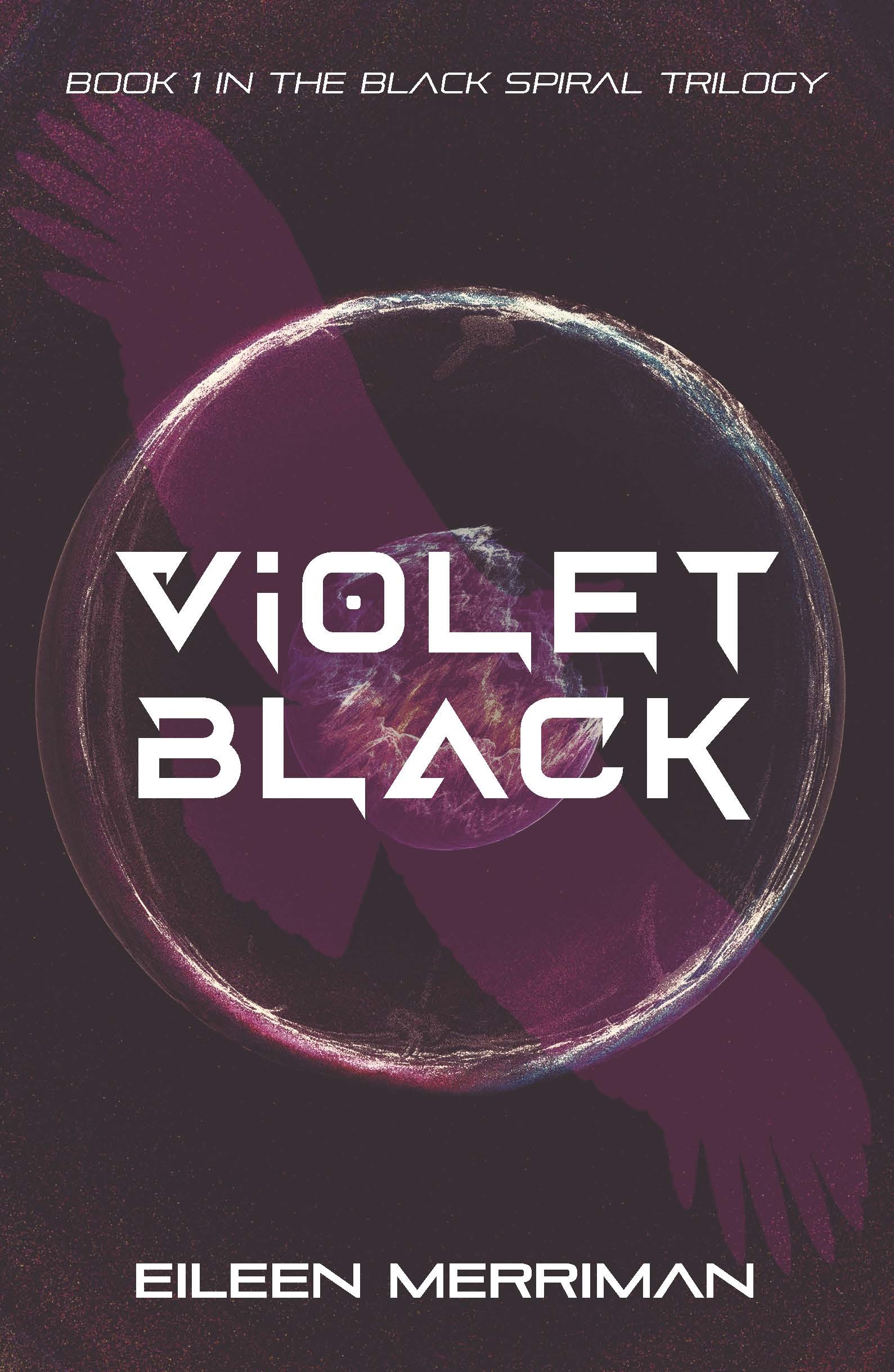
Poetry Shelf goes YA: Eileen Merriman’s Violet Black

Violet Black, Eileen Merriman, Penguin Books, 2021

I reviewed Pieces of You, Eileen Merriman’s debut YA novel, on Poetry Shelf because it stuck with me on so many levels. Here is an extract:

Just know that this is an acute reading experience. It feels utterly real. It does not smudge the tough stuff. It is kaleidoscopic in both emotion and everyday detail. Detail that animates that lives of two teens. There are countless examples of excellent books on the tough experiences that some teenagers face (drugs, alcohol, abuse, rape, cancer, suicide, the death of a friend or family member) but that is not to say such subject matter is now done and dusted. Far from it.

Eileen writes with such a flair for dialogue, for family circumstances, for teenage struggles and joys. This is the kind of book that will stay at the front of my mind all week and longer – I recommend it highly.

I have quoted from the review because although Pieces of You is an altogether different book (a moving cancer story) – similar comments apply to Violet Black. Characters matter, dialogue matters, real-life detail matters, significant issues matter and you are always held in the grip of a perfectly pitched narrative. Yet Violet Black, the first in Eileen’s Black Spiral YA trilogy, is dystopian fiction. It is set in the near future and its globe-trotting plot travels from New Zealand to Australia and Germany. It features a ravaged planet showing the effects of climate change, the scarcity and cost of food, drones, internet dependencies, closed schools and, most importantly, a plague (a measles-virus mutation).

Violet and Ethan are seventeen, in love, and both in an m-fever coma in hospital. Their love strand is one part of the narrative, but so too are the increasingly sinister questions that touch upon ethics and what is in the best interests of humanity. Violet and Ethan discover they each have a post-viral ability that sees them drawn (forced?) into VORTEX, a group of ‘virally optimised teenagers’. There is no vaccine yet, and there are anti-vaxxers out to destroy research. There is the worrisome ITA, the International Terrorism Agency.

With Eileen’s medical background, the plague presence is utterly convincing. So too is the ability to craft plot, to build relationships and ideas that have a contemporary significance and edge. I am no teenager, and would love to know what they think of the book, but I enter this dystopian space and in Eileen’s hands it feels both utterly real and spikely relevant. I felt bereft when I got to the last page knowing I would have to wait until September 1st for the release of Book 2. When you consider the degree to which our world is under threat, I believe novels like this get the teenage reader thinking. To what degree are choices made in the best interests of the world? Why do we need to be conversant in ethics?

Ideas taking control of a novel at the expense of everything else would weaken its impact. Not so with Violet Black. The novel also delivers the complexity of family relations, the infectiousness of teenage love, a narrative flicker that things may not always be taken at face value. As Violet and Ethan struggle to make sense of what is happening to them, and indeed the world itself, so too do we as readers. Quite frankly I feel that myself some days as I struggle to make sense of all the conflicting and troubling stories on my various news feeds.

I love this book and I can’t wait to read the next one. Violet Black has been optioned by South Pacific Pictures Ltd for a potential TV series. I can see why. This is YA fiction at its glorious life-crackling best, and yes, we are never too old to be seduced by YAF’s wide-ranging charms. We get to experience the way a novel can entertain us and, at the same time, lay down vital challenges that get us thinking and feeling. Sublime.

Penguin Books page

Eileen Merriman’s three young adult novels, Pieces of You, Catch Me When You Fall, and Invisibly Breathing, were finalists in the NZ Book Awards for Children and Young Adults in 2018 and 2019, and all three were Storylines Notable Books. Her fourth young adult novel A Trio of Sophies was published in 2020 to huge critical praise and was also published in Germany. She works full-time as a consultant haematologist at North Shore Hospital.

Poetry Shelf noticeboard: Alice Te Punga Somerville’s ‘room’

room

there are captain cooks amongst us too – bullies,
throwing their weight around

they think they are the centre of the room but that’s only because
they have never been anywhere but there
they have no idea about the edges or even how far the room extends
one day they will realise that we in the corners are really in other centres
they will realise there are no corners
no walls

is it a room? is it a room then, when there are no walls?

i used to want to tell them to move over because they take up all the room
but there’s no room
there is no room

no walls, no room – just links and connections and space

you’re not at the centre; there are no centres
you’re just standing there
one node in a massive network
like the rest of us

Alice Te Punga Somerville

Alice Te Punga Somerville (Te Āti Awa, Taranaki) is a scholar, poet and irredentist. Her poetry has been published in various venues including Ōrongohau: Best New Zealand Poems 2018, Te Rito o te Harakeke, Tātai Whetū, 4th floor, Puna Wai Kōrero, Ora Nui, Mauri Ola and Whetū Moana. Her scholarly publications include Once Were Pacific: Maori Connections to Oceania (Minnesota 2012) and 250 Ways To Start an Essay about Captain Cook (BWB 2020).

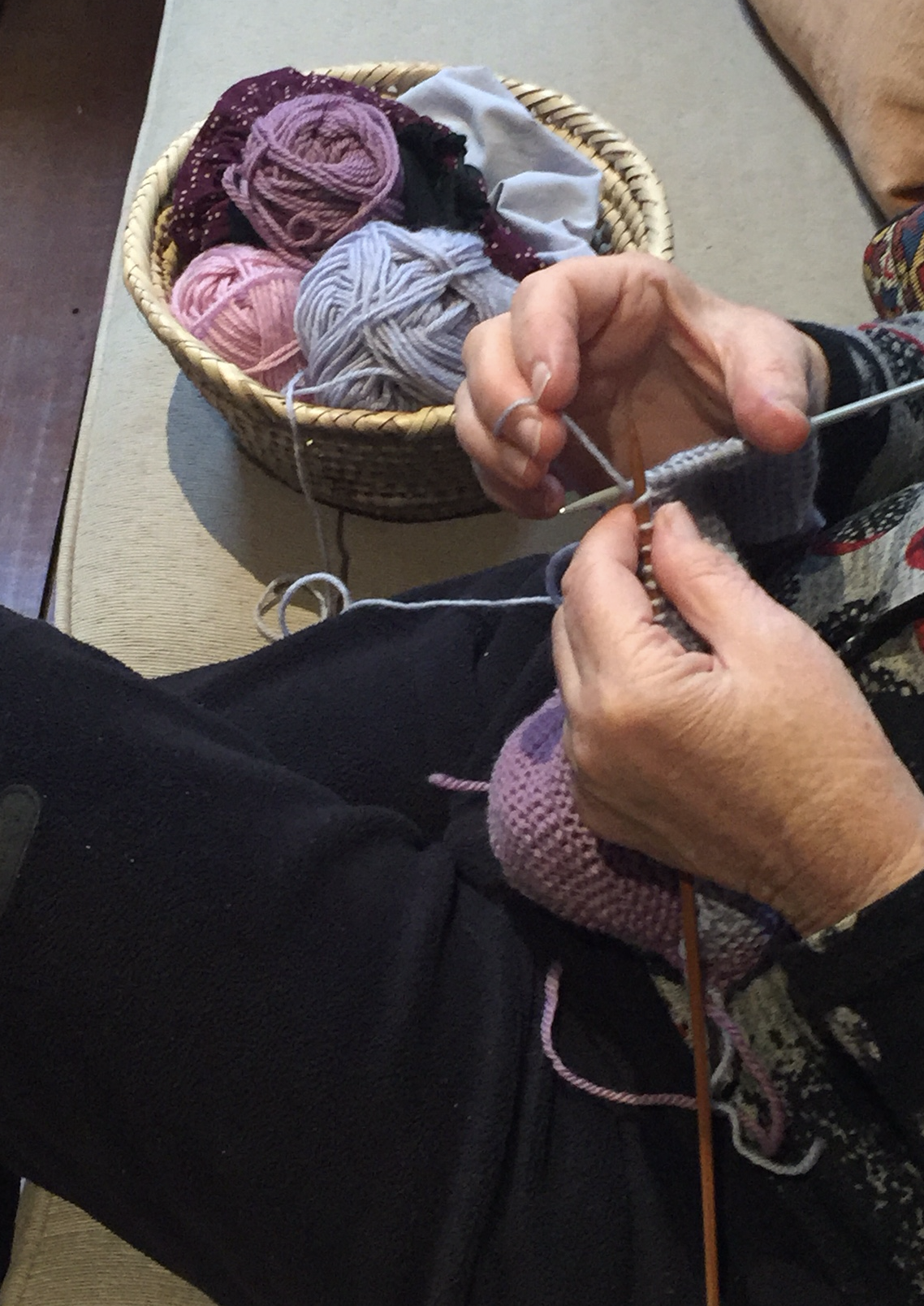
Poetry Shelf Theme Season: Twelve poems about knitting

I have always knitted but never very often and never very well. I have a winter cardigan that has been on the go for years and I need help to get it working again. When I was young I knitted a very complicated black jersey. I completed it and it felt like a work of art with its intricate and sublime stitching and hard-to-see-as-you-knit colour. But before I ever put it on, my dog Woody ripped it to shreds. I have never managed to finish anything since. Perhaps this winter I will see if I can find the bag with the grey wool and hope the moths haven’t shredded the cardigan.

I love knitting because it is soothing, because crafting things is a joy, and we can produce things that are of the greatest comfort. (Although at AWF 2021, Brian Turner talked about his grandmother knitting him childhood jerseys he never really liked!) I love the way you can lose yourself in the clicketty clack rhythm, or if you are skilled, you can read and look elsewhere as you knit. But knitting is a metaphor for so much more. Writing a poem is a form of knitting. Relationships and family life are forms of knitting. Telling a story. Living. Loving. Existing.

I am grateful to all the poets and publishers who continue to support my season of themes. These poems are not so about knitting, but have a knitting presence in varying degrees. Ha! I think reading is a form of knitting too! Happy knitting!

Twelve poems about knitting

Lockdown knitting

I hit on knitting for something to do

in the gloom, I get restless,

this end of the room is dim

and outside the window, the sun

burns down on browned-out plants

holding onto the dry clay bank,

relentless blue behind.

What Paul watches all day long.

Smoking for something to do.

He raises his eyebrows ridiculously

as I pull the thread of last year loose,

wants to know what I’m doing.

I say it stops me from chatter.

We say little bits from time to time

it’s peaceful, his coffin

on the dining room table

…32, 34, 36… I’m casting on the front

a dark ship riding into the room

light falling in behind

through the potted palms

in the little courtyard.

I’m halfway up the rib

on announcement day; it’s grim.

Paul says if no one can come

and no one can go,

just chuck him in his car

and straight in the ground.

We take the back seat out.

I knit and wait and watch

at the foot of the bed

and I’m not sure of the pattern:

a black square in the middle

that no one knows how to do.    

Marty Smith

Berthe

Reflection on Berthe Morisot’s ‘Young Woman Knitting’

There you sit

where you’re put,

painted feverishly

into place.

Did you mark

the woman who

made you

in a thousand

strokes of pastel

oils? Do you notice

the way your hands,

held up to their task

seem to merge, blend

with the pale-pinkness

of your gown,

how your edges,

ill-defined,

threaten to dissolve

into the background,

so that you would

disappear in a haze

of smoke

and the smell of

burning wool?

Know all that as you sit

fixed at your task,

but also note that she –

your creator –

set your head, your shoulders

against the green-grey

of the water. So that we

might see you,

defined, so that you might

tip back,

fall,

feel your head caught by the water

and your hair trail in the waves.

Rose Peoples

knitting a poem

I’m knitting this poem

                               for you. knit 1 purl 2.

found the pattern

in an old drawer

fraying at the seams. knit 1 purl 2.

I’m tatting together

a crochet

to keep us warm. p2sso.

cabling

a colourful coverall

to contain love. p2sso.

no slip-stitched

tangle here, k2tog.

only this

inter/twined/applique

taut to the touch. k2tog.

I’m knitting this poem

                             for you. knit 1 purl 2.

ribbing together

a cardigan of care

we can don

anytime our world

unravels. knit 1 purl 2.

I’ve sewn up

this poem

for you. bind off.

Vaughan Rapatahana

Skein                                                                                                             

having three sons

to see through winter

in a house

with one fireplace

our mother was an

expert knitter

turning out identical

triplets of jerseys

almost continuously

or like Penelope

seated at her loom

she unravelled then

reconstructed frayed elbows

ragged seams and cuffs

hands moving

one over the other

in the firelight

with love

Tony Beyer

Calling

We let the string sleep slack between our houses

hours, days, years, until one of us tugs.

Then, lifted and pulled taut, we speak. Buzz

words coming down the line. A baked bean can

for trumpet and for conch. Our voices echo sound,

plumbing the marks. On my lips, your name, a manner

of holding you and what you spell. Something like

kin and kinship, something like kind; something like

affection being the grounding stitch of love, which,

purl to plain and slip-one-pass-one-over, knits

our kith. Peculiar patterns we make

with our yarn, shaped to what blows through and what’s

prevailing. Rambunctious winds, or fretful. These times

you are bent beneath a howling. I am picking up

the string to make a steady tether for your heart.

For thy heart. Dear friend, I’m thinking of thee.

Sue Wootton

from The Yield, Otago University Press, 2017

My Mother Spinning

Sit too close

& the spinning bob cools you.

Leave the room

& the foot pedal beats

on a raw nerve.

Leave the house

& a thread of wool follows.

Peter Olds

(picked by Richard Langston)

For my parents

You were meant to die at home

suddenly, one of you stepping in from a walk

to find the other on the floor inside.

Then one of you in the garden

splayed on the earth and

the other in the earth already so

it’s like you fell to them.

That’s not how you went.

Things were more difficult than that.

We still talk, or –

to use the language of crossing over –

communicate.

Newly chaste.

Awfully polite.

Shy ministers of the invisible continent.

To cover the quiet moments

I start to knit a hat, and

in deep times,

like a Victorian daughter,

I rest my knitting on my lap.

We have about a hundred stitches to let go

of Alzheimer’s and stroke

and pick up the daily walks down the goat track

to the beach, you two

ahead of me,

towels slung around your shoulders,

your bare feet finding their own way down

the steep clay path. 

Lynn Davidson

from Poetry New Zealand Yearbook 2020, Lynn reads ‘For My Parents’ here

Purl 

Side by side

we purl the fine, cream wool.

The baby pushes and glides

beneath your elbows, your fingers

tense with ribbing.

I pick up your slipped stitches,

pass the needles back and forth.

Our tiny singlets grow.

Outside it is afternoon,

the sky paling and snow

clumped on Ben Lomond.

Jillian Sullivan

from Parallel, Steele Roberts. 2014

The Pattern of Memoir

In the days before synthetics from China,

women knitted. My Brownie teacher taught me

at seven, words or wool, anyone can master it.

First, the unravelling of elusive, possibly false

strands of memory.


Next, you settle into long days, row after row,

hoping for a garment approximating truth,

knowing anything re-knitted is always a little

uneven, a compromise at best. I make no mention

of the casting off.


The way your hands finding nothing

to do now, start searching for trouble again,

unearthing that old thing in the back

of the wardrobe just itching for a make-over,

a whole new life.

In the days before synthetics from China,

women knitted. My Brownie teacher taught me

at seven, words or wool, anyone can master it.

First, the unravelling of elusive, possibly false

strands of memory.

Diane Brown

From Every Now and Then I Have Another Child, Otago University Press, 2020

KNITTING

P l e x i s P e r i p l e x i s


Stooped sore with the shells and soaps of gift-giving, the midnight-baked koulouria
and sesame, the red eggs of the resurrection, a map, a compass
shoulder-sloped with the southerly through the crack in the dining stained-glass,
the dawn frosts on the lawn and the knitting mum prudently started:


so you’ll be able to trace your way back, my mikroula, my thesaurus, so you won’t get lost,
fall, be eaten whole, wander for days in bad company, catch cold, worry; so you’ll have
something to fly from Yiayia’s yard with the pots, the tiles dusted-clean, the shed with my
clothes by the tree


I squeeze on and through; down the rows, losing rows; reach down from
the overhead locker, pull out needles and threads and start looping.

Vana Manasiadis

from Ithaca Island Bay Leaves: A Mythistorima, Seraph Press, 2009

coming undone

lists of names unspooling, not dead

but extinct, never-coming-again

owl, quail, snipe, wren

and I’m on my knees, weeding the lettuces

a blackbird hops, watches, drawn by the freshly turned earth

he’s wary he knows what species I am –

the one whose jersey’s unravelling

leopard, rhino, wolf, ibex

and strands of blue wool

unstitch behind me,

snag on blackberry barbs

and break

penguin, dolphin, sea-lion

and above me, gulls on lifting wind

bring salt-tanged keening

shearwater, petrel, albatross

and a cuff of my jersey flops down, hobbles

my hand on the trowel; I re-roll the sleeve

and my dangling hem has gathered dried sepals dropped

by camellias, that rustle, click like a small-clawed cortege

piopio, huia, bat

and I stare at my trowel as if I don’t know

what to do with it.

Carolyn McCurdie

very fine lace knitting

this is a picture of my house

wallpaper silvery with birch trees

covering the workbook

the stories and the pictures

red and yellow blue and blue-green

the smiling suns

jack in the box on the window sill

see Sweetie run

the high shelf in the toyshop

I want to be a ship

the umbrella poem

the oak tree and its acorns

the blue eyes that wouldn’t

the bar of chocolate and our mother at a high window

angelic openings in the calendar

circus elephants on the road at Waitara

hot black sand and the donkey rides at Ngāmotu

but we came ashore after the others

Mama still pale and no baby sister

though we begged her to tell us

when we might see her again

hush darlings she said

look at the tents and the lovely black sand

we will camp out until there is a house for us

but that house burned down right away

and Papa had no watch

or any instruments to make drawings with

and all of us felt sad

because the ship had gone

perhaps with our baby sister hidden somewhere inside

crying to us but we couldn’t hear

now Papa must cut the Sugar Loaf line

now Mama must tell us a new story

and when the earth shakes and the rats run across our blankets

we will not think of her

our sister outside in the dark

beside the rivers and wells

that wait to drown children less wary than us

when my mother was a girl

she thought all grown men had to go to jail

and feared to find her father one day

among the figures working in the prison gardens across the river

under the watchful eye of Marsland Hill

how did she know

afternoon sun slanting through eucalypts

stream curving or carving the valley that divides

here from there, us from them

now from then

or not at all

how did she know

that her grandfather was locked up

for three months pending trial

for the attempted murder of his wife and child

on the farm at the top of Maude Road

and that she, our great grandmother

would drop the charges, needing him

at home and claiming he would often shoot at her

going down the road, for target practice

he was cautioned against excessive drinking and released

to lose the farm and start over

as a teacher in country schools

how did my mother know

that her father, a young man in a country town

was put in the lock-up for two weeks in the year before the war

for sending indecent literature to the girl who jilted him

two postcards and a photograph

he is named but she is not

in the police report that went to the local paper

he was in the second draft

leaving for Palmerston North

dark hair brown eyes five foot seven

oblique scar on left forearm

August 1914

We were too small to remember

the trouble that took Papa to prison

for losing all his money

were we there too we ask Mama

did you take us did we all live in prison for a while

she will tell us only

that it wasn’t so bad

that everyone helped out and soon

he was home again I cannot now recall

how long we were away

but I was glad enough to leave that place

though I was not in favour of the long voyage

to the other side of the world

and dreaded confinement at sea

Well that is another story

now your father ties off his lines

for the company and remembers Cornish hills

Somerset hills and Devon hills under his pencil

he sees the nature path in the valley of the Huatoki

and knows it will take him to slopes covered in red and white pine

rimu and kahikatea

where a house may be built or brought

on land bought with remittances from England

the small child in the big photo

dark hair dark eyes pixie face

is my mother’s sister

they share a middle name

the child in the photo could be a year old

she is holding onto a stool with baby fingers

her feet are bare and she wears a dress

of soft white wool knitted by my grandmother

in whose bedroom the photo hangs

above the treadle sewing machine we are pumping hard

for the noise it makes up and down up and down

up and down and we are never told to stop or be quiet

we know the child in the photo died long ago

before she had time to become my mother’s sister

but we never ask our grandmother

about the very fine lace knitting

of the photo that hangs in her room

when at last we go looking for

the child who would have been our aunt

the trail is cold the dates stones or tears

Date of death: 20 September 1923

Place of death: Stewart Karitane Home Wanganui

Cause or causes of death: Gastroenteritis 2 1/2 Months, Exhaustion

Age and date of birth: 19 Months, Not Recorded

Place of birth: Stratford

Date of burial or cremation: 21 September 1923

Place of burial or cremation: Kopuatama Cemetery

we see our grandfather thrashing the Dodge

between Stratford and Whanganui

and the journey home with the little daughter

he will bury next day at Kopuatama

was our grandmother there

in the car at the Karitane Home at the graveside

the two and a half months of sickness

the birth of a second child

our Uncle Jack

8 July 1923

up and down up and down up and down

noise to cover a heartbeat under soft white wool

I look upon these letters and do not like to destroy them

they are a house of memory and when I read

I am my mother on deck at last

searching for a ripple on the flat Pacific Ocean

I am my father making delicate waves

around each of the Sugar Loaves on the map going to London

I am my brother in a choir of breakers

that bring his body to the landing place

I am my sister in the boat

outside the orbit of the moon and the orbit of the sun

I am my sister a bell-shaped skirt

between ship and shore

I am my sister painting a rock arch

that became fill for the breakwater

I am my sister exhausted

by travelling and the house to clear

I am my sister writing poems

that lie between the thin pages of letters

I am my sister singing

ship to shore choir of breakers alpine meadow

I am myself on the other side of nowhere

waiting for a knock on the door

my mother is taking a photo

of herself and our baby sister

in the mirror on the wall of silvery grey birches

it’s summer and she has propped the baby

between pillows in the armchair

holds the Box Brownie still

leans over the back of the chair smiling

into the mirror

she and her baby by themselves

reflected in silvery light

not for a moment aware of the child

whose passing long ago

mirrors to the day

the arrival of our sister

whose middle name my mother took

from the light of Clair de Lune

and so the daughter library

remakes itself and is not lost

though great libraries burn and cities fall

always there is someone

making copies or packing boxes

writing on the back of a painting or a photo

always there is someone

awake in the frosty dark

hearing the trains roll through and imagining

lying under the stars at Whakaahurangi

face to the sky on the shoulder of the mountain

between worlds and mirror light

***

Michele Leggott

Tony Beyer lives and writes in Taranaki. Recent poems have appeared online in Hamilton Stone ReviewMolly Bloom and Otoliths.

Diane Brown is a novelist, memoirist, and poet who runs Creative Writing Dunedin, teaching fiction, memoir and poetry. She has published eight books: two collections of poetry – Before the Divorce We Go To Disneyland, (Jessie Mackay Award Best First Book of Poetry, 1997) Tandem Press 1997 and Learning to Lie Together, Godwit, 2004; two novels, If The Tongue Fits, Tandem Press, 1999 and Eight Stages of Grace, Vintage, 2002—a verse novel which was a finalist in the Montana Book Awards, 2003. Also, a travel memoir, Liars and Lovers, Vintage, 2004; and a prose/poetic travel memoir; Here Comes Another.

Lynn Davidson’s latest poetry collection Islander is published by Shearsman Books and Victoria University Press. She had a Hawthornden Fellowship in 2013 and a Bothy Project Residency at Inshriach Bothy in the Cairngorms in 2016.  In 2011 she was Visiting Artist at Massey University. She won the Poetry New Zealand Poetry Award, 2020 and is the 2021 Randell Cottage Writer in Residence. Lynn has a doctorate in creative writing and teaches creative writing. She recently returned to New Zealand after four years living and writing in Edinburgh. 

Michele Leggott was the first New Zealand Poet Laureate 2007–09 under the administration of the National Library. She received the Prime Minister’s Award for Literary Achievement in Poetry in 2013. Her collections include Mirabile Dictu (2009), Heartland (2014), and Vanishing Points (2017), all from Auckland University Press. She cofounded the New Zealand Electronic Poetry Centre (NZEPC) with Brian Flaherty at the University of Auckland where she is Professor of English. Michele’s latest collection Mezzaluna: Selected Poems appeared in 2020 (Auckland University Press).

Vana Manasiadis is Greek-New Zealand poet and translator born in Te Whanganui-a-Tara and based in Tāmaki Makaurau after many years living in Kirihi Greece.  She is 2021 Ursula Bethell Writer-in-Residence at Te Whare Wanaga o Waitaha Canterbury University. Her most recent book is The Grief Almanac: A Sequel. 

Carolyn McCurdie is a Dunedin writer, mainly of poetry and fiction. Her collection, Bones in the Octagon was published by Makaro Press in 2015.

Peter Olds was born in Christchurch, 1944. His mother was a born knitter. All her life she spun and knitted. His Selected Poems was published in 2014 by Cold Hub Press.

Rose Peoples is from Te Awakairangi/Lower Hutt. She is a student at Victoria University and, having finished her law degree last year, decided that the logical next step was to embark upon a Masters in Literature. She is a bookseller at Good Books. Her work has previously appeared in Cordite, Mimicry and Starling.

Vaughan Rapatahana (Te Ātiawa) commutes between homes in Hong Kong, Philippines, and Aotearoa New Zealand. He is widely published across several genre in both his main languages, te reo Māori and English and his work has been translated into Bahasa Malaysia, Italian, French, Mandarin, Romanian, Spanish. Additionally, he has lived and worked for several years in the Republic of Nauru, PR China, Brunei Darussalam, and the Middle East.

Marty Smith spent 2020 writing poems and an essay for her friend Paul, who died in lockdown in April. Now she’s working on her racing project, following riders, trainers and ground staff through the seasons at the Hastings racecourse as they work with their horses.Marty spent lockdown as one of a small team given dispensation from Cranford Hospice to give end-of-life care to their friend, Paul. He does not make it to the end of the extra five days. Nearly. So close. Poem and audio, ‘My Lights for Paul’. VERB Essay: ‘I hope to make six good friends before I die’ (for Paul).

Jillian Sullivan lives in the Ida Valley, Central Otago. Her thirteen published books include creative non-fiction, novels and short stories.  Once the drummer in a women’s indie pop band, she’s now grandmother, natural builder and environmentalist. Her awards include the Juncture Memoir Award in America, and the Kathleen Grattan prize for poetry.  Her latest book is the collection of essays, Map for the Heart- Ida Valley Essays (Otago University Press 2020). 

Sue Wootton lives in Ōtepoti-Dunedin, and works as the publisher at Otago University Press. ‘Calling’ won the 2015 takahē international poetry competition.


Ten poems about clouds

Twelve poems about ice

Ten poems about dreaming

Eleven poems about the moon