Monthly Archives: April 2020

Poetry Shelf connections: 17 New Zealanders pick a book of comfort


This week I decided to invite a variety of New Zealanders to pick a book that has given comfort or solace during lockdown or at any point in their lives.

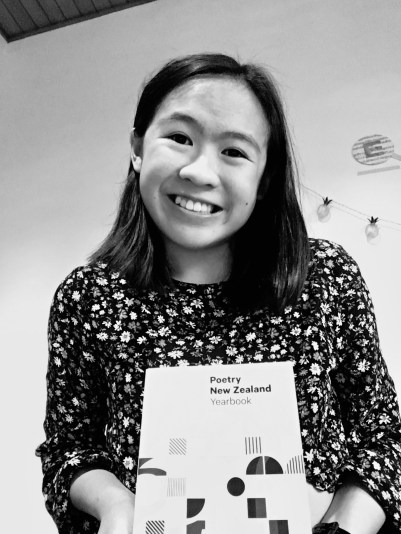
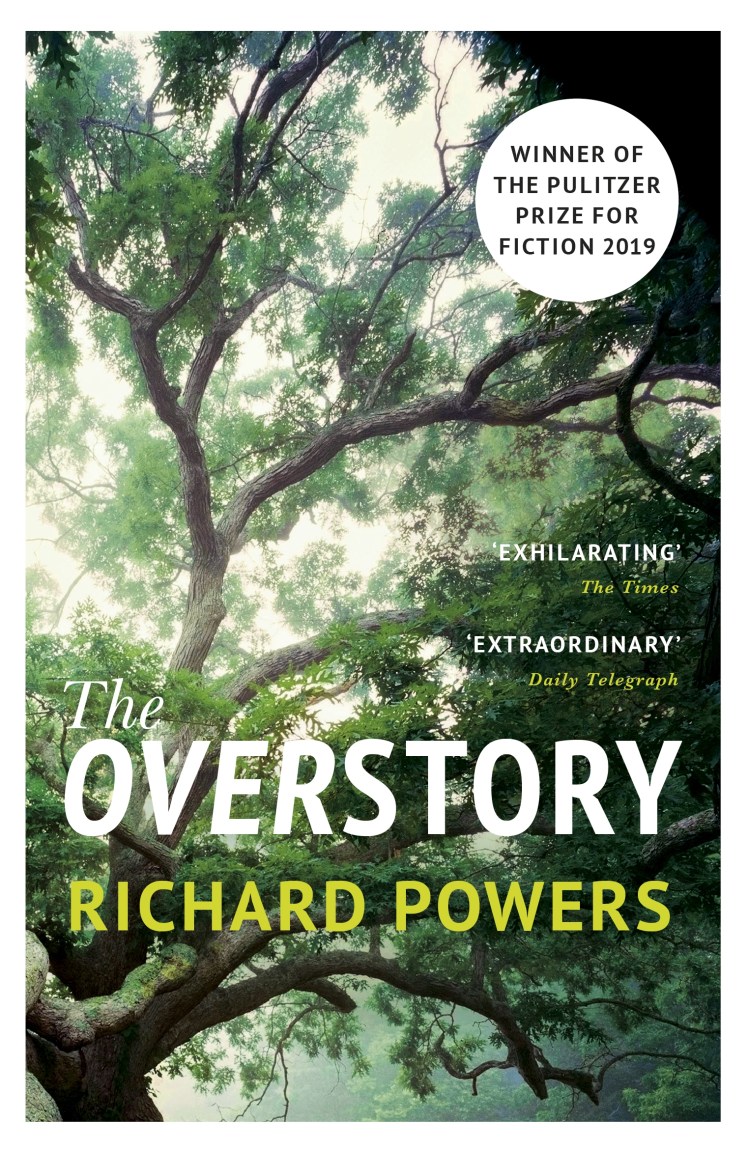
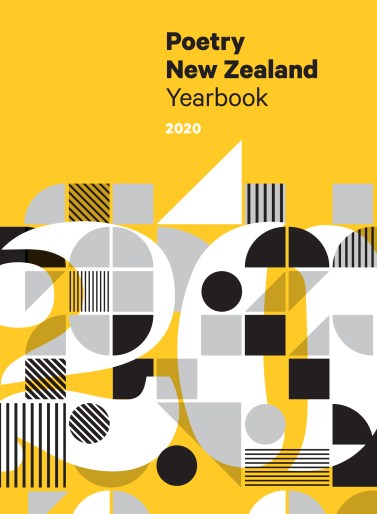
I do this but I feel like a butterfly adrift in my home – alighting here, stalling there, resting here. It is hard to settle. Writing gives me continued comfort, keeping both my blogs up, as does my stack of books. I have found Poetry New Zealand Yearbook 2020 has given immense solace as I linger upon  poems, essays, reviews. The whole issue is a tonic, so much so I invited a handful of poets to read one of their poems for a virtual reading. I am also reading Richard Powers’s The Overstory – a mammoth book! – but I am reading it slower than a snail’s pace because I am so in love with the sentences. A single sentence fills me with joy. Then there is the thematic and crucial presence of trees. I can walk through this book like I am walking through the track on our land. Again it is just so restoring. I love what Bryan Crump says below about discovering his pick in a London bookshop and falling into the joy of the book in a cafe. You can just loose yourself in the bush tracks of your reading. Just what we need at the moment, like little cafe breaks.

Thank heavens for books. And thank you everyone who responded in these challenging times with a book and some thoughts, when all we might want is to drift like the clouds.


Tara Black (comic maker)
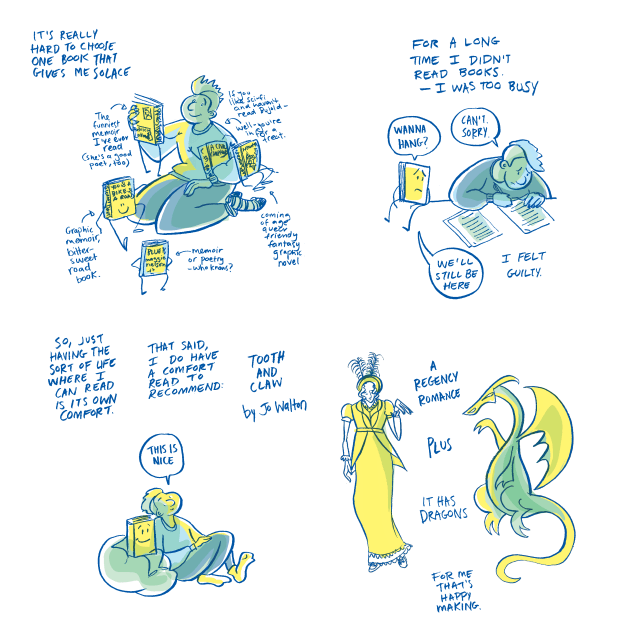
Poetry-shelf-book-recommendationsquare.png


9780995122949.jpg


Juliet Blyth (CEO ReadNZ)

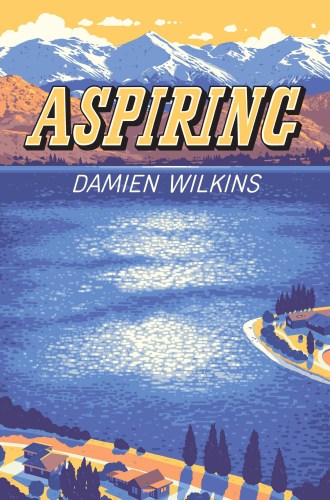
My early reading in the lockdown was erratic, I found it hard to settle on one thing so to get me started I read Damien Wilkin’s new novel for young adults Aspiring (Massey University Press). Damien has so much empathy for his male characters and I thought this book portrayed with heart and humour the inner workings of the male teenage brain. That led me to reread his novel from 2016 Dad Art. Again the male characters are sensitively told and this book is both laugh out loud funny and really sad! Damien writes so tenderly about the relationship between his main character and his elderly father. Finally I liked Lloyd Jones comment in a previous post of yours about reading not for comfort but preferring something that rattles his cage. For me this book has been Halibut on the Moon by David Vann. This is a powerful and moving book but proceed with caution – this is a book about suicide and may be challenging for some readers. Despite the subject matter the author makes room for some dark humour and the utterly frank conversations between the main character and his parents were artful, making for some very uncomfortable but necessary reading.


9780143771456.jpg


Paula Browning (CE of Copyright Licensing NZ & Chair of WeCreate)

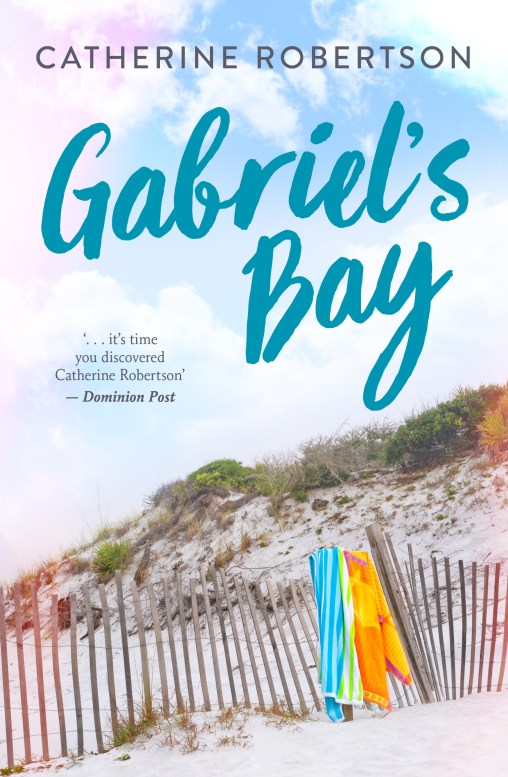
Gabriel’s Bay, by Catherine Robertson (Penguin)

Our family of 4 came to New Zealand in the early 70’s and left the rest of the relatives back in the UK. This meant that holidays, particularly the long summer break, didn’t have to be spent staying with family, we could go anywhere we wanted, and we did. We spent those wonderful, carefree, childhood summers in small-town New Zealand – just like the setting for Gabriel’s Bay. Even though (according to the author) it’s a fictional town, there are hundreds like it all over the country and as you’re reading images of various places around the country will come to mind. The same is true of the characters. There’s a familiarity (stereotype is too harsh a word) with Mac, the GP’s militant receptionist who’s got a heart of gold she’s careful not to let too many people see. There’s Sidney, parenting alone (and doing a damn fine job) but beating herself up about what her boys might be missing out on. There’s lots of NZ-ism’s and glorious descriptive writing that takes you to another place – which is exactly what we need at the moment – to travel without traveling. Gabriel’s Bay will take you there and, when you’re ready to go back for more, What You Wish For (the second Gabriel’s Bay) is just the thing.


41Ibe3LxkYL._SX302_BO1,204,203,200_.jpg


Bryan Crump (Presenter Nights RNZ)

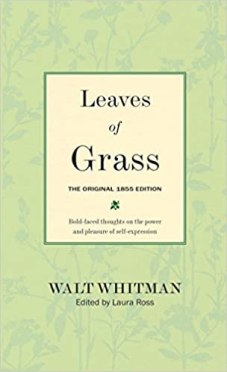
Leaves of Grass by Walt Whitman

I was living in London at the time (1994) and was in singing with the London Philharmonia Chorus. We’d been performing Ralph Vaughan Williams’ “Sea Symphony”; a setting of some of Whitman’s poems. The music drew me in first, but one day, with nothing to read, I wandered into a second-hand shop on Charing Cross Road and came across an 1897 edition of Leaves.

I wandered off to the Leicester Square McDonalds, or some cheap pizza joint. I can’t recall exactly now. I do remember sitting there, devouring the poetry; turning page after page, like no poetry I’d experience before. I heard this voice sing out like a secular preacher, celebrating the spiritual in everything “for every atom belonging to me as good as belongs to you”.

Clumsy? Yes! Repetitive? Again and again! Cheer leader for the rapacious American dream? Yes. But that idea, linking the quantum to the cosmic, nothing else in poetry has moved me like Walt did then.


thecolourofmagic-paperback.jpg


Lynn Freeman  (Presenter Standing Room Only RNZ)

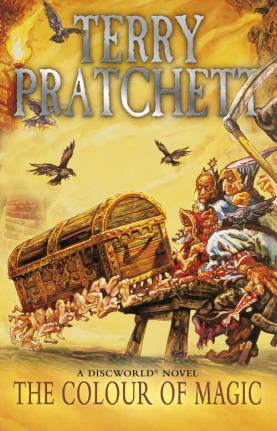
The Colour of Magic by Terry Pratchett


I once met British Fantasy writer of Discworld fame in person, clutching a stack of his books for signing.

“Thanks for Discworld,” I whispered. Remember, I interview famous people for a living.
“Thanks for the money,” he quipped. I mentioned this exchange to him the first time of several times I interviewed him for RNZ.

Terry and his occasional co-writer unleashed dozens of titles in this world. I’ve read most of them, but not in order. So during the lockdown, I’m starting with the Colour of Magic and laughing my way through his satirical fantasy series from start to finish.


Karyn Hay (author and broadcaster)

I have to confess I never read for solace or comfort unless it’s some sort of spur of the moment self-help book that I’ve picked up in an airport and generally regret spending money on before the plane’s even taken off. Twenty chapters telling me something I already know and didn’t need to part with $39.95 to confirm. It depends on the nature of one’s distress of course. Poetry is always good for heartache, and I quite like quotations centred on the topic of one’s despair but, as these can both be googled, I don’t really need the hard copy.

If I was reading for a child I would look for something to take their mind off things, but then you always tend to do that with children, virus or not. (Mostly you’re just trying to take their mind off the fact that you’re about to turn the light off at any second.)

My advice when needing solace or comfort is to write something yourself. This is the greatest consolation of all.


9781869797263.jpg


John Gow (Gow Langsford Gallery)

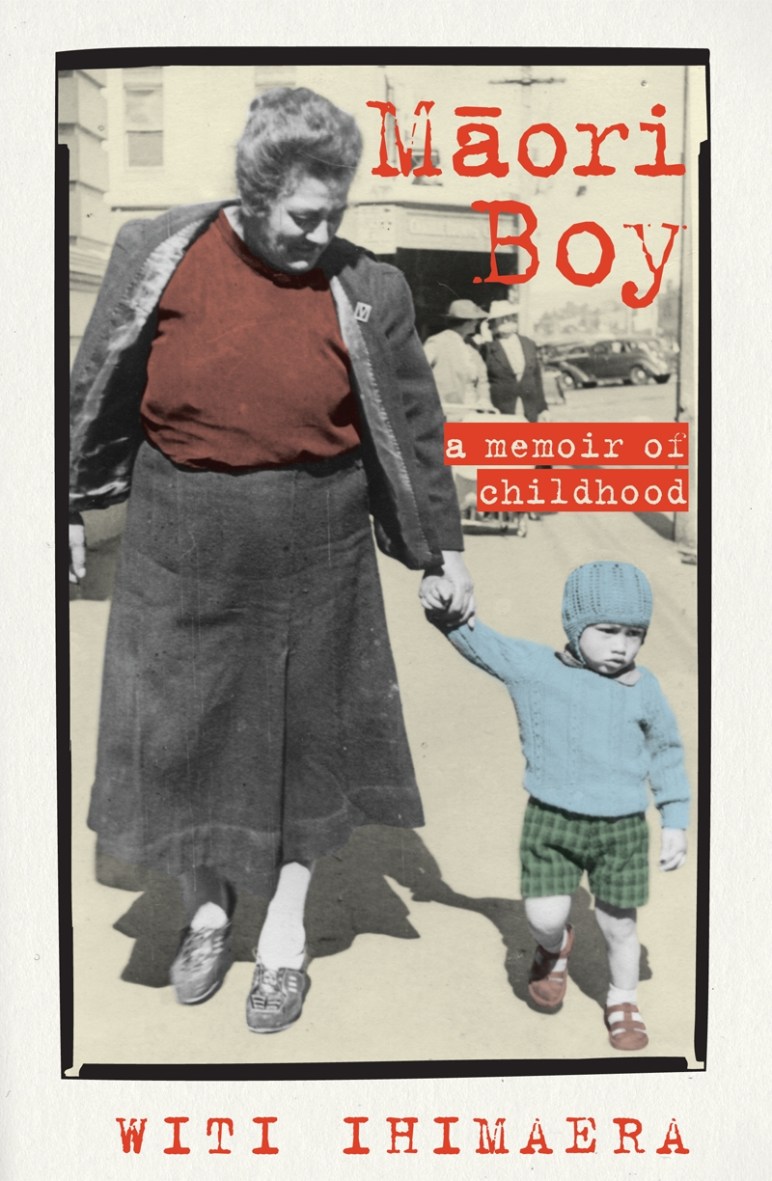
I just finished reading Witi Ihimaera’s Māori Boy – a memoir of childhood. Published by Random House in 2014, it is a book which I have been meaning to get to for quite some time.
In this strange isolation environment it was great to read a book so New Zealand focused, remind one of the treasures hidden in our country such as the amazing meeting house ‘Rongopai’ which is the Ihimaera house at Waituhi, Poverty Bay. I very much enjoyed feeling the Māori names of people and place rolling off the tongue and being mentally located in and around Gisbourne in the 1950’s 60’s. One is reminded that there is so much history to read about, Te Kooti, Rua Kēeana, Sir Āpirana Ngata, and the like and Witi, gives a great personal take on on Māori mythology and the importance of Whakapapa within Māoridom. He also reminds us of the many injustices, the racial prejudices and the hard road Māori have had since colonisation. All done in a way which is not confrontational, not offensive, but very much a reminder of our (the colonisers) less than auspicious roots in New Zealand Aotearoa.
Thoroughly enjoyed the read and now want to buzz off to the Gisborne regions and explore the landscape which was so beautifully laid out before me in this very personal biography.


The_Absolute_Book__70471.1558649566.jpg


Claire Mabey (Director of Verb Wellington)

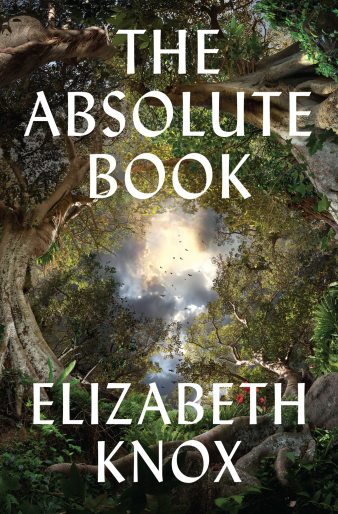
I have been re-reading The Absolute Book (Victoria University Press) by Elizabeth Knox lately. I felt a real urge to be back inside that world and I have loved every page of it. I think even more than the first time I read it because this time around I feel like I have more space to think about all of the aspects and layers of the characters, places and the happenings. While the book takes you off into other planes of existence, it also feels so real. I think that’s because Elizabeth has poured so much passion into the keystones of this story: Libraries, family, the environment, and our ability to figure all of the mysteries out and improve on ourselves.


IMG_0049.jpeg


Judy Millar (artist)

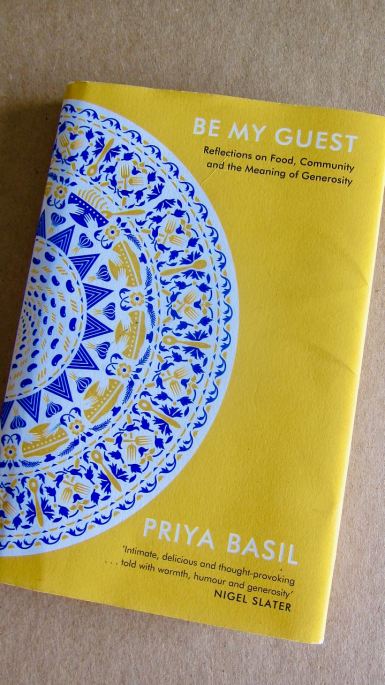
Be My Guest – Priya Basil

“The dinner table, among friends, is where the best conversations take place.” These are the opening lines on the inside jacket of a small book sent to me earlier this year by author Priya Basil.

And of course, it is true that conversations fuelled by the simple act of sharing a meal are always memorable, special. But here we are part of a global lockdown, separated one from another.

So reading Priya’s small book has taken on special meaning as she explores food, race and family – asking what the simple act of hospitality means for our culture focused on selfishness and greed.

A timely read for sure. And an engrossing one by an author who was born in London to Indian parents, grew up in Kenya and now lives in Berlin. Her book takes you on a hurtling ride across cultures – spices, hard to pronounce ingredients, familial love, loss and the strangeness of living in communities other than your own. A small book filled with generosity.


9781448114337.jpg


Jesse Mulligan (Host Afternoons with Jesse Mulligan RNZ, host of The Project, restaurant critic)

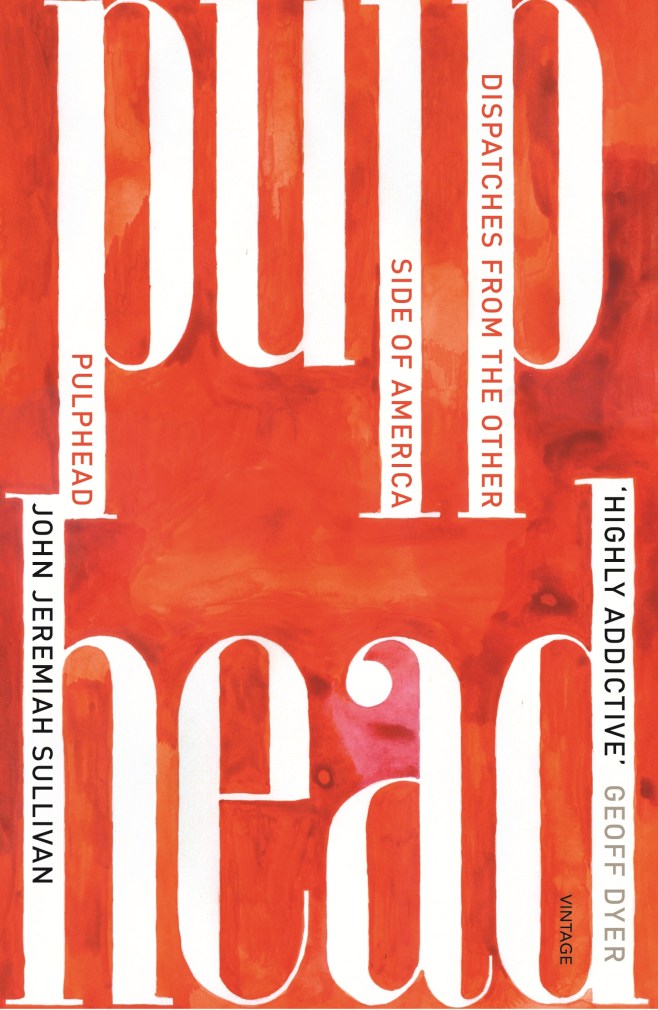
My favourite book is not even my book. It’s social suicide to admit this on a literary website but somebody gave it to me (Tim Wilson gave it to me) and I didn’t give it back. Not for the usual reasons – laziness or forgetfulness – but because I love the book so much I have convinced myself it’s mine.

The book is Pulphead by John Jeremiah Sullivan – a collection of essays (my top ten books are all collections of essays) each of which is both factually dense and personal, vulnerable. After each piece you think “wow, how lucky was he, a writer, to be that closely associated with this remarkable thing/person/event” but of course that’s the trick of a great writer – she makes the commonplace urgent and the invisible luminescent. There’s a little celebrity in here too, as you’d expect from a guy who made his living writing essays for GQ, but even familiar, famous names are written about based on what’s interesting about them, not on what we already know. One profile begins “How do you talk about Michael Jackson except that you mention Prince Screws?” then gives you a brief history of the singer’s great great grandfather before concluding the opening section of the essay with this beautiful line: “so the ridiculous moniker given by a white man to his black slave, the way you might name a dog, was bestowed by a black king on his pale-skinned sons and heirs”. This sort of line is everywhere in the book and many nights, when I want something to read but don’t want to commit, I’ll pick up Pulphead and open it almost at random to remind myself how good writing can get and, more depressingly, how far I still have to go.


9781626723634.jpg


Sam Orchard (Queer and Trans Illustrator, Comic Creator and Designer)

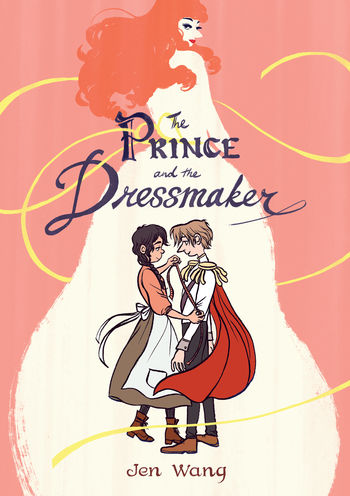
A beautifully drawn graphic novel about a young dressmaker and her prince employer. It’s a refreshing story that takes the best elements of fairy tale storytelling (centering beauty and human kindness), and the best elements of queer storytelling (valuing ambiguity, fluidity, and queer relationships) and weaves them seamlessly together. It’s beautiful visually and emotionally.


9780385480017.jpg


Nadia Reid (musician, songwriter)

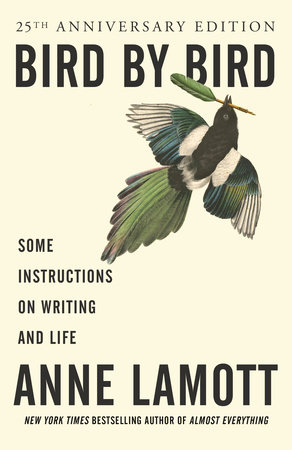
My recommendation would be a non-fiction book called Bird by Bird: Some Instructions on Writing and Life by Anne Lamott.

Something about her writing just gets me right where I need it. This book is a book about writing ultimately and also about Life. I found it quite relevant to songwriting too. She talks about ‘getting your butt in the chair’ and just turning up. My favourite quote from the book:

For some of us, books are as important as almost anything else on earth. What a miracle it is that out of these small, flat, rigid squares of paper unfolds world after world after world, worlds that sing to you, comfort and quiet or excite you. Books help us understand who we are and how we are to behave. They show us what community and friendship mean; they show us how to live and die.

O and this quote! This is actually my favourite:

You own everything that happened to you. Tell your stories. If people wanted you to write warmly about them, they should have behaved better.


41OYjTKJ8eL._SX322_BO1,204,203,200_.jpg


Victor Rodger (journalist, actor, playwright)

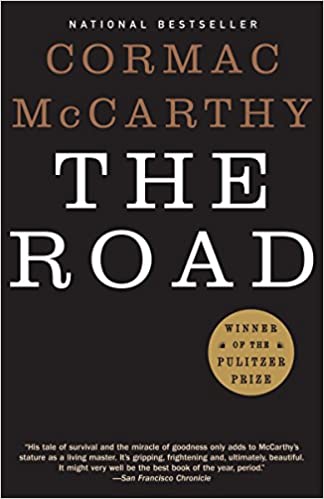
Cormac McCarthy’s The Road may seem like a strange choice.

It’s a pitch-black post-apocalyptic dystopian nightmare which follows an unnamed father trying against seemingly insurmountable odds to get his young son to something resembling safety.

But for all the unspeakable horrors that father and son must endure throughout The Road – and there are many –  the father never gives up on his quest.  As per Churchill’s edict, even though he knows he’s going through hell, he keeps on going, fuelled by the love he has for his son.

As bleak as much of The Road is, I ultimately find this to be one of the most moving books I have ever read.
 

51zoSEFir8L._SX327_BO1,204,203,200_.jpg


David Slack (Auckland writer, columnist at large)

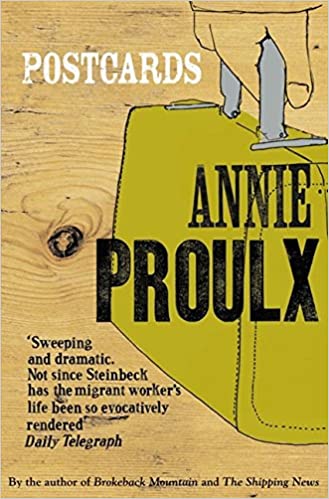
Postcards by Annie Proulx

I find comfort and solace in a book about a man whose life dwindles away to nothing. Postcards was Annie Proulx’s first novel. I love them all but this one is special to me. I’ve read and reread it more than any other book I can think of. Why would I take comfort from a book about a man who makes a mistake and in living with it leaves his home and family behind, makes his way across America, now and then gains some purchase but always eventually is moving again and just when he’s down to almost nothing people back their truck up to the trailer that contain what’s left of his worldly life and tow it away?

I don’t read it to punish myself. I do it to delight in her writing. She can draw the arc of a life in a single paragraph, sometimes even a single sentence. She will find the interior life of a character in a name and a few words and you will sense their foibles, their sound, the tilt of their head, the smell of their clothes. So much vividily familiar humanity: the failings; the inconsistencies; the recognisable in life that is not so often set out in a sentence.

There’s a vividness and power to episodes she will set up, a kind of set piece that comes upon you unheralded; his mother in a car on a hill getting into trouble that escalates in the most astonishing and dismaying way. And even at this astonishing pace you find yourself resigned to the truth of it, the inevitability of misfortune in life in the smallest and largest ways.

The dwindling away is a metaphor for Vermont, his home state – her home state too – a commentary on the dwindling of American life. I know this because I asked her the stupidest of questions at a writers session in Auckland. Did it have to be that way, could she see another fate for him? No, she said, this was tracing the fate of the state. I said it was just so sad to see it happen. She smiled kindly.


Screen Shot 2020-04-16 at 1.09.26 PM.png


Nicola Strawbridge (Programme Manager AWF)

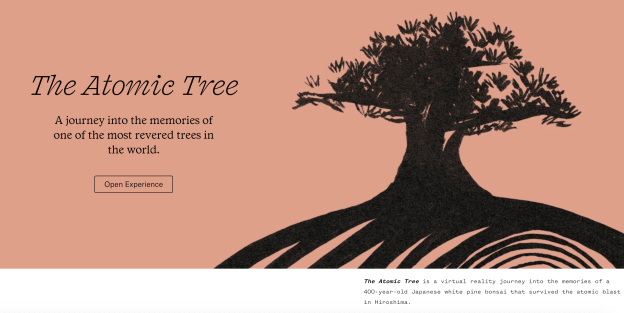
I’ve found consolation in the trees in my neighbourhood since Level 4 kicked in, looking forward to passing certain trees on my daily walks, lingering in the shade of a copse of Puriri and Pohutukawa in my local park. And by extension, writing that explores the natural world has provided much needed ballast in these uncertain times. Emergence magazine and their February ‘Trees’ issue has been one of my lockdown discoveries. There I found British writer David George Haskell’s Eleven Ways of Smelling a Tree – both in written form and as a podcast complete with short original violin compositions. The magazine also introduced me to American poets Wendell Berry and WS Merwin and has whet my appetite for work by our nature writers. I’m on the lookout!


9780995122956.jpg


Jennifer Ward-Lealand (actor and director )

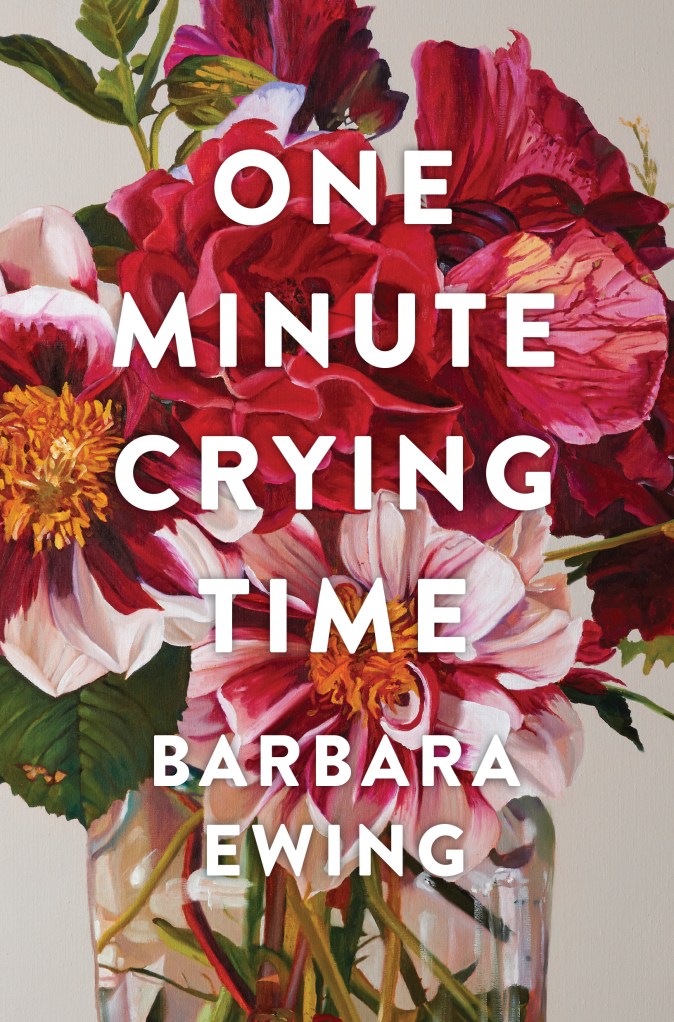
One Minute Crying Time by Barabra Ewing (actress, novelist and playwright)

(Massey University Press)

I’ve been a fan of Barbara’s writing for a long time – The Actresses being my favourite. Her new book is a vivid memoir of growing up in late 50s early 60s Wellington. What touched me so profoundly was her discovering a window into te ao Māori through her studying of te reo Māori – something I have experienced too. She worked alongside people at the Māori Affairs Dept that I’ve been fortunate enough to have been taught by – and of course through all of this was pursuing her love for the theatre, again a great love of mine. There were so many “YES!” moments for me as I read this book – and that has been comforting when a lot of doors have been closing for those of us working in the arts.
 

9781784708245.jpg


Catherine Woulfe (Books Editor, The Spinoff)

When I’m scared or sad or shocked I like to read about plants. I read Richard Powers’ The Overstory late last year and it is an enduring comfort. It is a book about trees, and it works like a centrifuge, spinning your perspective out by a few millennia, until everything happening now seems somehow fine and minor. This too shall pass; life will find a way, etc. It also made me get back into the vege garden properly. (Bokashi is the way, the truth and the light.)

Xanthe White’s The Natural Garden (Random House) is another backstop. Beautiful photographs and very doable NZ gardens, even on horrible old clay. As a kid I used to spend hours pottering through Mum’s gardening books and watching Maggie’s Garden Show with her, so it’s very much a nostalgia thing.

Last weekend I read Wendyl Nissen’s upcoming A Natural Year: Living Simply Through the Seasons (Allen & Unwin) and I swear I could breathe more deeply after about 10 pages.


kia kaha

keep well

keep imagining


Poetry Shelf connections: celebrating Poetry NZ Yearbook 2020 with a review and an audio gathering

9780995122932.jpg

Poetry New Zealand Yearbook 2020 edited by Johanna Emeney (MUP)

Johanna Emeney works at Massey University as a teacher of creative writing and has published several poetry collections.


Many many years ago my first poetry collection Cookhouse (AUP) appeared in the world and it was a big thing for me. I was at the stove with my baby in my arms, when the phone rang, and I dropped something all over the floor. It was Alistair Paterson, then editor of Poetry NZ, wanting to know if I would be the feature poet. The tap was running, the mess was growing, the pot was bubbling, my baby was crying, but somehow I spoke about poetry and agreed to my face on the cover and poems inside. It felt important.

I have only sent poems to journals a couple of times since then as I find it a distraction, but I love reading NZ literary journals. We have so many good ones from the enduring magnificence of Sport and Landfall to the zesty appeal of Mimicry and Min-a-rets.


Poetry NZ has had a number of editors, and is New Zealand’s longest running literary magazine. Poet Louis Johnson founded it in 1951 and edited it until 1964 (as the New Zealand Poetry Yearbook). Various others have taken turns at the helm – most notably Alistair Paterson from 1993 to 2014. In 2014 Jack Ross took it back to its roots and renamed it Poetry New Zealand Yearbook. This year Johanna Emeney stepped in as guest editor while Tracey Slaughter takes over the role from 2021.

Each issue includes essays, reviews, critical commentary, poetry and a featured poet.


For me Poetry New Zealand 2020 is a breath of fresh air. It opens its arms wide and every page resonates so beautifully. It showcases the idea that poetry is an open home. The poems behave on the page in a galaxy of ways, sparking and connecting multiple communities. I feel so satisfyingly refreshed having read this, warmed though, restored.

I am at the point in lockdown where I drift about the house from one thing to next in an unsettled state. I alight on this and land on that. So Poetry NZ 2020 is the perfect resting spot. I want to sing its praises to the moon and back, but I am tired, have barely slept and words are like elusive butterflies.


Johanna Emeney’s introduction is genius: ‘It is wonderful to be chosen by poems, and the very opposite of trying to chose poems.’ And later: ‘A poem choose you the minute it takes you by surprise. To be clear this cannot be any old surprise.’ And later: ‘poems that choose you are like mille-feuilles— thoughtfully assembled and subtly layered.’

I love the way Johanna has treated the issue like we often shape our own collections – in little clusters of poems that talk to each other: ‘Into the water’, ‘Encounter’, ‘Other side up’, ‘Remember to understand love’. It is an issue lovingly shaped – I am in love with individual poems but I am also mesmerised by the ensuing conversation, the diverse and distinctive voices.

The essay section is equally strong. You get an essay by Mike Hanne on six NZ doctor poets, Maria Yeonhee Ji’s ‘The hard and the holy: Poetry for times of trauma and crisis’. You also get Sarah Laing’s genius comic strip ‘Jealous of Youth’ written after going to the extraordinary Show Ponies poetry event in Wellington last year. And Roger Steele’s musings on publishing poetry. To finish Helen Rickerby’s thoughts on boundaries between essays and poetry. Restorative, inspiring.

77 pages of reviews cover a wide range of publishers (Cold Hub Press, VUP, Mākaro Press, Otago University Press, Cuba Press, Compound Press, Titus Books, Waikato Press, Hicksville Press and a diverse cohort of reviewers. With our review pages more and more under threat – this review section is to be celebrated.

The opening highlight is the featured poet (a tradition I am pleased to see upheld). Like Johanna I first heard essa may ranapiri read at a Starling event at the Wellington Writers Festival, and they blew my socks off (as did many of the other Starlings). essa is a poet writing on their toes, in their heart, stretching out here, gathering there, scoring the line in shifting tones and keys. So good to have this group of new poems to savour after the pleasures of their debut collection ransack. I particularly enjoyed the conversation between essa and Johanna – I felt like I was sitting in a cafe (wistful thinking slipping though?) sipping a short black and eavesdropping on poetry and writing and life. Tip: ‘That a lot of poems are trying to figure something out. If you already know it, then you don’t need to write the poem.’


I have invited a handful of the poets to read a poem they have in the issue so you can get a taste while in lockdown and then hunt down your own copy of this vital literary journal. Perhaps this time to support our excellent literary journals and take out a few subscriptions. Start here!


a n       a u d i o     g a t h e r i n g


First up the Poetry New Zealand Poetry Prize and the Poetry New Zealand Student Poetry Competition.


LynnD_June_2017_016_13Jun17_Web-2.jpg

Lynn Davidson (First Prize)


Lynn reads ‘For my parents’


Lynn Davidson is a New Zealand writer living in Edinburgh. Her latest poetry collection Islander is published by Shearsman Books in the UK and Victoria University Press in New Zealand. She had a Hawthornden Fellowship in 2013 and a Bothy Project Residency at Inshriach Bothy in the Cairngorms in 2016. Lynn has a doctorate in creative writing, teaches creative writing, and is a member of 12, an Edinburgh-based feminist poetry collective. Her website


IMG_2754 (1).jpeg

E Wen Wong (First Prize Y12)


E Wen reads ‘Boston Building Blocks’


E Wen Wong is in her final year at Burnside High School, where she is Head Girl for 2020. Last year, her poem ‘Boston Building Blocks’ won first prize in the Year 12 category of the Poetry New Zealand Student Yearbook Competition.


image0.jpeg

Chris Tse


Chris reads ‘Brightest first’


Chris Tse is the author of How to be Dead in a Year of Snakes and HE’S SO MASC. He is a regular contributor to Capital Magazine’s Re-Verse column and a book reviewer on Radio New Zealand. Chris is currently co-editing an anthology of LGBTQIA+ Aotearoa New Zealand writers.


FB_IMG_1586983227686.jpg

Fardowsa Mohamed


Fardowsa  reads ‘Tuesday’


Fardowsa Mohamed is a poet and medical doctor from Auckland, New Zealand. Her work has appeared in Poetry New Zealand, Sport Magazine, Landfall and others. She is currently working on her first collection of poetry.


Screen Shot 2020-04-16 at 10.01.53 AM.png

Photo credit: Jane Dove Juneau

Elizabeth Smither


Elizabeth reads ‘Cilla, writing’


Elizabeth Smither, an award-winning poet and fiction writer, has published eighteen collections of poetry, six novels and five short-story collections, as well as journals, essays, criticism. She was the Te Mata Poet Laureate (2001–03), was awarded an Hon D Litt from the University of Auckland and made a Member of the New Zealand Order of Merit in 2004, and was awarded the Prime Minister’s Award for Literary Achievement in Poetry in 2008. She was also awarded the 2014 Janet Frame Memorial Award for Literature and the 2016 Sarah Broom Poetry Prize. Her most recent collection of poems, Night Horse (Auckland University Press, 2017), won the Ockham New Zealand Book Award for Poetry in 2018.


Anuja pic.jpg

Anuja Mitra


Anuja reads ‘Waiting Room’


Anuja Mitra lives in Auckland and is co-founder of the online arts magazine Oscen. Her writing can be found in Starling, Sweet Mammalian, Mayhem, Poetry NZ and other journals, though possibly her finest work remains unfinished in the notes app of her phone.


8A119731-0A17-4377-80EA-181D7D8D5ECC.jpeg

Semira Davis


Semira reads ‘Punkrock_lord & the maps to i_am_105mm’


Semira Davis is a writer whose poetry also appears in Landfall, Takahe, Ika, Blackmail Press, Ramona, Catalyst and Mayhem. In 2019 they were a recipient of the NZSA Mentorship and runner-up in the Kathleen Grattan Poetry Award.


Profile Picture-1.jpg

Photo credit: Miriam Berkley

Johanna Aitchison


Johanna reads ‘The girl with the coke can’


Johanna Aitchison was the 2019 Mark Strand Scholar at the Sewanee Writers’ Conference in Tennessee, and her work has appeared, most recently, in the Poetry New Zealand Yearbook 2020, NZ Poetry Shelf, and Best Small Fictions 2019.


Vaughan Rapatahana photo.jpg


Vaughan Rapatahana


Vaughan Rapatahana reads ‘mō ō tautahi’


Vaughan Rapatahana (Te Ātiawa) commutes between homes in Hong Kong, Philippines and Aotearoa New Zealand. He is widely published across several genre in both his main languages, te reo Māori and English and his work has been translated into Bahasa Malaysia, Italian, French, Mandarin and Cantonese.

Five books published during 2019 – in Aotearoa New Zealand, India, United Kingdom. Includes his latest poetry collection ngā whakamatuatanga/interludes published by Cyberwit, Allahabad, India. Participated in World Poetry Recital Night, Kuala Lumpur, September 2019. Participated in Poetry International, the Southbank Centre, London, U.K. in October 2019 – in the launch of Poems from the Edge of Extinction and in Incendiary Art: the power of disruptive poetry. Interviewed by The Guardian newspaper whilst in London.

His poem tahi kupu anake included in the presentation by Tove Skutnabb-Kangas to the United Nations Forum on Minority Issues in Geneva in November 2019. Interviewed on Radio NZ by Kim Hill in November 2019.


IMG_2010.jpg

Emma Harris


Emma Harris reads ‘Ward’


Emma Harris lives in Dunedin with her husband and two children. She teaches English and is an assistant principal at Columba College. Her poetry has previously been published in Southern Ocean Review, Blackmail Press, English in Aotearoa and Poetry New Zealand.


Screen Shot 2020-04-17 at 4.22.13 PM.png


Dani Yourukova


Dani reads ‘I don’t know how to talk to you so I wrote it for me’


Dani is a Wellington poet, and one of the Plague Writers (a Masters student) at Victoria’s IIML this year. They’ve been published in Mayhem, Aotearotica, Takahe, Poetry New Zealand Yearbook 2020 and others. They’re currently working on their first collection of poetry.


Poetry New Zealand Yearbook site


Poetry Shelf connections: Charlotte Simmonds ‘What He Did’

What He Did


Write 500 words ☐

Write a poem ☐

Write a poem for Paula ☐

Write any poem ☐

Write anything ☐

Write a word (for Paula?) ☐

Write a word ☐

Dishes ☑

Date pudding ☑

Dishes ☑

And it was evening, and it was morning, one day.


Email Paula ☐

Reply to Paula ☐

Dishes ☑

Feel guilty for lack of productivity ☑

Dishes ☑

And it was evening, and it was morning, a second day.


Do taxes ☐

Dishes ☑

Feel guilty for date pudding ☑

Dishes ☑

And it was evening, and it was morning, a third day.


Exercise 30 min ☐

Exercise 15 min ☐

Go outside ☐

Feel guilty for feeling guilty ☑

Reject a negative thought ☐

Avoid crowds ☑

Reject a negative thought ☑

And it was evening, and it was morning, a fourth day.


Get enough sleep ☐

Clean teeth evening ☐ morning ☐

Have a shower ☐

Dishes ☑

Feel guilty for lack of personal hygiene ☐

Dishes ☑

Clean teeth muthafucka you can’t go to the dentist in the apocalypse!!!

And God said, “Let the waters swarm a swarming of living creatures.” And God created the great sea monsters, 15,000 virus species with which the waters swarmed, and God saw that it was good. And God said, “Fill the waters of the seas,” and they did, between 10,000 and 200,000 of them in every drop of seawater.

And it was evening ☑, and it was morning ☑, a fifth day.


1000 words translation/2000 words editing ☐

500 words translation/1000 words editing ☐

200 words translation ☐

100 words translation ☐

0-50 words translation ☐

1 hr work ☐

Write a word ☐

Dishes ☑

Feel guilty for not writing a word ☑

Dishes ☑

And behold, it was very good, and it was evening, and it was morning, a sixth day.


Apply for wage subsidy ☑

DO TAXES ☐

Dishes ☑

Feel guilty for living in NZ ☑

Dishes ☑

Now the viruses of the heavens and the earth were completed and all their hosts. And God completed on the seventh day His work what he did, and He abstained on the seventh day from all His work what he did because there was no more work and He was out of it.


Eat enough calories ☑☑☑☑☑☑☑☑☑☑☑☑☑☑☑☑☑☑☑☑☑☑☑☑☑☑☑☑☑☑☑☑☑☑☑☑

Timtams?

Ice cream? Milo?

Tiramisu?????

Dishes ☑

Feel guilty for having a functional government ☑

Dishes ☑

And behold, God had created a universe so it did not matter that He was out of work because He had His universal income. There was evening, and there was morning, a 16th day.


Dishes ☑

Feel guilty for being alive ☑

Dishes ☑

God was never bothered again. There was evening, and there was morning, a 26th day.


Charlotte Simmonds


Charlotte Simmonds is a writer, editor and translator indoors, Wellington.


Poetry Shelf noticeboard: NZ BOOK AWARDS GOING VIRTUAL FOR 2020 OCKHAMS WINNERS’ ANNOUNCEMENTS ON 12 MAY


Screen Shot 2020-04-15 at 12.47.44 PM


In a creative response to the restrictions imposed on travel and public gatherings during the Covid-19 crisis, the New Zealand Book Awards Trust has elected to take the announcement of the 2020 winners of Ockham New Zealand Book Awards online on the original date set down for the awards ceremony in Auckland: Tuesday 12 May.

“Covid-19 has interfered with our annual celebration of the finalist authors and publishers in an event that’s greatly anticipated and enjoyed by hundreds as one of the first events of the Auckland Writers Festival. But as the old adage goes, ‘the show must go on’, and we hope that by making our announcements ‘virtual’ we will reach an audience of thousands on the evening of 12 May.”

— Nicola Legat, New Zealand Book Awards Trust chair

Working with the talented team at the Auckland Writers Festival and the production company Lotech, a slick, tight virtual ceremony is being planned, fronted by popular ceremony MC for the past two years, broadcaster and te re Māori advocate Stacey Morrison.

The proceedings will kick off on a dedicated YouTube channel at 6pm with the announcement of the MitoQ Best First Book awards and then continue after a short break, at 7pm, with formalities and the reveal of winners of the four main subject categories: the General Non-Fiction Award, the Mary and Peter Biggs Award for Poetry, the Illustrated Non-Fiction Award and, finally, the $55,000 Jann Medlicott Acorn Prize for Fiction.

You can find out more about the 2020 Ockhams shortlisted titles here and subscribe to our YouTube channel here.


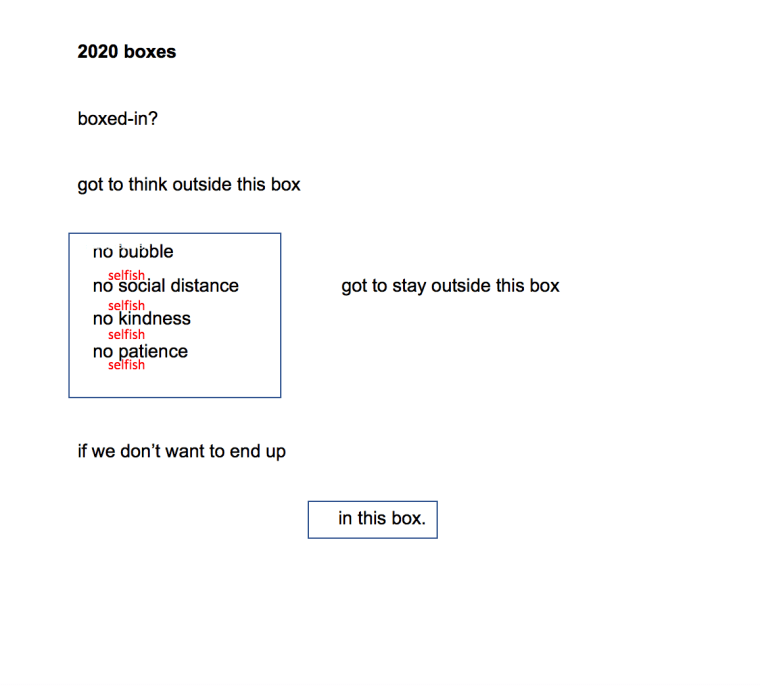
Poetry Shelf connections: Vaughan Rapatahana’s ‘2020 boxes’


Screen Shot 2020-04-15 at 8.49.42 AM.png


Vaughan Rapatahana (Te Ātiawa) commutes between homes in Hong Kong, Philippines and Aotearoa New Zealand. He is widely published across several genre in both his main languages, te reo Māori and English and his work has been translated into Bahasa Malaysia, Italian, French, Mandarin and Cantonese.

Five books published during 2019 – in Aotearoa New Zealand, India, United Kingdom. Includes his latest poetry collection ngā whakamatuatanga/interludes published by Cyberwit, Allahabad, India. Participated in World Poetry Recital Night, Kuala Lumpur, September 2019. Participated in Poetry International, the Southbank Centre, London, U.K. in October 2019 – in the launch of Poems from the Edge of Extinction and in Incendiary Art: the power of disruptive poetry. Interviewed by The Guardian newspaper whilst in London.

His poem tahi kupu anake included in the presentation by Tove Skutnabb-Kangas to the United Nations Forum on Minority Issues in Geneva in November 2019. Interviewed on Radio NZ by Kim Hill in November 2019.


Poetry Shelf connections: 4 poems from Tony Beyer


Loose leaf


hard to tell if the rain

enhances or limits contagion


its voice in the night

calms the anxious world


the dog involves himself

in a tighter knot of sleep


surprising how the mind

almost emptied of hope


is also empty of fear

unless concern for everyone


not just one

is not love but fear


dawn and birds return

and the dog wakes expectantly


my neighbour over the fence

lets me know how they’re doing


nothing dramatic

but nothing as usual either


and in the bare streets

maybe hope too will return


Mourning the normal world


a café table

or on the back porch at home


a hug from a friend

or seated alone


leafing through new books

just bought from Unity


a grandchild conversing

earnestly with the dog


frisbee or touch in the park

with brothers and their sons


wives of both generations

shaking their heads


at immemorial

masculine folly


a cousin from the UK

staying for a week or a month


vegetables exchanged

garden to garden


shared home baking

and home preserves


Upside


yet the wind still

dries the washing on the line


and the sky intermittently blue

over Taranaki


encourages us

grizzling into the garden


voices on the other side

of fences are reassuring too


already halfway

through Zola’s Earth


which took some exhuming

from dust on the shelf


the message is it’s really

the planet and our attention to it


that matters

and like frost on winter stubble


or deceased parents

spared all this by chronology


we are useful

and expendable


Black hat


the virus rode in

from points north

on a sickly horse


it was worse

than politics

or target practice


it stole conversation

and book shops

and football


it stole lives too

each of them

irreplaceable


days like a tide

receded after it

leaving sadness bare


explaining to

children and old

folks was difficult


something we’d

done or not done

something shameful


Tony Beyer


Tony Beyer writes in Taranaki. His recent work can be found online in Hamilton Stone Review, Mudlark and Otoliths; and is forthcoming in print in Kokako and Landfall.

Poetry Shelf noticeboard: National Library celebrates our new Poet Laureate with Poet’s Night In


david-eggleton.jpg

David Eggleton. Photo credit David Mackenzie


David Eggleton our new Poet Laureate was due to celebrate his laureateship with a wonderful April weekend at Matahiwi marae in Hawkes Bay, along with his invited poets (Michael O’Leary, Jenny Powell and Kay McKenzie Cooke) and guests.

The good news is the special event will be rescheduled but in the meantime you can enjoy poems from each of these poets with a welcome speech from host Marty Smith- and then look forward to other things the Poet Laureate Blog / National Library have planned.


Peter Ireland from the National Library introduced the night in:

The weekend of the 4th and 5th of April was to have seen a gathering of poets at Matahiwi marae in Hawkes Bay, where David Eggleton, current New Zealand Poet Laureate, would receive his laureate’s tokotoko, carved by Jacob Scott. Like most public gatherings at present, this couldn’t happen, though it will, later in the year.

Not doing something creates an opportunity to do something else in its stead and over the next few weeks we are featuring poetry to mark the weekend we couldn’t have. We begin with poems by David and the fellow poets he invited to join him at Matahiwi: Michael O’Leary, Jenny Powell and Kay McKenzie Cooke.

Then, from next week, there will be poems by former Poets’ Laureate: Bill Manhire, Elizabeth Smither, Michele Leggott, Cilla McQueen, Ian Wedde, Vincent O’Sullivan and Brian Turner, in solidarity with David, fellow poets, and friends of poetry everywhere.

Laureate readings began as part of the programme for the Te Mata Poet Laureate, and Bill Manhire started these with a reading in the Barrel Room at Te Mata Estate.


Go here to read the poems and for Poet Laureate Blog

You can also hear David read with Karyn Hay RNZ National

Screen Shot 2020-04-14 at 9.26.06 AM.png

Poetry Shelf connections: Amy Brown’s ‘If we’re lucky we have time’


If we’re lucky we have time


to divide batter into bowls and drop a different colour into each, then tip the mixtures

into a tin and use a knife to drag pink through blue and yellow through green knowing

in this, at least, there’s no getting it wrong


to lie on the driveway, arms angelic, and be tickled with chalk tracing our edges


to say, This is how big you are – enormous! – look at how much space is yours


to adopt kittens and not be annoyed when they pad across our faces overnight because

really we aren’t sleeping


to read little and slowly, attention brittle and bracketed


to turn the spare bedroom into a quarantine zone for when he comes home

from the COVID ward with symptoms and should no longer touch us


to count the hairs that come away between my fingers


to order three plain grey T-shirts because the world has sold out of scrubs


to answer teenagers’ emails which begin, As you know these are uncertain times and

I’m truly sorry I haven’t submitted my essay yet, and end, I hope you don’t get sick


to hear fear in his language that reminds me of his dearness


to sing Twinkle Twinkle Little Star or The Barrel as our hands turn into volcanoes –

Look at my lava!


to spray all the handles with Ajax and feel like an Ancient Greek propitiating Apollo

to ward off the plague


to find glitter on my cheek three months after New Year’s Eve


to smile at the three-year-old announcing, The kitten’s pooing in her glitter tray again


to imagine holding a social proximity party at which everyone must be within 1.5 metres

of more than one other person


to consider how to get our wills witnessed from a safe distance


to listen to a kids’ podcast about why leaves fall off trees; when the days get too dark it is

right to let go of what allows you to grow


to decide


to hibernate


Amy Brown


Amy Brown is a poet, novelist and teacher. In 2012 she completed a PhD in creative writing at the University of Melbourne. She is the author of The Propoganda Girl (VUP, 2018), which was shortlisted in the 2009 NZ Book Awards, and The Odour of Sanctity (VUP, 2013), a contemporary epic poem. She is also the author of Pony Tales, a series of children’s novels. Amy’s most recent collection, neon daze, was published by Victoria University Press in 2019.


My review of neon daze

The Spin Off – ‘Turning on the Light Ladder: Amy Brown on motherhood and writing neon daze

Radio NZ – Harry Ricketts reviews neon daze

Poetry Shelf – excerpt from neon daze

Victoria University Press author page


Poetry Shelf noticeboard: The NZPS International Poetry Competition – 2020

Screen Shot 2020-04-13 at 10.06.21 AM.png


Full details plus judges here


The New Zealand Poetry Society International Poetry Competition is open once again for 2020! Our competition has been running since 1987 and is open to all members and non-members, worldwide, with members receiving an entry fee discount.

There are cash prizes to be won in each category, and all entries are eligible to be published in our anthology. Our annual anthology includes all placed and commended poems, as well as a selection of other favourite poems from the competition. 

Poets can enter one of these four sections:

  • Open verse for adults (18 years and over)
  • Open verse for juniors (17 years or younger)
  • Haiku for adults (18 years and over)
  • Haiku for juniors (17 years or younger)

Class teachers can enter multiple poems from their students, using the school group form. There is a discount for entering multiple entries as a school group. We also have a teacher’s guide for writing haiku.

Keen to enter? Please see our submission guidelines and entry forms for each category below. Entries must be received by 31 May 2020.

Due to COVID-19, our competition is running solely online this year. If you have previously entered by post and would like guidance in entering online, we are happy to help. For this and any other queries, please email the Competition Coordinator, Emma Shi, at competition@poetrysociety.org.nz

Submission guidelines

Entry forms

Our entry forms can be filled in digitally, so there is no need to print and scan. Simply download, type in your details, and save.


Poetry Shelf connections: Michael Hight’s ‘Tributary Pt 2’ and a studio video

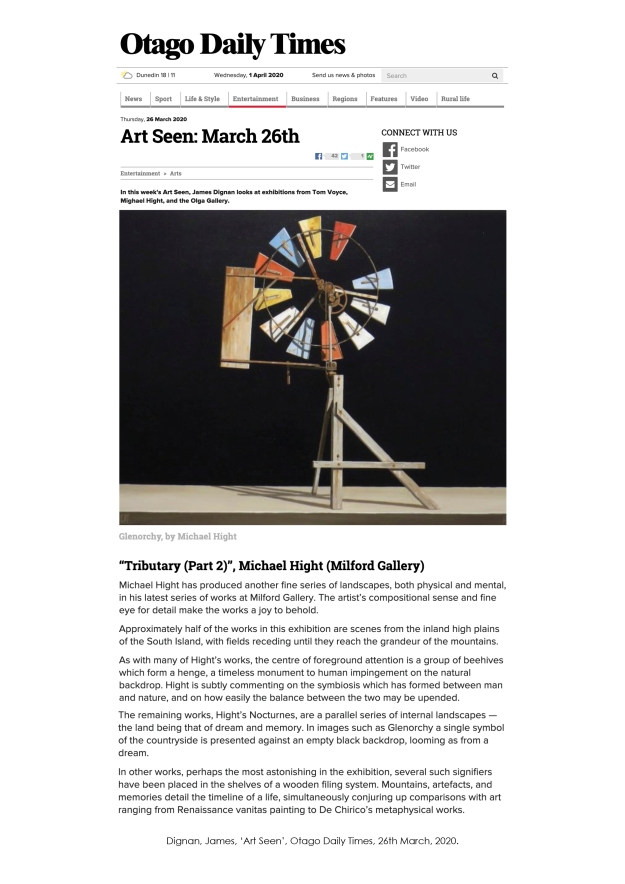
200326 ART SEEN ODT Michael Hight 'Tributary' Review.jpg

My partner, Michael Hight, and I live most of our lives in self isolation in our rural setting –  writing and painting, and doing home things. We are so lucky at the moment. His studio is on our property and we own a tract of protected regenerating bush with a track. We are a short drive from Te Henga Bethells Beach but have chosen to observe the rules and stay at home. Early morning runs and swims, when the sun is barely up, are off daily routines until our bubbles open.

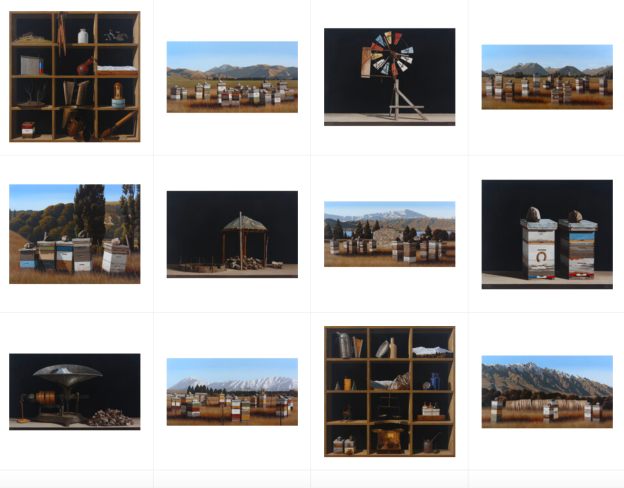
Michael currently has show on at Milford Gallery in Dunedin (until April 14th) – an extraordinary group of paintings where he matches a beehive work and a black painting to a New Zealand river. These come out of his (and our) road trips. We weren’t going to be able to make the Dunedin opening but it ended up nobody did! Now I am doing individualised ‘road trips’ as I look at Michael’s paintings (and as we write, read, invent, create, muse and ‘road trip’) from bubble solitude.

I rarely walk up to Michael’s studio and watch his work in progress. So when a show goes up, it is mostly a surprise. Each time I see a new show, I am transported, uplifted, utterly diverted by the experience of looking. I find the works transcendental, and of the greatest comfort in their mix of light and dark, strangeness, familiarity and complicated humanity. Yes I am biased, but I just love them.


You can watch a short video of Michael in his studio

Michael’s Dunedin Milford Gallery show


Screen Shot 2020-04-11 at 8.07.50 AM.png