Tag Archives: Richard Von Sturmer

Poetry Shelf 2025

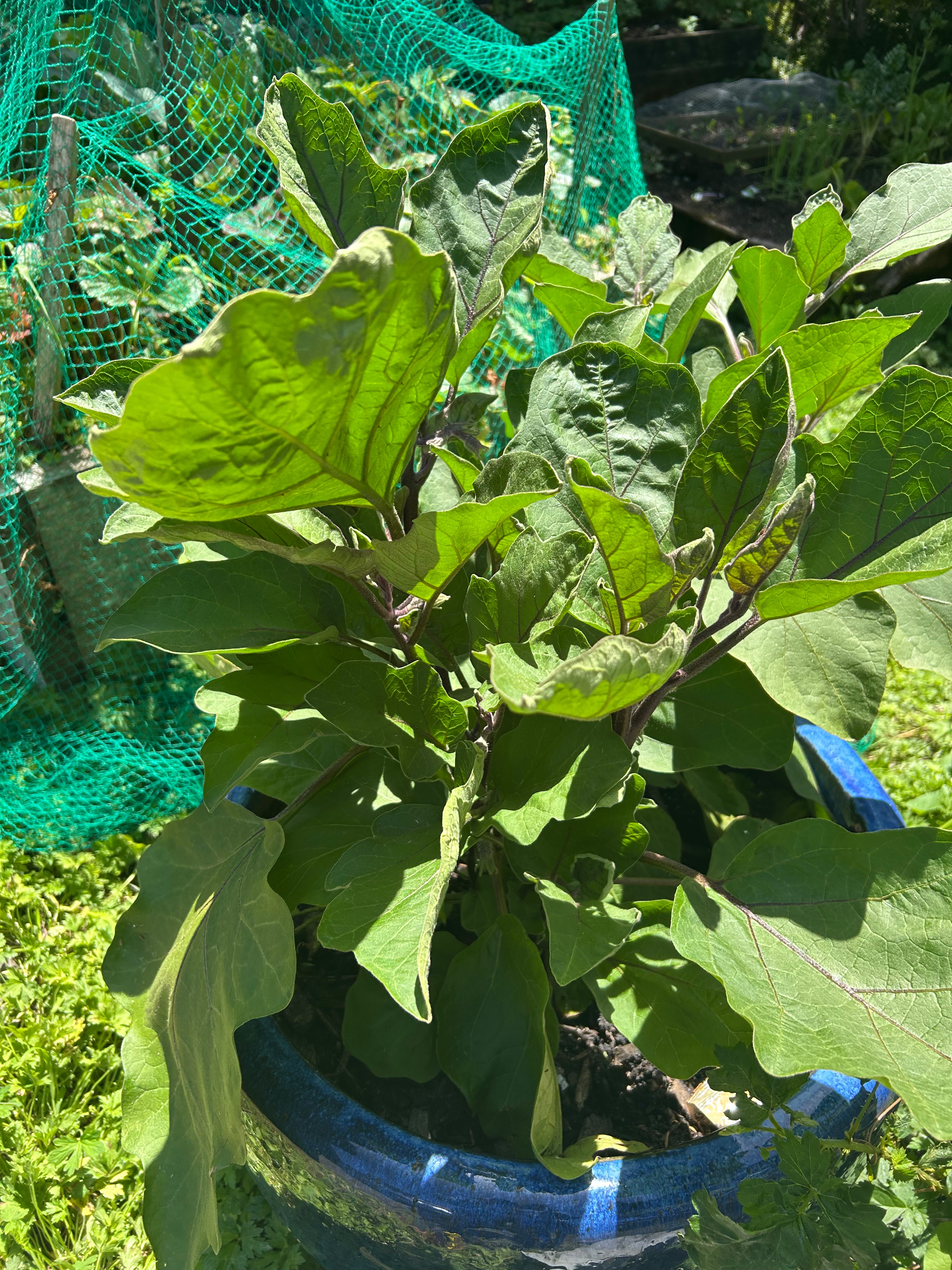
growing aubergine for the first time

Inside the city a house
Inside the house a room
Inside the room a cupboard
Inside the cupboard a drawer
Inside the drawer a box
Inside the box a necklace
Inside the necklace a story
Inside the story a city hope

Some years I invite you to share your favourite reads of the year, especially poetry, especially when poetry doesn’t get much attention in the end-of-year lists and book stacks that we are seeing across all forms of media. This year has sizzled and simmered and shone with local poetry: new collections along with live performances. So many collections document and explore tough stuff: illness, heartbreak, despair, suicidal thoughts, global wars and inhumanity, our government inflicting more and more damage on planet and people. And so many collections deliver love, a multi-stranded love and love in what words can do, whether exuberant or sweetly nuanced.

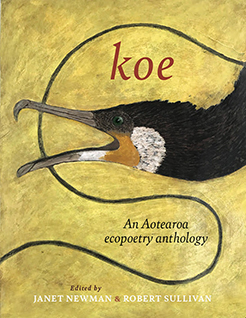
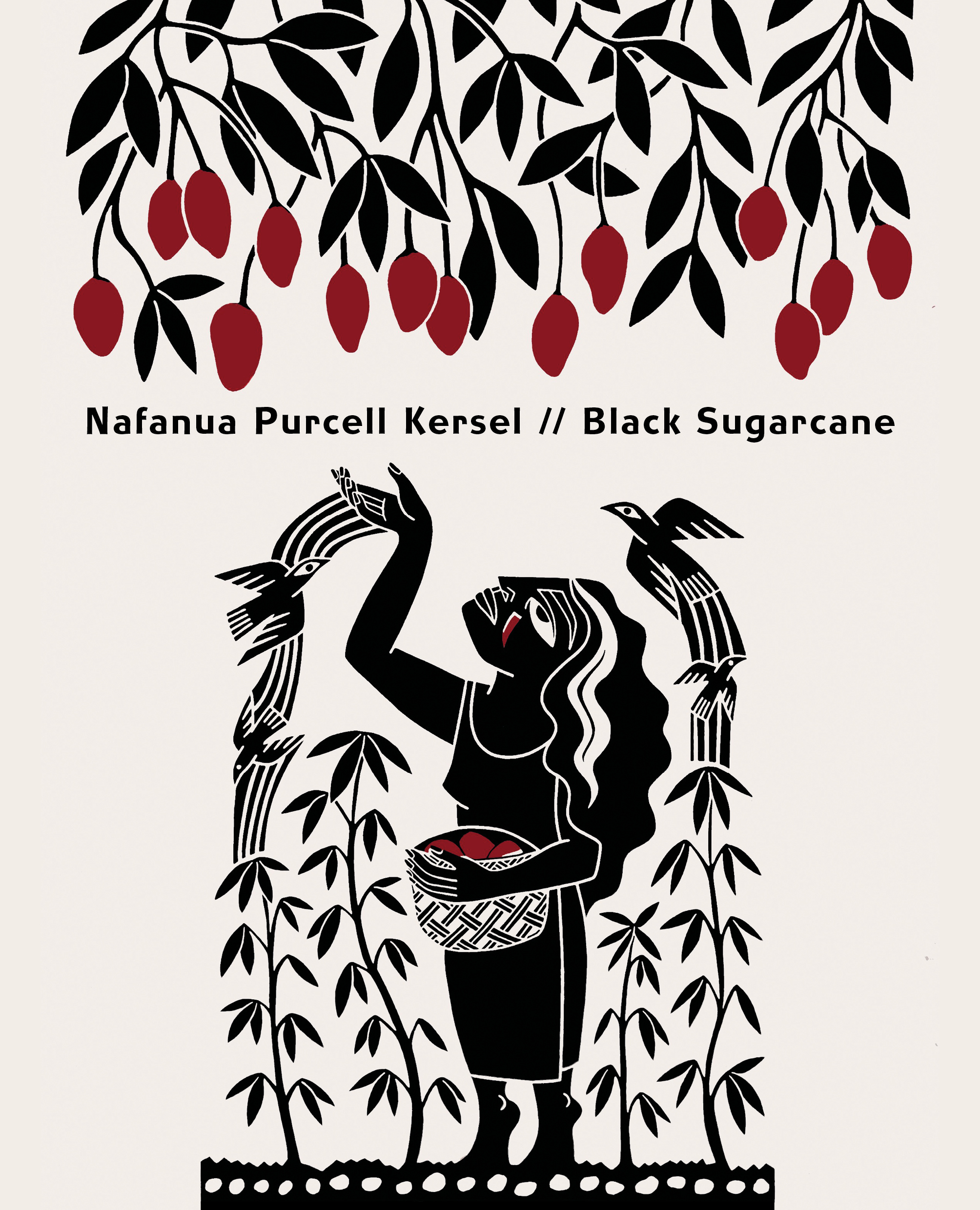
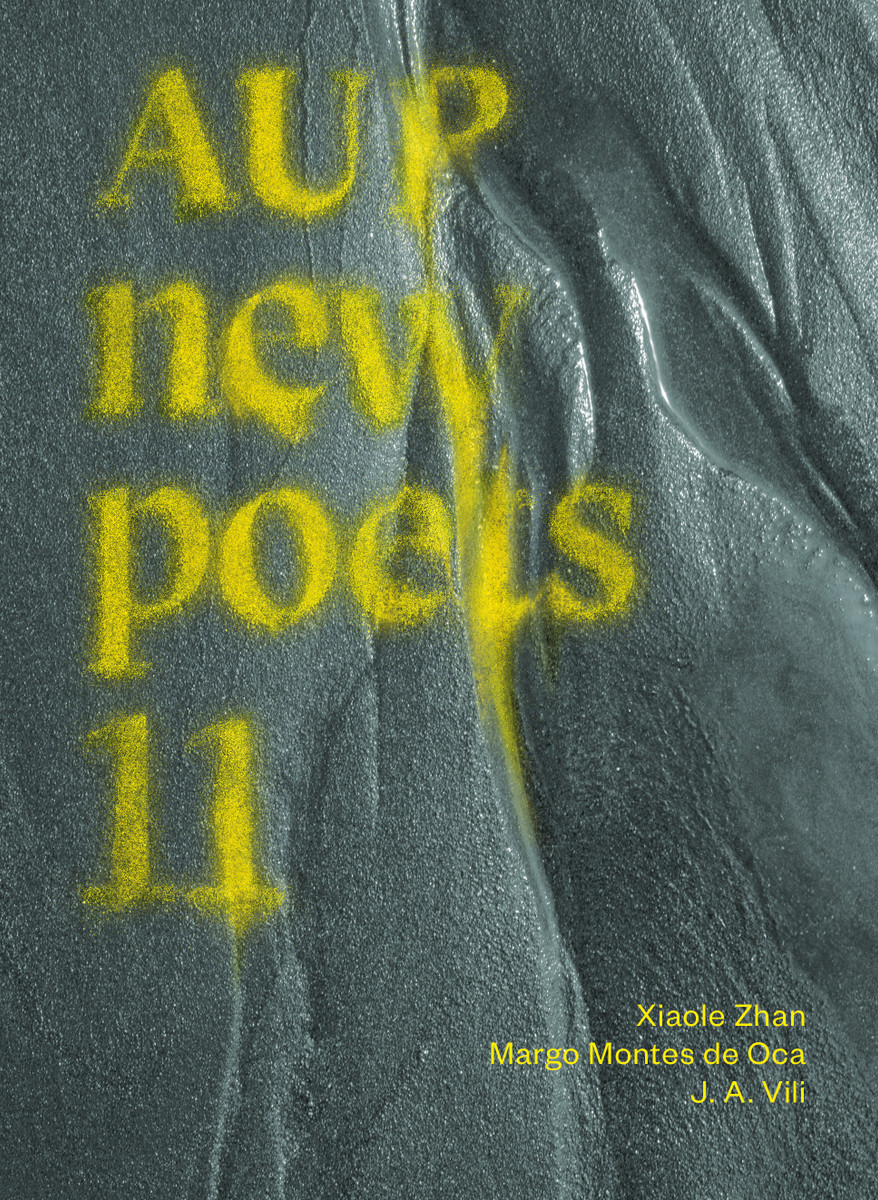
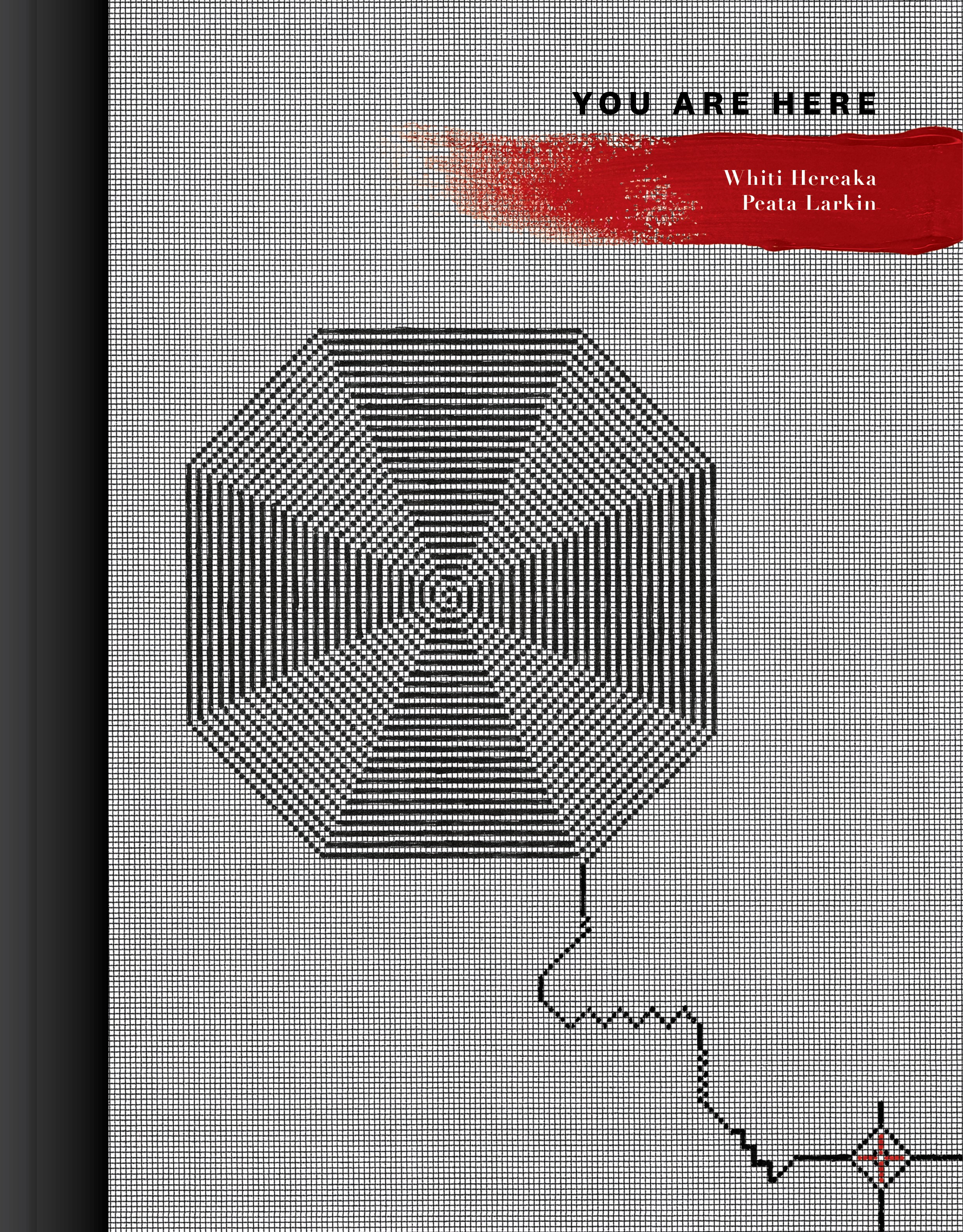
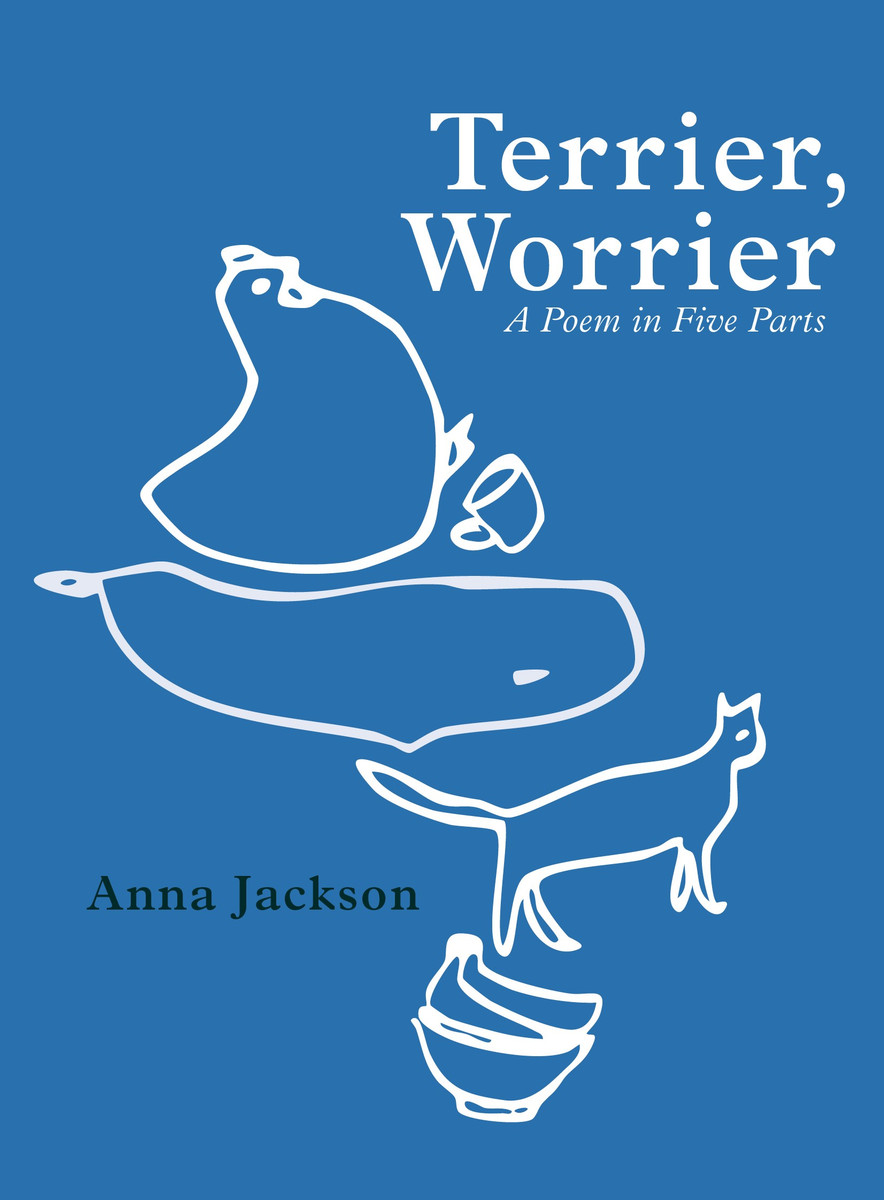
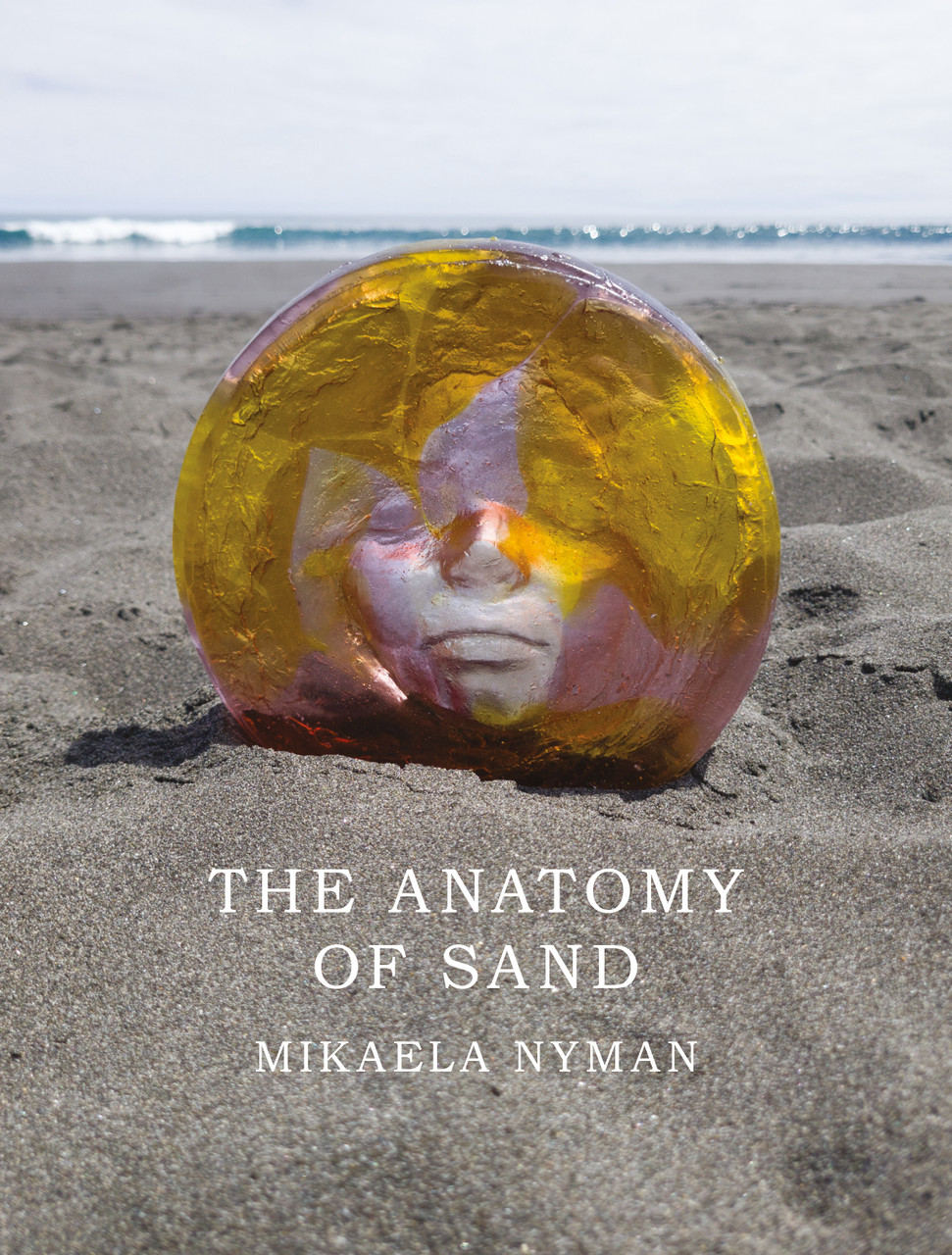
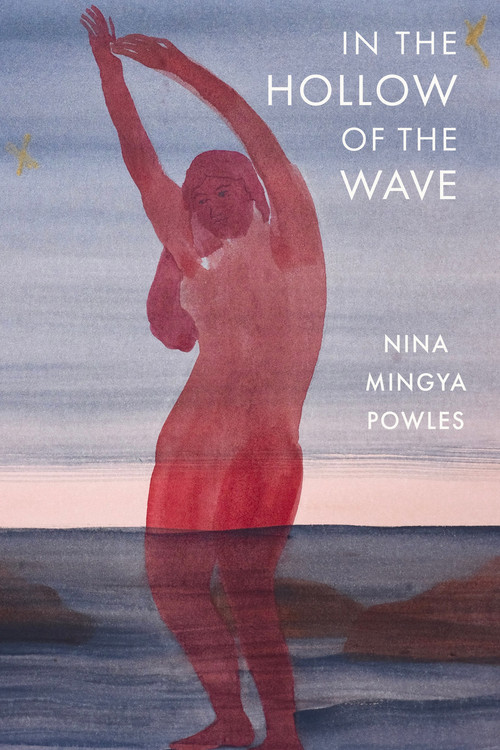
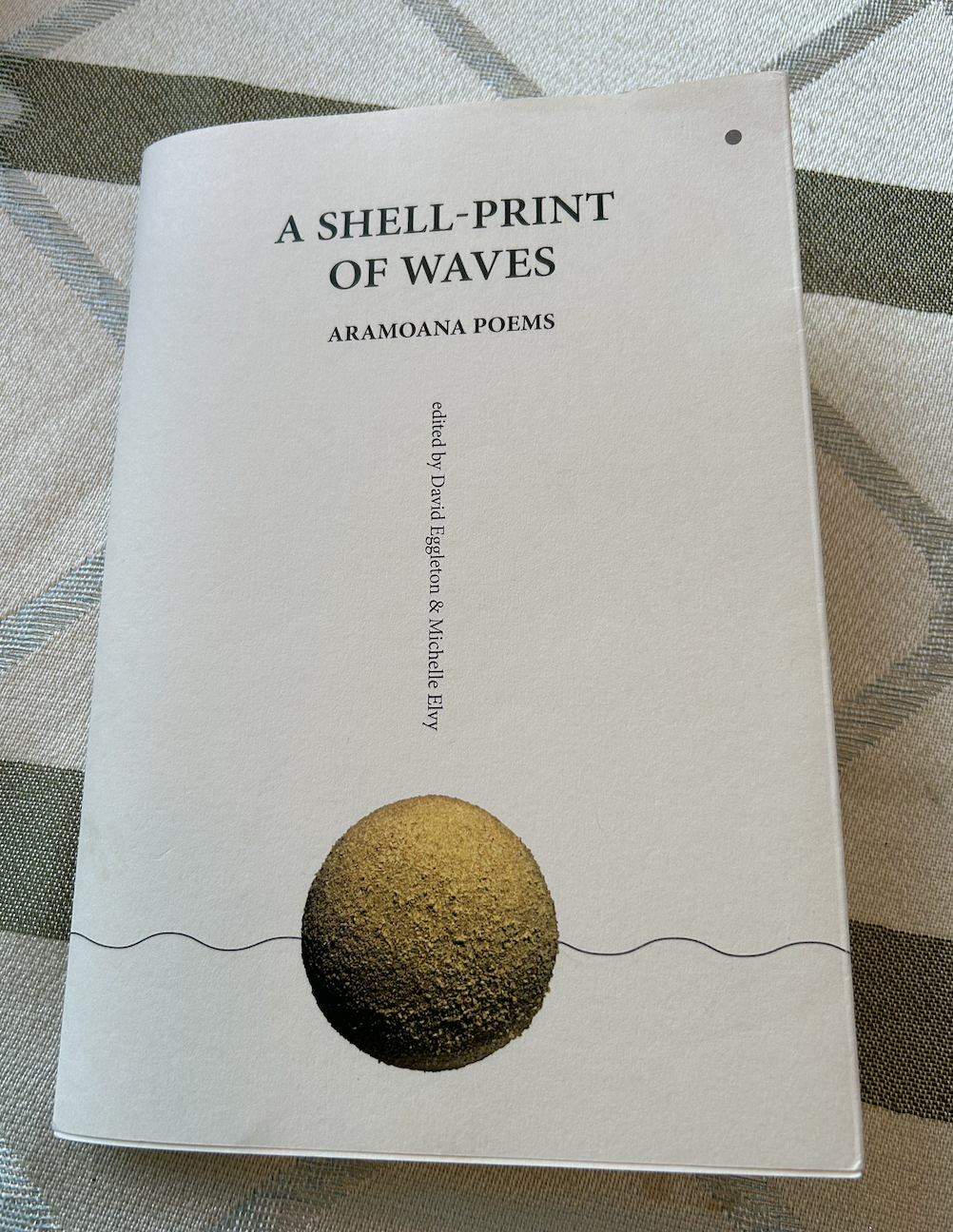
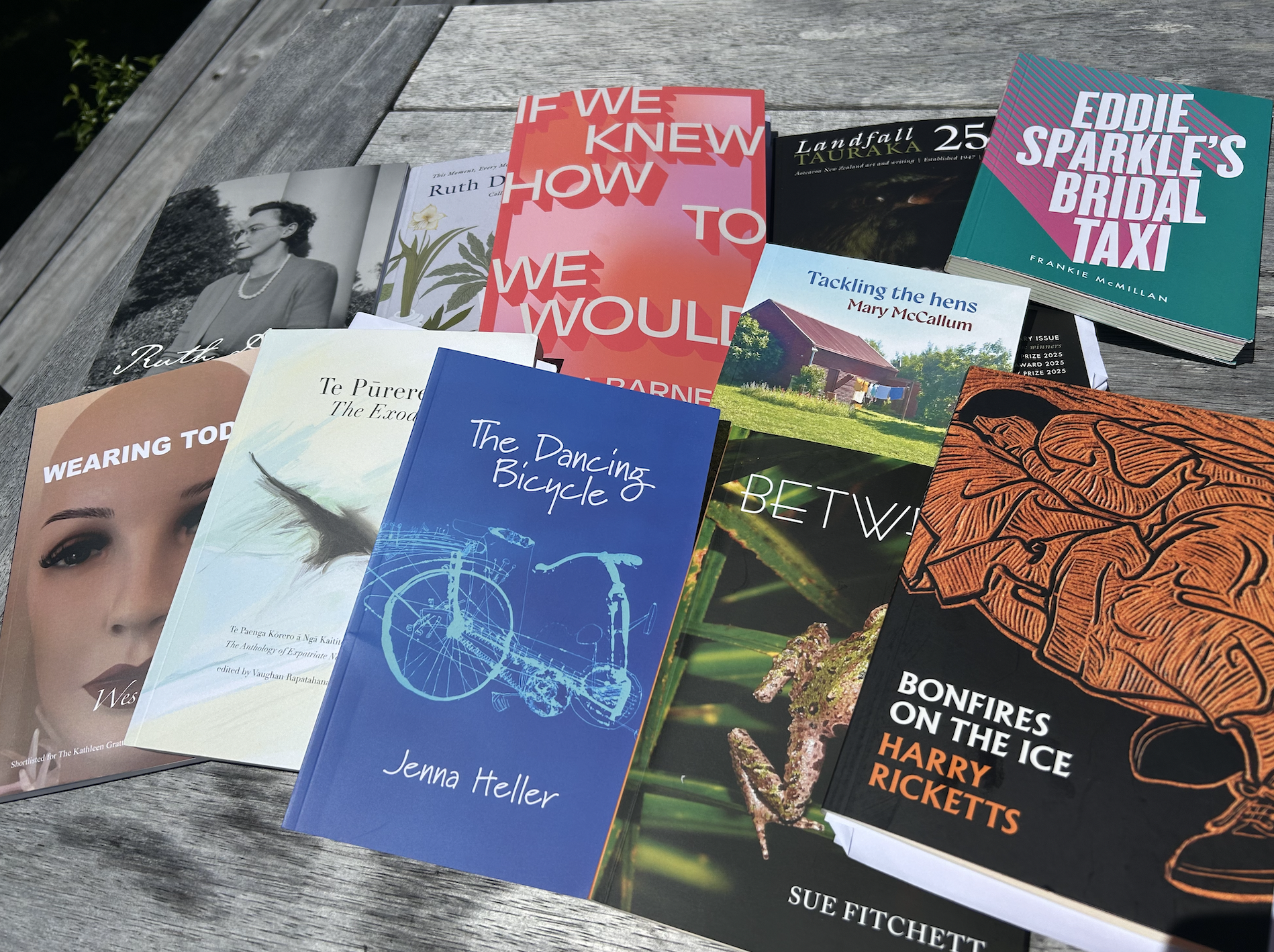
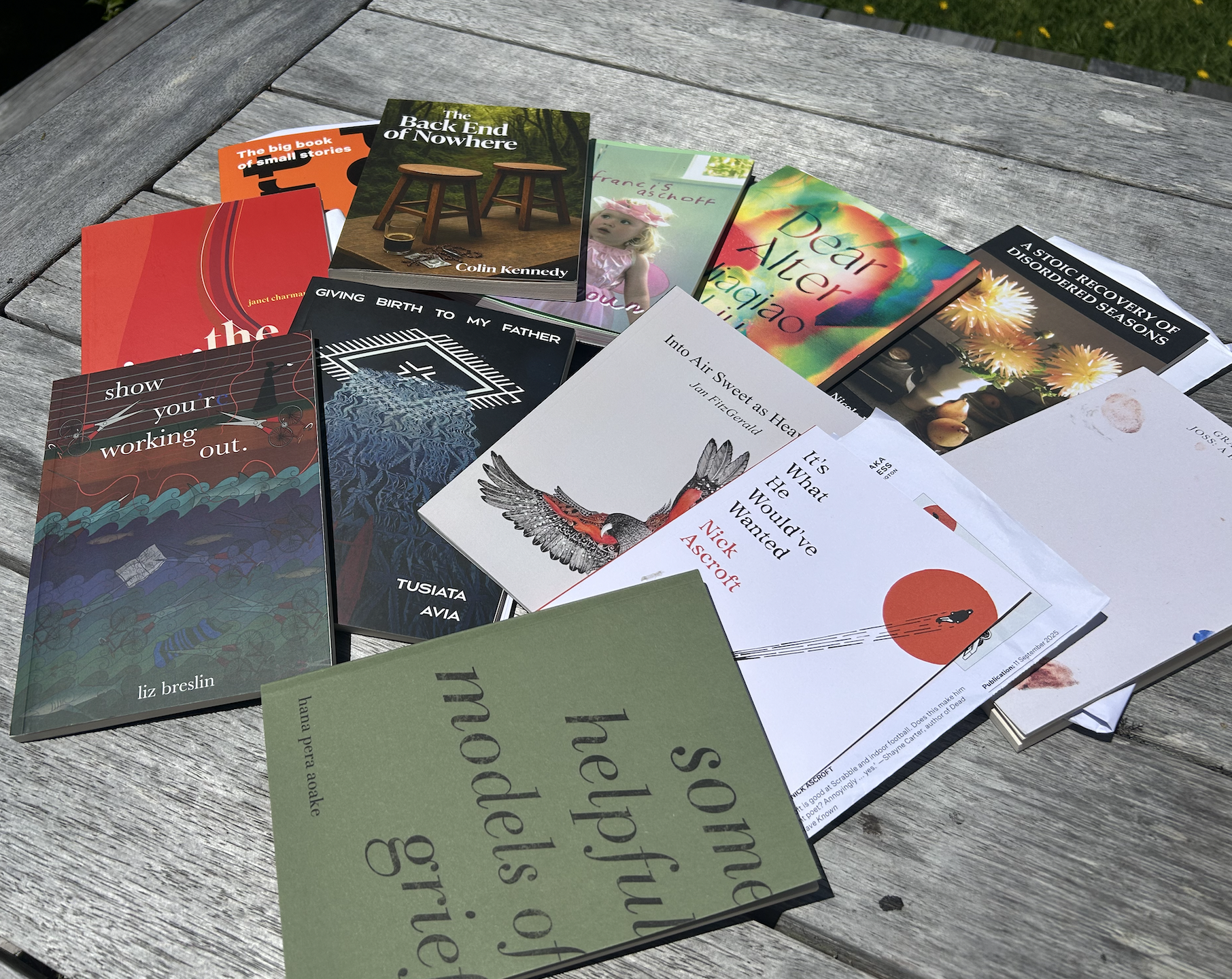
Every poetry book I have picked up, lingered over and reviewed (put review in the side bar and you will discover my reviews), I have utterly loved. Sadly for me, there is still a stack of books on my desk I’m itching to get to (see photos below), books by poets I love, books by poets new to me. This week I made the hard decision to return to reviewing these books after Poetry Shelf and I have rebooted, after we all get through the busy season where it is hard to read more than shopping lists.

I want to share a couple of highlights with you, but first a wee update. I am standing at a fairytale door, a threshold onto my new road. What specialists call my new normal, not the normal I enjoyed when I was travelling all over the country, visiting schools, doing events and author tours, reading and writing all day long. I have had a bone marrow transplant that has gifted me the miracle of life, thanks to an anonymous donor and an incredible medical team, but it comes with scars. Looks like I will always have to use my energy jar carefully, to manage my daily physical challenges with various aids. But I sure in heck find enjoyment and delight in every day.

Poetry Shelf has made such a difference in year that I have tagged both my worst and best. So many poets contributing, so many poetry fans reading and sharing. So many thoughtful caring emails, especially those responding to The Venetian Blind Poems, especially those responding to features and audio that have resonated with you. Poetry Shelf is nothing without you, without readers and writers connecting across generations, cultures, the length and the breadth of the country.

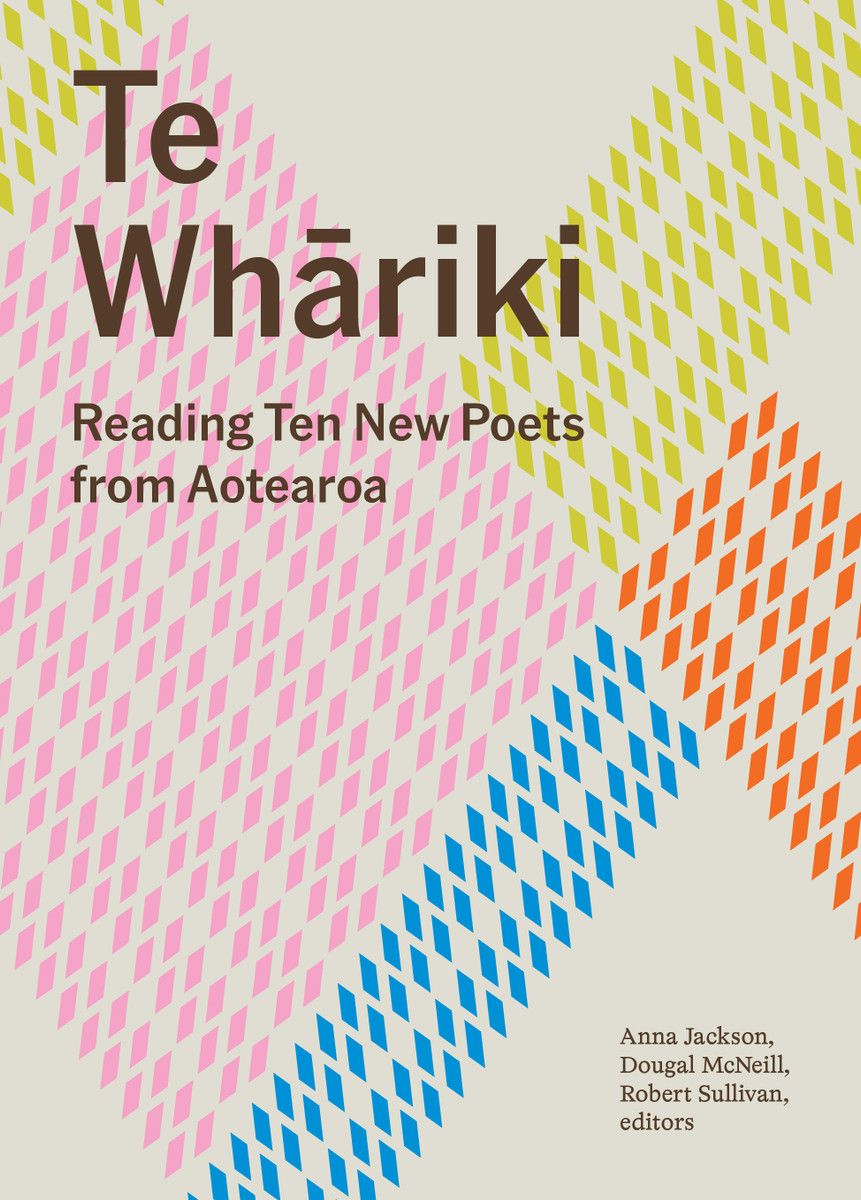
Creating three new series this year has been a special highlight for me. I have included links to one of them, Poetry Cafe Readings, because hearing these poets read has been such a gift. This will be back next year, along with the Speaking Out ( check out the Gaza poems) and Playing Favourites series (check out Jackson McCarthy), plus some new ideas. I have also included a link to the fabulous Te Whāriki anthology where some of the contributors selected a favourite poetry book of 2025.

Feature on Te Whāriki: Reading Ten New Poets from Aoteatoa, edited by Anna Jackson, Dougal McNeill and Robert Sullivan (Auckland University Press, 2025)

Poetry Shelf Cafe readings: Poets read and talk poetry for around twenty minutes

Richard von Sturmer reading
Jo McNeice reading
Anne Kennedy reading
Aruna Joy Bhakta reading
Harry Ricketts reading
Alexandra Cherian reading
Ethan Christensen reading
Sue Wootton reading

I often ask poets in interviews what words matter to them as they write – but today I am asking you what words matter as you live each day. I am thinking: kindness, self-care, connections, hope and joy. Over the next month or so I am going to read novels, watch movies, listen to music, tend the vegetable garden, and bake and cook.

Sending aroha to you all along with a huge bouquet of sweet and salty Te Henga ocean air.

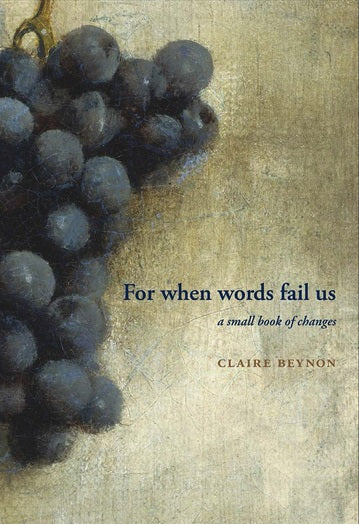
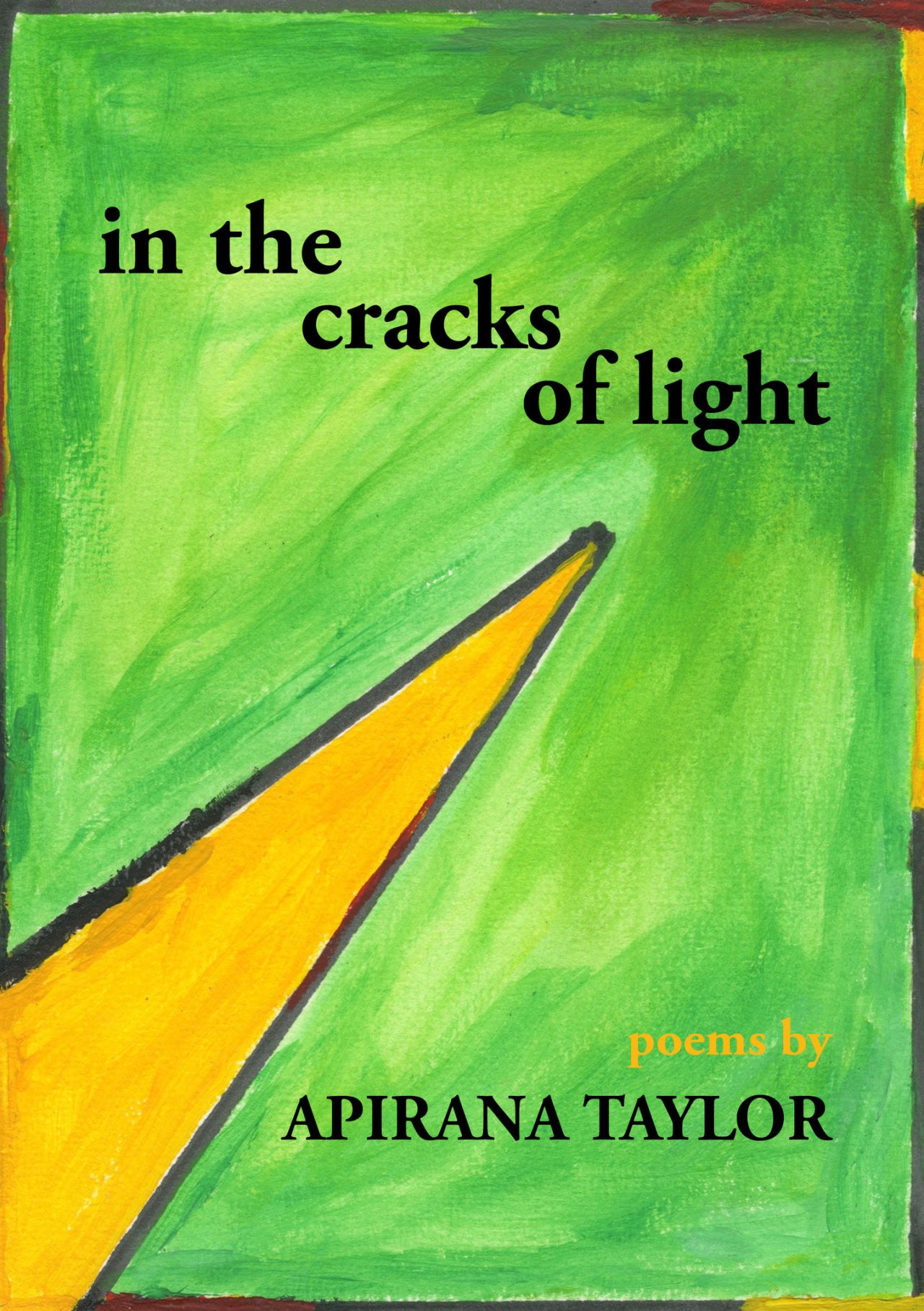
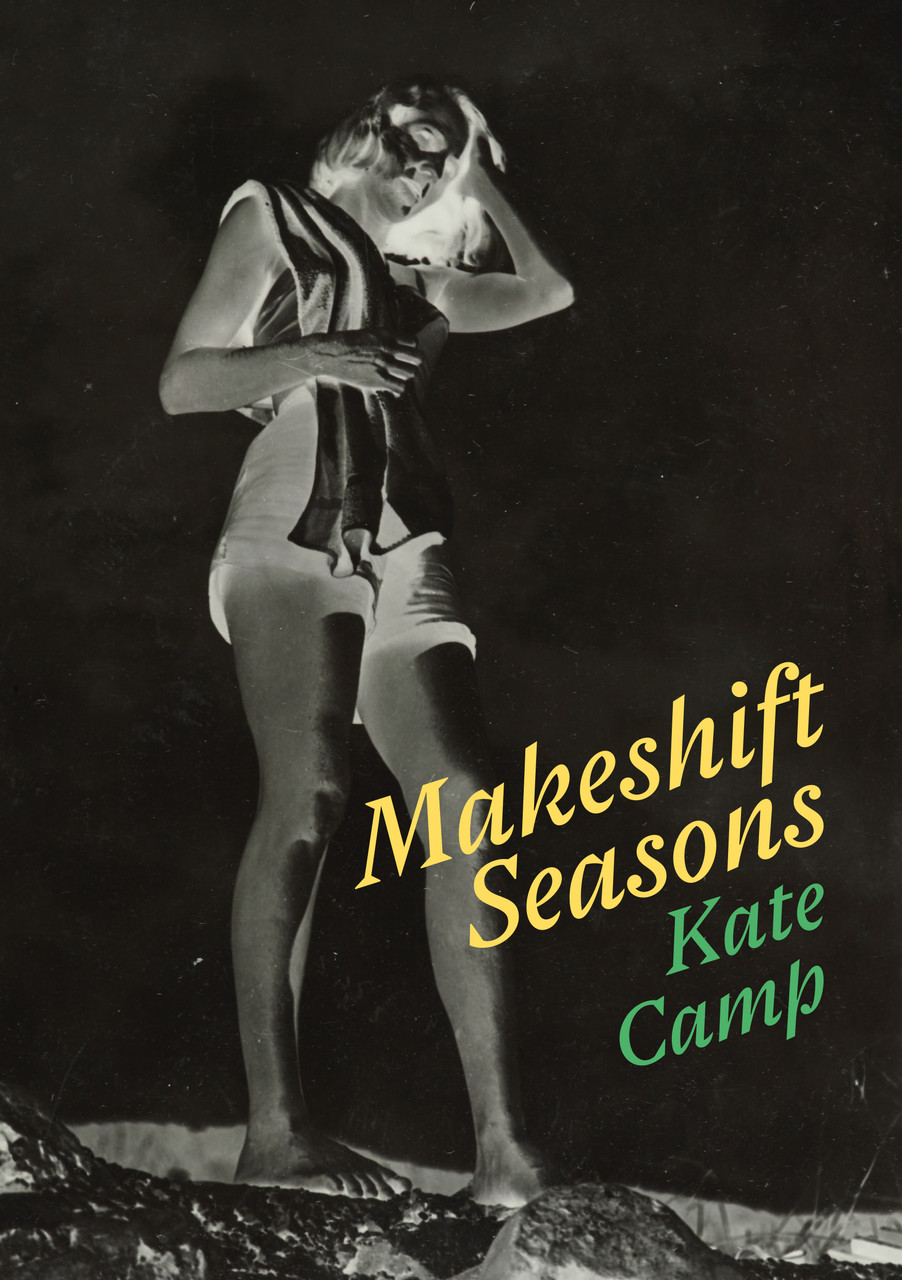
Books on my must-read pile:

Poetry Shelf Playing Favourites: Richard von Sturmer

My recent book, Slender Volumes, is made of 300 seven-line poems. Really they are 300 stories, told in different modes: the realistic, the autobiographical, the historical and the surreal. One, popular with audiences when read aloud, is number 216, which concerns Mr Moth and his dairy:

There was a dairy at the end of the road owned by Mr Moth. Everybody knew it as Moth’s dairy. He sold ice blocks made in a special mould – the stem being a popsicle with a large wing on each side. The ice blocks came in different colours and were named Emerald Surprise, Ruby Splendour and, best of all, the Tiger Moth. The dairy always shut its door at dusk. No fluorescent lights were switched on. Mr Moth liked the darkness.

What seems to be a figment of my imagination, in the surreal mode, in fact came from a walk around Onehunga Bay Lagoon. On this particular walk my wife Amala and I encountered an old-time resident who told us that many years ago there used to be a dairy opposite our house on Normans Hill Road. The dairy was owned by a Mr Moss. I misheard him, and thought he said “Mr Moth”. This led to a reverie about Mr Moth and his dairy, which I wrote down when I got home.

Richard von Sturmer is a New Zealand writer. He was born on Auckland’s North Shore in 1957. His recent works are the acclaimed memoir, This Explains Everything (Atuanui Press, 2016), Postcard Stories (Titus Books, 2019), and Resonating Distances (Titus Books, 2022).

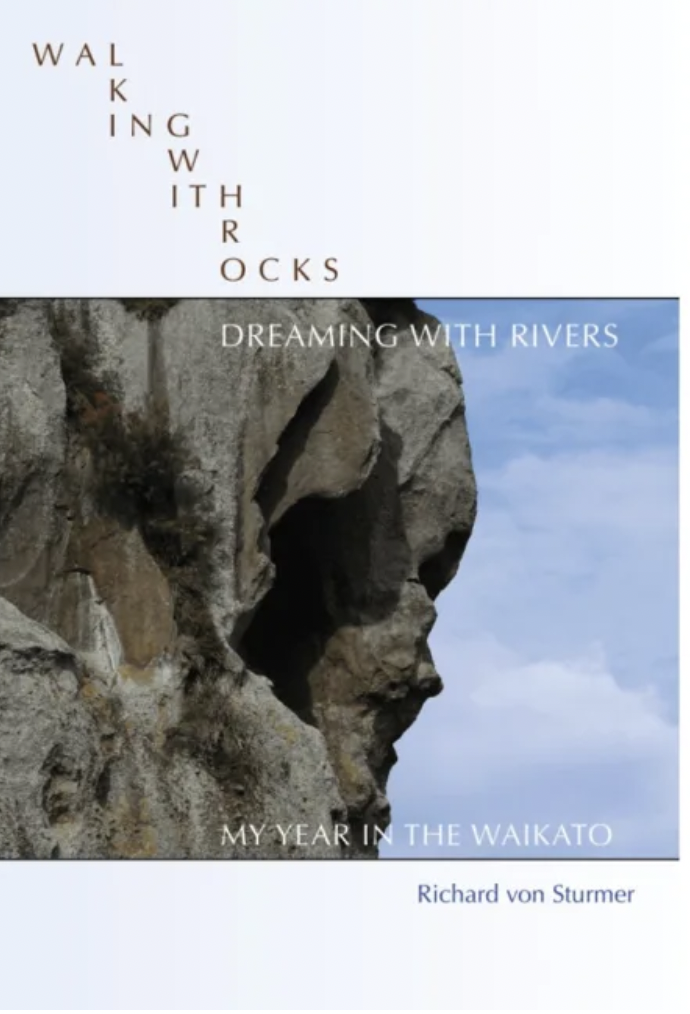
In 2020 he was the University of Waikato’s writer-in-residence. His book Walking with Rocks, Dreaming with Rivers: My Year in the Waikato (Titus Books, 2023) was written during his residency.

In 2025 his new collection of poetry, Slender Volumes (Spoor Books, 2024), was shortlisted for the Mary and Peter Biggs Award for Poetry at the 2025 Ockham Book Awards.

Poetry Shelf Cafe Readings: Richard von Sturmer

Welcome to the new Cafe Reading series on Poetry Shelf. Listening to poets read and talk poetry in cafe settings is a joy. To share a taste of this, I have invited some poets to read and talk poetry over the coming months. Enjoy!

Richard von Sturmer reads two tankas

Richard von Sturmer is a New Zealand writer. He was born on Auckland’s North Shore in 1957. His recent works are the acclaimed memoir, This Explains Everything (Atuanui Press, 2016), Postcard Stories (Titus Books, 2019), and Resonating Distances (Titus Books, 2022).

In 2020 he was the University of Waikato’s writer-in-residence. His book Walking with Rocks, Dreaming with Rivers: My Year in the Waikato (Titus Books, 2023) was written during his residency.

In 2025 his new collection of poetry, Slender Volumes (Spoor Books, 2024), was shortlisted for the Mary and Peter Biggs Award for Poetry at the 2025 Ockham Book Awards.

Poetry Shelf noticeboard: Gregory O’Brien’s launch speech for Richard von Sturmer’s Postcard Stories

9781877441622.jpg


POSTCARD STORIES…a launching speech, VicBooks, Wellington, 12 April 2019


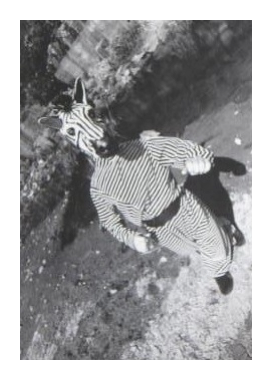
It’s over thirty years ago since Richard von Sturmer appeared on the cover of Robert Cross’s and my book about New Zealand writers Moments of Invention. Back in 1987 I remember Richard suggesting that Robert photograph him in his ‘most natural habitat’. So we went to Smales Quarry, near Lake Pupuke—a flooded, desolate, you could almost say post-apocalyptic zone—a lunar landscape with the occasional sprig of kowhai. After spending quality time in a trench-coat and mask (as the ‘Neanderthal businessman’ character, Mr Chipden), Richard donned striped overalls and a papier mache zebra-head.

Screen Shot 2019-04-17 at 7.43.56 AM.png

Was the zebra outfit a uniform or a disguise—an act of self-expression of concealment? Either way, the photo on the book’s cover raised the question, for me, of how it might be that writers, more generally, fit into this world. Richard was, and still is, proposing we should all look, listen and think beyond the obvious. Maybe the lesson of Smales Quarry is that we should look for answers in the direction of archaeology or possibly the analysis of dreams, rather than in the realms of sociology, cultural history or literary theory. The cover photo of Richard, zebra-headed and humanimal (in the adjectival sense), begged the question whether the life of the writer is ultimately an absurdity, a theatrical production or maybe even an inexplicable folly. More than anything else, the image reminds me of one characteristic of all good writers: they are up to something. They ask that we follow them somewhere new and surprising. ‘I think we should go into the jungle,’ as Barbara Anderson would have put it. Their jungle.

The cover photo was taken shortly after the appearance of Richard’s We Xerox Your Zebras appeared—a book which has long been something of a cult classic and which, infamously, upon publication prompted threats of legal action from Rank Xerox Corporation, on account of copyright infringement. Still in his twenties, Richard’s creative trajectory as a genre-bending, world-expanding writer was set, as was his now longstanding allegiance with, and commitment to, the unexpected, the odd and the illuminating. He struck me then, as he strikes me now, as an improving influence not only on the world of letters but on the world itself.

Over the three decades since then, there have been collections of poems from Richard and –to much-deserved acclaim upon its publication three years ago–a memoir about his father and grandfather, This Explains Everything. Yet, as the new book reiterates, nothing is ever really explained. Explanation is too often simply a misreading, simplification or a reduction of the matter at hand. Reality is full of live circuitry and ongoingness and expansiveness. We reach conclusions at our peril.

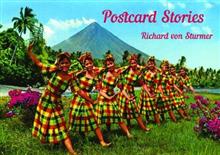
Richard’s books are working documents of a life-in-progress, a sensibility in the making and constant remaking. Reality is put, much of the time, through a Zen Buddhist filter, yet his writing can be as rowdy and colourful as the line-dancing Filipino women on the cover of Postcard Stories. Such a paradoxical, contrary state remains at the heart of his creative project. Also worth noting is a curious propensity for the transmutation or transubstantiation of the mundane or the misguided into a state of meaningful joyfulness.

What sort of narratives are on offer in Postcard Stories? Are these stories about postcards or inspired by postcards—or are these the stories the postcards themselves might have told, if they could speak. Through the first half of the book, Richard performs a visual/verbal two-step, offering short sequences of text—a hybrid of short story and  haiku—to enhance, elaborate upon, subvert and embrace the images which they accompany.


Quickly enough, the book gets one thinking about the nature of postcards. It becomes a protracted meditation on that endangered if not dying species. In the era of the jpeg and digital file, postcard stands are becoming fewer and further between. Postcard Stories offers the gentlest of interrogations, a backward glance at these printed images, their industry and their format. It asks questions, but without, of course, requiring any kind of answer.

Most of the time, postcards relate to a specific location yet, as this book manifests, they often reflect a certain lostness, aimlessness, waywardness. You would not want to use them to get your bearings in the physical world. I remember, years ago when Jen and I were spending six months in the South of France courtesy of the Katherine Mansfield fellowship, Richard sent us—in Menton—an antique Greetings from Menton postcard which he had procured from a South Auckland second hand shop.  As Richard’s new book attests, postcards, like the rest of us, lead paradoxical, complex and unreliable lives. In his bright and user-friendly introduction, he goes so far as to describe postcards as ‘cells in a giant, universal brain’ then adds, instructively: ’I like to dream with postcards’.

Traversing such inner and outer realities, the texts in Postcard Stories feature a surprising number of flowers. Ditto monuments, towers, clocks and water features. In deep amidst the imagistic ebb and flow, we are asked to consider how flowers flower differently in words than they do in pictures. We are back in the quarry. We are back at the beginning of the world, and the beginning of the word. We are once again keeping company with a zebra-headed youth in his wasteland-quarry. Yet we are also in the world of a film-maker, one half of the Humanimals who is now one half of a group called the Floral Clocks (greetings to the other half, Gabriel White, here with us tonight)… We are in the world of a man- or person-of-letters, an exemplary citizen of Aotearoa, a Buddhist, activist, free radical and traveller in the universe of postcards; a surveyor also of the lives contained in these most wistful of images and of the lives that continue to swirl around them long after they have been posted, received and put to one side.


Gregory O’Brien


.


Richard von Sturmer’s new collection is aglow

th-14_EQUANIMITY VERSES COVER for web   th-14_EQUANIMITY VERSES COVER for web   th-14_EQUANIMITY VERSES COVER for web

Book of Equanimity Verses  Richard von Sturmer (Puriri Press, 2013)

Richard von Strumer‘s latest poetry collection is an utter treat. Inspired by Wang Wei’s Zen text, The Book of Equanimities (100 koans), Richard has assembled his own set of miniatures. He has used the tanka form but added a few lines to expand upon each moment. And this new collection is indeed a celebration of moments – billowing, shimmering, luminous moments in time and place. Through the act of writing, Richard stops still and opens his senses to the world and its splendid detail, and in that loving attentiveness reproduces astonishing movement.

In the introduction, Richard cites translator Yoel Hoffman’s observation that a tanka poet observes nature and in that observation observes himself (the tanka is thus a two-way mirror). It is an interesting entry point to Richard’s poems. The pleasure of reading this collection is the pleasure of contemplation, but it is not as one might expect, solely a regard of the sublime. Instead you navigate fablesque and pocket narrative, alongside the ordinary profound. Everyday detail sparks and reverberates. The poetic moment might be a transcendental landscape, but it might also be a trembling morsel of anecdote.

The physical details are glorious: a field of violets, kings, strong fingers, Jean Cocteau, weeds, an iron raincoat, the muddy waves, fishhooks, spades and shovels. Yet what elevates these miniature poems is the movement within the poem itself. There is always a shift — a tremor, a sense of humour, a wry wit, a cartwheel or tumble, an oxymoron, a doubling, a subtle difference. In the midst of the rolling of the blinds and the ebbing tide, there is a paddock ‘nothing to add/ nothing to take away.’ Alongside ‘salmon swimming upstream’ we read ‘somehow we’ve drifted away/ from our original home.’ Or to read of the ‘cough’ alongside the ‘toast popping.’ Or the person ‘who drinks/ excessive amounts of water/ is denied access/ to the swimming pool.’ Or ‘I divide my time/ between High Street/ and the Tang Dysnasty.’

This delightful book is a book of sweet harmonies, unexpected, enthralling. Like Dinah Hawken and Bernadette Hall, Richard’s poetry is aglow with wisdom, empathy and a love of poetry. I urge you to add this book to your shelves.


Richard von Sturmer is a poet with four previous  publications.

New Zealand Book Council page

Richard’s Auckland Zen centre website

NZEPC page

Puriri Press page

An interview on YouTube