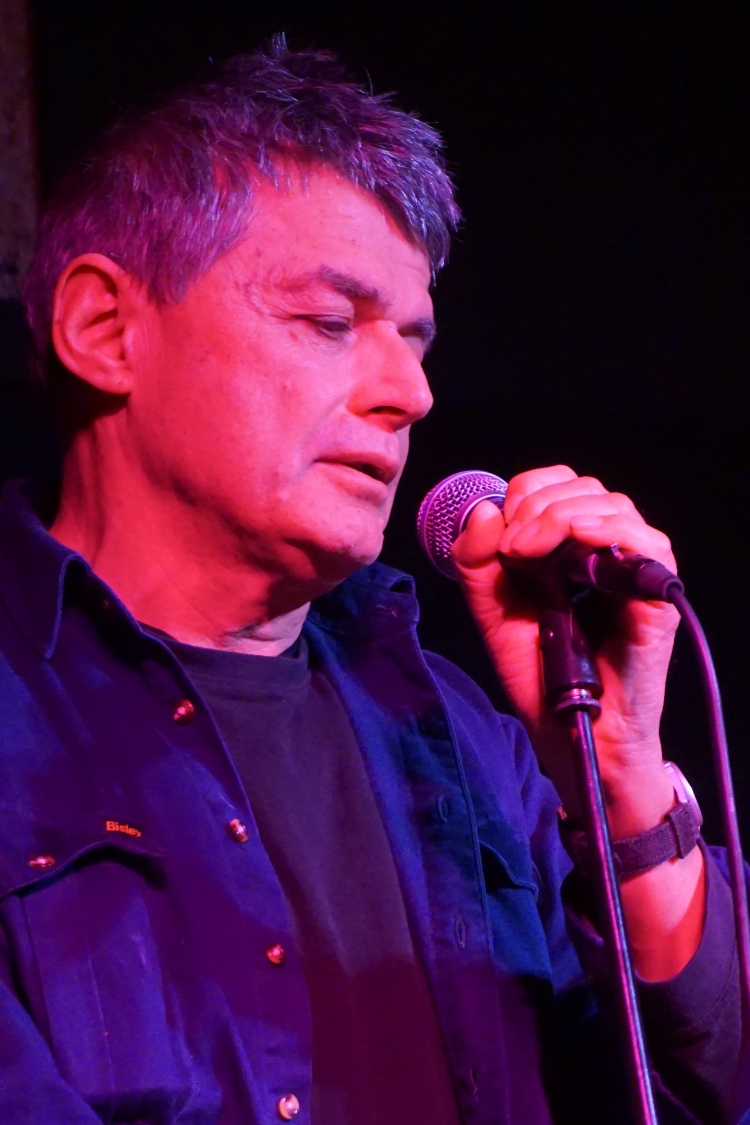
New Zealand’s poet laureate, David Eggleton, will get more time to write and perform after compromised his two-year tenure as laureate.
Te Puna Mātauranga o Aotearoa National Library of New Zealand has extended his term by an extra year to give Eggleton the ability to deliver live, on-site performances around the country.
“Due to the lockdown and social distancing requirements, we felt it only fair to offer Eggleton the opportunity of a third year,” Alexander Turnbull Library chief librarian Chris Szekely said.
While Eggleton’s “been delivering brilliantly through online channels… for someone who is known as an outstanding live-performance poet, it was particularly unfortunate that this aspect has been impacted by the pandemic,” Szekely said.
the consistency of sun-hot bruised fruit pinnately veined
Robyn Maree Pickens
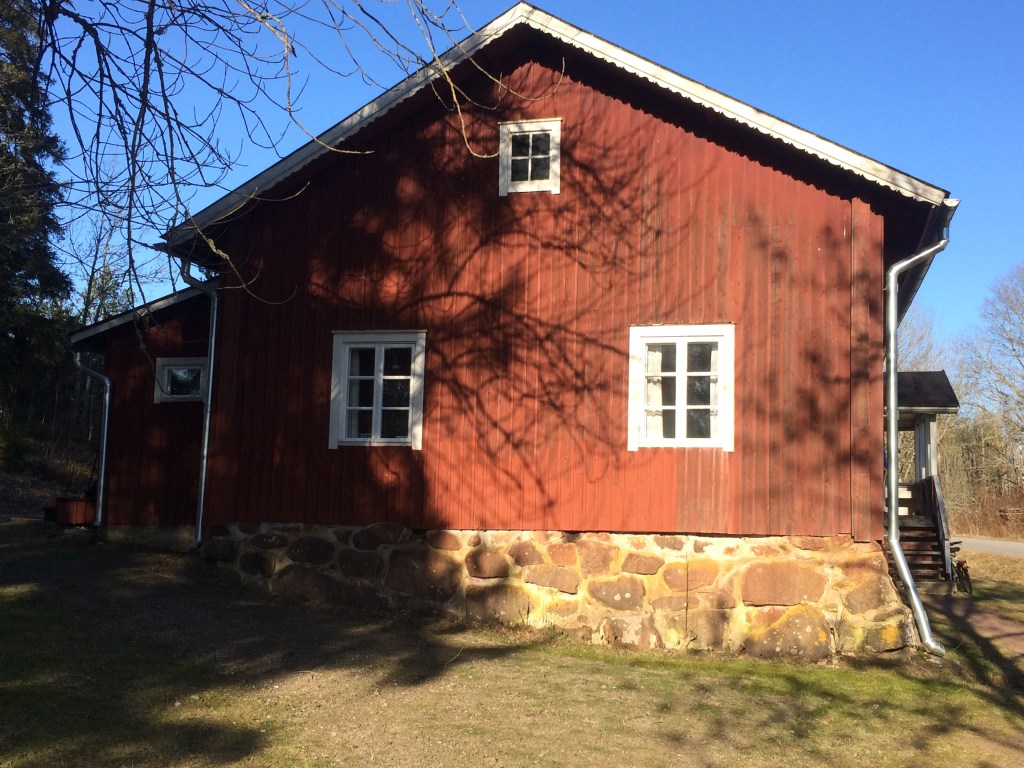
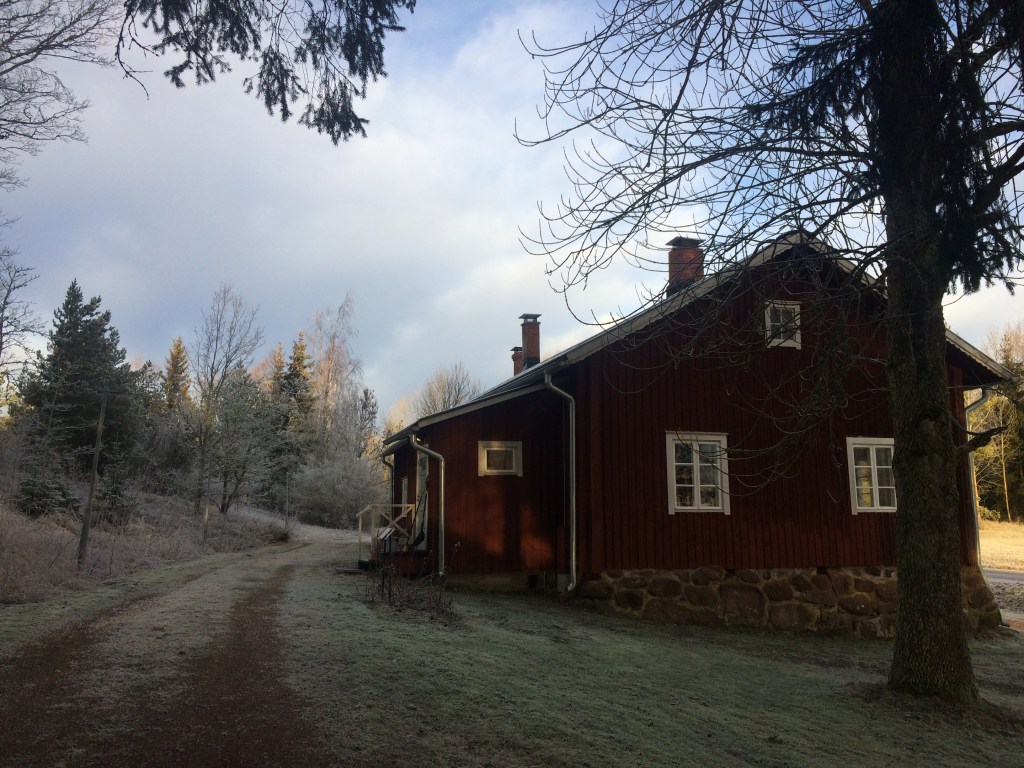
my accommodation on the day I left (28 February)
The interview
What three words come to mind when you think of your Finland experiences:
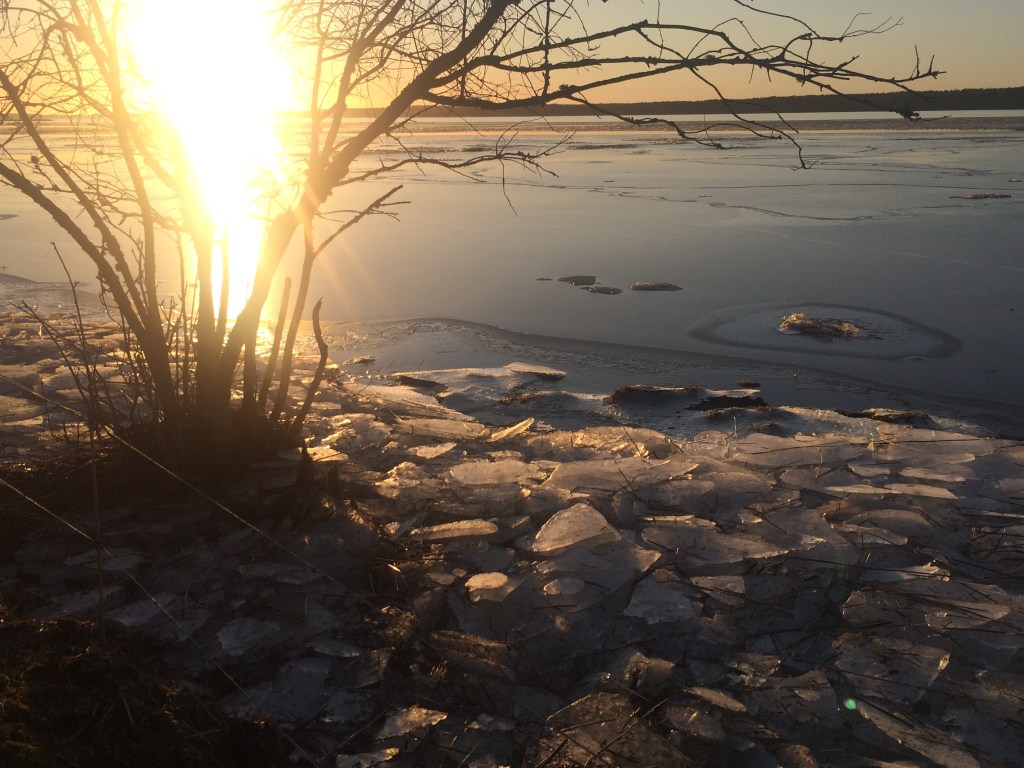
nourishment / squirrels / ice
Did you know anything about Finland before you went?
Initially nothing more than generalised projections of Nordic countries: wintry yet cosy inside, great jerseys, fish, forests of evergreens, sleek design, sauna…
Can you introduce us to the residency please?
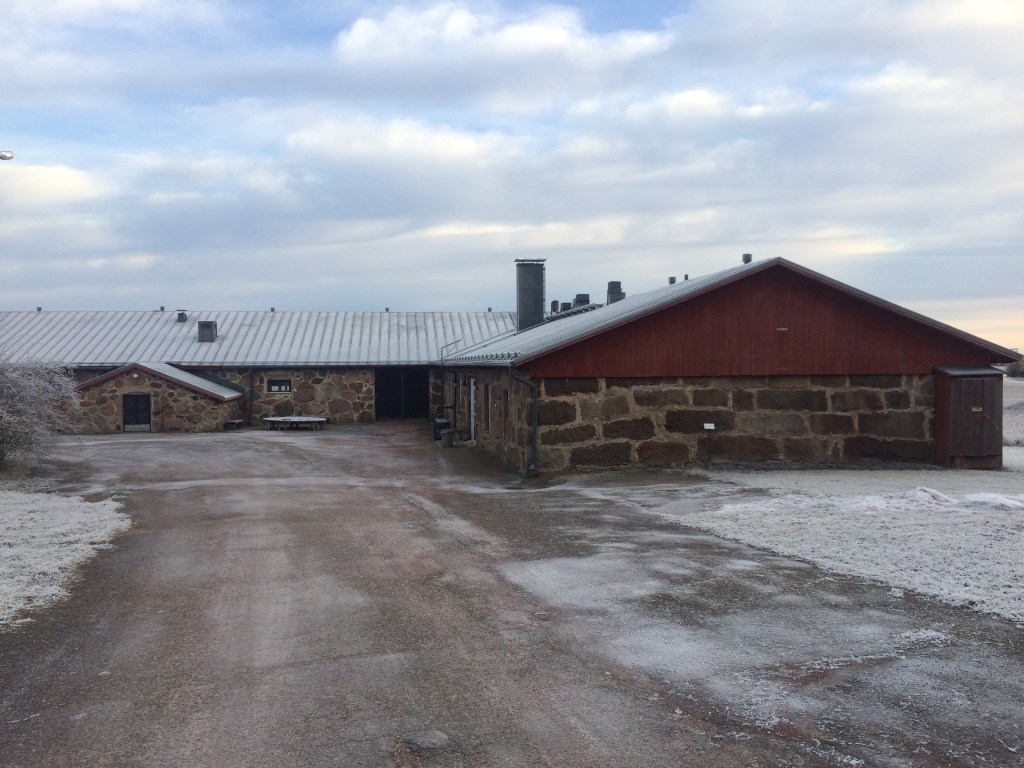
You get off a local bus on the side of the highway in the midst of bare, flat farmland in southwest Finland, and are greeted by Iiris who takes you a short distance in a minivan to Saari Residence, which used to be a manor. It now supports two-month individual artist residencies for eight practitioners at a time, while collective residencies are held over the summer months. The invited artist is there for eight months. During the time I was at Saari, the practitioners included dancers/choreographers, filmmakers, a composer, an artist, and a PhD student.
Were you located in one place or did you travel around?
Just in one place.
What struck you most when you arrived and settled into the residency?
So many things! The level of care we were given, the seriousness with which we, and our projects, were treated, the incredible warmth inside, amazing welcome dinner and weekly lunches made by a local chef, and the smoothness of understated wealth.
Did you travel with predetermined writing plans?
Yes, I submitted a proposal centred on an eco-phenomenological response to place and climate as a source for a collection of poems nine or ten months before the actual residency. I selected the Northern Hemisphere’s winter months of January and February as my first option because I was aware that snowfall has been reducing over the past decades, and it was starting to feel like an increasingly rare experience. But to fly to the other side of the world… It was becoming harder and harder to justify flying, and it seems even more absurd now with Covid. Yet the pull of difference is still strong.
Did the place change what you had planned?
It did, but in the almost year long interval between proposal and residency, I had become seduced by Hannah Arendt’s concept of amor mundi (love of the world) and her definition of the Latin phrase Amo: Volo ut sis which is translated either as ‘I love you: I will you to be,’ or ‘I love you: I want you to be.’ Arendt writes, ‘[i]t is the affirmation of the other who is loved for his [sic] own sake and not as an object of desire… not “I want to have you” or “I want to rule you,”[1] and I wondered if this could shape an ecopoetic and ethical relationship with the rest of nature. So I read quite a bit of Arendt.
Ironically, it was also one of the warmest winters, which in the warmer southern region of Finland still means approximately (or at least) thirty centimetres of snow over those first two months of the year. While there was some snow and plenty of frosts and ice, it didn’t last that long. So if I had been fixed on my original proposal, I would’ve had to have dealt with absence, or partial absence, which could’ve been interesting as well.
Where was your favourite place to write?
There was a desk and table in the living room of my apartment (which was originally the farmhands’ building), but I always worked at the table because it looked out onto a stand of trees, and there were squirrels leaping from branches and racing up tree trunks.
What did you love most about the experience?
The quality of T I M E and the feeling of being cared for. The people I met. And being continuously warm inside when it was cold out.
Did you have any epiphanies? Life or writing?
I experienced a deep, platonic connection with the invited artist Essi Kausalainen that was more than shared interests, values, aesthetic sensibilities, and ethics. We continued the conversations we had at Saari via email, some of which you can read here
Was there something you missed about Aotearoa when you were there?
The diversity of plants and the sound of native birds. And kombucha.
What books did you take?
CA Conrad’s three most recent collections (A Beautiful Marsupial Afternoon 2012, Eco Deviance: (Soma)tics for the Future Wilderness 2014, While Standing in Line for Death 2017), Mal: a journal of sexuality and erotics: Plant Sex, Anne Carson Decreation, Sappho Come Close, Ocean Vuong Night Sky with Exit Wounds, Kaveh Akbar Calling a Wolf a Wolf, Max Ritvo Four Reincarnations, Lucie Brock-Broido Stay, Illusion.
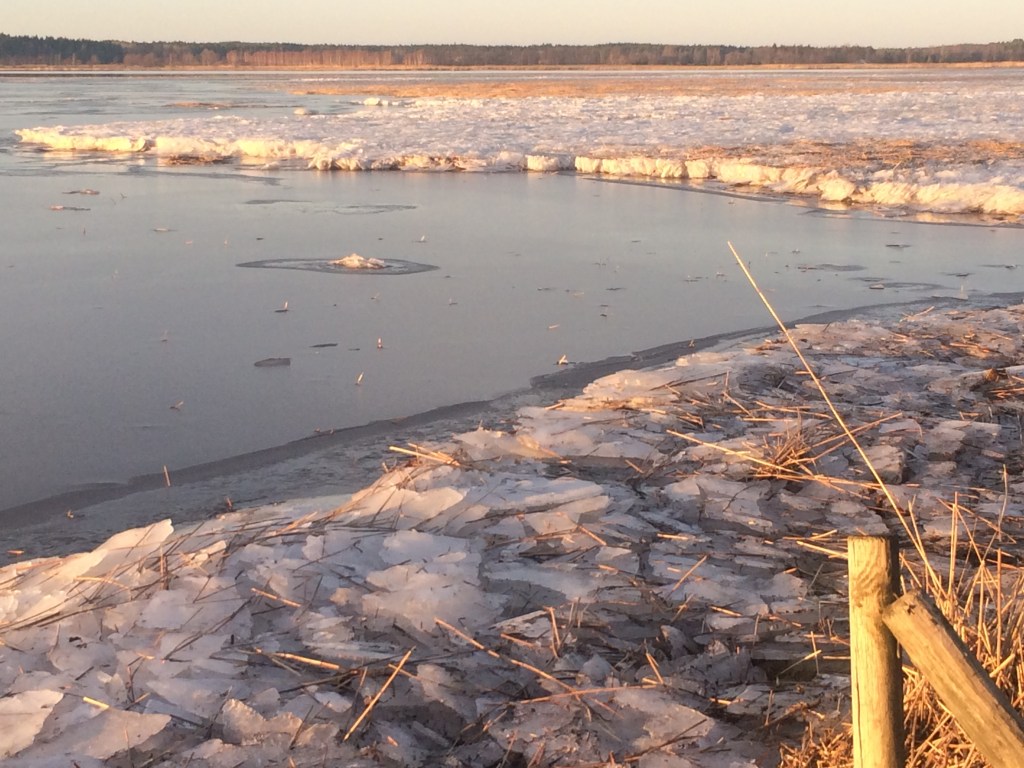
I am incredibly grateful to the Kone Foundation who fund Saari, the staff at Saari, the other residents (their personalities and creativity), and all the other sentient beings: birch and pine trees (and their mycorrhizal synergies), pack ice, migratory birds, and squirrels. Thank you!
[1] Tatjana Noemi Tömmel, ‘Vita Passiva: Love in Arendt’s Denktagebuch’, in Artifacts of Thinking: Reading Hannah Arendt’s Denktagebuch, ed. by Roger Berkowitz and Ian Storey (New York: Fordham University, 2017), pp. 116, 117.
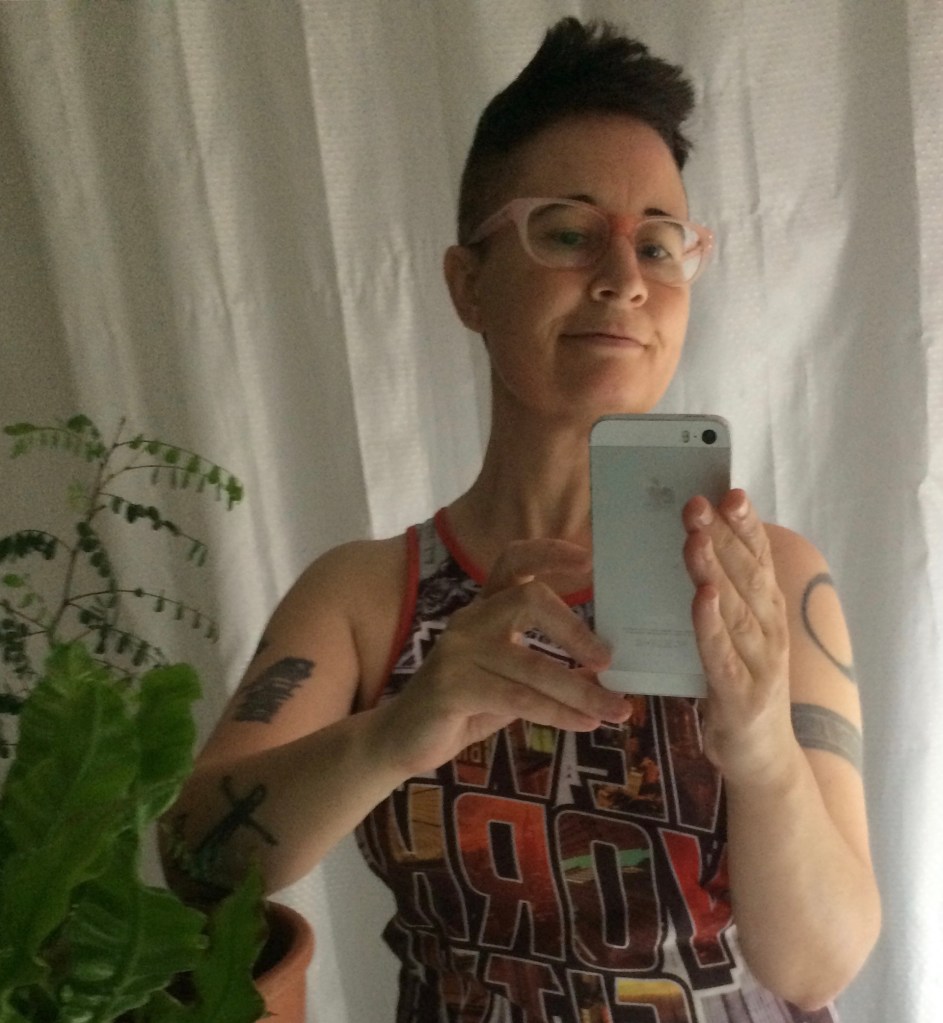
Robyn Maree Pickens is an art writer, poet, and a critical/creative PhD candidate in ecological aesthetics at the University of Otago. Her poetry is forthcoming in Southword, and has appeared in Empty Mirror, Into the Void, this gender is a million things that we are more than, Peach Mag, SAND Berlin, amberflora, Cordite, Plumwood Mountain, Matador Review, Jacket 2 (US), at ARTSPACE, Auckland, in the Brotherton Poetry Prize Anthology published by Carcanet Press and in Fractured Ecologies. Website Twitter: @RobynPickens
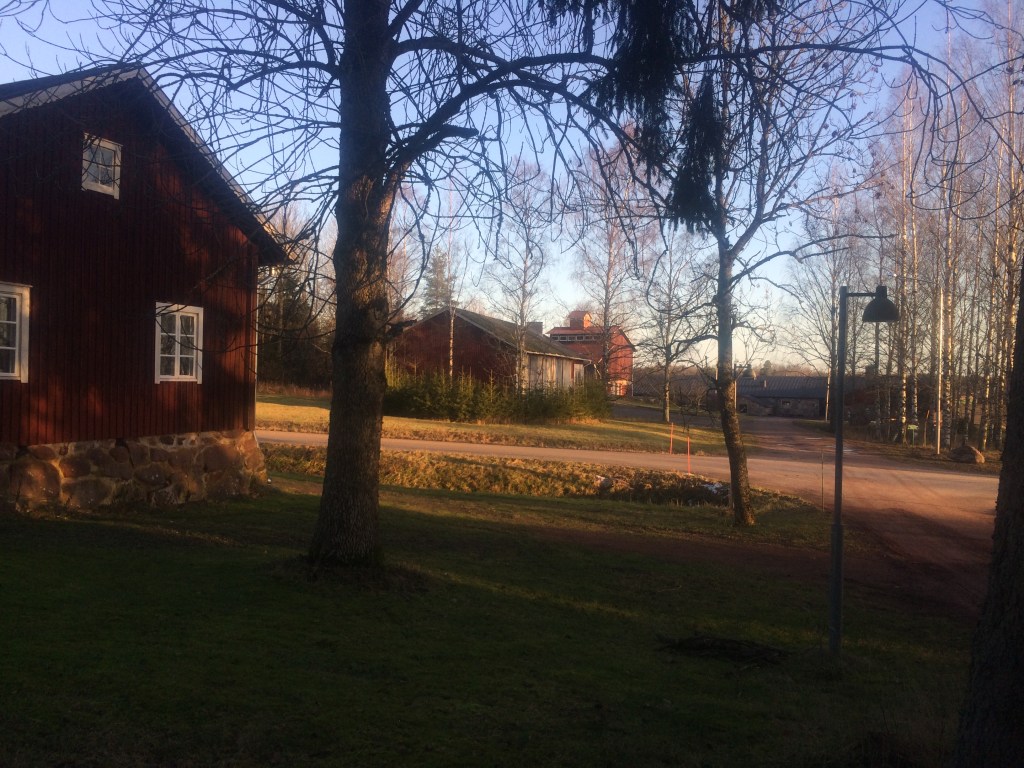
my accommodation (four individual apartments in what was originally the farmhands’ building)
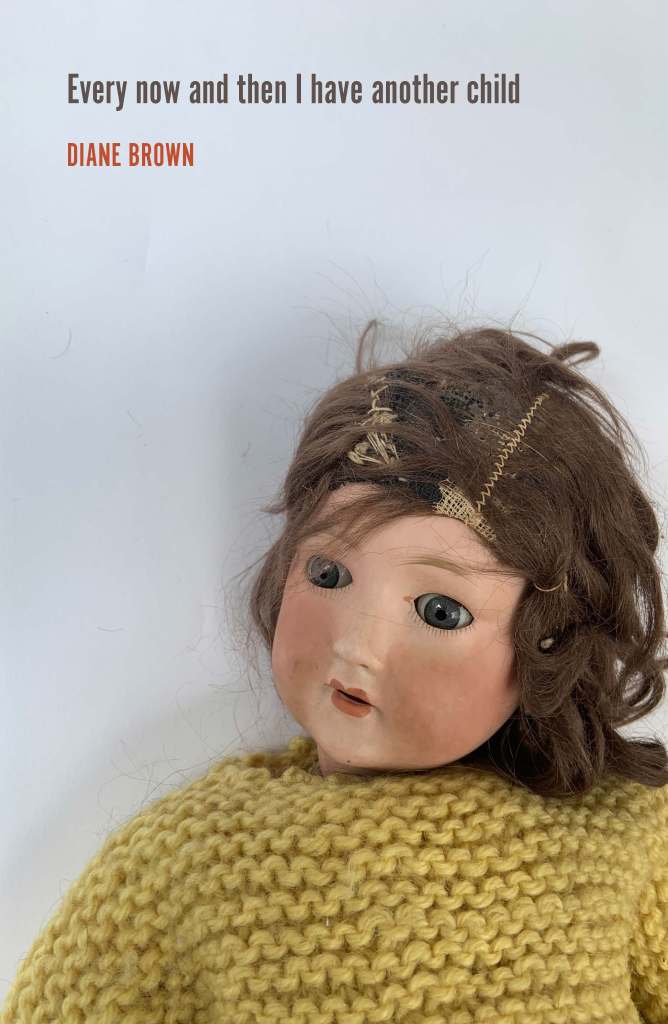
Every now and then I have another child, Diane Brown, Otago University Press, 2020
Sometimes you reach for memory,
an impossible task in this throw-away
world. What choice is there but to slip
on your new self as if you come clean
without story
from ‘This Is How It Is for All of Us’ in Every now and then I have another child
Diane’s Brown previous book, a poetic memoir entitled Taking My Mother to the Opera, was ‘a rollercoasting, detail-clinging, self-catapulting, beautiful read’ (from my review ). I loved the book so was very interested to see how I engaged with Diane’s new one: Every now and then I have another child.
The new book is narrative poetry; a narrative comprising individual poems with a cast of characters that offer multiple viewpoints. For me it is a collection of border crossings, with notions and experiences of motherhood the key narrative propulsion. Everything blurs and overlaps as the fictional touches the surreal and brushes against the real.
I am reminded of Luigi Pirandello’s play, Six Characters in Search of an Author (1921), but in this case it is an author in search of characters and characters in search of each other. Joanna is a writer, poet, creative writing teacher and mother. Anna, her doppelgänger, is homeless and gatecrashes funerals. There is a mysterious baby, both phantom and pseudo-real. There are two sons, one a geek on the spectrum scale and one a sensitive surfer. There is a stepmother, a missing mother and an alcoholic father. Add in a detective, a former lover and a baby in the mural on the wall.
Life is dislocating; the borders are porous with movement between what is real and what is not real, what is present and what is missing, what is longed for and what is abandoned. Reading your way through the poetry thickets is reading symphonic psychological effects. It is reading deep into the shadows and discovering shards of light. Being mother and being daughter is complicated and complicating. There are cryptic clues, a dead body, another dead body, a crying baby, a need to imagine, a need to name and be named. Reading the list of characters underlines the way in which the narrative is also genre crossing: think fiction, memoir, poetry, detective fiction, flash fiction.
I can’t think of another book like it in Aotearoa. The spooky porcelain doll photographed by Judith White on the cover (my standard reaction to porcelain dolls) sets me up for various hauntings. Joanna is haunted by a phantom baby and her missing mother. Anna is haunted by Joanna, and by life itself. There is the way in which writing itself is a kind of haunting. How do you start? How do you keep going? How do words matter? And i would add reading. Reading this is a kind of haunting. I am thinking of the way the past – with its shadows and its light – has the ability to haunt.
Issues of creative writing are touched upon, and make you reflect back on the making of the narrative, on the author herself. If there are multiple border crossings, are there also ways in which ‘Diane’ hides in the thickets, leaves traces of herself in various characters, encounters, epiphanies? You cannot package this sequence within a neat and tidy story where everything makes sense and the real outweighs the dream or imaginary scape. Nor would you want to. We are reading poetry that draws upon rich genre possibilities, the slipperiness of writing when you try to pin it down, the evasiveness of memory, the multifaceted prongs of experience.
And that’s what makes the collection such a rewarding read. You will bump into the calamitous real world with the homeless, conspiracy theories, alternative facts, North Korean missiles. You will move from Dunedin to Auckland to Alice Springs and London, with Dunedin being the physical heart of the narrative. Geographic movement, temporal movement, emotional movement: with all roads leading to motherhood and creative processes. It is a sumptuous and haunting book that you need to experience for yourself without a reviewer ruining the startles, the surprises, the puzzles and the moving connections. I am going to do something I have never done before and leave you with the terrific last poem so you can read it, then get the book, open it at page one and find your own way to the ending. Listening hard along the way. Poetry is most definitely a way of listening. ‘Listen.’
Written on the Body
The Baby
I’ve heard the narrator give
borrowed advice: writers
need to kill their ego.
Never easy to follow yourself,
harder still to coax children
from cocoons into the light,
tracing every inch of skin
and reading what is written
with indelible ink.
Word that may unearth
the buried and extinct,
can re-ice glaciers,
turn petrified trees back
into lush green leafiness,
repopulate the seas,
and extinguish fires
raging out of control
at the top of the world.
But to see such words,
you have to strip bare, hold
nothing back and listen. Listen.
Diane Brown
DIANE BROWN is a novelist, memoirist and poet who runs her own creative writing school, Creative Writing Dunedin. Her publications include two collections of poetry (Before the Divorce We Go to Disneyland and Learning to Lie Together), a novel (If the Tongue Fits), a verse novel (Eight Stages of Grace), a travel memoir (Liars and Lovers), a prose/poetic memoir (Here Comes Another Vital Moment) and a poetic family memoir (Taking My Mother to the Opera). In 2013 she was made a Member of New Zealand Order of Merit for services to writing and education.
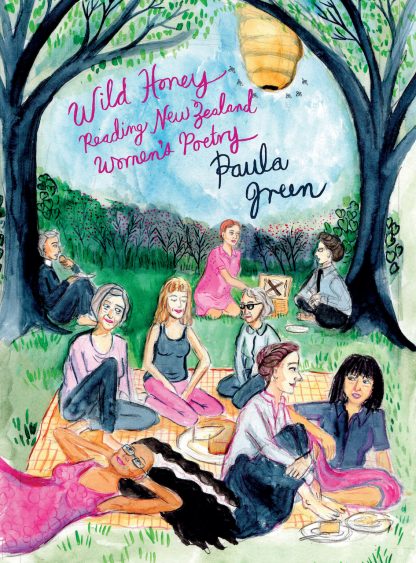
Vaughan Rapatahana has just a posted a terrific feature on Wild Honey on Jacket2. I am usually doing the reviewing and posting so felt nervous being on the other end of the critique. Especially when I am in a cycle of terrible doubt about what I do and write, the state of the planet, the covid issues, the political game playing at home and abroad, about whether people read things any more. I wake in the night and worry about this.
I felt incredibly moved and restored by Vaughan’s engagement with the book – by his acknowledgement that this was an important arrival in view of a history of women poets in the shadows, by his considered attention. I send a bouquet of thankfulness.
I am reminded that books are an important part of who we are – and that we must do everything in our power to create them, publish and circulate them, review them, celebrate them, even challenge them if needed. Read and talk about them. Gift them!
This paragraph in particular moved me so much – there are people in the world building houses of knowledge, peace, forging multiple connective links:
I am immediately reminded of the work of Hirini Melbourne and his concept of whare whakairo, or a carved meeting house, whereby everything in and about this construction fits into and lends support, stability and splendour to every other component. The parallels are manifest. Granted that I am transposing women poets into his words, however Melbourne’s description of te whare whakairo rings out as so similar to Green’s own kaupapa in Wild Honey, namely, “The whare whakairo is … a place of shelter and peace. It is a place where knowledge is stored and transmitted and where the links with one’s past are made tangible … [it] is a complex image of the essential continuity between the past and present …” (Melbourne, 1991).
I also answered a few questions for the feature, after a run of wakeful nights with world and local worry, so my self-filter wasn’t on – I was answering from that secret-self-core that is private and wakes in the dark to dream, worry, invent and somehow find the truth.
Last year I did Wild Honey events throughout Aotearoa where women came and read, and I have never experienced anything like it. Such a strong feeling as younger and older writers made connections, different kinds of voices were heard together. I felt like I was holding something enormous that I created but that it got bigger than me as so many women told me what the book meant to them. It was overwhelming and it was wonderful.
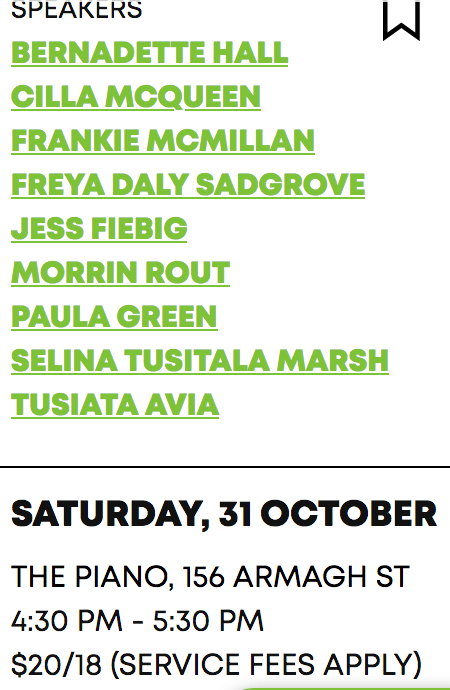
I am due to do a Wild Honey event at the Word festival in Christchurch with a stunning group of women poets and I can’t wait. Come and say hello!
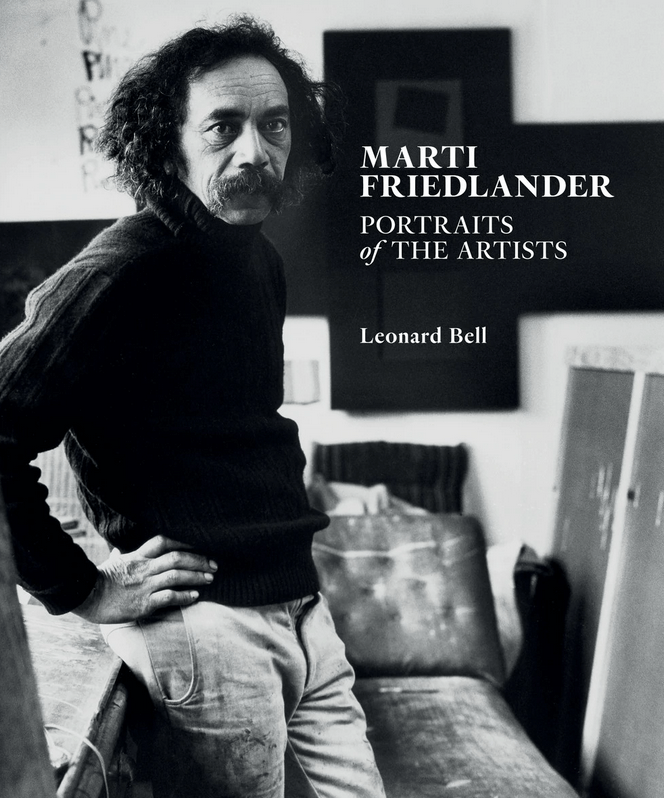
Marti Friedlander: Portraits of the Artists, Leonard Bell, Auckland University Press, 2020
This stunning new book from Auckland University Press is the perfect object to guide a day of contemplation, to move you from photograph to text, from a life to an artistic process, from light to shadow, to sideways thinking upon your own relationships, your own creativity, demons and angels.
There are 250 plus photographs by Marti Friedlander of artists – including painters, sculptors, potters, printmakers, writers, musicians. So many names I didn’t recognise – but am now curious about. The text runs like railway tracks alongside the images, transporting you into facts, anecdotes, interpretation.
Before reading the finely crafted text, I am drawn into the joy of the photograph gazing: the framing, the interplay of light and dark, frozen moments in the creative process, the work spaces, facial expressions, the eyes that hold you or lead you off-frame. Marti delivers such an intensity, such an intimate intensity of human presence. It is psychological, it is tactile, it is like you become embedded in the frame. Perhaps transcendental is the word. You get uplift as you look. For me, engaging with these astonishing photographs dislodges the toxic grip of a pandemic world, of unscrupulous political game play, insomnia. The fundamental importance of music, art, literature is placed under central lights and my desire to switch off becomes a need to switch on.
I am stuck on the portrait of potter Jeff Scholes. He is looking right back at me, his hands clasping a sticky mess of clay, caught mid-movement, textured with fingermarks, and it is as though I am looking at the blank page, the fresh musical score, the empty canvas. I can almost smell the clay, the moment before something emerges. That glorious and mysterious moment when art enters the world. It is important to be reminded of this now. To feel the utmost value of creativity – that no matter how tough and challenging things are, we are still making art that is read and viewed and listened to.
Reading Leonard’s piece on Jeff opens further windows – Leonard picks up on the idea of the tactile and effectively describes what is so alluring about the image: ‘Friedlander pictures the good looking Scholes so that he might appear both open and reticent – an instance of her ability to catch what might seem contradictory qualities in the one person.’
Marti is, as Leonard suggests, drawn to relationships. Two images of Pat and Gil Hanley are particularly gripping. I often face books and artworks and imagine the ghost narratives that circulate behind the scenes of art’s making. The domestic choices and labour, the relationship dynamics, the sacrifices, the epiphanies, along with the difference gender, ethnicity or class make. The silences, the conversations, the hierarchies. Marti took a number of photographs of the Hanleys. She commented on one of her Hanley portraits: ‘The moment you start trying to analyse your work, you’re telling viewers how they should look at the photographs which impedes receptiveness’.
The books I tend to write about on Poetry Shelf are books that fascinate me; books of any genre that hold my attention on numerous levels to the point I can’t look away and I carry them with me all day. There is so much that fascinates me about this book. I keep returning to the two Hanley portraits. In fact I can’t stop thinking about them. I show them to other people. In the portrait accompanying the piece on Gil, the couple are standing together barefoot, Pat in front, one hand tucked in jeans, one arm slung over to grasp the other, one leg forward in a swagger of a pose, Gil tucked behind, arm behind back to clasp the other, bare legged. Her pose merges into the posed arms in Pat’s painting on the wall. It is 1969 and the women are starting to emerge from the shadows, from the tucked-behind-men spots. Fascinating, looking at this image within the context of the times, knowing that that is an awful lot of weight to place upon one image. Musing on the personal narratives behind the scenes. along with how things were for women artists (whatever field).
The miniature biography of Marti that Leonard presents is as fascinating as the context of the times. So many things infiltrate the creative process. Marti was born in London’s poor East End, she and her sister were abandoned by their parents (perhaps Russian-Jewish immigrants), she was placed in a Dickensian-like institution until she was reunited with her sister in 1933 and placed in a Jewish orphanage. Marti had wanted to study dressmaking and design at Bloomsbury Technical School for Girls, but the course was full so opted for photography (1942-43). She worked as a technical assistant in a photography studio for a number of years, was engaged in the photography scene, married New Zealander Gerrard Friedlander, and came to live here with him (1957). Most of her photographs to that point were personal, and were of friends, family and visited places. In New Zealand her portraits began appearing in various journals, programmes, exhibition brochures, book covers, and over time she continued to do personal photographs along with commissions.
Bringing together Marti’s photographs of New Zealand artists is a genius idea. Each image is a lure, the text insightful. The production of this sumptuous book is also exemplary. I adore this book – maybe because I am a poet living with a painter – but mostly because the photographs are such an exquisite aide to contemplation. It is the kind of feeling I get when I walk up into the mountains or along Te Henga beach, watch the sky and incoming weather, and let ideas and feelings circulate. I love this book so much. I hope it sells by the bucket loads!
Leonard Bell has taught art history at the University of Auckland since 1973. He has held research fellowships at the Smithsonian American Art Museum, Washington D.C., and the Yale Center for British Art, and was the 2005 Daphne Mayo Visiting Professor in the School of Art History, Film and Media Studies at the University of Queensland. He is on the International Advisory Board of the Australian and New Zealand Journal of Art and on the editorial advisory committees of the New Zealand visual arts periodicals Reading Room and BackStory. He is the author of several major art and art history books, including Colonial Constructs: European Images ofMaori 1840–1914 (AUP, 1992), Marti Friedlander (AUP, 2009) and most recently, Strangers Arrive: Emigrés and the Arts in New Zealand, 1930–1980 (AUP, 2017). All three books were finalists in the New Zealand Book Awards. He has also written catalogue essays and chapters in books on the portraiture of artists Gottfried Lindauer and C. F. Goldie and the photographer Frank Hofmann. (AUP site)
Mohamed Hassan is an award-winning journalist and poet from Auckland and Cairo. He was the 2015 National Poetry Slam Champion, a TEDx fellow, and represented NZ at the Individual World Poetry Slam in 2016. In 2017 he was awarded the Gold Trophy at the New York Radio Awards for his RNZ podcast series ‘Public Enemy’. His new collection of poems ‘National Anthem’ will be released in October by Dead Bird Books, and is available for pre-order.
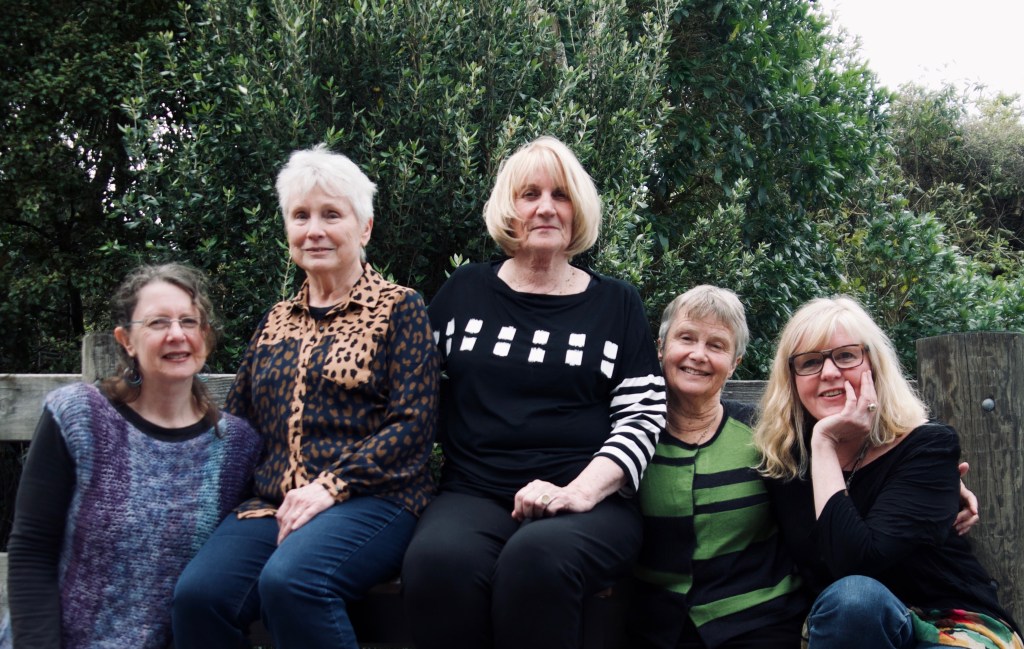
Carolyn McCurdie reads ‘When bright red was eclipsed by silver shoon’
Martha Morseth reads ‘On discovering your oncologist is a travel agent’
Jenny Powell reads ‘A spot on the map’
Maxine Alterio reads ‘The vein whisperer’
Claire Beynon reads ‘Poolburn’
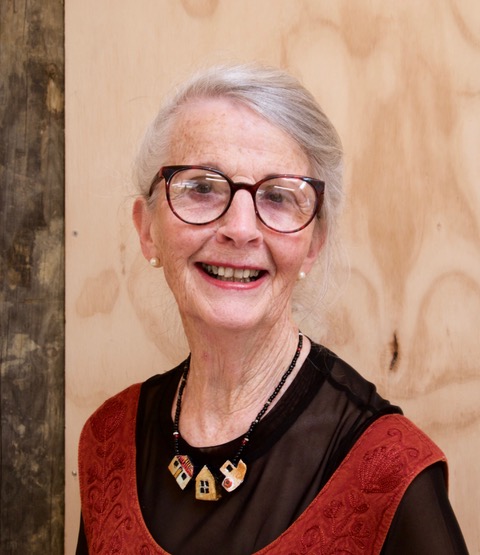
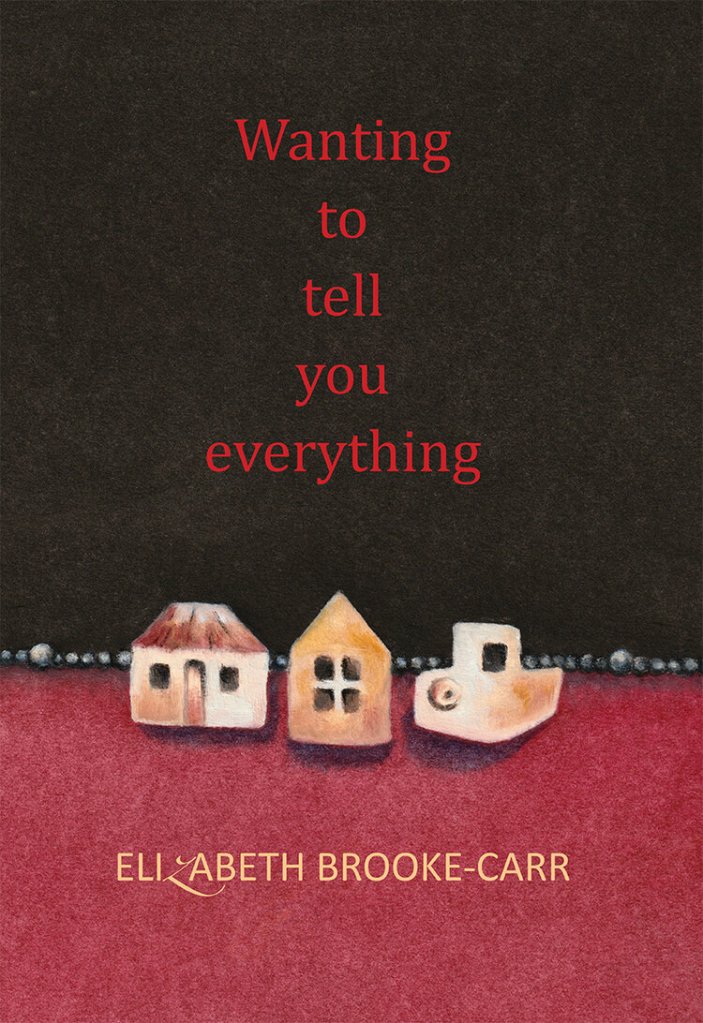
Elizabeth Brooke-Carr (1940 – 2019) was a Dunedin poet, essayist, short story writer, teacher, counseller. Her writing appeared in newspapers, online journals and anthologies. She was awarded the New Zealand Society of Authors’ 75th Anniversary Competition and the Dunedin Public Libraries competition Changing Minds: Memories Lost and Found. She received a PhD from the University of Otago. Wanting to tell you everything was published by Caselberg Press in 2020.
Poetry Shelf review of Wanting to tell you everything
Maxine Alterio is a novelist, short story writer and academic mentor. She has published four works of fiction and co-authored a textbook about learning through reflective storytelling.
Claire Beynon lives in Broad Bay. An artist and writer, she works on a range of collaborative, interdisciplinary projects balancing group activities with the contemplative rhythms of her solo studio practice. She’s in the slow process of completing a second collection of poetry.
Carolyn McCurdie is a Dunedin writer of poetry and fiction, especially speculative fiction. Her poetry collection Bones in the Octagon was published by Makaro Press in 2015.
Martha Morseth has written articles for More Magazine and the NZ Woman’s Weekly since l982, and poems for The Listener, Landfall and other literary New Zealand magazines. She has published two collections of poetry, three collections of short stories and plays for high school English classrooms. She came to New Zealand in 1972 with her husband and two daughters.
Jenny Powell has published seven individual and two collaborative collections of poems. She is part of the touring poetry duo, J & K Rolling, and is the 2020 RAK Mason Writing Fellow.
‘Or do they? Humanity seeks purpose. We seek order, truth, belonging. In times past, we looked to myths and gods in order to explain the world to ourselves and to understand why we should continue to endure. In Joseph Campbell’s words: It has always been the prime function of mythology and riteto supply the symbols that carry the human spirit forward. Myths and religion are often seen in the western world today as something that only irrational fools would believe in — we have now science, empiricism, the provable world. We cast off the narratives that hindered us. What more could be left? Yet we make new gods to fill their places even though we don’t label them as such. We look to ideologies and technologies and new narratives that are meant to hand down to us the irrevocable truth, meant to build for us strong social structures, meant to take us into the next era of greatness. There’s a tight feedback loop between the gods we believe inand the societies we create, writes Aaron Z. Lewis of his 2019 pantheon of gods, which is why we must take seriously the metaphors we believe by.
So we want to know: what are the myths of today? How are they propelling us forward or holding us back? Have they changed from old, or is it that we’ve strayed from some true essence our ancestors knew? What purpose do they serve? What of the monsters, the supposed villains? Do they hold a clue in dismantling the binaries that our present narratives bind us to? What is the relationship between myth, reality, and subjectivity, and how do we tell? How do we retell? What are the personal stories that have saved you? What should the myths of tomorrow be? ‘
Full submission details for forthcoming issue of Oscen here
Anna Jackson made her debut in AUP New Poets 1 before publishing six collections with Auckland University Press, including I, Clodia, and Other Portraits (2014). She has a DPhil from Oxford and is now an associate professor in English literature at Victoria University of Wellington. Jackson is the author of Diary Poetics: Form and Style in Writers’ Diaries 1915–1962 (Routledge, 2010) and, with Charles Ferrall, British Juvenile Fiction 1850–1950: The Age of Adolescence (Routledge, 2009).


 NZ Poetry Shelf