
let us hold Riemke to our hearts, as we stand, hand in hand
breathing in the sweet salty air at Muriwai Beach, wherever we might be
Waitakere River Valley
for Derek March
Lost, you say, the songs of the forest
where light never shone and listen
to wind remembering adventures
through trees smothered in liana.
See how the water flits over stone
and all the colours of darkness suddenly
speaking. The currents swirling
in great swathes of sound.
Clouds make a choir
and all the sky is melancholy
in a rumble of rain.
Where the sea curves and breaks inland,
spirits roam in the drift of waiata
wailing through bones of trees
dank with grief.
Riemke Ensing
from Blue Is a Cracked Vase in Memory, Cold Hub Press, 2026
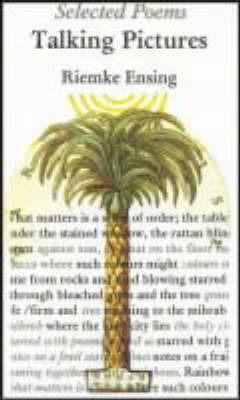
Riemke Ensing beloved mother, partner, sister, mentor, poet, anthologist, teacher, peace actiivist, friend. Riemke was born in The Netherlands, in 1939. At the age of twelve and, at this point speaking no English, she and her parents immigrated to New Zealand. She went to school in Dargaville, attended Ardmore Teachers’ Training College, taught for two years and then lectured in English Literature at the College for a year. She graduated with an MA (Hons) from the University of Auckland in 1967 and then tutored in the Department until 1999. She was appointed as an Honorary Research Fellow (Faculty of Arts) and as a Buddle Findlay Sargeson Fellow in 2002. Riemke’s poetry has appeared in numerous anthologies and she published a number of poetry collections and chapbooks including two collected works, Blue Is a Cracked Vase in Memory (Cold Hub Press, 2026) and Selected Poems: Talking Pictures (HeadworX, 2000).
Riemke’s website
Listen to Riemke read at the Poetry Archive
Riemke ‘s biographer, Deborah Shepard pays tribute
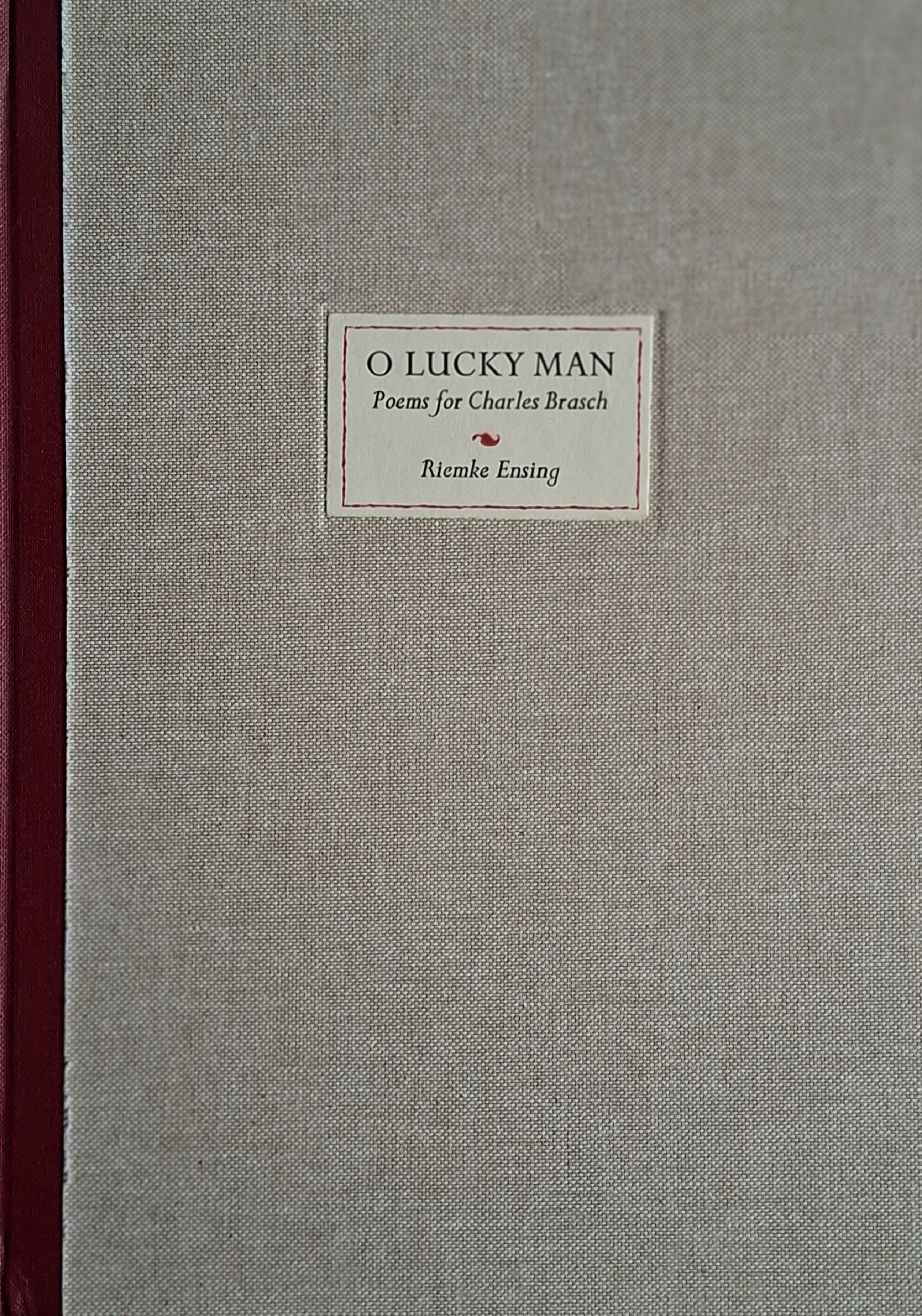
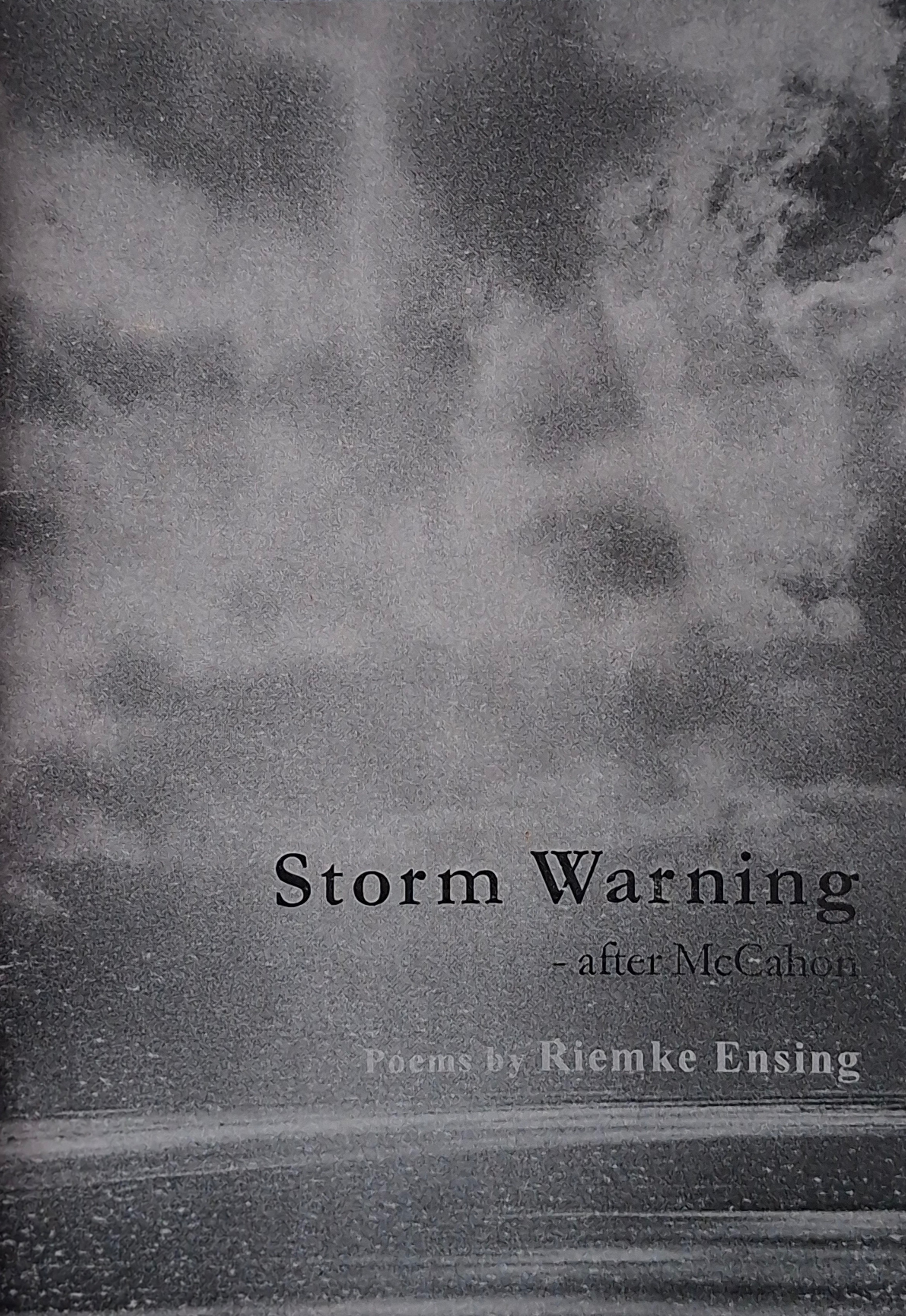
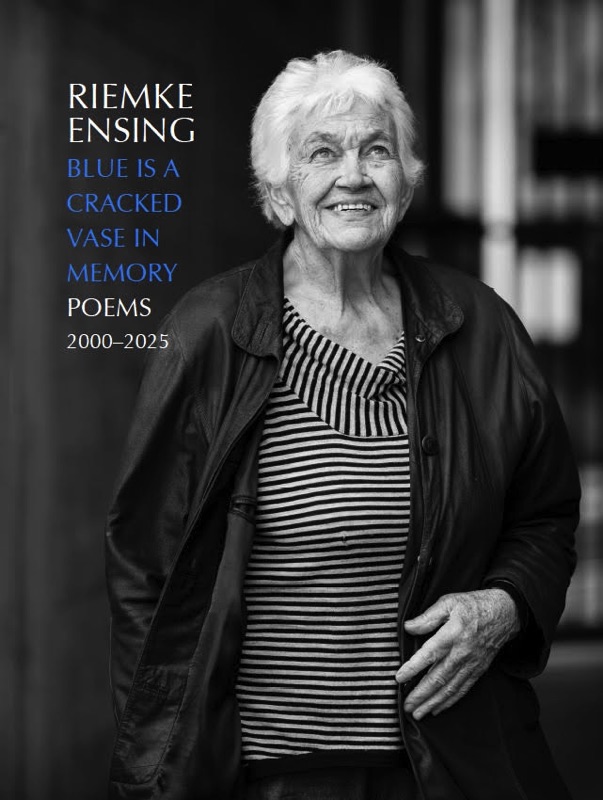
In this time of shared sadness and mourning, and with the help of friends, family, and poets, Poetry Shelf has assembled a special tribute to Riemke. I needed to retreat to Riemke’s poetry, to draw her books off my shelves and reabsorb her voice. As I read and reread, I was drawn deep into a poetic intimacy where poetry is a way of speaking to loved ones, to observing the world with tender and close attention, to speaking out fiercely and vitally against injustice, war, cruelty. And as I still read, I am absorbing the lyricism, the painterly palette, the aroha of Riemke’s precious words.
I am reminded of Riemke’s groundbreaking work, Private Gardens: An Anthology of NZ Women Poets (Caveman Press, 1977). Her aim was to make more women poets visible. When speaking of Riemke’s own poems in the anthology, I wrote that Riemke and Jan Kemp coupled prodigious reading with roving intellects and linguistic playfulness. It is a landmark book. Across decades, Riemke worked within communities of other writers, and within the deep support of her family, especially her beloved, Bill Trussell and son James.
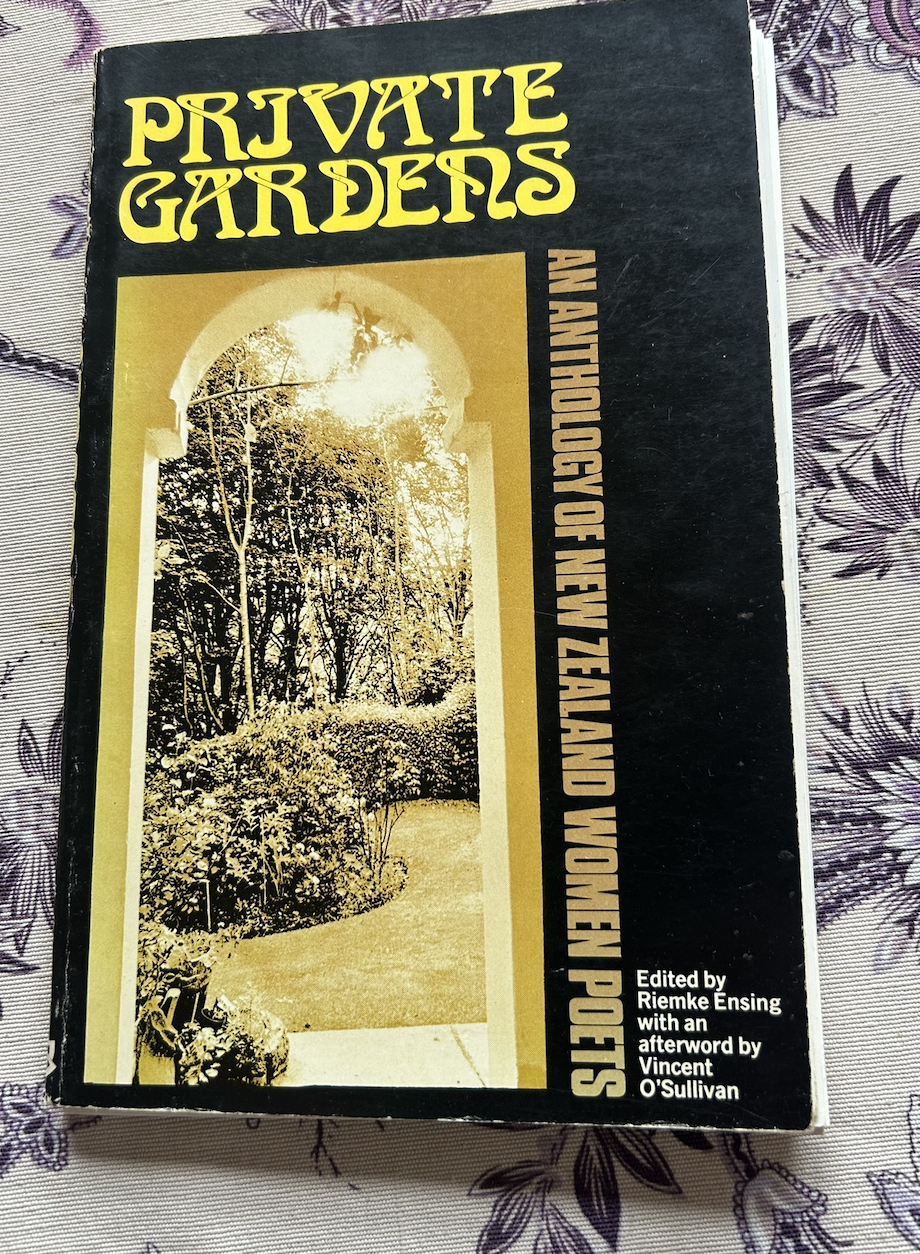
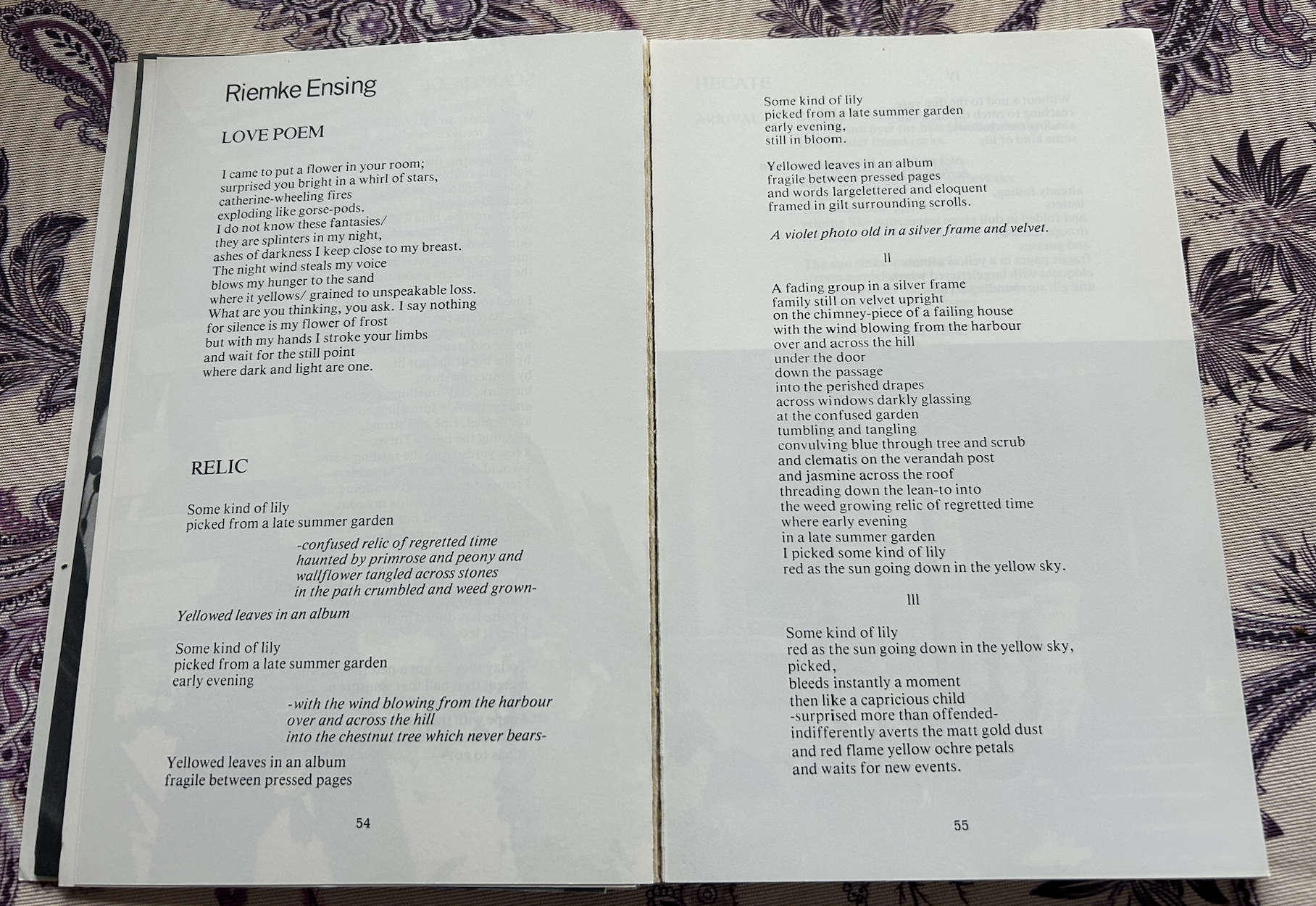
Riemke’s latest collection, Blue Is a Cracked Vase in Memory (2026), is a book to hold to our hearts. In the opening pages, Riemke draws us to coastal ground, to Muriwai Beach so we too may stand with our feet in the dark sand, breathing in west coast air, with the music of waves invigorating, the warmth and talk of close friends essential, looking up to everchanging sky and weather. And this is what this collection is, a book that draws us close to the world and peoplc that Riemke held dear. Artists and writers, from Aoteroa and from overseas, both contemporary and from the past, are present in the seams and folds of the poems. And this matters. This deep engagement with the work of others. This deep commitment to writing as a way of observing, contemplating, feeling, grieving. A collection, with blue the connecting ink, linking art and beauty and heart. And let us hold this book to our hearts, let us hold Riemke to our hearts, as we stand, hand in hand, breathing in the sweet salty air at Muriwai Beach.
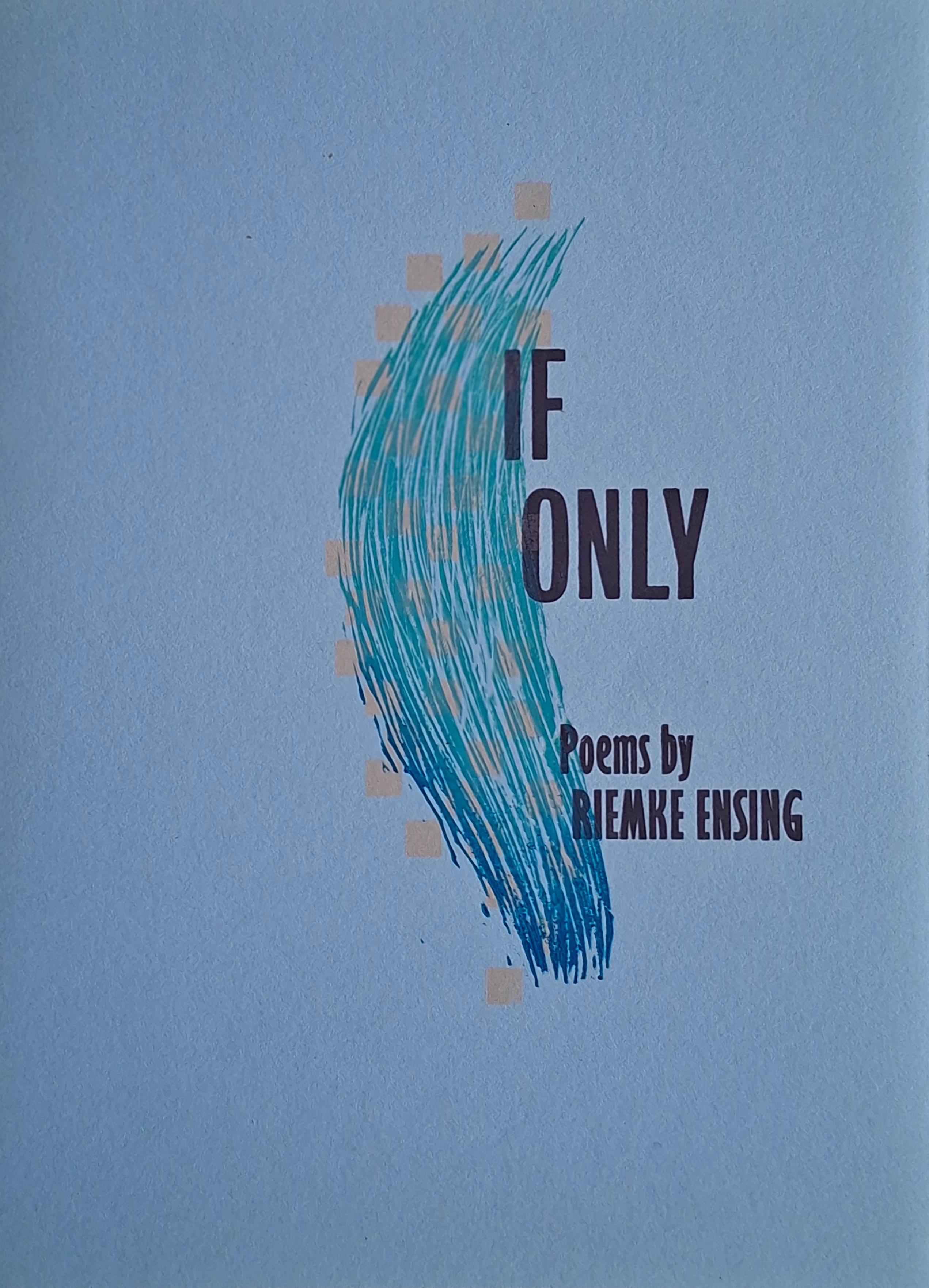
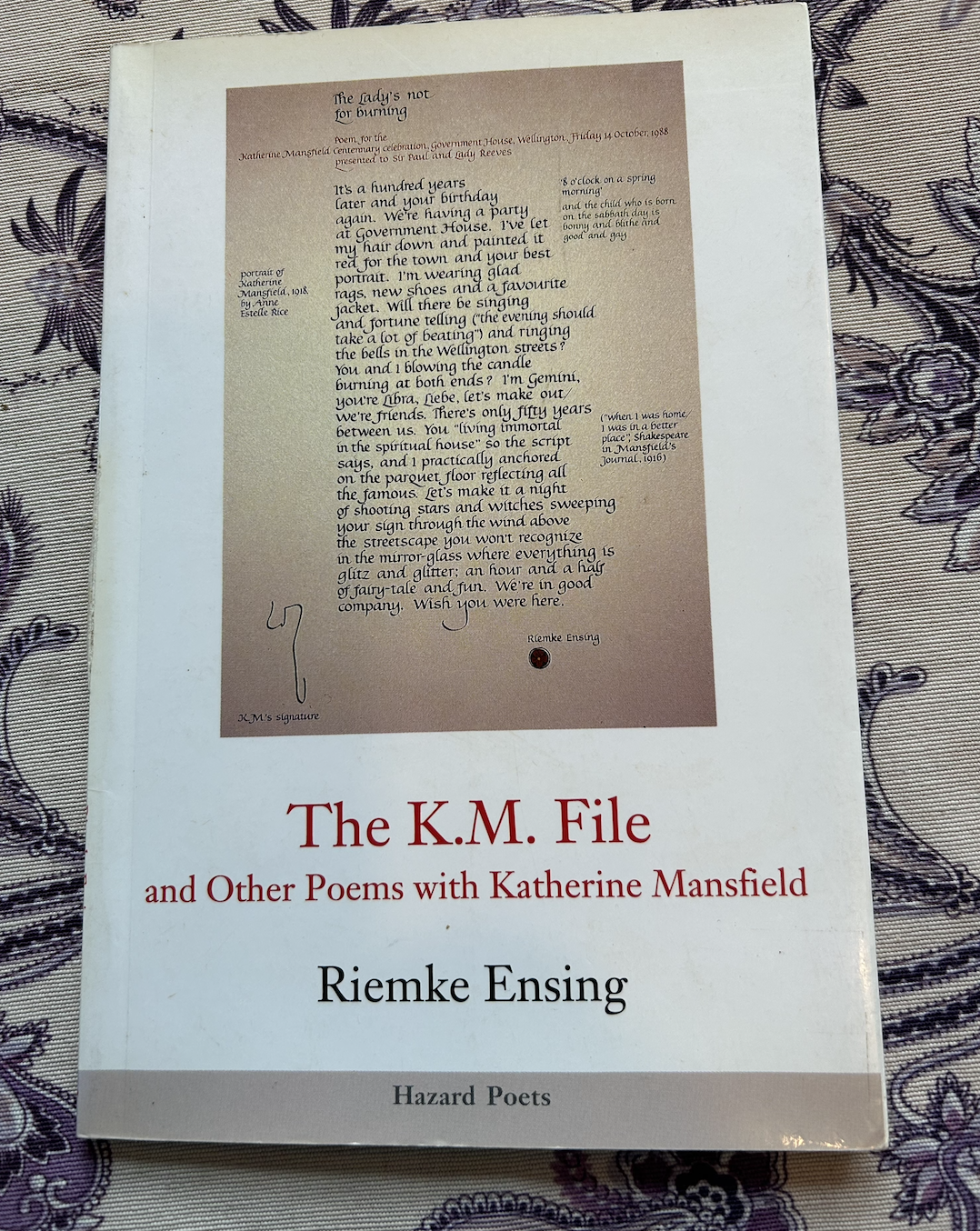
I invited twelve poets to choose a favourite poem by Riemke and write an accompanying paragraph. The gathering includes Roger Hickin, Dorothy Howie, Anita Arlov, Bob Orr, Gregory O’Brien, Jack Ross, Sue Fitchett, Renee Liang, Siobhan Harvey, Janet Charman, Michele Leggott and Frederika van Elberg, and Jan Kemp. Michele and Frederika’s collaboration includes Riemke reading a poem in Dutch. Finally, Brian Gregory wrote a poem especially for Riemke.
Poetry Shelf is deeply grateful to Riemke’s son James Ensing-Trussell for permission to post the poems, photographs and sound recordings. We are grateful to James for permission to use Ensing material from the Aotearoa New Zealand Poetry Sound Archive, MSS & Archives 2005/01 held in He Māra Mahara | Cultural Collections, University of Auckland. Special thanks to Jan Kemp for providing many of the photos, for Dorothy Howie for going the extra step to get a photo scanned, and to Brendan O’Brien and Donald Kerr for tracking book covers.
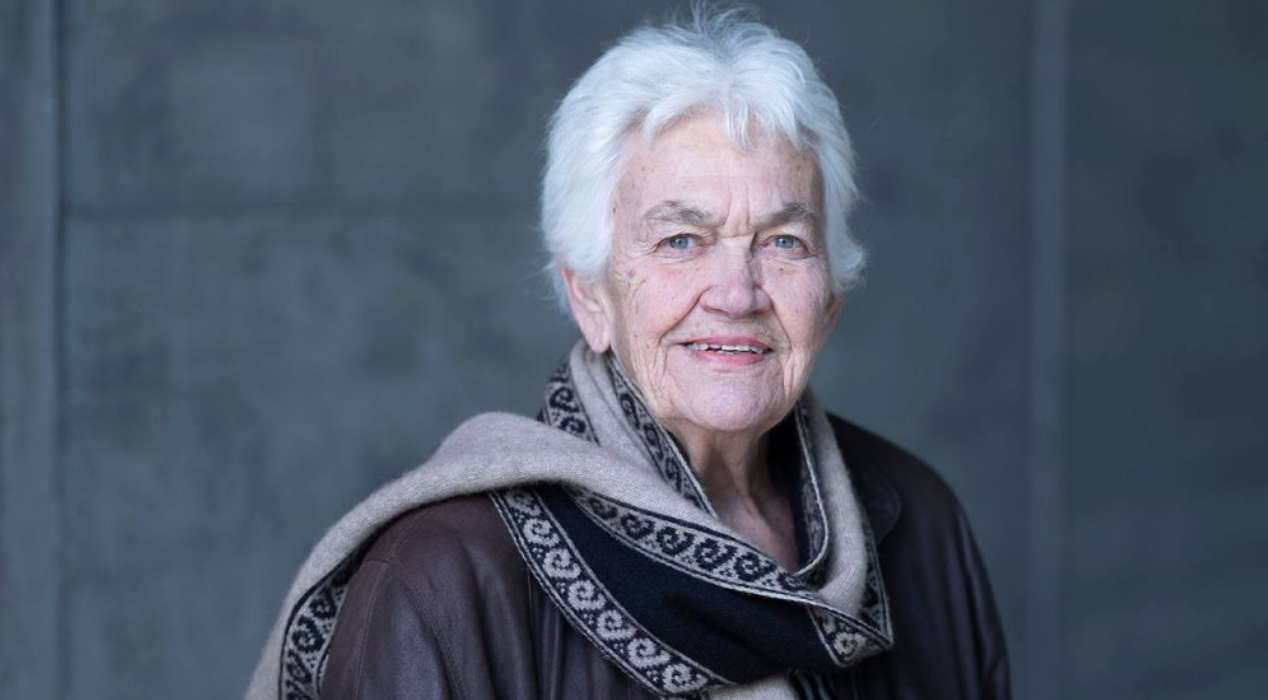
Photograph: James Ensing-Trussell
Riemke Ensing (1939-2026)
Riemke reads ‘Tarawera’
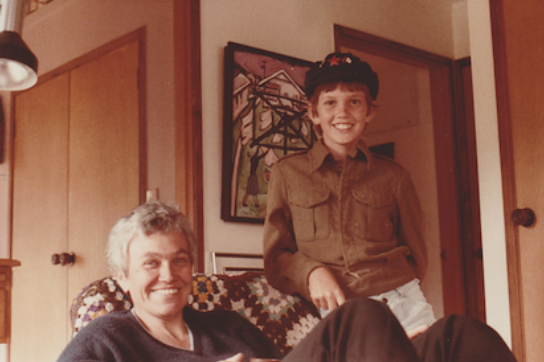
Riemke and James
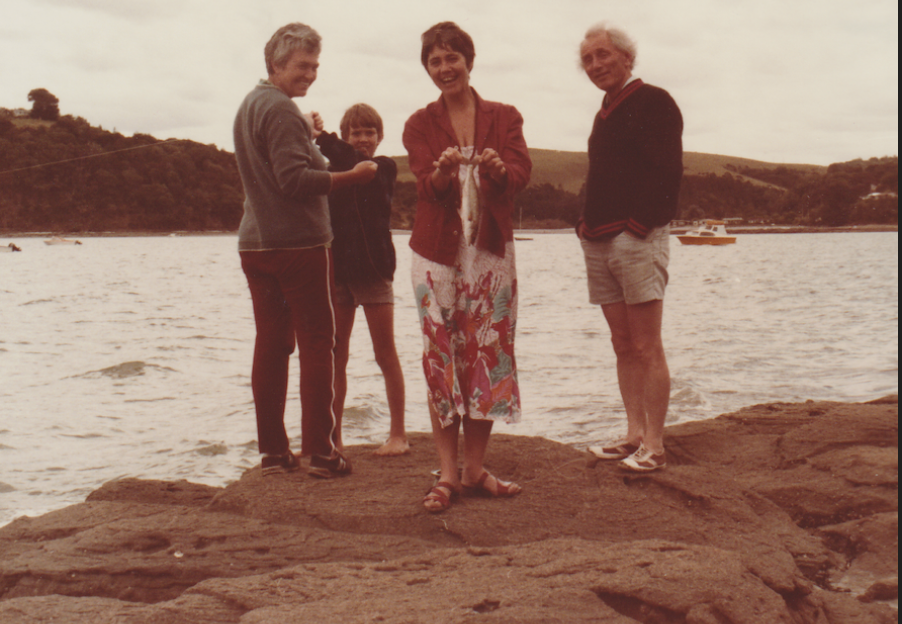
Riemke, James, Jan, Bill
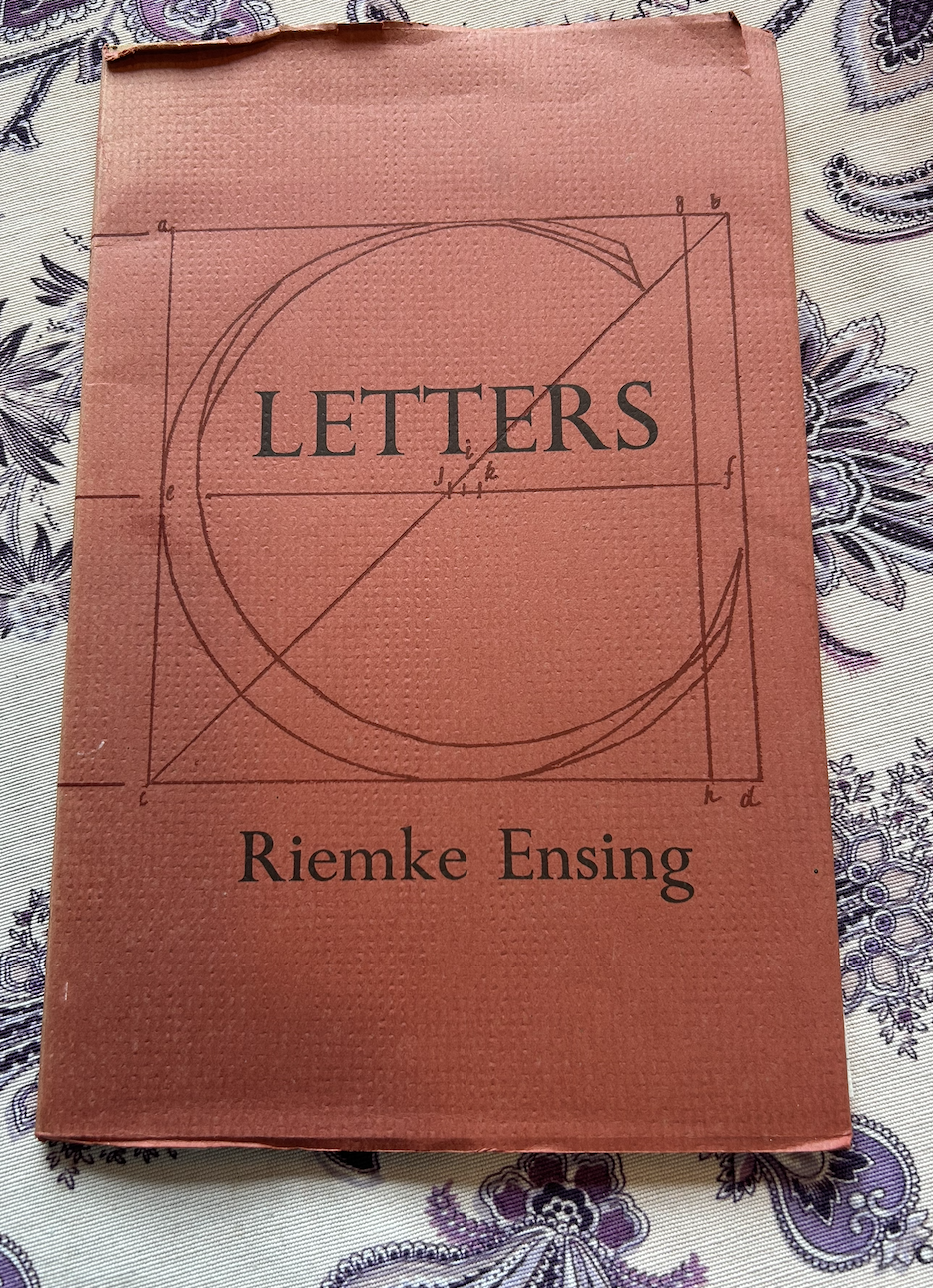
The Tributes
Roger Hickin
Blue––a painting by Anna Caselberg
thank you, Roger Hickin
Blue was never a struggle.
It came out of the hills
till your eyes hurt with its glory.
The sea also rushing up to join that miraculous cobalt
offered as celestial gift.
Your sky full of it
positively leaping with excitement as though Kandinsky just reared past
with his Blauen Reiter into that complicated freedom
‘from something that happened’. Maybe
the emptiness darkened and you needed light––that fiercely fierce exuberance
flying with such insistent joy. A boisterous allegro to the sky.
Was blue your way to heaven?
Are the Camino skies like this?
Riemke Ensing
from Blue Is a Cracked Vase in Memory, Cold Hub Press, 2026
In 2015 Riemke Ensing went south for a Caselberg Writers Residency at Broad Bay on Otago Harbour. There she discovered the paintings of Anna Caselberg [1942–2004], described once by Ralph Hotere as “a better painter than her old man [Toss Woollaston]”. The perpetual alchemies of harbour, hills, and sky, as seen from the Broad Bay cottage, had been a recurrent subject of Anna’s. Above a sea shimmering with poems, “immersed in silence”, Riemke sat “in the frame the painter used for her outlook” and began to think of writing about Anna and what she characterized as her transformation of the everyday “into rapture”. But illness got in the way, and the handful of luminous poems included in Blue is a cracked vase in memory were all she managed to achieve. After I gave her a small painting of Anna’s which she loved, she wrote and sent me the poem “Blue––a painting by Anna Caselberg”.
Roger Hickin
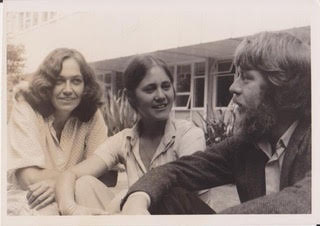
Riemke with Jan Kemp and Russell Haley, 1978
Dorothy Howie
Elizabeth I (1533-1603) Detail
For Dorothy Howie
Even the carry-bag was marvelous. Much
travelled and all the way from the National
Portrait Gallery with Elisabeth D.G. Angliae
Franciae, et Hiberniae, Regina, a portrait
inside a catalogue by a compatriot Marcus Gheeraerts
(the younger) 1592. I ironed out the wrinkles
with brown paper the way my mother taught me,
and the collar sprung back in starched folds
each a cathedral window arched and spun with stories
caught in fans around that magnificent neck. Imagine
the lace makers. How many went blind (or mad)
who did the washing, arranged those folded wings
not to take flight from all that stiff upbearing
(see how the vein throbs in the temples)
into the lightening sky.
Riemke Ensing
from Talking Pictures: Selected Poetry, HeadworX, Wellington, 2000
I have chosen this poem because it reflects some of the things I, as a close and long-term friend, love about Riemke. It also demonstrates her ability to write both forcefully and tenderly. Riemke treasured friendships, including the giving and receiving of gifts. Her early life in Groningen, and liberal parents, contributed to her hate of narrow mindedness and injustice. She cared about art, observing it meticulously. She felt things strongly and deeply.
Dorothy Howie
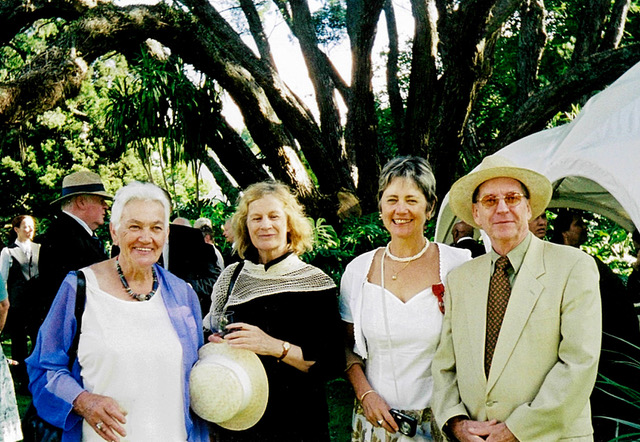
Riemke with Dorothy Howie, Jan Kemp and Jan’s husband Dieter at the Governer General’s Garden Party in Auckland
Anita Arlov
K.M. AT GARSINGTON
The flow of the pen scratching
bars on paper / small prisons
to hold herself and the shade
of vision / the bright beams
of sun taking off
as so many
freedom
doves
clapping
delighted above lavender
& rosemary (that’s for remembrance)
the pot pourri
of garden all
around
the blue scent of life
fragile
on the open page.
Riemke Ensing
from Spells from Chagall, The Griffin Press 1987
Dear Riemke,
You included ‘K. M. at Garsington’ in Spells from Chagall, your book of poems in tribute to your friend and poet Helen Shaw. Here find the garden. Poise. Flight. Birds opening wings. Rushes of light. The drama of sun and shade. Heroic colour. Detail. The drive and consequence of art. Here find the past living in the present, the way glorious paintings and poems do. Signals of freedom. Delight. Here is a new page pressed. Here also find the chains of pain. The blasted business of breathing.
Here find your thinking of others, of friends. You cared how they were faring. What they were making with head and hands. What they were thinking:making of things. Here find appreciation. Recognition. These qualities and skills of yours Riemke and a hundred more gleam in this poem. You worked with words as a body works its born cells. It’s a binding, a deceptive simplicity, but creation hangs on it.
I am beyond grateful to have known you and called you friend.
Anita Arlov
Bob Orr
Blue (II)
For Gerda Leenards
This blue has nothing to do with darkness.
This blue is the magic of imaginings
the mystery of distance
as if Rimbaud just walked by
whistling to rearrange the sky.
This blue is the colour of old Persian poems,
the sheen of silk whispering ancient stories,
the wind in great sweeps
gathering as songlines of a remembered past.
Riemke Ensing
from Blue Is a Cracked Vase in Memory, Cold Hub Press, 2026
My first recollection of Riemke Ensing is when she was tutor in the English dept at Auckland University and I was a stage 1 student in 1968. George Eliot`s Middlemarch was the novel our tutorial group was studying, a work whose sheer length alone, I am sure many of us found intimidating. What dispelled that notion was the manner of Riemke`s engagement, her sense of enthusiasm and wonder, her great sense of humour, her belief that that doorstopper of a book should be read not merely as a stepping stone to a degree but with enjoyment and pleasure. This is what Riemke imparted, pacing the room, a cigarette in one hand, and another one burning away in the ashtray at her desk. At the time I was unaware that Riemke was also a poet. Reading her poems today can see that she also brought to them, as to her life, the same seasoning of enjoyment and pleasure. I hardly knew her personally but reading her poems I have a sense of sharing a life well lived.
Bob Orr
Gregory O’Brien
Taonga
for the painter Margaret Lawlor-Bartlett
I see the mountain
now
is no longer
outside.
It has entered this room
the window into your house
your body
a meeting place
where colours sing Jubilates
and line exults to draw
the ancestors breathing
into these soaring
graphites and paints.
Riemke Ensing
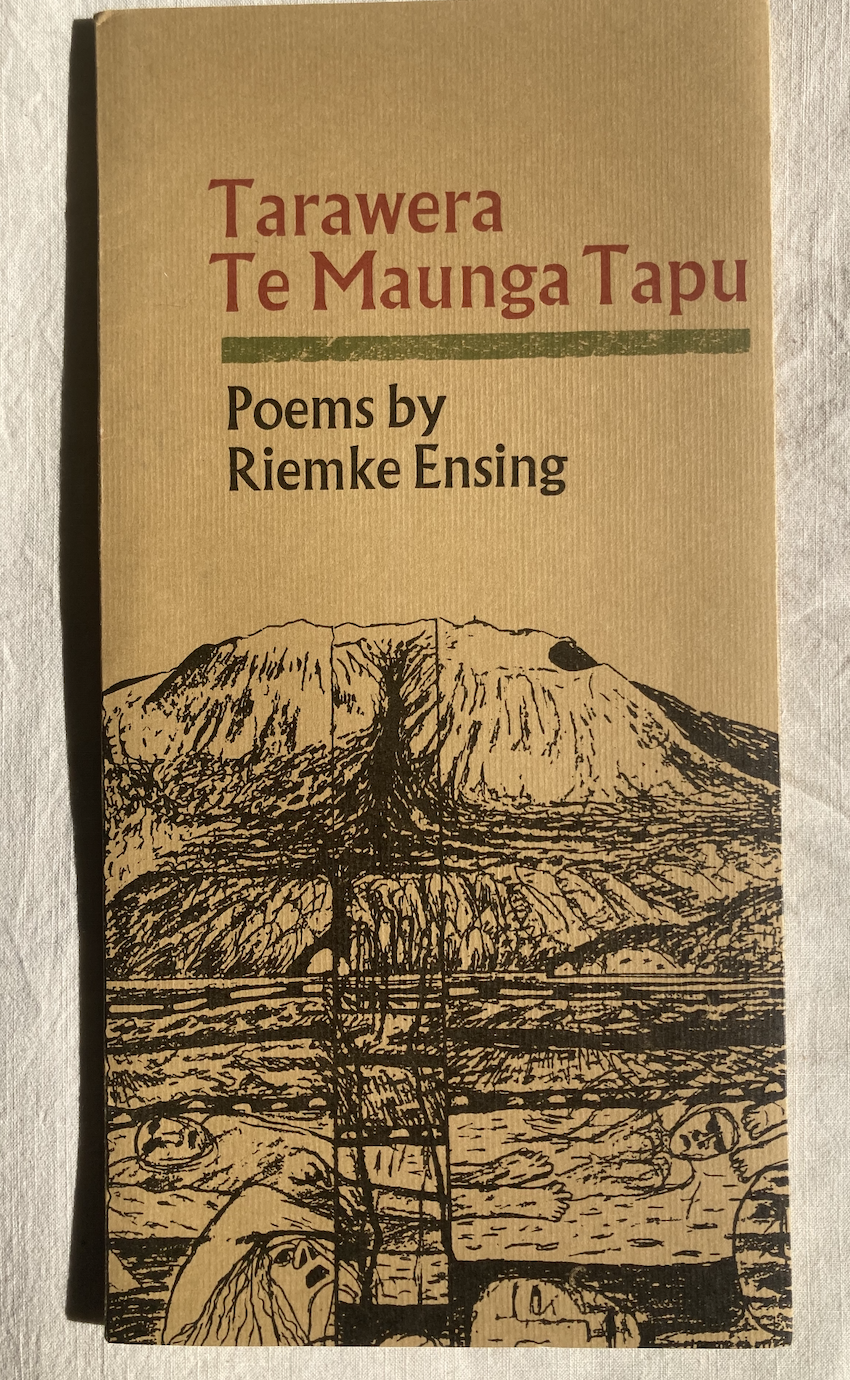
from Tarawera – Te Maunga Tapu, The Pear Tree Press, 1999
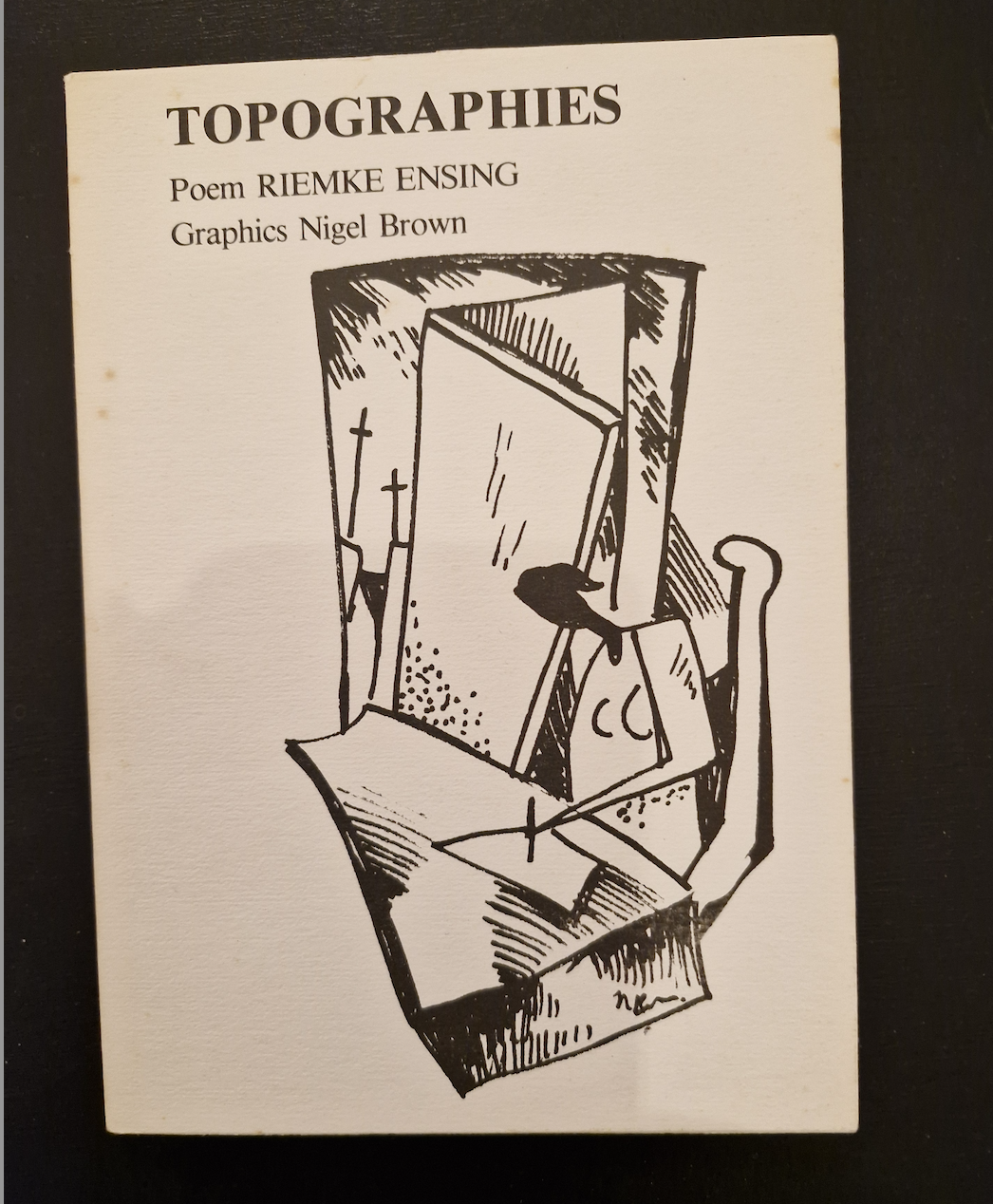
As I recall, the first poetry reading I ever gave was with Riemke in 1983. Chris Price and I (and maybe one other) from Karl Stead’s writing class had been asked to be part of a poetry reading at Auckland University to mark an anniversary of some kind. The university’s poet-lecturers were out in force. I remember both the brilliance and ponderous aspect of Allen Curnow’s reading; Kendrick Smithyman was wonderfully gnarly in both sense and sound… But, in all honesty, it is Riemke Ensing’s voice I remember most emphatically. She read from ‘Topographies’ (which was to be published the following year, with drawings by Nigel Brown). Her voice and her poetry filled the room like smoke. Yet there was nothing rigid or teacherly about her thick Dutch accent and her slow, textured reading. It lingers in my memory like the sound of a baritone saxophone making its way through a complex musical score. I remember the pauses as well as the words. I’ve always loved Topographies. Riemke seemed to have extracted many of the devices and effects of ‘open form’ poetry and inserted something within those parameters that was personal and emotive–yet also understated, musical, welcoming… It remains my favourite of her books–with Nigel’s scratchy pen-drawings providing virtuosic banjo-like accompaniment.
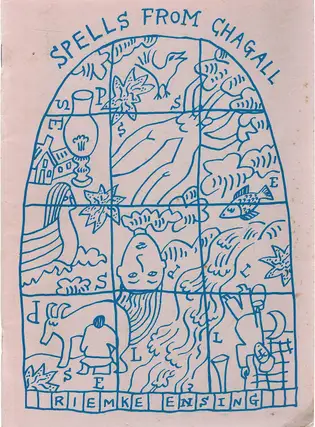
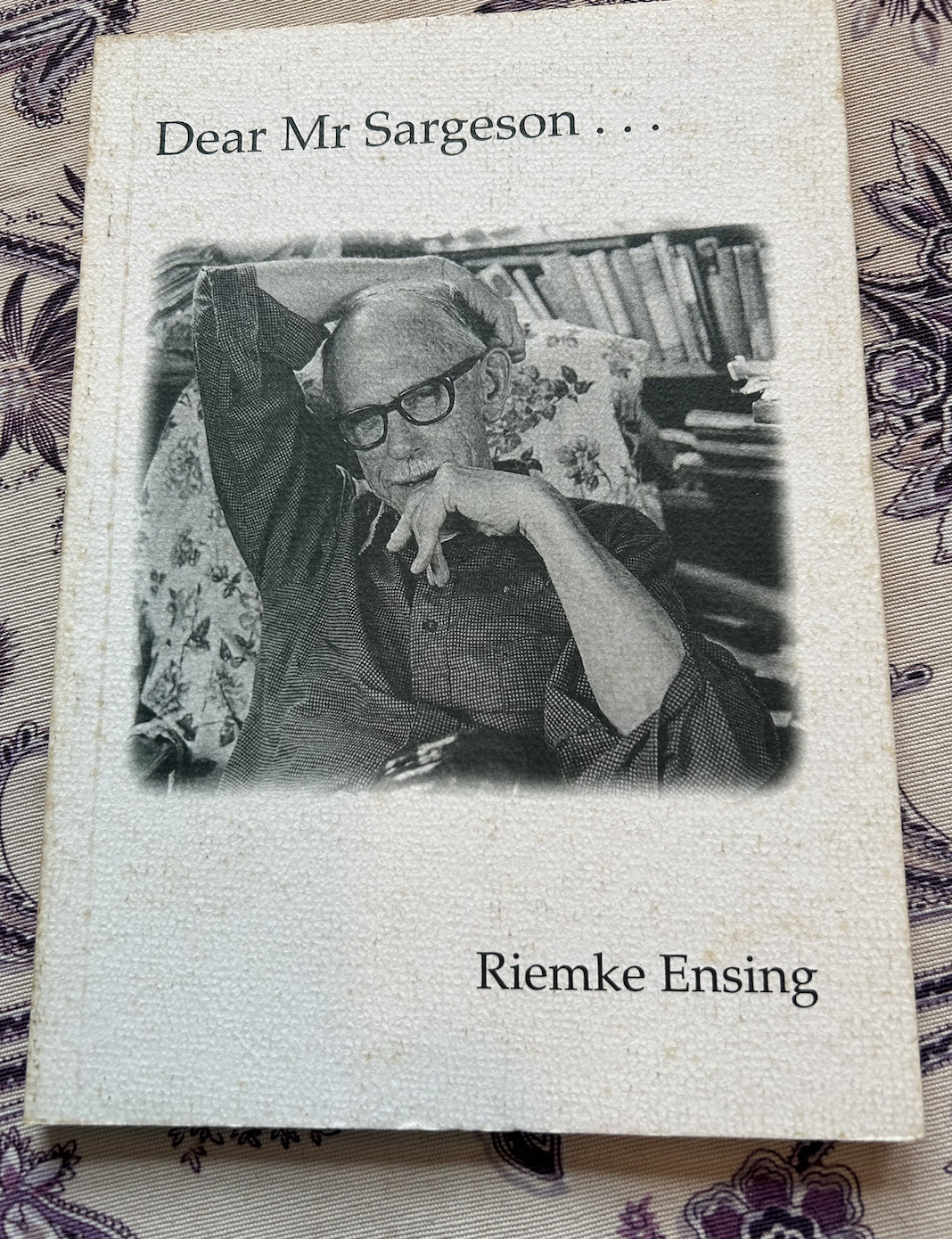
Spells from Chagall, Riemke Ensing
cover, Gregory O’Brien
The Griffin Press, 1987
A few years later, I made a drawing for the cover of Riemke’s book Spells from Chagall. Like her, I have always enjoyed sitting on the boundary fence between verbal and visual arts, making idle as well as purposeful conversation with the inhabitants of both those adjacent properties. I followed her collections of poetry down the years–and was pleased to be able to include her elegy ‘and then Don Binney died’ at the conclusion of the monograph Don Binney–Flight Path in 2023. We spoke a few times on the phone in recent years but I never, to my regret, managed a visit. Alongside Riemke’s selected poems, Talking Pictures, published by HeadworX in 2000, the selection of her more recent poems Blue is a Cracked Vase in Memory (Cold Hub Press, 2026) is her lasting testament.
Gregory O’Brien
Jack Ross
Love Affair
A given poem from Katherine Mansfield
with thanks to Helen McNeish
You wrote the table
was laid
for two
but nobody came|
so you dined opposite
a white napkin.
It’s called giving yourself
to life.
Through the window
a quiet branch
has the evening
to itself
also.
Riemke Ensing
from Classic NZ Poets in Performance (2006)
“Jack, you’ve got so fat!” True, perhaps, but not exactly tactful. But then, Riemke’s sense of humour tended to prevail over the Kiwi convention of backbiting people in private rather than to their faces. I have to respect her for that. I felt, too, that keeping things jokey was her way of combatting a certain turn towards melancholy. It’s all there in the poems. Poetry was a necessity, not a luxury, for Riemke. How else could she make sense of her life in this strange country at the bottom of the world, with these people whose monosyllabic utterances were so difficult to fathom? I remember at the launch of Classic New Zealand Poets in Performance, Riemke came upon my parents and me sitting out in the corridor, munching on sandwiches, because my Mum was sure that my Dad would get irritable if he didn’t get his dinner on time. She laughed out loud at how absurd we looked. Then she accepted the offer of a sandwich and sat down with us to polish it off. That was Riemke: vital, outrageous, but also, in the final analysis, quite practical – as well (of course) as fiercely intelligent. She scared me, but I’ll miss her anyway.
Jack Ross
Sue Fitchett
What shall we tell Li Po
Tiananmen Square, June, 1989
What shall we tell Li Po
now that dragons claw at skies
and the sun’s a goblet of blood.
Somewhere a lute turns into wood
and trees change pale as jade.
What shall we tell Li Po
now that wind breathes fire
into the summer square and iron
horses plough the streets.
What shall we tell Li Po
now that the young are swept
as autumn leaves for burning
and the smell of death
is incense in the streets.
What shall we tell Li Po
now the new moon’s caught
in ragged branch of ancient trees
and the cinnabar sky flies
a torn black flag.
Riemke Ensing
Talking Pictures: Selected Poems, HeadworX, 2000
Always a forthright supportive friend and a poet who ‘delighted in metaphor’, Riemke stood confidently in many different worlds including literary, visual arts and as I learnt from the forward she wrote for Jane’s and my collaborative work, boats and sailing. She declared ‘the sea is my element’. Her element was, also, to be a powerful poetic voice for peace and against injustice. I was moved to tears when I first heard her reading her Tiananmen Square poem ‘What shall we tell Li Po’ at a New Zealand Society of Authors Courage Day event. Moe moe ra Riemke.
Sue Fitchett
Renee Liang
T’ai Chi
for Zhang Weiping in prison
If the space where they keep you
the next years is just a little
larger than the length of your outstretched
arm, you’ll be able to visualize clouds
and move them away
with a slow graceful turn
of your hand should they frown
or darken to form rain. A few movements
will shape you trees to shade your head
and the hard board of your bed
will be earth sprung bright with flowers
and new grass. You might be tempted
to tense a melon out of the early vapours of air
and imagine, oh imagine that cool caress for breakfast.
These acts will make you
strong, subtle as ink brush-stroked on paper
all those centuries ago.
Remember the story told of the woman in prison.
She knew Beethoven well. From inside
each day she conducted a quartet. Each part separately
in her head, then putting all four instruments together
silently as she sat there in solitary confinement.
It took years, but the music lifted the sky
into that darkness, and the sun
gave back her life.
Riemke Ensing
from Blue Is a Cracked Vase in Memory: Poems 2000 – 2025, Cold Hub Press, 2026
Riemke befriended me, as she befriended many, with a warm laugh, home cooked food and that beguiling naughty twinkle in her eye. I experienced her famously sharp wit – you had to watch what you said around Riemke as she was apt to grab a careless statement and flick it back at you. But if Riemke was hard and fast with words in real life, in her poetry, she was the opposite.
In this poem, Riemke handles words as if they are fine ink – her hands light yet strong as she guides them into images and story. Like a Chinese calligrapher her rendering seems effortless but can only be achieved with years of practice. Her portrait of the Cantonese poet Zhang Weiping also invokes the movements of the T’ai Chi of the title. My father loved this movement form: he told me that the key to doing this correctly is the immense, controlled power behind each set of movements. This is an apt metaphor for how Riemke writes.
With a sure, deceptively soft hand, Riemke draws out the lines of emotional tension, building in waves, reminiscent of layering a painting or composing a piece of music. Maybe this poem moves me so much because it is about choosing freedom of the mind: a deliberate, sustained act that no physical imprisonment nor political masters can prevent.
I also chose this because Riemke always had a soft spot for the strays, the fellow migrants, the slightly out-of-place people – that’s who she gathered to her and fed. She collected them and their words and sometimes introduced them to each other. When she found out I was working on a play to celebrate my children’s dual Croatian heritage she gifted me her original, out of print edition of Amelia Batistich’s work, without hesitation, because she knew it would help.
Renee Liang
Siobhan Harvey
Hokianga Love Song
In the hollowed trunk of the puriri tree
wild bees have made honey. They hum
songs in the vault of shining leaves and drink
from flowers sensuous in the green dark.
We too have had our fill of nectar and watch
light crochet moving patterns of shade
through branches making wide verandahs. We lie
remembering how houses grew from local timbers
(kauri mostly, Agathis australis, with totara
for blocks) and the wind blew from up harbour
light as your encircling arms in this summer grass
tousled blond by sun licking its warm tongue
across our bodies salt with the sea where the taniwha
lives behind rocks wreathed in swirls of kelp. We
follow the tumbling drift of curves coming and going
and coming together again as lovers on tides undisturbed
by gulls, and in that turbulence our bodies are solemn
as hills that shape with the burden of stories older
than ancient weeping waiata and the naming of past
under the light blue winking leaves of sky.
Riemke Ensing
from Talking Pictures: Selected Poems, HeadworX, Wellington, 2000
Riemke Ensing was a fine poet and generous friend. A fellow outcast, I first met her when I moved to East Auckland, close to where Riemke lived, at the turn of the millennium. Acquaintances of Riemke, my neighbours mentioned to her that another writer was living nearby. It’s a testament to Riemke’s kindness that almost immediately she welcomed me to her home, shared food, drink and literary korero with me. She was the first person to invite me to read my work at a literary event she hosted at the University of Auckland Music School. Since we’ve been poetry allies, working on local poetry events, readings and exhibitions. In doing so, as a young mother I often had my son in tow. Riemke adored him, sending him sweet emails when he gifted her drawings and the like. For nearly 20 years, she read at each of the National Poetry Day events I organised, and her work was included in the Essential New Zealand Poems anthology I co-edited in 2014. Through Jan Kemp’s support, I was also honoured to write the bio for Riemke’s ‘Poetry Archive’ page. Her contribution to New Zealand poetry cannot be overstated. Private Gardens was a seminal anthology, which I feel grows in standing with each generation. While the poems in her collections, including her most recent, Blue Is a Cracked Vase in Memory (Cold Hub Press) evidence a writer with an acute perceptiveness, deeply mulled sensibility and rich lyricism. I will miss her greatly, acutely. I thank Paula for allowing us to celebrate Riemke’s life and legacy; may we continue to do so –
Siobhan Harvey
Janet Charman
Age
A new month
and the start of summer
but the same old bones
reluctant
into the aching
sea-blue
dawn
Riemke Ensing
Talking Pictures, Selected Poems, HeadworX, Wellington, 2000
People today forget (or would like to) how hostile the cultural climate was for women artists in Aotearoa in the post WW2 period––right through to the mid nineteen–eighties. Riemke Ensing, as a determinedly practicing poet, was working in the thick of that inhospitable atmosphere. In person she was fearless. Had to be. Only way to survive. However, I for one, will always remember how her inspiring 1977 anthology of women’s poetry ‘Private Gardens’, from Caveman Press, was met by some with disingenuous critical incomprehension. Shame on them. I am now in the very demographic, which she places under consideration in her poem Age. A piece whose accomplished clarity privileges hard-won resilience and formidable honesty over petty recriminations and fault finding. Ah me.
Janet Charman
Michele Leggott and Fredrika van Elburg
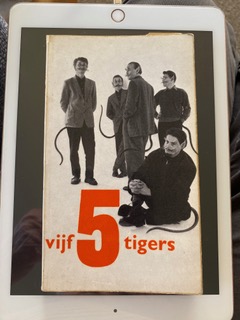
From left: Vijftigers Remco Campert, Jan G. Elburg, Bert Schierbeek, Gerrit Kouwenaar. Lucebert is sitting in front. The book was published in 1958.
Riemke reads ‘Schierbeek boven Howick’
So here she is, out of the archive and elegising her parents and the poet, stitching together her northern and southern worlds.
We present the 2004 AoNZPSA recording, its Dutch text and a translation by Fredrika van Elburg, whose doctoral thesis investigates links between Schierbeek and his post-war fellow-experimentalists the Vijftigers, and the North American Language Poets of the 1970s and 1980s.
Schierbeek boven Howick
Voor Thea en de families.
Nu zijn ze alle drie dood.
De vader, de moeder en Bert Schierbeek. Allen
op hun manier heengegaan
naar de lucht, de hemel, de sterren.
Ik zie ze elke avond. Stevig
arm in arm als schaatsers over ‘t Dampsterdiep naar ‘t Oosten.
Klaar, helder, fonkelend wit als ijs in een schilder’s landschap.
Soms zweven ze even alleen
maar toch samen, gemoedelijk naast mekaar in de avond
als punten van de Driehoek, de sterren in de Phoenix
die vrede, schoonheid en kalmte brengen.
De rijkdommen van Zen
de streling van vlammen
die weer vorm geven. De lucht ruist
met namen, flakkert met herinneringen.
Ik herken ze als ouwe vrienden. All drie
lange verhalen man, en moar proat’n.
Zij schateren in het pronkjuweel van woorden.
Nemen het serieus. Kijk hoe aandachtig
ze elkaar verstaan. In de hoge
tempels van licht
zingen de dichters. Drie van ‘t Noorden
in de Zuider nacht.
Als je luistert,
heur je grunings.
Riemke Ensing
from Talking Pictures: Selected Poems, HeadworX, 2000
Schierbeek over Howick
For Thea and the families.
Now all three of them are dead.
The father, the mother and Bert Schierbeek. All
in their way gone
to the sky, the heavens, the stars.
I see them every evening. Firmly
arm in arm like skaters over the Damsterdeep towards the east.
Clear, bright, sparkling white as ice in a painter’s landscape.
Sometimes they float briefly apart
but together still, good natured side by side in the evening
like corners of the Triangle, the stars in the Phoenix
that bring peace, beauty and calm.
The riches of Zen
the caressing of flames
that bring back form. The air rustles
with names, flickers with memories.
I recognise them as old friends. All three
long stories man, and lots of talk.
They laugh out loud in the jewellery of words.
Take it seriously. See how with close attention
they understand each other. In the high
temples of light
the poets sing. Three from the north
In the southern night.
When you listen,
You hear Gronings.
Riemke Ensing
Translation by Fredrika van Elburg, September 2026.
Translator’s note: The dedication ‘For Thea and the families’ refers to Schierbeek’s widow Thea and the poet’s grandchildren.
Acknowledgements
We are grateful to James Ensing Trussell for permission to use Ensing material from the Aotearoa New Zealand Poetry Sound Archive, MSS & Archives 2005/01, item 12/29, held in He Māra Mahara | Cultural Collections, University of Auckland. Thanks also to archivist Katherine Pawley for retrieving relevant files and texts.
Jack Ross, co-editor with Jan Kemp of Classic New Zealand Poets in Performance (Auckland University Press, 2006) supplied a copy of Riemke’s initial reading script for the 2004 aoNZPSA recordings. This is the source of Riemke’s note about the Schierbeek poem.
Deborah Shepard generously shared information about the history of the poem from research for her forthcoming biography of Riemke.
Fredrika van Elburg’s PhD thesis, ‘The Vijftigers and the Language Poets: A Study of the Poetics of Two Experimental Groupings’ was completed at the University of Auckland in 2007.
Riemke Ensing recorded 20 poems for the Aotearoa NZ Poetry Sound Archive in 2004. Her final poem, written and performed in Dutch, was accompanied by a note in English that was not included in the recording but is preserved in the script she was reading from:
“When the Dutch poet Bert Schierbeek died, I was devastated. He was from the same province where I was born and I had read most of his work in New Zealand. When we finally met in Amsterdam, we were immediately at home with each other, speaking, as it were, the same language. In the poem I imagine my parents ( also from Groningen and therefore ‘gruningers’ ) skating together arm in arm in the sky, in animated conversation with the poet with whom they make a reassuring and richly reminiscing threesome. As music of the spheres, the ‘northern’ dialect enticing as a ‘jewel’.”
Riemke was reading a version of the poem that appeared in Talking Pictures, her first selected poems, published by HeadworX in 2000. In a final interview in August 2026 with her biographer Deborah Shepard, Riemke read the poem in Dutch, talked about its origins and translated it for Deborah.
So here she is, out of the archive and elegising her parents and the poet, stitching together her northern and southern worlds.
We present the 2004 AoNZPSA recording, its Dutch text and a translation by Fredrika van Elburg, whose doctoral thesis investigates links between Schierbeek and his post-war fellow-experimentalists the Vijftigers, and the North American Language Poets of the 1970s and 1980s.
Michele Leggott and Fredrika van Elburg
Jan Kemp
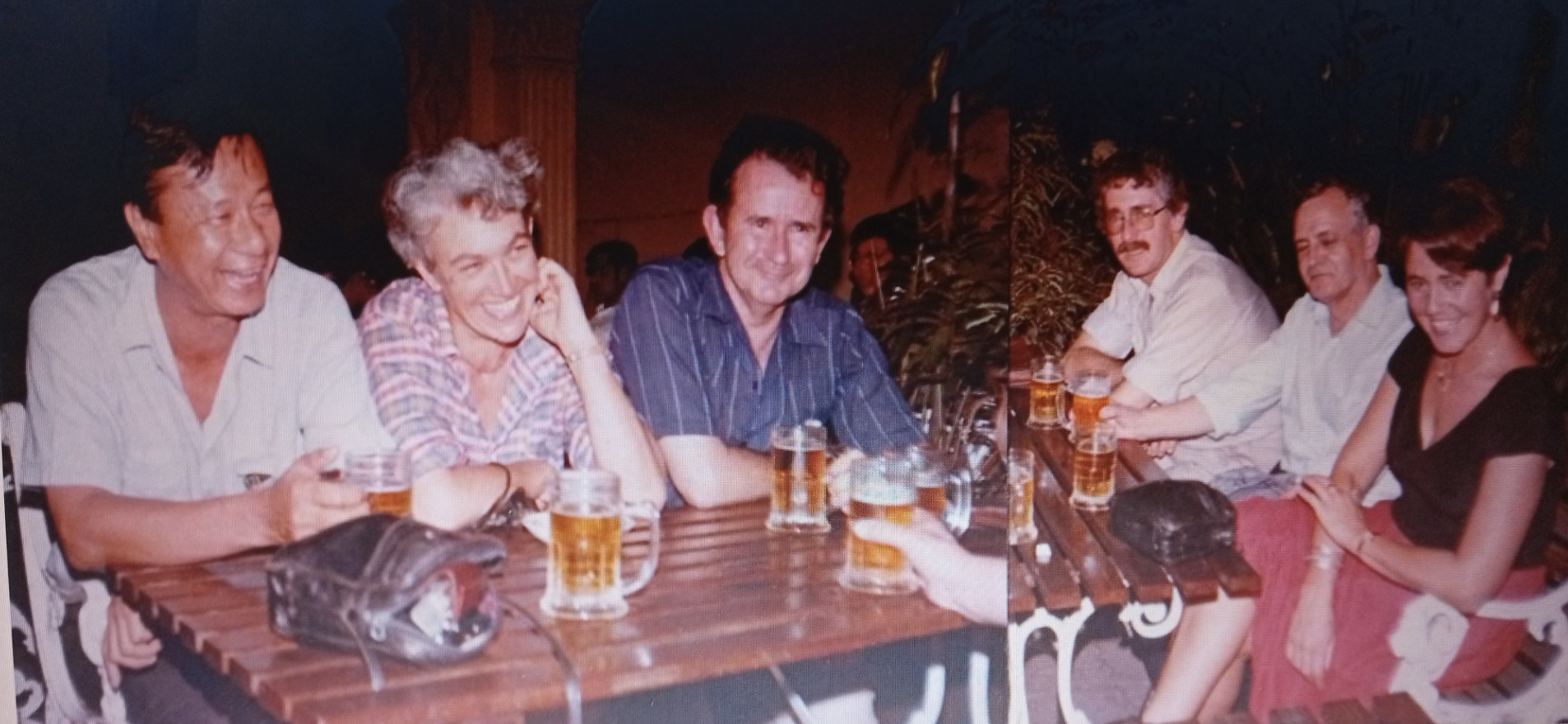
Jan Kemp dines out during Singapore Writers Week (1986) with Riemke, Vincent O’Sullivan, Goh Poh Seng and a couple of Australian poets at Peranakan Place.
Crossings
Above the North a taniwha flicks
its tongue towards Wairoa. Its tail loops
all the way back to the coast.
Its eye maps the always insistent horizon
brooding in timeless distance across
the consciousness of land. Flexed in flame
wings are sharps set sails
filled with the exultation of isolation.
Always beneath, that stretch of water and earth
marking the end and the beginning of all
stories, the narratives of exile explored as wingbeat
above tumultuous waves. Here history is close.
You hear it in the rhythms of wind roaming
where dark meets light and sea joins earth
in celebration of journeys, the pathos of space|
where the heart lies.
Riemke Ensing
from Talking Pictures: Selected Poems, HeadworX, 2000
/
Überfahrten
Über den Norden schnellt ein Taniwha
seine Zunge hevor aus Wairoa. Sein Schwanz
schlängelt sich den Weg zur Küste zurück.
Sein Auge vermisst den stetig fordernden Horizont
der in zeitloser Ferne über
dem Eigenwissen des Landes brütet.
Gebogen zu Flammenschwingen
sind scharf gesetzte Segel
erfüllt vom Jubel der Trennung.
Stets darunter jene Land- und Wasserweite
die Ende und Anfang aller Geschichten markiert,
Erzählungen vom Exil erkundet als Flügelschlag
über den stürmischen Wellen. Hier ist Geschichte nahbei.
Man hört sie in den Rhythmen des wandernden Windes
wo Dunkel auf Licht trifft und Meer und Land sich verbinden
die Reisen zu feiern, das Pathos der Weite
wo das Herz liegt.
Riemke Ensing
Aus Wildes Licht Gedichte aus Aotearoa / Neuseeland, Dieter Riemenschneider (Herausgeber/ Übersetzer), Tranzlit, Kronberg im Taunus 2010 –
from Wild Light Poems from Ao/NZ, (edited & translated by D.R.)
The handsome Dutch (i.m. Riemke Ensing 24.05 1939-10.8.2026)
The handsome Dutch I secretly named her, couldn’t say it to her face, she might hit out without humour – direct, outspoken – don’t try to flatter me!! I wasn’t, Riemke, dear. It was just for fun. And you are!
You were a friend for 58 years; at first afraid of you at AU in 1967 I was glad to study Breughel’s Fall of Icarus and Auden’s Musée des Beaux Arts poem with Miss Marsich, but then in Beckett’s Come & Go you so splendidly directed, we three silent young women on a stage bench in walk-off speechless parts. At No 12 Grafton Rd where you lived with Bill, the peals of laughter above when I visited Tony Curry below to solemnly learn to recite: Heere biginneth the Nonnes Preestes Tale of the cok & hen, Chanticleer and Pertelote; my writing a poem Tugboats for your son James, aged 6, as if we were look-out boys in friendly galleons meeting on the sea to pull over, chat and laugh; the Amnesty International black & red posters – the readings we all gave, you leading us into political knowledge; in your best English you having directed the flying-boat planeload of European immigrants to slide down the ramp into the lifeboats when it unexpectedly landed on the Tasman Sea en route to Ao/NZ …or so the story went; your very Europeanness – how the dining table was laid first with a carpet then a cloth, the sumptuous meals on it – you were a great and inventive cook. With Oma & Bill carrying full tureens and plates, your all coming down my parents’ garden path in Howick from yours, full of joy to share a luncheon feast one Sunday. Dieter & me visiting Astrid & you at Cheltenham Beach for another, on your friends’ terrace, looking out towards the sea.
In 1977 & with Caveman Press, Dunedin, my own first publisher the year before, your collecting & editing an anthology Private Gardens, a first for all we women poets, so we could speak out, with our own book; our own Kemsing tour of the North Island, visiting the Smithers, reading with Elizabeth, each buying a small Michael S painting; your coming to Singapore to take part in Writer’s Week 1986, dining out with Goh Poh Seng, the Australians, Vincent O and me at Peranakan Place. You & me dining and dancing in our long black & silver glittering frocks in the Vienna debutantes’ ballroom at the 1991 PEN International Conference. On & on it went. Your brilliant career. And your delight at being a grandmother upon Hendrik’s arrival – he’s now seven. The enormous collections of your airmail letters safely in my Chinese trunk, all scanned and sent to Deborah Shepherd last year. And now your new book Blue is a cracked vase in memory: Poems 2000-2025, I haven’t even yet seen.
I’m so sorry you’ve gone. We hadn’t written for three months. You flew past, here, the day after, I know. And waved. I hadn’t realised you were quite so ill. I knew you were frail. Wouldn’t even see me in 2024 when I was there – we just telephoned often. Were you shy to look old? Dearest Riemke, I’ve always accepted you as you are, handsome or frail, stormy or kind, off on a rampage or rescuing a fallen sparrow or a flower. Whatever happened, you were always my dear friend.
Now James has phoned: he’s posting the dedicated and signed copy of Blue…you had there for me.
Like a gannet from Muriwai over the cliff, over the sea, wheeling & turning with my beloved Dieter and your Bill & all the other gannets we know, Terrisa from Texas & Taos sculpting clouds, Vincent O, all flying on my desktop screen every time I open it, now each other’s companions…farewell, farewell, dear loved friends, fare well.
Jan Kemp, 12 August 2026, Kronberg im Taunus, Germany
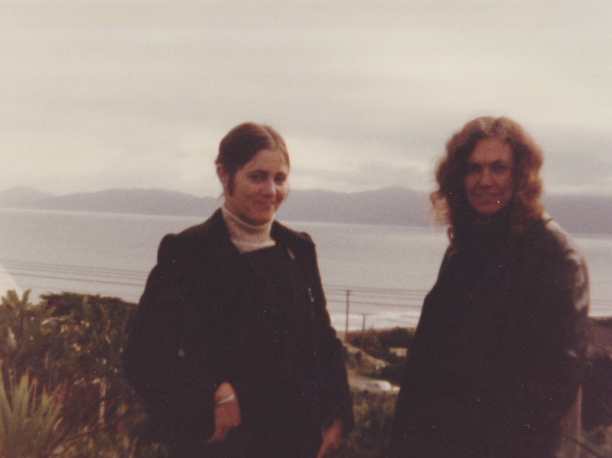
Brian Gregory
A Poem for Riemke Ensing
The darkness must have been
so dark
and the blue
dark too
for you to decide
to say goodbye.
“is this what it comes to
in the end ? “
did you reflect –
“a rendez-vous
with oblivion
on legs unable
to handle steps?”
A wish now
you have made
your decision
that stars light up
the way of your going
and the moon be a guide
for your feet.
May your eyes feast
on colours always glowing
In paintings
where contraries meet.
Brian Gregory
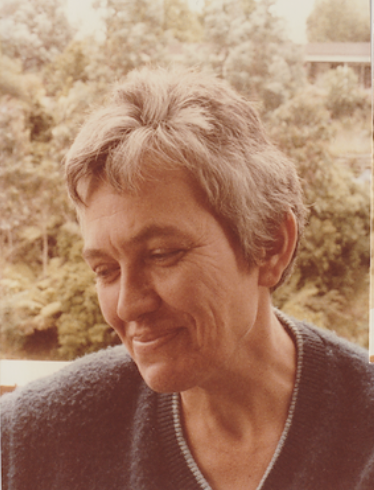
Blue Window
To hold the sky
in your hand for just one moment
as though your heart would break.
All that devotional blue
swirling the ‘Oh!’ out of breath
promising such a morning
roofs of mosques
stretching their azure curves
voluptuously,
a mountain
startled into purity––
in these heavenly vapours
of air.
Riemke Ensing
from Blue Is a Cracked Vase in Memory, Cold Hub Press, 2026
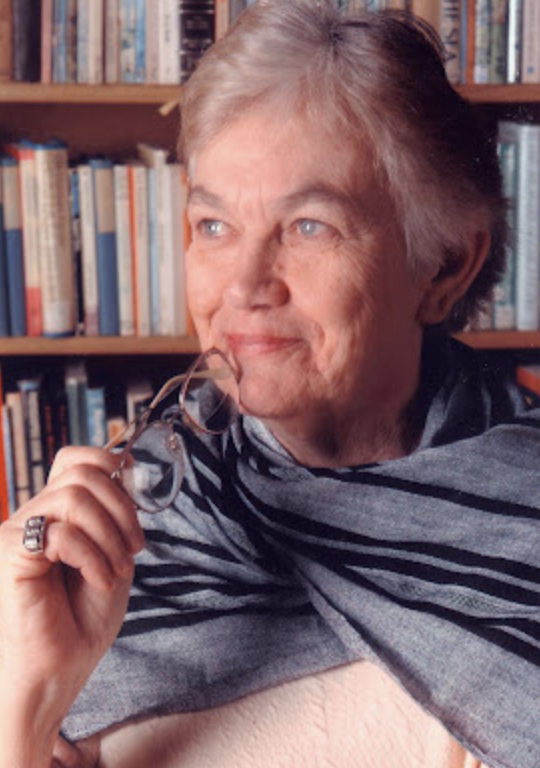


What an extraordinary collection of tributes! Their eloquence is itself a tribute to Riemke’s own reach in her own tellings. I knew her somewhat as a cranky and loving colleague for just a short while back in the days of a University English Department long gone and for at least some things cherished.
LikeLike