Monthly Archives: September 2023

Poetry Shelf review: A Garden is a Long Time by Annemarie Hope-Cross and Jenny Bornholdt

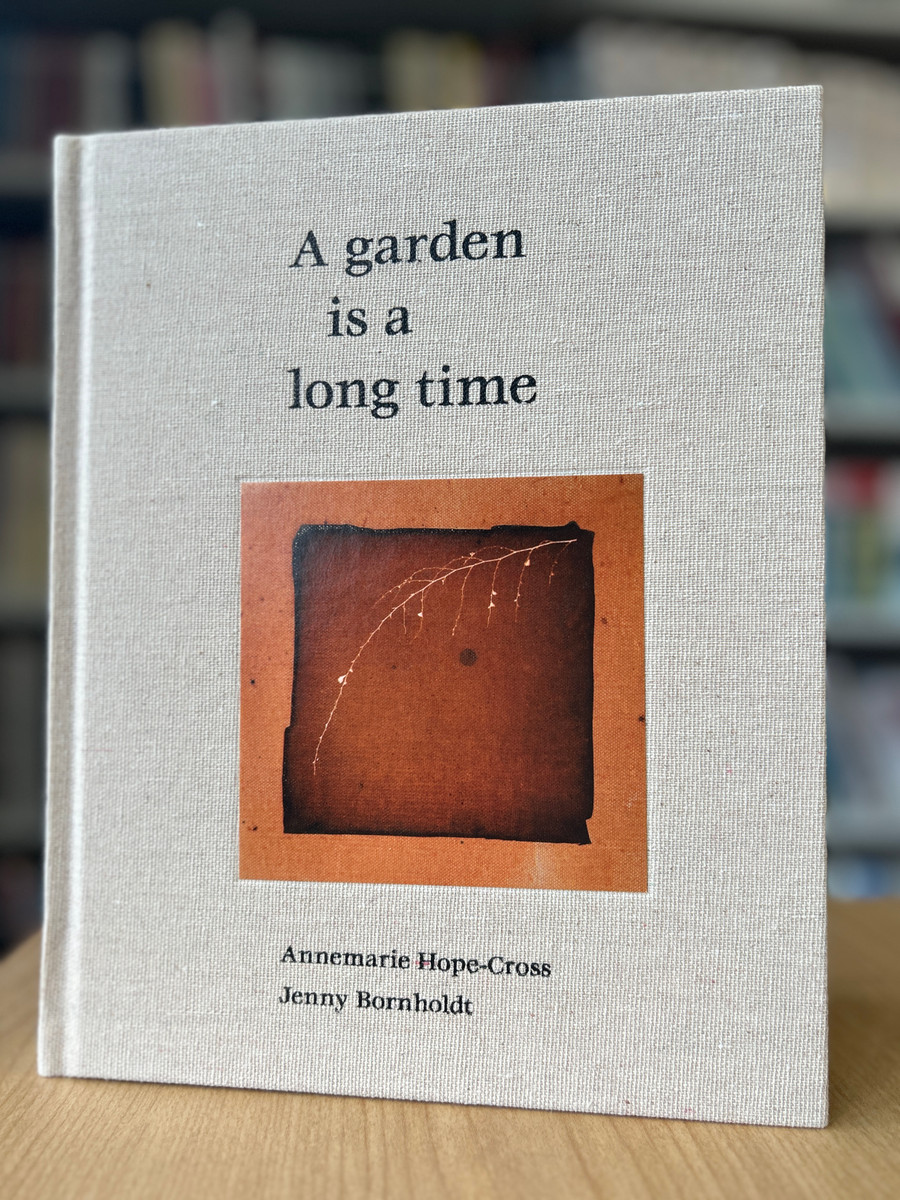
A Garden Is a Long Time, Annemarie Hope-Cross and Jenny Bornholdt
Te Herenga Waka University Press, 2023

View

You’re up to your knees
in grass, bent
for scent or form
framed by the window, held—
as a cellist might draw
a note to the end
of sound.

Jenny Bornholdt

A Garden Is a Long Time brings together photographs by Annemarie Hope-Cross (1968 – 2022) and words by Jenny Bornholdt. It is a sublime book. It is a book generating admiration and wonder.

Firstly the title. The title resonates so beautifully, like a tiny poem held in the palm of your hand. I am moving in all directions, along multiple paths, holding the ideas and mood it generates: seasons, attachments, necessity, beauty, growth, the power of the senses.

Secondly the cover that features Annemarie’s photogenic drawing on canvas is placed on natural linen (from ‘Tupare Leaves’, 2016). I run a finger over the smooth surface of the photograph and then delight in the textured surface of the linen. There is no blurb on the back of the book, no sales pitch, just the linen expanse. The book, so lovingly created, is a work of art. I prolong the moment before opening the book.

Thirdly the words, at times biography, at others art appreciation, art ideas and processes, a photography manual, Jenny’s poetry. Annemarie’s father used to develop photographs at the kitchen sink (later had a darkroom) while her mother sang in a choir. Annemarie was driven to create photographs from a young age, resisted digital photography at Art School, studied various photographic techniques at Fox Talbot Museum in the United Kingdom. She went to live in Alexandra, fell in love with Eric Schusser, had an ambulance job, gardened, and kept exploring her favoured medium.

Jenny writes with the deft touch of a poet, her words drawing us into a life and into the photographs. Jenny’s exquisite poems, penned with a handful of elements reverberate so sweetly for ear and eye, holding out a scene or a fleeting moment. I find myself lingering over each one, letting the poem shimmer and grow. Each a touchstone for contemplation. i have included a whole poem with permission for you to absorb. In your own way. In your own time.

And fourthly the photographs. My daughter currently has a fascination with extremely old cameras she finds in junk shops. Her black and white photographs are sublime. I can’t wait to show her the book because Annemarie’s photographs are inspiration staircases. Touchstones. She used old cameras, printed by hand on paper, had a long engagement with the work of Anne Noble, and was inspired by William Fox Henry Talbot, claimed as the British inventor of photography. His aim was ‘to reproduce what he saw’. Perhaps seeing is like a vibration, where what we see is both fleeting and unstable, the oxymoron of looking.

Annemarie’s photographs are a form of bliss, a cousin of contemplation, a grandmother of wonder. Shadows fall. Light catches. We are viewing an object, a leaf, a flower, a bottle, through misted veils. There is an eerie feel, heightened by the shadowy texture, the blurry lines, the smudged solids, the indefinite horizon, the silhouetted forms. The ‘Cloister’ series brings to mind the interior of a chapel, the shape of the nuns. Again the artwork offers multiple tracks to contemplation, as though we are seated beneath the stained glass window. Jenny writes this: Or the shape might suggest nuns holding the peace of a garden within themselves’. And I am caught up in reverie. The Italian painter and printmaker, Giorgio Morandi (1890 – 1964), whose paintings smudged vases, jars, occasionally fruit, comes to mind. Annemarie was also captivated by this artist, dedicating works to him. I am also catapulted back to Jude Rae’s still lifes.

I am snared on the idea that poems can do this too. A poem might blur or smudge or waver and offer you an uplifiting sense of objects, still life, place, even narrative. I am thinking of the poetry of Dinah Hawken, Sue Wootton, Kiri Piahana Wong, Bill Manhire.

And fifthly, the effect upon me as reader and viewer. The glorious lingering effect that brings together fragility, the uncertain, anchors and stalled time, veils and hints, light and dark, movement and stillness. And yes the sweet peace of viewing and reading, the peace of a long-time garden that is an inner touchstone. This is a breathtaking and precious book.

Annemarie Hope-Cross was born in Upper Hutt in 1968, obtained a Diploma of Photographic Arts from Whitecliffe Art School in 1989, and in 2011 and 2013 studied photogenic drawing, wet and dry plate collodion and the daguerreotype technique at the Fox Talbot Museum in the United Kingdom. Between 2010 and 2021, she held 13 solo exhibitions at public and private galleries in the Otago region, and her work has been included in numerous group exhibitions in New Zealand and internationally. She held an artist’s residency at the Fox Talbot Museum in 2013), and her series of ‘Still’ photographs is in the collection of the Museum of New Zealand Te Papa Tongarewa. With Eric Schusser, she produced two photo-books, Still Intrusion (2019) and Dissolving Margins (2020).

Jenny Bornholdt has published over a dozen books of poems, most recently Lost and Somewhere Else (2019). She has edited a number of anthologies, including Short Poems of New Zealand (2018), and has worked on numerous book and art projects with artists including Pip Culbert, Mary McFarlane, Noel McKenna, Mari Mahr, Brendan O’Brien and Gregory O’Brien. In 2018 she was the co-recipient, with Gregory O’Brien, of the Henderson Arts Trust Residency and spent 12 months in Alexandra, Central Otago, during which time she met Annemarie Hope-Cross.

Te Herenga Waka University Press page

Poetry Shelf Cafe: Bill Nelson reads from Root Leaf Flower Fruit

Root Leaf Flower Fruit, Bill Nelson, Te Herenga Waka University Press, 2023

Excerpt from Root Leaf Flower

Bill Nelson is the author of Root Leaf Flower Fruit (2023) and Memorandum of Understanding (2016). His poems have appeared in Best New Zealand Poems, Sport, Landfall, Hue & Cry, Shenandoah, The Spinoff, Minarets and The 4th Floor, as well as in dance performances and art galleries and on billstickers. In 2009 he won the Biggs Family Prize in Poetry from the International Institute of Modern Letters, and he is a founding editor of Up Country: A Journal for the NZ Outdoors. He lives in Te Whanganui-a-tara Wellington with his partner, two children and his dog, Callimachus Bruce.

Te Herenga Waka University Press page

Poetry Shelf Monday Poem: August 26th, in the Uber ride back home by Cadence Chung

August 26th, in the Uber ride back home

Early morning, The Economist sends me emails.
I read them on the trip home, lipstick-teethed.

In the backseat crumple the spoils of the evening:
the silver purse, the ruined tissue paper, the poem,

stray sequins, snapped hair, cheap perfume. They
all shine noisily like abandoned confetti. And after all,

what was I to expect on such a night, a night of want?
When we all weren’t looking, the harbour swelled

like a breast, like a corpse. I heard it was from the damp
in the air — I heard that there was a storm and that it was

hot and wet and salty and everything a reckoning should be,
I heard that it raged until the dawn came, nails on windowpanes,

begging to be let in. And in the accusing morning, the
concrete was damp and saline-struck, like clean tears.

Cadence Chung

Cadence Chung is a poet, student, composer, and musician from Te-Whanganui-a-Tara, currently studying at the New Zealand School of Music. Her debut poetry book anomalia was published in April 2022 with Tender Press, and her poetry has been published and commissioned widely by Starling, The Spinoff, Landfall, Turbine, Takahē, and others. She put on her original musical In Blind Faith at BATS Theatre in August 2022, performed her Sapphic lyre compositions at Verb Festival 2022, and composed song cycles to NZ poetry for Cud-Chewing Country, an interdisciplinary concert. She takes her inspiration from dead poets and antique stores.

Poetry Shelf review: Lucky Taco by Sarah and Otis Frizzell

Lucky Taco Time

A succulent scent drifts up the road
homemade Mexican spicy mix mingles with tomatillo relish
and all the neighbours open windows wide.
Crispy red cabbage and crunchy pink pickle
pops on the tongue like sweet poetry tingles
because it is lucky taco time.
Time to juice limes and roll out the dough
time to mash avocado and pepper the mayo.
Even the birds are singing in spicy keys.

The Lucky Taco Cookbook, Sarah and Otis Frizzell, Penguin, 2023

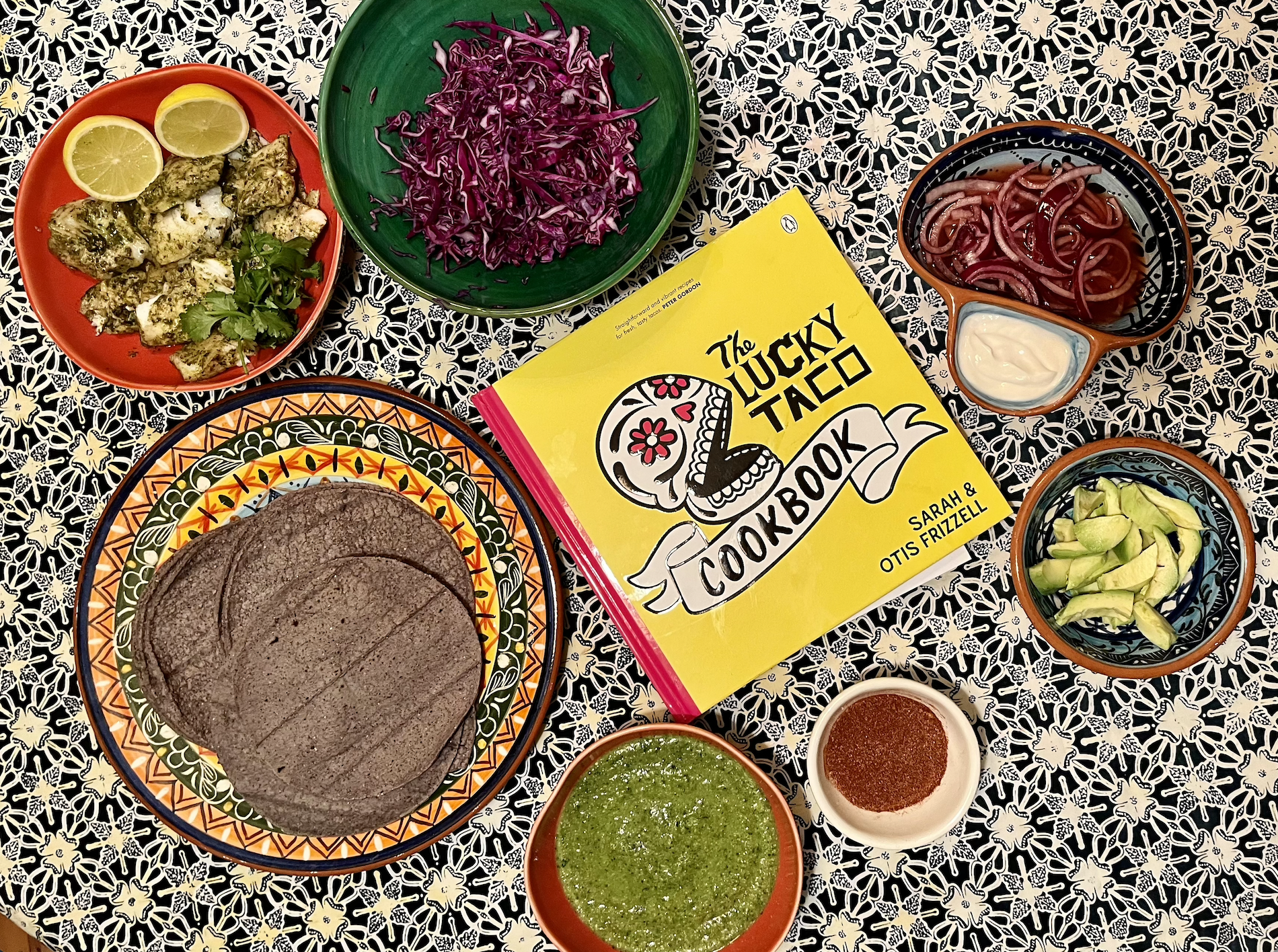
The Lucky Taco Cookbook is exactly like poetry – you gather some ingredients, and then start cooking, not knowing exactly where you’ll end up, but carrying a sense of flavour on your tastebuds. I have never eaten at Sarah and Otis Frizzell‘s Mexican food truck but it has always been on my to-do list. So to have the cookbook and a daughter who loves cooking and Mexican food as much as me was the perfect excuse to create a feast for three.

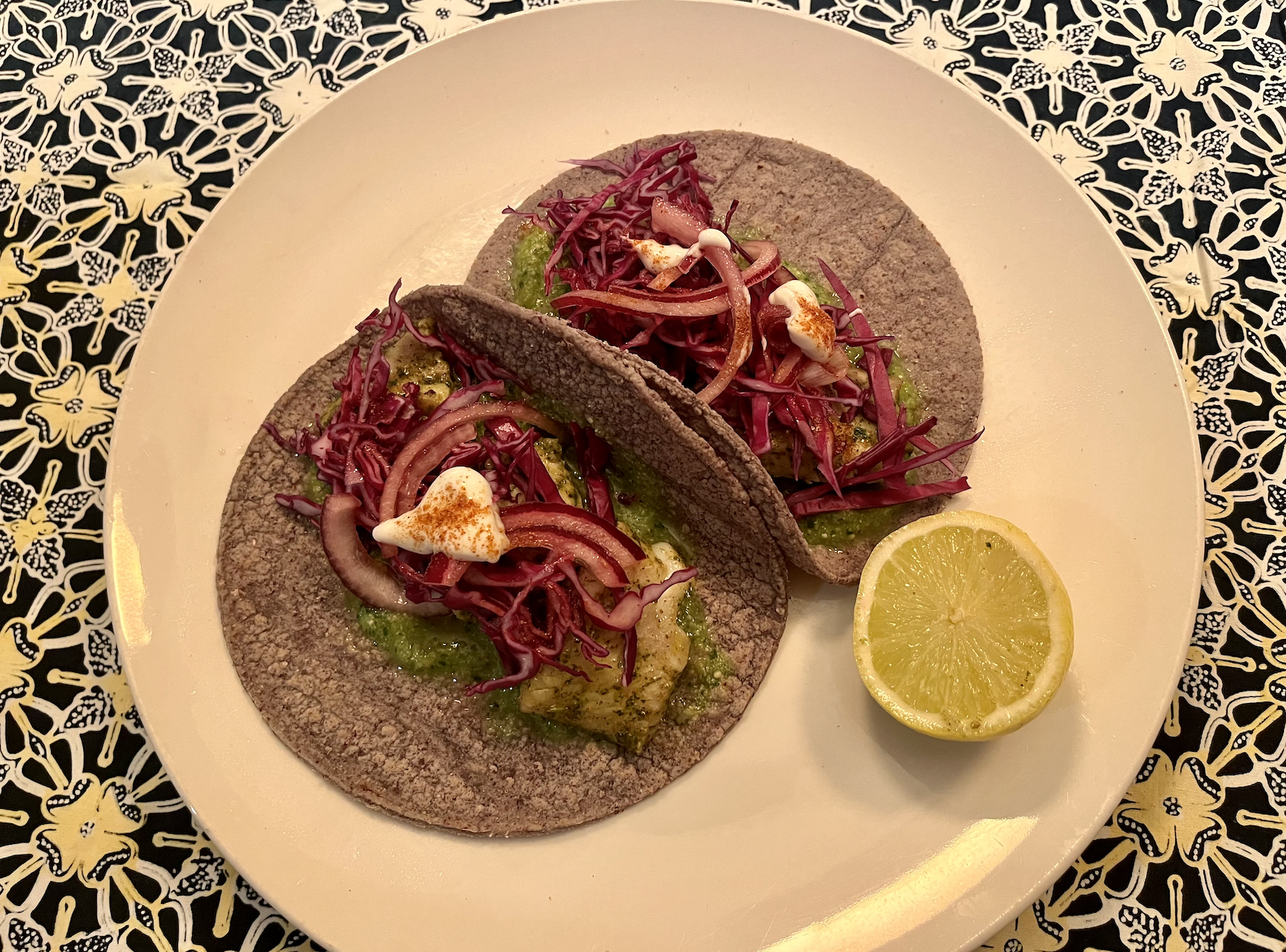
The recipes are easy to follow, the ingredients easy to find, and the photographs extremely tempting. We cooked spiced fish tacos with Lucky Taco Pink Pickle, Lucky Taco Salsa Verde, Lucky Taco Chilli salt, some lime mayo, sliced red cabbage and blue flour tortillas. Yum tastebud bridges transport us between piquant and peppery, soft and crunchy, heat and coolness.

Cookbooks are always a launchpad into making recipes your own – and the Lucky Taco cookbook is perfect for this. So Georgia added some tuna, some tomatillo salsa verde to the lime juice aioli. One week later and she is doing a marathon kitchen cook with slow cooked pulled pork tacos, a feast of sides, and a stack of homemade tortillas – using the press her friend had picked up in a market for us! I added in the tasty caulifower vegetarian option for me!

Fresh, fragrant, flavoursome Lucky Taco taste bombs. Oh yum! This a cookbook to treasure.

Sarah and Otis Frizzell are the dynamic duo behind The Lucky Taco. The pair fell in love with tacos and the iconic Californian taco trucks while traveling in Mexico and LA. The passionate cooks trained with one of the best chefs in Mexico and returned to establish one of Aotearoa’s very first gourmet food trucks. Since 2013 they have been treating Kiwis to tasty and authentic tacos from their truck, Lucky. Their product range is stocked at food retailers throughout Aotearoa. They have won over 30 awards, including Winner of the Lewisham Most Outstanding Street Food Award (2016, 2018, 2021), Supreme Champion at the Outstanding Food Producers NZ Awards, and World Champion at the World Hot Sauce Awards. Sarah hails from the UK and was an award-winning art director in Aotearoa’s top advertising agencies. Otis is a former hip-hop performer and tattoo artist. He has worked in TV and radio broadcasting, and is a well-known practising artist.

Penguin page

Poetry Shelf review: Deep Colour by Diana Bridge

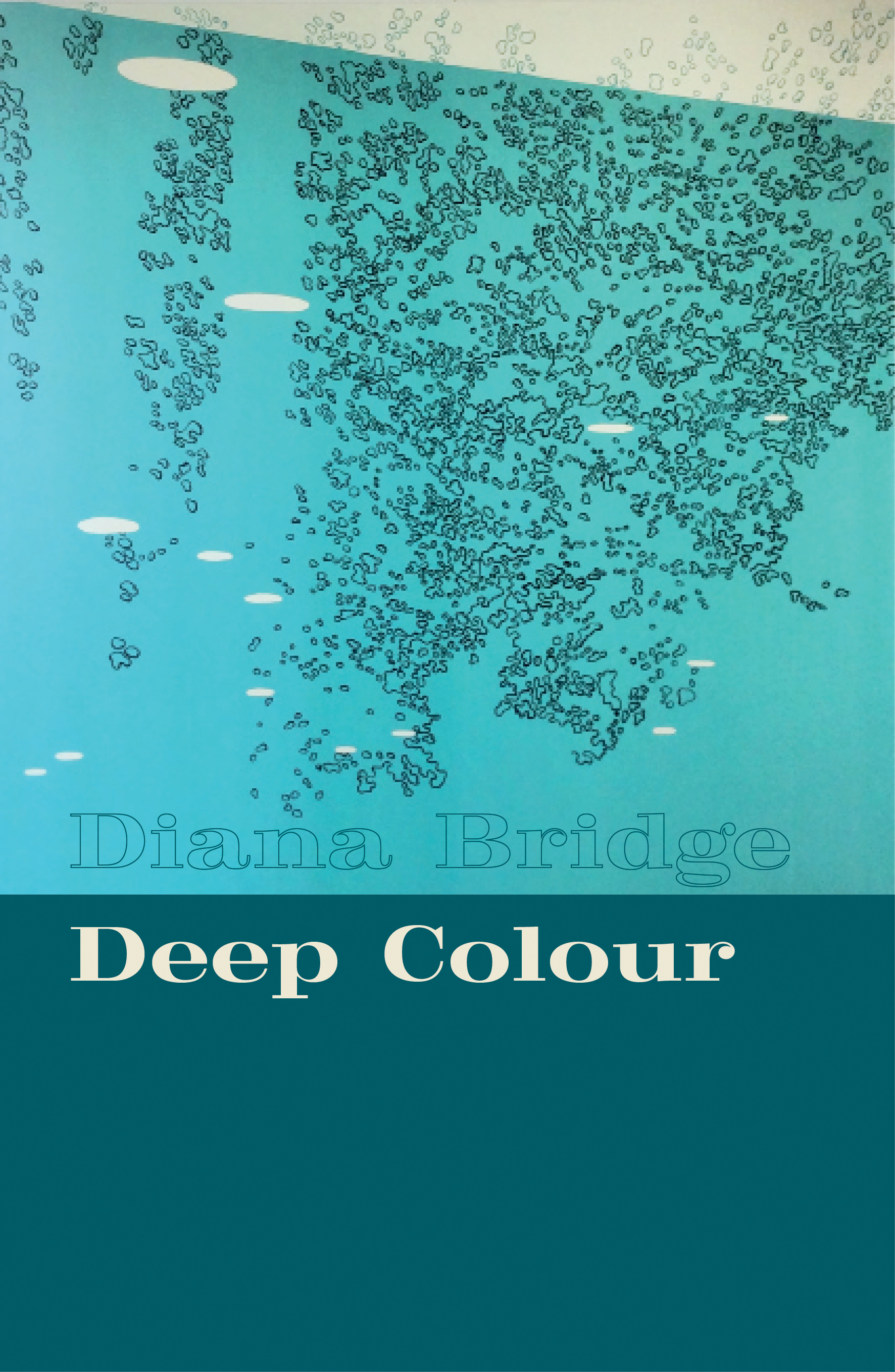
Deep Colour, Diana Bridge, Otago University Press, 2023

Diana Bridge’s new collection, Deep Colour, is her eighth, and is a book to savour slowly as you melt into a blissful state of contemplation. You can hear Diana read from the collection here.

The opening poem, ‘Deep colour’, embodies the layered reading experience as you travel through the book. The poem, like the collection as a whole, is a visual and aural delight, nuanced and rich, and unafraid of ideas. You move amidst elusiveness, the kinetic, murkiness, embedded memory, the haunting of words (take haunting as you will). Reading becomes a provisional and satisfying means to catch, reflect, translate, muse. You encounter the unknown, the uninterrogated, truth, fiction.

Deep colour, the words for it are out of range –
that much I can tell you. What I cannot say
is how a life gathers its themes.

How to read? I replay a poem to let its music resonate, and then replay it yet again to let the visual tang and tingle, to let the ideas take root. Take a sample from ‘He has put away pointers’ for example. The poem responds to Camille Pissarro’s painting ‘Le Champ de choux, Pontoise’, 1873; the poem moves amidst shadow and light, vibration and symbol, the unseen and the visible. There is uplift and there is down beat. Diana includes a link to the painting in her notes. Here is the opening stanza:

He says it is morning – but is it? I love best
what I cannot pin down: a direction, a thickness –
greenish-blue ribbons coasting to somewhere outside
my vision but, somehow, contained in the frame.
It comes down to a rectangle holding in balance
its luminous layers, to a field made fast by a foreground
of cabbages, and the way that the cabbages tumble
like hedgehogs under a downpour of light.

The poems include classical references, especially Chinese, a clutch of objects, metaphors, order along with disorder and breakage, the seasons, the seasoned, the soul and the physical. The writing is always measured, steady, sure-footed, musical, alive to what is observed as much as what is thought. Heart is as significant as intellect.

Section II, ‘Utamaro’s Objects’, lingers upon the work of Utamaro, a Japanese artist and designer (1753 – 1806), and the poems stand as little meditations to absorb. Section III comprises the translations of 15 ‘poems on things’ by Chinese poet Xie Tiao (464 – 499). Again there is a marriage of feeling and ideas, heart and intellect, what is not said and what is described or hinted at.

Diana has included comprehensive endnotes that provide a context for some of the poems and a background to her translation work. The notes underline the scope and depth of the poetry. I am particularly drawn to two lines from ‘Compared to silence’, the first poem in the final section (‘The Text, an undertow’ and ‘in a side / chapel of my mind, movements of the rerquiem / glow’). I find myself musing on the way poems take root inside us, how they are undertows and slender ripples, and how they haunt and establish themselves in rooms in your mind and chambers in your heart.

Deep Colour is a satisfying read that lingers, inspires and fills you with the kind of joy that arrives after slow-paced meditation. I adore it.

Deep Colour is the eighth collection by award-winning Wellington-based poet Diana Bridge. It follows Two or More Islands (Otago University Press, 2019). Bridge’s many accolades include the 2010 Lauris Edmond Memorial Award for Poetry, the 2014 Landfall Essay Competition prize and the 2015 Sarah Broom Poetry Prize. The chief judge, Irish poet Vona Groarke, described her work as ‘possibly amongst the best being written anywhere right now’. The same year, Bridge was the first New Zealander since Janet Frame to take up a residency at the Writers’ and Artists’ Colony at Yaddo in upstate New York. In the Supplementary Garden: New and selected poems (Cold Hub Press, 2016) was longlisted for the Mary and Peter Biggs Award for Poetry in the 2017 Ockham New Zealand Book Awards. Bridge has studied Chinese language, literature and art history and holds a PhD in Chinese poetry from the Australian National University.

Otago University page

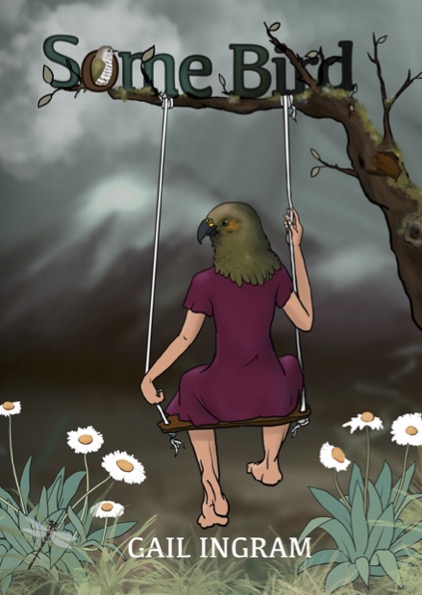
Poetry Shelf Cafe: Gail Ingram reads from Some Bird

Some Bird, Gail Ingram, Sudden Valley Press, 2023

‘The provider’

‘How I witch 1692’

‘We are wanting’

Gail Ingram is an award-winning writer from Ōtautahi Aotearoa and author of Some Bird (Sudden Valley Press, 2023) and Contents Under Pressure (Pūkeko Publications, 2019). Her work has appeared in Landfall, takahē, Turbine/Kapohau, The Spinoff, The Poetry Shelf, Poetry New Zealand, Cordite Poetry Review, Blue Nib, Barren Magazine and others. She has an MCW (with distinction) from Massey University, and to earn her living in the arts, she is a teacher at the School for Young Writers and managing editor for a fine line and short fiction editor for Flash Frontier. Her blood runs with words continually rearranging themselves. Website

Sudden Valley Press page

Poetry Shelf Monday poem: Too Many Lasagnas in the Freezer by Tim Grgec

Too Many Lasagnas in the Freezer

There are too many lasagnas in the freezer. Dad and I don’t know what to do. Sure, we try to eat our way through them as the weeks go on, but too many kind people are stopping by unannounced. Dad had to buy a chest freezer to keep up. Just as we finish one, another three show up at the door. It’s not only lasagna being left behind either. There’s casseroles and curries, pies and soups—every meal you can think of that freezes well. How they keep piling up for us we don’t know, but they do. You can’t blame people for being thoughtful, I guess. And Mum would’ve done the same if another family was in our position, so we don’t mind too much. It’s just getting out of hand. Most evenings Dad stands there explaining that we really are fine on food. But family friends can be quite insistent about this kind of thing, especially when they don’t know what to say. We’re at the point where we can’t tell what’s in them anymore. Most aren’t labeled and have frosted over, so they’re just a series of browny-red blocks. You never know what you’re going to get when you put one in the microwave. ‘We’ve got no choice but to turn people away,’ Dad says. ‘Good idea,’ I say. ‘Or we could pretend we’re not home. Make it look like we’ve skipped town.’ ‘Also a good option,’ Dad says. ‘Better yet, we could fake our own deaths. Disappear for good. Then they’d leave us alone.’ We think about this for some time. Then I say, ‘But imagine all the lasagnas Petar would be bombarded with at his university flat? Losing a mother is bad enough, but a dad and brother too? The whole community would be involved. He’d be crushed by the weight of frozen food.’ ‘You’re right, imagine,’ Dad says, shaking his head before muttering something to himself. We consider the pros and cons of selling the house and moving cities entirely, or turning off the power, but can’t bring ourselves to do either. Instead, we decide on a plan. We’ll pass on our frozen meals to unsuspecting neighbors. ‘We could blend in with one of the kids on their paper round,’ Dad says. He explains it would be like an added extra, one brochure and one frozen dinner left in every letterbox. ‘But what if people think we’re trying to poison them?’ I ask. ‘How will we get random people to trust us?’ ‘Don’t forget I was once a door-to-door salesman,’ Dad says. ‘I’ll wear a suit and provide practical demonstrations. Matua is full of elderly people who shouldn’t be using their ovens anyway.’ Luckily Dad and I are of a similar build, so I can wear one of his suits as well. In fact, I’m the spitting image of him in my matching shoes and tie. ‘Even with two of us, it’ll still take a while to get rid of them,’ I say. ‘Oh yes, I suspect it’ll take days, weeks even’ he says, ‘but we have to take it seriously. We’re the only ones who can stop this taking over the whole house.’ Dad fills as many containers as he can into a sack. Then he briefs me on the strategy (which streets are mine, which are his, how to not take rejections personally and all that). It’s the most he’s spoken to me in a while. I’d prefer to be doing something else with my evenings, but at least the tupperware invasion has brought us closer together. Until now, we’ve been lost in our private worlds, eating in silence every night at the dinner table. Now we have something to do as we set off down the street. So similar together in our suits, we might be mistaken as the same person.

Tim Gregc

Tim Grgec is a writer and public servant based in Te Whanganui-a-tara | Wellington. His first book, All Tito’s Children, was published by Te Herenga Waka Press in 2021.

Poetry Shelf Monday Poem: Medb Charleton’s ‘A Summer’s Day, December’

A Summer’s Day, December

In the poetry section of Unity Books,
I collided with you. I was in a hurry
to buy some sadness or a patch of earth,
freshly dug, in rain,
some beauty easily missed.

This, you suggested, perhaps noticing
how all the metal in me was being pulled
by the day’s arbitrary offerings, drawing me
to a room of words in a glass city,
where people leafed through, sighing on waterways.

I stepped out into the High Street sunshine
with a tome of humanity in a bag
and there we parted ways – I confess, god,
I let you down again there at the junction
where I turned towards the gulf.

Medb Charleton

Medb Charleton is originally from Sligo, Ireland. Her poetry has been published in LandfallSportPoetry New Zealand and Turbine | Kapohau

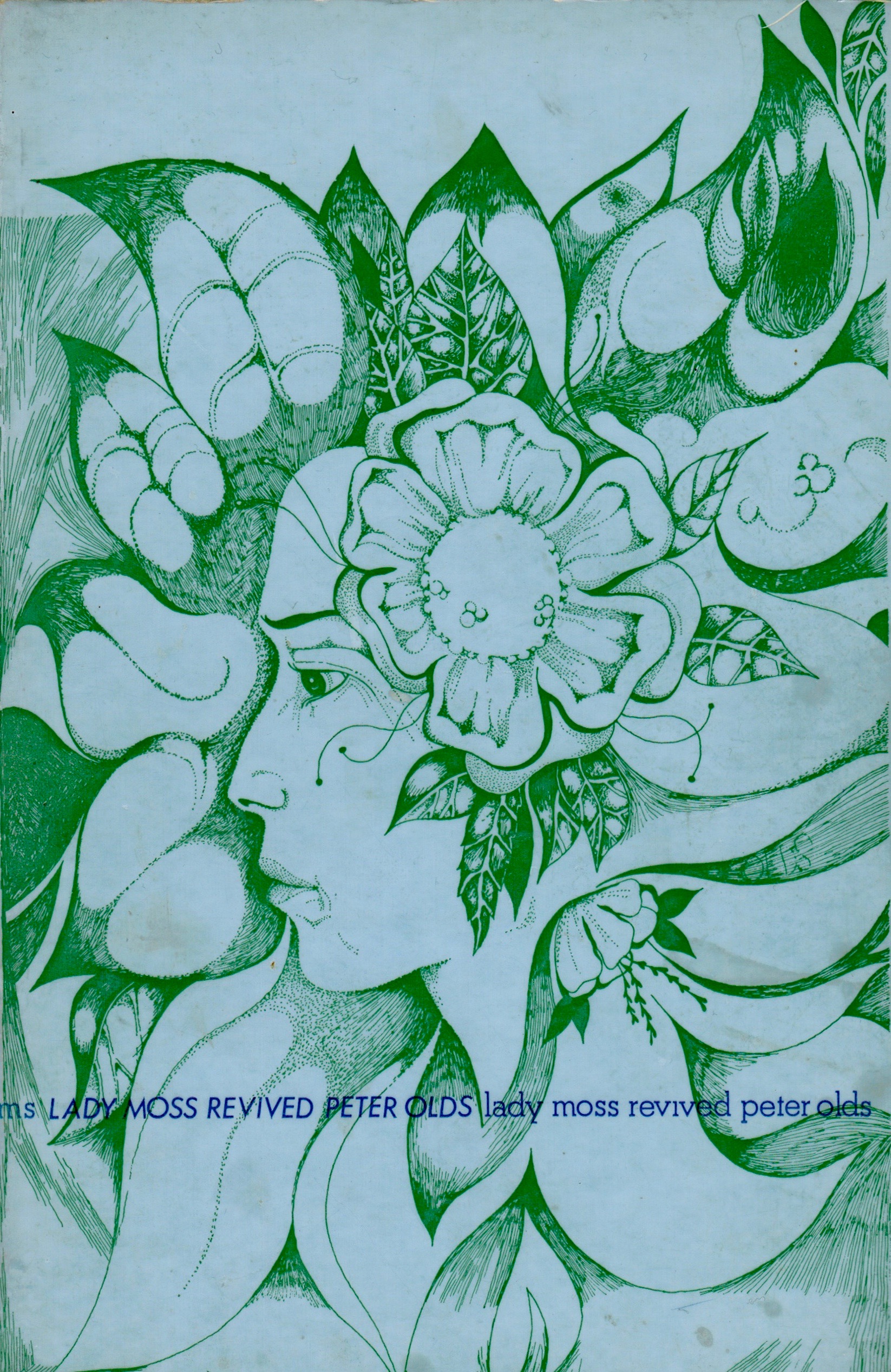
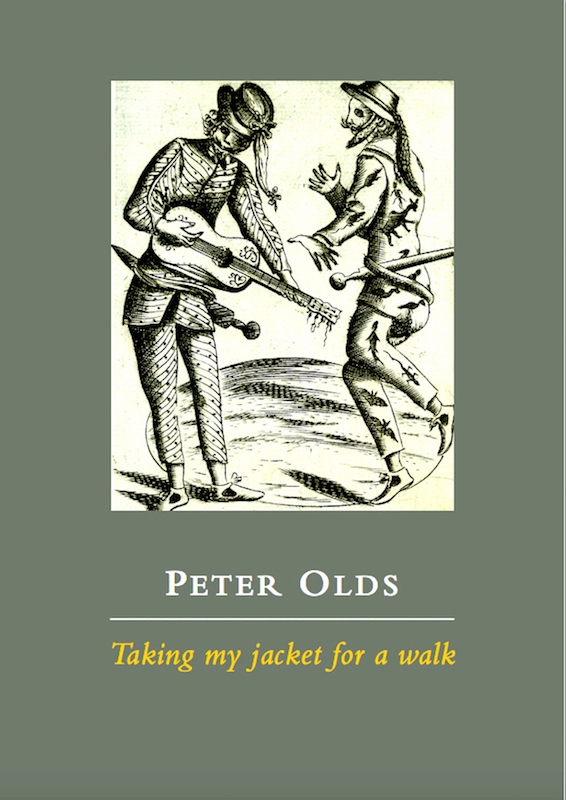
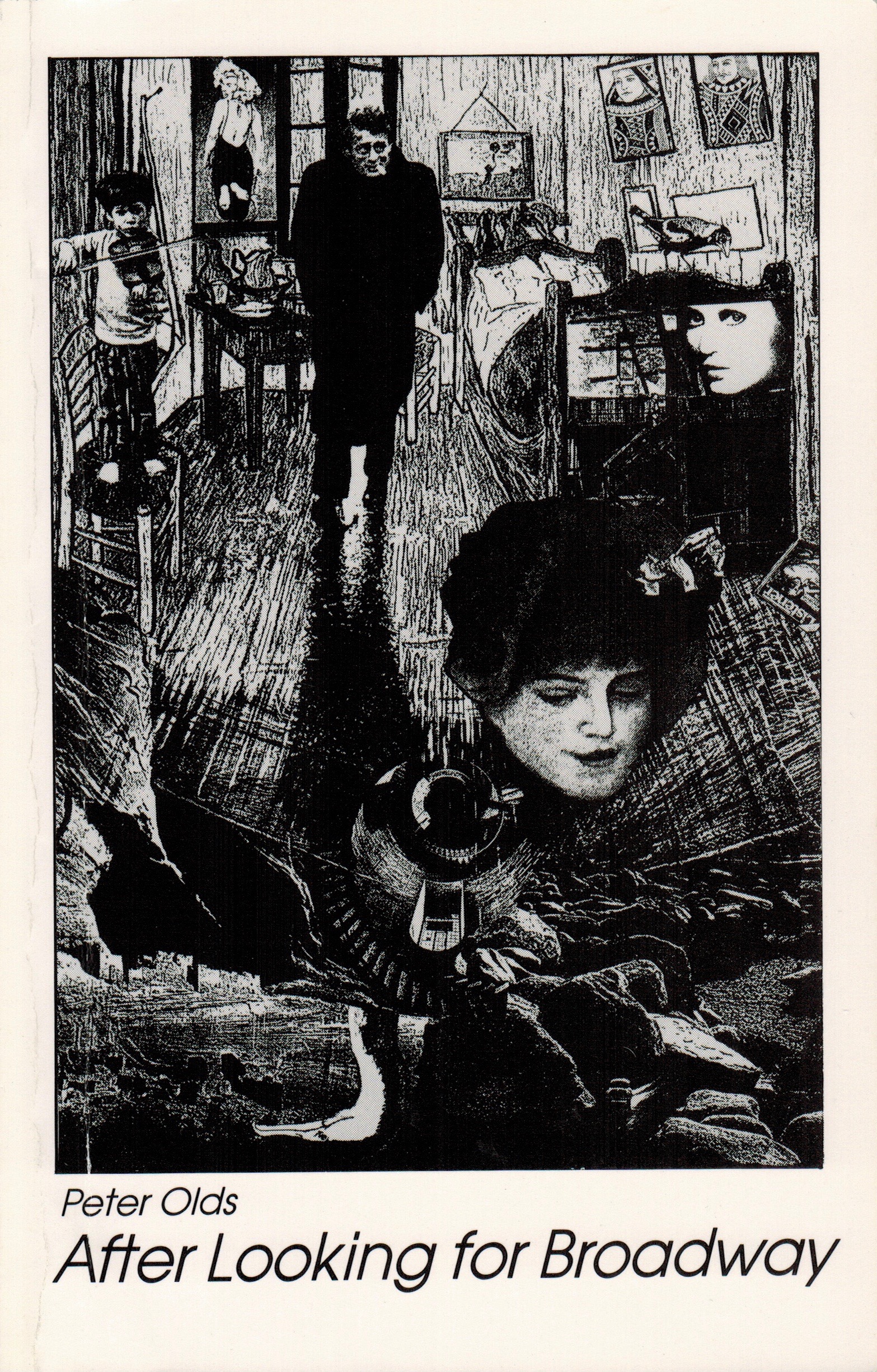
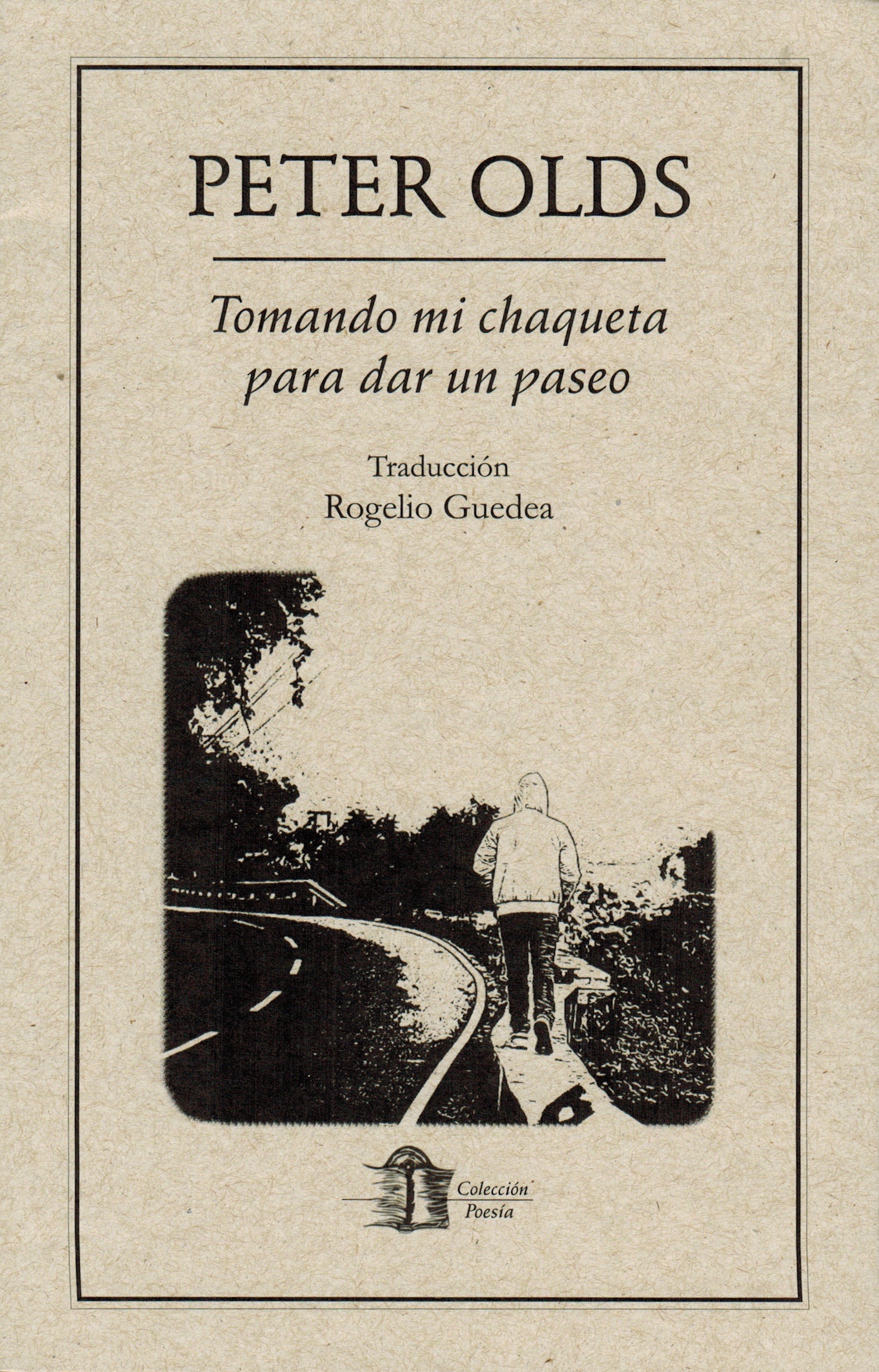
Poetry Shelf pays tribute to Peter Olds (1944 – 2023)

Photo credit: Anne-Marie Davis

Sitting in these hokey pokey sandhills
eating fish & chips
watching the bright vanilla waves roll in to
the kelp-strewn beach.

from ‘Beach Therapy’
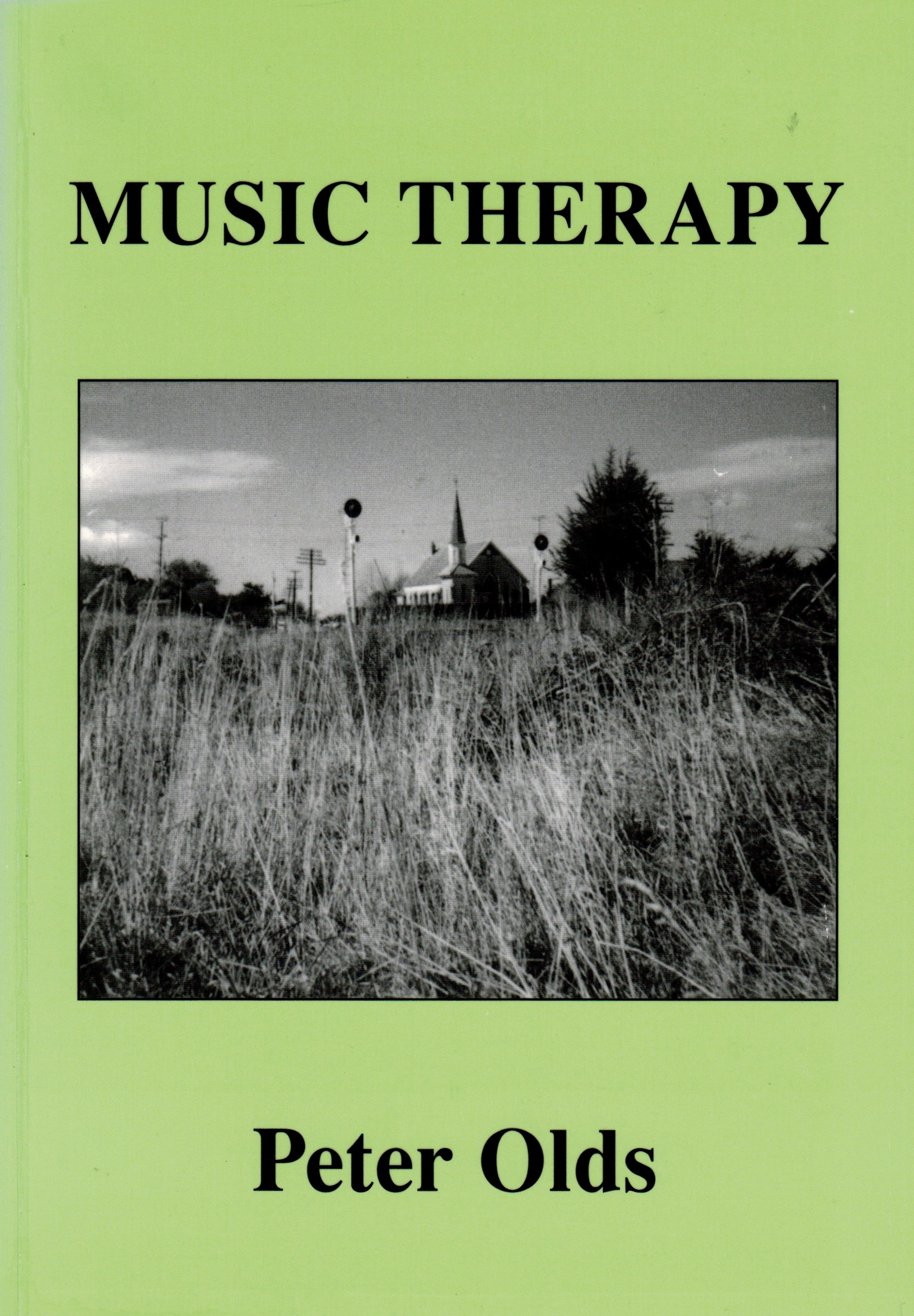
from Music Therapy (Earl of Seacliff Art Workshop, 2001)

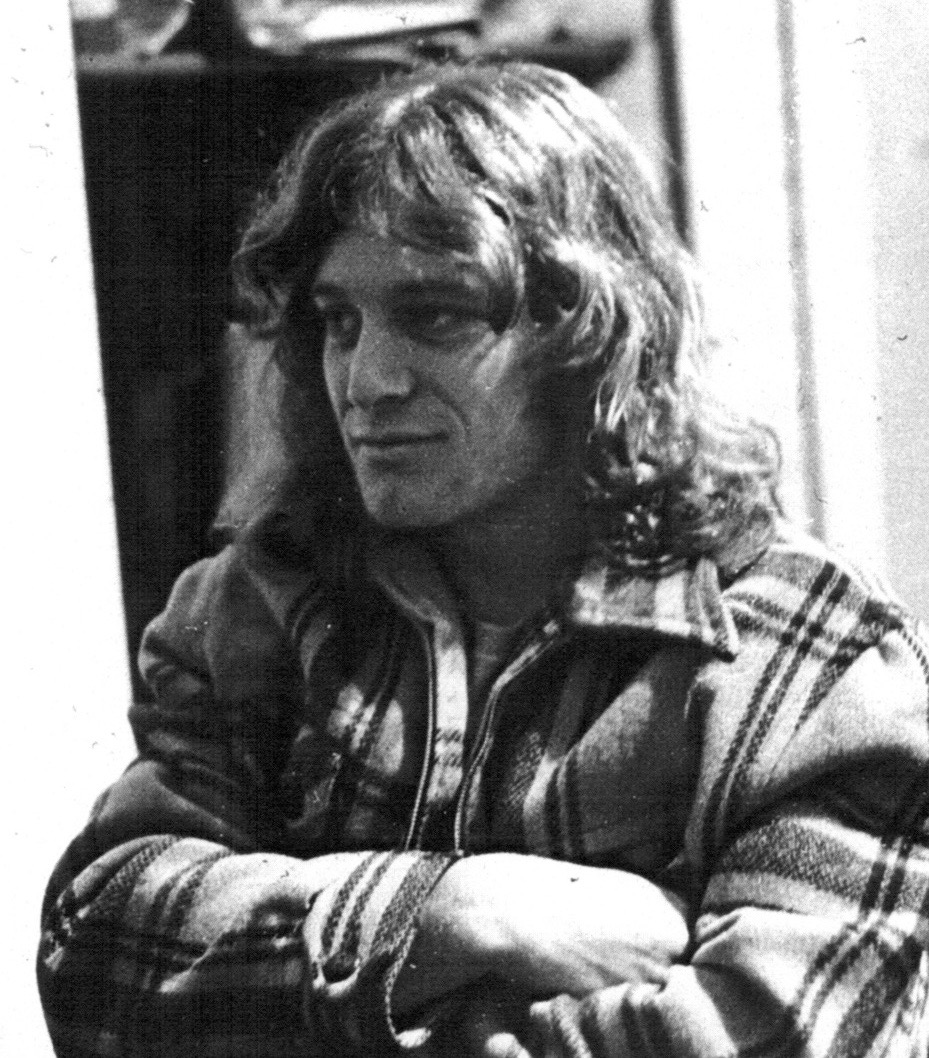
With sadness, writing communities across Aotearoa received the news of the death of Peter Olds. There has been shared grief, words and links across social media. Poetry Shelf is offering a selection of Peter’s poetry, some selected by me, and some selected by Peter’s publisher, Roger Hickin (Cold Hub Press), as a celebration, a contemplation, a tribute.

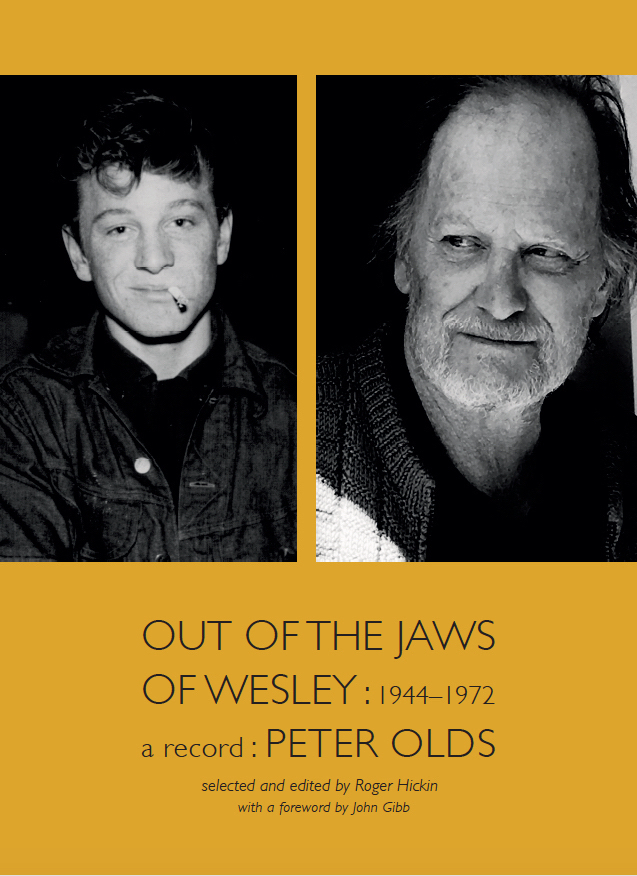
I also recommend reading Out of the Jaws of Wesley: 1944 -1972 a record: Peter Olds (Cold Hub Press, 2022). It is a moving and insightful miscellany that gathers together photographs, letter extracts, poems and prose to present a portion of a life. It marks Peter’s engagement with other writers, his meeting with James K Baxter, his mental health and his addictions, his drive to write, the months leading up to his debut poetry publication. He called his poems ‘songs’: ‘This is where I came / to write my songs when / they first twitched / in the mind.’ (from ‘In the Dragon Cafe’)

Writing becomes so much in the ink of Peter Olds. Yes it is song, and I picture a guitar slung over shoulder, yes it therapy, as I am drawn into his various treatments and diversions, yes it is reflection as I am drawn into memory and turning points, yes it is food and nourishment, the piquant fish and chips matching the piquant word. It is travel and anchor, it is it is rural and it is urban, it is walking and it is conversation. It is to be shared.

A man is writing in a large
notebook with colouring pencils
at a table near the door in the
Methodist Mission coffee lounge
A life story? A theory of life? …
An intense concentration
of tea things and a banana skin.

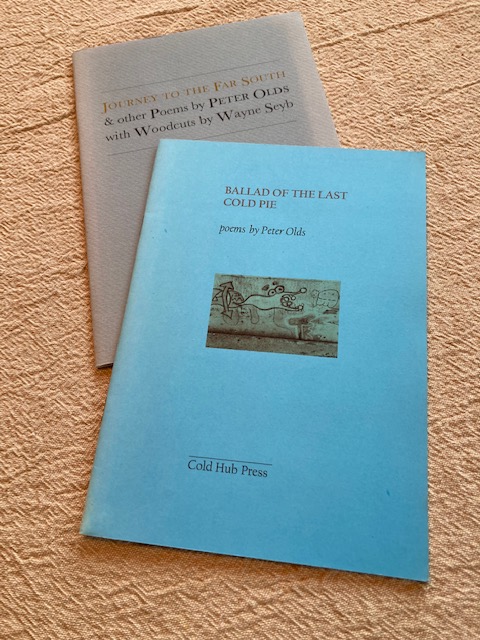
from ‘Ballad of the Last Cold Pie’
from Ballad of the Last Cold Pie (Cold Hub Press, 2010)

from You fit the description
(Cold Hub Press, 2014)

Oxford

I played on the graves while you mowed the lawns:
white pebbles and angels with broken wings,
glass domes and wire flowers,
the smell of petrol,
the smell of cut grass and bees.

Cows scattered in bush:
tin from neighbours’ farms wrapped around trees,
whole trunks torn up like twigs,
pigs howling
in the screaming nor’wester.

(2010)

Black bees

My father used the old Ford as a tractor,
dragged dead cows to the pit across the paddock,
taking me along because I was quiet and no trouble.
I’d stand on the back seat and watch him blowing

stumps with plugs of powder; watch him straightening hives
the cows had rubbed against; watch him smoke bees dopey
before taking the lids off the hives … Sometimes he’d leave
me and the car on a dusty back road.

I’d stand on the back seat, the car rocking in a hot nor’wester,
while he went off into the silence of whining fence-wire,
somewhere out there; smoking bees, making sermons
in the sweet smell of hemp smouldering in the puffer.

He’d come back, poke his head through the open window and enquire:
“Are you alright?”
He’d open the door and the smell of sticky wax would follow him in.
He’d toss the straw hat covered in fairy wings onto the back seat.

I don’t remember being stung.
They said they stopped counting …
I could hardly breathe.
“Stay in the car,” was the order, but in the silence I forgot.

The hot nor’wester was full of raiding black bees.
I climbed down and went to look for him.
The wind whined in the fence-wire.
The car rocked in the yellow dust.

(2012)

The special

for Jim Nepia

I first heard about Jerusalem from Baxter himself.
We were standing on the corner of Cosy Dell
and Drivers Road and he was in an agitated state
like someone on an unnatural high.

“God told me in a dream to go to Jerusalem,” he said,
“a Catholic Maori community on the Wanganui River,
and grow vegetables and start a new life.
I would like you to join me there when I get things set up.
I believe God wants me to do this.”

There always was something odd about Baxter
and this seemed to confirm it.
I could be silly, but I was young.
Baxter was a grown man with a family …

As it transpired later that year
I wound up in Cherry Farm mental hospital
not able to go anywhere anyway,
and Baxter took off for Auckland and set up
a community in Grafton for hippies and bums
before going on to Jerusalem –– and for a while
the communication between us stopped.

But Cherry Farm was a community too
with its own drugs and gurus ––
and brainy people who flew aeroplanes
and smoked American cigarettes,
who wrote novels like Henry Miller
and had been to university three times!

And (funnily enough) I met a Maori man there
by the name of Jim who knew a lot about eels
and how to catch them:
down in the tidal creek under the road bridge

just outside the hospital grounds
on a hook and line with a piece of mutton fat
from the pig tins.

When Jim boiled up those eels in the villa kitchen
man! –– the whole place stank …
But Jim was a ‘Special’,
and no one was of a mind to stop him
from doing what he had to do.

(2012)

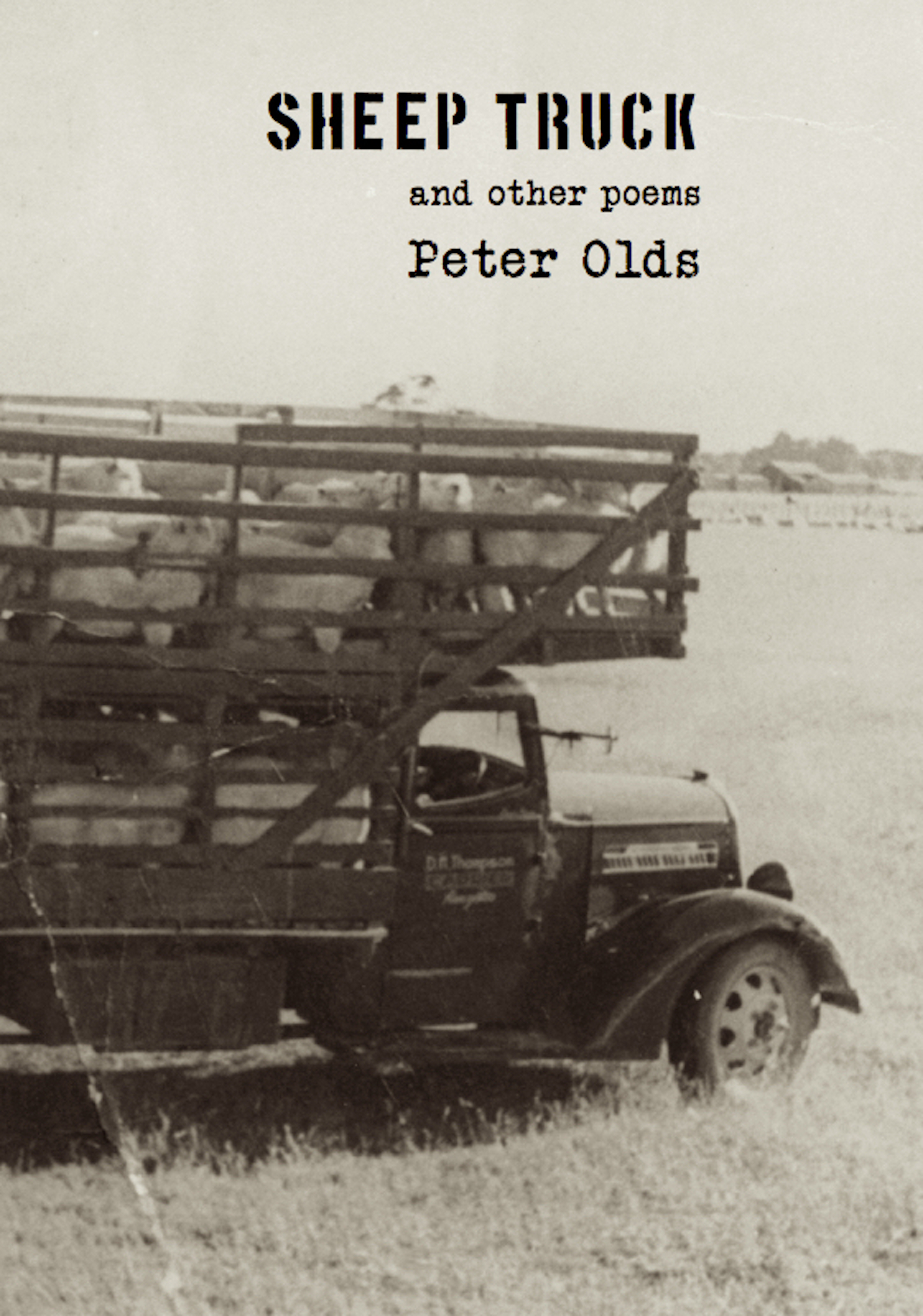
from Sheep Truck
(Cold Hub Press, 2022)

Poet makes a useless round-trip journey

Walked around City Rise from home
to the Warehouse, above the Exchange, to look

for notebooks & scribble-pads. Quite a hike
for me these days . . . Out of Prestwick, past Sim,

down Drivers Road, into Queens Drive, Royal Terrace,
up London Street, across Stuart, into Arthur (at

Otago Boys’ High), over the top of  York & down
Rattray to Maclaggan, & on to the Warehouse

where I bought 3 DVDs but no notebooks––Oh!
––& an icecream . . . Then on again to Queens

Gardens for a pee at the public toilets next to
the brothel, & on past the Leviathan Hotel

around the corner from the old Police Station
to the new Bus Hub opposite the new Police Station

where I caught a bus back home.


I want to be normal said the worm

I want to be normal said the worm
and live in a garden by the sea
and have healthy trouble-free teeth
strong limbs and wild hair

if I wanted to eat
I’d only have to pick the fruit
off the trees
there would be enough vegetables

in the garden to feed a large family
kahawai would run in the surf
so thick you could walk on them
for company I would keep chooks

and maybe a milking cow
the kind elderly couple next door
would look after my garden while
I went on holiday

I would never drown in the sea
swimming would be like
warm love
the black wet rocks would never

threaten
the sky would always be bright
and deep blue––except of course
at night when the discussion

on the radio would turn
serious
people talking about relationships
and food and wine––

I would sleep in my hole
better than ever
and awake refreshed and sparkling
with the birds

Peter Olds, one of Aotearoa New Zealand’s finest poets, died in Dunedin on August 31, aged 79. In his introduction to The Glass Guitar, a collection of thirty-two previously uncollected and unpublished poems by Olds due out from Cold Hub Press on October 24, his friend John Gibb describes him as “a navigator of contrasting and sometimes contradictory worlds, a kind of battered Zen ambassador of humanity, an at times irreverent pilgrim making his way through life”. David Eggleton called him “the laureate of the marginalised”. And as Frank O’Hara was the poet of New York, and Sydney Goodsir Smith the bard of Edinburgh, he was Dunedin’s unofficial but authentic poet laureate. 

Roger Hickin

from The Glass Guitar
(Cold Hub Press, publication date: 24 October 2023)

The Glass Guitar

At first you don’t notice it
among the furnishings & potplants
half hidden in a darker part of the room:
the glass guitar
its neck bent
strings curled round its head
almost shameful in an otherwise
cheerful room,
people drinking beer
watching TV
taking little notice of arrivals and departures
clinking glass on teeth for sound effect
and in the hallway a small stereo tapping quietly
by a bedroom door,
no one paying attention to the glass guitar.

At first you don’t notice the urge
to smash glass:
the coffee table wet with slippery light
the floor crowded with spinning bottles
foetuses and clown-masks
walls sucked in like toothless heads . . .
Flopped in a beanchair
the overhead lights switched off
a candlestub spluttering for effect,
it suddenly hits you
like something you can’t find words for
and you reach for the guitar
and start strumming and singing
like mad.

Omokoroa:  the place of walks

1
An aeroplane fades overhead towards the Kaimais
a magpie beats-up a heron

2
A plastic bag with a small fish inside
thrashes around on the wet pontoon
a small girl steps gingerly up to it

3

Hats and walking sticks
elderly couples
hand in hand

4
Fruit rotting under trees
next to the self-help food stall

5
A mile away
clear as an eye
a dog barks
chases ducks
through water

6
God’s glorious sunset
blue Omokoroa
like a Bible tract on water

7
You can’t see them
but they’re there
the small fry
lying just below the surface
under the jetty light

8
Above the orange grove
clouds’ glacial drift
solid as sheep

9
When the large fish
pass underneath
the water suddenly becomes popcorn
jumping on a redhot plate

Shipwrecked on Tautuku Beach
a therapy

We were drinking from a leaky barrel.
Dancing couples slid across the deck.
From the rigging Neil Diamond screamed Hallelujah!
Down below the netball team were cutting sandwiches.

Madonna, winner of the costume competition,
was on the bridge screwing the Captain.
Edith Piaf spun on the intercom . . .

I was smoking Pig Island weed with the ship’s cat
when we hit. I don’t remember much––only the last strains
of a crashing wall of surf followed by a scream.

I got ashore––I don’t know how.
My gumboots filled with water.
I was lucky: the cat didn’t make it.

On the beach three clowns were sitting round a fire
drinking salvaged beer: ‘What the hell happened!’
they shrieked, white-faced. ‘Whose fucking idea was it
to go out in this weather anyway?’

We counted the missing:
Three gay bishops, one policeman, a prostitute,
Edith Piaf, two hitch-hikers, Abba’s entire CD collection,
a couple of shearers (who were supposed to be lookouts)––
the netball team were nowhere to be seen.

When the sun rose I walked to the end of the beach to clear
my head. Walked as far as a dead cow: its legs in the air,
bloated like an Indian raft adrift on the Ganges . . .

I lay on the sand, thankful I still had my teeth,
and waited for the rescue-team to arrive.
You’d think the beach had always looked like this:
mist on bush, kelp entwined in bleached driftwood––
gulls standing in water just out of reach.

Cold Hub Press page
David Eggleton talk on Peter Olds
Gregory O’Brien on Peter Olds and Geoff Cochrane with Kim Hill RNZ National
David Eggleton picks two poems by Peter Olds for Poet laureate blog
Poetry Shelf review of A Town Trod by Poets, by Roger Hickin, photographs and poetry by Peter Olds

Lying here watching insects
through the bamboo blind
zigzag across the window pane

fine rain

from ‘From the Hut Window’
from Music Therapy (Cold Hub Press, 2001)

Poetry Shelf review: Sweet Mammalian Issue 10

Sweet Mammalian, edited by Rebecca Hawkes and Nikki-Lee Birdsey, is celebrating ten years of publication with an inviting mix of voices both new and and unfamiliar to me. The slender, hand-stitched zine features an embroidered, magnificent, explosive artwork on the cover – ‘I am always waking up from a long sleep’ – by Saskia Bunce-Rath.

The poems, both rich with intimate detail and expanding with breathing space, are a joy to read. You nestle into love, questions, tidal movement, lies, truths, water, ocean, arriving, departing, what might be, what will be, what is. You travel and you drift.

Follow the link below and find your own routes and meanderings. In the meantime I am offering a handful of lines (out of myriad hauntings I’d add) that have clung.

from ‘Reasons’ by Ruben Mita:
‘This is the light in the bulb, / the boil in the kettle, / this is the whole thing / and the thing expansive.’

from ‘Rare Evolutions1.’ by Elliot McKenzie:
‘A person is a cooled / pool of magma.’

from ‘five steps through january’ by Naveena:
‘the right side of my body is static / neon where it brushes your damp arm’

from ‘GLASS’ by Joan Fleming:
‘Sometimes a storm would take hold of her, a storm borne of blindness.’

from ‘Natural causes’ by Zoe Higgins:
‘and the swans only glare and wild their wings / along the walking-speed water and dredge / another snail from the riverweed roots.’

from ‘Only’ by Xiaole Zhan:
‘Hand me a poem round a fragile as an egg in / the small of a warm palm.’

from ‘The mourning pool’ by Sugar Magnolia Wilson:
‘The systematic pattern of / loss and against the ever blackening water / that rises up and around us.’

Sweet Mammalian Issue 10 page where you can read all the poems