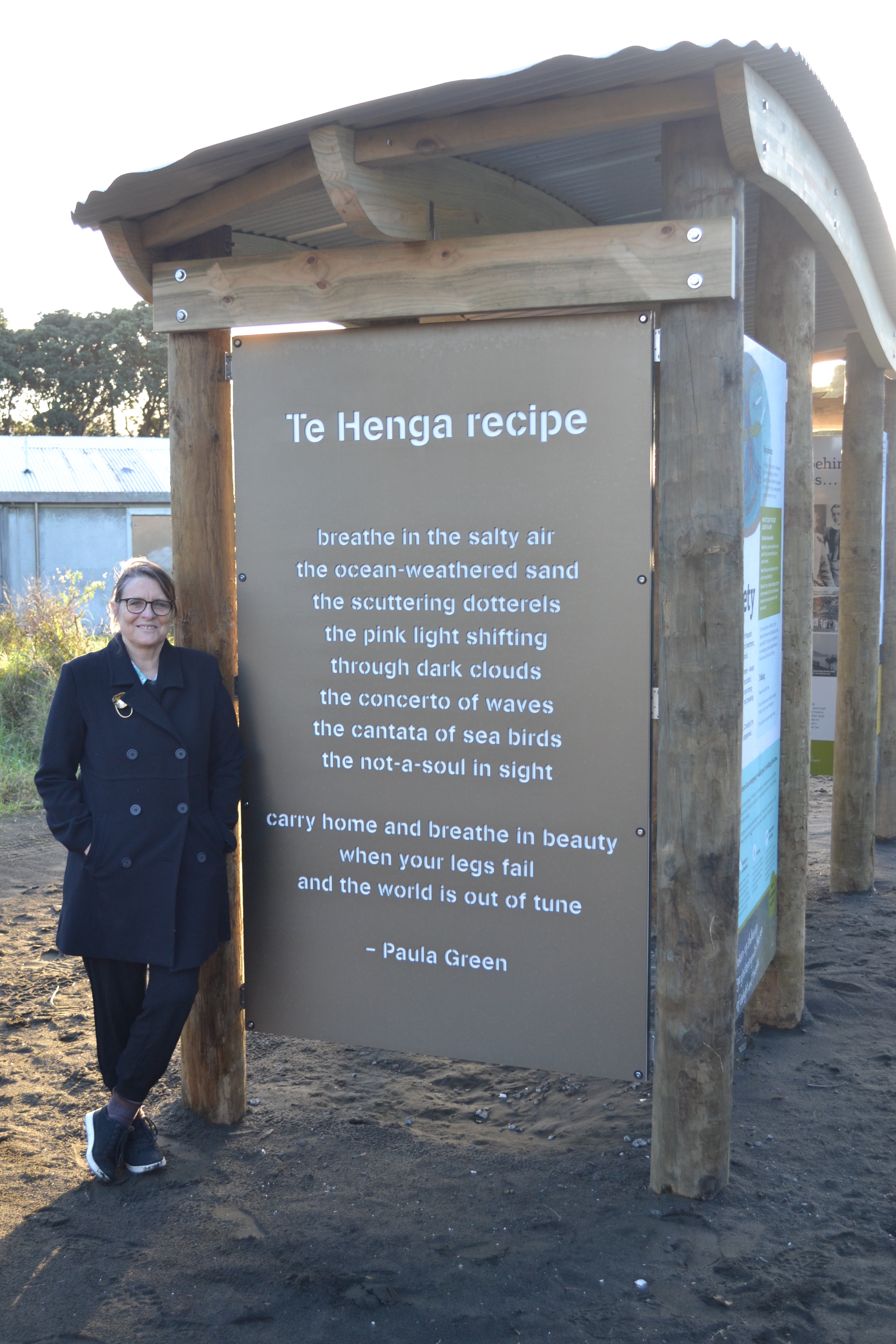
The brand new information kiosk at Te Henga Bethells Beach
On Saturday June 11th I am due to be admitted to Auckland Hospital for a stem cell transplant (the date can change, especially if I get a cold!). For the past months I have been having millions of tests and scans to make sure I am match fit. It is a high-risk high-reward procedure that can save lives. I am feeling immeasurable gratitude to an an anonymous stem cell donor. Beyond the words a poem might hold for example.
I will be in hospital for four to six weeks all going well, and then have multiple weekly visits. My Covid vaccines will be back to zero and I will be steering clear of people and shops for the rest of the year (and book launches and writers festivals!). I have no idea how things will go, and there are loads of forks in the road, but I will take and love each day as it comes.
Writing and reading have been my go-to place since childhood. I find strength and happiness when I write, devour books, and do both my blogs. I cannot imagine what it will be like ahead of me, but I have created a clearing in the bush. I am taking two beautiful notebooks to hospital and I may or may nor write a word on a page, or string five together, or leave a sequence of pages silence (Sarah Scott).
My blogs will both go on hold – bar four poems I have lined up to post automatically. And this is a very strange feeling, after all this time, after all this glorious Aotearoa poetry blog time. It’s never a chore, never hard work creating a space for poetry communities. But for now, I will be ignoring requests to do this or post that or read this (unless you are recommending the perfect book to read in body battering conditions – or movie, or tv show, or podcast, or puzzle).
I liken this adventure to climbing Mt Everest and I am currently at base camp in training. I am packing my emotional and physical bags with things to help me through. And that includes lines from the Paragraph Room 3. Your kindest messages.
Some of you have asked me what you can do to help. I know that what is ahead of me is unspeakably tough – some people hate to remember it in fact – but having such supportive poetry communities matters so much.
I came up with an idea (you know me!). Write a card, put a poem you love in it by you or someone else, and mail it to me with a stamp. I can only have two named visitors, as the ward is ultra filtered from outside bugs – not even flowers get in! So Michael can deliver cards that I can open when I need a poem lift.
PO Box 95078 Swanson Waitākere 0653
My stem cell transplant team at Auckland Hospital, my heaven-sent transplant nurse Mia, my Doctor, and the rest of the staff on Motutapu and Rangitoto wards are extraordinary. Think warmth, compassion, empathy, diligence. If I had the words, they would get the best thank you poem ever. A bouquet of better pay and extra staff, and some divine pastries.
Finally thank you: Poetry Shelf has been around a long time now and it wouldn’t be what it is without you. A special thank you to essa may ranapiri and Jordan Hamel who recently told me to put myself first – and that new poetry books could wait. Your kindness moved me to tears. We are astonishing, vibrant, eclectic, connecting communities and we thrive on aroha as much as mahi. On the listening and sharing and that means so much. Your poetry is a gift. I am packing it in my bags. I am carrying poetry with me as I climb the steep mountain – along with children’s books, picture books, novels, puzzles, beautiful teas and juices.
Just writing this – fills me warmth and strength, happiness and light.
I have always played around with the William Carlos Williams notion no ideas but in things in my head. Sure no ideas in things but what about in music or mountains or sky or line breaks or on blank paper or silence or heaven forbid feeling?
Or what about: No words but in music. No politics but in the personal. No silence but in noise. No noise but in silence. No heart but in mountains. No poetry but in movement. No anarchy but in order. No order but in protest. No poetry but in yes.
For my final paragraph room in this current series, I invited poets to play around with this notion. Grateful thanks to everyone who participated. I have so loved spending time in this room.
No life but in stillness
‘… here and there the rocks shining and glittering– / It’s this stillness we both love.’ – Louise Glück, Celestial Music
Lately I’ve been thinking about stillness. My family and I have been isolating, so that probably helps! I’m writing poems about still life paintings and considering the relationship between the words ‘still’ and ‘life’ – about all the life that burgeons there in stillness. About what it might mean to live a more still life, everything able to be heard, or ‘marrying a kind of spaciousness’ as poet Cyril Wong so beautifully articulates it. One of the amazing things about poetry is that it can create that still space for the poet and reader, and what shimmers in that space is intimacy – the ability to hear and be heard. I was in a poetry workshop once which was totally silent for what felt like ages, until finally a poem was read out. I remember thinking, oh, it’s a bit like being in a church – the silence and stillness create what can feel like an almost sacred space, in which to properly hear whatever it is that wants to be heard, whatever it is you need to hear. That was a revelation to me, as someone who had struggled to let stillness in.
Sarah Scott
No energy but in rest, no writing but in waiting
I’ve been thinking about the times when work doesn’t progress, words don’t come, or only the wrong words come. I have a quotation from Ursula K. Le Guin pinned up on a cork-board in the kitchen, the room where I often felt most disconnected from my writing, particularly when my children were very small — because the urgencies of feeding them were one of the demands I couldn’t timetable or procrastinate on! The line is ‘Waiting, of course, is a very large part of writing.’ It comes from Le Guin’s collection The Wave in the Mind: Talks and Essays on the Writer, the Reader, and the Imagination. It’s been pinned there for so long now that I’ve forgotten the exact, richer context it came from: I just remember its simplicity hitting me like a lightening bolt, as in, a bolt that made me feel lighter and less burdened by the struggle both to carve time out of family and work life to write, and the struggle to lift things to a good enough standard. It helped me – still helps me – to trust that even when I feel defeated by a project that seems to be failing, or a line of thought is disrupted by the realities of the daily (chores, family needs, work, personal flaws!), even that apparently ‘lost’ time is still part of the same current. It’s time to reflect, to rest, to get distance and perspective; it’s still part of the stream of experience that one day will run into the catchment of the poem, the story, the novel.
Emma Neale
I’ve been thinking a lot recently about poetry as both a singular and communal act. I’ve been thinking about the shifting relationship that poetry can have to identity. I’ve been thinking about how curation can transform journals and anthologies into something greater than the sum of its parts. I think this applies on a more macro scale too. We have so much interesting and vibrant poetry floating around right now, and I like the way it talks to each other. Whether it’s book to book, poem to poem, even performance to performance, the small moments of connection bring unexpected joy. I like poetry that bumps and shifts like tectonic plates, I like to stick my ear to the ground and wait for rumblings.
Jordan Hamel
No poems but in linen
Linen is special the salesgirl at Farmers tells me when I buy a linen shirt. Nurses wrap newborns in linen; linen allows airflow and restricts abrasion; it wrinkles and doesn’t need ironing; it has almost zero fluff. Just like a poem, I think. A poet may have wrinkles but a poem needs airflow and who wants fluff? Abrasion might mean the wrong word or a grating rhythm. When I get home and iron the shirt it seems to want to revert to wrinkles. It prefers to be warmed by the heat of the body. After scribbling feverishly I have managed to iron a poem. My head feels hot as if I have been sitting an exam but the linen shirt stays cool against my skin. It is so strong it was once used for bowstrings and even a type of body armour. And were Yeats’s Cloths of Heaven, despite heavy embroidery and various shades of blue, plain linen underneath? There’s no better fabric for writing about dreams. I think I’ll buy another linen shirt so I can always have one to write poems in.
Elizabeth Smither
No worries but in reality. No reality but in worries. No promise but in time. No data but in range? No range but in the-far-north. No excuses but in Whenua. No trees but in water. No harm but in danger. No relics but in time-liqueur. No remedy but instinct. No plotting but investing. No premise but interest. No guesses but informal. No-nonsense but in time. No quiet but in process. No cutting but in diamond. No diamond but in cutting. No promise but in time.
Courtney Sina Meredith
No self but in slips
Poetry has always felt like a collaborative process; for me, the poem is only truly written when it is shared (no matter the reach) and defined by the truths that a reader might also bring to the work. Obviously, there’s something a bit too trusting in this, too naïve, but the more and more I explore the world of words, the deeper I want to wade nonsensically through the world of image and for others to find space too, in the intangibles. In the slips of meaning that might only ever come through by feeling your way between the words yourself. I definitely have my interpretation of the poems I write but these are still very much tied up into my “self” of the poem. I like the possibilities of other selves of the poems more. It makes a poem live and breathe as a separate entity. At the moment, something I’m interested in is: how do we subvert the limitations of language in order to get closer to whatever a poem wants to do rather than what we expect it to do. As a poet, I’m not sure I’m all that interested in whether someone sees me in a poem, only that they might see something of/for themselves within the slips of the poem.
Amber Esau
I’ve been reading lots about Janet Frame lately, so I couldn’t help doing this exercise with the great novelist in mind: ‘No fantasy but in childhood / No tragedy but in family / No shyness but in silence / No madness but in metaphor.’
Frame voluntarily readmitted herself to Seacliff Hospital, a mental asylum, in 1954. Hospital notes show she wrote her ‘reason for admission’ that December in the form of a poem:
As I was walking on the stair I met a thing that wasn’t there It wasn’t there again today I wish the thing would go away
Back then, such abstractions were dangerous in New Zealand’s mental health system. Frame often spoke of literary characters—in Shakespeare and Tolstoy, for example—as if they were real people. Her child-like, nonchalant way of moving between fantasy and reality was one of the many reasons she was misunderstood (and, more gravely, misdiagnosed) as someone who couldn’t lead an ‘ordinary’ life. This got me thinking about how, as we get older and adapt to the ways of the world, we forget how it feels to be imaginative. There’s nothing strange about a five-year-old having an imaginary friend. But Frame’s adult imaginary friends of Prospero and Pierre Bezukhov (who she viewed as real people), were seen as further signs of a serious affliction. Not only does poetry lend itself to imagination, it’s perhaps the only written form that doesn’t have to make sense. Poetry allows us to step into that childhood space. We can forget about what’s rational for a moment and appreciate an image or feeling without necessarily understanding it.
Tim Grgec
No ideas but in
no ideas but in things / no iris but in garden eyes / no brusqueness but in telegrams / no symbol but in low parkway bridge / no lion but in yellow mop hair / no skin but in water / no happiness but in your snore-nings / no gaps but in peering through hair gaps / no patience except in delays / no appetite but for pattern / no generosity softer but in tree shade / or home-cooked meals / no pitchers but in the mountain-poured night / no slip but in information / in dress over hips / in jealous flashes / in cash deposits / no silkiness but in vodka pasta / no raised voice but in bad dreams / no willpower but in deadlines / no horsepower but in physics classes / no person is a poem but in your own tinted eyes / no fish but in surplus bread baskets / no laces but in fingers beside pillow-head / no recoiling but in coughs / no harsh categories but in people / no freedom but in people / no priorities weighed but in dog-eared book / small damage / life-changing quotes / no communion but in sitting together / at the level of the floor / or projects together / after the train ride / no waiting but in those news-bearing rooms / no light but in all of the sky / no fleetness but in climbers’ feet / no firn but in crampons / no decisions but in averseness to making them / no harm but in dissatisfaction / no relief but in pain / confirmed in a monitor / a machine / nothing buried in yourself / but in good moments / and the many others / radiating opposite / or just beside
Modi Deng
No grounding but in leaves
Second to the moon—another thing that always changes its shape I suppose—one of the most harped-on-about things in poetry must be leaves. But it’s true they’re a constant source of interest and hope to me as they perish and reappear and move; abundant and intricate, noisy and silent, singular and mass. There’s a Matthew Zapruder line I remember about the endless origami made by their light and shadows. My mum has always pointed them out to me, and for a long time I’d roll my eyes and tell her we were going to be late, but I guess I’m turning into her. Their lacy afterlives are around the place at the moment, white skeletons where you can trace the routes rain once took after it had fallen. In lockdown last year I’d sometimes walk late at night and look up through the huge banana palm leaves on my street. Illuminated by the street lights above, I could see the silhouettes of the insects perched on top of them like an x-ray. It’s one of the few things I remember from that blurry time.
Manon Revuelta
No poem (yet) but in preparation
As someone who is short on time for writing poems, I’m often wondering if it’s possible to leapfrog the distracted-by-the-dishes sort of warm-up that seems necessary for the stillness to emerge that’s required to write a poem-with-potential. But some things I’ve read lately have encouraged me to be more accepting of this process. Helen Garner writes that through all the ‘wandering about pointlessly … you have to believe you’re preparing the ground for something to manifest out of the darkness’. Rebecca Solnit says ‘so much of the work of writing happens when you are seemingly not working, made by that part of yourself you may not know and do not control’, and Elizabeth Bishop reflected that unproductive writing time is not wasted time because it’s all going towards creating an ‘atmosphere’ in your brain that will produce a good poem. I think Teju Cole captures the kind of writing experience we’re all hoping for when he describes Tomas Tranströmer’s poetry: ‘the sense is of the sudden arrival of what was already there, as when a whale comes up for air.’
Frances Samuel
No hope but in metaphor
Hope exists in the metaphor of possibility, always pegged some place onwards. Greener grass, silver linings, lights at the end of tunnels. Poetry is the playfulness of counterfactuals, the hope of extending a concept beyond its brute reality. Hope happens in metaphor, the outstretching of a thing ad absurdum. What is hope but a prising away from the prospect of pain and boredom? Sometimes we hope for the best but expect the worst – and that kind of hope is equipped to meet the End Times with a twelve-pack of toilet paper, Wattie’s spaghetti, a buoyancy vest and a whistle. Hope summons nouns even where the adjectives are feeble, summons escalators even when the malls are on fire. Emily Dickinson said “‘Hope’ is the thing with feathers”. It is the ‘little bird’ in as much as metaphor breathes animal into abstraction. Metaphor is the celebrating of the outer-most reaches of human creativity in the face of the white noise that issues from a vehicle set to autopilot. When I’m desolate, when the engine cuts and I’m left in the loneliest circumstance, I find my ray, kernel, or shred, of hope in the poems of other voyagers. Which is not to say, for me at least, the poem needs to be sunny-side-up. At its core, there is hope in the audacity of pegging life’s agonies to words. Sometimes it is enough for a poet to wink at you from a line break, and for a poem to mouth I know this. I know this pain too.
Elizabeth Morton
No Seeing but in Closeness
Parked at the window, hunkered down in his streamlined self, I missed his face but even in my mask he knew me. His sight was on the blink, form was unravelling. He was blind to the Autumn wither of sun; I recited the view. Poached blue of sky, Opoho rise of trees positioned like cut-outs to define a transition. Happy Easter he said, reading a sticker on the window. Are you takingthe piss Mr Olds? No. No. Not that he replied, pulling me back into usual conversation. Our last conversation? The last blessing of language? No. No. Not that. It was the gift of the window. Just as it is.
Jenny Powell
No lift but in laughter. No laughter but in joy. No joy but in tears. No tears but in knowledge. No knowledge but in mind. No mind but in mountains. No mountains but in fall. No fall but in blankness. No blankness but in lift. No lift but in the words. No words but in poetry. No poetry but in the lift and the fall.
Harry Ricketts
No perception but in action
I recently had lens replacement surgery for developing cataracts. When I entered the operating theatre––this alien space lit with bright lights, filled with smooth, clean, empty surfaces, where the floor, walls and ceiling are white––I saw the surgeon in his grey scrubs wheeling himself on an office chair from a table to a screen. He turned to face me, didn’t say anything, gave me a wave. I was reminded of my dad waving from the cowshed each school morning after I stopped my bike beside the yard and rang the bell until he looked up from an udder or turned from the cow he was walking towards the bail. As I readied myself, prepared to put myself in the surgeon’s hands, this momentary notion of familiarily embued me with a sense of trust.
The next thing, I am writing a poem. I am “fixing a fleeting emotion about an ephemerical vision,” as Anna Jackson says in Actions & Travels: How Poetry Works (p. 49). Or, as George Saunders says in A Swim in a Pond in the Rain: “What we turn to art for is precisely this moment, when we ‘know’ something (we feel it) but can’t articulate it because it’s too complex and multiple. But the ‘knowing’ at such moments, though happening without language, is real. I’d say this is what art is for: to remind us that this other sort of knowing is not only real, it’s superior to our usual (conceptual, reductive) way” (p. 100).
Janet Newman
No Existence But In Chance
While walking, I exchange greetings and smiles with other walkers, their acknowledgement a validation for my place in the world, and vice versa. As I turn to cross playing fields, I notice how each blade of grass hugs its own tiny rainbow. In front of me as I walk, a multitude of rainbows spark like the disco lights on the soles of my granddaughter’s sneakers. Being able to witness this minor phenomenon is simply a matter of being here at the right time, the angle of the sun over my right shoulder perfectly positioned for refraction to occur in a single dewdrop on a blade of grass. Trajectories of self, place and time crossing paths. I arrive home with a head full of loose thoughts that may be grist for poetry, or may not be. It’s up to me to knit together the intersecting threads. It’s up to me to acknowledge my own experience and the role that chance plays.
Kay McKenzie Cooke
No thoughts but in feelings
I’ve heard a lot recently about the need to say something, to have something to say if you’re going to write. As there is so much to want to say, so many problems to address, don’t writers have the responsibility to do so? I think about this a lot, but in the end I wonder about the wisdom of that sort of approach. If writing a poem is discovery, I worry that having something that desperately needs to be said will detract from the saying. That is, such well-intentioned efforts risk producing work whose main thrust is argument, whose emotional heft is at the mercy of persuasion, whose poetics will be subsumed by rhetoric. Not that ideas shouldn’t arise in poetry, but arise from seems about right—the pleasure for me as a writer is in the surprising discovery of what it is that might be said. I go into a poem with a feeling in my gut or a phrase in my ears. The ideas take care of themselves.
Bryan Walpert
No wars but in words
When I was at school, my friends and I used to have long philosophical arguments about whether or not it was possible to have a thought which wasn’t initially in words. I was a strong believer in the idea that a thought could precede the words which expressed it: that it often had to be translated – imperfectly – into words, after being conceived in musical or architectural or simply relational terms. Of course I couldn’t prove it, as our discussions were conducted entirely in words. We were also very concerned about the status of mathematics. Was it really a language? Did its axioms constitute words, or were they somehow superior to those slippery entities (as the budding scientists among us tended to argue)? Now that I’m older, my trust in words has not grown greater – but I think I love them more. In fact, “words are windows” was the first phrase that came to mind for this paragraph, until I realised it lacked a “no” and a “but”. Words are windows. They show us things. But they don’t do so clearly. And when you read – as I did in the online news today – that in Russia now you can “speculate freely and quite calmly on the prospects of nuclear war,” I’m again terrified at what treacherous little disease-laden free radicals words can be. I’d like to set against that the opening of Hemingway’s A Farewell to Arms: “I was always embarrassed by the words sacred, glorious, and sacrifice and the expression in vain … There were many words that you could not stand to hear and finally only the names of places had dignity.” That is to say, choose your words wisely, or they may blow up in your face.
Jack Ross
No words but in corners. No scarlet but in red. No sunsets but in sunsets. No right word but in accidents. No cumulus but in another cloudy day. No beauty but in breakfast. No moment but in meandering. No grace but in my clomping shoes. No parenthesis but in trying to fit inside them. No alchemy but in dirt. No pa rum pa pum pum but in conundrums. Nothing to say but in two hours, all on your own.
Susanna Gendall
No comedy but in sadness
A comic moment in a modern poem is not the same thing as a joke or a gag, even if the form is superficially similar. When comedy is deployed in poetry, it is inevitably seen in the long context of that art form, with its moral obligations, self-serious canons, and futile bids for immortality. Even if we don’t realise it, this casts a shadow over the comedy. The comic moment in contemporary poetry is a pantomime horse at a funeral, a squirting flower at a presidential debate. We can still laugh at the incongruity and absurdity of it all—perhaps we laugh harder because the incongruity is especially great—but always a little ruefully.
Erik Kennedy
I’m almost embarrassed to admit it, but the thing I like most about WCW’s line is its certainty of tone. I’m an uncertain person (I think) and usually suspicious of certainty (or secretly drawn to it) – those poems that batter you with their messages. Good poetry is always more about the how than the what. WCW’s line is clever and simple, but it’s the structure that seduces. No [whatever] but in [whatever]. Yes sir. Sign me up.
James Brown
william carlos williams goes swimming
no ports but in storms/ no movement but in gulls/ no peace but in surrender/ no surrender but in ferrymen/ no coins but in paper boats/ no power but in horses/ no herrings but in court/ no soldiers but in slippers / no flags but in wings/ no boundaries but in cliff faces/ no heart but in swimming /no strokes but in dog-paddling/ no pause but in breath/ no breath but in small litanies/ no faith but in the three hearts of octopus/ no clasp but in floating/ no children but in drowning/ no dreams but in nightmares/ no nightmares but in anchors/ no anchors but in the turning of the tide
Frankie McMillan
No abandon but in design
With writing specifically intended for the page, I’m very invested in the status of poems as visual documents. The words that make up a poem are only one part of the equation; we also owe a great deal of our reading experience to the format of the thing. I think the container a poem arrives to us in (left-aligned cascade; pseudo-pinball machine) can massively shape how we receive it, how we understand it, even the pace at which we read. It does for us what the melody accompanying a lyric, or the nonverbal performance of an actor, might. The form of a poem is, quite literally, its body language. So it’s important to be conscious, both as a reader and as a writer, that nothing simply falls onto a page. Just as the words have to be conjured up, so, too, does the shape they take. Whether the poem reads as chaotic or even untouched, its indents and line breaks—its pillars of seemingly-disembodied punctuation—have all been placed there by the poet’s own hand, and ought to inform how we consume the work. It reveals to us something essential about the poem, or about the poet themselves(!): is this an aesthetic inclination? Why does this stress me out? How’s there so much blank space? Are these common alignments clues to something bigger? What’s manufacturing a pause for me? How is this so visually beautiful that I love it before I’ve even got to the words? I am obsessed with form (and formatting), both as a reader and as a writer. Everything in a poem is a choice! And I love it. I love seeing exercises of restraint; I love seeing how far people extend when experimenting. The margins (and HTML) are the limit! And sometimes, even then, there’s farther to go.
Tate Fountain
Poems occupy stanzas, which is to say ‘rooms’, which is to say contained spaces that together make up something greater than the sum. Poems need space: the spaces between words, the spaces between stanzas, the things left unsaid. The space is where the poetic alchemy happens, where readers bring experiences and ideas to the poem and a new poem forms. No poems but in space. We might find solace; we might find rage. The poem is a building where we wander from one room to the next, passing a series of images as though in a gallery, lingering where something grabs us. The rooms may be small and dense, or expansive and airy. Perhaps a stanza might also be a forest clearing or a star in a distant constellation. Perhaps a stanza is a rock in a river and leaping from stone to slippery stone gets you to the other side. Because poems must take you somewhere, move you from one state to another, one idea to the next. It may be a steady journey or a rocky one. You may fall in. No poems but in journeys. A poem might leave you on a railway platform without your luggage. It might take you to marvel at a distant galaxy. It might lead you through the electron microscope to the intimate workings of atoms. It might dredge the bottom of your sea floor and show you things you thought you’d long forgotten.
Janis Freegard
No rage but in poetry. No rage outside this paper room. No rage if not articulate. No grief if not correctly punctuated. No terror but in em-dash. Nothing broken but in stanza. No abuse unless poetic. No rage-poem without resolution. No rage-poem but in PSA. No anger I can’t put a bookmark in. No rage-poem here, but you are so brave! Great rage-poem but have you considered a happier ending? These new poets are all oversharers. These sad poems are selling like hotcakes. These new poets are self-victimising. These self-victims are making folks anxious. These anxiety-inducers stir up the silt. These silt-stirrers get all the clicks. No rage if not urgent. No rage if not necessary. No rage if you expect action. No rage but in full-stop. No rage without pity. Yes rage about pity. Love the rage poem but I am remaining impartial. No rage but in blood. No blood-poem without apology. My blood-poem will make everyone apologise. Not a rage-poem but a horse. A fucking wild biting horse. Not a rage-poem but something rotting. No rot but in the body. No body-poem bleeding. No rot-poem paid for. No rot-poem where the harm is too sharp. No harm-poem if you are too harsh. Do not hate those who have harmed you. No poem but in forgiveness. No rage but in quiet. No poem but in the after. All quiet after the rage. After the rage.
Lily Holloway
no ending but in the title no wholeness but in the spaces no fulfilment but in what you have drawn in from your paper straw, sucking minerals and a chain of fatty acids no season finale but in the early morning sky no perfection but in our imagination no ticking off the to do list but in fantasy no neatly wrapped Christmas parcel with ribbons and bows and folded edges but at the mall no meaning but in what we see / create / perceive no meaning but in what we connect / absorb / supply no meaning but in what we apply / imagine / create
no blessings but in actions no prayers but in actions no reverence but in action no ritual but in spirit no meaning but in what we stitch together no meaning but in choices.
Many of us strive for fulfillment, completion, perfection, the perfect ending. We seek that magical feeling of a blank sheet of paper in front of us unmarred by scribbles or mistakes. But life doesn’t always allow us the chance of a proper ending, a final farewell or a perfect celebration. Poetry offers a way to make sense of a lack of closure, a lack of the ideal, often through unexpected means – the juxtaposition of objects or ideas, the sour taste of anxiety, the bumpy or satin smooth feel of hands running along a railing, a moment of connection between two people, a demeaning or humiliating experience. Poetry has the power to bring about meaning to these things and to draw out a sense of peace or fulfilment. Poetry can be described as imperfect – there are line breaks, there are fragments of images, there are characters that we don’t fully understand, there may not be a definitive ending, there are questions. Despite these imperfections, or rather because of these imperfections, poetry opens up possibilities and a diversity of understanding – there are so many ways that poems can offer meaning both for the writer and the reader or listener. My poetry captures family, religious and cultural rituals, often ordinary and daily occurrences such as lighting a lamp, making chai, going to school. Poetry allows me to pull these experiences out of their preserves of myth and memory and pull them out of their preserve of the sacred. No meaning but in choices. No meaning but in what we stitch together.
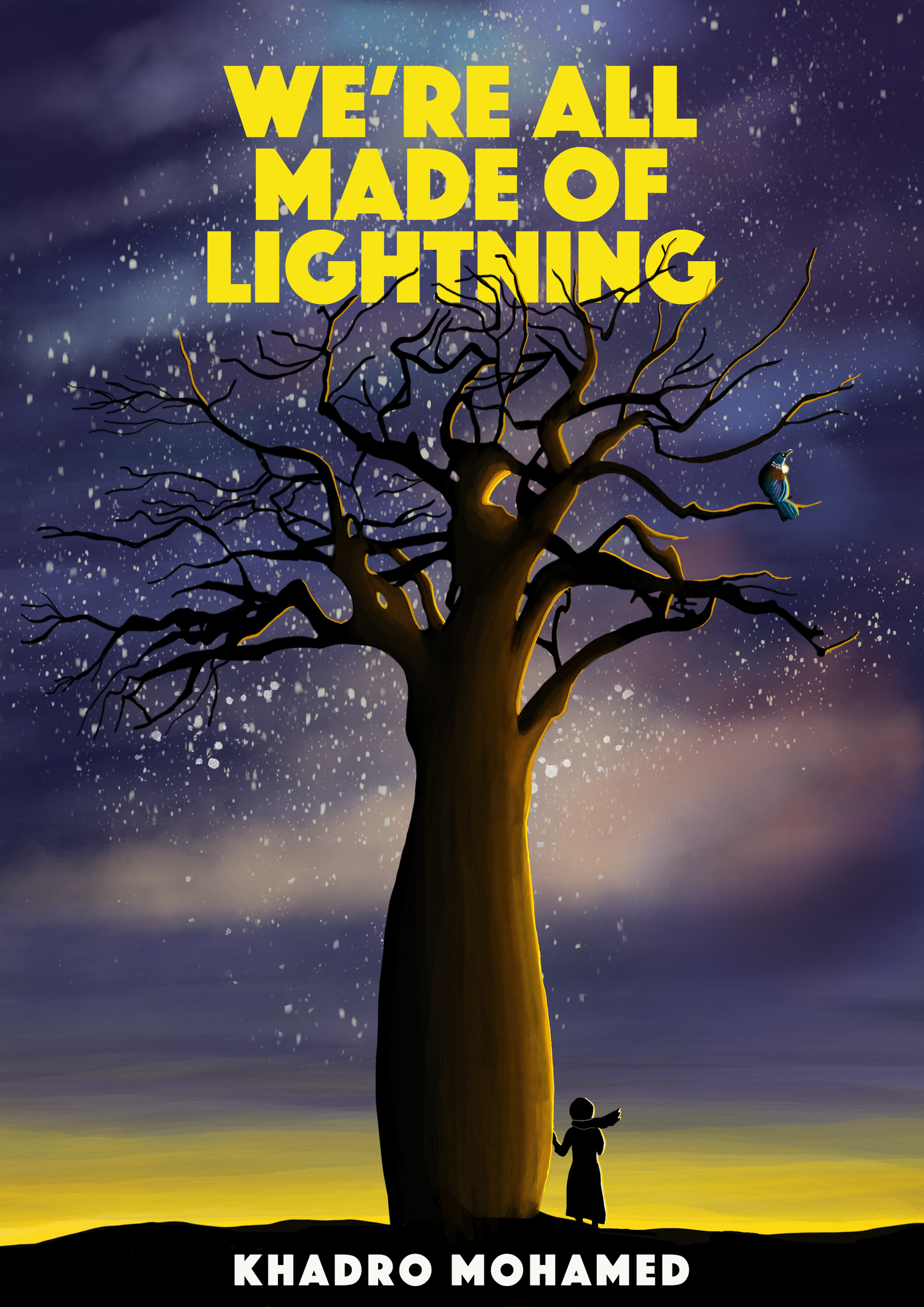
We’re All Made of Lightning, Khadro Mohamed, We Are Babies, 2022
from ‘A Nomadic Odyssey’
Khadro Mohamed, originally from Somalia, lives in Te Whanganui-a-Tara. Her writing has appeared in a number of Aotearoa online journals. She acknowledges her attachments to Somalia, Aotearoa and Egypt in her poetry, and her writing becomes a form of home.
I have finished reading We’re All Made of Lightning and I am still breathing in the poetry. I am making lists for the months ahead of me, packing my emotional and physical bags, finding nourishment in the writing of others. Willing poetry to make a difference to the way we inhabit the world, to the way we move through the day. Willing poetry to be the window that opens up the wide expanse of who we are. How we are.
You are not violet You are not hands filled with morning light You are not skin made of bone Of tears pooling int the corners of my eyes You are not the pāua shells that cling to the end of your hair
from ‘You Are Not’
An early poem, ‘The Second Time’, opens upon Egypt, and I am immediately transported to an aunt’s home, to the physicality of place that ignites all senses, to the food shared, the conversations, the evocative writing that compares an Egyptian autumn to ‘ripened sweet corn and sweet potato skin’.
Khadro’s debut collection is prismatic, probing, resonant with heart pulse. The book is still sitting beside me on the bed sparking multiple lights into the room. The lights of elsewhere which are infused with the lights of here, the lights of here which are boosted by the lights of elsewhere. Each poem is tethered in some glorious and moving way to whakapapa, to homelands, to self. To the awkwardness of speaking another tongue. To the life that is etched, tattooed, imprinted upon skin. Feelings. Longings. Epiphanies.
The book is sitting bedside, and I am thinking home is a state of mind we carry in our hearts as well as on our skin, and that it is relationships, and it is the physicality of place that feeds all senses and that can be so badly missed.
Khadro is asking for story and song. How to speak? And she is speaking within the honeyed fluency of her lines, with recurring motifs: herbs and tea, storm, typhoon and hurricane, ghosts and rain, ash and pain, chocolate and dates, drownings and rescue.
She is showing the searing wound, the challenges of being a young Muslim woman in a different home. She is responding to the barely pronounceable impact of March 15th. And there it is. The intolerable virus: a hatred that is fuelled by the colour of skin, a language spoken, one’s lineage, one’s dress or food or religion. Here in Aotearoa and across the world.
The book is beside me on the bed, and I am willing poetry to make a difference. And for me it does. To pick up this astonishing book of vulnerability and strength, of journey and vision, is to take up Khadro’s invitation and step into her home, into her poems, to share her tea and listen to her songs, her stories, her hope and her comfort. In her endnote, which she admits she had trouble writing, she thanks the reader. I am thanking Khadro and We Are Baby Press for a book ‘worth holding onto’, in multiple milky star ways.
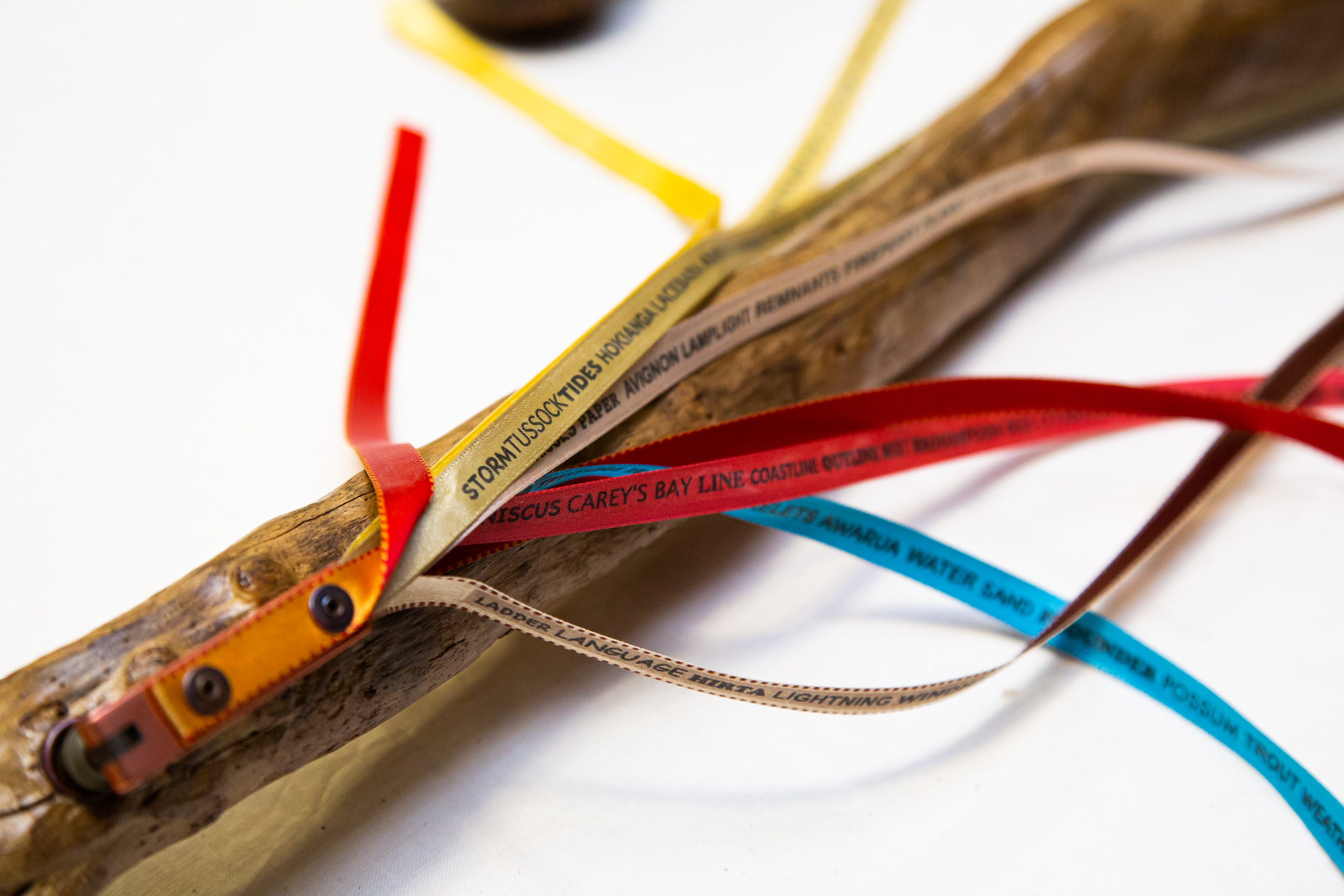
An evening of poetry was held at The National Library of New Zealand on Friday 11th March, with Poets Laureate Jenny Bornholdt, Michele Leggott, Bill Manhire, Cilla McQueen, Vincent O’Sullivan, Elizabeth Smither, C.K. Stead, Brian Turner, Ian Wedde and Rob Tuwhare, son of Hone Tuwhare. Image shows driftwood tokotoko of former Poet Laureate CIlla McQueen.
Call for Poet Laureate nominations
The National Library of New Zealand Te Puna Mātauranga o Aotearoa is inviting nominations for the next New Zealand Poet Laureate. The award celebrates outstanding contributions to New Zealand poetry.
The most valuable poetry award in Aotearoa sees the New Zealand Poet Laureate receive $80,000 over a two-year period. Each Laureate receives a tokotoko or carved orator’s stick created by Haumoana artist Jacob Scott and is supported by the National Library to create new work and promote poetry throughout the country.
National Librarian Te Pouhuaki Rachel Esson will appoint the New Zealand Poet Laureate after reviewing nominations and seeking advice from the New Zealand Poet Laureate Advisory Group. The National Library has had responsibility for the New Zealand Poet Laureate Award since 2007.
“The Laureate is an accomplished and highly regarded poet who can advocate for New Zealand poetry and inspire current and future readers,” says Ms Esson.
John Buck of Te Mata Estate Winery began a Laureate Award in 1996 and over a ten-year period appointed Bill Manhire, Hone Tuwhare, Elizabeth Smither, Brian Turner and Jenny Bornholdt. The National Library has appointed seven Laureates: Michele Leggott, Cilla McQueen, Ian Wedde, Vincent O’Sullivan, CK Stead and Selina Tusitala Marsh and the present Laureate David Eggleton.
Nominees must have made an outstanding contribution to New Zealand poetry and be an accomplished and highly regarded poet who continues to publish new work. They must also be a strong advocate for poetry and be able to fulfil the public role required of a Poet Laureate. Candidates are expected to reside in New Zealand during their tenure as Laureate.
“Each Laureate brings their own voice to the role and explores it in different ways,” says Ms Esson.
“They’re an advocate for New Zealand poetry, being involved in events that promote the reading and writing of poetry.”
Nominations close Friday, 29 July at 5pm and the next Poet Laureate will be named on National Poetry Day, Friday, August 26.
When you were clear-eyed When your breasts burst out of you like blossoms Your legs brown willow wands Your hair like golden fire You determined to be strange Wore bad 80s tracksuits Hair in a low ponytail tied with a scrunchie Frumpy centre part and frizz, a frown Under thick eyebrows Wore old man pants Hacked off your hair Grew it back without grooming Went to the ball in jandals and your grandma’s dress Smelling like dust Wore no bra and your mum’s old skivvy Ate cake in the street Made homemade dreadlocks That stunk of skin and rotting thread Went swimming in baggy boyleg trunks Wore old sneakers from a skip bin Smoked weed out of toilet rolls, apples, plastic bottles, bits of bamboo Threw all your costume jewellery in the clothing bin Bought a pair of heels and never wore them Gave them to the opshop Slept with stoners, drunks, deadbeats and layabouts Tried to get jobs in bare feet Threw out everything made of leather Wore thai fisherman pants and no undies Refused to shave anything Hacked your hair off again Wore a bad 80s jacket Dyed it patchy pink with DYLON cold Cut your own bangs crooked Got paint all over yourself Wore clown pants Carried everything in a dirty backpack No spare change no time of day Get lost, fuck off, nothing to see here Like a tree dropping fruit On the pavers of an abandoned courtyard
Airini Beautrais
Airini Beautrais lives in Whanganui and is the author of four poetry collections and a collection of short fiction. Her most recent poetry collection is Flow: Whanganui River Poems (VUP 2017). Bug Week and Other Stories recently won the Ockham NZ Book Fiction Award 2021.
We will make sure we get a good night’s sleep. We will eat a decent breakfast, probably involving eggs and bacon. We will make sure we drink enough water. We will go for a walk, preferably in the sunshine. We will gently inhale lungsful of air. We will try to not gulp in the lungsful of air. We will go to the sea. We will watch the waves. We will phone our mothers. We will phone our fathers. We will phone our friends. We will sit on the couch with our friends. We will hold hands with our friends while sitting on the couch. We will cry on the couch with our friends. We will watch movies without tension – comedies or concert movies – on the couch with our friends while holding hands and crying. We will think about running away and hiding. We will think about fighting, both metaphorically and actually. We will consider bricks. We will buy a sturdy padlock. We will lock the gate with the sturdy padlock, even though the gate isn’t really high enough. We will lock our doors. We will screen our calls. We will unlist our phone numbers. We will wait. We will make appointments with our doctors. We will make sure to eat our vegetables. We will read comforting books before bedtime. We will make sure our sheets are clean. We will make sure our room is aired. We will make plans. We will talk around it and talk through it and talk it out. We will try to be grateful. We will be grateful. We will make sure we get a good night’s sleep.
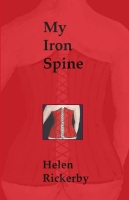
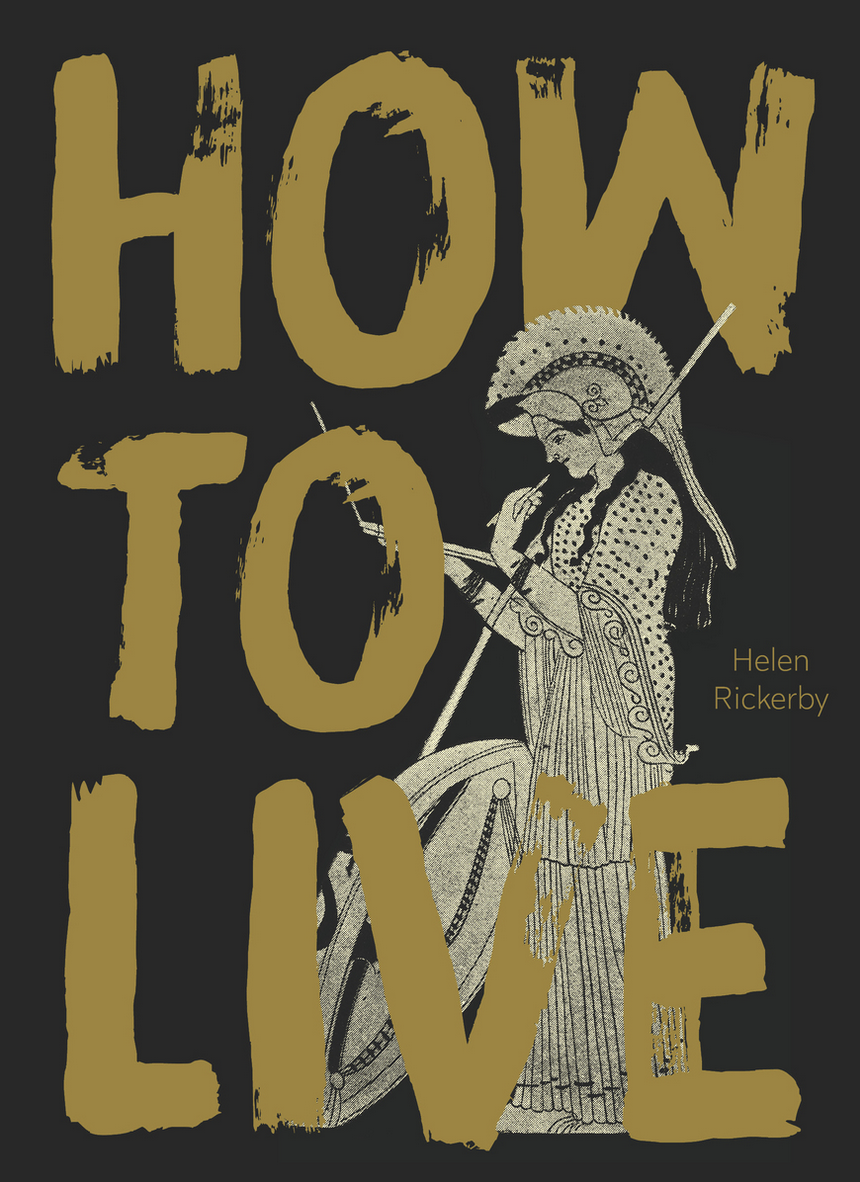
Helen Rickerby, from How to Live
I am stuck at home, not doing author trips, not catching up with friends in person, never hanging out in cafes, so I’ve been doing email conversations with poets whose work I have loved. A couple have sublime new books out, but with others it was an excuse to revisit writing I have carried with me.
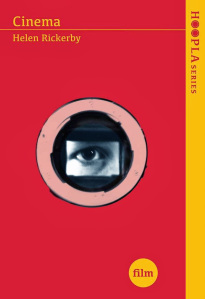
Last up in this series is Helen Rickerby. Helen is a writer, editor and publisher. She has published a number of poetry collections, including Cinema (Mākaro Press, 2014) and How to Live, which won the 2020 Ockham New Zealand Book Awards – Mary and Peter Biggs Award for Poetry (Auckland University Press, 2019). Helen was co-managing editor of the literary journal JAAM from 2005–2015 and single-handedly runs Seraph Press, the boutique poetry press.
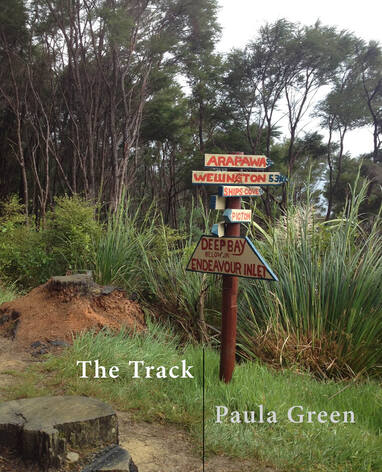
I have been a fan of Helen’s poetry for a long time, but she has also published a number of my own collections (The Baker’s Thumbprint 2013, New York Pocket Book 2016 and The Track 2019). I have loved working on each book with her.
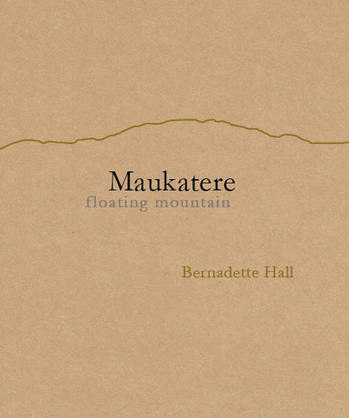
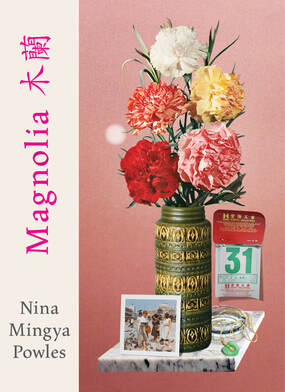
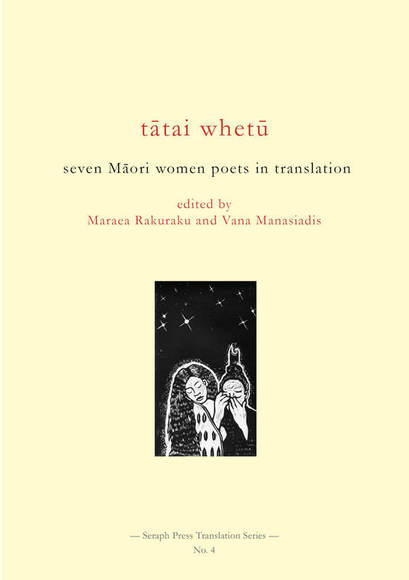
Seraph Press’s list of publications include some of my favourite poets in Aotearoa: Anna Jackson, Bernadette Hall, Nina Mingya Powles, Anahera Gildea, Vana Manasiadis, Helen Llendorf, Maria McMillan, Johanna Aitchison, Vivienne Plumb – plus the terrific anthology, Tātai Whetū: Seven Māori Poets in Translation (2018).
It has been such a pleasure to touch base with books and poetry in email conversations..
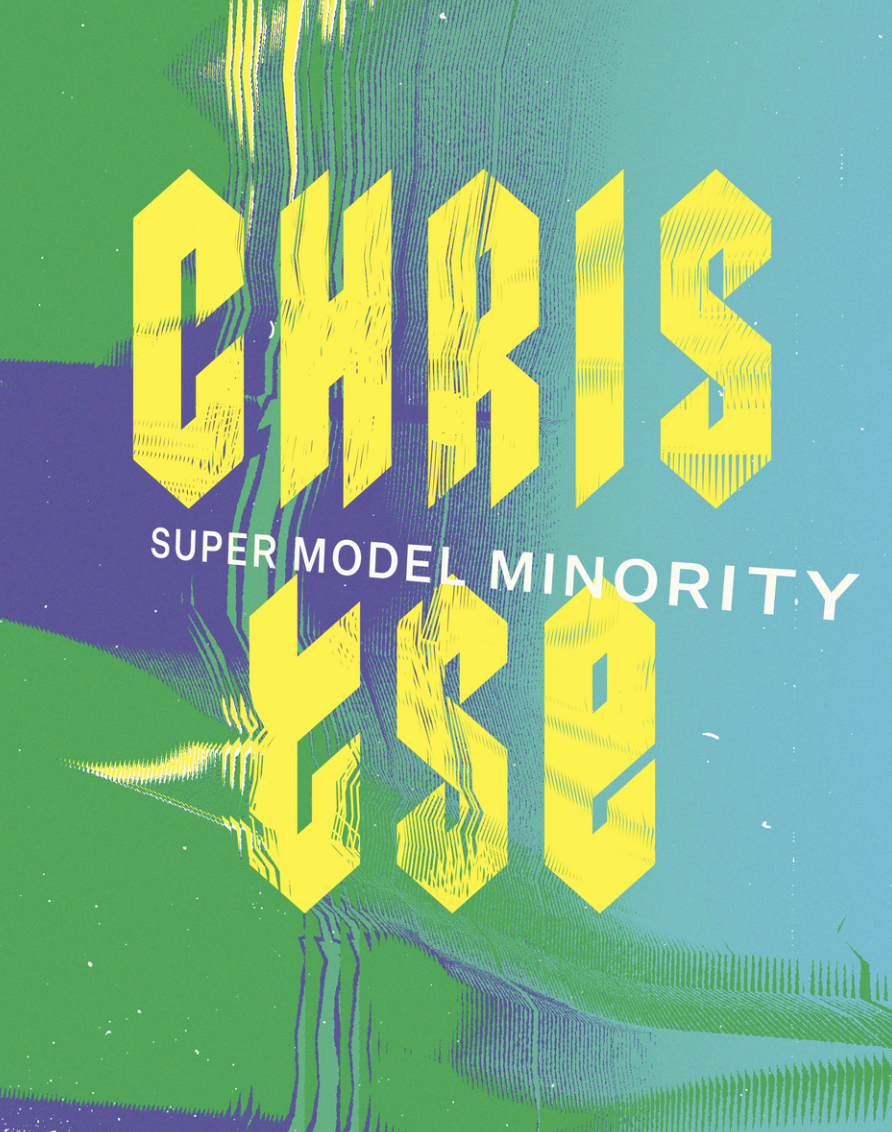
Paula: In these tilted and jagged times diversions are so important. For me, reading and secret writing projects are essential. So many sublime books are being published in Aotearoa and around the world at the moment, of all genres. What has helped you? Any books that have lifted or anchored or transported you? I can so identify with your words in Chris Tse’s new Auckland University Press book, Super Model Minority (‘these poems cut my heart before warming it’).
Helen: Yes, I’m also sticking pretty close to home just now, and while I am still seeing my friends, mostly in our own homes, I am also needing to find my joys near at hand. Over the last week while I’ve been finding a lot of comfort and joy, and also a bit of challenge, in creative non-fiction – particularly in books that could loosely be described as memoir, but which are much more. There’s something about the mixture of narrative, life, ideas and poetic writing (if not actual poetry) that’s my thing right now. Recent highlights include Joan Didion’s The Year of Magical Thinking and Blue Nights, Daniel Mendelsohn’s An Odyssey: A Father, a Son, and an Epic, Patricia Grace’s From the Centre and especially Deborah Levy’s autobiographical trilogy.
During last year’s lockdown a friend left a care package of books in my letterbox. One of the books was Real Estate, the third (red) volume in Deborah Levy’s trilogy. It’s kind of about her making a new life for herself after her daughters leave home, but it’s so much more than a memoir, as are the other two books in the trilogy. It’s poetic and philosophical and, collage-like, full of quotes from other works of literature that she’s having conversations with – I felt an affinity, it felt allied with what I’ve been doing in poetry in recent years. I read my way backwards through the trilogy, borrowing the second (yellow) volume, The Cost of Living, from a friend who lives downstairs and, as soon as we got to Level 3, buying the first (blue) book, Things I Don’t Want to Know, from the lovely Volume bookshop in Nelson (because no Wellington bookshops had it and I knew Volume could get it to me quickly, and I needed it immediately). And then when I finished that, I started reading them all again, forwards this time. I found them so calming, like the eye of a storm. I was finding everything a bit hard at the time, mainly in my head, and I would just take a little bit of time with these books and I could feel myself calming down. Even though her experiences were very different to mine, I loved the way in these books she kind of rises up above her life and looks down on it, and writes about it, from a calm height. It made me feel like I could do the same.
I confess to being someone who is looking for quite a lot of comfort in life and literature, but I also know that growth doesn’t usually come from comfort, and a bit of discomfort is really important. Super Model Minority is a fabulous book, and one that did at times make me feel uncomfortable. Some of the things he’s writing about are uncomfortable and even painful, and there’s definitely anger. But the poems make you think, and make you see and appreciate, and in the midst of it all there’s humour and hope and beauty. I’m always keen on some humour and hope and beauty.
Paula: Ah – now I am dead keen to read the Levy trilogy. And yes! That’s exactly what Chris’s collection does. And you do come away with the word hope.
I want to talk about how I love your poetry, but first, which poets would you choose to have conversations with (let’s say dead or alive, home or abroad). Poets who have affected your travels and engagements as a writer and a reader.
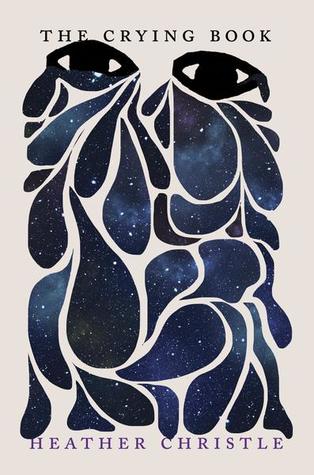
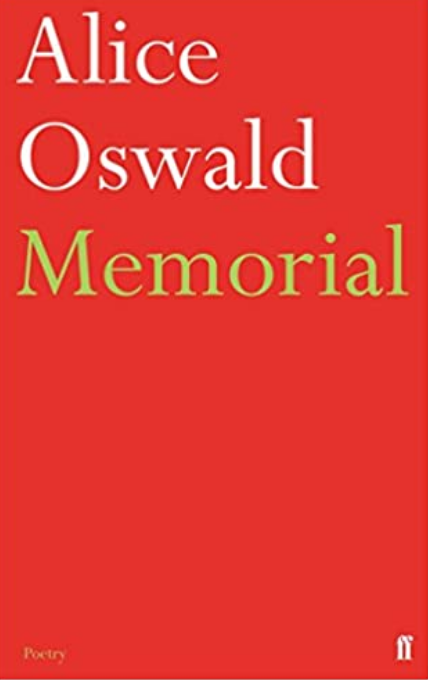
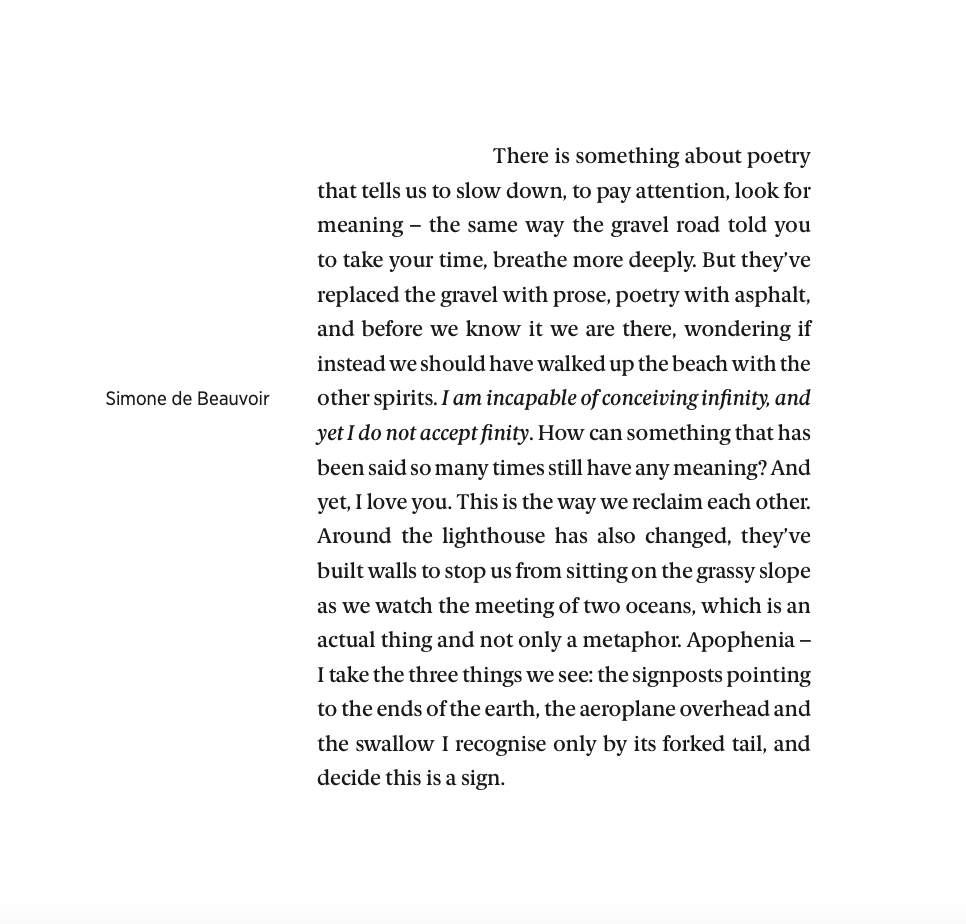
Helen: Hmmm, that’s a tricky question. I have a bit of a fear of meeting my heroes, in case it’s terribly disappointing, or they don’t like me (or I don’t like them), or we had a mediocre conversation. So much pressure! Also, quite a few of my heroes are women I don’t think I would get along with very well: Katherine Mansfield, Sylvia Plath, Virginia Woolf, George Eliot, etc… I also feel that if I really love someone’s work, I don’t necessarily want to talk to them about it, I wouldn’t want to break the magic. So I would be very nervous to talk to Anne Carson, for example, even though her work has been very important and inspiring to me in showing the breadth of what poetry can do. I was reminded today of the wonderful book-length poem Memorial by Alice Oswald today, and I would be interested in talking to her about that. While it was Heather Cristle’s The Crying Book, which is not strictly speaking poetry, that really got me, she is a poet I might risk talking to. I have had great conversations about poetry with poets who are my actual friends, perhaps particularly with Anna Jackson, who I’ve run a few conferences with, though we talk about other things too. From the past, Sappho would be very interesting to converse with, though we’d need to use some kind of translator. I would be intrigued to meet Byron, but it might not be poetry we’d talk about.
Paula: Ha! I never thought of that. Yes, I feel nervous when I review a book as that feels like a conversation that could go terribly wrong on my part. I want to navigate the paths, corridors, alcoves, wide open windows of a book and make discoveries. No interest in listing all the things a poetry collection doesn’t do.
What matters to you when you write a poem? What do you want your poem to do or be or feel or activate (I keep coming up with more and more verbs)?
Helen: I probably have as many answers to that question as poems I’ve written – possibly more! And what matters to me changes over time, and maybe changes back. But some things that come to mind are to capture something – a thought, a feeling, an experience, the thinking through of an idea, an image, a memory. I want to communicate, but not too clearly or simply, I want to create layers and textures and possibly contradictions. I want the reader to get something out of my poem, but I don’t want them to necessarily be able to decode the whole poem. I don’t want to be able to decode the whole poem. I want the sound and language to feel right for the poem, and I want the words to be beautiful, even if only ugly beautiful. I want it to feel fresh to me and/or the reader, but I want it to feel true to them in some way, which is not the same thing as factual. I want the poem to be more than the sum of its parts, and I want the poem to be a bit bigger than me, maybe wiser? I want to open some doors or windows in my own head, and the heads of at least some of my readers. I want to feel like the poem doesn’t have too much, or too little – I have a bit of a thing for a long, spacious poem, when appropriate. I want to feel that it’s a bit worthwhile, in some or other way. I don’t want to reread it and think ‘Yeah, and so?’ I want to have learned something, through writing the poem, even if only about myself. I’m not sure I can do all of these things at once!
from ‘How to Live’, in How to Live
Paula: How to Live (Auckland University Press, 2019) is one of my all time favourite poetry collections. It is a book I am taking to hospital with me. I so loved reviewing it on Poetry Shelf. Like many contemporary poets you are cracking open poetic forms – widening what a poem can do – as though taking a cue from art and its ability both to make art from anything and in any way imaginable. So richly layered. In fact everything you say above!
‘How to live’ is a question open to interpretation as it ripples through the poems; and it makes poetry a significant part of the myriad answers. I haven’t read a book quite like this and I love that. The writing is lucid, uplifting, provocative, revealing, acidic, groundbreaking. The subject matter offers breadth and depth, illuminations, little anchors, liberations, shadows. I am all the better for having read this book. I just love it. (Poetry Shelf)
If windows and doors open in your head as you write a poem they open in mine as I read the collection. Particularly in view of the presence of women. What did you discover writing this book?
Helen: Aww, thank you Paula! I learned a lot while writing this book, though I finished it more than three years ago, and so have forgotten a lot! It was definitely a book of thinking through – and feeling through – and making connections. So there’s a lot of me in there, and my own thoughts and experiences and attempts at figuring things out, but there’s also a lot of research. I learned quite a bit about philosophy and about philosophers, and that got me thinking about why I didn’t really know of many, if any, women philosophers. Turns out the main reason is the same reason we don’t know about a lot of women from the past: because they’ve been erased and forgotten. I am always quite delighted to discover women from the past who have done cool things – there are lots of them. It was also while writing this book that I started thinking about the way my poetry, and the work of other poets that I’d been noticing, was crossing over with essay, and I got quite excited about that. I’m really interested in poetry that explores and thinks through ideas – that journey – I’m probably less interested in the destination. I love the way poetry can leap over gaps and fragments, happily hold contradictions and layers and non-binaries. Both/And.
Palimpsest is a word I have to look up every time A palimpsest is a parchment from which the words have been scraped off so it could be used again but the old words still show through
Earth / late summer
This is the place of intersection your life my life my time and the little I know about yours the little I know about mine the little I know
from ‘Ban Zhao’
Paula: I so love the title and the poem it references. I am wondering if poetry so often responds to this question, overtly or opaquely. It made me want to write my own version, borrowing your title. Did anything in particular prompt the poem?
Helen: It’s a question I think we all need to keep asking ourselves all the time, for our whole lives. There’s no one answer, and the answer for each of us keeps changing, but in order to be a good person in society and a happy person in our own lives, I think we need to think about this, and also to act. Everyone could write a book of this title, and I would love to read yours! Multiple books probably – I have continued developing my ideas about how to live since I finished writing this book. They now involve more fun and dancing.
My original idea for this book was quite different, but with the same title. About a decade ago Sean, my husband, was diagnosed with cancer. It turned out to be of a very treatable kind, which was very fortunate, but the whole dealing with the medical system, let alone mortality, was a bit of a thing. I was also becoming increasingly aware that I was no longer a youth, and of the finiteness of time, and wanting to make the most of that time. During all of this, especially during Sean’s treatment and recovery, I was writing poems about this experience and exploring the idea of living as in not dying, and living as in really living. These poems weren’t entirely successful, but they had something in them, and I ended up cutting them up and using them as the basis of the long title poem, which explores these same ideas, as well considering ideas about what poetry is, and, you know, everything!
Paula: Is there a poem (or two) which has fallen into charismatic place for you? Two longer poems are particularly magnetic: ‘Notes on the unsilent woman’ and ‘George Eliot: a life’. Both function as fascination assemblages. They allow the reader to absorb lyrical phrases, humour, biography, autobiography, insistent questions. Biography is enlivened by such an approach, as is poetry. Ah, really the whole collection, magnetic, eclectic, electrifying.
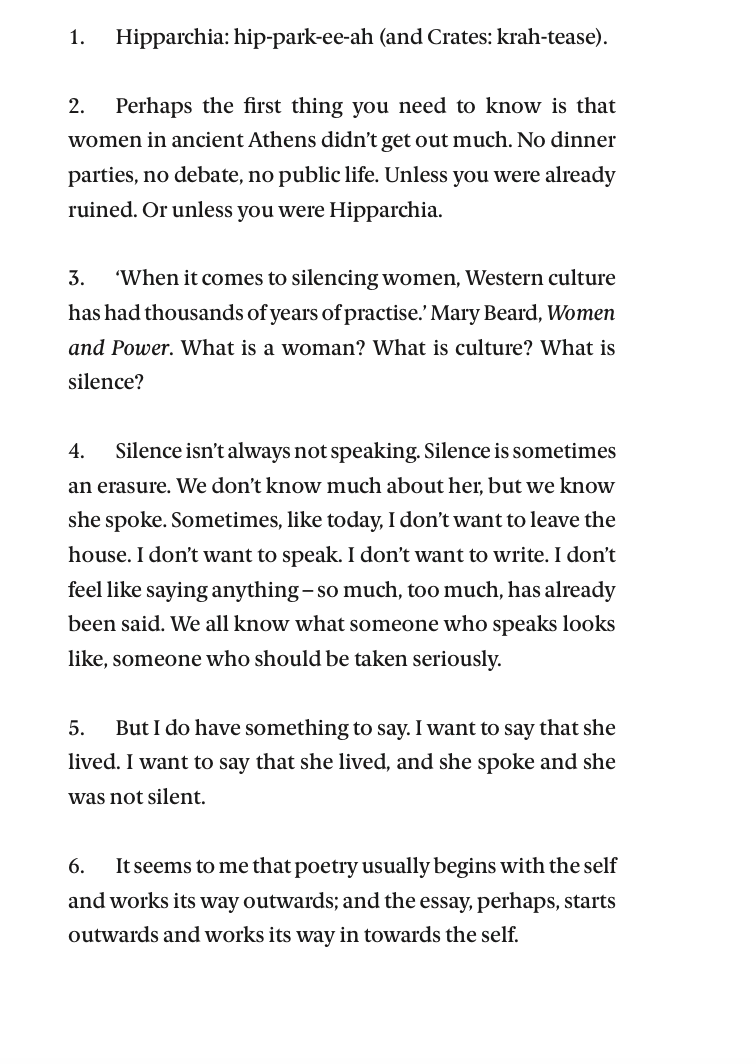
Helen: I’m not quite sure what you mean by this question. Of my own work? This might not be what you mean, but I had a similar experience with both the first poem in the book ‘Notes on the unsilent woman’ (which was the last poem I wrote for the book) and the last poem in the book ‘How to live’, where I had this idea of what I wanted to do in the poem, and I had all these fragments, but I didn’t know how to make the poem I wanted it to be. But with each, while feeling like I would NEVER get there, I had a kind of epiphany about the form, which gave me the tone, which made everything else fall into place. I have found this encouraging since – that you can feel completely hopeless, but if you keep on going you might be quite close to creating the thing you want to. I think this recent tweet by Heather Cristle evokes this beautifully: ‘I love it when form writes the book for you. It is like you are trying to screw something together and form is watching you impatiently until it says ‘just give it to me’ and you do and form puts everything together so fast while you lie down admiring its movement and shape.’
from ‘Notes on the unsilent woman‘ Hipparchia of Maroneia c. 350–c. 280 BC
Paula: I was over the moon when it won the 2020 Ockham New Zealand Book Awards – Mary and Peter Biggs Award for Poetry. Did the judges recognise something in the book you hadn’t seen? I love it when that happens – when you look through the open windows of a poem and things surprise you. And how was it winning the award?
Helen: It was all a bit of a blur! Google photos tells me it was two years ago this week. It was also at the end of the first lockdown – quite a nice way to end it. I was in complete shock – I was pretty certain that Anne Kennedy would win, and when they said my name there was quite a lot of screaming (and a little bit of swearing) at my house. Book awards are weird things. I’m fully aware that they’re never an objective ranking, which isn’t even possible, but are just what those three judges managed to agree on at that time, but it was still very lovely that it was my book they agreed on. I don’t think there was anything the judges said about my book that surprised me, but I appreciated that they got what I was exploring. And winning meant that more people sought out my book, which was also lovely.
Paula: I find myself drawn to poems of all lengths – for a while I favoured the long poem as I could carry it in my pocket and keep adding to it as I mothered and worked and cooked. Now I quite like small poems, sweet mouthfuls that are verging on stream of consciousness. What do you like about the long poem?
Helen: There is something nice about a little gem of a poem, but I do love a good long poem the most. I love the way it has space to breathe and move and meander and be a bit messy. To look at things from a bunch of angles and maybe not favour any of them. I have come to accept that I’m a digressive conversationalist, perhaps a digressive person in pretty much everything except my day job (I’m an editor/technical writer, which is all about plain-language, clear structure, unambiguity – basically the opposite of poetry), and I really enjoy interesting digression in what I’m reading, and what I’m writing. Though, it won’t be entirely a digression, because it will almost certainly connect to everything else in some kind of way. A long poem has enough time to set up resonances within itself, it can tell stories rather than just capture moments. Not that I don’t love a great poem that just captures a moment! And because I’ve been interested in the essay poem, longer poems have more space for the essaying, the thinking through, the exploration. And I guess they have the space to be about several things at once, and about the connections between those things. Probably I should give some examples, but I’m immediately struck by everything I would miss out! Possibly my all-time favourite long poem, and all-time favourite poem, is ‘The Glass Essay’ by Anne Carson, which isn’t quite book length (it comes in at 45 pages), but which manages to be about the end of a relationship, Emily Brontë, Wuthering Heights, a visit to the narrator’s mother, and the decline of a father with dementia, and some other stuff, and is all beautifully written.
Paula: I am delighted to see so many boutique presses springing up – bringing us such a wider range of voices. You have published a number of my poetry collections though Seraph Press, and it has been a special relationship. I have loved the look of each book, am grateful for your editing. The collections are all so different. I love that! And I discovered Nina Mingya Powles through you! How does publishing the work of poetry impact on your own writing? You put so much love in to the books you published. What matters to you when you make the book of someone else? [do you think publishing is something you are moving away from now to give more time to your own work?]
Helen: I do love making books, both as collections of words and ideas, and also as physical objects. And I have loved working with different writers to get their words out into the world. Some of them, like you, were fully formed poets when I started working with you, while others – such as Nina, who was only 21 when I published her first chapbook containing some of the very first poems she’d written – were just beginning and I’ve got to see them bloom in close quarters. I have made some great connections and am really proud of making books that I think are beautiful and worthwhile. I try to work with each author so we’re both happy with what we’re putting out, and happy with how it looks. Because it’s something that I do in my own time and almost entirely with my own money, I have had to basically be in love with the books to make it worthwhile. It has taken a bit of a toll on my own writing sometimes, because when I’m working on someone else’s book, that has obligations and deadlines, whereas my own writing doesn’t and gets pushed back. Especially as I’m not an especially great multi-tasker, am usually also working a day job or two, and am by nature quite lazy and so my inclination is generally to just muck around instead. As much as I love publishing, or rather some aspects of publishing (because I do pretty much everything, there are definitely things I’m less interested in and less skilled at – like marketing, for example), after getting a bit burned out I am having a hiatus on the publishing front, and focusing on my own writing, and my own life, for a while. I’m sure I haven’t published my last book though!
Meanwhile, I’m really excited to see the new publishers coming through, doing things their own way, getting important work out there, and increasingly being noticed by mainstream awards. This not at all an exhaustive list, but I’m thinking right now of Anahera Press, Compound Press, We Are Babies and new kid on the block Taraheke | Bushlawyer. Exciting times!
Paula: Indeed – so exciting to see the new presses supporting terrific new voices. I feel like we have had a very long lunch, with the most delicious food and roving conversation. It means a lot, to be part of wide stretching poetry communities.
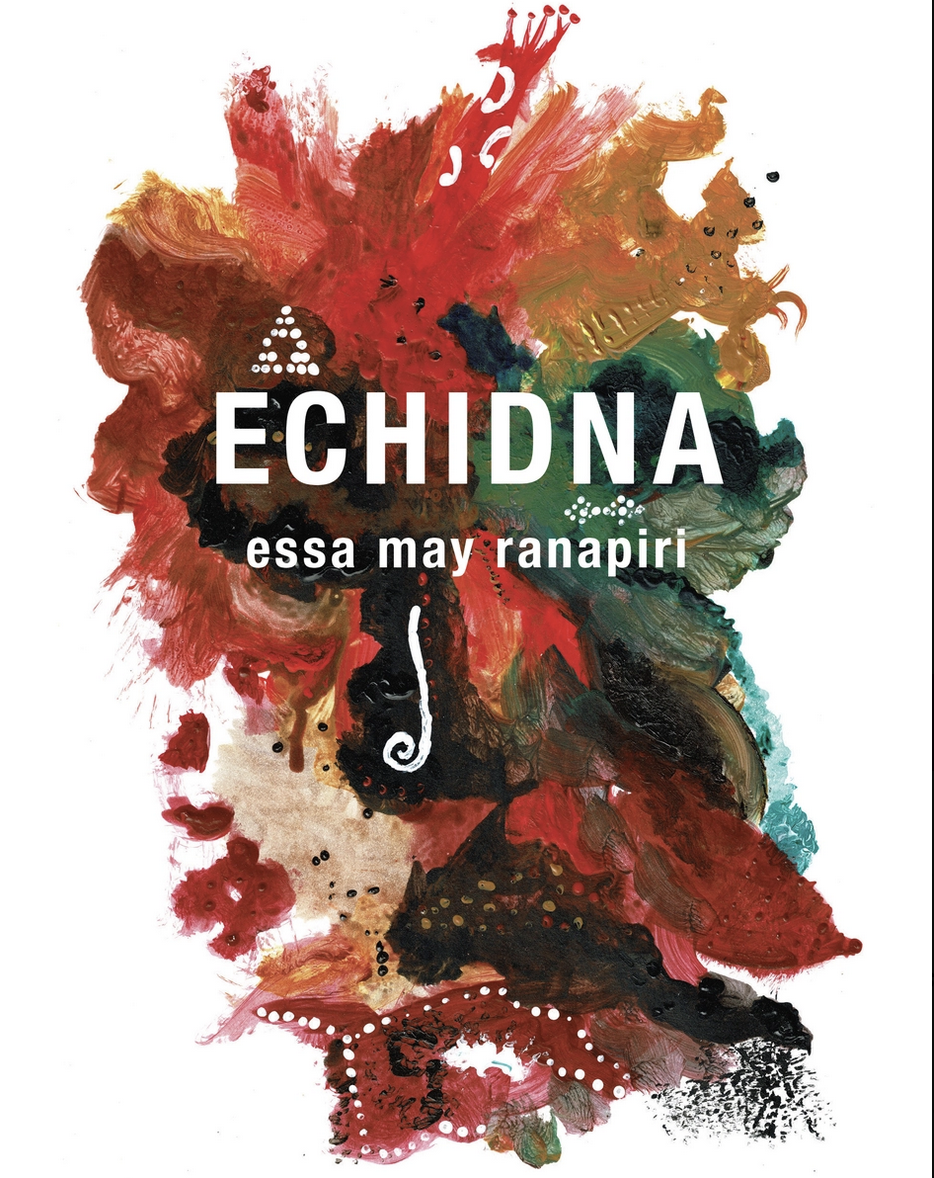
Echidna, essa may ranapiri, Te Herenga Waka University Press, 2022
they’re sharing takeaways next to the ocean bony butts on a park bench the Spider signs into the air did you know liking hot chips makes you gay Echidna smiles does it? there is just the sound of waves crashing and the newspaper rustling the grease making things transparent
from ‘Echidna & the Spider’
Spending extended time with essa may ranapiri’s new collection Echidna is a catalyst for contemplation, deep-seated musing, sinking into the knowable, wallowing in the unknowable, brushing against the light, scratching at the dark. All this and more. essa is writing in the present tense, that intimate prolonged precious moment when their words meet screen or page but, as their dedication indicates, are writing – for to from – their ancestors (past) and descendants (future). And past present future become weave. And writing becomes weave. And weave becomes writing.
I see the word weave is used on the book’s blurb: ‘Echidna contends with three stands of tradition; Greek mythology, Christianity and Māori pūrākau, and through weaving them together attempts to create a queerer whole.’ Storytelling is weave. Weave is storytelling. Where and how did she fit into storytelling over time? Where do they fit into story telling. Who is speaking? Who wields power according to the dominant voice? Ah the power of myth to acculturate.
For decades, we have attempted to place she centre stage, to give her necessary voice, to rescue her from shadows and misrepresentation, this complex prismatic stretching she. As a writer and once temporary academic, I wanted/want to witness and engage with her publications, performances, anthologies, critiques. And now, so long overdue, we must place they centre stage, to give them voice, the non binary, the gender fluid, to rescue them from shadows and misrepresentation, this complex prismatic stretching they. As writer and once temporary academic, I want to witness and engage with their publications, performances, anthologies, critiques.
essa draws upon so very much for this heart-startling collection. I experience it as a weave of their own self, vulnerabilities, fears, dreams, experiences. As a weaving of contemporary spaces, mythological and cultural inheritances, and above all the wounding slam of colonialism. This is the kind of book an author has given every inch of skin and blood to. I am reminded of Tusiata Avia’s Bloodclot.
Again I am also reminded that the books we write are woven out of the books that precede us, the communities we write within and beyond – as much as life, imaginings, daring. essa acknowledges this in their poem dedications and ‘Notes’ and the connective tissue of their poems. Here is part of the community they gather: Tusiata Avia, Tayi Tibble, Roman Potiki, Aimee-Jane Anderson O’Connor, Hana Pera Aoake, Tina Makereti, Sam Duckor-Jones, Ruby Solly, Stacey Teague, Whiti Hereaka, Keri Hulme, Rangi Faith, Robert Sullivan, Anne Marie Te Whiu, Ngahuia Te Awekotuku, Reihana Robinson, Elizabeth Kerekere, Hinemoana Baker, Sinead Overbye, Michelle Rahurahu, Harry Josephine Giles, Carin Smeaton.
The collection. Echidna, the she-viper, cave dweller, mother of monsters, half woman half snake: she is myth and she inhabits this world. She meets Narcissus, and she starts an instagram account, plays video games, eats takeaways. She squashes sandwiches into a tupperware container and she wraps herself in cliches. She meets Ureia. She is a night cleaner. She is the pulse and tension of this collection. She will keep you reading.
standing in the shower now she scrubs vivid from her tails kids’ comics and lyrics from the radio Black Parade and a Riot! of melodrama when she gets out lifting her unruly form over the threshold she wraps clichés around herself to get dry the mirror fogged over hides a reflection she doesn’t see herself in
from ‘Echidna Goes through Her Emo Phase’
Māui and Prometheus also make an appearance or two in a steaming hot relationship. The poem ‘Prometheus Collects the Body of His Lover’ hugs the right-hand margin and the collection slows right down to heartbreak, to held-breath, to astonish us as the poem shifts vantage point and embodies grief.
he takes small sips black and bitter
there was a Prometheus who would howl at this would take up patu and strike a Prometheus who would burn the house down and leave with the body and bury him in the rich soils of his kāinga a Prometheus who would try his hand at succeeding where Māui had failed but that wasn’t him
not now
essa offers sensual hooks so poems become tactile, aromatic, igniting taste buds. There is the physical and there is the intangible. The form of the poems shift like the shifting voice of the storyteller, the point of view swivelling. Sometimes a poem might appear like two salt pillars, sometimes ravined with space and ache, sometimes wider gaps punctuate the line, allowing room for float and drift.
And the sound. There is the music of the storytelling voice, a voice attuned to holding a listener entranced, to composing aural connections, undulating chords. Yes, it is music for the entranced listener.
Books find you. You find books. Poetry, like storytelling, has an incredible ability to invigorate every body pore, in ways that both heal and challenge. We need poetry in these turbulent times. We need this book. This remarkable groundbreaking Echidna.
essa may ranapiri (Ngaati Raukawa, Highgate, Na Guinnich) is the author of this book. Their first book, ransack, was published in 2019. They will write until they’re dead.
Te Herenga Waka University Press page Poetry Shelf Monday poem: ‘Echidna & Nafanua’
Yesterday the world emptied out. I don’t remember a flood – just a perfect summer’s day that had gone a bit far. Nothing was left except three donkeys and two pigs – and a hawk that began her serene hunt, wings spread, for prey. I don’t think I was there. I was floating downstream or plucking away at something in someone else’s vacant apartment (where had all the furniture gone?) with not a hell of a lot to say. A caterpillar might crawl across my path, if I was lucky, or a heavily-breathing man, intent on making it to the top. There are bigger gaps between the stepping stones now, as well as peach trees, pumpkins, apples and apricots. They offer quiet advice that hangs just out of reach.
Susanna Gendall
Susanna Gendall’s writing has appeared in a number of journals, including JAAM, Ambit, Takahē, Landfall and Sport. Her debut novel, The Disinvent Movement (THWUP), was published last year.
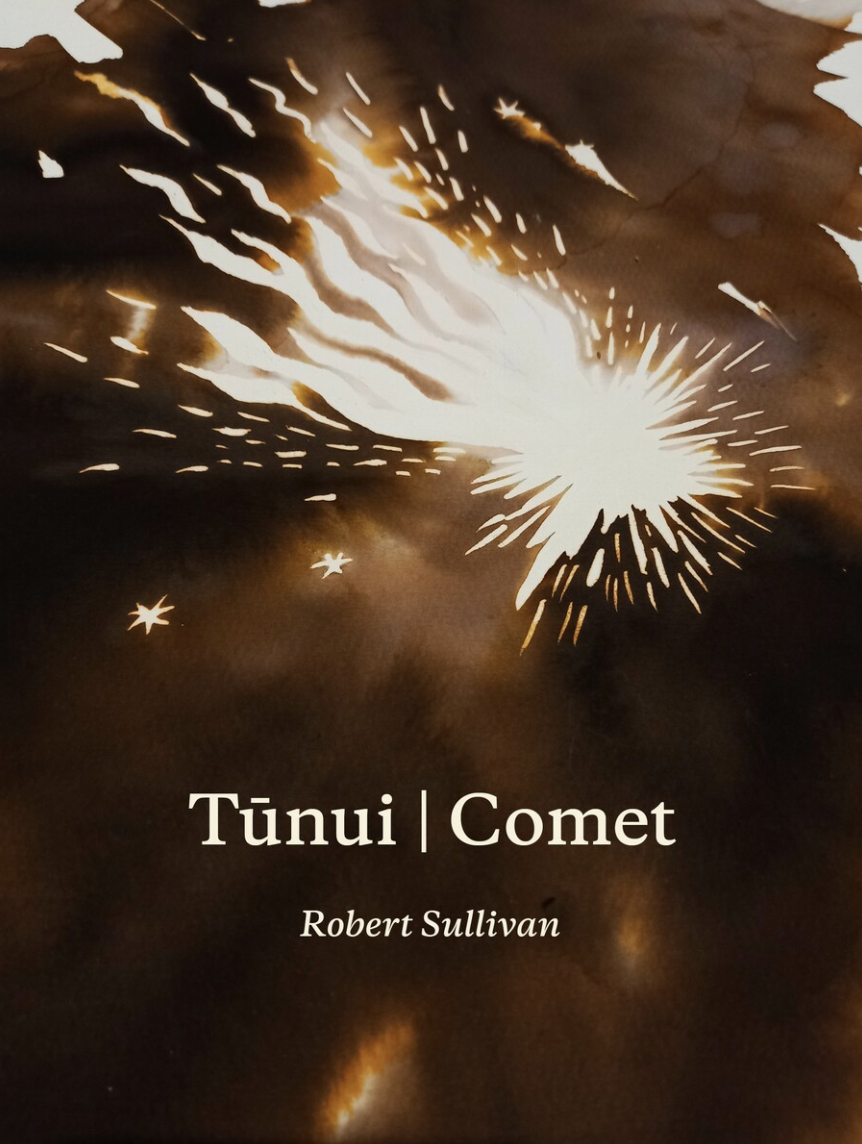
Tūnui | Comet, Robert Sullivan, Auckland University Press, 2022
6.
I’d written ‘Decolonisation Wiki Entries’ because it reminded me of buses in Honolulu
at the airport and Waikiki. The open-air buses aren’t like decolonisation though. Decolonisation
is not worrying about cultural identity, and not translating and not having to explain
things like a family and hapū do such as wānanga because the wānanga is the explanation
or learning mōteatea by our ancestors, or prophecies of our spiritual tūpuna, or sadness
at the fighting on the other side. These decolonisations make up life.
from ‘Te Tāhuhu Nui’
Robert Sullivan belongs to the iwi Ngāpuhi Nui Tonuand Kāi Tahu. His debut collection, Star Waka (Auckland University Press, 1999), marked the arrival of a significant poet, and has been numerously reprinted. Robert has published a number of collections since, and with Reina Whaitiri edited Puna wai Kōrero, an anthology of Māori poetry, and with Reina and Albert Wendt, Whetu Moana and Mauri Ola, anthologies of Polynesian poetry in English.
Robert’s new collection, Tūnui | Comet, stands on the shoulders (hearts, lungs, mind) of everything he has written and edited to date. Voice has carried his poetry, his family, his whakapapa. Voice is the weave that remembers the touchstones of his previous collections: Tāmaki Makaura, the Far North, colonisation, Cook, family. I have never forgotten his premise that voice carries us. And voices carries this collection, all that it holds close, all that it challenges. It is there in ‘Kawe Reo / Voices Carry’:
Voice carries us from the foot of Rangipuke / Sky Hill / Albert Park to the Wai Horotiu stream chuckling down Queen Street carrying a hii-haa-hii story—from prams and seats with names and rhymes, words from books and kitchen tables.
In writing poetry, Robert is speaking to for with from. He is conversing and he is voyaging, and his writing is the river flowing, the currency of water and air vital. Each poem sits in generous space on the page, each poem given ample room in which to breathe, in an open font, allowing space for the reader to pause and reflect.
The collection weaves in past, present, and future – who he is, was and will be – mythologies, histories. There is the drive to write in te reo Māori, to nourish the language’s roots, to write poems without English translations, to insist upon a need to speak and grow with his own language.
Robert acknowledges he writes within a community of poets who have shaped him. He carries a history of reading, of considering the work of others, particularly Māori and Pasifika poets. There’s a homage to Alistair Te Ariki Campbell. An imagined barbecue with Hone Tuwhare. A reminder the notDeclaration of Independence was actually yes, an assertion of mana by the rangatira (for Moana Jackson). There’s walking on Moeraki sand to remember Keri Hulme’s place names.
Voicing: colonisation decolonisation. The poem ‘Decolonisation Wiki Entries’ reminded me of the caution I bring to facts and figures, to encyclopaedic entries, to the way statistics can be hijacked, research findings manipulated. I am reminded of the hidden narratives, the misrepresented experiences, the sidelined voices.
2. Ruapekapeka
I have visited once and seen a hilly field from memory—hard to take the scene in without props. There was a church service and worshippers fled out beyond. Never swarmed the bunkers and trenches. Flicked between ancestor Wynyard and out neighbouring great chief Kawiti. I do not know the buried knives. We gathered in this hill of ash, dead bees and pollen. We left carvings in the earth and flowers there.
from ‘Decolonisation Wiki Entries’
Tūnui | Comet is poetry of acknowledgement. It is poetry of challenge. And it is profoundly moving. In ‘A.O.U’, the poem sings a mihi for Ihumātao. In ‘Feather’s’, the speaker is wearing blood and mud splattered trousers at Parihaka (‘we’re a little band of brothers /marching hundreds strong’) and the feather is in flight:
Whiteness of the mountain the ploughs and feathers the children’s singing witness
I say challenge, do I mean voice? Voicing different versions. Wanting to wrap Old Government House in Treaty pages and lavalavas and knock on the door and ‘say open sesame’. Or stepping back into the sailing boots of Captain James Cook and twisting the eyeglass to imagine afresh the what if.
Or what if I stayed in Aotearoa and shared our science, our medical knowledge, our carpentry and animal husbandry, our love of books and conservation values? What if we had gained the friendship, love and trust of the Natives, and returned that equally at the time, not needing to constantly gaslight and to make amends?
from ‘Cooking with Gas’
Reading Robert’s intricate, sweetly crafted poetry affects me on so many levels. There is aroha in the pen’s ink, there is fortitude and insight, there is history and there is future. There is uplift, and the need to refresh the eyeglass, the mouthpiece. Read the excellent reviews of Anton Blank and David Eggleton (links below); they celebrate the arrival of a new book by a significant poet in multiple ways, and how it inspires on so many levels. My head is all over the show now, and reviews are getting harder and harder to write, but I hold this book out to you. It is a beacon of light on the horizon, and I am grateful for its presence.
Auckland University Press page Anton Blank review at ANZL David Eggleton review at Kete Books
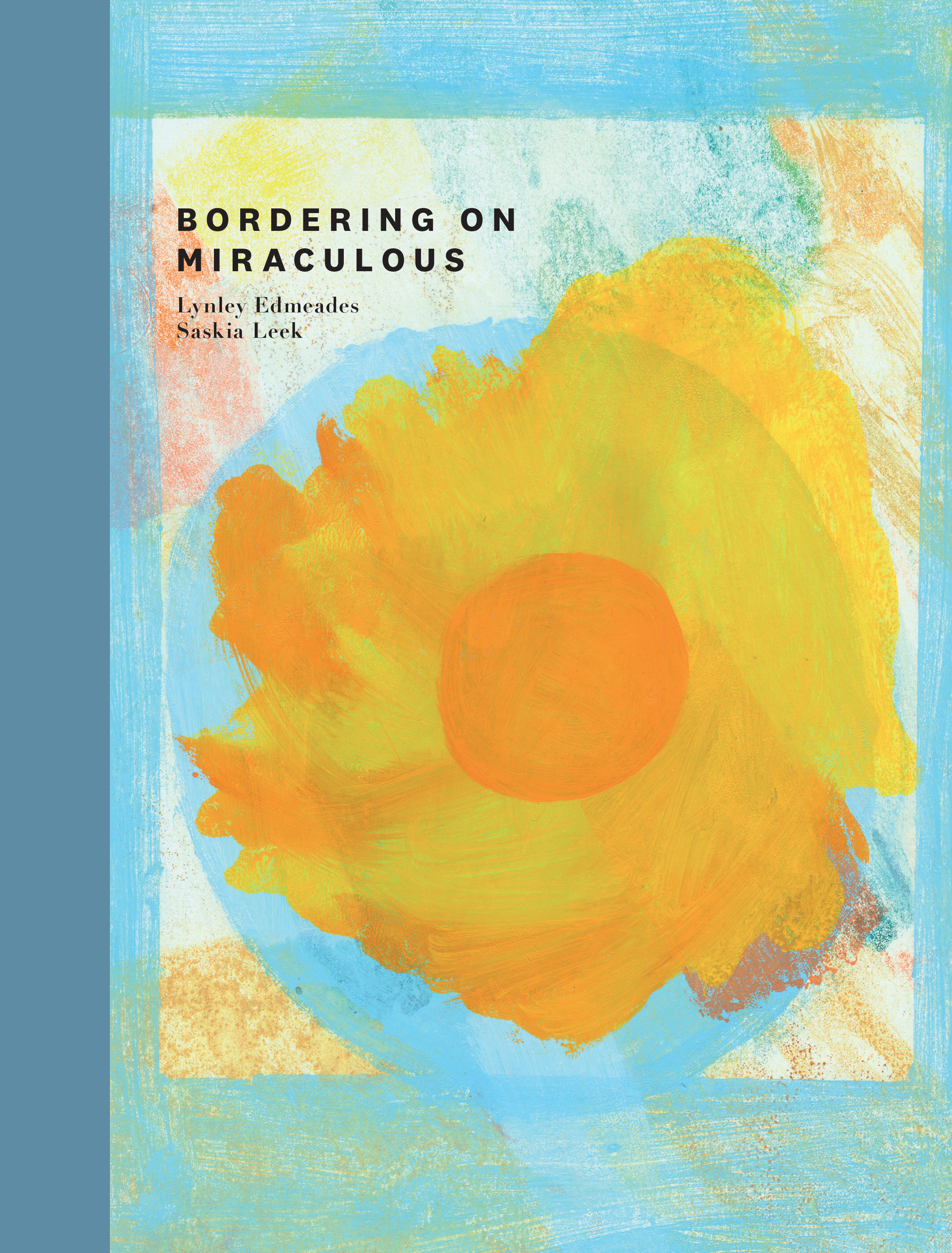
Bordering on the Miraculous, Lynley Edmeades and Saskia Leek, Mssey University Press, 2022
The delight of shining— the slow melt of general warmth and how the sun often comes to be the centre. The reaching suggests a casual spreading with a few nostalgic licks of brown. The circle is the centre is the place of insistence. It calmly asks: what if yellow is the thing? What if it’s okay to sleep with the baby in the bed?
Lynley Edmeades from Bordering on the Miraculous
Great title, inviting cover! Bordering on the Miraculous is the fourth contribution to Lloyd Jones’ Kōrero series. He invites ‘two different kinds of artistic intelligence to work away at a shared topic. In each previous collaboration I have admired the individual contributions separately, and then pondered the hinges that connect them. Each volume has been lovingly produced by Massey University Press, and designed by Gary Stewart.
Lynley Edmeades has published two poetry collections, has a PhD in English from the University of Otago and is the current editor of Landfall. Saskia Leek has an MFA from Auckland’s Elam School of Fine Arts, was nominated for the Walter’s Prize in 2010 for Yellow is the Putty of the World, and is the subject of Desk Collection, a touring exhibition that features two decades of her work.
Lynley’s poems sit alongside Saskia’s monoprints. I was curious to see the latter named as illustrations, and got musing on what an ‘illustration’ is. So often, the illustration is the support act, an enhancement, sometimes representing additional and even sidetracking visual points of view and narratives. I finally left my ‘illustration’ maze, and thought of both poem and image as illumination, the one illuminating the other, each an individual luminosity. Particularly apt with the miracle theme.
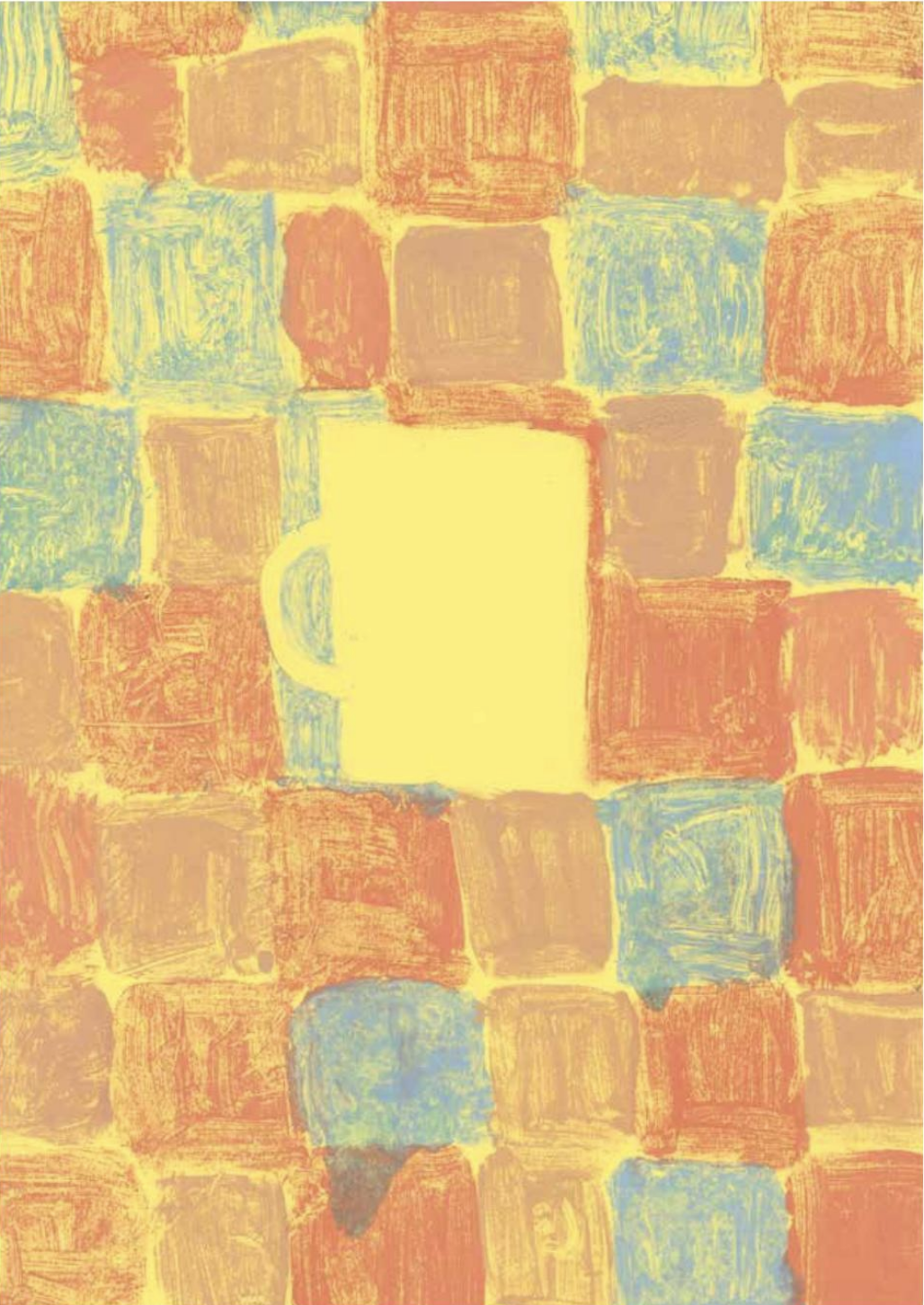
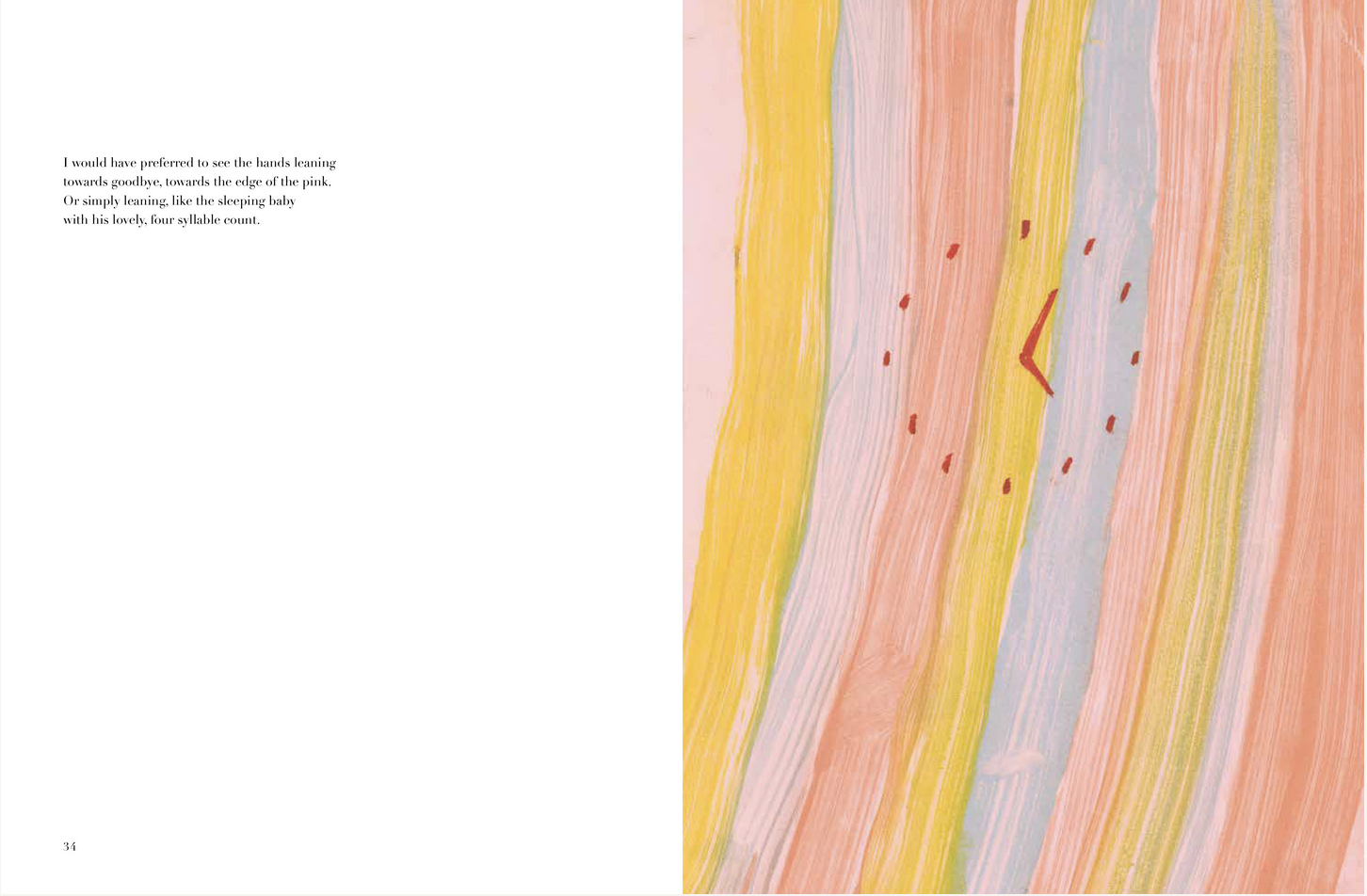
The first words that come to mind when I meditate upon Saskia’s images: texture, palette ranging from muted to bolder, gesture, restraint, focal point. Without the presence of the poem – both its physicality and its mystery – I am embedded in body-tingling warmth. Saturated in delectable colour that triggers feeling, ideas, memory, pocket-sized narratives. It is the transcendental uplift of the abstract, the satisfying texture of the physical. I might be traversing backdrop or foreground: curtain, field, tabletop, wall, sky. I am drawn to the alluring focal point: a cup, fruit, an outline, a fried egg, a clock face. Yet nothing is certain, sun might become flower, mandarin might become sun. Printer’s ink becomes gesture, gesture becomes pattern, pattern becomes internal echo. And the process of looking becomes deep satisfying contemplation. Illumination.
The first words that come to mind when I sink into Lynley’s poems: lyrical, surprising, mysterious, physical. Each poem – and I am thinking poetic piece that contributes to a thread, a sequence – holds out co-ordinates and it is over to me to trace a path. It is poetry as gathering, keen-eyed observation, daily living. The accumulation of motifs resembles the music of return: sun, cup, borders, leakage, clock, island, fruit, circles, containment. It is physical but it is also abstract. It is entry into a philosophical realm and then return to a daily world where a baby must be fed or soothed or bathed. Ideas encroach on domestic borders, the domestic infuses contemplation. Nothing is certain. Everything is certain. An island might become slice of toast, a border may be single or many, collapsing or reinforcement. And the process of reading becomes deep satisfying contemplation. Illumination.
The miraculous may small, immense, intangible, a fleeting moment. A baby held. A mountain. The moment you sit at the kitchen window, tasting tea on the tongue, warm cup in hand, a bulging sun hovering.
Lingering with this book reminds me of the miracle of a moment. A need – let’s say an insistence – to fine-tune senses to any number of borders and miracles that arrive in a day. To resist immunity to the miraculous and its myriad borders.
In Bordering on the Miraculous, the bridge between image and word might connect you to the outline of an island, to cups, fruit bowls, the sun. How does it change when you look at a cup shaped by either word or colour? On one page spread you read a poem that offers a list, lying on a bench, of everyday synonyms, and the list includes: ‘like cup / and banana / and purple’. Saskia’s image is gestured in pale purple with a steaming mug and a windowed moon that wobbles and becomes yellow banana cup. The ink gestures like finger painting, the kitchen bench signals physical chores and routines. Drinking the moon. Windowing the mood. Listing the pattern of living.
Bordering on the Miraculous is a perfect retreat when you crave entry into a neighbourhood of warmth, luminosity, wonder. Think dailiness, think mystery. It is an aide to contemplation, and internal calm. It is a book to gift and a book to keep, because it is simply and utterly glorious.
The cup holds some quietness in the way that some edges hold roundness. Bring it to your lips and consider the cinch and slide of your mouth on its edge. Even the word has a cupness to it, surrounded as it is with its palatable plosives: cup cup.



 NZ Poetry Shelf