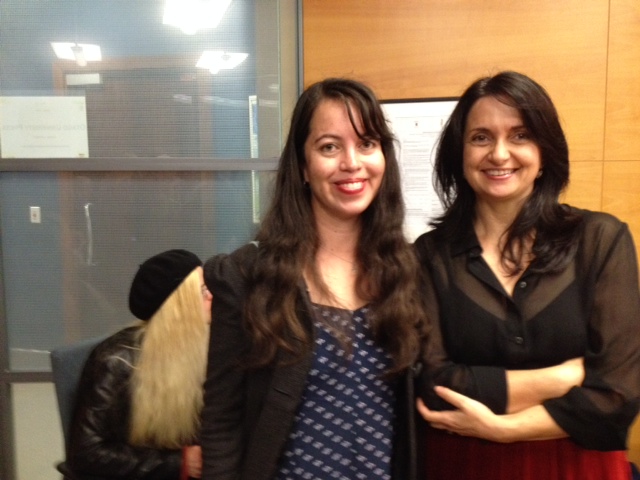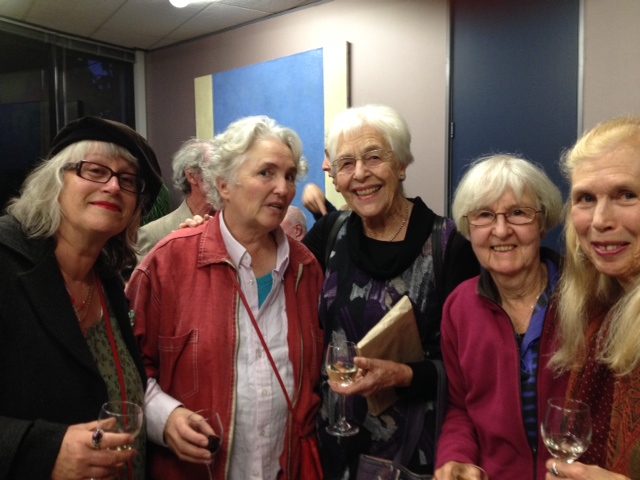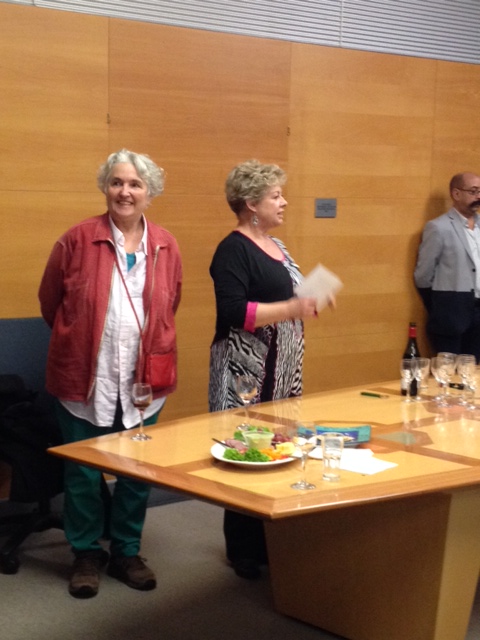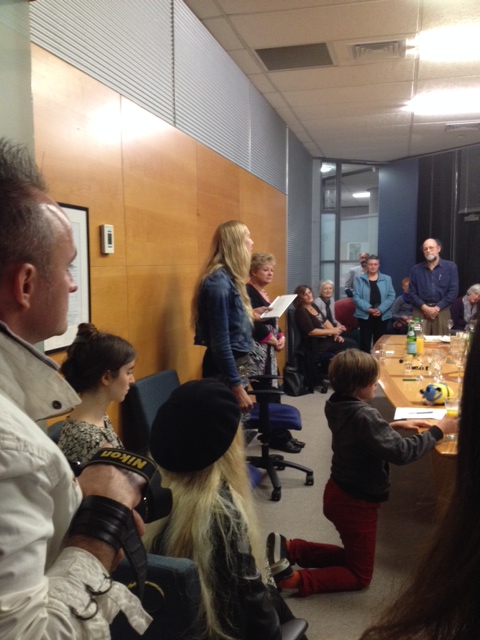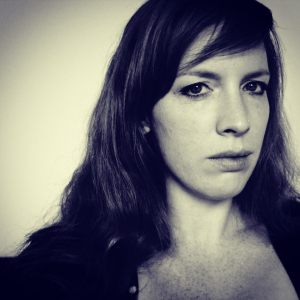
Emma Neale on being shortlisted for the Sarah Broom Poetry Award

This is a terrific piece of writing. Emma offers us a moving tribute to Sarah, her love of her poetry and a poem– amongst other things.

‘Now that I am settling down a bit from the giddy whirl of the Auckland Readers and Writers Festival, I want to repeat here how much admiration I have for Michael Gleissner and the other trust members who set up the Sarah Broom Award. To do this so soon after losing Sarah must have taken an enormous amount of energy and focus at a very raw and vulnerable time. I know from all the positive feedback and well-wishing I was lucky enough to receive even as a short-listee, that the wider poetry community has been highly aware of the award and the chance it offers to local poets.

It was a hoot to meet Sam Hunt at the session, and Kirsti Whalen showed really professional slam-background confidence. I’ve owned Sam’s poems since I was 13: though back then I didn’t have a clue what all the fuss about love and desire was. Adults seemed tortured by such bizarre emotions. Sam not only takes poetry to the people but also does a mean tap dance — look him up on YouTube. Also his interview on National Radio about the Sarah Broom Award is a marvellous recording. It’s the kind of radio that makes you forget how to multi-task. You just end up frozen in place, dishcloth at the window, struck in an attitude of intense distraction.’

See the rest of Emma Neale’s post here.

My thoughts on the Sarah Broom Poetry Award

cp-gleam cp-tigers-at-awhitu

At the Auckland Writers Festival on Sunday, Sam Hunt announced the winner of the inaugural Sarah Broom Poetry Award.

Michael Gleissner spoke about the genesis of this award in his introductory remarks. He wanted to create something in honour of his wife, poet Sarah Broom (1972-2013) that would benefit the poetry community. This award is his invention with the help of various friends of Sarah’s from around the world. He worked hard to get funding and to put the award in place.

On the entry form, Michael made the aim of the award clear: That the award was to honour a NZ poet whether established or emerging and to provide a financial contribution towards writing a poetry manuscript. This then is an award open to any NZ poet regardless of age, style, experience or location.

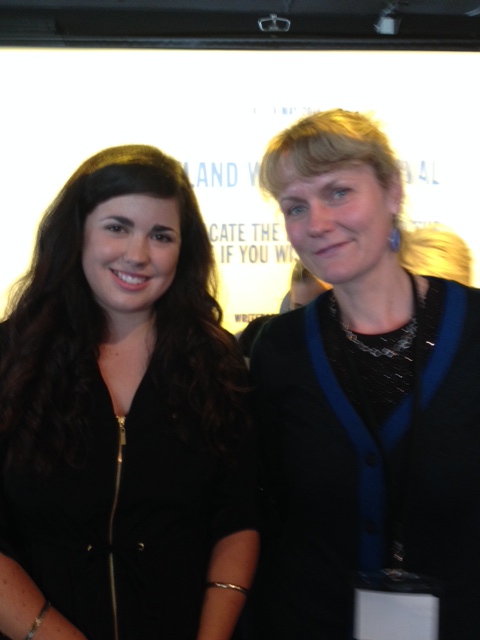
I was delighted and moved as a friend and admirer of Sarah and her work to be part of the award panel. More than anything I wanted to help get this award off the ground in any way I could. My background role was to make suggestions for Sam Hunt, and to do any jobs that cropped up (such as filming Karl). It was an absolute pleasure to read all the submissions and as I have already said on this blog it prompted me to start a new feature, Poem Friday. I want to put you in touch with some of the astonishing poetry I have come across and will come across. NZ poetry is thriving.

On this occasion, Sam Hunt was Head Judge (or Chief Judge as he wittily said on Sunday) and it fell to him to pick the winner and indeed have the final decision on the shortlist–no easy task.

What blew me away about the Sunday session was hearing three very fine poets read. I am already a long-time fan of the poetry of Emma Neale but to hear the musicality of those poems  lift and soar through the air again made my skin prickle. I had not heard Kirsti before (bar a YouTube clip) but I now have her voice in my head with all its gorgeous intonations and I cannot wait to see her get a book out. I had filmed Karl but found myself catching my breath as he began to read. At his home I had been wondering if his cat was going to leap onto the couch (just as he read the word ‘cat’) but she settled back on the floor (or he!).

In my School Session on the Wednesday, I talked about two NZ writers who have shaped me as a poet. Yes, we were doing ‘sound’ and I was exploring the way poetry hits and hooks the ear– so to talk abut the aural delights of Margaret Mahy and Bill Manhire was so perfectly apt. But these two writers have also gifted us with a generosity that is humbling– a way of inhabiting the world with empathy, attentiveness to those around, an ability to listen to others, to support and promote, to be good and to be kind, to be gracious, to celebrate the power and versatility of words. It seemed to me I saw this in Emma and Kirsti. They embraced the ethos of the award to honour, celebrate and promote poetry. I was in awe of their graciousness and aplomb. And I found Karl’s speech very moving, particularly when he said he hoped the award would keep the name and poetry of Sarah alive to us all (off the cuff, a second after I told him he had won!).

Awards are tricky things– they bring out the best and the worst in people (thus the barrage of aggressive texts, emails and face-to-face comments I have endured over the past weeks and yesterday).

I want to thank everyone who has, in the spirit of the Award, remembered Sarah (and her poems!), who has opened up to the glorious poetry of the three finalists, and who has witnessed the way poetry can touch us. I did feel a little sad at the end of the session, I was holding onto my memory of Sarah, as I was hugging my publisher. I cannot thank Michael enough for the extraordinary amount of work he has had to do in what must have been a demanding and difficult year for him and his three young children. And to the real treat of getting to know Dr Sarah Ross, the other panelist judge, from Victoria University. The poetry community has benefited from this– not just the winning poet and not just the three finalists.

Thank you.

from my IPhone on the day (just learning!):

photo


The winner of The Sarah Broom Poetry Award has been announced

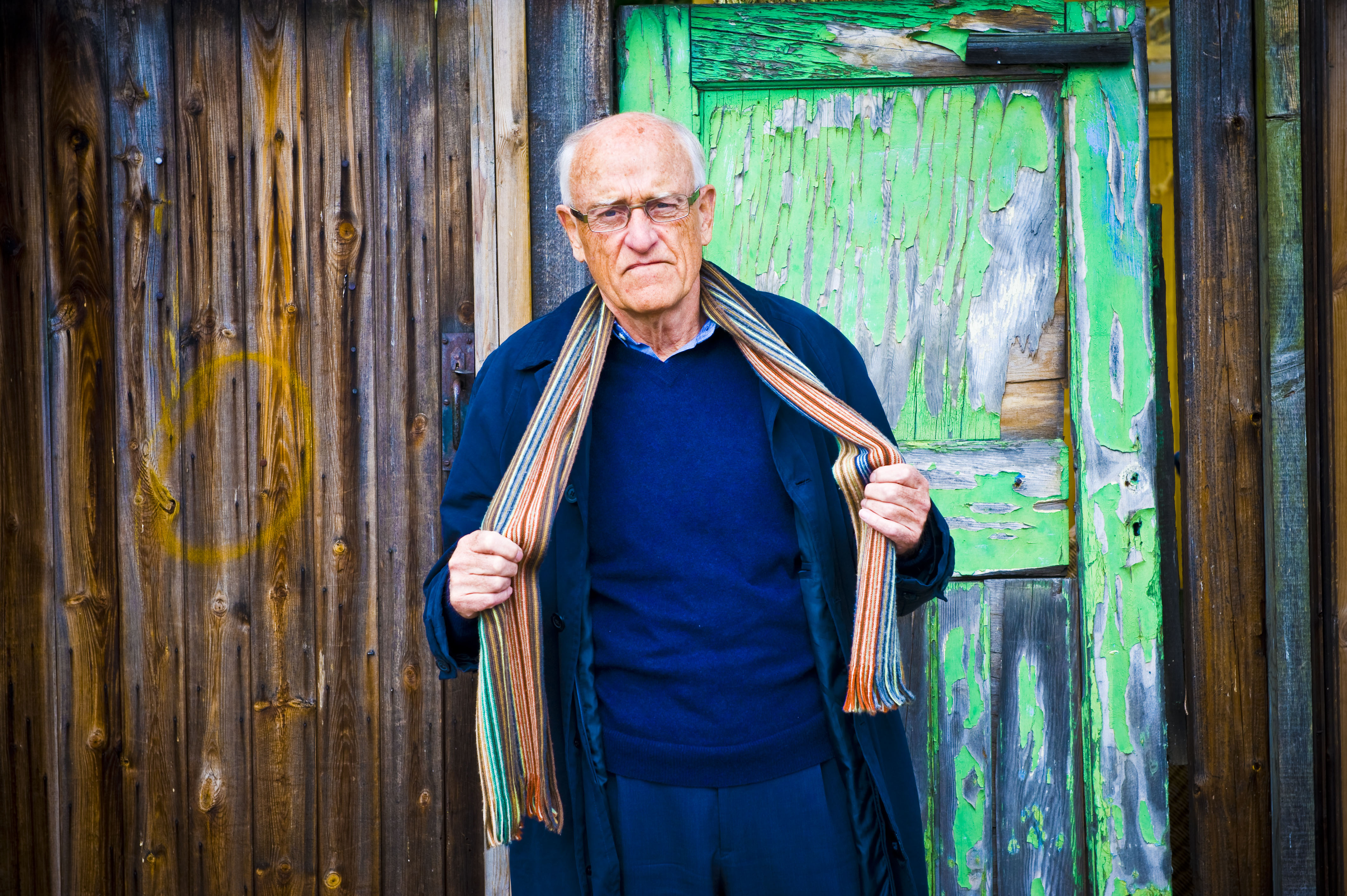
Author C. K. Stead in London

C.K. Stead was announced as the winner of the inaugural Sarah Broom Poetry Prize at the Auckland Writers’ Festival on Sunday 18 May.

Stead is one of New Zealand’s most prominent writers and critics, as well as a recipient of New Zealand’s highest honour (the Order of New Zealand), and the 2009 Montana Book Award for his Collected Poems, among numerous other awards.

The iconic New Zealand poet Sam Hunt was the invited guest judge for 2014.

“Sitting in judgement on 3000 odd poems by 300 odd poets is a daunting task”, writes Hunt. “When poems of the voice and presence of Karl Stead’s – and, to varying degrees, the poems of all my ‘top lot’ -come along, those hours of reading/listening, become more than worth the while. They become a total pleasure. Stead’s poems, particularly, did just that.”

Stead accepted the award via video on Sunday, as he is currently in Europe. “One is always delighted to win a literary prize”, he says, “but this a very special one because Sarah Broom was a special person. I admired her poetry hugely and I wish I had met her personally.”

“It’s a delight and an honour. I understand that this was a strong field — so that’s reassuring at my age to be told that you are still in business.”

“I am delighted to have won, and i hope that the award continues and that it keeps, along with the poetry itself, the name of Sarah Broom alive to us all.”

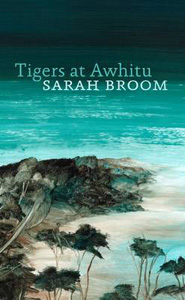
The Sarah Broom Poetry Prize was established this year to celebrate the life and work of Sarah Broom (1972-2013), the author of Tigers at Awhitu and Gleam. The aim of Sarah’s husband, Michael Gleissner, was to create an award that would honour a New Zealand poet, whether established or emerging, and that would provide financial support towards writing a poetry collection.

The award of $12,000 was announced at a dedicated event at the Auckland Writers’ Festival, where shortlisted poets Emma Neale and Kirsti Whalen also read from their work.


Launch of Siobhan Harvey’s Cloudboy

In one hour: I did a mad dash up Queen Street to catch the launch of Siobhan Harvey’s wonderful new poetry collection and then a mad dash back down Queen Street to catch Corneila Funke reading (I had just spent the day with Cornelia showing my favourite haunts on the West Coast). So I missed part of the launch and the reading but my early morning runs at Bethells paid off!

Siobhan’s launch, fittingly, was a special occasion for a special book– a book I plan to write about soon! Lots of Auckland poets came in support, including Janet Charman who launched the book with verve and tantalising extracts.

More soon!

photo

photo

photo   photo 1

photo

Poem Friday: Morgan Bach’s ‘In Pictures’ There is an electric current that strikes you as you read

Morgan Bach

This Friday a previously unpublished poem from Morgan Bach.


In Pictures

The first time my father died, I was four.

A group of them emerged from their getaway train

into a grand room, in my head the walls are papered ornately

and the lights are chandeliers, and somebody shoots him.

Money flies around the room and he falls to his knees.

We see his face register the situation

before he falls flat on it.


The next time I am eight

and my father is in the tropics.

It’s World War Two, and his face is wet and dirty.

They have been walking through the jungle, when a Japanese soldier

shoots him just like the last guy did — right in the chest

and he falls to his knees, and then down.


When I am ten he dies peacefully in his sleep,

an old man who has had a long and busy life, inventing.


I can’t recall what got him when I was twelve,

but I do remember that he put a meat-hook through a man’s throat

before he was taken out.

It could have been a shot in the back.


When I am twenty-two he is set upon by flying beasts,

and takes refuge in a ruin.

But when the creatures come, tall, with skin

like freshly healed burns, their old cat teeth,

the pinkish one that leads them spears my father

through the gut. In this lingering death scene

I look around at the faces in the cinema

and am tempted to spoil the illusion.


When I am twenty-five he is consumed

by possessed ink.


When I am twenty-six he plays a game of politics,

watches the blood sports of the ancients

and on his fifth appearance has his throat cut.


When I am twenty–seven a friend tells me

my father was buried alive last night. This death I missed.

She says he begged, near the end.


When I am twenty-eight I get back from lunch

and my workmates say did you feel that?

I call my sister, and luck connects us.

Her voice shakes, she’s driving to get her boys.

She tries to sound calm when she says no,

we haven’t heard from him, I can’t get through

and asks me to try. Dad’s phone rings

through to voicemail. Which means it’s ringing.

I send a message – we’re not to overload the lines.

There is nothing, and nothing to do.


I sit at my desk and I hit refresh

on the photos of crumbling buildings coming through.

I’m looking for the Arts Centre, the theatre

in the bottom of the old stone building.

Why aren’t they showing it?

Is it good they aren’t showing it?

I check my email, and see the little green light

next to his name – online.

It’s green,

green,

green,

green,

orange.


Three and a half hours pass.

I do not think of all the times I’ve seen him die,

of his entrances and exits.

I count the minutes,

having no one to beg,

hitting refresh.


And then my sister sends a message

that simply says

he just walked in the door.

©Morgan Bach.doc


Morgan lives on Wellington’s south coast, and in 2013 she undertook the MA in Creative Writing at the IIML. She was the recipient of the Biggs Family Prize in Poetry, co-editor of Turbine 2013, and has work published or forthcoming in Sport, Landfall, and Hue & Cry.

Author’s note: This poem is about as factual and autobiographical a poem as it gets (my father, John Bach, is an actor). It was born out of a conversation I had in which I found myself saying ‘Oh I’ve seen my father die tons of times…’ and my realisation that this was an uncommon experience. Recounting this uncommon and strange element of my growing up led me to a point where real life interjected with an experience far too many of us have had in recent years. But, like it so often does in the movies (although, not for my father’s characters – as I’ve illustrated) this story turned out to have a happy, lucky ending.

Note from Paula: When I first read this glorious poem I had no idea of its genesis (as is the case when you read most poems), but what struck me as I read, was the way we carry numerous deaths with us (our own, our loved ones). Little pocket narratives that catch us by surprise and haunt or unsettle us. Morgan writes an assured line, where the narrating voice, with its steady rhythm, builds a mysterious momentum. Surprising. It becomes a list poem in its structure— each paternal death linked to a particular age, and death becomes a way of framing the narrator’s arc from child to young woman. What I loved, beyond the tantalising enigma, is the way at twenty-eight, the poem shifts gear. There is an electric current that strikes you as you read, as you realise the threat of death has moved from cinematic frame or theatrical stage to the threat of death in real life. The earthquake moment that now resonates so profoundly for so many. The simple lines (particularly ‘There is nothing, nothing to do’) catch you—and the way ‘his exits and entrances’ lead you back to the start. Morgan’s poem demonstrates so beautifully the way narrative drive becomes increasingly potent when matched with poetic economy and perfect line breaks. The end result, a poem that rewards at the level of language and then hooks at the level of emotional engagement—you enter the prolonged panic as if there, and then welcome the relief.

Eleanor Catton, John Marsden, Grace Taylor at the Auckland Writers Festival

Yesterday I was on stage in the ASB Theatre at the Auckland Writers Festival — today I was in the audience for a couple of the school sessions.

photo

First up Eleanor Catton (now one of most famous authors after winning the Man Booker Prize last year for her novel, The Luminaries) and she was inspirational. I love the way she connected with the audience and wasn’t afraid to show herself, to laugh, to take risks, to talk about things that matter.

She began by telling a story that turned out to be boring and it turned out to be boring because nothing changed in it. Elie said that change is one of the most important things to explore when you write fiction. She said the greatest stories involve the greatest change.

She then drew a cross on a white board (good tip for me if I ever stand on stage again in front of 2,000 students!) and got the students to tell her the four types of action that drive a story: accidents, deeds, discoveries, decisions. She then talked about the way some were inside you and some where outside you; and some were controlled by you and some were outside your control.

Next she wrote down three questions that matter very much to the writer and reader of fiction: How? Why? What next?

The four actions and the three questions need to be balanced. If you miss some out, your story might fall over. It might not matter so much to the reader.

Then she got the audience to help her write a story. It was surprising! She used the questions to help make the story more interesting. If all the audience voted for what next? she used why?

The first sentence someone came up with was: A rock fell on the cave-dweller.

Then after some sentences in between, a student suggested the last sentence: She got super strength from berries.

You had to be there to experience the movement from first to last sentence! It was surprising.

It was a wonderful session that inspired students to think about their writing and reading and gain solid tips on how to make writing interesting and how to give your reader a good time!

photo

Next up was legendary Australian author John Marsden (he is also a school Principal). He started off by telling a story abut the word ‘um.’ It was the sort of story that makes you laugh and makes you think. It was about a boy and a father at the rugby and the father kept getting cross with his son for saying ‘um’ all the time—so many times the boy could no longer talk!

I loved what John said about writing because it is my philosophy too. Language, he said, is infinitely flexible. It’s like play dough, plasticine, triple somersaults, pouring on petrol and setting words alight.

He said it is really important to learn the conventions as you go through school  (like how to punctuate, grammar and so on), but in the end you don’t have to do things if they don’t help your writing. I agree totally.

John told a story about Poetic Licence. When he was at primary school his teacher told him about Poetic Licence and he thought it was a laminated card he could get somewhere that meant he could do what he liked with words. Poetic Licence is the freedom to do what you like when you write a poem (for example). Now John wants to print of millions of Poetic-Licence cards to give people permission to use language creatively.

Language, he said, is all about play (Yes! that’s exactly what I said yesterday!). Language is yours to do what you want with! he said.

He then went on to talk about status—high and low—and what kind of person that makes you and how that can steer your writing. We can find ourselves in all kinds of situations in life and part of it is how we respond, How we react. Are we looking down on everyone around us? Are we respecting people? Are we acting all down trodden? It seems to me he was saying we need a bit of both. We need to be confident about who we are but not ashamed to make mistakes.

I caught the last part of Spoken Word poet, Grace Taylor’s, session. At question time she said she started out as a closet writer until she discovered Def Poetry Jam and was then inspired by the Spoken Word Poets. She loved being asked who inspired her and reluctantly picked out just a few: Selina Tusitala Marsh, Tusiata Avia, Karlo Mila, Albert Wendt, Lemon Anderson, Sonny Paterson (I missed a few I think). Def Jam Poetry presented her with a bunch of ways of delivering poetry, she said, and then she went on to discover her own. She said rhyme wasn’t important but storytelling was. Spoken Word Poetry is all about storytelling. She said she would love to see part of the news delivered in Spoken Word Poetry! She said her strength as a poet is vulnerability. She is not afraid to be vulnerable.


Booknotes Unbound showcases Sarah Broom finalists (with poems and notes)

Sarah Ross and I have contributed to an article on the Sarah Broom Poetry Award for Booknotes Unbound (the New Zealand book Council online magazine). It includes a poem by each of the finalists.

Booknotes Unbound here

A perfect little parcel from Cilla McQueen– it dazzles, it lifts, it sets you loose in the theatre of the past and amidst the heavenly electricity of words


IMG_4576  IMG_4576

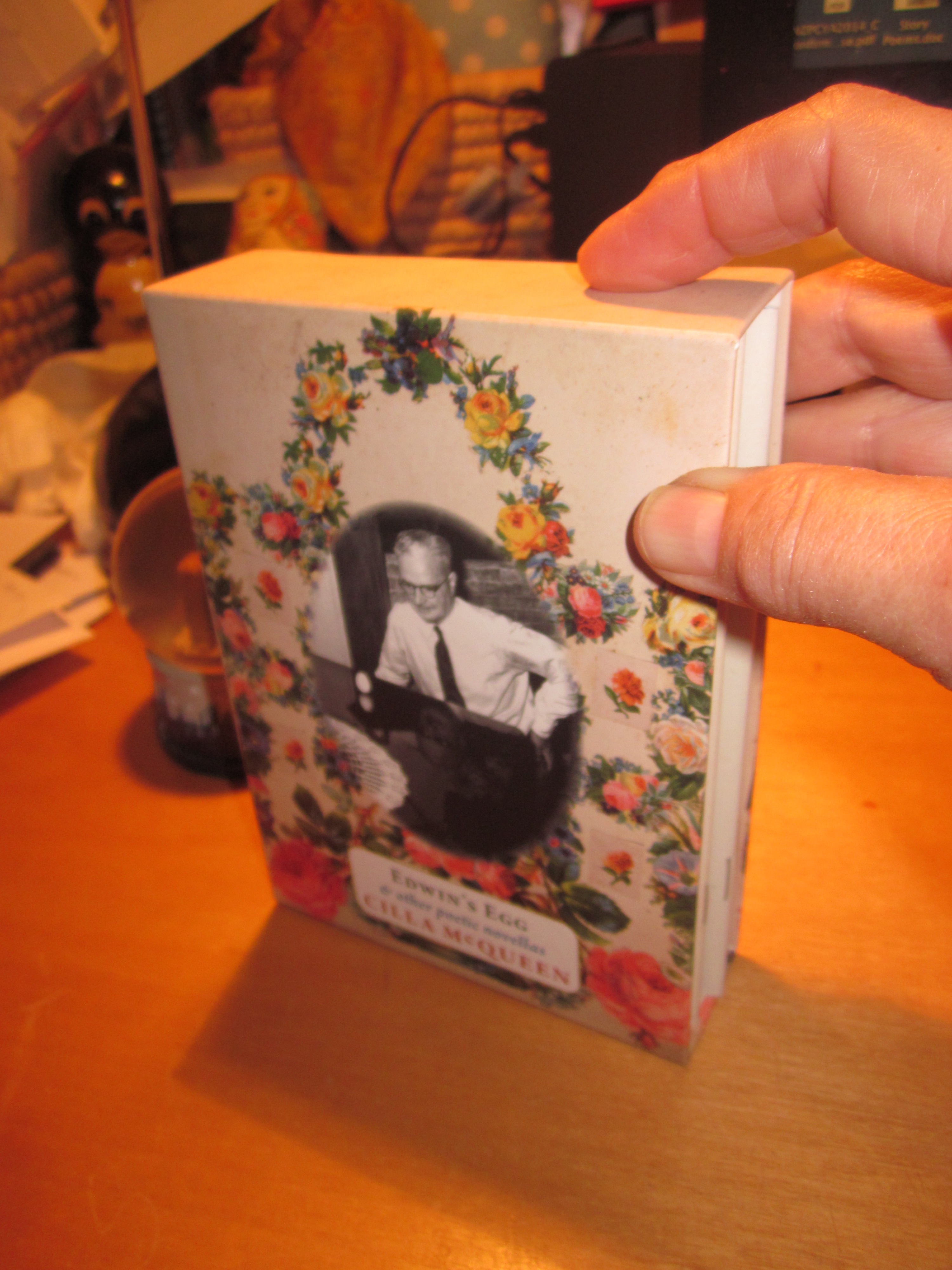
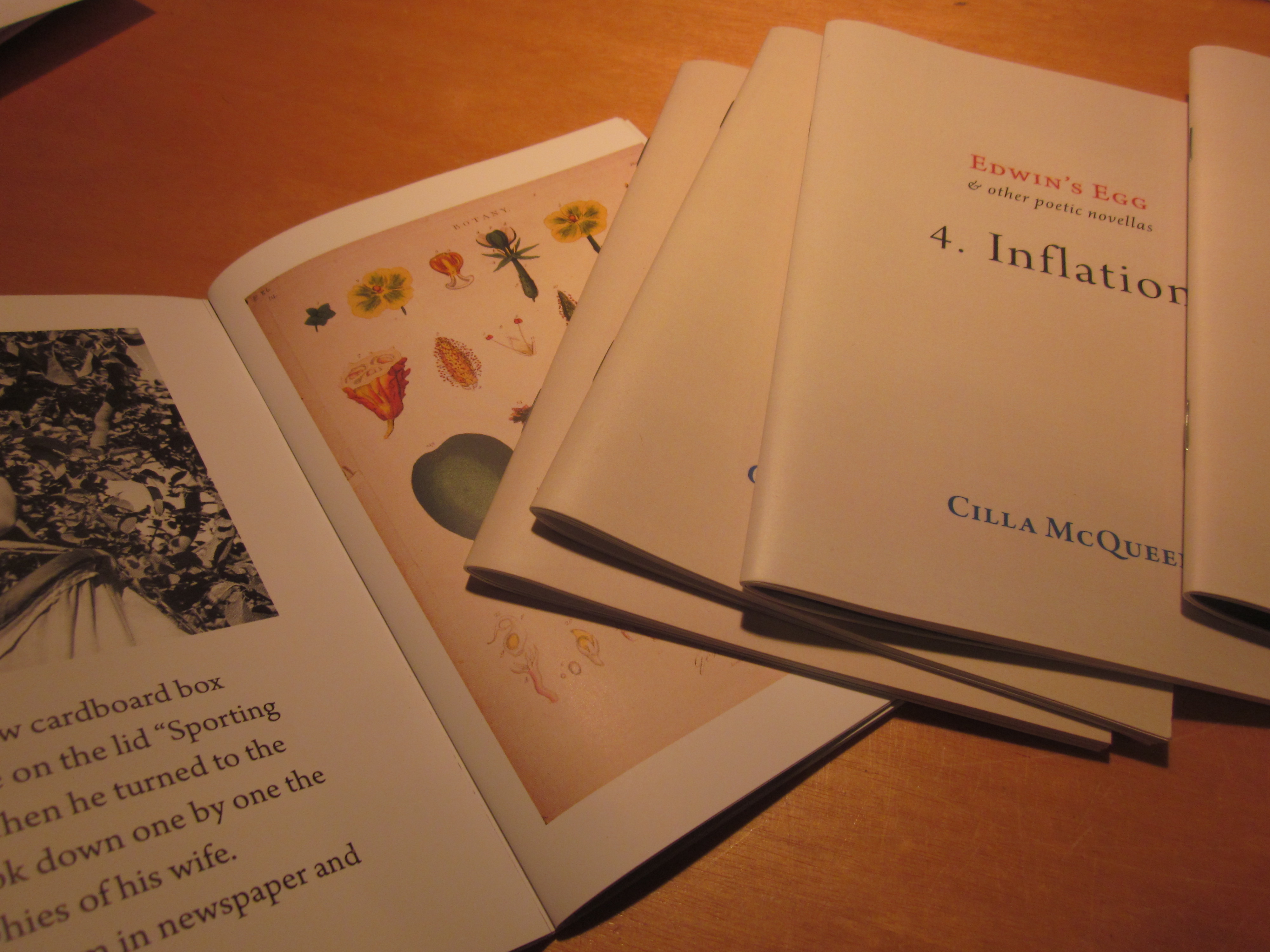
Cilla McQueen, Edwin’s Egg & other Poetic Novellas Otago University Press, 2014

When this little parcel arrived in the post I oohed and I aahed at the sheer delight of it. Cilla McQueen, who has a track record of very fine poetry, has written eight little novellas and Otago University Press has placed the eight beige notebooks in a gorgeous little box. Exquisite. Heavenly. You could read these in a flash but I have savoured and lingered and dawdled, and now that I have finished, I still don’t want to let go.

Novellas, yes. But also poetry, as every single line resonates in aural honey and semantic wonder. You track a narrative thread that buckles and hitches and loops and leapfrogs. The connections gather, the disconnections give joy and the gaps are beautifully fertile.

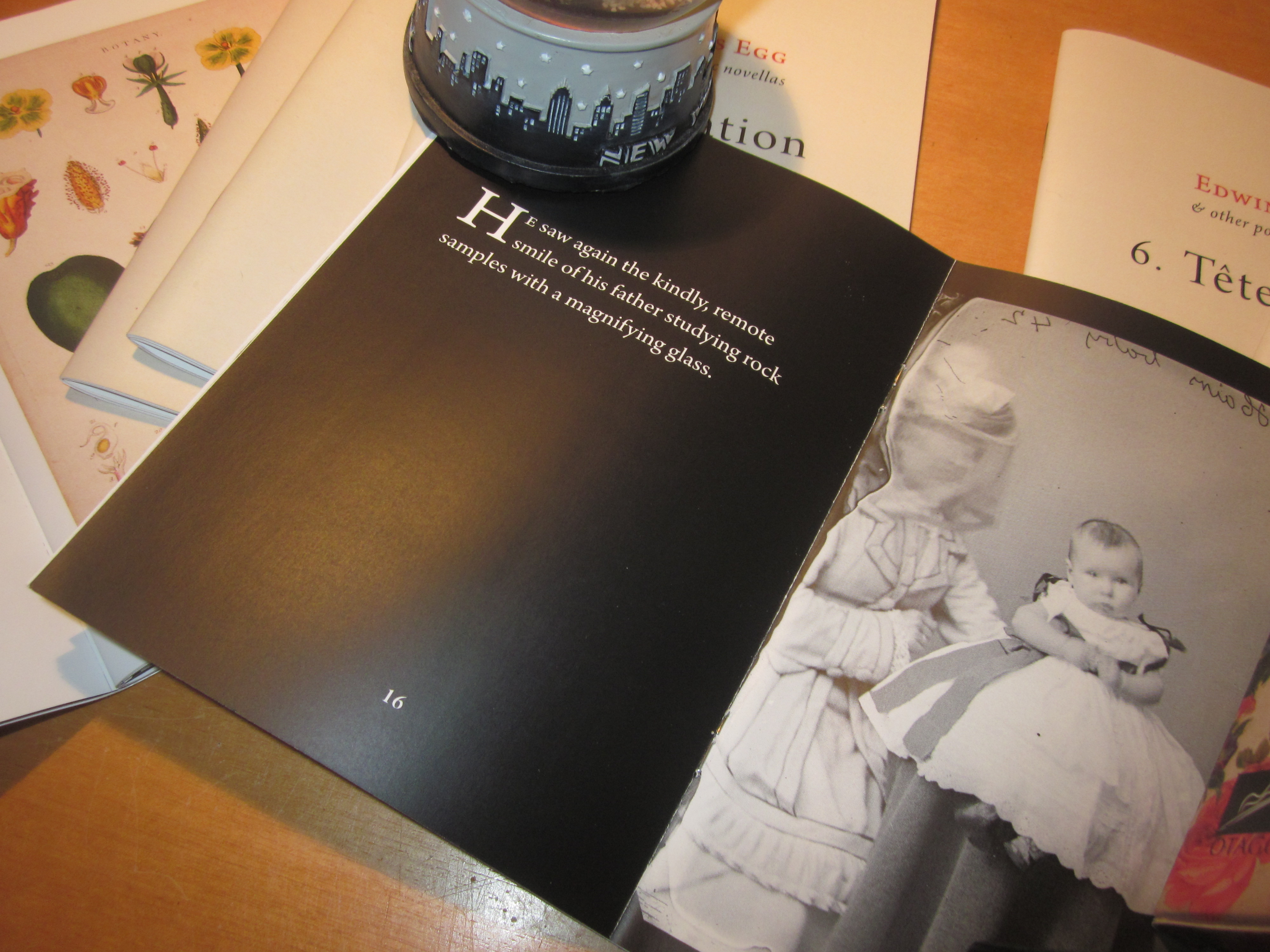
Each page of text is accompanied by a photograph from the National Library archives and each photograph acts as a springboard for the writing. The images are acknowledged in the back of each booklet. You can see what a haven the archives were for Cilla as these archival images are startling, witty, beautiful, nostalgic, astonishing.

You can read the booklets in four key ways. You can read the images, you can read each individual page of text (like a mini prose poem), you can read the whole sequence of novellas and absorb the connections, disconnections and gaps, and finally you can move back and forth across the luminous bridges between image and text. The latter is particularly rewarding. You are leapfrogged to your own private storehouse (memory theatre) of preserved anecdotes, objects vividly clear, snippets of conversation and memory shards. As you gather momentum in this extraordinary reading experience, it all builds to a magical, other-wordly narrative, bith visual and textual.

Cilla has not embarked upon a literal transcription of a framed scene into poetry or narrative. There are subtle and varied links, rebounding motifs and themes (especially the egg), humour, wit, economy. Sometimes it is like a jump-pad for free association but there is narrative glue at work here. These novellas holds together in a porous, elastic, lithe kind of way (if that makes sense!).

I like the way characters keep making appearances as though walking in from stage left or stage right: Edwin, Beryl, Eric, Doris, Digby. I love the way they spark with and away from the images and lay the seeds for their own, staccato threads.

I want to quote everything, but here are a handful of sentences that stalled me:

The more imagination grasps at an idea the greater the void created.

A man is so sudden , she thought.

He looked up at the sky’s blue eyelid, sealed by day and opening at night.

His yolk was warm amber in a white crucible.

Edwin gloomily sorted through the remains of his marriage.

No chance with this hip, Doris thought.


The novellas were part of the project Cilla undertook as NZ Poet Laureate (2009-2011) and were published in chapters on the Laureate website as ‘Serial.’ See here for details. Edwin’s Egg is unlike anything I have read in New Zealand literature– it dazzles, it lifts, it sets you loose in the theatre of the past and amidst the heavenly electricity of words.

IMG_4573  IMG_4571

Otago University Press page

NZ Book Council page

NZEPC author page

Poetry Archive

NZ Poet Laureate page


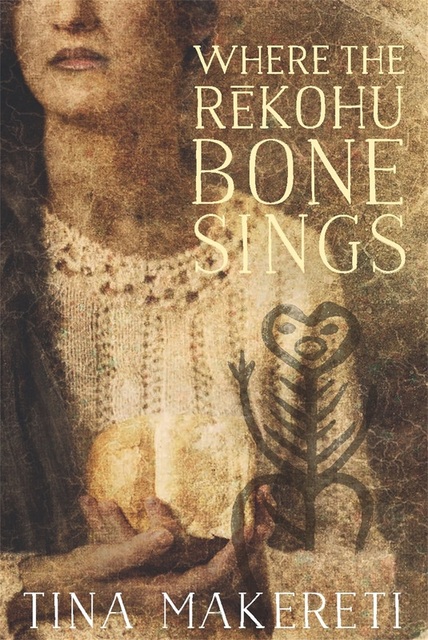
Tina Makereti’s Where the Rēkohu Bone Sings never loses sight of the ability of stories to sustain us

2440916-1

Tina Makereti is appearing at the Auckland Writers Festival in ‘Pieces of History’ along with Kerry Donovan Brown, Lawrence Hill and Fiona Kidman (chaired by Carole Beu). Sunday May 18th, 4 to 4.50 pm, Limelight Room, Aotea Centre. This is a free  event.

I don’t usually write about novels on Poetry Shelf, but I have just finished one that I am so full of, I want to share that fullness. And I am full in a good way. Tina Makereti’s novel, Where the Rēkohu Bone Sings (Random House, 2014), is a novel that emerges from diligent research and thought, yet also draws upon the panoramic experience as a mother, daughter, partner, lover. More than anything, the novel shows how fiction can represent the molecular dance of being human—the strengths, the weakness, the biases—in a way that refreshes your view of things.

The narrative structure resembles three entwined ropes: There is the love story of Mere and Iraia that stretches back to the legacy of their ancestors (he the descendant of slave, she the descendant of Moriori). There is the story of twins, Lula and Bigs who against all odds are different colours (one brown and one white) despite a shared mother and father. They discover a secret that explodes the identity story upon which they were raised. Finally there is the speaking but disembodied voice that seeps into the nooks and crannies of both narratives, and that speaks with a gamut of emotional investment and a growing revelation of belonging. At the heart of all this, are the Moriori people—the novel leads you from Queen Charlotte Sounds to the Chatham Islands/Rēkohu with various other side trips.

Tina’s extraordinary book embraces all manner of loves and strengths but as it faces the challenging and complex effects and behaviours of racism (amongst other issues), it shows too the power of story to delve deep. To take risks. To refract and reflect. We are raised on stories—from the ones our parents and forbears pass down to those that circulate at a wider cultural or societal level. Yet there is the agony of the gap, such as was the case with the Moriori, where the vital stories were mute, smudged, missing.

For me, the pleasure of the reading experience is multi-layered. Every now and then you find a book that satisfies on so many levels. It begins with the sentence—the way each is crafted with such finesse it is like the invisible stitching of fiction (at times though sentences are ambidextrous and are there to promote a visible and audible delight in language as well as to steer the narrative). Then there is the structure the holds the work together beautifully (in this case the entwined rope) along with the characters that gain such flesh and blood you become part of their world and it is a wrench to leave them. Finally there is the way a fictional work can strike you so profoundly, it enters and shakes both heart and intellect. Tina’s book has done all of this.

Yet the questions raised were the crucial gift for me. How to represent history (fictional or otherwise) in the face of all its clashing and volatile versions? How to live when your identity is ‘braided ropes’? How to move forward when these rope strands all bear the strain of unspeakable episodes (crimes against humanity, racism, intolerance, ignorance)? How to look back in order to move forward? How to forge and reforge personal and cultural identities? How to love and how to grieve? How to forgive? How to remember and how to forget?

These are some of the questions that Tina has embedded in her narrative. Not in a didactic or pedantic way but in the bone marrow of her characters. This is what lifts the novel beyond the joy of fiction (and it most definitely provides this) to a renewed engagement with what it means to love and live in the place where you have laid your roots—Aotearoa/New Zealand. Tina has written with such warmth, compassion, daring, empathy, insight and intellectual keenness on issues that matter so very much without ever losing sight of the ability of stories to sustain us, I urge you to read the novel.

http://www.tinamakereti.com/

The academic side of Tina’s PhD in Creative writing is available through Victoria University.

Random House author page

New Zealand Book Council author page

Tina Makereti interviewed by Craig Cliff

Poem Friday: Ashleigh Young’s ‘The bats’ resonates with such clarity

Ashleigh_Young (1)

Photo credit: Matt Bluett

Poetry Shelf now has a new feature. I always wanted to post poems on the site but I wanted to give everything else a chance to settle in first. I was on the judging panel recently for the Sarah Broom Poetry Award and assembled a list of suggestions for Sam Hunt. It seems fitting for an  award that honours such a fine poet as Sarah that I was so invigorated by the range and vitality of local writing from established writers to writers new to me. Moved in fact. I had around 65 names in my notebook under the heading : ‘want to read the book!’ Glorious. But in this tough environment for poetry publishing, I wondered how many would end up getting into print and getting the wider audience they deserve.

Poem Friday (like a sister to Tuesday Poem) is where I get to pick a poem that l have loved in my reading travels and with permission post it (so no submissions please). I am also taking a cue from Best New Zealand Poems and inviting the poet to write a sentence or two about their poem.

I have invited Ashleigh Young to launch the new feature (which seems apt in the light of her recent good news).


The bats

There is a kind of person who locks your shoes

inside of their house, and that is a person who is distracted


and who you see now through the window talking to his wife,

his face a protective shell grown fast around the phone.


The rush of not knowing someone at all lifts you

into the trees with the cicadas, your body too a bright clapping.


These are the situations through which you’ll get older

when you would like to walk home but your shoes are locked


in someone’s house, when you imagine sprinting down a driveway

as your back is pelted with rocks. These are unnecessary situations


because maybe you would have grown older anyhow, and likely

you do not need to cut your heart into two soft slippers to wear;


should need only to blot it with a paper towel as if it were

a bloody nose, all that blood turning to cold breath soon. Notice how


this person’s dog shows its affection by exploding into dangerous

shards in your arms. How much time do we have? None, very little


only some. But let yourself be lifted into the applause of the trees.

Let the applause be in anticipation of the slow motion


of him coming out of the house, quietly as a road cone

placed on a statue’s head at night.


Let his body be held, and graffitied, and prised apart.

Let the applause continue, even when it’s getting dark


even when it is dark

even when the bats come out.


© Ashleigh Young


Ashleigh works as an editor in Wellington and is currently working on a new collection of poetry and also a first collection of essays. Her debut collection was entitled Magnificent Moon. She has just been appointed Editor at Victoria University Press.

Author’s note: I have a fixation with cicadas, specifically with the way cicadas sound at the height of summer. It’s an urgent, panicky, overwhelming sound, always on the edge of total chaos. I was interested in how that sound might translate into a human feeling, and set out to write a scene about one possibility, when a kind of strange personal situation becomes amplified out of all proportion. And the bats? Well, I got to thinking about what the opposite of cicadas might be. I arrived at bats.

Note from Paula: Every now and then you fall upon a poem that fills you with such heart-stopping awe you just have to sit awhile and wait. That’s how I felt after reading this poem. Ashleigh’s poem leads you into the trees with the cicadas—into that glistening moment when the pitch of the cicada hits its summer zenith and all manner of subterranean feelings get to work on you. Yes, it leads you there, but then it leads you, surprisingly, lithely, into the jaw of difficulty. Where things go awry. And this is where the poem is glorious and light—in its movement into the enigmatic shade (an oxymoron I know). Its layers radiate out from the veiled situation, a bad situation you suspect. I love the gaps, the strangeness, the idea of someone locking someone’s shoes in their house. There were lines in this poem I wanted to hold in my mouth until they dissolved because they resonated with such clarity, beauty and deft phrasing (‘your body too a bright clapping’ ‘situations through which you’ll get older’). I also loved the lullaby-like repetition at the end that provided a point of solace along with a point of surprise (the bats).