Poetry Shelf noticeboard: Submissions open for Sweet Mammalian 8

Submissions are currently OPEN

Deadline midnight 30 June

Send us your writing, be it a roar, purr, or pip-squeak. 

We ask that you send up to five poems, preferably in a Word document, to sweetmammalian at gmail.com .

Spread the word far and wide. We’ll read through the winter, and launch the issue in southern hemisphere springtime.

We love writing with teeth, claws, and tenderness. To get a sense of the work we’ve loved before browse our previous issues online.

Sweet Mammalian always loves to hear from new writers. Send us your thrilling work. 

Check back here for updates, or follow us on Facebook or Twitter to hear about our issue launches and next submission rounds. 

Poetry Shelf Monday Poem: Oscar Upperton’s ‘The surgeon’s brain’

Intro from the author

Doctor James Barry was a nineteenth-century surgeon. He performed great medical feats, argued with almost everyone he met and duelled some of them too, survived a gay sex scandal in South Africa and travelled across the Atlantic with a goat and his white dog Psyche. He was also a nerd, obsessed with hygiene and hospital administration. He is one of a handful of transmasculine people whose stories have been passed on to us.

This poem is from my upcoming book The surgeon’s brain, an attempt to tell Doctor Barry’s story from the inside out.

The surgeon’s brain

It’s not a trifling thing. A man’s brain is, to some, the man himself. Forget this soul nonsense. He has cut into a thousand bodies and never seen a soul.

He has seen brains frozen, brains shucked from the skulls of criminals, brains in jars. There must be brains in the bogs, he finds himself thinking, Irish brains in Irish mud. There is something in the bogs that preserves. Frightful bodies have been pulled from the mire, twisted and browned like tree roots. Only the skin survives, the innards drained and pulped by the bog, but he imagines the brain laid in rushes, like an egg, like Jesus in the manger. 

In an English church on an African Cape, his thinking stumbles and he is a child again, watching from an upstairs window a beggar walking door to door. She has a bad leg, that’s what people say, like a bad dog, just incorrigible. Young Barry wonders about that leg. 

Later that night, he thinks about how his mind moved from church to street, from Cape to Ireland. He considers a way to observe the brain: a clean room and scalpel, a bone saw, an array of mirrors. He would need assistance for the sawing but could do the rest himself. He would not like another staring at his brain; it would be akin to being naked. The limitation, of course, is that he could only observe his brain thinking about his brain; he could not see what it looked like thinking of roses, for instance, or of prison cells. Perhaps at the point his attention shifted—he could catch that—the second between thoughts. What would that look like? 

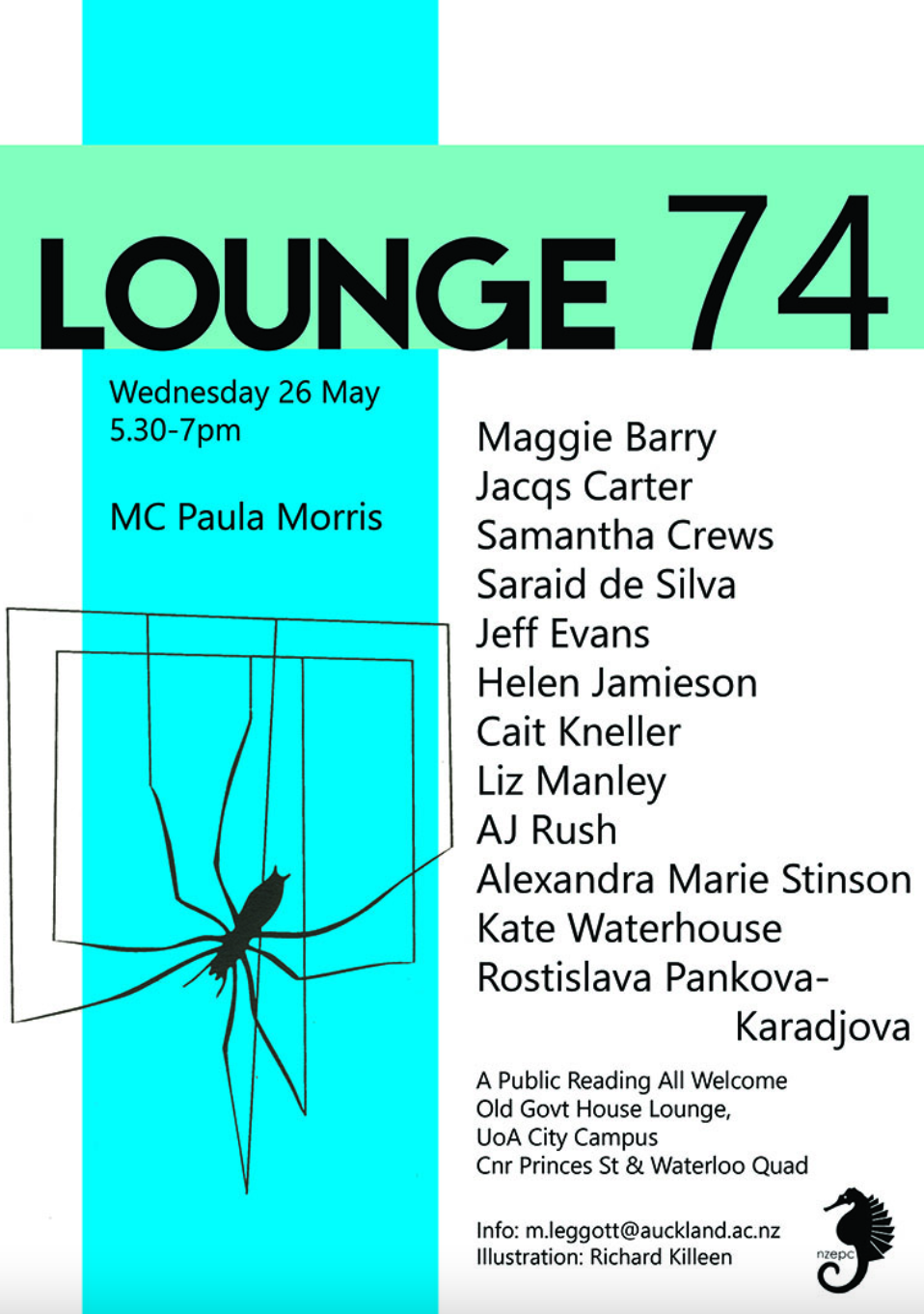
It feels to him like there is more than just his brain inside his skull. There is something that he thinks of as the mind, which he pictures as a shiny black spider moving through a web. The brain is static but the mind, his mind, feels as though it is always moving. This is why feelings must be disregarded in the study of anatomy. 

Living outside the brain of Dr Barry, as we all do, it is possible to make only a few observations. For example, we can assume his brain weighed between 1.3 and 1.4 kilograms. 

He wonders whether anyone has ever been as unhappy as he. Sometimes he wonders if anyone has ever been as happy as he. Sometimes he dances around his room in delight. His dog dances with him. If you were to ask them why they were dancing they would no doubt say, Because the other fellow was. 

He imagines a lecture. He holds a thin rod, with which he taps a blackboard. On the blackboard is the word HYGIENE. Under the word HYGIENE are twenty-seven numbered points. He takes his students through each point. The lecture is four hours long. When he finishes, the students don’t want to leave. Sir, is there more you could teach us? Please sir, we want to hear everything. He chuckles, thinking about it, and decides to indulge them. His assistant rolls in a new blackboard. This blackboard is headed DISPOSAL OF EFFLUXIONS.

From where do these dreams come? Sometimes he is standing on a hillside, quite alone. An army mills beneath. His army – men he has trained from birth. He turns and runs and his army follows him, chases him, out of loyalty and bloodlust. I taught you this! he screams. He is lost to their spears. 

Other times he is putting a child to bed. She is tired but strong, and hangs her arms around his neck. Patients call from behind the door. They need me, he says. Please let go. 

I need you, she whispers. She opens her mouth and cholera climbs out.

He bounces baby Augusta on his knee. Her brain is growing fast. When she was born, it would have been smaller than a clenched fist.  Since then it must have tripled in size. He doesn’t tell her parents this. They would ask how he knew. 

Imagine a body without a brain. Monster. Demon. Ghost. Imagine a brain without a body, not in a jar but alive somehow, perhaps submerged in a pool of blood. How to feed it? How to communicate? Would it be an it, or still the person it was? Is? 

Dr Barry, he imagines saying to his brain. Dr Barry, listen to me. Today we have done something truly remarkable.

Oscar Upperton lives in Wellington. His first collection New Transgender Blockbusters was published by VUP in March 2020. His second collection, on the life of nineteenth century surgeon Dr James Barry, is upcoming.

Poetry Shelf Theme Season: Eleven poems about the moon

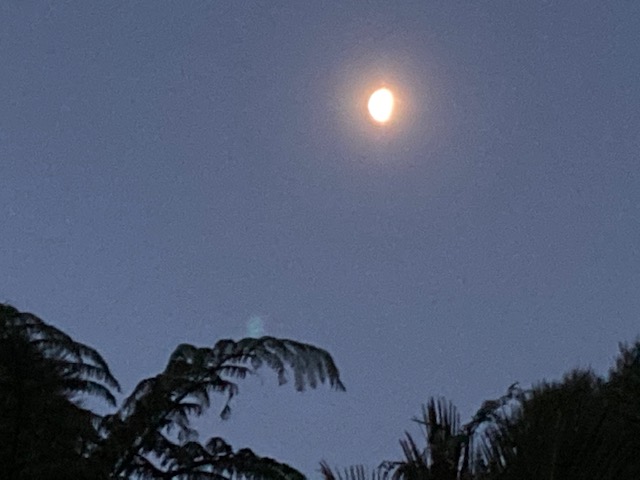
The moon has shone in poems for centuries and I can’t see a time when it won’t. Aside from the beauty allure that transfixes you in the dead of night – for me there is the way the connective light shines down on us all – both transcendental and sublime. When I read a moon poem that I love, it feels like I am cupping the moon in the palm of my hand to carry all day. Moon poem bliss. So many moon poems to love. So hard to choose. As with all my themes, it is not so much poetry about the moon, but poetry with a moon presence.

I am grateful to all the poets and publishers who have and are supporting my ongoing season of themes.

Eleven poems about the moon

Last summer we were under water

for K.

and we asked what are you doing there, moon?

our bodies neck-deep in salt and rain

each crater is a sea you said & dived under

the sun before I could speak water rushing

over your skin the place where chocolate

ice cream had melted and dried there like a

newly formed freckle on the surface of

us and the islands crumpling apart softly

over sea caves somewhere opening

my mouth in to the waves to save you are

you are you are

Nina Mingya Powles

from Magnolia 木蘭, Seraph Press, 2020

Soon, Moon 

It’s not you, moon, it’s me:

the way I look to you as if

you’ll choose to be muse

then look back at my battered

corner-alley of a blue mood

and find only eye rhymes

for human-ugly and you:

lost hubcap, squashed yoghurt pot,

metal sewer lid; all the zeros

on the street numbers of the richest

most forbidding houses; the fierce interrogations

of their security lights and satellite disks; 

the white flowers like hung-head hoodies 

on the roadside gang of onion weed.

Even the pale, shucked hull

of mandarin peel dropped in the street

seems like eco-graffiti that cusses

we’re a pack of greedy moon-calves,

fancy apes with glitter-baubles, 

guzzlers at Earth’s thin, sweet milk

who can’t see our hungers

will turn her into your mirror, darkly.

Emma Neale

from Tender Machines, Otago University Press, 2015

Tapa Talk

I’m a shadow catcher

I walk and fly in worlds

between worlds

but you were born in

the light of a bright moon

when the doors of heaven

were open to the songs of stars

your lips are trochus shells

fully parted in sleep

your eyes are nets

that draw me in

to your arms

your Leo heart

is a starfish freshly

plucked from heaven

your familiar body

the midrib of a coconut leaf

adorned with pandanus blooms

your laughter

a banana pod

burst open

and right now

dawn crawls over you

like a centipede

at last I understand

you’re the translation

of an ancient text

and the tapa on the wall

is the gallery of motifs

I found in your sleeping form

that tapa could be you

lying next to me

breathing into the first light

and you, darl

could be the tapa

hanging on the wall

Serie Barford

from Tapa Talk, Huia Press, 2007

Moon

for Ruth

You tell me you are a moth drawn to the moon
and I see you, a rare white puriri
unable to rest in the perfect green
of your sisters. You rise
from the forest
wings lifting and sighing.
You are heavy with prescience
and you have only
a few nights.

Alison Wong

from Cup, Steele Roberts, 2006

From Above  

The twinkly stars disinterestedly  

staring back, it tickles your thinking,  

the sum of you, the multiplicated product  

of all your hysterical episodes, and function,  

fluctuated, fractal, of your moods and vacuities.  

The people you’ve wrung out your guts for  

like the sponge end of a squeegee, that’ve ticked  

and tocked through a month, three months,  

six months, a year of rinse cycles,  

the faces who’ve written their looks  

into your programming, all the undeletable,  

second-guessed significations, the gestures  

of their lips, their fingers’ commands,  

it leaves you spinning, dehydrating  

the evening to a dusty, distant simile.  

I feel like a moon, punched all over with  

old bruises, but whole, orbiting on,  

pressing on, whole.

Nick Ascroft

from Back with the Human Condition, Victoria University Press, 2016

Madrigal

The moon rose out of the sea

     and climbed above Mihiwaka.

          How terrible, lonely far off

             it seemed, how resolute and cold

in a vast nest of stars.

     I stood leaning on a gatepost

         listening to the mysterious wind

             bending the pines a long time

before I set off down the hill

     feeling like a stranger

          returning to the place

              where he was born.

And the moon came after me,

    sat on my shoulder

       and followed me inside.

            All night it lay glowing

in the bones of my body,

     a private pain, given over

        to everything; all night

             the moon glowed as a body glows

in a halo of moonlight,

    and in the half-light of dawn

      I heard the moon sing a madrigal

           for those who live alone.

Brian Turner

from Ancestors, John McIndoe, 1981, picked by Richard Langston

Moon

‘Look,’ I said,

‘there’s the bloodied moon

over Paekakariki.

She’s tilting crazily

(one ear lopped off),

skimming the bright sea,

colliding with the hill-side.

I am afraid of madness –

the moon worries me.’

‘All the best people

are mad,’ you said.

And I laughed, agreeing,

so we welcomed her as she

moved along the coast

towards where we lay,

warm, in our bed.

Meg Campbell

from The Way Back: Poems, Te Kotare Press, 1981

The night sky on any day in history

I want you to look into an oncoming night.
Is it a little green? Does it have the cool orange
beginnings of streetlights? Tip your head back
as someone with a nosebleed might.
Survey the lower sky. Are there chimneys
making mini city silhouettes? Satellite dishes,
their smooth, grey craters turned in one direction?

You might insist you hear a nightingale.
Might see, at a distance, the huge screen
advertising an upcoming concert by the Beach Boys.
You could spend your time watching trains pull
their strings of yellow windows along in lines.

Or you might come here, where I am
where I stand upon the rarely silent floor
looking up at the rectangle moon
of our neighbour’s window.

Kate Camp

from How to be Happy Though Human: New and Selected Poems, Victoria University Press, 2020

Gregorian

Will you have me count off the days in your calendar, like some kind of self-soothing tool? Have we all been sold the latest gadget, to take our focus away from what’s happening out there? Distracted from colours changing in the trees, the moon continuing her cycle above, and the ocean’s repetitive lull. Do you dream about the world ending, or worry yourself down to the quicks in your nail beds, devouring hoarded tins of peaches and complaining because you can’t get into Farro Foods for poshos — when most people have to queue to buy an overpriced bottle of milk and a loaf of white bread to feed their children? I don’t care if your fancy-arsed store didn’t have the brand of cereal you desired. No, I will not post social media diaries of daily activities (like you who never bothered before and kept us at a distance with your academic nonsense, avoiding the reality our communities were already fucked); the thesaurus that kept you safe now serves as a doorstop, your words have dried up, and you’re resorting to colloquialisms. I doubt you will ever have a sense of life as it is for the minorities (who are really the majorities if you look at the world’s pyramid charts on the distribution of wealth); most of us struggle week to week, day to day, to survive everything you have created, and I don’t need to use your learned words of ‘capitalism’ and ‘eco fascism’ to know what I’m on about — without those labels we are connected regardless, through tissue, blood and ether, going back to wherever it is that we came from, whenever it was the beginning, if there ever was one. A painful silence echoes through these unspoken things, I see you in your ‘bubble’ wittering on about the importance of connection; but have you checked on your elderly neighbours to see what they might need? Or are you inside, behind your locked doors and twitching bespoke drapes, waiting for something to arrive?

Iona Winter

The Woman in the Moon

I was dancing in the shadow of the moon

under dark trees strung with party lights; a band

played waltzes; I can still feel the warmth of your hand

on the small of my back

while my fingers curled round your neck,

knowing your pulse through my long red gloves.

I hoped we were dancing into love;

we’d turn under those lit trees forever.

My hair was piled high, we looked to a future

I thought.  If only I’d followed your eyes,

caught where they rested: that other light,

an ivory candlestick, skin so pale

drawing you in like a moth.  Of course you fell.

Looking back, I see now, the obvious clue

I was dancing in the shadow of the moon.

Janis Freegard

from Kingdom Animalia: the Escapades of Linnaeus (Auckland University Press, 2011). 

Moon of love

Under the moon of love, I shimmy

on silver over waves, flirt with light,

hang with cloud, under the moon of love.

Under the cloud of the moon of love, rain

shower blessing my lunatic stroll.

In every way guided by stars, under

the moon cloud of love.

Shine on the man I am

in this moon, reflect on the heart

of my inner space. Show me the night

shadow my day, shine on the man

in the moon of love.

You marvellous moon, I’m making

all your promises. Luminous moon, promise

me, promise you moon of love.

Michael Giacon

from Fast Fibres 6 2019, Olivia Macassey pick

Nick Ascroft dangles from the Wellington skyline on his e-bike, kid in the child-seat, and a look in the eyes that says: surmountable. His most recent collection of poems is Moral Sloth (VUP 2019).

Serie Barford was born in Aotearoa to a German-Samoan mother and a Palagi father. She was the recipient of a 2018 Pasifika Residency at the Michael King Writers’ Centre. Serie  promoted her collections Tapa Talk and Entangled Islands at the 2019 International Arsenal Book Festival in Kiev.  Her latest poetry collection, Sleeping With Stones, will be launched during Matariki, 2021.

Kate Camp’s most recent book is How to Be Happy Though Human: New and Selected Poems published by VUP in New Zealand, and House of Anansi Press in Canada.

Meg Campbell (1937-2007) was born in Palmerston North, and was educated at Carncot, Marsden School and Victoria University. In 1958 she married poet, Alistair Te Ariki Campbell, and lived with him and his son in Pukerua Bay on the Kāpiti Coast. She worked in a number of libraries and a bookshop, and published six poetry collections.

Wellington-based Janis Freegard is the author of several poetry collections, most recently Reading the Signs (The Cuba Press), as well a novel, The Year of Falling (Mākaro Press). She was the inaugural Ema Saikō Poetry Fellow at New Zealand Pacific Studio and has previously won the Katherine Mansfield Short Story Prize and the Geometry/Open Book Poetry Prize. She grew up in the UK, South Africa and Australia before her family settled in Aotearoa when she was twelve.

Michael Giacon was born in Auckland and raised in a large Pakeha-Italian family. He was the NZ Poetry Society featured summer poet 2021, and his work has featured in the recent editions of Landfall and the New Zealand Poetry Yearbook. He is currently finalising a manuscript for publication.

Emma Neale is a writer and editor. Her most recent collection is To the Occupant (O. In 2020 she received the Lauris Edmond Memorial Award for a Distinguished Contribution to New Zealand Poetry.

Nina Mingya Powles is a poet and zinemaker from Wellington, currently living in London. She is the author of Magnolia 木蘭, a finalist in the Ockham Book Awards, a food memoir, Tiny Moons: A Year of Eating in Shanghai, and several poetry chapbooks and zines. Her debut essay collection, Small Bodies of Water, will be published in September 2021. 

Brian Turner was born in Dunedin in 1944. His debut collection Ladders of Rain (1978) won the Commonwealth Poetry Prize. His writing includes biography, poetry, sports writing and journalism and has won many awards. Just This won the NZ Post Book Award for Poetry (2010). He was the Te Mata Poet Laureate (2003-2005) and received the Prime Minister’s Award for Poetry in 2009. He lives in Central Otago.

Iona Winter (Waitaha/Kāi Tahu) lives in Ōtepoti Dunedin. Her hybrid work is widely published and anthologised in literary journals internationally. Iona creates work to be performed, relishing cross-modality collaboration, and holds a Master of Creative Writing. She has authored three collections, Gaps in the Light (2021), Te Hau Kāika(2019), and then the wind came (2018). Skilled at giving voice to difficult topics, she often draws on her deep connection to land, place and whenua.

Alison Wong is the coeditor of the first anthology of creative writing by Asian New Zealanders. A Clear Dawn: New Asian Voices from Aotearoa New Zealand (AUP, 2021) will be launched at the Auckland Writers Festival on 15 May and at Unity Books Wellington on 27 May 6 pm. There will also be events at the Napier and Dunedin public libraries on 3 and 10 June respectively. Alison’s novel, As the Earth Turns Silver (Penguin/Picador, 2009) won the NZ Post Book Award for fiction and her poetry collection Cup (Steele Roberts, 2006), which includes ‘Moon’, was shortlisted for the Jessie Mackay Award for best first book of poetry. She was a poetry judge at the 2018 Ockham New Zealand Book Awards. 

Ten poems about clouds

Twelve poems about ice

Ten poems about dreaming

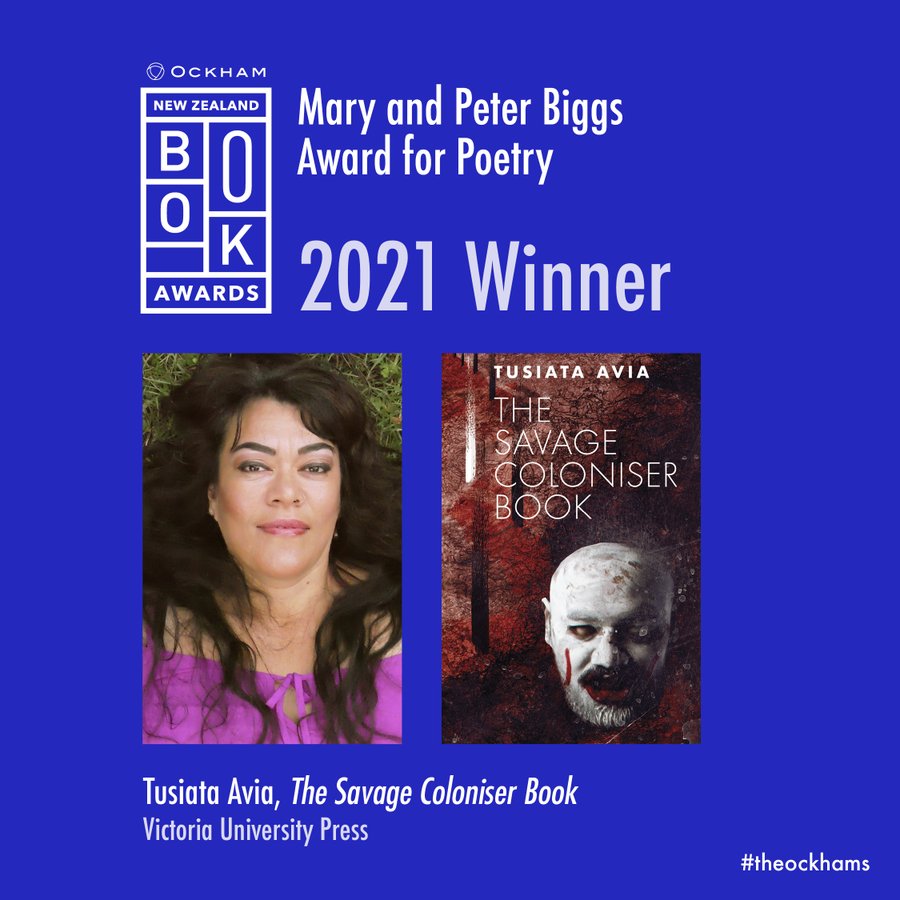
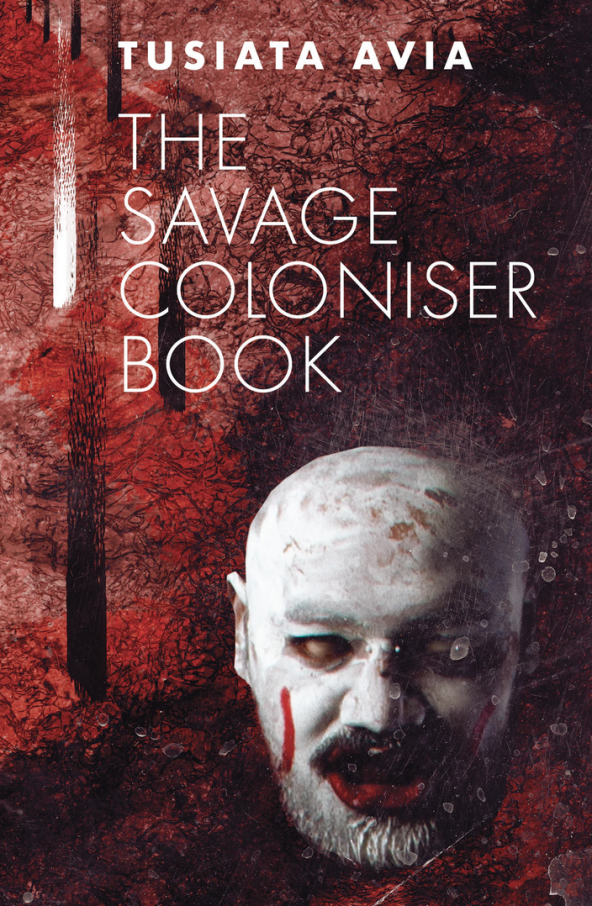
Poetry Shelf congratulates Tusiata Avia, the Ockham NZ Book Award Poetry winner (ten things she loves, a poem, an interview)

Such heartfelt congratulations to Tusiata Avia, a much loved poet who has and who continues to inspire generations of poets. Yes Pasifika poets, yes young women writing, and yes, most importantly, yes us all. Her award-winning book is magnificent. She places herself in these necessary poems: her ravaged heart, her experience, wounds, scars, thinking, feeling, urge to speak out, sing, perform, no matter the price, holding out history, the coloniser, the colonised, Ihumātao, the Australian bush fires, translating for the gutted woman, the abortioned woman, her mother, her daughter, her lovers, but at times she is disabled with epilepsy, her father a presence, and she places a prayer for her daughter, for the stars, water, lungs, and for the reader, here in these poems, she places a prayer. Extraordinary.

Ten things I love

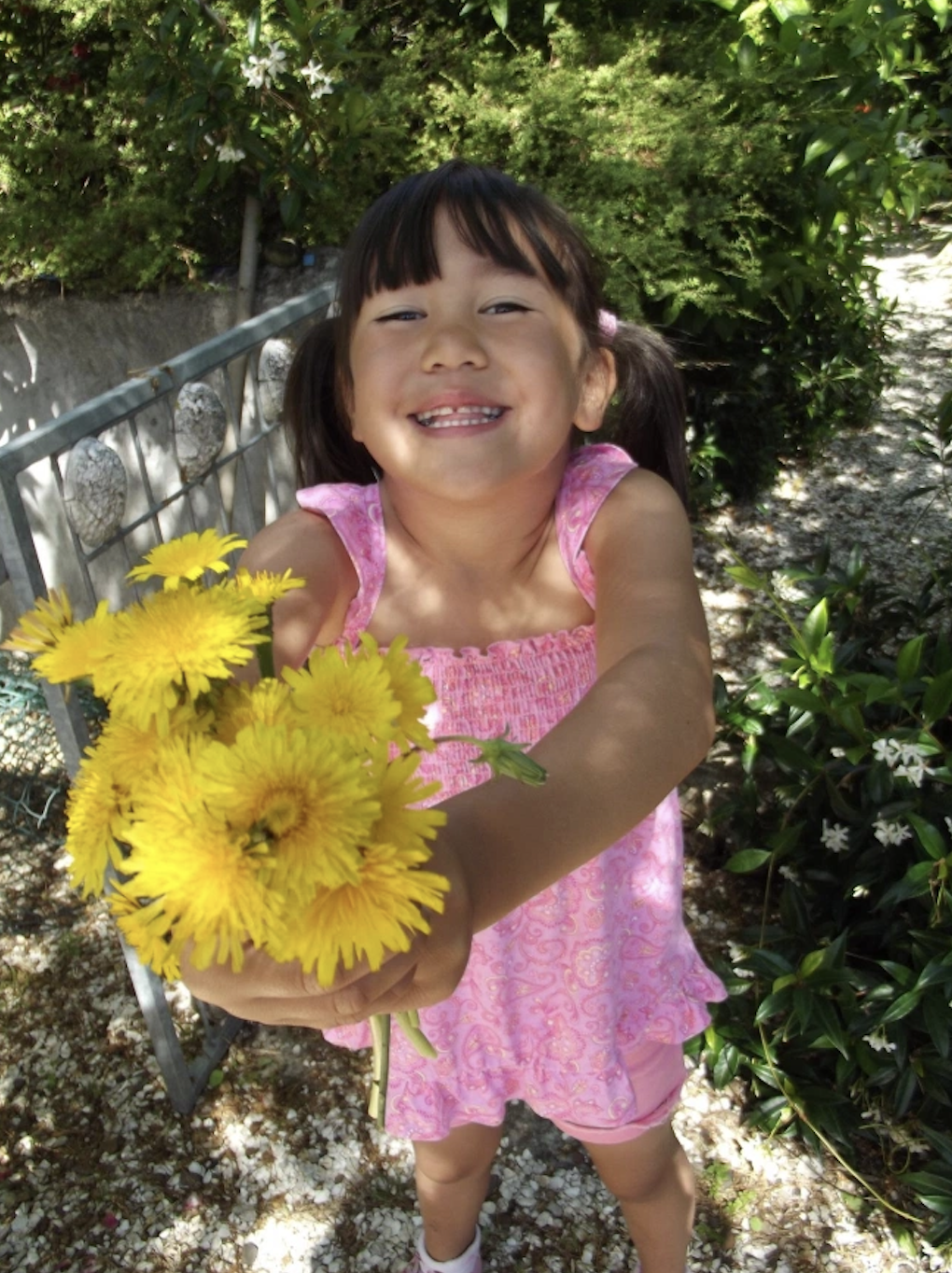
1. A photograph: The photo is of Sepela – exactly 10 years ago, a week after the big earthquake when we escaped to Hinemoana’s who lived in Kapiti then.

2. A poem by someone else: All they want is my money my pussy my blood by Morgan Parker (and pretty much anything from her book, There are more beautiful things than Beyonce.

3. A song: Back to Life by Soul II Soul

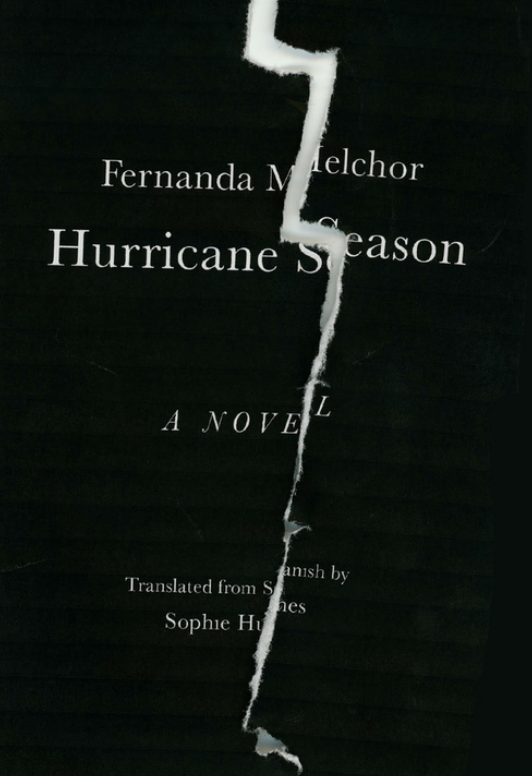
4. A book: Hurricane Season, Fernando Melchor, trans. Sophie Hughes, New Directions, 2020 (my favourite book of 2020)

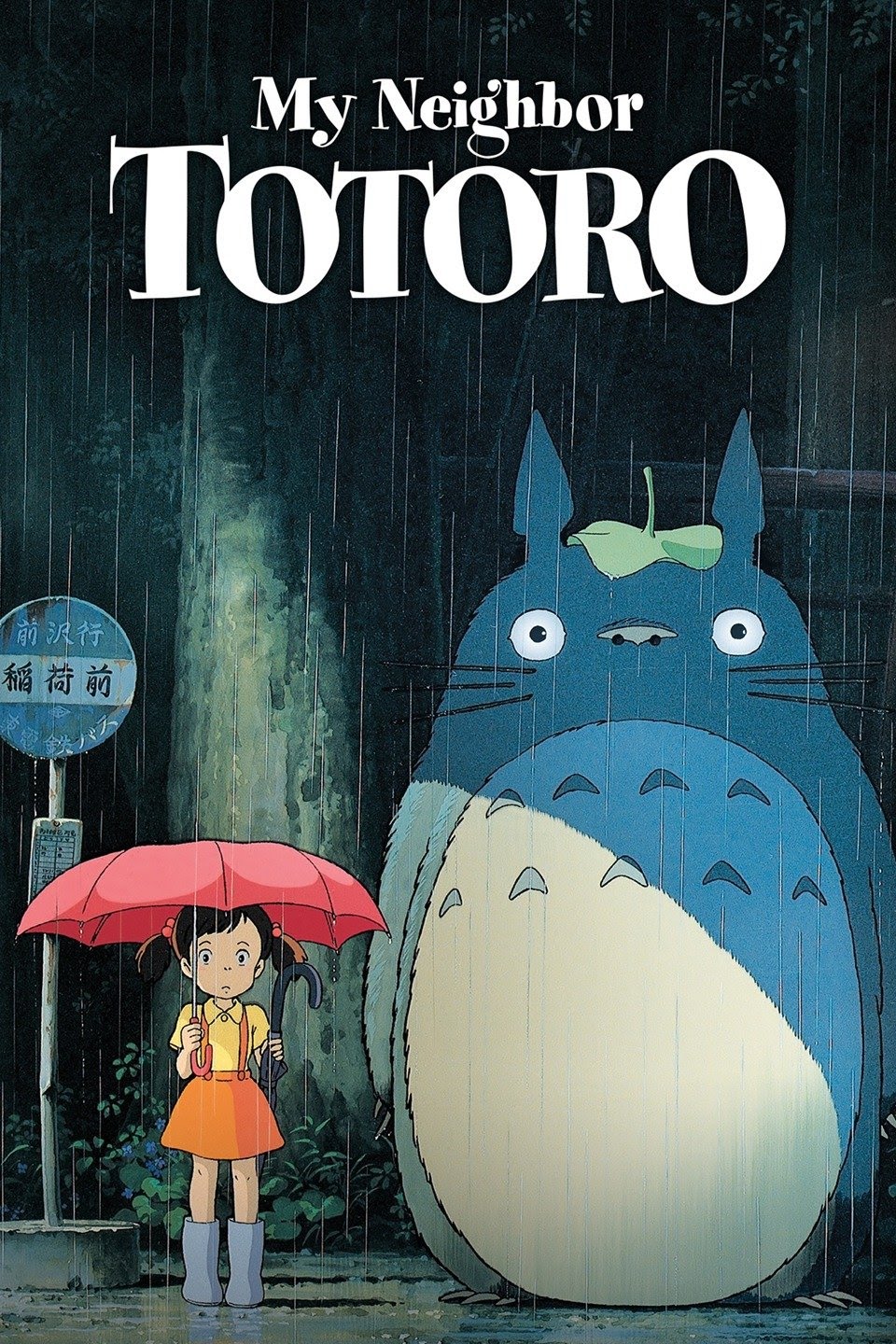
5. A movie: My Neighbour Totoro

6. A place: South Sinai coast, Egypt

7. A meal: taro (cooked in the umu) and palusamu

8. A poetic motif: Can’t think of one, but I can think of a form I love – the pantoum.

9.  A place to write: Where ever the ‘thing’ is happening (see Five questions below)

10. A poem from my book (Tusiata did a stunning performance of this at the awards PG):

250th anniversary of James Cook’s arrival in New Zealand

Hey James,

yeah, you

in the white wig

in that big Endeavour

sailing the blue, blue water

like a big arsehole

FUCK YOU, BITCH.

James,

I heard someone

shoved a knife

right up

into the gap between

your white ribs

at Kealakekua Bay.

I’m gonna go there

make a big Makahiki luau

cook a white pig

feed it to the dogs

and FUCK YOU UP, BITCH.

Hey James,

it’s us.

These days

we’re driving round

in SUVs

looking for ya

or white men like you

who might be thieves

or rapists

or kidnappers

or murderers

yeah, or any of your descendants

or any of your incarnations

cos, you know

ay, bitch?

We’re gonna FUCK YOU UP.

Tonight, James,

it’s me

Lani, Danielle

and a car full of brown girls

we find you

on the corner

of the Justice Precinct.

You’ve got another woman

in a headlock

and I’ve got my father’s

pig-hunting knife

in my fist

and we’re coming to get you
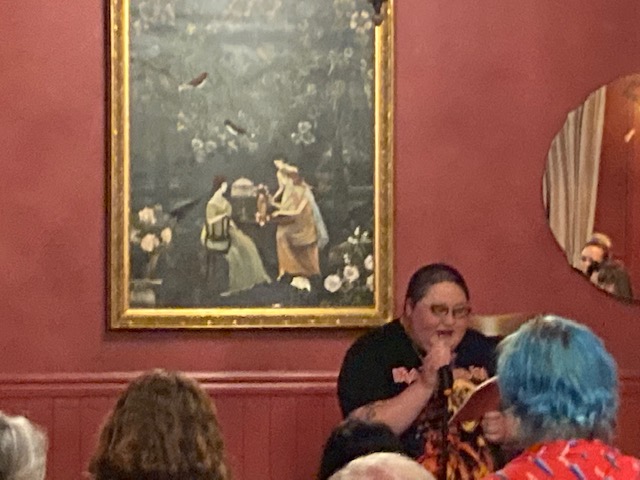
sailing round
in your Resolution

your Friendship

your Discovery

and your fucking Freelove.
Watch your ribs, James

cos, I’m coming with
Kalaniōpu‘u

Kānekapōlei

Kana‘ina

Keawe‘ōpala

Kūka‘ilimoku

who is a god

and Nua‘a

who is king with a knife.

And then

James,

then

we’re gonna

FUCK.

YOU.

UP.

FOR.

GOOD.

BITCH.


Tusiata Avia

Five questions

Is writing a pain or a joy, a mix of both, or something altogether different for you?

A mix, for sure. Often, I don’t feel like writing – unless I have an experience (internal or out in the world) that I feel the need to write about immediately. At times like that, I feel a sense of urgency, sometimes verging on desperation, to stop whatever I’m doing and write. I have pulled the car over on a busy motorway and searched for a piece of paper to scribble it down . I’m not great at the discipline of writing every day.

Name a poet who has particularly influenced your writing or who supports you.

I don’t read her so much these days, but I love Sharon Olds. She helped me to write more openly – to be honest and vulnerable.

Was your shortlisted collection shaped by particular experiences or feelings?

Colonisation, racism, illness, a bit of Covid – all the relaxing stuff.

Did you make any unexpected discoveries as you wrote?

The whole book was unexpected. I was writing another book called Giving Birth To My Father, which took ages. After a while (quite close to my deadline) I realised it wasn’t ready for the outside world. The Savage Coloniser Book had to come together really quickly, if I wanted it published for 2020. I knew I had a few poems that were very ‘2020’ lying about. I wrote to those poems in a short amount of time.

Do you like to talk about your poems or would you rather let them speak for themselves? Is there one poem where an introduction (say at a poetry reading) would fascinate the audience/ reader? Offer different pathways through the poem?

During poetry readings/ performances I used to think the poem should speak for itself but many poems really need an introduction, particularly when people are not experiencing them on the page.

Tusiata Avia is an acclaimed poet, performer and children’s writer. Her previous poetry collections are Wild Dogs Under My Skirt (2004; also staged as a theatre show, most recently Off-Broadway, winning the 2019 Outstanding Production of the Year), Bloodclot (2009) and the Ockham-shortlisted Fale Aitu | Spirit House (2016). Tusiata has held the Fulbright Pacific Writer’s Fellowship at the University of Hawai‘i in 2005 and the Ursula Bethell Writer in Residence at University of Canterbury in 2010. She was the 2013 recipient of the Janet Frame Literary Trust Award, and in 2020 was appointed a Member of the New Zealand Order of Merit for services to poetry and the arts.

Poetry Shelf review

Selina Tusitala Marsh’s review at ANZL

Poetry Shelf: Tusiata‘s ‘Love in the Time of Primeminiscinda’ (The Savage Coloniser Book)

Tusiata reads ‘Massacre’ (The Savage Coloniser Book)

Leilani Tamu review at KeteBooks

Faith Wilson review at RNZ National

Victoria University Press page

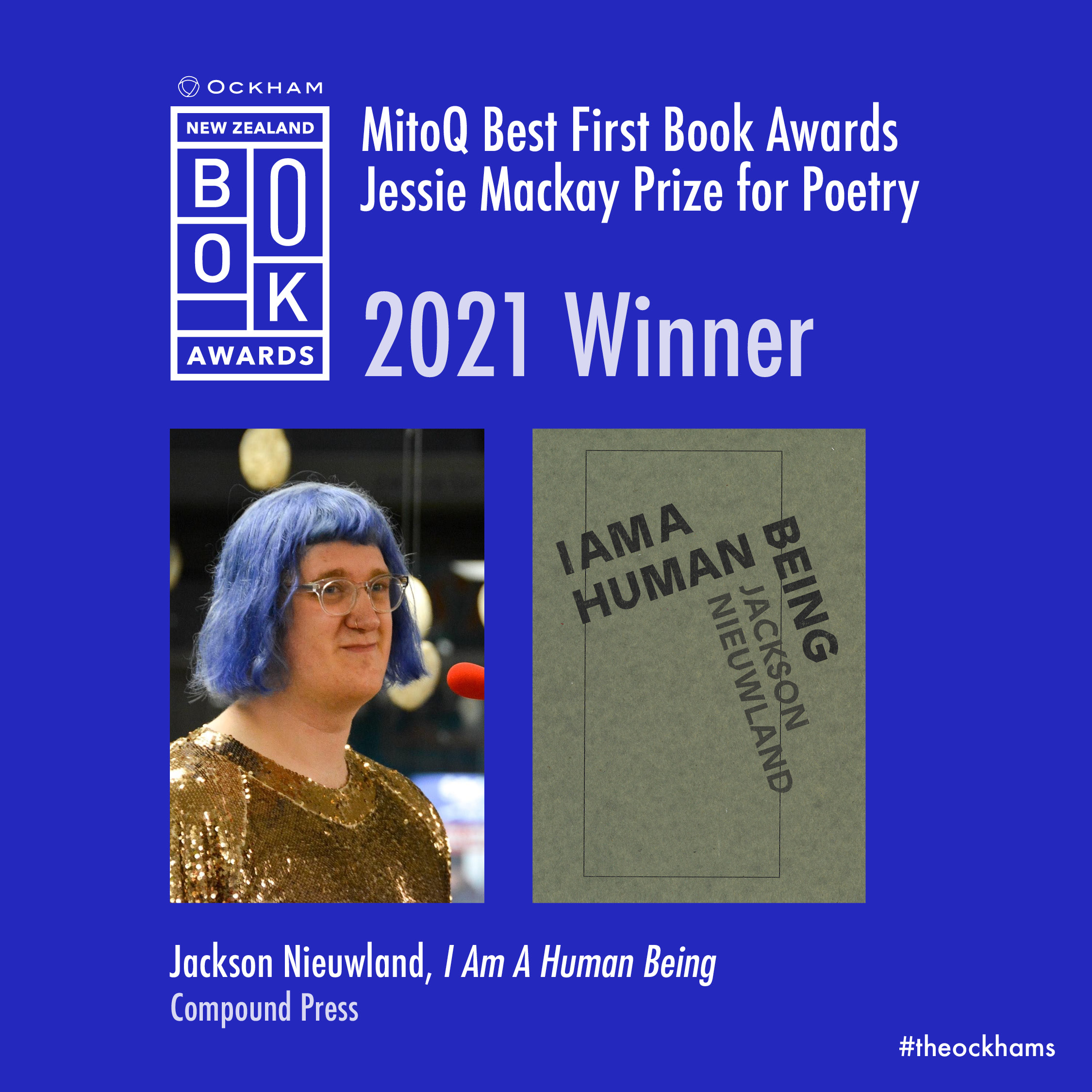
Poetry Shelf congratulates Jackson Nieuwland, the Ockham NZ Book Award Best First Book Poetry winner (with a reading and a review)

Jackson reads from I Am a Human Being

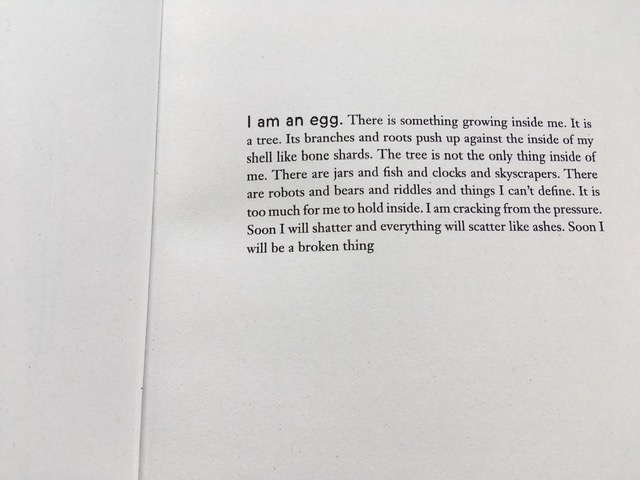
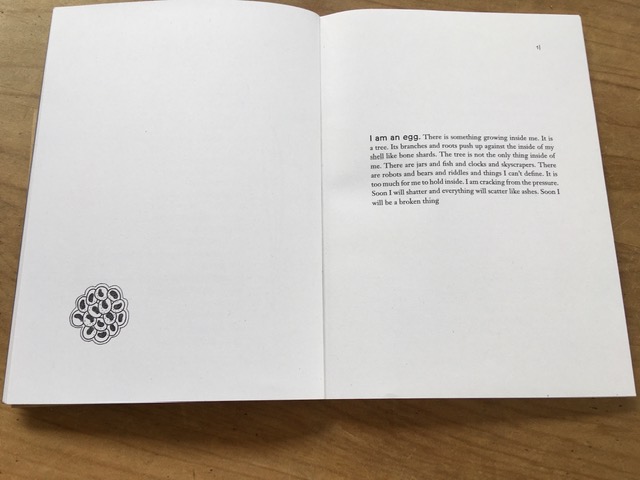
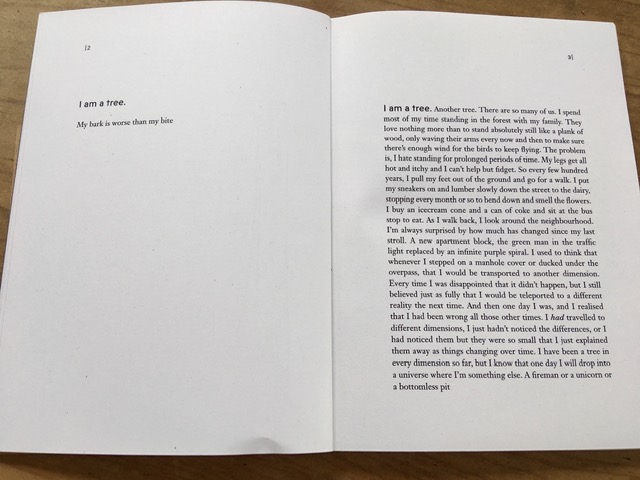
Sometimes you pick up a poetry book and you know within a page or two, it is a perfect fit, a slow-speed read to savour with joy. That’s how I felt when I started reading Jackson Nieuwland’s I am a human being. I love the premise embedded in the title, that in turn generates a sequence of poems that form a secret title list poem (I am an egg, I am a tree, I am tree, I am a beaver, I am a bear, I am a dog, I am a bottomless pit, and so on).

The opening poem offers an image that, in its exquisite and heart-moving detail, underlines the range of the book: physical, metaphorical, fable-like, metaphysical, autobiographical. In one poem the speaker suggests they are not quite sure who they are yet, that there is no single word that adequately defines them (‘agender, genderfluid, trans …’). This book, so long in the making, lovingly crafted with the loving support of friends, with both doubt and with grace (think poise, fluency, adroitness), this book, in its lists and its expansions, moves beyond the need for a single self-defining word.

Instead we are offered the image of the egg – and the way we hold a universe of things inside us, and that sometimes we might break.

This is intimate poetry. This is slowing down to observe the quotidian, the daily comings and goings, the things you see and feel when you stop and reflect and imagine, that then tilts to surprise. There is uplift and there is slipstream.

This is contoured poetry because it ignites so many parts of you as you read. You will laugh out loud as you read. You will feel the poignant witty wise delightful magical joy. The shifting melodies. There are keyholes to light and keyholes to dark. The speaker speaks of outsiderness, of what it is to fit, and what it is to not fit.

Sometime you will turn the page to a glorious pun.

Sometimes the vulnerability is a sharp ache above the surface of the line. This from ‘I am version of you from the future’:

Your past self looks at you with sympathy.

They pull you into a tight hug.

You begin to sob

releasing years of tears

that had been held inside

due to the conditioning you received

from a patriarchal society

and the overload of testosterone

pumping through you body.

As you sink into your own embrace,

the two versions of you merge into one,

and you begin again

given a chance to do it all over

but differently this time,

with an open heart

like quadruple bypass surgery.

The risk of death is high

but what other choice do you have?

I am a version of you from the future.

This is just the beginning—

I am a human being was one of my favourite poetry book of 2020. I like the addition of Steph Maree’s line drawings. I like the way the poetry stretches in its imaginings to draw closer to an interior real that is never fixed. I like the way the poetry is both anchor and liberating kite. I like the acknowledgement that, in order to know who you are, you need to embrace many things. I love this book so very much from first page to last. In the endnotes, the page where the poet gives thanks, I read the best acknowledgement ever:

And thank you for reading

this book. I’ve gone back and

forth with myself for years

about whether these words are

worth anyone’s time. It means

the universe to me that you’ve

read all the way to the end. I

hope you found something that

meant something to you.

Jackson Nieuwland is a human being, duh. They are a genderqueer writer, editor, librarian, and woo-girl, born and based in Te Whanganui-a-Tara. They co-founded the reading/zine series Food Court. This isn’t even their final form.

Compound Press page

Pantograph Punch review (Vanessa Crofskey)

Landfall on Line review (Erik Kennedy)

Chris Holdaway (Compound Press) celebrates Jackson’s place on the longlist with a poem

Poetry Shelf celebrates new books: Nine poets read from A Clear Dawn

A Clear Dawn: New Asian Voices from Aotearoa New Zealand

eds. Paula Morris and Alison Wong, Auckland University Press, 2021

To celebrate the arrival of A Clear Dawn, I invited nine poets to read one of their poems in the collection as audio or video. This fabulous anthology of poetry and fiction, so astutely and loving assembled by Paula Morris and Alison Wong, is sheer reading joy. I am delighted you get to have a taste of nine of the poets’ voices here. Auckland University Press have created an exquisite book. I love holding it, I love finding my way through the beautifully designed pages. I just love this book.

If you live in Auckland you might like to go to the launch at the Auckland Writer’s Festival:

Saturday May 15th, 5:00pm – 6:00pm Balcony Bar, Level Five, Aotea Centre

Enjoy a complimentary glass of wine with selected readings as this ground-breaking contribution to our literature is launched.

You can listen to Alison Wong discuss the book with Kathryn Ryan here.

Auckland University Press page.

The Readings

Isabelle Johns reads ‘The Dance’

Maryana Garcia reads ‘Glass questions’

Modi Deng reads ‘Ben Lomond’

Neema Singh reads ‘A proper way to make tea’

Jiaqiao Liu reads ‘to a future you’

E Wen Wong reads ‘one world sleeps in an apple’

Chris Tse reads ‘Punctum’

Rushi Vyas reads ‘I saw you and I learned this, beloved

Vanessa Mei Crofskey reads ‘What’s the pH balance of yin + yang?’

Vanessa Mei Crofskey is an artist and writer based in Te-Whanganui-a-Tara, who features in A Clear Dawn, the first-ever anthology of Asian New Zealand creative writing. She is the current director of Enjoy Contemporary Art Space. 

Modi Deng is a postgraduate candidate in piano performance at the Royal Academy of Music on scholarship. Currently based in London, Modi received a MMus (First Class Hons, Marsden research scholarship) and a BA from Auckland University. Her first chapbook-length collection of poetry will be part of AUP New Poets 8. She cares deeply about literature (especially poetry, diaspora), music, psychology, and her family.

Maryana Goco Garcia is a poet, and a journalist who dabbles in photography. All of Maryana’s work, visual or written, attempts to find the miracle in the moment, to encourage pausing, to look hard at what lies before us until we notice something new. You can find her poetry on Instagram where she keeps a visual and word archive as @ripagepoet. 

Isabelle Johns likes to write when she has the inspiration, and is (grudgingly) practising doing so without the inspiration part, too. She studies Computer Systems Engineering at the University of Auckland, where she can be found most of the time, either catching up on missed lectures or frantically debugging code before a deadline. Her poems have been published in The Three Lamps, University of Auckland’s literary journal, as well as the upcoming anthology for Asian New Zealand writers, A Clear Dawn.

Jiaqiao (Jay) Liu is a Chinese nonbinary poet currently doing a creative writing MA in Pōneke. They write about family, queerness, longing, myth and tech, among other obsessions. Some of their work can be found in brief, Blackmail Press, takahē and Queer the Pitch.

Neema Singh is a poet from Christchurch of Gujarati Indian descent. Her work appears in Ko Aotearoa Tātou: We Are New Zealand(2020) and A Clear Dawn: New Asian Voices from Aotearoa New Zealand (2021) and she is currently working on her first collection of poetry, a series of poems unfolding the layers of culture, identity and history contained within ordinary moments. Neema is an experienced secondary school English teacher and holds a Master of Creative Writing from The University of Auckland.

Chris Tse is the author of How to be Dead in a Year of Snakes and HE’S SO MASC. He and Emma Barnes are co-editors of Out Here: An Anthology of Takatāpui and LGBTQIA+ Writers From Aotearoa, due to be published in October 2021. He is The Spinoff‘s Poetry Editor.

Rushi Vyas is a writer, educator, and PhD candidate at Te Whare Wānanga o Ōtākou / University of Otago. He is the author of the forthcoming poetry collection When I Reach For Your Pulse (Four Way Books, 2023) which was a two-time finalist for the National Poetry Series in the US, and the co-author of the chapbook Between Us, Not Half a Saint, with Rajiv Mohabir. He holds degrees from the University of Michigan and the University of Colorado-Boulder. He currently serves as Reviews/Interviews Editor for GASHER Journal. Recent poetry is forthcoming or published in The Georgia Review, Indiana ReviewPigeon PagesLandfall (NZ)RedividerThe OffingAdroitWaxwing, and elsewhere.

E Wen Wong is a first-year Law and Science student at the University of Canterbury. She was the winner of the 2020 National Schools Poetry Award.

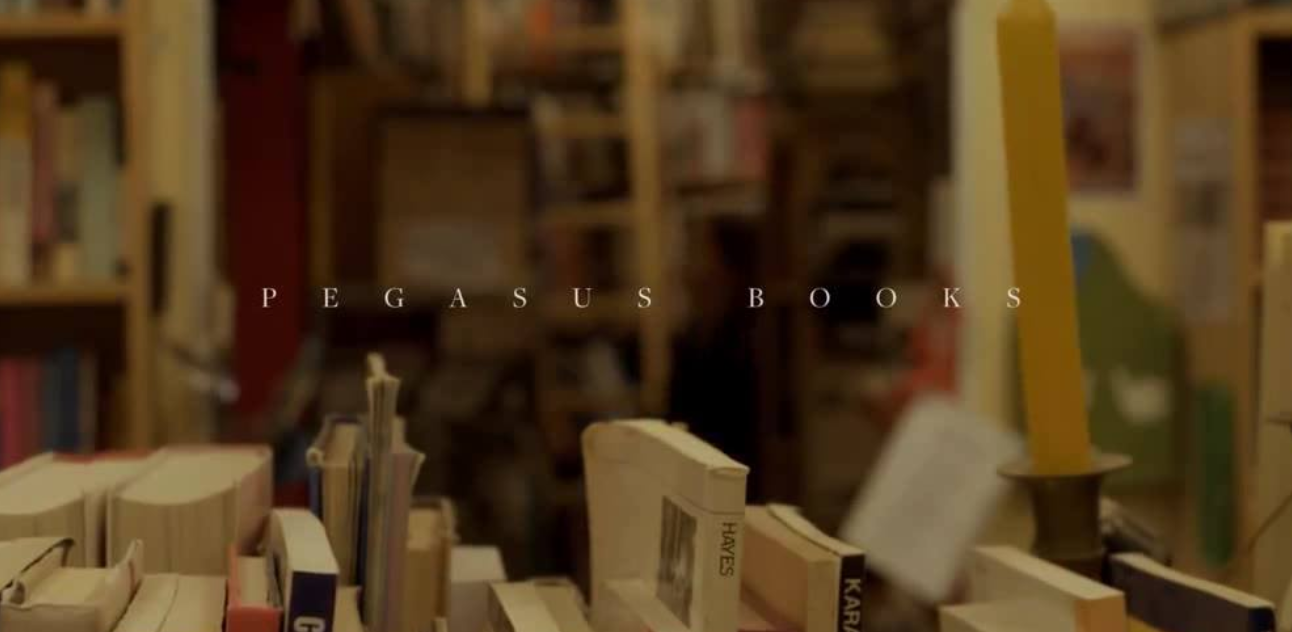
Poetry Shelf noticeboard: Pegasus Book Readings resume Friday May 14th

Pegasus Books

Friday 14th May at at 6:30

Price: Free · Duration: 1 hr 30 min

Welcome back to the Pegasus Books poetry reading series, warming your autumn evenings with Te Whanganui-a-Tara’s finest wordsmiths. Come along and soak in some literary lushness this Friday, 14th May, at 6.30pm.

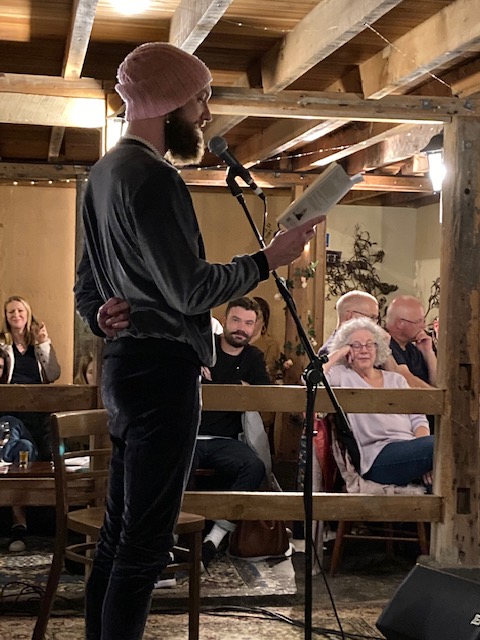
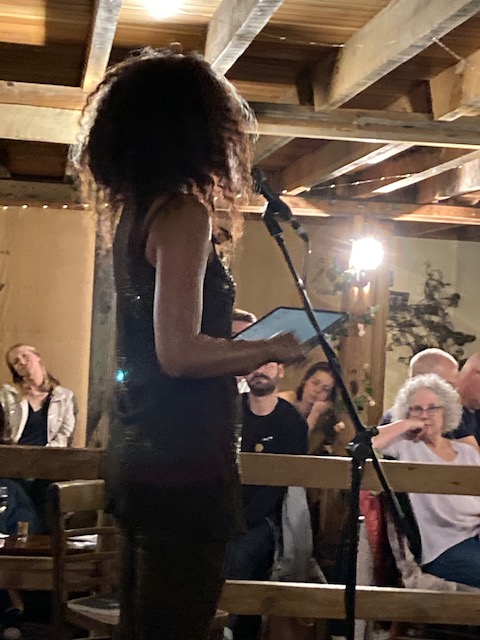
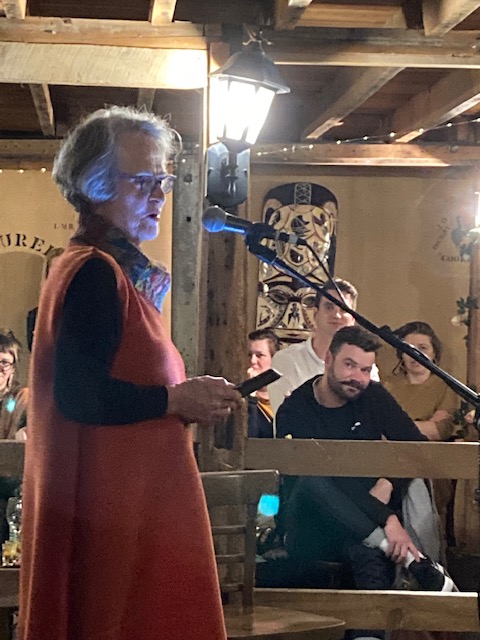
Our first session for the year will feature the ethereal Nikki-Lee Birdsey, Ellen Morgan Butler, Chris Tse, and Sam-Duckor Jones (reading a sneak peek from his new collection Party Legend which will launch from VUP in June!).

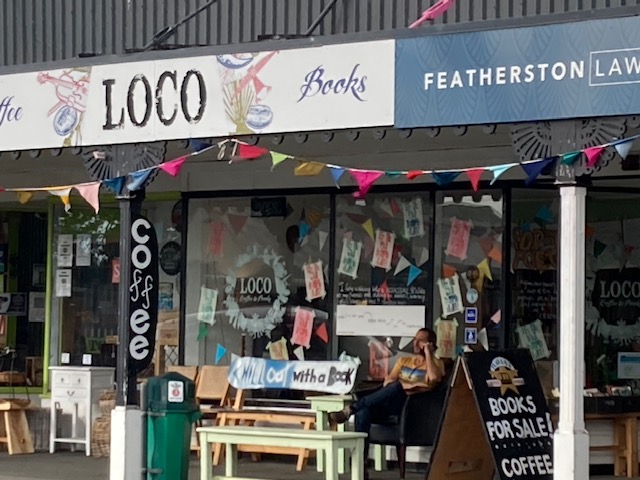
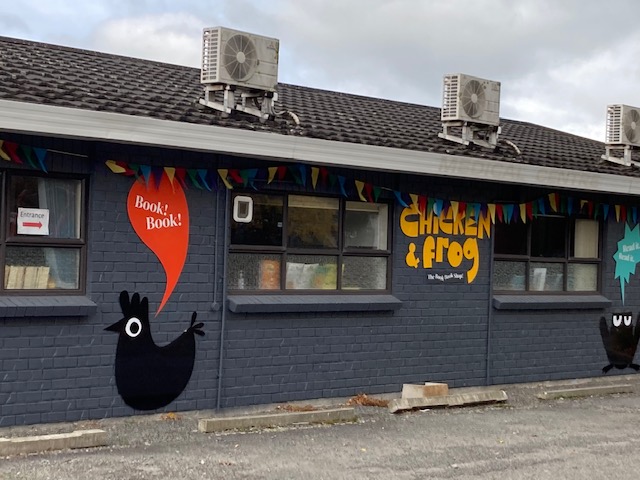
Poetry Shelf: Love Letter to Featherston’s Booktown Festival

Dear Featherston Booktown

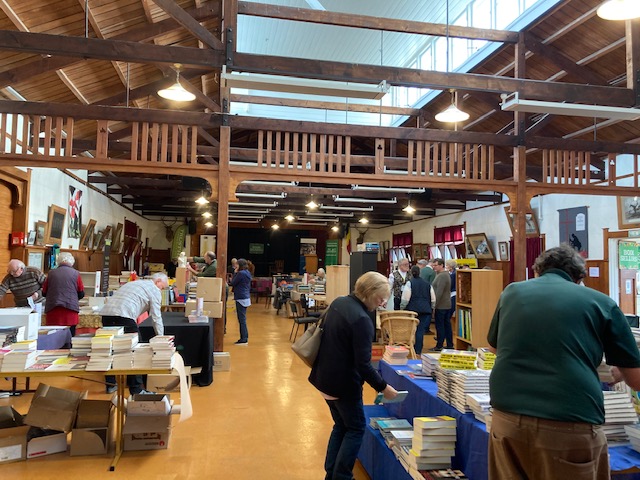
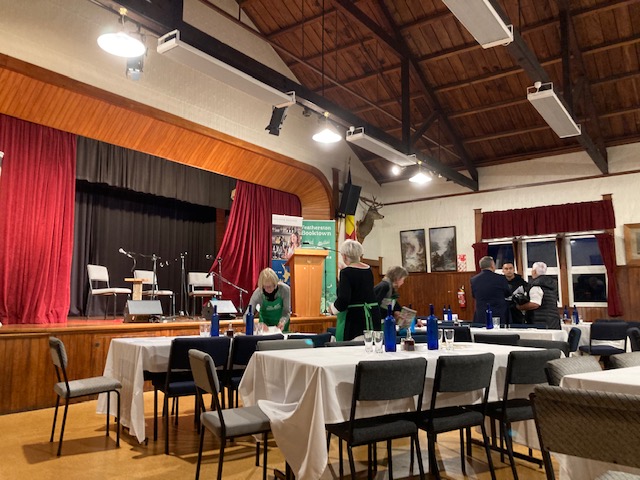
Thank you so much for inviting me to the fabulous Wairarapa to perform and feast on the words of others, to stay in a cosy cottage where it was quiet and pitch dark at night (so I felt right at home) and where Virginia cooked me crepes with ratatouille that were so fresh and herby and melted in your mouth (just what I needed after a long day travelling with a thousand hiccups), to touch base with David and his fabulous Hedley’s book stand that stocked poetry gloriously galore, to wander around the bookstalls crammed in the hall and discover some gold-nugget books,

to eat the best afghans ever with my best mate Selina Tusitala Marsh in the Supper Room, to hear Selina woo the Fish-n-Chip eaters with her sensational knotty Mophead work in progress, and hear her stories about performing for the Queen, to arrive early the next morning and hear Biggsy, Selina and Ben Brown talk in the “on the couch” session

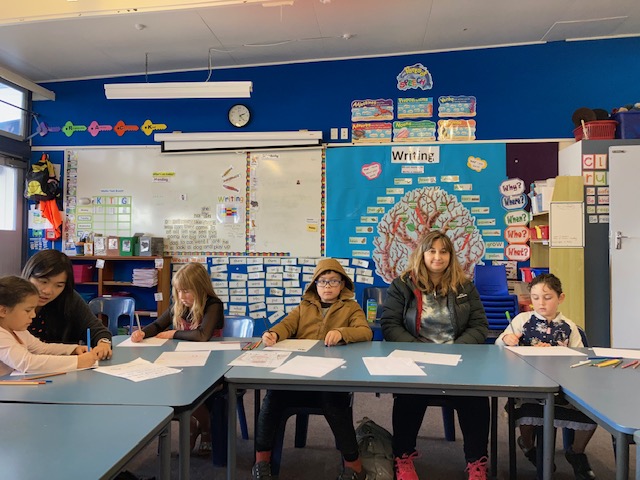
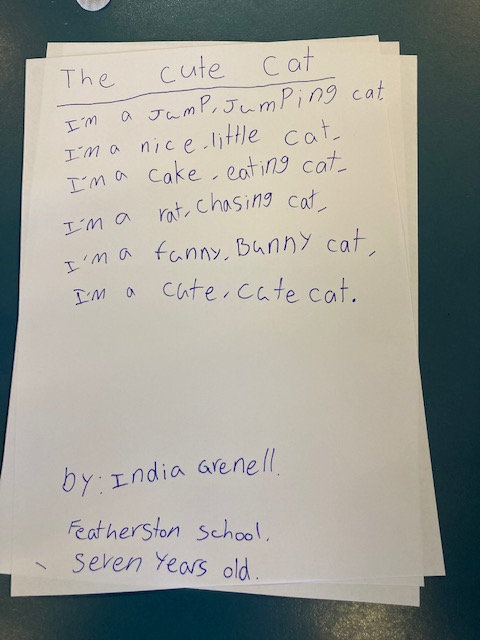
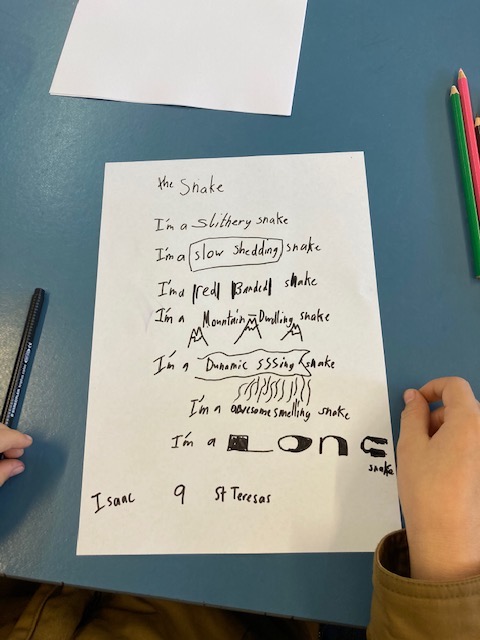
to do a two-hour poetry workshop with local children and their mothers and get them all zinging and shining with poems (will be posting poems from this on Poetry Box soon)

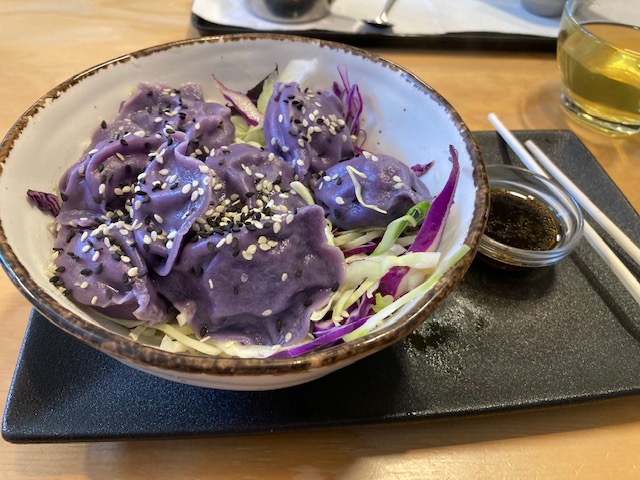
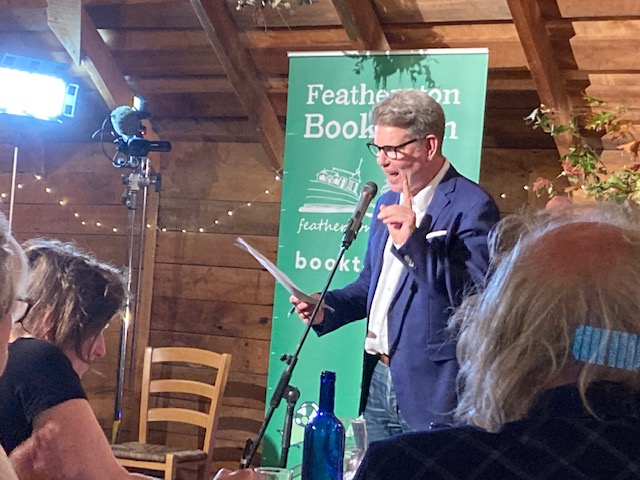
to drive over to Greytown and eat the tastiest tofu dumplings ever, and then head to Martinborough to stock up on wine and relish for the family and to have dinner with our new reading ambassador Ben Brown and other authors and really click with Ben’s wisdom and approach to writing and working with children, and to eat a big fresh fruity breakfast to stock up my empty energy tank so I could stay up late and hear our national treasure John Campbell MC True Stories Told Live, and hear Renee’s wit and daring at 91 with a hilarious deadpan tale of action and “pot” plants, and then Anahera Gildea’s daring (at half that age) as she laid down a challenge for the rows of white men in the Anzac Hall photographs and for us, most definitely for us, and reminded us to bust up our immunity to the undercurrent words and images that surround and shape us if we are to move forward as a nation, and I just loved her for her words, and I wanted to hug her close, and it got me thinking of all the women in Wild Honey who had struggled to speak and to be heard as poets and as women for a century, and I thought YES! this is my festival highlight

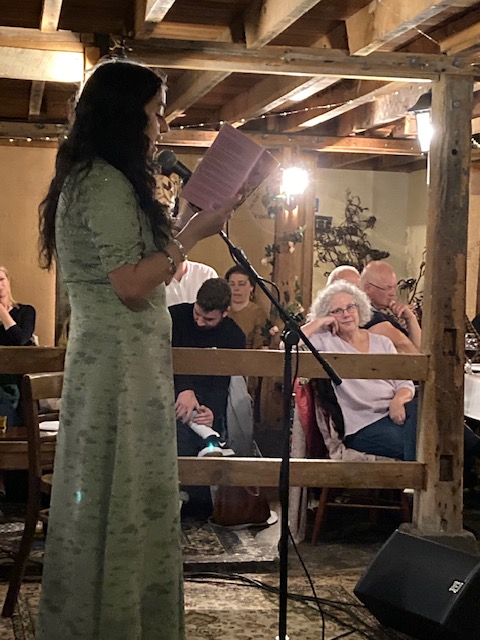
and then downstairs to my late night Collision event between old and emerging poets and there I was hoping I would last the distance old woman me and not be nodding off in my chair next to my best mate Selina but I held up Wild Honey and said this book was my book of communities and connections just like a poem is community and connections just like Booktown is community and connections as are the bridges between readers and writers, and I shared a poem from my secret project and all that stockpiling self doubt that had accumulated over the past year in my hermit state just flitted off like moths to the light

and I got to hug all the Show Pony poets and talk reviews with Rebecca Hawkes and it felt like a transfusion of poetry love

and how good it felt to hear Tayi Tibble and Sam Duckor-Jones read from their new books and earlier on to hear Rachel McAlpine, Vana Manasiadis, Helen Rickerby, Carolyn DeCaro and Emma Barnes make poetry spark from whispery to loud

and to see gift-to-us Tara Black comic-stripping the sessions!

and to barely sleep but to keep on my feet and somehow do a poet’s response to the four sublime poetry finalists in the Ockham NZ Book Awards and shuffle on the spot and say this year it is too close to call but that I will dance for joy whoever wins (Mohamed Hassan, Nina Mingya Powles, Hinemoana Baker, Tusiata Avia)

and to wish I had had the stamina to talk to all the people who wanted to talk to me instead of scurrying back to the cosy cottage or the back seat of my little hire care like an awkward mouse needing to reboot

and to feel sad I was too spinning-out-tired to hear the Show Ponies again especially when I heard how magnificent organiser Freya Daly Sadgrove was

and to somehow drive over the glorious Rimutaka mountain range on Monday morning with mist and cloud and spine tingling views, and go to Good Books and fill a box with book treats and talk books with dear Jane Arthur and meet author extraordinaire Eamonn Marra

and then and then

to find my way home.

Thank you Mary and Peter Biggs, Mary McCallum and the Booktown crew for your special festival, rich in community and connections. I had a wonderful time.

Aroha nui

Paula Green

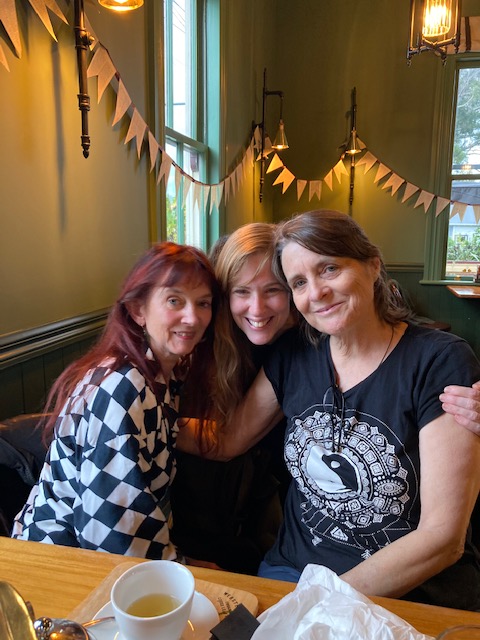
Unity Books’s Marion Castree, poet Vana Manasiadis and I toast the end of the festival with green tea (for me) at Featherston’s wonderful Royal Hotel

(Poetic Licence: too tired to get words and photos and sequence of events in right order!)

Poetry Shelf Monday Poem: Anuja Mitra’s ‘the widow stands trial’

the widow stands trial

I’ll miss the attention,

that much is true.

the neighbours clutching

bags of flour at my door

as if all I could think to do

was eat. I appreciate the show

of sympathy, though of course

some hungers are larger

than that. winter bit like a dog

that year. I watched my breath

feathering the window

as our men prised

last life from the land, scouring

her cold cheeks for plunder.

funny: to them Mother Earth

is a harsh mistress

and not the first woman

we learned how to ruin.

but I digress — all this is just scenery

and you want to hear of the death.

see, severed from one husband

I wed Rumour in the night,

placed a band on my finger

and pledged to be his. now

my hand throbs pleasantly

as the villagers talk:

see how her face betrays

guilt not grief. she must have

done it. she must have

snapped.

much mythology there is

around the snap.

sometimes it happens

when you are slicing an apple

and a spider slinks out

from its bowels.

sometimes it happens

the third time he strikes you

(though rarely at moments

so climactic as that).

and sometimes it happens

alone in the fields,

hills pulled flush

against the gash of horizon

when something in you unlatches

and swings free like a gate

to some forbidden arch, some space

for the soul to surge through.

perhaps my story needs more

of a relatable flavour.

very well. to the judge

who asks how I plead,

I’ll say I’ve been pleading

all my life:

for some measure of grandness

to fill my wifely days,

some passion to slip through

the cracks of those hours

when I stood fishing ants

from the sugar.

a life for a life. his concluded

to make way for mine.

or so my accusers would say.

gentlemen of the jury, you must examine

my account; turn it round in the light

like some lovely old clock

whose hands you are not sure

you can trust.

there lies the question

you are asked to decide:

what unseemly things

have these hands seen?

let us put that to rest

as I did my good husband —

and while you deliberate

you may find me in the fields;

arms raised heavenward,

light catching my knife

like a smile.

Anuja Mitra

Anuja Mitra lives in Auckland. Her writing has appeared in TakaheMayhemCordite Poetry ReviewStarlingSweet MammalianPoetry Shelf and The Three Lamps, and will appear in the AUP anthology A Clear Dawn: New Asian Voices from Aotearoa New Zealand. She  has also written theatre and poetry reviews for TearawayTheatre ScenesMinarets and the New Zealand Poetry Society. She is co-founder of the online arts magazine Oscen.