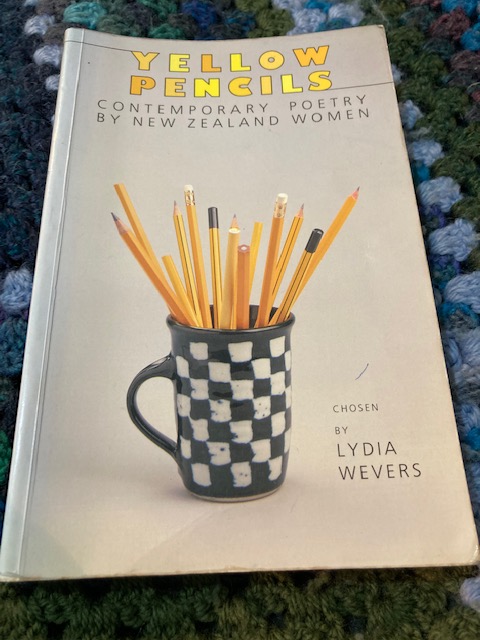
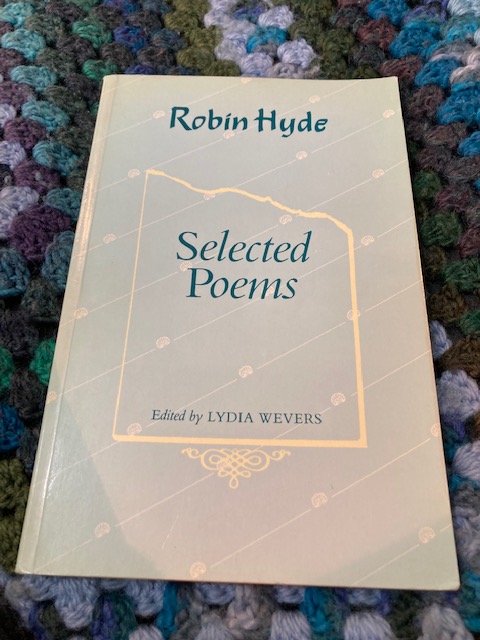
🙏 It is with great sadness, I farewell Lydia Wevers. This is my well-thumbed much-loved copy of Yellow Pencils: Contemporary Poetry by New Zealand Women, the second anthology that drew local women’s poems under a spotlight. So many readers, writers and students, along with friends and family, are sharing how this remarkable woman has affected them; mentored, inspired, opened windows. As the writer of Wild Honey I followed in her groundbreaking footsteps. From my Level 4 isolation, I am linking in grief with everyone who is mourning, with others who are also lost for words. Let us toast Lydia today. Let us toast her warmth and acumen, her dedication to writing, research, fresh ideas, New Zealand books and, above all, humanity. 🙏
a prayer for your lungs inhaling the salted oceans a prayer for your knees buckled in sludge and flood a prayer for your stomach wounded by one man’s hatred a prayer for your shoulders bearing the freight of the world a prayer for your hips holding your small child close a prayer for your hands that soothe and caress a prayer for your tongue that sings to heal
a prayer for the Muslim’s heart, warm and beating a prayer for the Christian’s heart, also warm and beating a prayer for the beating-heart warmth of the tangata whenua a prayer for the beating-heart warmth of Afghan refugees, so recently welcomed a prayer for your heart beating in time with the sun and the stars a prayer for your heartache traversing the rough and the wild a prayer for your heart in sync with the land and the water a prayer for she and he and they
a prayer for your ears listening to ever-bleak media feeds a prayer for your eyes breaking up over images and statistics a prayer for your fingers unravelling daily knots and tough choices a prayer for your tiredness and a prayer for your despair a prayer for your silence and a prayer for your protest a prayer for your movement over corrugated roads and bendy tracks a prayer for the lonely and the unloved or the led astray
a prayer for your face that shuts out the name-calling a prayer for your arms that lower the raised weapon a prayer for your leaders that face boulders and crevasses a prayer for your legs that cross cruel divides and welcome bridges a prayer for your body that is sick or wounded or dying
a prayer for the blue sky overhead with the kerurū coasting a prayer for your children lost in daydream kites and story locomotives a prayer for your children digging garden soil and planting spring seeds a prayer for kawakawa leaves brewing and manukā balm a prayer for your lentil soup warming and your words of love a prayer for your arms open wide and your arms embracing
a prayer for your heart a prayer for your heart a prayer for your heart yes you and you and you
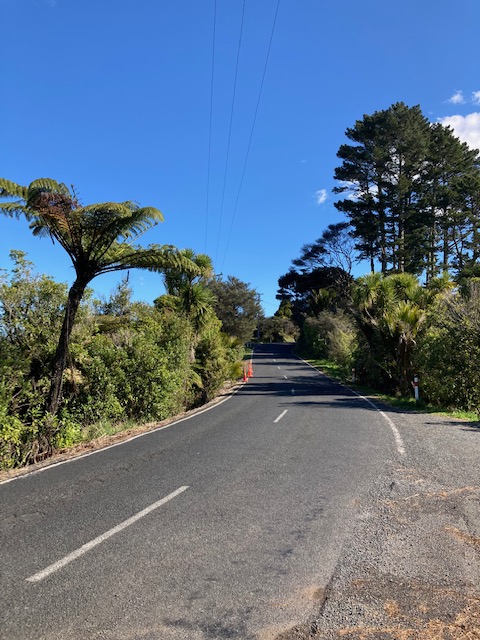
I wasn’t going to post anything today. Life is overflowing with bends in the road for me at the moment, where I can’t exactly see what is ahead. I have been musing on the bends in our road and how I love them. This was me out walking yesterday, in the brilliant blue-sky day, breathing in the clean air, savouring the after-storm gleam. Straight roads would be so much less satisfying. Bliss.
At the start of the year I decided to write things (“psuedo books”) with scant if any aim to get published again. It is is liberating, to write out of a love of writing. But against all odds, on Wednesday I agreed to write a piece for Newsroom on floods and Covid-19, even though I live on a safe hill in a bush haven, with an ability to fill my days with no sense of being locked up or locked out or locked in. Yet life is not normal – I am constantly under threat of deluge.
The floods this week have been devastating for some families. But what has struck me is the way communities come together. I belong to three private communities bongos out west and the support is staggering. None more so at my nearby beach, at Te Henga. The houses there are still cut off, but the community is strengthening a strong support network. I see this happening so often in the time of Covid. Individuals doing astonishing things to help those with unbearable challenges. The 100 plus nurses heading to Auckland to work in hospitals. Wow! The bus drivers who keep going to work despite abuse. The way South Auckland faces unforgivable and ignorant racial abuse.
Poems are a lifeline. Like I say in the piece, poetry is an energy boost for me. As are our poetry communities.
Next Friday I will starting a new season – I am very excited about it.
‘Monday night and the rain and thunder are loud and relentless. Uncharacteristically I am tweeting that I am scared. I never do personal tweets. I have never tweeted I am scared in a storm. Maybe it is the intense noise. We are watching tv, but the tv reception is on storm fade, and I am missing the final of Australian Master Chef after months of viewing. This is upsetting me as much as the storm.’
All Tito’s Children, Tim Grgec, Victoria University Press, 2021
An intro:
Tim reads ‘Infectious Divides’:
Tim reads ‘Lost Tendencies’:
Tim Grgec was the 2018 recipient of the Biggs Family Prize for Poetry. Having failed to achieve his childhood dream of playing for the Black Caps, he now has delusions of becoming a great writer. His first book, All Tito’s Children, is out now with Victoria University Press.
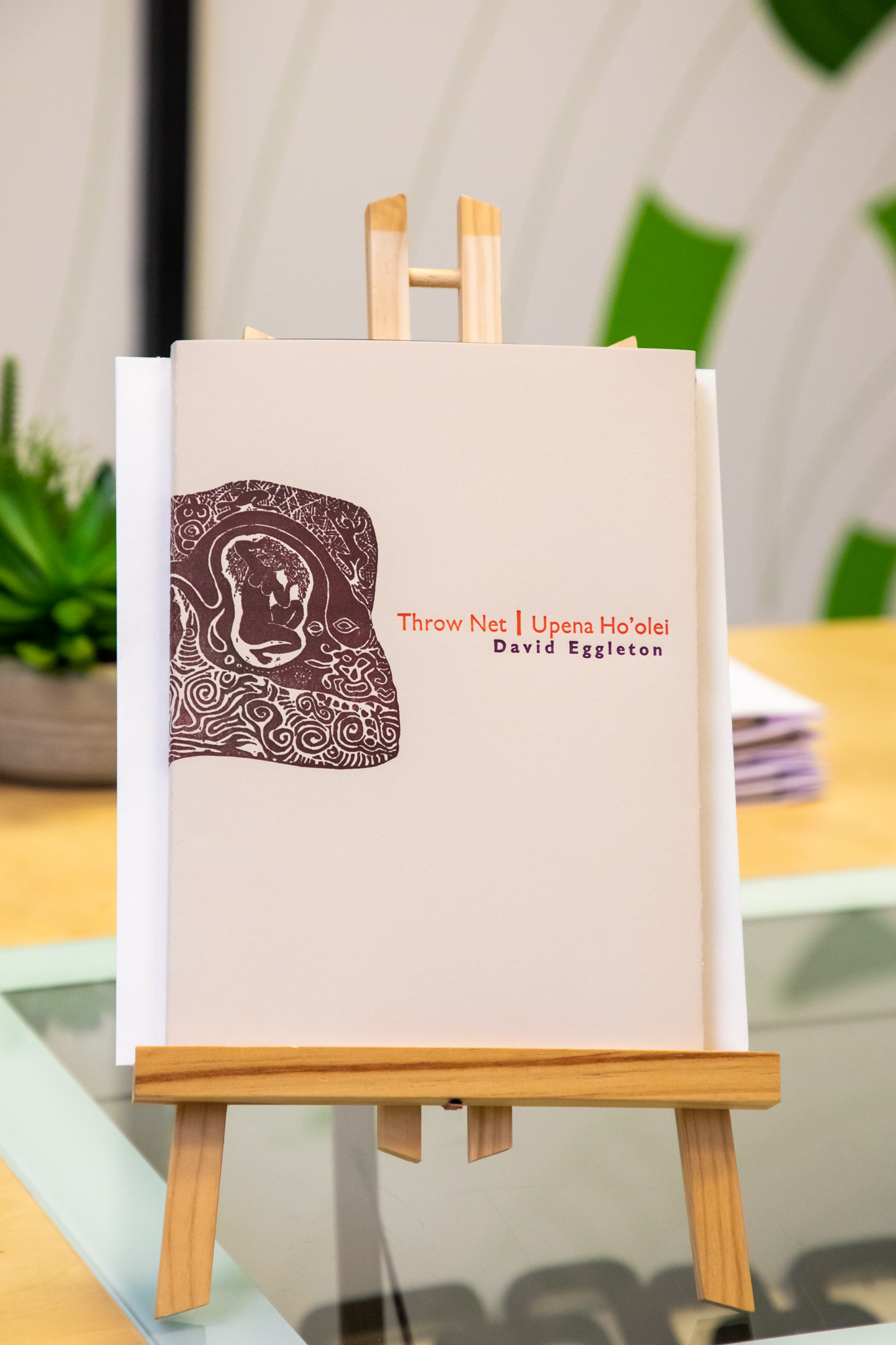
Throw Net | Upena Ho’olei, David Eggleton, artwork by Tonu Shane Eggleton, National Library / Fernbank Studios, 2021
I’m mesmerised by the sunshine’s sheen, and every minute particular feels mine.
The sea disgorges its catalogue of shells on the white page of sand for no-one.
On my hotel bed, I dream and sail.
from ‘Tourist Island’
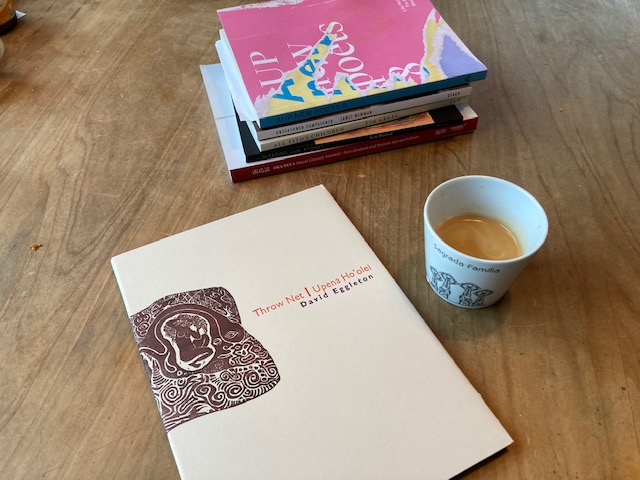
Our current Poet Laureate, David Eggleton, has published a handset, hand-bound collection of poetry with artwork (woodblock prints) by his brother Tonu Shane Eggleton. Brendan O’Brien, beautiful-book craftsman extraordinaire, has produced an edition of 100 at his Fernbank Studios. The book is exquisite. I run my hand over the rough edged paper (Kerkall, plus Stonehenge for the covers). It is book joy. Holding this book. Holding this beauty. The artwork is an evocative sheen on the page.
The National Library, which has administered the New Zealand Poet Laureate Award since 2007, published the book. The award was established by Bill Manhire and winemaker John Buck as the Te Mata Poet Laureate Award n 1996. Throw Net | Upena Ho’olei is fittingly dedicated to John.
In 2018 David spent three months at the University of Hawai’i’s Moana Campus, as the Fulbright-Creative New Zealand Pacific Writer Resident. The poems began in notebooks while he was there, and were completed upon his return.
Throw Net | Upena Ho’olei, with nine poems and a scattering of artworks, is the perfect place to sojourn.
This is poetry that celebrates the moment. It feels like the poet is inhabiting a particular place, at a particular time, and slowly breathes in the experience. The poem establishes a heightened relationship with place, a translation of experience within measure poetic form. The treasured details offer sound and visual explosions to the point I am imbibing a poetry feast, a delectable banquet. I am unashamedly drawn to food metaphors because poetry is a form of nourishment on the tongue, in the heart, in the lungs. This is poetry that is so very nourishing.
There is quietness, there is melody, there are shifting keys and multiple forms. I am breathing in salt and ocean, and undulating voyage. I am lingering over vignette and anecdote. In this time of limited travel and strict local borders, poetry is a travel plan, an itinerary of respite and joy. You might swim with turtles and hear the church bells ring out. There is ‘the chop of waves’ and ‘ukelele strums’. Expect mountains and lava and sun, much much sun. I am feeling skin glazed as I spend a whole Saturday drifting in and out of these poems. Pleasure crafts. Such honeyed vessels.
I love this lovingly crafted chapbook. Such economy, such fluidity, such reach. I dream and I set sail.
The snores of a sleeper on a beach towel recite genealogy under volcano’s glow. A sunken raft of manta rays stirs after dark.
Hands hula-hula, shaping sandwiches into islands; mechanically, a shark takes a bite out of the moonlight.
Someone slings a hammock between trees. Each wave is a line; each line is breaking; and even the mountains are setting sail.
We started off as a reading series and we still are!We’re happy to announce that we will be hosting regular readings at Food Court Books (or on Zoom when conditions demand it) on the first Wednesday of each month.
Each reading will have a zine to go along with it, featuring work by the writers who performed at the event.
We’re kicking off the 2021 season on September 1st.
my therapist casually suggested that I embody seagrass; this seemed dangerously close to social prescribing, but I had been reading Fontaine with its daymares repeatedly that autumn, together with articles on forest bathing, which seemed earthy, hungry, darkly prescient, so I experienced the briefest of pauses before I embraced it, placing a dark halo over a quivering body evolved from terrestrial plants, returning to the wide-open space of underwater hollows, to silence, to quaking, glittering light. they have flowers and seeds and roots and leaves and connective tissues; they have ribboning foliage, holding firm in built-up silt on tidal flats.
when we found the audio recorder we wanted to buy, the sales assistant outlined the different ways I could record conversations, as if this was the object’s sole purpose. I thought about the taking of another’s voice, the permission we were granting ourselves to grasp the sung shrieks of grass, and I turned to look at your mended lips, reading their unhurried movement. we took the handheld recorders into the soft carpet marsh of the wetlands, stopped our footfalls and created slight archives of our meagre silence, our scant pause. you were annoyed when I interrupted to ask how we define aural stimulus; but what is noise and what is sound? is there a moment – a blurred boundary? is a sound always so fitfully tender and sinking?
your lungs of clay heaved with the cold and unsympathetic air, my tendons stretched, elastic over our loud together loneliness. if you took a diecut mould and used it on me, you’d find: there’s your body and hers and safe and hard and compost and squeaking tedium and peaty soil; there’s microbes and knuckles and luminescence and practice and precarity and crushing blends of all this. we sign up for a noxious plant maintenance scheme when we leave via the ranger’s hut, and she informs us that it is mainly cordgrasses that we will be tackling. they strangle the groundcover, she murmurs earnestly, and we know to nod many times and make appropriate noises. all the intertidal meadows are swollen, she grows tiny as she talks, and I struggle to lip-read what she’s saying as she moves closer and closer to the compressed, rising earth
Elizabeth Welsh
Elizabeth Welsh is a poet, papermaker and academic editor. She is the author of Over There a Mountain, published by Mākaro Press in 2018. Her poetry has been published in New Zealand and the United Kingdom, and she is Auckland Council’s Artist in Residence for 2021, creating site-specific poetry and handmade paper on/from the wetlands at Āwhitu Regional Park. She lives in Titirangi with her husband and daughter.
Gift for Auckland Poet on Janet Frame’s Birthday (28 August)
2021 Janet Frame Literary Trust Award for Poetry goes to Siobhan Harvey
The Janet Frame Literary Trust is delighted to announce the recipient of the 2021 Janet Frame Literary Trust Award for Poetry. Auckland poet Siobhan Harvey will receive $5,000 from a fund set up by Janet Frame for the purpose of encouraging New Zealand authors “of poetry and imaginative prose”. The biennial award is timed to commemorate Janet Frame’s birth date on the 28th of August. Janet Frame was famously saved from an imminent lobotomy when a doctor noticed that she had won a literary prize. She received many grants and prizes over her long career and wanted to give back to her fellow writers.
Siobhan Harvey is originally from England and made New Zealand her home 20 years ago. She is the author of eight books of poetry and non-fiction. Her latest volume of poetry and creative non-fiction, ‘Ghosts’ (Otago University Press 2021), explores themes of migration, homelessness and family trauma. The UK Poetry Archive describes her poetry as “that of a quester – a voyager — meditating on separation and discovery, on time lost and time regained, on the tug of distant familial connections, and the new global connectivity which means never being out-of-touch.” Harvey is a lecturer in creative writing at the Auckland University of Technology and her work is published widely in New Zealand and international journals and anthologies.
Siobhan Harvey said that she was humbled “to be honoured in a legacy left by New Zealand’s foremost author” as well as finding herself the recipient of an award given previously to writers whose work she admires, such as Peter Olds, Tusiata Avia, David Eggleton, Catherine Chidgey and Alison Wong.
“In this fraught time of a global pandemic and in an era in which the financial earnings of writers in New Zealand are below the minimumwage, this bequest allows me to fund writing time I would not have been able to afford otherwise.”
Siobhan Harvey is the author of eight books, including Ghosts (Otago University Press, 2021) and 2013 Kathleen Grattan Poetry Award-winning Cloudboy (OUP, 2014). She received the 2020 NZSA Peter & Dianne Beatson Fellowship, and won the 2020 Robert Burns Poetry Award and the 2019 Kathleen Grattan Award for a Sequence of Poems. Her work appears in recent anthologies: Arcadian Rustbelt: Poets Emerging 1980–-1995 (University of Liverpool Press, 2021), Feminist Divine: Voices of Power and Invisibility (Cyren US, 2019) and, translated into Italian, in Alessandra Bava (ed.), HerKind: Anthology of Contemporary New Zealand Poets (Editione Ensemble, 2021).
my current POETRY reading pile selected from my current POETRY tower
Initially I invited three poets, whose poetry I love, to do a reading for a small Phantom National Poetry Day celebration on Poetry Shelf. But when I felt we’d be in an extended lockdown, and our fabulous physical Poetry Day events would need virtual reinvention, I made a larger gathering. I have so loved listening to the readings as they arrived. Sitting at the kitchen table, transported so beautifully.
I am sad that a magnificent list of national events can’t take place physically, but I am glad I can tune into things today I wouldn’t have seen or heard. Exciting! Check out virtual Phantom National Poetry Day eventshere.
To celebrate poetry in Aotearoa, I have a few more copies of Wild Honey: Reading NZ Women’s Poetry to give away (only in NZ). Leave a comment here, on FB or Twitter or email me.
I also want to make up a few poetry-book care packages. If you are in need of a poetry boost let me know (only in NZ). I won’t be able to send anything until Auckland moves to Level 3.
Help our publishers and booksellers by ordering a poetry book online today!
NZ POETRY BOX Phantom National Poetry Day celebration:If you have children who like writing poems you might like to check out my suite of children’s authors reading a poem and my galaxy of hidden poem challenges. I will post poems and have books to give away. Here And my National Poetry Day guide for children.
Grateful thanks to all the poets who recorded a poem or two.
If I have made mistakes, I would be grateful if let me know, as I seem to be a continued state of drift and daze.
HAPPY POETRY DAY – Keep safe, be kind on yourself as well as others.
The readings
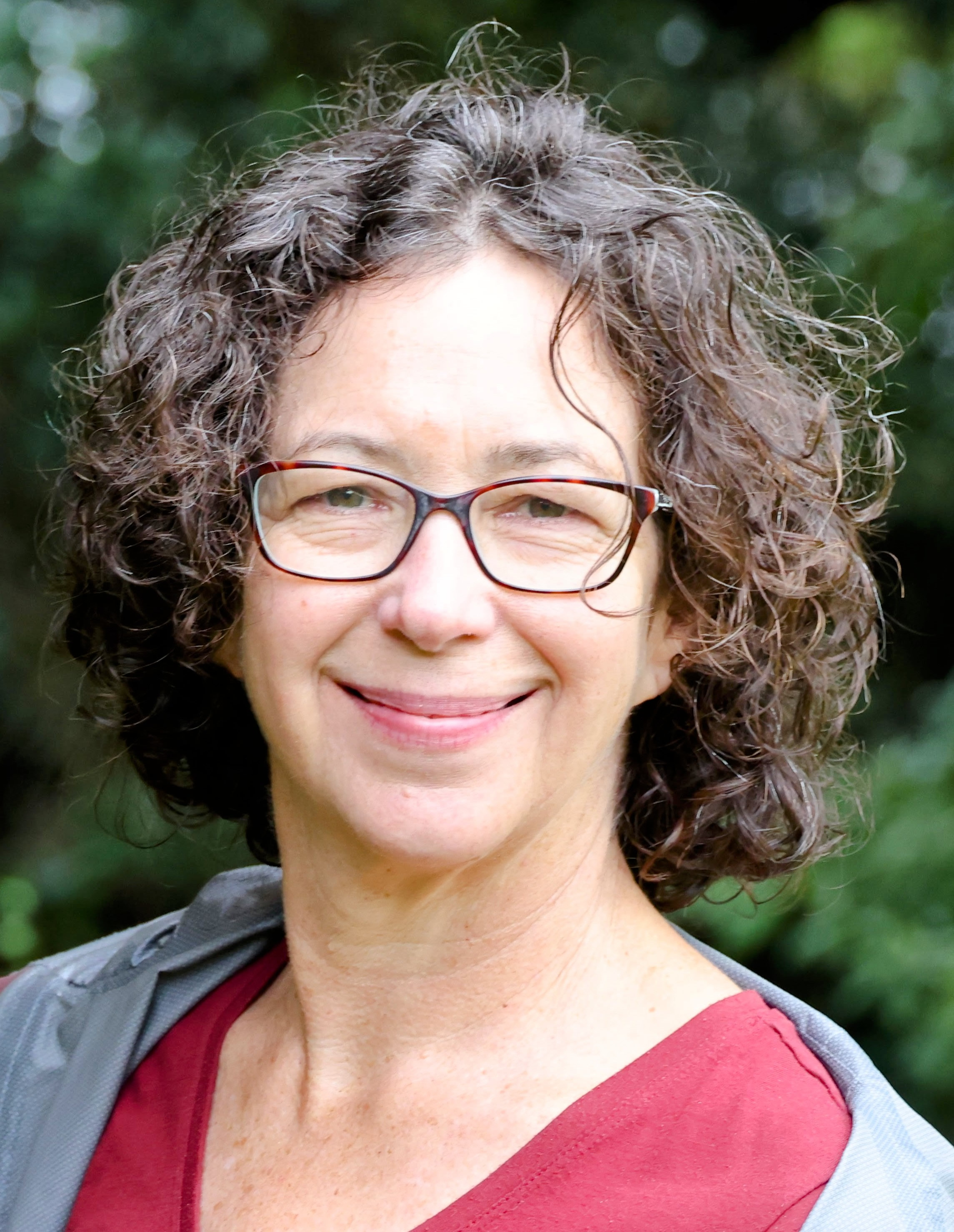
Sue Wootton reads three poems
Photo credit: Doug Lilly
Sue Wootton reads ‘Tauranga’, ‘The Knitters’ and ”Poem on the shortest day’ (all appeared in takahē101)
Anuja Mitra reads two poems
Anuja Mitra reads two poems: ‘To You, in Late July’ (published in the Poetry New Zealand Yearbook 2020) and ‘Home, Seen From a Distance’ (published in Signals)
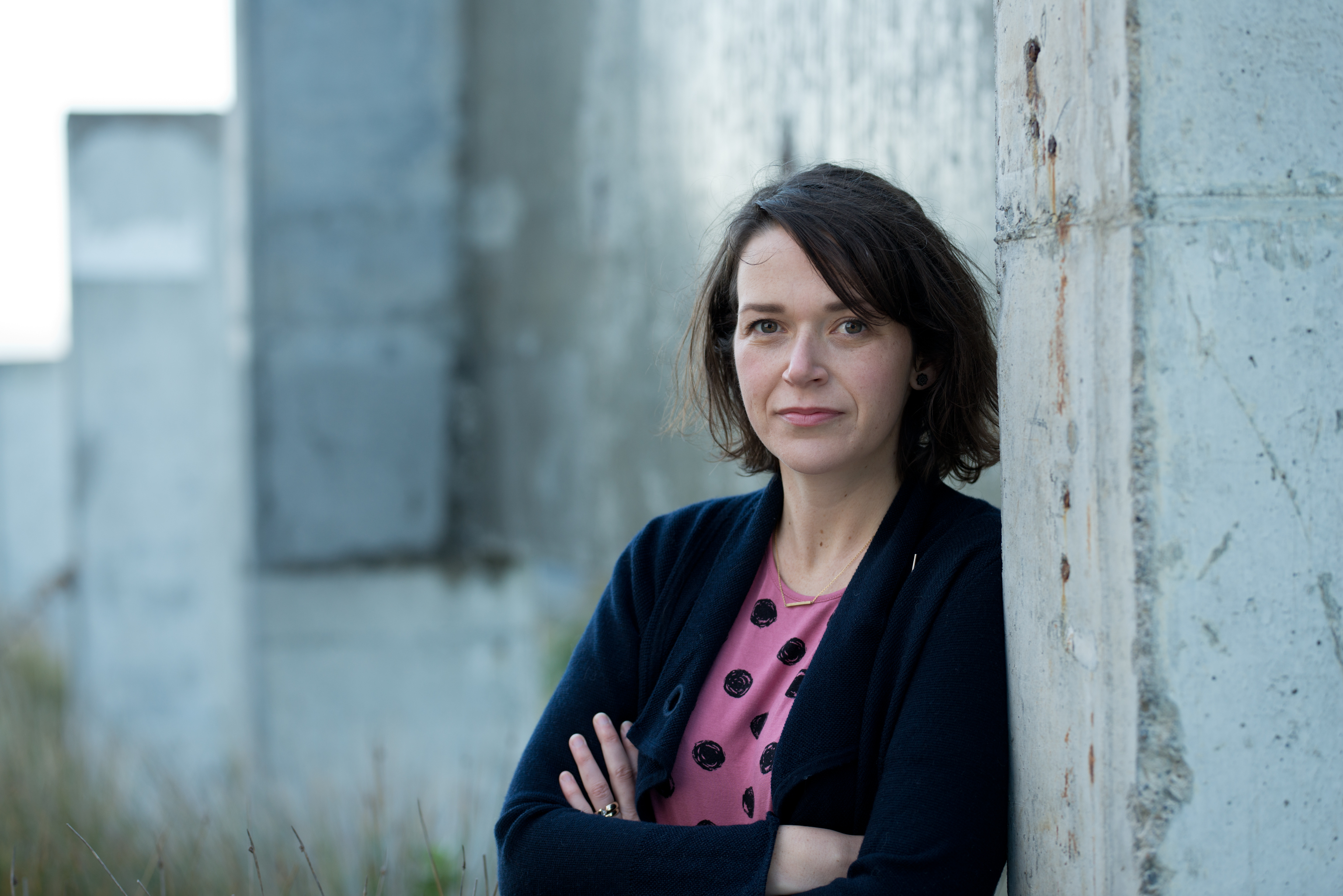
Louise Wallace
Photo credit: Grant Maiden
Louise Wallace reads ‘The Happy Poem’ (Enough, Victoria University Press, 2013)
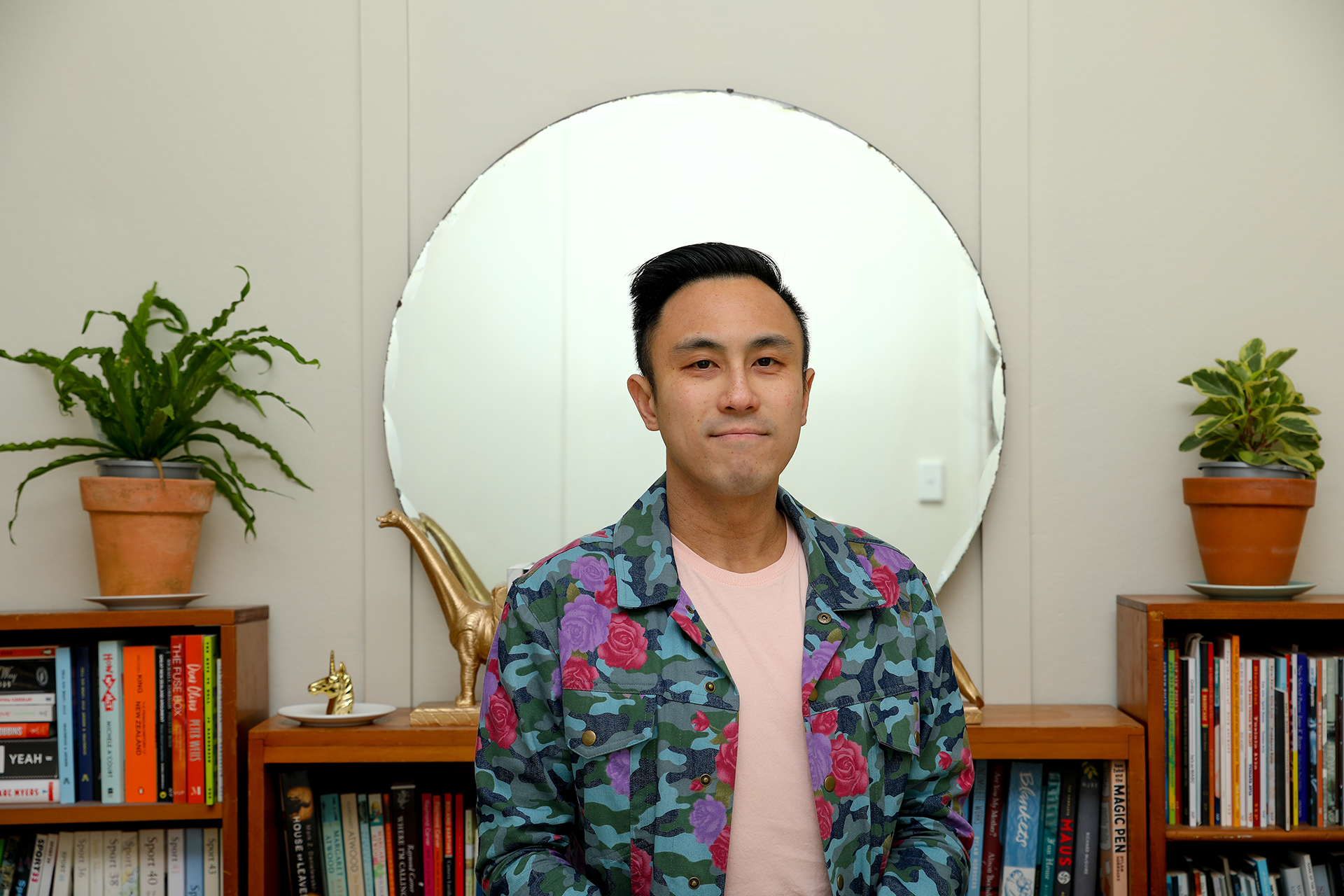
Chris Tse
Chris Tse reads ‘Red—Life & Courage’
Modi Deng
Photo credit: Mikayla Bollen
Modi Deng reads ‘tell me’ and ‘tomorrow will be the same but not as this is’ (AUPNew Poets 8, Auckland University Press, forthcoming)
Lily Holloway
Photo credit: Angela Zhang
Lily Holloway reads ‘hopscotch’ and ‘stocktaking during venlafaxine discontinuation’ (AUP NEW Poets 8, Auckland University Press, forthcoming) and ‘Imagined heterosexuality with you, my ex who won’t stop calling’ (Cordite Poetry Review: GAME, August 2021)
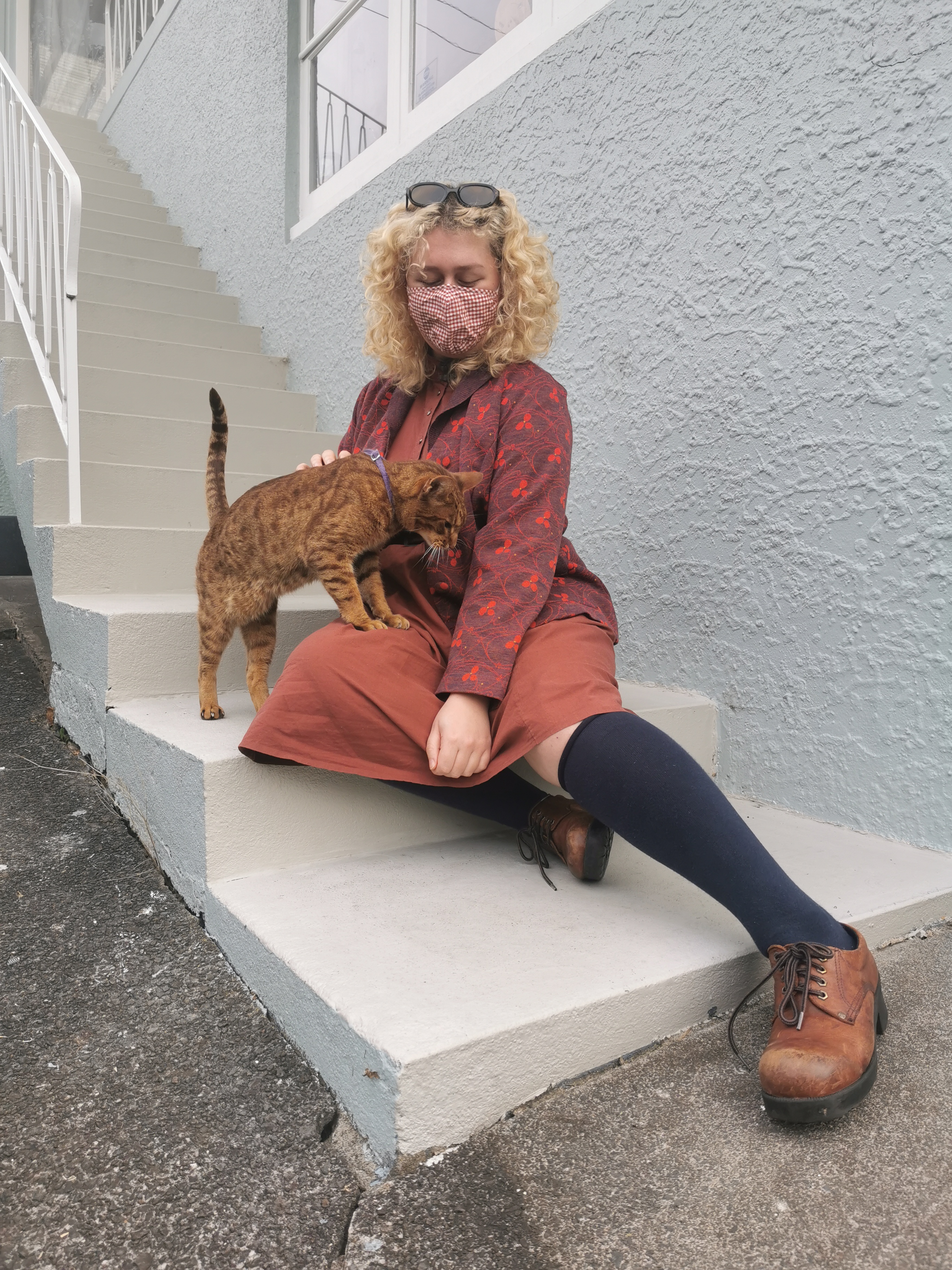
Tate Fountain
Photo credit: Andi Crown
Tate Fountain reads ‘Red’, Yellow’ and ‘Blue’ from ‘COLOUR THEORY (PRIMARY)’ (Min-a-rets Annexe), and ‘Iterations’ (Starling 11).
Emma Neale
Photo credit: Caroline Davies
Emma Neale reads ‘Withdrawn’ (To the Occupant, Otago University Press, 2019)
The poets
Modi Deng is a postgraduate candidate in piano performance at the Royal Academy of Music on scholarship. Currently based in London, Modi received a MMus (First Class Hons, Marsden research scholarship) and a BA from Auckland University. Her first chapbook-length collection of poetry will be part of AUP New Poets 8. She cares deeply about literature (especially poetry, diaspora), music, psychology, and her family.
Tate Fountain is a writer, performer, and graduate teaching assistant based in Tāmaki Makaurau. She has been published in Agenda, the Min-a-rets Annexe, and others, and her short fiction was highly commended in the Sunday Star-Times Short Story Competition (2020). She is now on the Editorial Committee for Starling, which means Francis and Louise have a reprieve from having to format her poetry for the web.
Lily Holloway is a queer nacho-enthusiast. She is forthcoming in AUP New Poets 8 and you can find her work here. Follow her on Instagram and Twitter @milfs4minecraft.
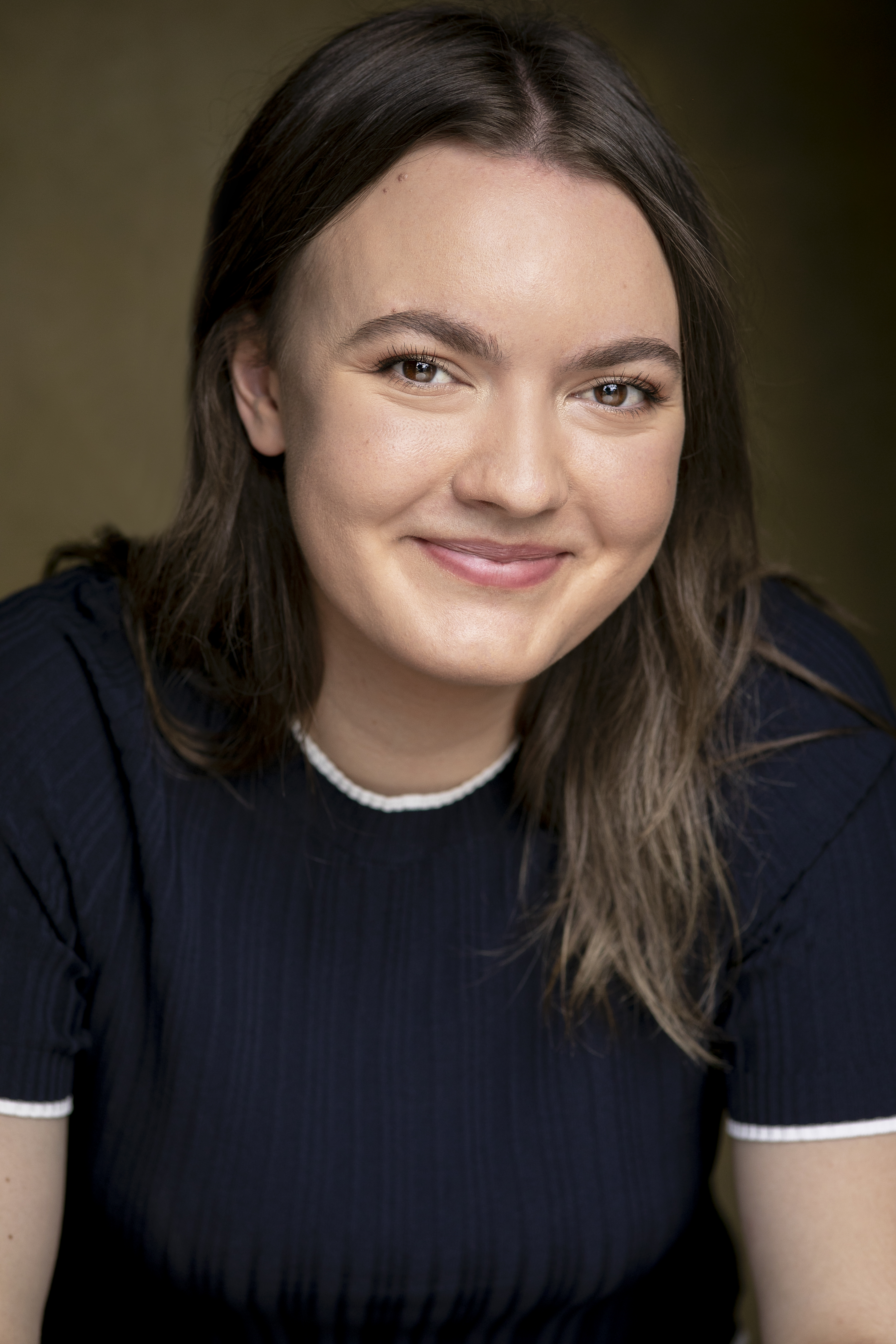
Anuja Mitra lives in Auckland. Her writing has appeared in Cordite, Takahe, Mayhem, Starling, Signals, Sweet Mammalian, Poetry Shelf and The Three Lamps, as well as the recently-launched A Clear Dawn: New Asian Voices from Aotearoa New Zealand. She writes theatre and poetry reviews for Theatre Scenes and the New Zealand Poetry Society. She enjoys eating Reese’s Peanut Butter Cups and petting her small colony of cats, both of which she is probably doing to procrastinate writing.
Emma Neale lives in Otepoti/Dunedin, where she works as an editor and writer. She has published 6 novels and 6 collections of poetry and her first book of short fiction, The Pink Jumpsuit, is due out from Quentin Wilson Publishing this year.
Chris Tse is the author of two poetry collections published by Auckland University Press – How to be Dead in a Year of Snakes (winner of Best First Book of Poetry at the 2016 Ockham New Zealand Book Awards) and HE’S SO MASC – and is co-editor of the forthcoming Out Here: An Anthology of Takatāpui and LGBTQIA+ Writers From Aotearoa.
Louise Wallace is the author of three collections of poetry published by Victoria University Press, most recently Bad Things. She is the founder and editor of Starling and is currently working on a PhD in Creative Writing at the University of Otago. She is spending the level 4 lockdown at home with her partner and young son on the Otago Peninsula.
Sue Wootton’s novel Strip (Mākaro Press) was longlisted for the 2017 Ockham NZ Book Awards, and her most recent poetry collection, The Yield (OUP), was a finalist in these awards in 2018. She was the 2008 Robert Burns Fellow, and held the 2018/19 NZSA Beatson Fellowship. She was awarded the 2020 Katherine Mansfield Menton Fellowship. Sue lives in Ōtepoti-Dunedin where she is the recently-appointed Publisher at Otago University Press.
The poems in Sue’s recording were published in takahē 101. ‘Tauranga’ is after ‘Watching for dolphins’ by David Constantine. ‘The knitters’ is for Dunedin-based artist Michele Beevors, creator of a series of life-sized, anatomically-accurate knitted sculptures of animals, especially extinct and threatened species. ‘Poem on the shortest day’ was written in June 2020, and responds to events of that year, especially the pandemic lockdowns and the aftermath of George Floyd’s murder.






 NZ Poetry Shelf