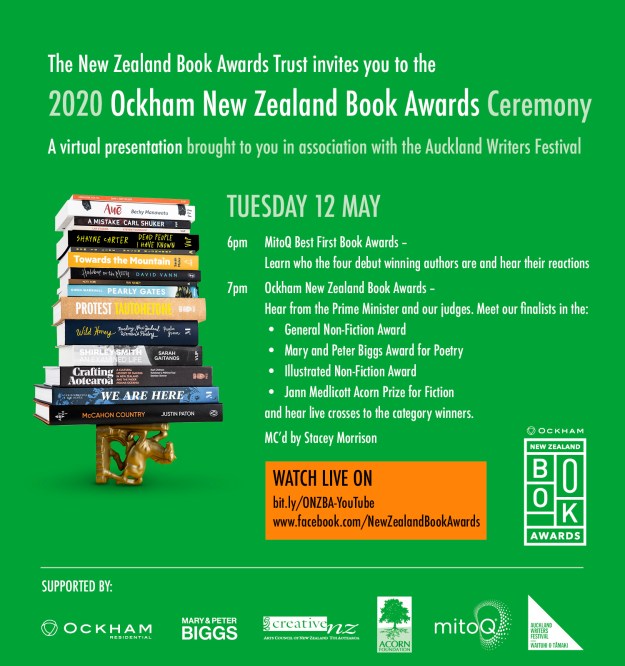


Kiwi book publishers are struggling to regroup after seeing sales obliterated in April.
The Publishers Association of New Zealand/Te Rau o Tākupu (PANZ) says members are reporting zero or minimal sales for the month of the Level 4 lockdown.
The risk to the book industry is at its greatest since the Global Financial Crisis.
“Publishers, along with our authors, illustrators and booksellers, are caught up in a negative spiral,” says Julia Marshall, PANZ President.
Unlike in most countries, in New Zealand books were not classed as essential items during Level 4.
“Online sales of books made a massive difference to sustaining publishers in many markets, including Australia,” Marshall says.
“While New Zealand publishers have remained at work remotely, preparing books for 2020 and 2021, they couldn’t sell print books until Level 3 permitted online and click & collect sales.”
Despite some short-term rescheduling due to the lockdown, Marshall says that PANZ members are on track to produce many fine books this year.
Publishers have also stepped up to make content available digitally to schools and families, recognising the vital role of books in home-based learning and personal wellbeing.
Educational publishers entrusted design files for many textbooks to the Ministry of Education so it could print and despatch books to schools, ensuring students could go on studying.
Others have given free licence to libraries, booksellers and schools across the country to provide readings and content from New Zealand books during the lockdown period.
Now that it’s ok to shop for books, Marshall encouraged New Zealanders to support the Kiwi booksellers and authors who like all of us are facing major challenges with the Covid-19 epidemic .
“This is the year to buy New Zealand books, if you want to be sure our books are still around in the future.
Te Papa’s giant squid dreams of the moana
school kids stare in awe and disgust
I’ve learnt more about my own
history from science teachers
giant soldiers mourn my captivity
the earthquake house shakes
in condemnation, docents wipe
away rebellious fingerprints
Did you know the Architeuthis has three hearts
and a donut shaped brain?
my ink is responsible
for love notes in math class
complicated café orders
ratifying bilateral trade agreements
are you reading this in hard copy
sweet saviour
if so… you’re welcome
once people have extracted
everything from you that’s special
they put you on display
and tell the world
how special you were
like the rugby hall of fame
where the 1985 All Blacks are kept in chains
destined to tackle each other into eternity
or permanent brain damage
I can’t find my edges
I’ve forgotten my reach
membrane liquefying
in industrial brine, I’m just
sinew floating in a historically
significant chowder
if you’re reading this before 2040
take an E-Scooter to the waterfront at midnight
break into the nature exhibit
pry open my colossal jar
let me Shawshank out of there
sliding back to my mother’s dank embrace
if you’re reading this after 2040 it’s too late
she’s already taken me back
Te Papa too
Jordan Hamel
Jordan Hamel (he/him) is a Pōneke-based poet and performer. He is the co-editor of Stasis Journal, which you should definitely check out. He was the 2018 New Zealand Poetry Slam champion and has words published or forthcoming in Poetry New Zealand, takahē, Landfall, Sport, Mimicry, Mayhem and elsewhere.

On April 1st Napier’s Beattie & Forbes invited poets to send in poems for the window display. Most are original and most are lockdown themed.
Just what you need on a rainy cabin fever day!
Go to Desperate Literature for other Cabin Fever episodes

my NZ Herald poem 2nd May 2020 from ongoing series they are publishing
It sees like some of our beach communities are being torn apart over beach access. Now that people can drive to their local beach it makes it an even more volatile subject. Do people measure how far they drive to collect takeaways? The only place within walking distance for me is more road. I strongly believe we need to work together for the good of our communities but we need kindness and empathy as our community glue. The Bethells Beach / Te Henga gates are locked still so miles of cars are backing up – but if all the people like me (who live a short drive away drive there) then that will make a beach load of cars. I do want to resume my early morning beach walks and go splashing in the shallows. I do want our small communities to connect with love and understanding. Some things need calling out through the correct channels (violence, spitting, breaking social distance, rudeness to essential workers, travel long distances) but driving to a local beach is now a Government approved activity.
Kia kaha
Keep safe
Ngā miihi nui
Paula Green
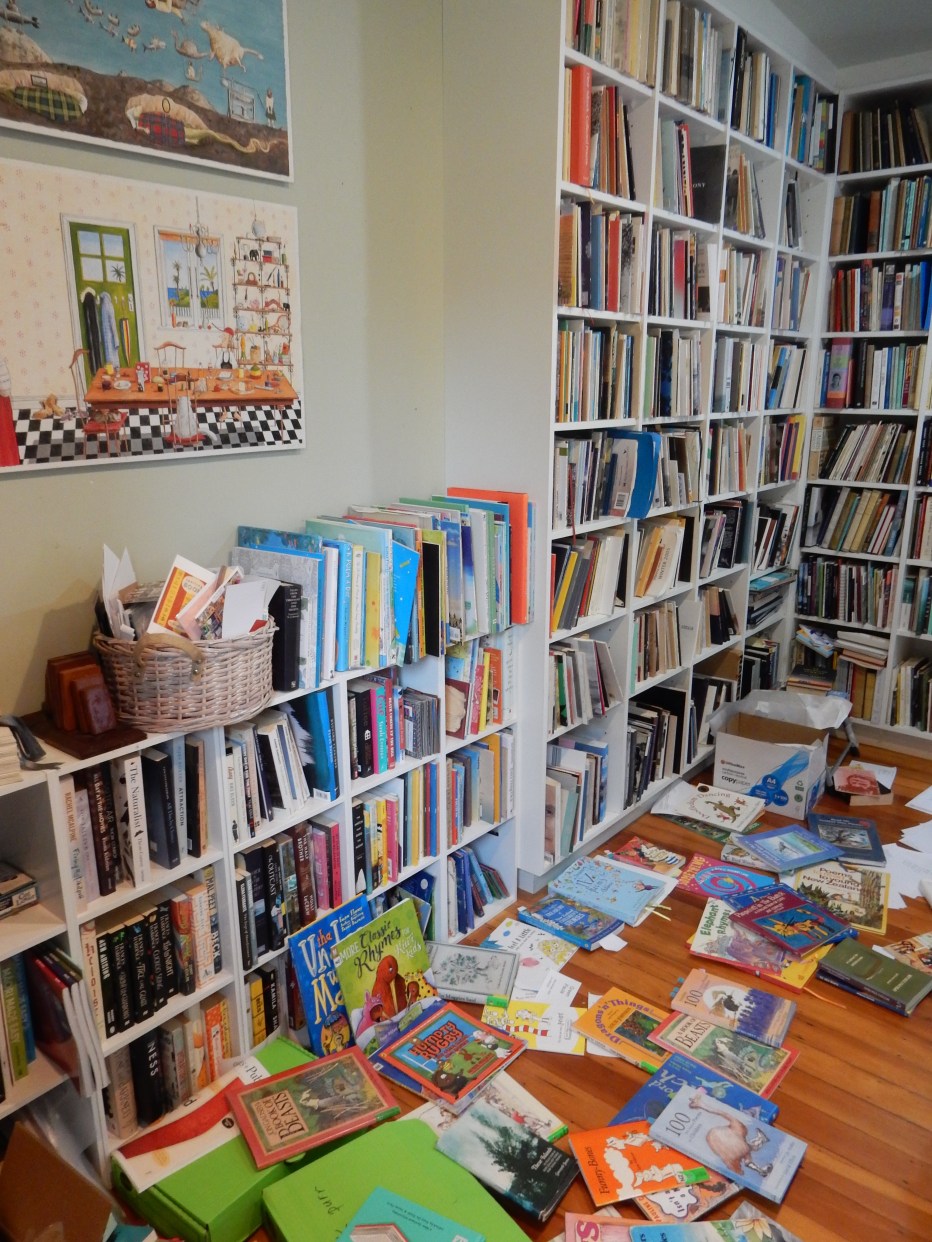
My poetry shelves and study floor courtesy of NZ bookshops (I am hard at work on a new children’s anthology thus the floor!). Two original illustrations on the wall by Michael Hight (from Aunt Concertina and her Niece Evalina).
Inviting booksellers to pick comfort books the week they go back to selling books online (of all genres) was not my best idea as they are so busy getting books out to avid readers. It warms my heart to hear readers are supporting their local shops and ordering up large. So I am immensely grateful to everyone who contributed to this list of books that have offered comfort, book joy, or just much-needed diversion!
I have always felt part of an extended family as an author: yes, I write at home with a dodgy internet connection, no mobile connection and no cafes close by. But publishers, critics, librarians and booksellers are important. I wanted to underline how important bookshops are to us as authors when I co-dedicated Wild Honey to Carole Beu from the Women’s Bookshop. I have had numerous events in bookshops around the country especially when I toured A Treasury of NZ Poetry for Children and Wild Honey and that have been ultra special.
And of course I love browsing in a bookshop. Whenever I hit a town or city I go bookshop rambling and buy books. I can remember when I travelled to Italy to do research for my MA on Francesca Durante. I travelled with one bag ( carry on!) and half it was devoted to books. I stayed with friends near the Italian Alps and we hiked up to a refugio by a glacier (I shrink in embarrassment now) and all I could muster to wear was a cotton dress, cardi and sandals. The friends looked in my bag and were shocked at my scant clothing (it was the heat of summer!). Hikers coming down the mountain thought they were hallucinating when they saw me. But I got to spend a whole day talking with Francesa at Gattaiola near Pisa (she said ask me anything, so warm and generous!). I took home half a bag of books.
New York bookshops wow! Ireland bookshops wow! I was secreting books in everyone else’s bags on those family holidays. But there are just so many fabulous bookshops in Aotearoa.
This year I was booked into a number of NZ festivals and I am sad not to be going but especially sad not to be scouring bookshops in the Wairarapa and Marlbourough.
Today I raise my short black to you, our wonderful and much-loved booksellers! And I invite every avid reader to get on line and order a book today.
Thank you!
A list of comfort books from booksellers
Beattie & Forbes Books
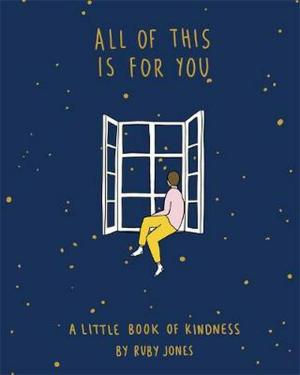
Megan
A little book of kindness by Ruby Jones
A lovely little book that we sold lots of at Christmas time and beyond, I have had it open in the window while we in Level 4, and now Level 3 and turned the page everyday, I have enjoyed the positivism, the the realism and I hope that the passerby’s did too.
Booksellers New Zealand
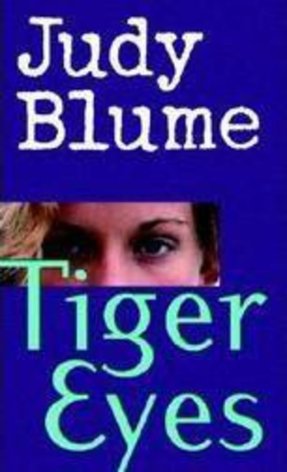
Gemma Browne
When I think of a book that has given me comfort, the first title to pop into my head is Judy Blume’s Tiger Eyes. It seems wrong, that a book about trauma can be comforting, but really the book is about recovering from trauma. And the protagonist, Davey, is such a smart and thoughtful character, that following her journey feels steady and solid, even when her life is anything but. Plus, there are so many great descriptive scenes that feel all-enveloping and meditative, such as climbing down into New Mexico’s canyons in the warm sun, submerging in a deep bath in a historical tub, and slowly burning a candle down in a solo act of memorial. I’ve read this book many times, and am sure to read it again.


Tiffany Matsis
I already know how I am going to die. It’s not going to be from Covid-19. It will be because the looming tower of books in the To Read pile beside my bed finally collapses during a round of that fun Wellington game: “wind or earthquake?”. The pile is out of control. During the lockdown, I have been taking immense comfort from being able to make inroads into that perilous stack. I have happily devoured The Mirror and the Light by Hilary Mantel, Girl Woman Other by Bernadine Evaristo, A Mistake by Carl Shuker, Blitzed: Drugs in Nazi Germany by Norman Ohler, Whatever it Takes by Paul Cleave, and a few others. Unfortunately I have already made plans to rebuild my pile by making online purchases from several of my favourite indie bookstores. I am eagerly awaiting the arrival of couriers. I am less eagerly anticipating my demise from the ensuing book avalanche. But at least my obituary will be able to read “she died doing what she loved”.
Children’s Bookshop, Kilbirnie
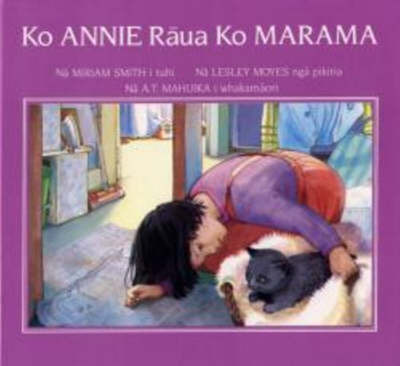
Lucy Black
Annie and Moon; Miriam Smith and illustrated by Lesley Moyes
(Mallinson Rendel, 1988)
I find just the concept of comfort books comforting. I could write a long list of comfort books and I would find the act of doing so very comforting. When I seek comfort I read books I have read many times, like Cold Comfort Farm. I like series so it feels like you’re dipping back into a second home, like Earthsea. I especially like comfort books which feature lots of comfort food, like The Darling Buds of May and the other H.E. Bates books (these are next level comfort because you can watch the old TV show too). My all time comfort book is Annie and Moon by Miriam Smith. It tells the story of a young girl who moves houses a lot over a short period of time but has the constant companionship of her cat Moon.
I didn’t move house as a kid but I recognised the Wellington streets depicted and related a lot to Annie’s loneliness. I longed for a cat and enjoyed the simple conflict and resolution storyline. As an adult I have found Annie and Moon comforting and reassuring for other reasons. In my pretty vast collection of kids picture books Annie and Moon is one of the only ones which depicts the struggles of solo parenting, the desperation in trying to find a good place to live and to keep your kids feeling safe and happy. This book was a beautiful reflection of my daughters life at one point and I was thankful to have it to read to her. If you have a copy in a box somewhere or on the shelf with your other childhood books, pull it out now, I think it fits well in these times where we are all feeling a bit uncertain, scared, needing our mums, our cats and a good book.
Dorothy Butler Children’s Bookshop, Auckland


Mary Wadsworth
In times of stress or sickness I tend to gravitate back to the books I loved as a child – my ancient copy of Little Women or the strange and exotic mystery of The House of Paladin or the inimitable Swallows and Amazons. It is not just the familiarity of the story which comforts, it is the familiarity of the book itself and the memory of the joy of first discovering those characters and the places they inhabit.
In the last few weeks I have indulged in some dipping in to those sorts of books but I have probably taken more comfort from some of the life affirming children’s books written much more recently. I am currently reading an advance copy of The Unadoptables by Hana Tooke which is particularly appealing. The energy, warmth and spirit of the five main characters and their incredible adventures provide a perfect antidote to a life in lockdown. I think it’s due to be released in July. Watch out for it.
Ferret Bookshop, Featherston
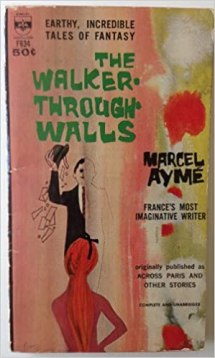
Terry
Comfort being the operative word, I nominate Marcel Ayme, a gentle fabulist, from yesteryear. Among his works is a short story collection, which includes ‘Still Life’ (?title from memory, no copy to hand alas!) which literally, brilliantly, demonstrates how and why Art sustains Life.
Hedley Books, Masterton

Anna Hedley
It’s no surprise we’ve been craving comfort more than ever of late and it can always be found in the magical words and drawings of Charles Mackesy’s The Boy, the Mole, the Fox and the Horse. It takes a special sort of story to deliver wisdom, joy, tears and comfort, to anyone, of any age. This is most certainly one of those books.
Jason’s Books, Auckland

Maud Cahill
An Imaginary Life by Australian writer David Malouf is a small treasure I have often returned to. It is a fictional account of the Roman poet’s exile by the Black Sea. Alone in a cold and hostile place, separated from the people he loves and from the whole of Roman culture that has made and sustained him, the bereft poet is determined to hold on to his sense of himself. But this new world turns out to have things to teach him and he stumbles towards a very different understanding. Malouf’s tone is spare and precise, but the constraint of this little book somehow offers consolation. It is like a poem to the human need to connect and to change, to take a new world and to live in it.
Matakana Village Books

Mary-Liz Corbett
I am not sure I read books for comfort – escape maybe which could be another type of comfort.
At the moment I am reading Hilary Mantel’s The Mirror and the Light which offers complete escapism as the writing is so evocative of the era that once reading I am surrounded by Cromwell’s life and people. I have to limit my self to only reading it at the end of the day otherwise I wouldn’t get out of the chair. I love books that envelope you so much that you don’t notice the everyday life going on around you.
Poppies, Hamilton
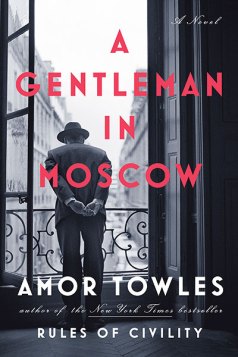
Alison Southby
A Gentleman in Moscow by Amor Towles. An absolutely charming novel about the absolutely charming Count Rostov. Rereading this during the very slow-moving lockdown (March this year had 120 days, right?) takes you into a world where a lockdown is for a lifetime. The Count is put under house imprisonment by the Bolsheviks in the wonderful Metropole Hotel opposite The Kremlin in Moscow, which is where he has been living. However, he is moved from his suite of rooms to one in the attic and from there he must see out his days. This wonderfully written book is both humorous and poignant. The author holds you in the palm of his hands from beginning to end. You will cry and you will laugh and probably shake your head in amazement. Count Rostov’s bubble does get bigger and the people who inhabit it with him are as extraordinary as he is. This is a book that we sold and sold as customers told friends who told friends that they must read it. Try not to rush through it. It will fill your days with total enchantment.


Joy Seamark
Olive Kitteridge by Elizabeth Strout is a novel of beautifully written stories,13 in all, about people whom the irascible Olive has known over her life teaching n a small town on the Maine coast of America. You can smell the sea air and feel the season’s changes such is the author’s skill in setting the scenes. I want to go there. Basically, this is a novel about the choices people make and the consequences of these decisions. It tells stories of people we can probably all relate to one way or another.
Through Olive’s eyes we get to know the young and the old people whose lives she has touched. Her kind. gentle and long-suffering husband Henry features throughout. He is her rock though Olive would be the last person to acknowledge this. This is a book to take your time over and savour, and the formidable Olive will stay with you for a long, long time. A well-deserved Pulitzer Prize winner.
The World of Jeeves, by P G Wodehouse. English comic writing like no other. Jeeves and Bertie Wooster are a team to contend with. The stories they inhabit are filled with characters who are insanely insane. During this rather manic time these stories keep your own insanity at bay. They are laugh-out-loud period pieces of a time when the eccentrics lead the world. The writing is so beautifully timed and descriptive and I guess those of us who remember watching Stephen Fry and Hugh Laurie who made Jeeves and Wooster come alive on screen with nuanced acting that for once made the stories come alive rereading these stories will be even more enjoyable. To quote Olivia Williams: ” P.G. Wodehouse should be prescribed to treat depression. Cheaper, more effective than valium and far, far more addictive.”
Poppies, New Plymouth
Ruby
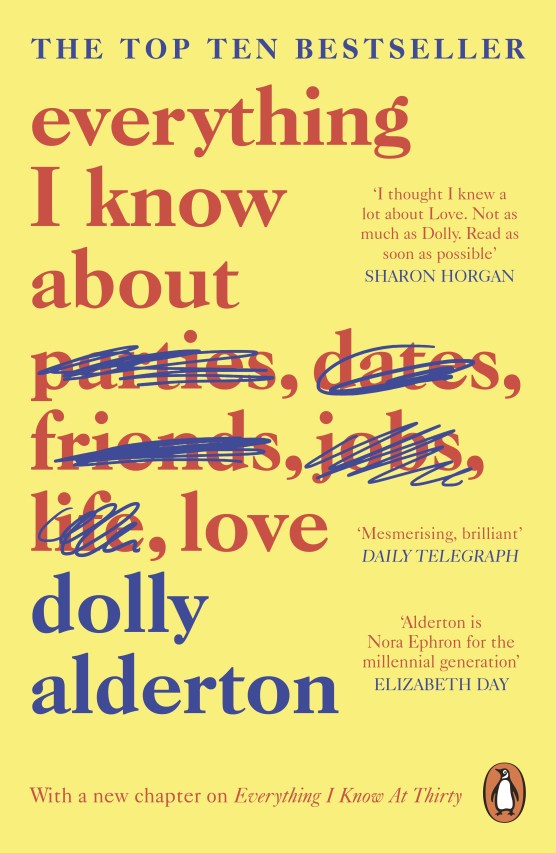
Everything I Know About Love by Dolly Alderton. This is a best friend in a book she says, making her laugh just as hard as if a friend were there behind her shoulder giggling aloud at the outrageous anecdotes. Dolly deliciously feeds you with stories and lessons she’s learnt growing up, all the while making you crack up (and sometimes sniffle) with her. This book will hug you, pick you up, and twirl you round and round.
Annemarie
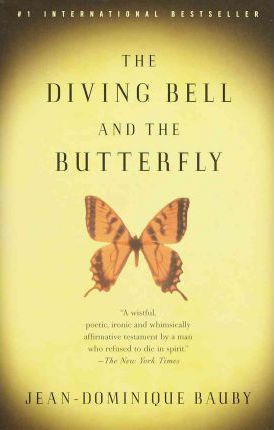
The Diving Bell and the Butterfly by Jean-Dominique Bauby. It reminds her of the strength of the human spirit. Even though he faced a terrible fate he still managed to create beauty in the midst of despair and leave a lasting legacy for his children.
Schrödinger’s Books, Petone
Mary Fawcett
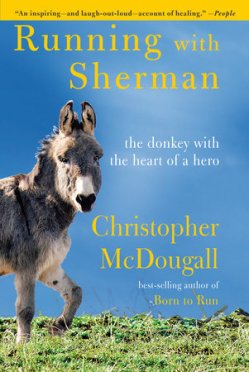
The book that has given me most comfort recently is Running with Sherman by Chris McDougall. I love this book because it tells so many stories, from the benefits of nature, the outdoors and exercise, to how animal contact helps so much with mental and physical health. His descriptions of Sherman brought tears to my eyes as well and made me hoot with laughter! As a lapsed runner, this book made me yearn for the trails again, and I revisited them over lockdown. Thanks Chris for such an inspiring read!
Smith’s Books, Christchurch
Tony Murdoch
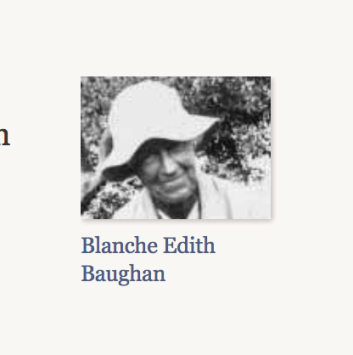
Alan Direen and I are the new owners of Smith’s Bookshop at the Tannery in Christchurch. During the lock-down we were still pricing and listing books. Among the many boxes of books still to be sorted I came across Poems From the Port Hills by Blanche Baughan. It was written in 1910 but not published until 1923.
I live in Sumner and like many have enjoyed walks along the beach front over the past four or so weeks. She lived on Clifton Hill and overlooked the estuary and beach. In “Sumner Estuary” she wrote:
My dog beside me in his dog-like way
Tastes the divineness of this place and day,
Breathes-in freshness of the large hill-air,
Basks in the blessed light spread everywhere;
Seems,even, down to gaze,
Far, far down, on the shining waterways,
Wandering mid shoals of sand and salty weed,
Of you wide Estuary ….
It’s not a great poem but it evokes moods that have been unchanging for decades.
The Book Haven, Wellington
Don Hollander
T. H. White’s The Once and Future King and his Book of Merlin are two of my favourites. They chronicle the early years before Arthur became King and Merlin was providing his education. Fantasy and Magical and full of good moral lessons.
Almost anything by Bill Bryson. His Shakespeare biography is the best single volume biography of the bard I’ve come across. Informative and witty, a joy to read.
I’m currently working through a series of American Presidential biographies by Ron Chernow. I finished Grant earlier, a superb work, and am currently in the middle of Washington who is leading the constitutional convention. Surprisingly gripping stuff. And, of course, I’m still hanging out for Robert A. Caro’s final volume in his epic biography of Lyndon Johnson.
The Women’s Bookshop, Auckland
Carole Beu
Bel Canto by Ann Patchett has always stayed in my mind and heart. It also happens to be very appropriate for our current situation. Its about a group of people in lockdown, in this case a hostage situation in an unnamed South American country. The relationships that develop are so tender and so significant that as a reader you hope, along with the captives and captors, that this situation will never end, because it can only end badly.
Its not just the romantic relationships. Its the South American boy with the beautiful voice that the captive opera singer hopes to take to the major opera houses of Europe. Its the man who needs to declare his (unrequited) love to the Diva, so prepares with exquisite care and is received with dignity and respect.
Its the double shooting of an older Japanese man and a young South American woman, ‘a most unexpected coupling’, that leads perfectly into the extraordinary and unexpected final chapter. Why is this my ‘comfort’ book? Because remembering it all these years later still moves me. We are a destructive species but we are capable of enormous love and kindness. I would love Ann Patchett and Jacinda Ardern to meet each other.
Time Out Bookstore, Auckland
Kiran Dass
The Lonely City: Adventures in the Art of Being Alone, Olivia Laing (Canongate)
This is such a special book, the perfect tonic to soothe and reassure in times of crisis. And during lockdown, never more pertinent. It’s a book that I advise everyone to read, and to give to everyone they love.
With The Lonely City, Olivia Laing elegantly and dextrously dances around and merges reportage, memoir, biography, art and cultural criticism in an enquiry into urban loneliness. She looks at connectivity and intimacy, how cities can in fact be lonely, isolating places, and how loneliness doesn’t actually require physical solitude.
And what do so many of us turn to when feeling lost? Art. So Laing looks at the lives and work of artists (including Edward Hopper, Andy Warhol, Alfred Hitchcock) who weren’t necessarily inhabitants of loneliness, but whose work is sharply resonant and hyper alert to the gulfs between people.
This is the perfect galvanising isolation read, and one (along with all of Laing’s non-fiction works, actually) that I return to time and again for literary solace. Beautifully pitched, The Lonely City is alluring and brainy. An enquiring and sensitive writer, Laing is such a joy to read and the first book I want to get my hands on post-lockdown is her new book, the timely Funny Weather: Art in An Emergency which I would encourage everyone else to seek out, also.
Unity Books, Auckland
Chloe’s Pick:
Nora Ephron’s I Feel Bad About My Neck. I fell in love with Nora as if Cupid himself had shot me in the heart with his arrow. It reads like she’s talking on a stage but you’re the only one in the audience. You will nod furiously with everything from her hatred for purses, full of stray tampons and tobacco strands, to the inconvenience of maintaining one’s mane. My heart broke when I read she had died in 2012 and I binged every morsel of Nora on Netflix.
Briar’s Pick:
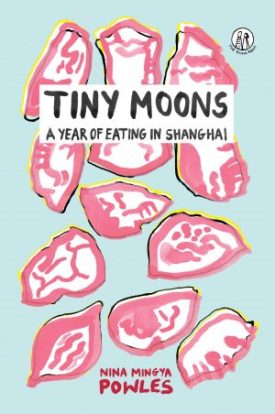
Tiny Moons: A Year of Eating in Shanghai by Nina Mingya Powles – in an era when we can’t travel and are at the mercy of our own home cooking, reading a little delicate book that whisks you off somewhere else and conjures up all manner of fragrances and flavours is an absolute dream. Nina’s roots in poetry come through in this gentle, evocative prose that is the literal definition of wanderlust.
Lara’s Pick:
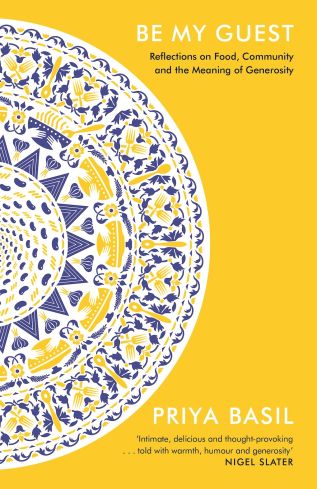
Be My Guest: Reflections on Food, Community and the Meaning of Generosity by Prita Basil explores the notion that sharing a recipe with someone is one of the most generous forms of human exchange. While gently traversing the personal and the political, it outlines the significance of community, generosity and sharing through food. Very wholesome.
Demi’s Pick:
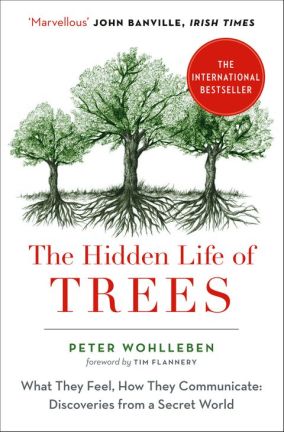
The Hidden Life of Trees: What They Feel, How They Communicate by Peter Wohlleben will gently reconnect your isolated self to nature and all its beautiful mysteries. In his writing Peter Wohlleben shares his love and compassion for trees, forests and woodlands. He convincingly argues that trees are social beings, that they have feelings just like us humans. But what truly nurtures a happy tree is connection and unity – moss, fungi, insects, a diversity of tree species. Wohlleben’s book is essential for us humans more than ever.
Daniel’s Pick:
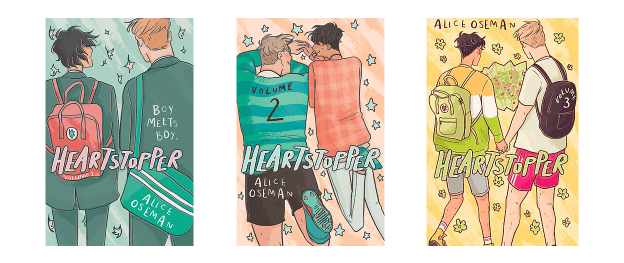
Heartstopper by Alice Oseman made me smile ear to ear the entire time while reading this. I love a graphic novel and I love a good “boy meets boy” love story, so I was here for this! The illustrations are adorable, the story is relatable and the dialogue is fantastic. I flew through it in one sitting and I’m about to go do the same with Volume 2.
University Book Shop Otago

Charlotte McKay, Children’s Room
Tiny, Beautiful Things by Cheryl Strayed
Yes, THAT Cheryl Strayed, of ‘Wild’ fame. This is a collection of letters and response from her podcast ‘Dear Sugar’ which was originally an agony-aunty-type column. I love the podcast but I came to it through this book, which just has such an amazing array of life stories and situations that are all so interesting, relatable, and fascinating if nothing else. And then the responses to the letters are so beautifully formed. At times soothing, at times difficult to hear, but always have me nodding my head. Wise and heart-warming words for any time!

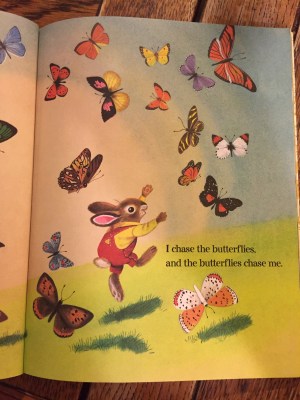
Rachel Bailey, buyer
I Am A Bunny
Ole Risom with illustrations by Richard Scarry
Are the Golden Books the comfort food of children’s books? I don’t know, and we certainly didn’t see the same queues out the front of the shop after the lockdown lifted for copies of The Saggy Baggy Elephant but there is something so pleasing about a Golden Book. I bought a whole box of old golden books from a school fair a few years back and with a now six year old, they are coming into their own.
My favourite has always been I Am a Bunny…it is gentle, uplifting, and just so beautifully illustrated. I feel like every page is a haiku.
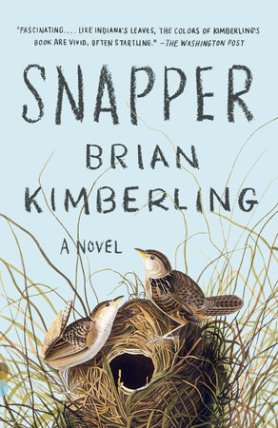
Rebekah Clements, bookseller
Snapper by Brian Kimberling is such a good book that I met by random, choosing it off the library shelf because of its beautiful cover. It’s gentle, funny, clever and makes you feel like you’ve been for a walk in the woods. I’d be glad to know these characters for reals.
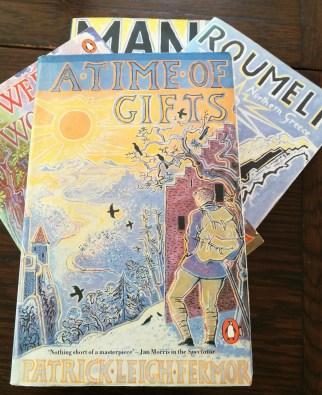
Bronwyn Wylie-Gibb
Any of these books by Patrick Leigh Fermor: The Time of Gifts, Between the Woods and Water, Roumeli, and Mani. I love this fascinating travel writing, written several decades ago about very old places and peoples, it completely lifts me out of whatever is going on around me, reminds me that so much has already happened in the world and will happen, that this moment will pass. I’ve read them a few times, I enjoy their familiarity, their glorious richness and lush ornateness.
Volume Books, Nelson
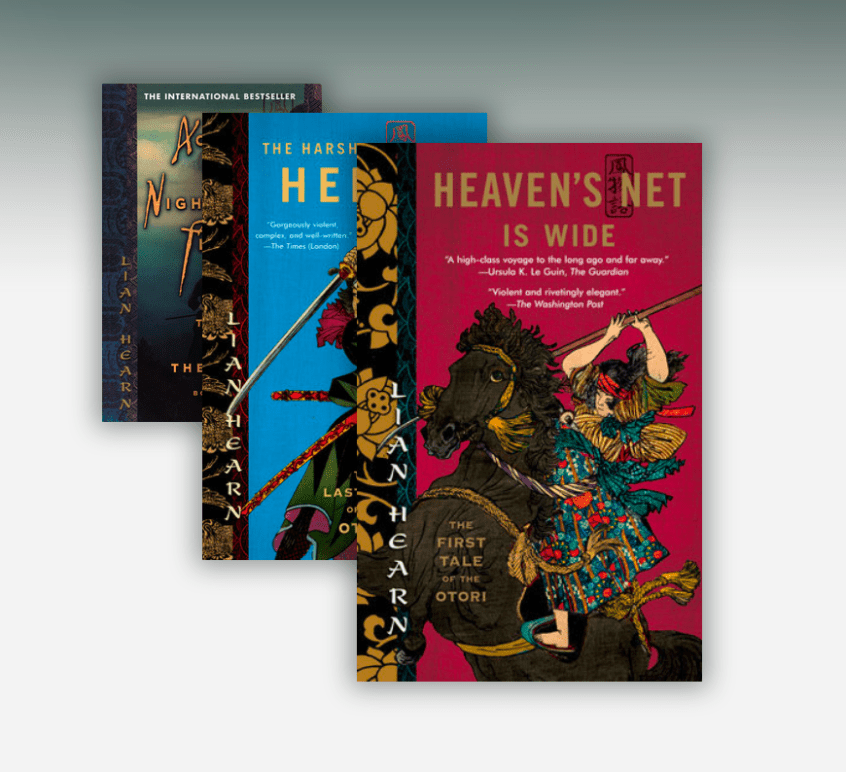
Stella
Books are the best place to be somewhere else. They can take you into so many wondrous worlds, so my comfort reads are not so much about comfort, but about total immersion! They can be dark, dangerous and even hard work, as long as they are addictive and I can’t wait to be back in that world created between those covers. My perfect lock-down read was the Tales of the Otori series – I was hooked from the first book, Across the Nightingale Floor, and read four in a row with hardly a breath, or the sharp edge of an assassin’s blade, between them. The books are gripping and intriguing – full of suspense, love, loyalty, double-crossing, mystery and revenge all set in feudal Japan.
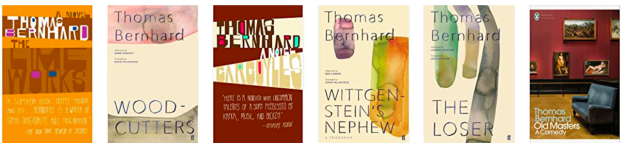
Thomas
While being generally uncomfortable about comfort, in times of particular stress or despair I do find that re-reading any of the novels of Thomas Bernhard makes me feel better (though I am also uncomfortable about the concept of ‘feeling better’). Bernhard’s sentences are unrelentingly beautiful and his negativity so intense that it becomes ludicrous. Everything exaggerated moves towards its opposite, so I often find my negativity turned, too.
Lockdown
When we could no longer touch
we learned to reach instead.
When we could no longer gather
we learned to worship the horizon.
When we could no longer pray
we learned to sing from rooftops.
When we could no longer carry
a tune we remembered how to write.
When we could no longer find
the words we walked toward the ocean.
When our legs began to falter
we marveled at the sky.
When we could no longer see
we tasted salt on the wind.
And when we could no longer
worship
or sing
or remember
still the memory of touch remained
and we burned.
Lockdown #15
I’ve never had to live with myself
at such close quarters.
With so few distractions.
At first there was novelty
and so we stayed up late
a torch held underneath our chin
telling ghost stories
eating popcorn
swilling beer.
We slept in
indulged ourselves with tinned
salmon on toast
eggs over easy.
You learned the glockenspiel.
I wrote poems.
It doesn’t matter now
who was the first to notice dust
drifting on the window sill
bird shit on the bedroom window
neither could reach.
I’d forgotten I leave
the toilet seat down.
Stubble in the sink.
I claim credit for what is only
good fortune.
Our conversations have become terse.
There are things
we cannot un-say.
Un-hear.
I swear when this is over
I’m leaving you for good.
Art Nahil
Art Nahill is an Auckland physician, clinical educator, and poet. He has published both in New Zealand and is his native US. He is the author of A Long Commute Home (2014), Murmurations (2018) and is currently working on a third book-length manuscript of poems inspired by the Waiatarua Wetland Reserve near his home.

Nick Ascroft, Moral Sloth Victoria University Press, 2019
A heater heats
a Rita Angus, seen
through the steam from the langoustine
with mangosteen.
from ‘A Writer Wrongs’
‘Nick Ascroft’s Moral Sloth is among other things a virtuoso display of formal skills. He does a particularly classy line in sonnets. He can rhyme as tellingly as Alexander Pope or the Byron of Don Juan – and can match those poets in quickness of thought and even (it seems to me) outstrip them in richness of diction.’—Bill Manhire
Nick Ascroft’s latest poetry collection arrived at the end of last year – it had multiple effects upon me at the time and I was dead keen to do an interview with Nick – we started a conversation but then Covid 19 sidetracked everything. I return to the book and here I am again finding sweet rhyme comfort, linguistic agility, biting self exposure, equally biting wit, the humour, the poetic stretching out. Months ago I mentioned ‘a world gone mad’ in a question to Nick. That feels at odds now. Jarring in fact. This is a world off kilter trying to find equilibrium, solutions, ways forward. So many people working hard to care for so many other people. So much risk tasking. Yes there is madness on the ground and in certain leaderships. But there are also multiple comforts. When everything has spun and has seemed impossible to do – poetry has continued to hold my attention. Nick’s book has done just that.
Automating word noise from the stroller,
my son defines the wind in onomatopoeia:
‘Zheesh!’
Then he spies the moon, our little naked analogue,
and tells the secret of its abased name.
‘Zig zig zig,’ the bridging cicada agrees.
from ‘Naked Analogue’
Paula: Name three or four poetry books that mattered at different points in your life.
Nick: Sure. I think the ones I remember are the ones that brought me back in shock to the reminder that I love poetry. That it isn’t all just the same bag of grey Countdown sausages. Early on that’s easy. All poems seem great. But the more you read (and write) the harder it is to be impressed. These days I really enjoy certain books of poetry, but few actually get me excited. I am a cold-blooded egg, it must be said. But films, fiction, music are more likely to have me jazzed. I think Eunoia by Christian Bök of Canada was so shockingly good and novel and funny and well-executed that I ate it like a pavlova. All at once. For those who haven’t read it, the author set himself the task of writing five sections based on the five vowels with each section only using words that contained only that section’s vowel, so in the ‘E’ section words like ‘be’, ‘teehee’, ‘letter’ or ‘fecklessness’ could (and must) appear. This may sound like a pure exercise, but the result is just beautiful. Chapter I begins: ‘Writing is inhibiting. Sighing I sit, scribbling in ink this pidgin script. I sing with nihilistic witticism, disciplining signs with trifling gimmicks – impish hijinks which highlight stick sigils. Isn’t it glib? Isn’t it chic? …’ I could go on. The book is from 2001 but I got to it a few years later.
The other that comes to mind is In a Slant Light by Cilla McQueen from I think 2016. I’ve gushed about this elsewhere so I’ll hold back, but I was really captured by this one. It seemed the greatest use of Cilla’s talents to tell her own fascinating life story. I was struck both by the telling and the life in art. It felt empowering. Both those are single poem as whole book numbers. So to give a third I’ll say Byron’s Don Juan, which I finally got to two years ago. I really do prefer to read rhyming poetry, and no one has as much fun with it as Byron in the Don Juan cantos. More than that it showed me what a poet can be at their best. His use of persona and sensationalism and other needlessly frowned upon things, employed without giving a shit, and better still, sometimes pretending to give a shit. It inspired ‘The Plotz’ in Moral Sloth.
How loose and gauche.
How loose it goes;
my purple tongue
speaks weeks of prose.
from ‘Kay? Syrah? Shiraz?’
Paula: I am a big fan of In a Slant Light too – I had really wanted sessions at festivals featuring Cilla and using her poetry / autobiography as a starting point – but wasn’t to be!
I love your linguistic playfulness. Any poets you admire who also do this?
Nick: I am not quite sure what my linguistic playfulness is. It’s one of those things reviewers say of me and I feel my hackles and feckles rising. ‘Nick Ascroft, he plays with words.’ Plays?! PLAYS!? How dare you! I am not playing with language. I am working with it. This is high blinking art. But I do, I play with words. A play on words usually means delivering a pun right? Or some other rhetorical devices like zeugma (‘We stir: I my tea, and he in his grave’). I’m not sure how often I do such things. Not a lot I suspect.
So I presume the playing that is perceived relates more to my attitude to language. My attitude is: I like all the words. Any word can appear in a poem, it just needs a hospitable sentence that restricts its meaning in the right way. In the most delightful way ideally, to jack Mary Poppins. I find words joyous. Some chap smarter than me once said my work made him think of the ‘gay science’, that is the joyful spirit of Provencal troubadours as prized by Nietzsche or some such. So while my subject matter is often bleak, there is a joyfulness in the deployment of words that must come across as playful. I don’t know. Never try and analyse one’s own thing I say. That way boring pastiche lies.
But to the actual question, who else has a playfulness I admire? I think I see it in all the writers I like. David Eggleton’s parroting of the culture back at it relies on his repackaging of the phrases, buzzwords and clichés currently on the world’s lips. He seems to be both mocking the world and celebrating it. On the radio the other day he read a poem full of Z words. Love it. Richard Reeve too is playful, and what I like best is that he’s playful while being vicious, pointed, serious. The Irish and British poets of the last 30 years are lexically obsessed. Don Paterson can be my random exemplar.
Paula: I love play because there are implications of risk tasking, discovery, the unexpected, surprise, less obligation to rules and limits, you can obey rules, reinvent them, abandon them. I am wondering if play can be serious!
I also love the way you move from infectious wit to an intense moment (love, for example). What matters when you write a poem?
Nick: What matters to me is that the idea and its phrasing are entertaining to me. I want to express whatever ideas I’m peddling in a way that gets them across. I want to be generous. That doesn’t always happen, because I also love obfuscation and nonsense. To me poetry is art with language, and language is a wonderful mess of things. I can’t sum up all poems, so I’ll try to think about what matters in particular instances. When I write a sonnet what matters is that I obey the rules: 14 × 5 iambs and a rhyme scheme. I want the rhymes to be novel, enjoyable in themselves while the poem works quietly around them. If a poem has jokes, they have to actually make me giggle. I have to laugh at my own jokes like an ass. I have a real problem with weakly jokey poems. And so a fear that I am writing them. It’s good fear.
Paula: I found myself laughing, feeling both comfort and discomfort, being moved in complex ways as I read you book. What hooks you in the poetry of others?
Nick: Many things. Too many things. But ultimately, invention. What comes to mind is the surreal brilliance in the similes of Hera Lindsay Bird. As most people likely to read this are writers themselves, I’m sure you will be familiar with the experience of reading a line and thinking, I never could have written that. That has a brilliance I will never attain. It’s bittersweet. And that’s how I feel about HLB. The intricacy of those similes. The sheer invention. Now I see everyone copying the style, the surreal and intricate and somehow true HLB simile. I don’t say that sneeringly. They are infectious. I feel the same way of Richard Reeve’s ease of invention, and his accuracy at depicting things. At the moment he is writing a poem about rain that I have seen the first few sections of and its makes you see the truths of rain anew. It makes you care about rain. I could never come up with those lines.
Not one to plotz, I’m private, careful, flaccid.
How did I change? One moment I wear blouses,
vinyl shoes, I’m pulverised on acid,
the next I’m at the bank discussing houses
or circling with a whiteboard marker ‘hazard
class’, a tucked-in shirt with belted trousers.
I want to understand, to tweeze this tuft.
Did I grow up? Or was my brightness snuffed?
from ‘The Plotz’
Paula: I saw Hera in a simile battle with USA poet Patricia Lockwood at the Wellington Writers Festival a couple of years ago. Each trying to out do the other, so the session was was like a gigantic poem. At the time it felt like there was a global wave of simile battles, every which way you looked.
Sometimes you get quite personal. There is a little confession in ‘The Plotz’: ‘I’m private, careful, flaccid.’ Do you have lines you don’t cross? How do you feel about breaking down the privacy?
Nick: The whole of ‘The Plotz’ is uncomfortable confession … sprinkled with self-mythologising. This is not my natural mode, but something I have occasionally indulged in. And that’s how I always saw it, indulgence. Confession and making poems only about oneself were things I thought tired and distasteful. I have completely 180-ed on that. I admire the bravery of confession in other poets these days. It’s only in saying our oddest truths that others can recognise them and feel liberated by it being said elsewhere.
I can think of two lines I am uncomfortable crossing. The first relates to poems of fatherhood. I had a motto going in to the whole breeding business that ‘you become what you hate’. Constant gushing on Facebook: check. Dad dancing: check. I read Amy Brown’s brilliant evocation of those early hellish weeks of infancy, and in a similar vein Chris Stewart in the recent AUP New Poets 6. In the recognition of experience I really value these poems. I remember reading Graham Lindsay’s Lazy Wind Poems a decade ago and really enjoying it, but having a sense that his baby had poisoned his mind. He was now obsessed with this tot and it was suckling on his poetry like a parasite. I was afraid to become that thing. A dad poet fixated on his offspring. It’s a foolish fear and a few of the better poems in Moral Sloth relate to dadhood. But I remain uncomfortable with it. Perhaps it’s in the way ‘dad’ is used as a modifier to denote uncool or hopeless: ‘dad jokes’, ‘dadbod’, ‘dad pants’ (I made that up, but you can imagine what it might mean and it is not flattering).
My other discomfort is naming names. All of my best confessional anecdotes involve other people. I’ll shame myself happily – and certain others who it is humorous to shame – but not everyone.
And hello, I am a beaver.
To you my sincerest, I am a starfish
with an old-fashioned disposition.
Ever yours, a beetle, one of many, writing,
amid a rainstorm, of commas, to an eagle.
from ‘Good Day, I Am a Horse’
Paula: Are you drawn to particular things, subjects?
Nick: Moral philosophy. The human condition. Sanctimony. Hubris. My own pratfalls. Funny cats.
Paula: What attracts you to rhyme (I love your rhyme!)?
Nick: I enjoy rhyme more than anything in poetry. For a while that felt enormously unfashionable. It was OK to like the rhymesters of the past with a knowing wince, but rhyme’s time had passed. Or so we thought. People at NASA have a saying: ‘Space is hard’. Meaning it is always likely any mission will crash and burn and only the most meticulous planning will give you a hope in hell. No. Rhyme is hard. It crashes and burns by its very nature. It’s a real craft I think that takes some years of apprenticeship. I am still learning. It has to seem both obvious and invisible, blunt but subtle. That’s more in the lead up, perhaps, but the rhyme words themselves delight me. I recently rhymed ‘triplex’ and ‘shipwrecks’. Giddy. A good near-rhyme can be so rewarding too, for instance in ‘Art Is Weak’ the rhyme of ‘horsemen’ with ‘porcelain’. But I like metrical rhyming poetry ultimately for the puzzle. It’s like a crossword or Sudoku. You labour away at it trying to make it complete, and acceptable. But unlike a puzzle there is no final answer and always room for improvement. At one point in Moral Sloth there are 242 lines of iambic pentameter in a row (including a few sonnets and the 18 stanzas of ottava rima of ‘The Plotz’). I really worry this is off-putting. But it’s what I write.
A certain governmental agency
provisioning the arts suggested in
the aftermath that those invested in
opposing such disgusting vagrancy
of moral intellect should hashtag works
of art or prose on Twitter: ‘#CreateAroha’.
from The Mosque Attacks’
Paula: What good is poetry in a world gone mad?
Nick: The world hasn’t gone mad of course. It remains mad. I am not optimistic that poetry will help. It summons some of the forces in the world perhaps. There are forces for order, forces for chaos, forces that are just like fingers on the inside of a balloon trying to poke outwards, such as comfort. As to good – and evil – these are such important girders of the human world that shape much of how we live our lives and who we feel it’s okay to look down on, but they are ultimately make-believe. That’s a meaningless thing to say as I’m speaking from within that make-believe world where good and evil are as real as music (also doesn’t exist) or mathematics (I’m on the fence). So the good of poetry? And its good to a mad world, where the word ‘good’ is some fantastical fudge? I am the wrong choice to pontificate on such a thing. I admire people who push the great worth of poetry to society, being someone who writes the darn-goshed stuff, and I also admire those who scoff and suggest poetry is the most worthless garbage.
My only sermon on this front is that if poetry is lowly garbage, which very few read, it has a secret strength. Poets can say anything. We can say the things others would rightly shy away from. There is no personal consequence. We’re already the lowest of the low. And we will never derive a living income from poetry, so the biggest risk is a few sales off a small total. We can say ugly truths and scary falsehoods. An example. I was going to cut a poem from Moral Sloth called ‘The Mosque Attacks’ for two very good reasons. The first being that the mosque attacks in Christchurch are still fresh, still appalling, still punch-to-the-gut sickening to even think about, and the response to them still complex and, to many, problematic. My poem is not even about the attacks. It’s about a Creative New Zealand tweet. The poem, a sonnet, tries to untangle my dislike of CNZ’s post-attacks call to hashtag works on social media with #CreateAroha. The upshot being that it was feelgood vomit. So yes, the first reason to cut, is that my rhymey poem is petty in the face of real tragedy. You all think: and you needed a second reason, man? The second reason was not to bite the hand that feeds. Why attack Creative New Zealand? They are my only chance to make a little money. I thought it absurd I would even consider putting the poem in the collection. I’d shown it to my email poet-circle. That was enough. But those readers didn’t blink or scold me. So I slipped it in the manuscript. I presumed Ashleigh Young would say, this is a bit on the nose, Nick. Nothing. Then I had to cut poems to get down to a slick 80 pages. Surely it would be cut now. I left it. And I left it because poetry sashays under the radar. It can waltz its way through the sacred and taboo. Poetry can say unwise things. This is the good of poetry. More people will read this interview than that poem.
Paula: If you were running this interview and wanted to take a swerve what would you ask yourself?
Nick: I’ve thought about this too much, but the question I would suggest is ‘Has success changed you?’ In fact, it would almost be great if you deleted your question and just asked this, so that people might pause and think, but he’s not successful at all is he? Why’s she asking that? Weird.
The reason I’d like the question is that success as a poet is a funny thing. No it really isn’t, actually. If one is celebrated, studied, one’s books sell in large numbers, one wins prizes, awards, fellowships, is asked to panel-beat festivals around the world, and one’s surname becomes sufficient identification, etc. etc., then one is successful. I nearly almost have a couple of those things. But I decided recently that I would think of myself as successful. Everyone can see someone more successful than themselves. So why not? Some people enjoy my poetry, and some people publish it. I’ll take that. And yes, success has changed me. I am much much worse.
Paula: Love the question. Might try it on someone else. It’s the stranger coming up to you and saying they liked your book. That’s something I rate. Everything else feels like white noise.
Is there a poem that particularly worked for you?
Nick: Difficult. They all worked enough to be included and all carried their flaws. I like ‘The Plotz’ the most, but a few lines bug me, and I’ll likely be rewriting it until I die. ‘I Coo Haiku High, Eh’, which squashes eight haiku into a sonnet, pleases me very much but it’s a bit of a grand folly. The one I wrote for my father’s funeral ‘A Good Heart’ using Dad’s stock phrases is special to me but similarly is a bit too personal to transcend that. I’ll choose ‘What to Avoid Calling My Next Poetry Collection’, simply because it involved the most work. It was much longer and continuously growing. Ashleigh helped me cull it back to something tighter and more manageable. One of the lines is entirely hers. Is it poetry? I’m not sure that it is. But meh.
What to Avoid calling the Next Collection
You’re Going to Need a Big Old Dictionary
What to Expectorate When Your Expectorating
Fanny Pack of Wolves
Words Good
Dry, Slow, Grinding, Unremitting, Desolate, Endless
Dwang Nibbler
Full Metal Jean Shorts
You Don’t Have Time for This
Treat Your Own Neck
Fey Canoes
Your Haircut Looks Like a Pauper’s Grave
Your Pauper’s Grave Is a Bit Ooh-Look-at-Me
Unstapleshuttable
People Who Bought This Also Bought Pornography
Smellybutton
I Preferred His Early Funny Poems
Just Thoughts Really
Limericks for Pubic Baldness
Charge Conjugation Parity Symmetry Violation for Dummies
Hang on, Nobody Wang Chung a Second
Impervious to Criticism
Found Poems of Financial Regulation
Away with Words
Fighting Fire with Fire Extinguishers
There Was an Old Lady from Lucknow
Most Eligible Lecturer
You People
Once Were Wordier
Cry Me ¡Arriba!
What to Ejaculate When You’re Ejaculating
Suckle on My Verse Teats
Emilio Estevez
10 Child Abduction Fails #3 Is Hilarious
Your Feet Honk Like Tofurkey
Wheeeeeeeee!
Nick Ascroft was born in Oamaru. His previous poetry collections are From the Author Of (2000), Nonsense (2003), and Back with the Human Condition (2016); in 2018 Boatwhistle published his Dandy Bogan: Selected Poems. He has edited Landfall, Glottis and Takahē and was all-too briefly the Burns Fellow at the University of Otago. He is also a non-fiction author, writing on music and football. Nick is an editor by trade, a linguist by training and a competitive Scrabble player by choice.
Victoria University Press author page
 NZ Poetry Shelf