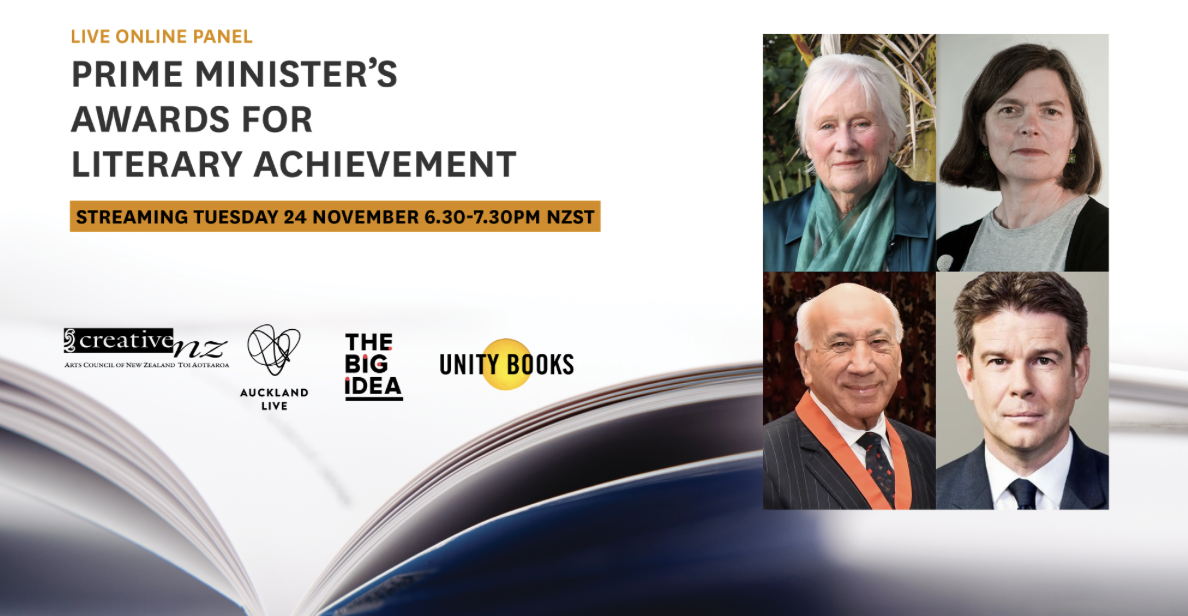
Last night I watched the live stream of The Prime Minister’s Awards for Literature Achievement hosted by John Campbell. I flicked it on for a quick glance before reading my book, but stayed until the end. I loved the warm celebration of books and writing.
The recipients:
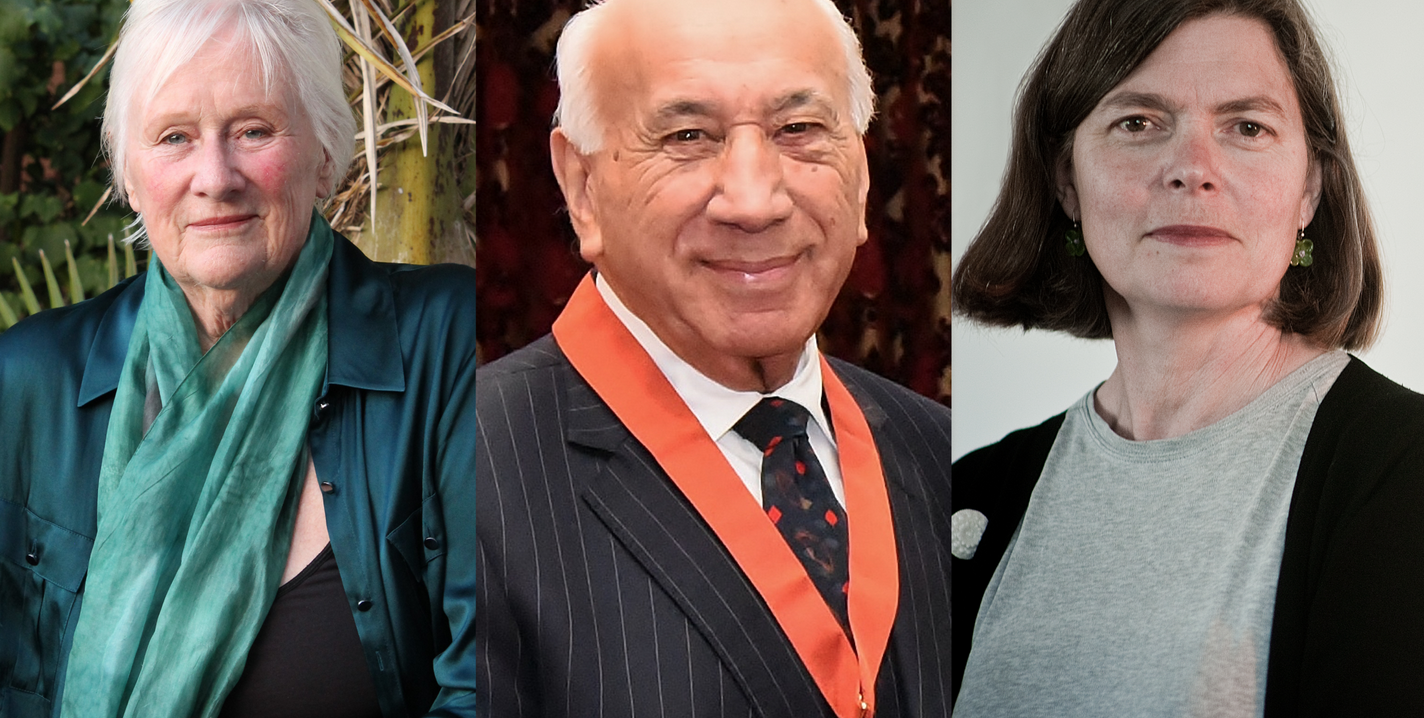
Sir Tīmoti Kāretu (non-fiction) Jenny Bornholdt (poetry) Tessa Duder (fiction)
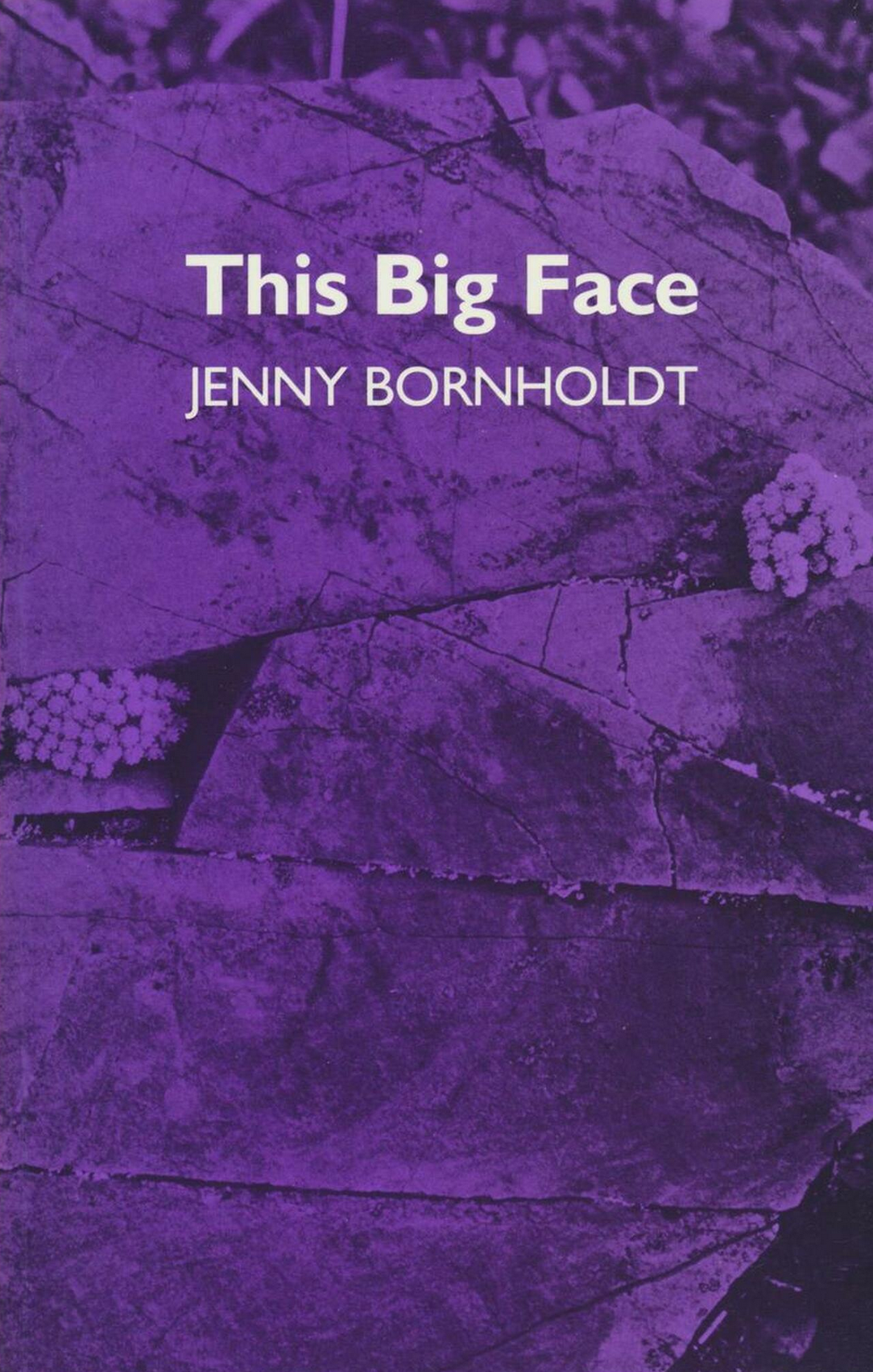
The roving conversation was a delight. And yes! poetry does not stick to the truth or, as Jenny said, poems form their own truths. Jenny read ‘In the garden’, a poem from her first collection, This Big Face (Victoria University Press, 1988). Here are the opening lines:
In the garden
the bulbs run riot
root systems
go all over the place
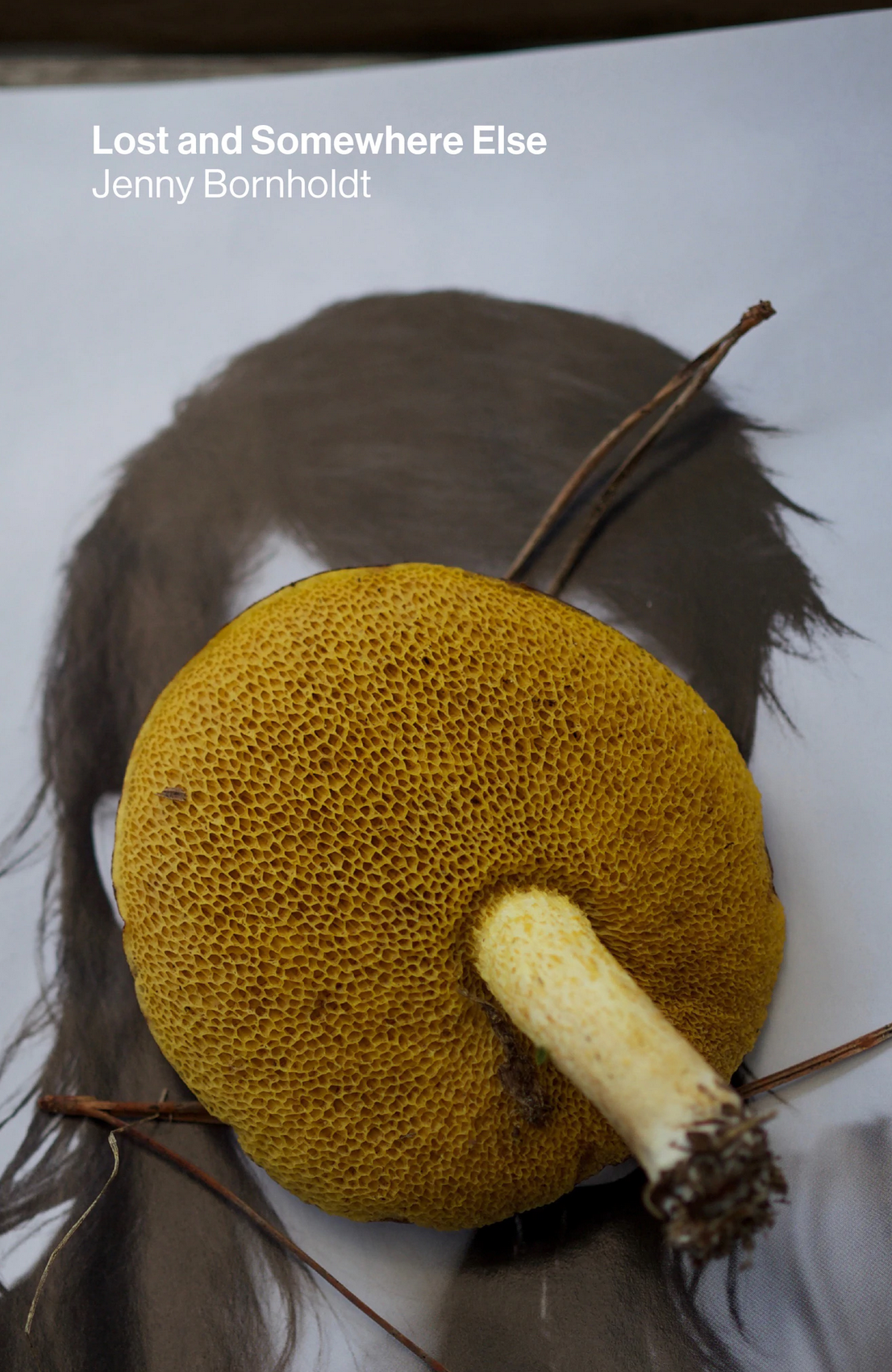
Jenny then read ‘Something is Everywhere’ from her latest collection, Lost and Somewhere Else (Victoria University Press, 2019). She told us she wrote this poem for her father-in-law, after he had told her ‘something is everywhere’, as she sat by his bed in his final days. It is jewel of a poem. A lightning rod of poem, and to hear her read it aloud is even better. It is worth tuning in just for this poem. Here are the opening lines:
Asparagus everywhere
in the garden, like eggs
laid by wayward hens.
The river, too, is
everywhere, rising up
I have long been a fan of Jenny’s poetry and the anthologies she has worked on. So warm congratulations – and an invitation to you to take a listen. It is rather special.
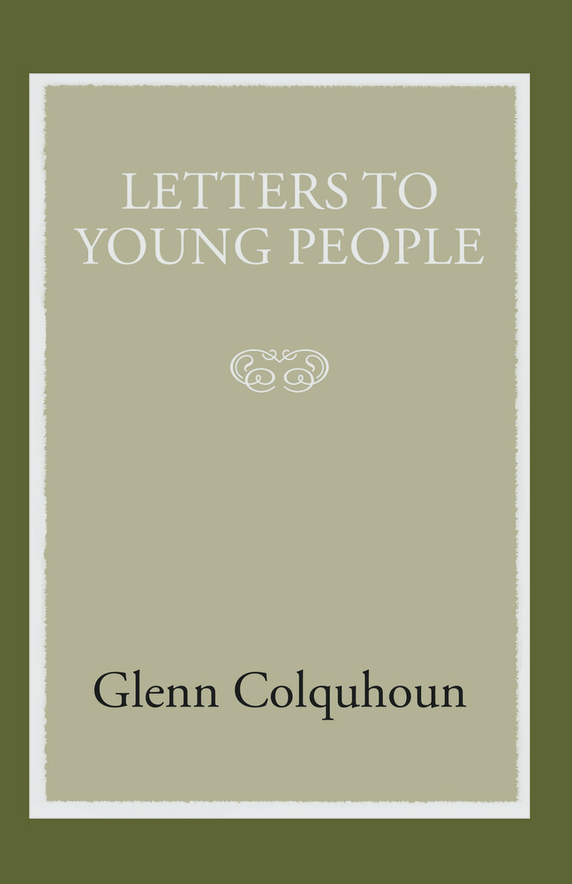
Glenn Colquhoun is a Horowhenua-based GP and poet. His terrific debut The art of walking upright won the Jessie Mackay Best First Book of Poetry Award at the 2000 Montana New Zealand Book Awards. Three years later Playing God won both the Poetry Award and Readers’ Choice Award. Reading his new collection Letters to Young People underlines the way poetry and medicine are significant parts of Colquhoun’s life. Poetry feeds his medical practice and the medical practice feeds his poetry.
Letters to Young People speaks to the youth he works with at the Horowhenua Health Service, yet these are also poems to self. The blurb states: “Gathered together [the poems] represent the inventory of one doctor’s consultations taken home, responses to those moments he might have woken in the night and wished he had said things better.” Colquhoun responds to the hopes, fears, doubts, and physical and emotional challenges presented to him. He also listens and speaks back to himself. He offers reassurance and comfort, and he offers his own frailties and strengths.
Immerse yourself in writing and conversation this summer. There’s something for everyone–whether you’re new to writing, an established writer, or somewhere in-between.
The Kāpiti Writers’ Retreat is happening from 26 -28 February 2021 on the beautiful Kāpiti Coast north of Wellington. This three-day gathering for writers that encompasses intensive morning workshops, lively discussions and space to write, relax and engage with topics critical to your work.
Writers Practice is delighted to host leading New Zealand writers – Brannavan Gnanalingam, Cassie Hart, Helen Lehndorf, M. Darusha Wehm, Pip Adam, Rob Hack and Rose Lu – at the 2021 Kāpiti Writers’ Retreat. Each writer will teach morning workshops: in fiction, poetry, essay, world building and editing. In the afternoons, they will lead discussions on topics pertinent to craft and literature in Aotearoa.
You’ll find community, encouragement, and a safe place in which to take artistic risks.
“Her-storical” sequence of poems wins national award
Liz Breslin from Wanaka has been announced as the 2020 winner of the Kathleen Grattan Prize for a Sequence of Poems, in a prize-giving ceremony on Auckland’s North Shore.
The competition is organised annually by writing group, International Writers Workshop (also known as IWW.)
Breslin has won the $1,000 prize for her sequence of poems, entitled: “In bed with the feminists.”
The competition was judged by 2019’s award winner, well-known Auckland poet, writer and lecturer at Auckland University of Technology, Siobhan Harvey.
Harvey read two of the poems from Breslin’s sequence at the award ceremony.
On receiving her award Breslin said: “I was so surprised and delighted to get the call to say I’m this year’s winner. I worked on these poems during a period on my own in lockdown, so it’s really affirming to see them recognised outside my head and my house.”
Harvey judged the competition commended Breslin’s winning entry… “for its unapologetic voice, clear vision and assured awareness.”
Harvey continued: “The her-storical narratives and creativity make this a compelling lyrical analysis of feminism both in the contemporary age and in the past.”
The runner-up was announced as Sophia Wilson from Dunedin for her sequence of poems titled “Attempting to Land.” In judging Wilson’s piece, Harvey described the sequence as “a stunningly beautiful ode to migration.”
The Kathleen Grattan Prize for a Sequence of Poems competition has been run by IWW for twelve years and Breslin joins a list of winners including Siobhan Harvey, Maris O’Rourke and Michael Giacon.
In addition to the prize given to Breslin, IWW presented awards to the winners of its other 2020 writing competitions. The breadth of competitions the writing group organises is very wide as evidenced by awards for Crime Writing, Flash Fiction and Play writing.
At the conclusion of the formal prize giving, the winning play – “Text or Subtext” written by Auckland member John Leyland – was performed by members of the group.
About the Prize
The Kathleen Grattan Prize for a Sequence of Poems has been made possible by a bequest from the Jocelyn Grattan Charitable Trust. It was a specific request of the late Jocelyn Grattan that her mother be recognised through an annual competition in recognition of her love for poetry and that the competition be for a sequence or cycle of poems with no limit on the length of the poems.
This is the eleventh year IWW has had the honour of organising the Prize.
Previous winners are Siobhan Harvey (2019), Heather Bauchop (2018), Janet Newman (2017), Michael Giacon (2016) Maris O’Rourke (2015), Julie Ryan (2014), Belinda Diepenheim (2013), James Norcliffe (2012), Jillian Sullivan (2011) Janet Charman and Rosetta Allan (joint winners 2010) and Alice Hooton (2009).
The Kathleen Grattan Prize for a Sequence of Poems is sometimes referred to as the ‘Little Grattan’ as the Jocelyn Grattan Charitable Trust also funds the biennial Kathleen Grattan Award, run by Landfall / Otago University Press.
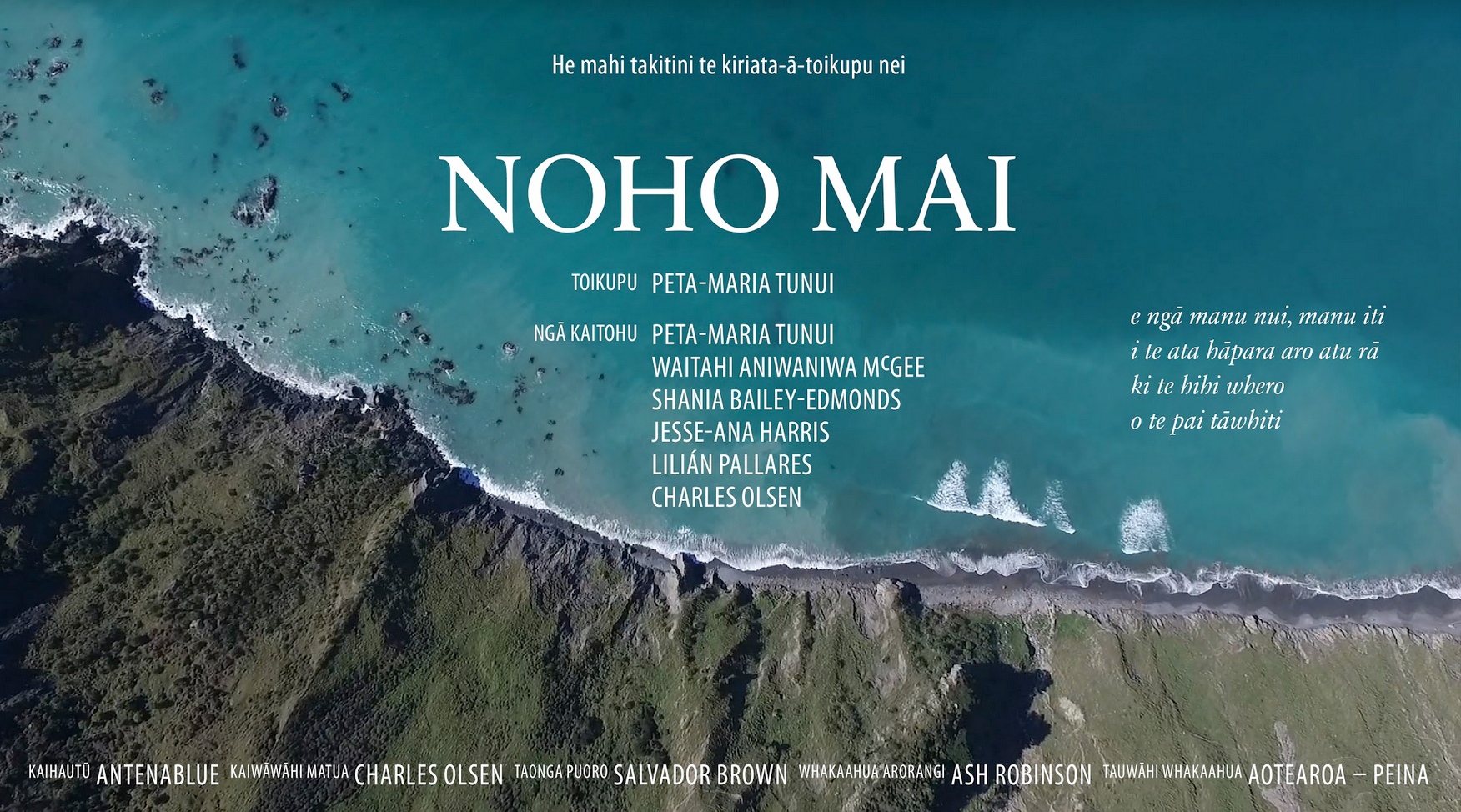
Te reo Māori poetry film ‘Noho Mai’ has been nominated for the ZEBRA Poetry Film Festival in Berlin – 19 to 22 November 2020. It has been nominated as one of 34 films chosen from around 2,000 entries from more than 100 countries.
The Opening and Awards Ceremonies will be streamed live on Facebook, YouTube and the Haus für poesie website on 19 November at 8pm and 22 November at 8pm respectively (times in Berlin). The full programme will be available for four weeks for €7.99 (NZ$13) from 20 November via Vimeo-on-Demand. NOHO MAI is included in the programme ‘International Competition I: Precious Souvenirs’. The full programme is on Haus für poesie: ZEBRA Poetry Film Festval Programme 2020
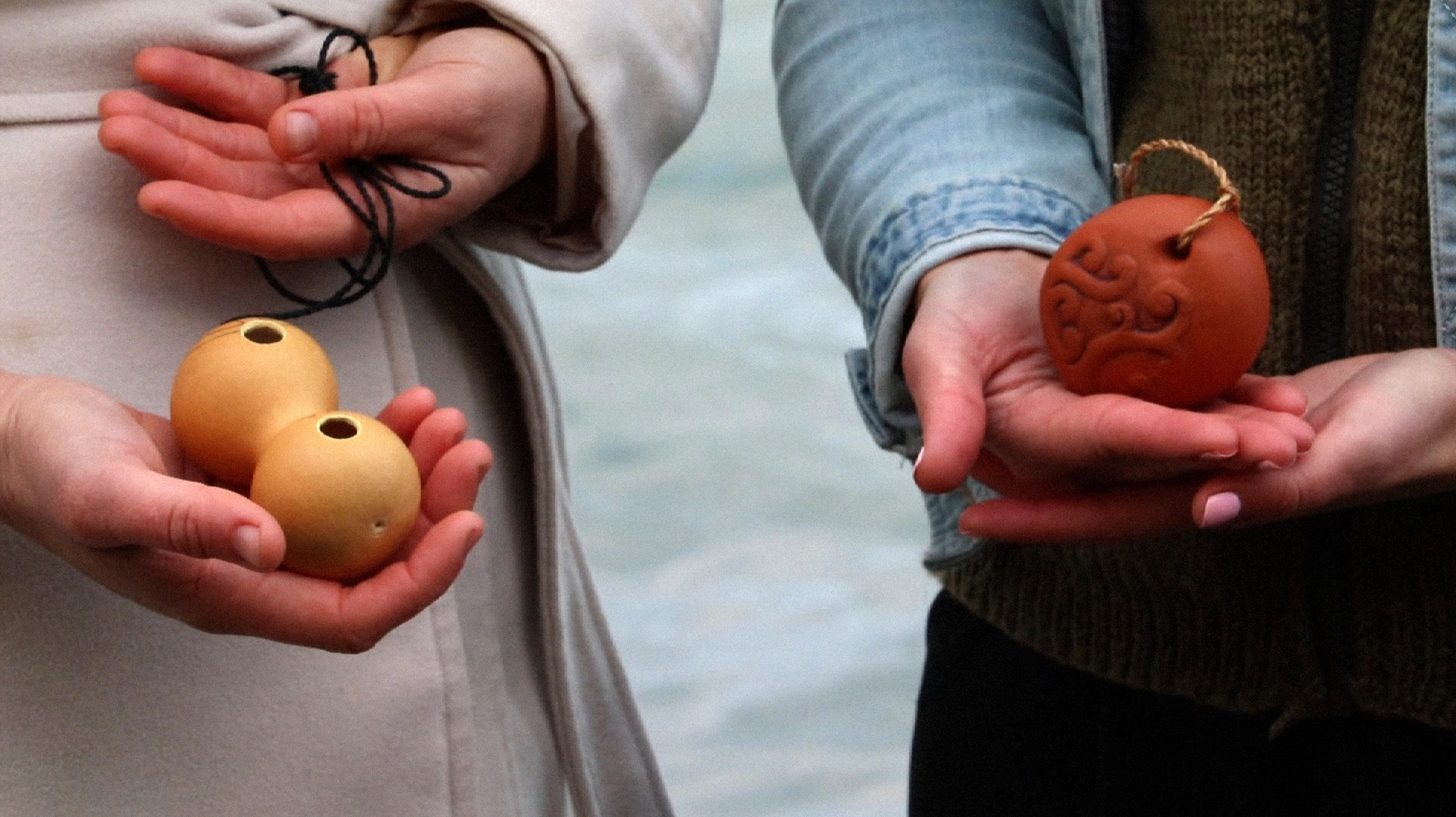
During lockdown at the beginning of the year Charles Olsen ran a te reo Māori poetry film workshop online with young creatives in NZ. The collaborative film ‘Noho Mai’ which came out of the workshop, is one of 34 films selected from around 2000 entries for the competition section of the ZEBRA Poetry Film Festival in Berlin, 19-22 Nov.
The festival will be available on Vimeo-on-demand for four weeks. Here is the trailer:
As Peta-Maria Tunui, who wrote the poem and is one of the co-directors, says in the current world situation, ‘the poem has become our koha aroha to people all around the world who are longing for their home and are unable to return.’
Peta-Maria Tunui and Charles Olsen in a kōrero with Dale Husband on Radio Waatea about the film.
Still from Noho Mai
NOHO MAI CREDITS
DIRECTORS Peta-Maria Tunui, Waitahi Aniwaniwa McGee, Shania Bailey-Edmonds, Jesse-Ana Harris, Lilián Pallares, Charles Olsen POEM Peta-Maria Tunui VOICE Shania Bailey-Edmonds ACTORS Shania Bailey-Edmonds, Peta-Maria Tunui, Jesse-Ana Harris, Charles Olsen EDITOR Charles Olsen PRODUCER Antenablue FIELD CAMERAS Waitahi Aniwaniwa McGee, Ikey Ihaka Tunui, Charles Olsen AERIAL CAMERA Ash Robinson TAONGA PUORO Salvador Brown COLOMBIAN GAITA Charles Olsen KARANGA Peta-Maria Tunui SOUND MIX Charles Olsen ENGLISH TRANSLATION Peta-Maria Tunui FILMED IN Aotearoa–New Zealand: Te Whanganui-a-Tara, Waitaha, Te Tai Rāwhiti, and Spain: Madrid, Soria
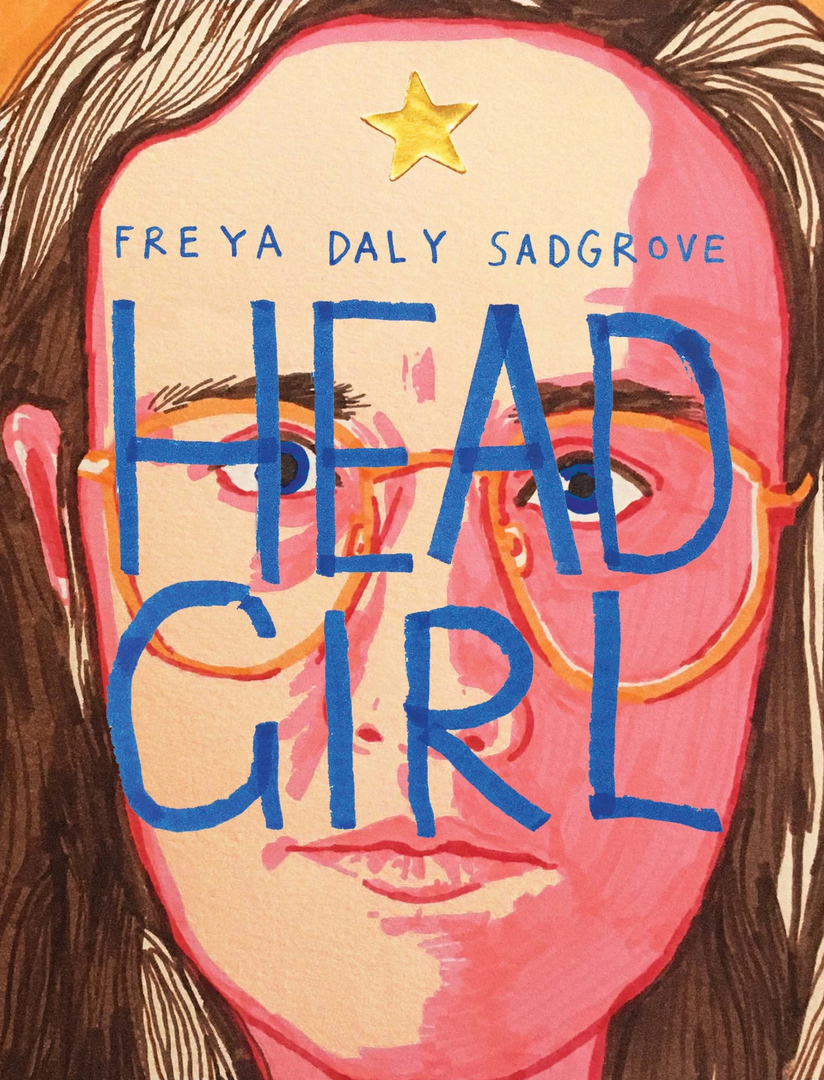
Freya Daly Sadgrove (Head Girl, Victoria University Press, 2020)
Freya Daly Sadgrove’s debut collection, Head Girl, arrived in the world in February, and like a number of local poetry books missed a featured spot on Poetry Shelf as Covid affected my concentration and ability to write. I read Head Girl when it came out and was in the grip of its searing self exposures, the cracking lines, the glints, the lightning, the darknesses, the dread, the anger. This is poetry that tears, that is torn apart, that is so utterly alive it hurts. Freya was part of my Wild Honey session at Christchurch’s WORD festival and unsurprisingly was an audience hit.
During one of Auckland’s Covid lockdowns, I decided to share poems that have haunted me from new books – the kind of poem that pulls you back because on each reading it grips. I am thinking of how I play a new album I love over and over – thinking of the way Reb Fountain and Nadia Reid’s new music has been on repeat this year.
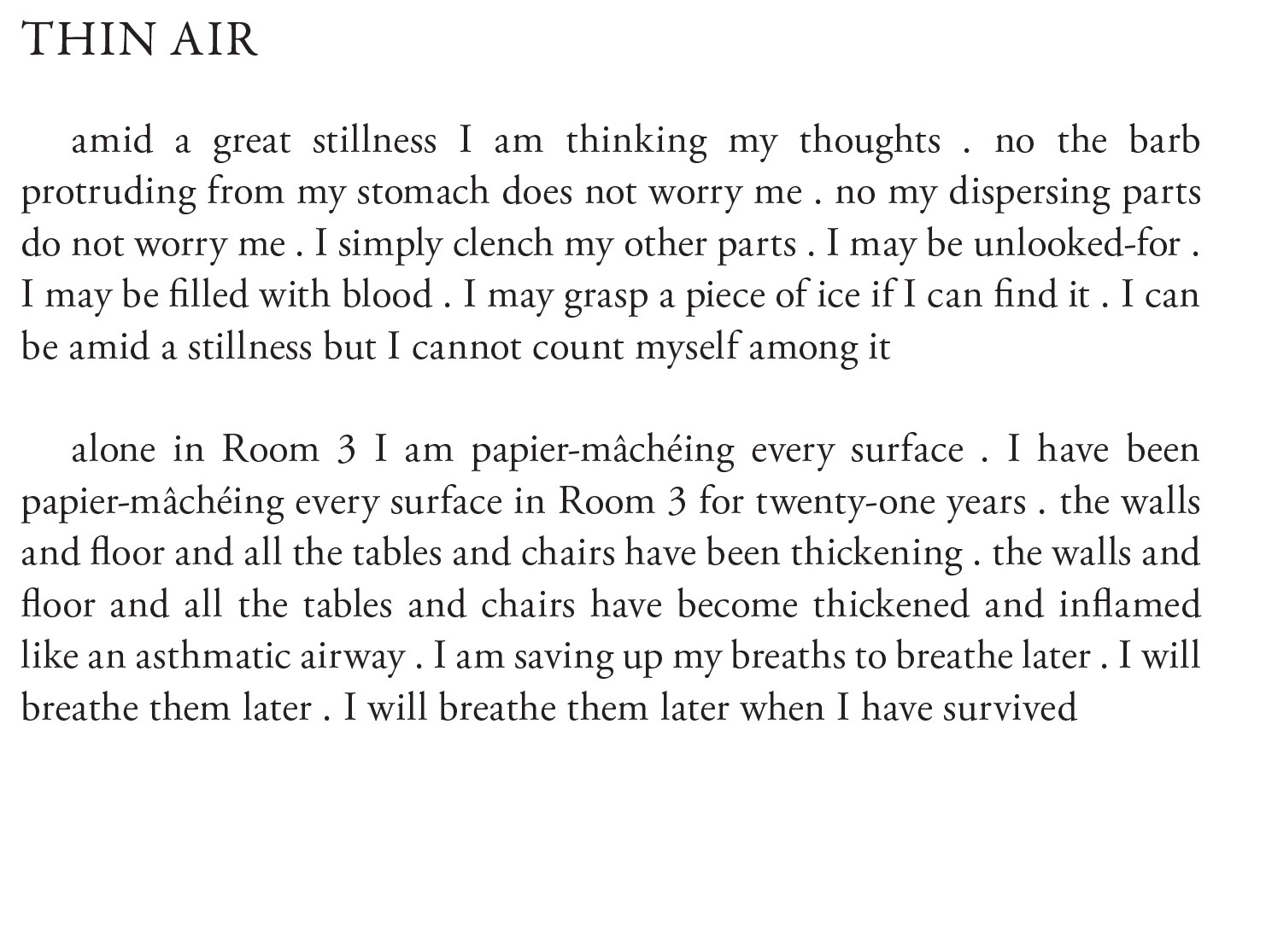
Freya’s ‘THIN AIR’ has got under my skin, oxygenating my blood with its surprising skids and smashes. Like the skid and smash from ‘stillness’ to ‘barb’. Like the terror of asthmatic ways and the stench of papier-mâchéing. Like the word ‘breathe’ and the word ‘survived’. But I find I don’t want to dissect these poems for you. These welcome poem hauntings. They just are. Little poem magnets. Little vitamin shots. Little head trips. Nebuliser albums.
Freya Daly Sadgrove is a writer, performer and theatre maker from Pōneke. She has a Master of Arts from the International Institute of Modern Letters, and her work has appeared in various publications in Aotearoa, Australia and the US. Head Girl is her first book. She is also the architect of Show Ponies, an ongoing poetry extravaganza that appeared at both VERB literary festivals in Pōneke this year.
Winners of the 2020 Prime Minister’s Awards for Literary Achievement (L-R) Tessa Duder, Sir Tīmoti Kāretu and Jenny Bornholdt
‘Each poem is different, but there’s always a feeling, a kind of charge, when a poem is making itself known. It’s a matter of trusting yourself and following the direction of the poem.’ Jenny Bornholdt – Poetry Shelf interview
Poetry Shelf congratulates three deserving recipients.
A lifetime of insights on Māori dance arts told in te reo Māori, a comprehensive anthology of New Zealand poetry in English, and an illustrated story of how James Cook charted Aotearoa New Zealand are just some of the many achievements of those being honoured with the 2020 Prime Minister’s Awards for Literary Achievement:
Non-Fiction: Sir Tīmoti Kāretu KNZM QSO (Ngāi Tūhoe, Ngāti Kahungunu) – a leading New Zealand academic of Māori language and the performing arts, a translator and author, and a key driver of the revitalisation of te reo.
Poetry: Jenny Bornholdt MNZM – an award-winning poet, anthologist, Arts Foundation Laureate and former NZ Poet Laureate.
Fiction: Tessa Duder CNZM, OBE – critically acclaimed children and young adult writer.
The Rt Hon Jacinda Ardern, Prime Minister and Associate Minister for Arts, Culture and Heritage, says, “It’s a real privilege to support these special, annual awards that celebrate the value our writers bring to Aotearoa. It was wonderful to see such a high volume of nominations this year – this just demonstrates New Zealanders’ appreciation and appetite for literature. Congratulations to Tessa Duder, Sir Tīmoti Kāretu and Jenny Bornholdt. Thank you for your significant contribution to New Zealand literature, your storytelling, and the legacy you’ve created.”
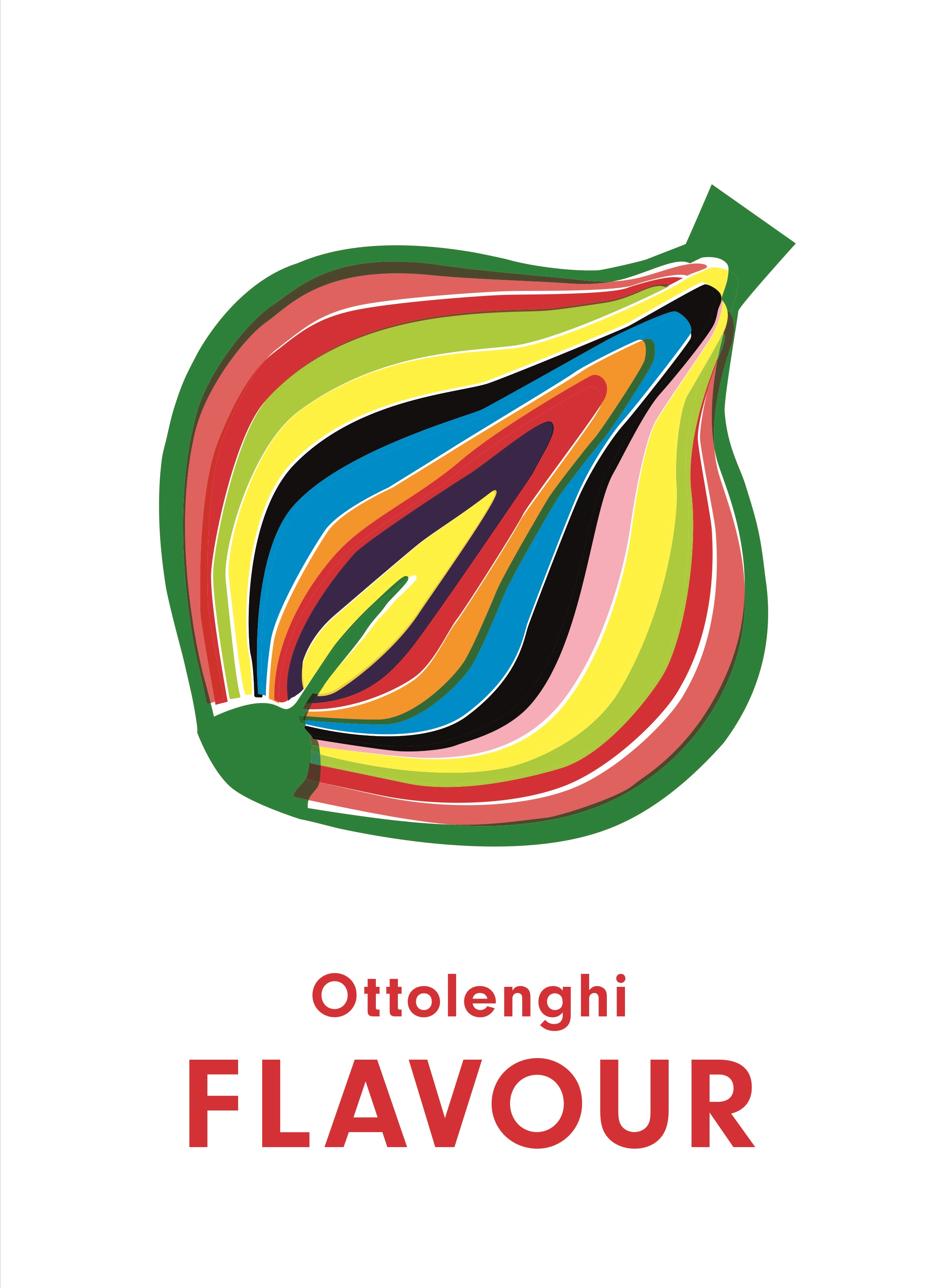
Ottolenghi: FLAVOUR by Yotam Ottolenghi and Ixta Belfrage, with Tara Wigley, photography by Jonathan Lovekin, Ebury Press, 2020
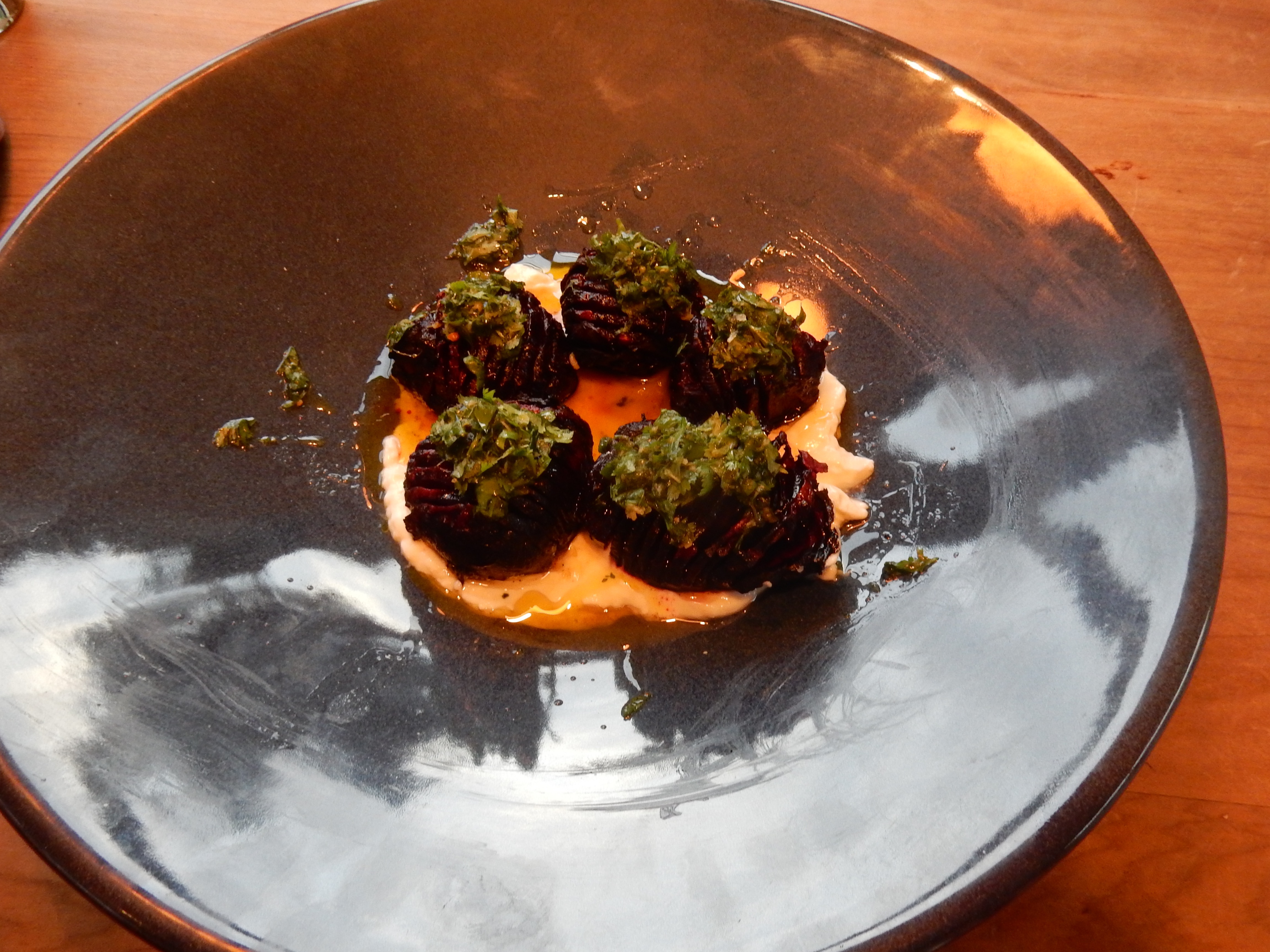
Hasselback Beetroot with Lime Leaf Butter
Take eight medium beetroot and brush off the warm earth.
Hold in your hand and breathe in spring.
The garden is full of summer promise, Jacinda speaks of connections.
Breathe out a long winter of lockdowns and catastrophe.
Absorb the song of the tūī, Reb Fountain’s honeyed singing as you
Peel and slice the beetroot thinly, almost to the base, then salt and roast.
Smell the pungent aroma, the wind coming in from the coast.
Melt butter with fresh ginger, garlic, lime leaves, olive oil, and then infuse.
As you wait for the election results to come in, add lime juice.
You are on hold, nothing can be taken for granted, the votes are being counted.
You dream of fresh water and global kindness, our children fed.
You crush and slice, blitz and chop.
You mix kaffir lime leaves, fresh ginger, garlic, green chilli, coriander.
Season your salsa, then season with love and spring promises.
In a blue Temuka bowl, upon a smear of yoghurt (you’ve omitted the cream),
You place the beetroot glistening red.
You spoon over the melted butter strained of aromatics.
You sprinkle the salsa and a squeeze of lime, your early morning beach walks.
Take a moment and wait for your family to put down brushes and pens.
Make room for comfort, for the things that matter most.
You are back at Whangamata watching the sun come up on Level 1.
You are serving the flavour of a London kitchen in a Waitākere haven.
You are tasting the flavour of bridges, the salty with the sour.
Jacinda and her team are back in power talking of new ways of leading.
The kitchen is aglow with food and hope,
And you feel like a load has lifted and floated into the Tasman Sea.
Tomorrow you will cook spicy berbere ratatouille with coconut salsa.
The next day a butternut, orange and sage galette.
One day you might eat at Ottolenghi’s in London,
With Aotearoa flavours in your pockets, the chatterbox tūī in your ear.
Paula Green Election Day, Te Henga
Hasselback beetroot with lime leaf butter on my Temuka blue bowl (bought on a fabulous 2019 Storylines Tour)
Pretty much most rooms in our home have at least two shelves of cookbooks. Cooking and writing poems have gone hand in hand since my debut poetry collection Cookhouse in 1997. Reading other poetry books has taken my writing and relations with the world in different directions. The same goes for cookbooks – I cook both inside and outside my comfort zone, because my love of cookbooks has expanded what and how I cook. It is so very satisfying.
I have book clusters of national cuisines, methods, ingredients (seafood), eating choices (vegan, vegetarian) and, of course, much-loved writers. Yotam Ottolenghi is one such favourite. So his new book Flavour, written and developed along with Ixta Belfrage, is a cause for celebration. His previous two books, Plenty and Plenty More celebrate vegetables, with the second book exploring the way process can take a vegetable in any number of flavoursome directions. Yotam suggests Flavour is like a Plenty 3 as it celebrates the transformation of vegetables into flavour bombs. The book is divided into three sections: process, pairing and produce.
‘While making a delicious recipe can be simple, great cooking is never the result of one element in isolation – it is the interplay of different types of processes, pairings and produces.’ Yotam Ottolenghi
Yotam’s cookbooks are an essential part of my kitchen, because his recipes are flavour-rich, the processes are easy, the end results both nutritious and delicious. The same applies to the team effort of Flavour. For me the recipes are to be made and savoured (I tag all the ones I am itching to cook), but also to be used as aides to my own culinary inventions. The 20 essential ingredients listed at the end of the introduction are flavour-bomb conductors. Not your usual crew (say tahini, pomegranate molasses, turmeric, balsamic and cider vinegars, horseradish, harissa, cumin, fresh oregano, lemon and dill etc). Maybe things have a inseasons as I have also been favouring chipotle chillies, miso, ground cardamom and tamarind paste lately (on the list), and I am now dead keen to track down black limes, jarred butter beans (!), hibiscus flowers, red bell pepper flakes, rose harissa for my pantry.
Walking on the beach this morning I was musing on the way food has been so important in Covid. In Aotearoa New Zealand we have been baking sour dough, planting seeds, making sweet treats. I learnt to make kombucha (highly recommended), upped my micro greens, learnt to make yoghurt. Food is a way of nourishing us physically, but also offers the utmost comfort in family settings (and with friends when we can do that). Food connects us to the people who generate crops and products for us, to our forbears who have handed down beloved ways of doing things. Yes, I believe tradition is as important as innovation and vice versa. Along with the pairings, processes and products, Yotam and Ixta’s nurturing food values are the pulsating heart of Flavour. I get goosebumps reading through the pages.
Food was a big part of my doctoral thesis where I explored the ink in the novels of C20 Italian women writers. I wanted to know what drove the writing pen – and food most definitely mattered. I am thinking of Yotam’s pairings and products, and the way each ingredient we pick up to slice or saute or steam, is imbued with our mood, our past experiences, the events of the day, our daydreams. An apple takes me so many places when I cut it into slender batons for a coleslaw. Put this word next to that word and you get sparks and hums; put this ingredient with that ingredient and the same thing happens. Poetry and cooking? A match made in heaven.
Flavour is a sumptuous mouth-watering addition to my cookbook collection – at the moment I am lugging it from kitchen table to the lounge to bedtime reading. I have a long list of things to cook – recipes that will be the starting points to new pairings and products. The book fills me with warmth and connections and hope. Bavissimo Yotam and Ixta. I love this collaboration so much. And I have to say my family and I thought the beetroot dish was sensational (as was the election result!). They said it was like being in a restaurant – and it was all a matter of product, pairings and process. A GLORIOUS recommendation from Poetry Shelf Kitchen.
Yotam Ottolenghi is the restaurateur and chef-patron of the four London-based Ottolenghi delis, as well as the NOPI and ROVI restaurants. He is the author of seven best-selling cookery books. Amongst several prizes, Ottolenghi SIMPLE won the National Book Award and was selected as best book of the year by the New York Times. Yotam has been a weekly columnist for the Saturday Guardian for over thirteen years and is a regular contributor to the New York Times. His commitment to the championing of vegetables, as well as ingredients once seen as ‘exotic’, has led to what some call ‘The Ottolenghi effect’. This is shorthand for the creation of a meal which is full of colour, flavour, bounty and sunshine. Yotam lives in London with his family. Website
Ixta Belfrage spent her youth dipping her fingers into mixing bowls in places as far-flung as Italy, Mexico and Brazil and so became an expert without a title. She began her culinary career proper at Ottolenghi’s NOPI restaurant, before moving to the Test Kitchen, where she has worked for Yotam Ottolenghi for four years, contributing to his columns in The Guardian and The New York Times. She lives in London, where she makes regular guest chef appearances in some of the city’s top restaurants. Flavour is her first book.


 NZ Poetry Shelf