Category Archives: NZ poetry book

Poetry Shelf, Poet’s Choice: Diane Brown makes her picks

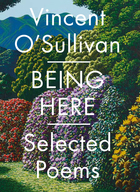
Being_Here_cover__66009.1423089464.140.215 Being_Here_cover__66009.1423089464.140.215Being_Here_cover__66009.1423089464.140.215


Most mornings my husband and I, (which sounds like the Queen, but I can assure you is not) read poems to each other. It’s a lovely way to start a day of mostly words and brings a focus back to the interior after reading the newspaper.

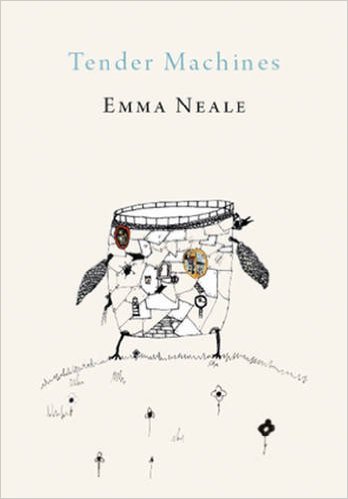
It takes a while to get through collections this way. You could call it slow poetry. At the moment we are reading Emma Neale’s Tender Machines and Vincent O’Sullivan’s Selected Poems, Being Here. They are Dunedin based poets at different ends of their poetry careers, but what treasures are contained in both books. Vincent’s cool, sardonic, intensely observational eye and Emma’s brilliantly executed white hot wordplay as she explores family life in all its intensity and moves into global and environmental concerns.


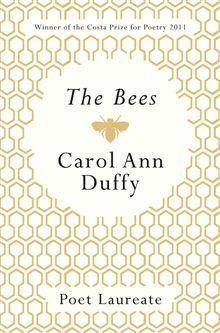
The book we have finished and both laughed and wept over from the first page to the last is The Bees by Carol Ann Duffy. It’s an amazing collection of poems with a wide variety of subjects: love poems; moving elegies to her mother; rollicking drinking poems; angry political poems and. throughout, bees hover, fragile life-givers, whose existence along with ours is threatened. And apart from the bees holding all these poems together is the way every poem sings a love of words, with internal rhymes, alliteration, repetition, but in a way that is completely natural, sometimes angry, sometimes joyous. If you know someone who is mystified by poetry, try them with some of these poems. Yes, she’s a popular poet who may not appeal to readers who laud the esoteric and experimental, but she writes intelligent poems about important subjects and issues, the stuff of life. In a short poem, ‘Spell,’ Duffy says, ‘I think a poem is a spell of kinds, / that keeps things living in a written line.’ Her poems are charming in the true sense of the word, burrowing into your brain and, most importantly, your heart as you breathe them in.


A few lines from the tremendously moving poem, ‘Water’, about her dying mother.


                                     Water.

What a mother brings

                                     through darkness still

to her parched daughter.’


Diane Brown

418MHC3lAEL._SX346_BO1,204,203,200_   the-bees-978033044245901

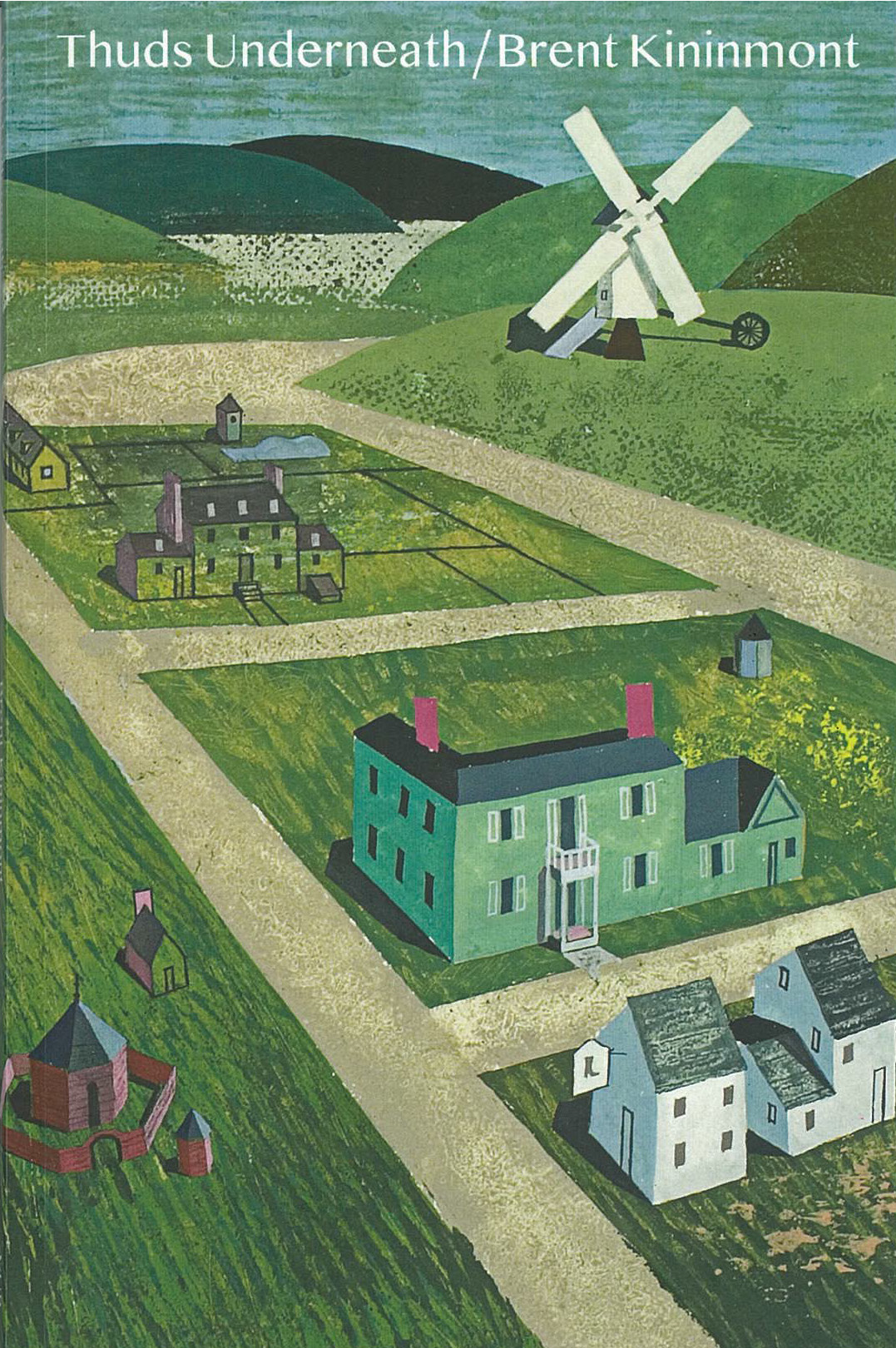
Poetry Shelf interviews Brent Kininmont: “Among other threads are those related to ‘drifting’ and ‘sleeping’”

Brent Kininmont 

Brent Kininmont is originally from Christchurch. Except for a year in Wellington, he has lived for the past 16 years in Tokyo. He worked as a journalist at The Japan Times and Reuters news agency, and now teaches intercultural communication. His poems have appeared in JAAM, Landfall, Poetry NZ, The Press, Snorkel, Sport, Takahe, Trout, Turbine, and Best New Zealand Poems 2009 and 2011. His debut collection, Thuds Underneath, was recently published by Victoria University Press.


This is a terrific debut, and I am hard pressed to think of a New Zealand collection quite like this. At times there is a fablesque, dreamlike quality that fleetingly pitches camp in the surreal (whiffs of early Gregory O’Brien), while at other times the real is luminous. The effect is surprising, inventive, original. What sorts of things do you want your poems to do?

In Thuds Underneath I tried to not include poems that couldn’t stand alone, but there is always a danger that a poem will underwhelm, particularly if it’s composed of short lines and compact stanzas, as quite a few of mine are. In a collection, then, I would like the seemingly disparate poems to speak to each other. By conversing, they can help to justify each other’s inclusion.

It would be marvelous if readers noticed the intentional echoes in the book, especially those spaced quite a few pages apart. A blatant example is a title appearing at the start that is repeated towards the end of the collection, as the title of a different poem. That echo is significant, to me at least. Still, I don’t really mind if subtle reverberations do go undetected – it should be enough for me to know they are there, and hopefully a slight bonus for anybody who does notice. Besides, I’m not the ideal reader of my own book; I seldom read collections of poetry cover to cover in one sitting, so I can miss things. I can’t really expect more from the reader than I can actually offer as a reader myself.
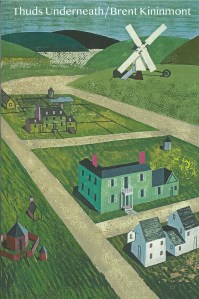
 

Thuds cover   Thuds cover


Right from the start the poems demonstrate a curious mind at work, as though the collection is a cabinet of fascinating things, anecdotes, observations. What feeds your curiosity as a poet?

The strands running through the collection suggest a preoccupation with transport, particularly aircraft, as well as temples and plains, and gaps of various kinds. How my daughter is schooled in Japan interests me ­­– when it’s not frustrating me; this crops up in the book’s final section. I’m also fascinated by the ancient Mediterranean, and that has found form in some of my poems. If I hadn’t ended up in Japan, which obviously has its own deep history of human occupation, I imagine pitching tent in Sicily or The Peloponnese. Recently I have been spending time with some of the key source texts from the classical world (Homer, Herodotus, etc.). Nothing may come of this in my future writing, though it would be nice if something did.


What I love about this debut is the way it offers such diverse and engaging reading routes. I also followed a vein of poetry of travel (not just via geography). The poems generate moments of stillness within the momentum of internal movement. And yes, the locations are global. How do the poems travel in your view?

There are routes I was conscious of while writing the book and others that revealed themselves during the long time spent arranging the poems. The collection is ordered into three locales: classical lands, the South Island, and Japan. I was quite alert to reversing the familiar narrative of leaving New Zealand then coming back; Thuds Underneath could be read as a coming home then departure again – the return is left open-ended. There is also a fairly standard transition from a sense of restlessness at the beginning to an embrace of some stability at the end (though somebody had to point that out to me). The arrival of a daughter seems to contrast with the passing of a mother; and a father keeps appearing, though he is somewhat detached. Among other threads are those related to ‘drifting’ and ‘sleeping’, and imposing structures with godlike attributes. It is those particular threads I was acknowledging with the two epigraphs I included at the beginning of the collection.


Does Japan have an effect upon how you write?

Probably the main effect is the objectivity that living there provides about my home culture and my own learned behavior. Differences seem magnified in a country like Japan, where the language is very dissimilar, but so are discussion styles, the nature of relationships, and the sense of formality. Silence also has a wider range of meanings, in verbal messages and on the written page. Japan, especially in the beginning, forced me to consider why I think and behave in certain ways, and that has likely seeped into how I write, though it is hard to cite specific examples. I have certainly embraced the opportunity that the physical distance from New Zealand has given me to step back and write about my upbringing and education, say, and their effects. Meanwhile, any sense of being culturally isolated from New Zealand is diminished quite a bit by yearly trips home and by the Internet, which allows me to plug into what is going on in local poetry.


One poem bears the epigraph, ‘after Maui and Manhire’. What New Zealand poets have influenced you?

Among the New Zealand books  tagged on my poetry shelves, those by Andrew Johnston and David Beach literally stick out. Beach’s first book of prose sonnets, the drolly titled Abandoned Novel, sparked my interest in the form. Although the sonnets I have written probably differ in style to his, they likely wouldn’t have appeared so prominently in my collection if I hadn’t admired his unique and witty perspectives. Beach’s work was one of my paths to the weighty James K. Baxter. And I got through The Iliad (even weightier) with help from his second collection, The End of Atlantic City, in which 24 sonnets are smart abridgments of the 24 books of Homer’s epic poem. After finishing each book, I would read the corresponding sonnet. It was my small reward for slogging through numerous, and not always engaging, battle scenes. (The fall of Troy in The Iliad niftily contrasts with another 24 sonnets in Beach’s collection, about the survival ­– or slow ‘fall’ ­– of the Wellington suburb of Te Aro.)

I first came across Beach’s work in 2007, the same year I was fortunate to meet regularly with Andrew Johnston, while I was doing the creative writing Masters at Victoria University. Andrew lives in Paris and was only back in New Zealand for that year (like me). Quite a few years earlier his debut, How to Talk, was the first book of poetry I ever bought, and he was the first poet I wanted to write like. His sharp, shorter poems had given me permission to keep trying to write stanzas trimmed of excess. In our regular talks, among many superb insights, he encouraged me to not fret about borrowing ideas from other poets ­– a revelation to me at the time. That he is also a former journalist who lives away from New Zealand could be another reason why I still rely on his poetry for occasional counsel.


Name three poetry books you have loved in the past year.

They would be among those I kept returning to while Thuds Underneath was coming together. Other than volumes by the two poets I mention above, these three stand out (plus two more):

Night Light, by Donald Justice

After the Dance, by Michele Amas

The Street of Clocks, by Thomas Lux

Milky Way Bar, by Bill Manhire

Bell Tongue, by Paola Bilbrough


With kind permission from Brent and VUP a poem from the new collection:


Hitch

after Maui and Manhire


It can be quite a stretch to haul

the north closer, given that great trench


in between. After lunch we

caught rides on a succession of


straights, a crooked thread line

of far peaks stitching our plains to sheets


of clouds. Only the closed mouth of

the evening vessel stalled us.


Now, among ponga overlooking

the sound, my torch shines on a slim


book she packed. It’s about our known

universe (her tutor said), how we all


live at its edge. In one poem

the word Coromandel really sticks out.


©Brent Kininmont 2015

Poetry Shelf, Poet’s Choice: Nina Powles makes her picks

7485719   8507862

Having just finished my MA in poetry, this year has been not just one of writing but of reading poetry hungrily and intensely.

One of the joys of getting to know 10 other writers so closely was the huge number of new writers I discovered thanks to them. Two books I might otherwise never have come across were the challenging but sonically beautiful The Dream of the Unified Field by American poet Jorie Graham, and Claudia Rankine’s powerful and experimental Citizen.

Thanks to one of our visiting writers Australian novelist Michelle de Kretser, I read The Deep by Canadian writer Mary Swan. The Deep is a dreamlike novella set during WWI and I think it changed my life in 71 pages.


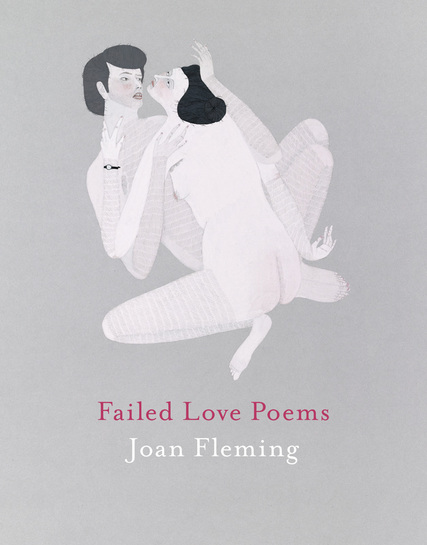
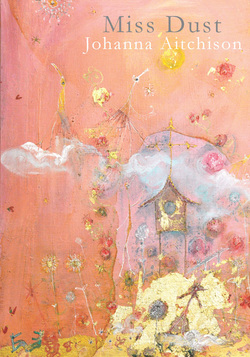
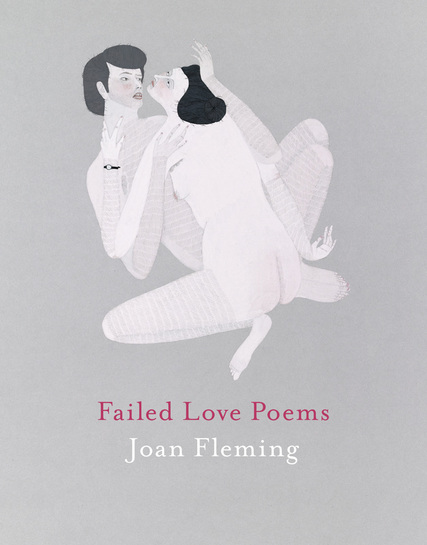
It was also an amazing year for new New Zealand poetry. I enjoyed falling into the spiky and surreal world of Miss Dust by Johanna Aitchison. And every single one of Joan Fleming’s Failed Love Poems made me feel breathless and lightheaded, a bit like being struck repeatedly by tiny bolts of lightning. From ‘Heathcliff’:

we know where to find the black tips / exquisite / of a soft tearaway / of what flew / and sang / we know the other is / best heard / in atmospheres / of howling


LEFT, edited by Wellington writer Jackson Nieuwland, is a book more people should know about. It’s heavy and enormous and full of fresh and startling art, fiction and poetry in glossy full-colour by New Zealand and American writers, including two of my favourite young poets Zarah Butcher-McGunnigle and Hera Lindsay Bird. From ‘Pain Imperatives’ by Hera Lindsay Bird:

You have to think ‘love has radicalized me’ and walk around like Helen of Troy

You have to walk around until the ships burn off


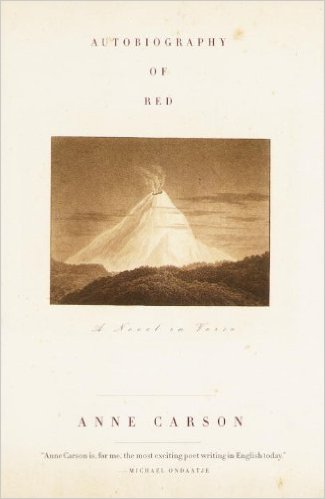
This year I also discovered the possibilities of the long-form poem, especially in Sarah Jane Barnett’s new book WORK, Alice Oswald’s Memoriam, and Anne Carson’s Autobiography of Red. I’d read Autobiography of Red before but this year it suddenly became important to me in a new and startling way. For months I carried it around with me, knowing I could open it on any page and it would floor me:


Herakles switched on the ignition and they jumped forward onto the back of the night.

Not touching

but joined in astonishment as two cuts lie parallel in the same flesh.


Nina Powles


41CVIU-VxLL._SX323_BO1,204,203,200_     work_full-cover


Poetry Shelf, Poet’s Choice: Siobhan Harvey makes some picks

Hoopla Native bird web 418MHC3lAEL._SX346_BO1,204,203,200_


Like a lot of contributors here I have adored reading Emma Neale‘s Tender Machines (Otago University Press). These are heartfelt, accomplished poems, buoyed by small details and big concerns.

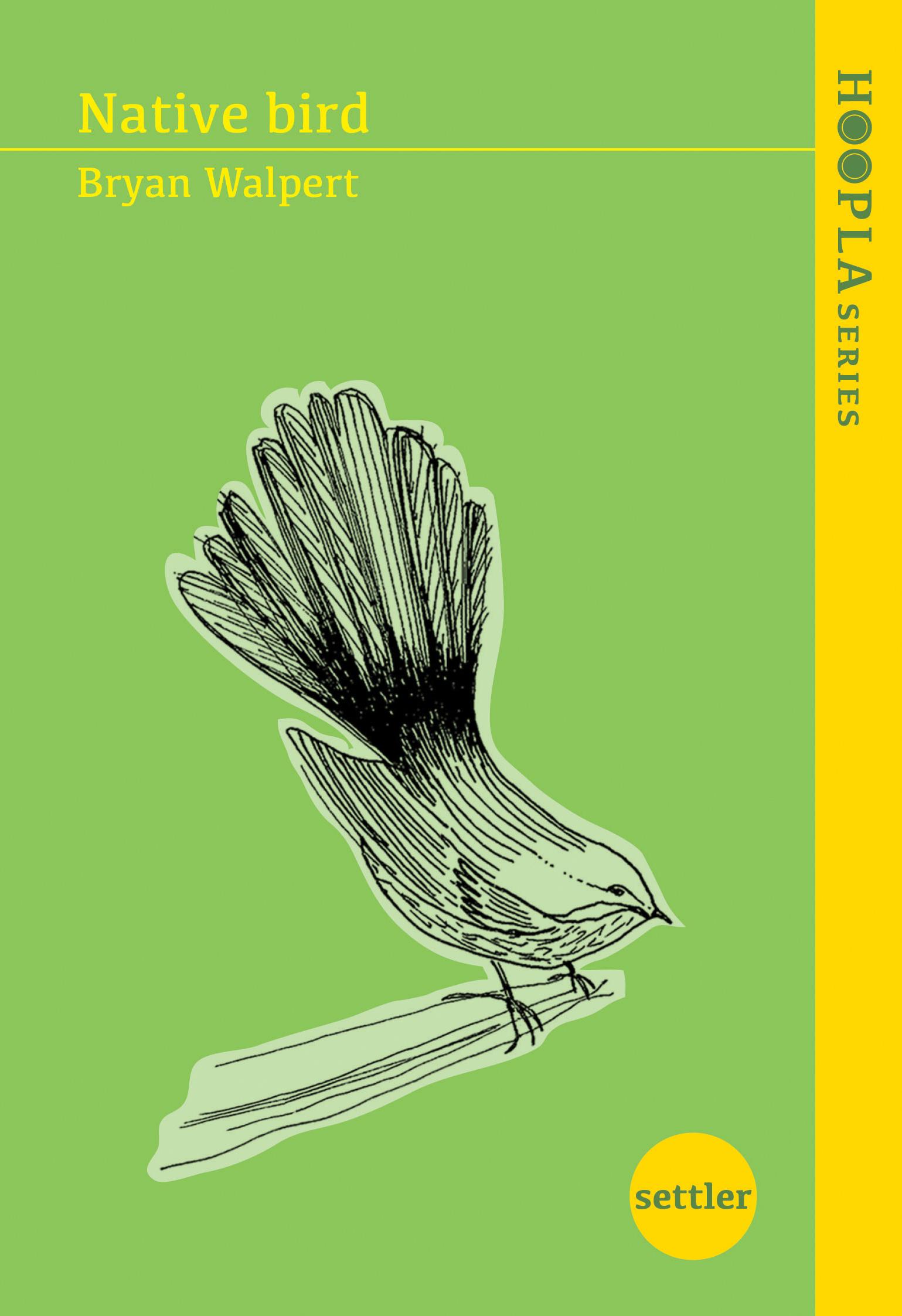
Two other books which journeyed with me through 2015 were from the amazing HOOPLA series published by Makaro Press. Bryan Walpert manages to make the poems in his collection, Native Bird at once intimately familial and deeply contemplative encounters. I’m particularly in awe of how Walpert connects the personal to the universal, thematically linking migration to national ornithology.

I had the pleasure of meeting Jen Compton for the first time a few years ago when we were guests at the Queensland Poetry Festival. Her warm personality enshrines a magnificent poetic mindset as her latest Mr Clean and the Junkie proves. Like Neale’s Tender Machines, this book is presently long-listed for the Occam New Zealand Book Award. It’s easy to see why for it’s an astonishing mix of poetic dexterity, film scripting, examination of gender roles and a big story about everyday people connected to a seamy Sydney casino scam.

Siobhan Harvey


large_cleanjacket  large_cleanjacket  large_cleanjacket

Poetry Shelf, Poet’s Choice: Sue Wootton makes her picks

1423778022214-1  front-cover

I really enjoyed Excerpts from a Natural History (Pokeno: Titus Books, 2015) by Holly Painter. A beguiling collection: witty, warm and smart. A beautifully designed book, too.

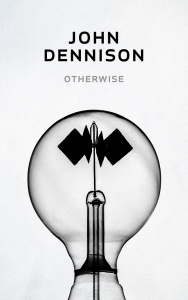
John Dennison’s Otherwise (Auckland: AUP, 2015) contains gentle, serious work. It’s refreshing for its calm and formal tone, as well as for its dedication to contemplation and celebration, both.

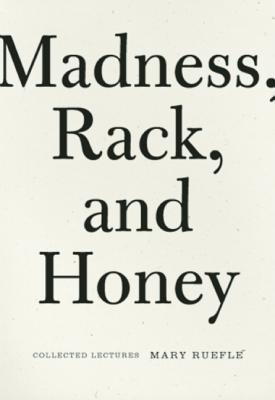
Recently I’ve been reading Mary Ruefle’s collected lectures: Madness, Rack, and Honey (Seattle/New York: Wave Books, 2012). Much here that fruitfully sustains, and just as much that fruitfully unsettles: “I suppose, as a poet, among my fears can be counted the deep-seated uneasiness surrounding the possibility that one day it will be revealed that I consecrated my life to an imbecility.”

Sue Wootton

13237099 13237099

Poetry Shelf, Poet’s Choice: Jane Arthur makes her picks


thenightweatethebaby-211x30076545

I feel like I was luckier than everyone else this year because I got to read my classmates’ work at the IIML where I was working on my MA folio. I don’t understand how there can be so many good writers around, but there are and I have the proof. At some time in the future, I will choose Nick Bollinger’s ‘Goneville’ as one of my books of the year – it’s a music bio/memoir/cultural history and it just won the Adam Prize for being excellent. Please also check out the latest issue of Turbine online to see how clever my other classmates are.

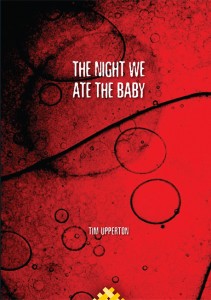
Tim Upperton’s The Night We Ate the Baby came along right when I needed it this year. It does things and says things poetry “shouldn’t”. It kicks against beauty, niceties, and resolution. A few times, it does this self-referentially, like: poetry is such a dick. Eww, poetry, you’re so gross (see “Fonnet”). It’s a breeze to read and the speaker of the poems is great because he’s such a grumpy bastard. A sucker-punch for anyone who thinks poetry is difficult and pretentious.

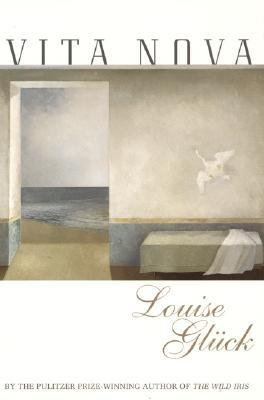
Louise Glück’s Vita Nova couldn’t be more different from Upperton’s book, but I loved it too. Each poem feels like a whisper, somehow, though they kept on kicking me in the gut when I wasn’t looking. It’s bloody beautiful. Hold your breath and eat it, I reckon.

I rediscovered the joy of Beauty Sleep by Kate Camp, which is full of zany turns and genuinely funny bits, and the blurting-out of thoughts I’m so fond of in my own life and writing. And the poem “Yuri Gagarin’s bed” has an ending that made me gawp at its honesty and perfection.

Jane Arthur

beautysleep.9780864735119__48403.1347922411.140.215  beautysleep.9780864735119__48403.1347922411.140.215   beautysleep.9780864735119__48403.1347922411.140.215

Poetry Shelf, Poet’s Choice: Sam Sampson gets choosing

ghost_cover_front__73226.1427153026.220.220   ghost_cover_front__73226.1427153026.220.220   ghost_cover_front__73226.1427153026.220.220

An online publication that I’m still engaged with, and keeps giving, was the collection: A Festschrift for Tony Frazer, which celebrated the 64th birthday of Tony Frazer, the editor of Shearsman. As one of many writers with a poetry book published through Shearsman Books, and poems published within Shearsman Magazine, I follow, revisit, and greatly admire Tony and his Shearsman imprint. As outlined on the publication homepage, Tony is one of the great poetry editors of our time, publishing more than 300 writers; but more importantly, encouraging and validating the writing process through championing new writers, writers in translation, a Classics series, and working tirelessly to promote poetry. Here is an insightful quote that sums Tony up perfectly:

‘Tony Frazer must be held to account for he is a publisher who resolutely fails to be everything a publisher should be: he is enthusiastic, literate and does not concern himself with projected sales figures. What can be done to stop him? Very little, I fear’ Marius Kociejowski


Over the years I’ve purchased volumes from Shearsman, such as Gael Turnbull’s There are words…Collected Poems, discovered Gustaf Sobin, Theodore Enslin, Anthony Hawley, Frances Presley, Anne-Marie Albiach, Pablo de Rokha…and at this moment, are reading poems by one my favourite poets, the late Lee Harwood Collected Poems.


On the local front, this year I had the privilege of being part of a poetry reading with Roger Horrocks Song of the Ghost in the Machine (Victoria UP, 2015) – and hear first hand the meditative ghost ambling to-and-fro, from word-to-world. From what I understand, it was Roger’s first poetry reading in 30 years. A great occasion and a great book!

Another highlight this year was being invited by Michele Leggott to be part of the Six Pack Sound #2 series at the nzepc. The second series included recordings by Stephanie Christie, Makyla Curtis & Hannah Owen-Wright, Doc Drumheller, Selina Tusitala Marsh and Jack Ross. Thanks to Michele Leggott, Brian Flaherty and Tim Page for making this happen.


Sam Sampson

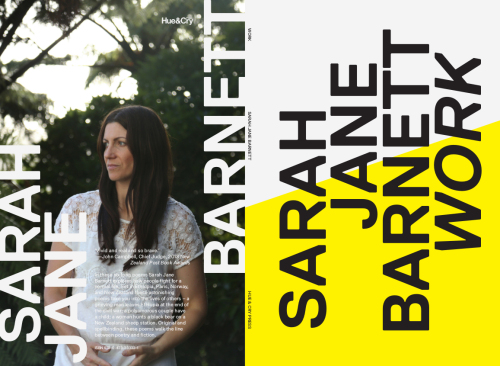
Poetry Shelf, Poet’s Choice: Sarah Jane Barnett’s picks

7485719   cv_the_lonely_nude
This year two collections have really stayed with me. I keep on thinking about them for their content, but also their craft.

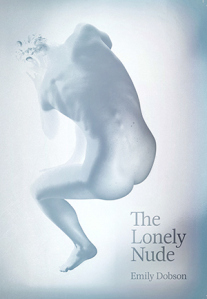
First is Emily Dobson’s second collection, The Lonely Nude (VUP). I reviewed it for Landfall Review Online and it’s a beautifully shaped and paced collection. It follows Dobson’s life as she moves overseas (and then finally back to New Zealand) and the poems gently draw you in, build, and echo. Pure poetic goodness.

Second is Joan Fleming’s second collection, Failed Love Poems (VUP). I know Joan’s work very well and in this collection she has broken through all sorts of barriers. It’s mature and exploratory and accomplished. It’s unafraid. It’s simply awesome, and the poem, ‘The invention of enough’ will break your heart.

Sarah Jane Barnett

Poetry Shelf, Poet’s Choice: Jack Ross makes a few picks

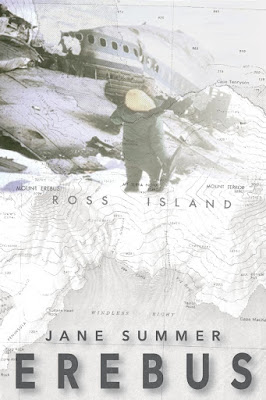
First of all, Jane Summer‘s wonderful poetic memoir Erebus, about the death of her friend Kay Barnick on the ill-fated flight in 1979.

I guess New Zealanders tend to think that we own this particular disaster — and of course there’s the precedent of Bill Sewell’s fine book on the subject — but the personal intensity combined with genre-busting inventiveness of this book-length poem completely absorbed me.

Good on Sibling Rivalry Press of Little Rock Arkansas for spending so much time on the design and layout of this book, and thanks to Jane Summer for sending me a review copy (for PNZ). I might never have come across it otherwise.

Erebus_FRONT     burnthotel

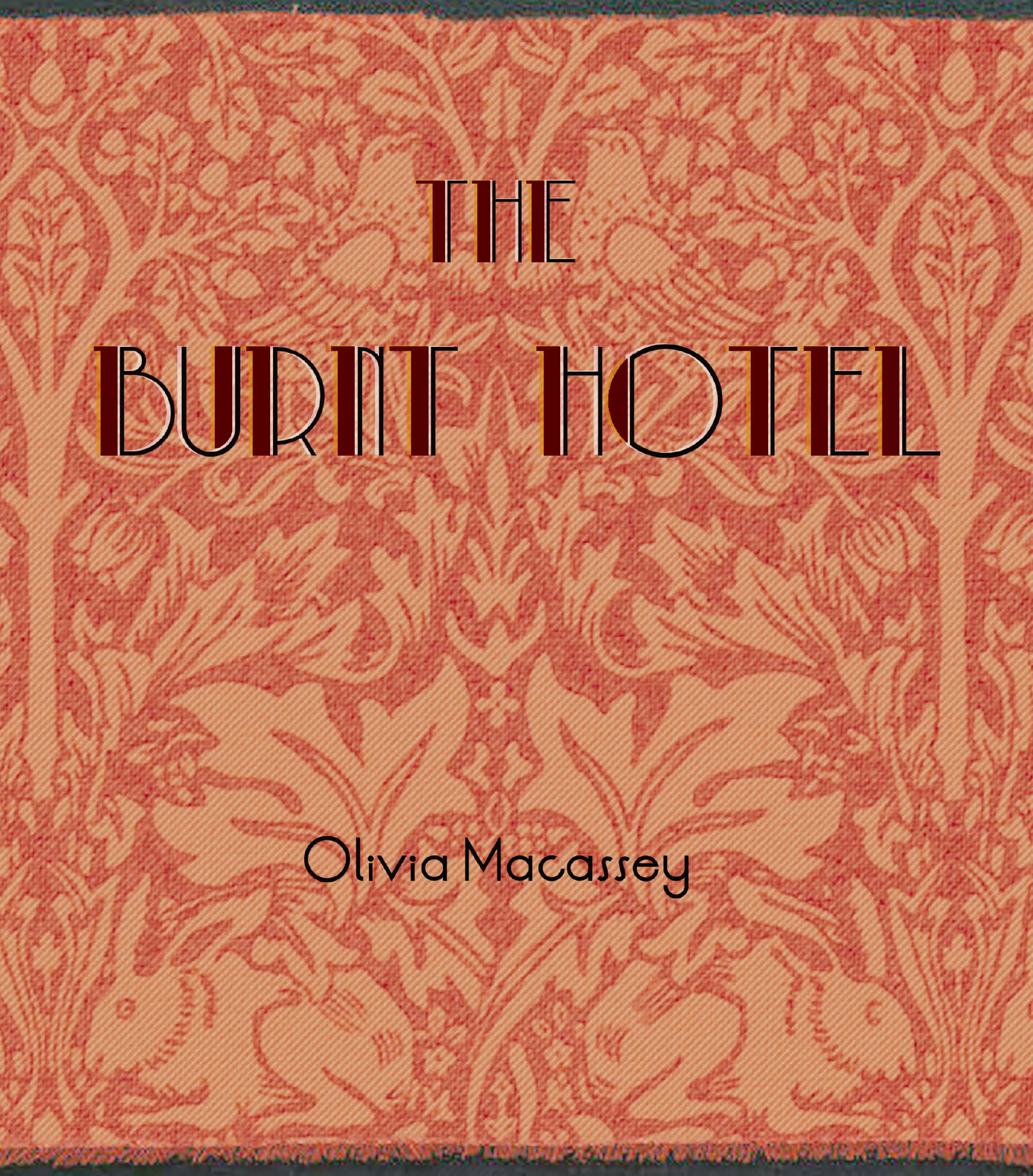
My other favourite book this year is Olivia Macassey‘s The Burnt Hotel (Titus Books, 2015). It’s been far too long since we’ve heard from her, and this book has many old favourites as well as new ones.

The dreamy, lyric, intensely introspective and yet never self-indulgent truth of Liv’s writing continues to enchant in this new book. And Brett Cross and Ellen Portch’s design work on it is really beautiful. Their Titus poetry volumes are now among the most handsome in the New Zealand poetry canon, I think.


Jack Ross

Poetry Shelf, Poet’s Choice: CK Stead makes a pick

1447366508758     1447366508758

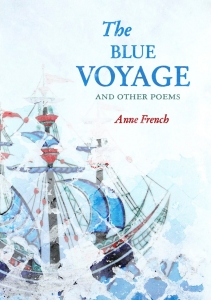
On Wednesday at Auckland University Press I launched Anne French’s new collection, The Blue Voyage. Anne has always been a sailor (a ‘yachtie’) and the sea figures somewhere in all her books. The title sequence in this one is based on sailing in the Aegean, south of Turkey. This gives her both seascapes and landscapes/cityscapes, the flora, and even something of the history and changing politics, of the region. There is an amusing set of poems by Anne’s invented local poet, William Butler Smith who has more than an accidental connection with W.B. Yeats; and by contrast, some translations of exquisitely delicate poems by the Korean modernist, Han Yong-un. Anne has always seemed to me a clever poet who tells things as they are, and as they have been, from a woman’s perspective (remember The male as evader, a few years back?)and that is still the case; but there are gentler notes now, and some very touching elegies, including one for Nigel Cox, one to ‘Uncle Max’, and one (in cricketing terms) to ‘Auntie Paddy’ whose

heart ticked on long after

she’d stopped eating, talking, or looking

forward to anything but the walk

back to the pavilion.


I think maybe the central poem of the book for me is one called ‘Ziran’, where after a rough passage sailing they have emerged into calm seas and she’s ‘leaning back against two sail bags / singing Puccini.’

The Chinese word for ‘natural’ is self-so,

John tells me later: true to its own nature

and the way of the world. Self-so then is this joy

that fills every part of me and lifts me into myself.


The thought of being lifted into, rather than out of, oneself is typical of the small surprises she delivers. This is a book full of Self-so.


CK Stead