Category Archives: NZ author

Poetry Shelf, Poet’s Choice: Nina Powles makes her picks

7485719   8507862

Having just finished my MA in poetry, this year has been not just one of writing but of reading poetry hungrily and intensely.

One of the joys of getting to know 10 other writers so closely was the huge number of new writers I discovered thanks to them. Two books I might otherwise never have come across were the challenging but sonically beautiful The Dream of the Unified Field by American poet Jorie Graham, and Claudia Rankine’s powerful and experimental Citizen.

Thanks to one of our visiting writers Australian novelist Michelle de Kretser, I read The Deep by Canadian writer Mary Swan. The Deep is a dreamlike novella set during WWI and I think it changed my life in 71 pages.


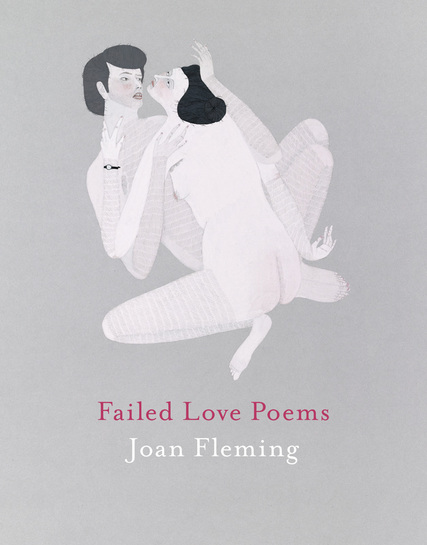
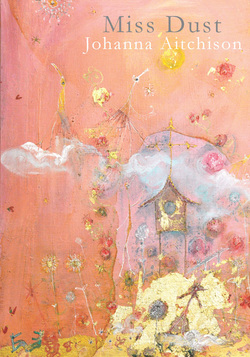
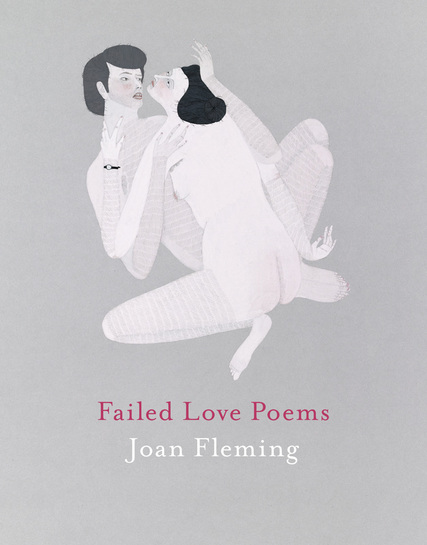
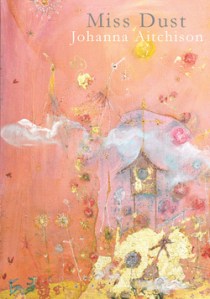
It was also an amazing year for new New Zealand poetry. I enjoyed falling into the spiky and surreal world of Miss Dust by Johanna Aitchison. And every single one of Joan Fleming’s Failed Love Poems made me feel breathless and lightheaded, a bit like being struck repeatedly by tiny bolts of lightning. From ‘Heathcliff’:

we know where to find the black tips / exquisite / of a soft tearaway / of what flew / and sang / we know the other is / best heard / in atmospheres / of howling


LEFT, edited by Wellington writer Jackson Nieuwland, is a book more people should know about. It’s heavy and enormous and full of fresh and startling art, fiction and poetry in glossy full-colour by New Zealand and American writers, including two of my favourite young poets Zarah Butcher-McGunnigle and Hera Lindsay Bird. From ‘Pain Imperatives’ by Hera Lindsay Bird:

You have to think ‘love has radicalized me’ and walk around like Helen of Troy

You have to walk around until the ships burn off


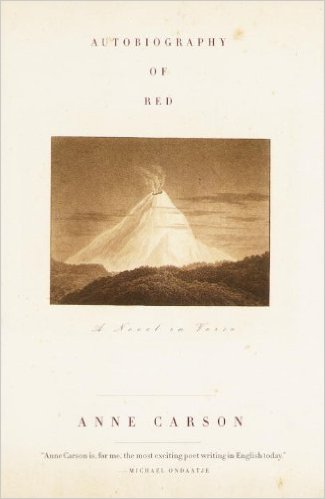
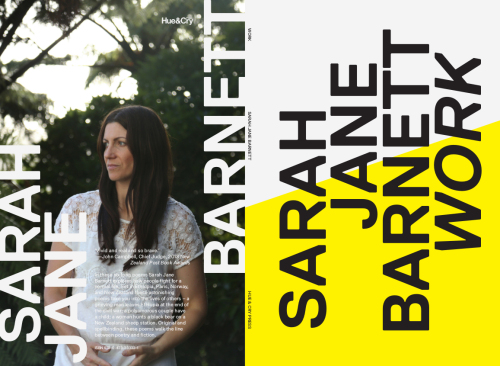
This year I also discovered the possibilities of the long-form poem, especially in Sarah Jane Barnett’s new book WORK, Alice Oswald’s Memoriam, and Anne Carson’s Autobiography of Red. I’d read Autobiography of Red before but this year it suddenly became important to me in a new and startling way. For months I carried it around with me, knowing I could open it on any page and it would floor me:


Herakles switched on the ignition and they jumped forward onto the back of the night.

Not touching

but joined in astonishment as two cuts lie parallel in the same flesh.


Nina Powles


41CVIU-VxLL._SX323_BO1,204,203,200_     work_full-cover


Poetry Shelf, Poet’s Choice: Siobhan Harvey makes some picks

Hoopla Native bird web 418MHC3lAEL._SX346_BO1,204,203,200_


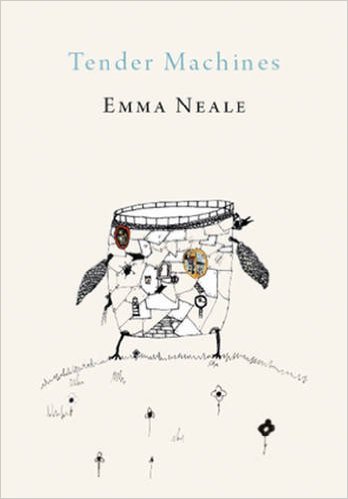
Like a lot of contributors here I have adored reading Emma Neale‘s Tender Machines (Otago University Press). These are heartfelt, accomplished poems, buoyed by small details and big concerns.

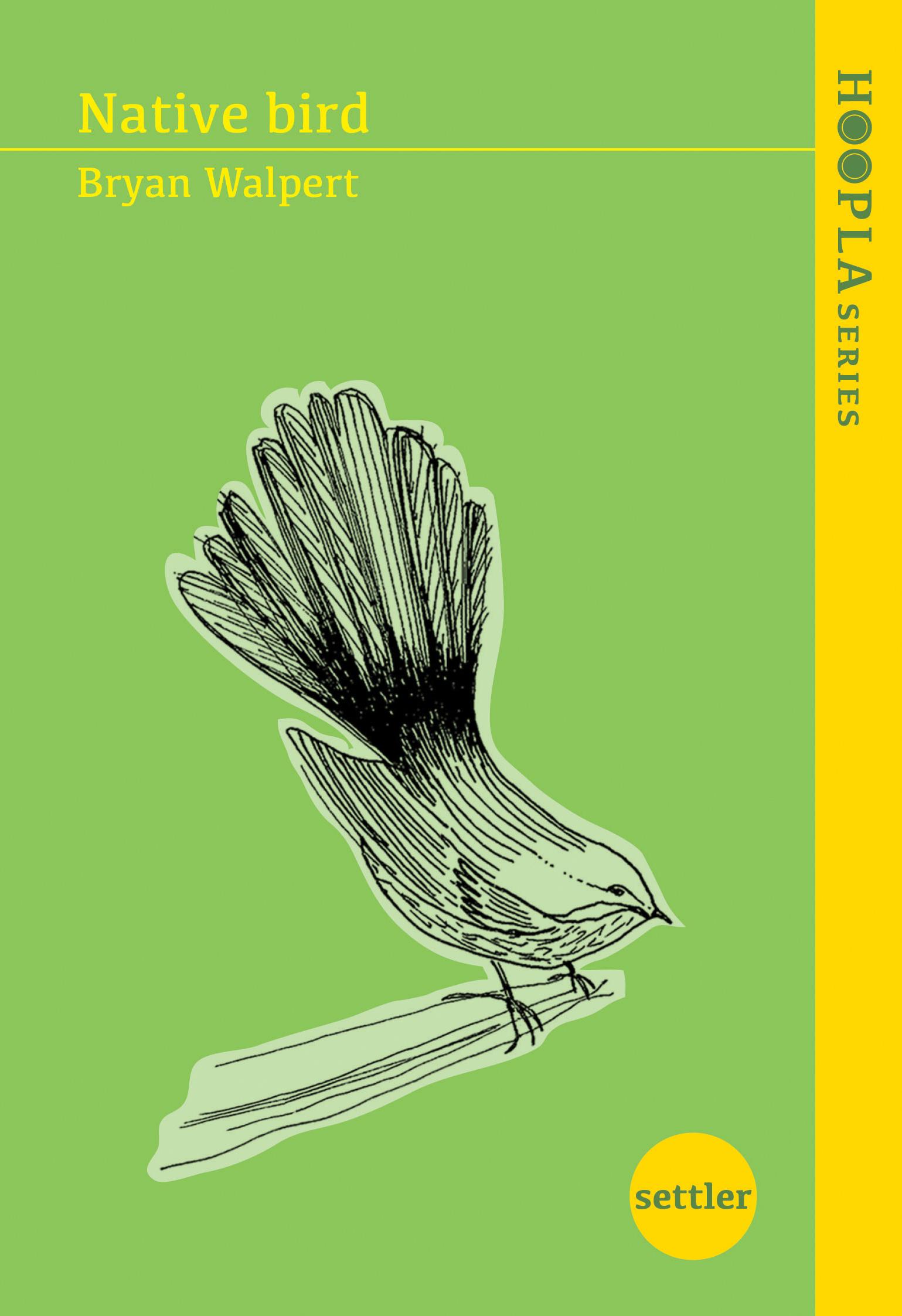
Two other books which journeyed with me through 2015 were from the amazing HOOPLA series published by Makaro Press. Bryan Walpert manages to make the poems in his collection, Native Bird at once intimately familial and deeply contemplative encounters. I’m particularly in awe of how Walpert connects the personal to the universal, thematically linking migration to national ornithology.

I had the pleasure of meeting Jen Compton for the first time a few years ago when we were guests at the Queensland Poetry Festival. Her warm personality enshrines a magnificent poetic mindset as her latest Mr Clean and the Junkie proves. Like Neale’s Tender Machines, this book is presently long-listed for the Occam New Zealand Book Award. It’s easy to see why for it’s an astonishing mix of poetic dexterity, film scripting, examination of gender roles and a big story about everyday people connected to a seamy Sydney casino scam.

Siobhan Harvey


large_cleanjacket  large_cleanjacket  large_cleanjacket

Poetry Shelf, Poet’s Choice: Sue Wootton makes her picks

1423778022214-1  front-cover

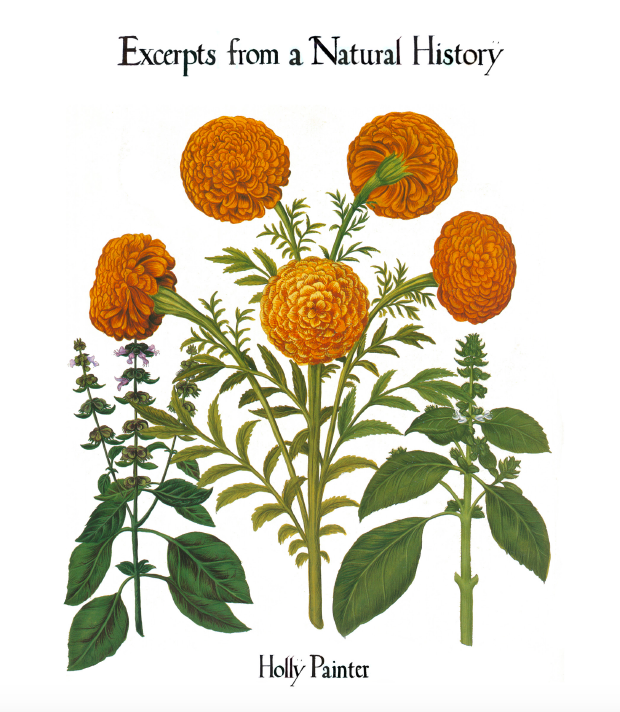
I really enjoyed Excerpts from a Natural History (Pokeno: Titus Books, 2015) by Holly Painter. A beguiling collection: witty, warm and smart. A beautifully designed book, too.

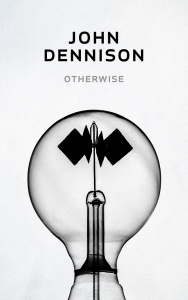
John Dennison’s Otherwise (Auckland: AUP, 2015) contains gentle, serious work. It’s refreshing for its calm and formal tone, as well as for its dedication to contemplation and celebration, both.

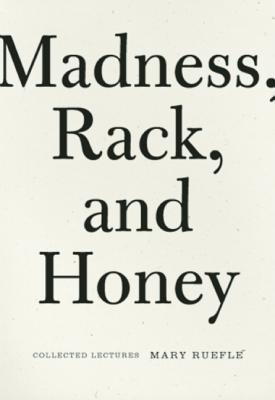
Recently I’ve been reading Mary Ruefle’s collected lectures: Madness, Rack, and Honey (Seattle/New York: Wave Books, 2012). Much here that fruitfully sustains, and just as much that fruitfully unsettles: “I suppose, as a poet, among my fears can be counted the deep-seated uneasiness surrounding the possibility that one day it will be revealed that I consecrated my life to an imbecility.”

Sue Wootton

13237099 13237099

Poetry Shelf, Poet’s Choice: Jane Arthur makes her picks


thenightweatethebaby-211x30076545

I feel like I was luckier than everyone else this year because I got to read my classmates’ work at the IIML where I was working on my MA folio. I don’t understand how there can be so many good writers around, but there are and I have the proof. At some time in the future, I will choose Nick Bollinger’s ‘Goneville’ as one of my books of the year – it’s a music bio/memoir/cultural history and it just won the Adam Prize for being excellent. Please also check out the latest issue of Turbine online to see how clever my other classmates are.

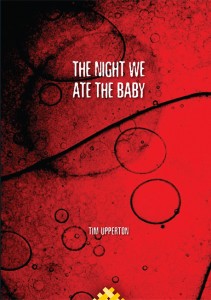
Tim Upperton’s The Night We Ate the Baby came along right when I needed it this year. It does things and says things poetry “shouldn’t”. It kicks against beauty, niceties, and resolution. A few times, it does this self-referentially, like: poetry is such a dick. Eww, poetry, you’re so gross (see “Fonnet”). It’s a breeze to read and the speaker of the poems is great because he’s such a grumpy bastard. A sucker-punch for anyone who thinks poetry is difficult and pretentious.

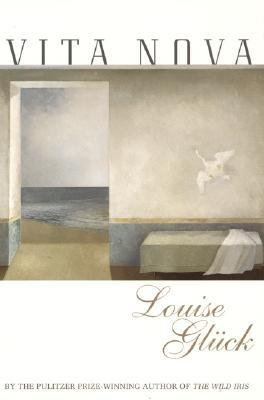
Louise Glück’s Vita Nova couldn’t be more different from Upperton’s book, but I loved it too. Each poem feels like a whisper, somehow, though they kept on kicking me in the gut when I wasn’t looking. It’s bloody beautiful. Hold your breath and eat it, I reckon.

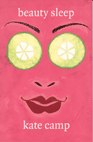
I rediscovered the joy of Beauty Sleep by Kate Camp, which is full of zany turns and genuinely funny bits, and the blurting-out of thoughts I’m so fond of in my own life and writing. And the poem “Yuri Gagarin’s bed” has an ending that made me gawp at its honesty and perfection.

Jane Arthur

beautysleep.9780864735119__48403.1347922411.140.215  beautysleep.9780864735119__48403.1347922411.140.215   beautysleep.9780864735119__48403.1347922411.140.215

Poetry Shelf, Poet’s Choice: Sam Sampson gets choosing

ghost_cover_front__73226.1427153026.220.220   ghost_cover_front__73226.1427153026.220.220   ghost_cover_front__73226.1427153026.220.220

An online publication that I’m still engaged with, and keeps giving, was the collection: A Festschrift for Tony Frazer, which celebrated the 64th birthday of Tony Frazer, the editor of Shearsman. As one of many writers with a poetry book published through Shearsman Books, and poems published within Shearsman Magazine, I follow, revisit, and greatly admire Tony and his Shearsman imprint. As outlined on the publication homepage, Tony is one of the great poetry editors of our time, publishing more than 300 writers; but more importantly, encouraging and validating the writing process through championing new writers, writers in translation, a Classics series, and working tirelessly to promote poetry. Here is an insightful quote that sums Tony up perfectly:

‘Tony Frazer must be held to account for he is a publisher who resolutely fails to be everything a publisher should be: he is enthusiastic, literate and does not concern himself with projected sales figures. What can be done to stop him? Very little, I fear’ Marius Kociejowski


Over the years I’ve purchased volumes from Shearsman, such as Gael Turnbull’s There are words…Collected Poems, discovered Gustaf Sobin, Theodore Enslin, Anthony Hawley, Frances Presley, Anne-Marie Albiach, Pablo de Rokha…and at this moment, are reading poems by one my favourite poets, the late Lee Harwood Collected Poems.


On the local front, this year I had the privilege of being part of a poetry reading with Roger Horrocks Song of the Ghost in the Machine (Victoria UP, 2015) – and hear first hand the meditative ghost ambling to-and-fro, from word-to-world. From what I understand, it was Roger’s first poetry reading in 30 years. A great occasion and a great book!

Another highlight this year was being invited by Michele Leggott to be part of the Six Pack Sound #2 series at the nzepc. The second series included recordings by Stephanie Christie, Makyla Curtis & Hannah Owen-Wright, Doc Drumheller, Selina Tusitala Marsh and Jack Ross. Thanks to Michele Leggott, Brian Flaherty and Tim Page for making this happen.


Sam Sampson

Poetry Shelf, Poet’s Choice: Sarah Jane Barnett’s picks

7485719   cv_the_lonely_nude
This year two collections have really stayed with me. I keep on thinking about them for their content, but also their craft.

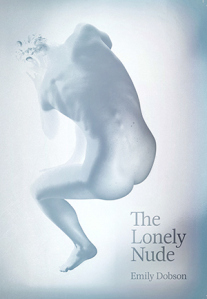
First is Emily Dobson’s second collection, The Lonely Nude (VUP). I reviewed it for Landfall Review Online and it’s a beautifully shaped and paced collection. It follows Dobson’s life as she moves overseas (and then finally back to New Zealand) and the poems gently draw you in, build, and echo. Pure poetic goodness.

Second is Joan Fleming’s second collection, Failed Love Poems (VUP). I know Joan’s work very well and in this collection she has broken through all sorts of barriers. It’s mature and exploratory and accomplished. It’s unafraid. It’s simply awesome, and the poem, ‘The invention of enough’ will break your heart.

Sarah Jane Barnett

Poetry Shelf, Poet’s Choice: Jack Ross makes a few picks

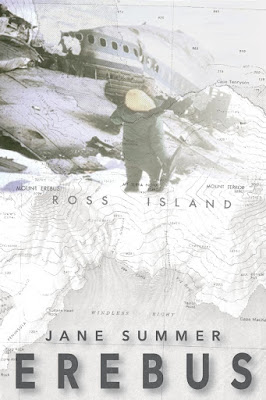
First of all, Jane Summer‘s wonderful poetic memoir Erebus, about the death of her friend Kay Barnick on the ill-fated flight in 1979.

I guess New Zealanders tend to think that we own this particular disaster — and of course there’s the precedent of Bill Sewell’s fine book on the subject — but the personal intensity combined with genre-busting inventiveness of this book-length poem completely absorbed me.

Good on Sibling Rivalry Press of Little Rock Arkansas for spending so much time on the design and layout of this book, and thanks to Jane Summer for sending me a review copy (for PNZ). I might never have come across it otherwise.

Erebus_FRONT     burnthotel

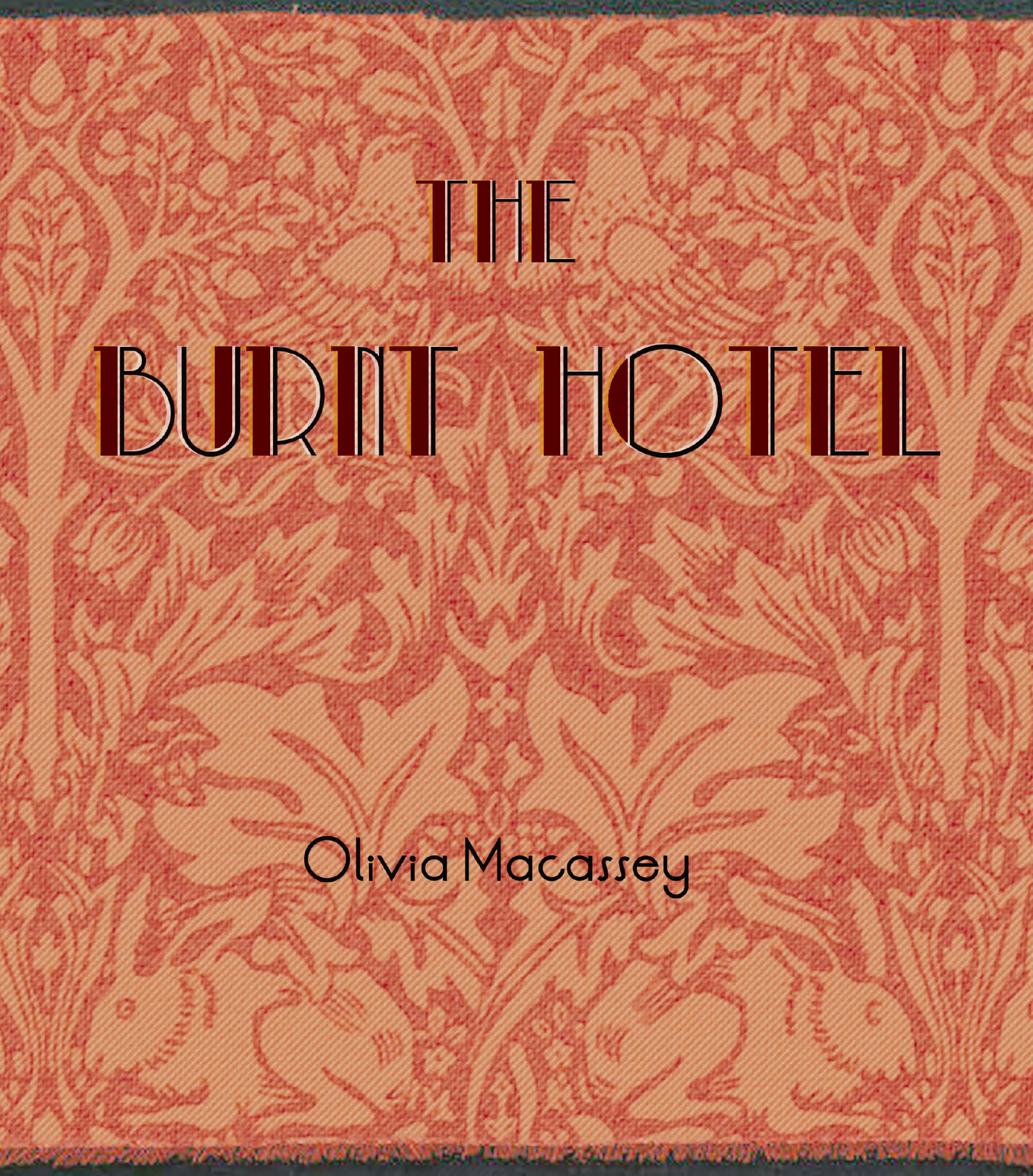
My other favourite book this year is Olivia Macassey‘s The Burnt Hotel (Titus Books, 2015). It’s been far too long since we’ve heard from her, and this book has many old favourites as well as new ones.

The dreamy, lyric, intensely introspective and yet never self-indulgent truth of Liv’s writing continues to enchant in this new book. And Brett Cross and Ellen Portch’s design work on it is really beautiful. Their Titus poetry volumes are now among the most handsome in the New Zealand poetry canon, I think.


Jack Ross

Poetry Shelf, Poet’s Choice: CK Stead makes a pick

1447366508758     1447366508758

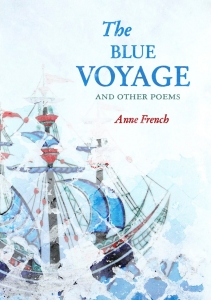
On Wednesday at Auckland University Press I launched Anne French’s new collection, The Blue Voyage. Anne has always been a sailor (a ‘yachtie’) and the sea figures somewhere in all her books. The title sequence in this one is based on sailing in the Aegean, south of Turkey. This gives her both seascapes and landscapes/cityscapes, the flora, and even something of the history and changing politics, of the region. There is an amusing set of poems by Anne’s invented local poet, William Butler Smith who has more than an accidental connection with W.B. Yeats; and by contrast, some translations of exquisitely delicate poems by the Korean modernist, Han Yong-un. Anne has always seemed to me a clever poet who tells things as they are, and as they have been, from a woman’s perspective (remember The male as evader, a few years back?)and that is still the case; but there are gentler notes now, and some very touching elegies, including one for Nigel Cox, one to ‘Uncle Max’, and one (in cricketing terms) to ‘Auntie Paddy’ whose

heart ticked on long after

she’d stopped eating, talking, or looking

forward to anything but the walk

back to the pavilion.


I think maybe the central poem of the book for me is one called ‘Ziran’, where after a rough passage sailing they have emerged into calm seas and she’s ‘leaning back against two sail bags / singing Puccini.’

The Chinese word for ‘natural’ is self-so,

John tells me later: true to its own nature

and the way of the world. Self-so then is this joy

that fills every part of me and lifts me into myself.


The thought of being lifted into, rather than out of, oneself is typical of the small surprises she delivers. This is a book full of Self-so.


CK Stead

Poetry Shelf, Poet’s Choice: Lynn Davidson makes her picks

1423778022214-1   1437428599707 

There are so many books to catch up on now the PhD is done and dusted! But of the poetry I managed to read this year, these ones stayed with me. John Dennison’s Otherwise combines really fine crafting with breadth of vision and a deep interest in connectedness, including with other New Zealand writers. From ‘Lone Kauri (reprise)’: ‘So take for starters the surge-black fissure, / the waves which register the lunatic sense / it is all well beyond us.’

Lynn Jenner’s Lost and Gone Away brings us poetry in prose and the old world in the new: This from a reflection on the sculpture Rudderstone in the Wellington Botanic Gardens where amongst ‘Pacific’blue marble, there are ‘some small, irregularly shaped pieces of black…They are pieces of the Old World that came with us.’

Joan Fleming’s Failed Love Poems are energetically engaged with language and movement and the strange corners and shores of love that can hardly be articulated, but find articulation here: ‘Un-husbanded nuisance fire. Or grovel, or chisel down, chisel down’– from ‘The Invention of Enough.’

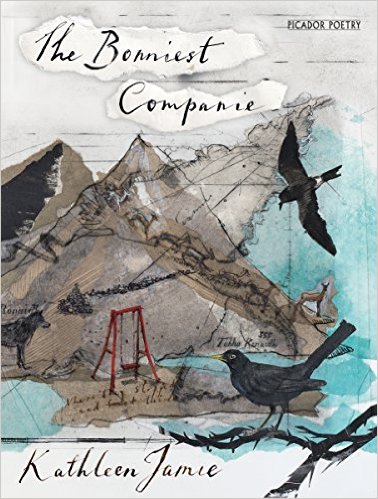
And finally the big excitement for me was a new book of poems by Kathleen Jamie, The Bonniest Company. This from ‘Arbour’:

…May is again pegged out

across the whole northern hemisphere, and today

is my birthday. Sudden hailstorms sting

this provisional asylum. We are not done yet.

Lynn Davidson

7485719 51tMq34EX0L._SX376_BO1,204,203,200_

Poetry Shelf, Poet’s Choice: Lynn Jenner makes some picks and muses on poetry

8507862


Places to talk about poetry with others who love it just aren’t that common. So thanks Paula for making that happen.

One of the things that happened in my poetry world this year was the RETHINKING PINK event hosted by VicBooks at their Kelburn shop back in October. Mary McCallum from Mākaro Press mc’d a discussion and reading from three books of poetry with pink covers. Poets Nina Powles (Girls of the Drift, Seraph Press) and Annabel Hawkins ( This Must be the Place, Mākaro Press) were there to read and talk about their work and publisher/poet Helen Rickerby of Seraph Press read from Miss Dust on behalf of Johanna Aitchison who was in Iowa.

One point of this story is that Vicbooks and two publishers put on the event, an audience came, poets read their work and talked about it and everyone had a truly wonderful time on a Saturday afternoon. I keep getting reminded that poetry is lovely on the page and in the book, but is even lovelier when it is out loud and shared with an audience and when the audience gets to hear a bit about how and why the poetry is made.

Another point of the story is that I had the opportunity and a nudge to read and think about the poems by Nina Powles and Annabel Hawkins. These two poets could hardly be more different in their consciousness or style. Hawkins’ poems began as a blog, and which she then turned into poems. This is quite a bold thing to do, and I wondered how that could work, given the great differences in diction and rhythm and everything else, but it does. The poems retain a casual vibe as they address topics of everyday life, but they sound like poems. I found myself very drawn to the person behind these words and wanting to know about the way this person experiences the world.

Here’s a few lines from Valey Day, a poem about cleaning up a flat with Janola and Jif on Valentine’s night

‘You look lovely,’ Jimmy says.

And I don’t think about the stain on

my shirt or the grease in my hair for the

rest of the night. We check our phones

and no calls have come. Not surprising,

but still.


You can hear Annabel talking about her poems with Jessie Mulligan.


Nina Powles published Girls of the Drift in 2014. It is in chapbook form and you can see a sample here.

The poems in Girls of the Drift are often about a particular person, the woman at the store, from the Mansfield short story, for example. The poems feel crisp and concentrated, like a Martini. And to stretch the comparison even further, the poems feel artful and slightly austere, qualities we like about Martinis and, in my case, about poems too. In 2015 Powles has completed an MA at the International Institute of Modern Letters. It will be very interesting to see her next collection.


This year I have been doing a research project examining the relationship between the critical and creative parts of the Phd in Creative Writing at IIML. This has given me the chance to listen to graduates, supervisors and examiners talking about the role played by in-depth reading in the development of a big ambitious PhD level creative project.

It’s fascinating to be finding out more about the significance, for writers, of reading and thinking about reading.

For myself, certain writers set off explosions in my writing mind. It might be their choice of language, or their use of form, or even just the topic they choose, but something in their work helps me to open new doors in my own. This week it has been Milan Kundera. This description of a man’s feelings about his lover, from Slowness, published in English in 1996, tells me so much:

‘His beloved’s sensitivity seems to him like a landscape by a German Romantic painter: scattered with trees in unimaginably contorted shapes, and above them a faraway blue sky, God’s dwelling place; each time he steps into this landscape, he feels an irresistible urge to fall to his knees and stay fixed there, as if witnessing a divine miracle.’

One thing it doesn’t tell me is whether this miracle is, in the end, a good thing or a bad thing. Perhaps it will drive the man mad in the end? I like that even-handed treatment.

Kundera’s book ,The Art of the Novel, had explosive qualities for me too, especially the last section in the book called ‘Sixty-three Words’. Here Kundera writes a paragraph or a page about words that have particular significance to him. You could call it an auto-index. Beauty (and knowledge), Being, Central Europe, Central Europe again, Collaborator, Comic, Czechoslovakia, Forgetting, Hat ….etc.

Here is the entry for ‘Ideas’:

Ideas.

My disgust for those who reduce a work to its ideas. My revulsion at being dragged into what they call “discussion of ideas.” My despair at this era befogged with ideas and indifferent to works.

Imagine what your own list might be.

This book about the novel, with sparks flying from its words and sentences and its intentions, might easily end up helping me write poetry.

Every year is a good year for poetry.

Lynn Jenner

Picture    This must be the place cover