

access the video here
Poetry Lane
It leads down to the river
where you can sit all day imagining
the slow walk home.
Bill Manhire
from Lyrical Ballads, THWUP, 2026
My must-go-to event at the Auckland Writer’s Festival was the 2026 Honoured Writer session. I was utterly gutted not to go, and extremely grateful to the festival for making the session video available. I have travelled with Bill Manhire’s poems for a long time, his collections are my go-to destinations for poetry that offers musicality, movement, intricacy, economy, agility, wit, surprise, storytelling, deep-seated feeling, his heart and mind engaging with what is close at hand along with the beating heart of the wider world, both physical and imagined. I get to feel his poetry, I get to think his poetry, I get to head off into extraordinary states of reading where poems simply and utterly and complexly shine. Think poetry with wings.
Bill has published some of my all-time favourite nz poems – poems which dance and tremble and echo on the page, poems that dance and tremble and echo in the ear / air. To hear Bill perform his poetry is an utterly breathtaking experience.
Thought I’d offer my provisional top-ten Bill poems as a reading starting point for you, and yes, every day the list shifts a little to suit my mood.
a provisional top ten
‘It Is Nearly Summer’
How to Take off Your Clothes at a Picnic, Wai-te-ata Press, 1977
‘The Ladder’
Lifted, THWUP, 2005
‘Making Baby Float’
The Victims of Lightning, VUP, 2010
‘1950s’
The Victims of Lightning, VUP, 2010
‘Erebus Voices’
Lifted, THWUP, 2005
‘Hotel Emergencies’
Lifted, VUP, 2005
‘My World War 1 Poem’
Some Things to Place in a Coffin, VUP, 2017
‘Little Prayers’
Wow, VUP, 2020
‘Kevin’
Lifted, VUP, 2005
‘A Lullaby’
The Victims of Lightning, THWUP, 201
Plus this year, there’s the arrival of Bill’s new poetry collection Lyrical Ballads iTHWUP 2026). Spend a weekend sojourn with this remarkable book.
I wrote on Poetry Shelf: And of course there’s the ink steeped in music, with rhyme and repetitions, loops, the exquisite lyricism that audio-marks each ballad. My dream is to sit in the Titirangi hall again and listen to Bill read us the whole book as we sit spell bound, before moving to the side room to the spread the locals have put on, to return with plates of food balancing on our knees, and to talk poetry and life until our voices are hoarse.
Is it possible to consider this collection in the light and possibilities of tracing paper, where each poem is a set of overlaid sheets, where story is overlaid upon song, which is overlaid upon the personal, which is overlaid upon philosophy and contemplation, and where every layer is embued with humanity, what it means to be human and humane, kind and caring, and every layer is shining through and adding myriad possibilities? What will the insects sing next? What will I hear in the kissing room? What do I picture when I picture the bend in the road?”
After the rain
we climb out
onto the roof
& tiptoe right
to the edge
we want to see
where the water
shakes its wings
Bill Manhire
from Lyrical Ballads, THWUP, 2026
The Honoured Writer Session
Publisher Fergus Barrowman chaired the session with Ian Wedde, Norman Meehan, Emily Perkins and Elizabeth Knox, each choosing a poem to read and to use as a prompt to talk poetry. While Bill was unable to attend the session, we got to hear him read courtesy of a laureate event.
Anna Rawhiti-Connell, deputy chair of AWF, introduced the session with some scene-setting words. Bill was gifted a pounamu that carried the warmth and gratitude of the people in the room.
Anna: “To try and quantify the generative and multi generational impact of Bill Manhire’s work and leadership across the decade would be akin to dropping a hefty scroll on the stage, having it unfurl, roll up the aisle onto Queen Street and float out onto the Waitematā”
I am picturing testimonies from writers, students, readers on the scroll, and I am agreeing with Peter Simpson: “Bill has done more for poetry in nz than any other writer.”
Gaza
The dead boy tries to open his eyes.
He wants to se the world he is leaving.
But there is nothing to see here,
nothing and nothing, and anyway he is gone.
His parents held him while he died
but they are both dead, too.
Or he held them, no one remembers.
Bill Manhire
from Lyrical Ballads
a highlight WOW exchange
Elizabeth spoke first and it was edge of the seat for me as she read and identified two key words: lightness and buoyancy: “The poetry is lighter than air and can carry great loads. When you enter a Bill poem you don’t know whether you are going to be carried up, and you’re always carried up, into sunshine, or whether you’re going to end up in the dark storm clouds. He’s got this buoyancy that takes you somewhere, but there might be rain there.”
Emily added negative space: “it can feel like buoyancy but it can feel very weighted and full of subtext, and you enter a poem, and it might just turn a corner, and in fact it probably will definitely turn a corner and you’ll find yourself somewhere totally new. The one I am going to read has a very intentionally enigmatic quality. One of the things the poems do for me they just work on the level of sound and you want to let that happen and not worry too much at them with the front of your mind.”
Elizabeth: “They’re not twist surprises he’s built into the poem, the place he’s going to take you to, but he’s done it, so you don’t see it until you end up there, and it’s always amazing every time. It’s like WOW! Like the title of that book of his.”
Ian: “I always like the way there’s a kind of self deprecation in the way that Bill writes, where he establishes his presence and then just gently removes it and leaves the presence to what the poem is doing and it’s a very subtle process and its a very understated one, but it’s also at a very basic level an immensely skillful one.”
Norman: “I’d been setting ee cummings poetry as music twenty-five years ago and said to Fergus I’d like to work with something closer to home. The great thing about asking a publisher a question like that is you leave his office with a box full of books. What I found with Bill’s work there was a musicality in how these poems performed themselves on the page and as I read them it suggested music to me and there were some that leapt of the page so a poem like Kevin, it was instantly telling me stories about the kind of music it wanted to live with.”
You get a clip of Bill reading at the National Library Poets Laureate event (28 November 2025). He reads the hilarious and serious poem, ‘Too Many Draculas’ . He also reads ‘Gaza’, with its ache and heart smash: “One of the things that the Poet Laureate position did for me and I think maybe does for other people too is it made me a little braver about using poetry as a thing where you could say what you thought about public events, things in the world, rather than things that just happened to be in your muddled brain and heart.”
The session ends with a video clip of Norman and Hannah Griffin singing Making Baby Float. Extraordinary.
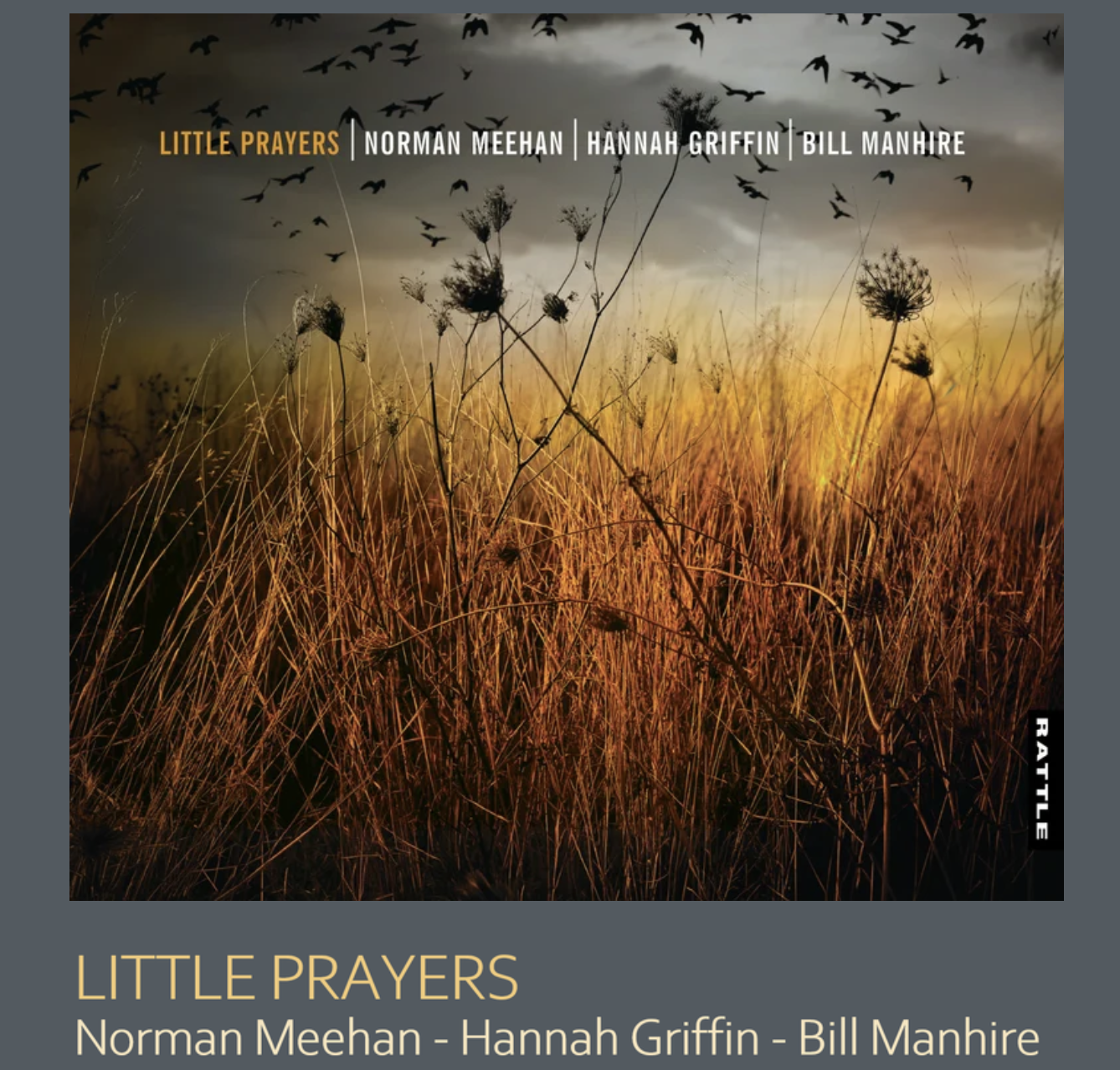
Little Prayers will be released this Saturday, June 13 at 6.00 pm
at a concert in the Hall of Memories as part of the 2026 Lõemis
Festival. Tickets are available HERE.
Hannah Griffin (vocals)
Norman Meehan (piano)
Martin Riseley (violin)
Zephyr Wills (viola)
Brenton Veitch (cello)
Bill Manhire (texts)
Following the horrific events in Christchurch in 2019, Bill wrote “Little Prayers”, a poem that surprised him. “I want to say I didn’t know I had it in me, but of course I didn’t have it in me—it was always out there in the world. My work was to catch it, edit it hard, and get the choreography right.”
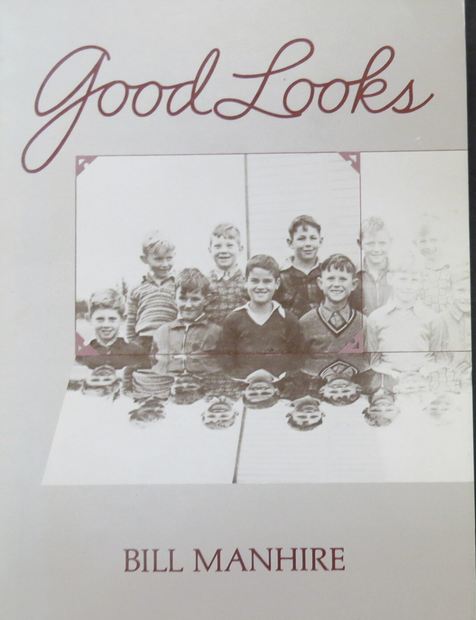
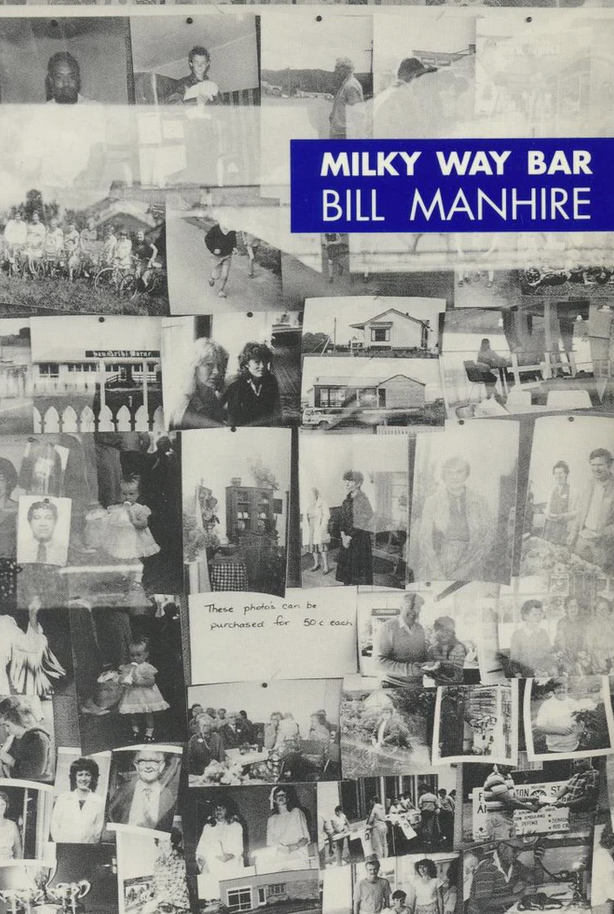

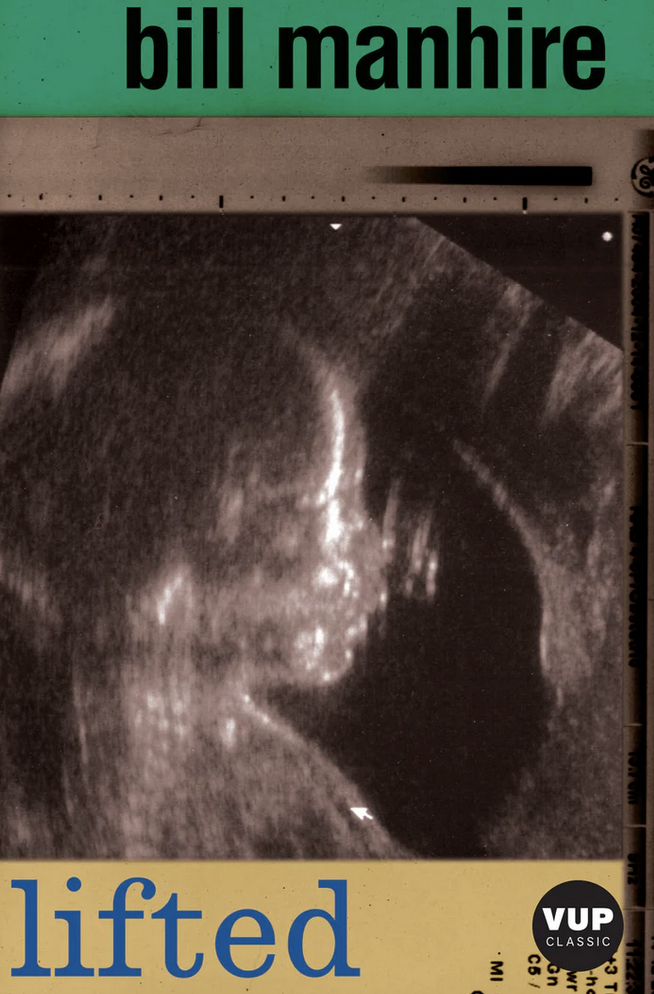
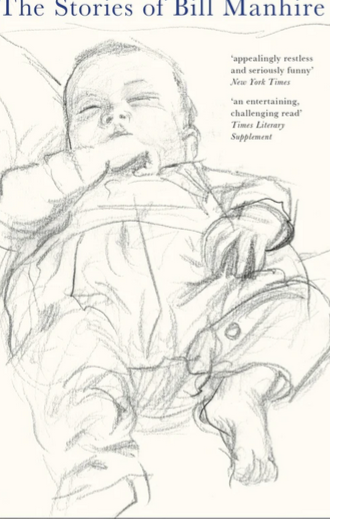
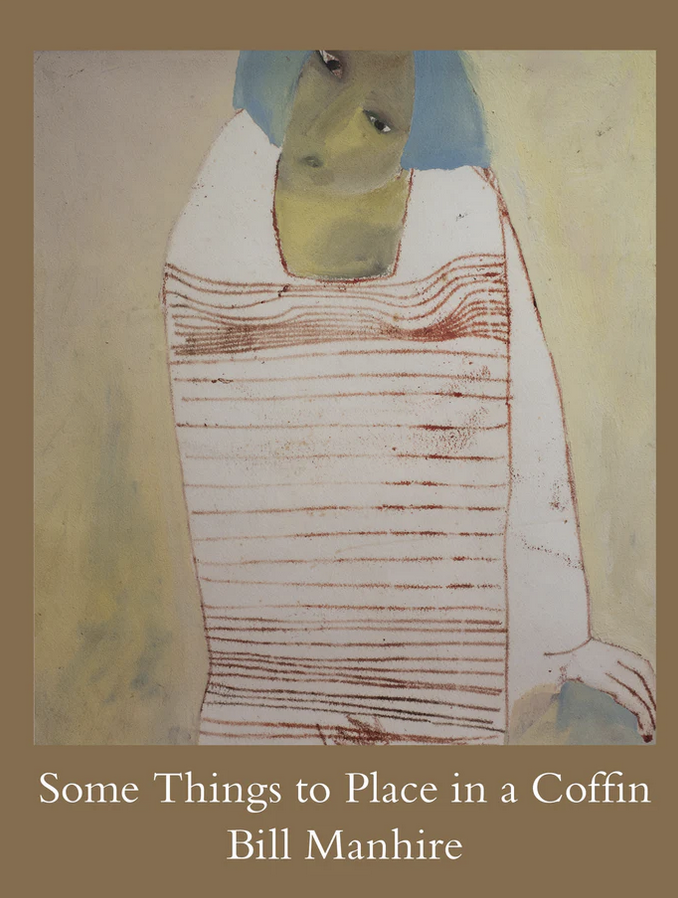
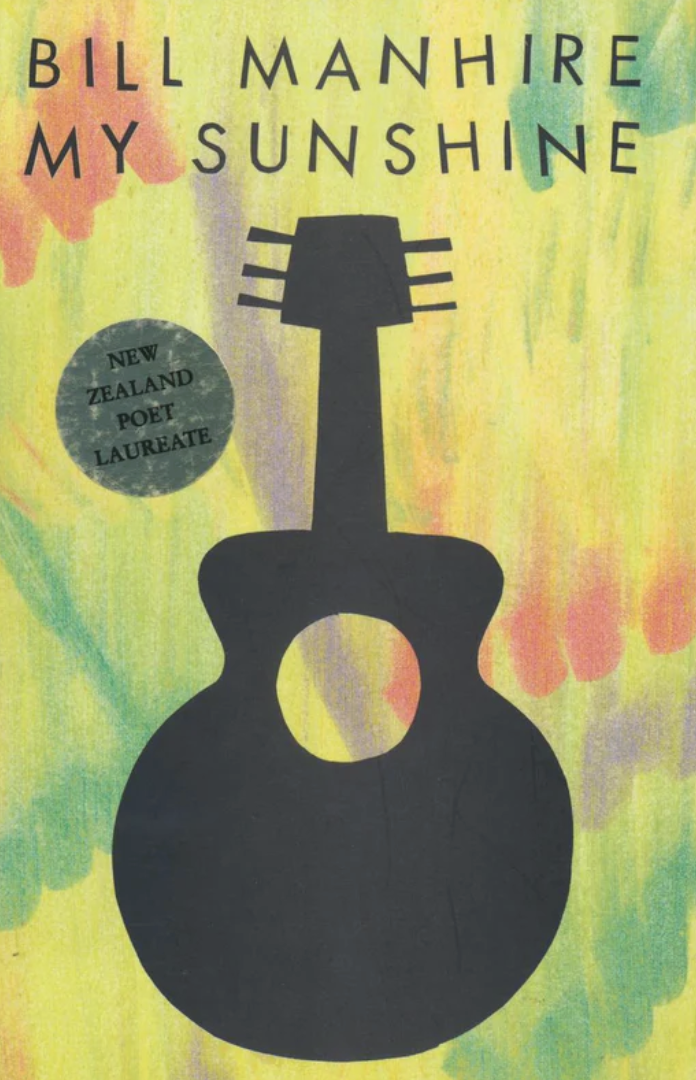
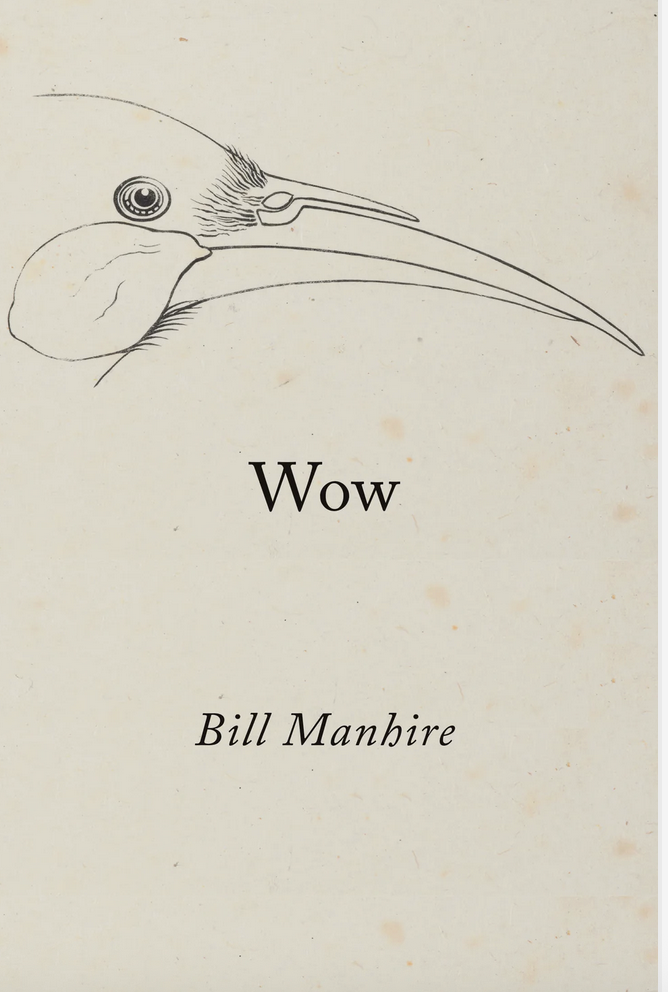
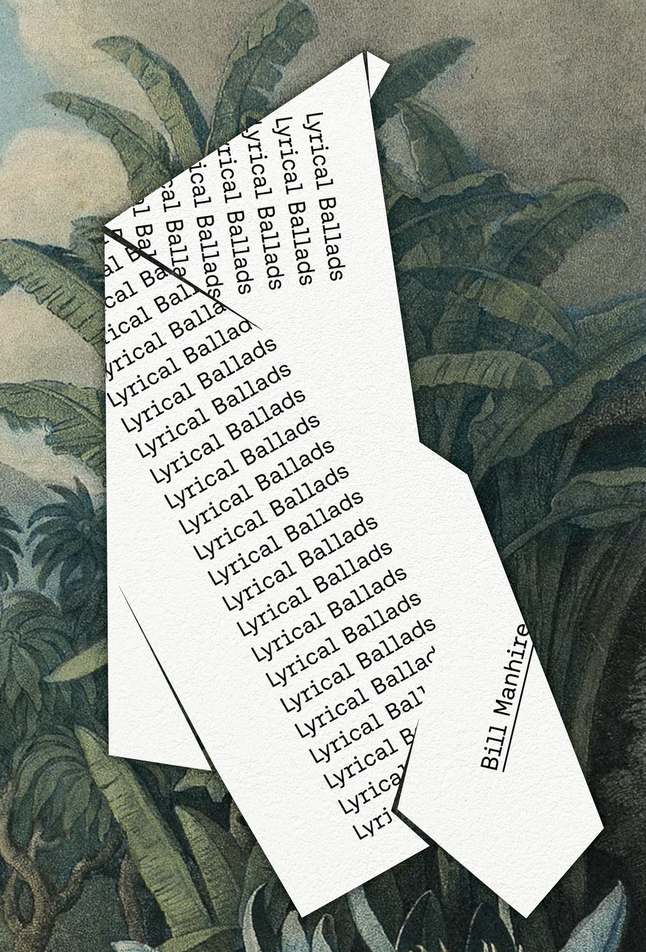
Bill Manhire (CNZM’)s latest book, Lyrical Ballads (2026). His books include Wow (2020), Some Things to Place in a Coffin (2017), Tell Me My Name (with Hannah Griffin and Norman Meehan, 2017) and The Stories of Bill Manhire (2015). He has won the New Zealand Book Award for Poetry five times, and was New Zealand’s inaugural Poet Laureate. He founded and directed the International Institute of Modern Letters at Te Herenga Waka—Victoria University of Wellington. He has edited major anthologies of New Zealand literature, including, with Marion McLeod, the now classic Some Other Country: New Zealand’s Best Short Stories (1984). In 2018 Manhire was awarded an Icon Award Whakamana Hiranga from the Arts Foundation.
Te Herenga Waka University Press page

Photo credit: Grant Maiden

