Monthly Archives: June 2023

Poetry Shelf Favourite Poems: Nicola Easthope’s ‘Free-range men’

Free-range men

We talk at a cellular level
swift flashing twsits late at night:

I miss u. LOVE.

I am sleeves of jersey knotted around waist.
I embrace you.

I am the welcome swallow darting up to you
from the Tairua River.

I am da nerves.sensing.da.pressure
between yr thumb and pen
as yr ink flows for da next 7 days.
Union.

I bought orange and blue flowers today.
Swoop flit fly riverkiss.

***

You are gone for seven days
so dreaming sends me the last two

in an overnight courier package
stickered International and Fragile.

Inside I find backpacks, skis, bikes,
take me backs in plangent echoes.

The Swede liked his snus
brown gloop dripping from glazed gums:

tobacco, arsenic, glass shavings
for fast uptake and keen avian focus;

the Swiss liked to toke up
on a mix of sweet dazing weeds:

a smokescreen of ganja and tobacco
to conceal angst and access to heart.

***

Without the glister one may expect
after a night with two foreign men,

I send them back to the glory hole:
thick filings, diaries and photographs—

a valued record of hearts in flight
now tidier for their revisiting slumber.

***

But you, you have no Yerba Buena,
just Dairy Milk, psi-trance and body cherishings.

You are the brightest light-emitting diode
in this world of race-through red light cycling.

***

For breakfast I eat a small
soft-boiled egg

whose bedraggled yolk
is pale and overcast.

Five more twittering sleeps to go.

Nicola Easthope
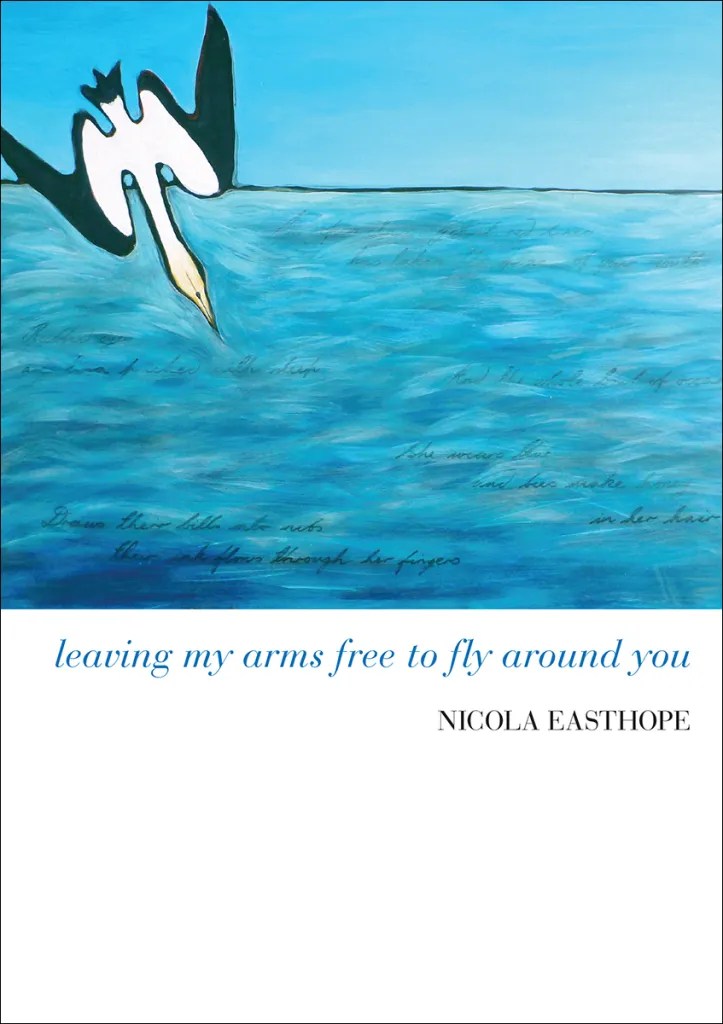
from leaving my arms free to fly around you, Steele Roberts, 2011

Note

‘Free-range men’ is one of my favourite poems because I wrote it when I was a “young” poet (38!) during a year under the terrific tutelage of Renée at Whitireia. From the very first lesson, Renée bust the myth of “waiting for the Muse to strike” and said we could already call ourselves writers but, “it’s hard work, darlings, treat it like a job”. Renée’s warmth, wit, humour and high expectations helped my shy, dammed up poet-self burst her banks (I wrote 120+ poems that year). Another, more obvious reason this poem is a fave is because I was quite freshly in love with a creative man who gave me nothing but support for my poetry compulsions—he’d send me poetic texts, wrote me his first two (non-high school English class) poems ever, and let me write lines of Rumi on his arm (lol). We’ve been together for nearly 19 years. Lastly, this poem won second prize in the (now defunct) Bravado International Poetry Competition out of over 600 entries, in 2005. I couldn’t believe it – winning $250 and getting it published in the Bravado 5 magazine was the biggest buzz and only encouraged me to keep following those impulses. He mihinui hoki to Roger and Roger of Steele Roberts Aotearoa who guided this poem amongst the others in my first collection, leaving my arms free to fly around you (2011).

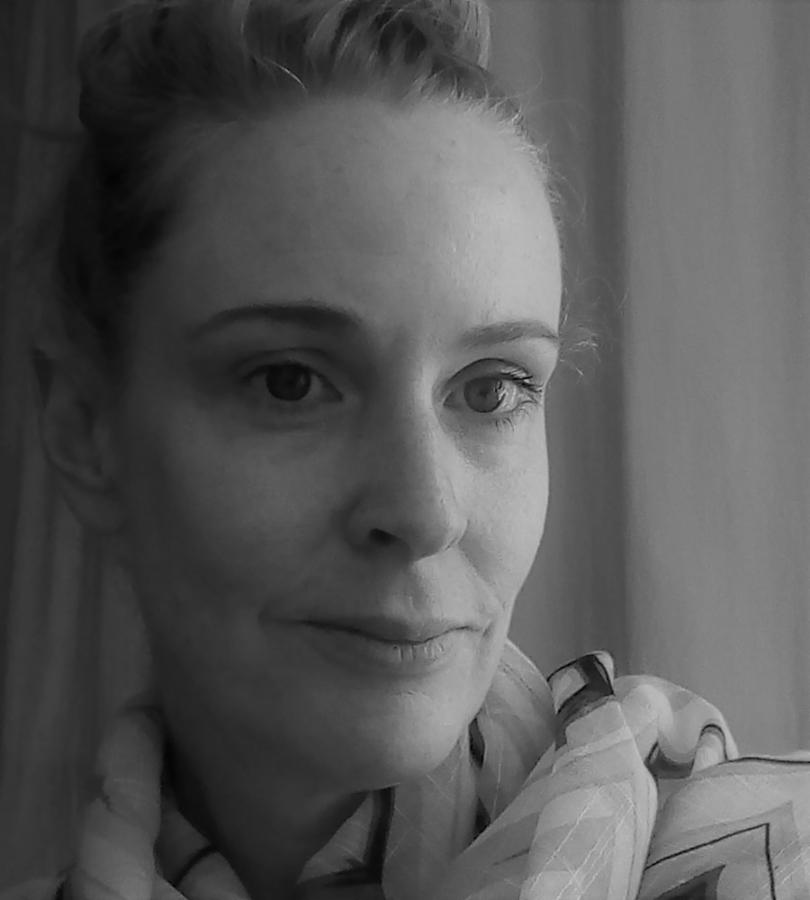
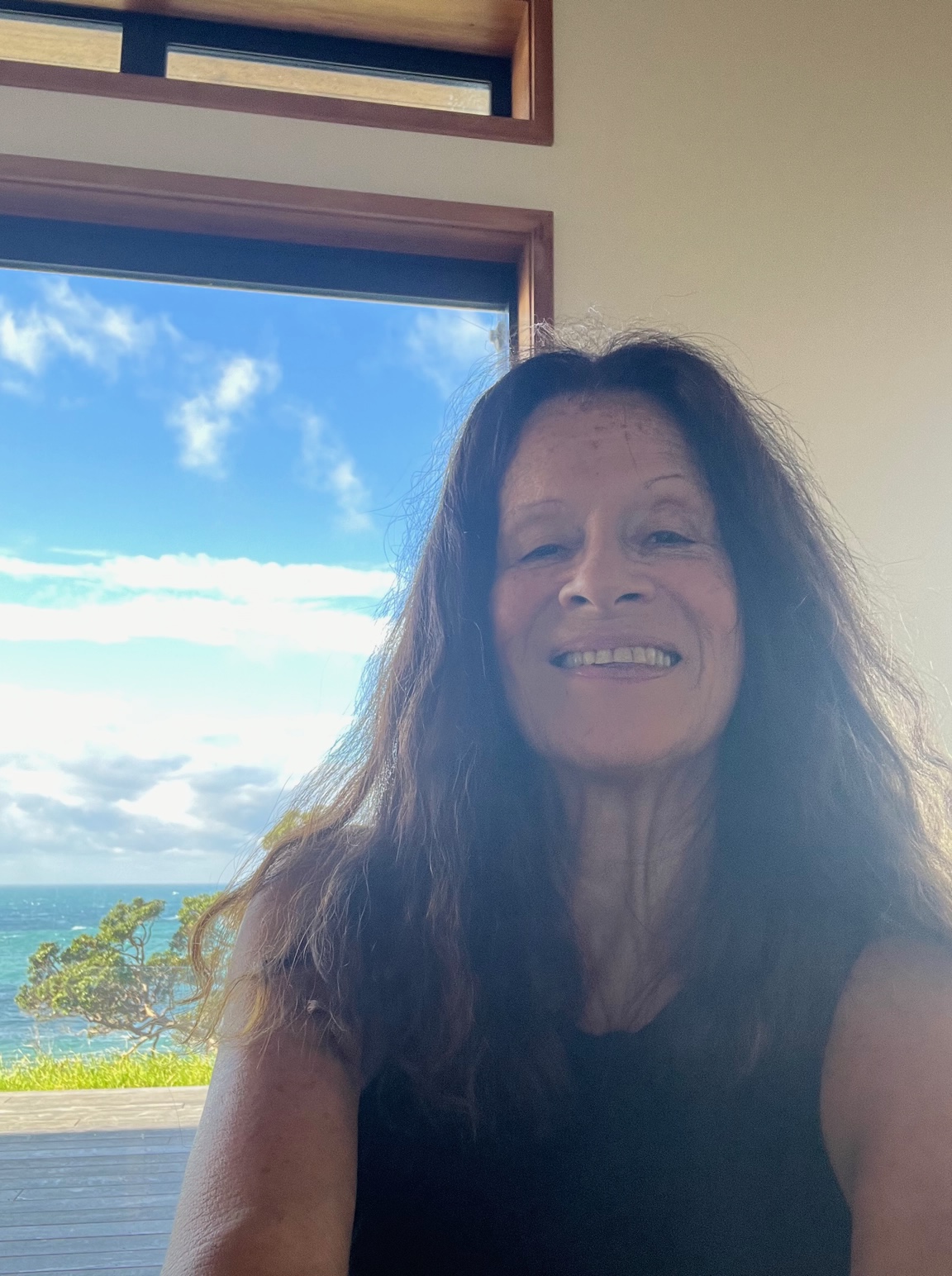
Nicola Easthope (Tangata Tiriti) is a Pākehā poet with ancestral roots in the Orkney Mainland, Kelso, Holyhead and Shropshire (UK). She lives on Te Atiawa ki Whakarongotai whenua of Raumati South. Currently studying post-colonial literature and poetry through Massey, she hopes to start a Master of Creative Writing in July. Her second collection of poetry Working the tang was published in 2018 with Mary McCallum and team at The Cuba Press. Nicola has appeared as a guest poet at the Queensland and Tasmanian poetry festivals, LitCrawl in Pōneke, and the Manawatū Writers Festival.

Steele Roberts page

Favourite Poems is an ongoing series on Poetry Shelf where poets select a favourite poem from their own back list and write an accompanying note.

Poetry Shelf: Nine Readings from A Kind of Shelter Whakaruru-taha

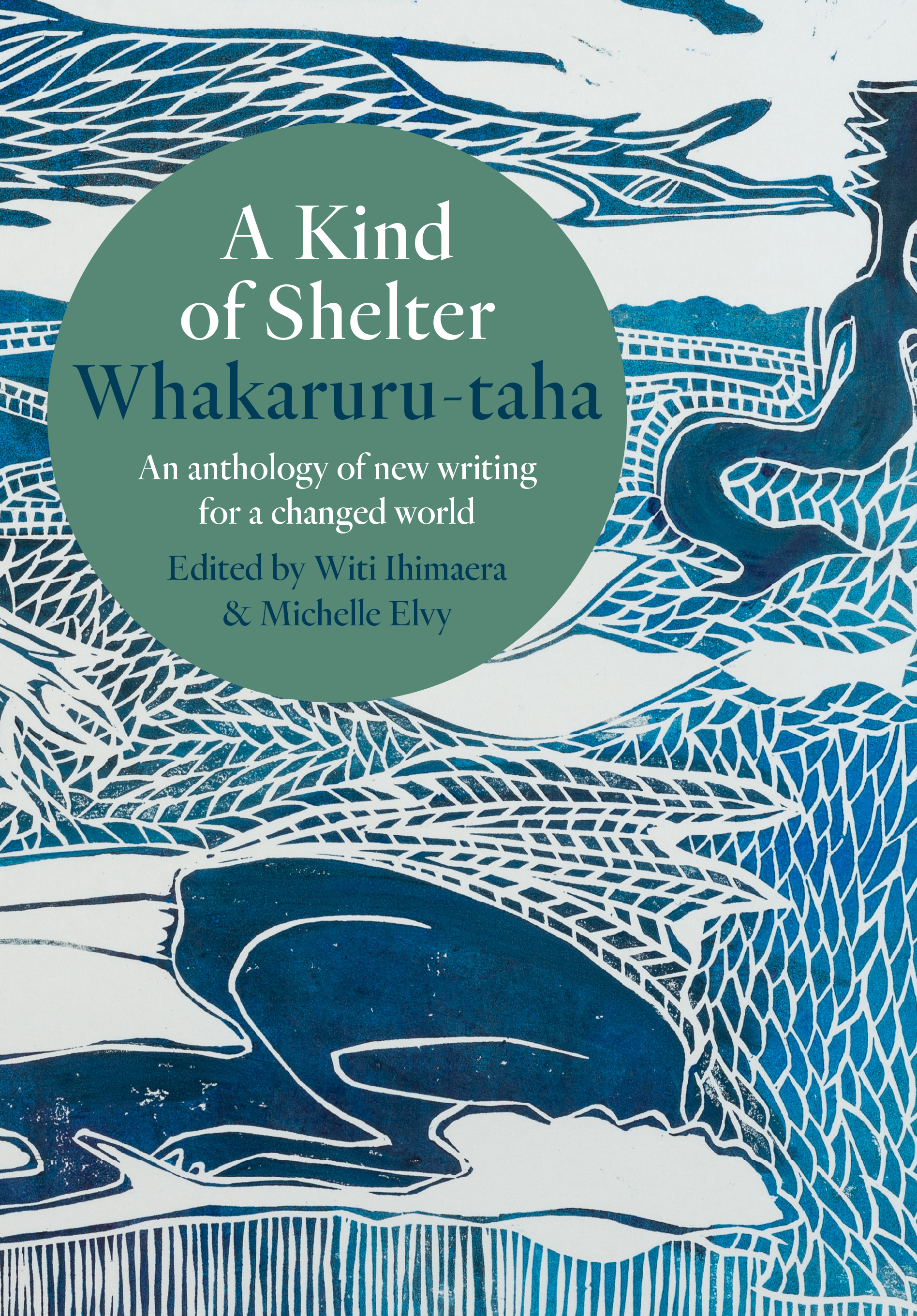
A Kind of Shelter Whakaruru-taha: an anthology of new writing for a changed world
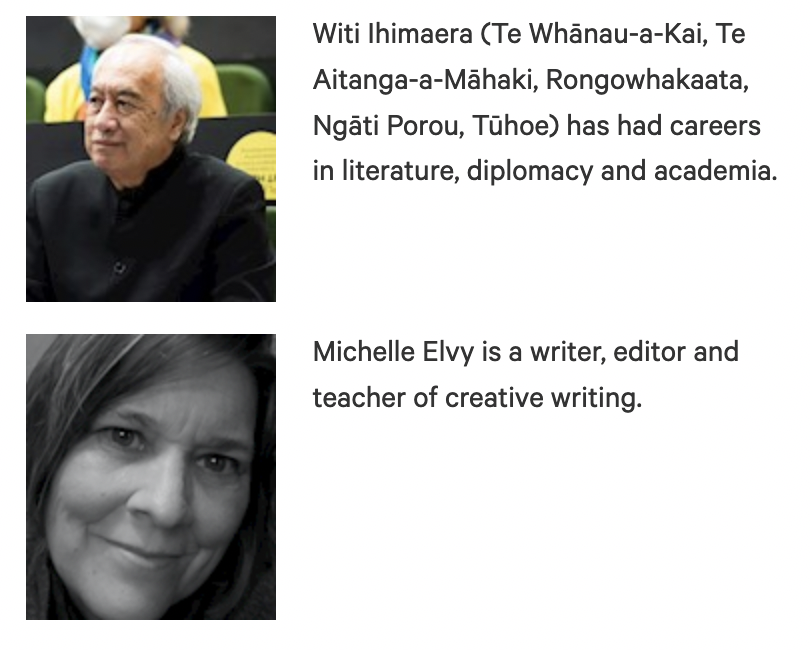
edited by Witi Ihimaera and Michelle Elvy, Massey University Press, 2023

The blurb of A Kind of Shelter Whakaruru-taha (edited by Witi Ihimaera and Michelle Elvy), suggests the book is a ‘luminous hui between 68 writers and eight artists’, and it is exactly that. It’s an anthology of precious connections, copious and fertile returns, sweet and thoughtful rewards. It is a book to savour and to reside within, to share and to step out from. It is a book I will review for you in the winter months but, in the meantime, nine poets have kindly read their poems in the book for you.

Massey University Press page

The Readings

Chris Tse

Chris Tse reads ‘How am I going to make it right?’

Vana Manasiádis | Βάνα Μανασιά

Vana Manasiadis reads ‘If we give up flying it doesn’t mean we can’t speak to each other as if countries or scan our genomic sequences for travel to the flats’

Reihana Robinson

Reihana Robinson reads ‘Inside / Outside’

Hinemoana Baker

Hinemoana Baker reads ‘House at Staytrue Bay’

Michelle Elvy

Michelle Elvy reads ‘Arrival in Fatu Hiva’

Diane Brown

Diane Brown reads ‘Not Feeding the World Today’

Ian Wedde

Photo credit: Mischa Malane

Ian Wedde reads ‘Back in Action’

Sudho Rao

Sudho Rao reads ‘Coracle at a confluence’

Kiri Piahana Wong

Kiri Piahana-Wong reads ‘Ka mua, ka muri’

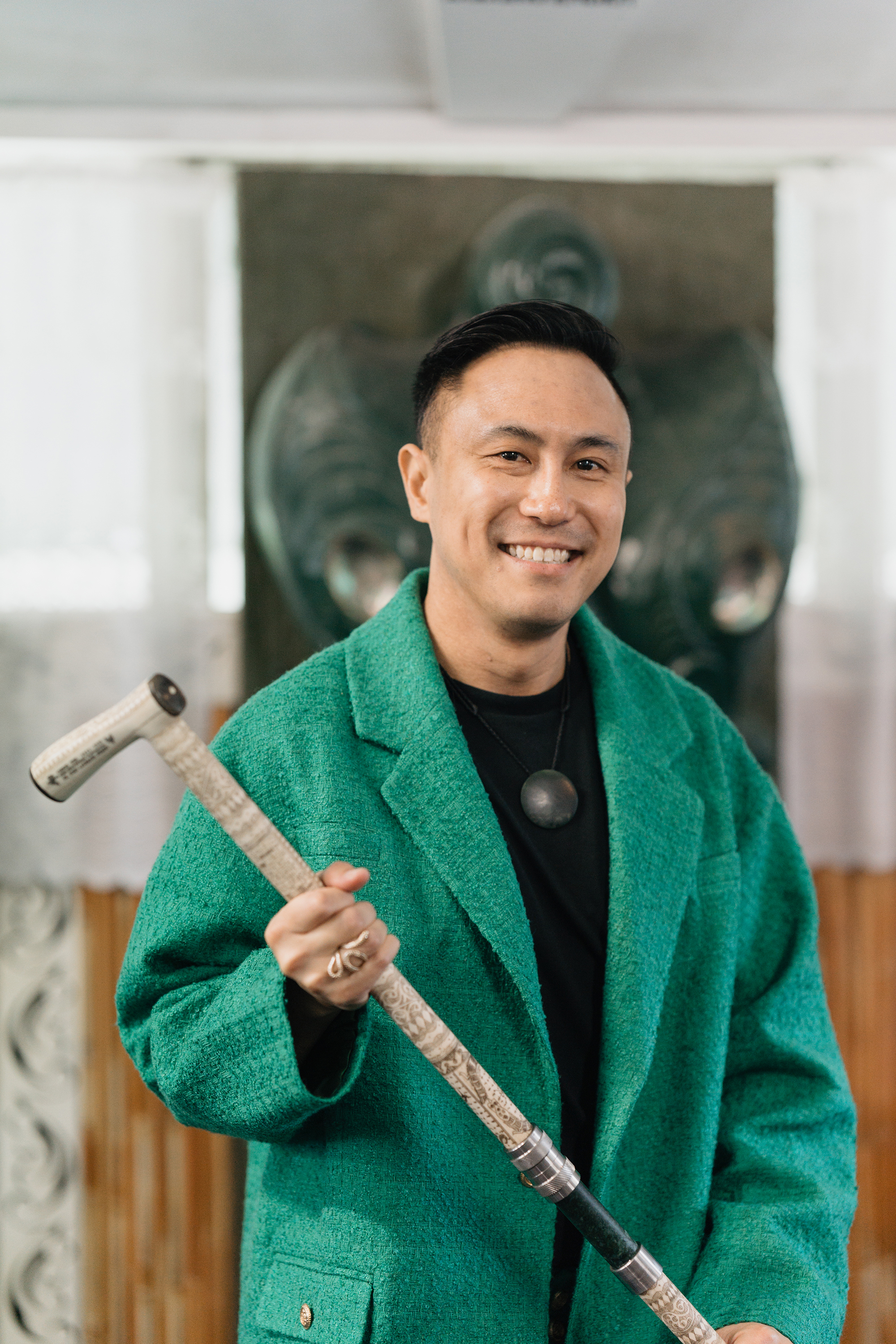
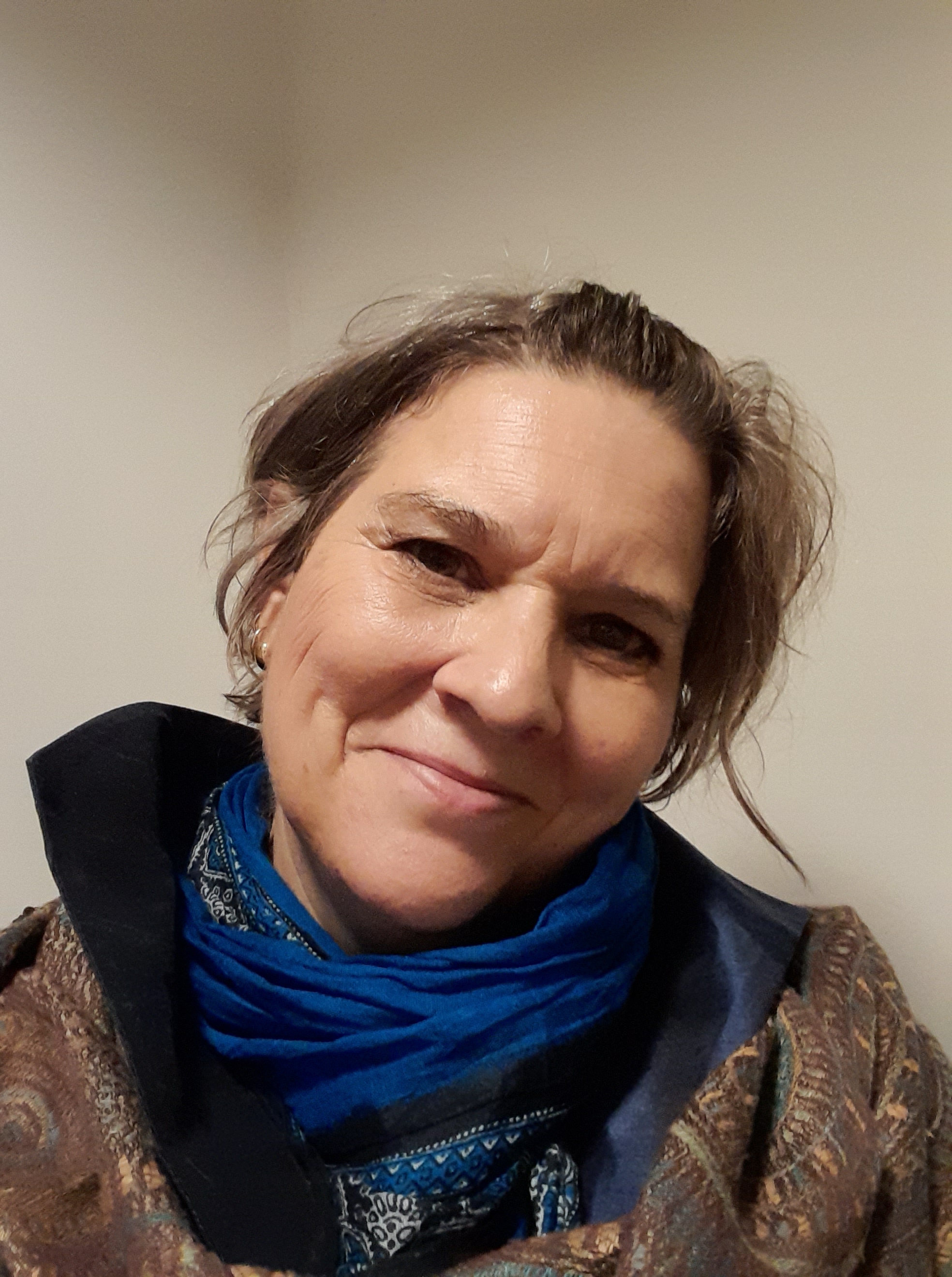
Chris Tse is New Zealand’s Poet Laureate for 2022-24. He is the author of three collections of poetry published by Auckland University Press: How to be Dead in a Year of Snakes (winner of the 2016 Jessie Mackay Award for Best First Book of Poetry), HE’S SO MASC, and Super Model Minority. He and Emma Barnes edited Out Here: An Anthology of Takatāpui and LGBTQIA+ Writers from Aotearoa (AUP, 2021).

Vana Manasiádis | Βάνα Μανασιάδη was raised in Te Whanganui-a-Tara and Ātene Greece. She is the author of two narrative works of hybrid forms: Ithaca Island Bay Leaves: A Mythistorima (2009) and The Grief Almanac: A Sequel (2019). She was Ursula Bethell Writer in Residence in 2021, held the early summer residency at the Michael King Writer’s Centre in 2022, and now teaches Creative Writing at Te Whare Wānanga o Waitaha Canterbury University. 

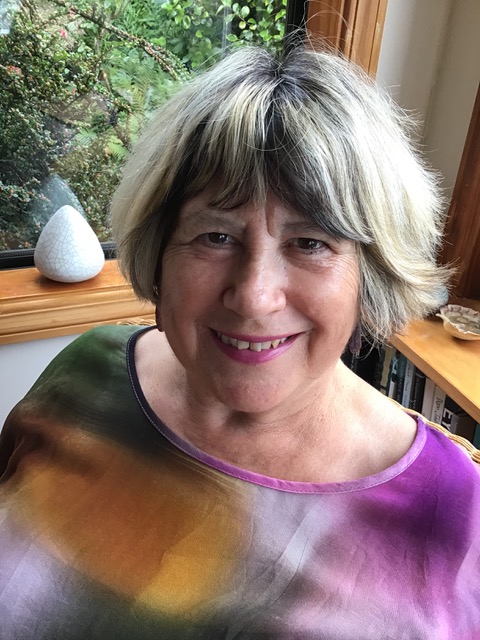
Following a career in teaching and art education in Wellington, Reihana Robinson threw it all away for a life of homesteading, writing, art and environmental research, and living off grid in the Coromandel. She was the inaugural recipient of the Te Atairangikaahu Poetry Award and was selected for AUP’s New Poets 3 in 2008. Reihana has held artist residencies at the East West Center in Hawaii and at the Anderson Center, Minnesota. Reihana’s published poetry books are Aue Rona (Steele Roberts, 2012), a reimagining of the Māori myth of Rona and the moon; and Her Limitless Her (Mākaro Press, 2018). She is also author of The Killing Nation, New Zealand’s State-Sponsored Addiction to Poison 1080 (Off  the Common Books, 2017).

Hinemoana Baker (Ngāti Tukorehe, Ngāi Tahu, Kiritea) is a poet, songwriter, sound, artist and performer from Aotearoa currently living in Berlin, Germany. Her 2021 collection ‘Funkhaus’ (Te Herenga Waka Press) was shortlisted for the Ockham New Zealand Book Awards. It will be launched as a bilingual German/English edition in the September 2023 (Voland & Quist). Hinemoana is currently completing a PhD at the University of Potsdam.

Michelle Elvy is a writer and editor in Ōtepoti Dunedin. She edited, with Witi Ihimaera, A Kind of Shelter: Whakaruru-taha (Massey University Press, 2023). She has also co-edited, most recently, A Cluster of Lights: 52 Writers Then and Now (2023), Breach of All Size: Small stories on Ulysses, love and Venice (2022) and Ko Aotearoa Tātou | We Are New Zealand (2020). Her books include the everrumble (2019) and the other side of better (2021). Website

Diane Brown is a novelist, memoirist, and poet who runs her own creative writing school, Creative Writing Dunedin. Her publications include two collections of poetry – Before The Divorce We Go To Disneyland, and Learning to Lie Together; a novel, If The Tongue Fits, and verse novel, Eight Stages of Grace, a travel memoir, Liars and Lovers, a prose/poetic memoir, Here Comes Another Vital Moment and a poetic family memoir, Taking My Mother To The Opera. Her latest book is a long poetic narrative, Every Now and Then I Have Another Child, Otago University Press, 2020.  She is currently working on a collection of poetry.

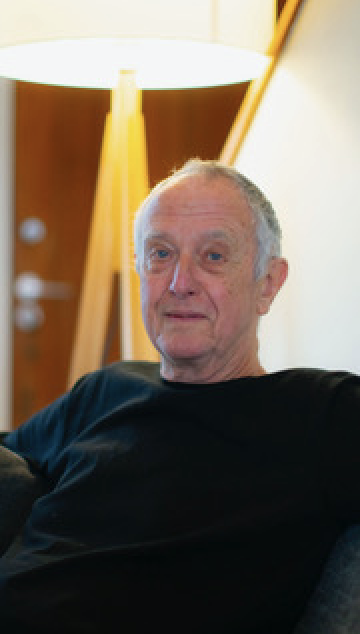
Ian Wedde is a poet, novelist and essayist. He’s published sixteen collections of poetry, nine novels, a collection of stories, two collections of essays, a memoir, several art catalogues and monographs, and two Penguin anthologies of poetry. He was New Zealand Poet Laureate from 2011 to 2013. A new book of essays is in preparation with Te Herenga Waka/Victoria University Press.

Sudha Rao lives in Wellington and her first collection of poems On elephant’s shoulders was published in July 2022.

Kiri Piahana-Wong (Ngāti Ranginui, Chinese, English) is a poet, editor and the publisher at Anahera Press. Her first full-length collection, Night Swimming, was released in 2013 and a second, Give Me An Ordinary Day, is forthcoming. Kiri’s most recent project is two companion anthologies of contemporary Māori writing, Te Awa o Kupu and Ngā Kupu Wero, co-edited with Vaughan Rapatahana and Witi Ihimaera, due out from Penguin Random House in September.

The editors

Poetry Shelf Monday Poem: Kerrin P Sharpe’s ‘half-mast’

half-mast

Leonardo the oldest
of the fishing fleet
blessed with holy water
good weather/the sea’s bounty/grace

Leonardo a scapula
of half-mast Italian flags
still hearing the sea swallow
Vincenzo/Gennaro/Paolo/Ronaldo

Leonardo circling like a wreath
where they disappeared circling
like a plughole begged back
by priests/with candles/with lanterns

Leonardo overwhelmed
even in Rita’s painting
Boats Island Bay even
on the postage stamps and posters
Leonardo/half/hearted

half his mast now finials
on the roof of a boatshed
guiding like wooden stars
mothers/of wanderers/here below

Kerrin P Sharpe

Kerrin P Sharpe has published four collections of poetry (all with Te Herenga Waka University Press, Wellington, NZ). Her 5th book Hoof, also to be published by Te Herenga Waka University Press, is forthcoming in October 2023. She has had poems published in a wide range of journals both in NZ and overseas, including Oxford Poets 13 (Carcanet Press), Blackbox Manifold, Poetry (USA), PN Review and Stand.

Poetry Shelf review: This is a story about your mother by Louise Wallace

This is a story about your mother, Louise Wallace
Te Herenga Waka University Press, 2023

Think of something you know about me.
Something you know for sure.
Step on it with both feet.
Make sure it can hold your weight in water.
Make sure it can hold you for a long time.

from ‘Vessel’

I adore poetry books that exude a love of poetry and what words can do. I also adore poetry books that get me thinking. Poetry can generate so much as you read, whether you enter roadmaps of experience, imagination, or combinations of both. For decades I have been fascinated by how the ink in our pens (or pencils or keyboards) is infused with the personal, the recalled, the scavenged, the political, writing trends, writing regulations, societal trends, societal regulations, hierarchies, biases, ideology that circulates immunity, open challenges, open hearts and roving minds.

Louise Wallace’s new collection, This is a story about your mother, gets me thinking. I am in awe of what her poems can do, the way we might delight in a poem for the sake of its poemness. I am also personally stitched into the weave of poetry that places motherhood and pregnancy, the anticipation and the actuality, centre stage. It is to be back in the thick and thrill and fatigue, the endless questions and precious epiphanies, the physicality of both becoming and being a mother.

Some critics continue to denigrate writing that favours a domestic focus, yet I continue to argue it is an enduring and rewarding subject for poetry with its multiple rhythms and rhymes, its myriad melodies and repetitions. It might be personal, political, physical, nurturing, mood or idea-generating, fortifying.

Louise’s collection begins with the poem ‘fact’, a sequence of declarations that are rich in possibilities. Already I am hooked. Read the phrase, “life is not a bed”, and hit the pause button, savour the sweet gap on the line. I want to put of roses in the gap but I make the poem’s leap to “of white paper”. Then I spin and spiral on the “bed of white paper”, the reverberating rose. Ah. I keep reading the poem’s punctuated flow, leaping over the spaces on the line to the next fact, the next rose.

I am breaking up with difficult poetry using       a comprehensive guide
to my biggest childhood crushes      then & now          thanks people

life is not a bed      of white paper         don’t forget to stop and smell
a white piece of paper    by any other name

Begin with pregnancy, the mystery and miracle of birth and new babies, the how to put into words such experience. The larger section of the book is entitled ‘like a heart’, while the second slender section, ‘vessel’ contains a single poem, an epistolary poem, like a gift addressed to the baby, whether still in the womb or out in the world.

Questions permeate. How to be a mother? How to be mother lover writer woman? How to negotiate the bombardment of images and ideas that promote an ideal woman – the ideal body image, the ideal mother, partner, writer. Louise performs a resistance through her writing – there is no singular maternal rhythm or composition or thread or place to stand or sleep.

it’s hard to be completely yourself while being beaten around the ears with
leafy greens. you can see freedom swinging further away as you try to relax
daily and  not lift heavy things, blitzing vegetables and exposing your mood,
poking out your chin and the no-good nose, your hair constantly increasing
in volume so that everything feels like it might do you harm.

from ‘cumbersome repetitions with friends’

I hold this glorious book out to you as an example of poetry as hinge. Poems offer continuity and flow but they also create invent juxtapose. The richness of the poetic hinge establishes connection, the pause, the gap. Louise uses numerous “hinges” that affect visual and aural effects as you read. A poem might be fractured and conversely connected by the use of an x, a blank space, a comma, a full stop, or slash /.

The opening poem ‘fact’ compiles a series of ands. Writing becomes a way of measuring and marking a life, the time, the day, what we must to do, what we might do. There are echoes and there are repetitions, but each arrival is nuanced. A word might be a musical note, a gesture, a thought, a feeling – it might be different keys, a chord, a swelling, a gathering, a recognition. There might be connection and there might be disruption.

Ah. The title of the collection offers us entry points. A way into the comfort of lists. A way into joy and pain. Ah yes. The way mothers might be invisible. The way self-doubt is a plague and the burnt chop is mother’s choice.

this is the sound of waves / of no preference / of low-fuss mothering / or working
and staying reputable / the sound of being undercover / this is what it sounds
like to be secretly terrified / and this is the sound of washing / drying flatly / in
heat / the sound of a booster seat / being installed / this is sound of intent /
of planning / and preparation / for something for which you can’t prepare / this
is the sound of size / the sound of a guarantee / and of hope / this is the sound
/ found / in a library / this is the sound of a screen / in the dark / the sound of 

from ‘talk you your baby’

When I reach the final poem, the long gift letter to the baby, it feels as though I am trespassing on something utterly intimate, so exquisitely private. But how this poem resonates; the way motherhood is both familiar and unfamiliar, with recognitions and misrecognitions. It is the most breathtaking sequence I have read from a mother’s point of view in ages.

There are many different scales of pain.
Some are songs.
                                                                 Some linen

                                                    with white lace trim.

As you read, you enter a realm where poetry is “like a heart” and like “vessel”. Where poetry is a sublime rendition of what poems can be, where poetry pulsates, and poetry holds. Such is the glorious terrain of This is a story about your mother.

There are some things you cannot know.
There are some places I cannot go.

from ‘Vessel’

Louise Wallace is the author of three previous collections of poems. She is the founder and editor of Starling, an online journal publishing the work of young writers from Aotearoa, and the editor of Ōrongohau | Best New Zealand Poems 2022. She completed an MA in Creative Writing at the International Institute of Modern Letters in 2008, winning the Biggs Prize for Poetry, and was the Robert Burns Fellow at the University of Otago, Dunedin in 2015. She grew up in Gisborne and now lives on the Otago Peninsula in Ōtepoti with her husband and their young son.

Te Herenga Waka University Press page
Louise reads at Poetry Shelf
Chris Tse launch speech for Louise Wallace and Jane Arthur at Good Books

Poetry Shelf favourite poems: David Eggleton’s ‘Manukau Mall Walk’

Manukau Mall Walk

I came out of the Manukau City shopping Centre
doing the Manukau Mall Walk —
the shoeshine shuffle, the hotfoot floogie, the baby elephant —
doing the Manukau Mall walk,
to discover the Great South Road.
So, I said, Great South Road, where you headed?
A hikoi went past, marching for poetry,
marching to Mercer, Meremere, or the Coromandel.
A platoon of Hussars on horseback went past,
their plumed helmets galloping towards Verdun, towards Papatoetoe.
The Three Graces went past chasing aesthetic pleasure.
The Virgin in a Condom went past (saw you on the TV last night Madonna),
and I began walking along the Great South Road,
like a train of thought entering a certain state of mind.
As I walked, I recalled the aura of other more earnest eras.
I remembered the sepia photographs of the Colonial Ammunition Company.
I remembered the worm-eaten histories of the bloodstained ground,
under sprig-studded boots and kegs of legs in slanting rain.
I remembered those early explorers who pushed the boundaries out
into ever more mystic territories —
those explorers who navigated the fur and the dust, the tumbling
tumbleweeds, of the vast carpet plains of the empire of the frivolous.
I walked by horse troughs hurriedly filled with cut flowers.
I walked by closets of dark personal secrets.
I walked by gardens, where shadowy shrubbery
those explorers who navigated the fur and the dust, the tumbling
suddenly gave way to pockets of blazing light.
I walked by the mystery of a bridge wrapped in light,
the spokes of light a sunburst tiara,
beneath which whales swam to a radiant future.
I walked by grain and grape, by bread and wine, by Sunday to Sunday.
Winged yachts were dancing like sandalled Mercury
over the foam on Sunday;
sails burgeoned on the Gulf.
Some of us were elbow-deep in the kitchen sink,
others knee-high in vanishing Auckland,
there where the real yearns to be unreal,
and people are always much worse than you think.
Some were seeking the true identity of the land,
the original pristine quiddity smothered beneath layers
of modern modification. Was it to be found
in geology, or geomorphology, or did it lay
in the very mantle of vegetation, or in the profusion
of microclimates, or was its essence unknowable,
forever modified by the attempts at discovery,
the way an idea once dismissed as useless
one day suddenly gains currency
and moves out into the general population,
both changing and being changed as it goes?
By now I had reached Auckland, jet-lag city
jutting into the sky, town of dark towers,
town of cool waterfalls, deep atriums and skirted walkways,
town of smoothly efficient escalators and rocket fuel filling stations.
Town like a Las Vegas impersonator;
town where locks snick and razors draw blood;
where wristy whizz-kids are able to make timetables tick
and grandfather clocks chime and bong;
where fastidious bouncers obsessively address dress codes
before applying the disdainful cold shoulder.
Town of my birth, branded on the cerebellum.
How amazing that sense of optimism is,
filtering through the ozone of Auckland
to its blue spurs which glitter like a split-open geode.
How amazing that here where happy endings begin,
at the gateway to a South Pacific Fun Day,
the pōhutakawa is flowering scarlet as a maraschino cherry,
scarlet as the fingernails of Elsa Schiaparelli,
scarlet as a bonfire of old books
surrounded by bishops in soutanes sipping sherry.
Bible verses are ascending in blackened flakes,
whirling scraps of ash above Lord Concrete’s Domain.
Whatever next, whatever next, as the wind flicks over text;
flicks over characters from God’s hotel 
condemned by religious intoxication
to the delusion of ongoing happiness before their last merciful release;
flicks over medicine men quivering in their sleep,
doing a little light mall walking to a tune by Henry Mancini.
So, I’m out here, too, on the Great South Road
in this pandemonium under the basilica of stars, under the Hubble,
doing the Manukau Mall Walk –
the shoeshine shuffle, the hotfoot floogie, the baby elephant —
doing the Manukau Mall Walk.

David Eggleton
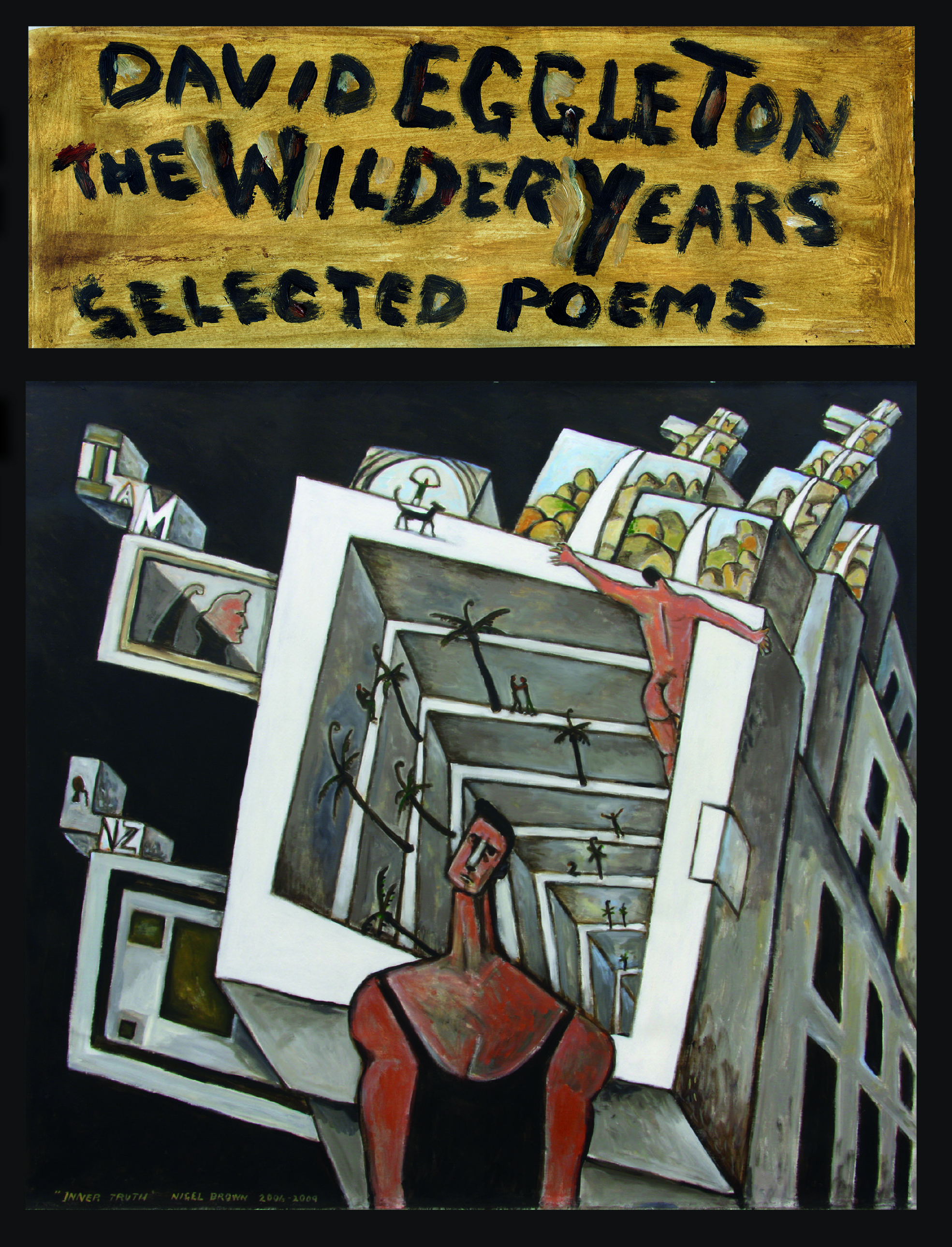
from  The Wilder Years: Selected Poems, Otago University Press, 2021

For a long while I was obsessed with trying to capture a sense of what it felt like to live in South Auckland when I was going to high school there, to Aorere College, and after, as South Auckland began to grow and transform. To me the growth felt organic and holistic and energetic, though in reality it was probably all about developers seizing opportunities as the population exploded. So this poem is made up of memories, disguised autobiography in a way, that are also memories of working-class South Auckland turning into Manukau City, into Urbanesia, and the bright new shopping malls with their air of optimism and calculation, but also there was another side to that: an air of drama and urgency, as city planners tried to figure it all out, funnelling and channelling growth. All a bit crazy, a bit absurdist, but papered over by Granny Herald and the other media of the day.

And the other thing is the exhilaration I used to feel walking along parts of Great South Road with the multicultural goings-on; the sense of unity. Much of that has been lost pretty much, or become something else, because the traffic has grown monstrous and snarled-up, and things seem more jaded and jumbled and isolated rather than unified. Or perhaps my perspective has changed.

But to walk into the CBD was a thing I used to day-dream about, travelling through suburb after suburb, each with its own atmosphere, its place in the class system, its history, its illusions, its characters, friendships and scandals and hopes for the future. So it os partly a collage of treks I made, back in the day. And beyond that there is the rhythm of this poem which picks up on the soundscape of urban Auckland. It’s a patchwork, a collage, a mural poem, held together by the thread of the Road. I like the fly-by, catch-as-catch-can quality: everything is grist for the great windmill of time and circumstance, and the clouds above.

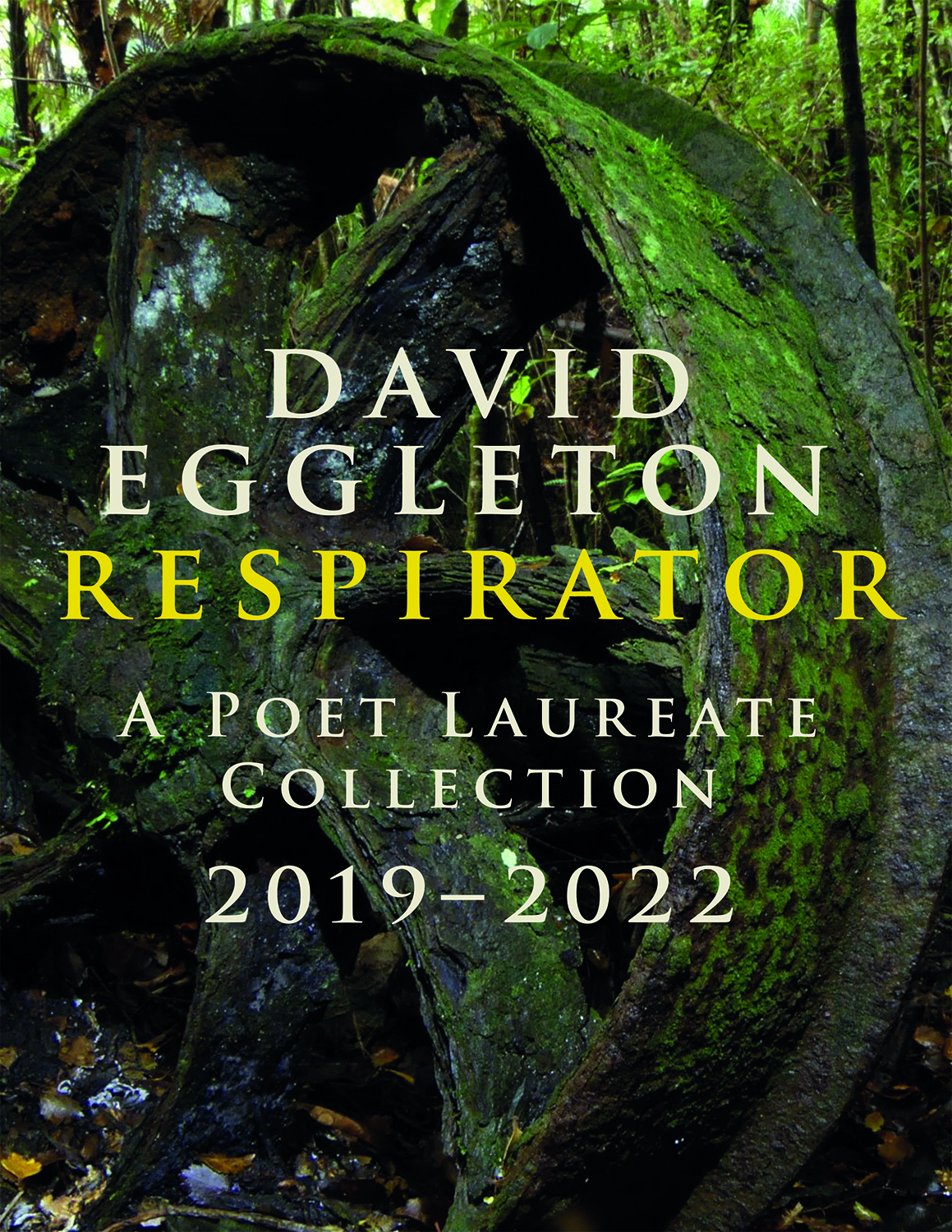
David Eggleton is a poet and writer who, before settling in Dunedin, lived in various suburbs in Auckland, and went to school there. He is the former editor of Landfall and he has published a number of poetry collections, as well as a collection of short fiction and several books on Aoteara New Zealand cultural history. His stories have appeared in a number of anthologies, including Best New Zealand Fiction. His poems have appeared in a wide variety of publications, including Whetu Moana: Contemporary Polynesian Poems in English. His most recent book is Respirator: A Poet Laureate Collection 2019–2022, published by Otago University Press in March 2023.

Favourite Poems is a series where poets select a favourite poem from their own backlist and write a note to go with it.

Poetry Shelf reading: Audrey Brown-Pereira

Photo credit: Jordan Kwan

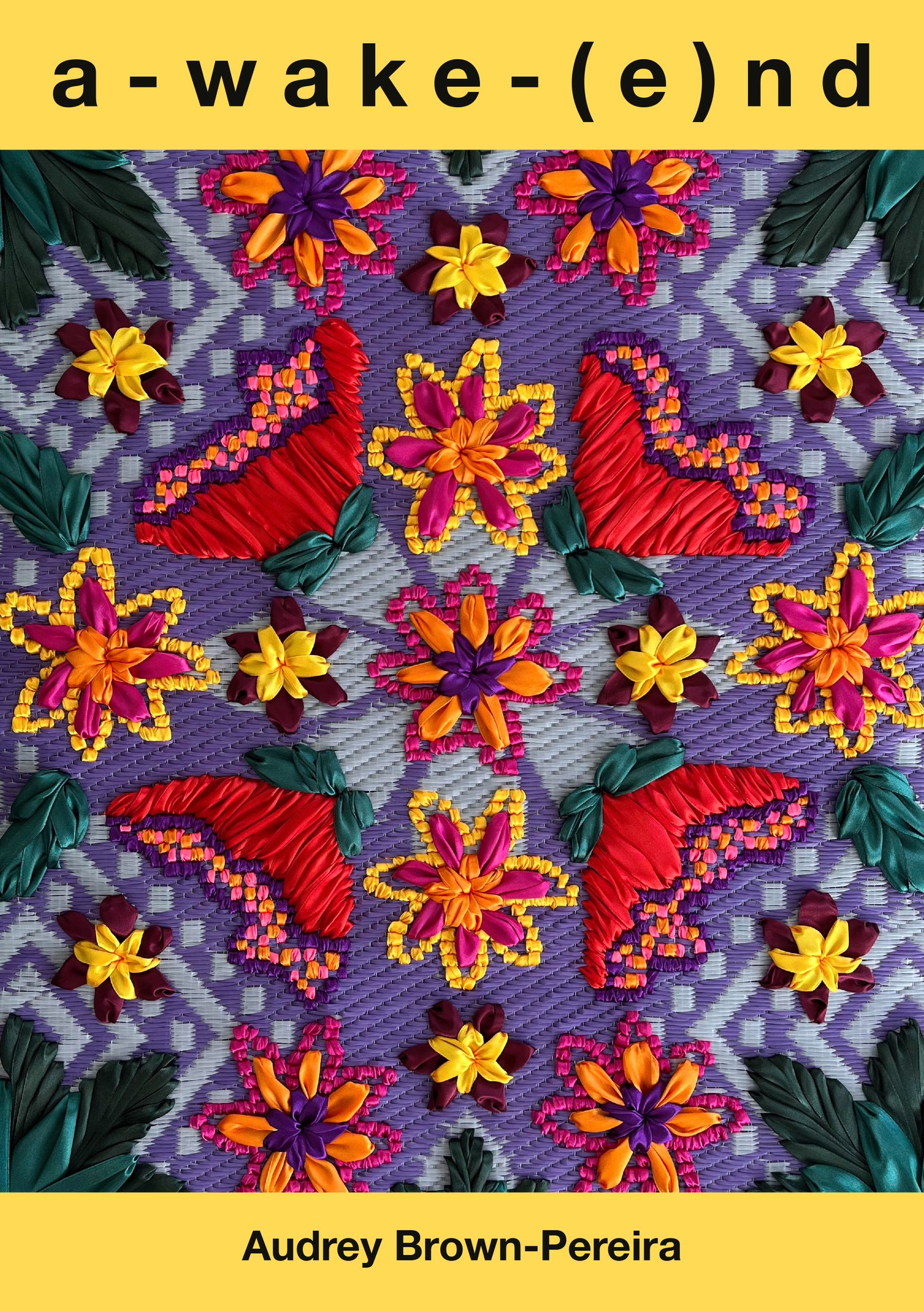
‘a-wake-(e)nd’

‘who are you, where you come from, where you been your ( )hole life?’

‘Wounded: they who become men’

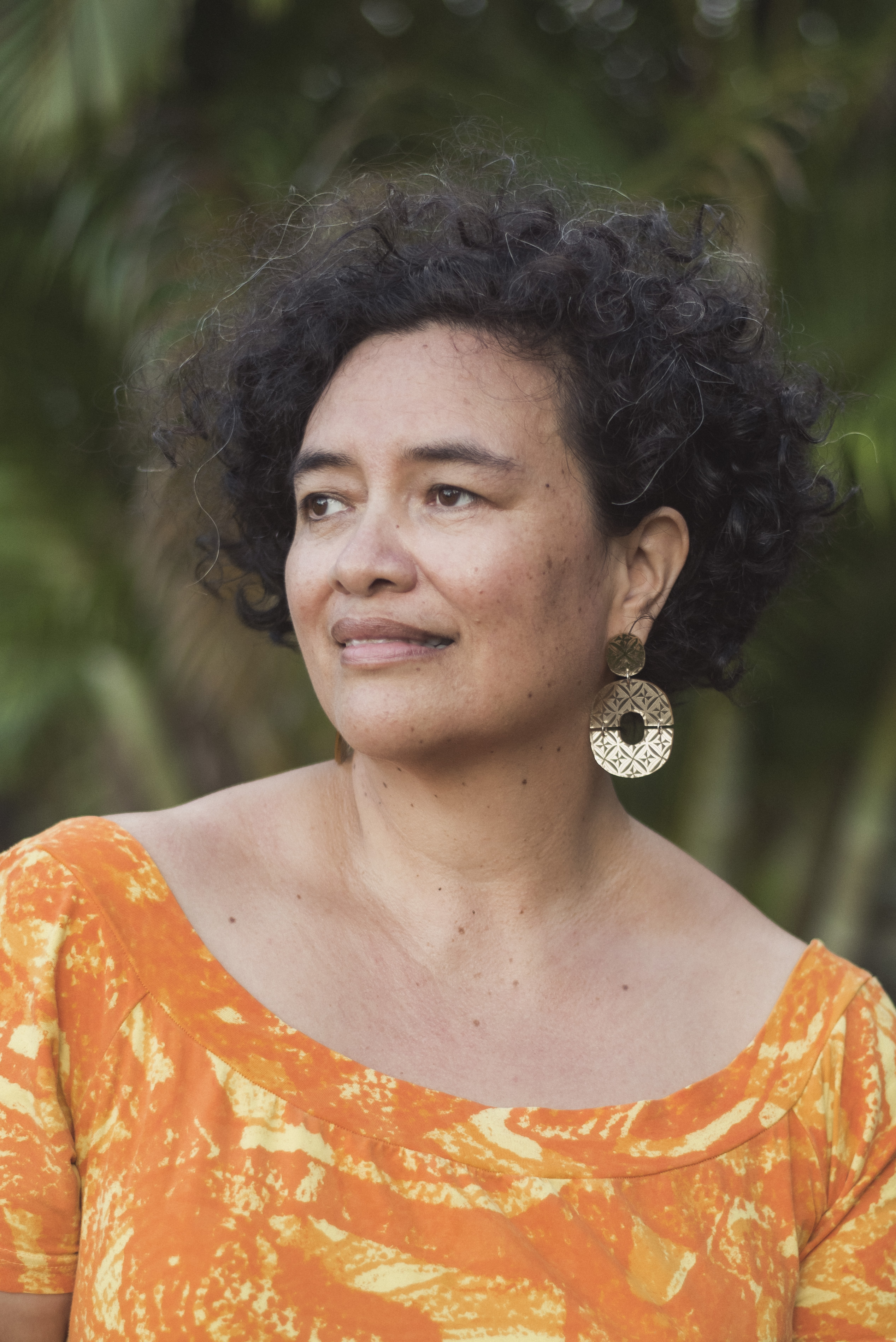
Audrey Teuki Tetupuariki Tuioti Brown-Pereira (1975) is an innovative poet who plays with text on the page and words in the air/ear. Poetry collections include Threads of Tivaevae: Kaleidoskope of Kolours (2002) with Veronica Vaevae published by Steele Roberts and Passages in Between I(s)lands (2014) with Ala Press. Her pieces appear in anthologies: Vā: Stories from Women of the Moana; Whetu Moana; and Mauri Ola and she has performed at the New Zealand Fringe Festival and Poetry Parnassus in London. She wrote the script for the short film The Cat’s Crying with He Taonga Films (1995) and experimental film inspired by her poem of the same name The Rainbow (1997) with Veronica Vaevae. Audrey was the special poetry curator for Mana Moana – Pasifika Voices (2022), a collection of poems and artistic video works, created to amplify and support the Pacific to drive global action to reduce greenhouse gas emissions. Born in the Cook Islands and raised in New Zealand, Audrey lives in Sāmoa with her family. She is a graduate of Auckland University and the National University of Samoa.

Saufo’i Press page

Poetry Shelf Monday poem: Daren Kamali’s ‘Blood Sky Island’

Blood Sky Island

You rose –
From the boiling sea

Hot rocks exploded –
into the atmosphere.

Fished land up –
from bloody ocean.

Waves of fire and steam
Watching Mahuika rise.

She pours lava into the Waitui Atea
Red and orange fill the gulf.

Two nights on this glorious rock
Showered from a basin – outside.

Childhood memories flooding back.
Mosquitoes buzzing in my ear.

My wife said –
This house reminds me of my grandmother

We sat outside and watched the full moon dance –
Till it disappeared behind clouds of grey.

Pele hid her pretty face –
Behind bloody skies

Summer breeze echo’s ancient chants
Of prisoner-built roads and oyster thieves.

We fished for history and tell-tale signs –
That only bare rocks could tell.

We gathered memories –
like harvesting seashells from wharf posts

We sat by the Hauraki Gulf –
On a starry night.

A taki glass between four of us –
Watching boats pass as we fished.

In summer –
This island is 3 degrees hotter.

The sun reflects off the water surface –
I felt my shoes burn.

I removed my shoes and dipped my feet –
In the cool water of the lagoon

This island –
Is Blood Sky Island.

Rangitoto Island.

Daren Kamali

Daren Kamali is a poet, curator, artist, musician, researcher and current Heritage Pacific Advisor at Auckland Libraries. Daren uplifts other communities through projects like South Auckland Poets Collective, Niu Navigations and SPACE (Street Artists and Poets Collective Enterprises).

Daren holds a Bachelor of Creative Arts, Manukau Institute of Technology (2014) and Master of Creative Writing (First Class Honours), University of Auckland (2017). He was the Fulbright/CNZ – Pacific Writer in Residence at University of Hawai’i (2012), and attended the International Writers program – Iowa City, USA (2014). His published works include Bringing back the forgotten ((Un) Registered Savages of Aotearoa, 2021); Vunimaqo and Me: Mango Tree Collections (Kava Bowl Media, 2020); Tales, Poems and Songs from the Underwater World (Anahera Press, 2011) and Squid Out of Water: the evolution (Ala Press, Hawaii, 2014). Daren has also released two albums Bula Aotearoa – Immigrant Story (2000) and Keep it Real (2005).

Poetry Shelf: Hebe Kearney introduces Winter Poetry Mini Festival held across 7 libraries

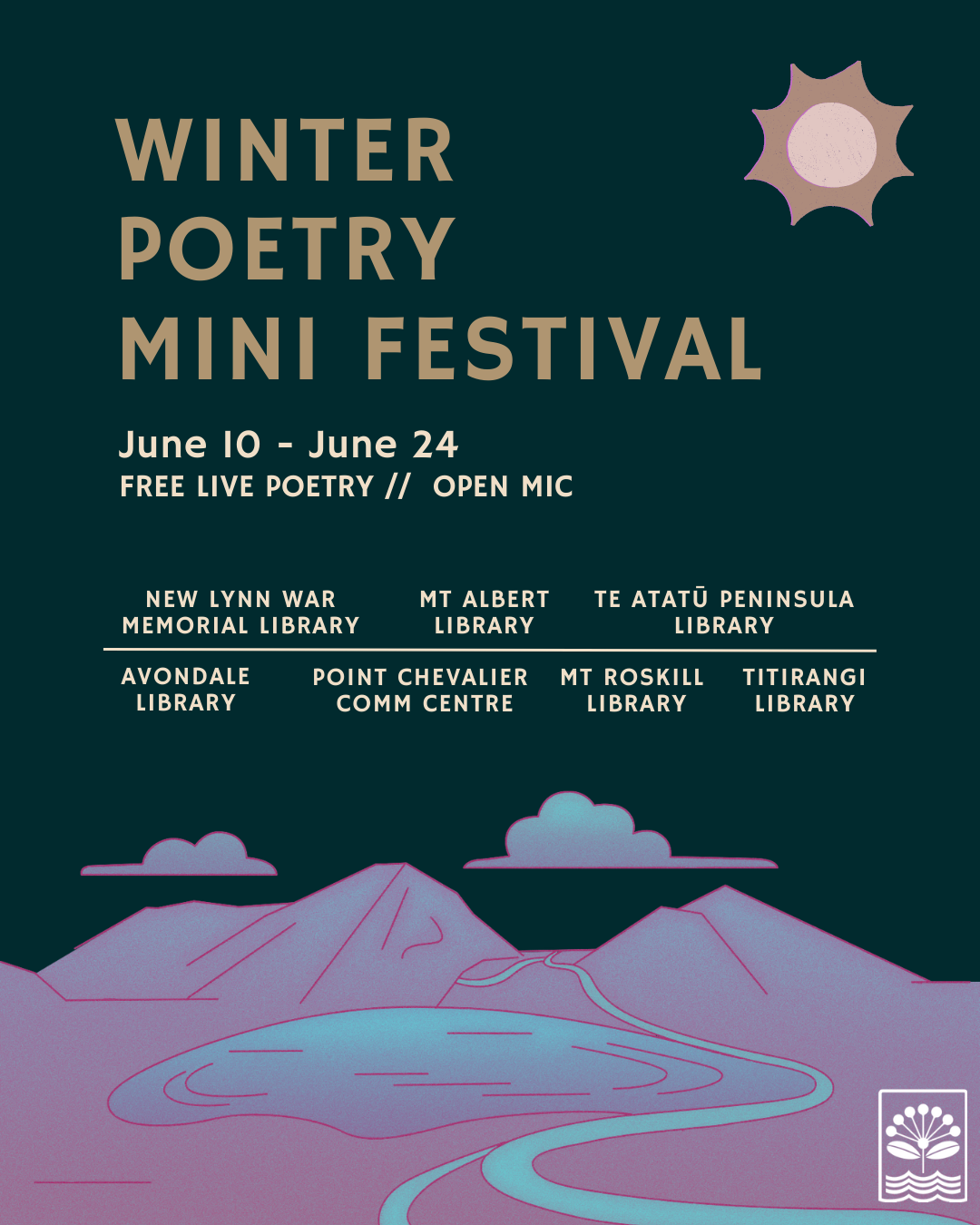
Come along to our first ever Winter Poetry Mini Festival this June!

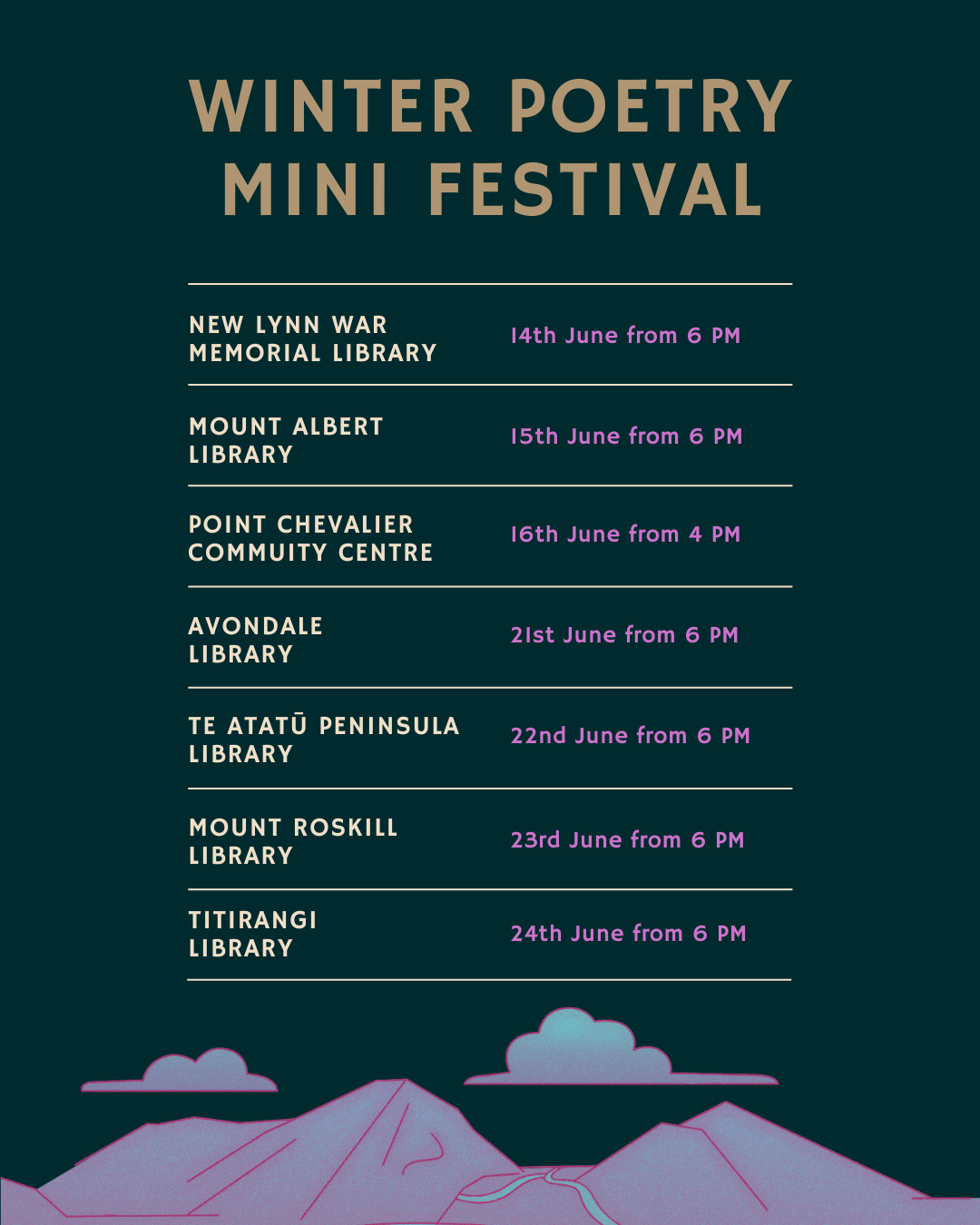
It’s been a rough few months, and we’d like to help battle those winter blues with this free poetry festival! Happening in seven different libraries across two weeks, come and catch amazing performances by local Tāmaki Makaurau poets!

Every library has chosen a theme that celebrates a positive aspect of winter, and a handful of poets at each will read their thematic poetry. Afterwards, the floors will become Open Mics, and we’ll welcome anyone to read, regardless of the theme!

We have many fabulous poets involved in our festival. This includes exciting, emerging voices alongside more established Tāmaki poets.

The poets involved are: 

Amanda Eason / Amanda Joshua / Anuja Mitra / Cypris Afakasi / Dan Goodwin / Divyaa Kumar / Dominic Hoey / Elise Sadlier / Eric Soakai / Grace Shelley / Hebe Kearney / Holly Bercusson / Kate Bodger / Leonie Brunt / Nadine LaHatte / Ngaio Simmons / Piers Davies / Roman Sigley / Tate Fountain / Te Aniwaniwa Paterson / The Titirangi Poets / Zech Soakai / Zephyr Zhang.

Free kai provided; good vibes welcomed; excellent poetry guaranteed.

Liam from 95bFM had a chat with poets Divya Kumar & Hebe Kearney about their Winter Mini Poetry Fest

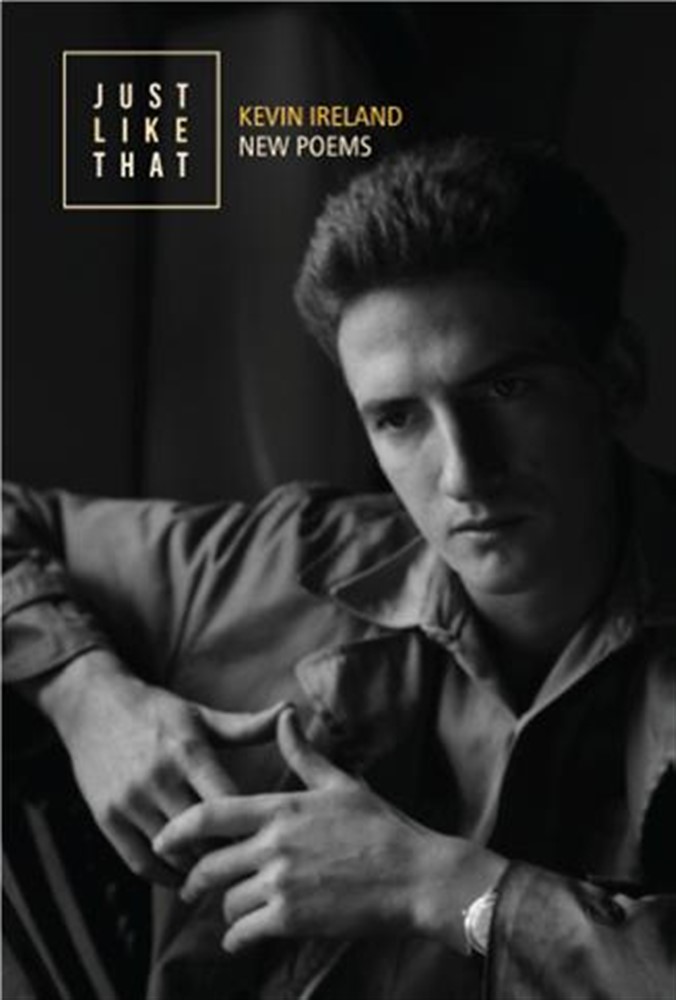
Poetry Shelf pays tribute to Kevin Ireland (1933 – 2023)

Dusky Sounds, 2018

Like many other readers and writers in Aotearoa I was saddened by the news of Kevin Ireland’s recent passing. To see the outpouring of grief and commentary on social media and in print, reminded me of the width and depth of Kevin’s contribution to New Zealand literature. Significant, inspiring, connecting. I want to acknowledge this.

I have eight of Kevin’s poetry books on my shelves, but he published at least 27, along with short stories, novels and memoirs. Quentin Wilson Publishing published the third volume of his memoir, A Month at the Back of My Brain, in 2022. He received an honorary doctorate, the Prime Minister’s Award for Literary achievement in 2004, and the AW Reed Award for his contribution to New Zealand writing in 2006.

Kevin’s poetry reflects the magnetic and insistent pull of writing poems. Writing feels like a necessary part of daily life, and the process of writing, that mysterious and wondrous arrival of words that sing and chime, at times with a cup of tea, at times at a bus stop or in the dark of the night, finds its way into Kevin’s books across the decades. This attention to writing keeps me reading each work compulsively.

From his very first collections, such as Educating the Body (Caxton Press, 1967), Kevin wrote with exquisite economy, deft rhythm and rhyme, unafraid of slender poems, longer poems, the unsaid, the contemplated and the anecdotal. I savour the recurring themes of sea, sky, day and night, sleeping not sleeping, tides and foreign cities, but it is the presence of people who elevate his poetry for me, give it heart: his loved ones, his writing mates, his drinking buddies. He dedicated many poems to other writers to whom he was close such as Graeme Lay, Stephen Stratford, Peter Bland. This matters. It matters that Kevin was part of a writing community, supportive, inspirational, vital.

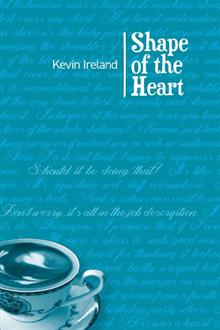
Above all, it was his ability to write breathtaking love poems that has haunted me. He has caught my ear and heart as he wrote of and for the women he loved so deeply. He dedicated his penultimate collection, Shape of the Heart, (Quentin Wilson Publishing, 2020) to people that mattered: his dear wife Janet, Fleur Adcock, Peter Bland, Bernard Brown, Maurice Gee, Vincent O’Sullivan and Karl Stead. He wrote of these friends ‘who have challenged, laughed, disputed, enriched and always entertained by turning words and ideas on their heads’.

To have taken my time to anchor within, and then find uplift, as I read the eight poetry collections feels like a private mourning, a personal celebration. Now when I want to speak of what Kevin’s poetry does, the words are like slippery eels in the night that skate and slide and feel inadequate. Instead I hold out six poems for you, as a tribute, as a eulogy, as an invitation to choose a poetry collection by Kevin, pick a private nook or cranny, and nestle into your own reading anchors and uplifts.

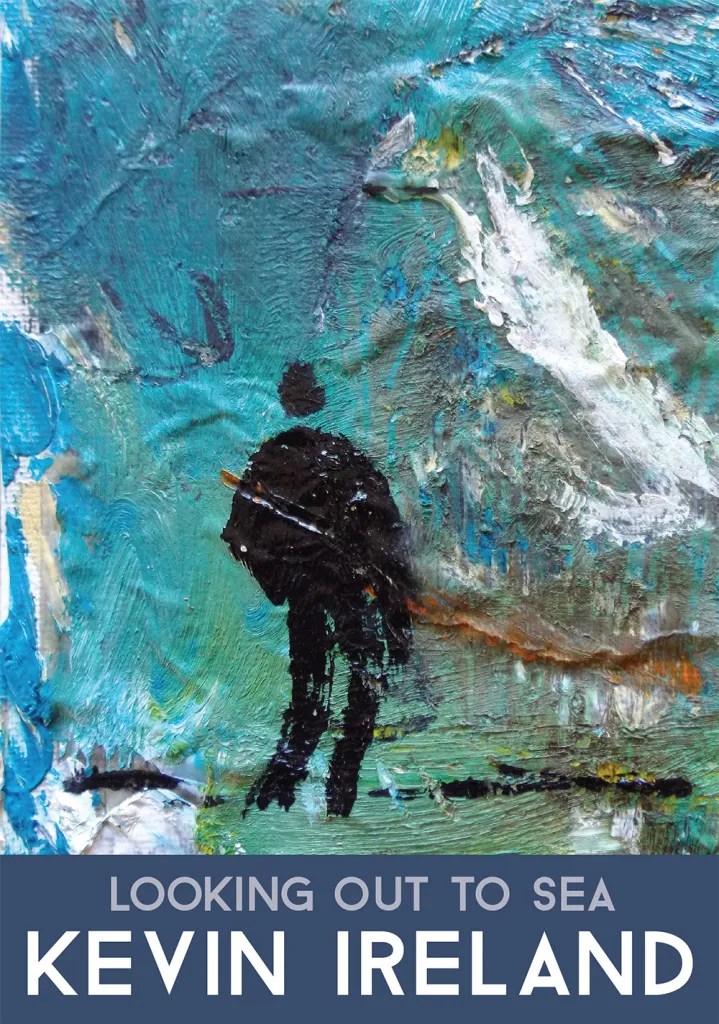
Kevin’s estate and publishers have kindly given me permission to share six of his poems. I have also included the review of Looking out to Sea that I wrote for The SpinOff in 2015.

My thoughts and best wishes are with Kevin’s loved ones, his family and writer and reader mates.

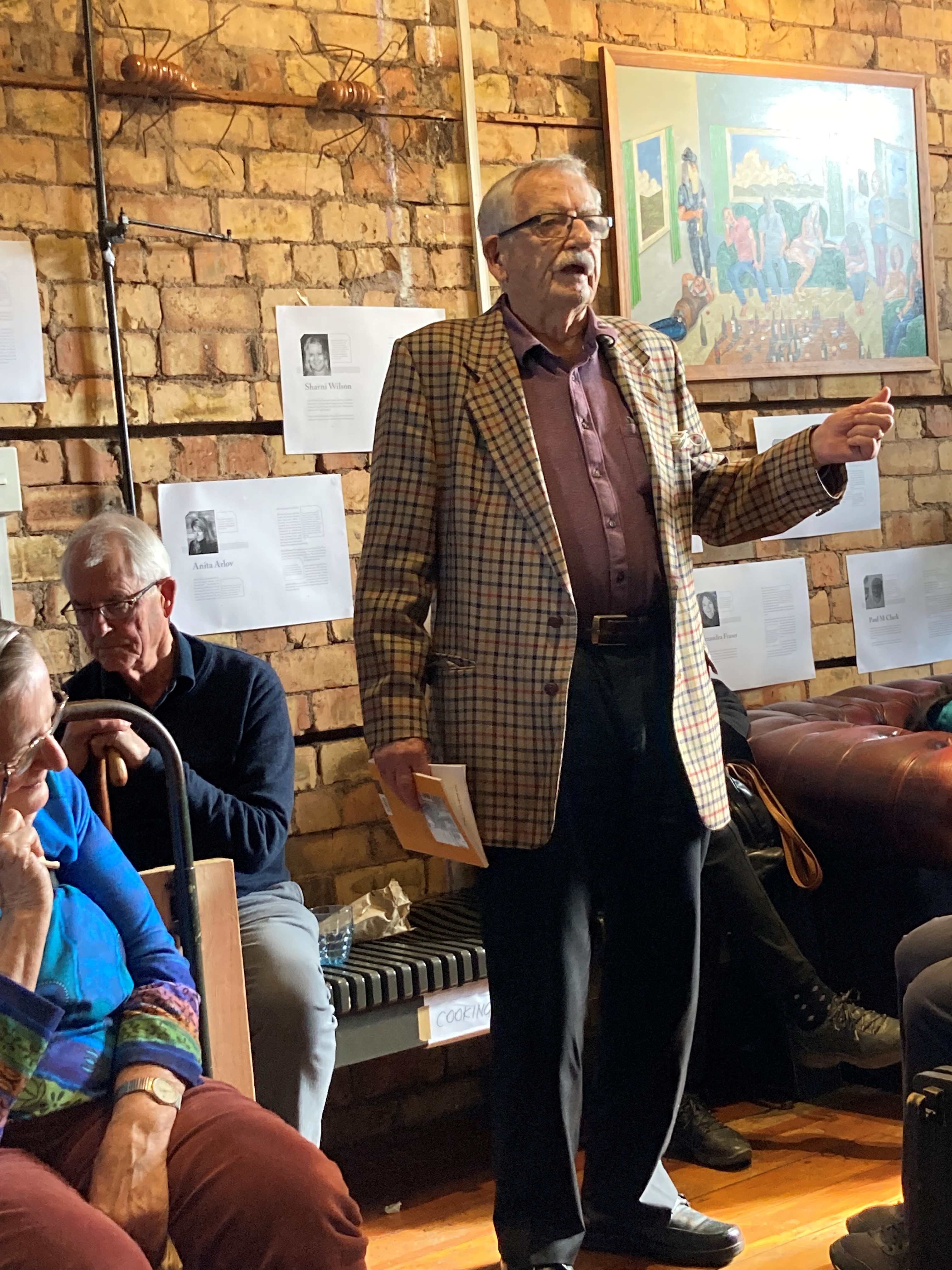
At the launch of Roger Hickin’s Roderick Finlayson, A Man from Another World 
at Timeout Bookstore, Auckland, 15 October 2022

The Poems

Choosing Words

Words are like trees. They come in all shades
and surprises, fingering through the Braille
ridges and crevices of rocks, and groping
through dirt and dust and shreddings.

The roots of words grip the dark depths
of our history and cluster high above us
to spread canopies that shimmer in the light.
Yet we can lose ourselves in words.

We must find paths through confusions
of letters, for words become jungles filled
with mad-eyed beasts. Stand still and clichés
grow between our toes. Move timidly

and we step straight into thickets
of expressions that may cut us to the heart.
Words can grow inexorably and straight
or they may bend on every small breeze.

When we use words, we should choose
those that are green and supple, and weave into
boundless connections. We should never
box words into life sentences.

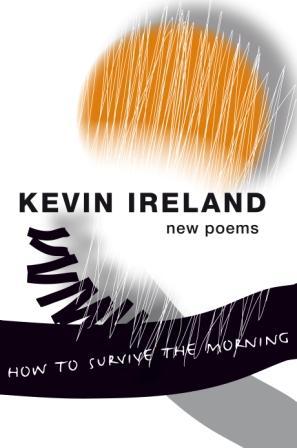
from How To Survive the Morning, Cape Catley Ltd, 2008

The Wish

She asked me what
I might desire:
her flesh, her mind,
her eyes of fire?

I asked one wish
and one alone:
a kiss, a leaf,
a river stone.

From these I’ll build
a wall that’s vast,
a roof above
and love that lasts.

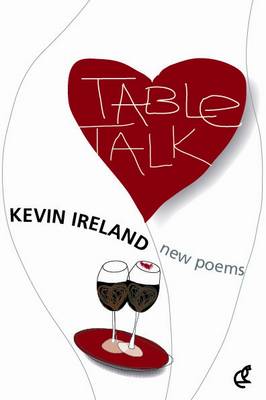
from Table Talk: New Poems, Cape Catley Ltd, 2009

A room with more than a view

Let me describe the room in which I try to work.
It has a desk, a chair, a cupboard — and the walls
have shelves, photographs, notes, paintings
and cartons. There are books and papers
strewn or stacked and tumbling everywhere.

For decades I have managed to avoid the oppression
of this mess by gazing though a window
at the far worse clutter of the view outside —
the shambles caused by tangled branches,
clouds, birds, falling leaves — and always

by the reckless carry-on of weather.
But never had it crossed my mind that out there,
one day, I’d endure a baffling and alarming
and deliberate attack. Yet through the glass —
so I can now record — the world I looked on

has turned out to be enraged, malevolent
and treacherous. A virus stalked the shadows
in our gardens, skulked above the trees,
leapt from roof to roof and stole across back fences.
It slithered, unmasked, up the driveways

to our houses and puffed through all our keyholes.
I had to close the curtains for the first time ever
then firmly shut the door. I’ve had no option
but to shift the desk — and I’ve confronted
face-to-face at last, the chaos that is mine.

from Just Like That: New Poems, Quentin Wilson Publishing 2021


Happy Days

for Bernard, Graeme, Peter & Stephen

It is impossible to imagine gatherings better than this:
ace company, best jokes, fine lunch, quality wines —
plus quips, absurdities, anecdotes, games, inventions
and outrageous bulletins from the shifty borderlands
between experience and the imaginary, though fortunately
too late and far too unlikely ever to be acted upon —

then Pete declaims his latest transcendental poem,
an ode to mystery, sorrow, joy, love and the everlasting,
which grew inside him yesterday glowing
with petals of flame inside his head in Prospect Lane.

Where all this goodness goes to after we’ve used it
only for the afternoon is a mystery to me.
We should build libraries of Happy Days free to borrow
in every High Street worthy of the name.

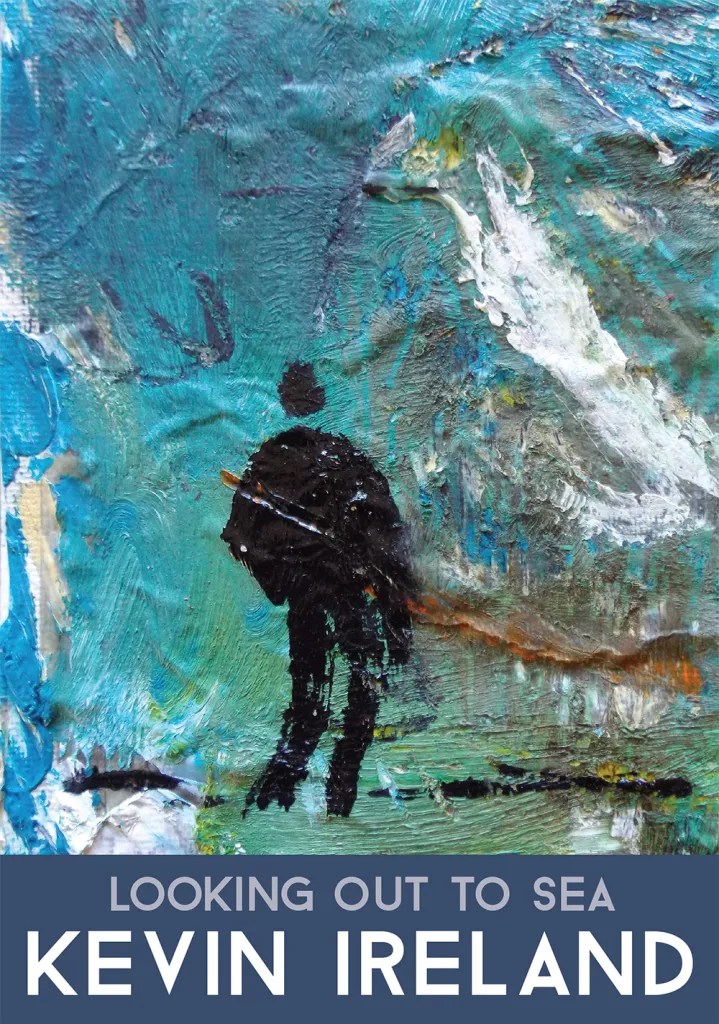
from Looking Out to Sea, Steele Roberts, 2015

Poems in the night

I found it hard to sleep last night
so sometime in the darkness
reached out from the duvet
to the toppling pile of books
I collect beside the bed.

Perhaps it was something
I had eaten. Too much cheese.
Or possibly the wine.
But I couldn’t work my way
into the lines I read. I thought

the books were far too tangled
and the writing came with effort —
which has its virtues, yet overdone
turns pages into cabbage
steamed far too long.

You sleep till daybreak better
when you dream of eyelids opening
to a poem in the waking moment
when they’re breathed on softly
by a single fluky word.

from Shape of the Heart, Quentin Wilson Publishing, 2020

A going away poem

All poems end in a blank space
at the foot of a page. Sooner or later
the lines will fail to link and the words
will excuse themselves briefly
by telling you they may be some time
as they set off into a frozen white-out
of end-papers and are lost to all sight
except for the tell-tale last tracks of ink.

This one will soon enough give up
and lay down its head in the snow.
These black marks will be all
that remains of its impossible journey
to signal that you will be missed
even more than i ever dare think.

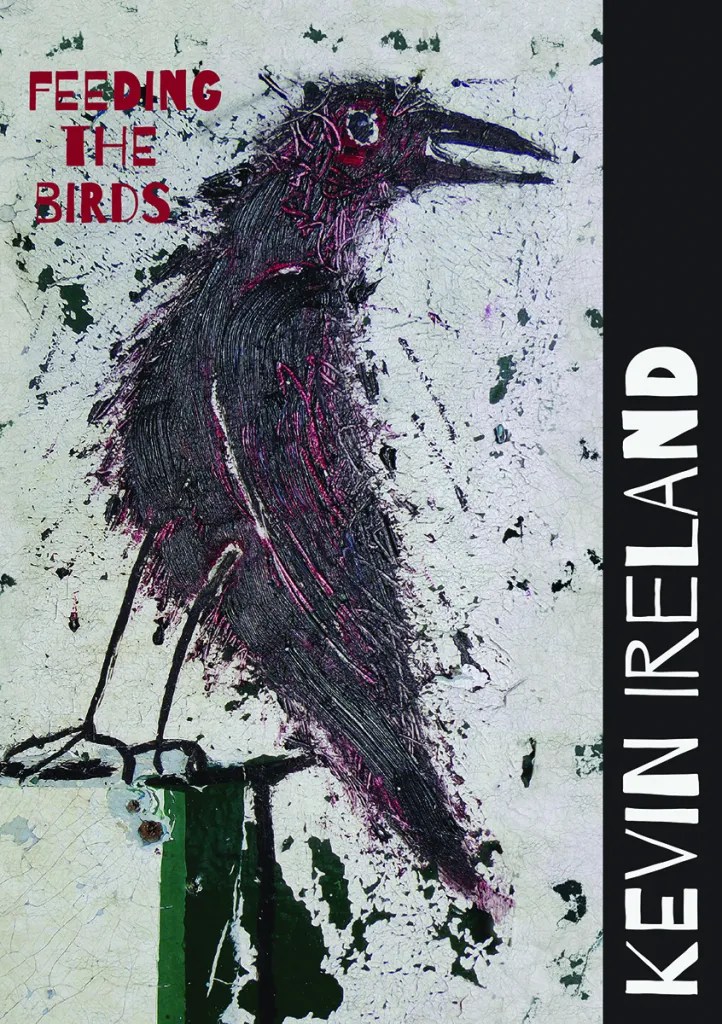
from Feeding the Birds, Steele Roberts, 2014


The Review

Looking Out to Sea, Kevin Ireland, Steele Roberts, 2015

Ireland’s collection is pitch perfect – a keepsake album that stands head and shoulders above his last few collections. It gets under your skin with its vulnerability, tenderness, sure-footed lines, edgy admission, witty scrutiny. Ireland is the miniature storyteller, the inquisitive archaeologist, a part-time philosopher as much as he is a keen wordsmith. The end result: poems that engage thought as much as heart and lines that stick.

The title poem (an elegy for Ireland’s brother) is looking back to sea as much it is looking out to sea. The book features poems with a backward gaze and a sheen of nostalgia, but the little switches and shifts lift the commonplace memory to one that moves profoundly. In this example, the competitive youngsters skim rocks over the pool, the pool becomes beer, the beer becomes dream and the ocean takes over:

In my sleep we were sipping his home brew silently
in love and peace when we heard the tide change
with a swish of seaweed and a lapping of water
against the black edge of the reef.

Younger selves overlap aged self (‘unreliable and unfocused’) as Ireland digs deep. He owns ‘up/ to the dozen or possibly the score of beings/ I know I tried to be.’ The personal becomes universal in the light of departure, loss, hunger, affection, love. Always love, and that, to me, is the vital pulse of the poems.

A number of poems pivot upon the whole business of writing poetry – poems are elusive, comforting, necessary. To keep returning to such notions might become tiresome, but Ireland finds a different slant each time. As much as this is a keepsake album for those he cares about, a love handbook if you like, this is also a pocket guide to poetry. I was particularly drawn to ‘Another one that got away,’ where Ireland compares an elusive poem to his old man racing for the bus at the last minute, and then just catching it in the nick of time. In the final lines, you meet the switch, the shift, the bit that startles and glows:

It’s the itch that’s always at work
under the skin of settled existence.
Or was, in my youth. Now it’s the poems
that rise early and go streaking away.

Every now and then I hit a collection that I want to write about for hours – to salute the way simplicity and complexity melds a satisfying poetry brew for ear and mind. This is one of them. At one point Ireland offers, ‘losing one’s bearings everything makes sense.’ He has no sure map to his past; he has fudged co-ordinates, the confession that you are never too old to love, and an ability to make a single line sparkle. I love this collection.

Full review available at The SpinOff

Poetry Shelf review: David Eggleton’s Respirator: A Poet Laureate Collection 2019 – 2022

Respirator: A Poet Laureate Collection 2019 – 2022, David Eggleton
Otago University Press, 2023

The history shut up in the book
of a tree opens out in the shape
of a house that sways like a stout
three-master far out at sea.
The arboreal lifts from its foundations.
Between dripping leaves the trees
become hundreds of stairwells
and eaves that lead up to the stars.
Remove an eave when it gets stuck;
it’s stripped back to its bare frame,
carved up and trucked off to a lifestyle block.
I am, sang the frame of the house.

from ‘Sawmill Empire’

Otago University Press has produced a beautiful book to mark David Eggleton’s tenure as NZ Poet Laureate (2019 – 2022). A hard cover collection with exquisite paper stock and excellent internal design choices, it is a book to savour over a long period of time. Most of the poems were written during David’s laureateship, but also during a Fulbright-Creative New Zealand Pacific Writer’s Residency at the University of Hawai’i in 2018 and a short residency at the Michael King Writer’s Centre in Devonport in 2020. A handful of poems were commissioned, such as ‘Hone’, ‘What the Future Holds’ and ‘Te Wheke’.

The Respirator represents the work of a poet writing at his very best, perhaps a fitting endorsement for the benefits of residencies and laureateships for writers. When I got to the end, I decided I wanted to listen to the whole collection as an audio book. Imagine being able to get audio versions of poetry collections we love. David’s writing is like a musical score: distinctive, deft, diverse in melody and sumptuous in aural effects.

While the collection is divided into seven discrete parts, there is a steady transmission of motifs, moods, ideas and form that echo and overlap, that loop and arrest. The opening section, ‘Circle’, is prismatic in its move across land and sky, foundation myths and history, and then wonderfully, heart-catchingly, the larger focus gives way to the small, the walnut, common clay or the white butterfly. The poems trigger a mysterious heart reaction, as you move from melancholy to transformation to moodiness. These poems emanate, think pulsate, from the sweet alchemy of making a poem. I had to put the book down for a week and let the poems simmer.

Young moths rustle mottoes of dust under
hard rustle of flax, clusters of cracked pods.
An old wetā trawls a sea of forest fronds.
Wasps weave and wrap their pollen trails
over briars loaded with black blood drops
heavier than hearts can bear, for the trees
are our parents’ parents (…)

from ‘Generations’

The second session, ‘Rāhui’, comprises one longer poem: ‘Rāhui: Lockdown Journal’. David’s laureateship was extended for a year due to the Covid restraints but I wondered how the pandemic affected his writing. It was a pandemic that, for awhile, seemed to reshape every nook and cranny for our lives. ‘The poem journal ‘Rāhui’ returns me to a time of daily briefings, the kindness mantra, cancellations, ghost cities, a new lexicon, re-evaluations. David ends his lockdown sequence with this line: ‘A poem is a kind of respirator.’ And writing (and reading) poetry becomes breathing apparatus, a survival aide, ebb and flow, rhythm and time keeper. It felt settling to have what is now distant occasions drawn close, especially when Covid still stalks and destabilises our communities.

I found myself wallowing, perhaps luxuriating in the pitch perfect lines, in the fourth section, ‘Old School Ties’. Other writers are saluted, writing elders such as James K Baxter, Frank Sargeson, Karl Stead, Hone Tuwhare. His tribute to the latter is incandescent with aroha, verve, admiration. The poem, ‘Sounds of the Sixties’ is a terrific ear-boosting, multi-layered incantation of a particular time, and just with the lockdown journal, David transports you to the thick and pumping heart of an extraordinary elsewhere time in which, like me, you may have lived.

I’m listening to Janis wail, Get it while you can,
and to Mister Mojo Rising, the Lizard King,
who broke on through Blake’s Doors of Perception.
Martin Sharp covered Cream’s double album in silver.
When boiled Cona coffee grounds simmer down,
the air-con still wafts cool from the mezzanine lounge,
all through 246 Queen Street up to his Lordship’s.
On black and white TV, we watched Town and Around,
and Martin Luther Ling’s mourners bearing witness.
San Francisco was where you wore flowers in your hair,
while Jefferson Airplane sang, Feed your head.

from Sounds of the Sixties’

David has never shied away from politics or protest, and politics and protests are both overground and underground threads, vital, challenging, necessary – from the avarice of capitalism to the smash of climate change as we desperately learn to convert words into substantial action. Speaking out matters. Political poetry matters. Shining lights on things that need changing in the form of a poem matters.

In some ways I see this as a transformative book of odes, tributes to who and how David is, and who and how we are, from the miniature to that shifty old dog, the universal. There is a moving section devoted to the ‘mana of whales’. There is a rich vein of poems dedicated to the Pacific, especially in a series written during his time in Hawai’i. The final section, ‘The Wall’, is almost like an ode to books, to the power of books, in all shapes and sizes.

The Respirator is a joy to read. It is precious testimony to the power and reach of poetry, to the essential role of our Poets Laureate.

I want to write a poem
                              like a rusted car wreck,
                              like a collapsed bridge,
                              like a random punch,
                              like a sly foot-tap,
                              like a Māori haka,
                              like a fresh death mask,
                              like peel-off future proofing,
                              like the smile of a stolen girlfriend,
                              like the scent of Adieu Sagesse,
                              like gravestones, like time-bombs,
                              fractal geometry, orchestra tom-toms.

from ‘I Want to Write a Poem’                             

David Eggleton (Rotuman Fijian/Tongan/Pākehā) has published ten previous poetry collections. He is a six-time winner of the Montana Reviewer of the Year, and a former Robert Burns Fellow at the University of Otago. He received the Prime Minister’s Award for Literary Achievement in poetry in 2016, the same year that The Conch Trumpet won the Poetry Award at the 2016 Ockham New Zealand Book Awards. From 2009–17, Eggleton was editor of Landfall. He received the 2018 Fulbright-Creative New Zealand Pacific Writers’ Residency and served as the New Zealand Poet Laureate 2019–22.

Otago University Press page

David Eggleton’s Poet Laureate page